Culture
Documentaries Are Booming — Here’s Why We Can’t Get Enough
Filmmakers, professors and industry professionals weigh in.
By Maria Sherman
March 2, 2022
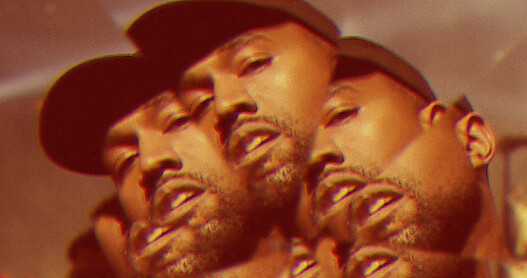
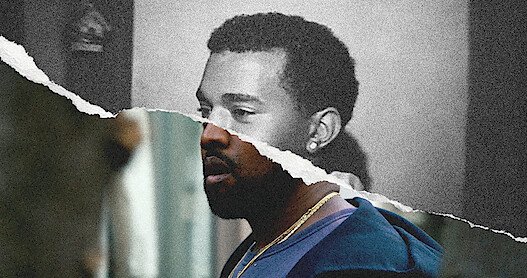
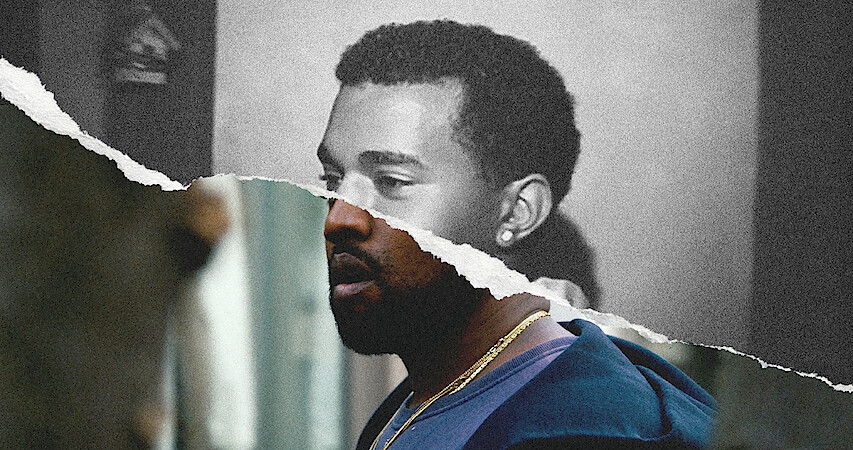
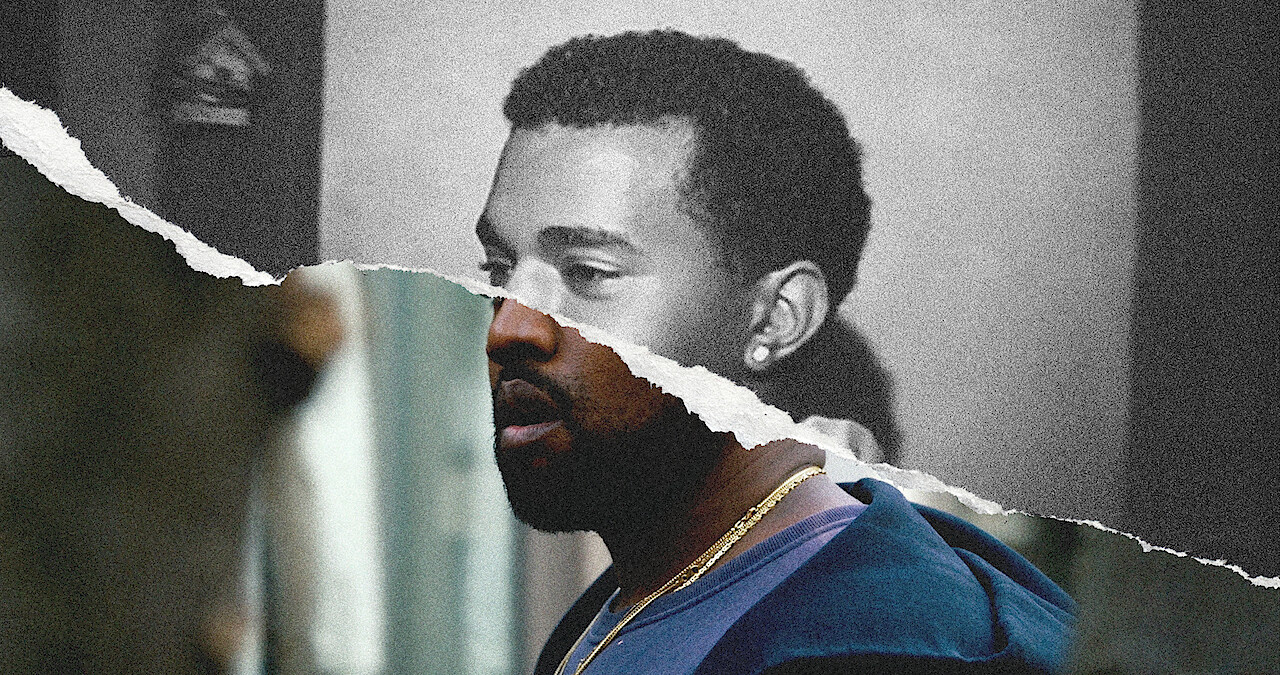
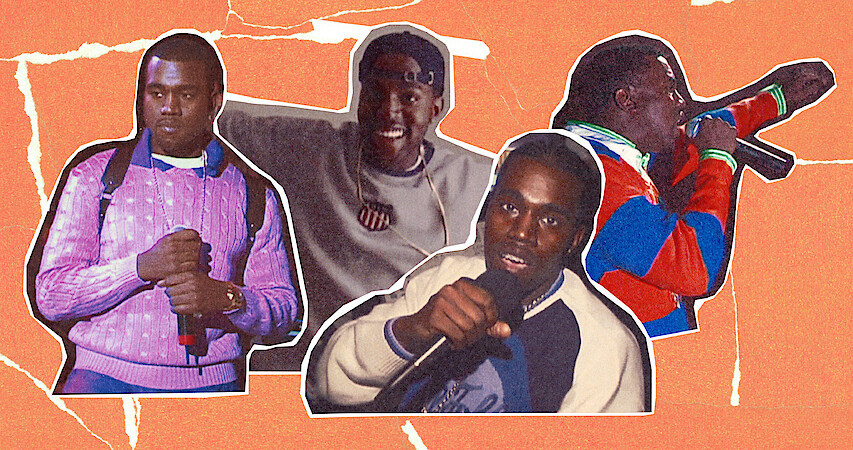
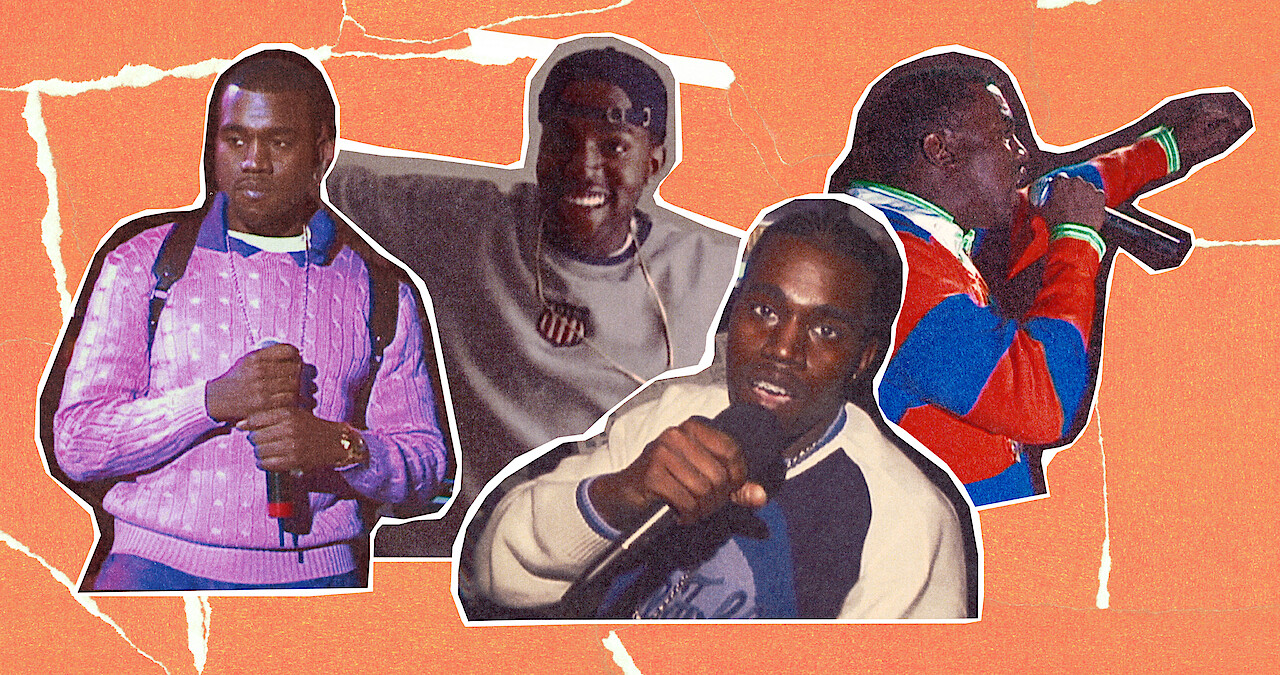
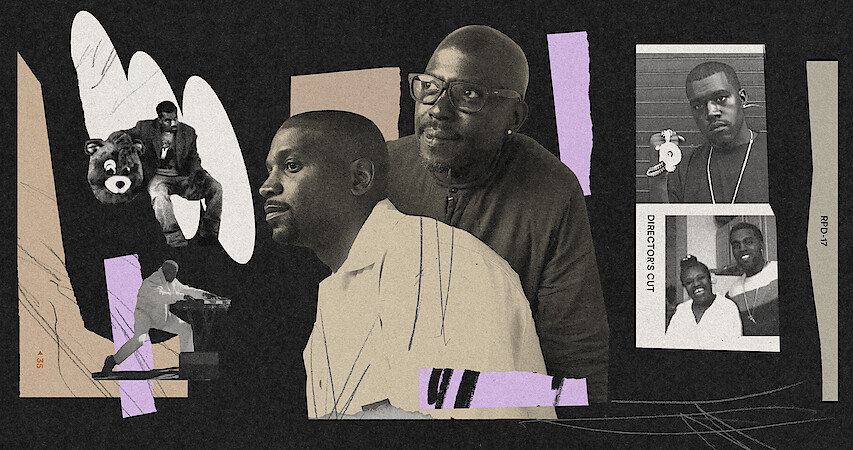
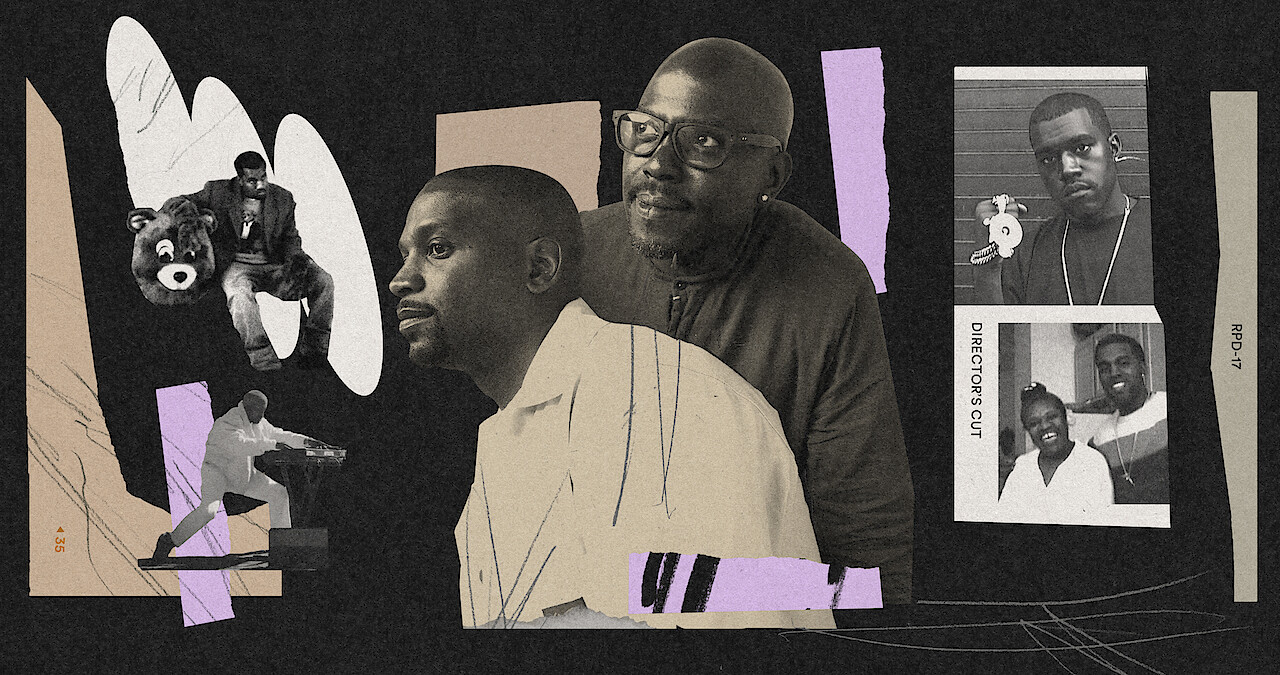
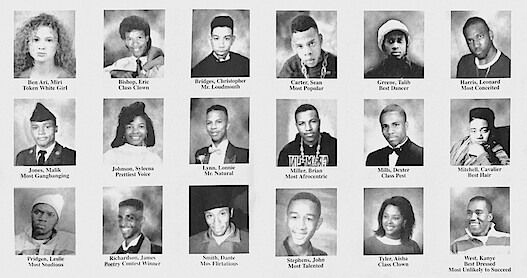
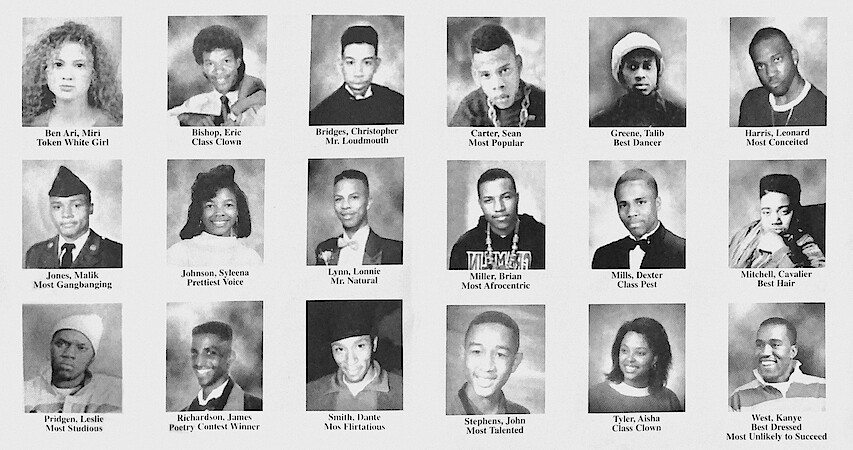
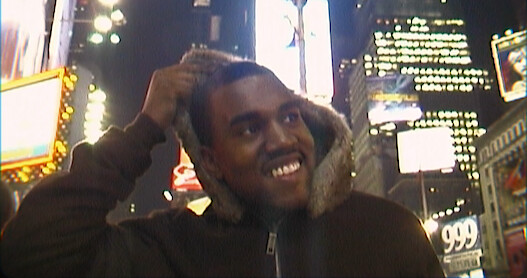
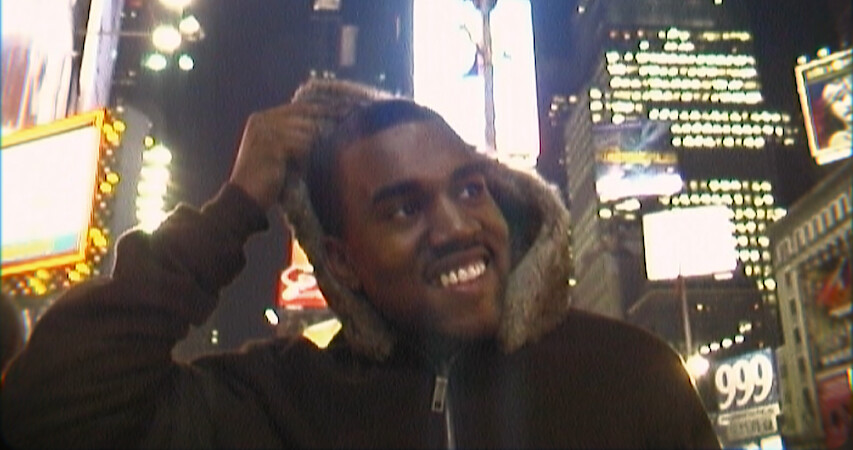
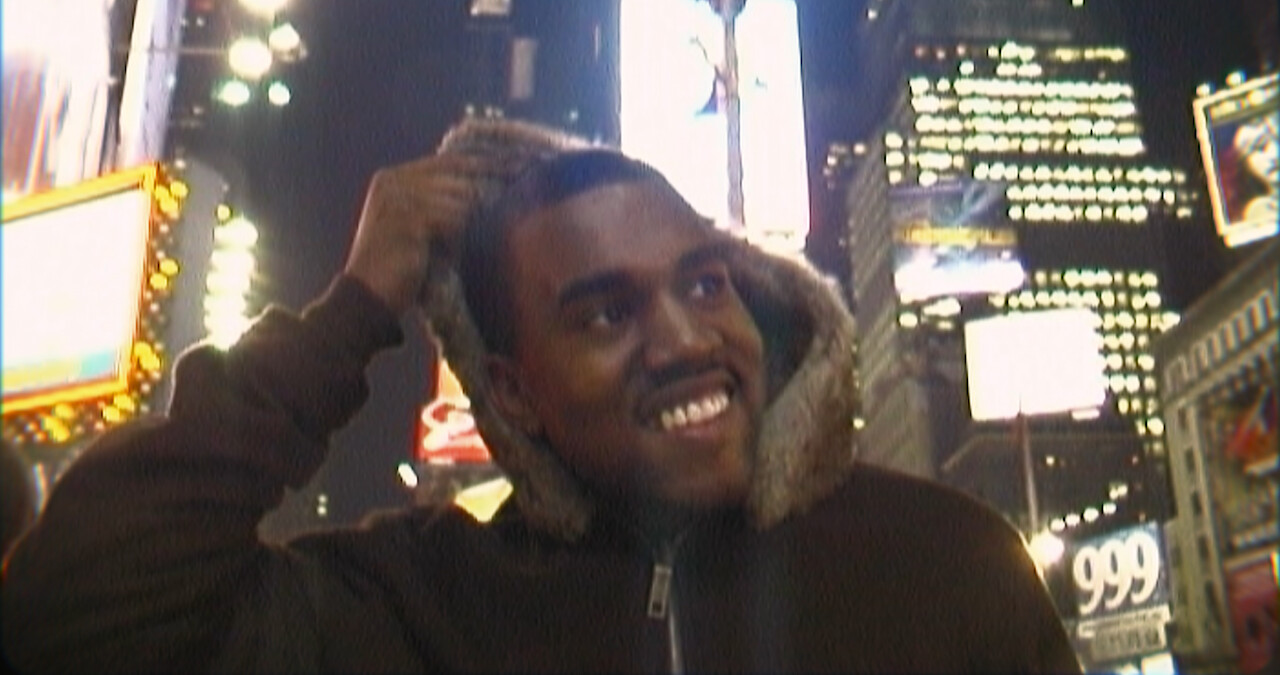
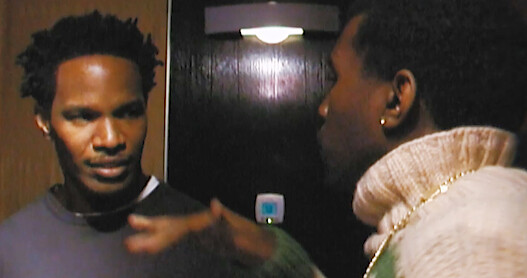
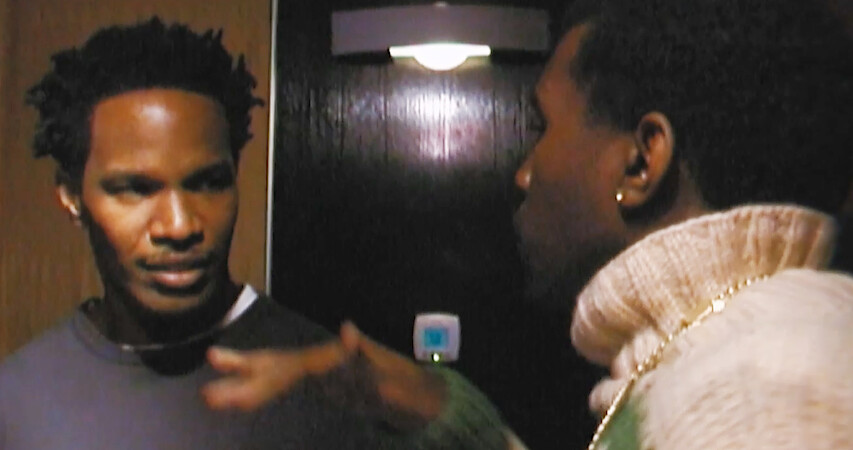
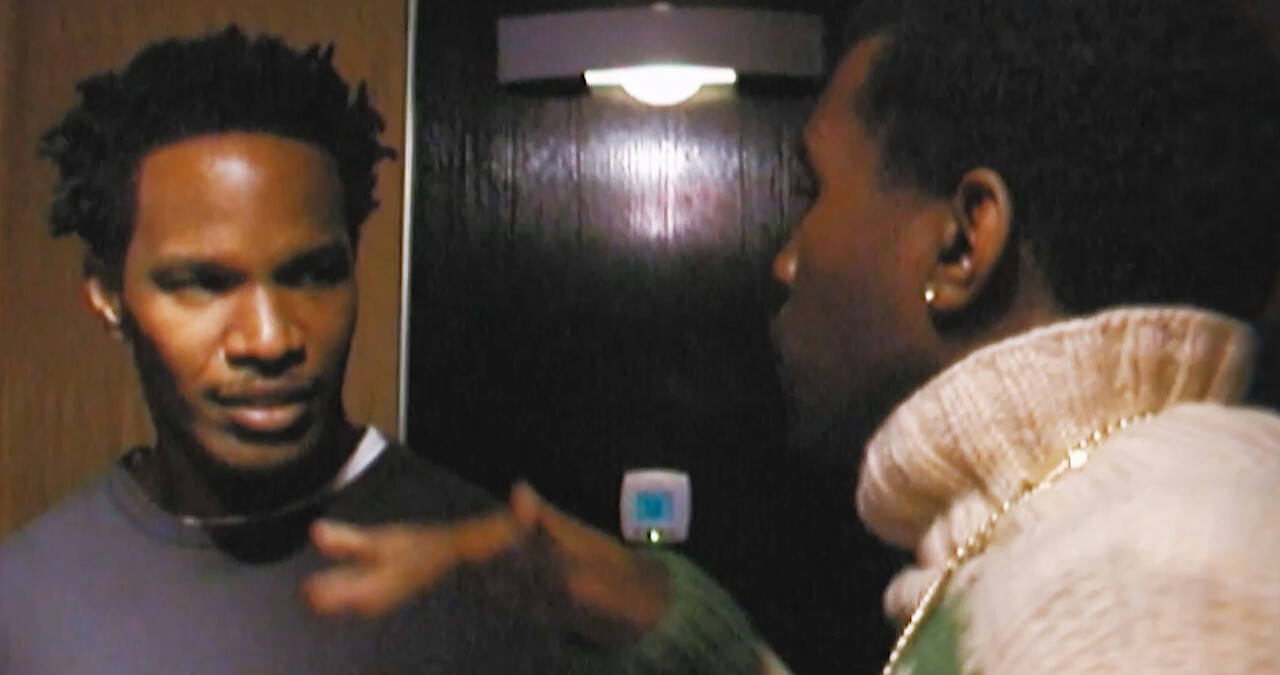
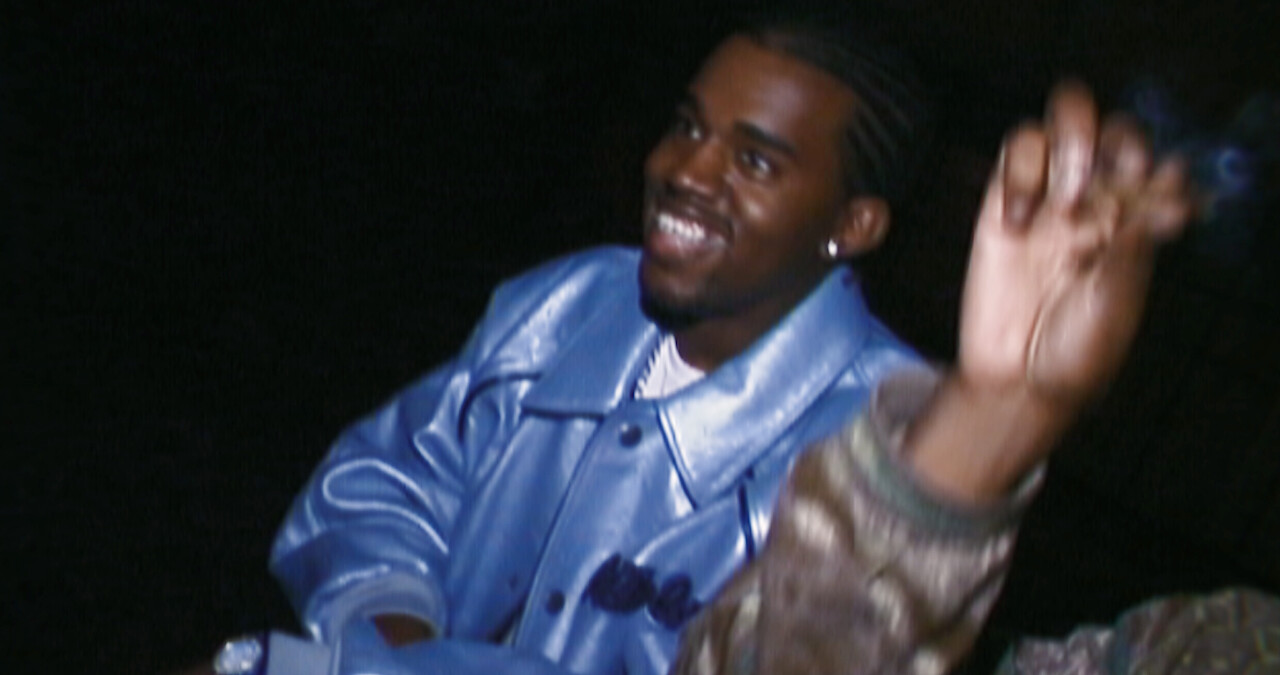
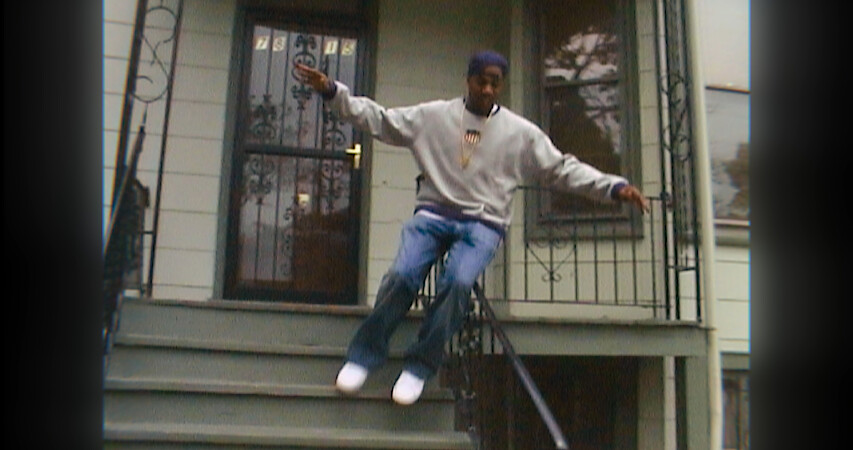
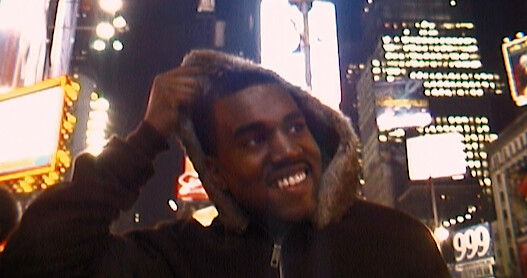
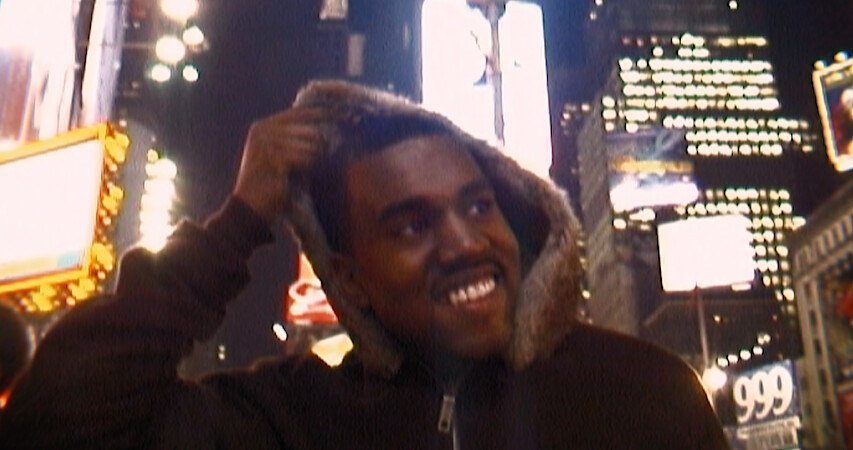
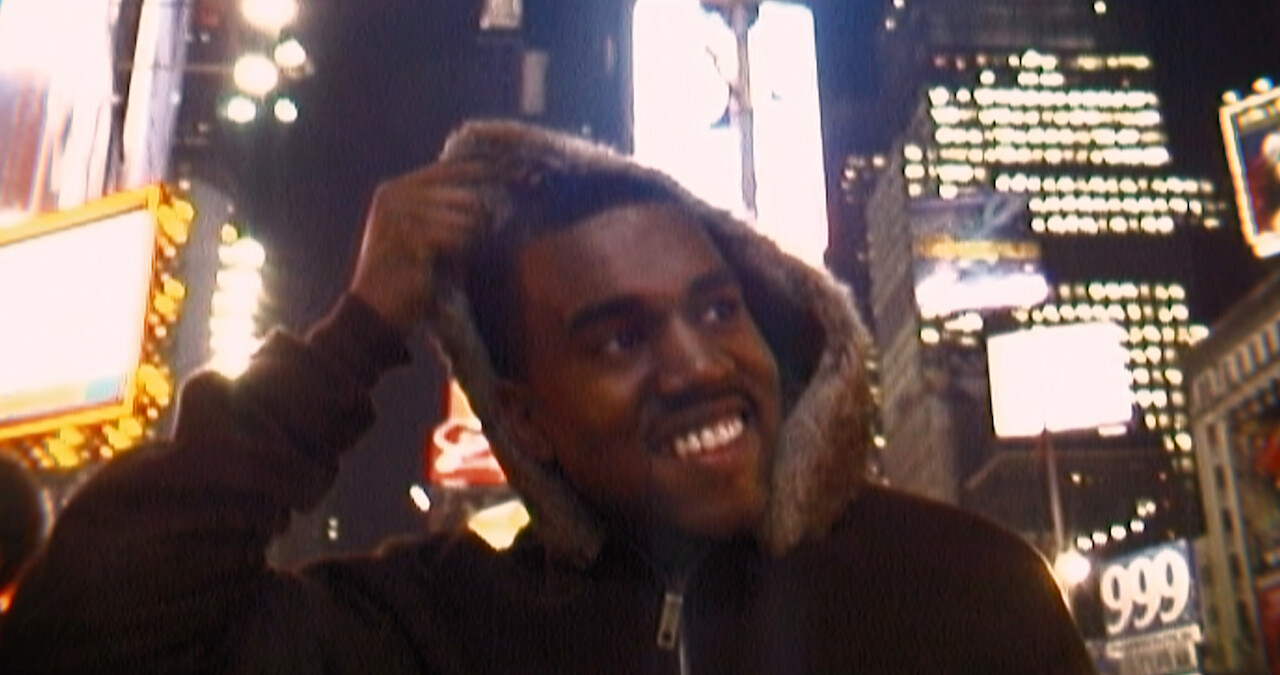
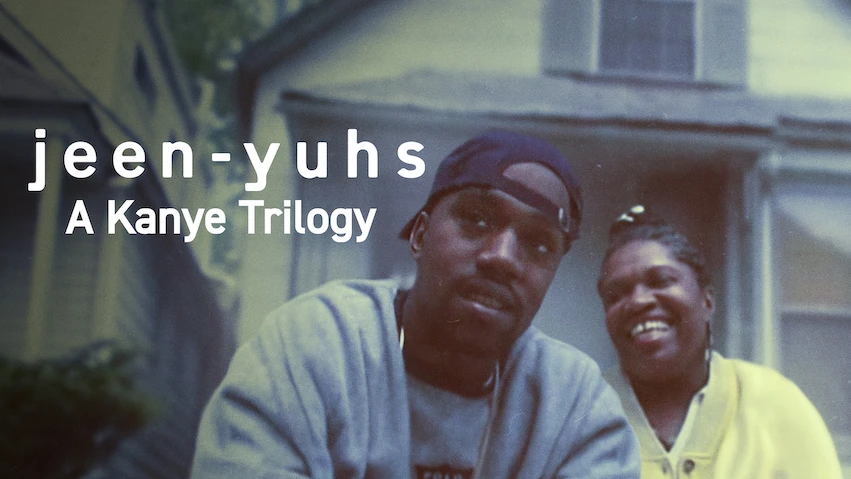
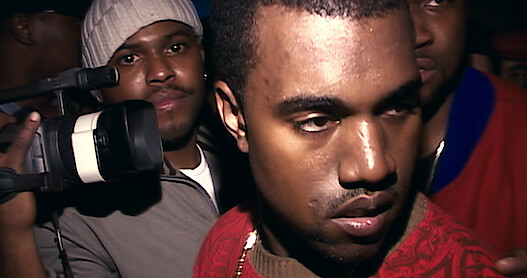
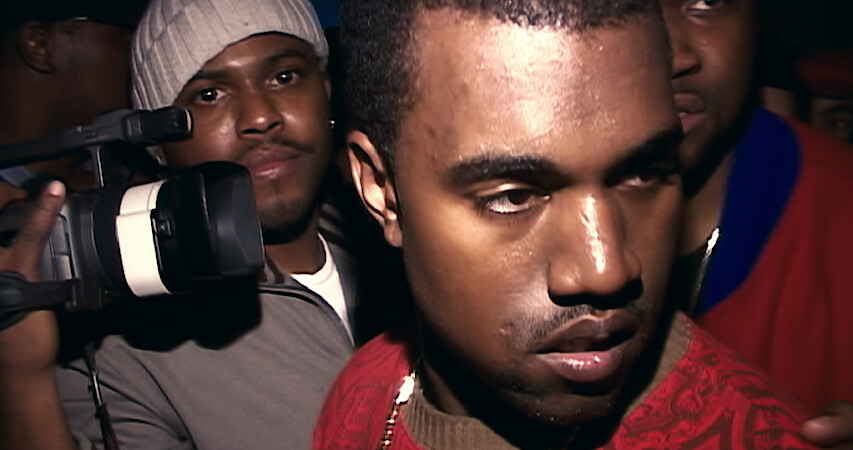
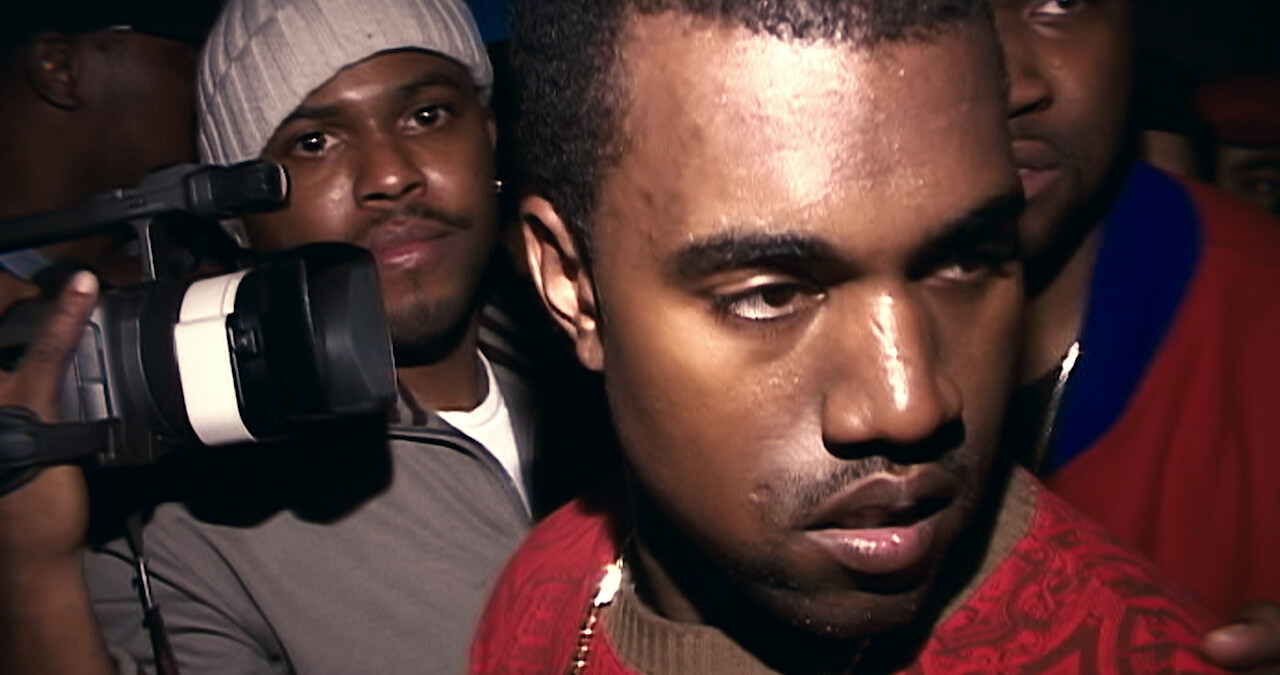
There’s a moment in jeen-yuhs: A Kanye Trilogy when rapper Rhymefest asks a relatively unknown Kanye West (now known as Ye), “Who are you to call yourself a genius?” Ye looks directly at the camera and gives a small smile. It’s a remarkable moment — a taste of what’s to come in his career — that illustrates the growing power of documentary film archives. You think you know Ye? Guess again.
Coodie & Chike’s jeen-yuhs arrives in the midst of a documentary boom. No longer fodder for pretentious dating profiles (chill out, Chad, no one watches that many Ken Burns originals) and history enthusiasts (turns out, some people really do watch that many Ken Burns originals), documentaries have never been more accessible. These films have grown in popularity over the last few decades, from 2018’s feel-good music doc Quincy — all about multi-hyphenate Quincy Jones — to the Oscar-winning My Octopus Teacher, which taught us to appreciate the gentle connections between all living things, to well, hell, Tiger King.
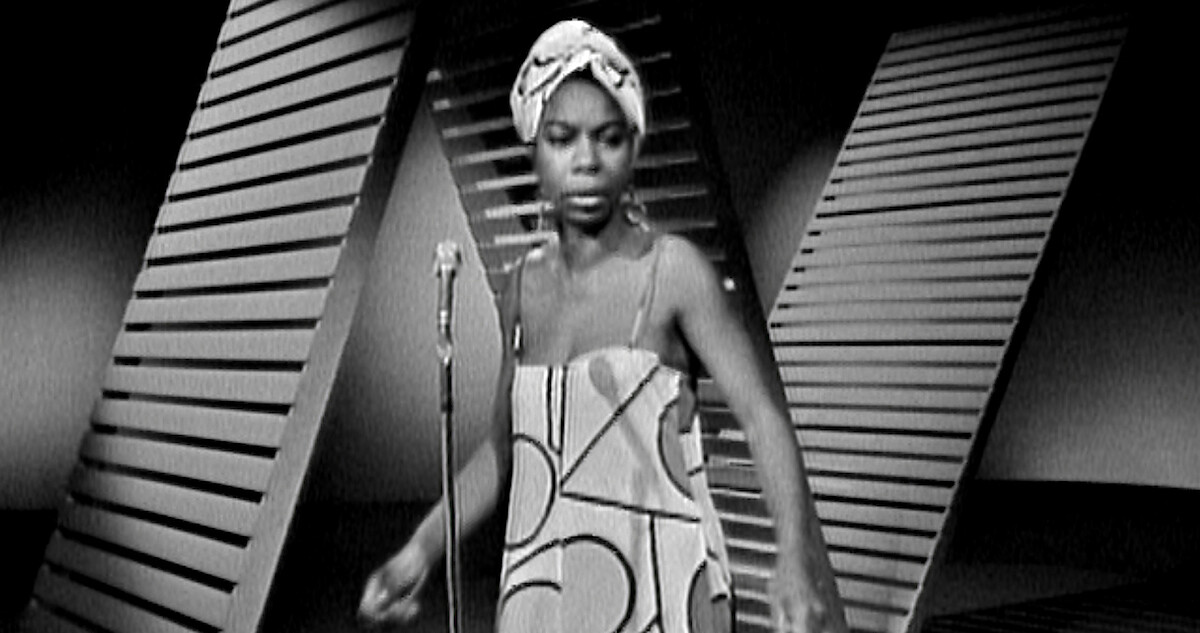
These true-to-life stories are extraordinary because they remind us about the absurdity of everyday life and how real people and specific circumstances can make for the most interesting stories. To paraphrase Mark Twain, truth really is stranger than fiction.
Though Twain’s quote is true, it doesn’t account for our ever-growing love for documentaries. Clearly, there’s a hunger for films like jeen-yuhs, so why has it taken decades for documentaries to shed their sociocultural stigma as textbooks on tape? How have documentaries become seen as the dynamic storytelling devices they’ve always been? We asked a few industry professionals to workshop some theories.
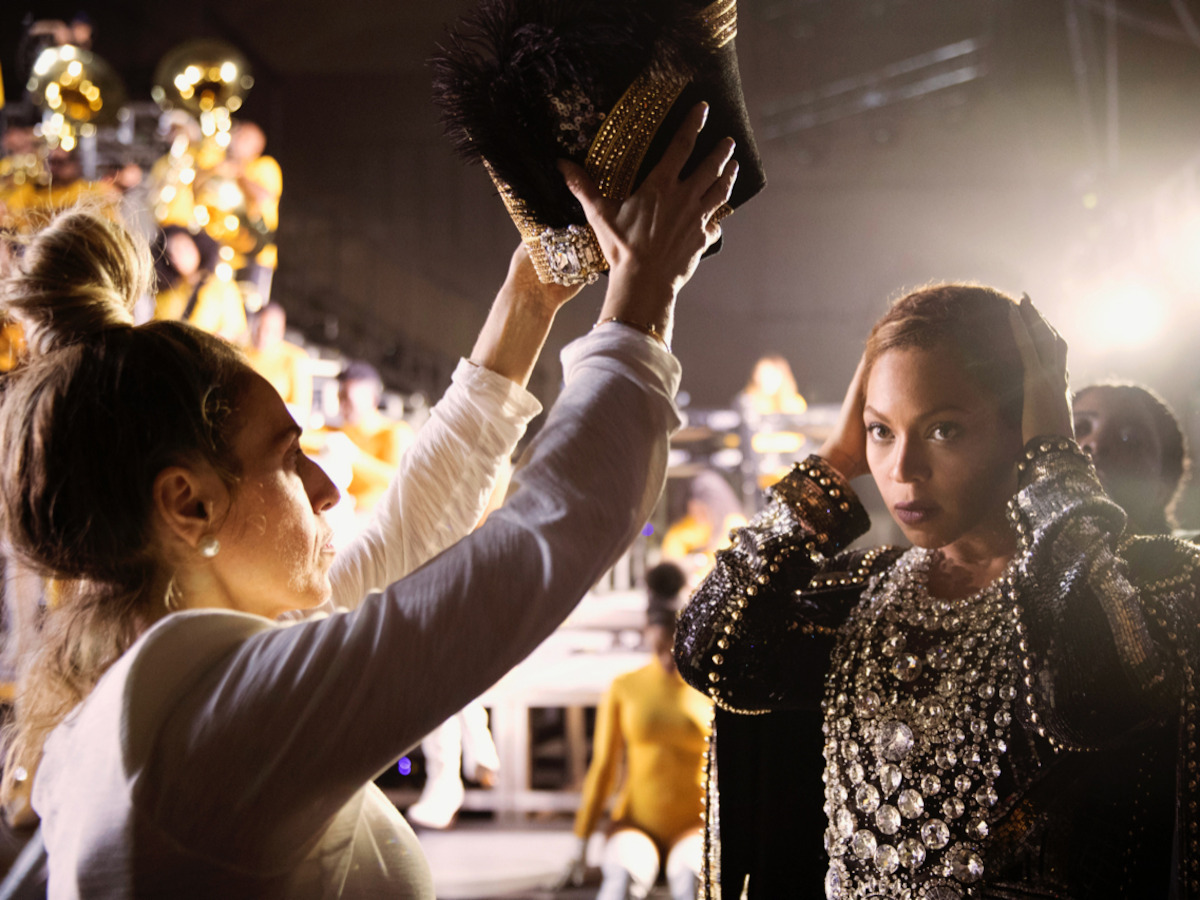
Homecoming: A film by Beyoncé
“The documentary form has become a lot more sophisticated,” Nina Gilden Seavey, documentary filmmaker and research professor of history, media and public affairs at George Washington University, tells Tudum. “It used to be that you would plod through these things when you were in third grade, but documentary filmmaking has really entered into our ‘golden’ era. And the reason for that is that we don’t see ourselves as purveyors of information. We see ourselves as filmmakers. The methods that we use — visually, auditorily, structurally — create narrative, dramatic story arcs.”
That’s the reason docs feel more like nonfiction films now than they did when we were in elementary school. “If an audience is going to sit down and watch an entire series about Kanye or anybody else, they want to feel not just informed but entertained. That calls on us to be very sharp in our storytelling mechanisms,” Seavey adds.
“The art form that really most captures the zeitgeist, that generates the most excitement today, is the documentary,” Peter Hamilton, executive producer of PBS nature documentary Season of the Osprey, says. “With the rise of the [streaming] platforms, they’re available at a higher quality and [in] a more intensely entertaining way.” Access is crucial to the resurgence of documentaries. The more people watch documentaries, the more funding they receive and the more they are made. “Netflix plays a big role because it reaches such a large audience. In the past, the distribution mechanism for a documentary was that maybe it would play in art house movie theaters or be released on DVD or, at best, reach a cable TV platform,” Thom Powers, artistic director of DOC NYC and co-host of WNYC’s Documentary of the Week, agrees. “The funding for documentaries has increased substantially in the last 10 years, and the audiences for documentaries have grown exponentially in the last 10 years.”
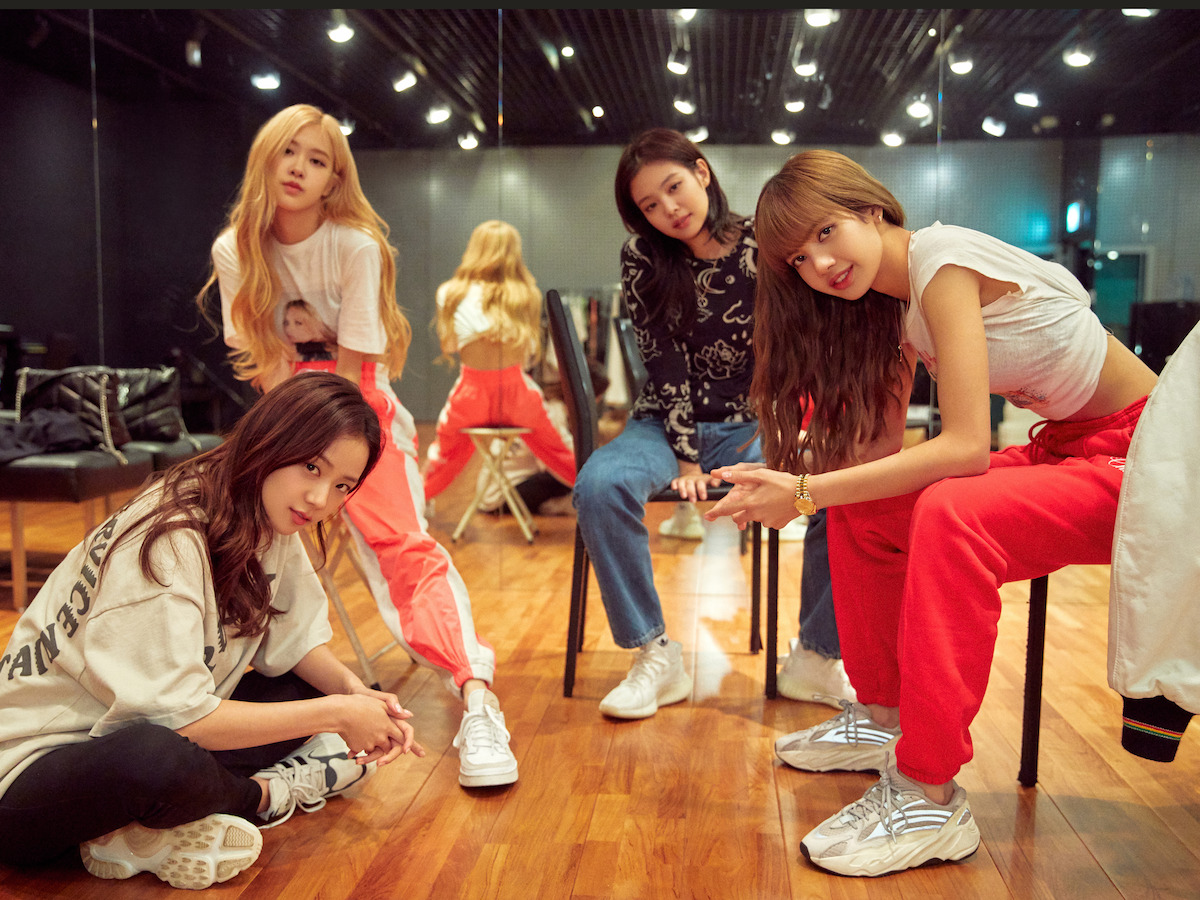
Blackpink: Light Up the Sky
Simply put, the audience became self-perpetuating. “Audiences started watching more documentaries on Netflix and other platforms, and they discovered what those of us who have long been fans of documentaries have known for a long time: When you’re watching a nonfiction story, the stakes are a lot higher than when you’re watching a fiction film,” Powers says. “The laughter is real. The tears are real. The consequences are real. The people on screen, whatever they’re going through, aren’t actors who you’re going to switch over and see [in] another film. These are real lives, and that has a power to it. It’s a different ingredient from any other kind of story.”
That’s how it so often goes down, right? A beloved celebrity has the power to alter public perception by changing our frame of reference. Here’s an example: You may have once considered the mullet, an ’80s relic defined by business in the front and party in the back, to be something that should’ve died after the 1994 Beastie Boys’ song “Mullet Head.” However, in the early 2020s, some of the coolest pop stars, including Rihanna, Halsey, Demi Lovato and Miley Cyrus, began wearing mullets. Suddenly, the haircut moved from uncool disaster to impossibly cool.
The same is true for music documentaries. Taylor Swift’s Miss Americana gives fans and casual listeners incredible insight into her personal life. Sure, Gaga: Five Foot Two chronicles the making of Lady Gaga’s Joanne album, but it also brings viewers into her home and battle with chronic pain and fibromyalgia. Beyoncé’s Homecoming revolutionized the concert doc. Blackpink’s Light Up the Sky even educated the world about K-pop’s biggest girl group.

Making a Murderer
“[People] are endlessly interested in the issues of celebrity,” Seavey says. “There’s this never-ending appetite for what makes fame and fortune. What are the dark sides of it? Are they like us? Are they different from us? Is Kanye a genius or a maniac? What is that line between genius and insanity?” Hamilton agrees, noting that “the whole documentary genre is moving away from idiosyncratic personal documentaries, like Searching for Sugar Man, into films like The Bee Gees one, which involves unique access to an archive.”
“When it comes to figures who have achieved celebrity, like Kanye West, it’s natural that people take an interest to find out more about their story. And in a time when most media is dominated by headlines and tweets and TikTok clips and short videos on YouTube, people’s lives get diced up into small portions — these sound bites don’t really give us perspective on the whole person,” says Powers. “One of the things I’ve always valued about long-form documentary filmmaking is that when you craft a story that’s a feature length of 90 minutes, you adapt in a nuance that you’re never going to get from surfing clips on social media.”
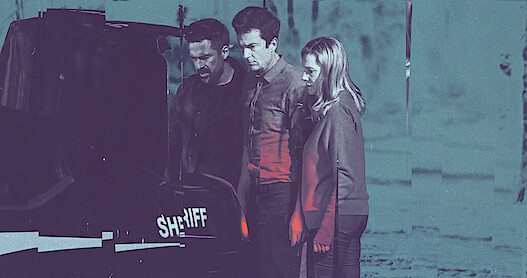
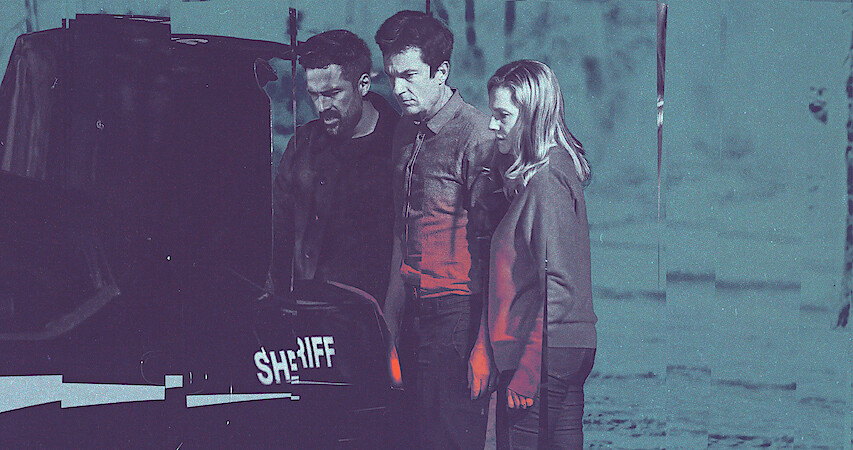
Shows like Making a Murderer and Heist feed into our internal desires for justice, and, in cases where perpetrators evade accountability, we enjoy being armchair detectives. “It’s an appetite for something that doesn’t just feel like an earnest exercise in getting informed,” Seavey says. “You sit down and watch something incredible because it’s truer than you could ever imagine.”
It doesn’t take a rocket scientist to figure out that people crave factual information, even when it comes with biases and angles. It is, in some weird roundabout way, comforting to know that what you’re watching on screen is some variance of the truth. “We’re all scrambling, trying to figure out what the hell the truth is,” Seavey says. “Documentarians aren’t journalists, but we’re exploring a truth about the human condition.” Hamilton agrees but offers a caveat for us to consider. “Some documentarians are speaking truth to power while others are involved in carefully managed self-promotion, providing access to a celebrity that’s on-message.”
“We’ve gone through a period where the very idea of truth has been challenged in the highest office of the US government and in an unprecedented way. That era has created an appetite in people to seek out forms of storytelling that help them better understand the world,” says Powers. “Whether that is trying to understand climate change in a film like Chasing Coral or trying to understand the power of social media in a film like The Social Dilemma or trying to understand events that are taking place in other parts of the world from a US standpoint, like in Winter on Fire, set in Ukraine.”
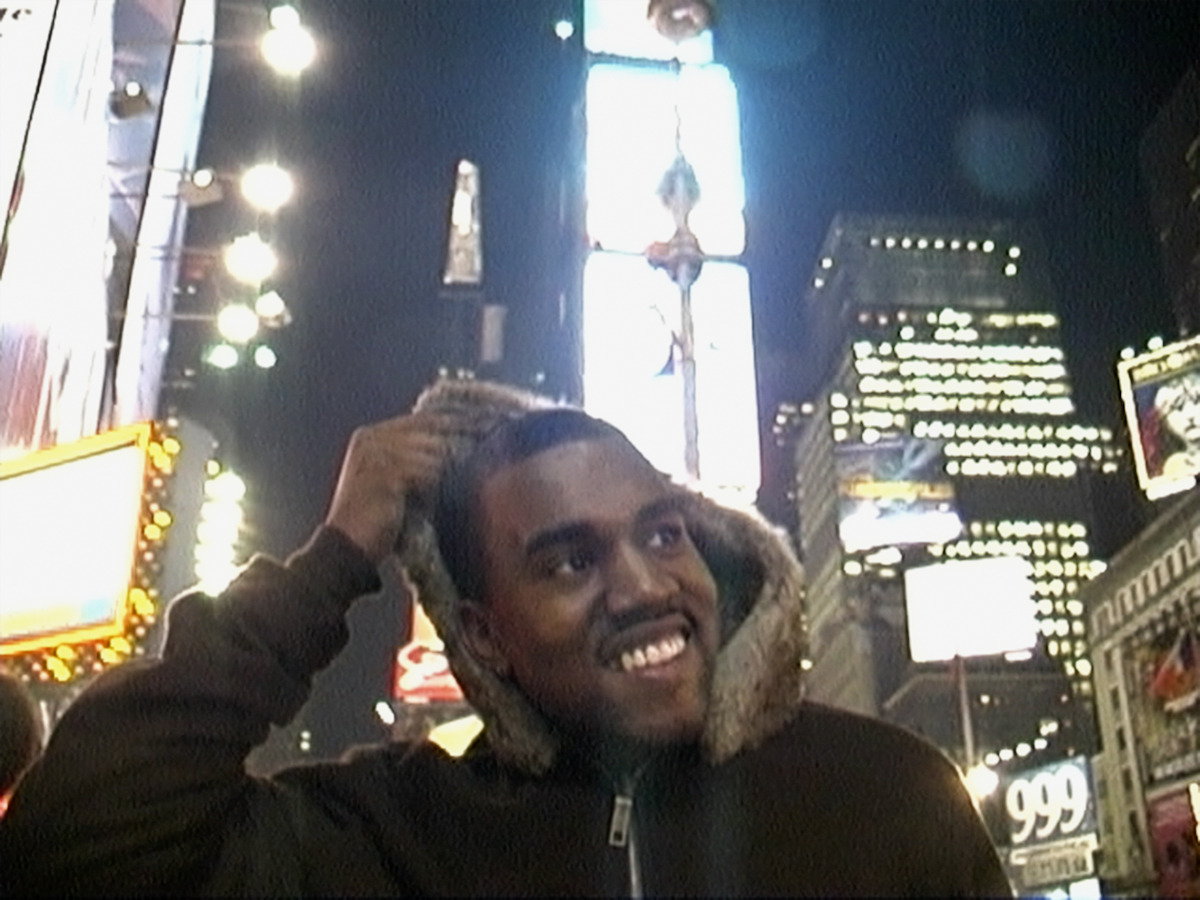
jeen-yuhs: A Kanye Trilogy
“We love documentaries because they deliver great storytelling about real people. And real people could be fascinating artists like Kanye West, or they could be about notorious mass murderers,” Hamilton adds. “People aren’t satisfied with great storytelling about created characters. People are just deeply attracted to stories about real people and real life when they’re compellingly told in a fresh way.”
There are no pop quizzes here, but a series like Immigrant Nation and films like Reversing Roe and American Factory allow us to confront sociopolitical injustices without spending years in the library researching them. (There are experts in the documentaries, educating the rest of us.) Leaving a film knowing so much more than you did before you watched it — that’s what documentaries are all about. Bonus points if the material is contemporary and has real-life effects.
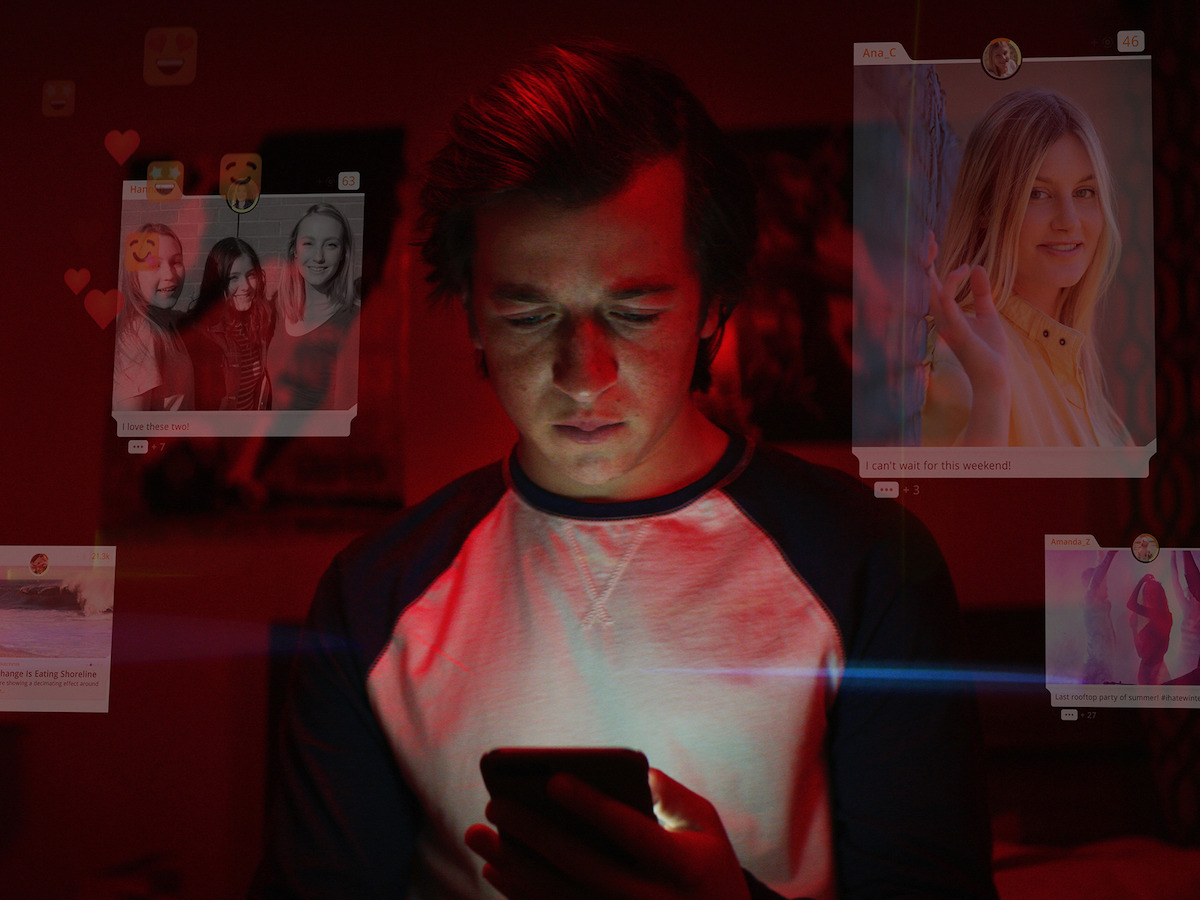
The Social Dilemma
“People are looking for authenticity. People are looking for stories that they feel have been denied to them. They’re looking for truths that resonate with them profoundly, even though they may be stories that they’re not finding told in their schools or their workplaces,” Powers explains. “The phenomenon of a film like Ava DuVernay’s13th brought a fresh lens on American history that made immediate sense to many viewers.” These docs allow us to learn about and from other experiences and perspectives. And isn’t that one of the greatest things a film can do?