Culture
‘jeen-yuhs’ Co-Director Coodie’s ‘Channel Zero’ Explained
How a public access show captured Chicago’s underground hip-hop scene.
Feb. 12, 2022
jeen-yuhs co-director Coodie Simmons — more commonly referred to as Coodie — never intended to be a filmmaker. As a budding stand-up comedian on Chicago’s South Side, he performed at open mic nights and palled around with his mentor, the late comedian Bernie Mac. After all, there was no better place for an aspiring comic to live: The Second City, just up north in Old Town, had churned out notable alumni like Tina Fey, Steve Carell and Stephen Colbert. But, much like the wind that flows in from Lake Michigan, Coodie’s life blew him in an unexpected direction.
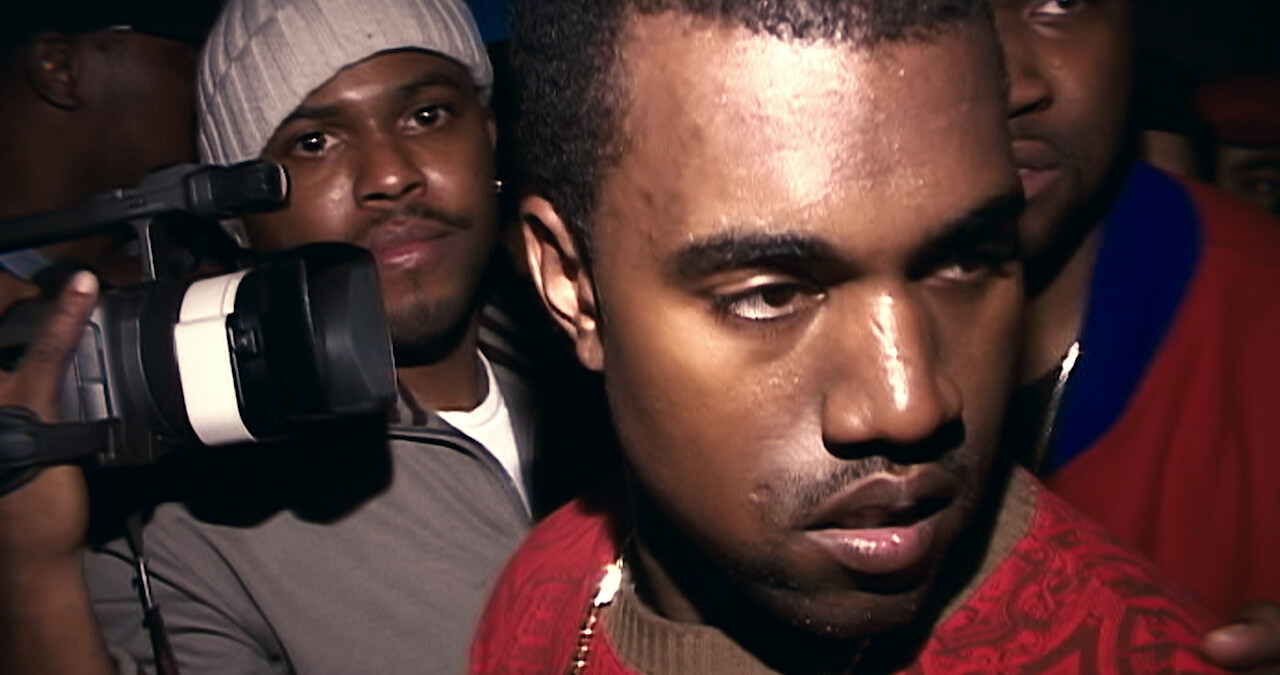
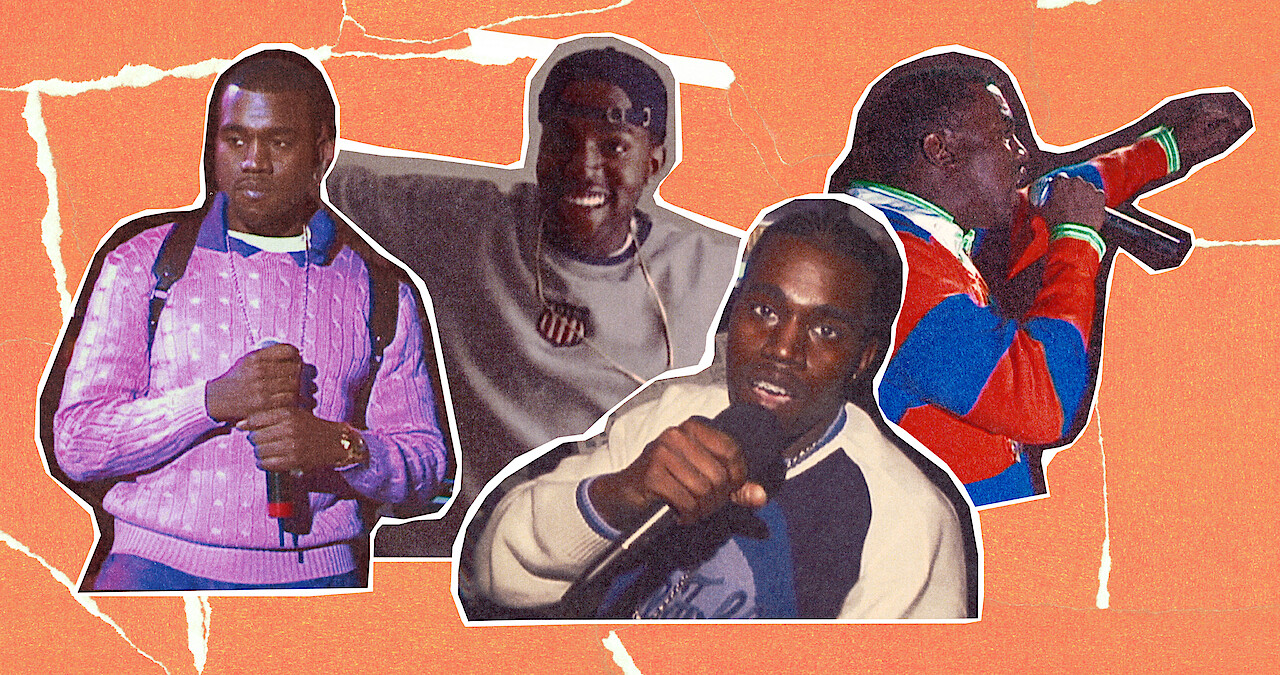
When his friend Danny Sorge, who worked at a barber shop, approached him about hosting a public access show called Channel Zero, Coodie initially saw it as an opportunity to showcase his comedy. Sorge pitched the idea of highlighting the city’s emerging hip-hop scene by interviewing music fans attending shows, but Coodie had a better idea. “That’s cool, but I think we should go in the concerts to interview the artists,” he recalled in an interview with YouTube channel 247HH. With a video camera, microphone and no press credentials, the comedian-turned-filmmaker snuck into shows to bring the sounds of the streets to viewers at home.
It was 1995: The Chicago Bulls were having their best season yet with Michael Jordan leading the team to the NBA championship, Chicago was in the throes of a deadly heat wave and a music renaissance was bubbling in the city’s Black neighborhoods. While New York was still regarded as hip-hop’s mecca and Death Row Records dominated the West, Chicago’s emerging rappers were mostly going unnoticed. Local artists like Twista and Crucial Conflict mixed the staccato style of house rhythm with rapid-fire rhymes, popularizing the chopper rap style, while Da Brat and Common rapped about the harsh realities of living in Chicago’s most impoverished neighborhoods. There was a breadth of talent everywhere; they just needed to be seen and heard.
Channel Zero was able to keep its ears on the ground, uplifting emerging artists in ways that regular broadcasting didn’t. Public access television (not to be confused with public broadcasting, like Sesame Street) originated in the early ’70s thanks to Section 611 of the Communications Act. This amendment gave local franchise authorities the right to determine whether cable operators should carry public access channels. If they exercised this right, then the cable operators were required to set aside a limited number of free channels for public, educational and governmental use. Democratizing the medium allowed anyone to produce community-focused programming. Some might think of Wayne’s World or low-budget productions created by local oddballs, but there was nothing like Channel Zero on air. Whether it was on a packed L train or in the dimly lit tunnels of a Blue Line station, Coodie took his mic and camera everywhere.
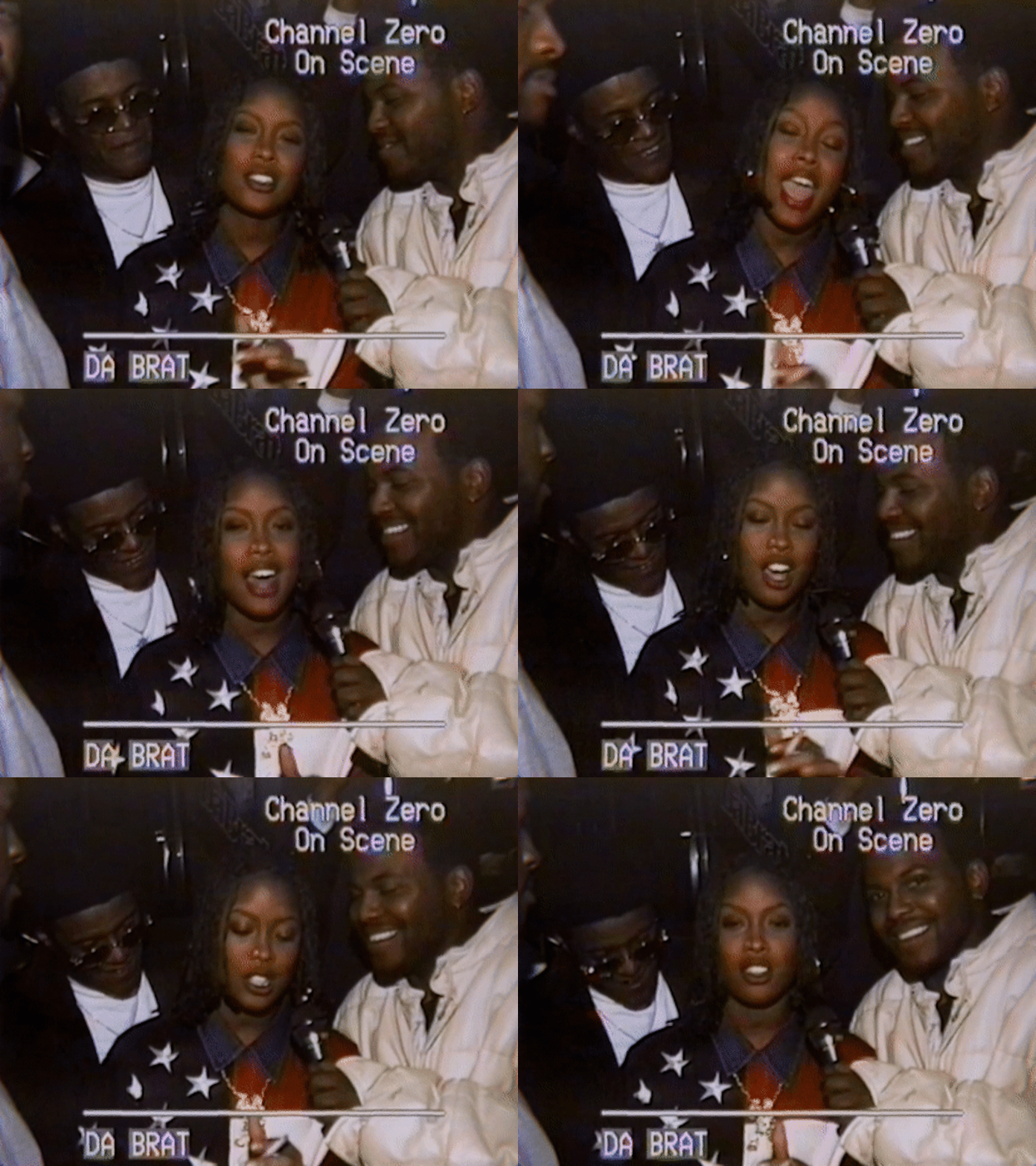
At the start of each episode, there’s a blank yellow screen with a loud voice announcing, “She watch Channel Zero!” The title flashes on top of a black-and-white checkered banner accompanied by a disc-scratching melody. Upbeat and energetic — just like Coodie — the show resembled a scrappy version of TRL or 106 & Park. With no scripted content, it was able to be spontaneous, which was necessary when reporting live.
In one episode, Coodie heads to 63rd and Cottage Grove to showcase a concert, but things don’t go exactly as planned. Mad Infinite Styles (M.I.S.) wait all night to go on stage, but the promoters cut the set short, so the hip-hop group is forced to leave without performing. As they sit outside on the sidewalk, drumming in the Midwestern cold, Coodie lets them perform a live set on Channel Zero. “It’s not us, it’s the promoters. You got to get the dope promoters that know how to take care of they business, that got good sound equipment so y’all can get y’all’s money’s worth,” a disgruntled group member tells the camera. Shortly after, the broadcast gets interrupted by a police car taking away a concert attendee who was thrown out by the promoter. “Mad unprofessional!” shouts another rapper.
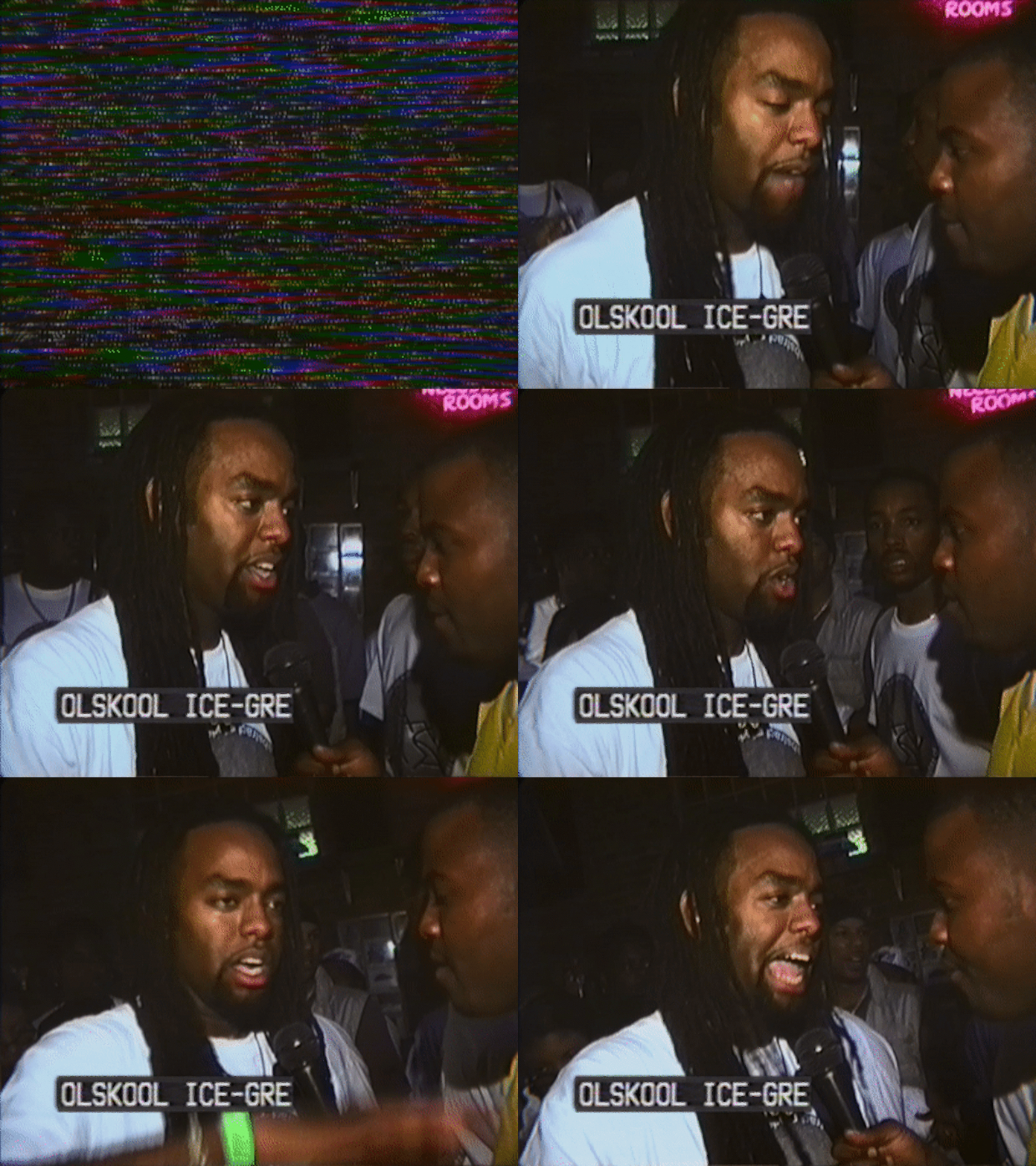
Airing grievances about mistreatment by promoters and venues, lack of resources in Chicago’s hip-hop scene and other creative tensions was a norm on the show. “It’s real hard for us to come out in the Chi… ’cause there’s like no labels here,” Olskool Ice-Gre tells Coodie in a clip featured in jeen-yuhs. The more Coodie interviewed artists, the more apparent it became that Channel Zero was essential to putting the city’s talent on the map — and fueling change within the community itself. “It’s a gang of talent in Chicago, and it’s fucked up that it’s only me, Crucial Conflict, Do or Die, Tongue Twista, Common Sense,” Da Brat sounded off in a backstage interview. “Rapping ain’t all about the East and West Coast. It’s some Chitown shit, too.”
Being overshadowed by the coasts mirrored the ways that Chicago’s South and West sides were disproportionately excluded from the rest of the city. With a deep history of redlining, racist public housing practices and public transportation that cut off many Black and brown neighborhoods, Chicago is one of the most segregated cities in the country. The bulk of jobs and resources reside in the downtown Loop area and North Side, with transportation primarily running to and from the city’s center. As a result, the Black and brown communities on the outskirts have been underserved since Chicago’s beginnings. It’s no surprise then that these neighborhoods became hubs for creativity — with blues in the ’40s, house music in the ’80s and hip-hop in the ’90s. While some viewed hip-hop as an alternative to joining gangs, others considered it a way to document Chicago’s sordid history of segregation.
Channel Zero’s now a thing of the past, but it’s still beloved among those who witnessed its rise. “It was great to see the talent that most of the country was sleeping on,” Chicagoan Victor Aragon, who watched the show when he was in his 20s, tells Tudum. “It made me proud of the hip-hop scene in Chicago, and I was glad they were out there documenting what our city had.” Aragon recalls watching the show to see Chicago acts such as Twista, The WhoRidas, All Natural and Rubberoom.
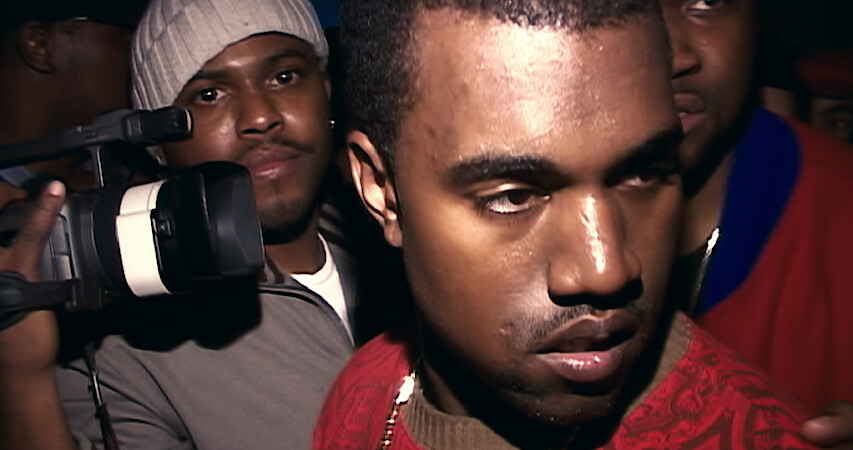
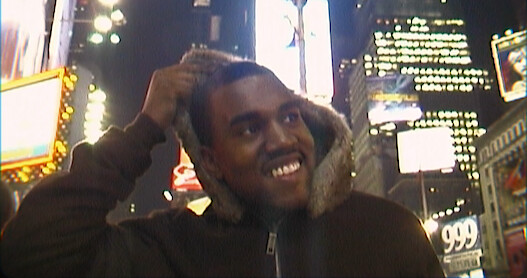
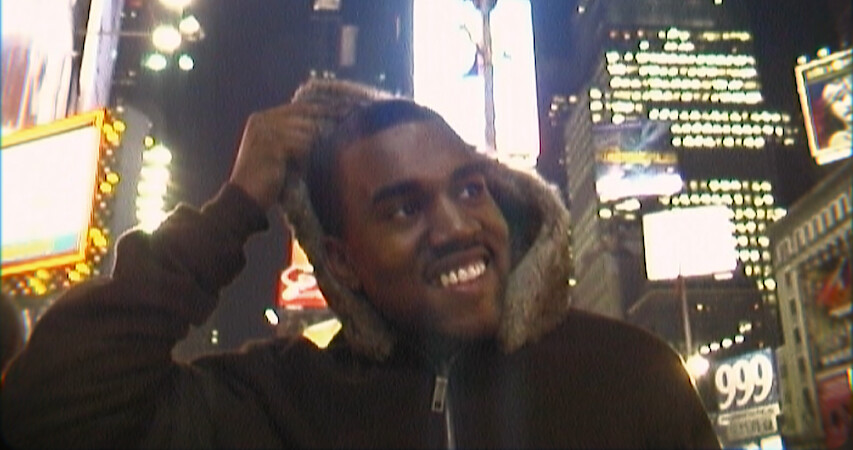
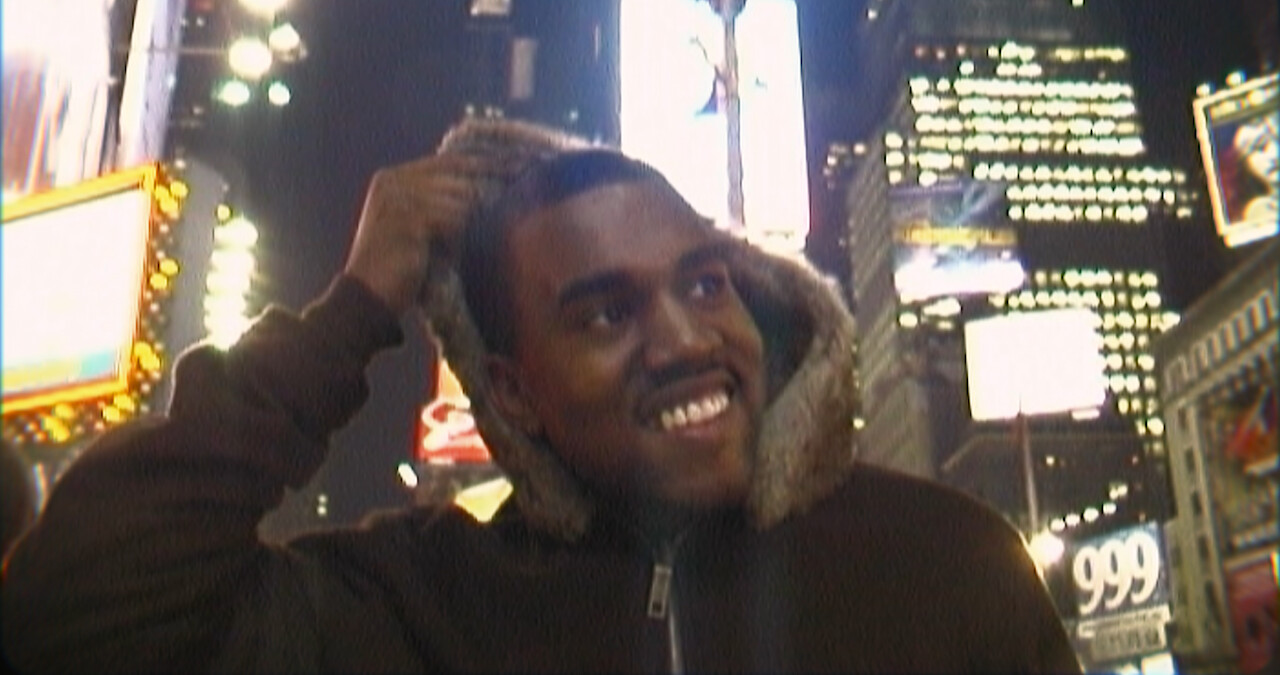
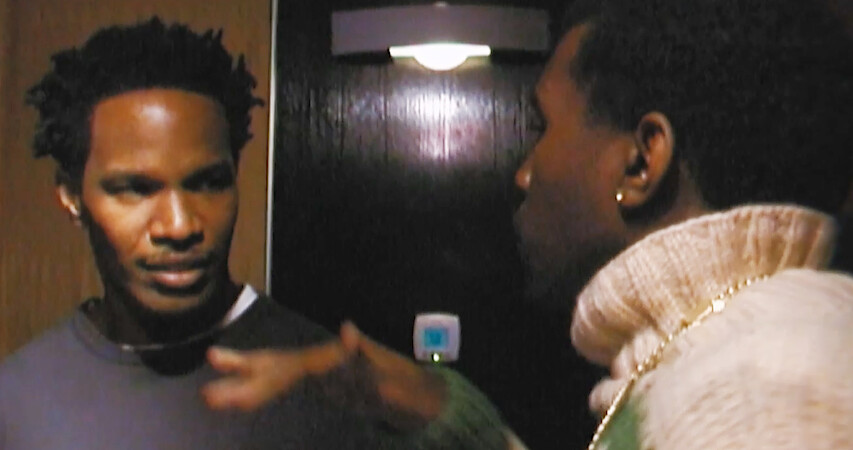
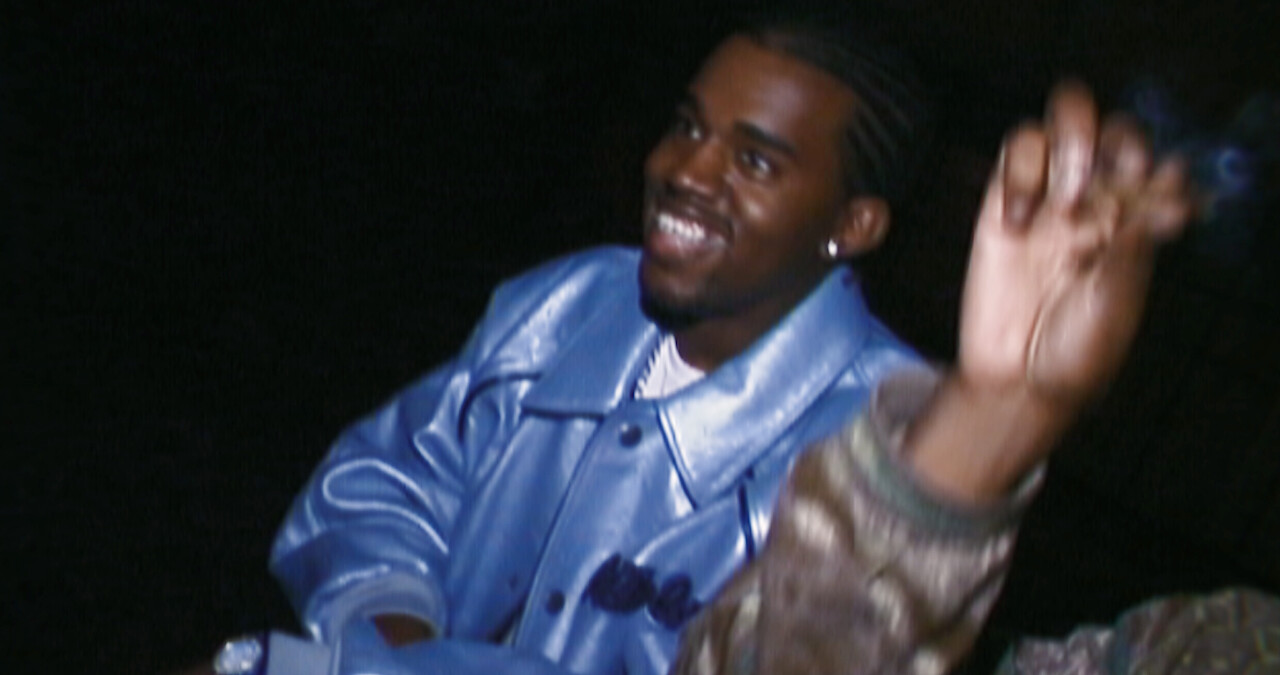
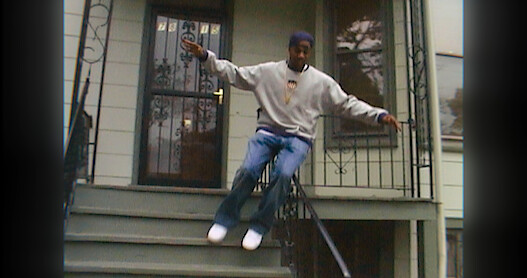
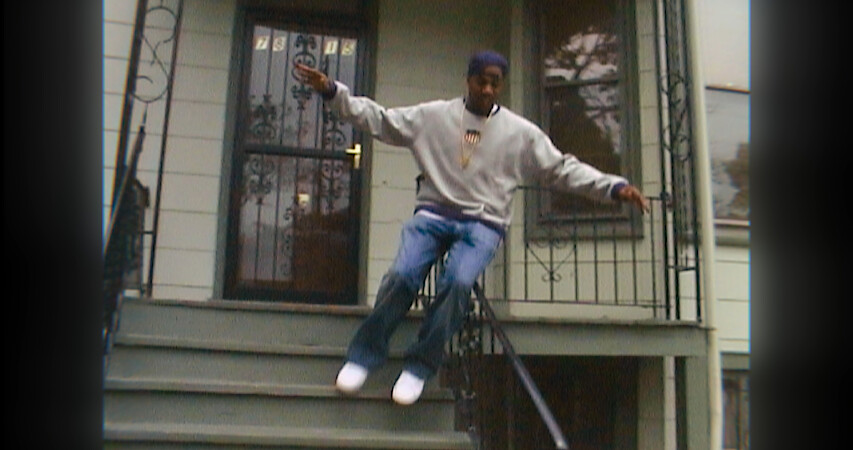
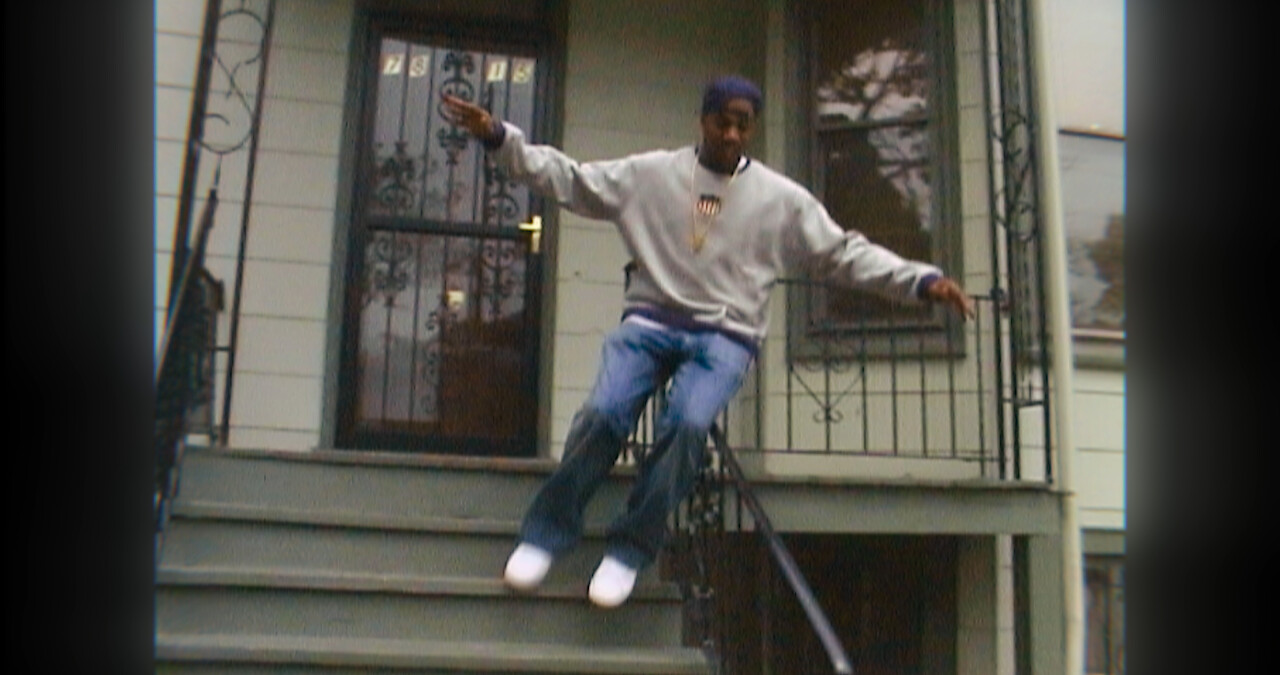
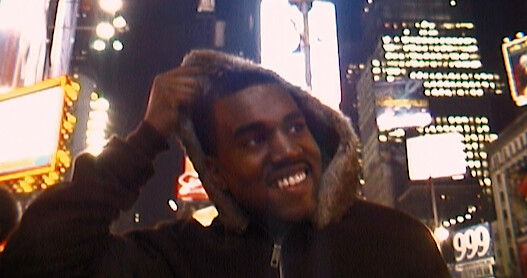
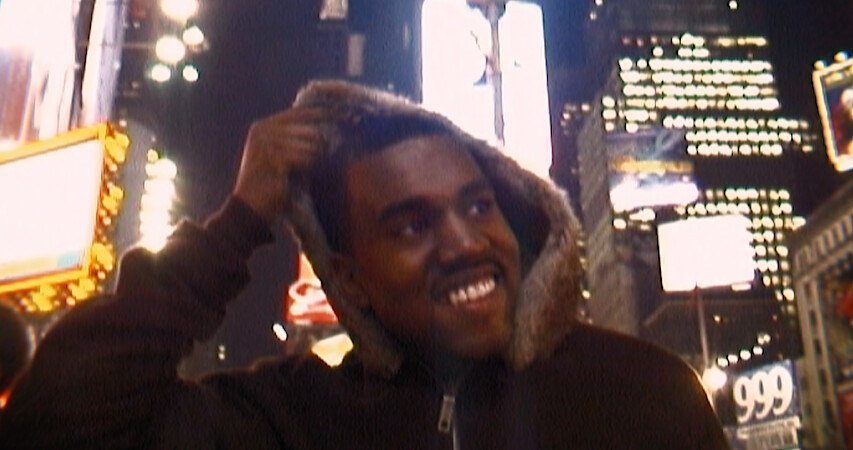
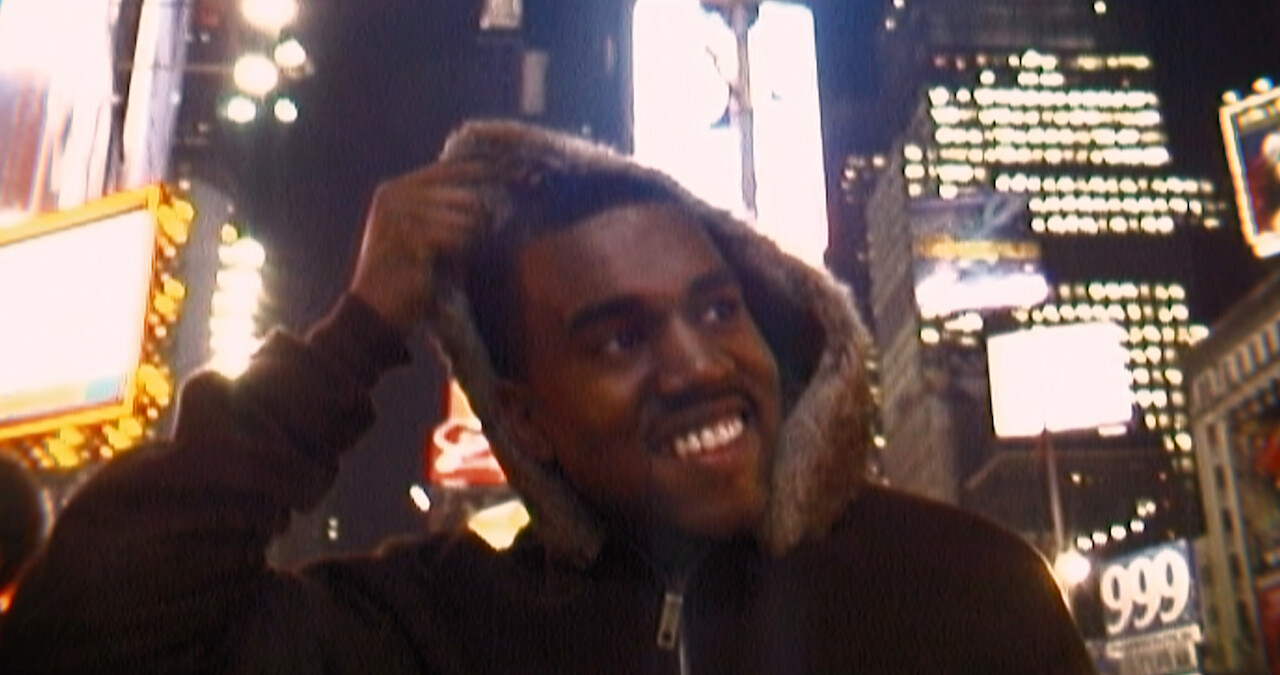
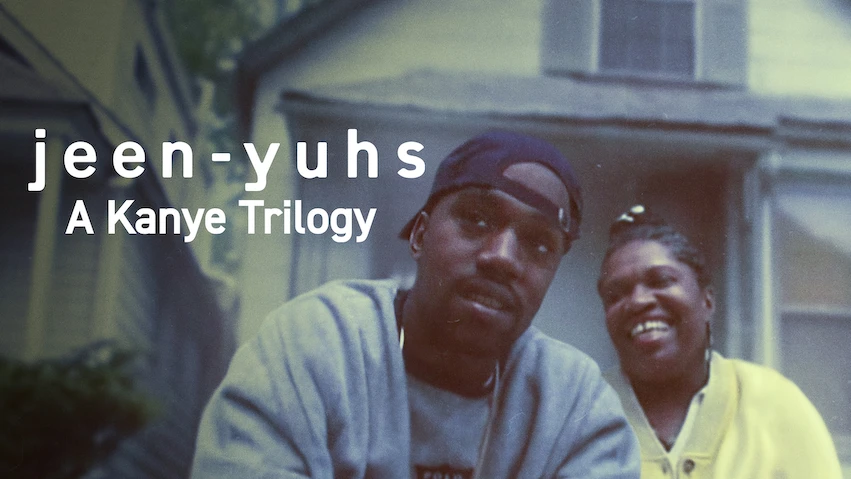
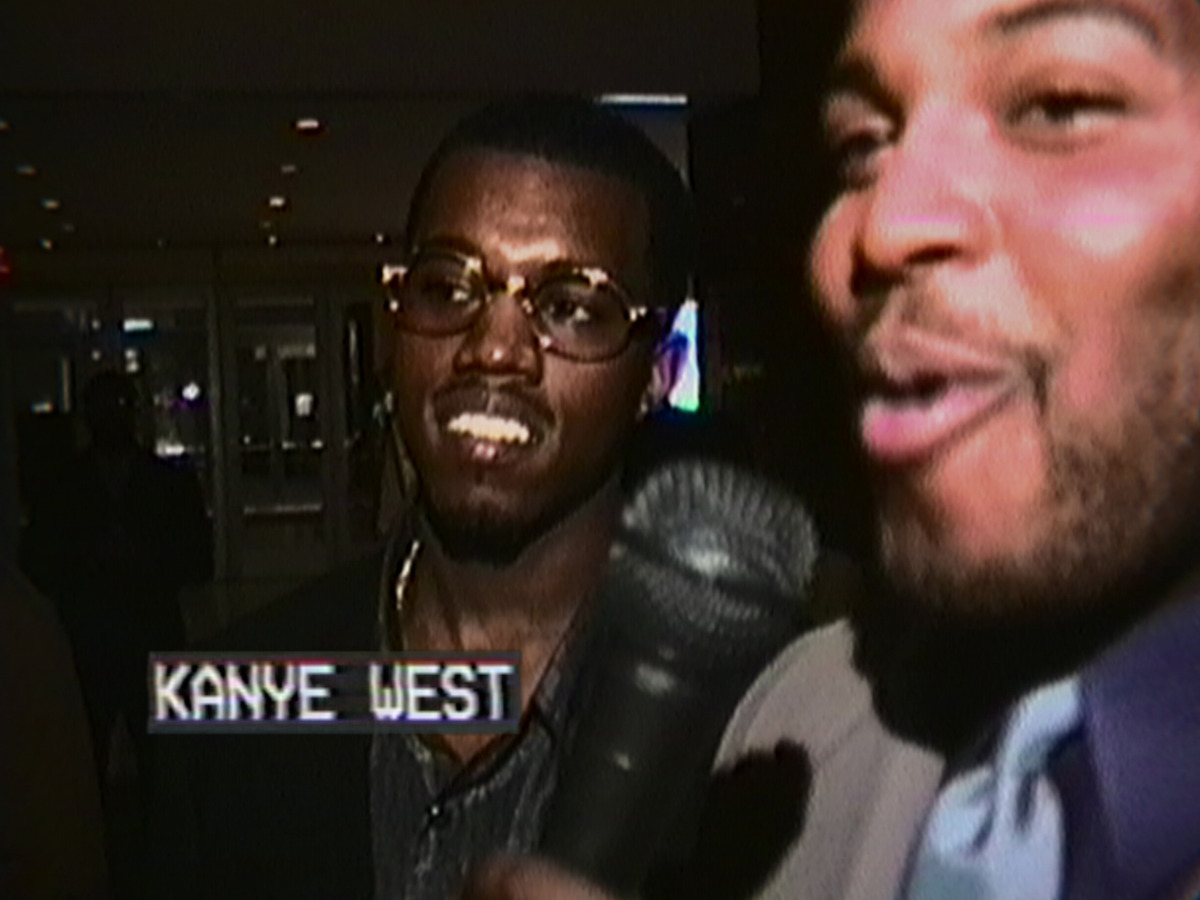
At its core, the story of Channel Zero is as much about documenting the experiences of Black South and West siders as it is about hip-hop. Danny Sorge might’ve set out to provide a backstage pass for fans, but the show became more than just that. Coodie filmed Kanye West’s humble beginnings, recorded music history and culture and passed the mic to unknown artists when the mainstream industry turned a blind eye. As jeen-yuhs co-director Chike recently told Tudum, “When I see Coodie’s camera, it represents empathy. There’s something special about [Coodie], and he brings out something special in you.” To capture empathy means, in part, to tell the story that no one else is, and at the end of the day that’s what Channel Zero sought to do.
Want to hear ’90s Chicago hip-hop? Listen here.