Culture
‘jeen-yuhs’ Will Make You Miss the Old Kanye
But it will also make you reflect on what, exactly, has changed.
By Max Cea
March 10, 2022
Kanye West was really into the word fruition. This was in 2002, when he was still going by Kanye (now he’s simply Ye). He was driving a Rolling Stone reporter around New York City, giving the reporter a sermon on the early Gospel of Kanye. With little prodding, Ye described his hunger, his aspirations, how he used to practice his Grammys speech while walking to the train and how he resented other people’s sense of entitlement. (What he called their “40 acres and a mule mentality.”) And at the end of the interview, he added, “Can I use the word fruition in the article? I forgot to use it. That’s my new word. Fruition. Something about my dreams coming to fruition.”
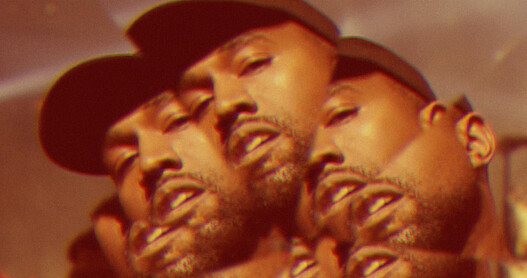
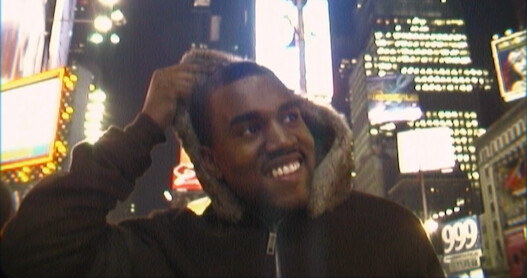
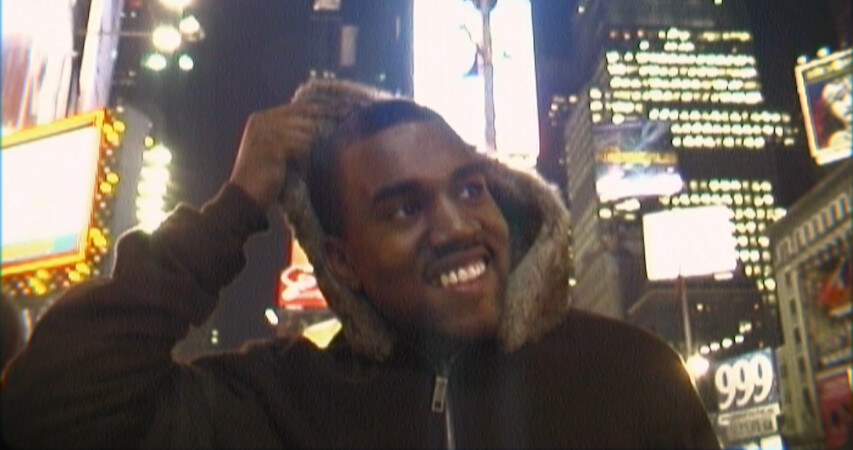
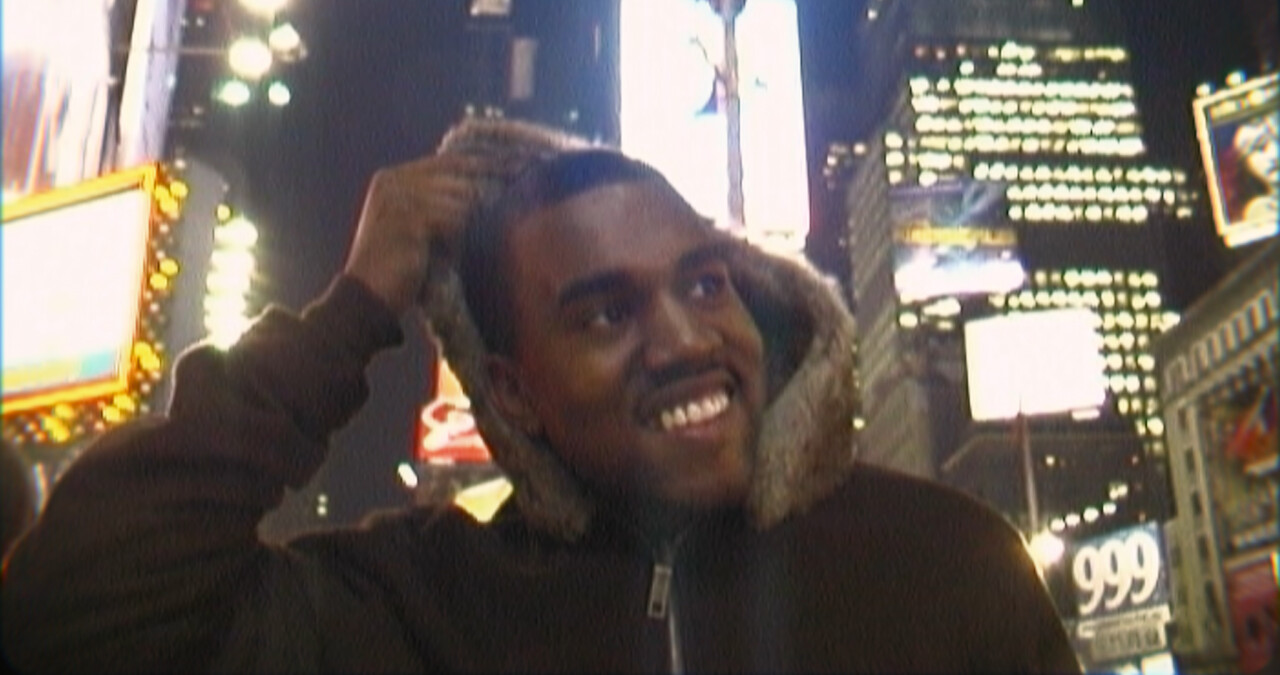
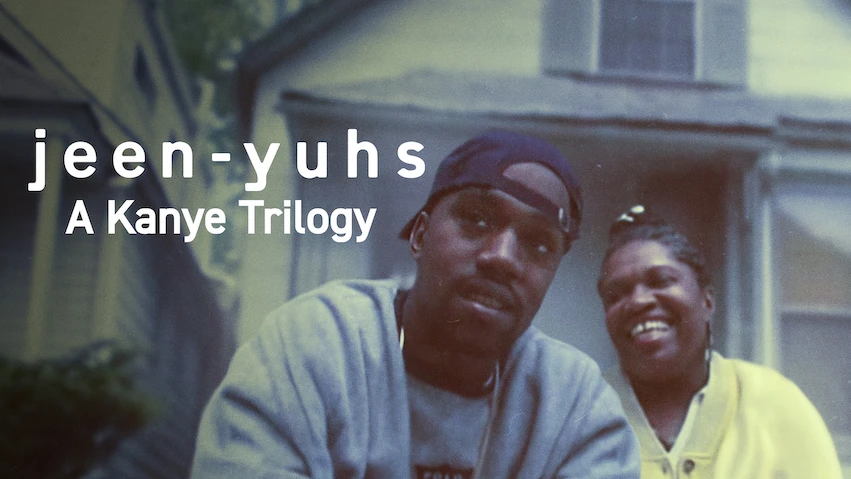
That interview only occupies a few minutes of Coodie & Chike’s three-part documentary, jeen-yuhs: A Kanye Trilogy, but within that brief moment, we get Ye in a nutshell: his relentless ambition, his massive ego, his tendency toward revisionism and his propensity to provoke. (Heck, he’s even wearing a red baseball cap!) For better and worse, the Ye we see there fully, definitively came to fruition.
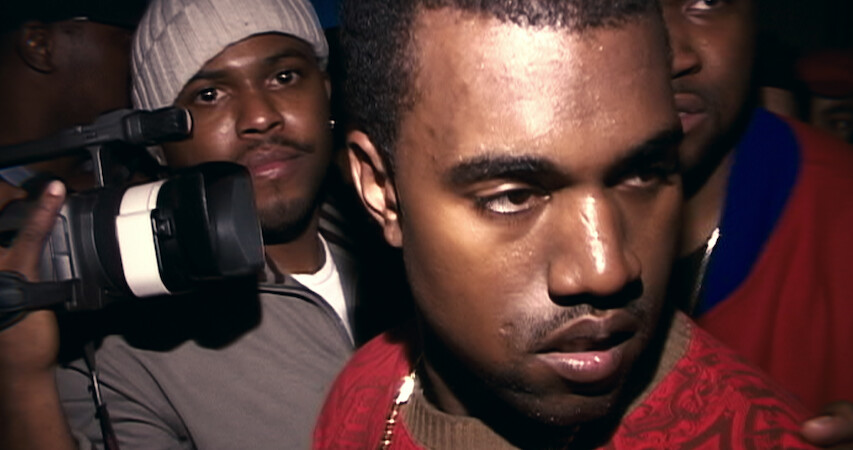
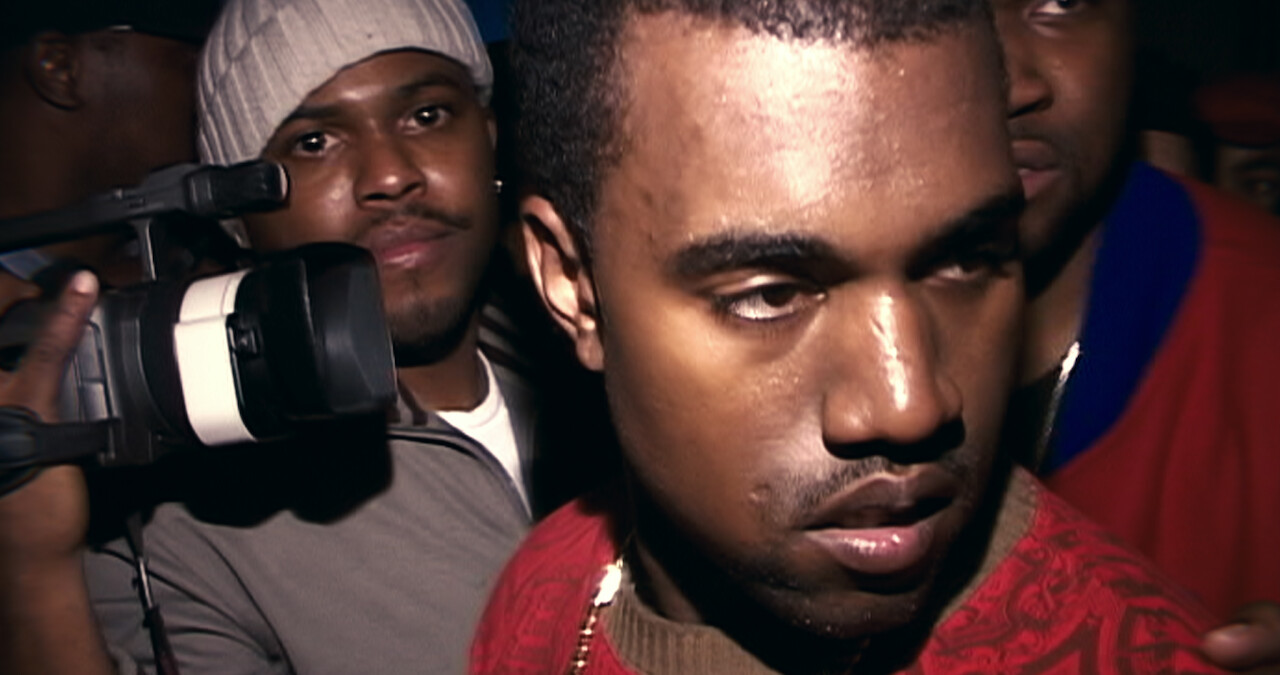
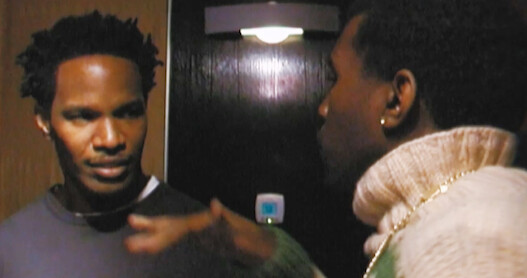
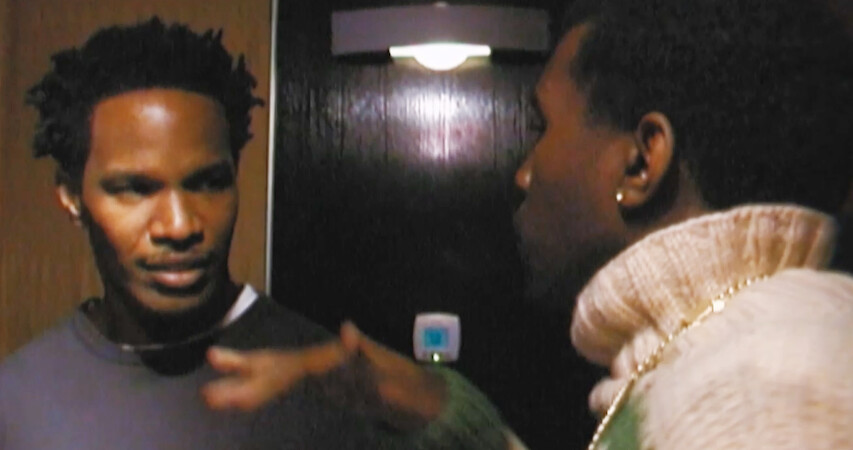
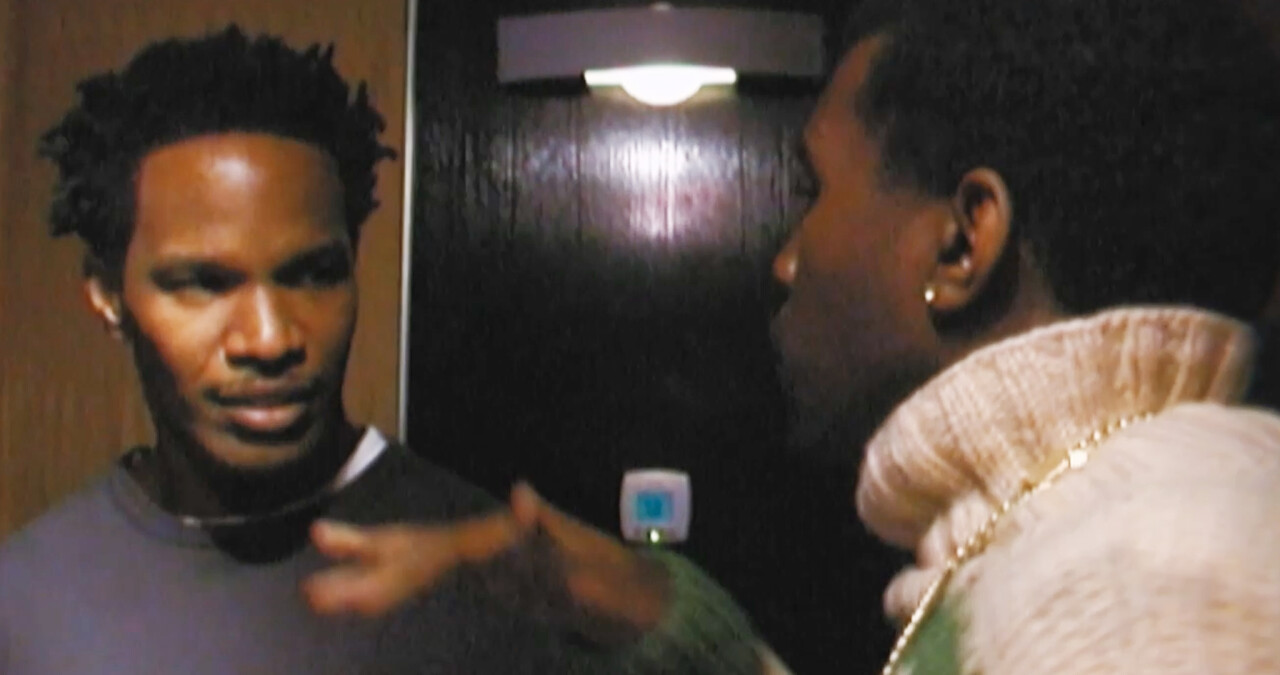
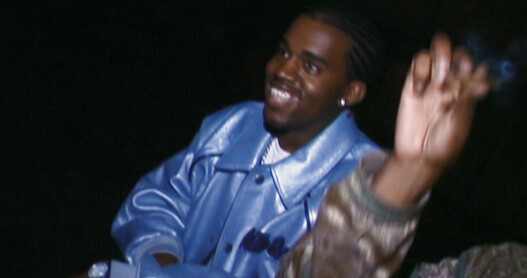
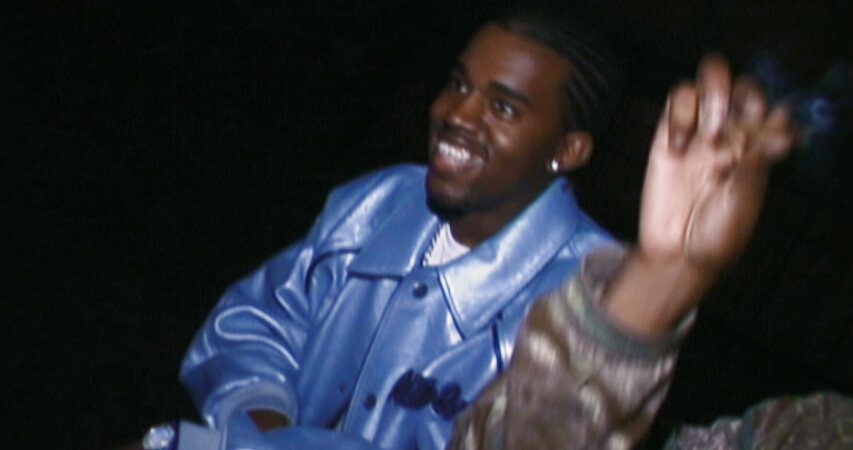
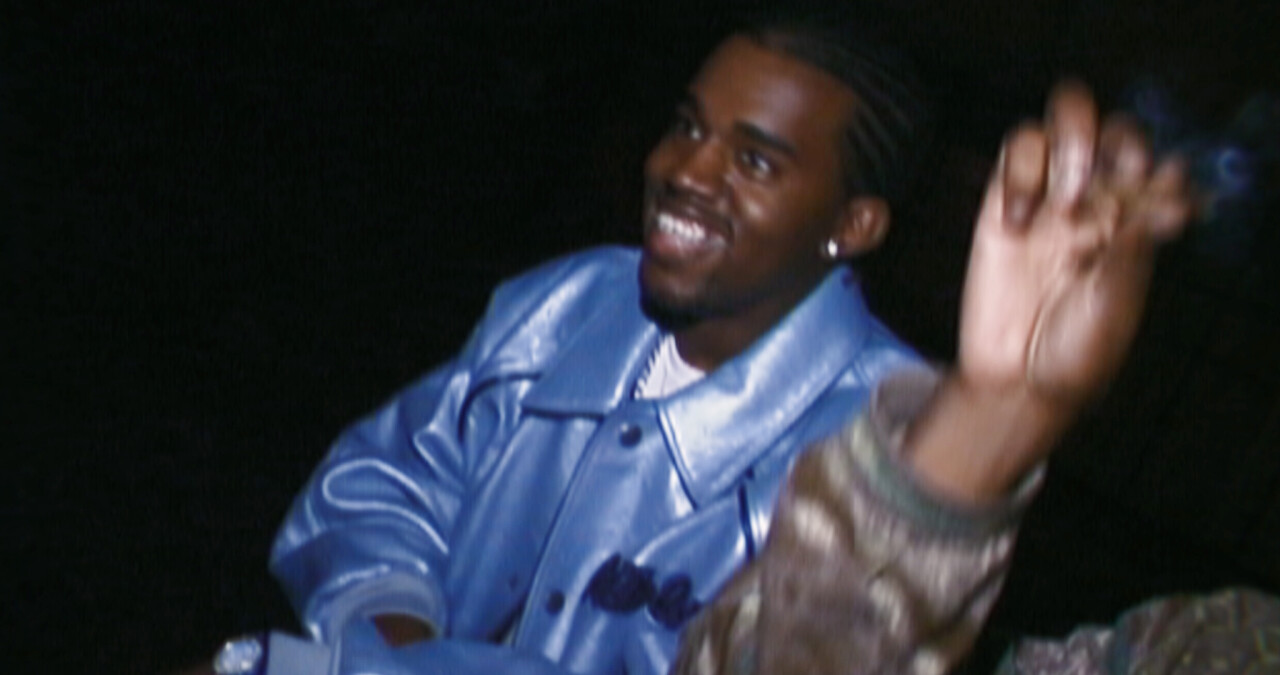
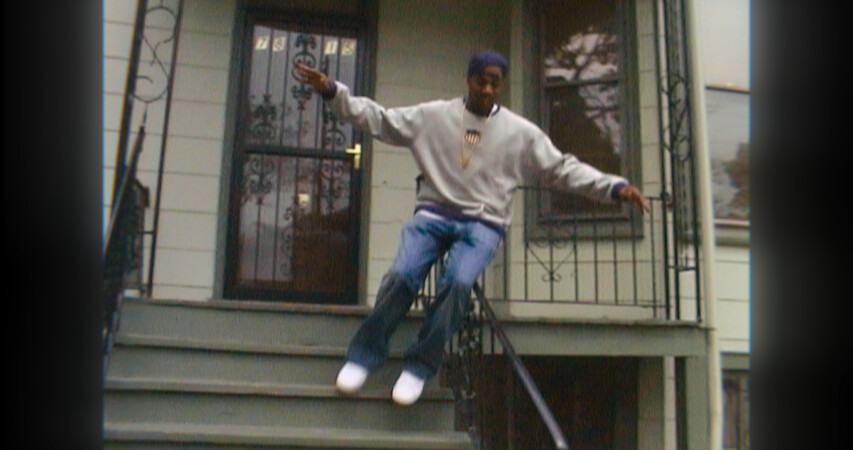
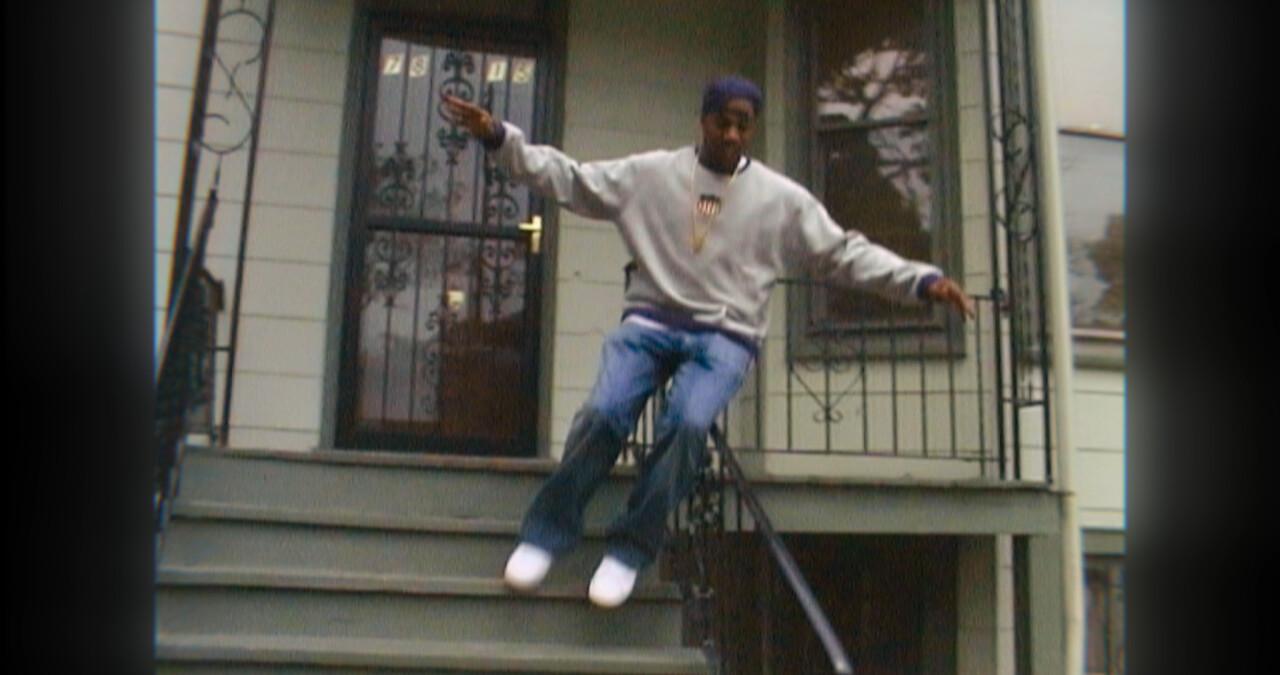
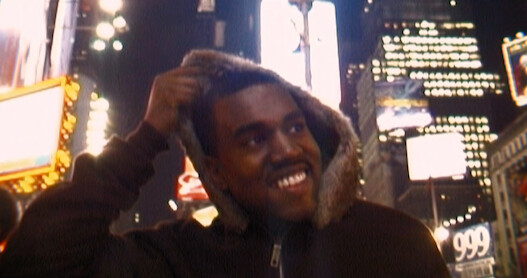
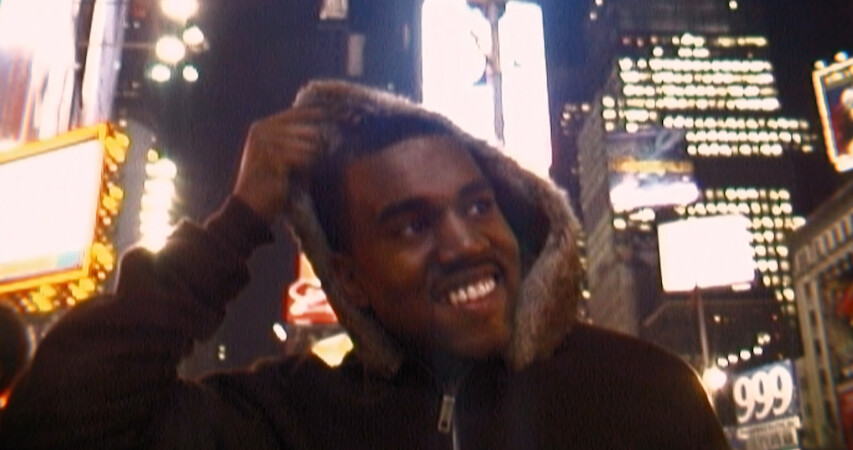
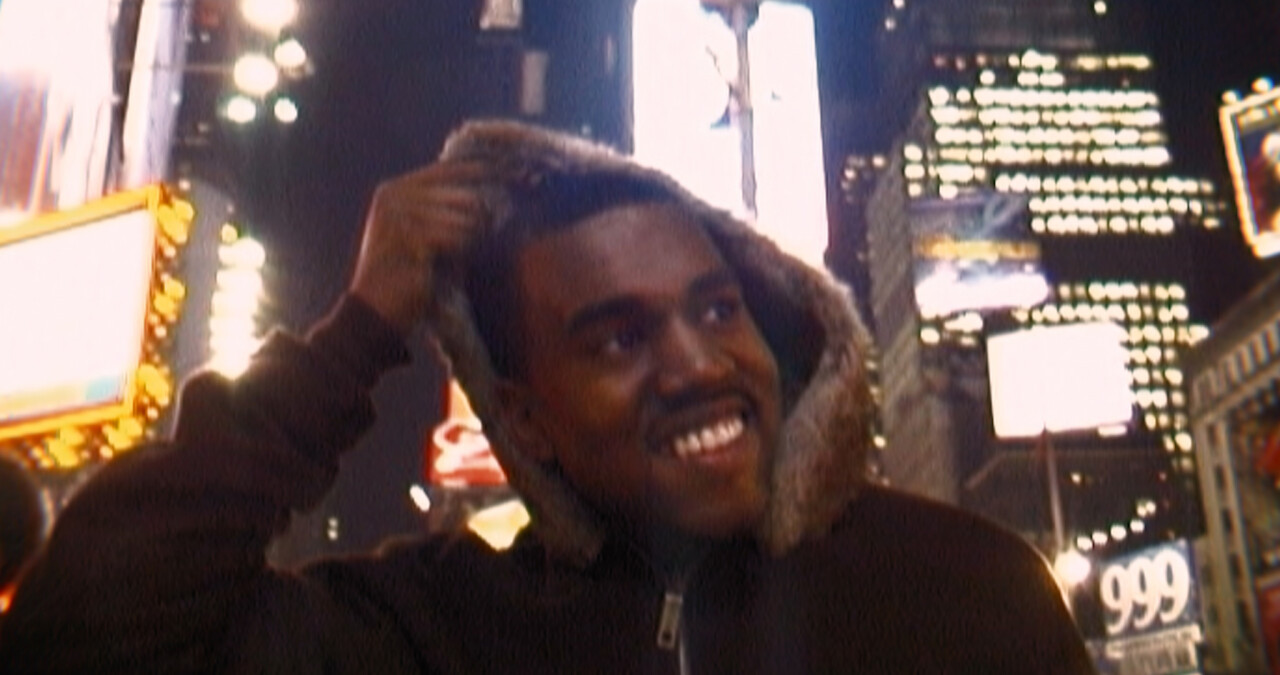
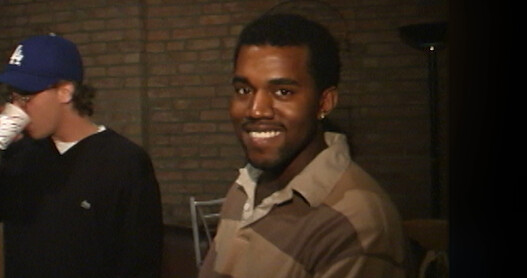
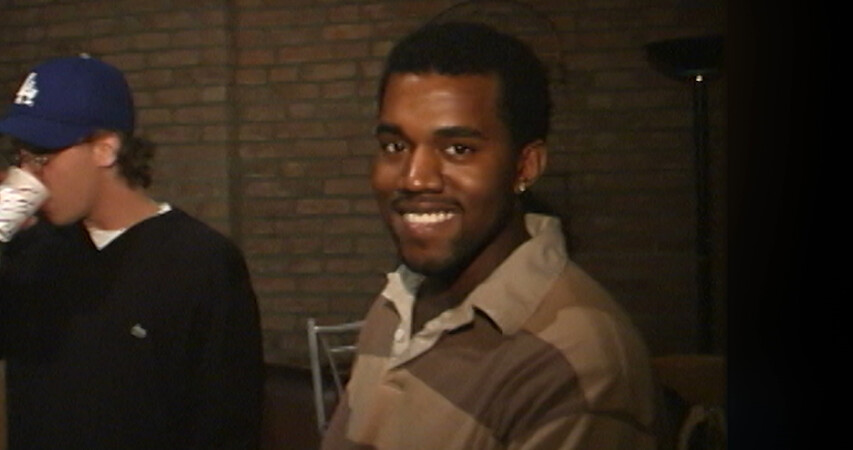
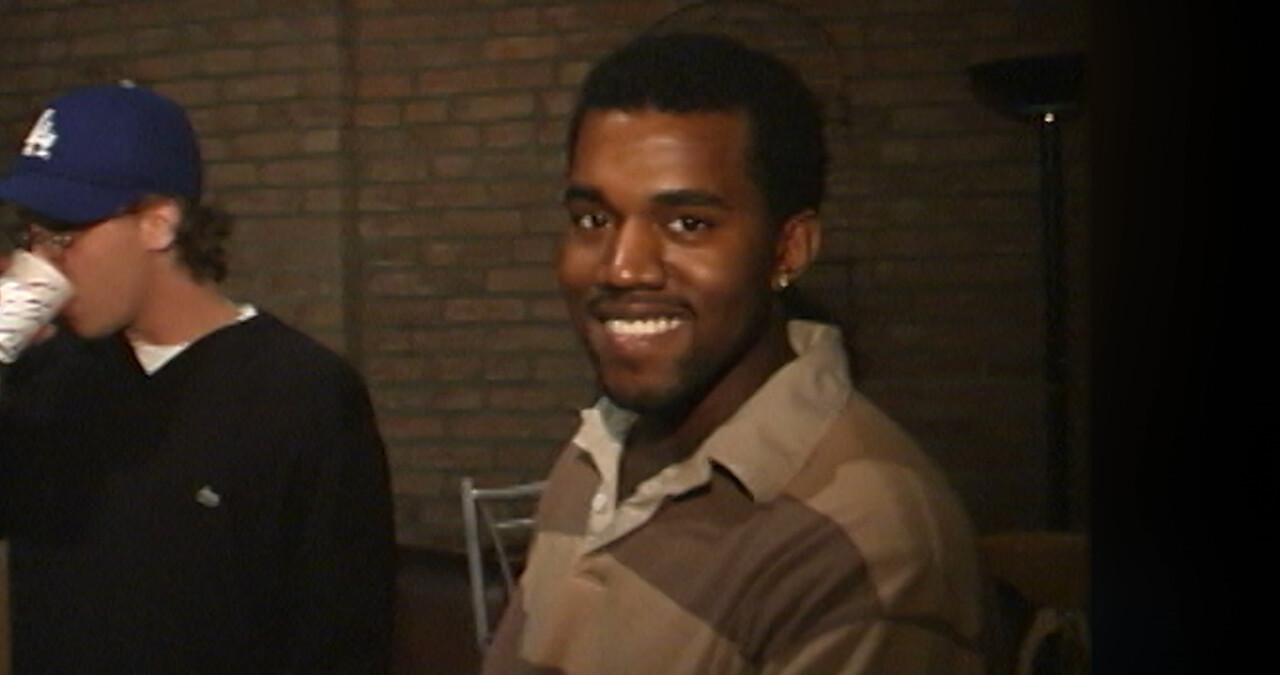
The documentary’s greatest asset is its wealth of behind-the-scenes footage of Ye’s determined rise. The first two parts trace him from 1998, when Coodie meets the then-producer at Jermaine Dupri’s birthday party, to the making and eventual success of 2004’s The College Dropout. (The third part follows Ye after The Life of Pablo.) The effect of this footage is transportive: Juxtaposing it with more recent moments, the filmmakers acknowledge his complicated present phase. They also raise questions: What has changed? What hasn’t? And how did we get here?
Ye makes for a tough documentary subject — not just because of the chaos he’s unleashed around the documentary’s release, but because of how thoroughly we know him. In the 21st century, there are maybe three American celebrities who have commanded as much collective attention as Ye, and they are former and future presidents. At this point, Ye is like the weather: After much analysis, we have a general idea of how he’s going to behave, but when he strays from expectations, it’s no longer shocking — though it still elicits fervent comments. So there’s almost nothing he can do that will not support some prior notion of him.
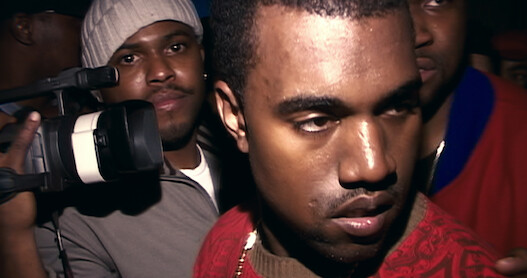
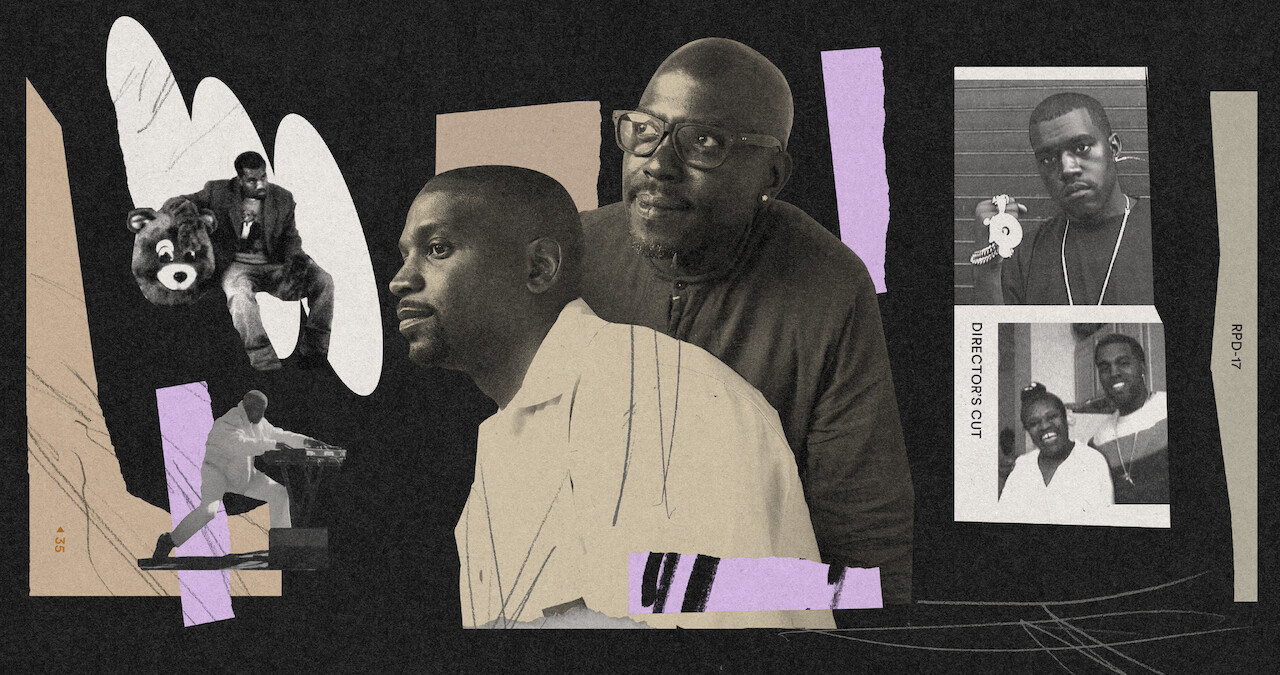
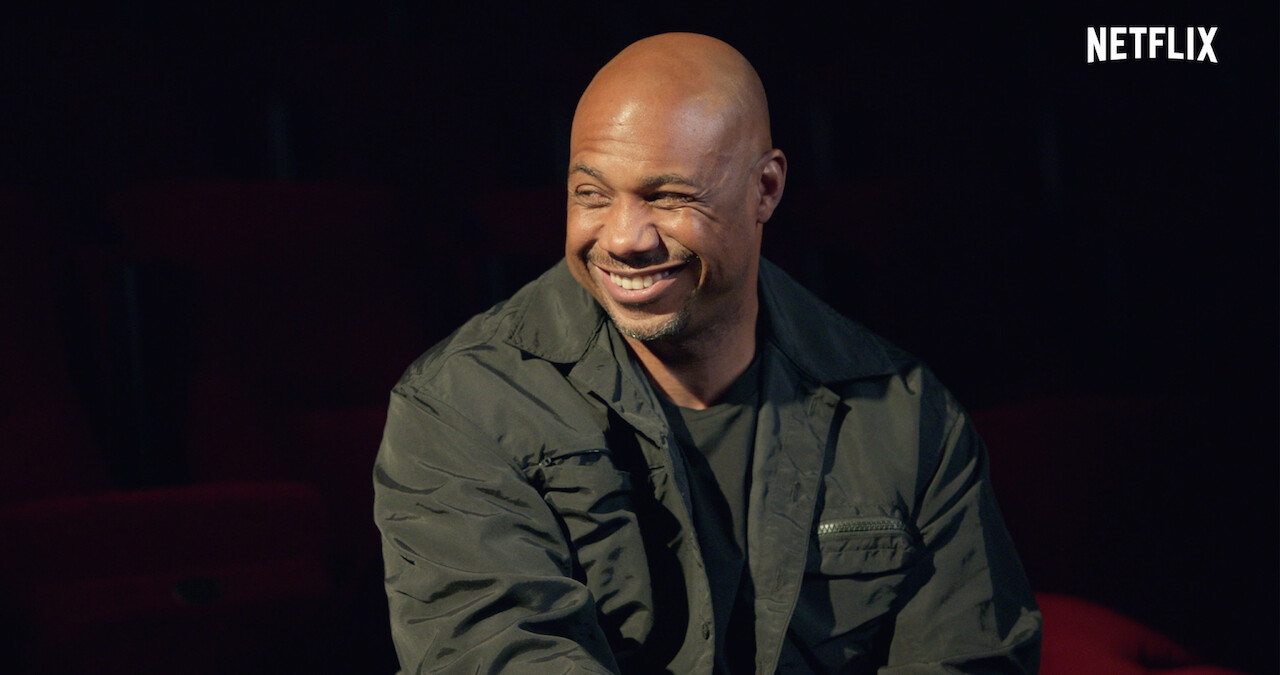
The filmmakers take a personal tack in documenting Ye: jeen-yuhs is the story of Ye through the eyes of Coodie, one of West’s early friends, supporters and collaborators. (Coodie & Chike directed the videos for “Through the Wire” and “Jesus Walks.”) Coodie was performing stand-up and hosting the Chicago public access show Channel Zero, and Ye was producing acts like Harlem World and Foxy Brown — while making moves to be taken seriously as an MC. Coodie was quick to recognize Ye’s talent and star potential. So in 2002, when West moved to New York to pursue a career on the mic, Coodie grabbed his camera and followed.
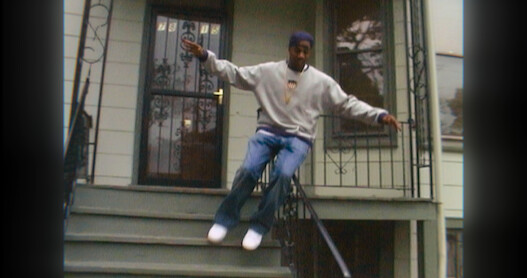
In the days before young artists were able to chronicle their every move on social media, Coodie picked up the slack, recording a remarkable array of pivotal moments in the rapper’s ascent. With dogged insurgent energy, we see Ye bum-rush the Roc-A-Fella Records offices to showcase his solo music, finagle a spot on MTV’s You Hear It First and prove himself in the eyes of hip-hop heavyweights like Pharrell and Jay-Z. What these moments make clear is that, as much as The College Dropout was a work of artistic vision, it was also the product of Ye’s tenacious will.
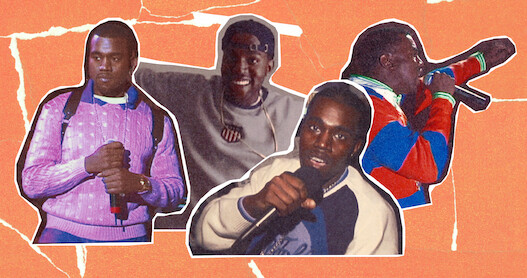
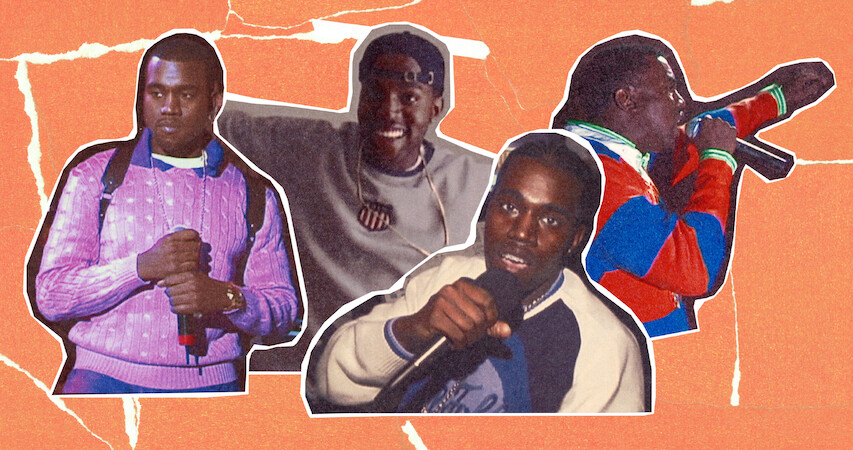
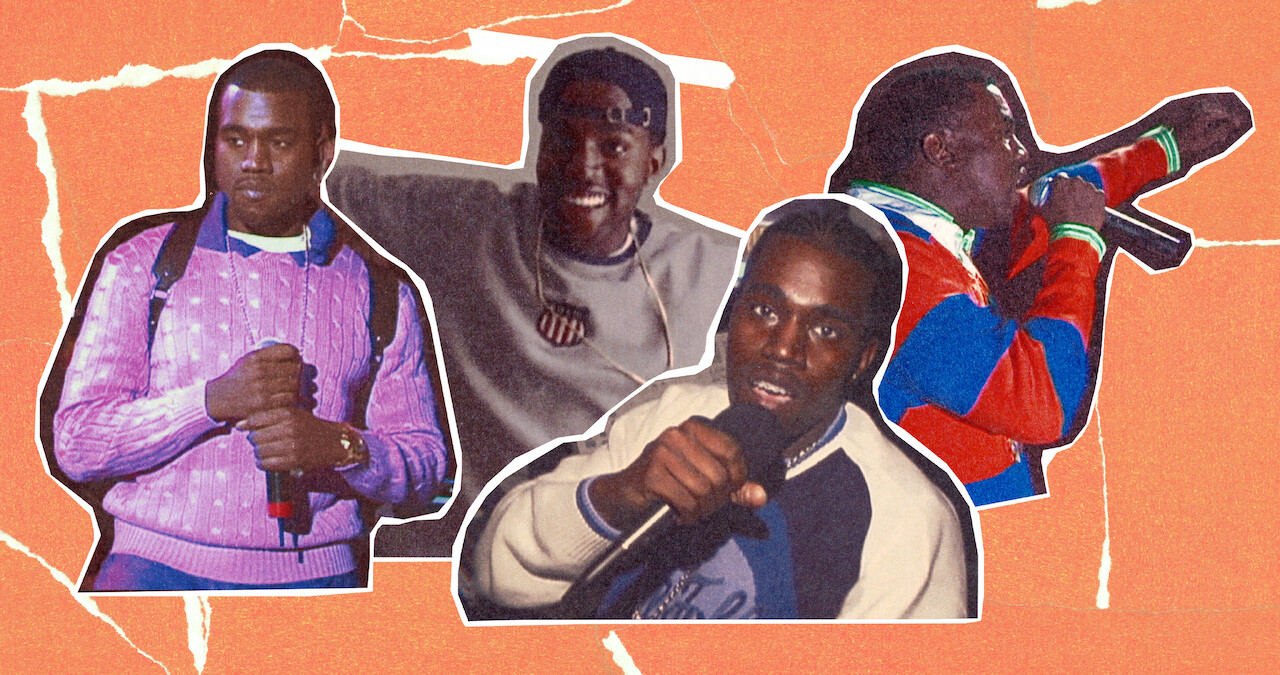
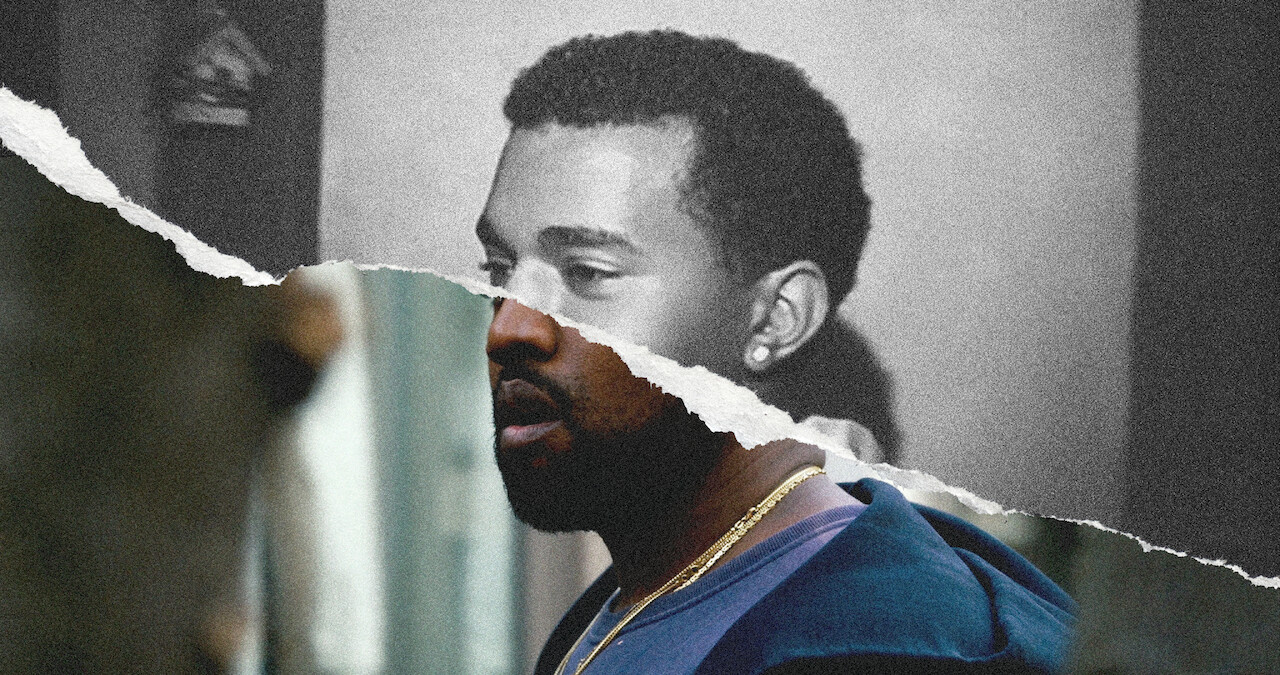
These moments also illustrate just how little Ye has changed in the past 20 years. He’s never lacked confidence, he’s always been keen to push boundaries, he’s always been motivated by disproving his doubters. Sure, he may have gone from backpacks, polos and a retainer to cosplay as BDSM Watchmen and Fury Road Britney and Justin, but beneath the garb, Ye’s more or less the same old Kanye.
So why do we miss the old Kanye and feel so fed up with the current one? Perhaps most fundamentally, the difference is the context around him. At the start of his career, Ye didn’t just perceive himself as an underdog — he was one. In the early aughts, the world of hip-hop was polarized into two camps, gangster and conscious, embodied by two labels, Roc-A-Fella and Raucous. At that time, the gatekeepers at major labels couldn’t conceive of something in between. Ye was put in a box and was justified in feeling like it was him against the world — that the work he was making was ahead of its time.
Early on, even if you didn’t condone all of Ye’s antics, you could see where he was coming from: Beyoncé’s video was better, George Bush’s actions did suggest he didn’t care about Black people, and maybe Kanye had risen to a godly status. In bucking orthodoxy, there was the sense that Kanye was speaking truth to power. And when he wasn’t, well, at least his spectacle seemed inspired. That changed around 2016, when — well, you know. By then, all of the young Kanye’s dreams had come to fruition, and then some. He’d become an iconic artist and successful mogul in music and fashion, literally floating above his followers. Ye had achieved enough power that there were scarcely any gatekeepers to tell him no. Where it was easy to root for Ye when he was barnstorming Roc-A-Fella on behalf of his own music, he made it impossible when he barged into TMZ to argue that slavery was a choice.
As a fan, it’s been hard to grapple with Ye these past several years — to empathize with his mental health issues without excusing his damaging or dangerous behavior. In the final part of jeen-yuhs, we see Coodie reunited with Ye after his 2016 hospitalization. Coodie tries to once again support him as a friend while communicating to the viewer that the two “haven’t always seen eye to eye.” It’s a tough needle to thread. Coodie’s conclusion, ultimately, is that there’s no such thing as an old Kanye and a new Kanye. “What I’m realizing now is that every part of Kanye is what makes him who he is,” Coodie says. He ends the documentary with a prayer, thanking God for “using me as a tool to tell this story.” The sweeping, messy life and career of Ye, he implicitly suggests, is all just part of God’s plan.
But to chalk everything that’s happened in Ye’s life up to God’s will both removes responsibility and centers Ye in some divine master plan. Ultimately, jeen-yuhs is a testament to just how much more alluring it is to watch the pursuit of fruition than its culmination. We think we want to see our heroes’ dreams come true, but what’s left after they do?
While Ye’s limitless ambition was magnetic at first, it’s later proven to be his fatal flaw. In early footage, we see Kanye’s late mother, Donda West, tell him, “A giant looks in the mirror and sees nothing.” By the documentary’s end, it appears that if a giant grows big enough, maybe that’s impossible. As Ye once rapped, “No one man should have all that power.”