Culture
How Charlie McDowell Became the Master of the Single-Location Movie
With Windfall, the director found darkness in a sunny California estate.
By Max Cea
March 5, 2024
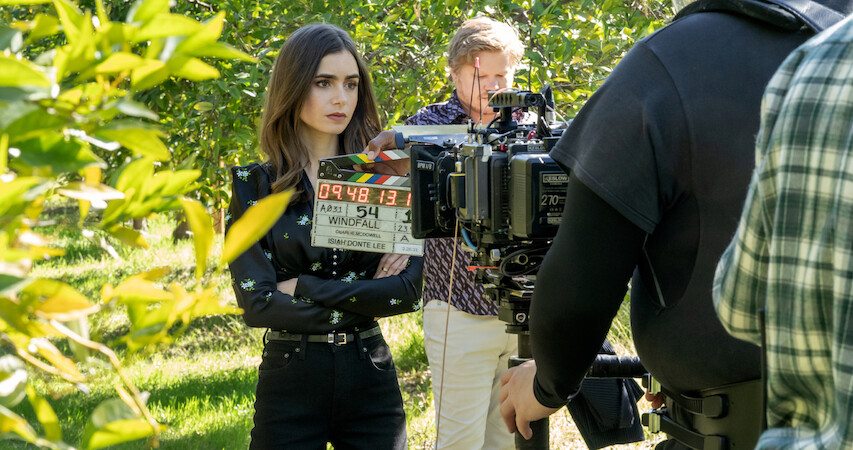
After more than two years in development, Charlie McDowell was nearly ready to direct his third feature. This one was going to be set all over New York, a step up in budget and in scope. But then came COVID, and the film, like everything else, was put on indefinite hold. “The question for myself and friends who are artists was, ‘How do we continue to make stuff?’ ” McDowell tells Tudum. The answer came a couple months into the pandemic. During a video chat with several friends and frequent collaborators — McDowell’s writing partner, Justin Lader; the actor Jason Segel; and the writer Andrew Kevin Walker (Se7en) — Segel suggested that the group write a film specifically set in a location where a small cast and crew could safely isolate.
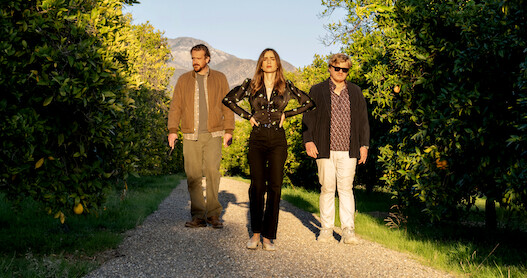
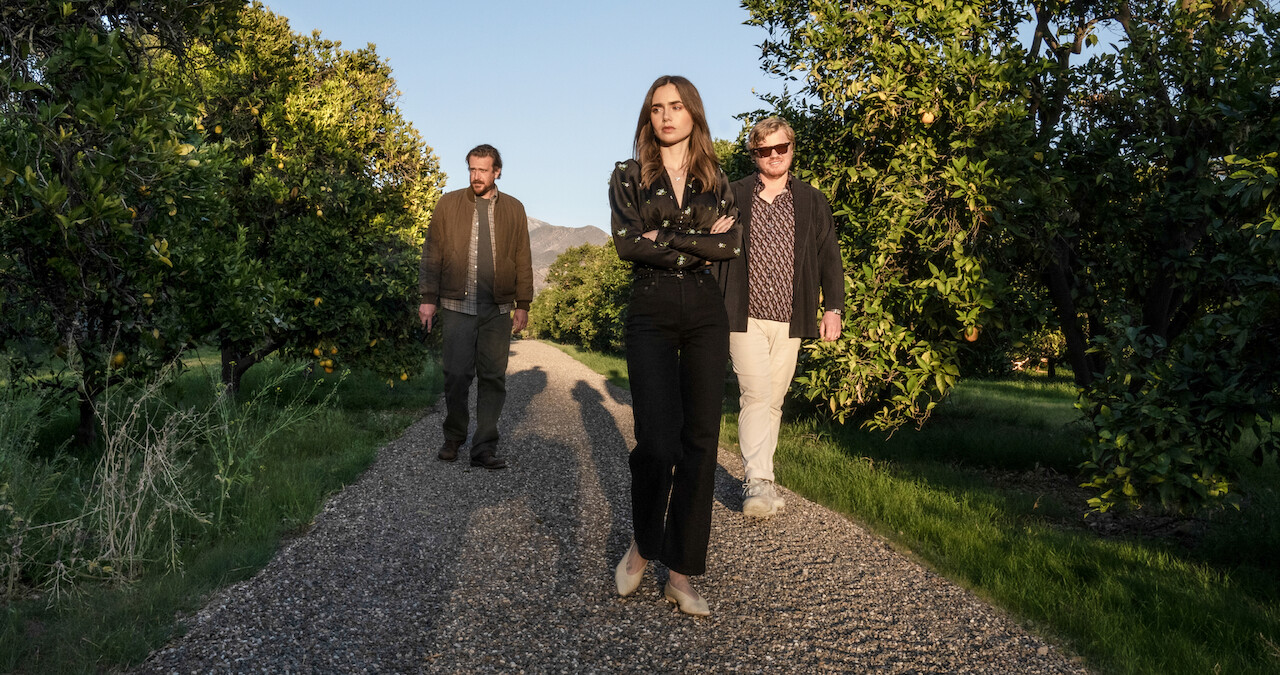
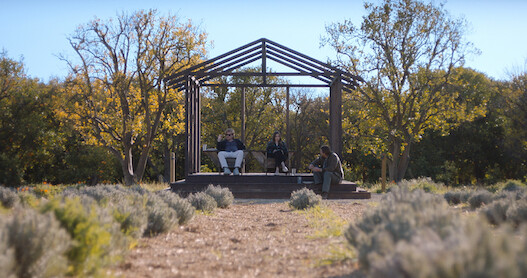
It wasn’t so much an inspired idea as an obvious one: McDowell’s two previous films, The One I Love and The Discovery, each explored an ambitious sci-fi premise (cloning and the afterlife, respectively) with a house serving as the primary setting. In an equally fickle and bureaucratic industry, this was a way for McDowell to get things made, but it was also a way to make the things he was interested in making: character-driven, surprising independent features. Right away, McDowell thought about an idyllic estate in Ojai, California, owned by one of his friends, as a potential location. And Segel had the seed of an idea: his character walking around a beautiful space, taking it in, drinking orange juice... only to reveal that it’s not his house and he’s actually robbing it.
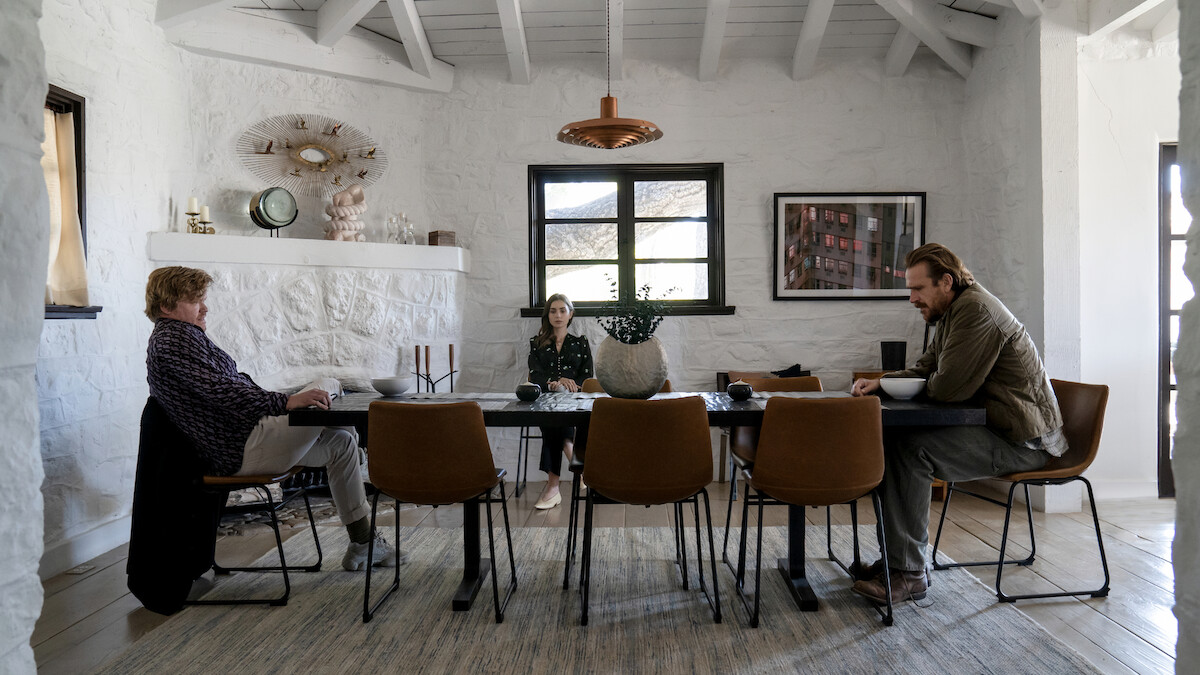
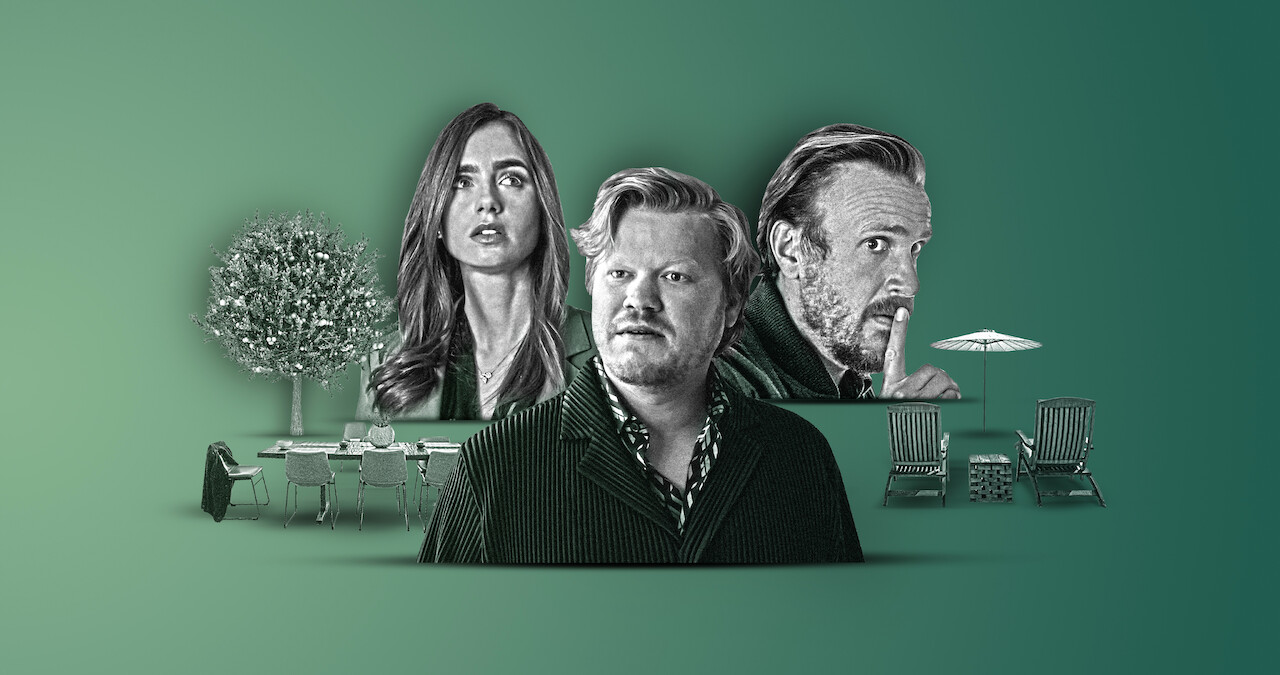
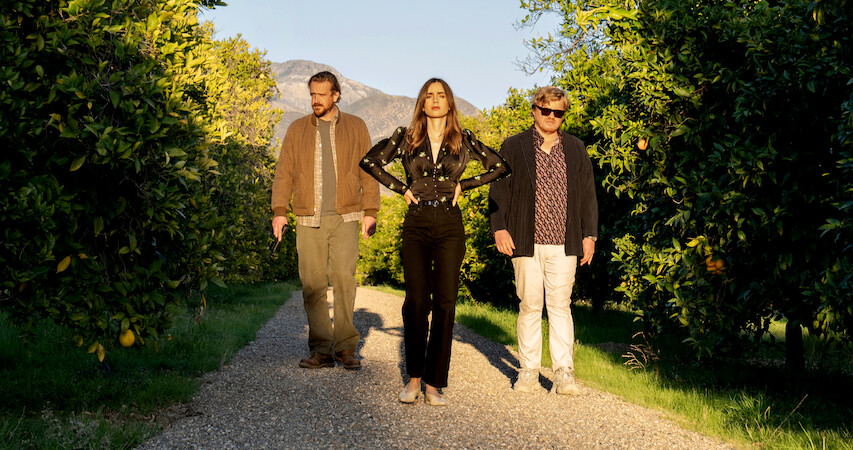
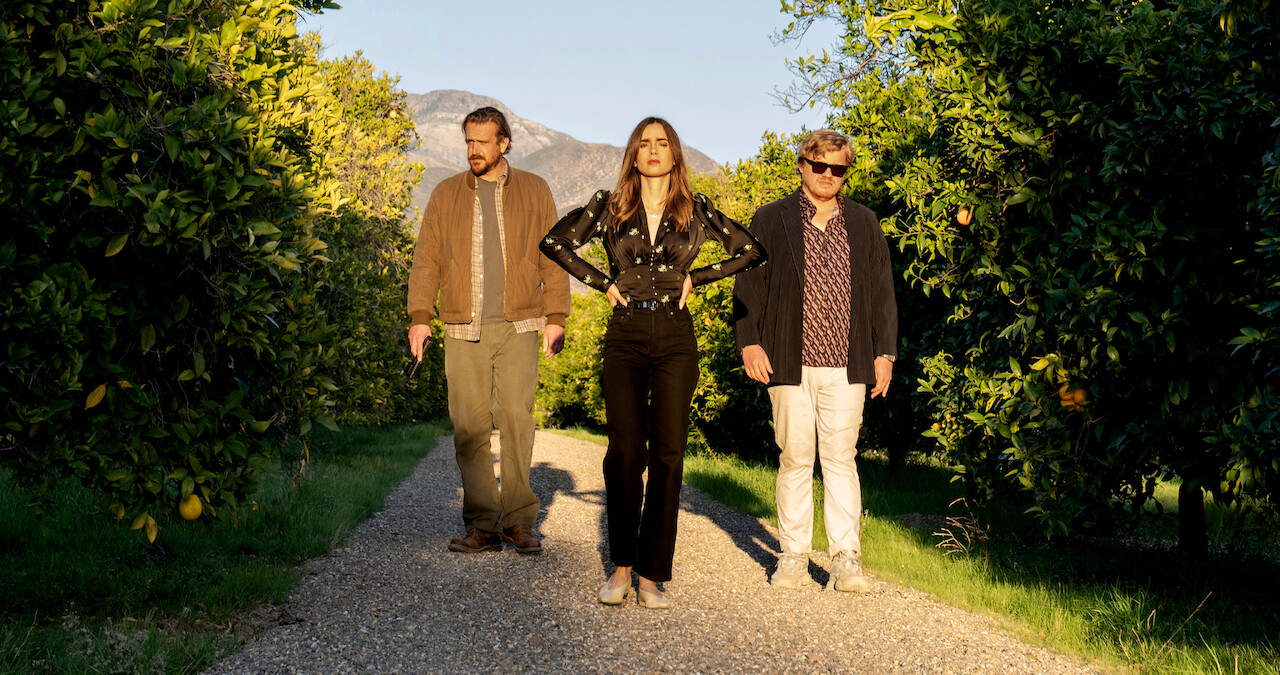
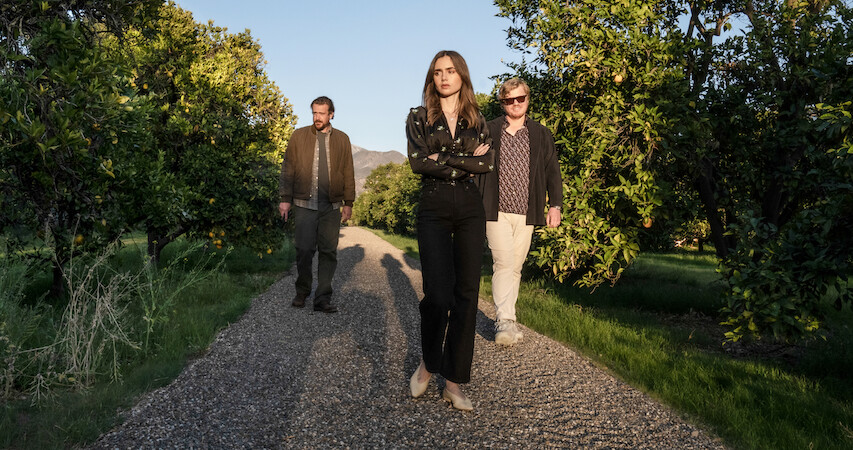
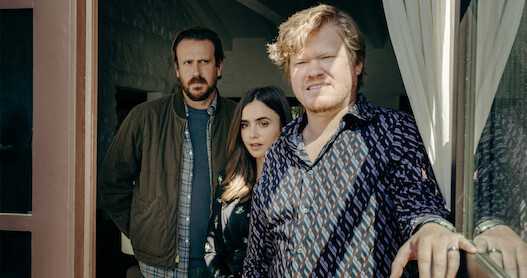
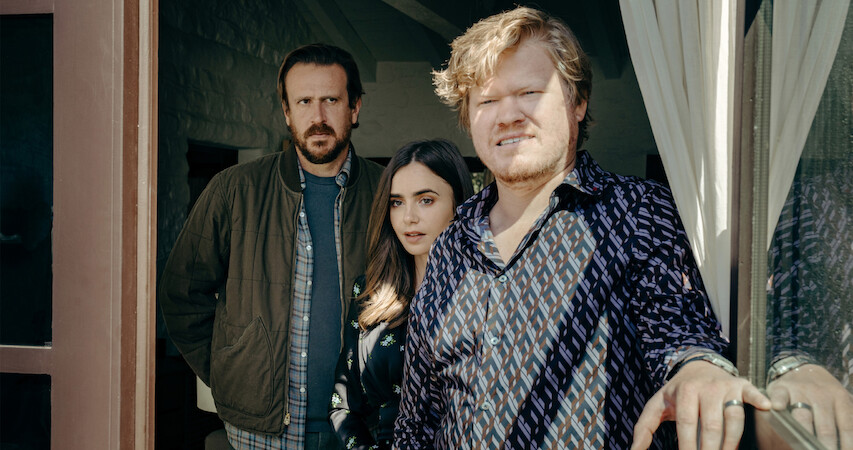
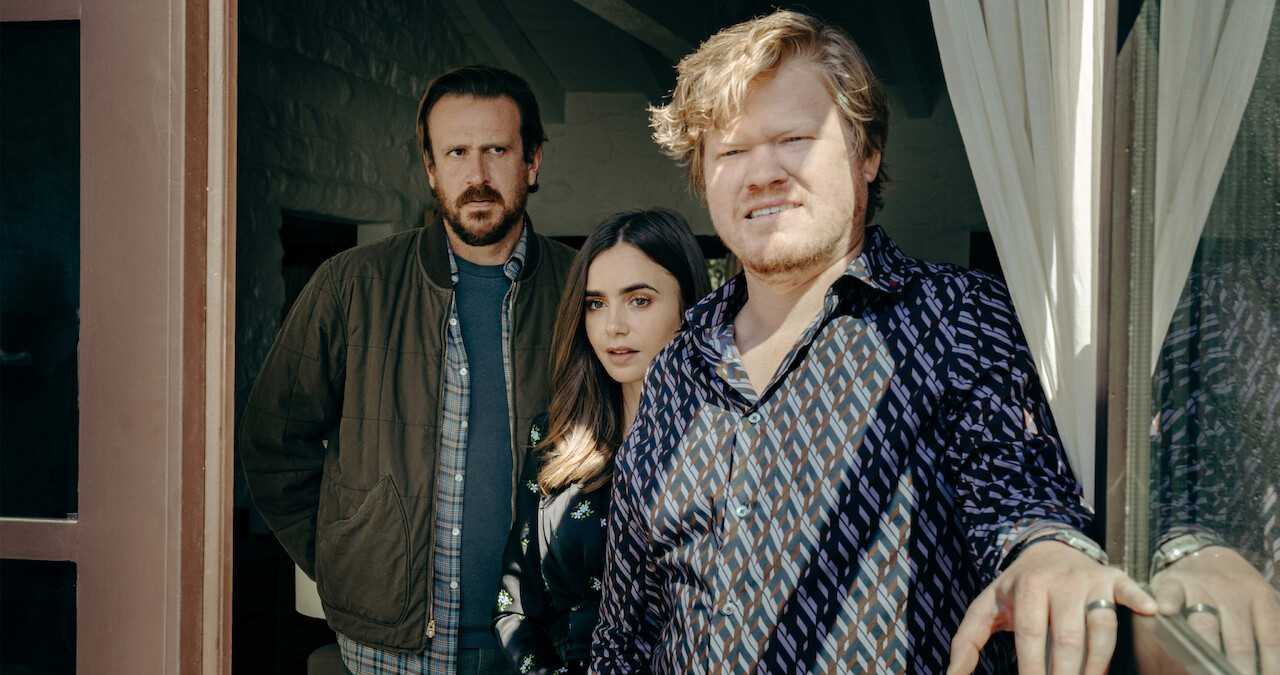
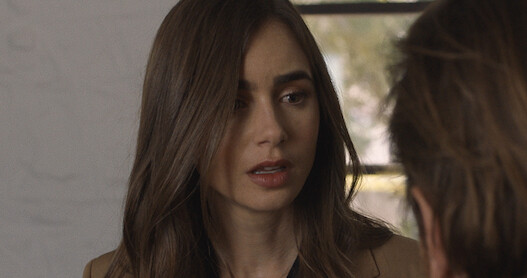
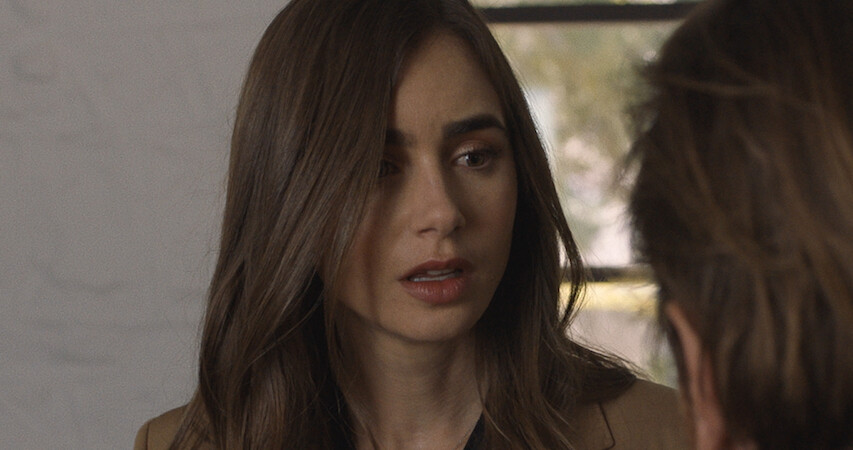
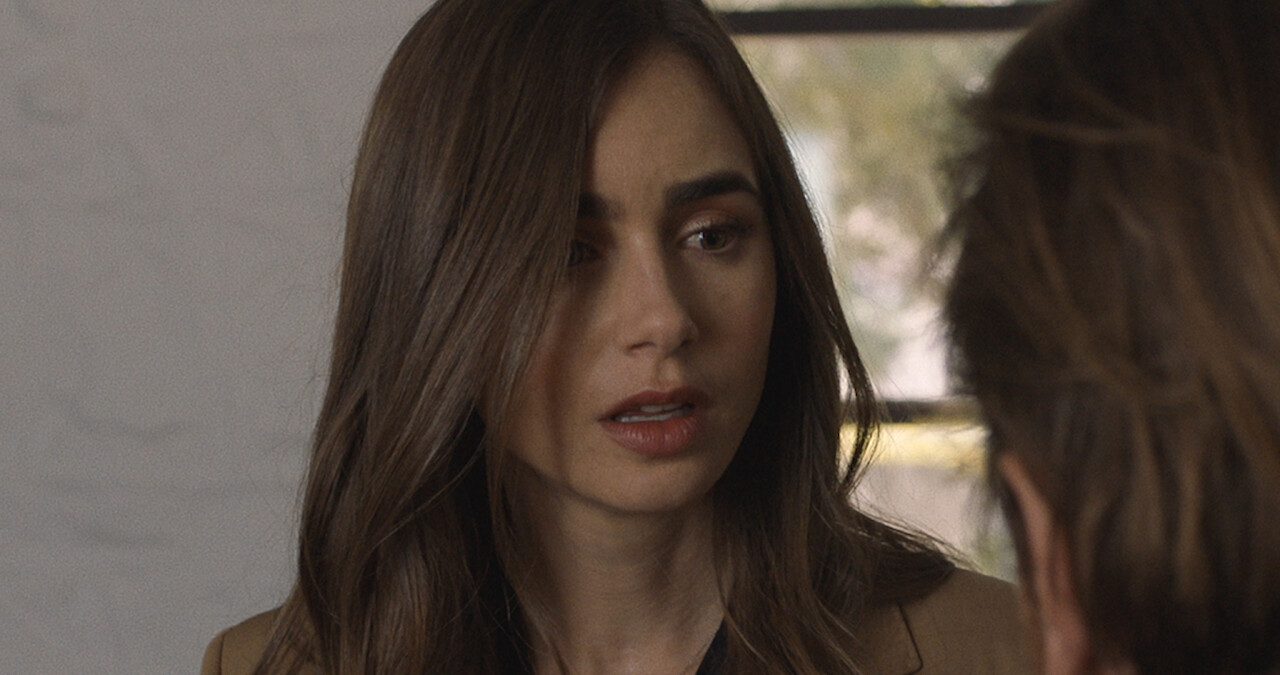
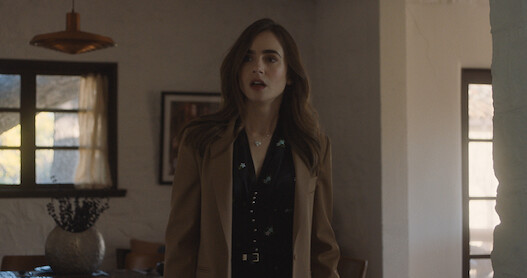
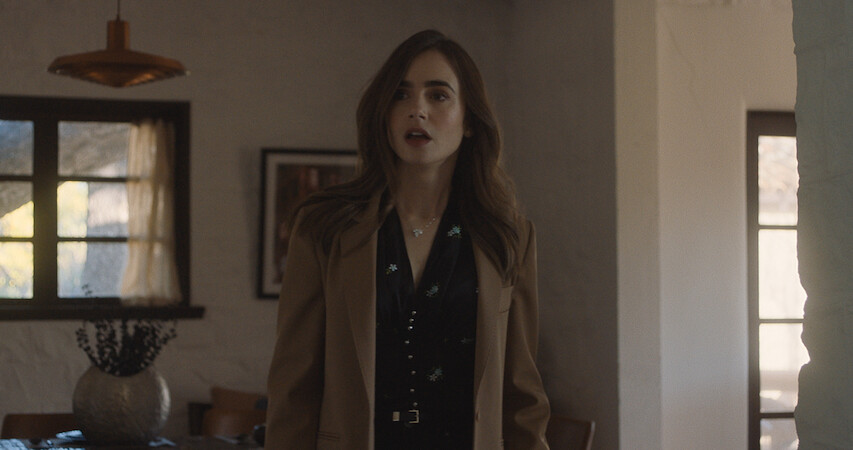
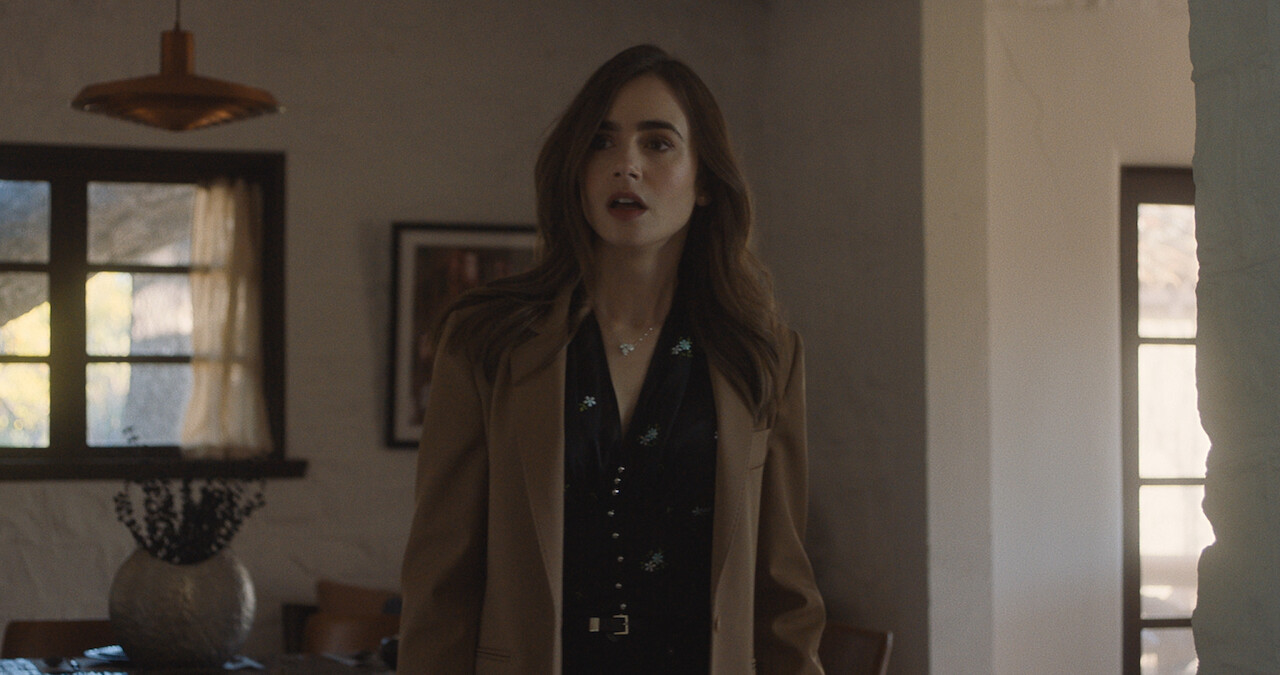
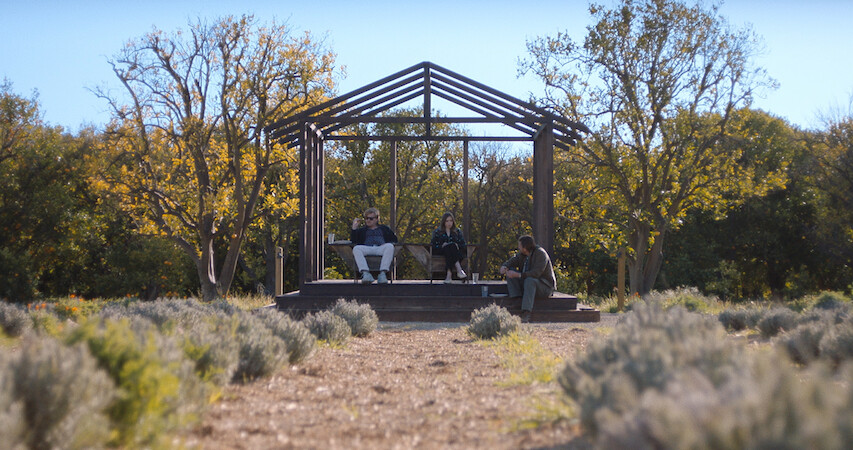
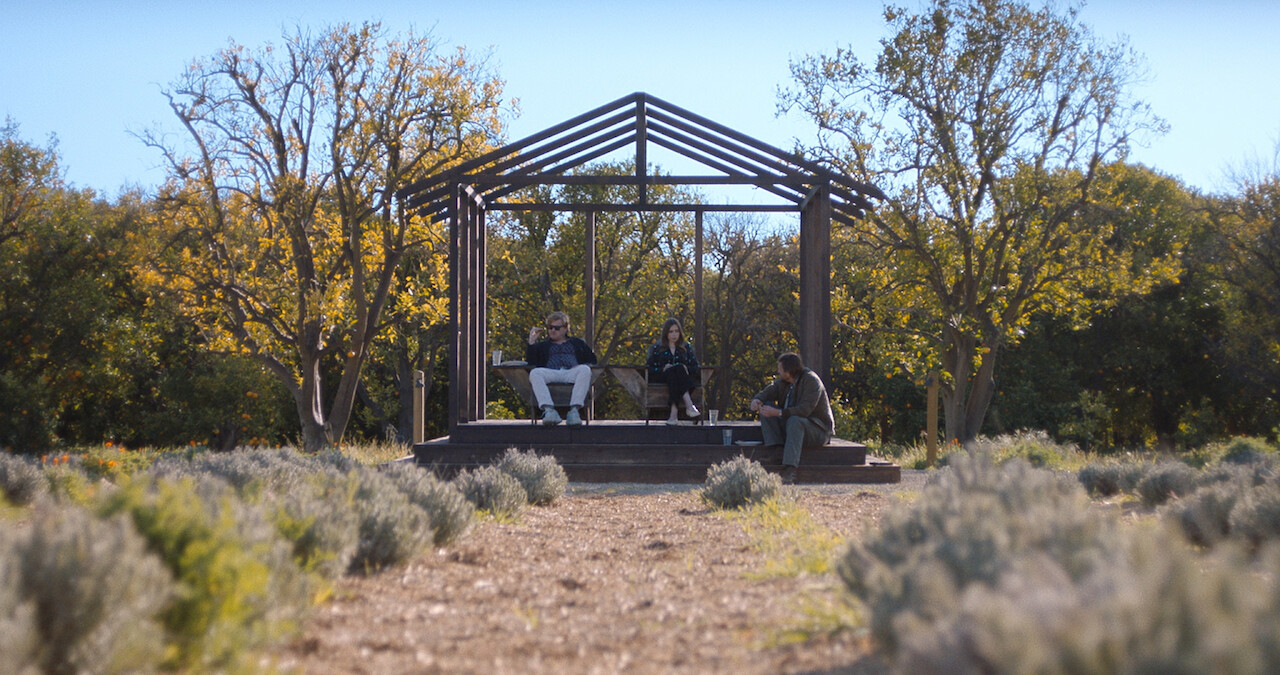
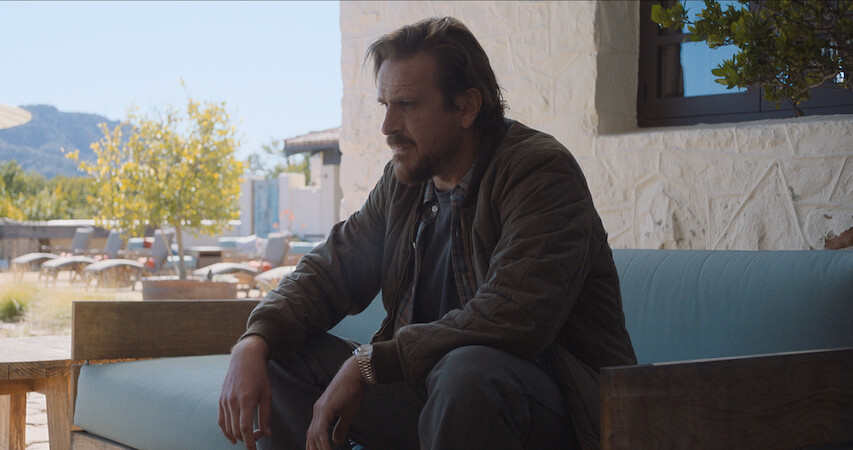
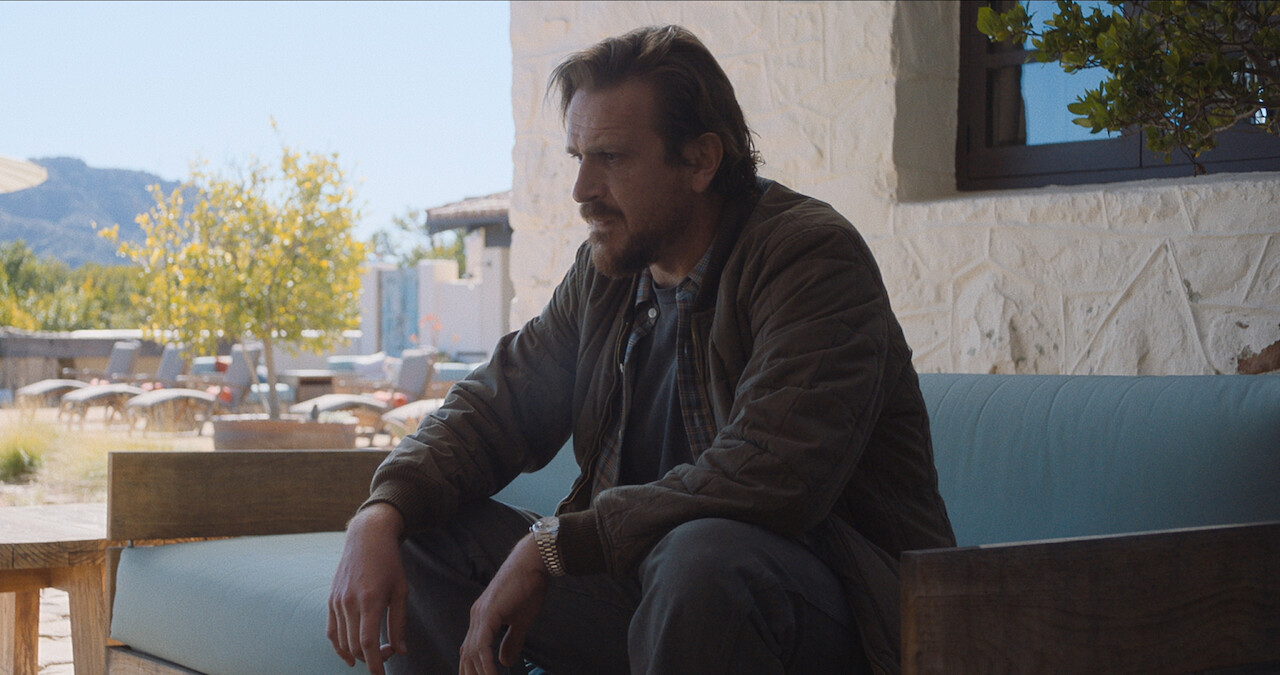
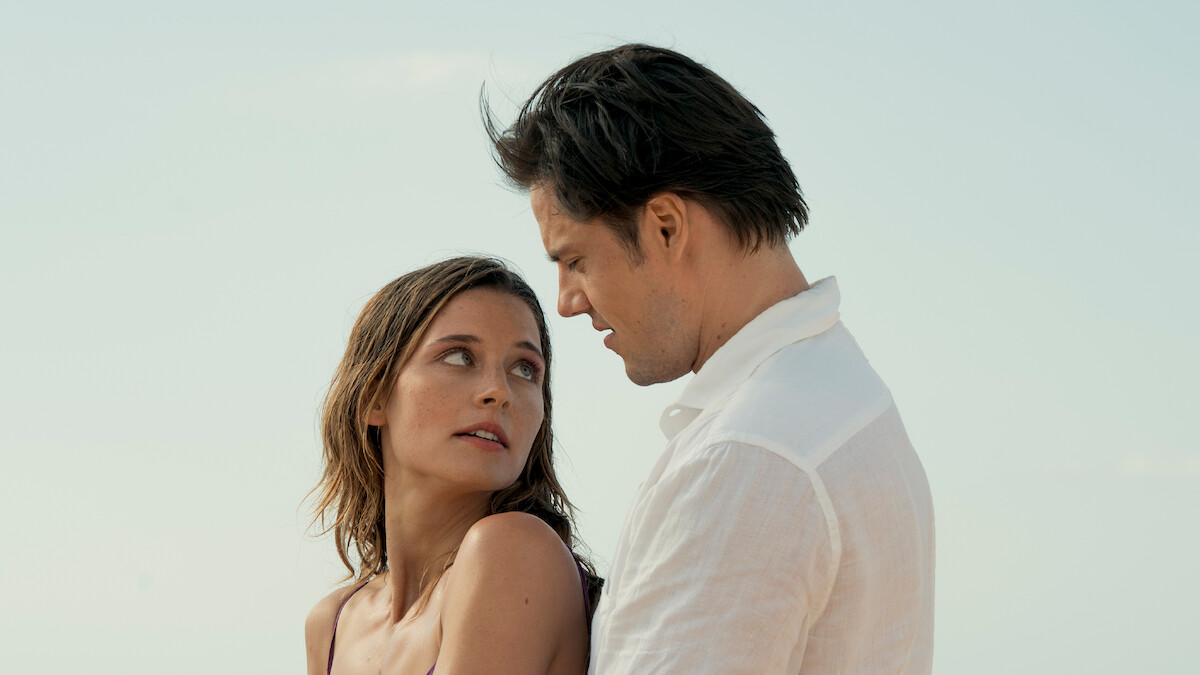
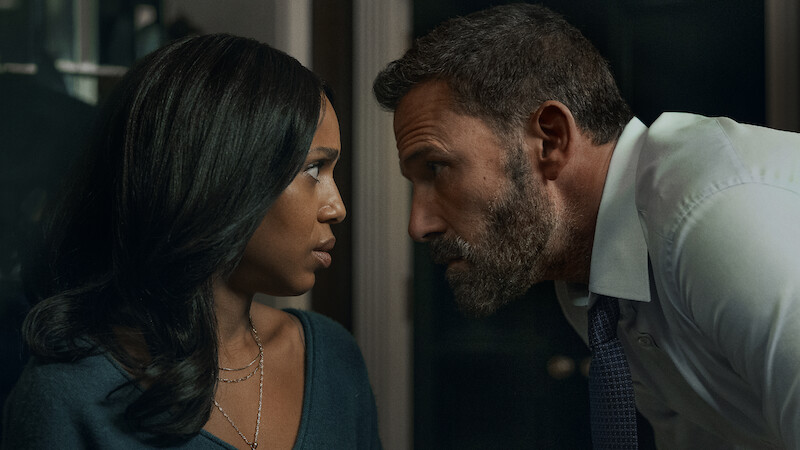
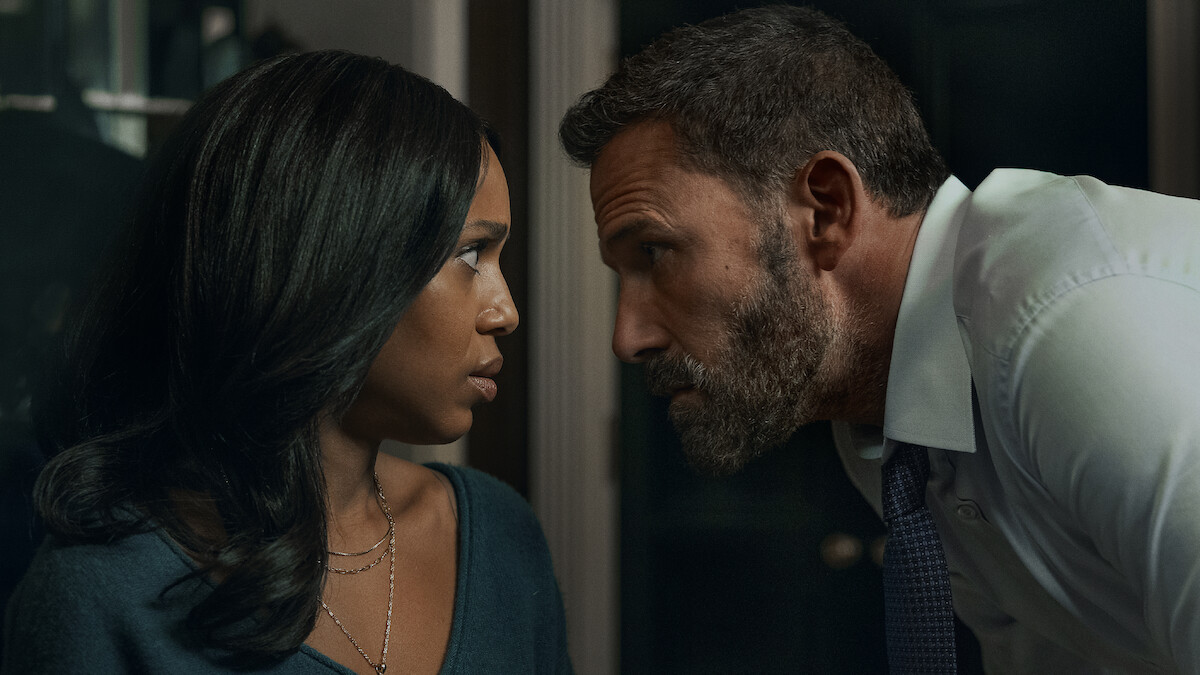
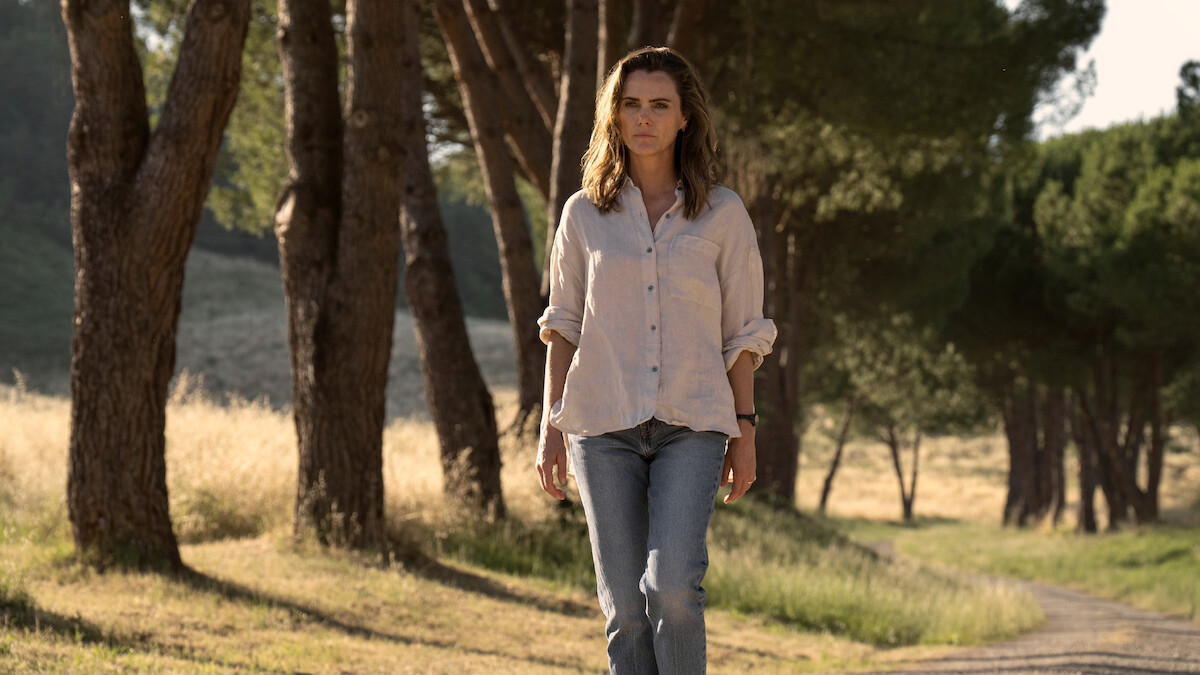
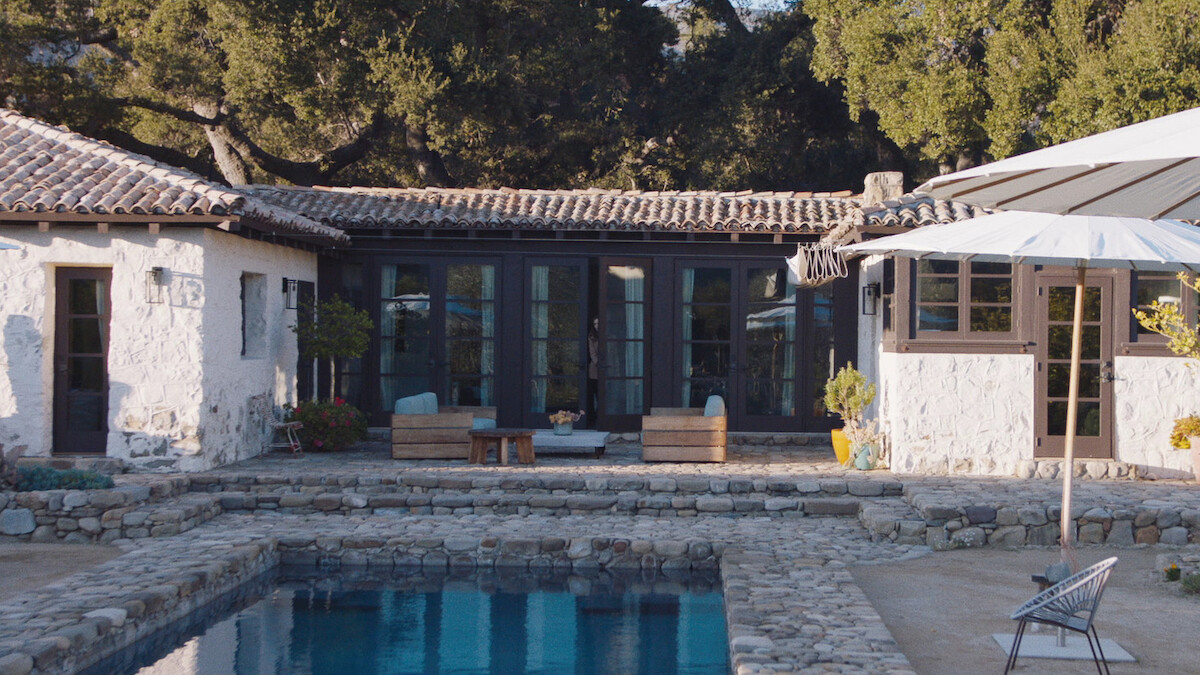
“It really [originated with the] location, and then we started to piece together what happened within the space and who the characters are that live in it,” McDowell says. That process resulted in Windfall, a quiet noir out March 18 about what happens when a wealthy tech executive (Jesse Plemons) and his trophy wife (Lily Collins) find a mysterious thief (Segel) in their vacation home. The film explores social inequality, marital subjugation and the consequences of extreme wealth. And throughout, the luxurious California home plays a central role in the framing of these ideas. “I’ve been interested in really looking at and dissecting a space,” McDowell says of his career thus far. “How does it form or change over time as the characters change within it? How do you view a space in the beginning versus as the story goes on?”
It’s become a cliché for filmmakers — or critics, for that matter — to refer to a location as a “character” within a film, but it really does function that way in McDowell’s movies. The house in Windfall — which is airy, expansive and modern — has a personality all its own that sways the narrative as much as the people inside it. And McDowell accentuates the space’s details with his filmmaking style. “Charlie’s interest in picking apart each space shows the most when he’s tracking his shots,” says Windfall’s set decorator Elizabeth Goldsby. “He does these long follow shots, which are really cool because you get to see between rooms and you get to see the set as a whole.”
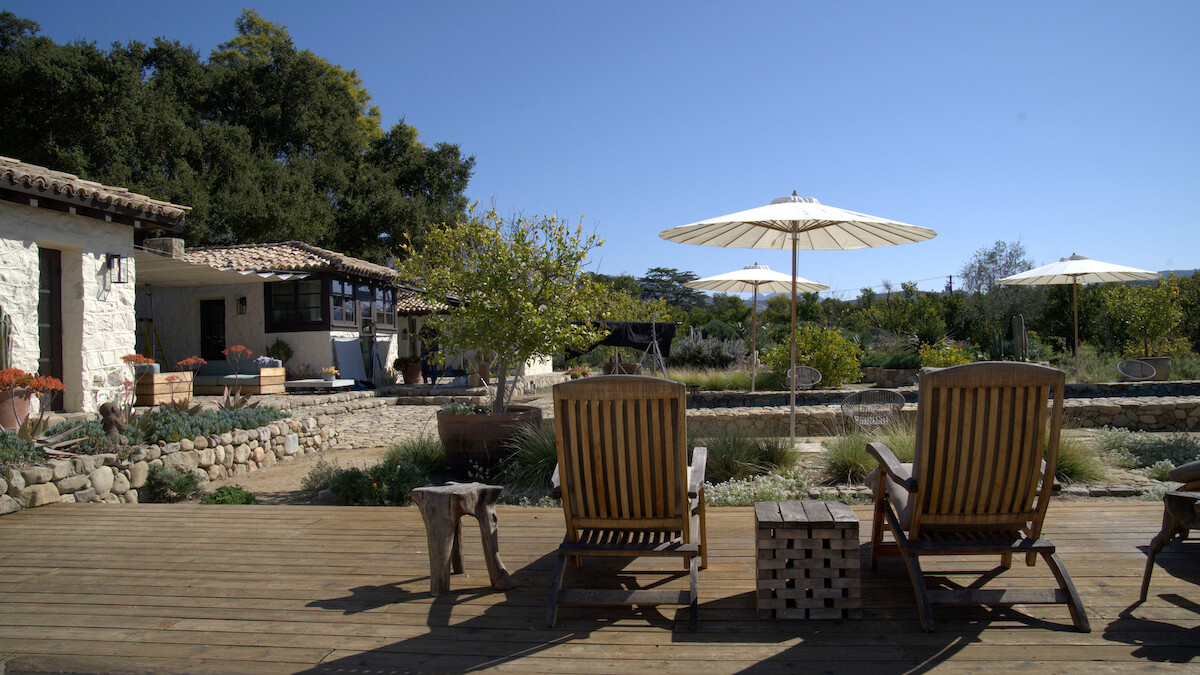
As in The One I Love, which was also set in a picturesque Ojai home, McDowell subverts the splendor of his setting. A keen viewer will notice the immaculate, light-toned house gradually growing messier and darker as the story unfolds. What at first appears to be a dream home winds up being the site of a nightmare scenario. “I’m just interested in, ‘What’s the darkness to a seemingly beautiful space?’ ” McDowell says. “And to me, it really is all about reflecting humans and how we feel.” Though there aren’t any masks or COVID references in Windfall, the feelings the movie reflects are ones we’ve all been wrestling with these past couple years. “It’s this feeling of imprisonment to your space,” McDowell says. “Even if something looks nice and beautiful, it’s all about what you’re experiencing on the inside.”
When the burglary goes wrong, the film’s thief decides to hold the wealthy couple captive until they get him enough money to make a clean escape. And so “quite literally, the characters are trapped a lot of the time inside this living room, looking out at this beautiful setting,” McDowell adds. “That became an interesting metaphor for us.”
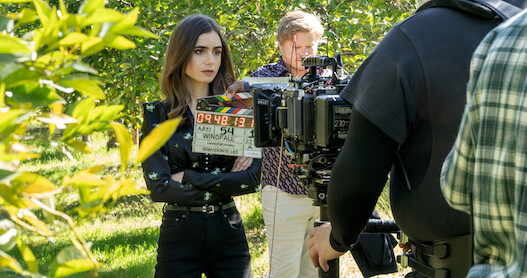
For the most part, working with a small cast in a contained location creatively liberated McDowell and his collaborators. It allowed them to keep the budget low, which meant more control over the production and room to experiment. Over a 20-day shoot last spring, the four-person cast — one of whom is McDowell’s spouse, and two of whom he has worked with previously — functioned as a troupe, exploring the characters and trying things together. Each of the lead actors was able to play a character outside their normal wheelhouse, upending expectations.
During a climactic scene late in the movie, for instance, the actors were able to figure things out on the spot. “Charlie created an environment where we were able to really play around and explore a lot,” Plemons tells Tudum. But while the constraint of the single location bred creativity, it also posed a challenge: How do you keep the setting from growing stale within the course of the 92-minute movie? “We shot in sequence, so it was interesting that by the end of the week we were just all ready to change spaces,” said Collins. “We loved [the house] so much and it was obviously the most beautiful location, but there was a moment in time when we were going, ‘Okay, how do we make this space feel different yet again?’ ”
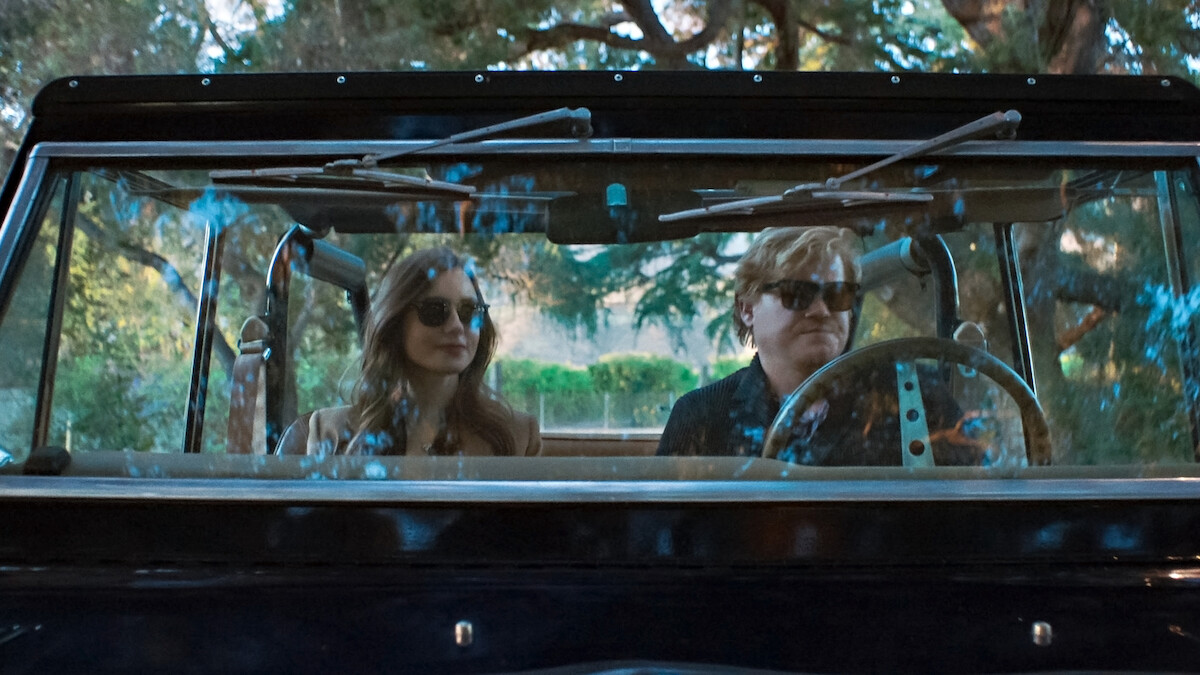
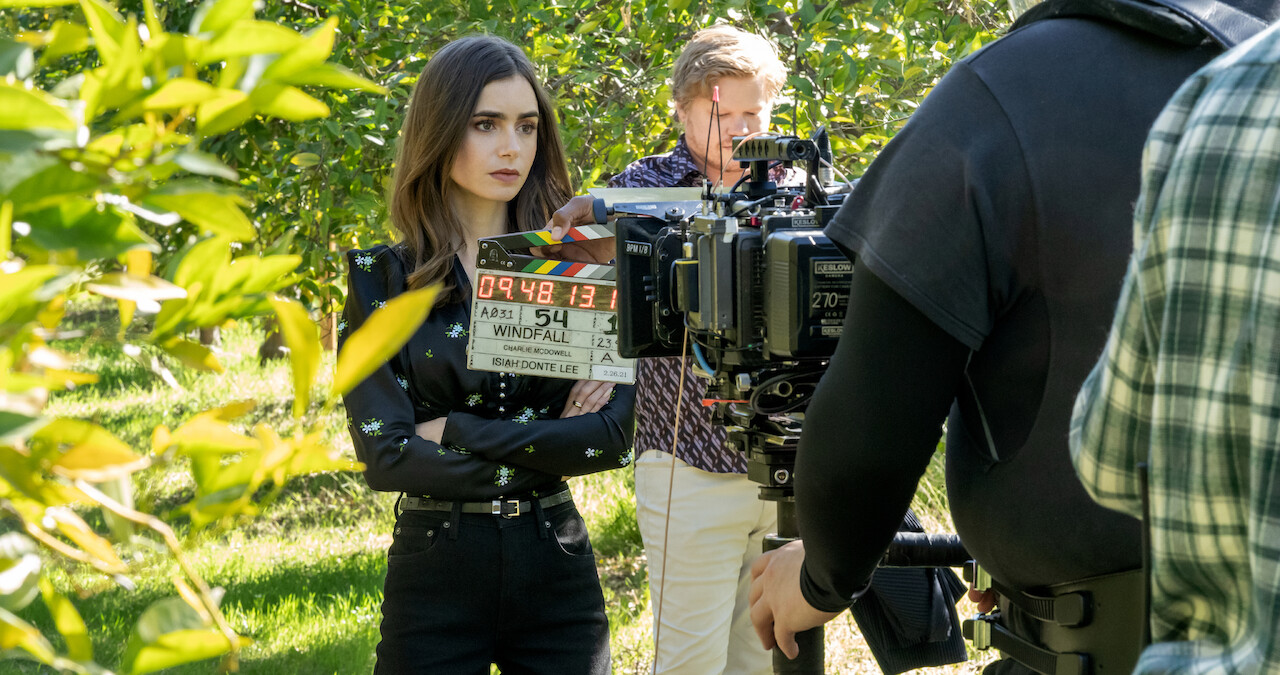
Taking cues from Alfred Hitchcock and classic film noirs, McDowell focused his attention, first and foremost, on blocking (how actors are positioned within a set). “If we know exactly what we have to work with, then we can maximize every usage of the space,” he says. And having a contained space that belonged to a friend gave McDowell the ability to thoroughly plan and experiment. He and director of photography Isiah Donté Lee spent three weeks in the house mapping out each shot. Rather than using the camera to convey emotion, they wanted to stage the action such that the actors created tension through their relationship within the space.
As the intruder holds the couple captive, we see them physically growing farther apart. It’s all subtle yet effective: The simmer is slow but builds to a satisfying boil. Though McDowell hadn’t originally planned to return to such a contained method, he was happy to do so. “I found the thing that I’m interested in doing,” he says. “And [a film] could be totally different from another one, but there’s a connection in terms of really looking at characters within their space.”
This interview has been edited and condensed for clarity.