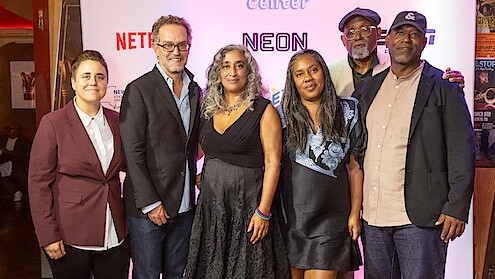
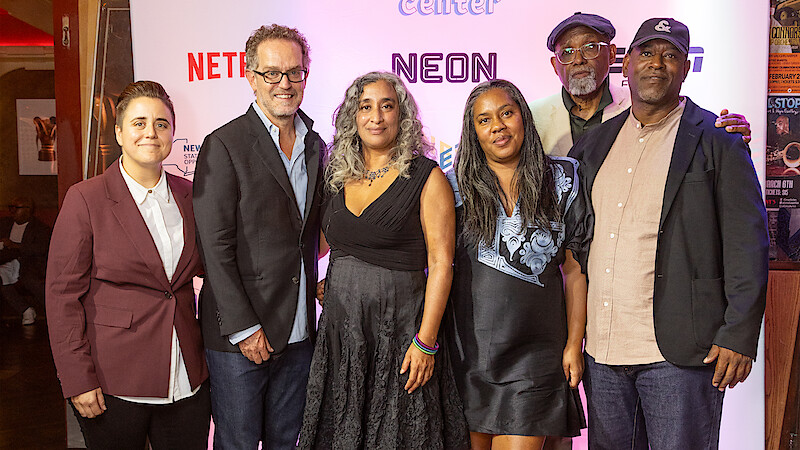
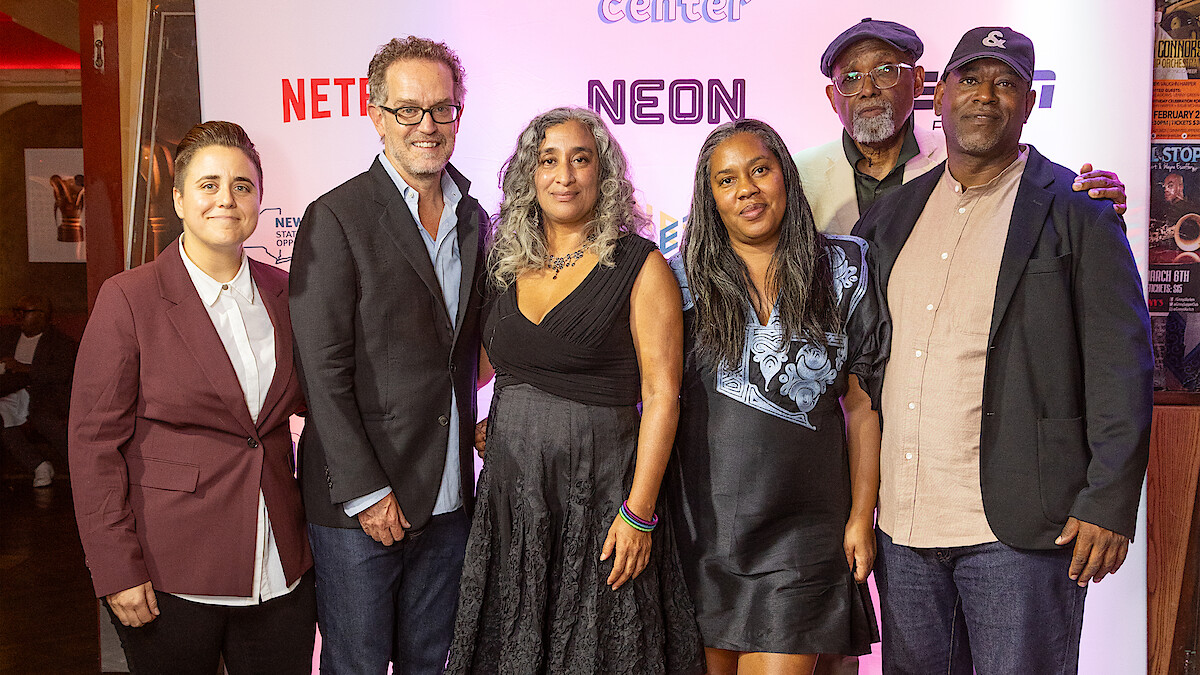
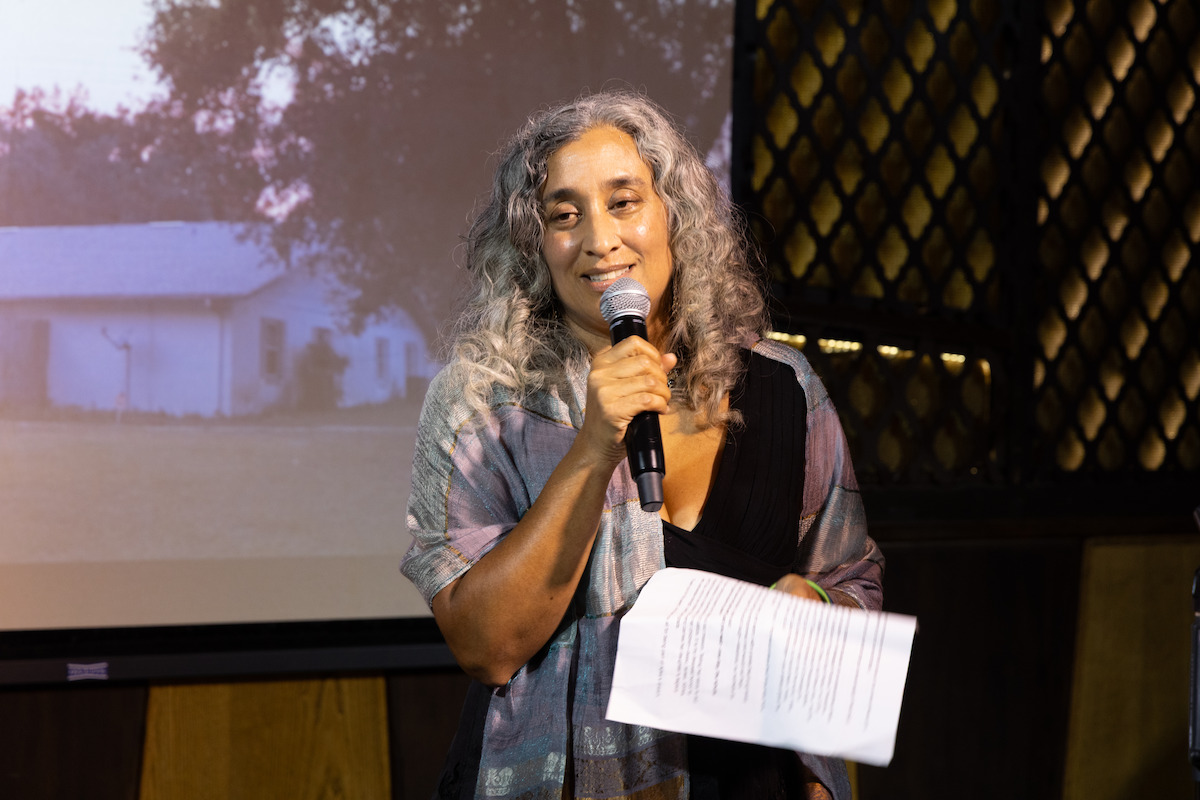
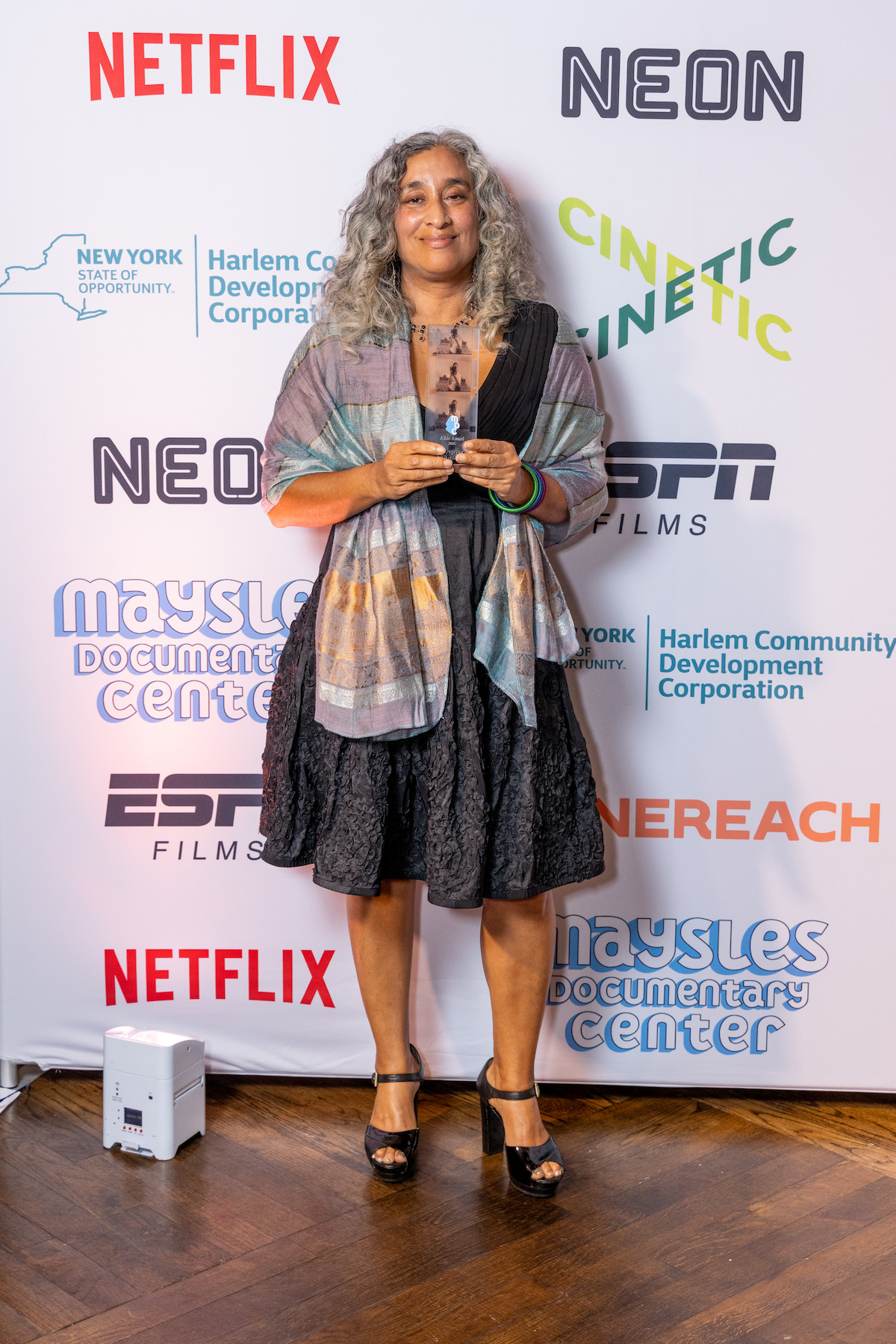
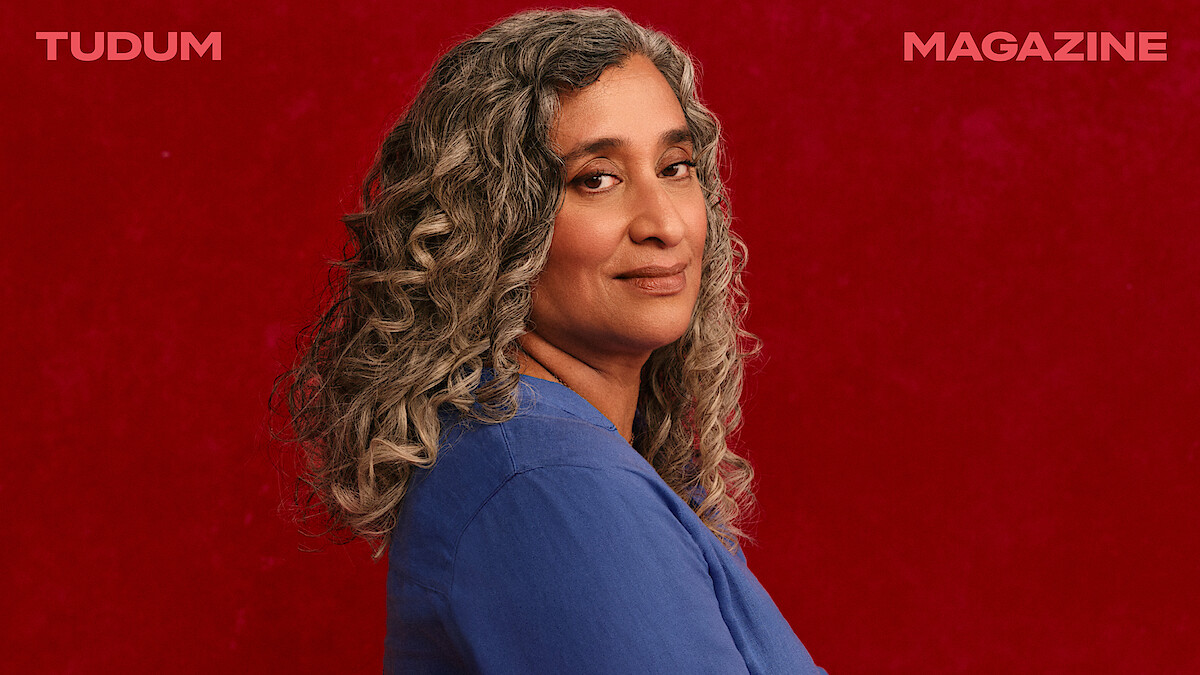
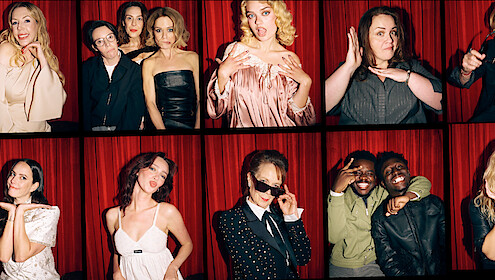
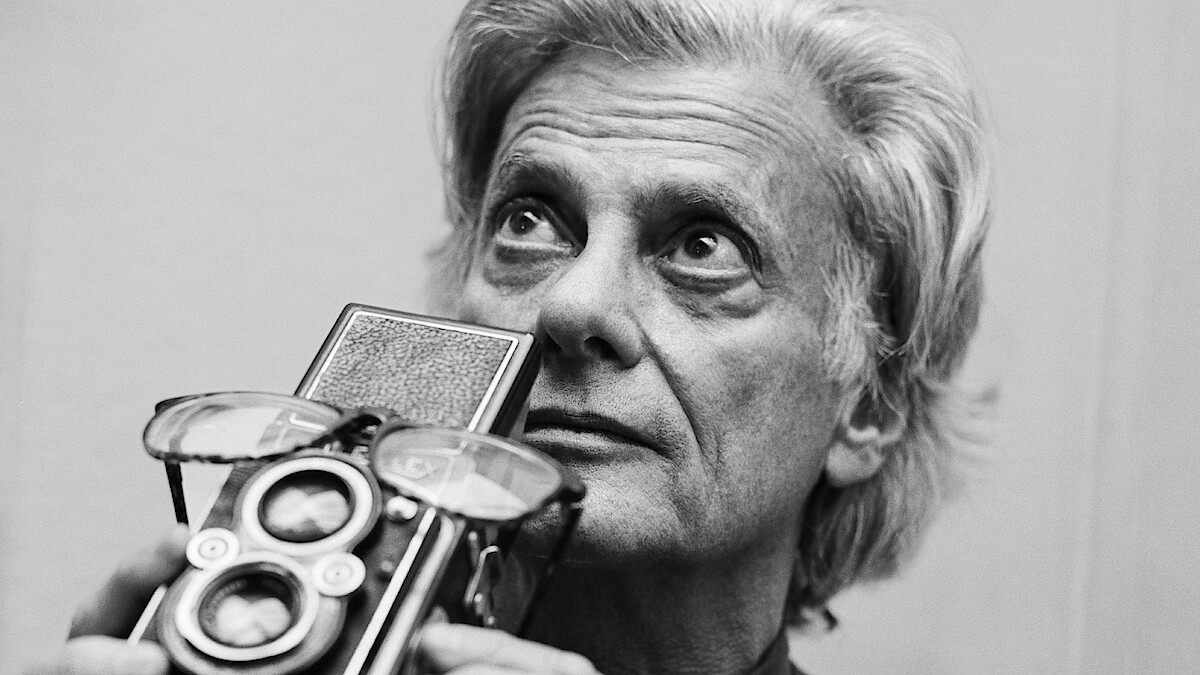
Autumn in New York is alive with galas and events, and at the heart of the action this year was the Albie Awards, which honors documentary filmmakers whose work pushes nonfiction storytelling forward in the name of social justice. Hosted by the Maysles Documentary Center — a nonprofit named for its legendary founder, documentarian Albert Maysles — this year’s ceremony was held at the iconic Red Rooster restaurant in Harlem. Among the films celebrated was The Perfect Neighbor, director Geeta Gandbhir’s harrowing exploration of the 2023 killing of Ajike Owens, a Black woman, by her white neighbor. “The Albies is an incredibly important organization,” Gandbhir said before accepting her award. “In Harlem, in this room that looks like America, it’s so meaningful to me as a brown woman to receive an award from an organization with this legacy.”
Winner of the U.S. Documentary Directing Award at the 2025 Sundance Film Festival, The Perfect Neighbor — coming to Netflix on Oct. 17 — was co-produced by Gandbhir with her partner Nikon Kwantu, as well as Sam Bisbee (Daughters) and Alisa Payne (Katrina: Come Hell and High Water, Primetime Emmy and NAACP Image Award nominee Stamped from the Beginning). Gandbhir — mentored by Academy Award–nominated filmmaker and legend Sam Pollard, who presented her with the Albie Award — had an urgent relationship to the story’s subject. “Ajike Owens was a family friend. She had a lot of big dreams. She wanted to be an entrepreneur and she used to always talk about how the whole world one day will know my name. And so in her loss, it feels it’s been a mission for us to carry that on,” she says. “And it feels a bit like what we are doing now — we see it as fulfilling her dream.”
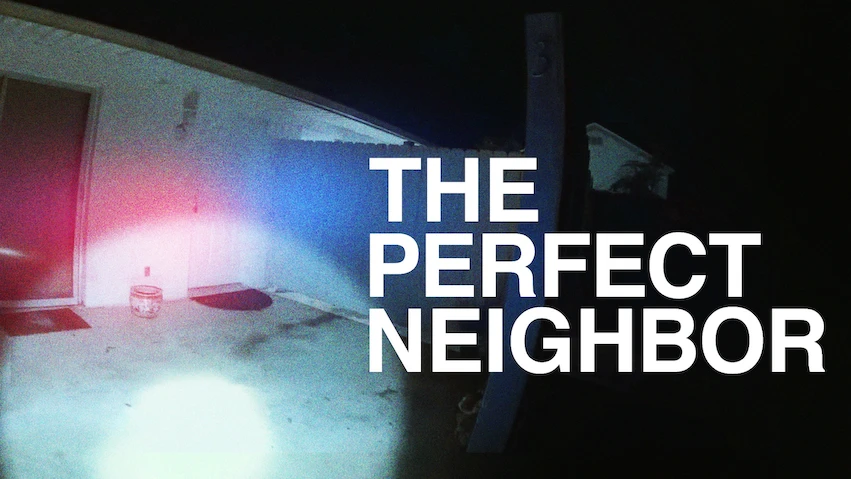
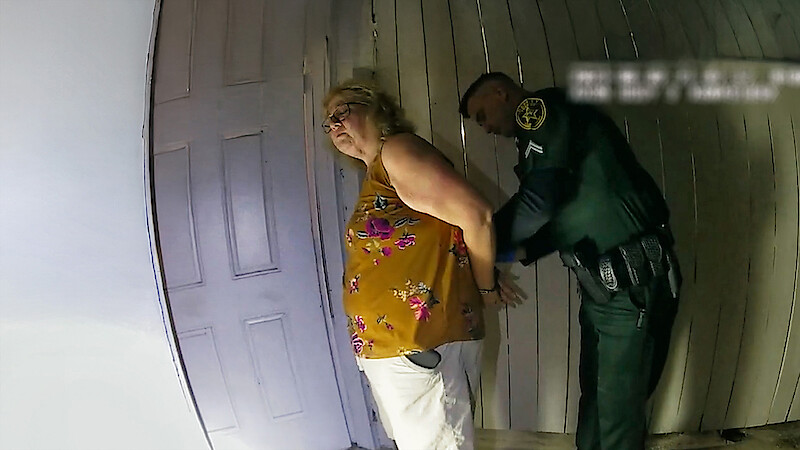
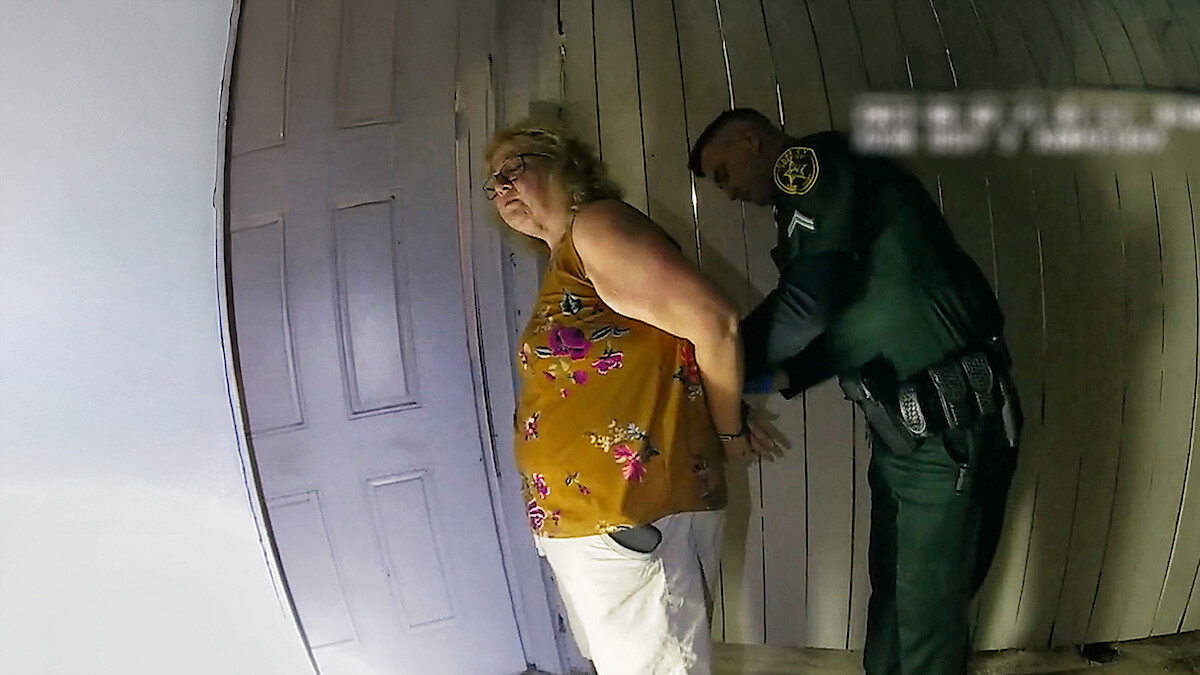
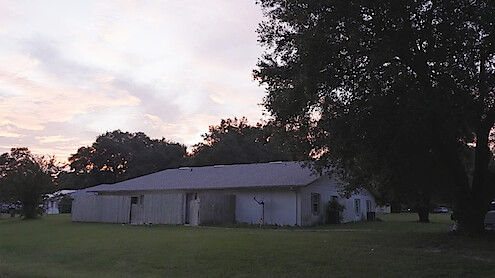
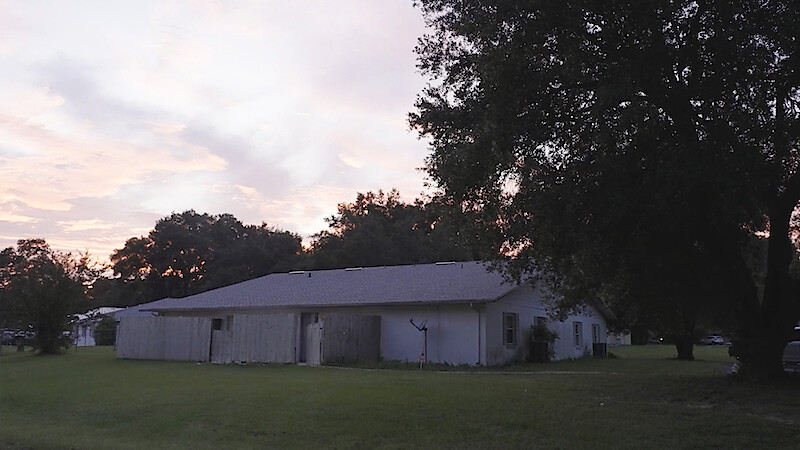
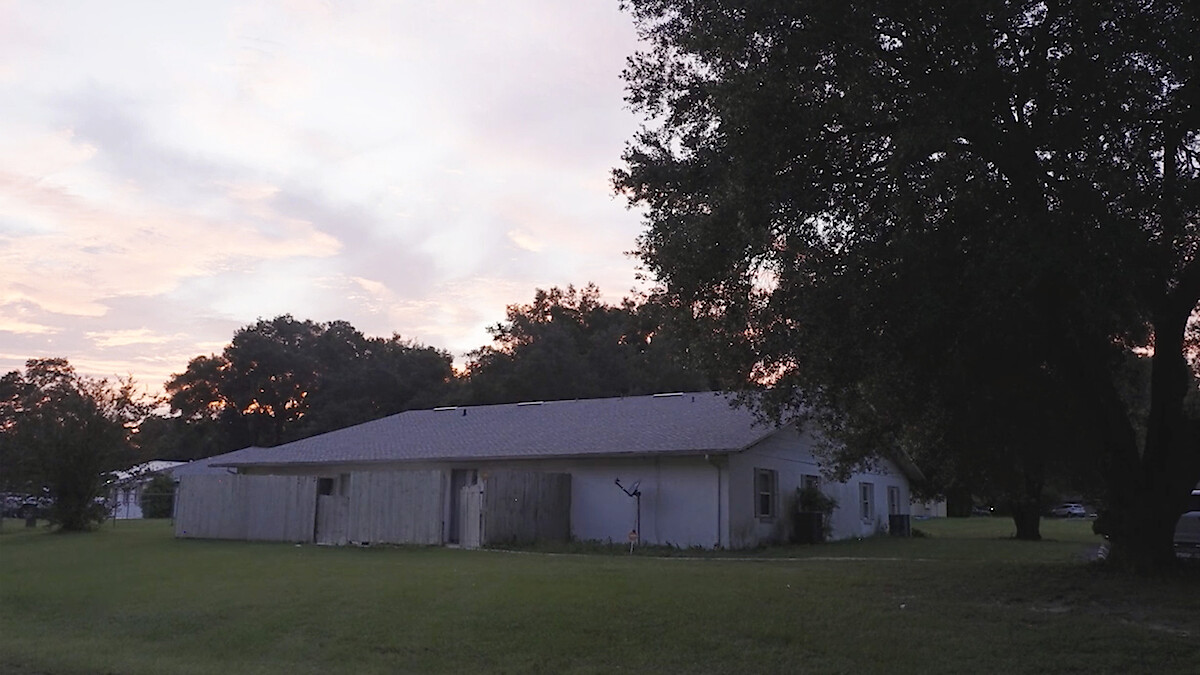
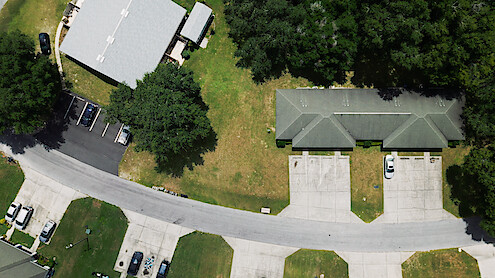
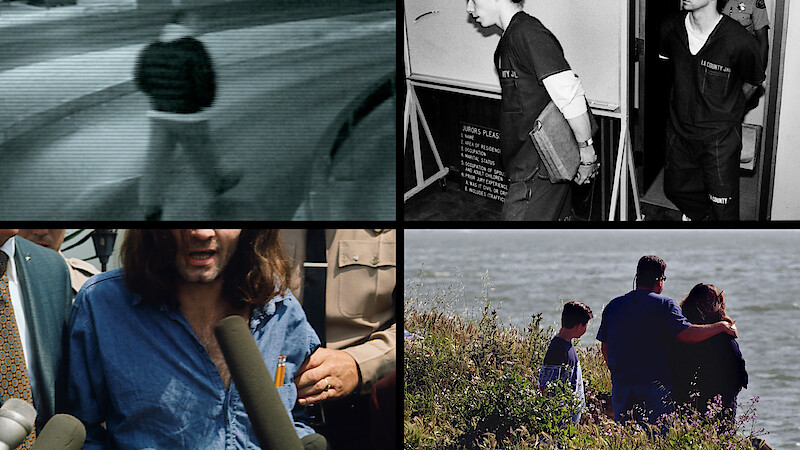
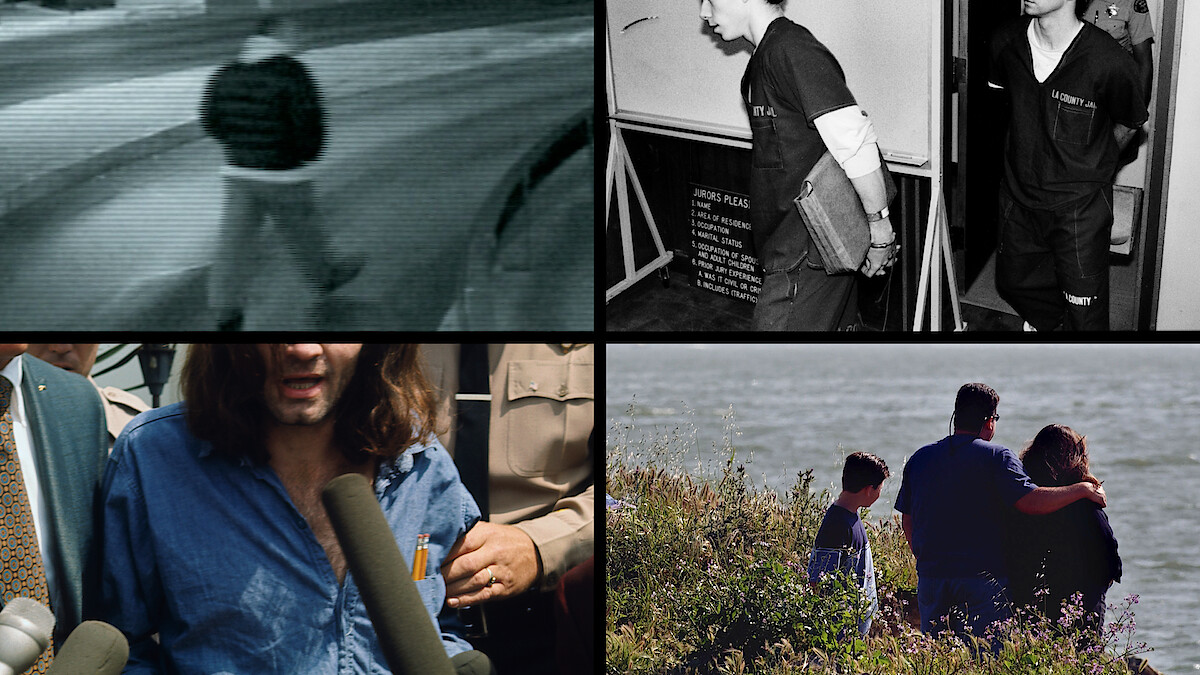
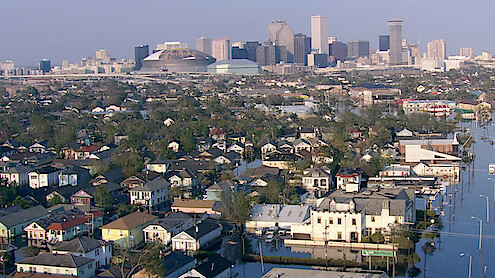
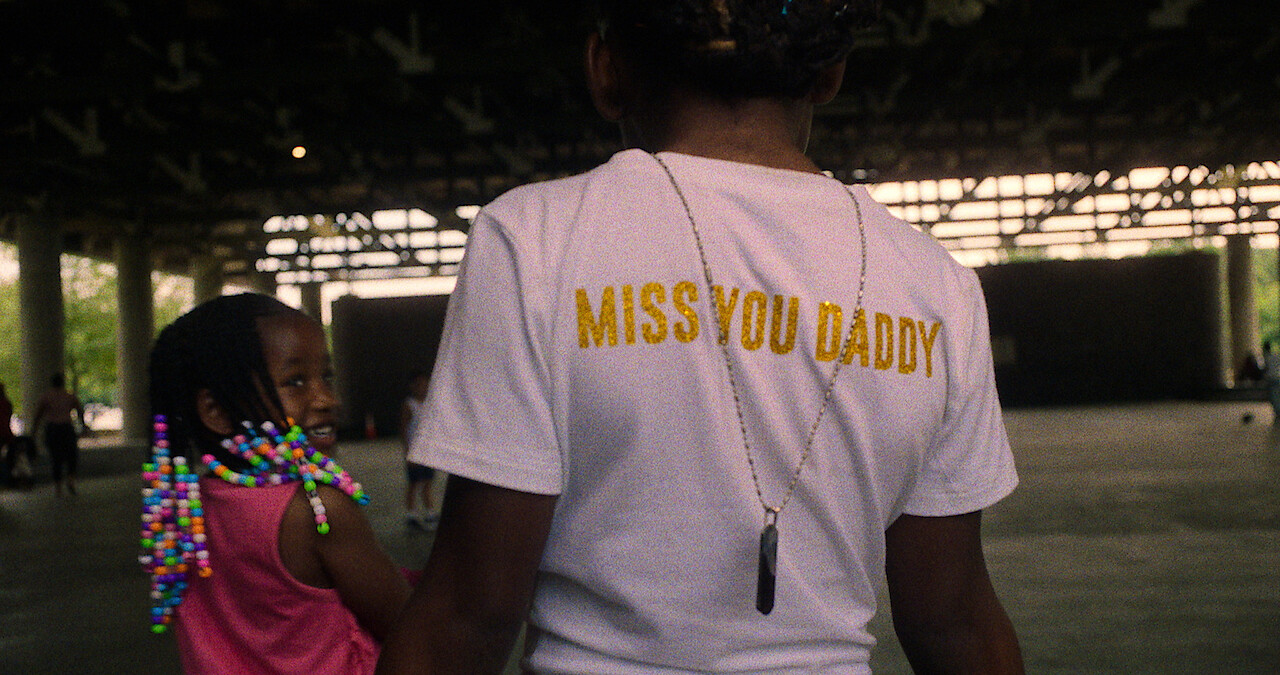
The Perfect Neighbor is a window into gun violence and the ramifications of Stand Your Ground gun laws, which continue to shape the way race, fear, and justice collide in America. Consisting almost entirely of police body camera footage, the film allows the audience an up-close-and-personal lens on the impact of violence on a small community in Ocala, Florida. The film draws from “detective interviews, Ring camera footage, audio of 911 calls, multiple police body cams,” says Gandbhir, who previously served as an editor on When the Levees Broke: A Requiem in Four Acts, a collaboration that brought her her first Emmy Award. “It was all just in a jumble, and so we really had to sift.”
Still, even after hours of poring over the footage, Gandbhir wasn’t sure there was a film to be made — not until she sat with Ajike’s mother, Pamela, who was reeling from the unthinkable loss. Gandbhir realized that the story was not just about a murder, but about a family forced to carry its weight every single day. “She takes a lot of strength from Mamie Till, Emmett Till’s mother, who wanted an open casket so that the world would know what happened to her son,” Gandbhir remembers. “I asked her what she would want to do. She was like, ‘I want you to do this.’ ” It’s that clarity of vision — the recognition that documentary can carry our hardest truths and deepest realities — that gives shape to The Perfect Neighbor. “It’s a tool. It’s a medium. It’s an art form,” Gandbhir says of the nonfiction format. “Documentary film — it cannot do everything. But it can inform and move people. And that's what we’re doing it for.”