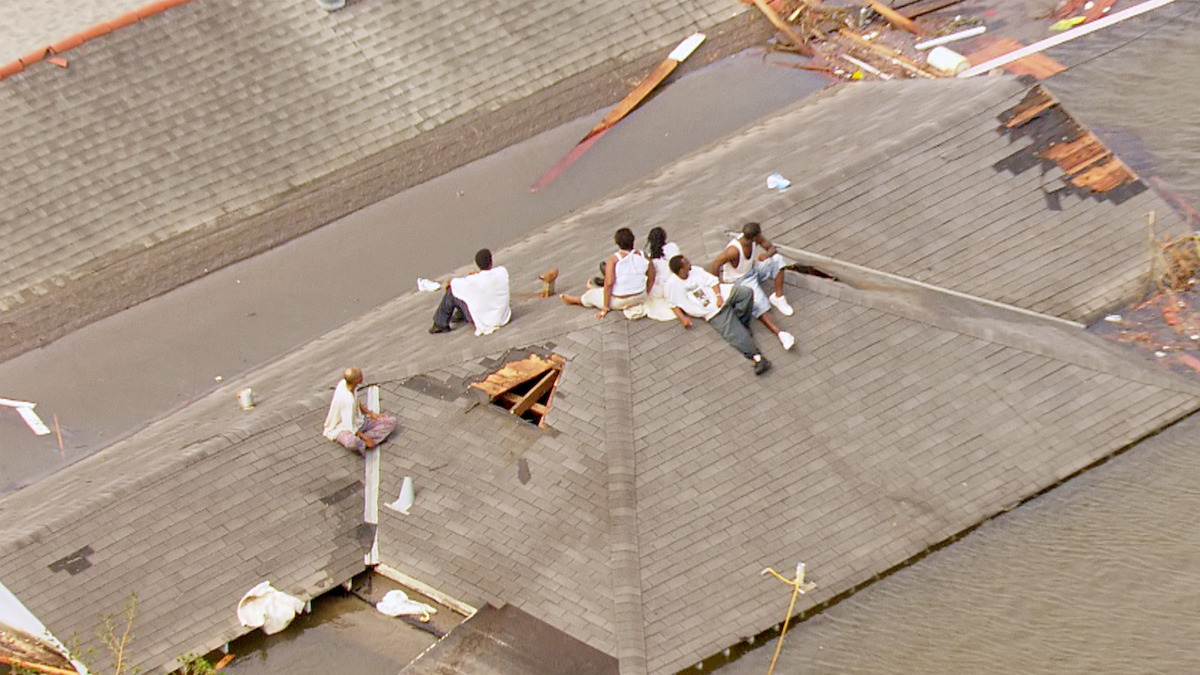
When Hurricane Katrina made landfall in late summer 2005, few could have predicted just how devastating and far-reaching its impact would be on the city of New Orleans. The port city, rich in history, music, and culture, found itself largely underwater when the levees meant to protect it from floods failed. In the days, weeks, and months that followed, the world watched as human error and neglect compounded the destruction left in the wake of the storm. Hundreds of fatalities, billions of dollars in damage, and 20 years later, the harrowing reality of what one catastrophic hurricane wrought remains a chilling testament to just how much governmental oversight can harm ordinary Americans.
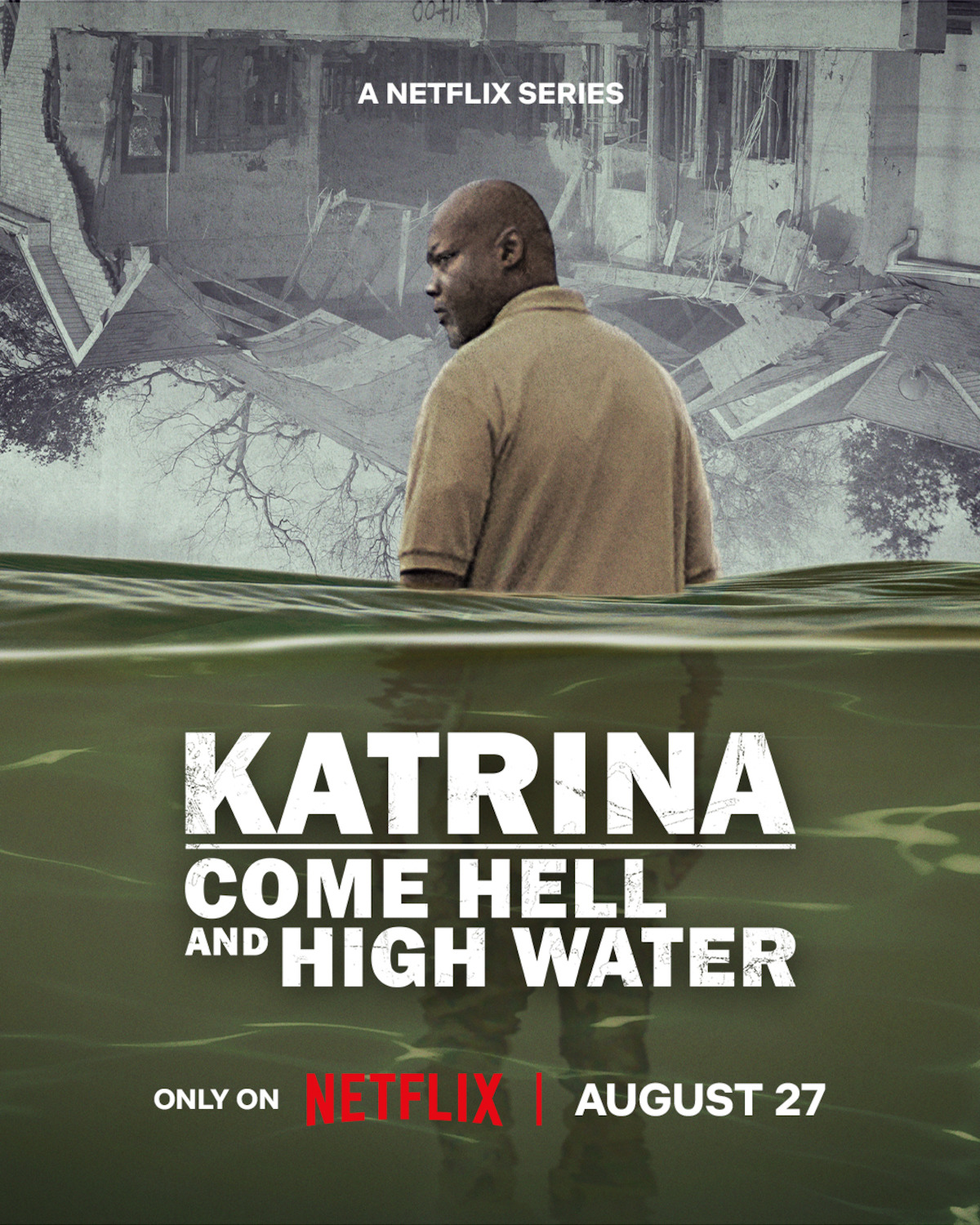
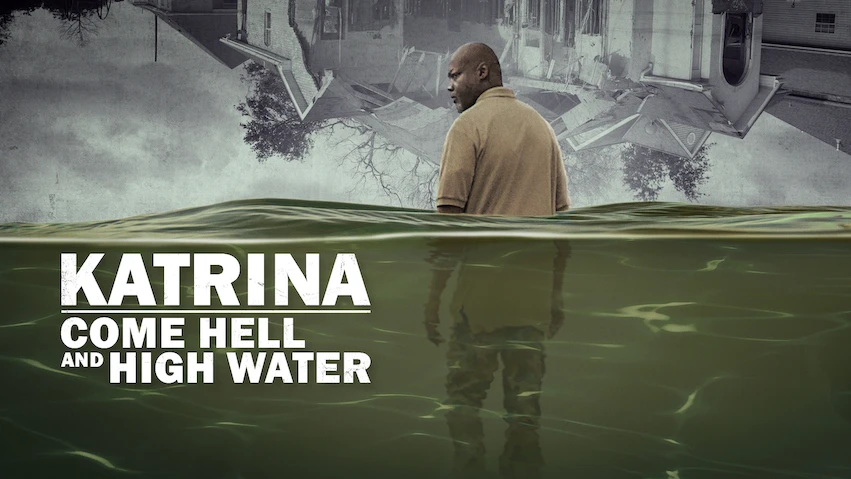
In Katrina: Come Hell and High Water, a three-part documentary series executive-produced by Spike Lee (who also directed 2006’s When the Levees Broke: A Requiem in Four Acts), the people of New Orleans share their stories in their own words — from what it was like to survive the hurricane to how the city and their lives have been forever changed as a result. The series serves as a testament to the resilience of New Orleanians and a stark call for vigilance and preparation as cataclysmic natural disasters continue to become more and more commonplace all over the world.
“It is such an honor to work with the team that originally told the story of Hurricane Katrina’s aftermath: the incomparable Spike Lee, Sam Pollard, and Geeta Gandbhir, whose work on this subject (since 2005) firmly cemented this event in the minds of Americans,” showrunner Alisa Payne says. “This go-round, director Samantha Knowles joined the team, as we look at this story in a fresh new way to galvanize viewers again. Twenty years later, at this moment in our history, this series feels even more urgent and relevant. It will not only inform those who know little about Katrina and the aftermath for New Orleans, but will provide new revelations to those who think they know this story and this country.”
Here’s everything to know about Katrina: Come Hell and High Water.
Who is featured and interviewed in Katrina: Come Hell and High Water?
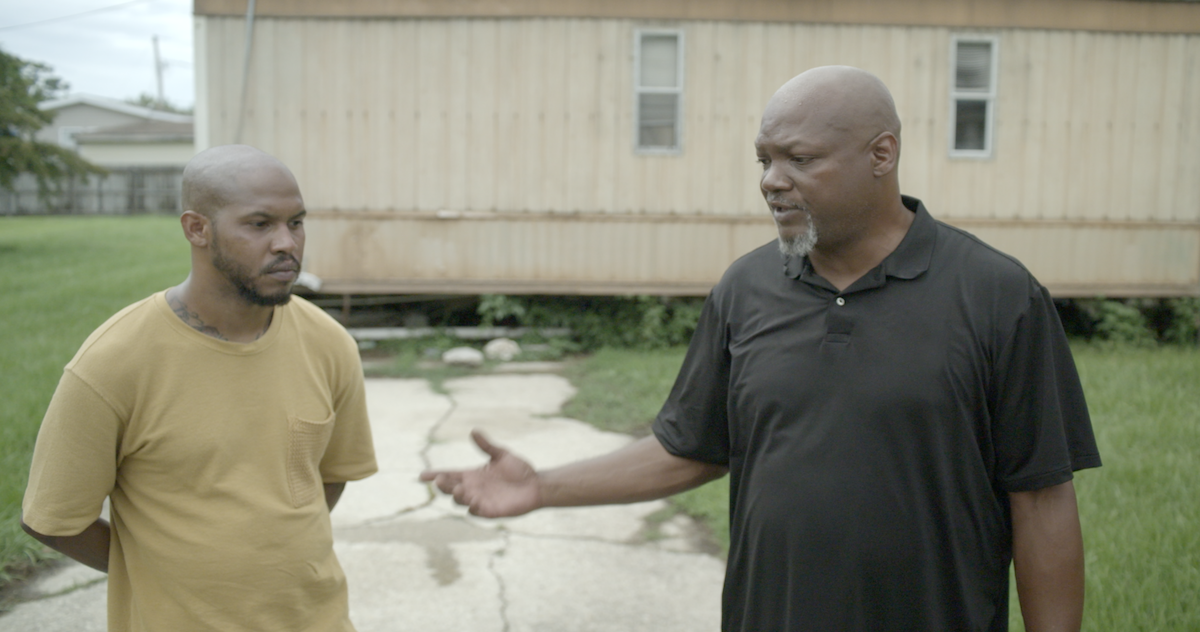
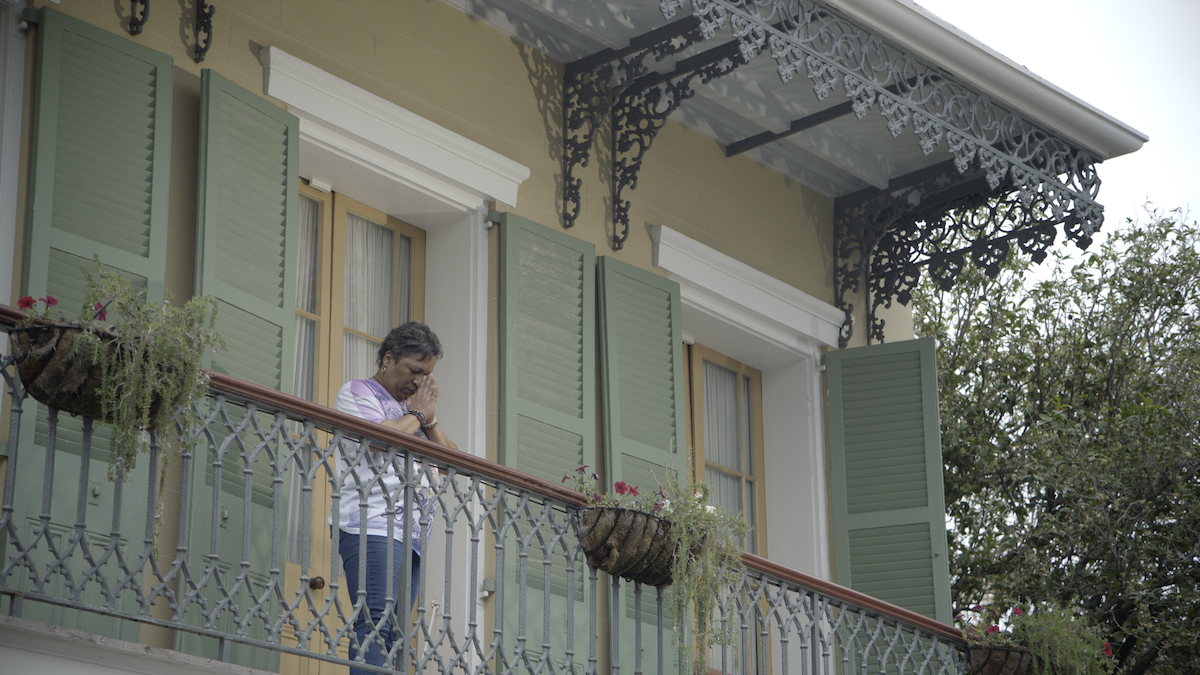
The documentary features a wide range of New Orleans residents — some of whom the filmmakers have been interviewing and following for 20 years — plus journalists, experts, and local, state, and federal officials. Interviewees include Kimberly Rivers Roberts and poet Shelton “Shakespear” Alexander, who both documented their experiences before, during, and after the storm on home video, and Gralen Banks, former director of safety and loss prevention at the Hyatt Regency Hotel, which, according to Banks, sheltered 5,000 people during the storm. Also featured are Soledad O’Brien, journalist and former CNN anchor; former New Orleans mayors Marc H. Morial and Mitch Landrieu; and numerous residents from hard-hit neighborhoods including the Lower Ninth Ward and Bywater. The series also features extensive testimony from retired Lieutenant General of the US Army Russel L. Honoré, who led the Department of Defense and FEMA’s Joint Task Force Katrina.
Why was New Orleans susceptible to catastrophic flooding?
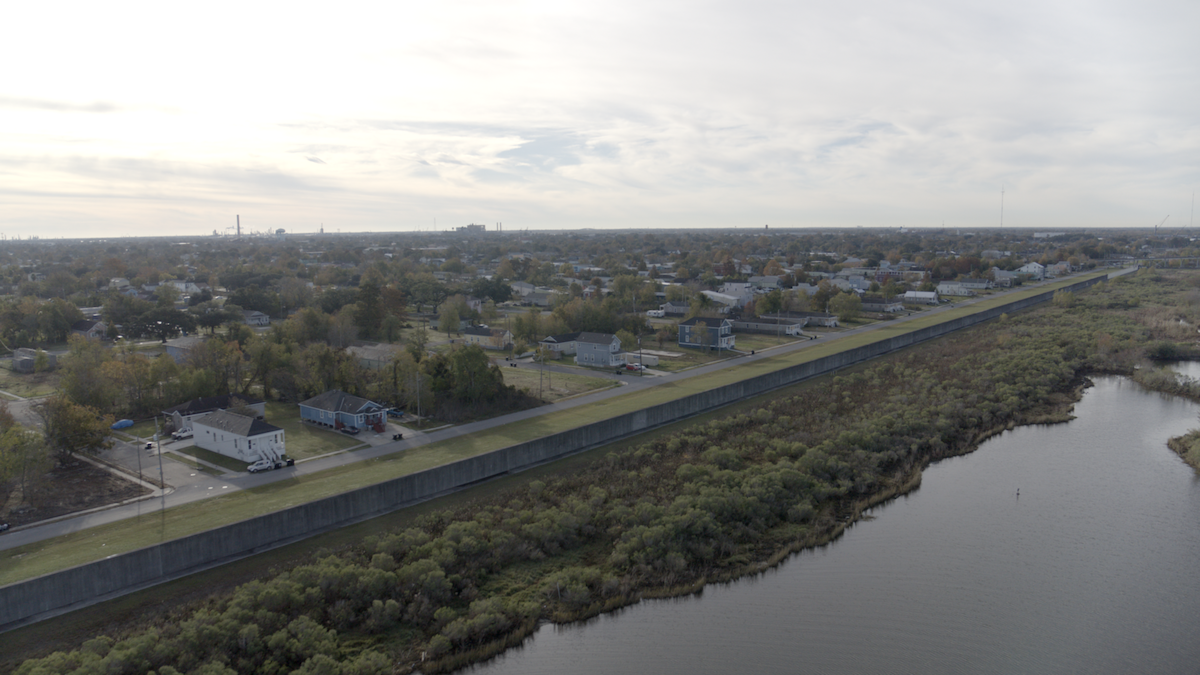
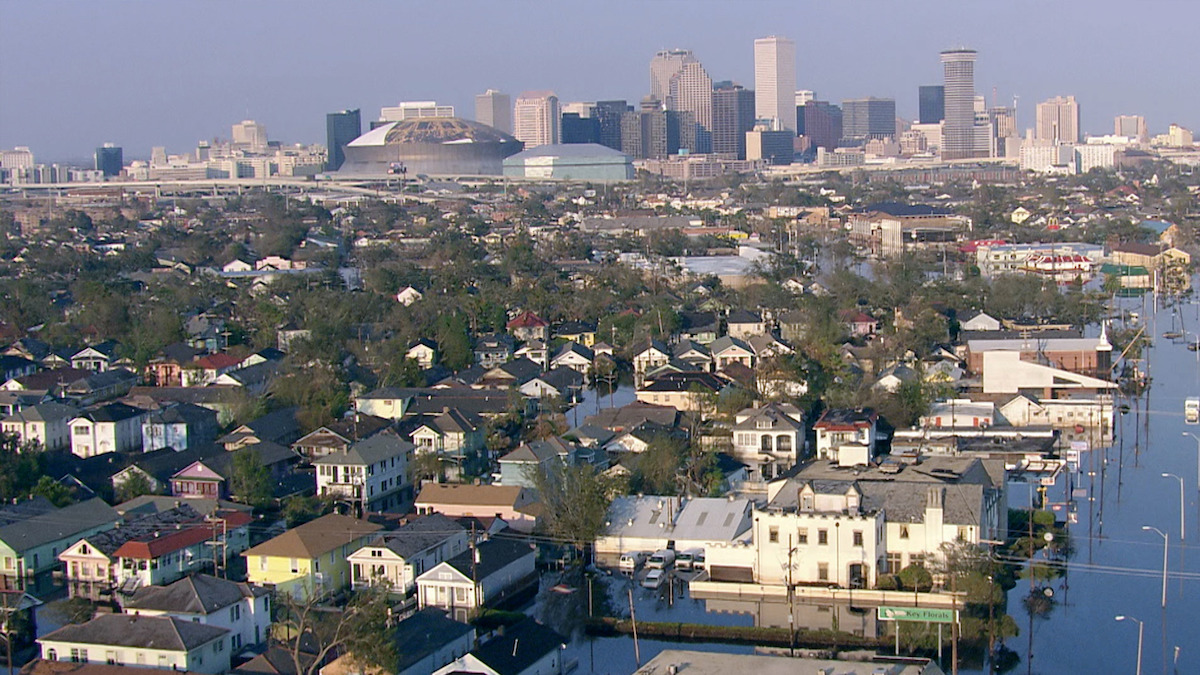
New Orleans is particularly vulnerable to flooding due to its unique geography and infrastructure. Much of the city, flanked by 630-square-mile Lake Pontchartrain (the second-largest inland saltwater body in the US) to the north and east and the Mississippi River to the south, lies below sea level — up to 10 feet in some areas. The city’s primary defense against flooding is an extensive system of earthen levees, flood barriers and pumping stations, some built as early as the 1900s and others built by the US Army Corps of Engineers in the wake of Hurricane Betsy, which struck the city in 1965. While these structures are designed to keep water out, they can also trap water within the city during breaches or pump failures. The levee system was designed to withstand a fast-moving hurricane like Betsy, with up to a 17.5-foot storm surge, but Hurricane Katrina was a relatively slow-moving storm. Katrina’s surge, estimated at more than 20 feet, overwhelmed the city’s defenses and led to catastrophic flooding.
Had New Orleans faced a hurricane this strong before?
New Orleans had previously experienced severe hurricanes, most notably Betsy (Category 4) in 1965 and Camille (Category 5) in 1969. After Betsy, which caused significant flooding in the Lower Ninth Ward, the US Army Corps of Engineers upgraded the city’s levee system to prevent storm surge from entering vulnerable neighborhoods. However, Katrina’s intensity and the resulting storm surge far exceeded the city’s protections. Katrina: Come Hell and High Water also addresses persistent theories within the city’s African American community about intentional levee breaches during past hurricanes, reflecting deep-seated mistrust.
Why wasn’t a mandatory evacuation ordered earlier?
According to former mayor Morial and other officials interviewed in Katrina: Come Hell and High Water, there was no effective enforcement mechanism for a mandatory evacuation prior to Katrina. Although a hurricane simulation exercise conducted in 2004 (involving a hypothetical storm known as Hurricane Pam) had anticipated a similar disaster, the city’s infrastructure was not equipped to handle a large-scale evacuation, nor were adequate policies in place to effectively coordinate and carry out such a response. By the time then-mayor Ray Nagin ordered a mandatory evacuation some 20 hours before Katrina’s landfall, many residents were unable to leave due to logistical and/or financial barriers.
What happened in the Superdome during Katrina?
Officially the Louisiana Superdome football stadium at the time, and colloquially known as the Superdome, the 83,000-seat arena is the home stadium of the New Orleans Saints NFL team. It was set up, as then-mayor Nagin said, “a shelter of last resort” for thousands who could not evacuate New Orleans ahead of Katrina’s landfall. Among those who sought refuge was Shelton “Shakespear” Alexander, whose testimony and home video footage featured in Katrina: Come Hell and High Water offers a firsthand account of the ordeal. As the hurricane made landfall in the morning hours of Aug. 29, 2005, the structure suffered severe damage, including a torn section of the roof. Rain poured in. Overcrowded conditions, panic, and limited resources led to deteriorating conditions inside, and thousands taking refuge were not permitted to leave for several days until organized evacuations began. Some, among them Alexander, eventually made unauthorized escapes from the Superdome to seek safety and supplies elsewhere.
What happened after the storm passed?
In the immediate aftermath of Katrina, multiple levee breaches throughout the city — including the 17th Street Canal, London Avenue Canal, and the Inner Harbor Navigation Canal (Industrial Canal) — led to rapid and devastating flooding, particularly in low-lying neighborhoods. As seen in Katrina: Come Hell and High Water, media coverage initially overlooked the hardest-hit areas, and the federal response was widely criticized for its delay and lack of coordination, with National Guard troops and aid arriving days after the disaster. Racial tensions and concerns about lawlessness further complicated rescue and recovery efforts, with some alleging that authorities prioritized securing private property over providing aid and rescue services. The documentary series details the experiences and firsthand stories of those stranded in the city, the slow evacuation from emergency mass shelters including the Superdome and the Ernest N. Morial Convention Center, the eventual arrival of relief, and the long road to recovery that has forever changed the character of New Orleans.
What is the Katrina: Come Hell and High Water release date?
The three-part docuseries premiered Aug. 27. Stream it now.
What’s this doc like?
With firsthand accounts and never-before-seen footage, Katrina: Come Hell and High Water takes a stark look at a natural disaster and man-made crisis. You may find the three-part series emotional, informative, gut-wrenching, compassionate, and investigative.
- Watch out for sensitive topics including depictions of peril, violence, discrimination, and profanity.
- Could be described as The Twister: Caught in The Storm meets The Untold History of the United States.