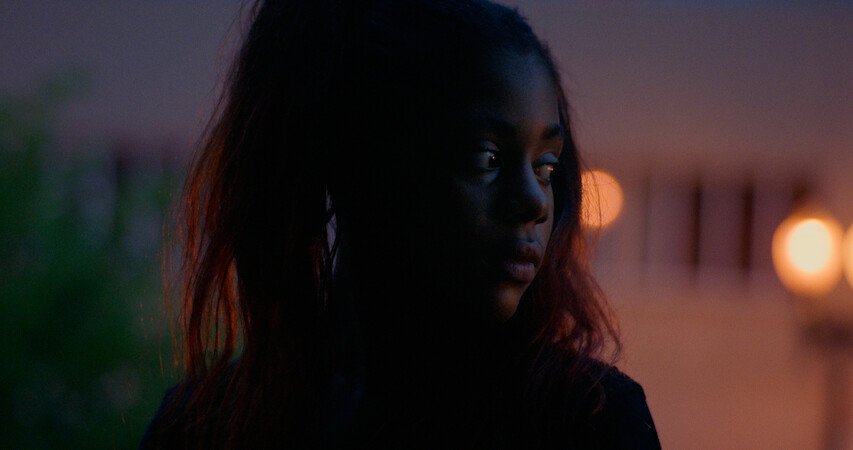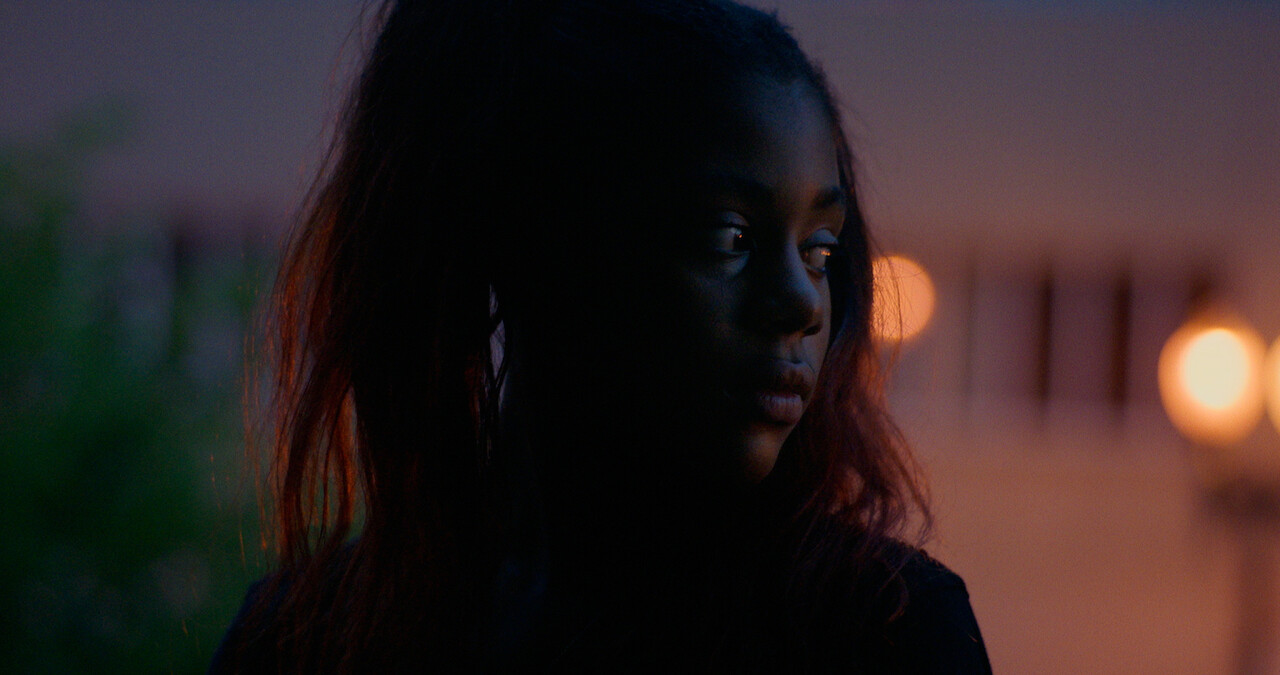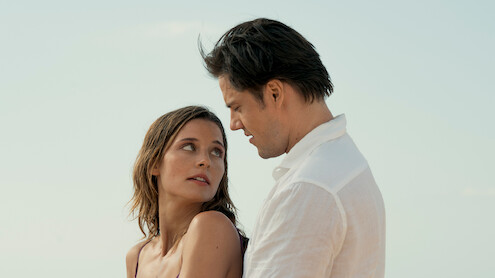


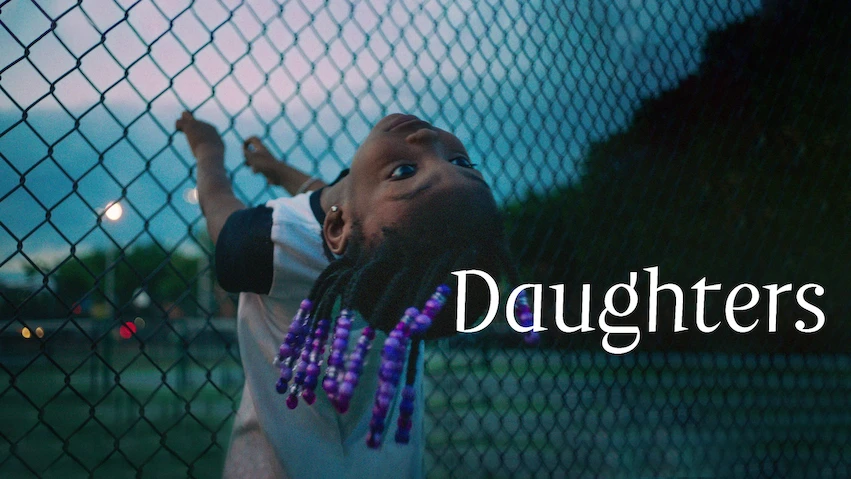
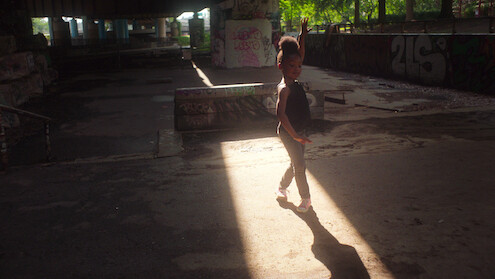
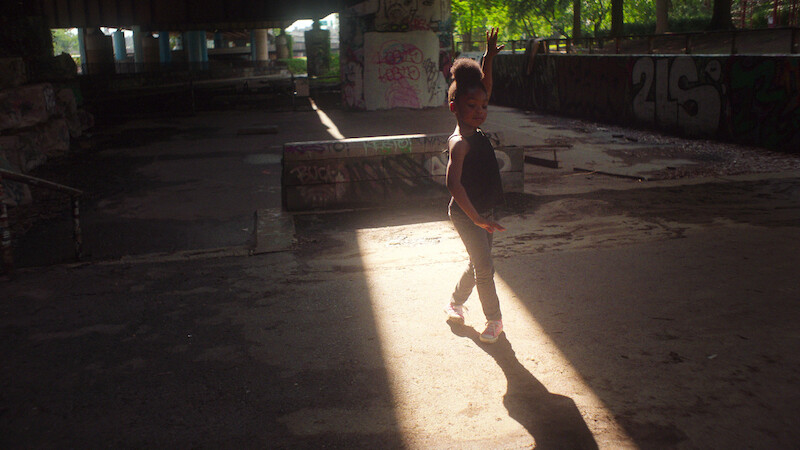
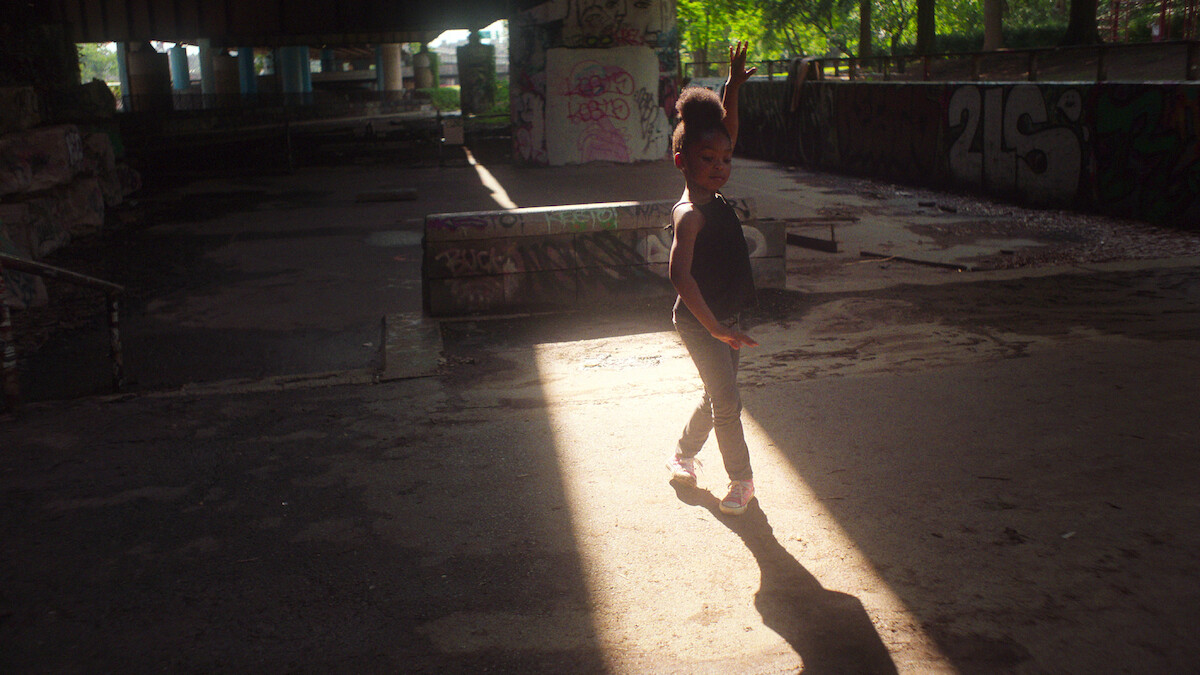
Kelsey Lu captures the emotive tenderness of the documentary Daughters.

“Our daddies are our mirrors.” Those are the words spoken by activist Angela Patton during the opening of Daughters. The film, co-directed by Natalie Rae and Patton, documents four young Black girls who reconnect with their incarcerated fathers for a Daddy Daughter Dance, and this truth instantly lit me up with recognition. I wondered if it had been true for me, too, that my father, who had been incarcerated for the first 30 years of my life, was a reflective surface for how I saw myself. The time it took me to wonder was wasted; of course he had been my mirror. For 30 years, I could not see him, but I had been trying to see him in me all my life. This truth sat in the core of my life’s work so far: It was what I wrote about most, talked about most, and spent the most time incorporating into the art I made and then shared with the rest of the world. My daddy wasn’t just my mirror. Alone in the circumstances of my girlhood, he became my muse.
When Daddy isn’t there, who sees you? I was the kind of kid who looked for myself in books and on screens. Luckily, I was born in a time when there was no shortage of literature, movies, and television shows centering girls who were lauded for brains and bravery as much as beauty, but those kids still rarely looked anything like me or lived lives that paralleled mine. Aside from Dawson’s Creek’s Joey Potter, none of them had fathers who loved them from behind bars. And anyway, Joey Potter was 15.
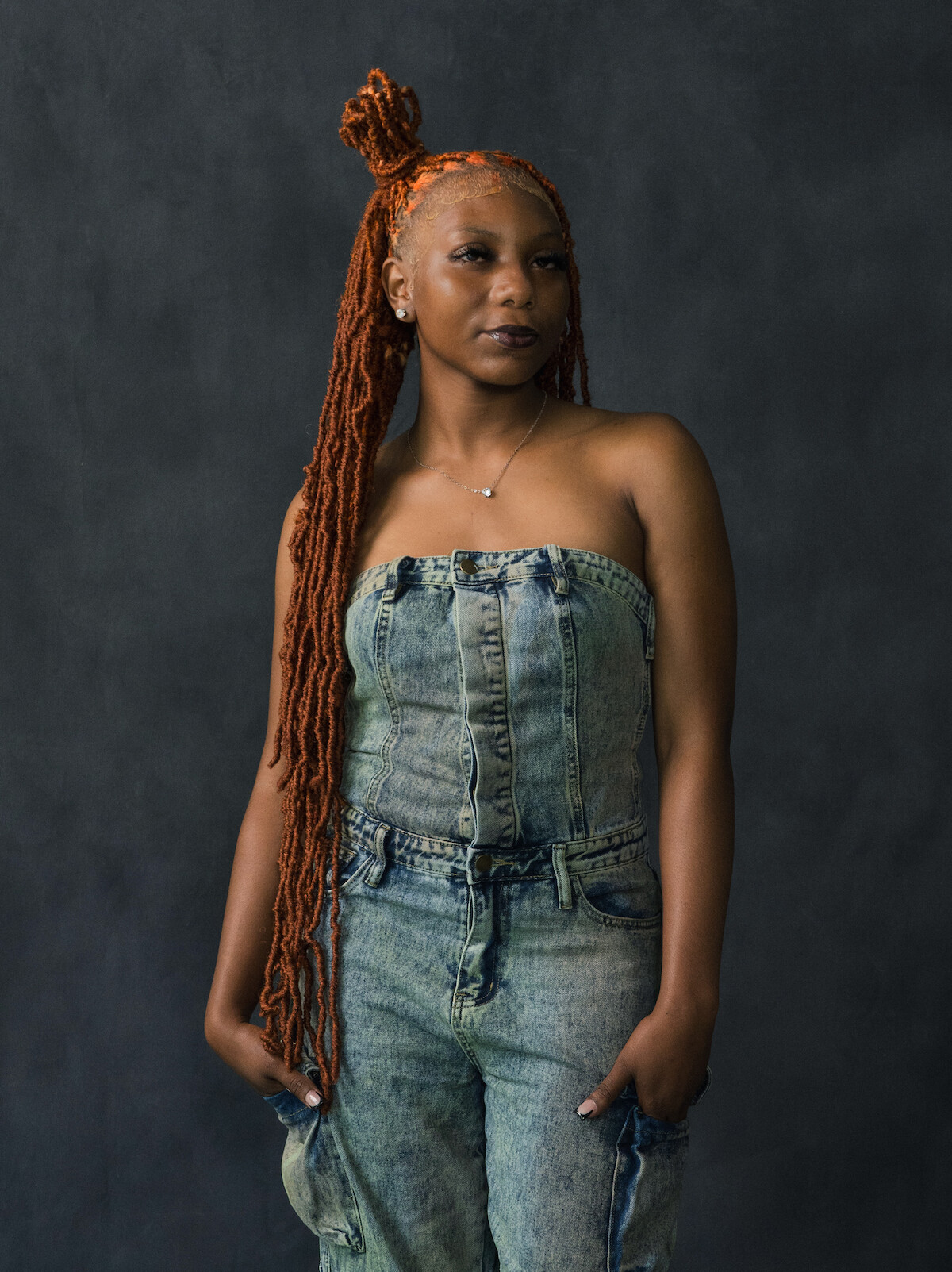
Ja’Ana Crudup
The plight of my life was a subject deemed too complicated for other children, even though I knew the numbers — I knew how many people must be incarcerated, and that some of them must also have children. There was no way I was the only one, which meant we weren’t talking about it because it was something one did not talk about. It was not a topic for nonjudgemental conversation. It was something to hide in shame. Imagine how angry that might make you eventually, to have to be ashamed and incurious about a person who was supposed to love and protect you. In the film, I see Ja’Ana’s barely contained fury at her father’s absence, and I see a child who knows what she deserves and knows who didn’t give it to her. She’s just turned 11; it’s harder to get her to believe a lie.
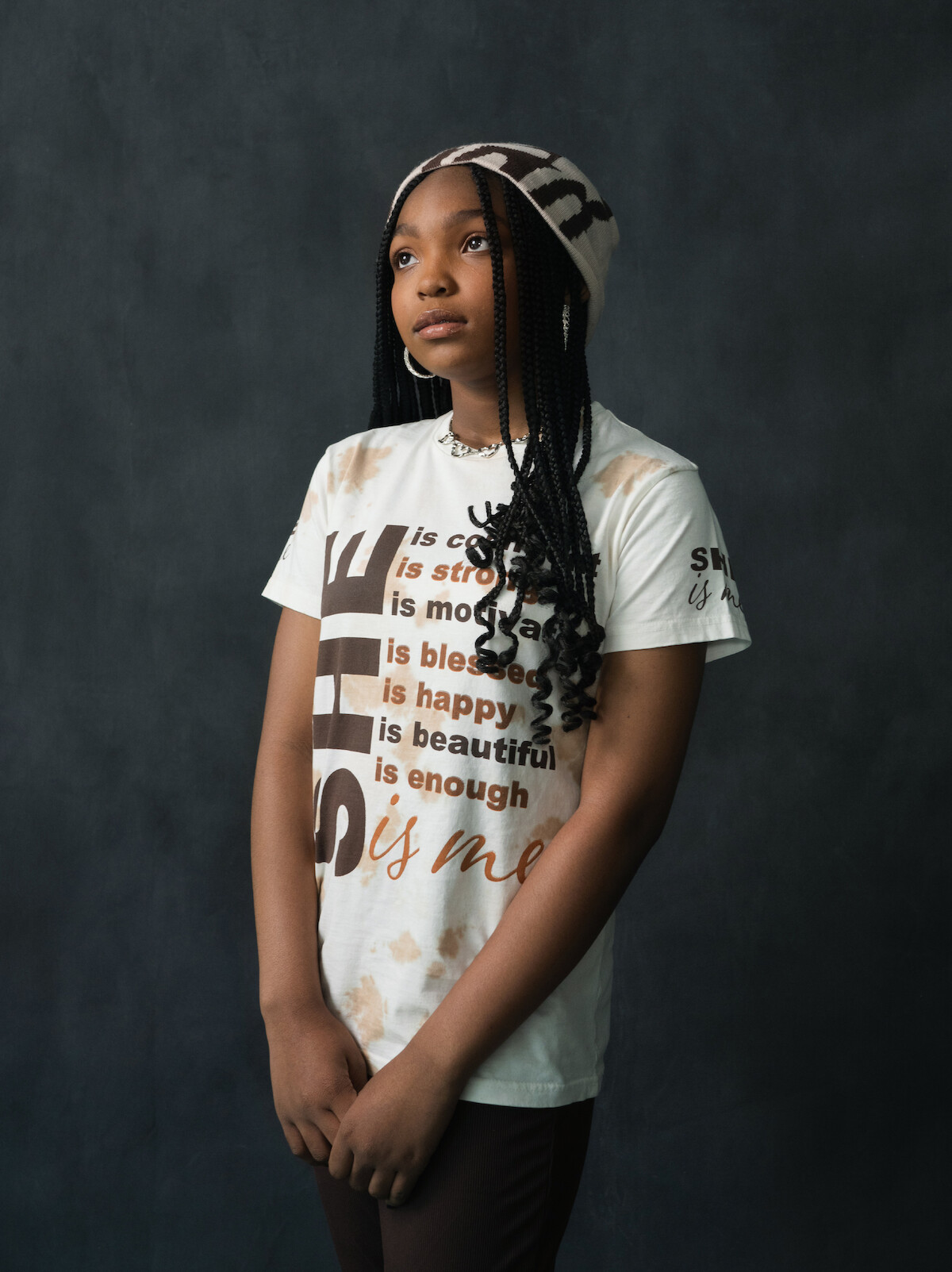
It’s easier to believe you can fix it when you’re very young. Before I learned the true weight of the powerlessness of childhood, my demeanor about my father being locked up closely matched that of five-year-old Aubrey, the youngest of the daughters featured in the documentary. When we first meet her, she bounces off the walls with youthful energy, proudly proclaiming herself the smartest student in her class and pointing to all the certificates of excellence she’s earned mounted on the walls around her.
Aubrey Smith
She tells the camera about her math skills, then proceeds to calculate how much time has passed since the last time she saw her father, and how much time it will take until she can see him again. I assume that anyone watching who has never known the particular pain of loving an incarcerated parent will see a precocious, adorable little girl, showing off and being confident. I see something else. I see a child using the tools a child has available to try and make magic. I see a girl who thinks she can be so perfect, so good and smart and hopeful that she can bend time itself toward the day her father walks through the door and stays forever. I see myself at five years old.
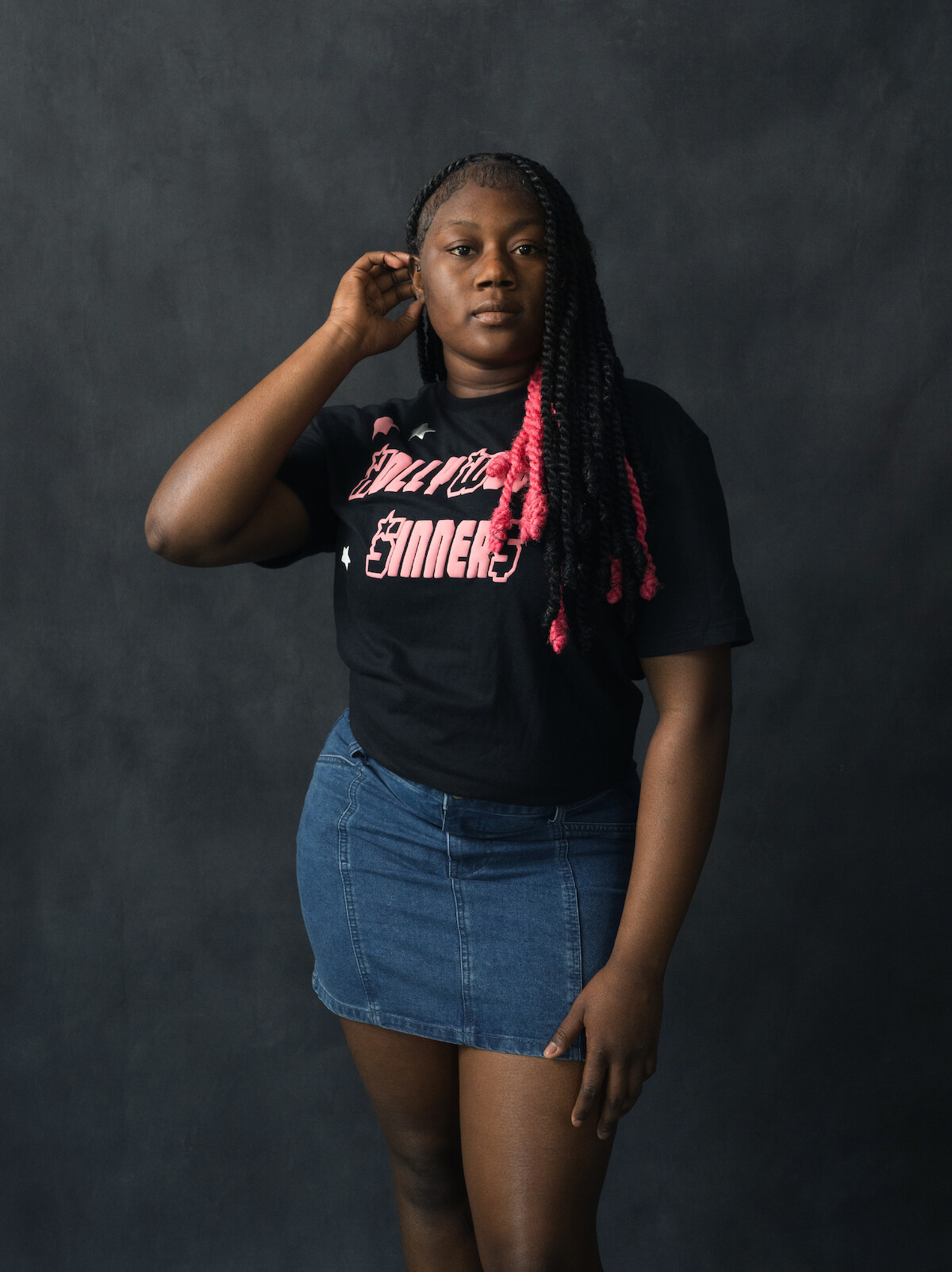
Back in Washington, D.C., the incarcerated fathers, participants in the Date with Dad program, open up to each other about the struggles of attempting to parent from prison. Some express fear that the daughters they haven’t seen in years won’t just hesitate to remember them, but might even be afraid of them. Other fathers express frustration that their relationship with their children’s mothers affects how much access they have to their children. Almost all of them share regrets that they did not prioritize fatherhood when they were free. Some of them know their daughters are angry. And they are — especially the older girls — angry at their fathers and themselves for continuing to love them. I remember that anger. I recognize the pain and fury when 10-year-old Santana tells the camera what she wants to say to her father: “The next time you go back to jail, I’m not going to shed even one single tear. Done shedding tears.”
Santana Stewart
The fathers miss their daughters, and they are afraid of how their time behind bars will permanently alter those relationships. They’re excited for the dance, they’ve committed to meeting in this group for 10 weeks to prepare for it, but they are nervous too. As I watch, I wonder, would it change anything if they could peer inside the hearts of the daughters waiting to see them? If they could view for themselves the immense well of love and care and yearning, would the fear dissipate and the joy rise to the surface? I don’t think so. I think to see themselves in the eyes of their children would rip them apart. Their actions reverberate in the lives of these girls in ways the men who made them can hardly begin to imagine.
The loneliness of being a girl with an incarcerated father is nearly unexplainable to those who have never experienced it, and it’s hard to believe it’s worth bringing up when you witness the lengths our society will go to in order to avoid seeing it — seeing us. They have to know what it costs us to lose a parent in such a terrible way and to have our lives be marked by decisions we never made. Our hearts are broken and bleeding, our lives cracked at the foundation, and no one is coming to save us from the consequences of someone else’s actions. Our mirrors are our daddies, but we need to see the reflections of our lives in our media too. We need to know someone cares, someone sees, someone knows, and the burden of having a parent in prison isn’t just ours.
Raziah Lewis
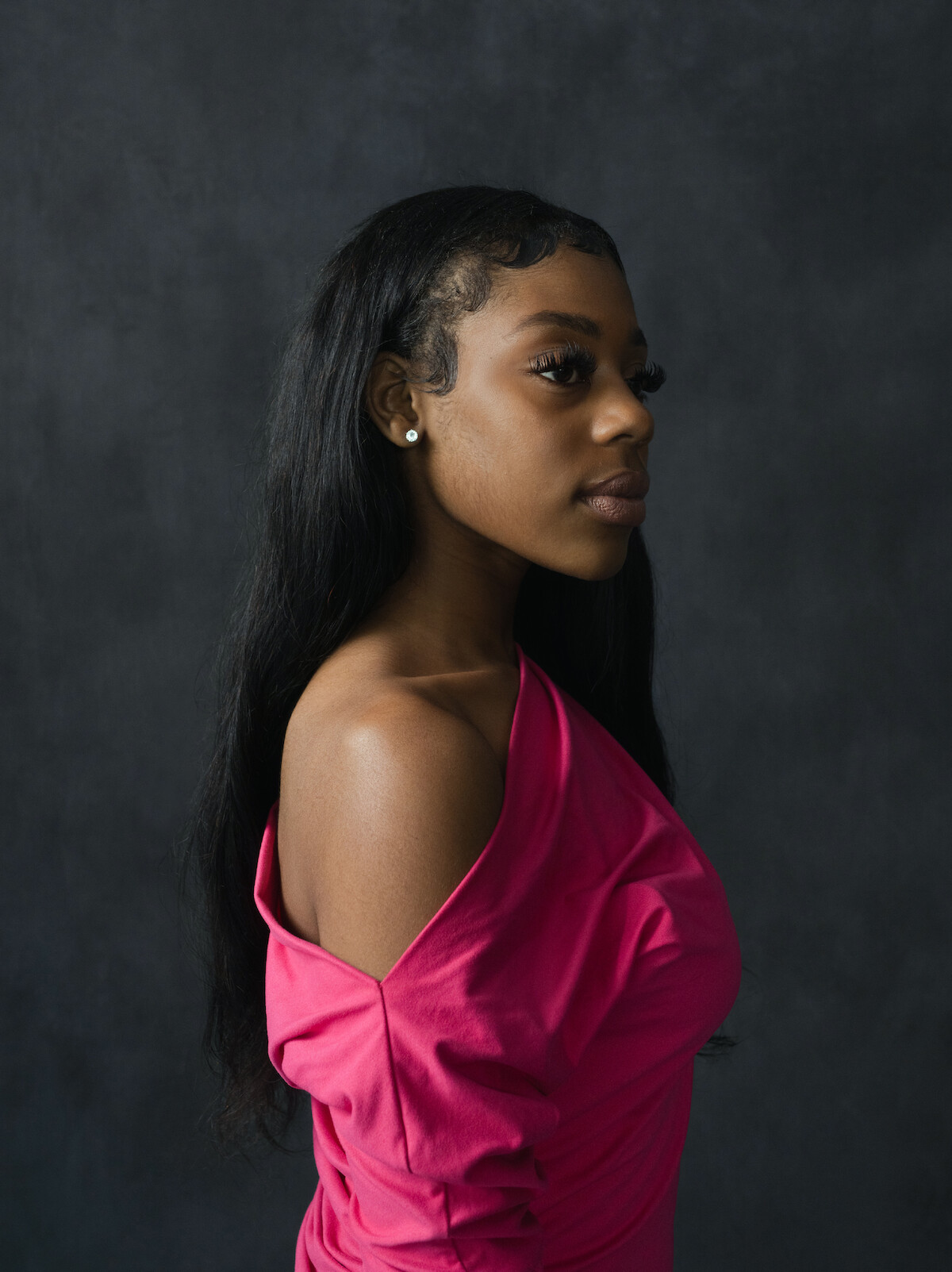
I knew Daughters would make me cry, but I thought it would be the moment when I saw these fathers reunite with their daughters. Instead, it was seeing the girls preparing to meet their fathers hand in hand with one another. It was seeing them look to one another for reassurances, last-minute outfit fixes, and acknowledgment. They had come to be held by their daddies, and that was beautiful enough, but as an adult “daughter,” I hoped they would remember seeing each other. I know what it’s like to remember the smell of your father’s chest, like Raziah, who held onto her father as if her strength might mean they would leave this place together. I hope these girls remember what it was like to look across that space and see another girl doing the same. I want them to remember each other and their common ground, as they make those forever kind of memories. They will need to remember that they weren’t here alone.
I see the reflection of the evolution of my own feelings in a young Aubrey, in scenes at the end of the documentary shot four years after dancing with her father. It’s more difficult to wake her up for this next visit; she is less excited and does not refer to the certificates that line the walls of the kitchen now as well as her bedroom. She doesn’t dress up, she doesn’t bounce, and she doesn’t count the days. She’s trying to hold on to hope, but I can see she’s losing her grip on it. I grew up wanting to be seen so badly, I wrote a best-selling memoir about my girlhood under the cloud of incarceration. Lots of people bought it, read it, and still want to talk with me about it. People see me. Is it enough? No. My childhood is over. I’ve let that fantasy die. But can it be different for all the daughters to come? I am trying to hold on to hope.