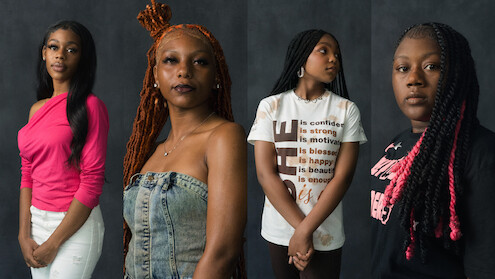
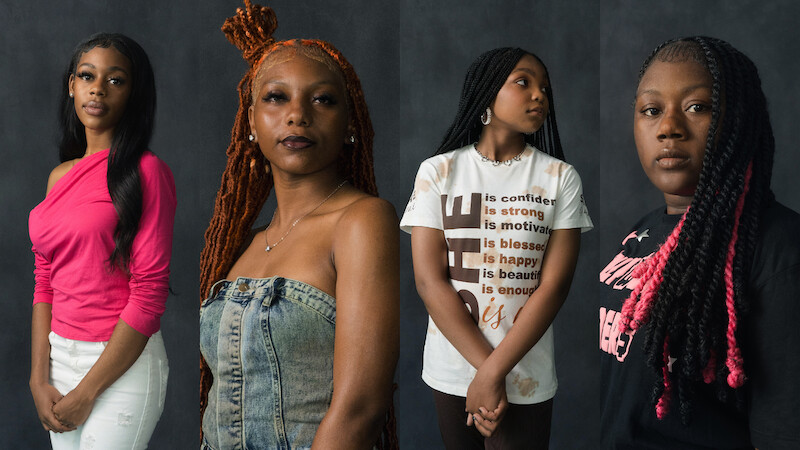
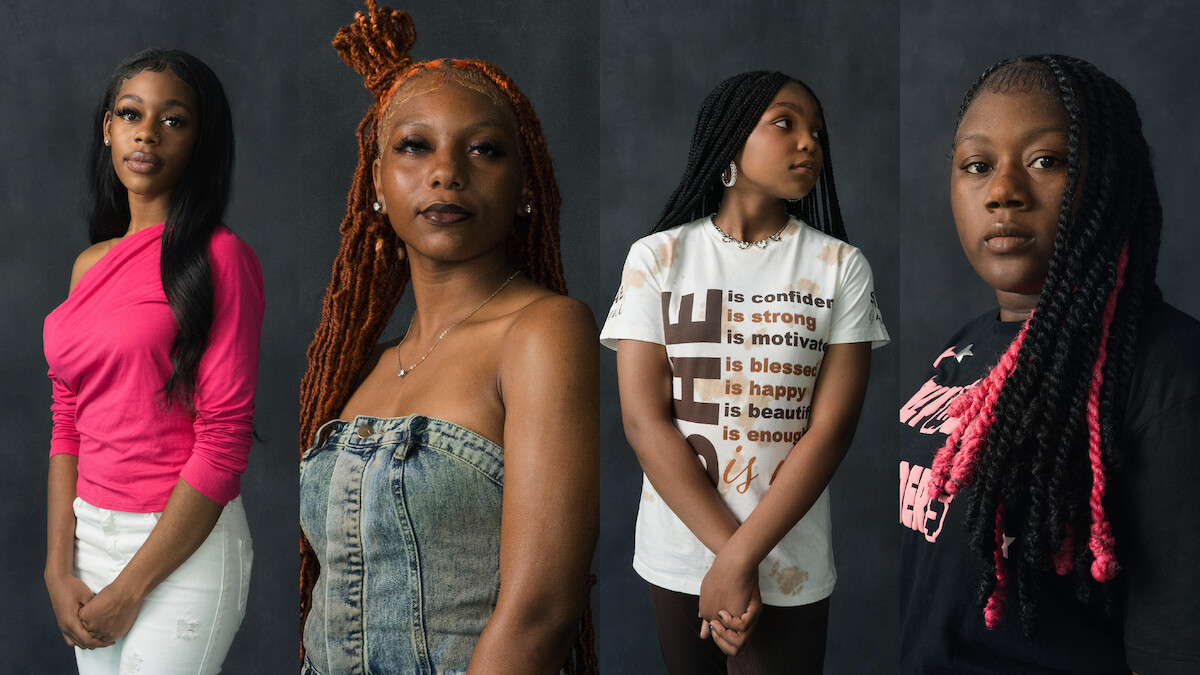
Ashley C. Ford discusses the growing up with an incarcerated father.
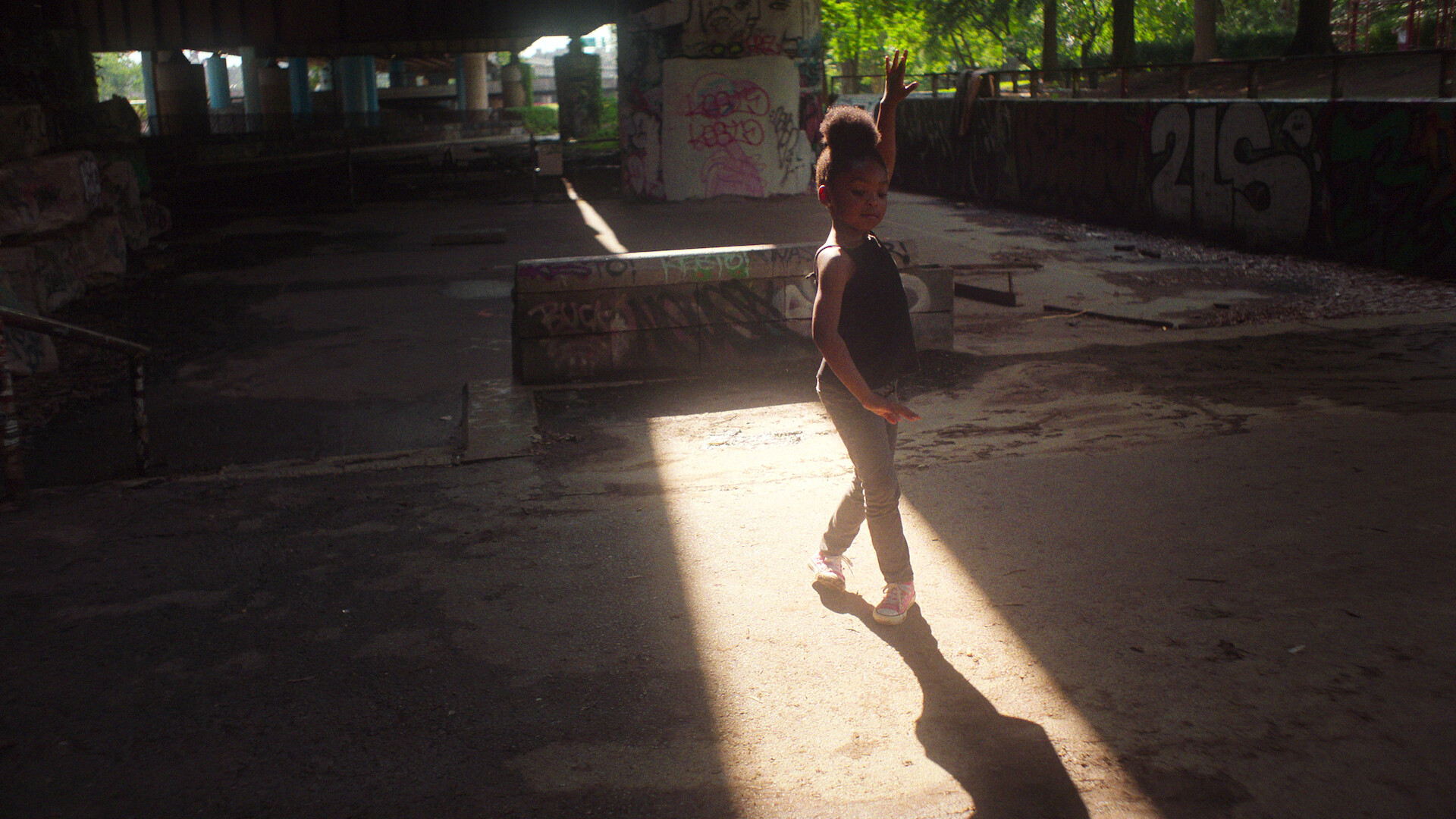
Kelsey Lu captures the emotive tenderness of Daughters.
Words don’t feel like enough when trying to capture the profundity of the heartrending documentary Daughters — but music does. The film’s enchanting score, composed by vocalist and musician Kelsey Lu, brings the same level of thoughtfulness as the musician does to their own projects and collaborations with artists like Solange and Blood Orange. Lu first tried their hand at scoring with 2023’s Earth Mama, a compelling feature about a young single mother navigating the foster care system directed by Savanah Leaf. The artist’s deep classical training has given them the intellect and ear to expand sound through textured instrumentation in a way that accentuates filmic subjects. “It came really naturally for me because I make music that feels very cinematic,” Lu says. “It has a lot of layers.”
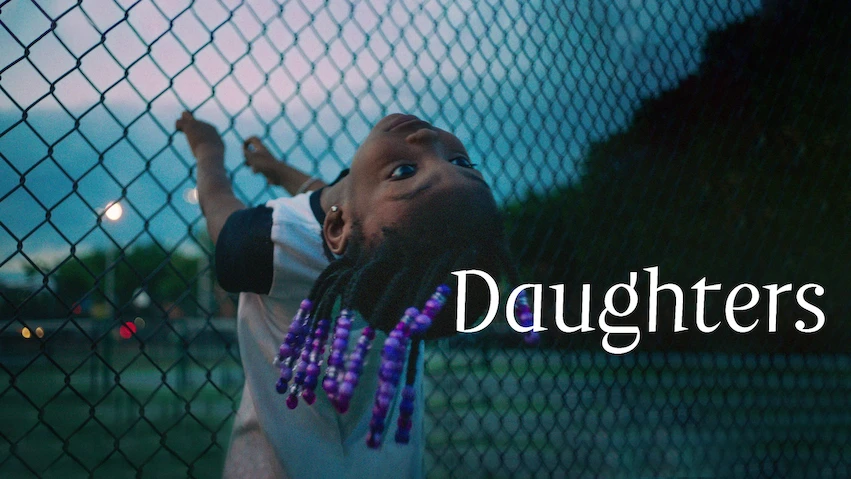
Directed by filmmaker Natalie Rae and activist and activator Angela Patton, Daughters follows a group of girls taking part in Patton’s Washington, D.C. program Girls For A Change as they prepare for the momentous Daddy Daughter Dance with their incarcerated fathers. Here, they’ll be able to touch their fathers for the first time since they’ve been behind bars. Under scenes filled with the deepest degrees of love, heartbreak, and vulnerability shared by the daughters and their fathers, Lu uses notes from the cello and piano to hold the experiences of each character with tenderness. When the film premiered at the Sundance Film Festival, it earned both the U.S. Documentary Audience Award and the Festival Favorite Award.
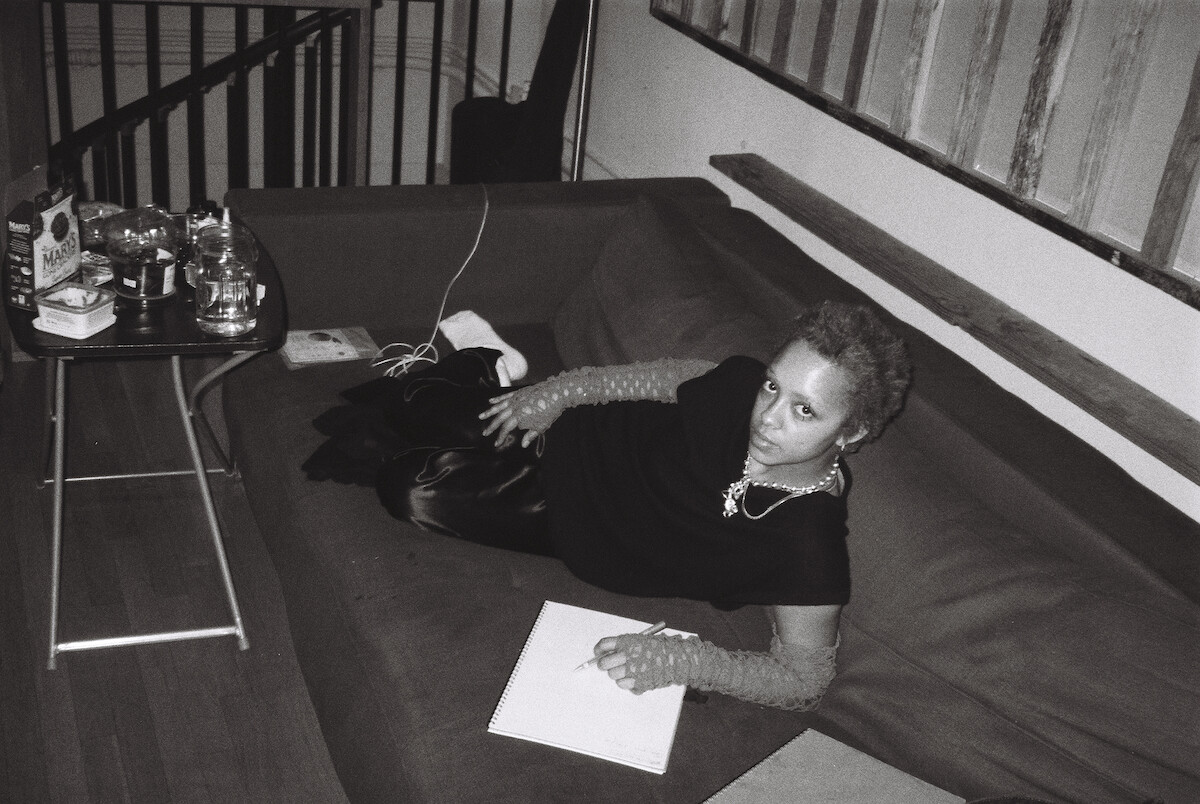
Kelsey Lu
As we see their journeys, layered with resilience, pain, and patience, the score makes clear that love is always the absolute. “Something I loved about why Angela even invited Natalie to be a part of this is because Natalie wrote to her and said, ‘When I saw your TED talk, you said, what you’re doing is a beautiful love story,’” Lu says. “And it is; it is a love story.”
To honor the complexities of the daughters’ relationships, Lu created a score that made space for each character to be seen and heard. It’s a connection that the artist understood well, as they were healing their own relationship with their father while writing the free jazz-influenced score. “When I went into creating a sound landscape for these daughters and their fathers in this film, there was a lot of intention, even in my decision to bring in texture using the saxophone,” Lu says. “I grew up listening to jazz with my dad a lot, so the timbre and resonance of that instrument brings me back to those memories, and I wanted to honor that.”
For Queue, Kelsey Lu explains how they composed the score that brings light and reverence to a powerful film about familial love.
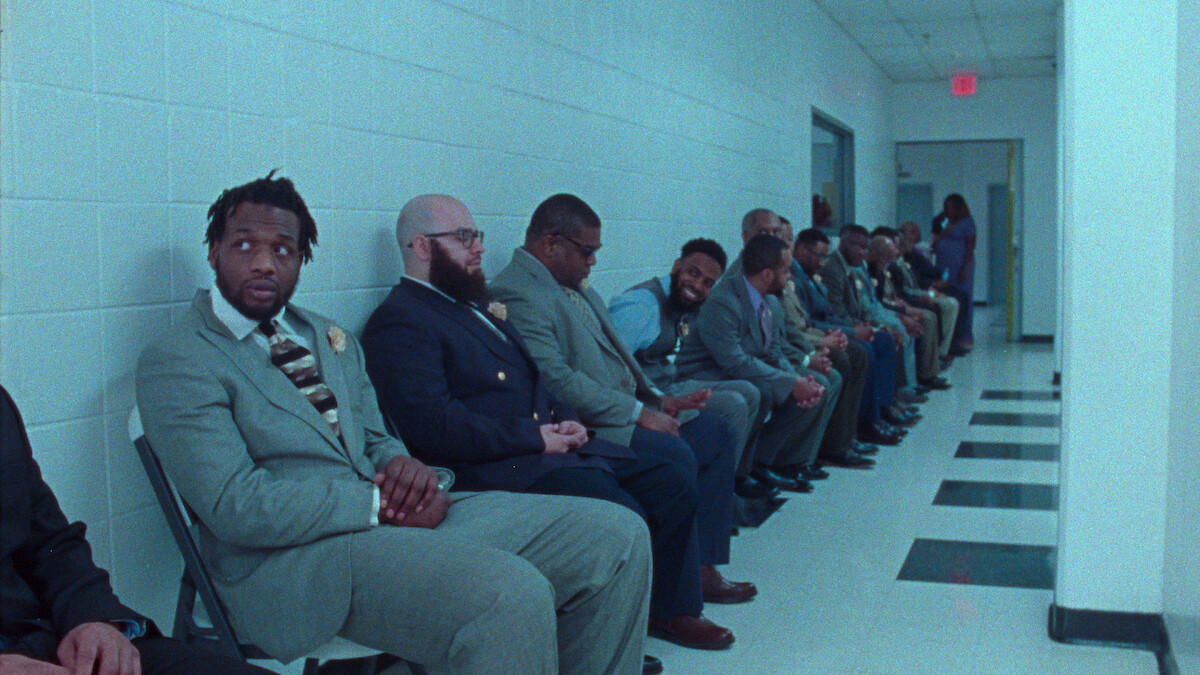
Dads anxiously await their daughters' arrivals.
I really wanted to give the fathers a gentle introduction, one that feels hopeful and airy and leaves space for them as the film moves along, instead of shaping how the audience feels about them. Oftentimes, that can happen, right? Your emotions can be swayed by the way that the music [introduces someone]. The girls are already being incredibly vulnerable by opening up their stories and their lives. I didn’t want it to always sound like doom, just minor [chord this], minor that. I wanted to leave room for imagination, hopefulness, lightness, airiness, some faithfulness. That was a really important part of it for me because when I first saw the film I was like, Okay, I’m a puddle on the floor, so I wanted to slowly allow room for all of the emotions.
It was really important for me not to exaggerate any of the heaviness that’s already present in the story that’s being told. It’s not just about the tragic reality of the prison systems, the way that Black men are treated in these systems, or the [way that] children in these families don’t get to grow up with a father around.
The timbre of the cello is the closest instrument to the human voice. When we hear a cello, we start to feel emotional towards it, because we feel connected to it in that way. To make you feel like you’re getting a nostalgic feeling, almost like a dream, I’d record the same part for another character — or the same character, but at a different stage in the film — and run it through a different effect for these returning motifs. So that [particular] sound is growing along with the love that’s expanding throughout the film.
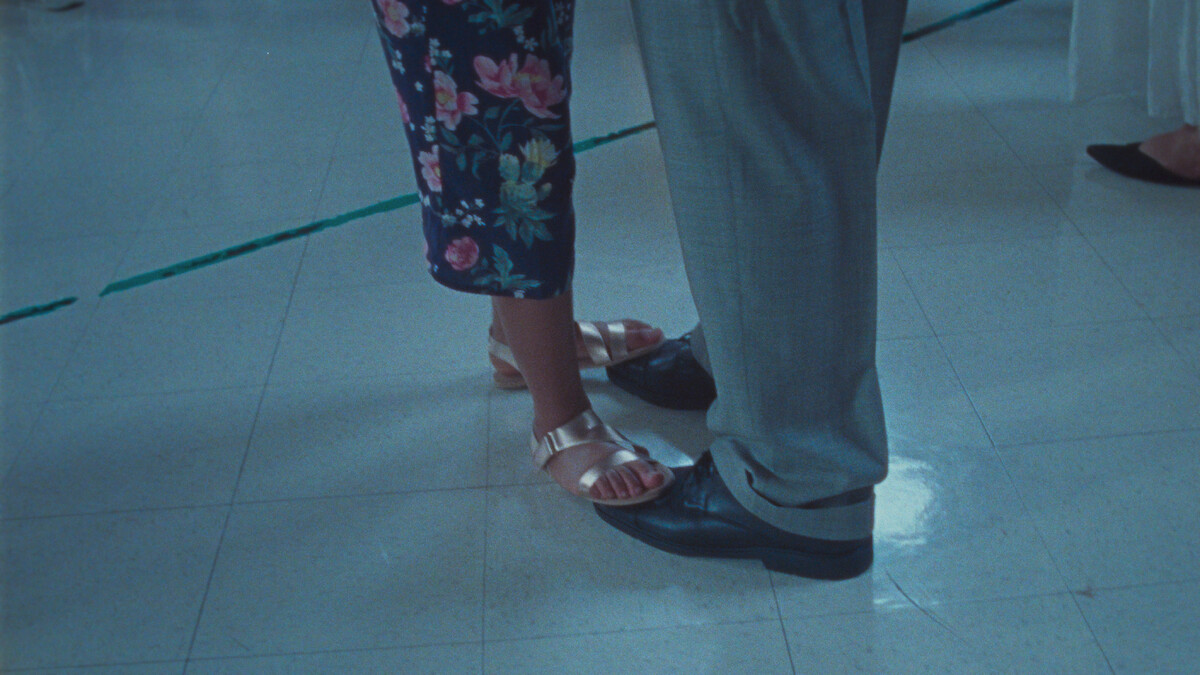
In lockstep
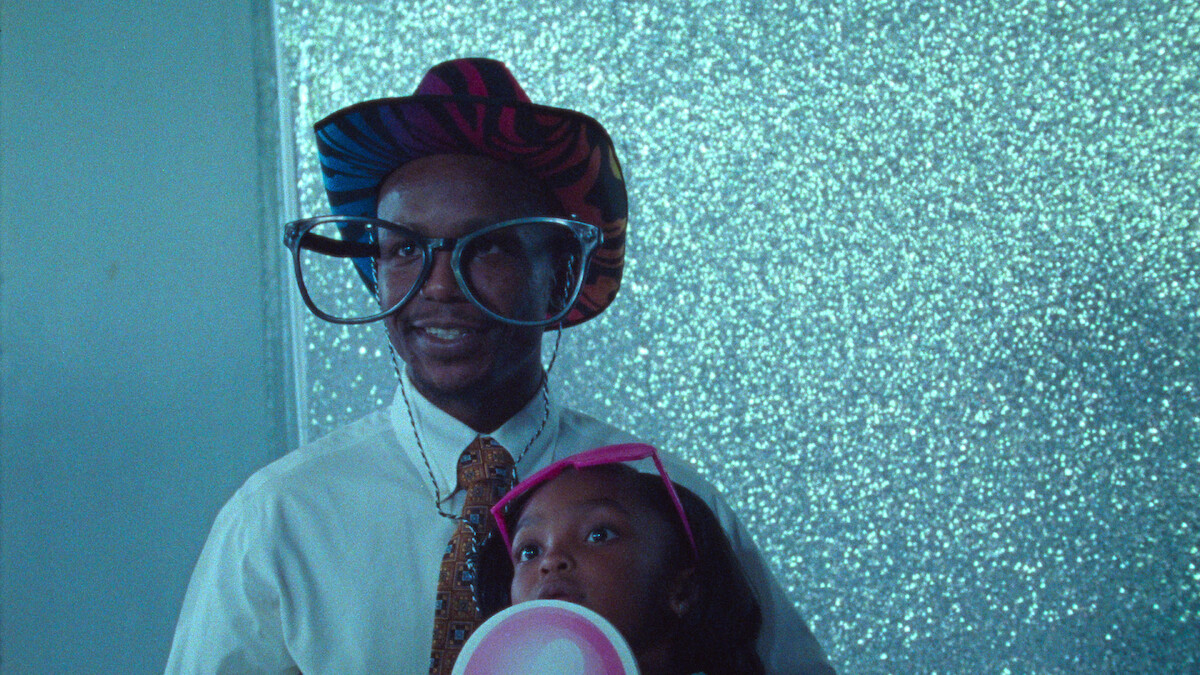
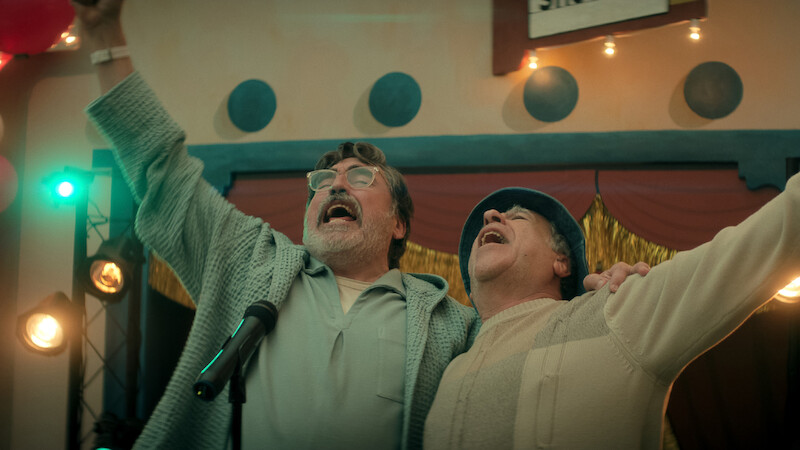
Keith Sweptson and Aubrey Smith
What you’re waiting for is that embrace [at the Daddy Daughter Dance]. These girls are telling their fathers how much they miss them, and the fathers are saying how much they miss their daughters. They’re talking about and having a deeper understanding of how important it is for their girls to see them and to be with them, and the love that has been lacking in their lives. Through all of these things, your empathy is just growing. You’re going on that journey with them.
I wanted to reflect on the growth that you have leading up to the moment of their reunion. So, it starts really minimally and softly, and then as each girl comes in and embraces her father, there’s a new instrument, and they each have their own moment. For Raziah and her dad, a bass clarinet comes in, and for another girl a trumpet comes in. They all have their own special themes underneath, very subtly. They have so much in common, but they’re all so different, so I wanted to give them space and for the audience to have a different connection with each person.
I use strings and cello a lot. Since cello is my main instrument, I tend to reach for that one first. There’s a saxophone, clarinet, flute, some harp, and a few different types of pianos; I used the grand piano and another one that I really like called the Una Corda. It's a special instrument because there’s one pedal and it has a very unique sound. I used it in themes of innocence and faithfulness for the girls. When it would come around to them being with their dad or the dads reflecting on their daughters, I would bring the Una Corda and the grand piano in on top of one another. The grand piano added this deeper, rounder, more expansive tone.
There’s some Juno synth, [a punchy analog synthesizer], in there, which I really like because it lifts you out of some heavy moments throughout this film. It’s when Angela is talking about how the girls are going to feel before going in, preparing them to see their fathers again, and how they’ll feel when they’re able to touch them. While she’s talking about the importance of touching and that connection, I put in this Juno line that sort of takes you to another place.
I like to leave space for the natural sounds to shine through, whether that be the sound of the room or the sound of somebody adjusting themselves in their seat when they’re talking about a story or a pastime. I like to pour in a lot, and then I end up taking a lot away. I think there’s a lot of power in leaving space for silence. Silence can be so loud in itself.
In one of the scenes, a father named Keith is talking about the conditions that they’re in when they speak to their families and what they have to go through sitting in front of a [visitation] screen that oftentimes doesn’t work or you can’t hear the other person. And then they show you the interior of what that space looks like: It slowly pans from cubicle to cubicle and then to a single chair. I had all of these textural sounds underneath and added more cellos. I stripped away a lot from that and just had the violin being this echoing, sort of haunting voice. I left room for the dialogue because when people are telling their stories, their voices are music as well. You can hear the inflections in their voices when it feels strange or when they’re happy. For viewers to feel that connection with the person who’s telling the story, they should be able to hear that.
This interview was edited for length and clarity.