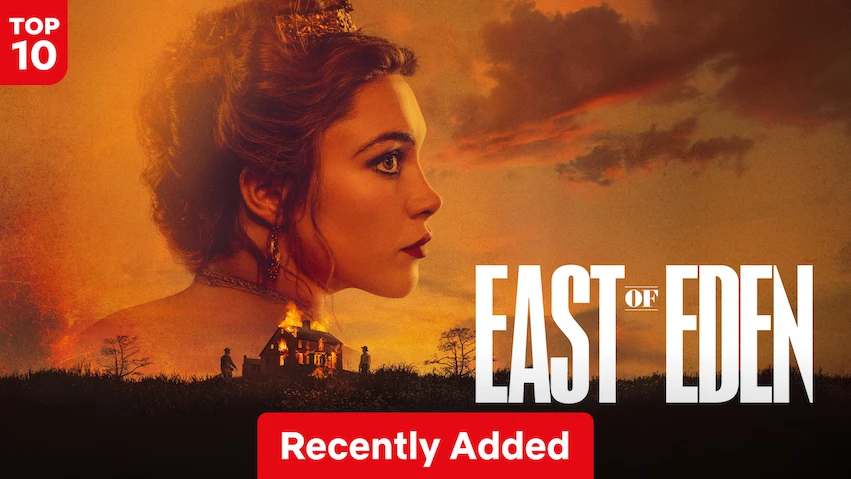
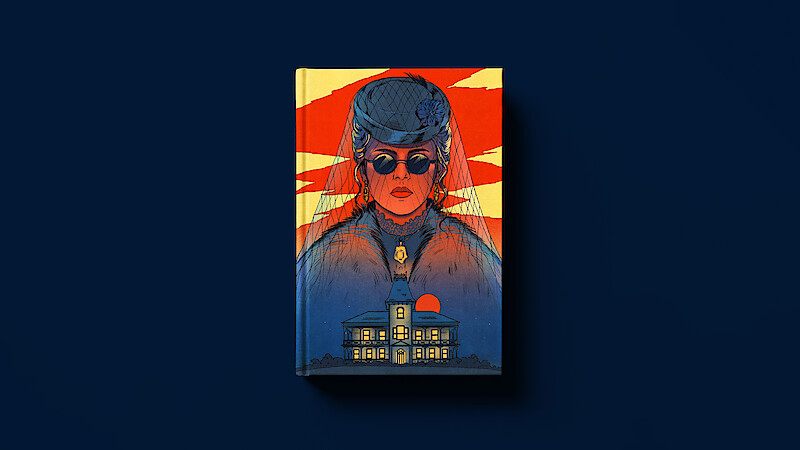
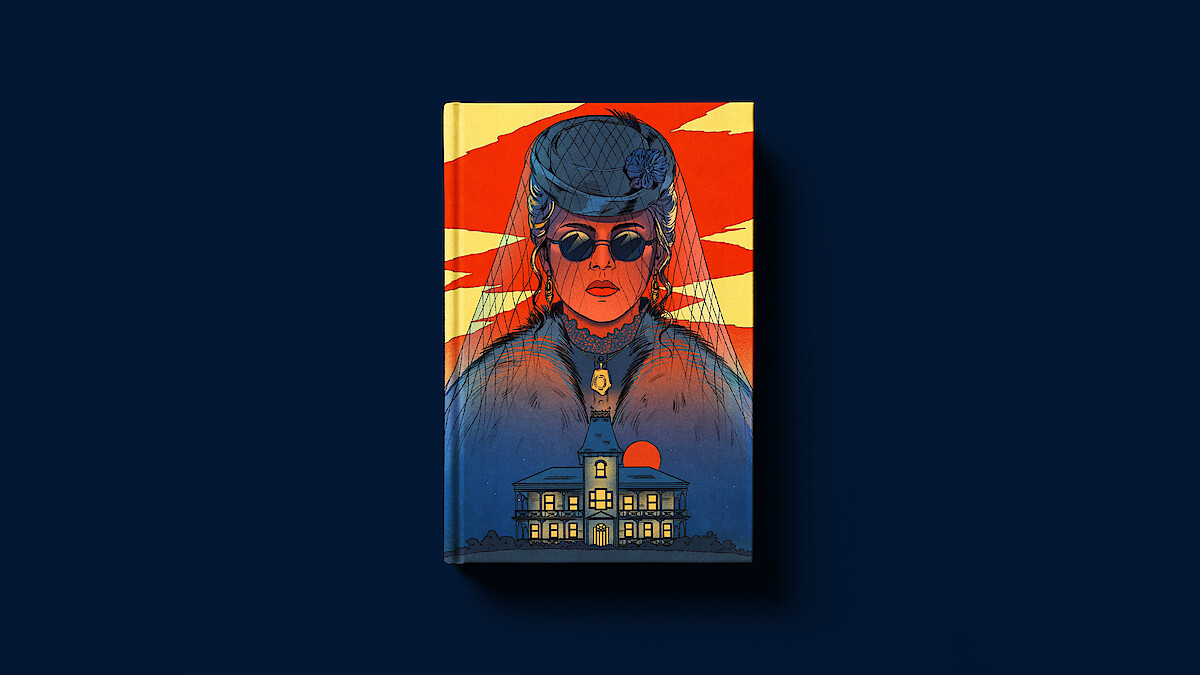
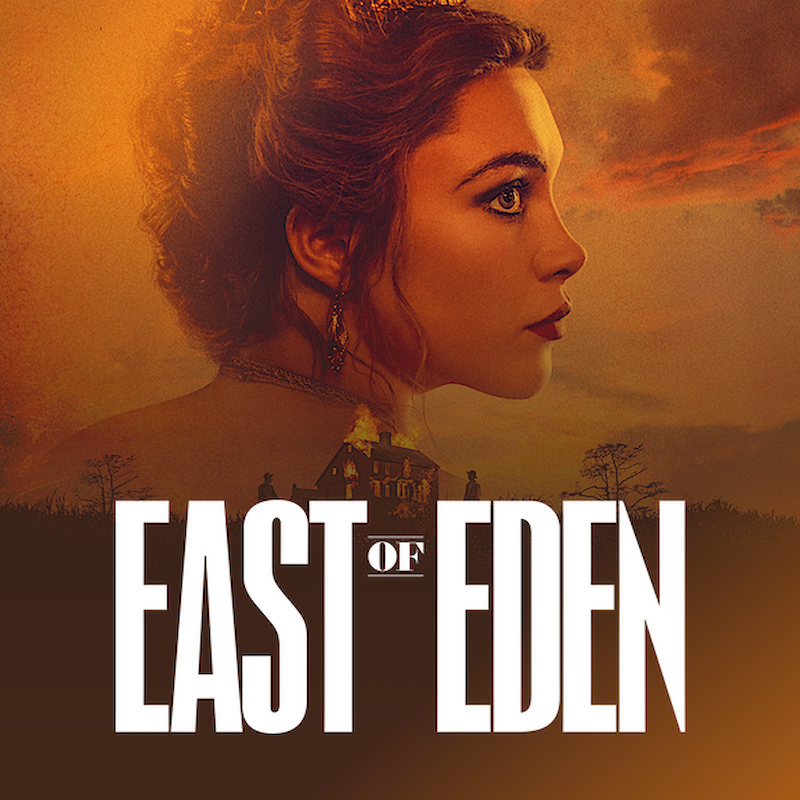
The sweeping vistas and devastating drama of East of Eden are accompanied by an equally heartbreaking score thanks to composer Laura Karpman. The Academy Award nominee and Emmy-winning composer (American Fiction, Why We Hate, What If … ?) immersed herself in both John Steinbeck’s generational classic and Zoe Kazan’s fresh vision as she ruminated on the sonic layer of the limited series adaptation. En route to scoring the Salinas Valley, she discovered something deeper about how perceptions of iconic female roles in cinema have been shaped by the music surrounding them. Here, the award-winning composer pens an essay on scoring the femme fatale, collaborating with Kazan, and what it means to use music to illustrate monstrousness.
I spent the last year and a half on a journey that was utterly and completely unexpected. I’m a composer, primarily for film and television. I have spent a lifetime being respectfully referred to as a “woman composer,” at first straining to break free of that title and ultimately embracing it. Being a woman in the male-dominated world of film scoring has led me to consistently ponder: What do I bring to an interpretation that might be different from what a man would bring to the same scene? Does my gender affect the way I see character, color the decisions I would make as a film composer?
Film scoring is such a powerful tool. Composers must first throw themselves into deep character analysis and understand the nuances of the human condition so that we, with our musical tools, can shade, even sometimes shape, an actor’s performance. But we can certainly change an audience’s interpretation of what is happening emotionally.
When Elia Kazan's granddaughter Zoe Kazan hired me to score a new adaptation of East of Eden, I devoured Steinbeck’s original book. I immersed myself in Elia Kazan’s 1955 film, and I fell in love with Leonard Rosenman’s razor-sharp, edged score. It was modernist in the truest sense and echoed so much of the angular music I studied at Juilliard with uber-modernist Milton Babbitt, who was a great friend of Rosenman’s.
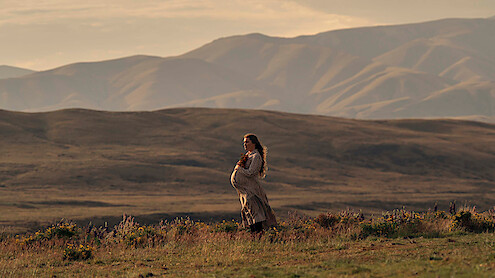
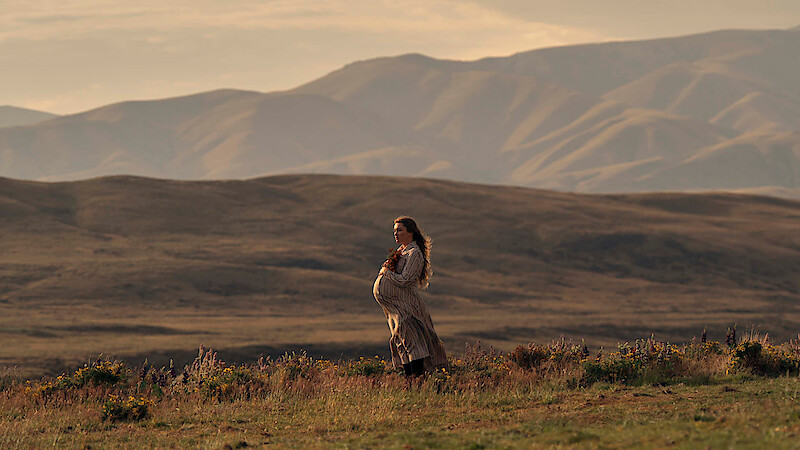
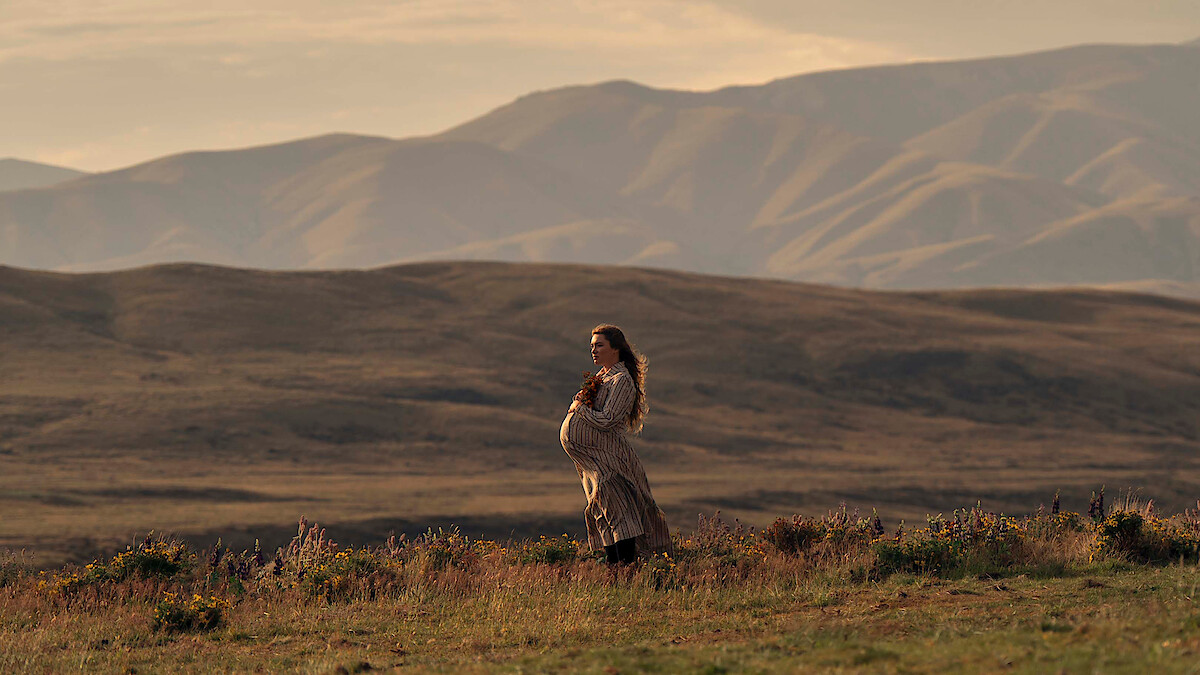
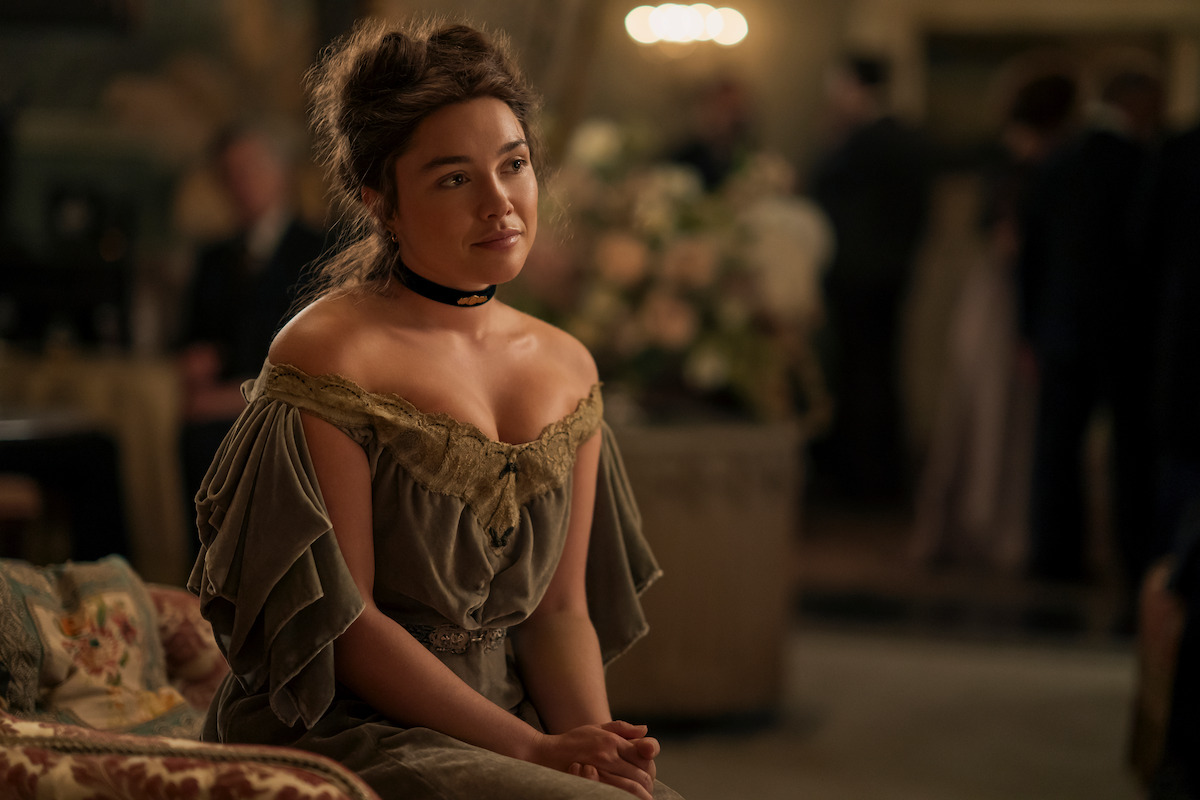
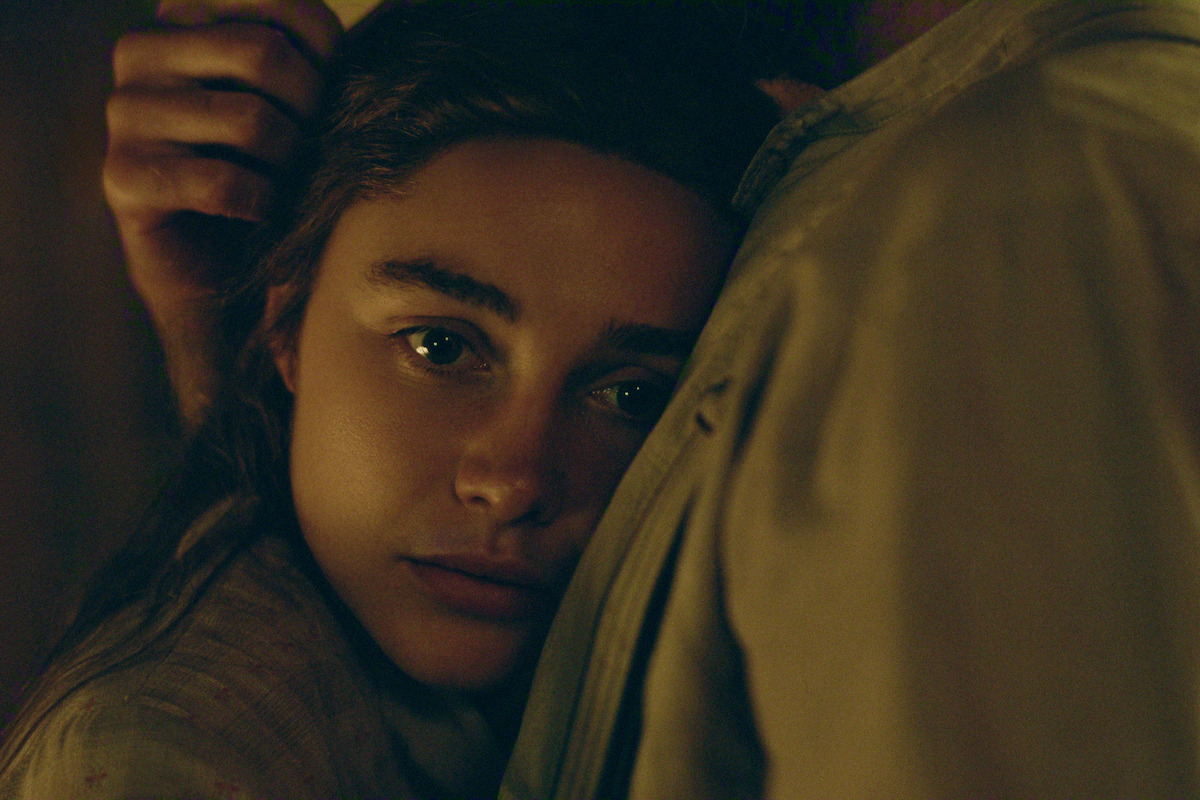
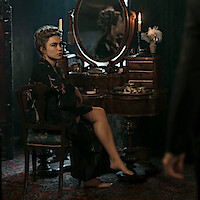
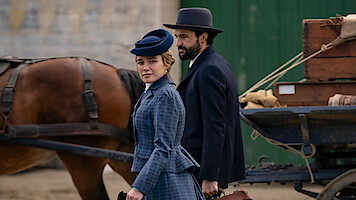
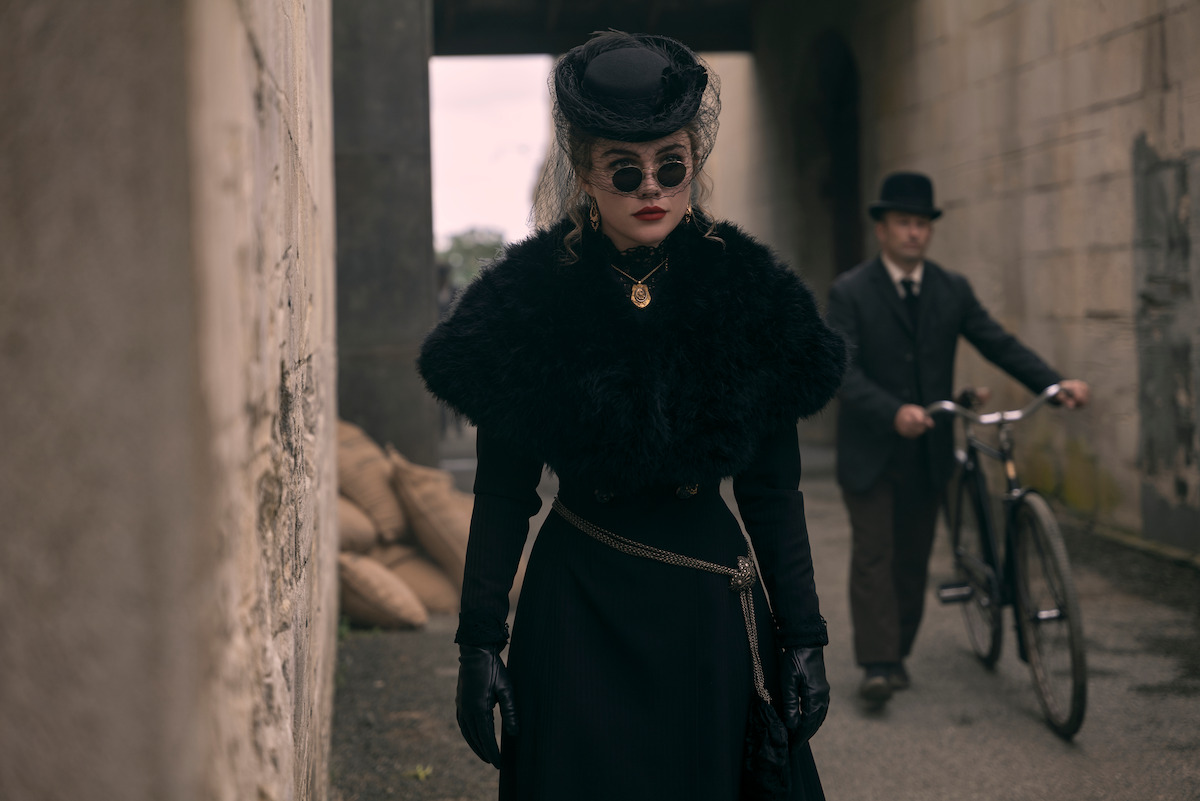
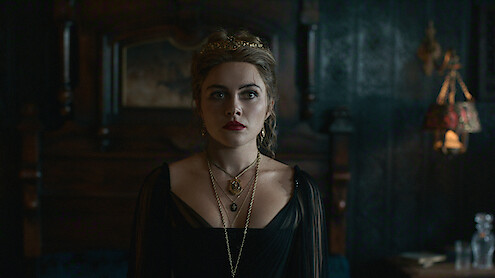
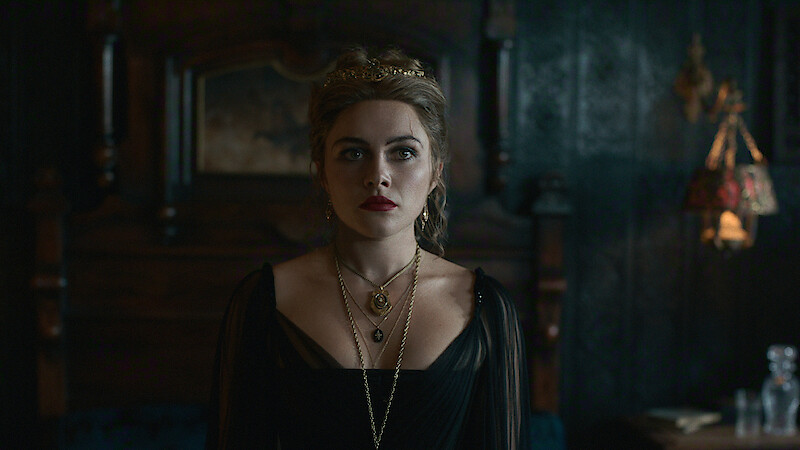
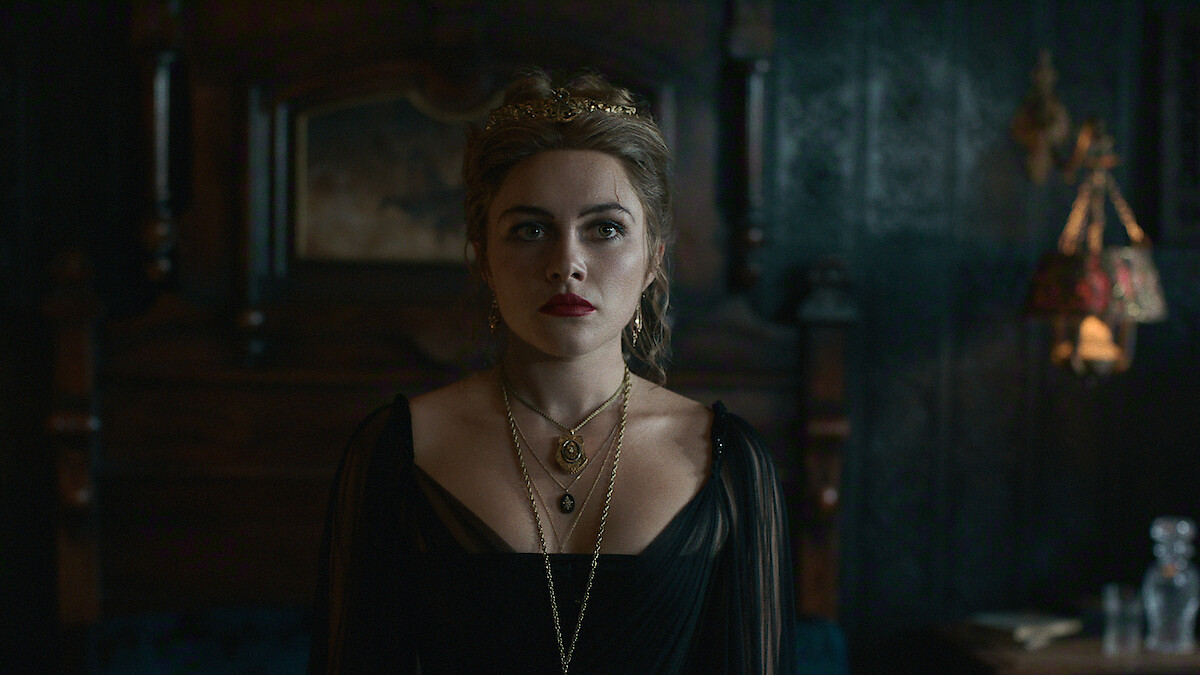
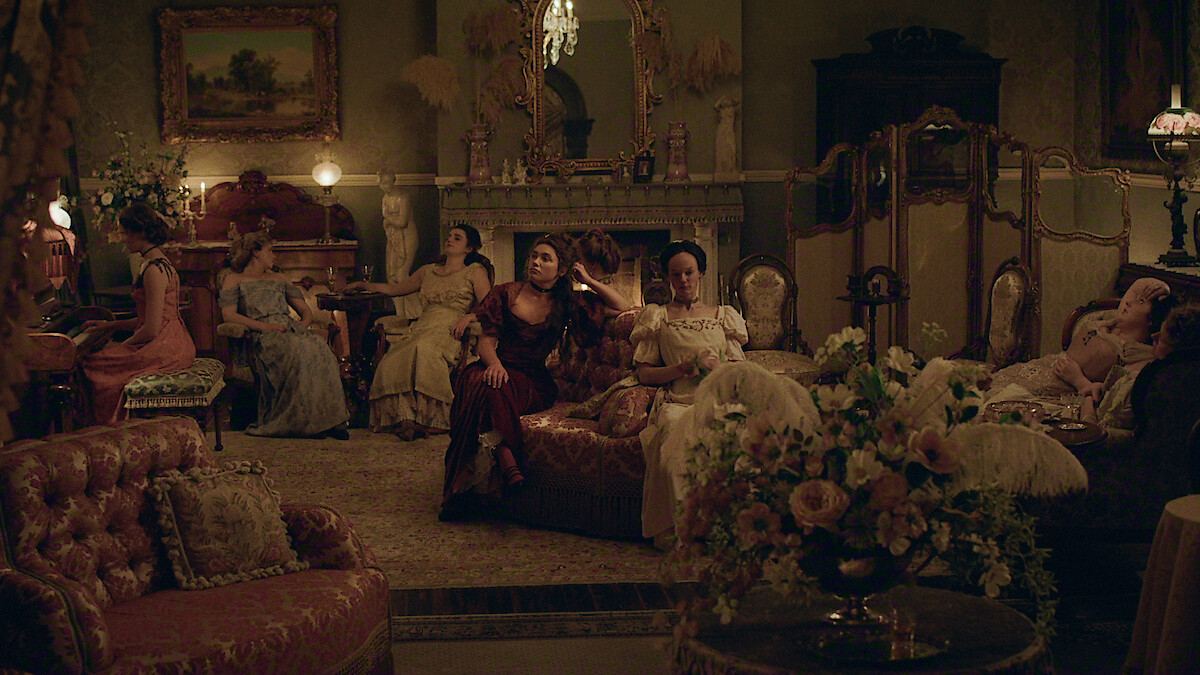
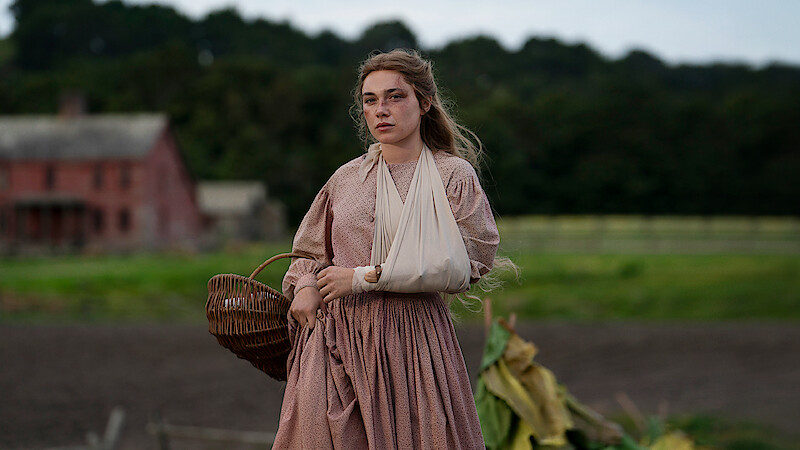
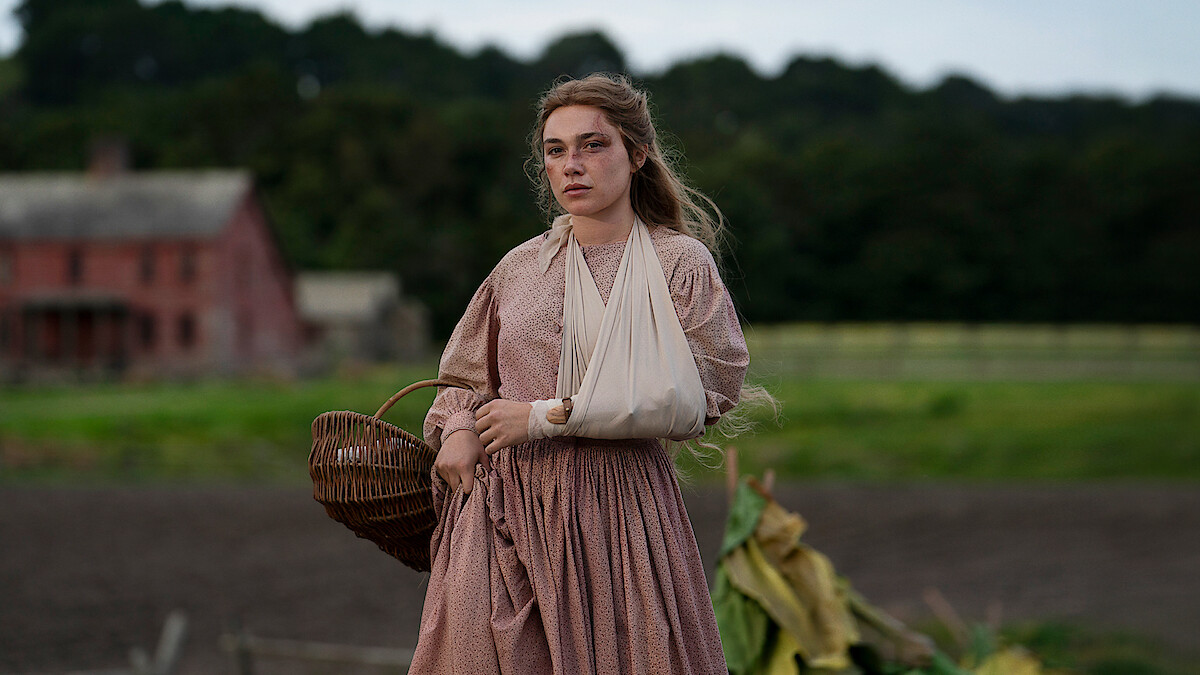
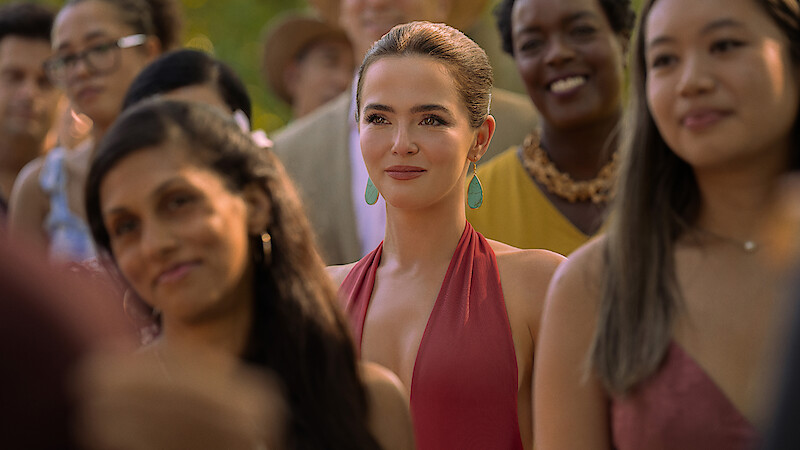
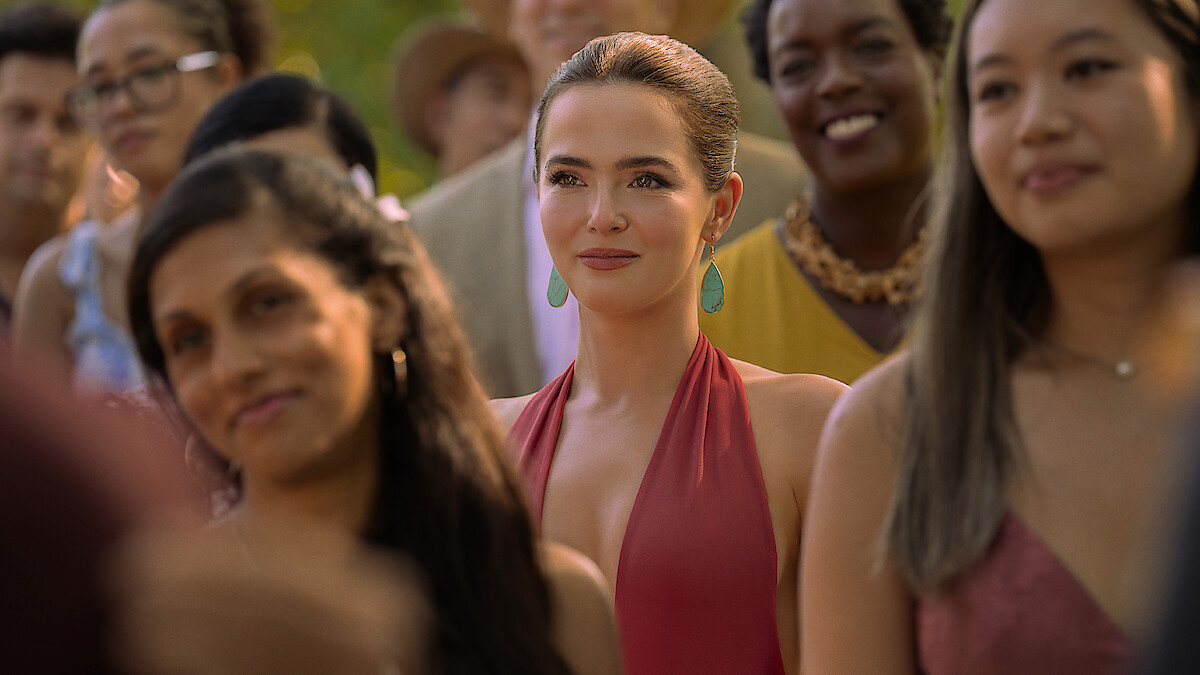
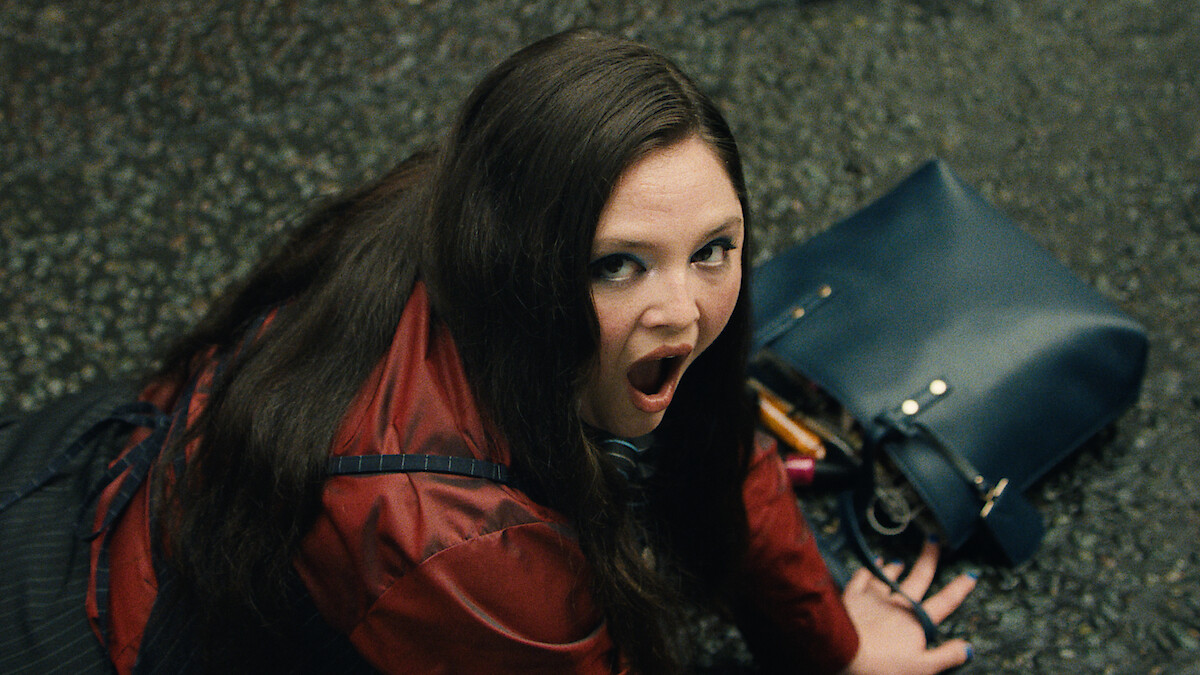
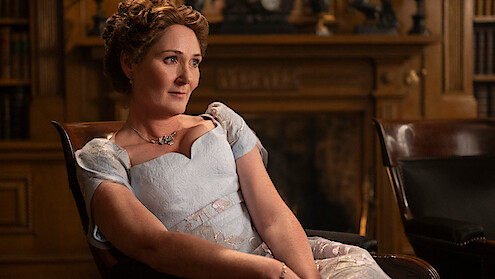
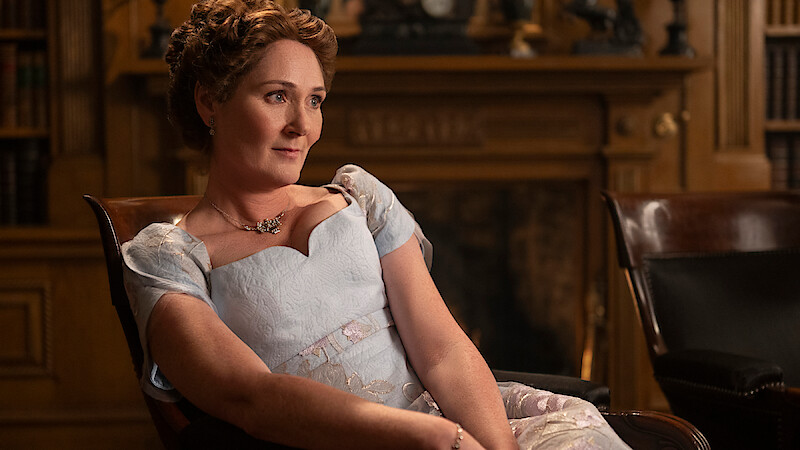
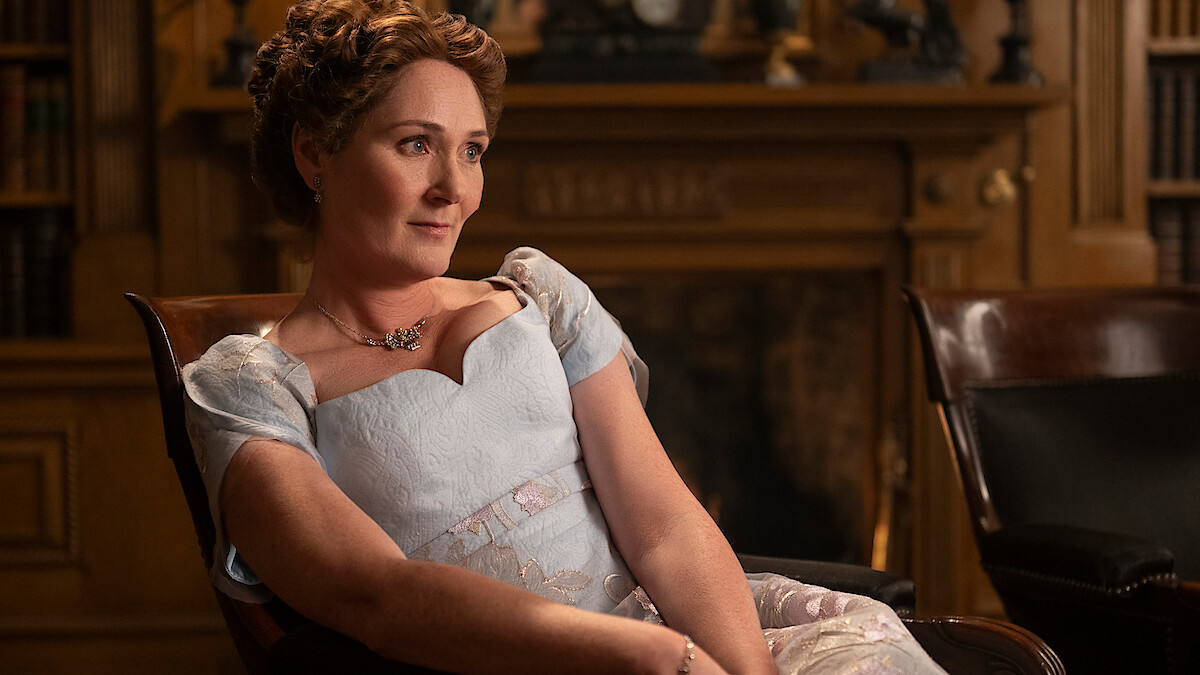
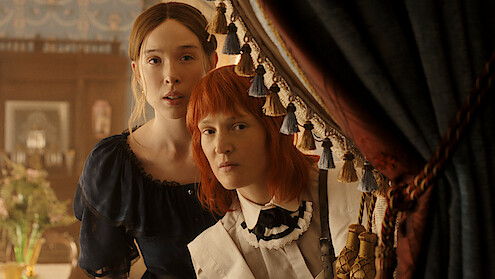
But now, with Zoe and Jeb Stuart, our showrunners, we had an opportunity to rethink this classic. What did we want to draw from the original, and how might we carve our own path? With a rich and powerful character like Cathy Ames, exquisitely acted by Florence Pugh, this dance between screen and music had to be gingerly executed.
What struck me profoundly as I delved into this material was the empathy I felt for Cathy, who is supposedly the diabolical villain of East of Eden. Steinbeck’s narrator describes Cathy this way: “I believe there are monsters born in the world to human parents. ... And just as there are physical monsters, can there not be mental or psychic monsters born? The face and body may be perfect, but if a twisted gene or a malformed egg can produce physical monsters, may not the same process produce a malformed soul?”
But I couldn’t see her that way. Yes, she does wretched things, including quite a bit of murder. Maybe she is a sociopath, maybe not. But I saw her as a woman trying to navigate a world where, even as a child, she was grotesquely viewed, monstrously viewed, as a sexual object. Eventually, she embraced that vision of herself and used it as a weapon to cudgel freedom from what she considered a suffocating life. Her monstrousness broke through her societal constraints.
I had many long discussions with Zoe and Jeb. We all decided that perhaps Cathy was not the villain she had been thought to be, and this particular adaptation offers much more backstory to support this view. Steinbeck himself seemed to feel something more nuanced about his villain.
In Journal of a Novel, Steinbeck’s collection of letters to his editor, Pascal Covici, written while drafting East of Eden, he says, “This is a woman and you must know her; know her completely because she is a tremendously powerful force in the book.” Later he calls her his “dear Cathy.” Understanding her was a process for him too. Steinbeck lived with, maybe even made peace with, the complex nature of the character he was creating — so unusual for that time. “I think to a monster, everyone else is a monster.” And he himself makes the feminist case for the femme fatale: “Adam is told plainly that she’s leaving and doesn’t hear it. Men don’t listen to what they don’t want to hear.”
My charge was to think about all these questions musically. What I eventually arrived at was to frame Cathy’s theme as a kind of question, musically reflected as an open, four-note theme. The short motive is a common tool in Marvel movies for a villain, a quick signifier, almost an announcement. Here, in this particular context, it’s a mournful cry — sometimes in the piano lines, sometimes in a vocal line — constantly moving harmonically, restless, with swirly, sliding strings all around it. It never settles, never rests, and never ends. It feels quietly tragic to me, sometimes evil, sometimes almost like a nursery rhyme, almost musically boozy at times.
Intoxicated with this bold reconsideration of a classic heroine, I decided, when commissioned by the Ravinia Festival to write a piece for the Chicago Symphony, to apply the lessons I learned from Cathy to a work for the concert hall.
Unsung: A Symphonic Suite for the Superhero Women of Classic Hollywood received its world premiere last summer as part of the fifth annual Breaking Barriers Festival at Ravinia. Marin Alsop conducted the Chicago Symphony Orchestra in the four-movement suite, which gave new heroic themes to Varinia (Spartacus, 1960), Phyllis Dietrichson (Double Indemnity, 1944), Annie Johnson (Imitation of Life, 1959), and Lady Marian (The Adventures of Robin Hood, 1938) — women whose original scores gave them only love themes tied to the male lead. I wanted to fix, or correct, that point of view with a new work. History is not static. I will never be able to rescore those masterpieces, and I don’t wish to. I merely wish to add to the musical conversation, to try to make these women primary, not secondary, characters.
The second movement of Unsung returns to the same question Cathy’s theme asks, this time for another woman filed away by film history as simply a villain: Double Indemnity’s Phyllis. From my Unsung program note: This movement explores the “femme fatale” of the film noir genre not as a one-dimensional villain but as a woman navigating a mid-century trap of zero mobility for ambitious women. The music is dissonant, surprising, and seductive, with an underpinning of pain. The theme acknowledges the diabolical nature of Phyllis’s actions while examining the complex, restrictive world that shaped them. She is villainized because she uses the few tools at her disposal — intellect, manipulation, seduction, and cold resolve — to forcibly shift her station in life.
The suite’s broader thesis, laid out in its program concept, is what makes room for Phyllis in the first place: Film scores routinely celebrate the “main character” — historically male — while women are relegated to secondary motifs. For female characters, this most often means a love theme. While these can be lovely, they do not paint a full picture of who these women are.
And there is a harder question underneath all of it, one I don’t think Cathy or Phyllis let you avoid: the femme fatale’s death or ruin at the end of both of these narratives may say less about her morality than about the thesis the story needed to prove — that this kind of woman simply could not survive, that her wins were temporary, that she would ultimately be filled with regret and perish. My music, though, steers clear of that conclusion. It persists as a question.
What’s always fascinating, even after so many years polishing my craft, is how music can shade and shape a character. Can my theme for Cathy, along with Pugh’s nuanced performance, reframe Cathy a bit for a new audience? Could my music for Phyllis create a new way to view her character — angular, ambitious, sexy, yes, but also unsettled, restless, and remorseful, driven by exterior forces beyond her control? I think music has the power to do just that — but I am the composer, after all!