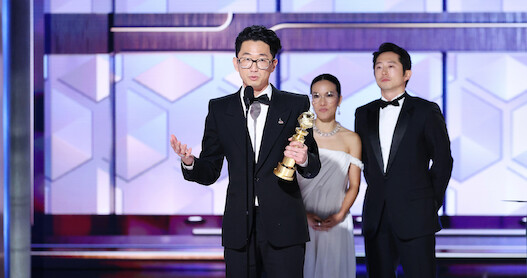
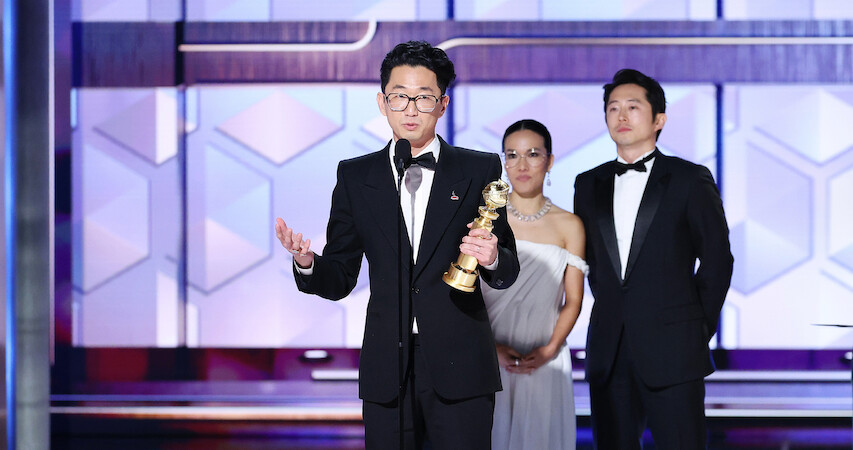
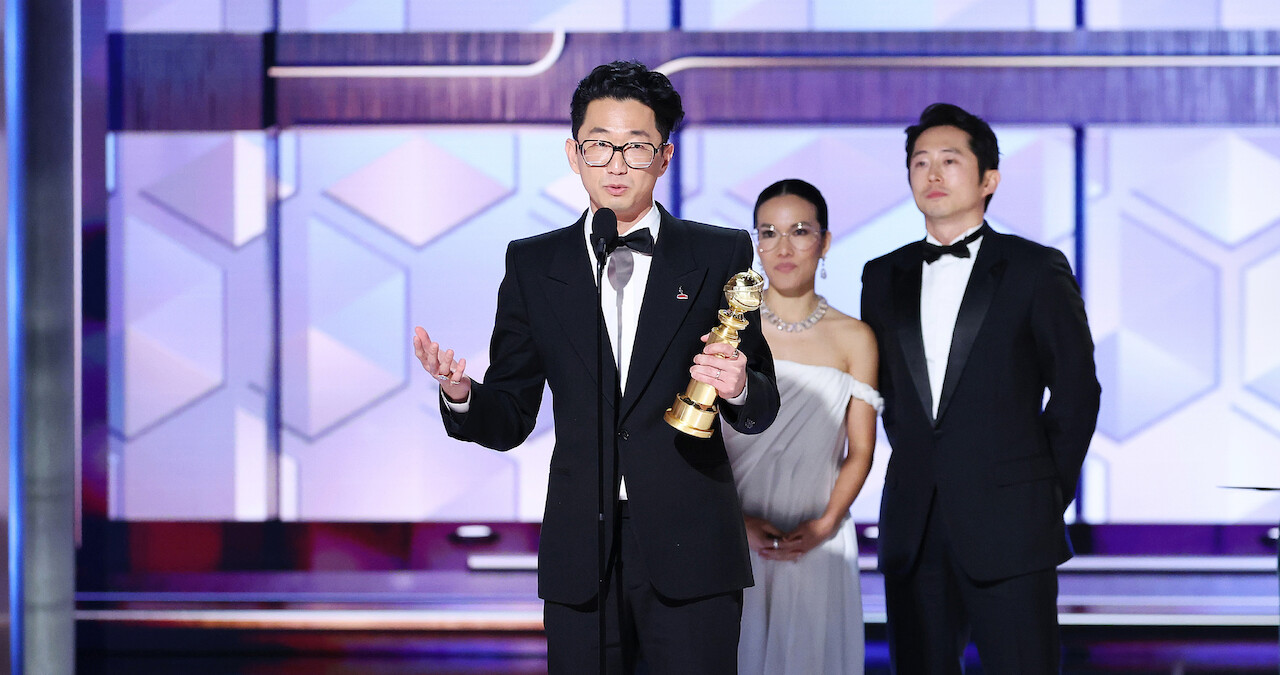
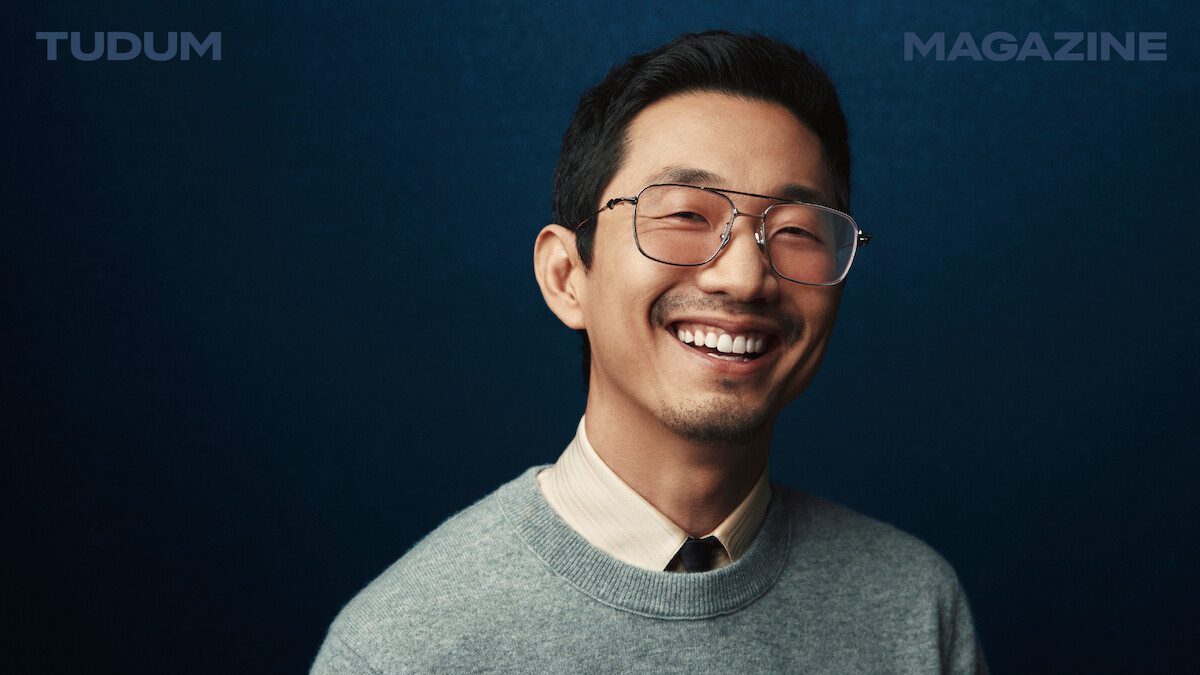
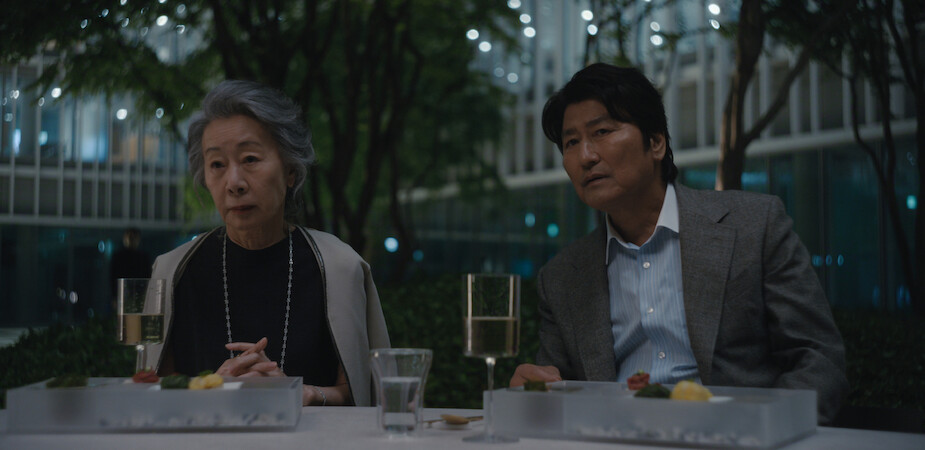
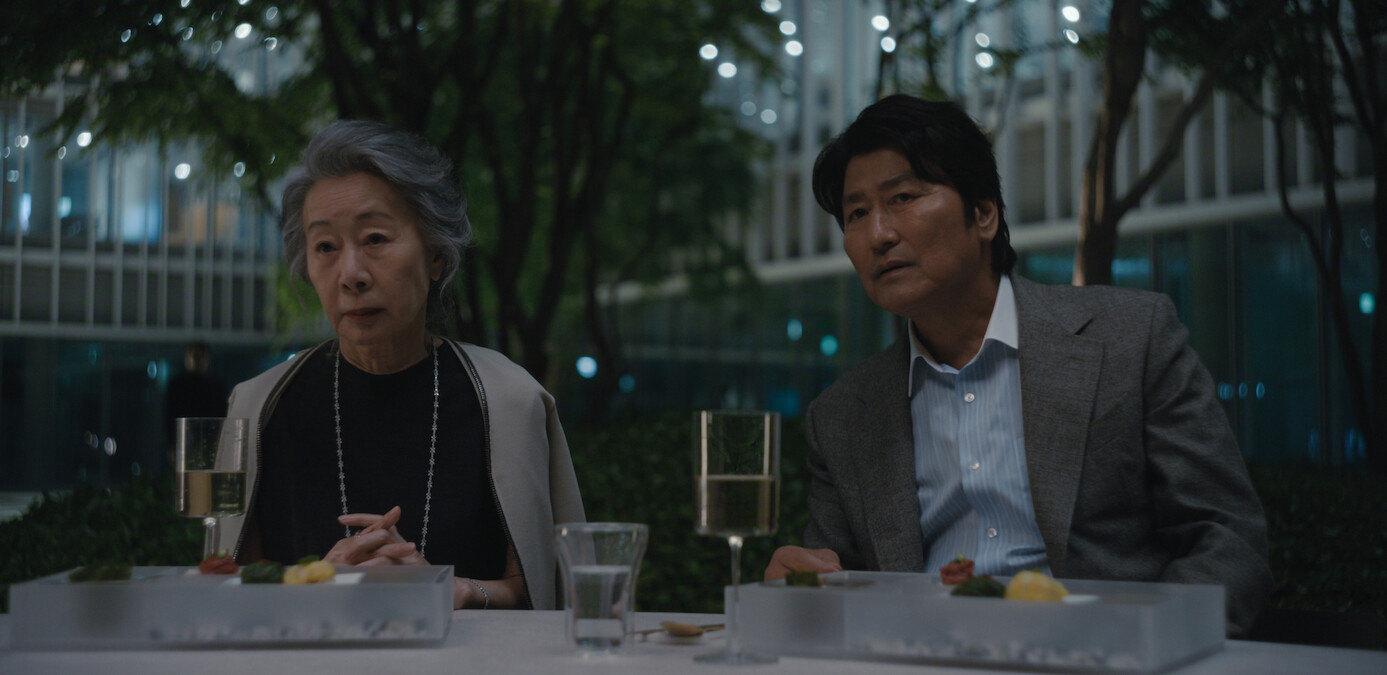
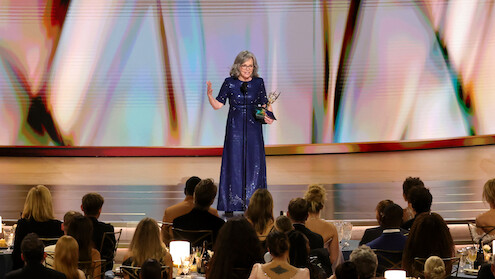
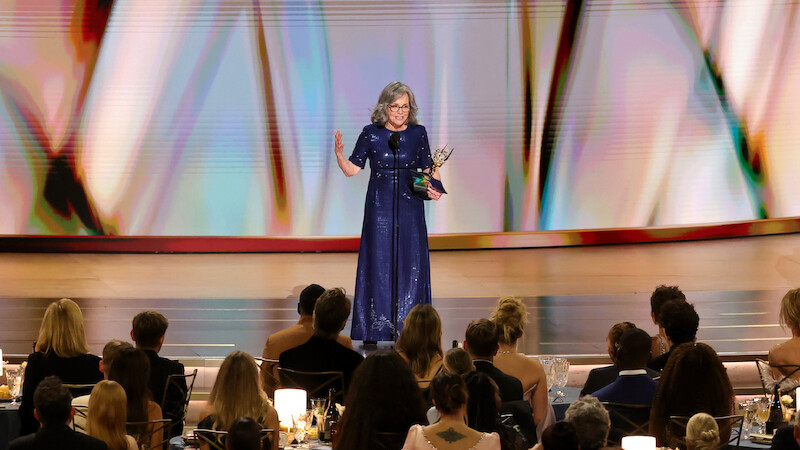
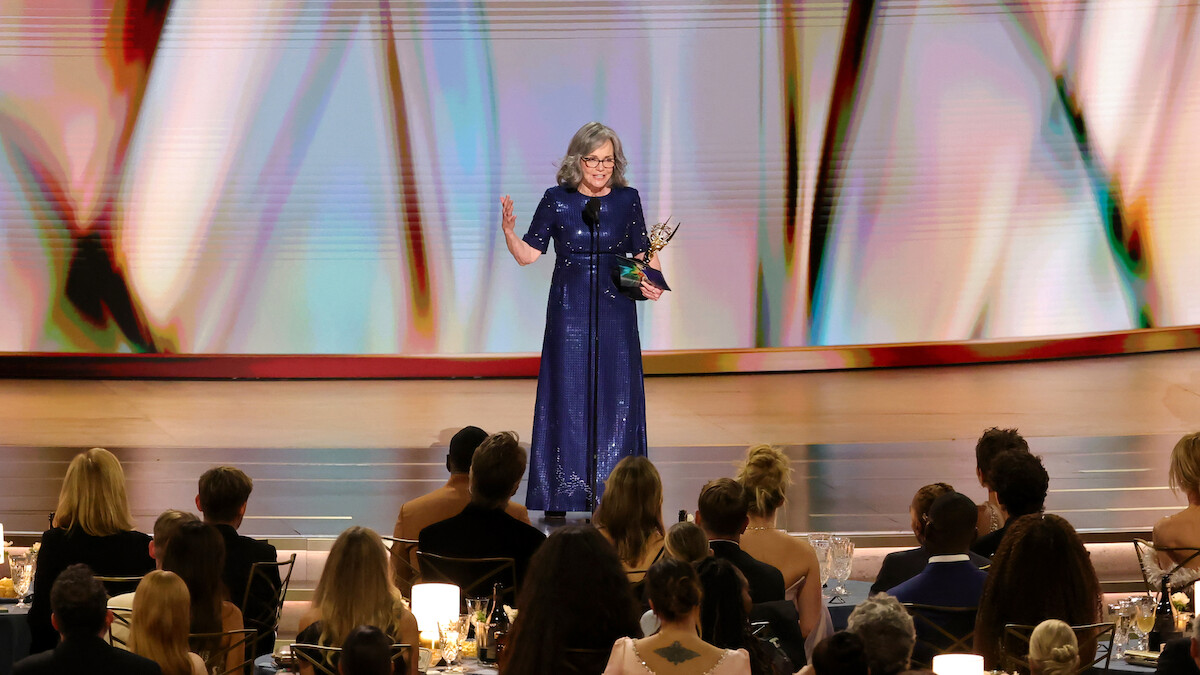
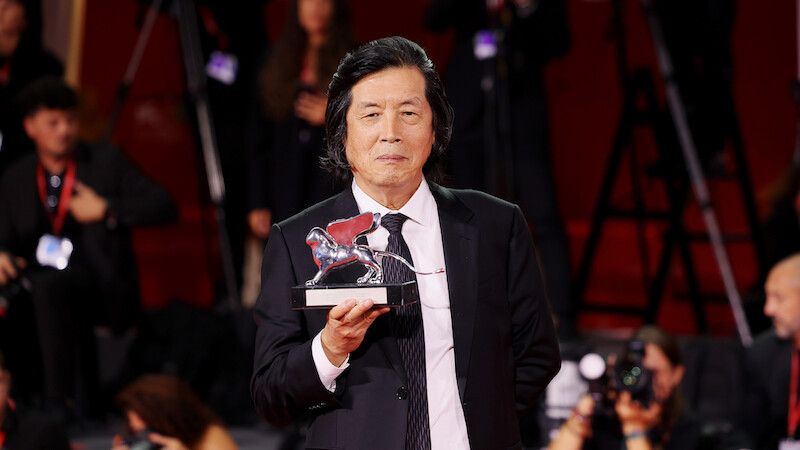
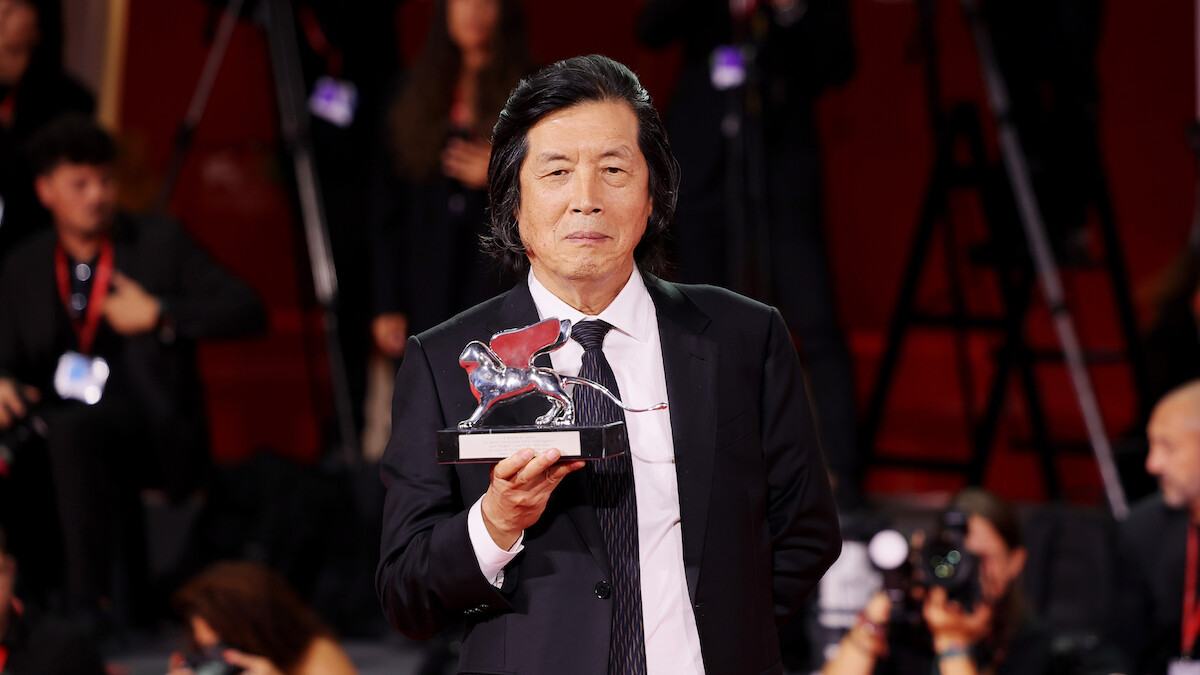
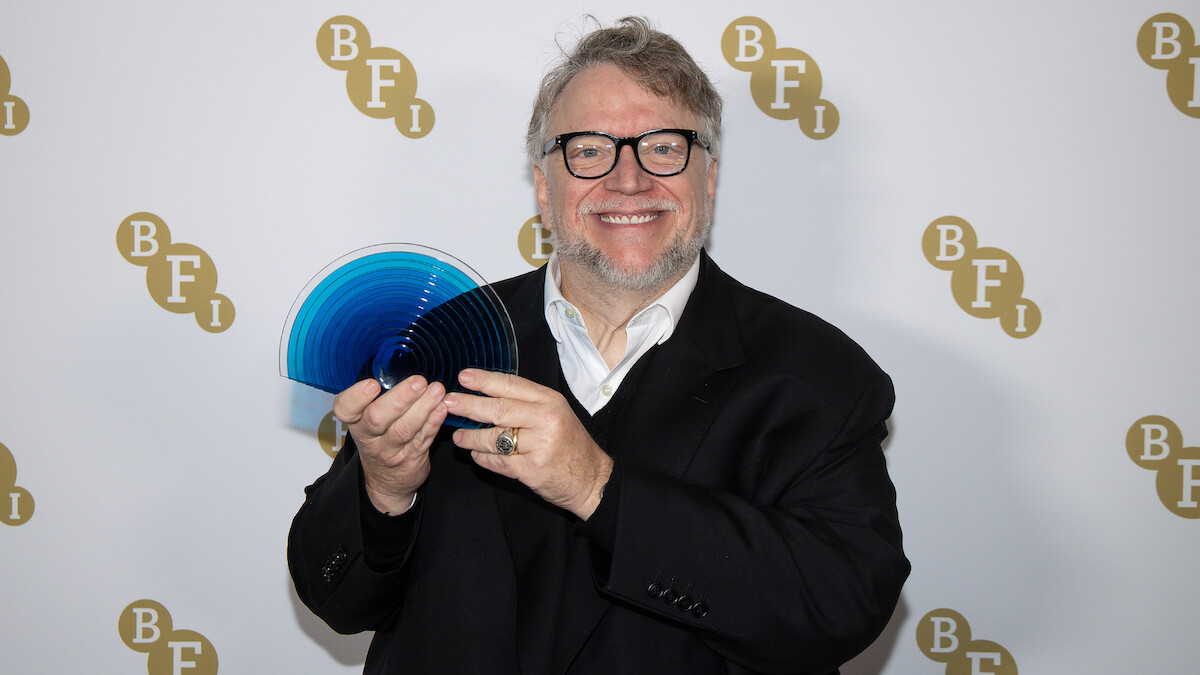
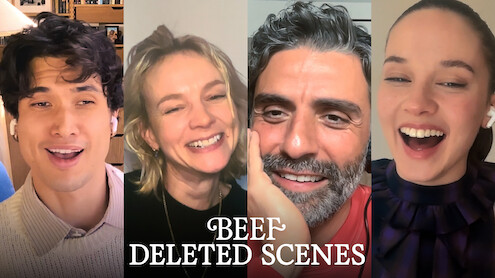
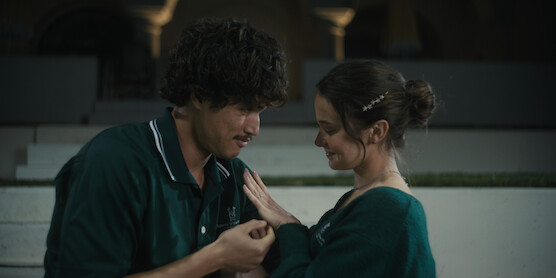
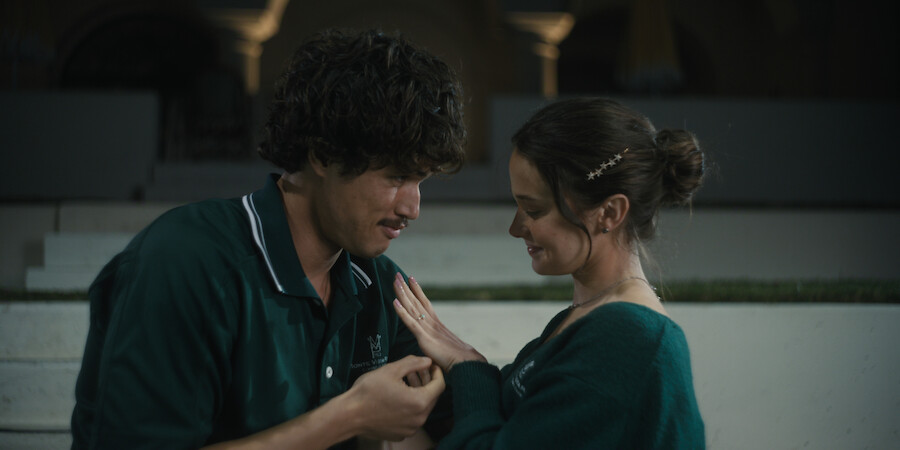
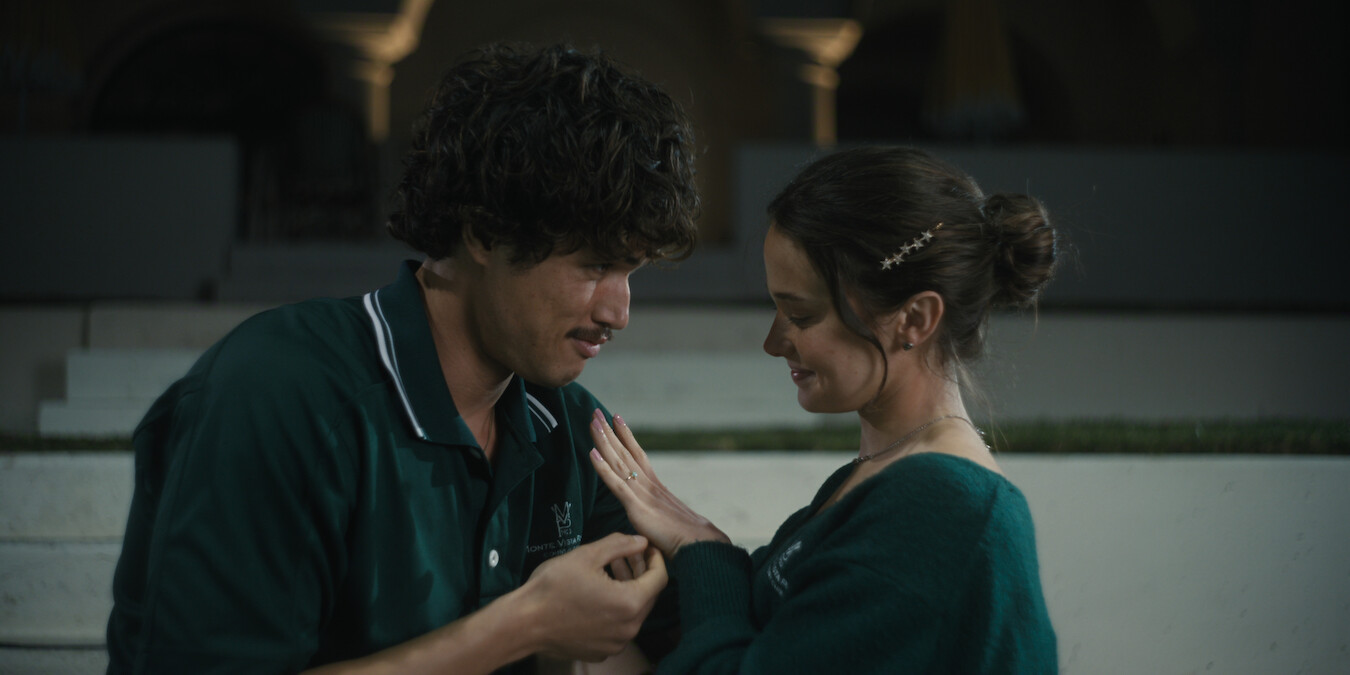
When you win a Golden Globe, you thank your agent, you thank your co-stars, and you tell the kids watching at home to get to sleep. But if you’re Lee Sung Jin, creator of the Netflix limited series BEEF, you make sure to thank the driver of a white BMW who honked and cursed at you in a road rage incident years ago. Fresh off of BEEF’s big night at the 81st Annual Golden Globes — where it won for Best Television Limited Series, Anthology Series, or Motion Picture Made for Television; as well as Best Performance by an Actor and an Actress in a Limited Series, Anthology Series, or Motion Picture Made for Television for Steven Yeun and Ali Wong, respectively — Lee took a break from celebrating to give Tudum his reaction to his wins and share the advice Wong gave him about landing a joke on stage.
How did you feel about BEEF’s chances of winning, going into the night?
I think I waffled back and forth. I saw some meme before where they say, on the Venn diagram of art, where one side is crippling self-doubt and the other is extreme narcissism, all artists sit in the middle, in the overlap. And so I think that was true of last night as well. There are days where I’m like, “Oh, we won’t win anything,” and other days where you think you’re going to possibly win everything. You just ebb and flow between the two points, and you’re anxious the whole time.
What was the vibe at the BEEF table as the show started?
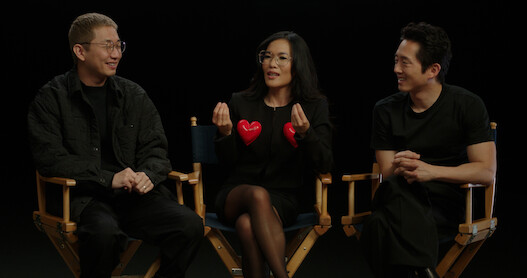
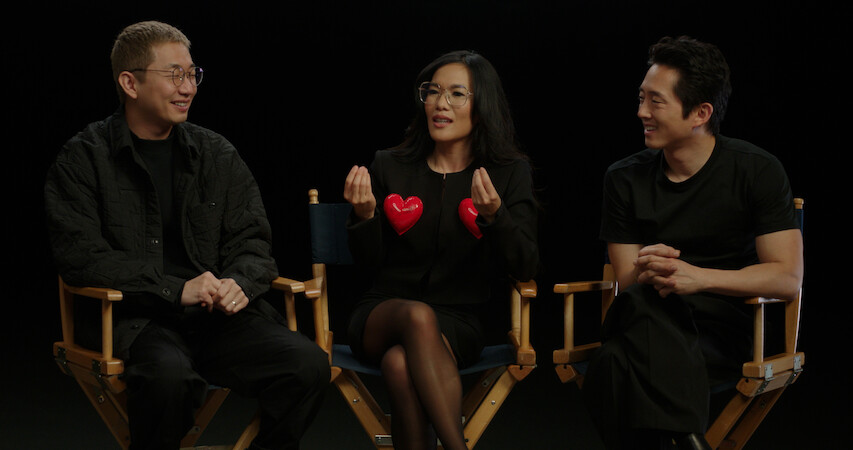
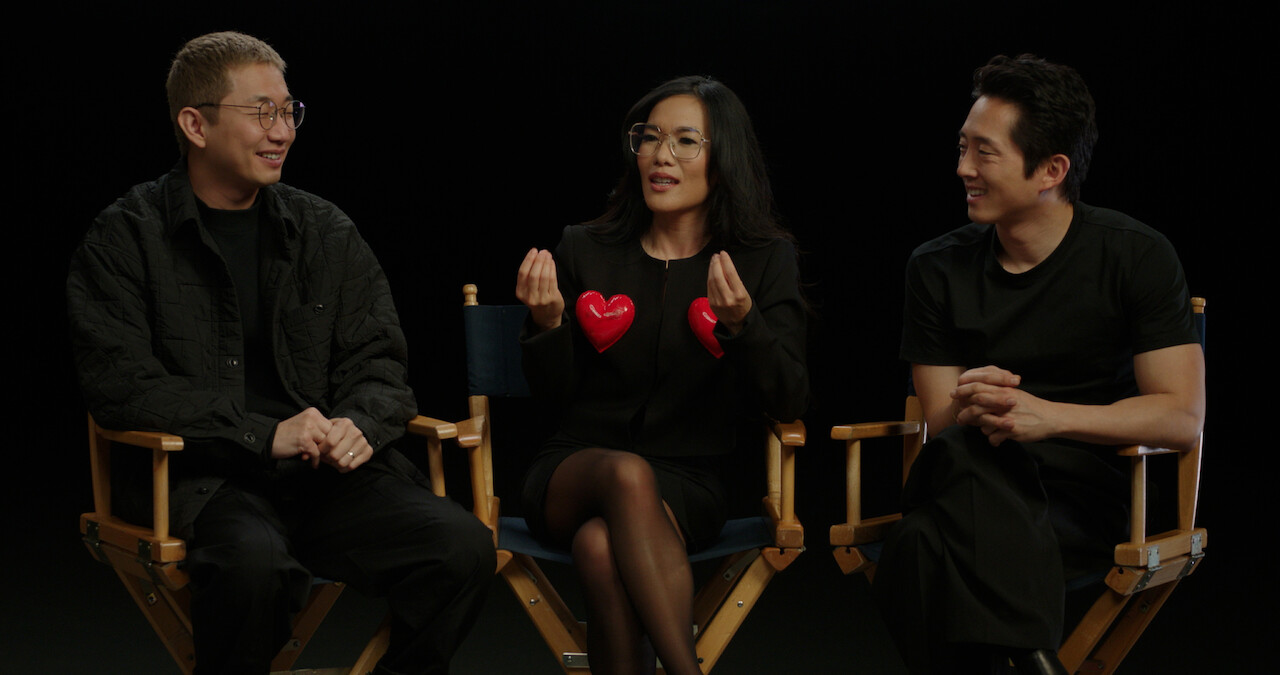
Steven and Ali and I, and even Bill Hader, we’ve become such close friends. We hang out outside of work. It was really fun just to be able to experience these things together as best friends. It’s pretty special. So it was very loose... Rachel Brosnahan and her husband [Jason Ralph] were at the table too, and we got to meet them, and they were so nice. It just felt like a bunch of friends who somehow got to be snuck into this thing and experience it together.
Everyone’s speeches had to be short, but yours got a huge laugh from the room. What went into preparing that speech?
What’s great about some of the earlier awards prior to the Globes is you get to test out your stand-up material on other crowds to see what works, and what doesn’t. So if I’m being truthful, I have told that bit before, and I got a big laugh, and I tweaked it a little bit. I was joking with Ali about it: “Is this what being a stand-up is like?” And she was like, “Yes, but times 10,000… but also, relax. You’re not going to be a stand-up soon.” So that’s how I came up with this speech — just seeing what worked before, and making sure it came from a heartfelt place. It’s so easy to talk about thanking the people that we got to work with, because we really truly did have an incredible, life-affirming time together.
Again, you didn’t have much time for your speeches, but you, Steven, and Ali all made it clear that you had way more people to thank.
At some of these awards shows, Steven, Ali, and I are at the forefront, but the show really is an effort amongst so many people in terms of the cast and crew and the writers and editors, and even the color correction team in New York, Color Collective. There’s just so many people that I’ve become so close to over this process that I hope people do take a minute to look into — “Oh, who did the props for our show? Or who did the costumes for our show?” And [I hope they] really look into the people who put in their craft to make BEEF and look into their careers, and watch out for what they’re doing next, because none of this would have happened without each and every person, and I want to make sure that gets out there.
As a fellow Korean American writer, I know my mom would think my wanting to be a writer would be validated if I got a major award on TV. What’s been the reaction from your family?
My parents and my sister are very proud. I got a lot of texts, and my mom is doing the Korean mom thing of reading every newspaper headline she possibly can. She’s taking a picture of different articles and sending me all of them. So yeah, it’s really nice to see my mom happy, and she’s definitely telling everyone she knows at her Korean church in New Jersey. It’s just nice to see my mom in good spirits, and I think we’re just big kids at the end of the day, so we’re all just trying to make our parents proud.
It must have been extra special to be presented the award by Issa Rae, a fellow writer and creator, and Simu Liu, a prominent Asian actor.
Oh yeah, of course… I loved their speech about re-contextualizing what Barbies and Kens can be. I think all the minority communities, people of color supporting one another through award season is really felt by everybody. I think so many times you get fearful in this industry that it’s a competition, but I’ve felt so much support from so many people, and I try to offer support in return. And so, getting presented the award from them, yeah — it was really special.
How did the BEEF team celebrate afterward?
We were very cold for a while because it was so frigid last night. But then we made our way to the Netflix after-party where we got to let loose and celebrate.
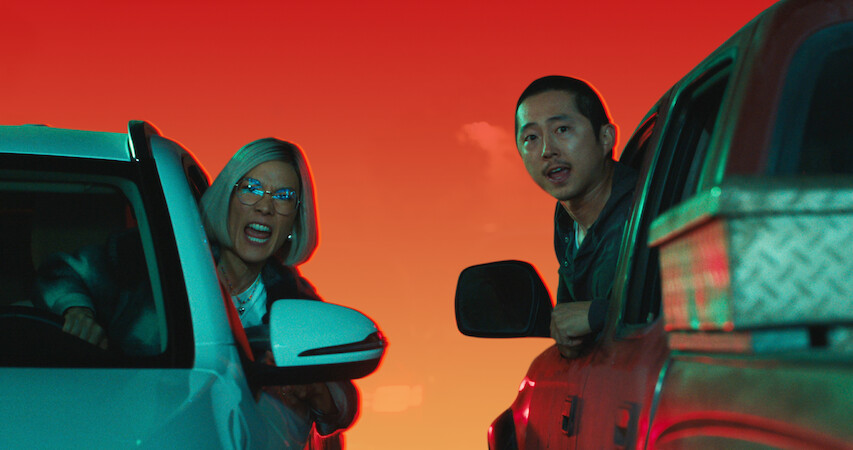
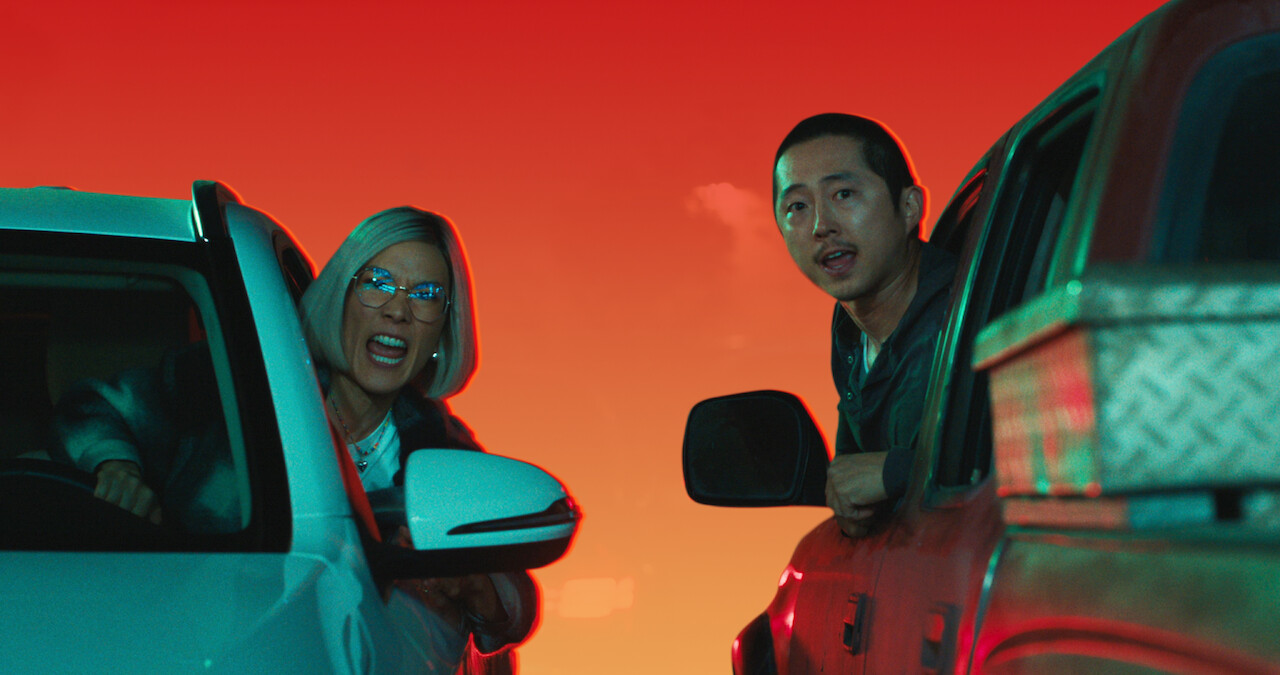
You kind of already told us, but how would you respond if someone DMed you and said, “I was that driver of the BMW who honked at you all those years ago”?
I would say, “Oh my God, thank you for reaching out.” And I would laugh, and I’d thank him, truthfully. As George [played by Joseph Lee] says in the show: “Anger is just a transitory state of consciousness.” It’s such a fleeting emotion. So there would be no anger at all on my side. I am very thankful that experience happened, so it would make me reflect on how all bad moments… you never know what they can lead to.
This interview has been edited and condensed for clarity and length.