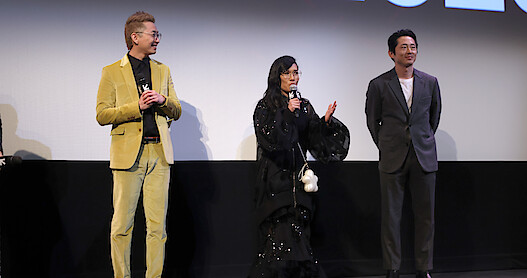
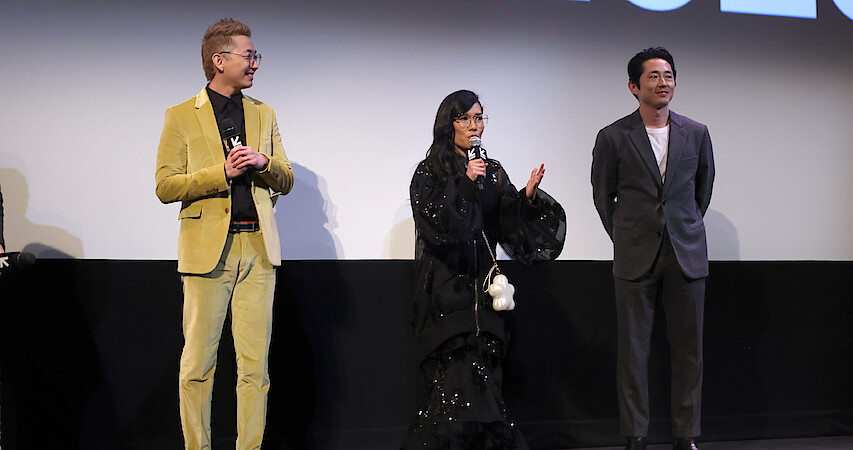
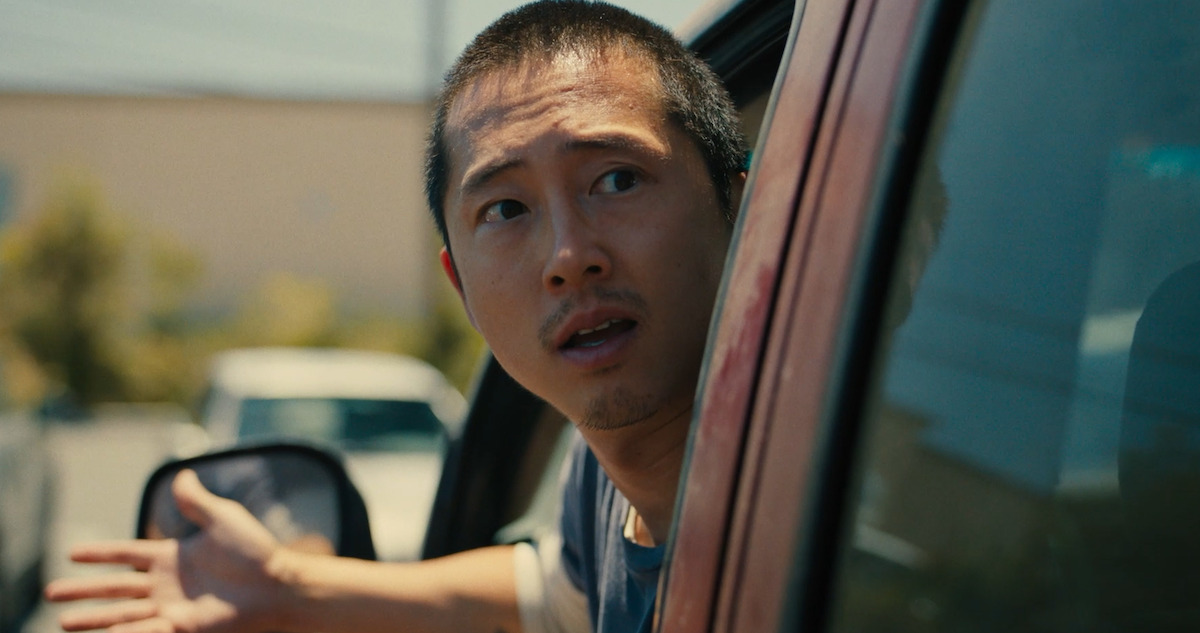
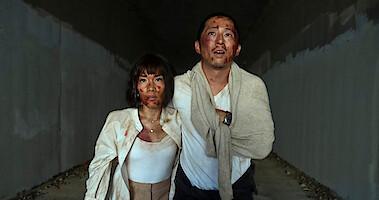
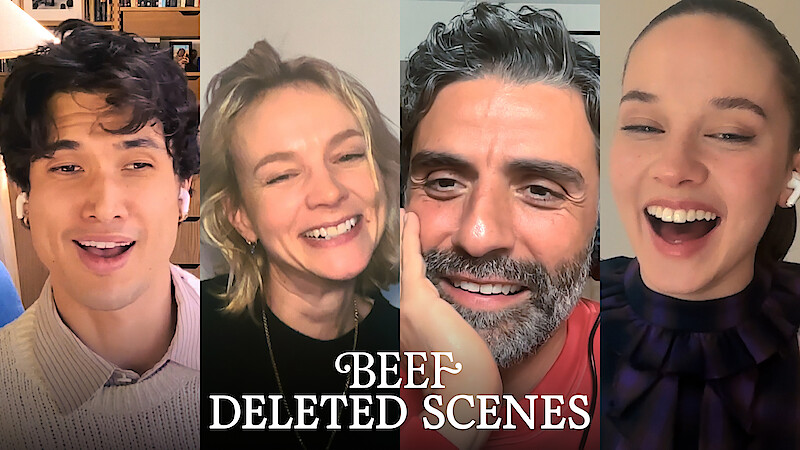
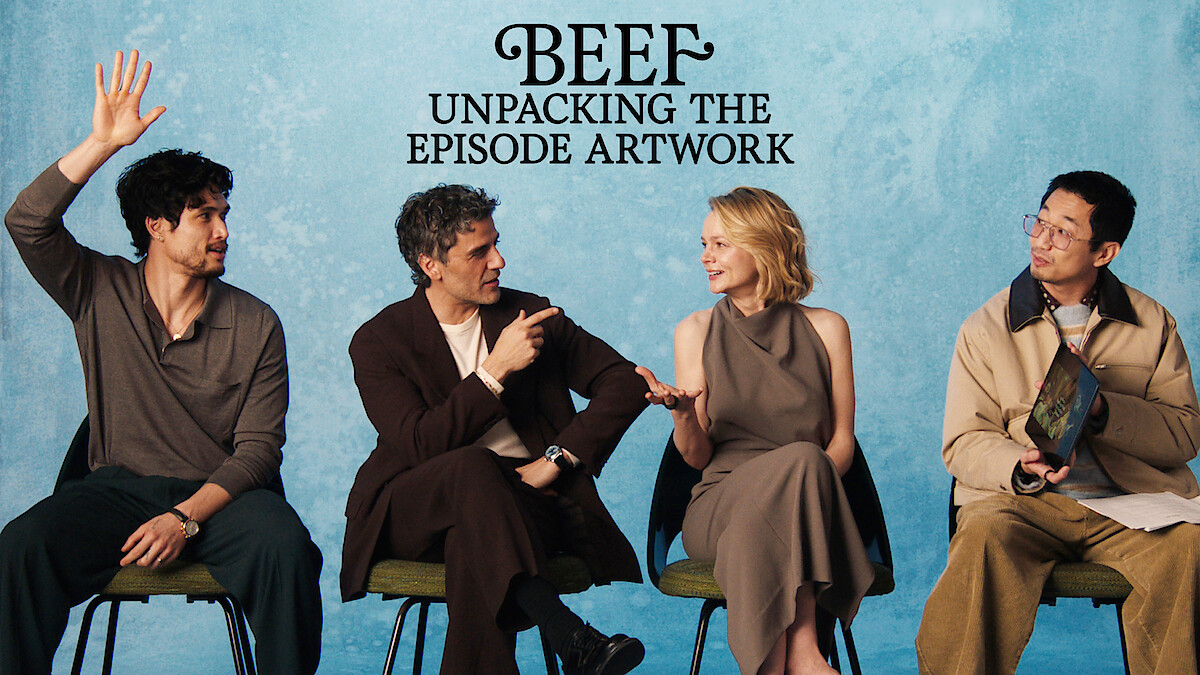
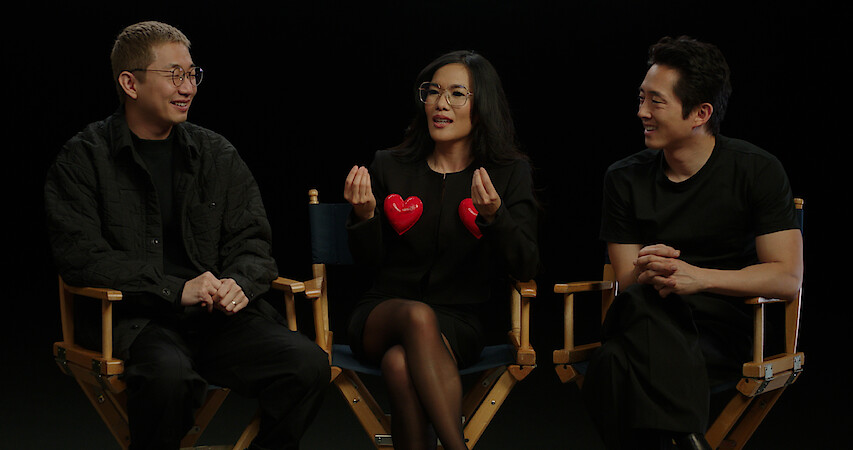
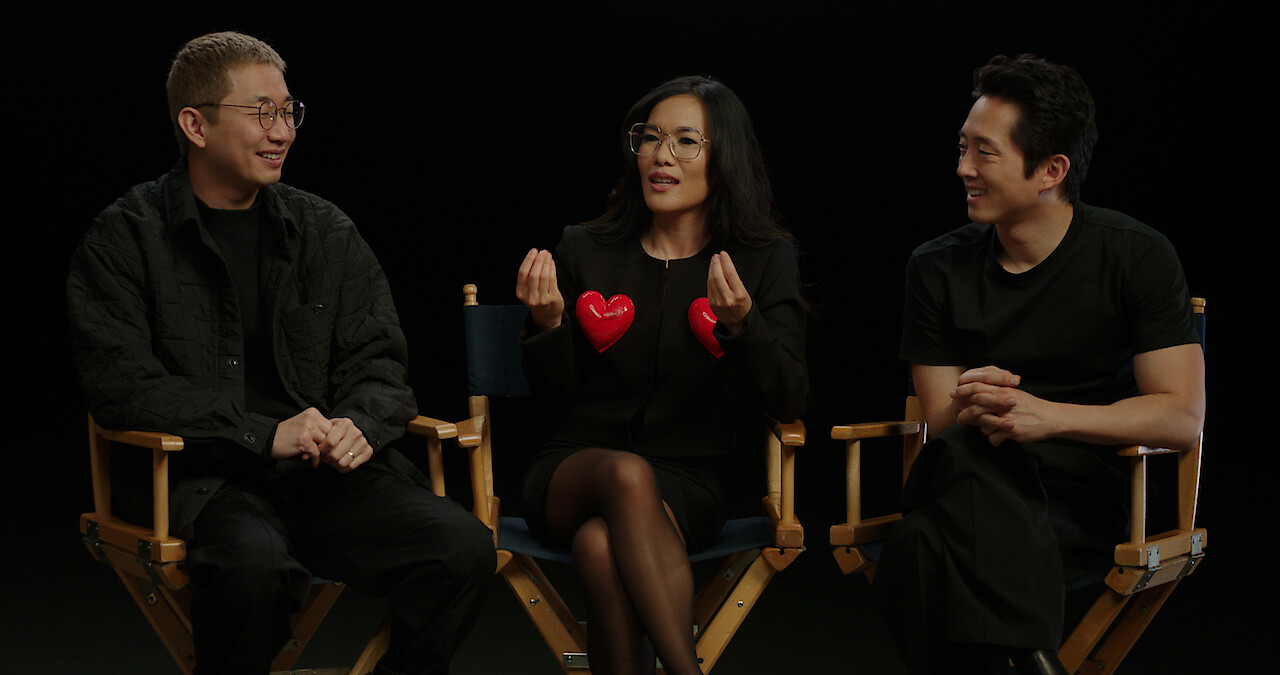
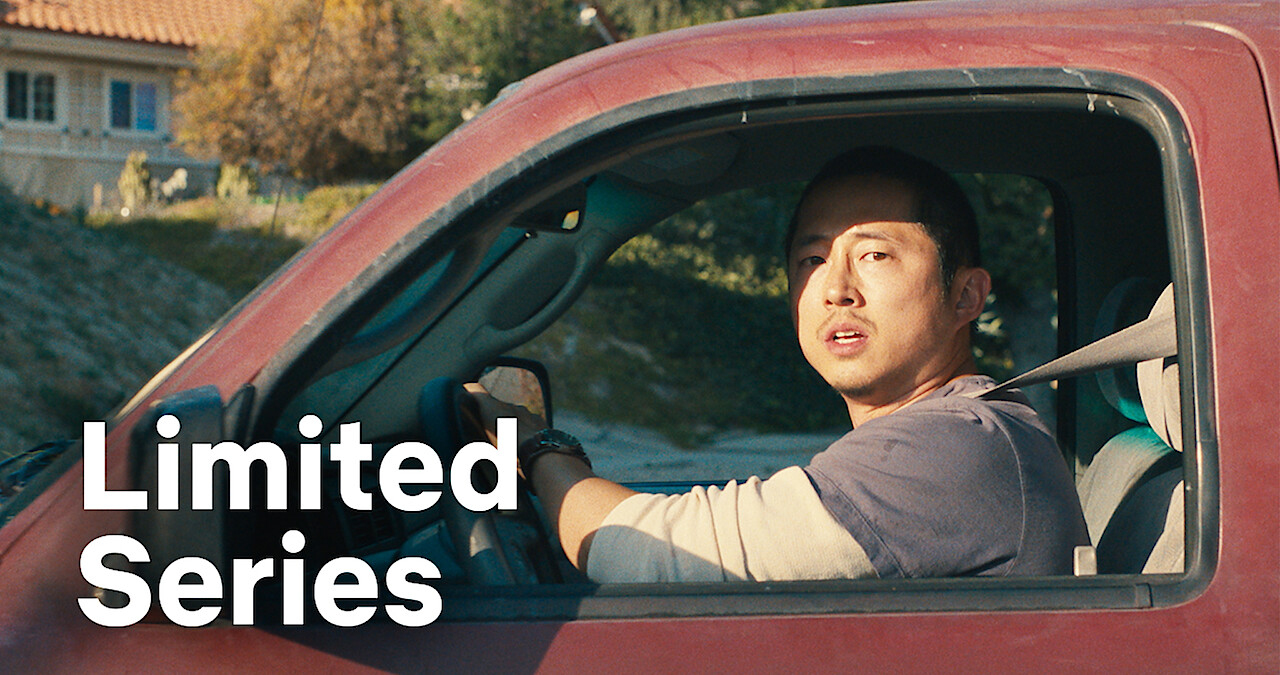
What’s Texas without some beef? We’re not talking about the BBQ variety but rather Lee Sung Jin’s upcoming dramedy BEEF, starring and executive produced by Steven Yeun and Ali Wong. The BEEF creatives were in attendance at the South by Southwest Festival in Austin, Texas, to premiere the first episode and shed some light on how the series came to be. Here are nine things we learned from the Q&A:
The idea for BEEF came from Lee’s own personal bout of road rage.
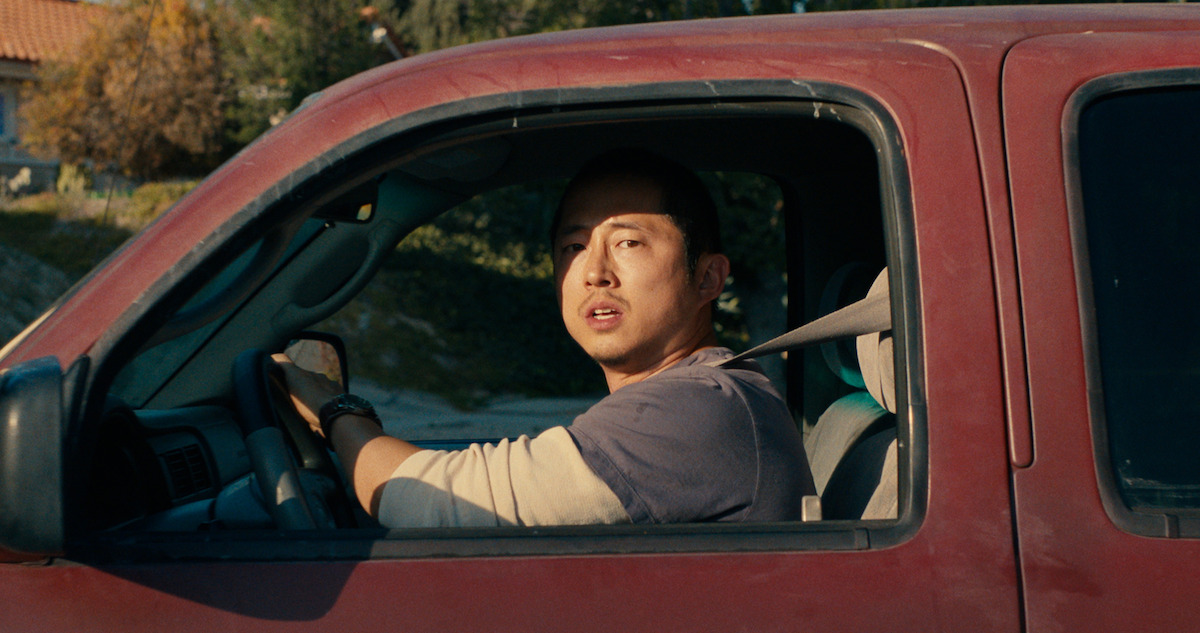
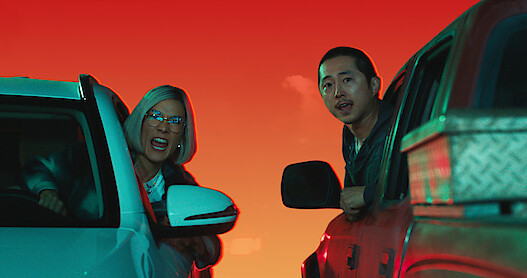
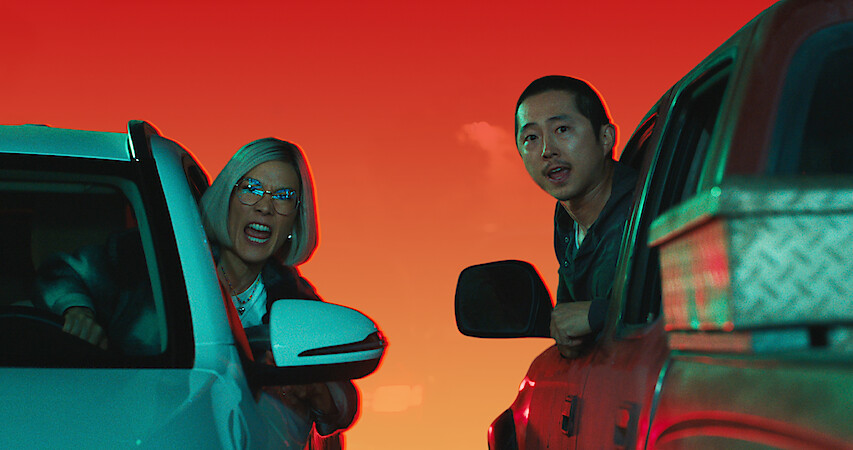
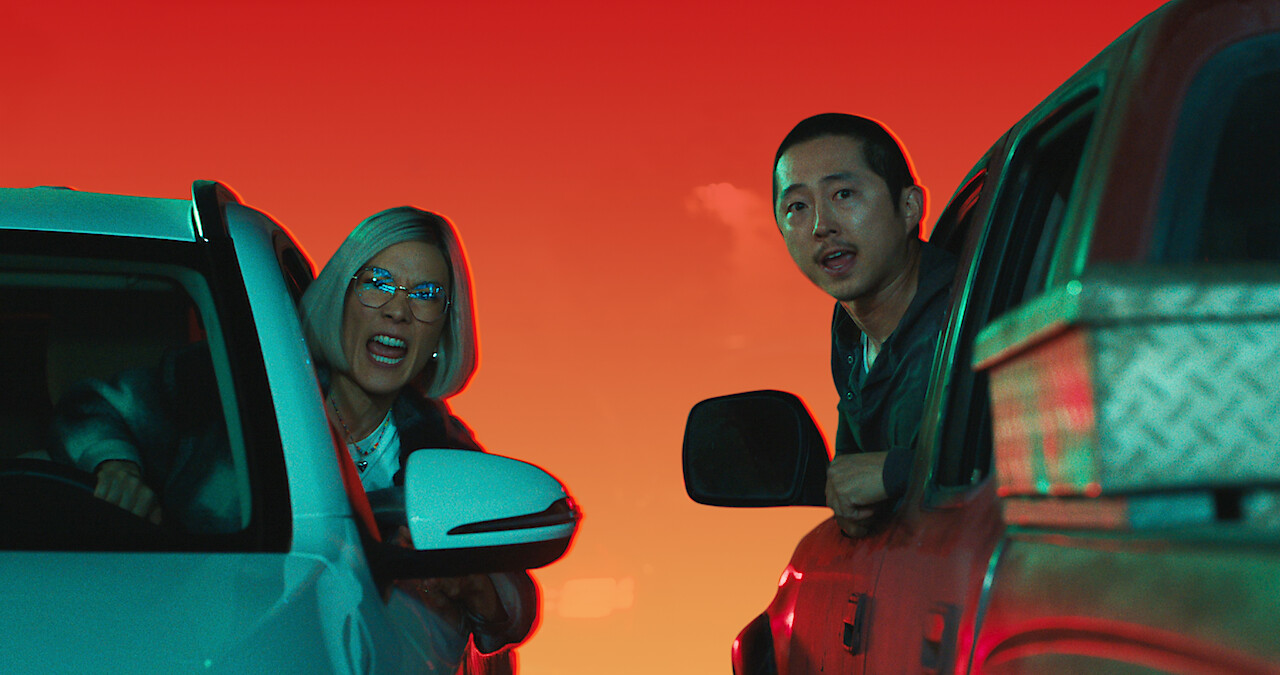
And yes, according to the BEEF showrunner, creator and writer, it involved a white SUV — but the vehicle in question was a BMW, not a Mercedes like the one driven by Wong’s character, Amy (see below). “It honked at me, cursed at me and drove away,” Lee says. “And for some reason on that day, I was like, ‘I'm going to follow you.’” He says that the road scuffle didn’t end like it does in the show, but the incident did make him think about how we “live in such subjective realities and we project so much onto people that we don't know all the time.” Ultimately, he thought, “Maybe there would be a show here.”
BEEF was bought just on the basis of a pitch.
Lee shared that BEEF got a straight-to-series order before he even wrote a pilot. He credits that rarity to Yeun and Wong’s involvement as creative partners from the very start, sharing late-night texts and ideas. “Having that back and forth allowed us to really fill these characters fully before we took it out,” he says. Wong adds that many of these conversations took place over Zoom in 2020 during early COVID: “We were all in our T-shirts and bottomless.”
Yeun was one of the first people with whom Lee shared the idea for BEEF.
And that initial conversation lasted for three hours. “Conversations with Steven usually start with a very simple thing like, ‘Hey, I want to talk to you about a show,’” Lee says. “And then three hours later we’re like, ‘Why is God the way he is?’” Their extended talks helped spawn the show, including Yeun bonding with Lee over shared experiences like growing up going to Korean church.
Stanley Tucci was considered as the nemesis for Yeun’s character before Wong was attached.
Lee says that for maybe half a day he and Yeun thought, “‘What if you were up against Stanley Tucci?’ [But] that felt too literal.” Wong came into the picture when she happened to call Lee about something else. They caught up, and she had “such a funny way of talking about harsh things in life, and it made me think, ‘Oh what about Ali [for BEEF]?’”
The series’ costume and production design helped Wong embody a more dramatic role than she’s ever played before.
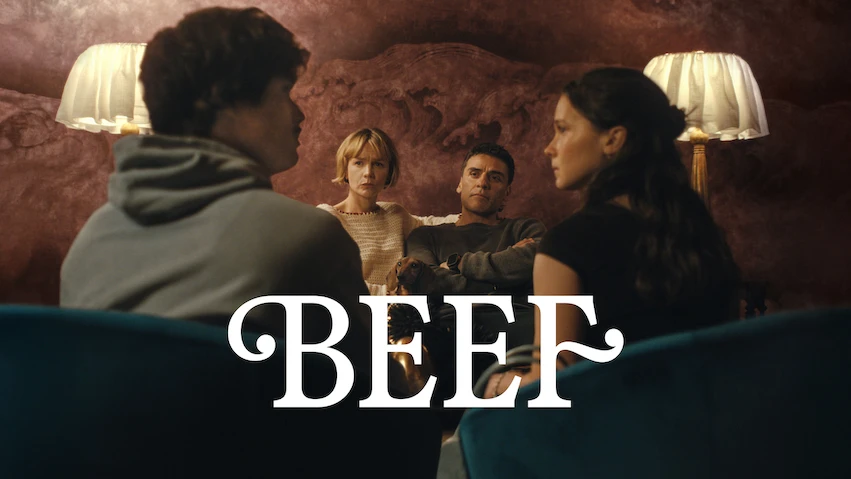
Wong says that she’s used to gesturing and using different inflections in her voice, like you might hear in her Netflix comedy specials Baby Cobra, Hard Knock Wife and Don Wong. So sitting and talking for a long time during therapy scenes in the series was something she’d never done in a film before. Costume designer Helen Huang’s choice to dress Amy in neutrals, which contrasts with Wong’s usual expressive and loud style, was similarly purposeful. “Amy had these insane thoughts, but she’s costumed herself in these Zen outfits,” says Wong. “She’s really in a maze of her own creation.” Production designer Grace Yun made Amy’s home appear like an interior that’s also trying for something Zen, yet feels like being inside a cage — just like her clothes. “Any time I was in my costume or in Amy’s space, I always felt like, ‘This is supposed to be nice, and I asked for this, but I do feel a little trapped.’”
Despite their on-screen rivalry, Yeun and Wong are longtime friends.
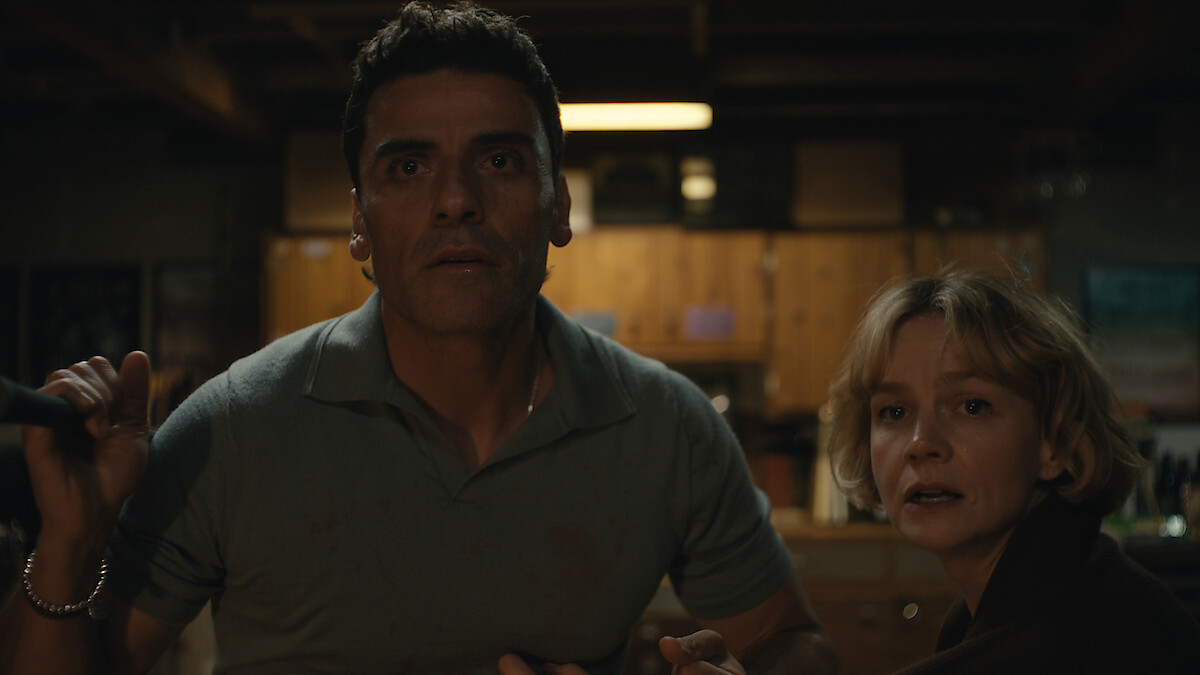
The first scene Yeun and Wong shot together is the final one of the pilot, in which Amy chases after Yeun’s character, Danny. After the first take, Wong says they were laughing hysterically. “There’s pictures of us, we’re hugging and are just like, ‘I can’t believe we’re doing this together.’” Even though they’d “go up against each other” in the series, Wong says that in between takes, she and Yeun would unplug their mics and go off in the corner of Amy’s house to gossip and giggle. “It’s really hard work, but even now, it’s just so nice to be doing this with friends,” she says. Yeun adds that sharing their vulnerability off-screen was the only real way he and Wong could just “ream each other out” when the cameras were on. “That’s the beauty of the chemistry, that we get to be safe and be friends and sit in love — and then just totally go at each other on-screen.”
Their on-screen rage manifested in IRL hives.
“Our [bodies] shut down afterwards,” Yeun says. Wong’s hives appeared on her face; Yeun’s all over his body. “It definitely took a toll on us, and we didn’t even realize until after the show ended,” Wong says. Holding that “gnarly” physical tension required Yeun to really “chill out” after filming.
Lee wrote BEEF about trying to accept and live with sadness.
The BEEF creator explains that he’s been both Danny and Amy in his life. “I was quite poor and had a lot of Dannyisms constantly and was very sad inside,” he says. “Now here I am at South By with this show and I’m probably still sad inside. This feeling never goes away. So you have to try and figure out how to accept it and live with it. That’s why I wrote the show the way I did.”
Lee, Yeun and Wong hope viewers feel less alone after watching.
“This whole show is about every character’s shadow self, and we all have that,” Yeun says. The “north star” quote for Lee in writing the series hails from Carl Jung: “One does not become enlightened by imagining figures of light, but by making the darkness conscious.” “If we could just take our masks off once in a while,” Lee says, “the need to go as crazy with expressing some of these things wouldn’t be as high.” Yeun wants viewers to find comfort and be able to laugh at themselves. “We’re so weird, it’s great,” he says.
BEEF premieres on Netflix April 6.