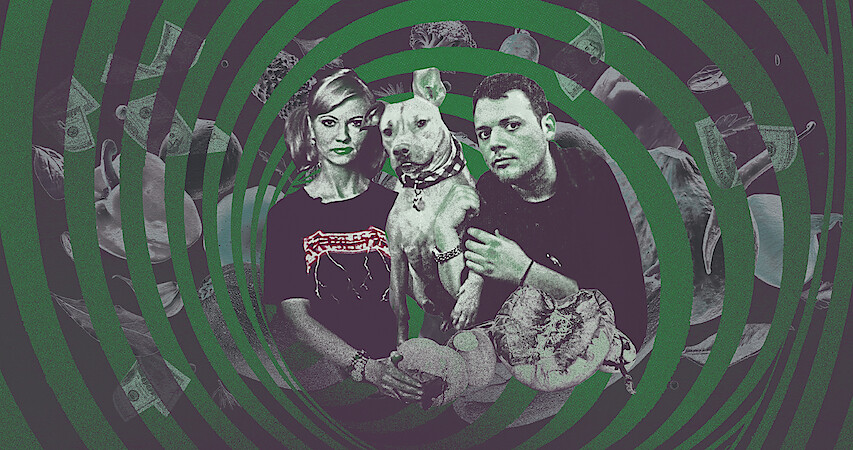
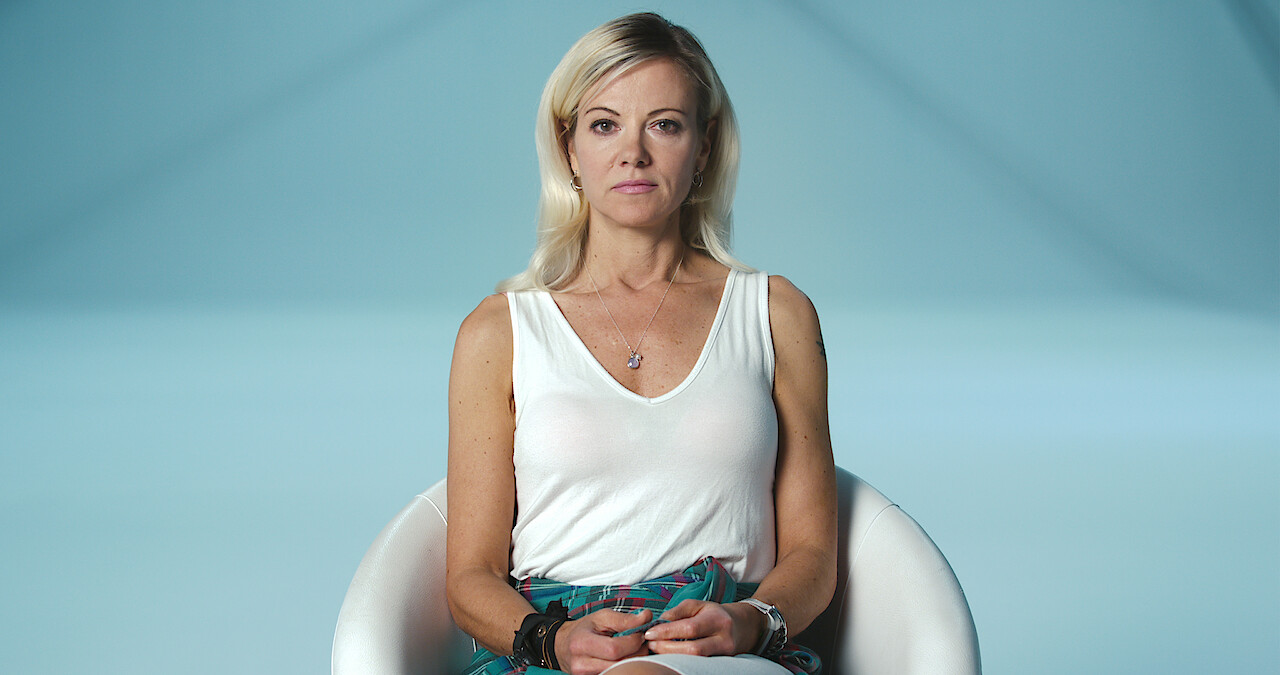
“This is a story about what is real,” says journalist Allen Salkin in the first episode of Bad Vegan, the new four-part documentary about the rise and fall of Pure Food and Wine co-founder Sarma Melngailis and her husband Anthony Strangis. It’s an interesting setup for a tale that, at its core, is about what happens when someone tampers with your reality and replaces it with their own — and what happens next, when everything comes crashing down.
In the spirit of reality, let’s start with the cold, hard — or, perhaps more accurately in this instance, raw — facts: In 2015, after Pure Food and Wine had been in business for 12 years, Melngailis and Strangis went on the lam, leaving New York City and spending huge sums of money on hotels and in casinos along the way. They were running away from the fact that they’d stolen nearly $2 million from the restaurant, defrauded investors and stiffed employees. Just over a year later, they were arrested and charged after being caught ordering a Domino’s pizza and chicken wings to their hotel room in Pigeon Forge, Tennessee. Pure Food and Wine no longer exists, and Melngailis and Strangis are no longer together.
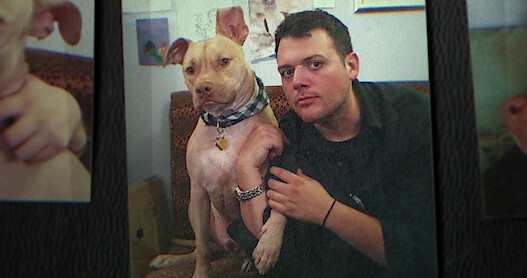
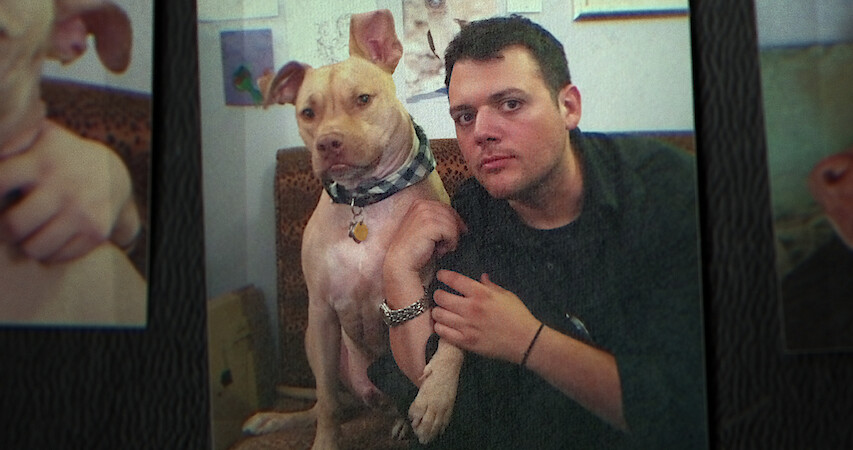
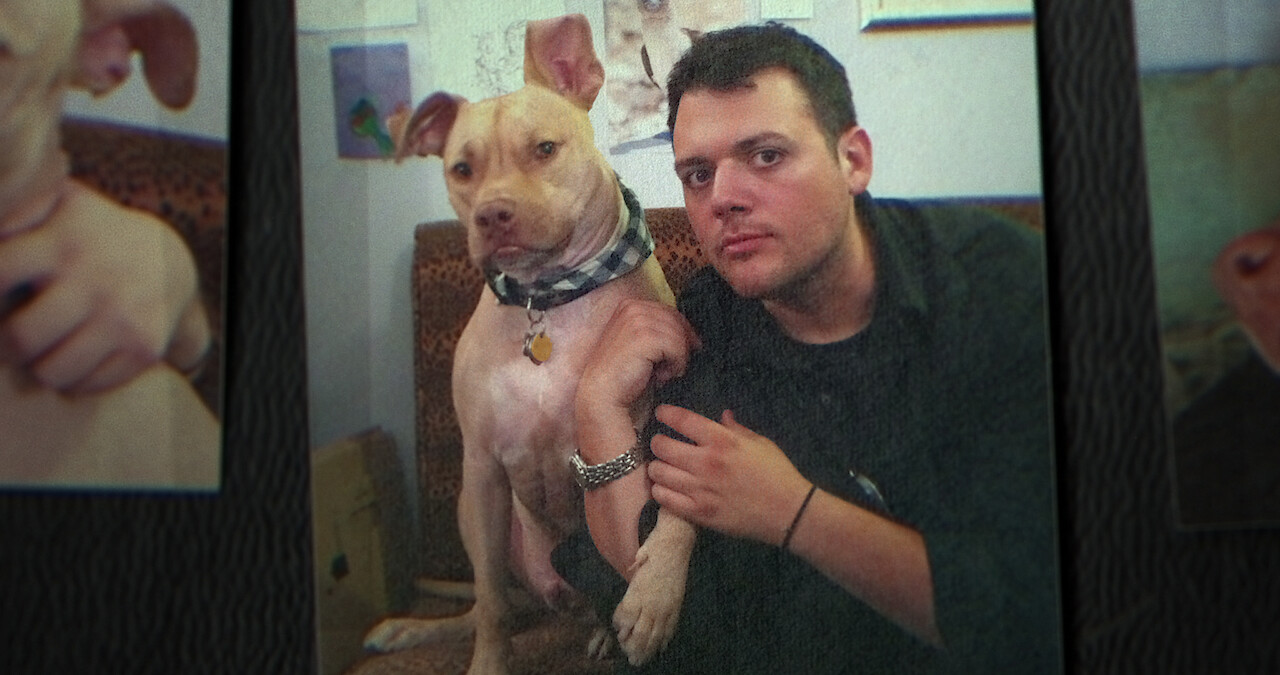
It’s a strange and sordid list of details, but lurking behind it is a different truth, another take on what really happened and lingering questions as to what transpired at all. As Bad Vegan tells the story, Melngailis did steal from her company, employees and investors, but only after being subjected to what she described as prolonged psychological abuse at the hands of Strangis, including gaslighting, sexual mind games and sleep deprivation, all with the ultimate goal of gaining her trust and draining her bank account. According to Melngailis, the money she lent was part of an elaborate series of what Strangis told her were cosmic endurance tests. If she listened to his orders, Melngailis believed magical forces would reverse the damage she’d done to her business and employees, and even make her beloved dog Leon immortal in the process.
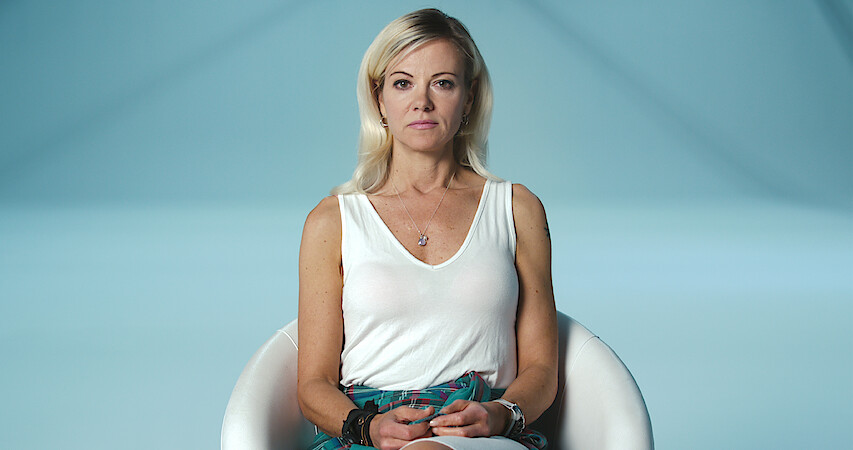
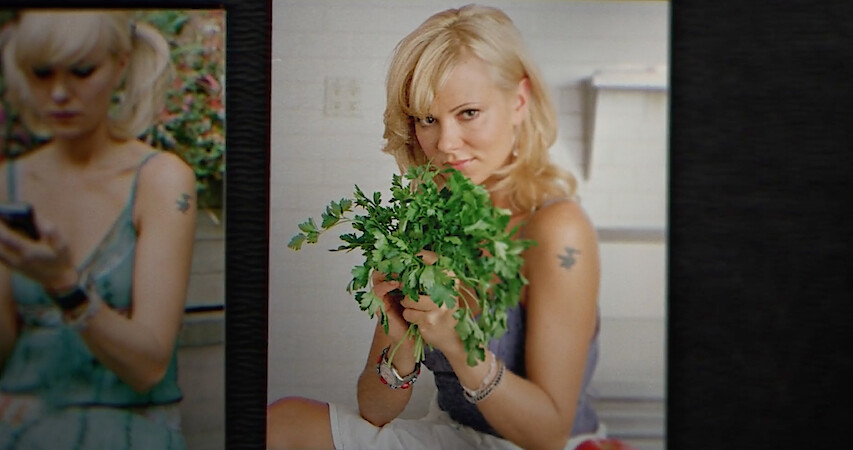
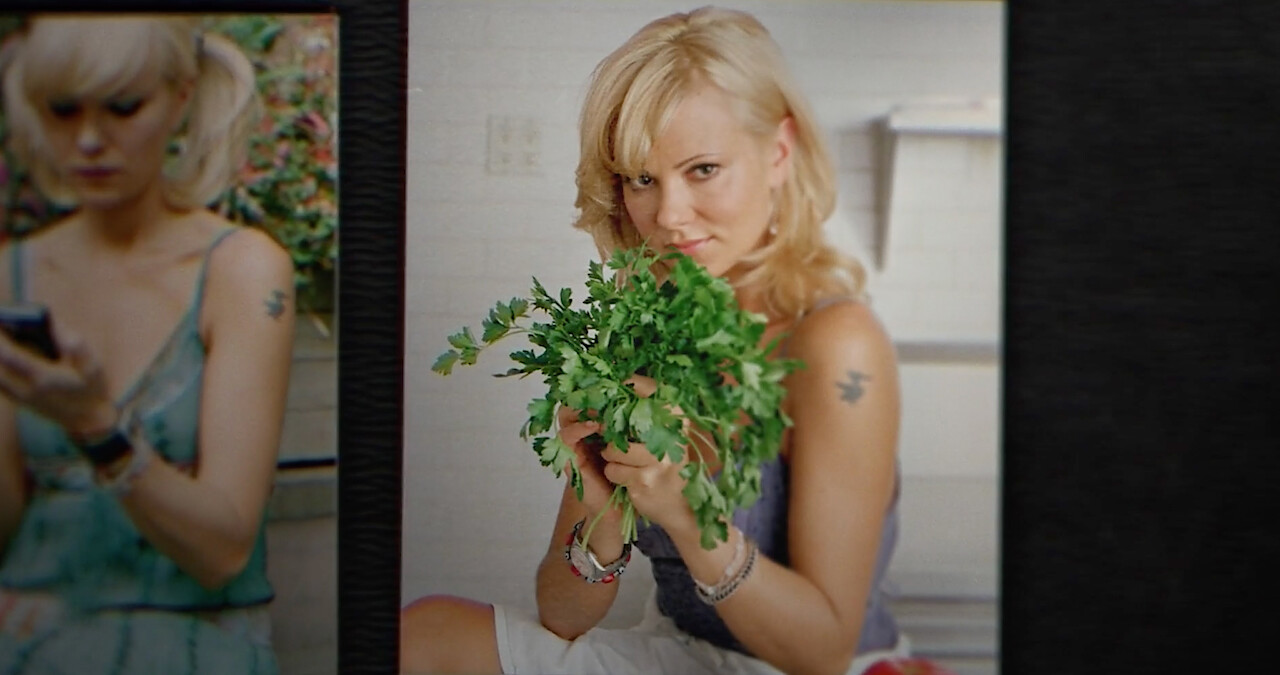
Melngailis didn’t move to a commune or replace her babydoll tees and bouncy blond bob with flowing robes and unwashed hair. There wasn’t a singular moment when she decided to worship at the altar of Strangis. However, as she states in the docuseries, she did come to fully believe in him and the vision of the world he presented — enough to put everything she had at risk.
“The techniques of conditioning and coercion and manipulation that leaders of groups use are very, very similar to the techniques that emotionally and psychologically abusive lovers use,” author Amanda Montell tells Tudum. Montell wrote Cultish: The Language of Fanaticism, a book about the influence of cults and cult language in modern society — and how certain people weaponize language to obtain power over and abuse others.
“In a cult scenario, you hear talk of brainwashing. In a relationship scenario, you’ll hear about grooming, but really, that’s the same thing,” Montell says. “With cults, you hear about mind control and spiritual bypassing, which essentially mean... psychological abuse and gaslighting.”
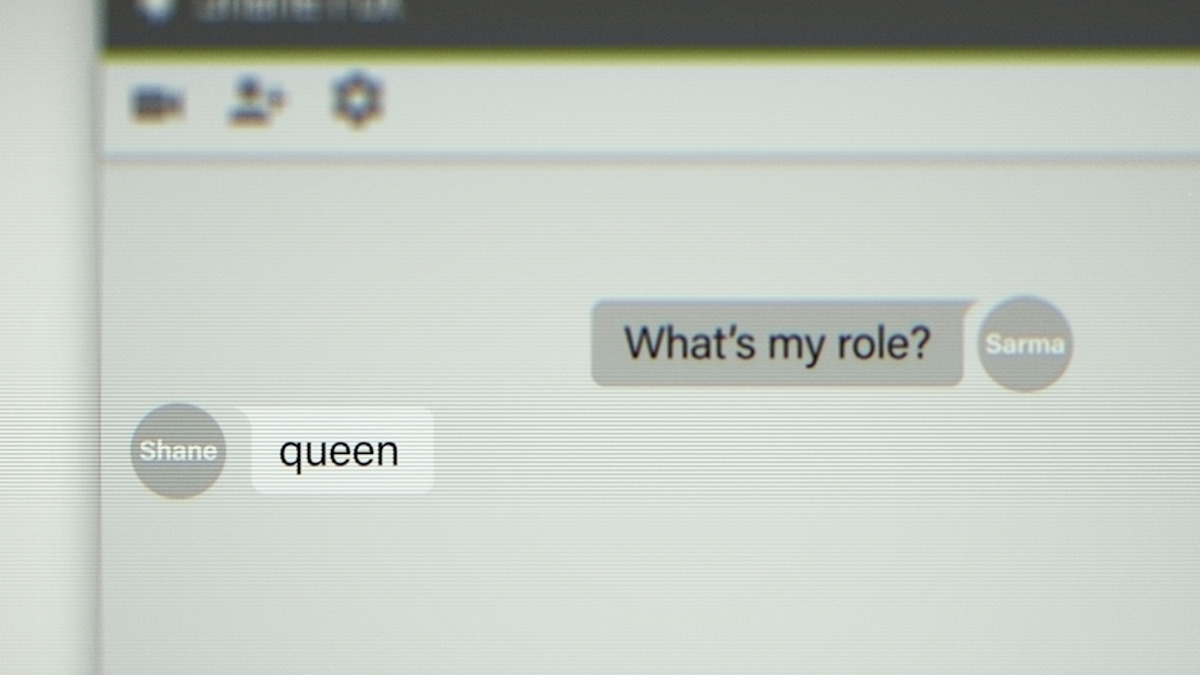
According to Melngailis, Strangis constructed a world for Melngailis to believe in and chastised her any time she protested or tried to act independently of him. When she questioned his plans for her money, he accused her of disrupting their path to redemption. He played with classically cultish language, spoke of higher powers and overlords, and claimed some people were “red shirts” (enemies) or “blue shirts” (friends) and that he could tell in an instant who fell into each category. Melngailis says Strangis interspersed all his wild claims with florid proclamations of love and devotion — behavior that, when used to manipulate someone, is commonly known as “love bombing.”
By the time the couple ended up in Pigeon Forge, Melngailis says the lines between reality and fantasy were blurred for her. Judging by the cell phone footage from their hotel room in the final episode of Bad Vegan, which shows Strangis alternating between desperation, anger and calm manipulation to convince a bedridden and sobbing Melngailis to go to the bank, it could be argued the lines were erased entirely.
“In cults, there’s the process of dehumanization... well, this stuff happens in relationships, too,” Montell says. “In the toxic partnership scenario, these very same steps are sometimes called the devaluation and discard phases, which might look like an abuser convincing his partner to move out of her apartment and into his, to cut her hair, to change her job, to change the way she dresses — only to ignore and cheat on her.”
Despite understanding the parallels between Strangis’ tactics and those used by what are traditionally thought of as cult personalities, attempting to draw conclusions about what actually happened between the two of them — and why — leads to more questions, not all of which have answers. As Melngailis attests in Bad Vegan, it’s not as simple as saying that Strangis “made” her believe all the things he was saying to her. As she points out, she desperately wanted to believe in Strangis, in the hopes that, at a certain point, all her discomfort with his demands would pay off and she would be rewarded.
Melngailis asserts she had agency in her decisions. But, she says that Strangis also had a strong, corrosive influence on her — and the effects of emotional and psychological abuse are long-studied and very, very real. Whether or not this type of psychological violence constitutes duress in a court of law, though, is a different story, says Pace University Professor of Law Emerita Linda Fentiman, who also points out that cases like this are particularly difficult to defend.
“People have successfully used the defense of duress in some cases, in which they were abused by somebody,” Fentiman says. “The most common case is, for example: A mother was prosecuted for child abuse because she didn’t prevent her boyfriend or husband or other partner from abusing their child. Usually, a jury is very unsympathetic, due to all sorts of stereotypical beliefs about how a mother should always protect her child. But occasionally, women have been successful in asserting a defense of duress — that is, they were subject to extreme pressure from another person, and that prevented them from committing the crime with which they’re charged.”
Fentiman says that, when it comes to psychological or emotional abuse leading to a crime, juries are often unmoved.
“We believe, as a country, very strongly in rugged individualism,” Fentiman says. “We don't like to accept that people could be so influenced by another person as to not be able to act with free will. Free will is a psychological postulate, but it’s one that most people believe in… It’s very hard to convince a jury or judge that [a] person, due to psychological manipulation, was incapable of making her own decision.”
In Melngailis’s case, because the crimes were couched in claims of utopian futures and immortal dogs, there’s another layer of stigma attached. In Cultish, Montell writes about how, when presented with anything remotely cult-adjacent, people immediately attach their own judgments, writing off both the perpetrator and victim(s) as unstable, depressed or even subhuman. But, Montell points out, those judgments are usually far from the truth, and the kind of people who are susceptible to cults are not always who you’d think.
“We see people who wind up in cults as desperate, disturbed, intellectually deficient,” she says, but then points out, “Why would someone culty want someone like that?” Instead, Montell explains, cult leaders “don’t want someone who’s going to be liable to break down quickly — they want someone who has resources and connections and sway, someone who is bright and has tools and money to exploit.”
In Bad Vegan, the reality in which investors were defrauded did catch up with Melngailis and Strangis in the end. Melngailis was charged with grand larceny and fraud, took a plea bargain, did some jail time, and is trying to move on with her life. Strangis served a year in prison and got five years’ probation.
The other reality, though, the one where Melngailis was a hopeless romantic, swayed by love and toxic manipulation, isn’t necessarily a false one. What Bad Vegan demonstrates is that both versions of the story can be true at once, even for Melngailis.
“I don’t think people join a cult so they can do terrible things and just say, ‘It wasn’t my fault,’ ” Montell says. “People don’t think they’re doing that damage when they’re under that kind of influence.”