Explainer
An Oral History of Pure Food and Wine, the Bad Vegan Restaurant
The people who worked and ate at Pure Food and Wine remember what it was like.
By Alicia Kennedy
March 5, 2024
Not too long ago, there was a brief window during which raw vegan food looked like it could become a legitimate cuisine, a natural evolution of vegan dining focused on scientifically dubious claims about enzymes and energy levels. In 1995, a man who went by Juliano (one name) opened the restaurant Raw Experience, which received a positive review in the San Francisco Chronicle. In 1999, he put out The UNcook Book: New Vegetarian Food for Life. Also in the Bay Area, Roxanne Klein’s restaurant Roxanne’s was even more well received, perhaps because Klein had already attained a mainstream cooking pedigree and published a fully raw cookbook with Chicago’s famed restaurateur Charlie Trotter, titled Raw.
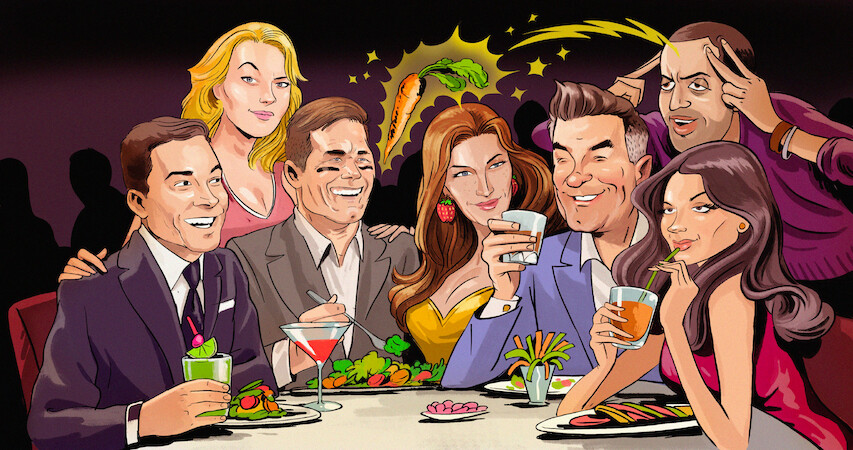
Neither of these restaurants achieved longevity, though, not even in a part of the US that has famously accommodated each new phase of meatless eating over the past few decades. Instead, against all probability, culturally and climatically, the raw vegan movement had its most successful restaurant in New York City. Celebrities, omnivorous and otherwise, were spotted there. It hosted publishing parties covered by Gawker. It opened in 2004 and closed in 2015. Its name was Pure Food and Wine.
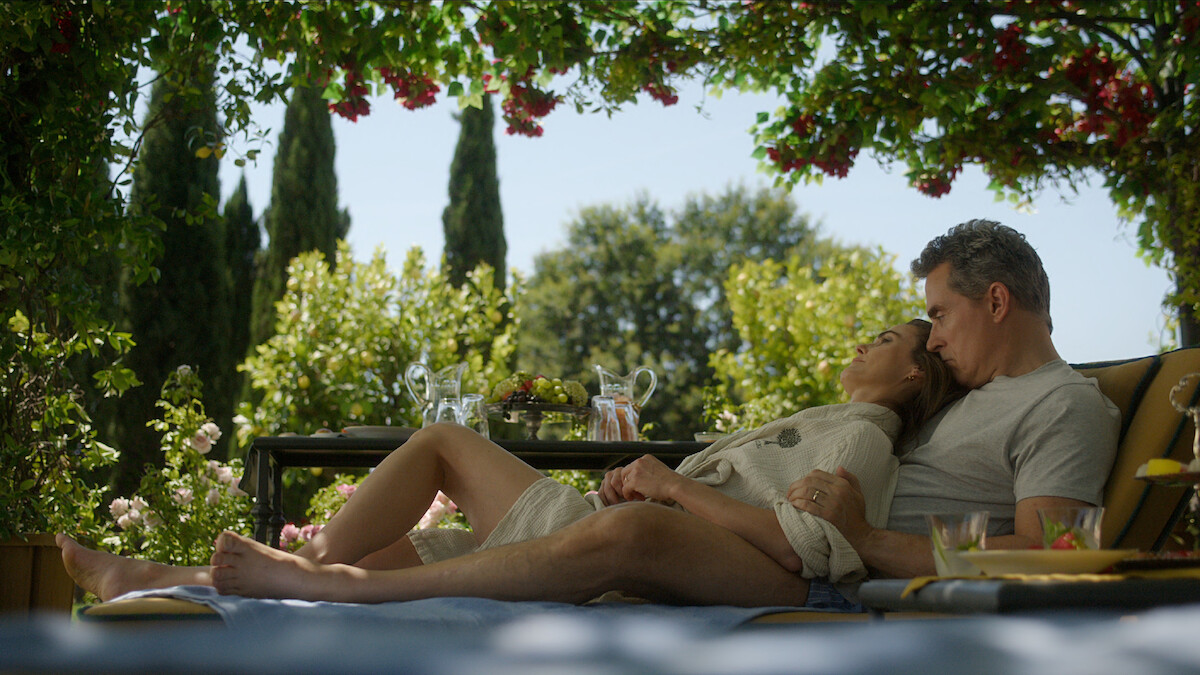
In the beginning, what set Pure Food and Wine apart was totally tangential to the food. Its location at 54 Irving Place, in the Gramercy neighborhood of Manhattan, was once home to Verbena, where The New York Times recommended dishes of foie gras with cherry blossom marmalade and grilled dry-aged sirloin. The site’s gorgeous backyard garden was a rarity in the city: elegant and tranquil, removed from the street.
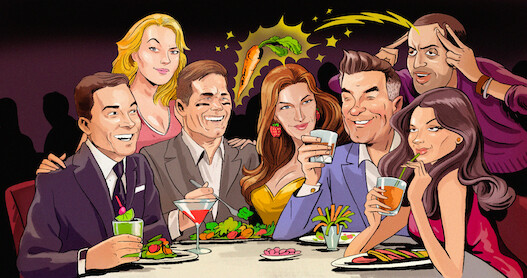
When Pure Food and Wine took over, it was clear that, though the food would be raw vegan, the environs would provide legitimacy of a different sort. Whereas vegan food of a more hippie or punk aesthetic was the norm in the East Village or Lower East Side, where places like Kate’s Joint, Caravan of Dreams and Teany attracted those already immersed in the vegan life, Pure Food and Wine set itself apart by appealing to glamor rather than ethics.
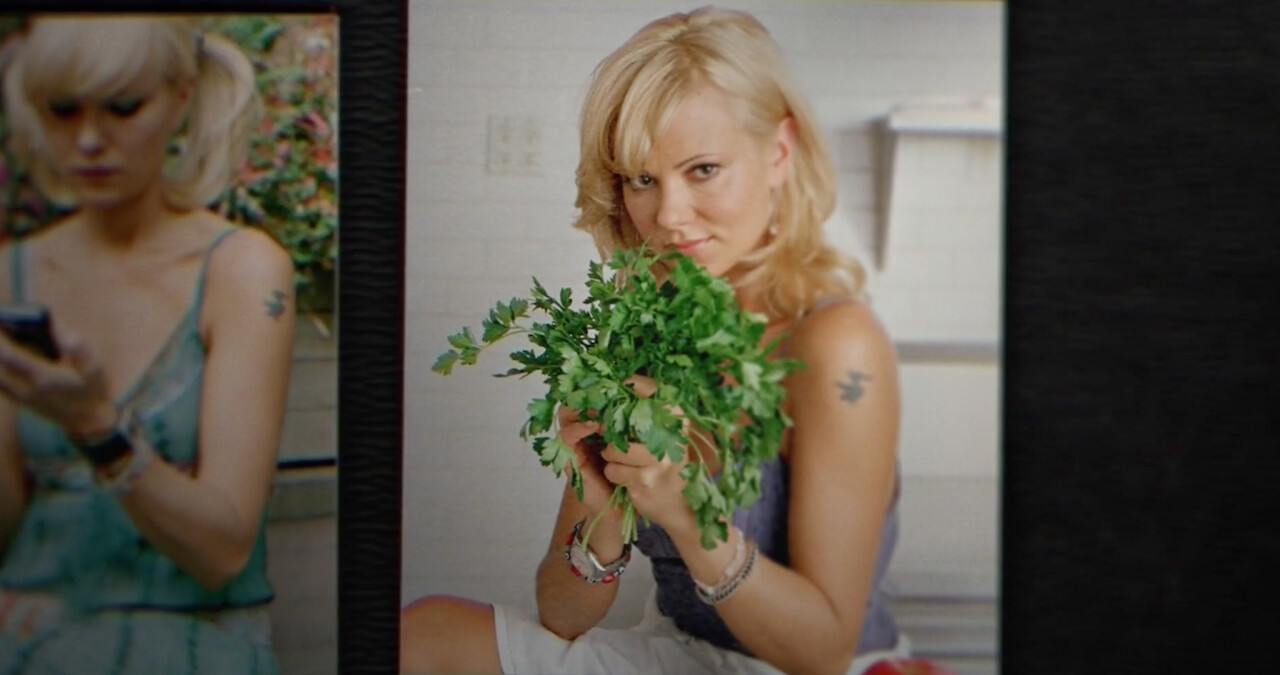
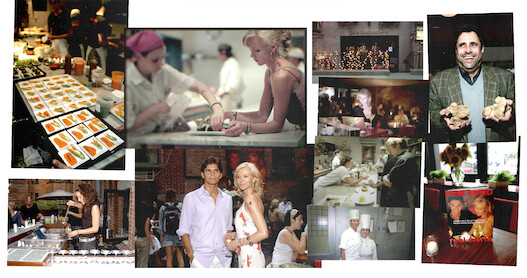
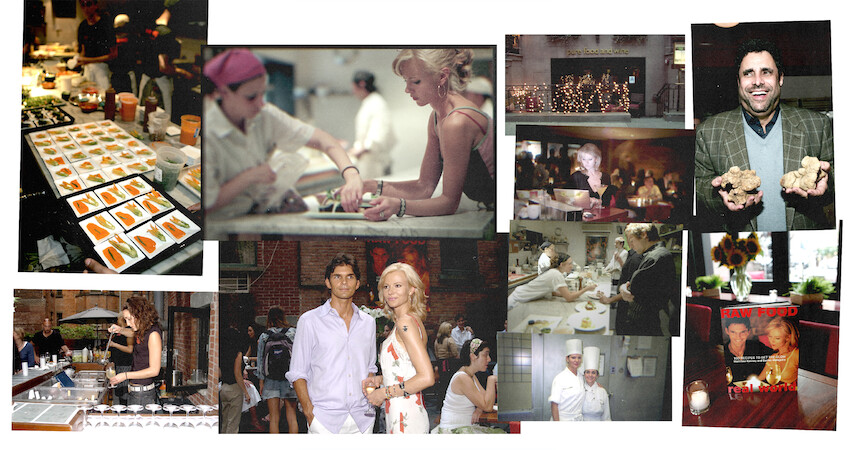
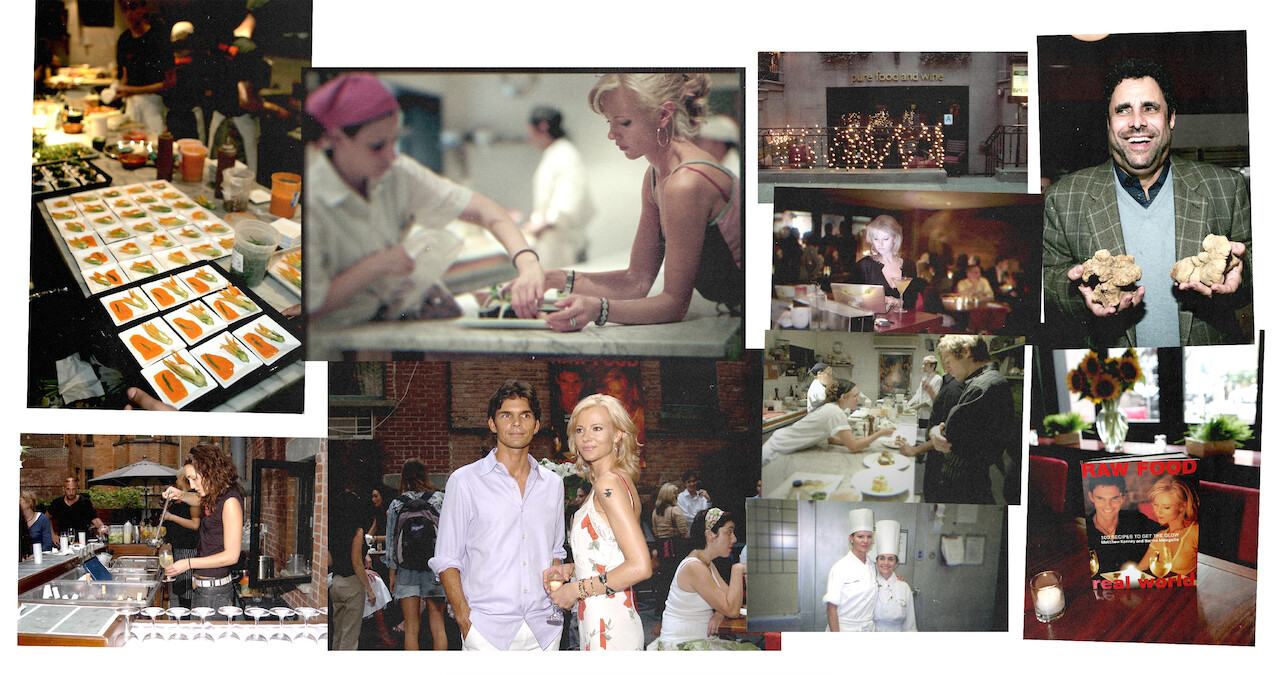
The kitchen was opened by Matthew Kenney and his girlfriend Sarma Melngailis. Kenney, who gained a reputation as something of a chef wunderkind when he opened his restaurant Matthew’s in 1993, was named a Food & Wine “Best New Chef” in 1994, while Melngailis, an alum of the French Culinary Institute, discovered that food was her true love after studying business at Wharton and an early career in finance. They both found raw food invigorating, both energetically and creatively. With investment from restaurateur Jeffrey Chodorow, responsible for former NYC hot spots like Asia de Cuba and China Grill, the couple opened up Pure, whose atmosphere, culinary pedigree and sense of excitement was rare for a vegan restaurant — much less a raw vegan restaurant.
Though Kenney and Melngailis broke up in 2005 — after putting out a cookbook, Raw Food/Real World: 100 Recipes to Get the Glow, for whose cover they posed (his image disappeared from later editions) — the restaurant remained under Melngailis’s management and thrived under a succession of chefs. A casual juice bar and takeaway store, One Lucky Duck, opened around the corner.
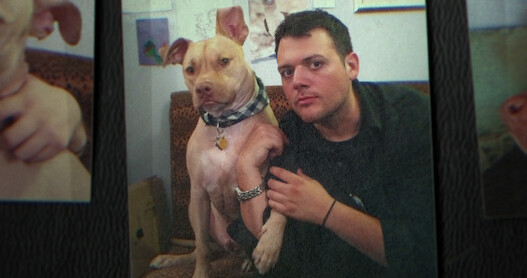
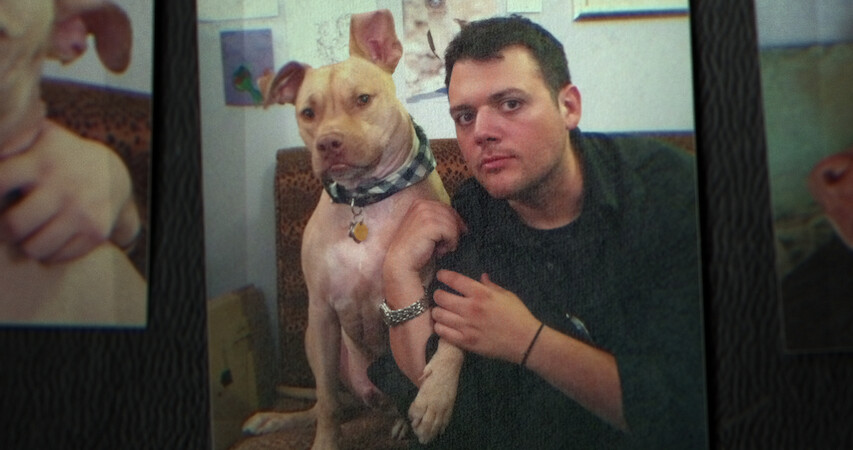
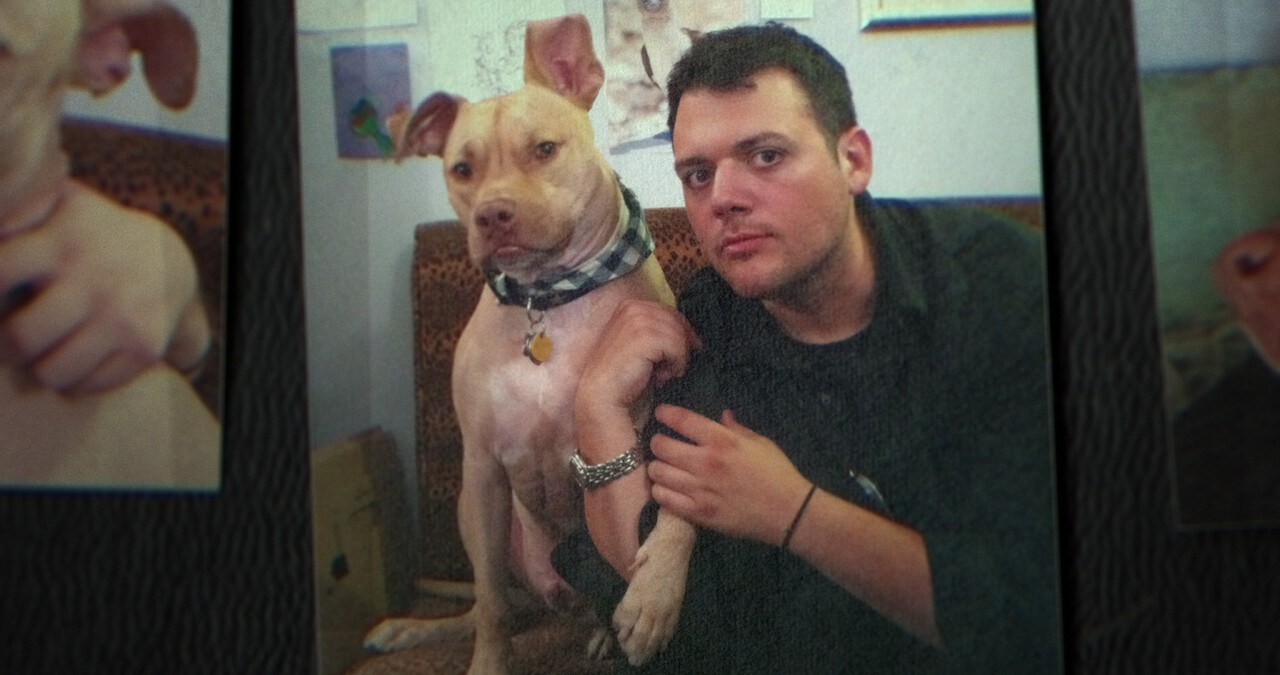
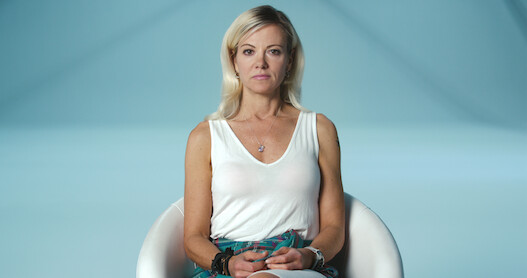
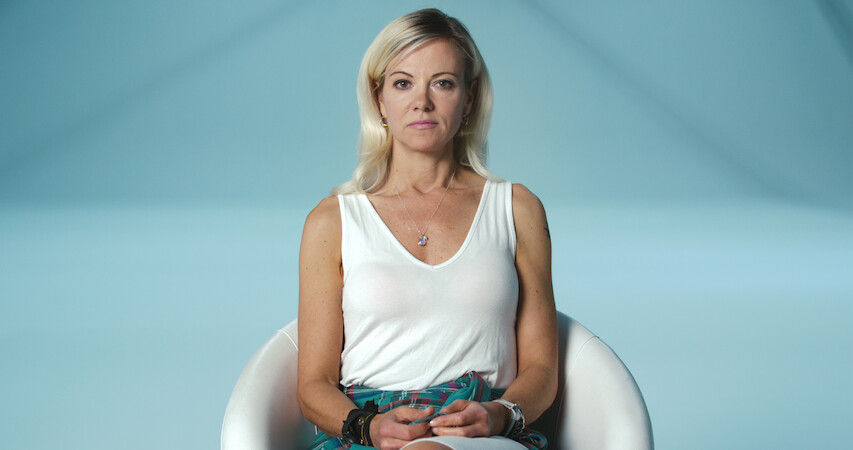
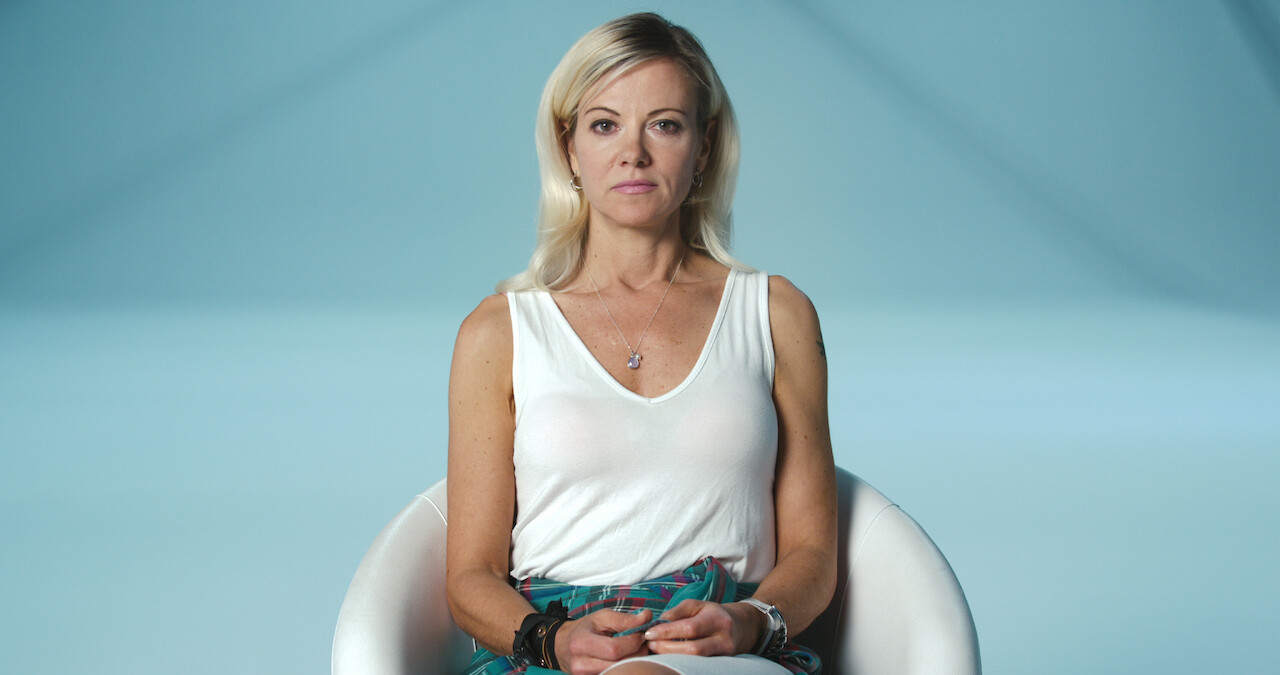
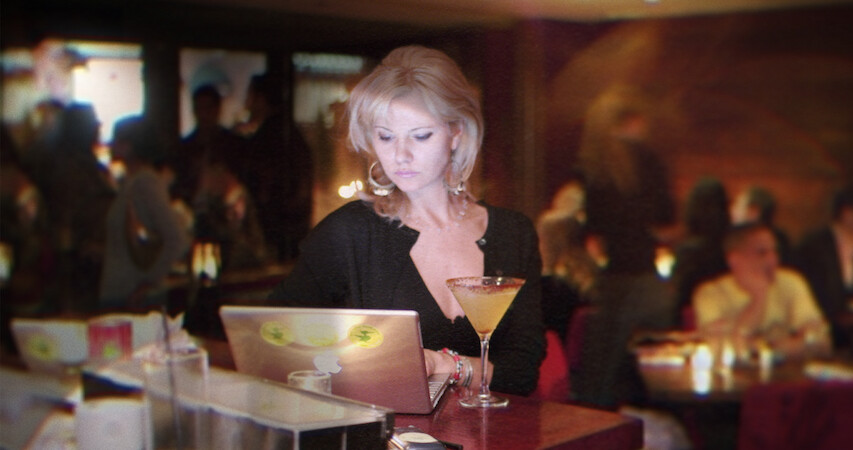
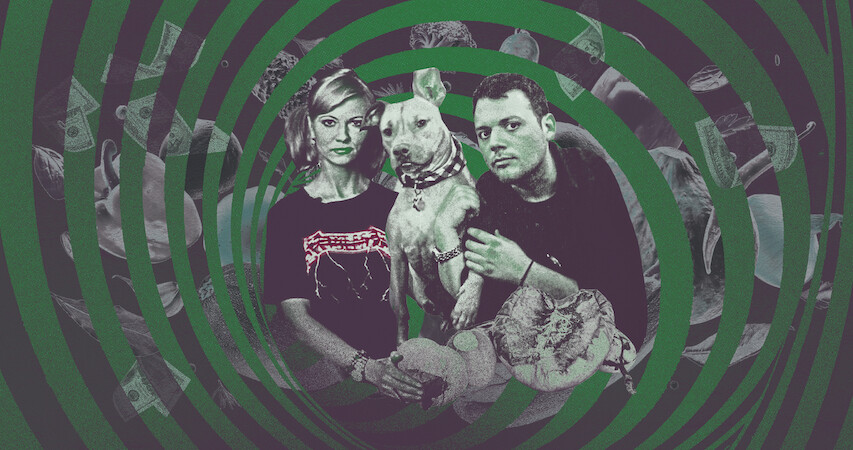
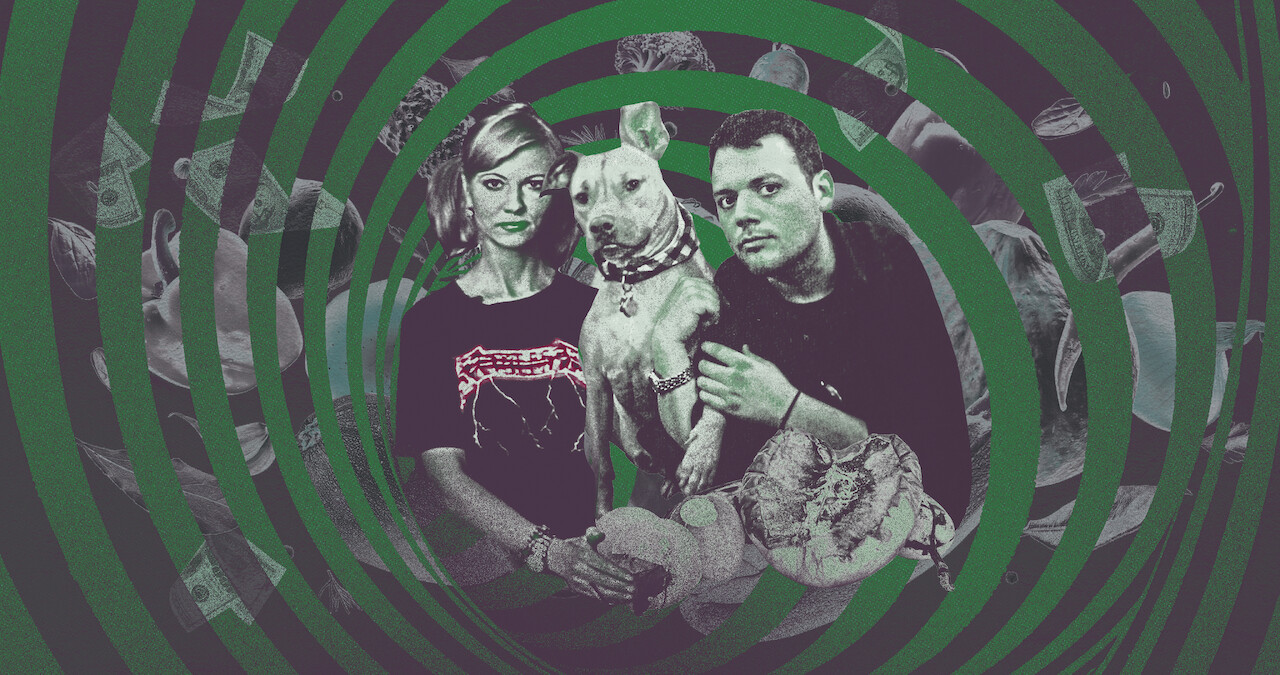
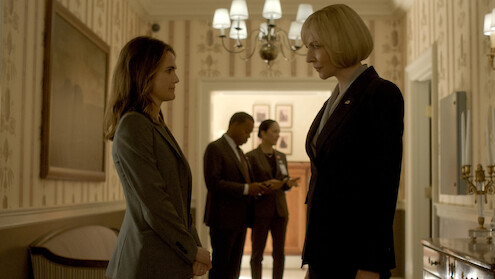
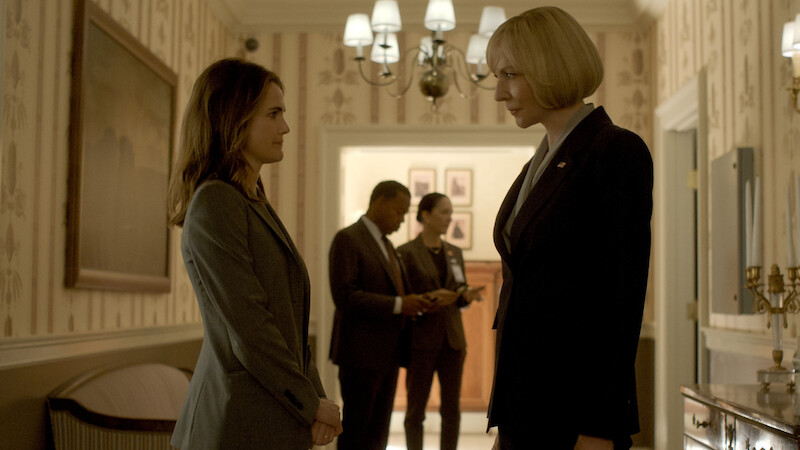
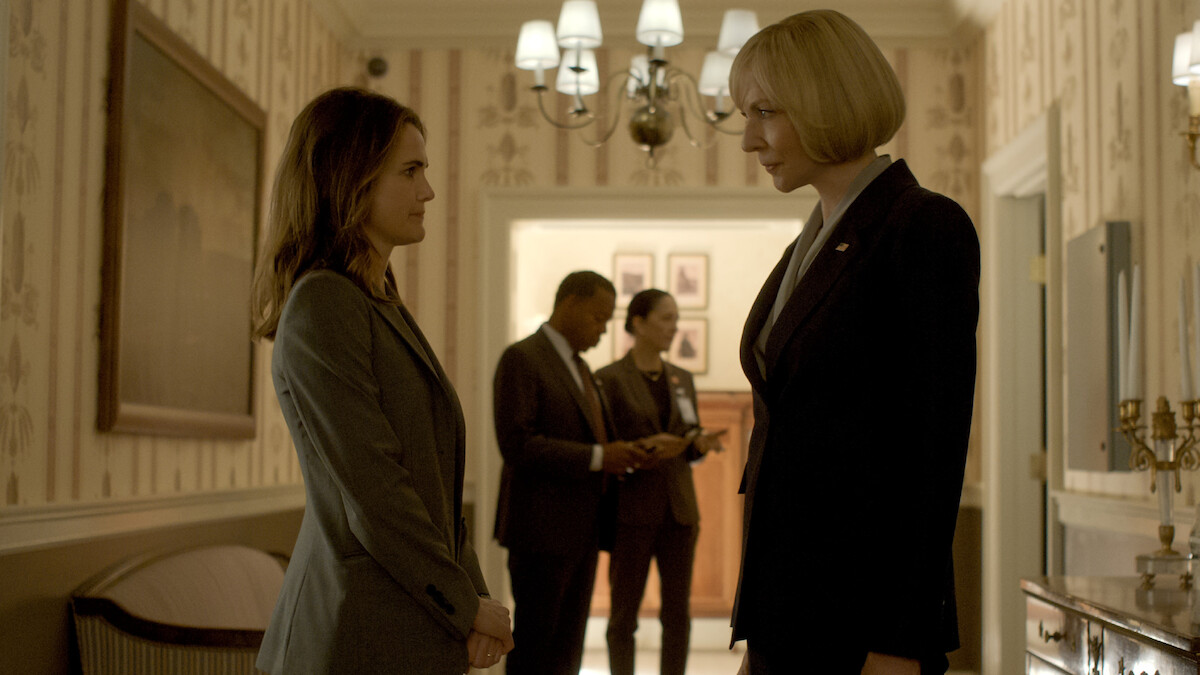
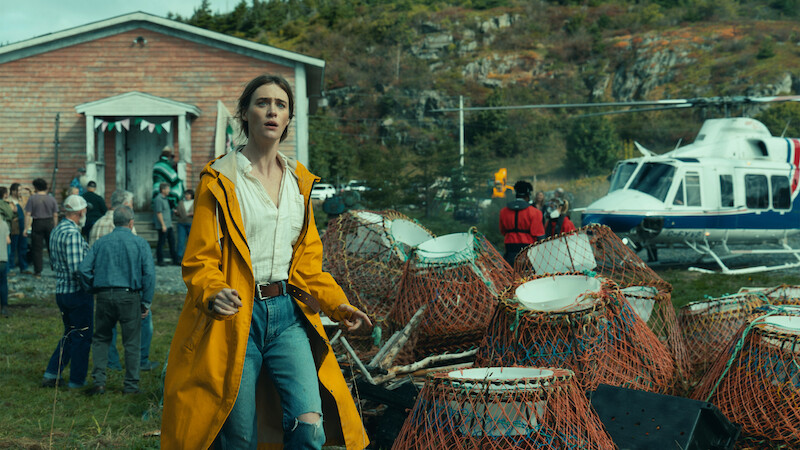
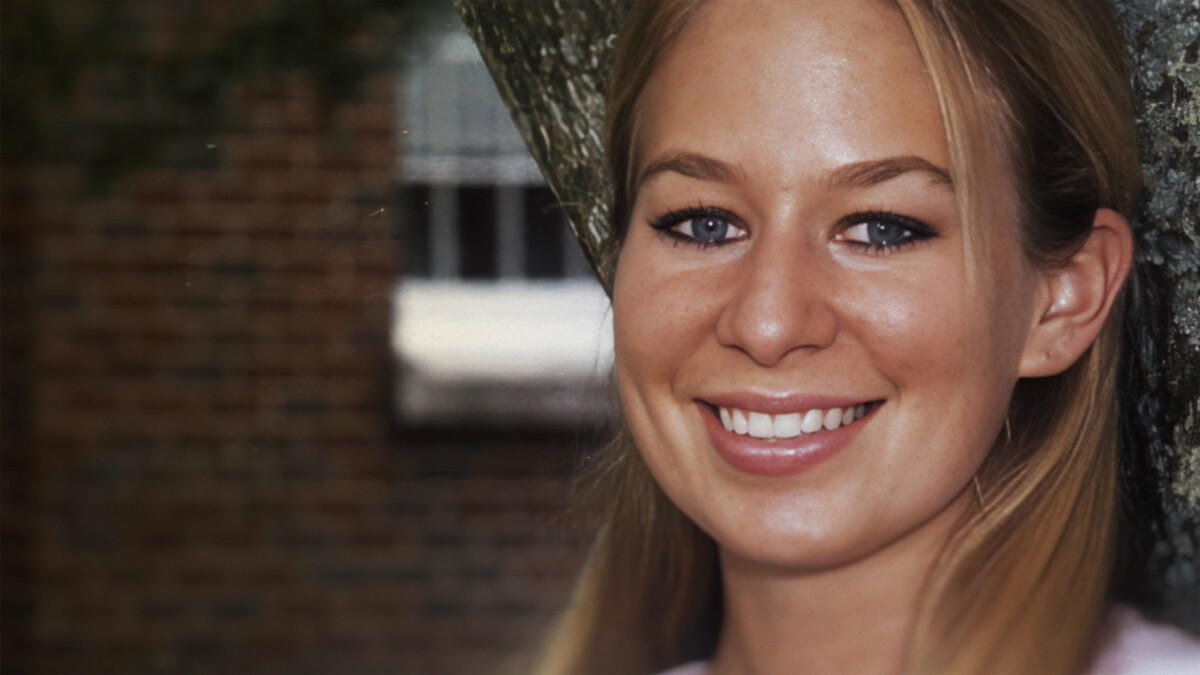
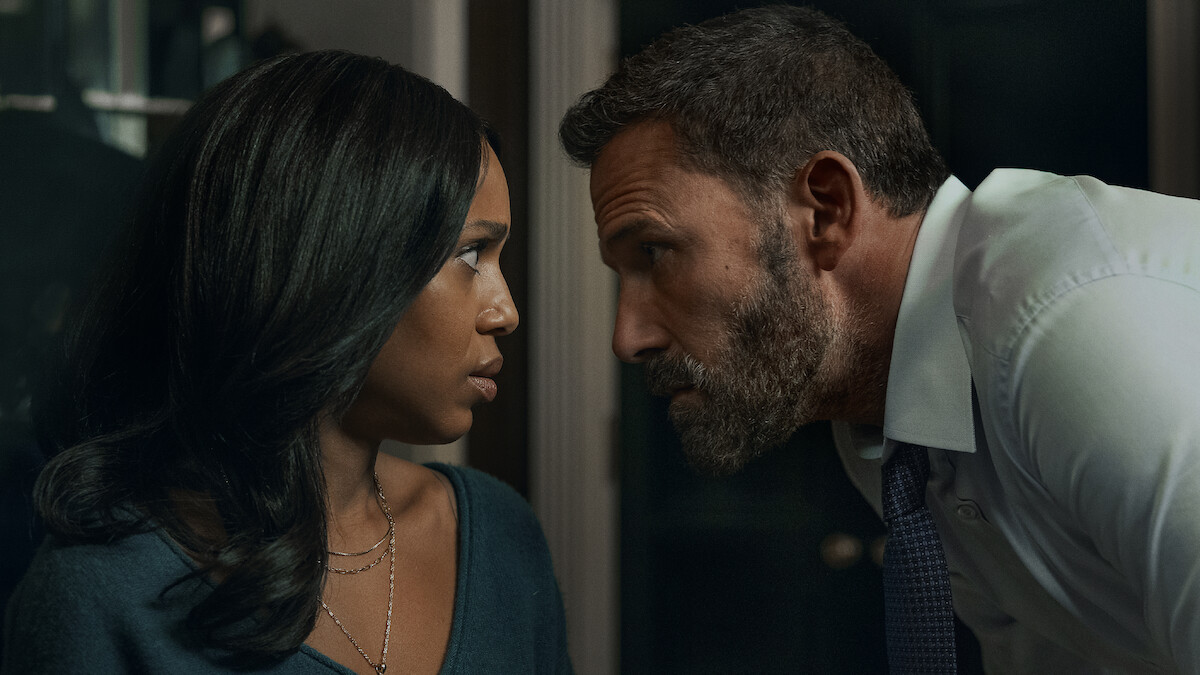
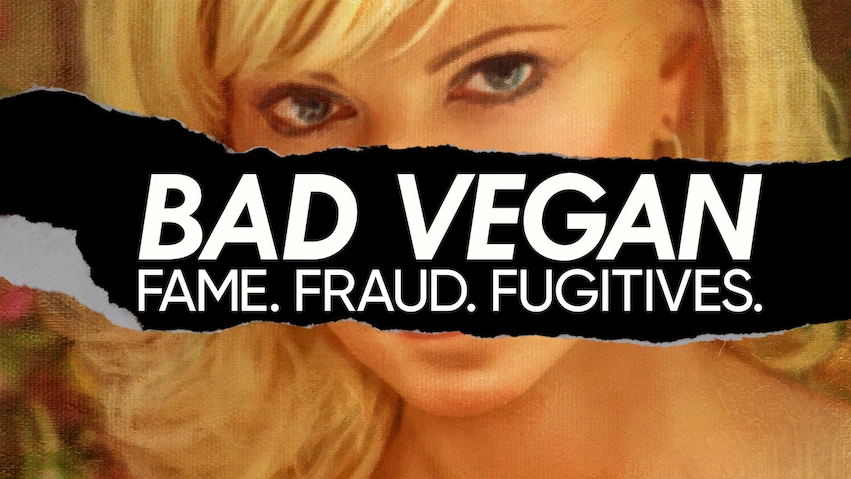
Things got strange, though, in the early 2010s, and it had nothing to do with waning public interest in raw food: Melngailis got involved with a man she thought was named Shane Fox. His real name, she later discovered, was Anthony Strangis. Over the next several years, the financial and emotional abuse Strangis would allegedly inflict upon Melngailis culminated in the restaurant closing in 2015 and the couple fleeing the state before being arrested and charged with fraud. Both Strangis and Melngailis pleaded guilty and served time. The documentary series Bad Vegan: Fame. Fraud. Fugitives. chronicles the bizarre details of those years. Despite being tarnished by the scandal, the legacy of Pure Food and Wine still affects how we eat today, whether we know it or not. It established new possibilities for vegetable-driven fine dining in New York City, showing that a restaurant experience could be glamorous without meat, and that eating for wellness didn’t mean going without wine or cocktails. To understand its culture and influence, I spoke with former Pure Food and Wine workers and the food writers who were there at the time.
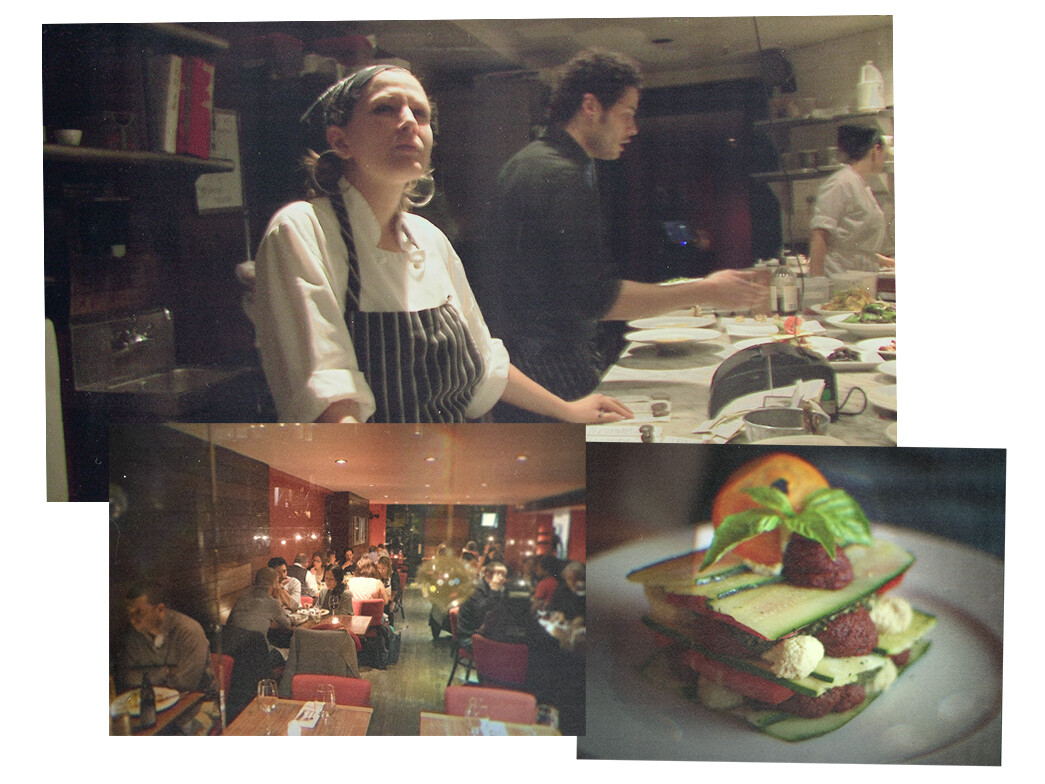
Amanda Cohen, chef-owner, Dirt Candy; former executive chef, Pure Food and Wine: “You didn’t walk in and think, ‘Oh, this is a vegetarian restaurant.’ You're like, ‘It’s just a restaurant and they happen to serve raw food or vegan food.’ Certainly, the vegetarian and vegan community was craving something like that that just didn’t exist in the city really at the time. There was Candle 79, but, before that, honestly, it was just Zen Palate, when it had its upstairs on Union Square. We just didn’t have fancy, more upscale vegetarian restaurants. You had all the health-conscious people who were like, ‘I can go with my friends, and there’s cocktails and people look normal and it’s pretty people,’ and so they didn’t feel uncomfortable. The city was craving that restaurant.”
Charlotte Druckman, writer, editor, Women on Food: “It had that outdoor garden, so it was a place that people went even if they didn’t care about eating raw food, even if they didn’t have any particular dietary or political interest about food. It was more like, ‘Oh, my God, don’t forget that place is the place with a really good patio where you can go sit down and have a glass of wine.’ So there’s this whole other thing happening there that I’m not sure had anything to do with the culture of the menu.”
Robert Sietsema, restaurant critic, Eater New York: “I only ate there once. I did not particularly like it. I mean, to me, it was a real outlier. It was one of those places that defines the fringes of the food world in a really interesting way. Intellectually engaging, definitely, but not really good.”
Cohen: “Matthew Kenney opened it. He had a big name and he had a big following, and he was a really good chef, so he really elevated the dialogue about vegetarian food to an unheard-of level in the city. Matthew was a good cook. He had won awards and had really successful restaurants, not because he was one of the bad boys of the cooking scene with Mario [Batali] and Todd [English], but because he was extraordinarily talented. And he brought that to Pure Food and Wine, and that was one of the main attractions. It actually got real reviews. That didn’t happen to a vegetarian restaurant.”
Serena Dai, Bon Appétit: “By the time I was covering Pure Food and Wine, my impression was that it represented a certain kind of veganism: veganism as lifestyle, veganism as ‘wellness’ before the current wave of ‘wellness,’ veganism as aspiration. The fact that A-list celebrities flocked there and that Sarma was, by Western standards, a classic beauty, contributed to that reputation. But I also think that the ideas behind the food were radical for a traditional restaurant, and I believe that many people — celebrities or not — genuinely loved it for the way it presented an alternative way of eating and living. There was a cultishness to it.”
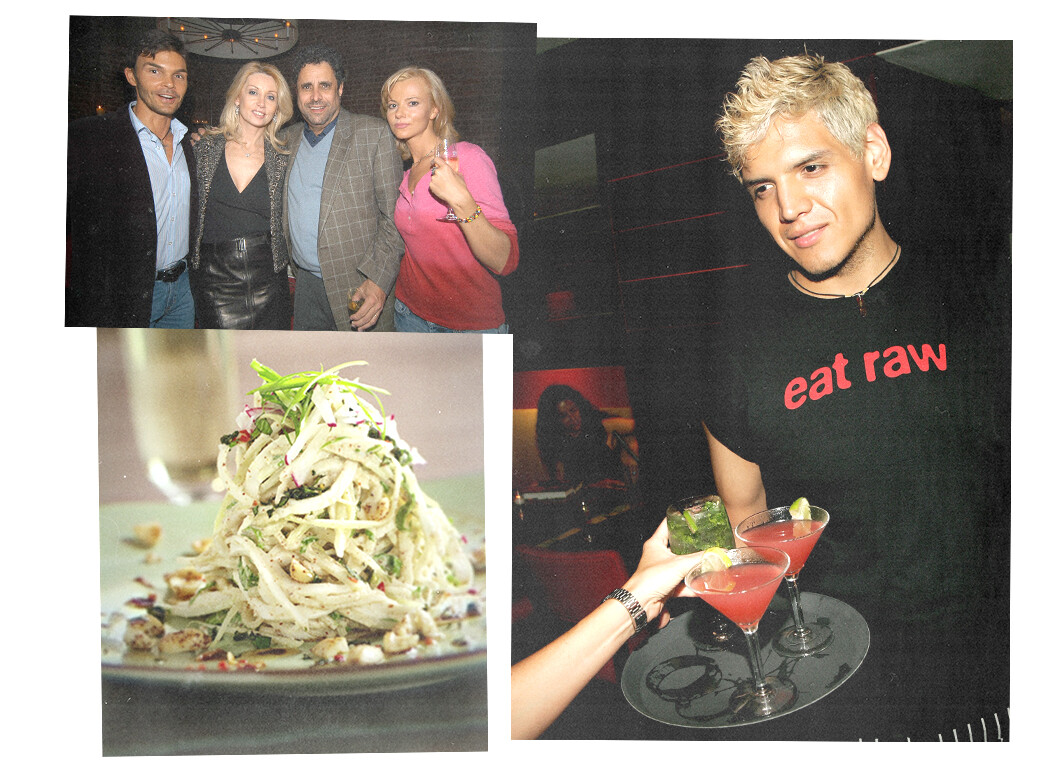
Nikki King Bennett, executive chef, Mostly Vegan; executive chef, Pure Food and Wine, 2007–2015: “We felt like a family. We hung out outside of work, we hung out at work. We just tried to buck the system that a kitchen had to have yelling and screaming. We weren’t over a fire, sweating and screaming.”
Joey Repice, owner, Joey’s Hot Sauce; former beverage director, Pure Food and Wine, 2005–2015: “I wasn’t there for the opening, but I was there shortly afterwards. I had a 10-year run at that restaurant. I started out as a server, I was just looking for a place to work at that was more conducive to my lifestyle. I was doing some cleanses. There was a shift in lifestyle for me. The ’90s were really toxic for me. So, I was just pushing myself into healthier restaurants. And I was looking for a restaurant that was more aligned with where I was going at the time in my diet. At the time, nobody executed vegan and raw food to the extent of Pure Food and Wine, where it was flavorful and delicious, like the ‘wow’ factor that was going on in the restaurant. That’s what brought me into Pure Food.”
Druckman: “It was people passing through to see what it was like, and I think they were so pleasantly surprised. Then it was easy to go back because the space was beautiful. Like, why wouldn’t you go back? And I think the fact that it was expensive was another — I hate this, but it’s so true, it’s especially true of New Yorkers — it almost makes people think it’s going to be better or want to try it in some perverted way.”
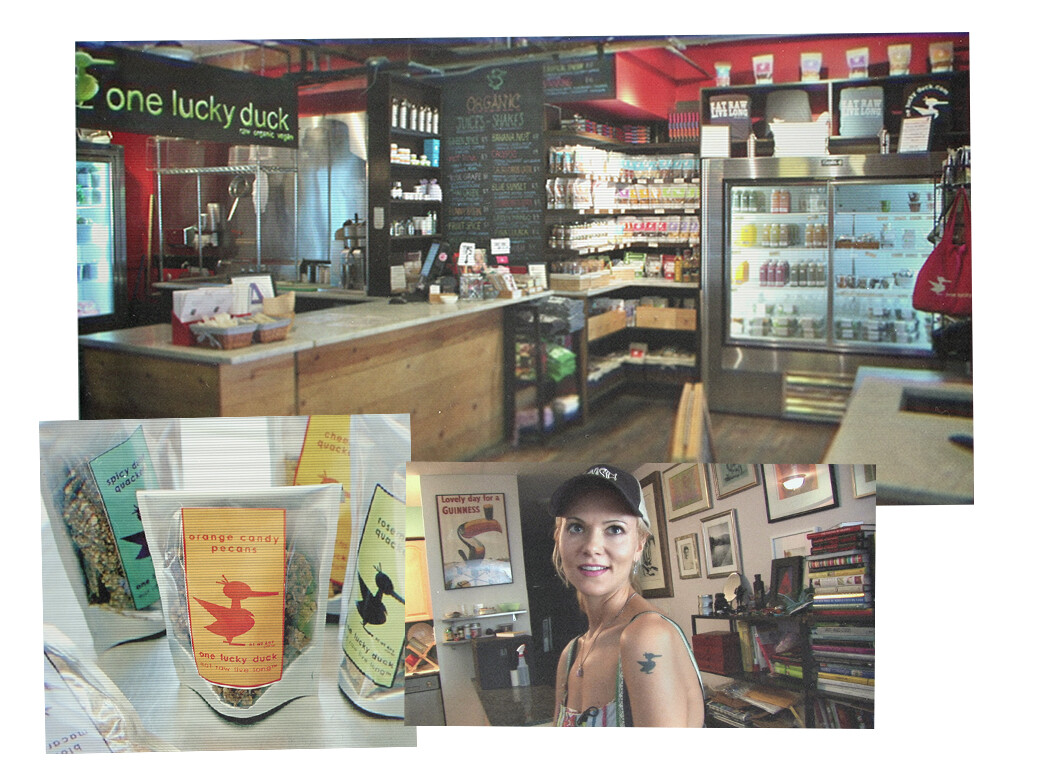
Emily Gould, writer: “When I was in college I had an internship that was a few blocks from there, I would sometimes get a smoothie or salad at One Lucky Duck as a big splurge. Most of my food at that time was dollar slices, yogurt and deli sushi, so this would be something I’d do to feel ‘healthy’ once in a blue moon. This was way, way, way before the era of fast casual salads everywhere, so if you worked in an office and wanted a salad for lunch, your options were steam table/salad bar deli or sit-down restaurant. One Lucky Duck had, like, three seats but was mostly to-go. The staff was hot and friendly.”
Sietsema: “Along with this expensiveness, it had an incredibly distinguished wine list, anticipating natural wines. I mean, so we have the weird-ass raw food movement, and we have the fancy wine list to attract — like, frankly, half the people were there for the wine list.”
Druckman: “I think there were a lot of people who did not normally eat a vegetarian diet — or even close — eat raw food there. But then I actually really liked the food there. I don’t even remember the lasagna, but what I really liked there were these cabbage wraps, and then those sort of sushi rolls, where the rice, I think, was coconut.”
Gould: “Honestly, the salads were really good. I would love to eat a pile of kale, avocado and nutritional yeast-soaked nut crackers plus a nut-based Caesar dressing right now, actually.”
Repice: “I came into that leader role of putting organic, biodynamic and sustainable wine lists together and curating all the sake cocktails, and bringing on seasonal sakes and educating the staff on what the wines and the sake and the cocktails that we were innovatively creating. We didn’t have a liquor license, so sake was like a good neutral spirit to experiment with making cocktails. We were kind of cutting-edge, using organic ingredients at the time. Now all bars are using fresh juices, but, at the time, everything was from concentrate. So it was really nice to be able to get fresh juices in cocktails.”
King Bennett: “I saw it go from a 55 cover night to 280. I saw the drastic change in acceptance of plant-based foods just in my time there.”
Dai: “ ‘Hypocritical vegan’ definitely feels like part of why [Melngailis’] narrative is interesting to people, but there’s another element to this: Like any good New York ‘it girl,’ she seemed perfect and rich and better than everyone else. It’s like the curtain got pulled, and now we see the wizard, and those of us who are less perfect and less rich can feel better about never having been able to meet the standards that she touted. And people love a scam! I imagine the reaction would be similar if Amanda Chantal Bacon of Moon Juice got into crime and then was discovered in a Tennessee suburb because her boyfriend and crime partner ordered chain pizza.”
Repice: “We were long-standing employees. There were people there that were there for years. You know, it was… like an institution. We all felt invested in it. She created a great atmosphere. When it was great, it was amazing. So, when it started going in the wrong direction, we all just kept pushing. It was almost like, if you were in a great relationship for a long time and this person treated you like gold and then they started treating you poorly, you’re not gonna jump out right away, you’re thinking that it’s just a temporary, momentary lapse of reason. We all endured the punishment to some extent, because we had a long track record of it being a great place and great environment to be working.”
Cohen: “The entire time I was there, it was hemorrhaging money. And that was before they went full organic. Jeffrey Chodorow had put in a lot of money when I was there and was sort of propping it up. And then, I left, and I’m not sure who was controlling any of the costs… And then, food-wise, I don’t know. I’m not sure it could keep up with what the city was doing. The appetite for raw food doesn’t seem as big as it used to be... but my guess is, you know, restaurants have an end date. And that one probably wouldn’t have lasted many more years, but, again, I don’t know for sure. I just don’t feel like people do raw food anymore… A lot of good chefs came out of it, and it had its imprint on the city. I really do think without it, we would not be where we are in the vegetarian history in New York City. This pains me. [laughs] I would not be where I am if I had not worked there.”
Dai: “A restaurant being open from 2004 to 2015 is nothing to sneeze at in New York, especially considering there was a big fat recession in the middle of it. I don’t think that happens unless there’s a real following, something beyond the surface level of celebrity visits and charismatic owners.”