This article contains major character or plot details.
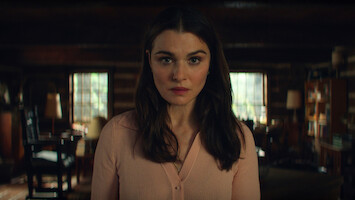
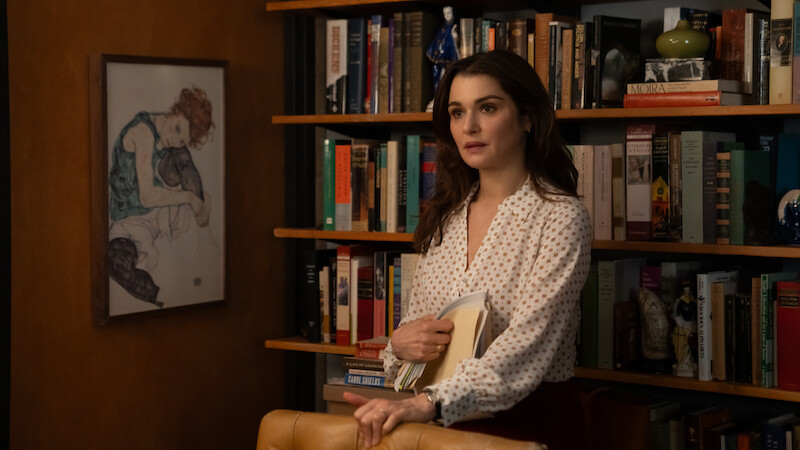
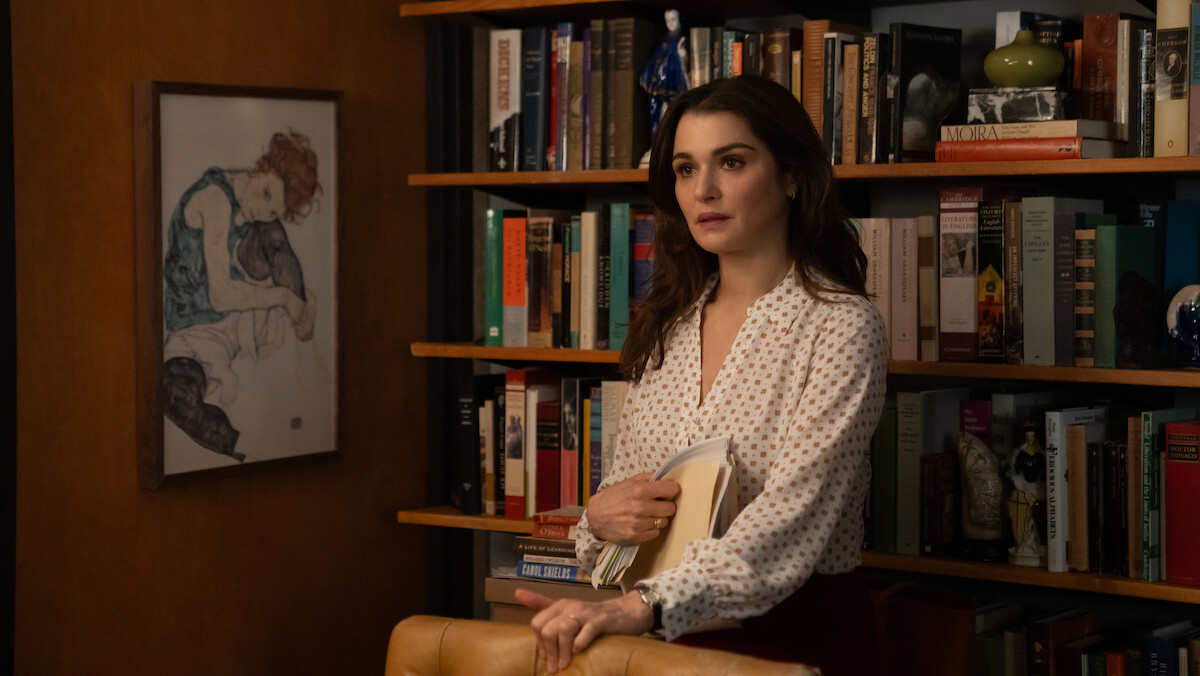
It’s difficult to tell what really happens in Vladimir, a campus-set series about a middle-aged professor who becomes obsessed with her younger colleague, as it races toward its combustible ending. Over eight episodes, the unnamed protagonist (Rachel Weisz) emerges as a slippery and unreliable guide through the knotty drama. “The narrative she tells isn’t always accurate,” says Weisz, “but that seems like a very human trait: to adjust the truth for one’s audience when things are [getting] out of control.”
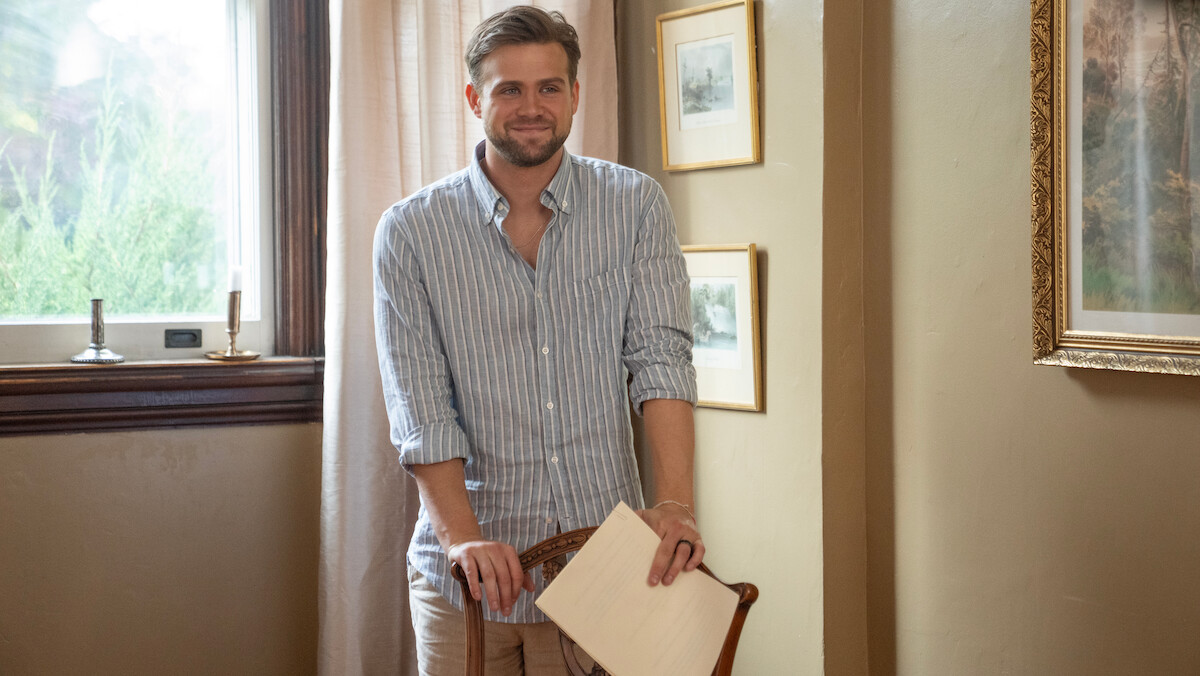
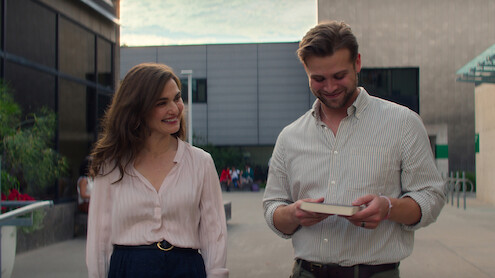
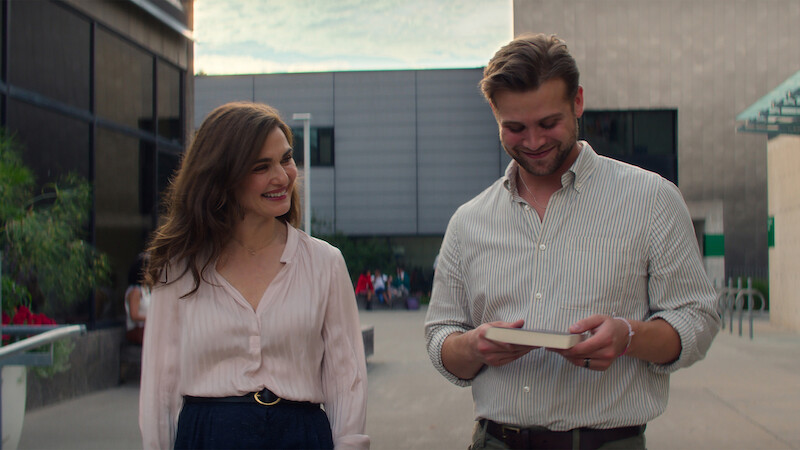
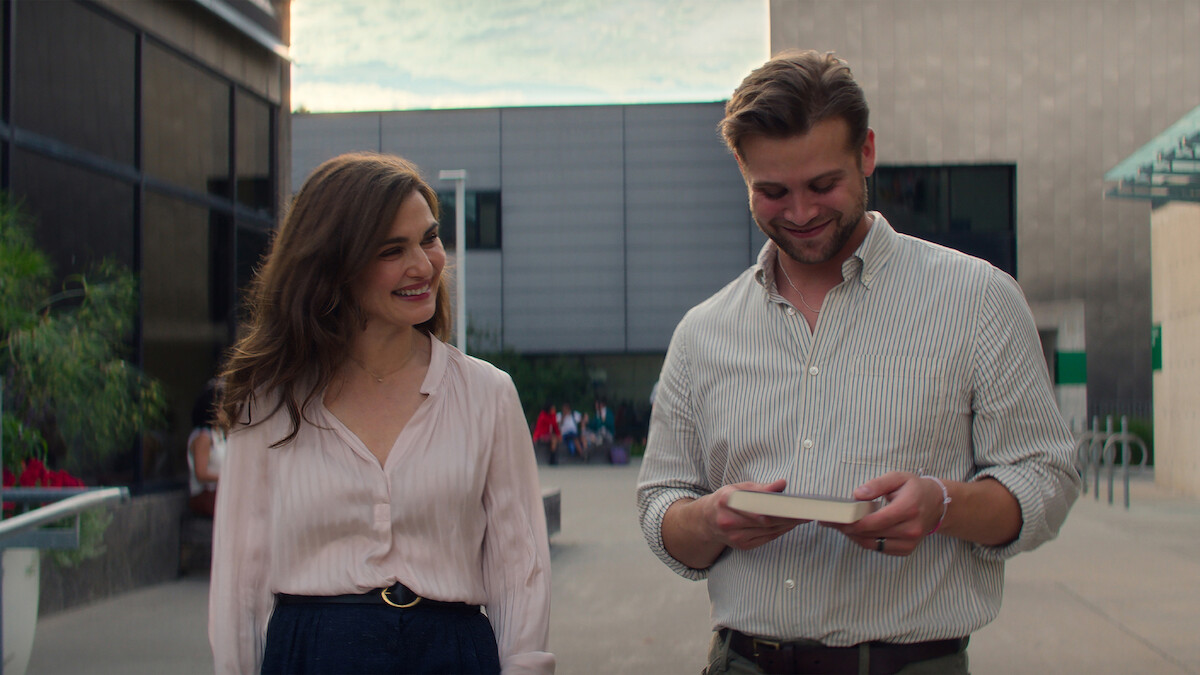
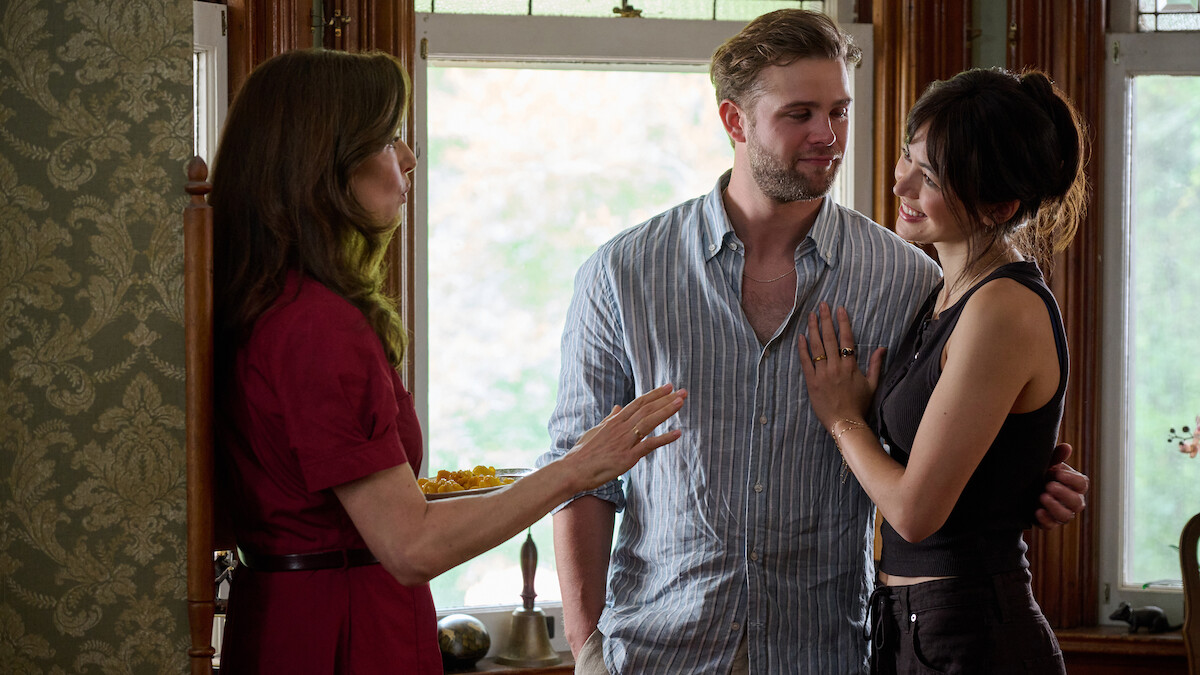
Vladimir, which is helmed by Julia May Jonas and adapted from her bestselling novel, centers on a woman in limbo: Her career has stalled thanks to decades of writer’s block. Her daughter, Sid (Ellen Robertson), tunes her out. Her husband, John (John Slattery), is facing Title IX allegations from his ex-students, with whom he had affairs. The protagonist feels like her sway is waning — that is, until she meets Vladimir (Leo Woodall), a hotshot young writer who joins the faculty. Her all-powerful crush molts the detritus of middle age she feels so trapped by.
For Jonas, this tension between the protagonist’s murky perception and reality is Vladimir’s beating heart. “The series is so much about questions: about what’s right and what’s wrong, and who’s right and who’s wrong,” she says. “I always like to put things in front of an audience and say, ‘Now, what do you think?’ ”
After you finish the Vladimir finale, Tudum has the answers to your burning questions: Does the protagonist consummate her obsession with Vladimir? What happens in John’s Title IX trial? “I like the ending that Julia created for the television show,” says Weisz. “It’s exciting and provocative and surprising.” With the help of Jonas, Weisz, Slattery, and Woodall, Tudum tries to make heads or tails of Vladimir’s fiery Episode 8 ending.
Does the protagonist kidnap Vladimir?
When their long-awaited lunch date finally happens — falling on the same day as John’s trial — the protagonist is ecstatic. “She’s been longing for [Vladimir] this whole time and has felt powerless in many ways: The students have been turning against her. Her daughter has been turning against her. The hearing has been turning against her,” says Jonas. “This is a moment where finally she can have power over someone.”
After a few glasses of wine at an out-of-town Italian restaurant, the two relocate to the protagonist’s remote cabin. Vlad gushes about how much he loves her book, his validation numbing the nagging texts from John and Sid about the trial. As their sunny day comes to an end, the protagonist makes an impulsive decision: She crushes up medication and dissolves it in his whiskey.
“She is as surprised as we are by what she does,” says Weisz. “I don’t think any of it was preplanned. She just doesn’t want the moment … to end. She does feel terribly about it the next day.”
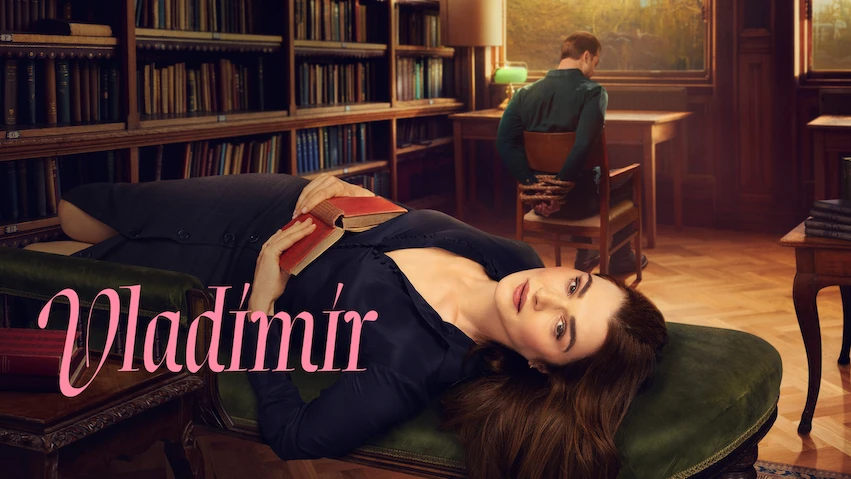
Jonas adds, “The idea of not having the encounter happen is too completely frightening for her. She’s so insecure about herself that she can’t just ask, ‘Would you like to do this?’ ” As Vlad flops around her living room like a limp toddler, the protagonist starts to panic (“I thought Russians could drink!”). Ever the scholar, she takes inspiration from medieval agrarian mothers and chains Vlad to a chair to curb his path of destruction.
Does the protagonist consummate her obsession with Vladimir?
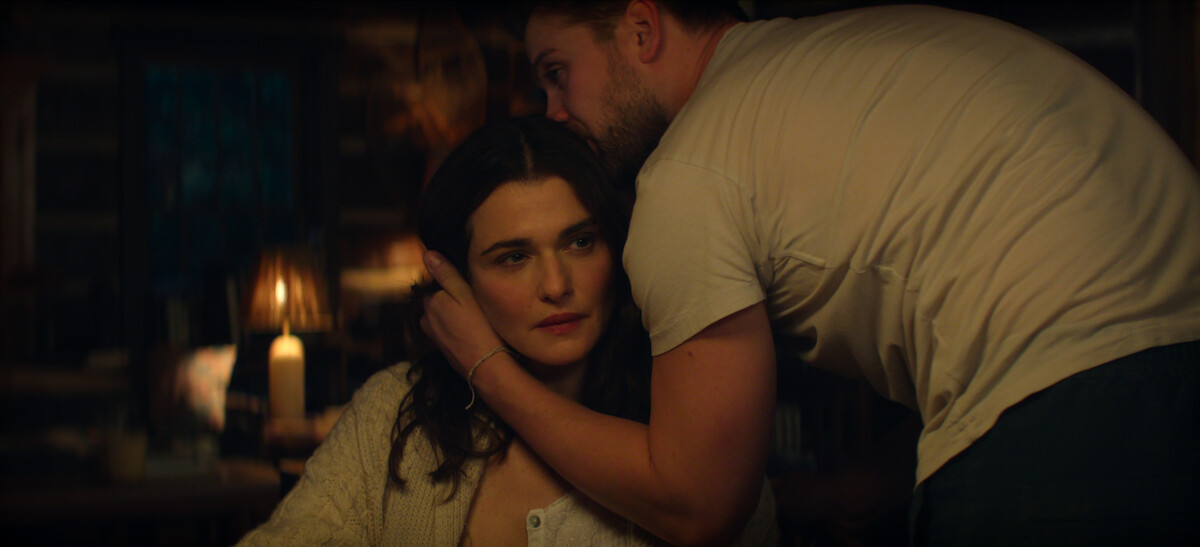
When Vlad wakes up, the protagonist claims she’d tied him up because he’d drunkenly expressed interest in being dominated. She also tells him she suspects his wife, Cynthia (Jessica Henwick), and John are having an affair (more on that later). Vlad stays. “The protagonist still brings him some comfort, and he doesn’t want to be alone,” says Woodall. “He has been running away a bit from his responsibilities as a husband and father.”
The next evening, Vladimir finally makes a move on her, role-playing as a student who hasn’t turned in his paper. The protagonist immediately gets the ick, balking at being portrayed as a “pervy older woman.” She doesn’t like having to play mommy to Vladimir: The expression she makes when Vladimir tells her his jeans “can’t go in the dryer” after she offers to do his laundry says it all. “So much of the time, the story we’re telling ourselves in our heads is so much more exciting than the one that exists in reality,” says Jonas.
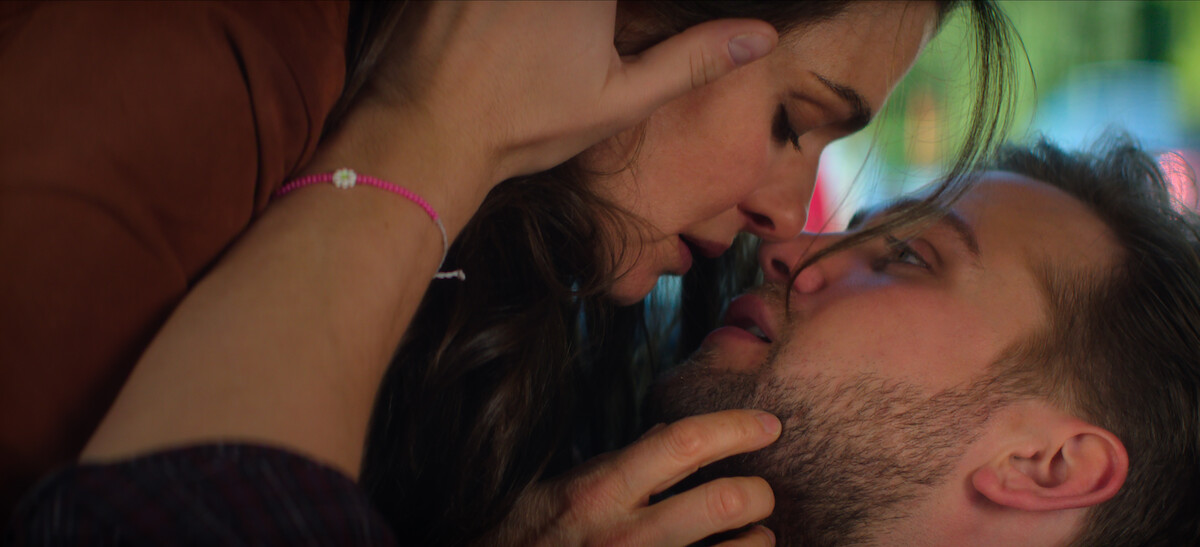
Nevertheless, with some hand-holding, Vladimir stops asking questions, and the two have sex. “The sex — actually getting what she thought she desired — was not as good as the exhilarating feeling of desire itself,” says Jonas. Woodall adds, “The charged, romantic, erotic image that she had of him in these fantasies — in reality, they just didn’t pan out that way. It’s maybe a lesson that fantasies should stay fantasies.”
Her fantasy may have fallen flat, but it got rid of her writer’s block. “She’s so driven toward getting to this consummation with Vlad,” Jonas says. “Once she gets it, she’s translating all that desire into her writing.” Weisz adds, “What it’s about is coming back to life in a certain way that had lain dormant for some time.”
Her creative renewal is so potent that when an errant spark from a space heater sets her cabin on fire, she instinctively lunges for her yellow legal pads instead of worrying about John and Vlad. “Her libido awakens her creativity, and she chooses to save her novel in the fire,” says Weisz. “She doesn’t not save [Vlad and John]. She’s not a firefighter. She just decides that she’ll risk her own life to save her novel.”
What happens after the fire?
The protagonist calls 911, and everyone makes it out alive. In the final shot, she gives a direct-to-camera epilogue as her cabin crackles in flames behind her. She goes on to write a book about a woman who becomes obsessed with her younger colleague. Vlad pens a different version about a tender affair with an older professor. The protagonist’s does much better, adding just another juicy meta-cinematic layer to Vladimir. “Leaving with her holding that book felt like the real meaning of the whole journey. It is what she got out of [this obsession],” says Jonas. “That’s where her power is.”
What’s different between the book and the show?
In Jonas’s 2022 novel Vladimir, the cabin catches fire, and Vladimir saves both the protagonist and John from the flames. But they suffer life-altering, third-degree burns and require care indefinitely. The protagonist’s manuscript is destroyed in the wreckage, but she starts writing again, slowly but surely. “The book has more tragic elements to it. There’s space to do that,” says Jonas. “You can let time pass.”
Jonas felt that the medium dictated her creative choices. “There’s a different need from an ending when you’re watching something,” she says. “In the book, the aftermath of the fire was this coda after going through the journey of the book. In the series, it didn’t feel right.”
It was also important to Jonas to leave plenty of ambiguity in the series’ ending. “We wanted to leave [things] on a question, as opposed to a kind of answer,” she says.
What happens at John’s assault hearing?
The Title IX hearing is painful, down to the catered sandwiches swaddled in plastic wrap. “John is so perfect in this role,” says director Robert Pulcini. “There are a lot of unappealing things about this character, but he’s so watchable and ultimately very vulnerable as we get to the end of the series. We see him in a different way as we reach the end.”
The charges against John are dismissed; he gets to keep his pension but won’t teach again. For Jonas, the trial marks a moment of respect for these women who came forth. “You get that moment of recognition with Lila in the courtroom,” she says. “It’s not about persecution. It’s just acknowledging that this was a painful experience. Our human natures are so complex. None of us emerges unscathed from these relationships.”
Lila (Kayli Carter) is one of John’s accusers. She was in the protagonist’s class, and after she submitted what the protagonist thought was a subpar application for a scholarship, the protagonist gave her a low score. Lila was rejected from the scholarship and blamed the protagonist, claiming it was retaliation for Lila’s affair with John.
Slattery adds that his character’s wife “has her own reasons for being worried about the outcome of this hearing. I don’t see how the scar tissue doesn’t build up. What does that do to a marriage?”
What were John and Cynthia doing together?
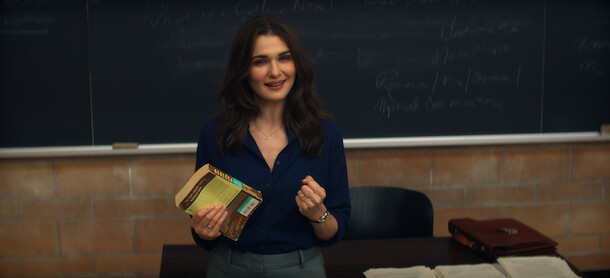
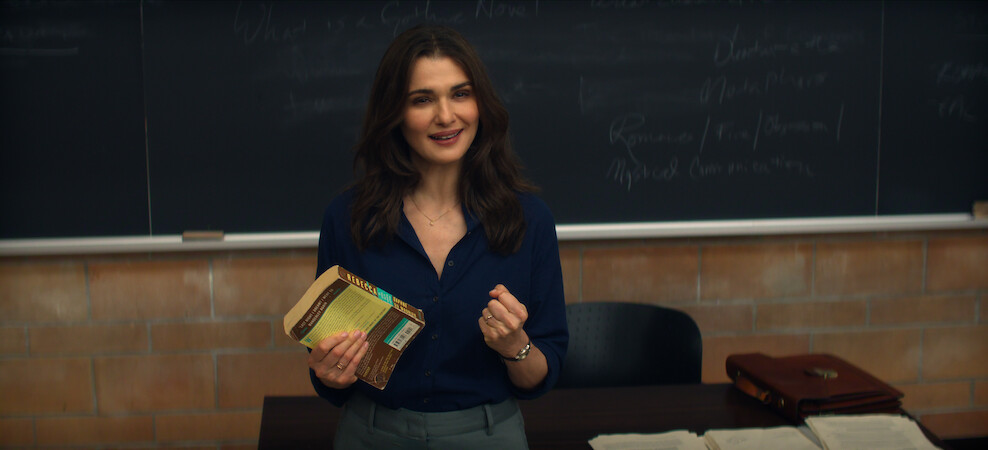
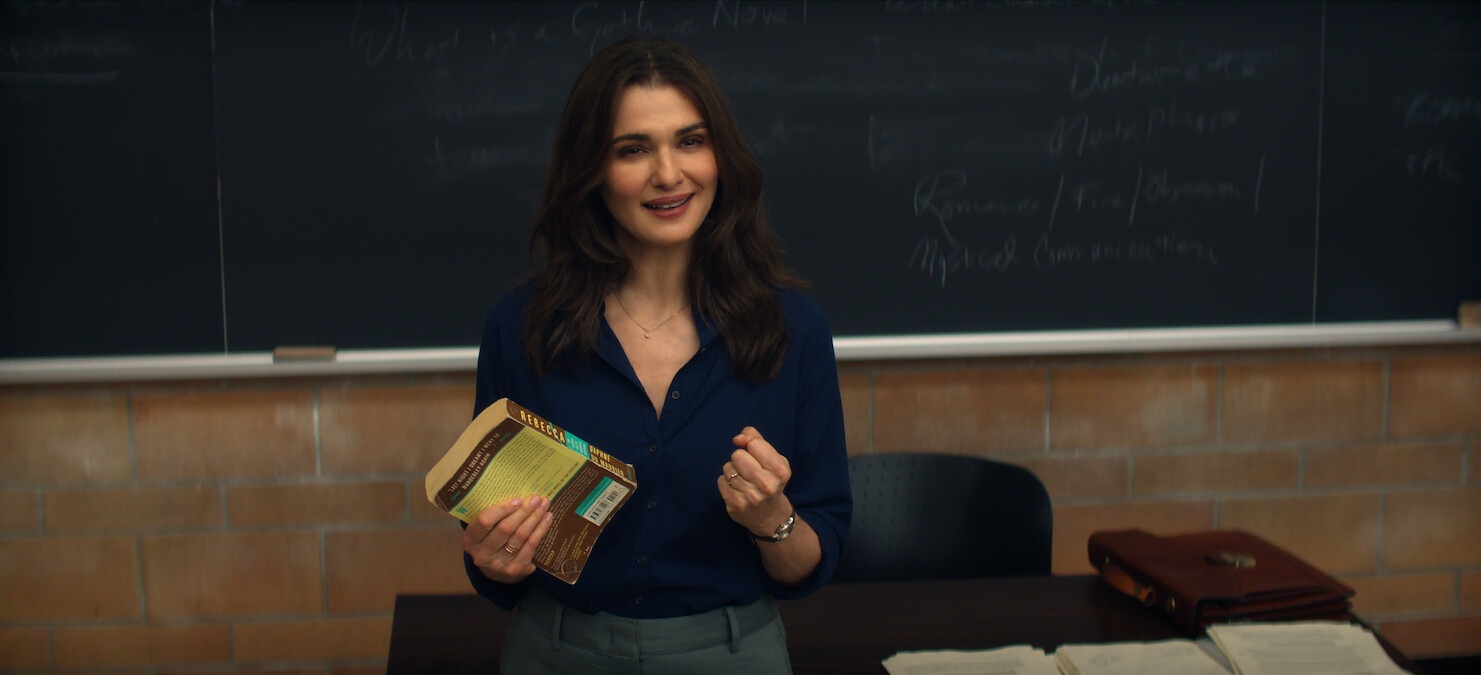
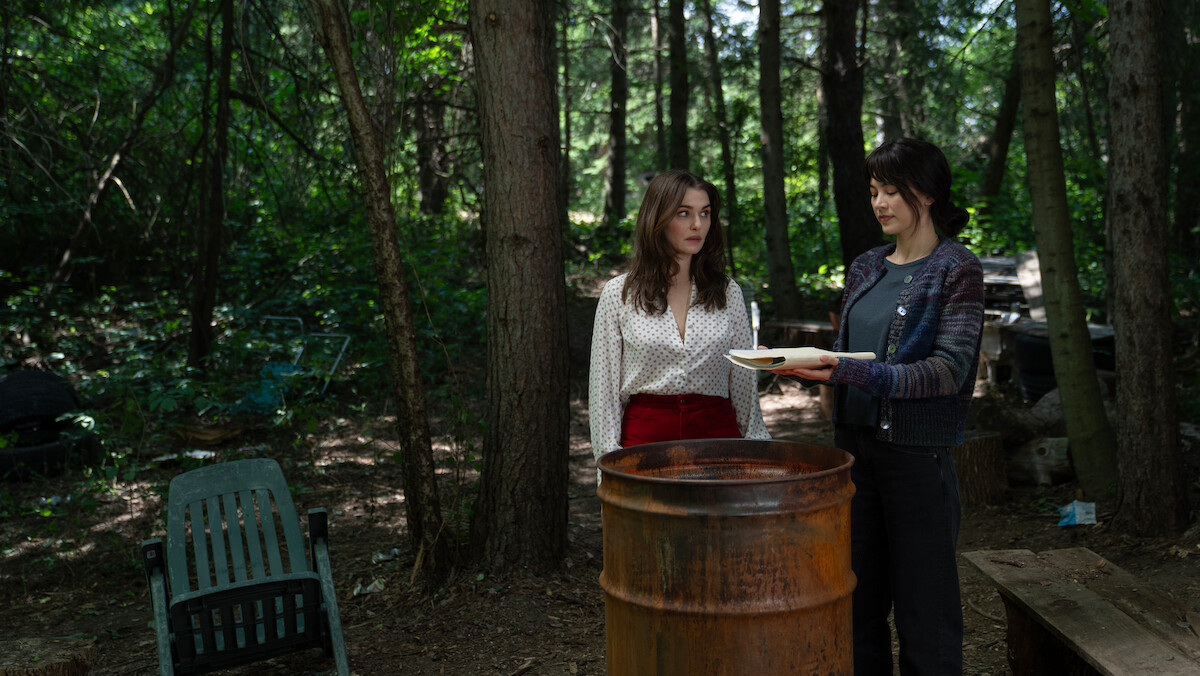
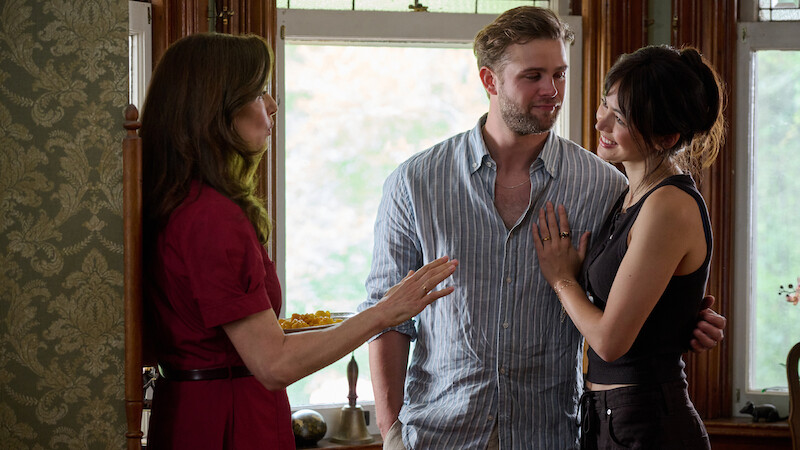
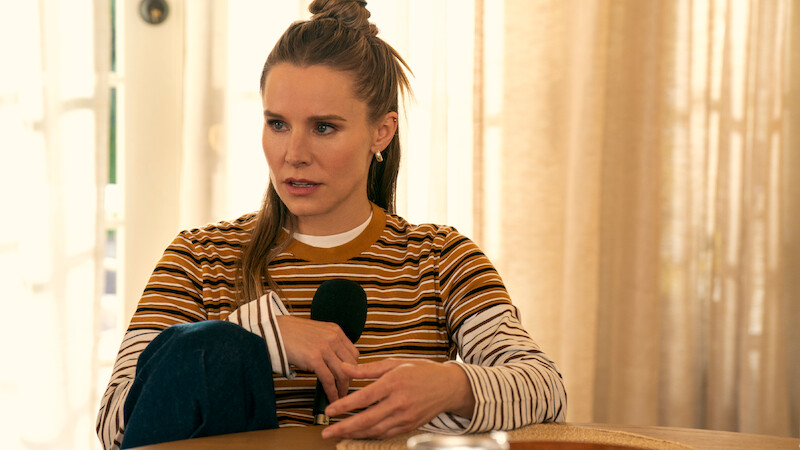
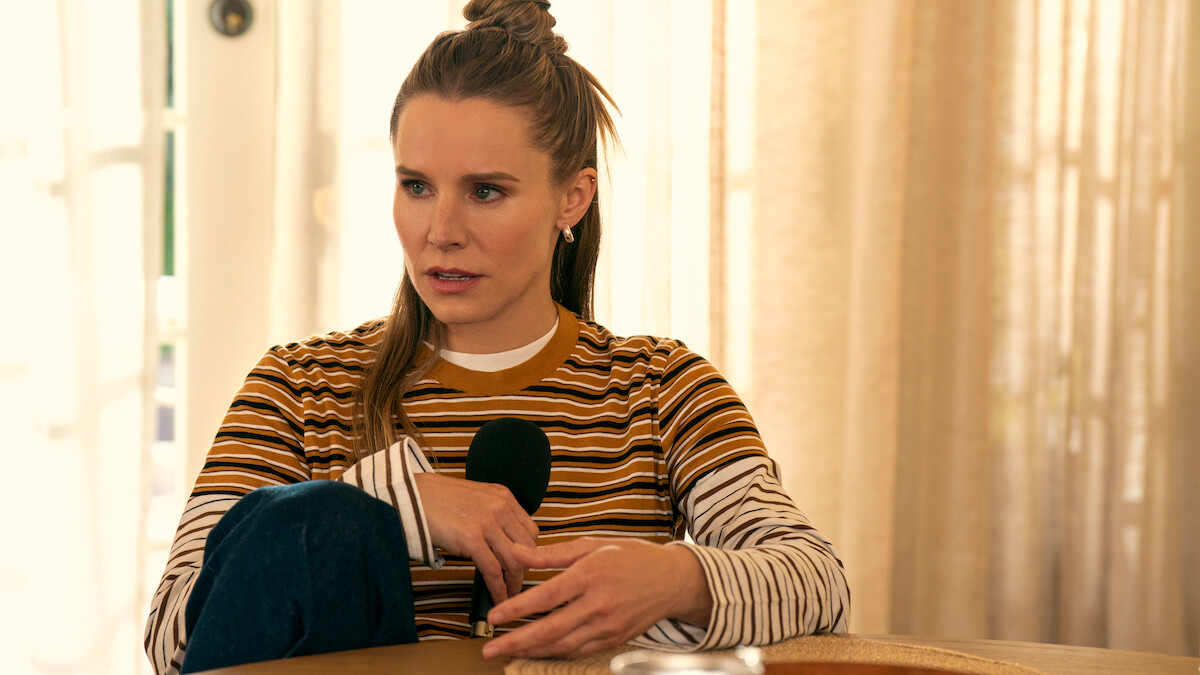
The protagonist sets out to befriend Cynthia to avoid coveting her husband — taking inspiration from Daphne du Maurier’s Gothic 1938 novel Rebecca — but the two develop an unlikely friendship. When Cynthia walks in on the protagonist stealing Lila’s application form, Cynthia reads through it and gives the same score that the protagonist did, thus affirming that she wasn’t motivated by retaliation. Together, they burn the file. “The fact that they become friends and that Cynthia helps [the protagonist] by burning evidence makes [her] feel like they are partners in crime, and they have a possible future together as co-workers and friends,” says Weisz.
After John leaves the house to meet up with a “friend” one too many times, though, the protagonist follows him to a bar where she finds him sitting with Cynthia. The protagonist assumes they’re having an affair. But when Vlad confronts John about it in the last episode, he tells them they were taking Adderall and writing together — Cynthia, a memoir about her mental health struggles, and John, an epic poem.