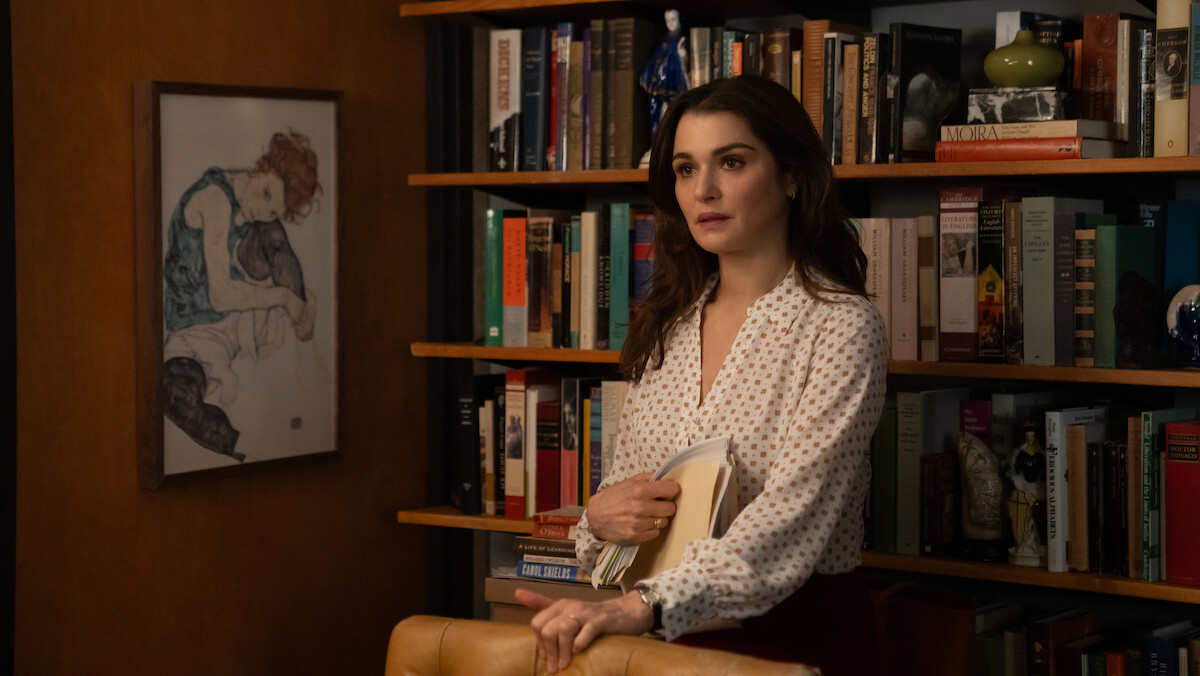
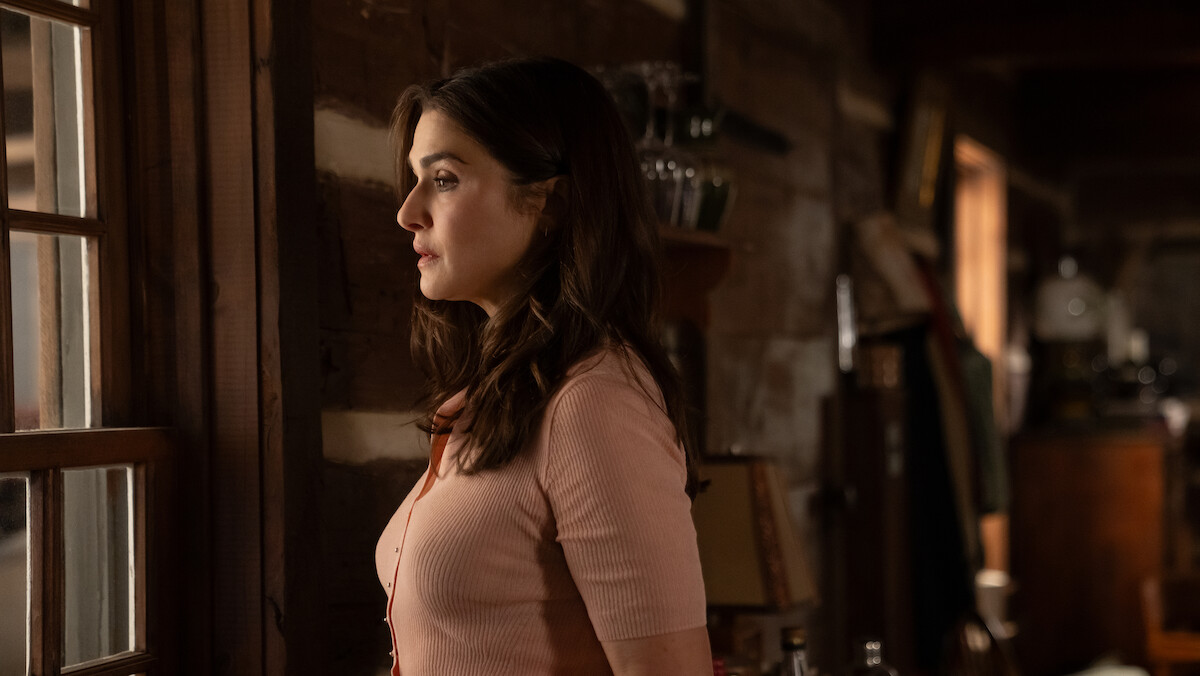
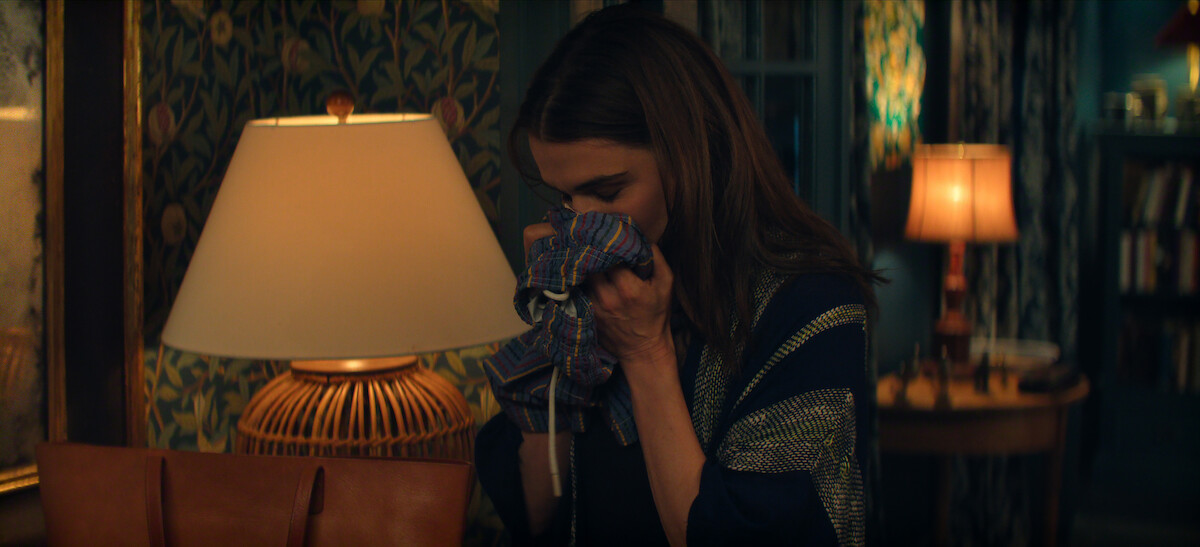
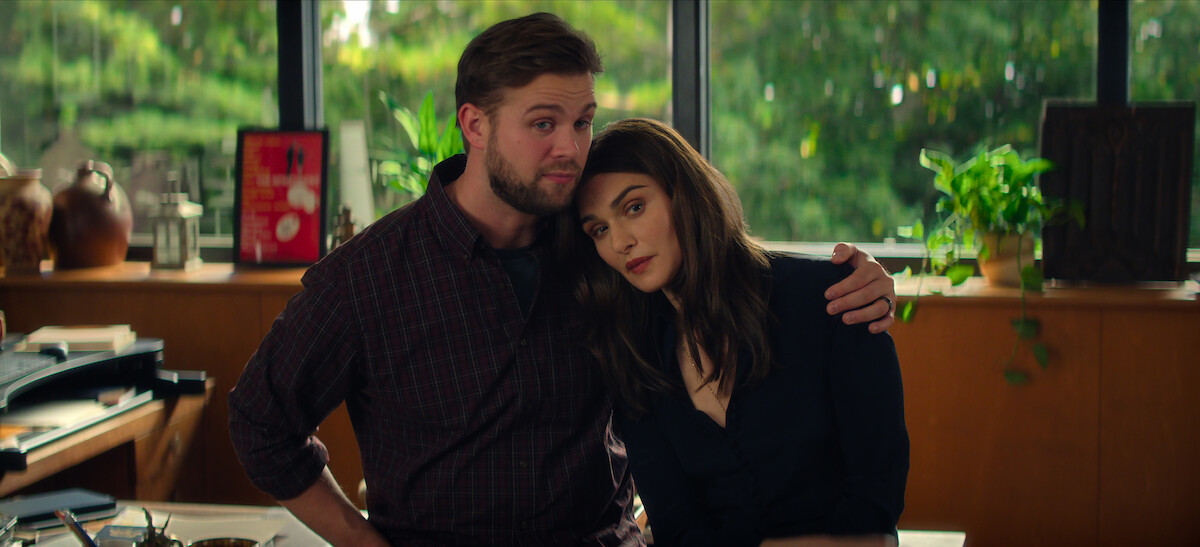
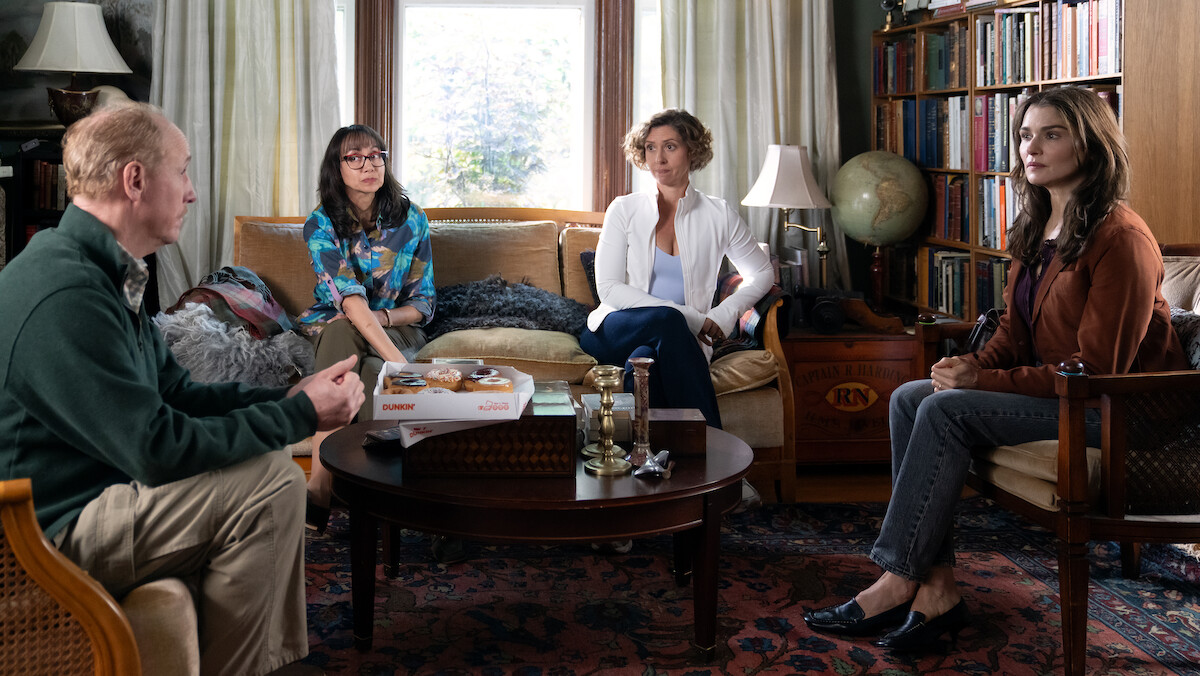
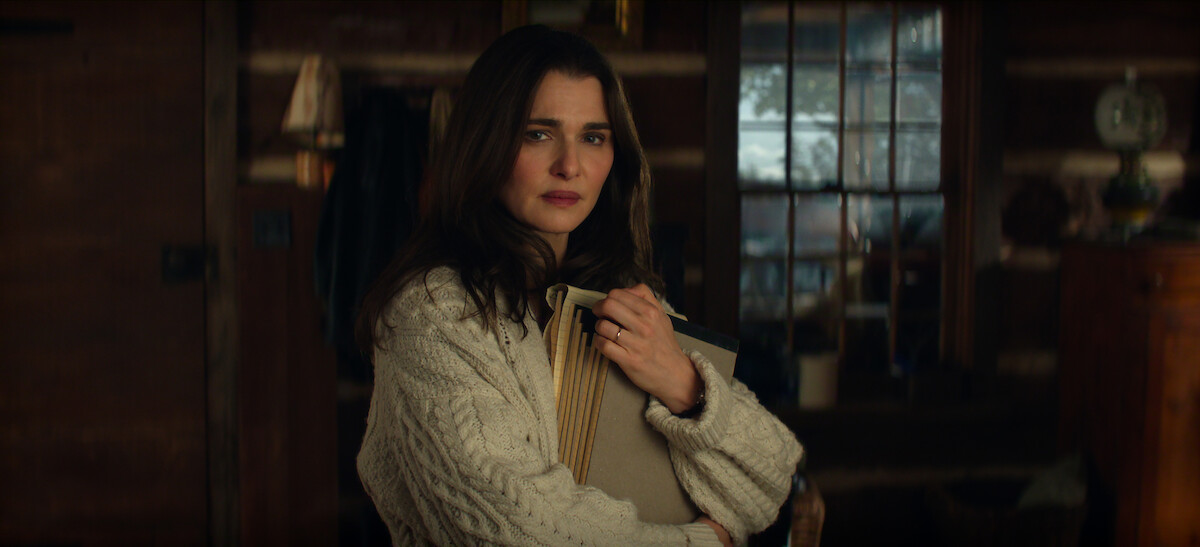
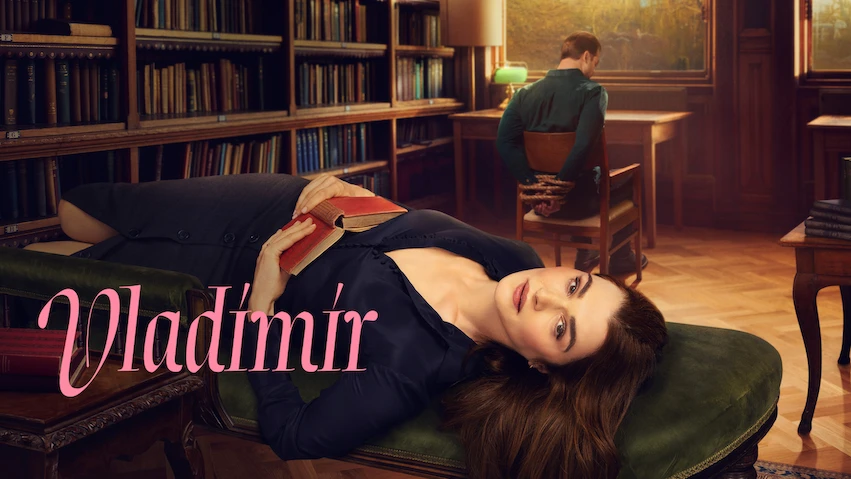
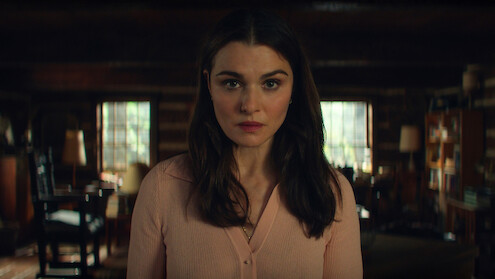
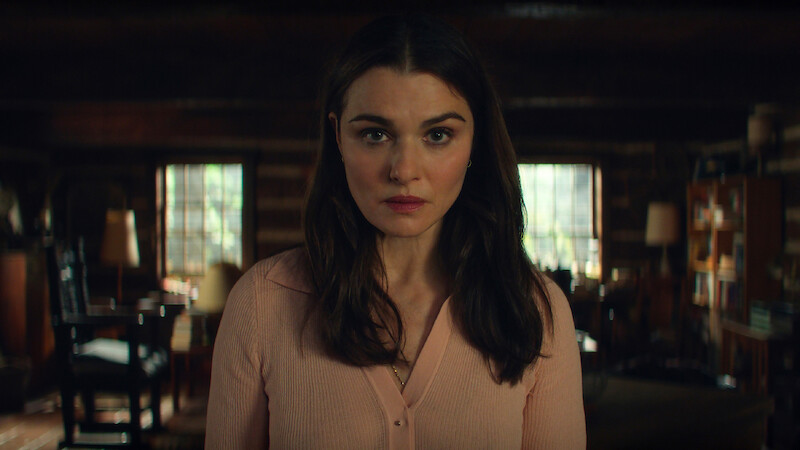
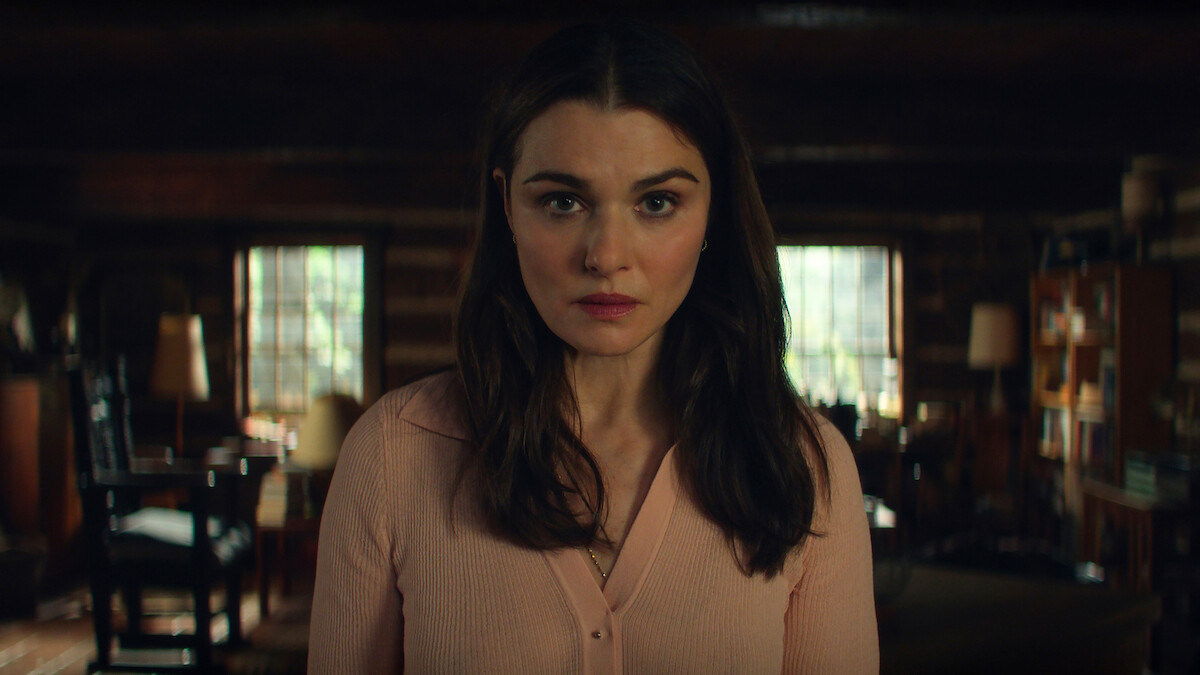
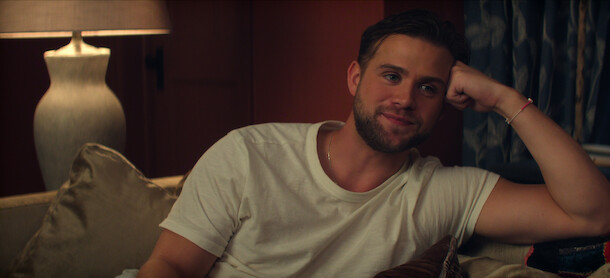
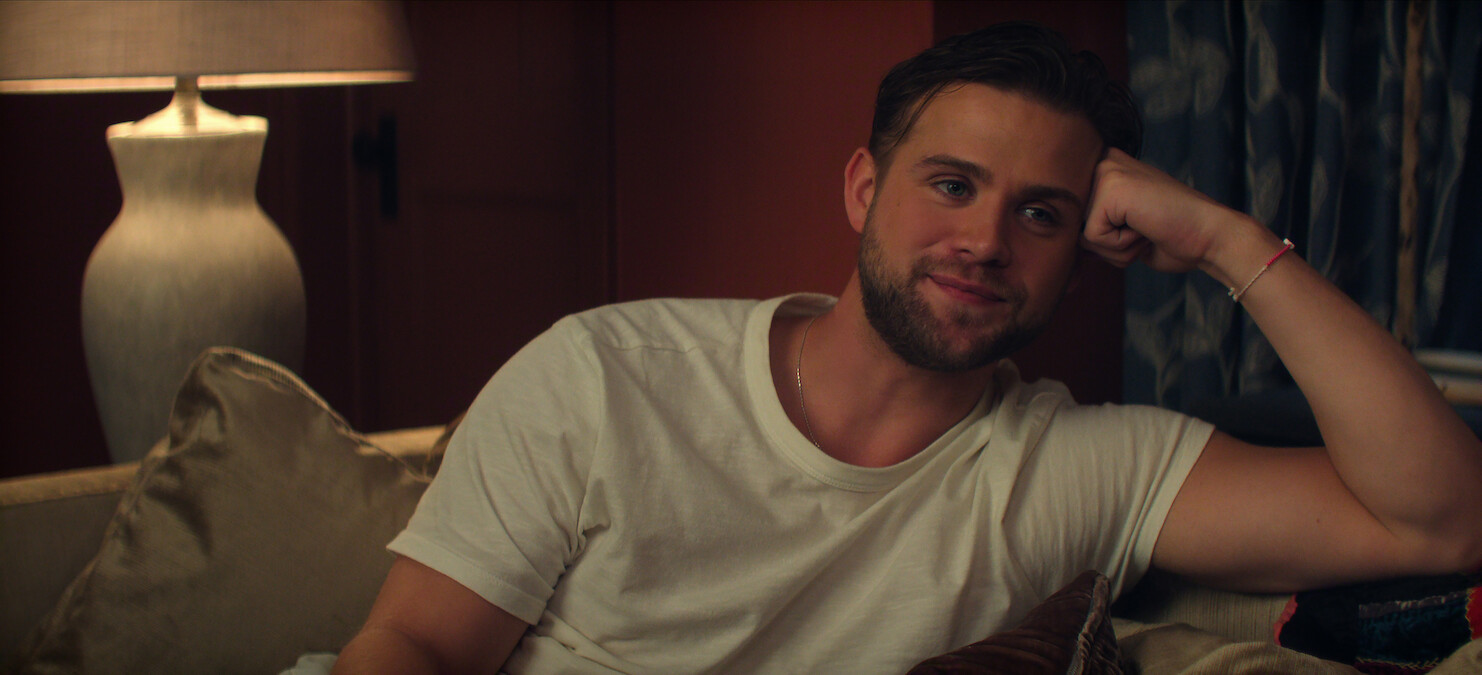
In Vladimir, Rachel Weisz plays an unmoored English professor at a liberal arts college who develops an obsession with her younger colleague, Vladimir (Leo Woodall). But you don’t have to be enrolled in the unnamed protagonist’s seminar to understand the literary references Julia May Jonas, who adapted Vladimir from her own novel, peppered throughout the series.
This was intentional on creator, writer, and executive producer Jonas’s part, she tells Tudum. “I’ve always really liked when any work of art references other works of art, as a person who will then go and seek that thing out,” she says. “If I can get one person to read Susie Boyt because of watching Vladimir, that would be incredible.”
From the episode titles — which each reference a novel or essay written by a woman — to the town bakery, named for Lolita’s mother, all the allusions complement the series’ darkly witty exploration of creativity, desire, and femininity.
Although these references complement the rich layering of Vladimir’s academic community, they’re not homework, and they’re not necessary to understand the series. “You don’t have to go look it up or research it,” Jonas says. “It just opens up this whole other world that can add complexity to the narrative. And, of course, they’re in an English department. This is what they do.”
If you’re curious about what other references are contained in Vladimir’s eight episodes, consider this your syllabus. Read on for more.
Why is the show called Vladimir?
The title of the series, Vladimir, is a reference to Lolita. It’s “a nod to novels that name themselves after the young woman who the man is obsessed with, whether it’s Clarissa or Lolita or Pamela,” Jonas says. “I wanted to flip the script and have it come from a woman’s perspective.”
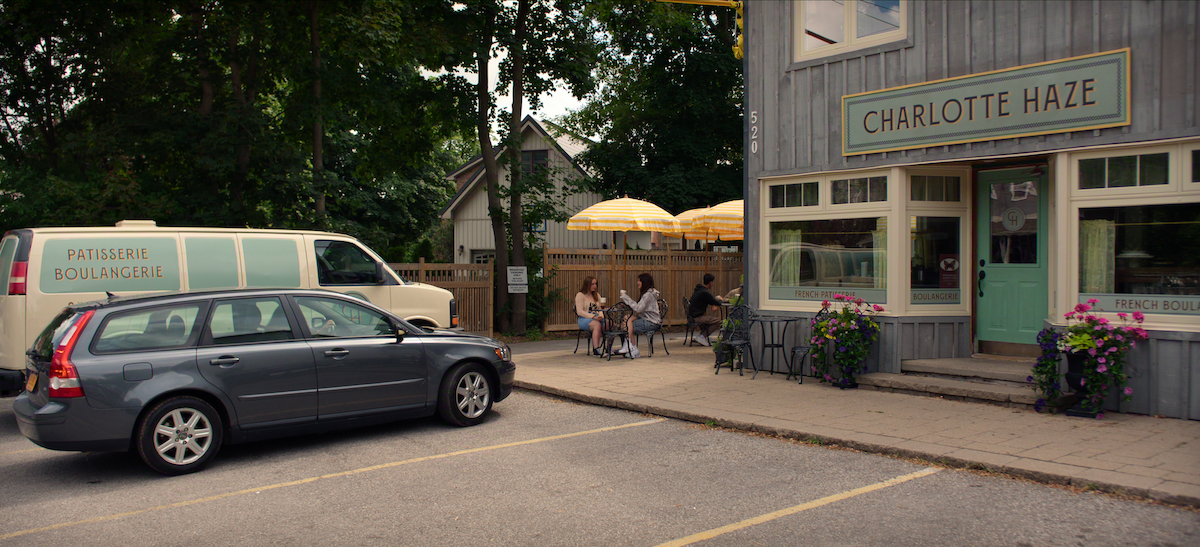
The town bakery is named after Lolita matriarch Charlotte Haze, and another Vladimir Easter egg is the series’ setting in the idyllic town of Ramsdale: “I don’t know if we see the sign of the town, but it’s named after the town Humbert Humbert comes to [in Lolita].”
What do Vladimir’s episode titles mean?
“They’re all titles of women in American fiction,” Jonas explains. In fact, they’re “what I thought were entries that the protagonist might’ve put on her syllabus.” But what, exactly, are all of these works referring to? Let’s break down the authors, novels, and story collections that Jonas selected.
Episode 1
“We Have Always Lived in the Castle”
This 1962 psychological horror novel by Shirley Jackson explores the dynamics of two sisters and their ailing uncle. “It’s about a family spectacularly brought down, in a very different way, but still it felt appropriate to the first episode,” says Jonas. Weisz agrees, describing her character and the fall from grace her husband, John (John Slattery), faces from Title IX charges by past students: “She and her husband have been the king and queen of the English literary department, so to speak.”
Episode 2
“The Awakening”
Published in 1899, Louisiana author Kate Chopin’s novel about shedding restrictive Victorian views of marriage and womanhood helped define Southern US feminist literature at the turn of the century. “The Awakening is Kate Chopin's classic about a woman realizing her sexuality and awareness of her position in society and choosing to reject that,” says Jonas.
Episode 3
“Enormous Changes at the Last Minute”
Grace Paley’s 1974 short story collection exploring the inner lives of middle-aged women included pieces that were published in The Atlantic and other periodicals. The poet and author taught English courses at Sarah Lawrence College and was committed to political activism before her death in 2007. In this episode, the protagonist invites Vlad’s wife, Cynthia (Jessica Henwick), over for a pool day, only for Vlad to unexpectedly attend in her stead. The protagonist has bent over backward to curry favor with Cynthia — bringing her pool towels when Cynthia says she can’t find hers and honey when Cynthia’s daughter gets the sniffles — so this enormous change at the last minute is crushing.
Episode 4
“Bad Behavior”
A recent essay deemed Mary Gaitskill’s 1988 collection of short stories the “best book of 1988,” while another wondered, “Why is Bad Behavior so good?” Her sharp-tongued takes on occasionally taboo topics and the inner lives of women make the title a fitting name for this Vladimir episode. The 2002 movie Secretary, starring Maggie Gyllenhaal and James Spader, is inspired by one of the stories in the book.
Episode 5
“Play It as It Lays”
One of the defining texts of American literature in the 20th century, Joan Didion’s 1970 novel excoriates Hollywood’s treatment of women and women’s agency in society. In it, the protagonist relays the events that led to her commitment to a psychiatric facility. Like the novel, Vladimir beats with a dramatic irony: The first episode opens with something that takes place in the final episodes before backtracking to six weeks earlier (“a different time,” as the title card says). “Why? Unless you are prepared to take the long view, there is no satisfactory ‘answer’ to such questions,” Didion writes on the opening page.
Episode 6
“Because It Is Bitter, and Because It Is My Heart”
Although the title is taken from a line in Stephen Crane’s 1895 poem “In the Desert,” this episode references Joyce Carol Oates’s 1990 novel about a pair of 1950s teens who are connected through an act of violence and how race and class differentiate their experiences in the aftermath. It was a finalist for the National Book Award.
Episode 7
“Everything that Rises Must Converge”
Southern Gothic pioneer Flannery O’Connor’s 1965 short story collection that ponders themes of class and race was published posthumously after her death from lupus complications at 39. As the title indicates, at the protagonist’s long-awaited lunch date with Vladimir, a number of dynamics converge and ignite.
Episode 8
“Against Interpretation”
Among the famous essays contained within this 1966 Susan Sontag classic are both the titular text and “Notes on Camp.” The only nonfiction inclusion among Vladimir’s episode titles, Sontag’s collection challenges conventionally held beliefs about criticism and art. It landed at No. 16 on The Guardian’s list of 100 best nonfiction books of all time. Jonas says the title essay’s message about experiencing art boils down to “don’t think too much about what it means, just how does it make you feel?” and it was intentionally the final reference she chose. “I thought that was a fun way to end the series.”
What books does the protagonist teach in Vladimir?
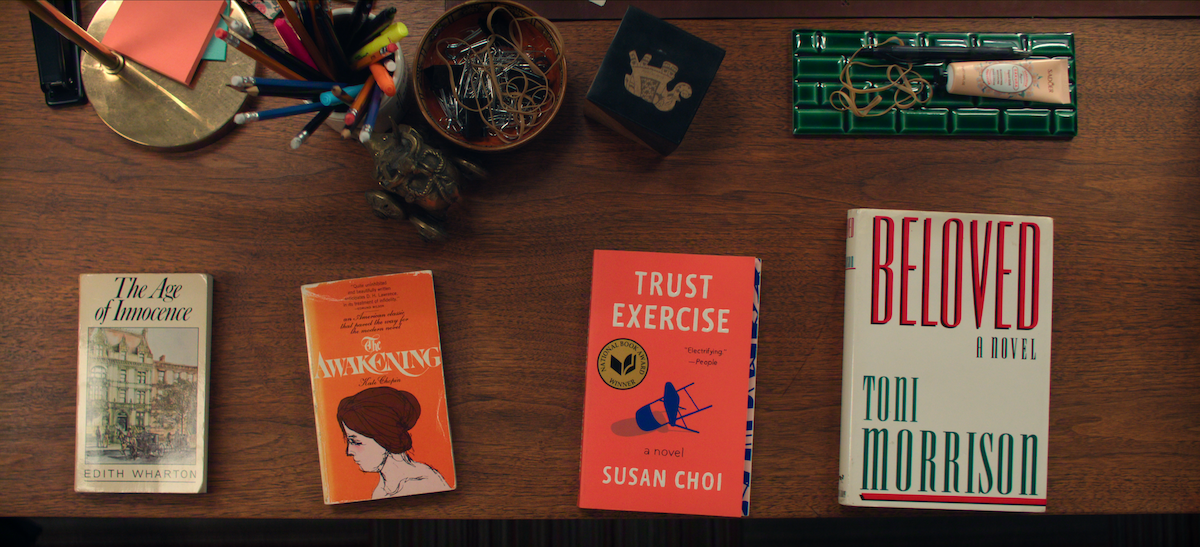
From more contemporary selections like Susan Choi’s 2019 National Book Award–winning Trust Exercise and Toni Morrison’s 1987 Beloved to longstanding classics like Edith Wharton’s 1920 The Age of Innocence and Daphne du Maurier’s 1938 Rebecca, the texts the protagonist teaches are penned by authors who bucked convention. The selections help “open up a whole world” to viewers who want to dive deeper into the themes that inspired the series, Jonas says.
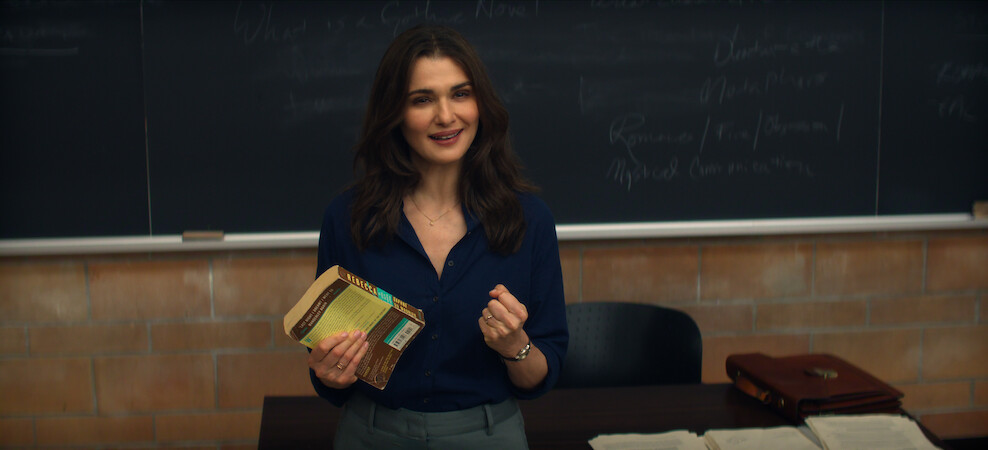
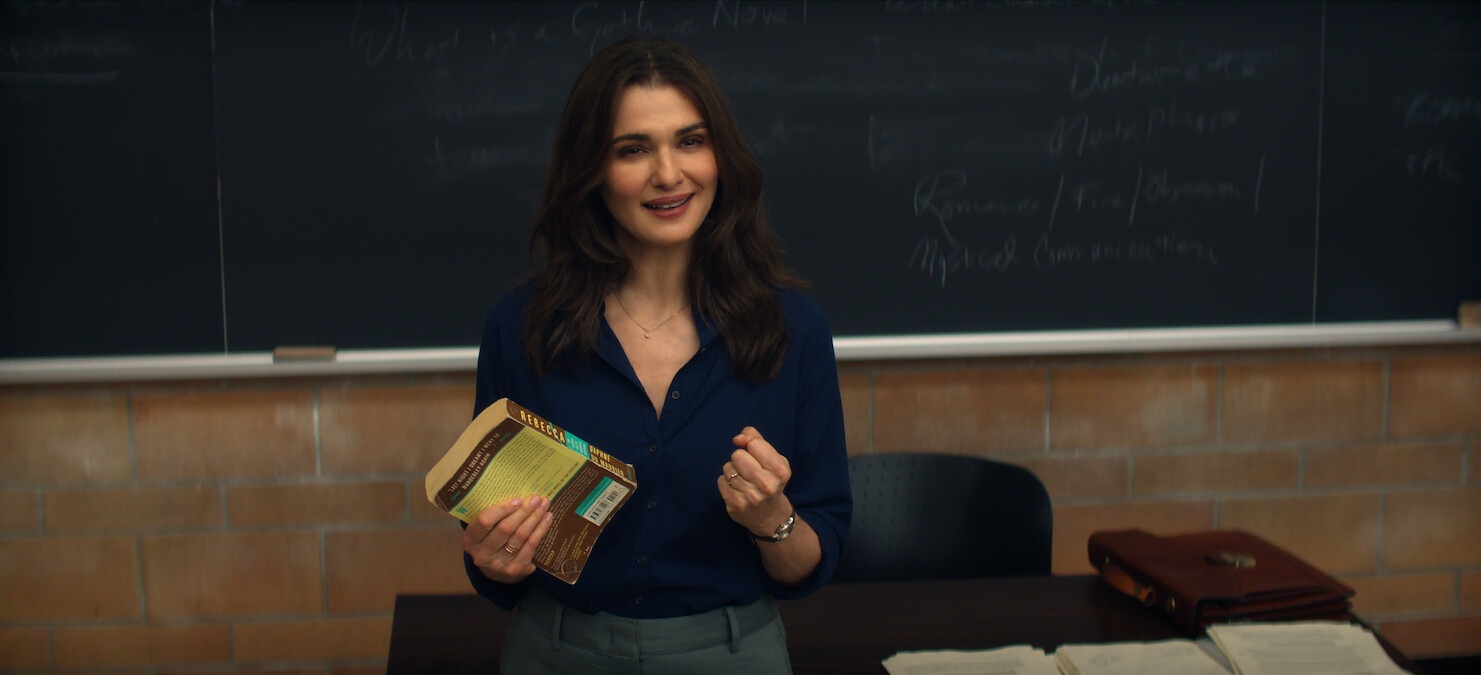
The first book we see the protagonist teach is Rebecca, which has “so many parallels to the story of Vladimir,” Jonas says: an unnamed protagonist, destructive fire, skewed perception, and a woman haunted by her husband’s previous lovers. “I always said that Vladimir was like a Gothic novel, in that it’s about obsession blinding you to what is reality,” she says.
The series’ titular character agrees, telling the protagonist, “I love a Gothic romance. The fixation, the pining. My wife always says that I have a thing for crazy girls,” Vladimir jokes in the break room. Watch the protagonist make sense of the text in Episode 3.
Wharton’s novels, meanwhile, focus on the tight-knit, insular world of wealthy, late-19th century New York. Jonas says she and Weisz spoke frequently about her character’s desire “to be a heroine in an Edith Wharton novel, except she’s having to deal with the banality of the world. And I feel like this small world of academia is similar to the high-society spaces that Wharton was writing about.” Try as she might, the protagonist struggles to make the book appealing to her Gen-Z students. “Everyone has always had a body. Sometimes we forget that people did in the 1900s,” says Jonas. With an unexpected cameo from Vladimir, the protagonist schools her class on the subtle sensuality of The House of Mirth in Episode 5.
These literary allusions provide a singular lens to better understand each character: John shares Thomas Hardy’s unexpected and jarring inspiration for Tess of the d’Urbervilles while in the grocery store checkout. Interim headmaster David (Matt Walsh) uses his point of view as an Orwellian scholar to dissect the campus’s political climate. The protagonist quotes Charles Dickens and George Bernard Shaw. Ultimately, Jonas says, these references help create an authentic world of academia — but it’s not a problem if you don’t catch them. “It’s like when you watch a show about finance, they [make] a bunch of references, and I actually have no idea what they’re talking about,” she says. “But I accept … that’s their world, and this is our world in the same kind of way.”
Additional reporting by Brookie McIlvaine.