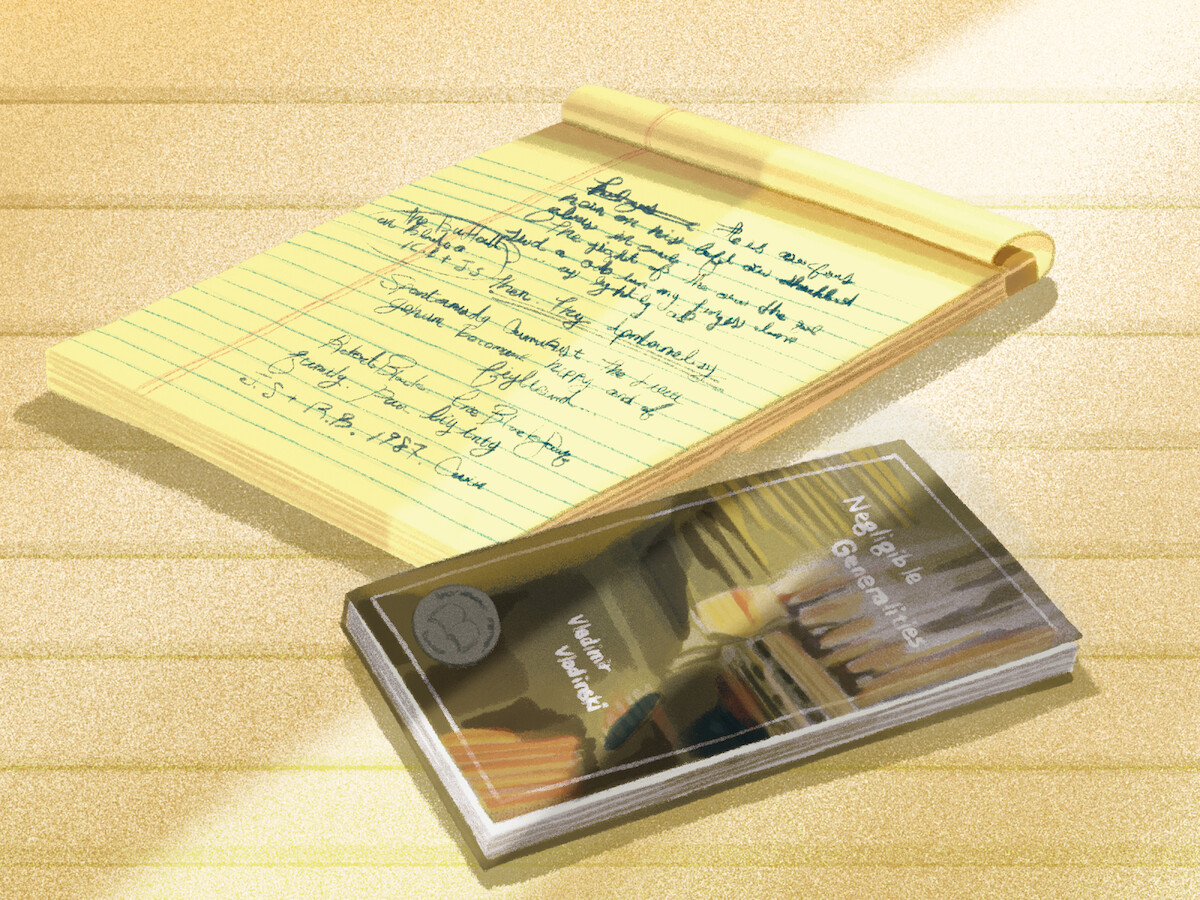
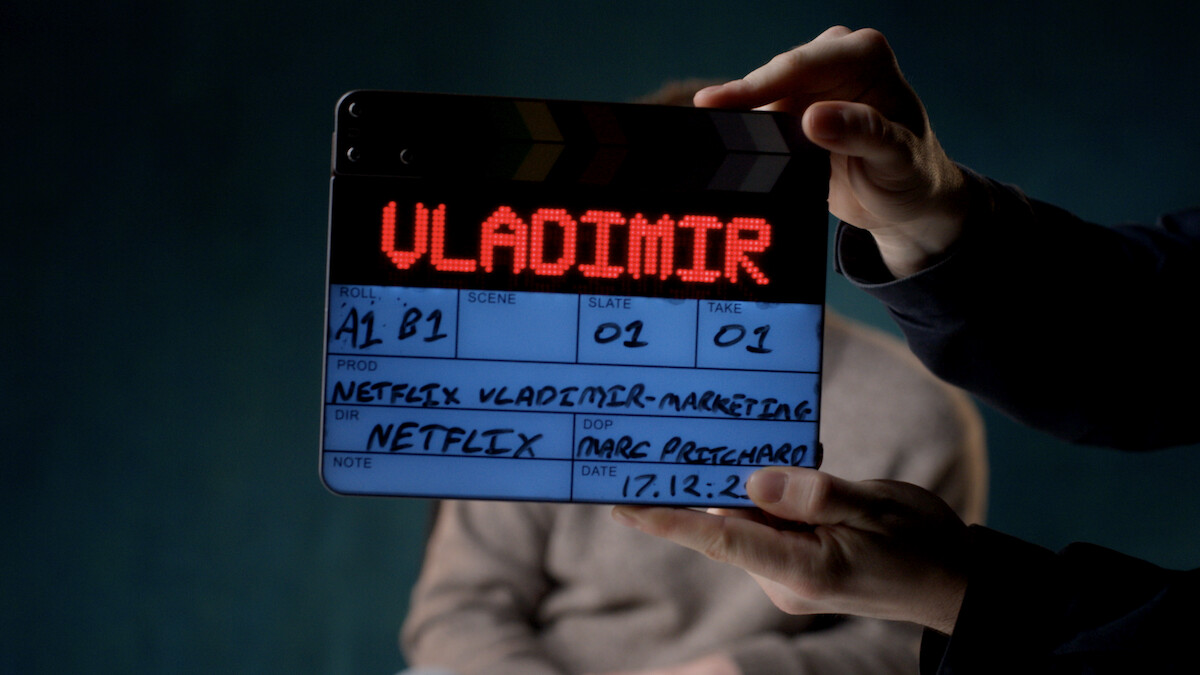
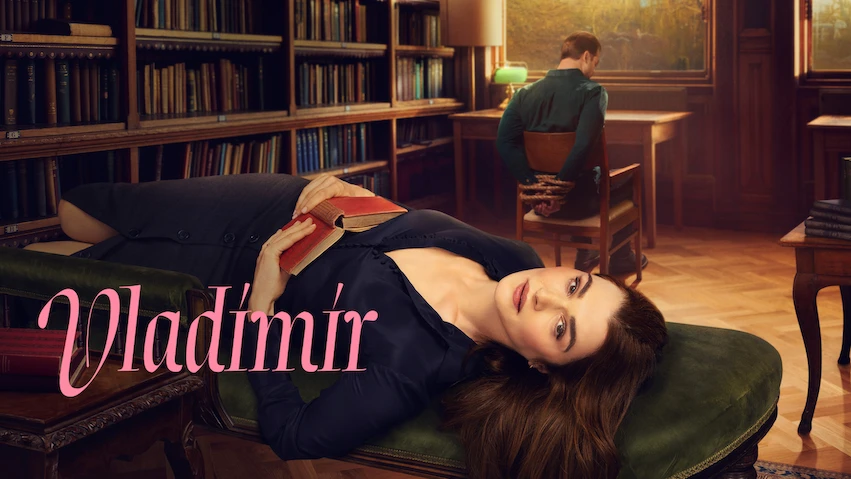
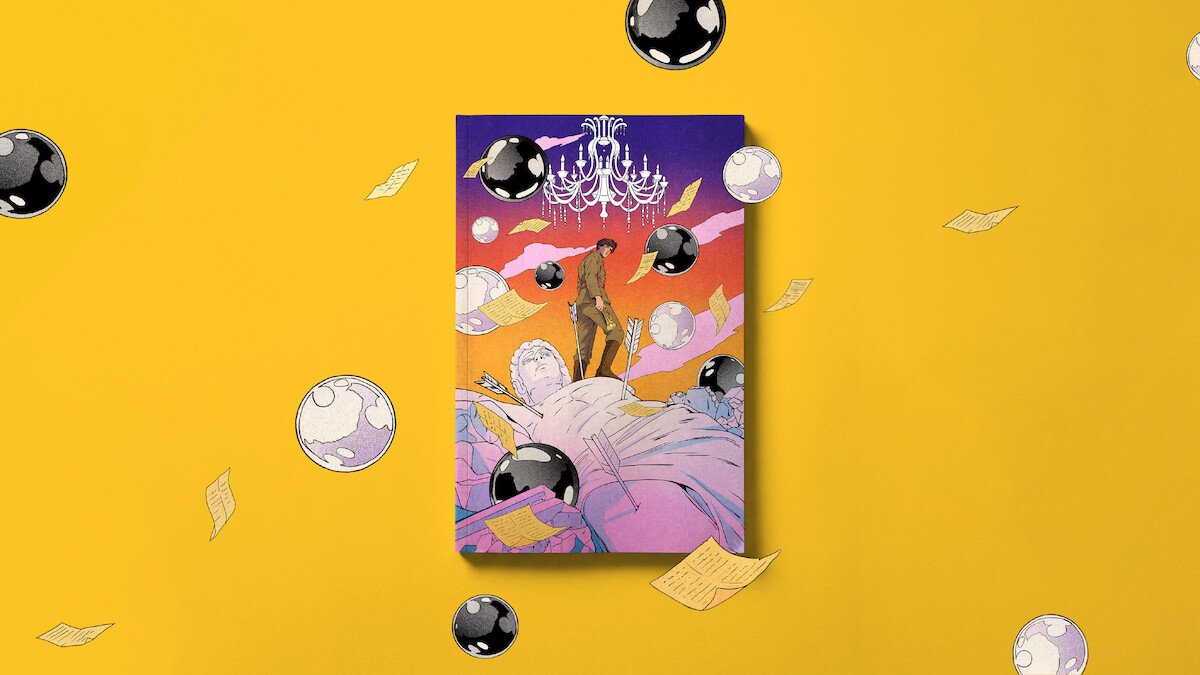
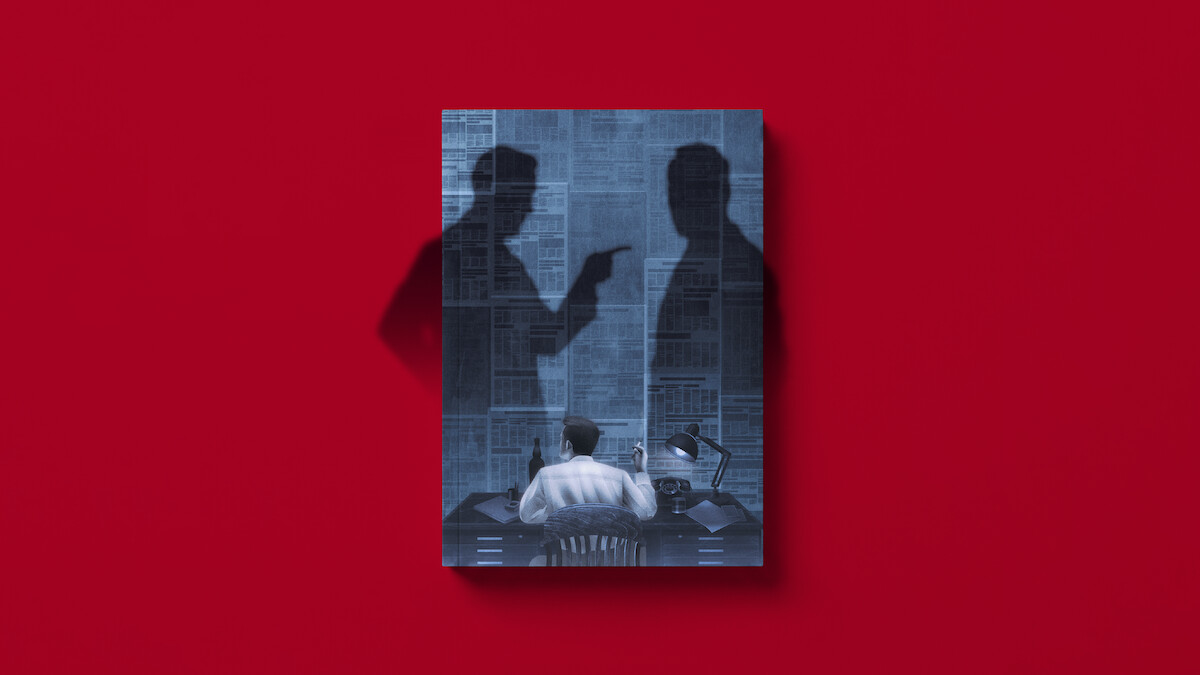
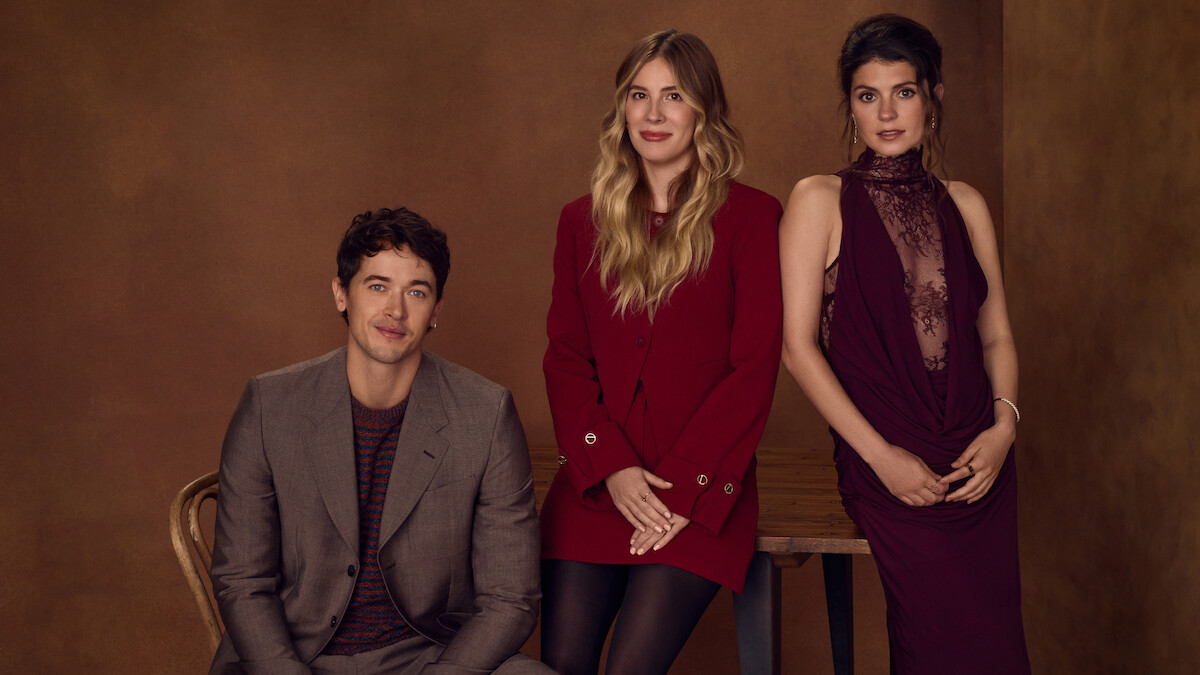
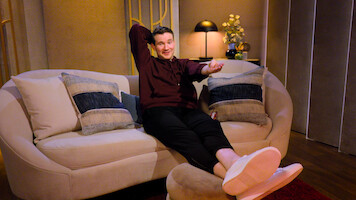
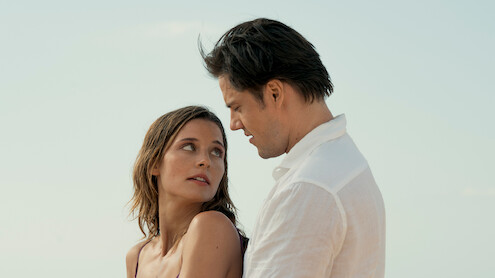
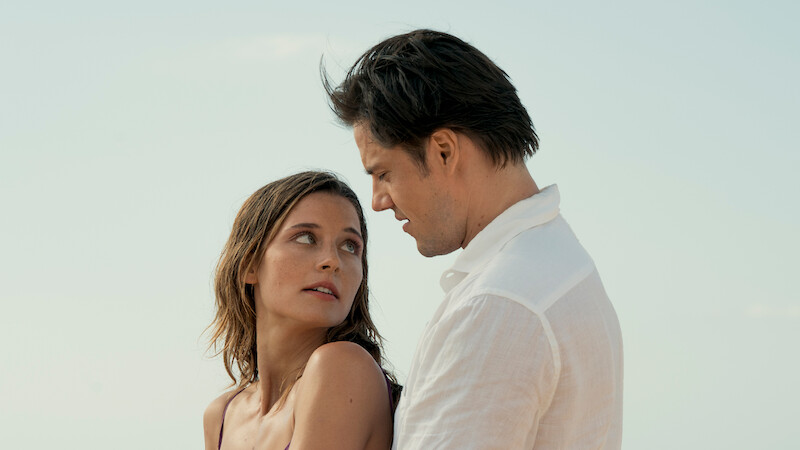
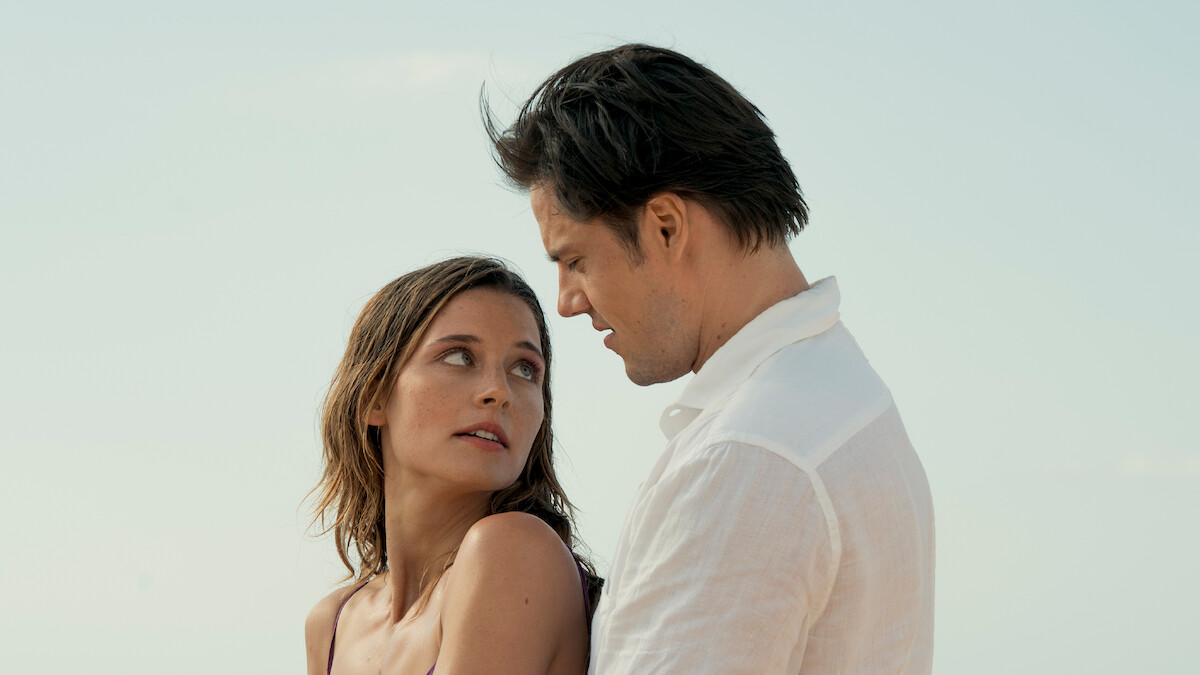
When Julia May Jonas’s debut novel, Vladimir, was released, it topped every best-of-the-year list — from NPR to The Washington Post, People, Vulture, The Guardian, Vox, Kirkus Reviews, Newsweek, LitHub, and New York Public Library. But translating such a specific and slippery narrator to the screen was no straightforward task. Watch Jonas, Rachel Weisz, John Slattery, Leo Woodall, and the creative team walk through how they crafted such an original series, which comes to Netflix on March 5.
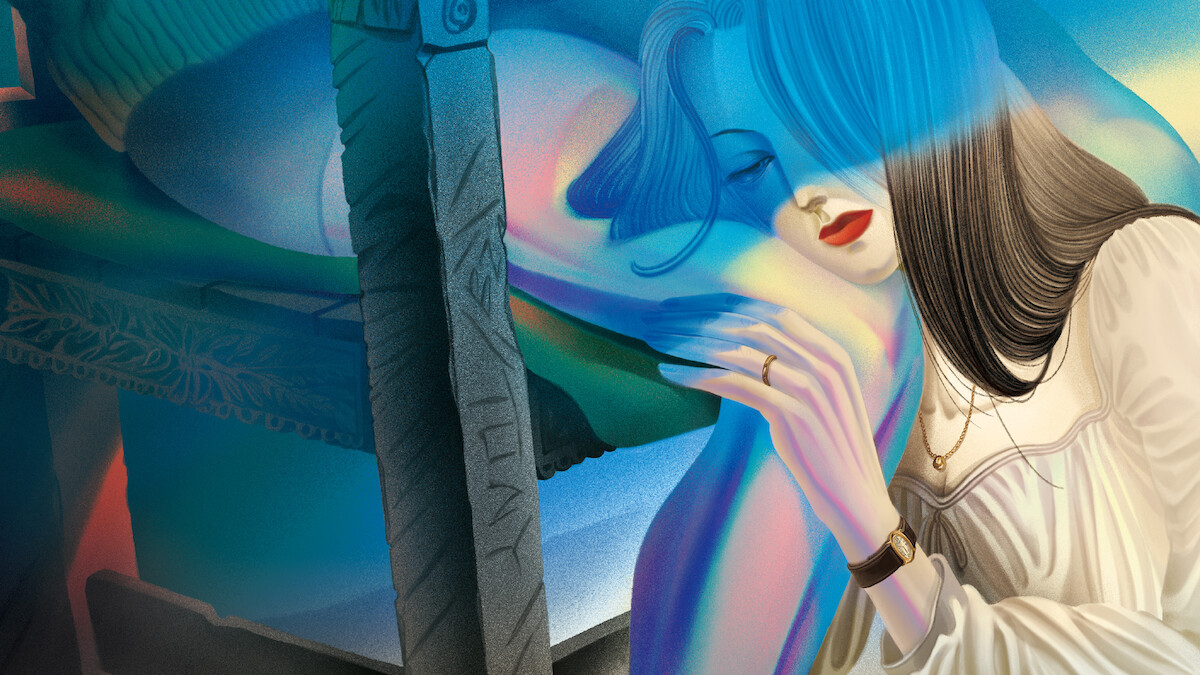
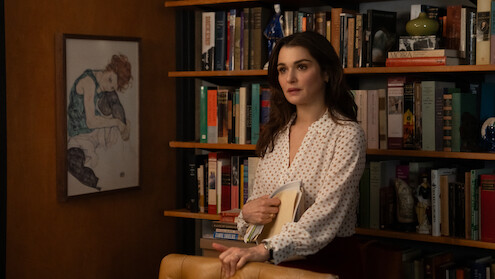
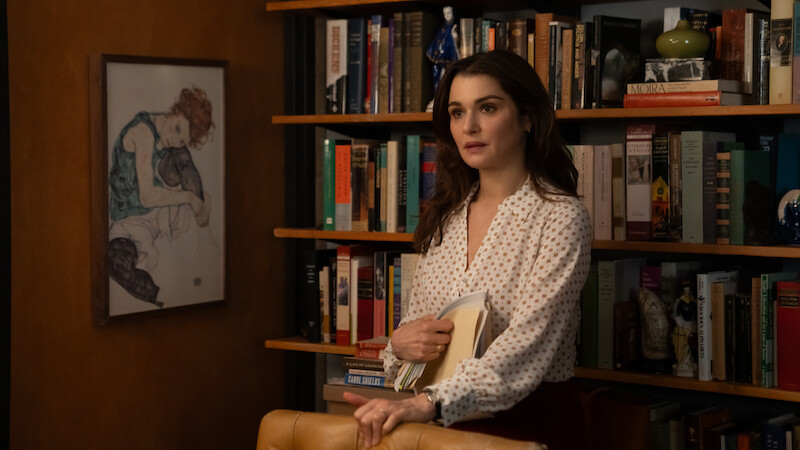
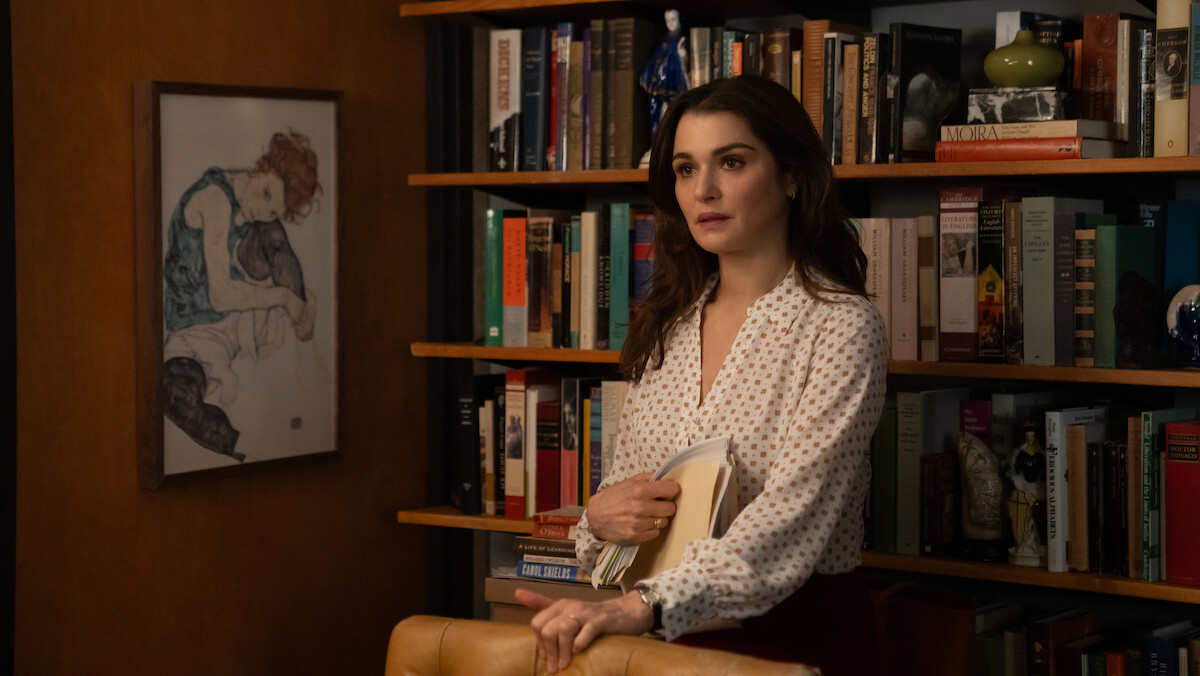
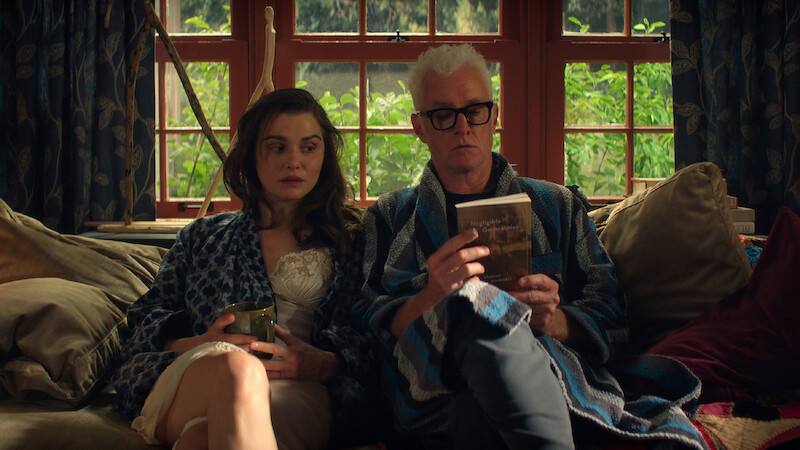
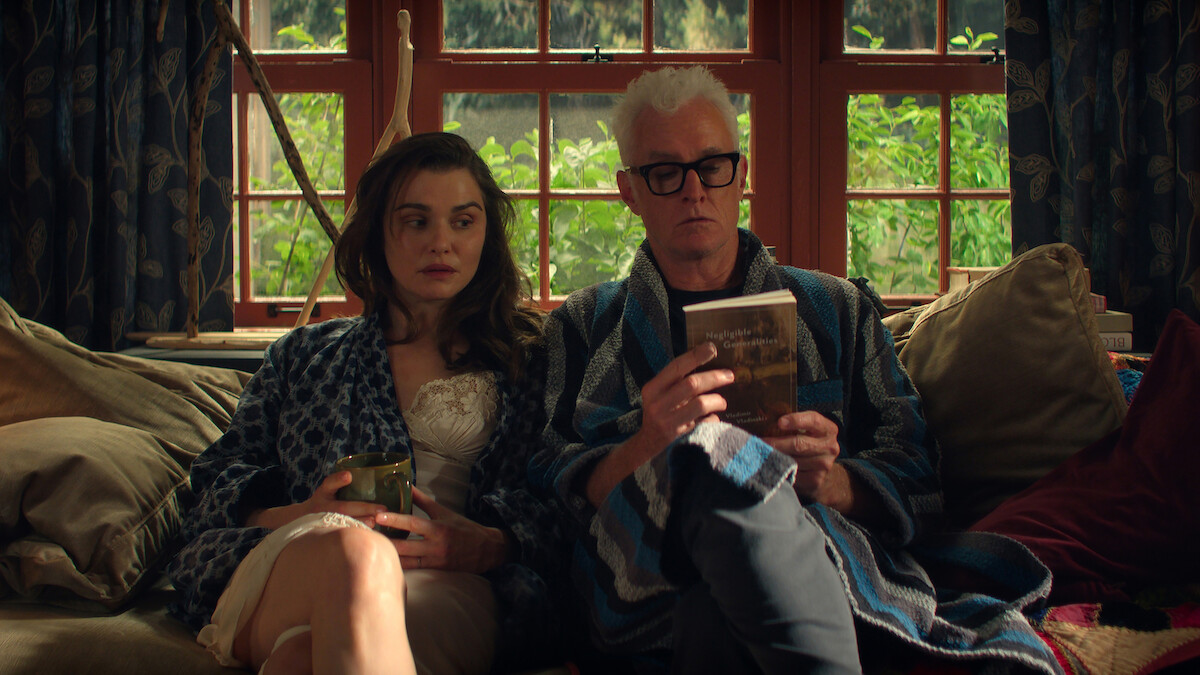
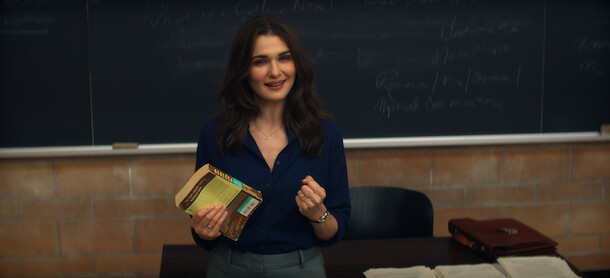
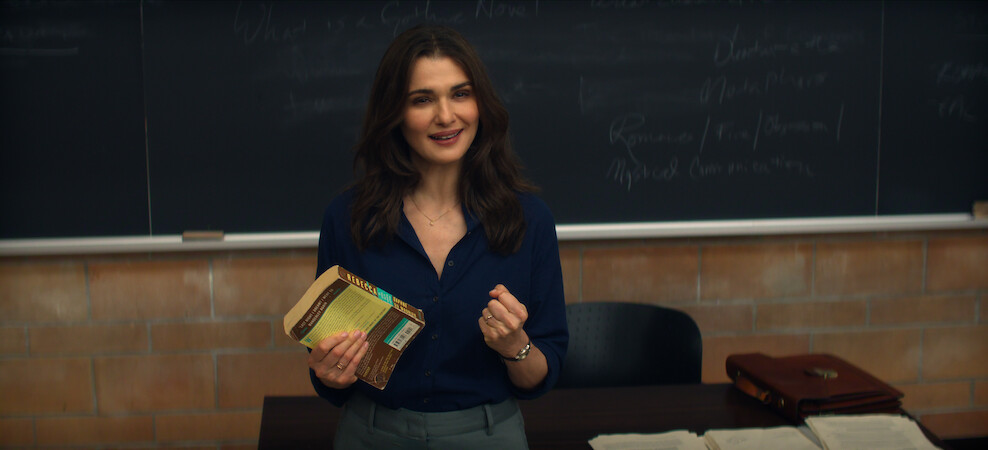
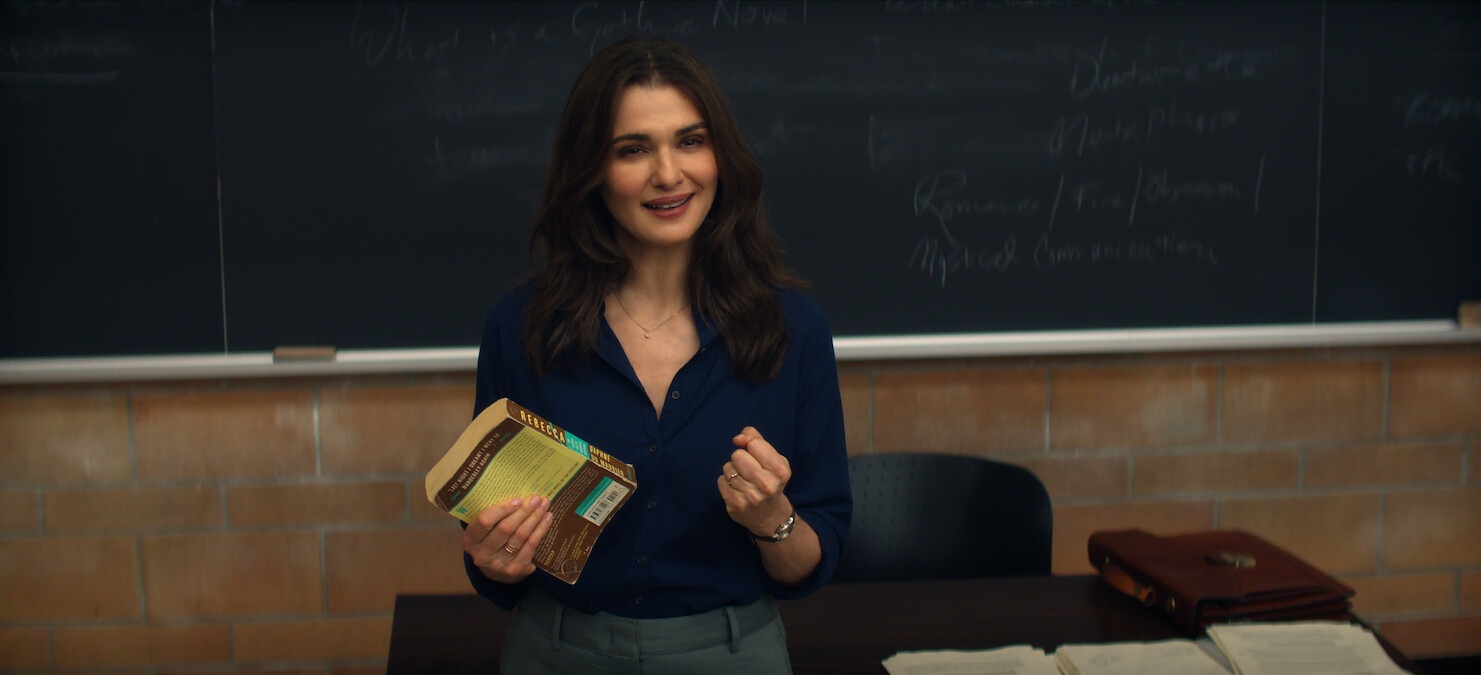
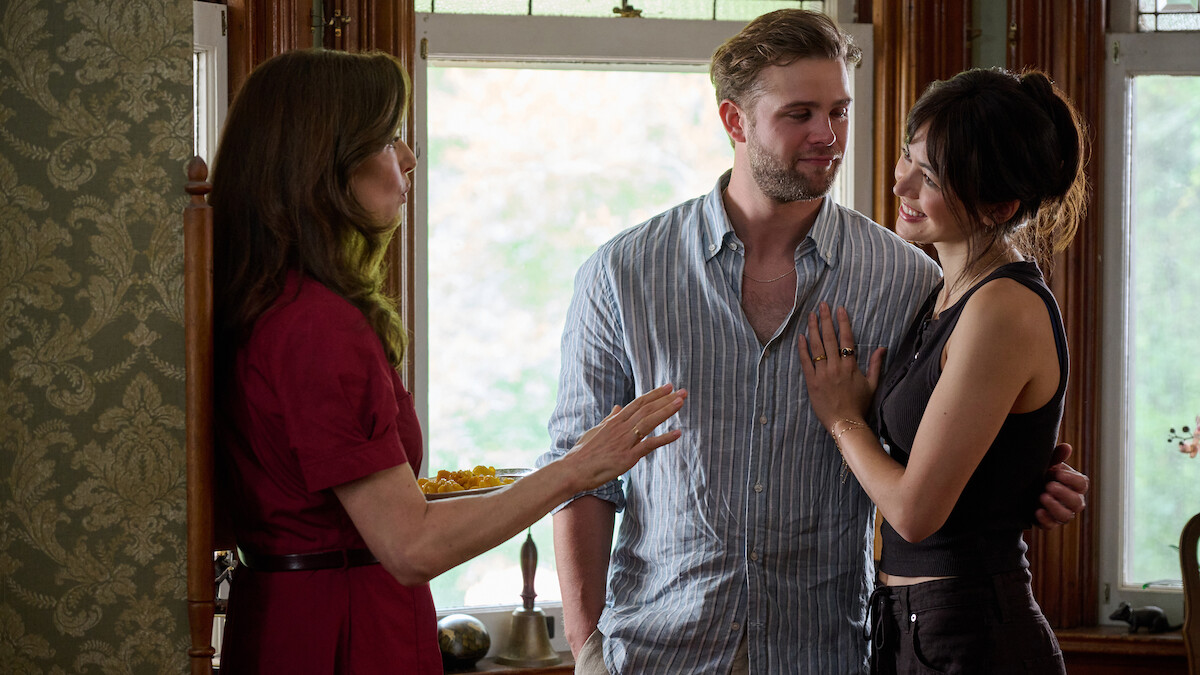
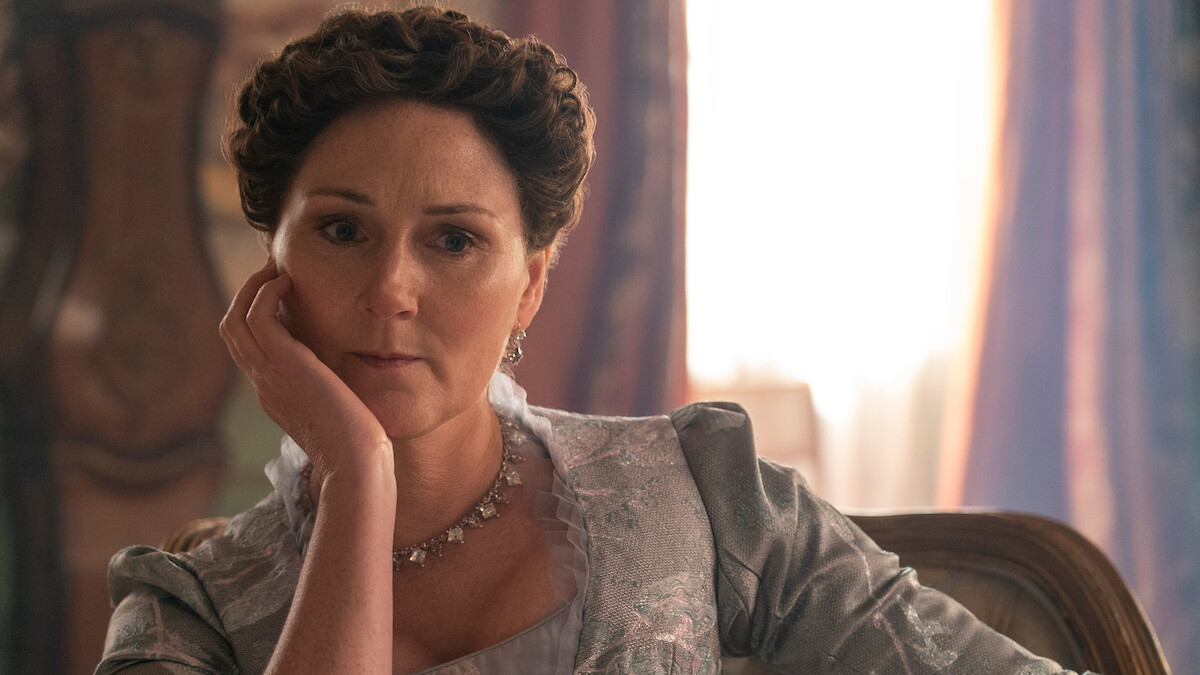
Vladimir follows a middle-aged professor and writer (Weisz) who feels her power slipping through her fingertips. Her career has soured thanks to decades of writer’s block and a Title IX hearing against her husband, John (Slattery), who had affairs with students years ago. She feels that her sexual appetite and appeal are waning, and she’s not ready to fade into the background of her life just yet. “As you grow into an older woman, you’re asked to want less, take up less space, be more of service,” says Jonas. “At a certain point, [she thinks,] ‘So that’s ahead of me?’ ”
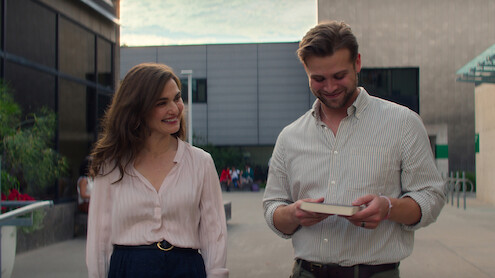
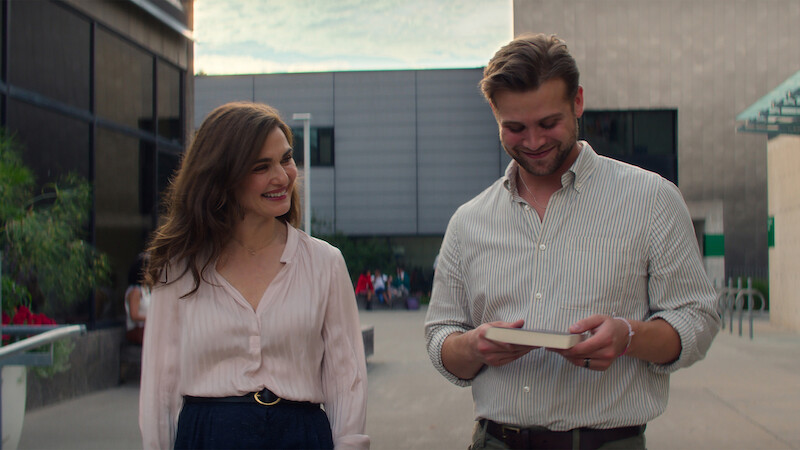
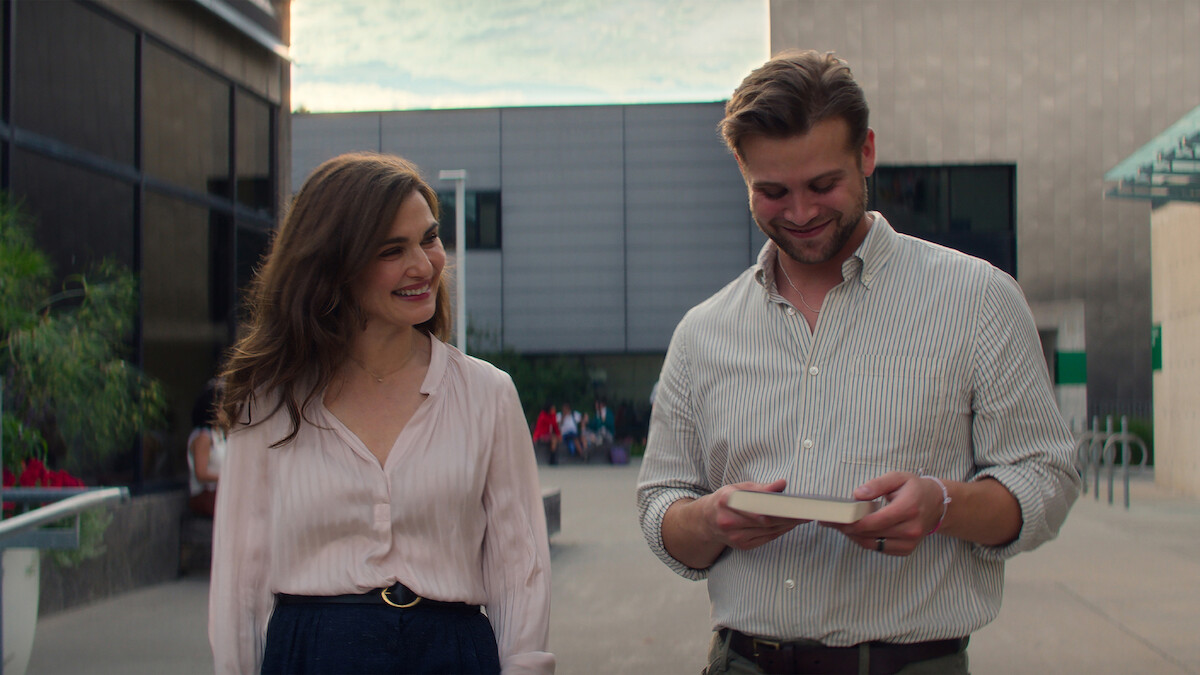
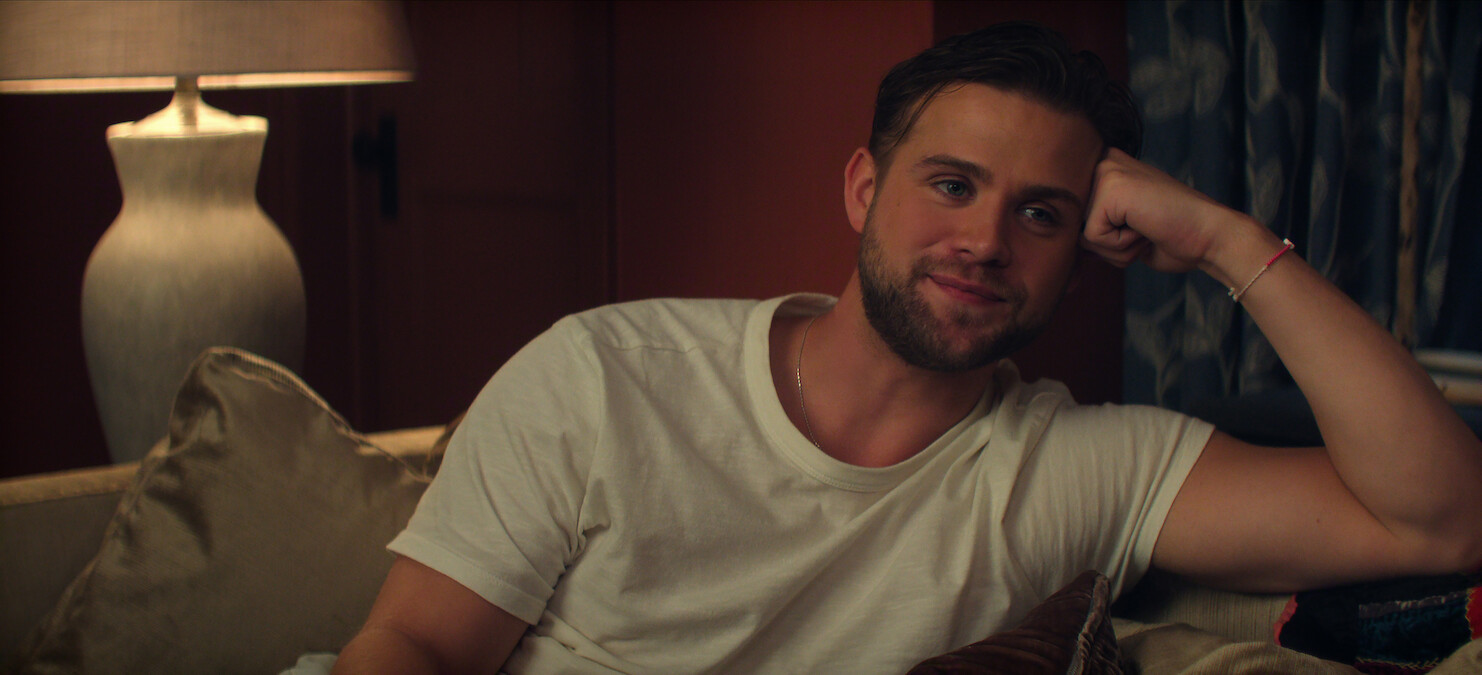
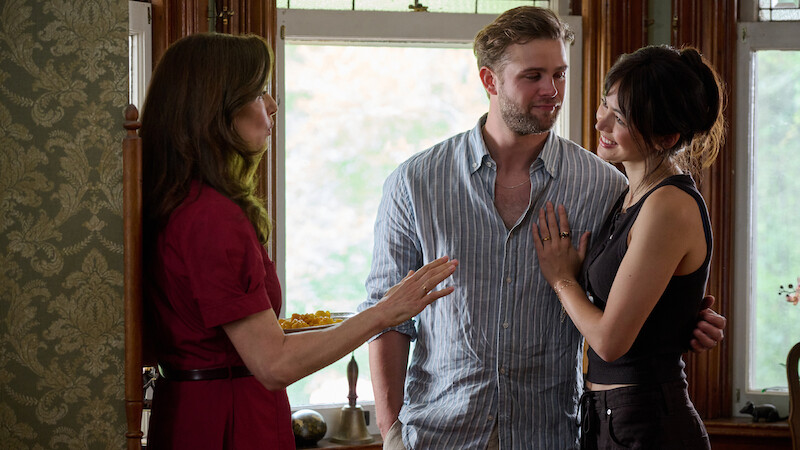
Then Vladimir (Woodall), a buzzy young writer, joins the faculty, and everything changes. The unnamed protagonist descends into a frenzied obsession — complete with steamy fantasies that play out onscreen and a mischievous direct address — even as her life unravels around her. Watch the Vladimir trailer on Tudum.
“When I was getting my makeup done, I was like, ‘Wow, I’m getting my makeup done on the set of the show that is based on the novel that I wrote,’ ” says Jonas. “That’s insane. It’s been incredibly magical and very humbling to see the cast and crew bring this to life. I’ve been focused on just trying to tell the story.”
Read on to learn how each medium allowed Jonas to tell one singular story in two different ways. As Oscar-nominated director Shari Springer Berman puts it, “We’ve been guests in the brilliant and unusual mind of Julia May Jonas.” Debrief the ending on Tudum.
On how Jonas crafted dialogue for a viewer instead of a reader
“When you’re writing a novel, you’re having a conversation with one person the entire time. You’re playing with their imagination, what they see, and what they can imagine and trying to access, ‘Oh, is this a recognizable feeling? Can I put that into words?’
When you’re writing a performance-based adaptation, you’re writing for actors; you have to leave enough space for collaborators to come and bring their own artistic stamps. You’re writing for something to be visible, instead of just imagined. You have to show things through action, character, and dialogue, versus being able to take big-time leaps in the novel.”
On why she immediately thought of Rachel Weisz for the role of the protagonist
“As we were going over who could do it in the early days, I thought of her. I needed someone who is incredibly intelligent but also able to have this wicked humor and be lovable at the same time. She also has a lot of fun. So much of the character is her amusing herself in various situations. I was like, ‘Who do I want to talk to my face? Who do I want to do that direct address?’ Thinking about Rachel doing that was incredibly exciting.
She’s an incredible actor in that she can give it her own spin. There were small moments where she would say, ‘I don’t understand that from my character interpretation. Why would she say that?’ I would think about it, and often I would change it.”
On having the protagonist break the fourth wall
“The novel is very internal — so much of it is in her head. It was a challenge to figure out how to make that into something for the screen.
[The direct address] both reveals and deliberately confuses. What we’re seeing is that her actions are not always meeting what she’s saying to us. She’s viewing her life as this story. We’re all outside of our lives because we’re so caught up in the drama that we’re living.
She’s so caught up in the drama but also trying to protect herself because she doesn’t want to come off too poorly. In Shakespeare, if you have an aside, that’s the character telling the truth. We thought, ‘What if we flip that?’ It’s about self-presentation.”
On what was essential to translate from page to screen
“So much of the novel was about the voice of this particular character. She has a lot of insecurity, but she also has humor. She has confidence but also kind of hates herself. To bring in that complex person who does things and doesn’t know why she does them and feels layered and sometimes contradictory — that felt really important for me.
There were several little moments I wanted to keep. I wrote it so specifically for TV, but then when I look back on it, it does hold so much of the book. It doesn’t feel as far away as when we were making it.”
On why Leo Woodall is the right fit for Vladimir
“Leo Woodall is incredible at being alluring while being very human at the same time. He has to play both this intelligent guy with a lot of ego, while being really sweet and almost puppy dog–ish. And then, at the same time, being really sexy. Leo encapsulates that persona so perfectly. He really understands this character of someone who is both really celebrated but also very insecure and boyish. I feel so lucky that he chose it — it’s a needle to thread.
I wanted to explore this world of supermasculine writers, because that’s something you come across as a female novelist. I was thinking about him as being a member of that.”