Kristian Hammerstad
Interview
Kathy Najimy Makes Activism Her Art
The Halloween Queen is putting a spell on Christmas with ‘Single All the Way.’
By Olivia Truffaut-Wong
Dec. 16, 2021
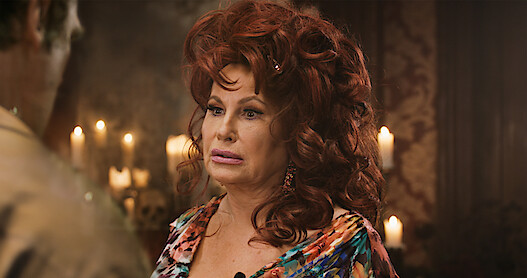
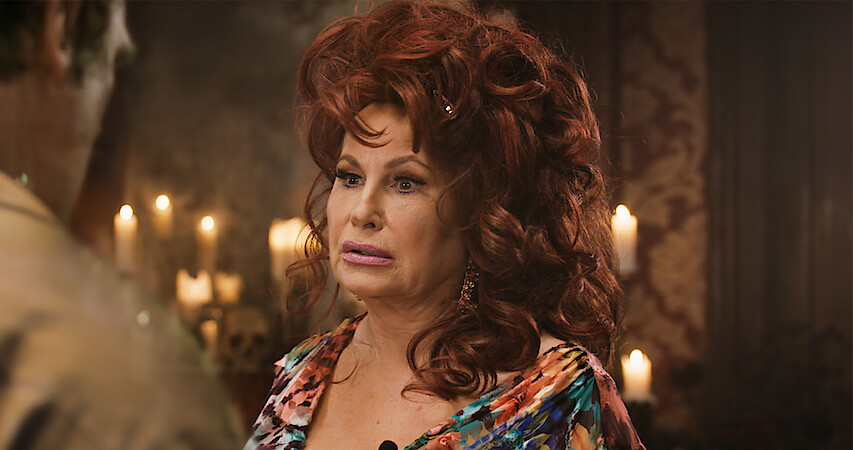
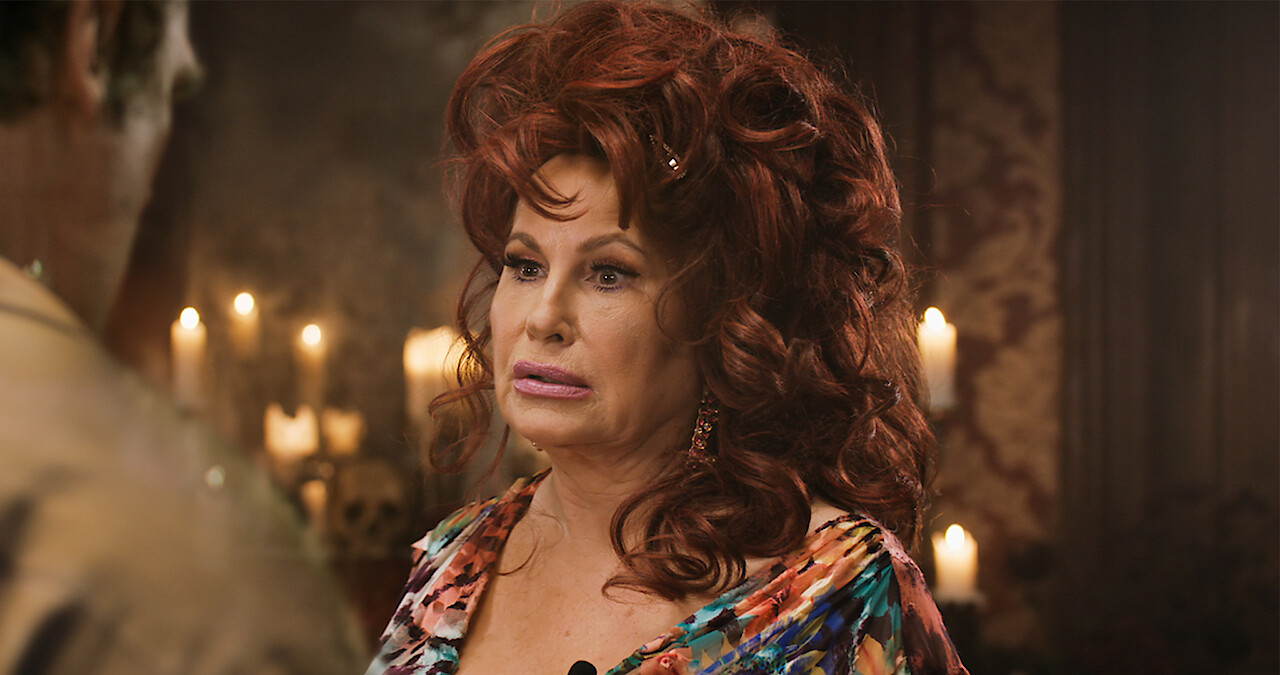
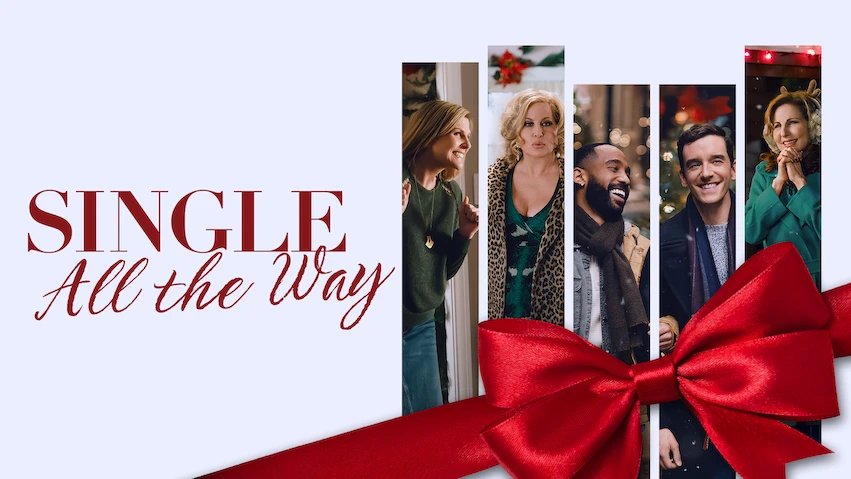
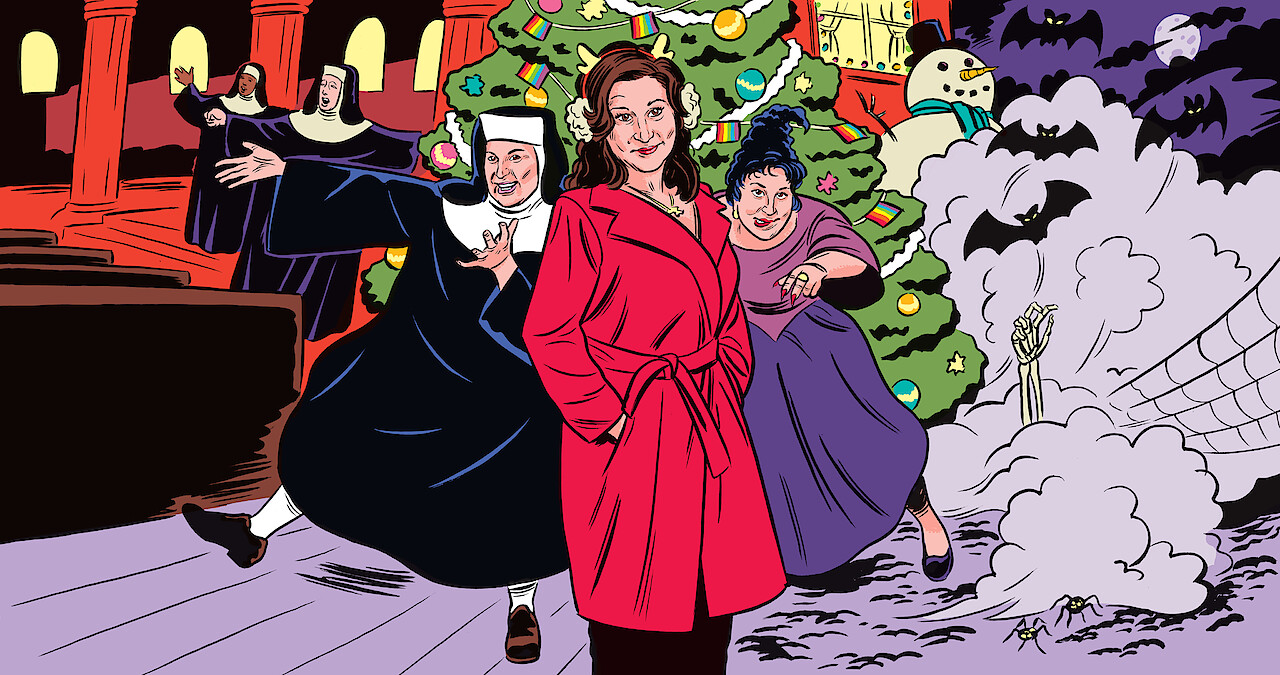
Ask any millennial and they’ll tell you that Kathy Najimy, aka one of the Sanderson sisters, is a witchy icon — a patron saint of Halloween. But the self-described “Christmas elf” is ready to stake her claim on another holiday, Christmas, with her new offering, Single All the Way. Admittedly, this isn’t her first Christmas movie. Najimy has been acting for more than 30 years, and she jokes that she’s been in “6,000 Christmas movies” already. But never has she been in one quite like this.
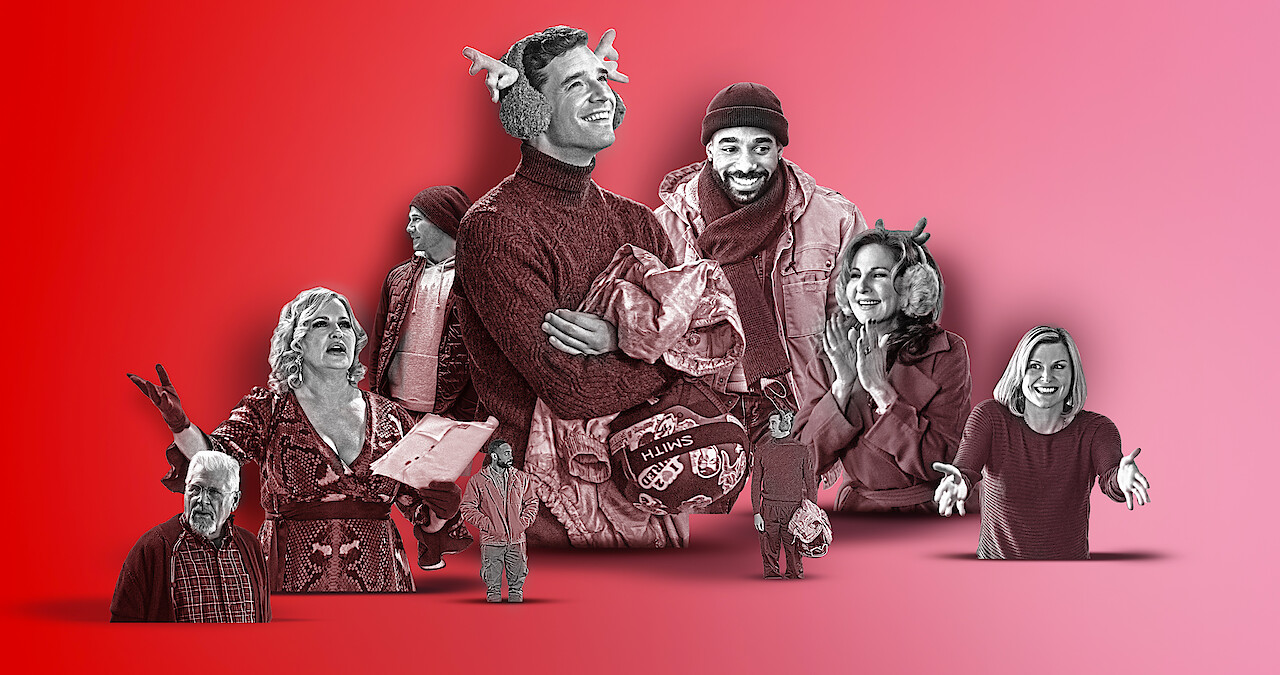
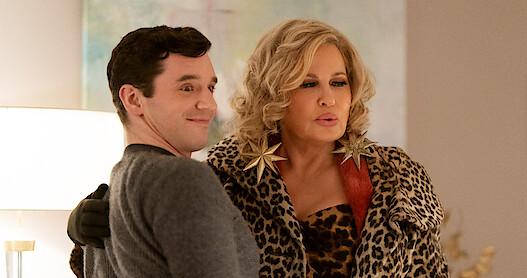
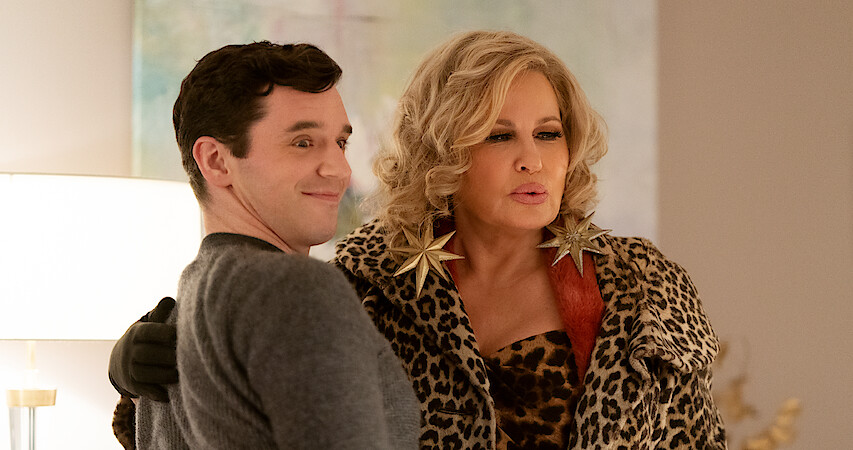
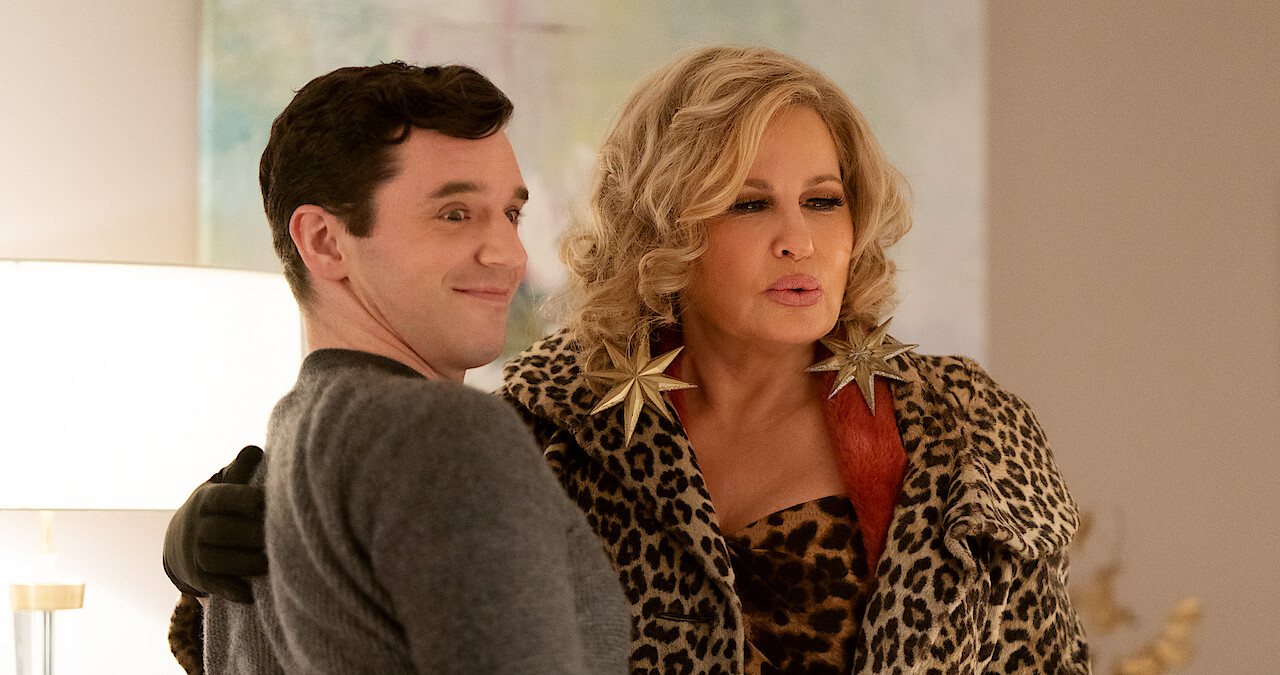
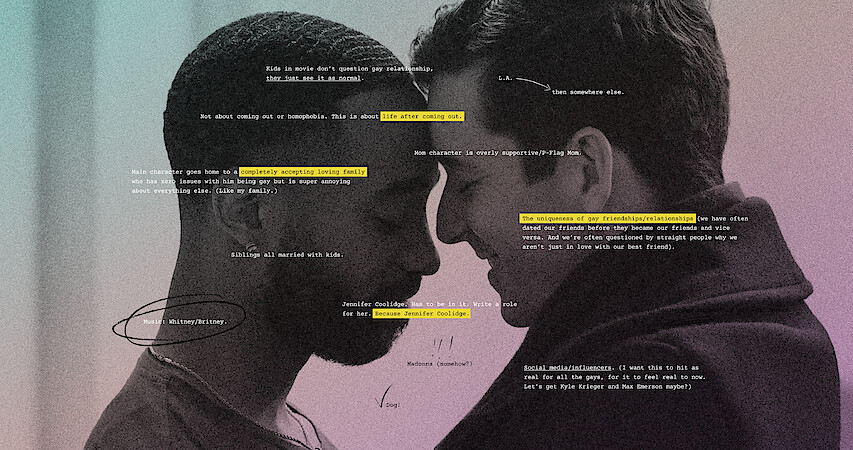
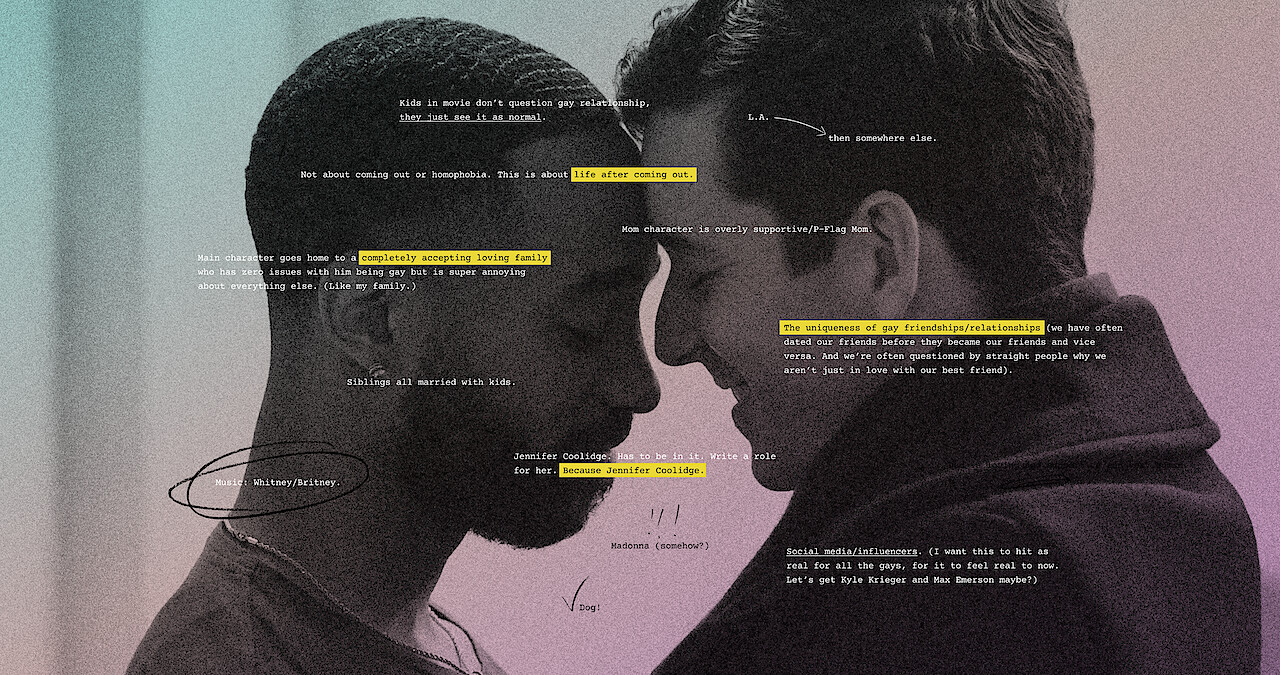
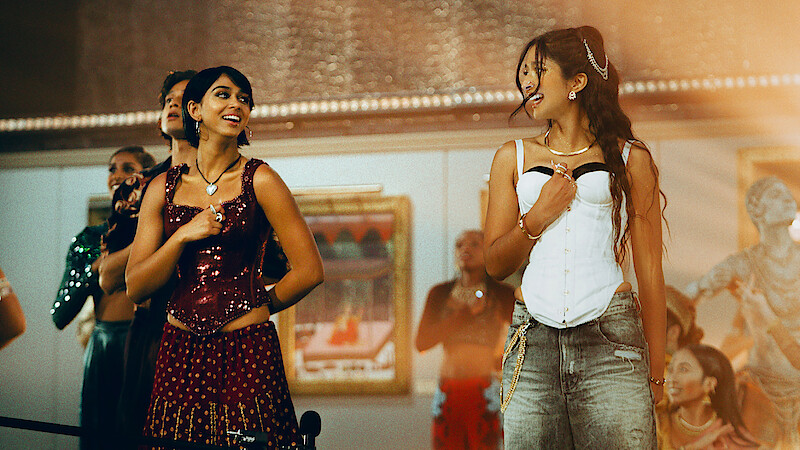
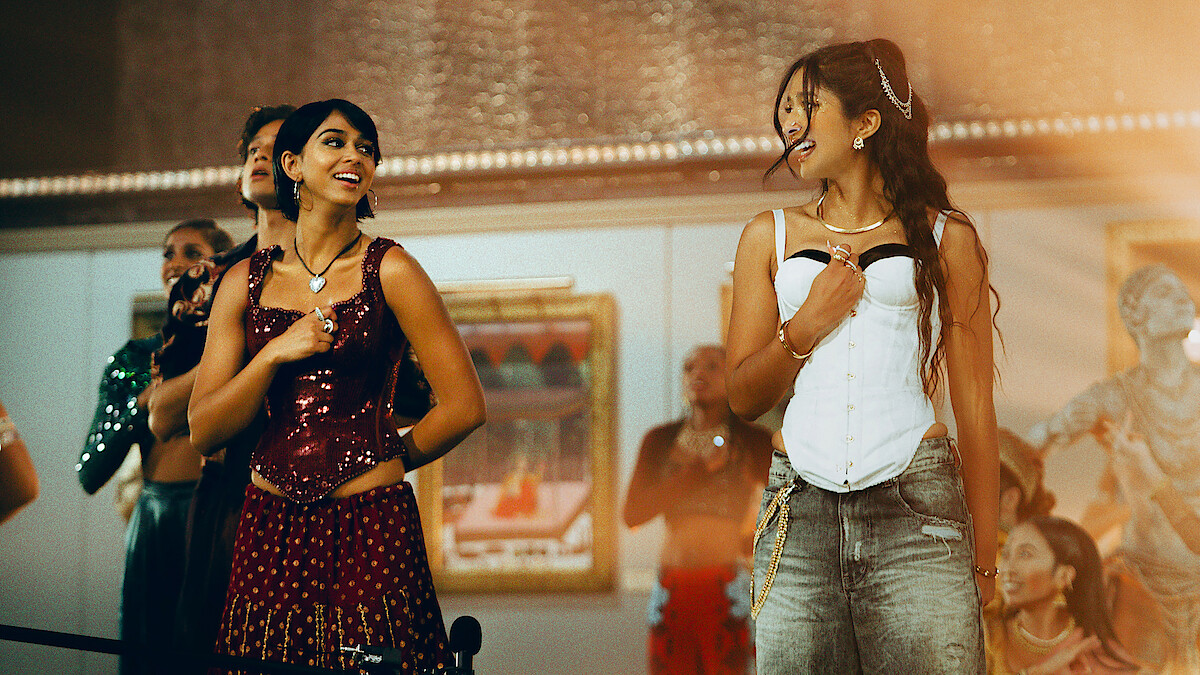
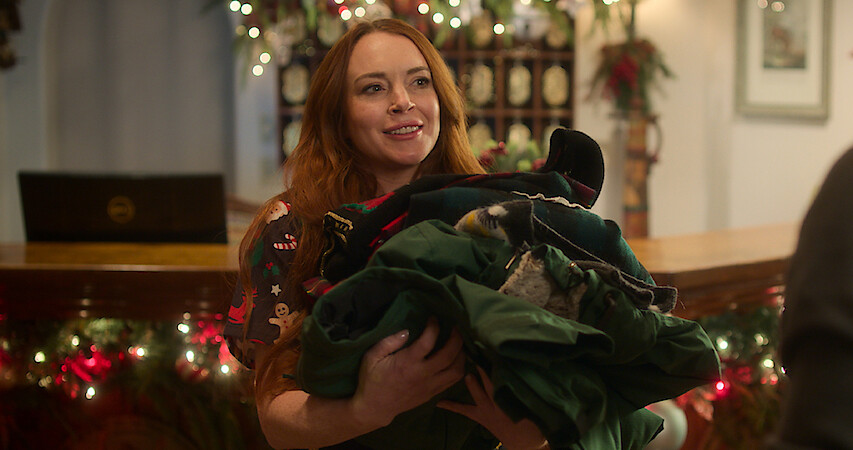
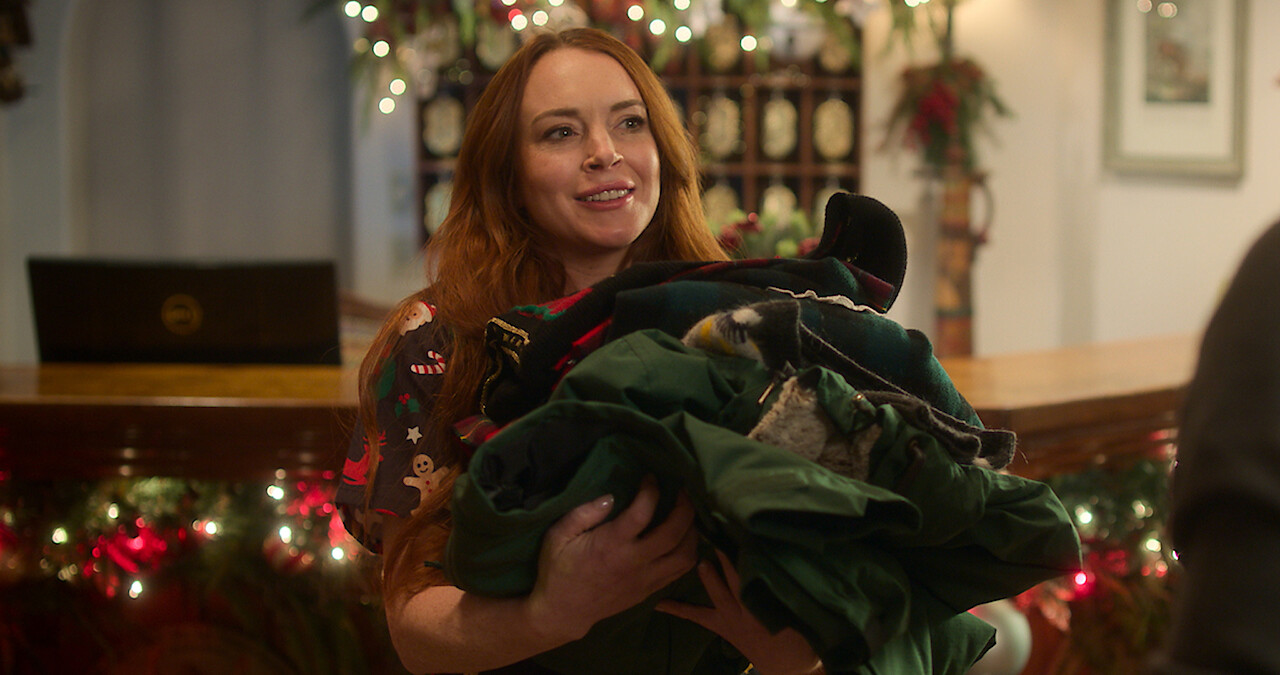
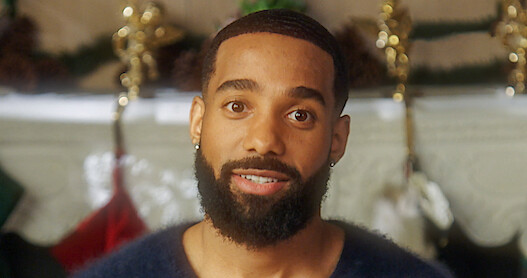
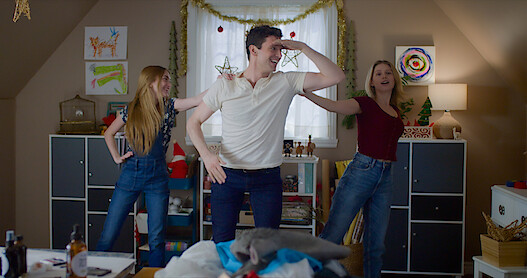
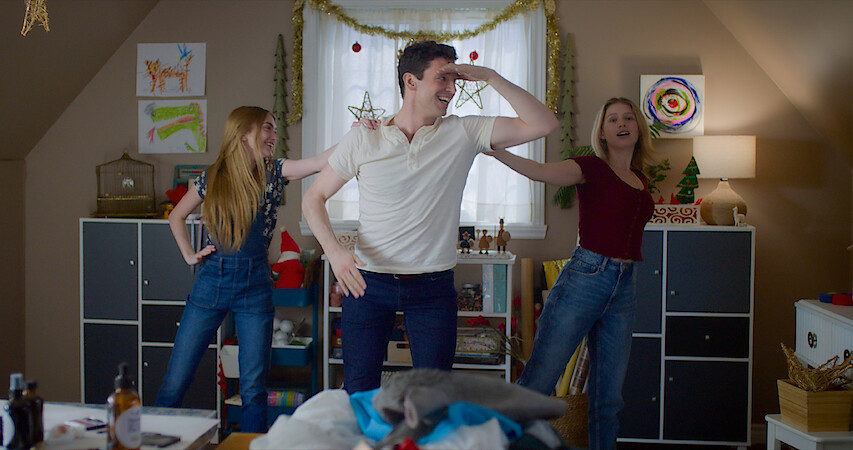
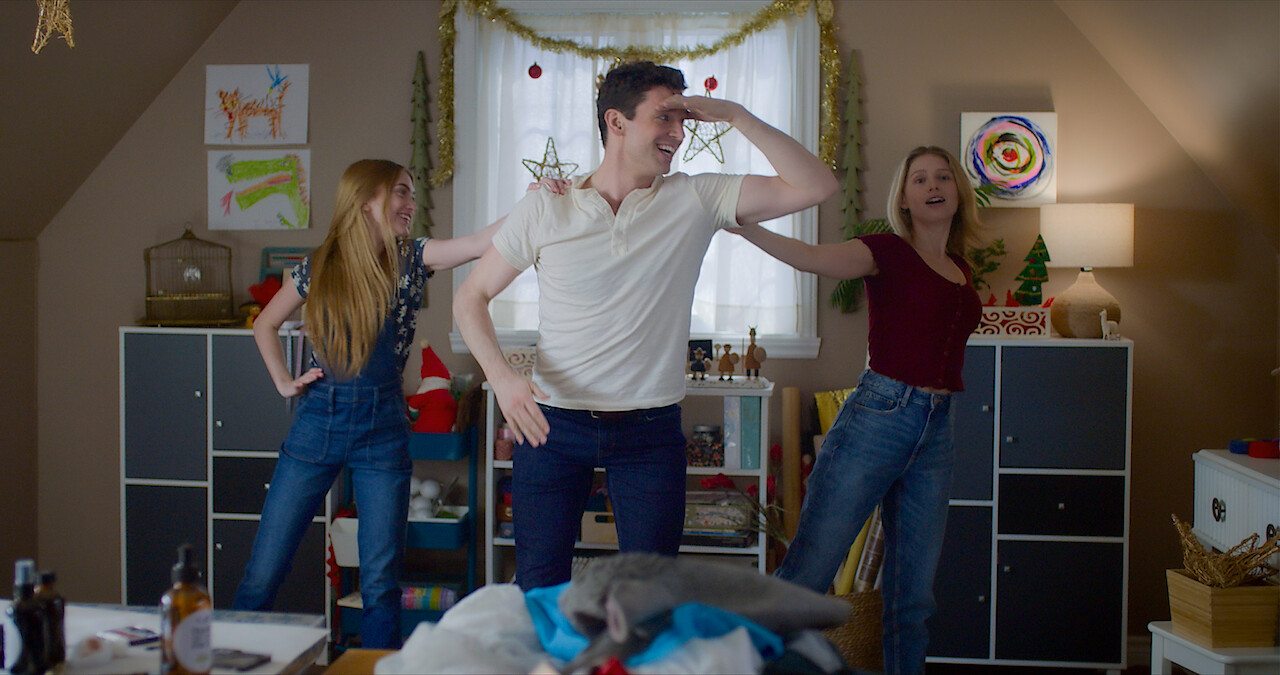
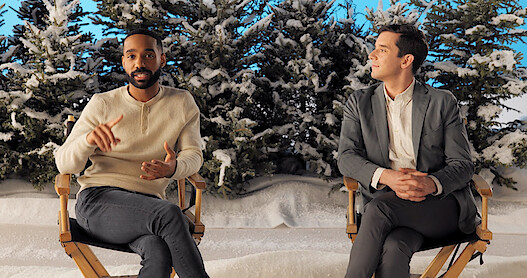
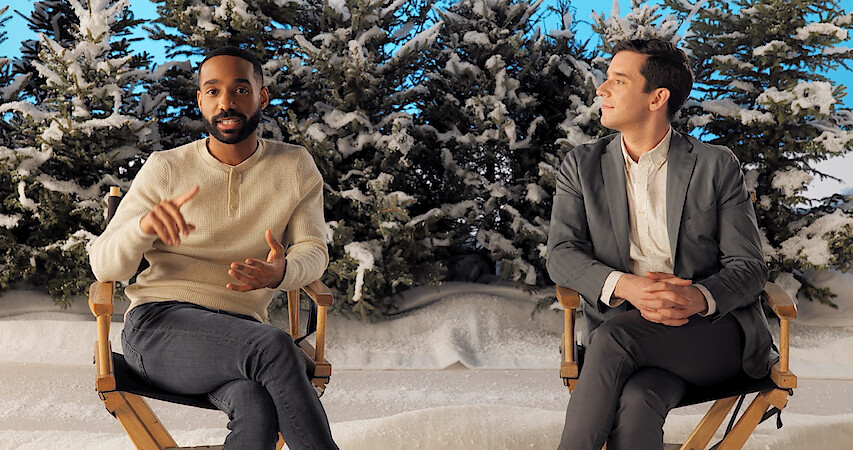
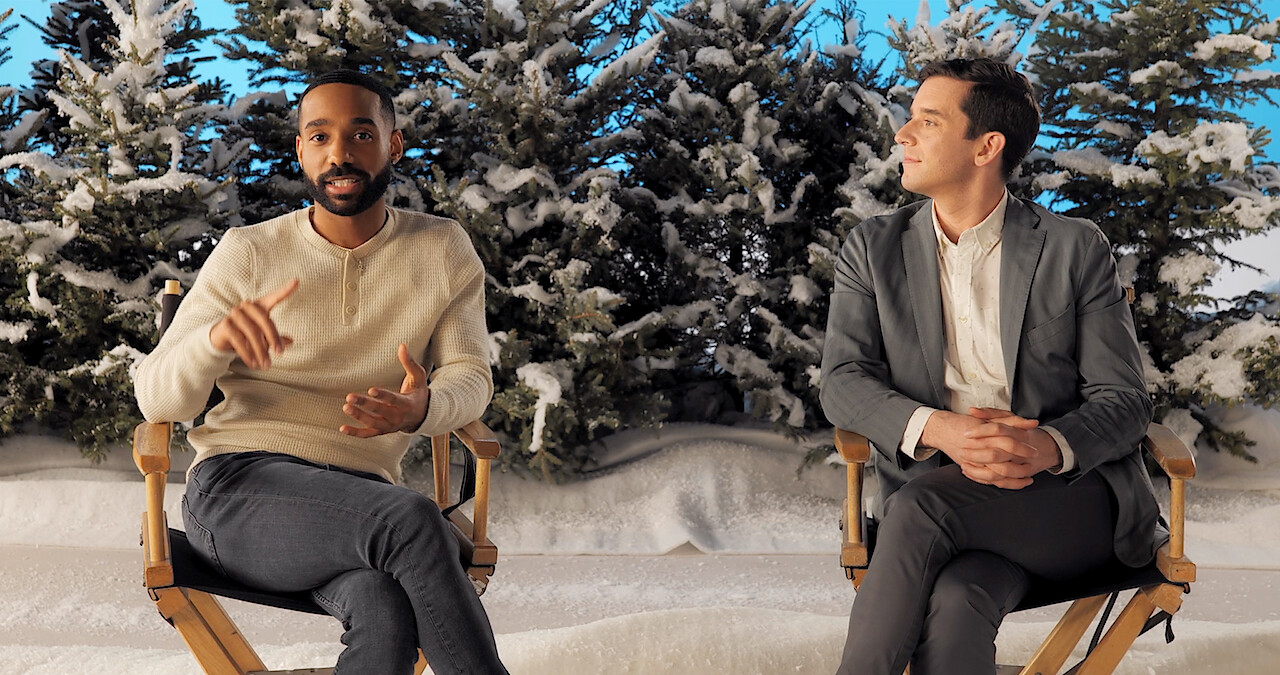
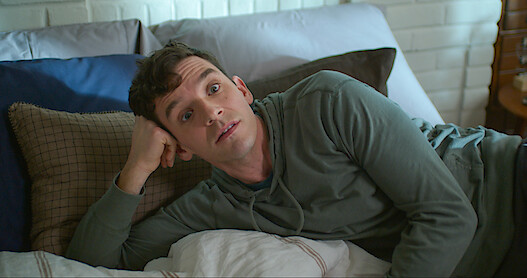
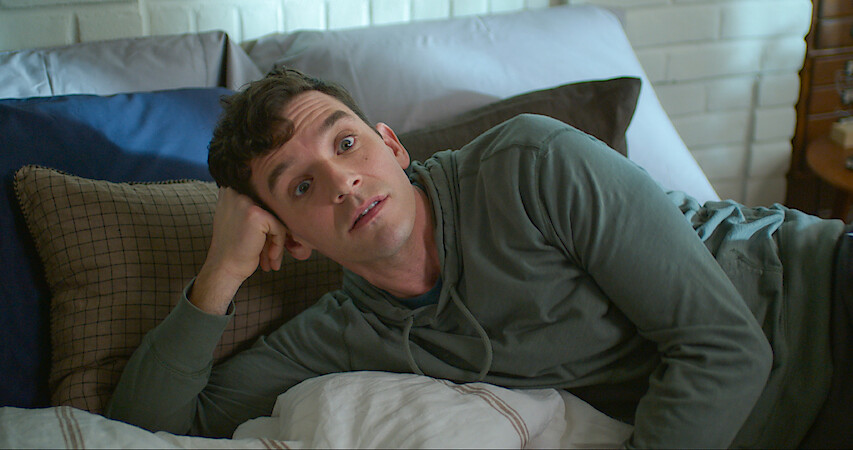
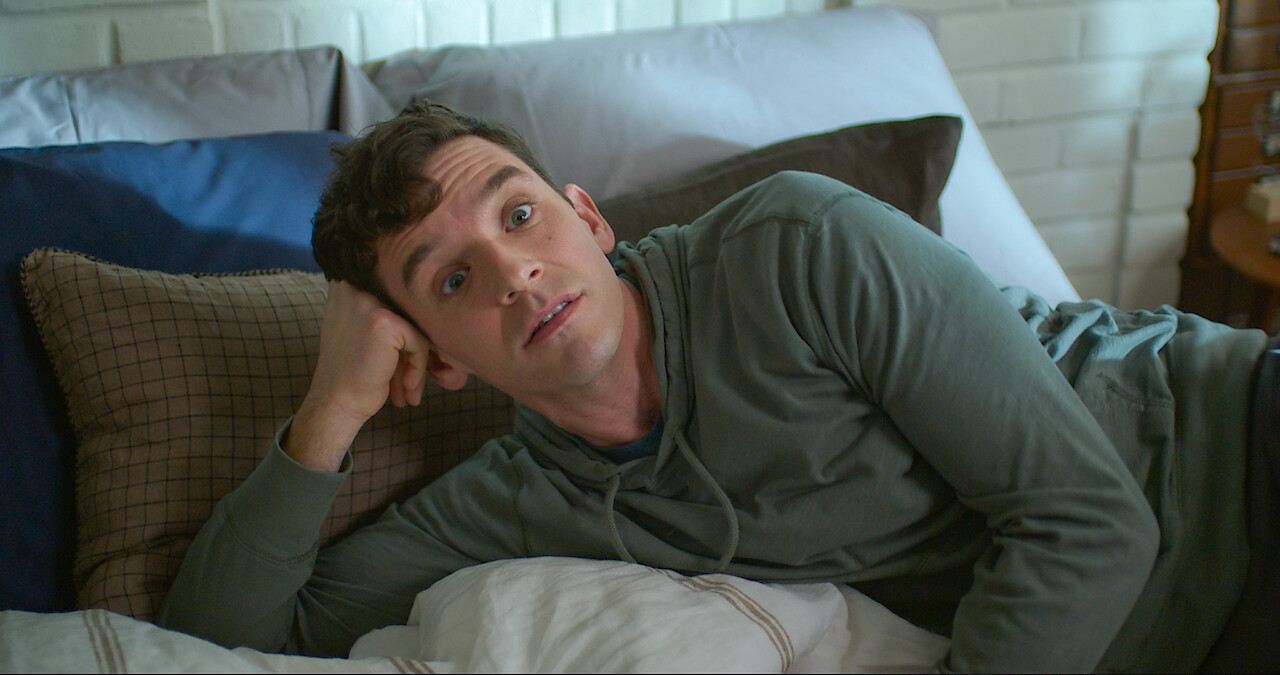
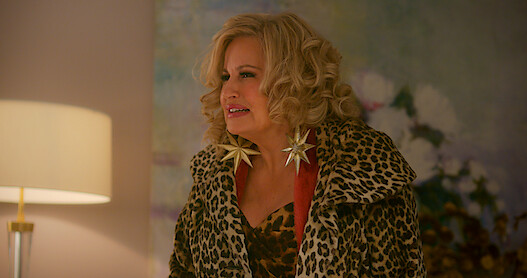
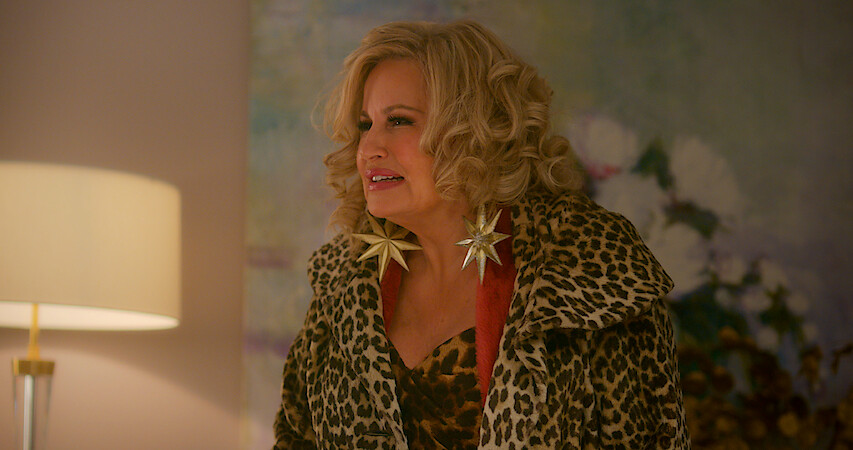
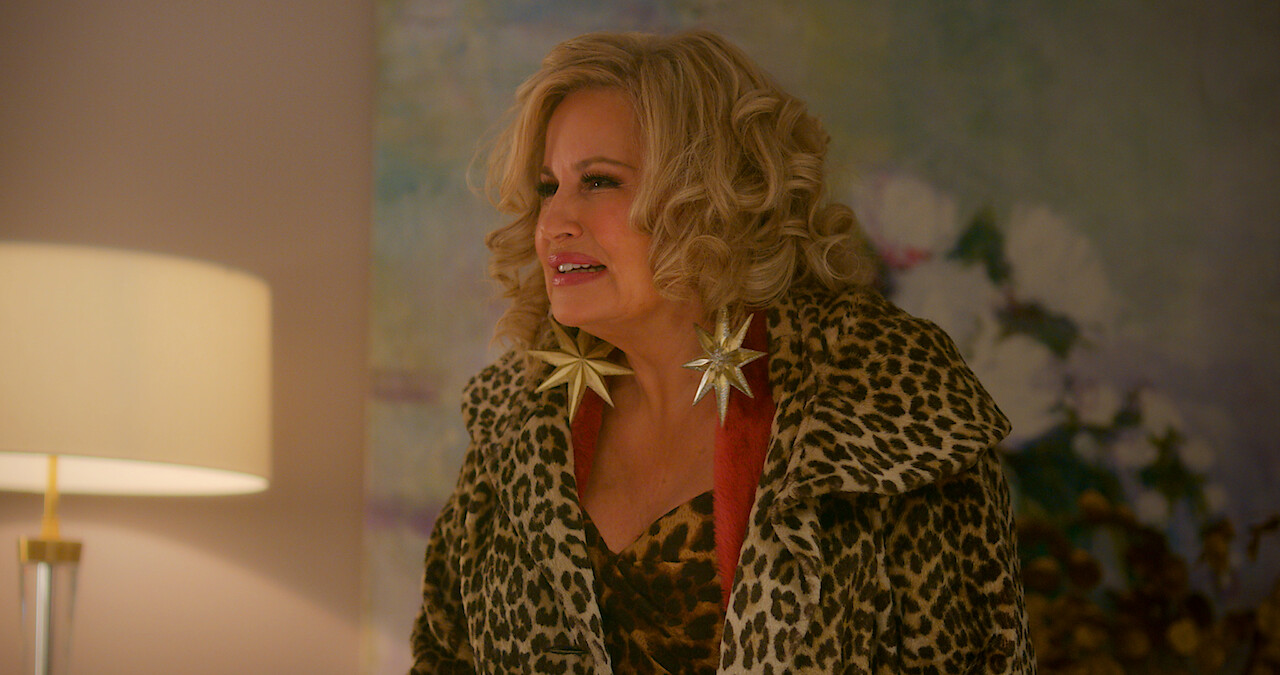
In Single All the Way, Najimy plays Carole — or “Christmas Carole,” as she prefers to be called during the holidays — mother to Peter (Michael Urie), who brings his platonic roommate Nick (Philemon Chambers) home for Christmas after his latest relationship falls apart. Peter’s entire family thinks that he and Nick would make the perfect couple, but Carole has other ideas. Desperate for her son to find love and move closer to home, she sets him up on a date with her spin instructor, James (Luke Macfarlane). “I’m 64 years old, so I’ve seen a lot of Christmas movies. And I’ve also seen a lot of moves that deal with LGBTQIA+ people. And usually, because of what the reality is, the stories about gay people have a lot of struggle and a lot of strife,” she explains. “I really loved that [the leads in Single All the Way] were just incidentally gay characters and not about it being difficult — as it is for many, many people. But this is not. This is just a drop of pure joy.”
Unlike other same-sex Christmas movies (Happiest Season, The Christmas House), Single All the Way doesn’t rely on a coming-out story or relegates LGBTQIA+ characters to supporting roles. In fact, as Najimy points out, her character’s motivation in setting up her son on a blind date isn’t even really about his sexuality. “I played it as if she were in a world where that wasn’t an issue, where they were just having dating ideas and dating concerns,” she says. “And really, almost all of my action was to think of a way to make it interesting for my son to move back home.”
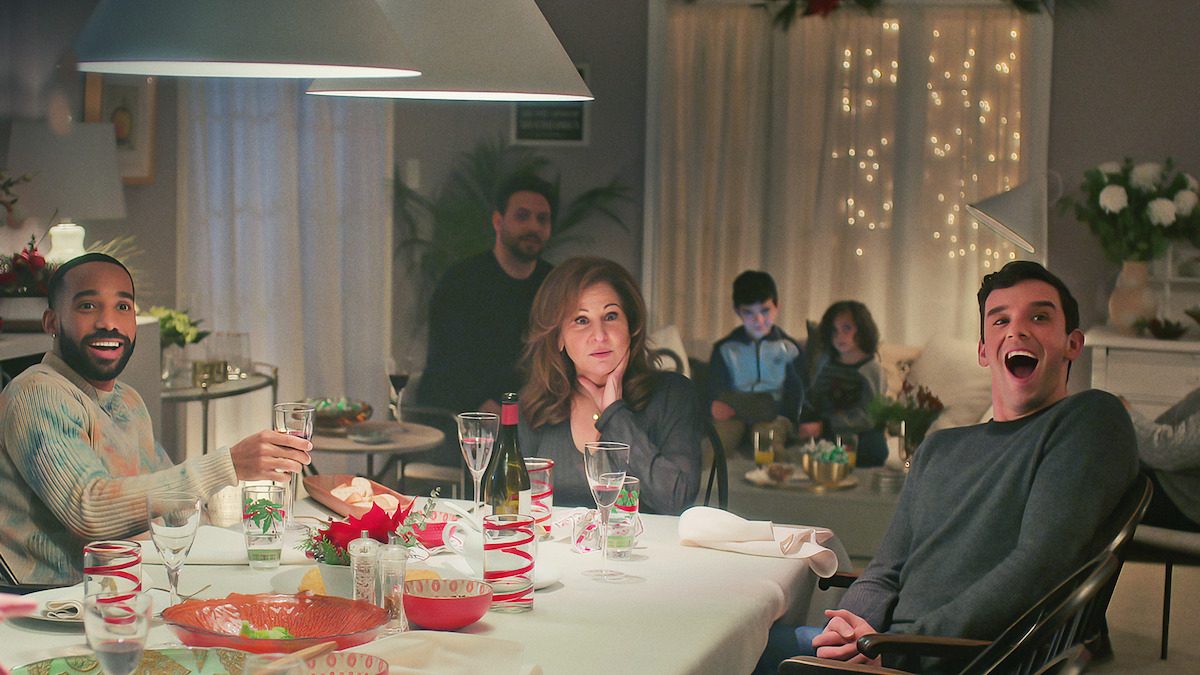
In this way, Single All the Way is revolutionary. It’s part of why Najimy, who has been a vocal advocate for LGBTQIA+ rights since the beginning of her career, considers involvement in the film as its own kind of activism. “Maybe it feels a little safer to attach some of these [LGBTQIA+] stories to a beloved holiday, where it’s sugar and trees and light bulbs,” she muses. In a way, the widely accepted and Americanized joy of Christmas can help normalize what some still view as unorthodox. And that’s definitely a plus in Najimy’s book. “The more LGBTQIA+ characters we see on the little screen and the big screen, the more it normalizes it,” she says, adding that by normalizing more LGBTQIA+ relationships in the media, hopefully it can “lessen opposition and violence.”
The actor is specifically concerned about LGBTQIA+ teenagers. Studies suggest that young adults who identify as part of this community are twice as likely to experience homelessness as their cis straight counterparts. “I can’t believe that it’s 2021 and we’re still having to talk about this, but we are,” she says. “A lot of gay teens are in a lot of trouble. There’s a lot of violence, getting kicked out of your house, homelessness …. But it has gotten better, so I want to identify that.” It’s important for Najimy, who considers herself an activist first, entertainer second, to both acknowledge hardships of marginalized communities and express hope for the future. “I was lucky enough to be a gay activist in the ’70s, and, in one sense, we’ve come a long way. But we still have a way to go.”
In the ’70s, Najimy was a young actor working in San Diego, doing comedy gigs with her best friend Mo Gaffney. Their partnership, built, Najimy says, on a shared feminist identity, would eventually blossom into The Kathy and Mo Show, a two-woman show that would kickstart their careers. “We just did it at little AIDS benefits or little fairs or in the back of a lesbian bar or wherever it is that we could do it,” the actor recalls. “Then we did it in a theater for a month. And then we got in the car and drove to New York and did off-Broadway and then two HBO specials.”
It was an impressive hustle — one certainly more difficult and trying than she lets on — but Najimy says she had no other choice. “Here’s the thing: There are so many people who have done what I’ve done. And when people say, ‘How can you do it?’ You do it because you can’t do anything else. You do it because that’s what you want to do. And if it’s hard to do, that makes it even more satisfying.” Obstacles that Najimy faced early in her career, like growing up with “not a lot of money” and not being “a thin blond person,” only fueled her. “That I didn’t have any money or support, or that I didn’t look like how an actress is supposed to look, did the opposite of depressing me. It just gave me a little bit of fire.”
Those obstacles, specifically being seen as different because of her Lebanese heritage, drove her to activism at a young age. “When you’re not what people call ‘the norm’ you see others who are also different — wonderfully different. And in seeing what was different, I also saw what was unjust,” she says. “I get great satisfaction from being an activist, from trying to get the Equal Rights Amendment passed, trying to get LGBTQIA+ people safe and employed and healthy and women to have the right to choose. All of those things are just naturally important to me because what’s not fair isn’t fair. And what really affected me early on was things that didn’t seem fair.”
And when people would caution her against taking political stands as a young actor, it only strengthened her resolve. “I don’t give a sh*t. I’m not going to alter myself or my beliefs or what naturally, organically comes out of me, to be in a sitcom,” she says bluntly. “I’m not going to quell or hush anything that I believe to get a part. And that’s why I think you have the right to cast me or not. If you read up on my beliefs and you don’t feel like you want to work with me, I honor that.” In fact, if she could just do feminist-forward and humanity driven projects, that would be her preference, though she adds that the “goofy” stuff is fun, too. And it certainly doesn’t hurt to be a millennial icon thanks to her work in Hocus Pocus and Sister Act. “It’s flattering, but mind boggling,” she says when asked about her place in pop culture. “We do so many projects, and some of them sink below, and some of them rise to the top. And you can’t put that much credence in either of them. Otherwise, your world will be rocked every time something is a success or not.”