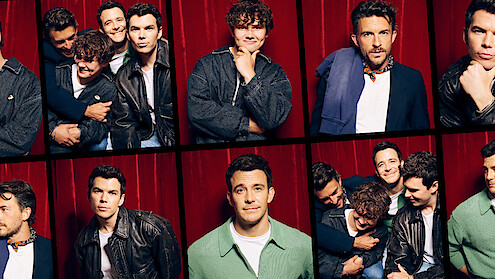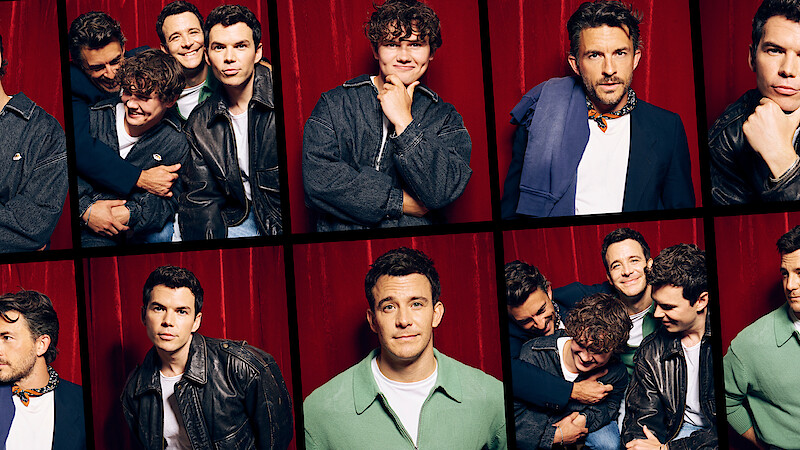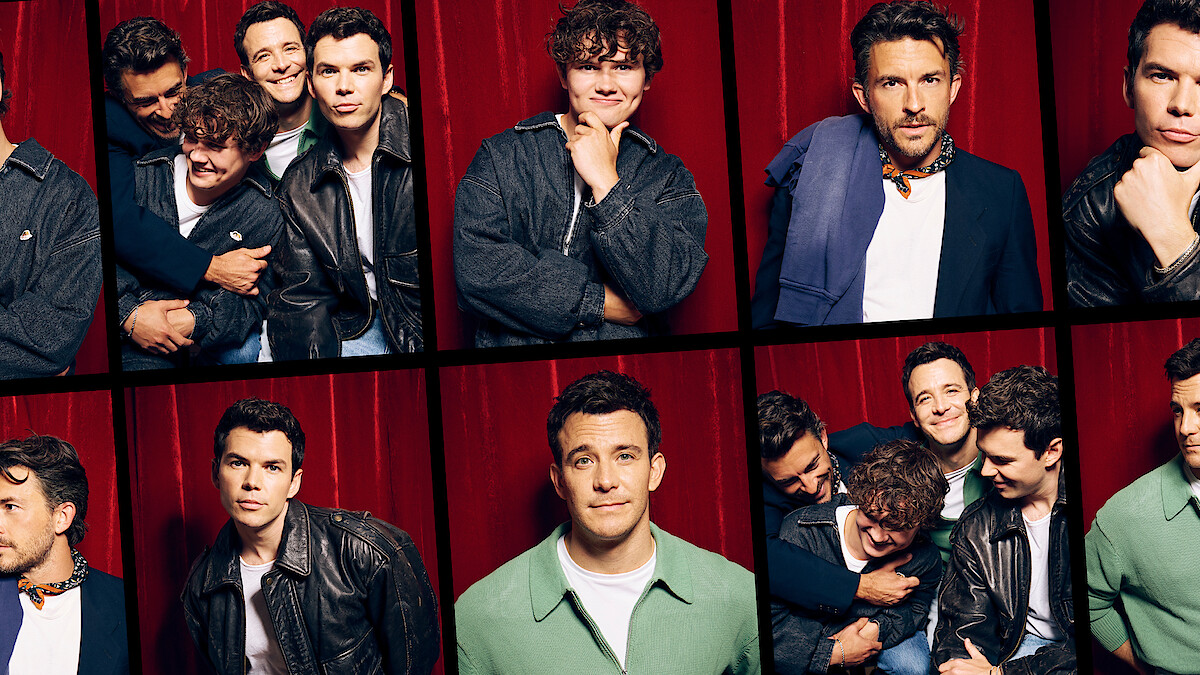
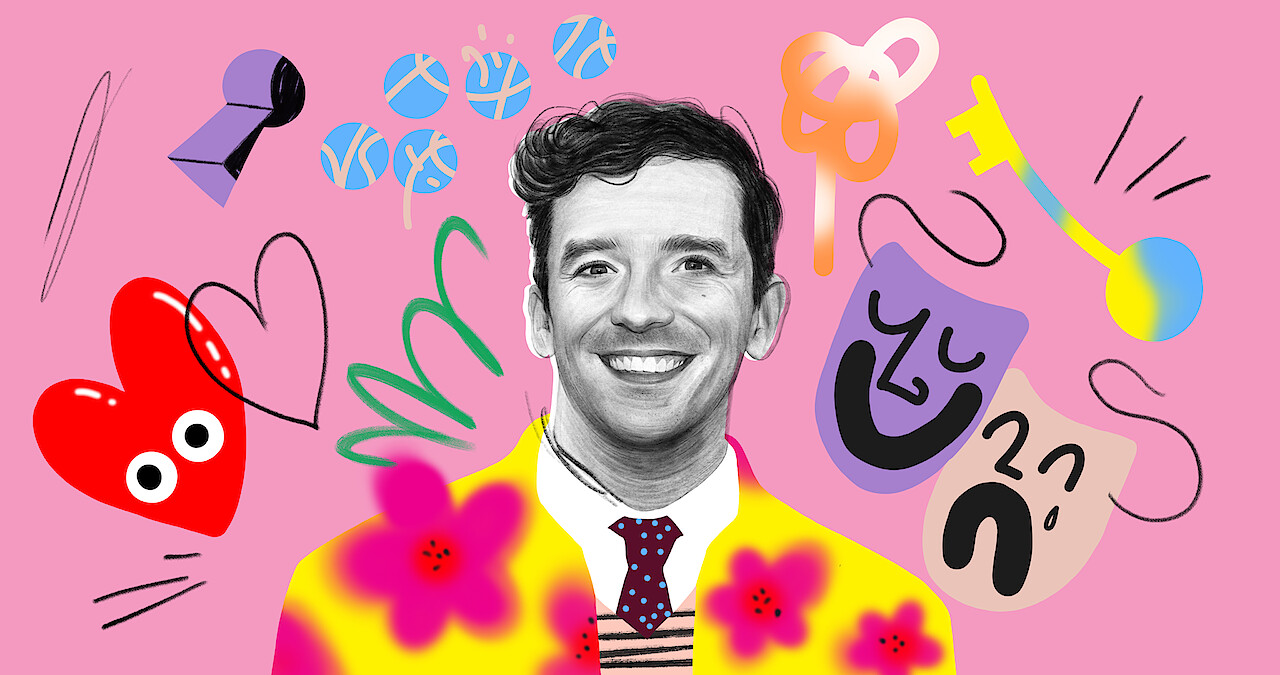
Illustration by Jordan Andrew Carter
Interview
Michael Urie Will Never Stop Being Gay
The ‘Single All the Way’ star talks queer representation, his iconic career and divas.
Dec. 22, 2021
Michael Urie wanted to do two things after graduating from Juilliard: perform Shakespeare and play the leading man in a rom-com. He dreamed of being the next Tom Hanks in Sleepless in Seattle or even Billy Crystal in When Harry Met Sally. When a casting director asked Urie what types of roles he wanted to play, he simply replied, “I don’t want to be typecast.” The casting director told him he’d never book a job until he was willing to be typecast. Those words felt harsh, but it was a rude awakening for the bright-eyed actor. At the time, gay characters were still making their way onto TV screens. Ellen DeGeneres’ self-titled sitcom was canceled in 1998 — largely due to her character coming out as lesbian. Shows like Will & Grace and Queer as Folk were garnering ratings, despite some viewers criticizing the gay characters for being too flamboyant.
Same-sex marriage was illegal and “don’t ask, don’t tell” was still in effect. If Urie wanted to work, he would have to accept a gay role in this sociopolitical climate. “Getting cast as a gay character isn’t some kind of indictment on me. It’s them saying they want me for something,” he says.
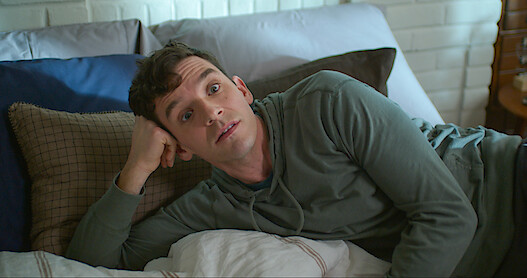
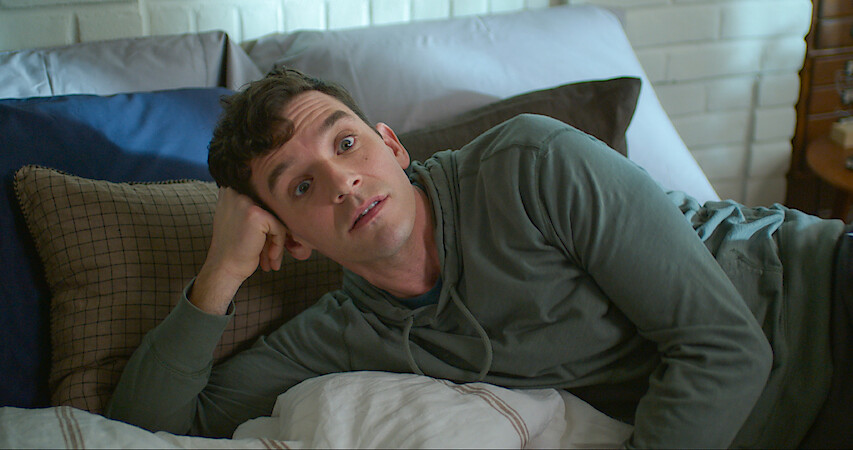
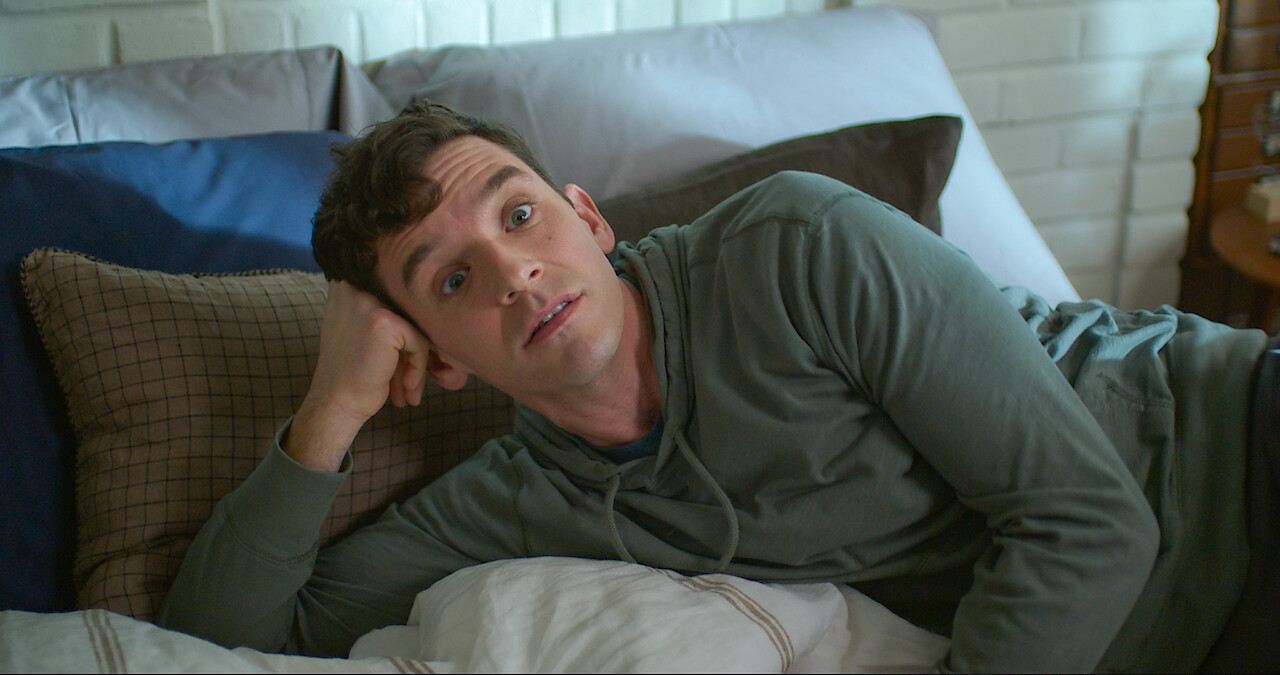
Now Urie stars as the lead in Netflix’s first gay Christmas rom-com, Single All the Way. What seemed like shackles before proved to be his greatest key. “I may have wanted to be Tom Hanks or Billy Crystal coming out of school, but they wanted me to be Michael Urie, and that’s much better,” he says. “There’s a lot more for me to do if I’m typecast as myself.”
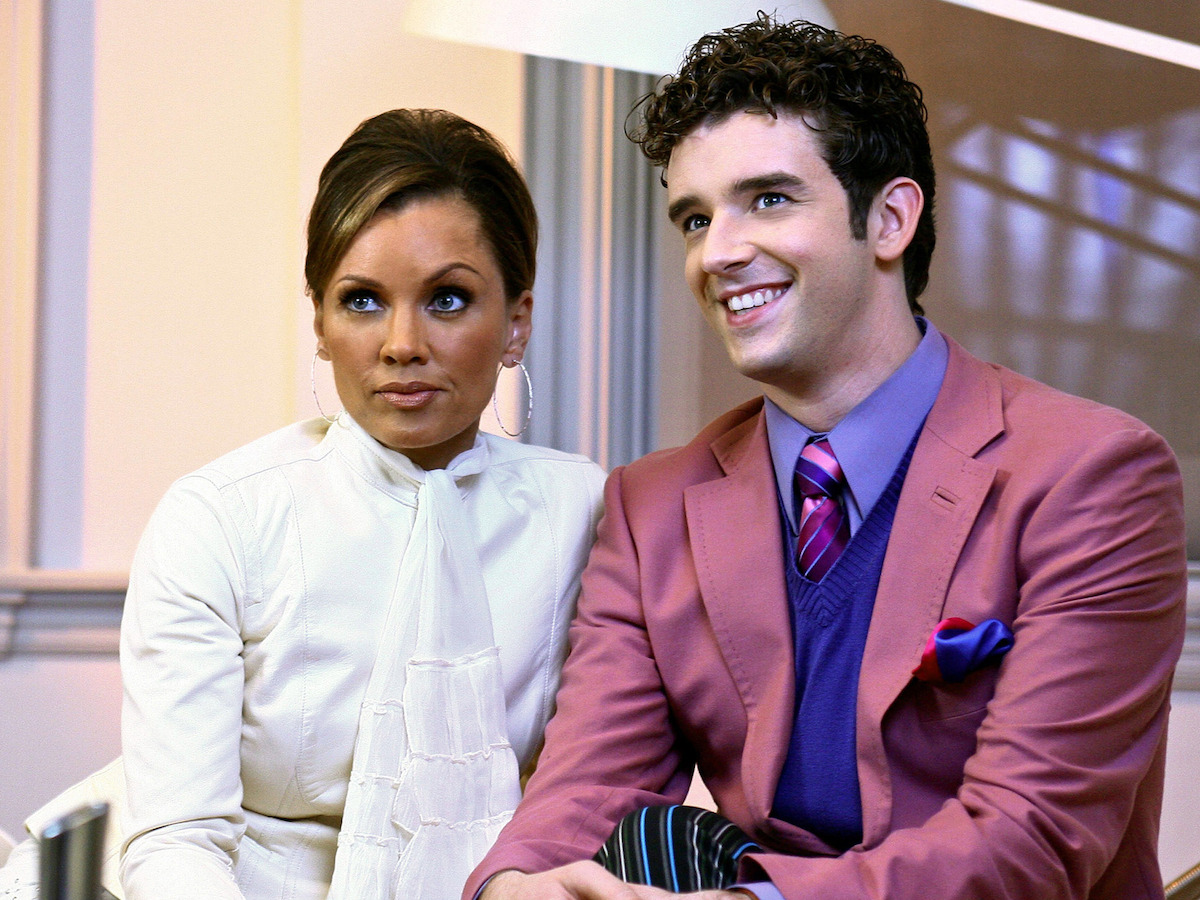
Photo by Karen Neal / © ABC / Courtesy: Everett Collection
That mindset led to his big breakout moment. In 2006, Urie was cast as Marc St. James in Ugly Betty, acting alongside Vanessa Williams as her mischievous assistant at a fashion magazine.
Marc donned bright outfits, and his curls were impeccably gelled. His character was always equipped with witty, backhanded one-liners that scorched like hot pavement. “Mandy, you’re going to be a reality TV star! It’s what every pretty girl with no specific talent dreams of,” Marc tells the office receptionist Amanda (Becki Newton) in an episode. Originally, the assistant role was supposed to feature a different actor every episode — as they’re always getting fired — but Urie was so well loved that his character was written into the entire series.
Ugly Betty was a hit that instantly changed Urie’s life. He went from making $200 a week in off-off-Broadway productions to being featured in TV Guide within a matter of months. As the series took off, reps and casting agents kept offering advice. Urie was warned, “Okay, now you’ve played this gay character, but don’t play another gay character. And don’t come out of the closet.” He paid no attention to that misguided advice. While the show was between seasons in 2009, Urie was cast in the play The Temperamentals, based on a true story written by Jon Marans. He portrayed Rudi Gernreich, a fashion designer who escaped the Nazis and joined the Mattachine Society, one of the earliest gay rights organizations in the United States.
While Marc and Rudi were both gay and worked in fashion, they couldn’t have been more different. Ugly Betty, for the most part, was a comedy. The Temperamentals, on the other hand, was a drama set in the early ’50s. Here was Urie, simultaneously playing two different gay characters and going against the advice he’d been given.
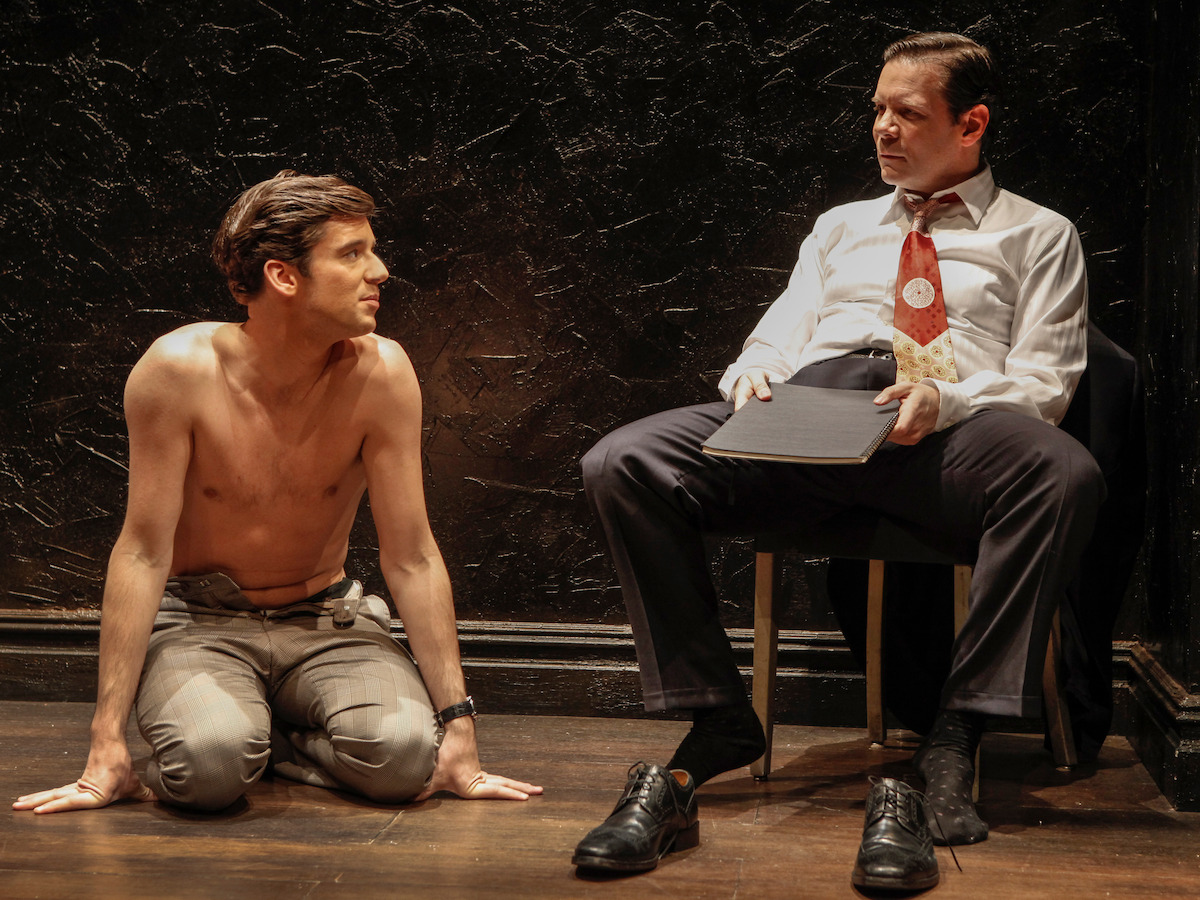
Photo by Joan Marcus
One night after a show, the playwright called Urie and said, “I felt like you were a little Marc tonight.” Although the juggling took some getting used to, the synergy of both characters didn’t pass him by. In that moment, Urie realized that playing gay characters was actually liberating. “You’re not going to get typecast as gay because gay is so many things, not just one thing. That’s when I came out publicly — to no one’s shock — and that’s when I was like, ‘I’m not going to say no to something just because it’s a gay role.’ That’s silly.”
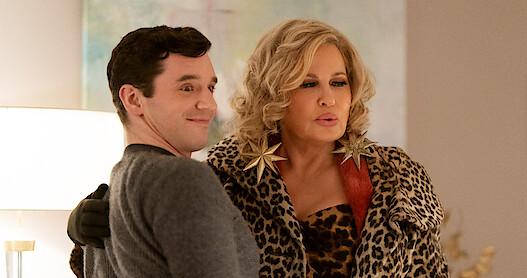
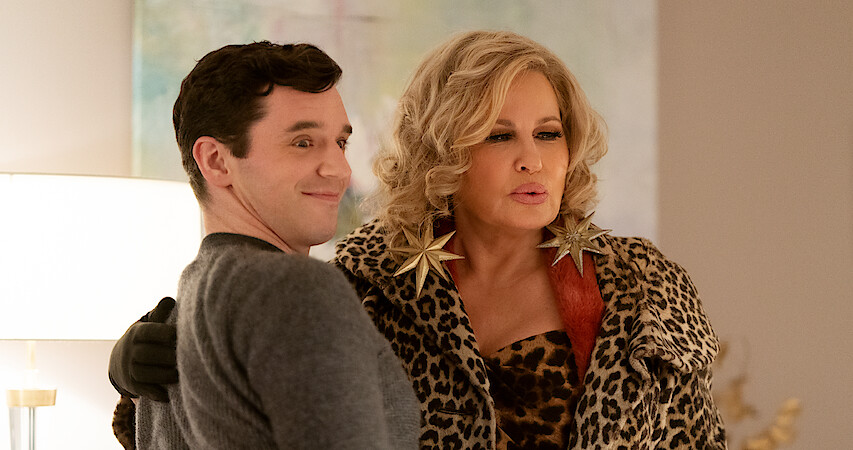
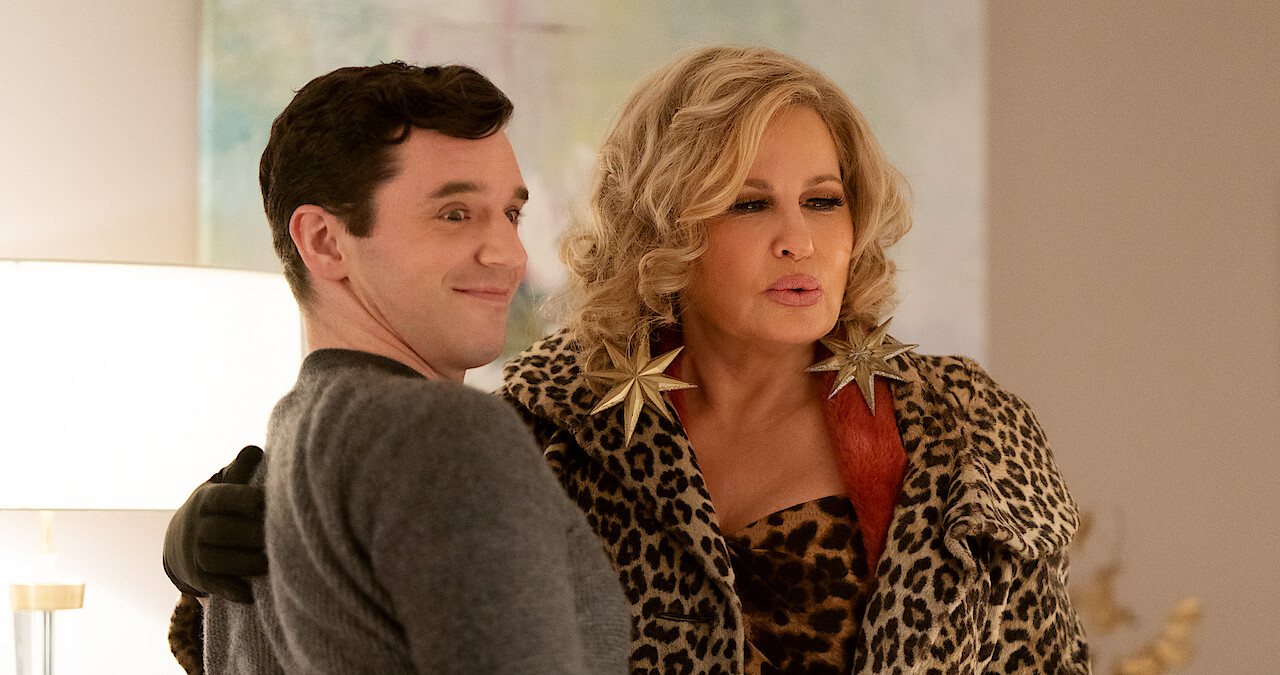
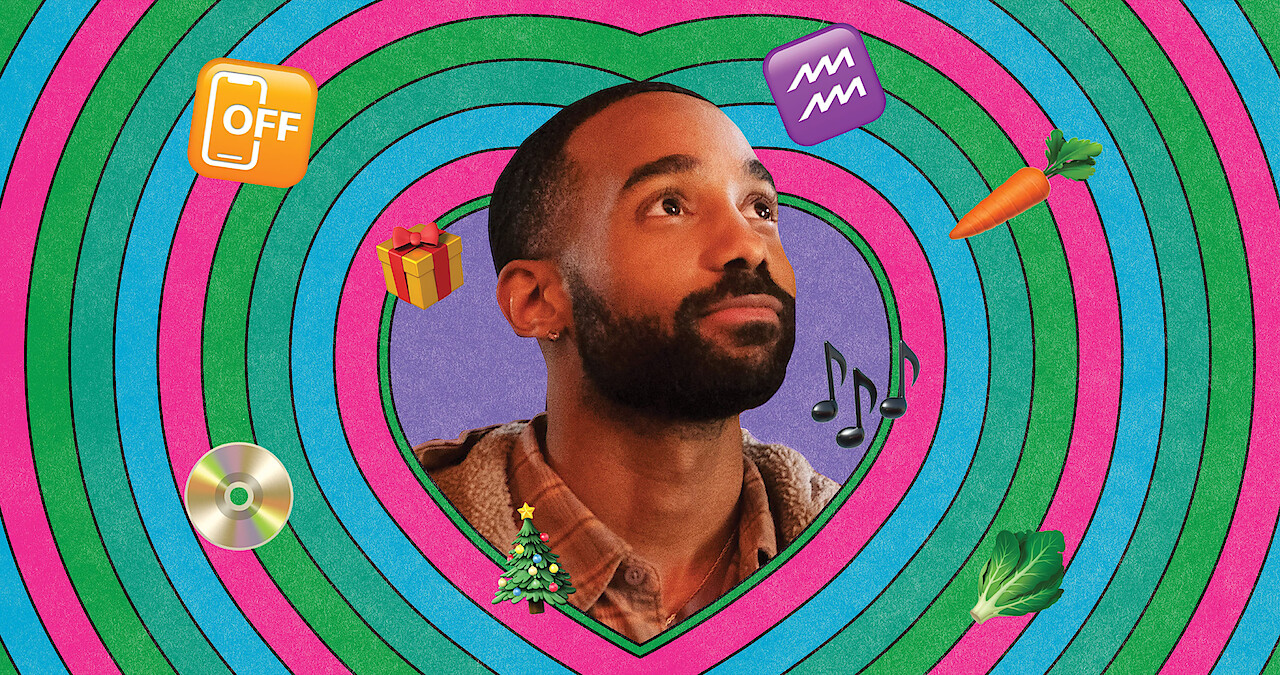
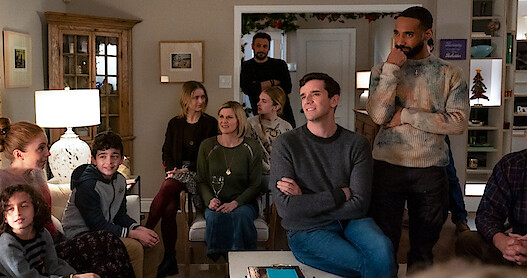
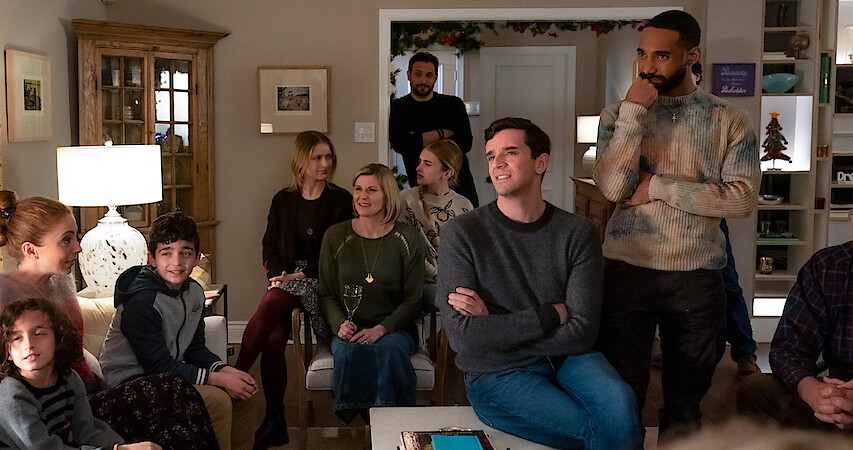
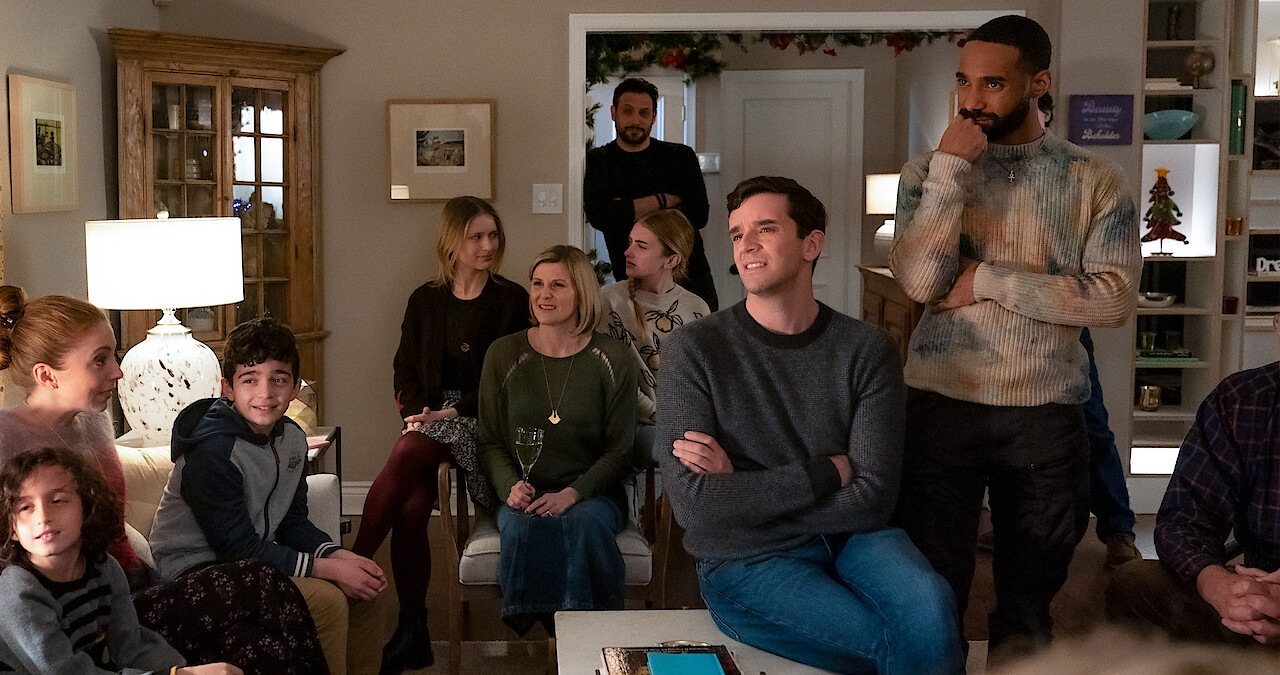
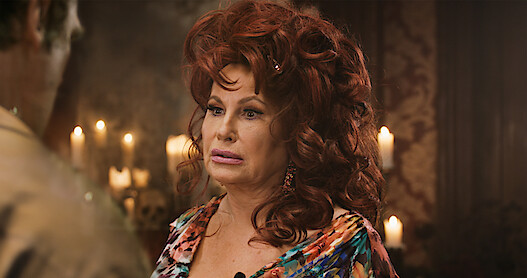
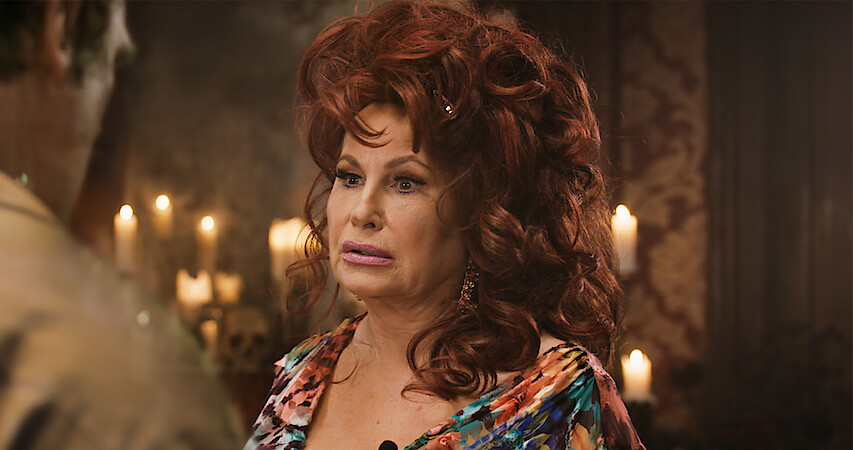
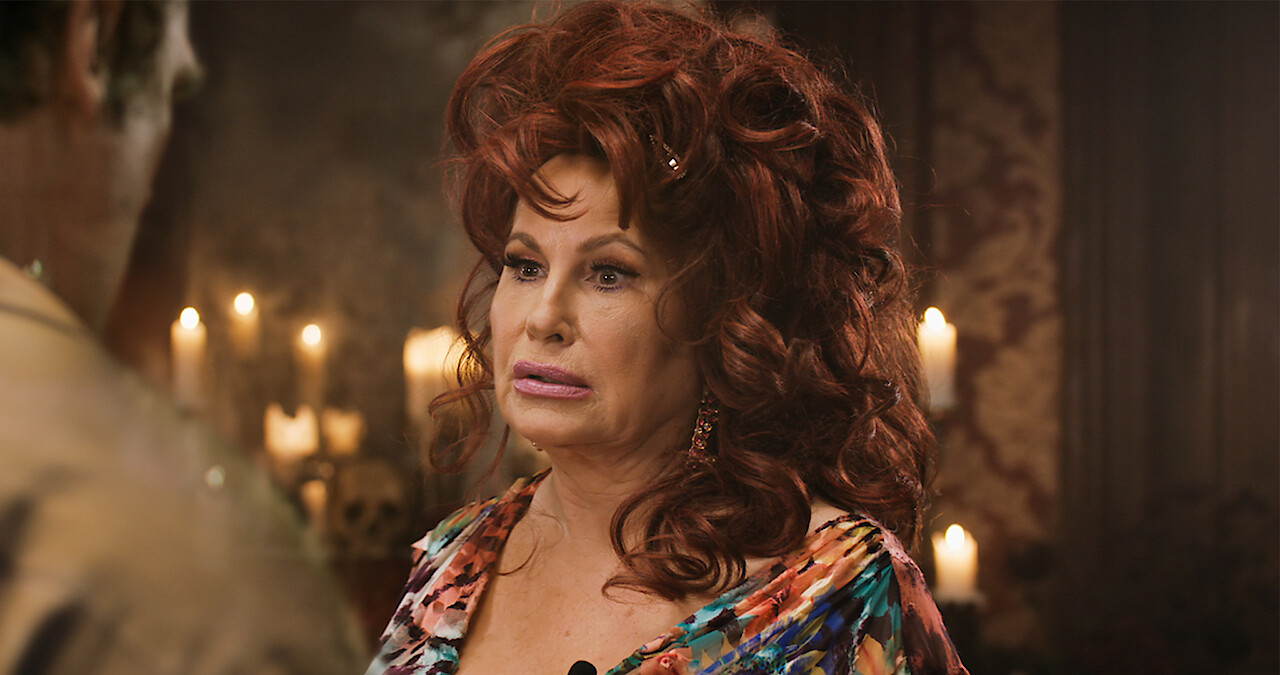
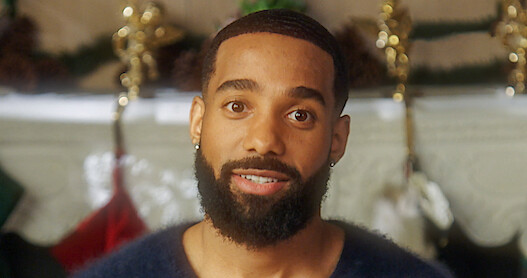
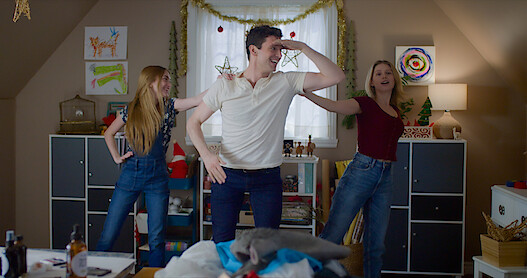
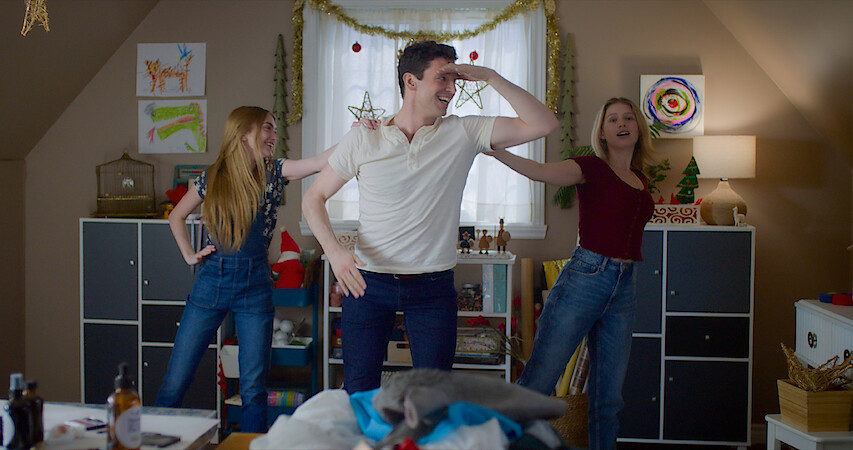
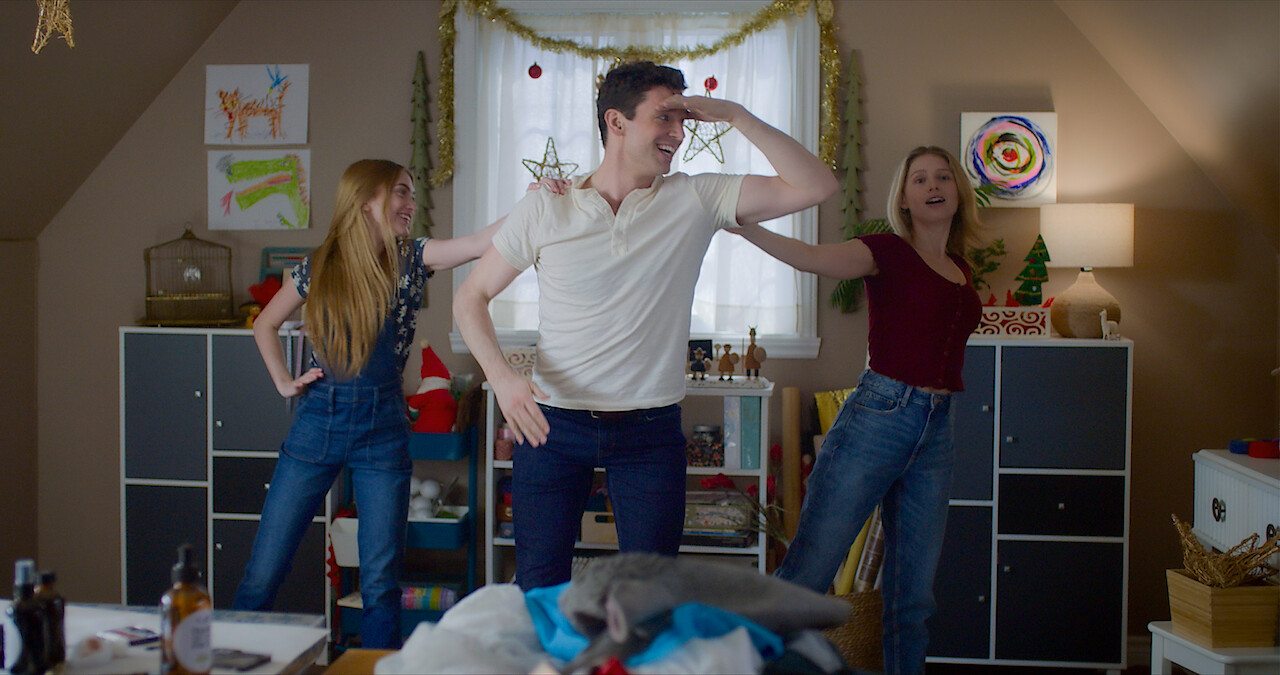
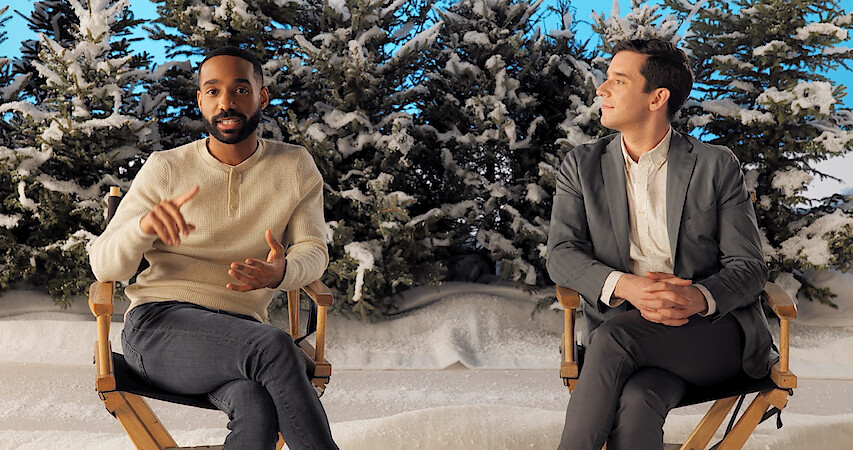
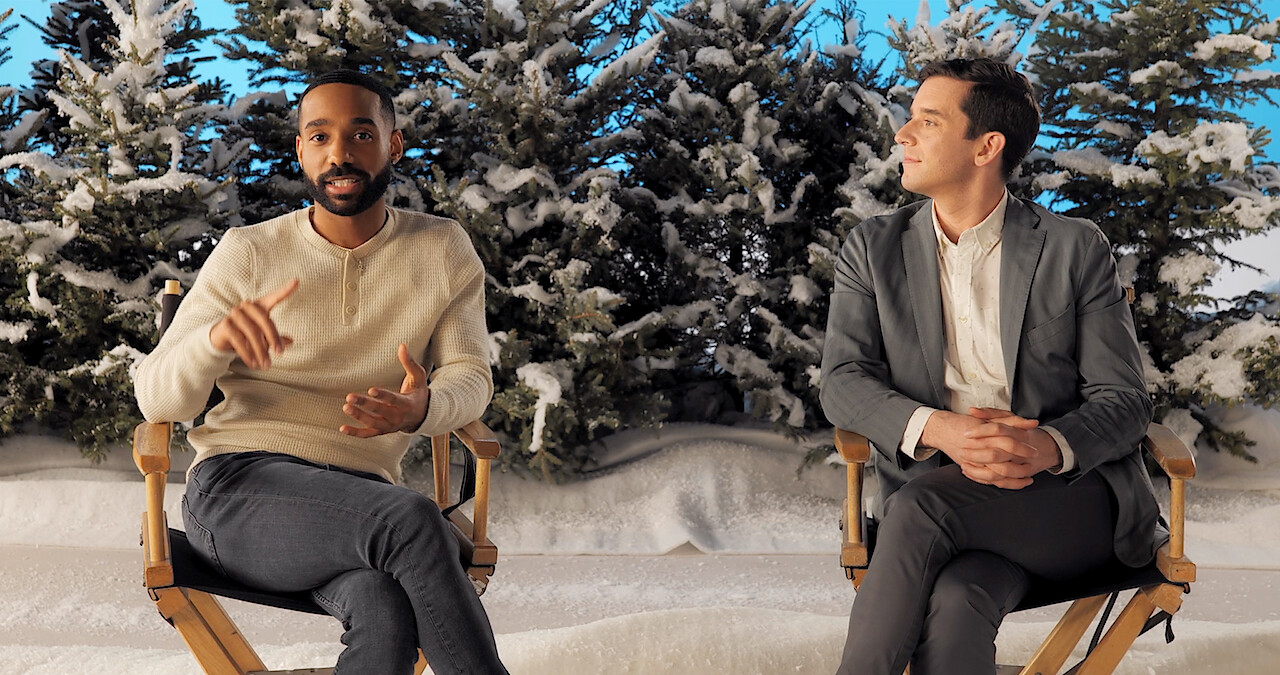
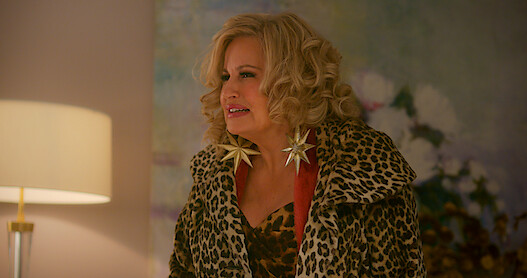
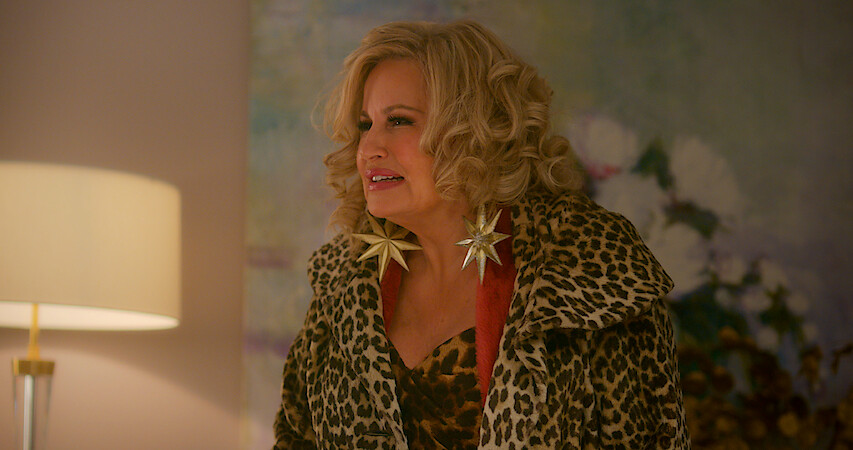
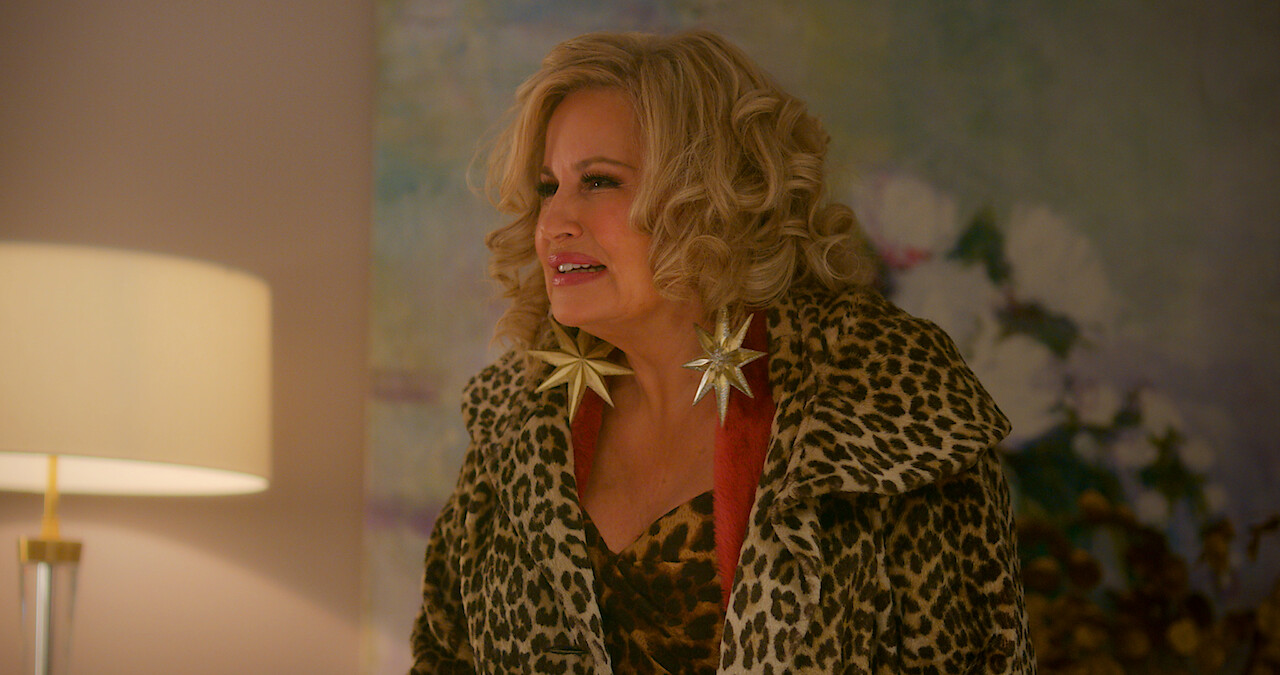
Saying yes finally landed Urie the romantic lead in Single All the Way. Written by Chad Hodge and directed by Michael Mayer, the rom-com follows Peter (Urie) and Nick (Philemon Chambers), two best friends who visit Peter’s family for Christmas. When his mom (Kathy Najimy) sets him up on a blind date with her personal trainer James (Luke Macfarlane), it forces the two friends to be honest about their relationship. The film’s extremely gay references are almost like little winks to queer viewers, from a bar called Lisa’s Crisis Café to Jennifer Coolidge yelling out “Grindr!” (which will forever play on loop in my head). More importantly, the film features three openly queer actors: Urie, Chambers and Macfarlane. Macfarlane also played a gay character, Scotty Wandell, on Brothers & Sisters — airing alongside Ugly Betty on ABC. Both shows were groundbreaking in their gay representation and even won GLAAD Awards.
“I think gay characters should be played by gay actors, especially when part of the conflict has to do with their sexuality,” Urie says. “Why would we have more gay roles than gay actors? I think the reasons why would be because they quit since they don't get work, or they don't get involved in acting because they don't think they’ll get work.”
This debate isn’t new. It’s one that gets resurrected on Twitter every time a straight actor is cast in a queer role. For Urie, it’s really about opening up doors for more talent. “There was a period where I was being approached to play a lot of trans characters, and I never took any of them because I knew there were trans actors who should be playing those roles,” Urie tells us. “That’s what was so cool about Pose. All those trans actors who never got their foot in the door were now getting years of a TV series. That kind of experience is invaluable.”
Perhaps one of the most invaluable experiences for Urie has been working alongside so many legendary women. His list of co-stars includes Williams, Patti Lupone, Judith Light, Najimy, Coolidge and many more. One could say he’s practically living every gay man’s dream. When asked what it’s like to work with icons, he exclaimed without hesitation, “I love these women as much as all of us — and they love us!” Urie has never stopped being a fan, even if they’ve become his colleagues. In one scene from Single All the Way, Coolidge’s character says, “For some reason, they’re [the gays] always obsessed with me.” It’s true — and it’s also because she’s Jennifer Coolidge.
From Barbra Streisand to Madonna, queer people have always loved divas. “We love them because they’re fabulous,” Urie adds. For him, getting to work with them is like getting a front-row seat. “I think the reason why we love our female divas so much is because they have in some way refused to succumb to the norm of what society makes women do. Queer people have to overcome something too, and, because of that, we relate to them. We see their success in overcoming something as akin to ours.”
On the night of Judy Garland’s funeral in 1969, her queer fans mourned her death and celebrated her life at Stonewall Inn, a gay bar in Greenwich Village, New York. Garland was adored among the LGBTQIA+ community for her resilience and liberation. She acknowledged her queer fans at a time when they were deemed invisible and sinful. As the hours crept into the early morning of June 28, police raided the gay bar. This was the beginning of the Stonewall Riots.
“That’s no coincidence,” Urie says. “It was a powder keg waiting to explode, but there’s a reason that her death sparked it.” Five days before our interview, news broke that Britney Spears’ conservatorship had been terminated after her fans created the viral #FreeBritney movement. Later that night, just like in 1969, many of Britney’s queer fans showed up to the bars to celebrate and dance to the pop star’s greatest hits. “I definitely felt that when Britney was freed,” Urie recalls. “And knowing that we have a Britney song in our movie, and she’ll get those royalties — that’s so cool.”
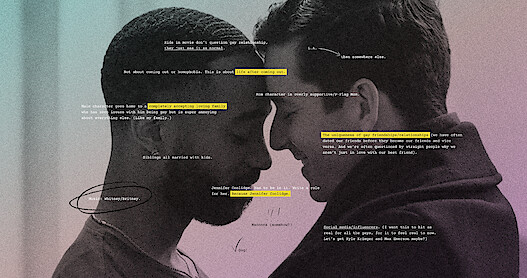
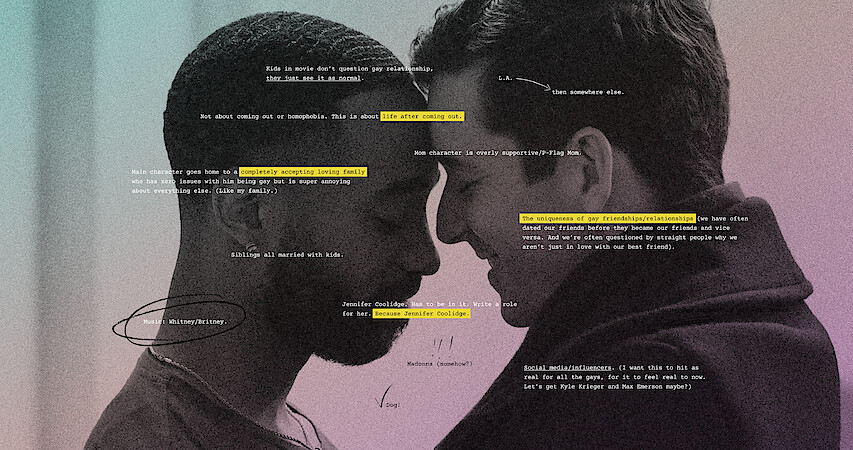
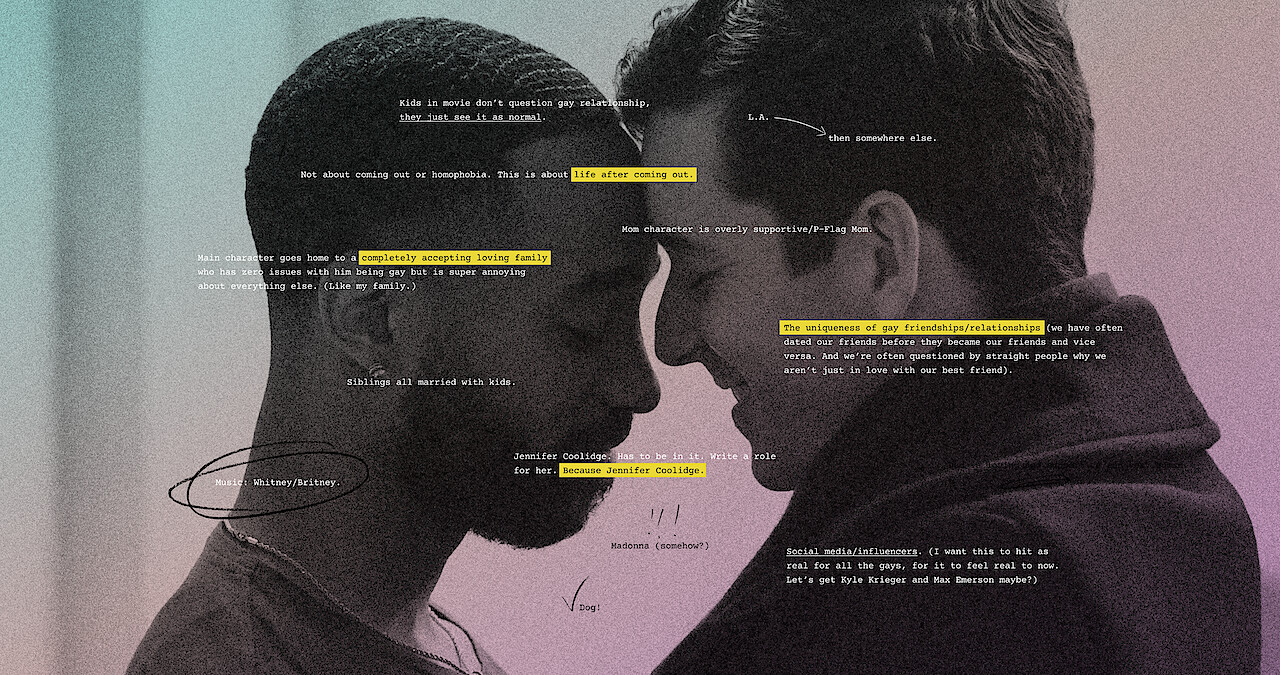
Unlike many other LGBTQ films, Single All the Way isn’t about coming out, nor is it about gaining acceptance. Peter is showered with love from his family — sometimes a little too much. It’s a film that not only centers on but celebrates queer joy. “I get to feel queer joy a lot because of my life, because I live in New York, and because I work from Broadway,” Urie says. Before we wrapped up our call, we asked Urie about the last time he experienced queer joy. “I went with Ryan, my partner, to the invited dress rehearsal of Wicked when it reopened. And so for us to be one of the first audiences back, it was fresh, and it was so good. There were so many gay people in the audience that we knew. It was really special.”