Images: Getty
Living
The Rise of Microwave Baking
Even the Great British Baking Show contestants are getting in on the trend.
By Olivia Harrison
Dec. 23, 2021
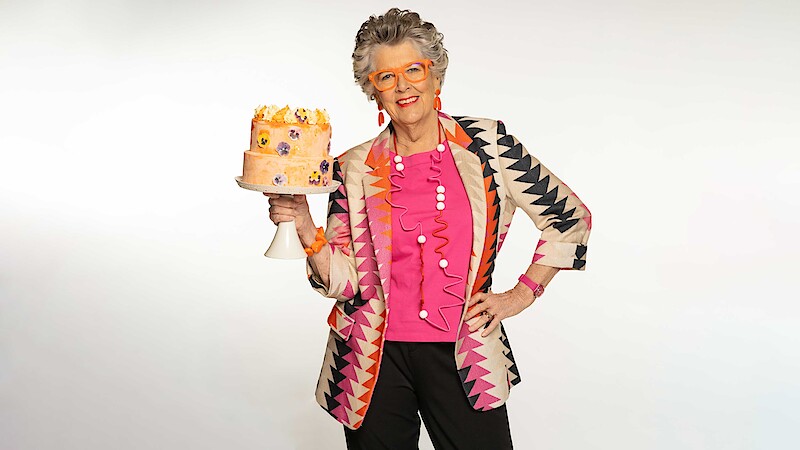
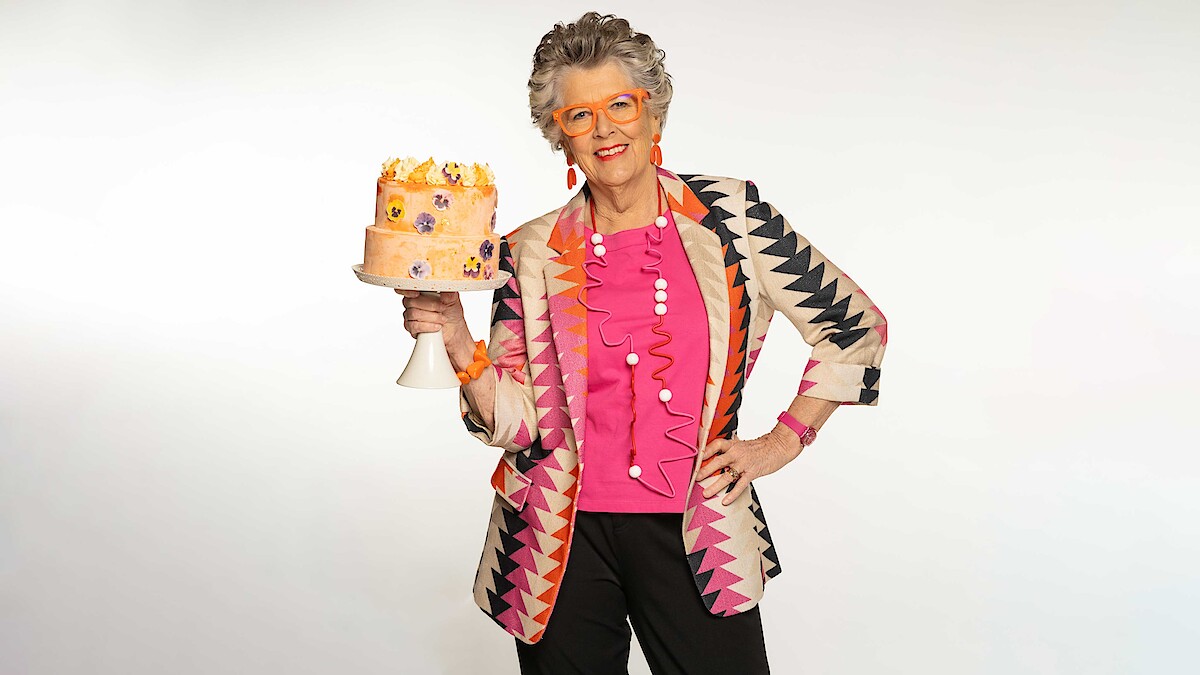
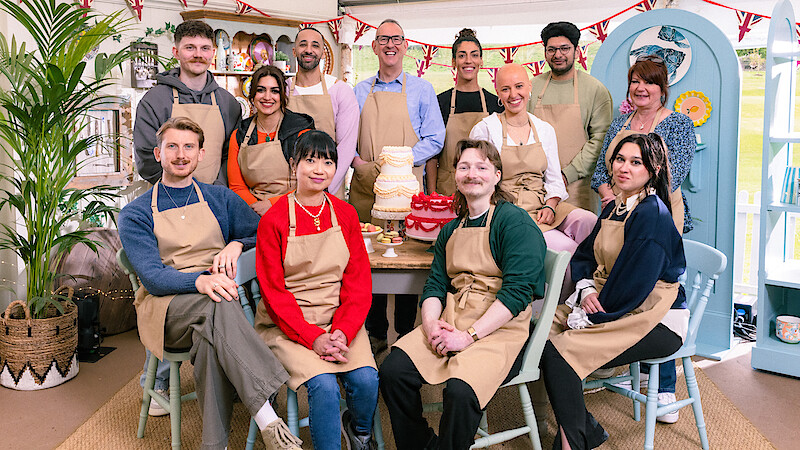
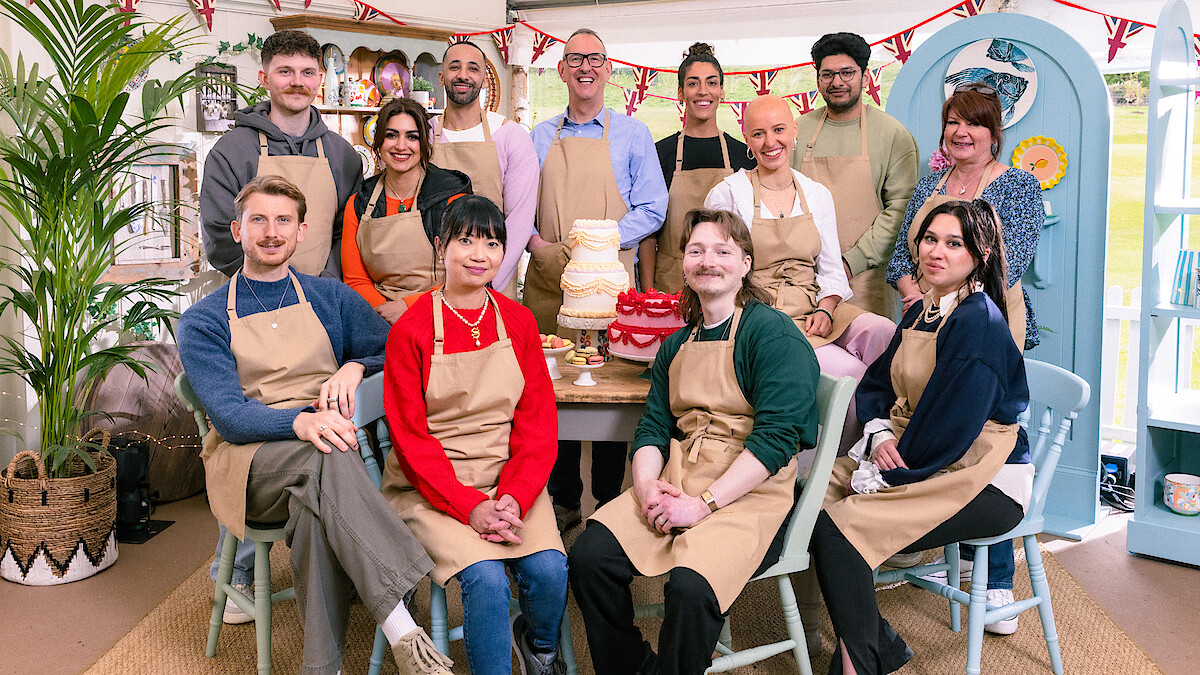
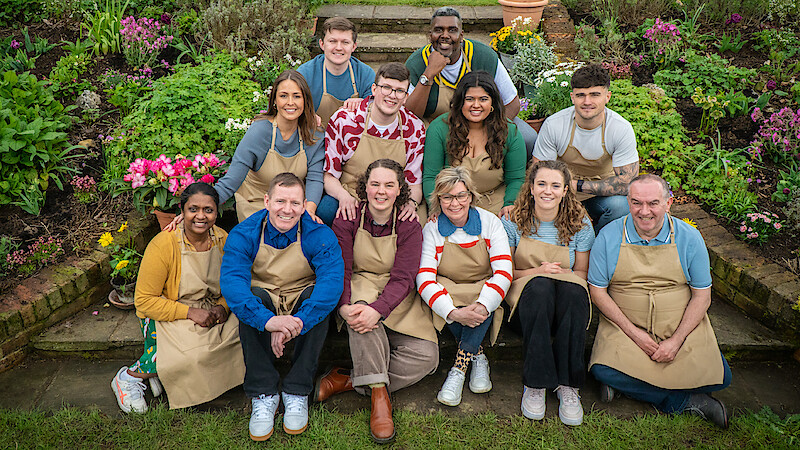
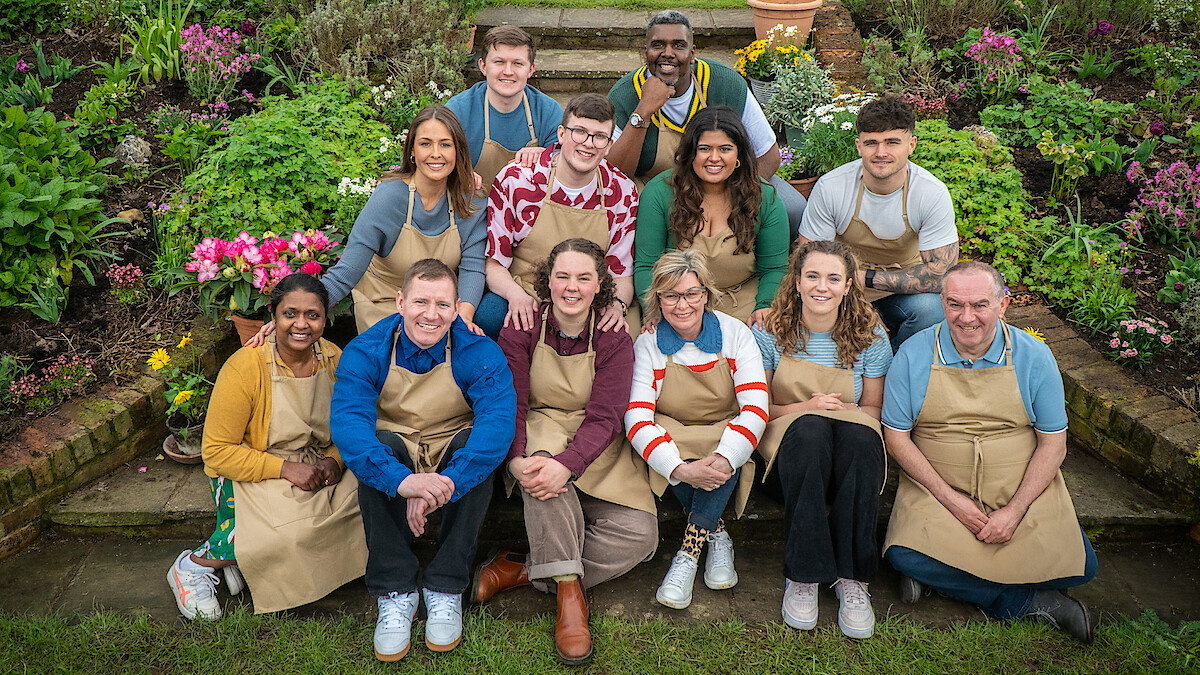
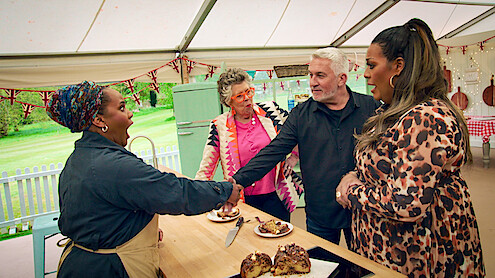
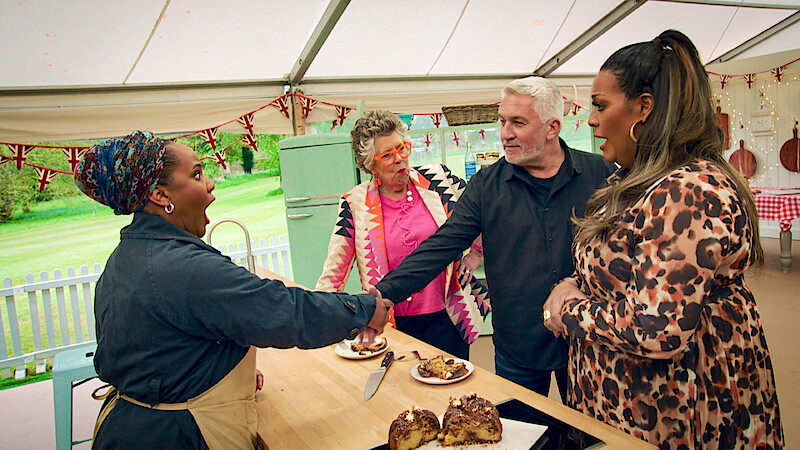
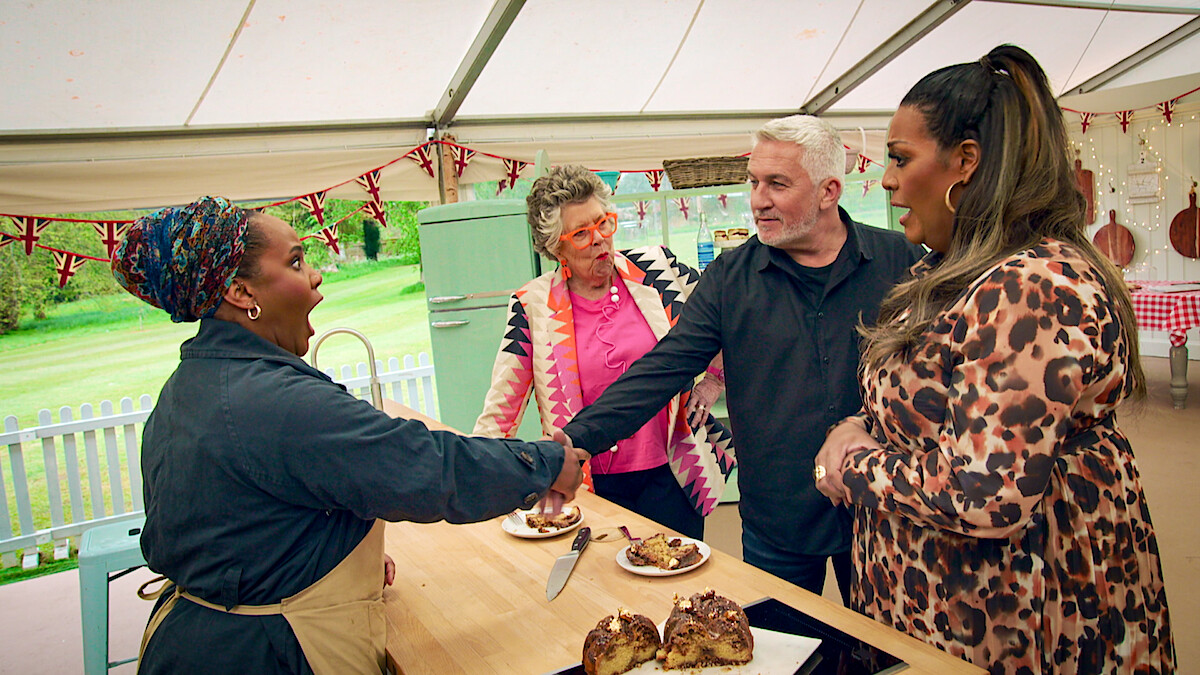
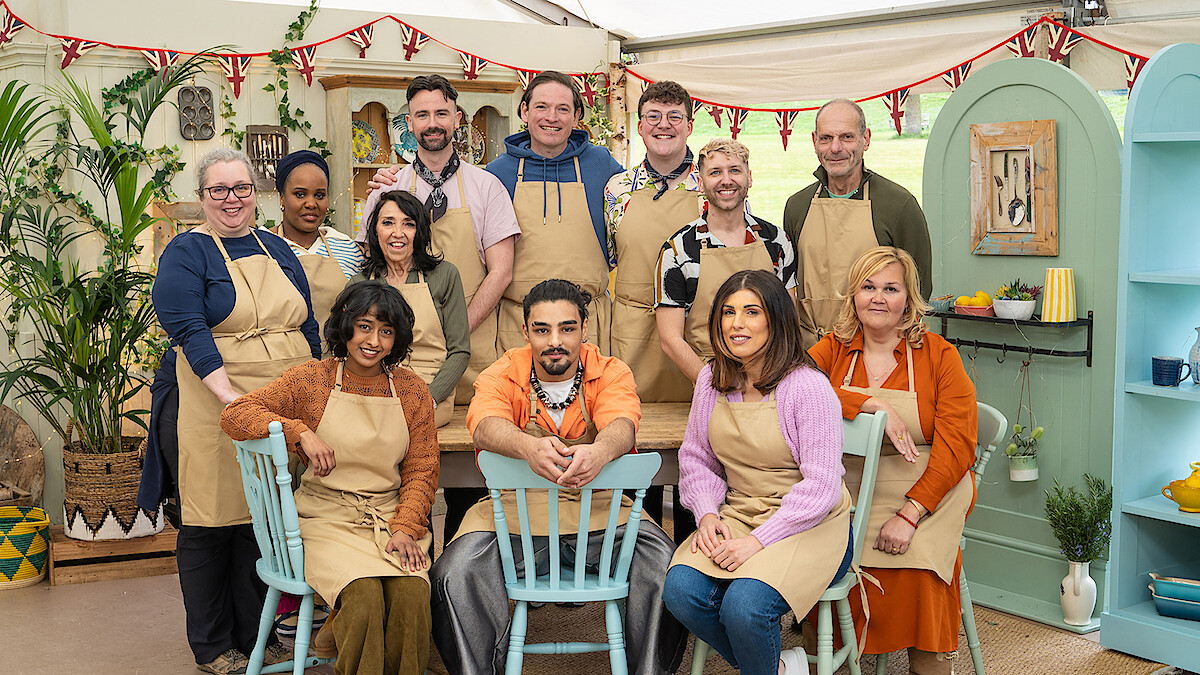
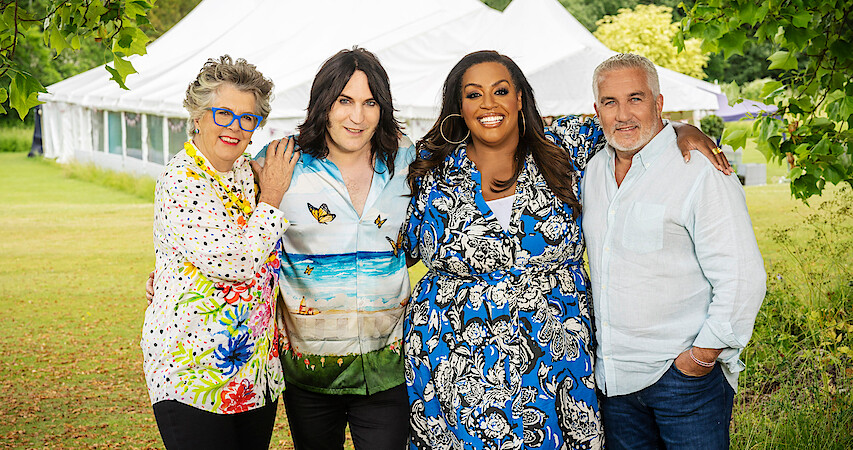
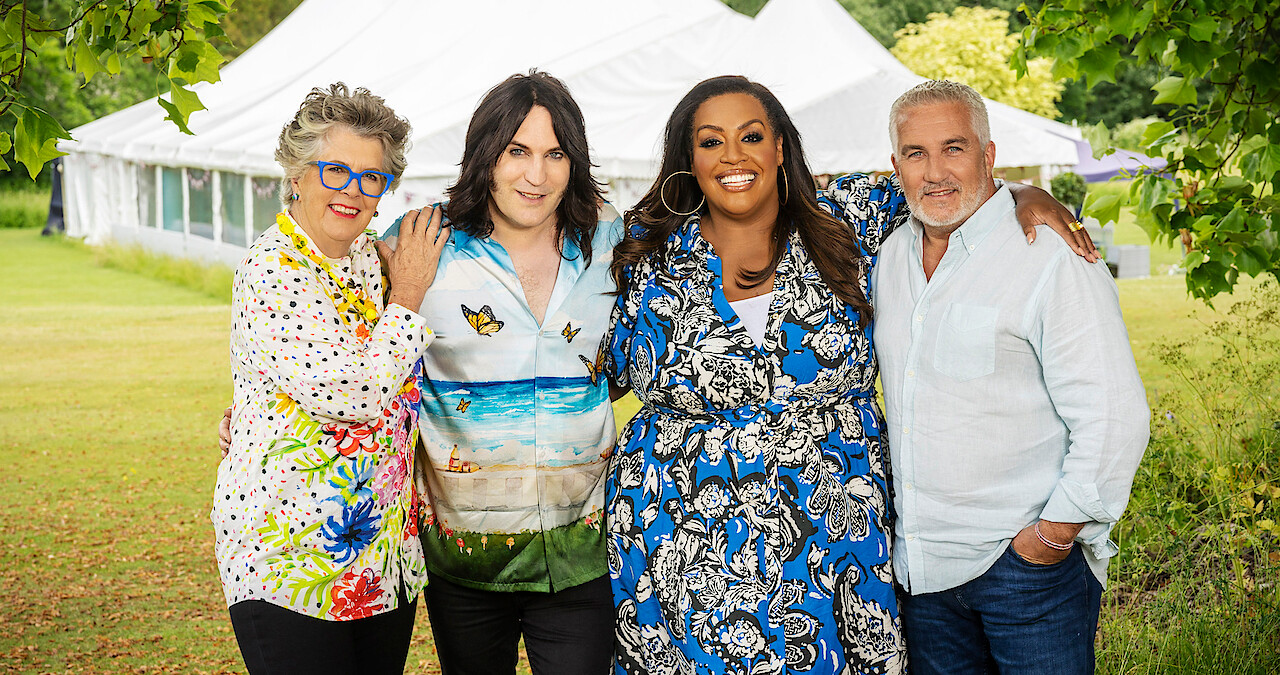
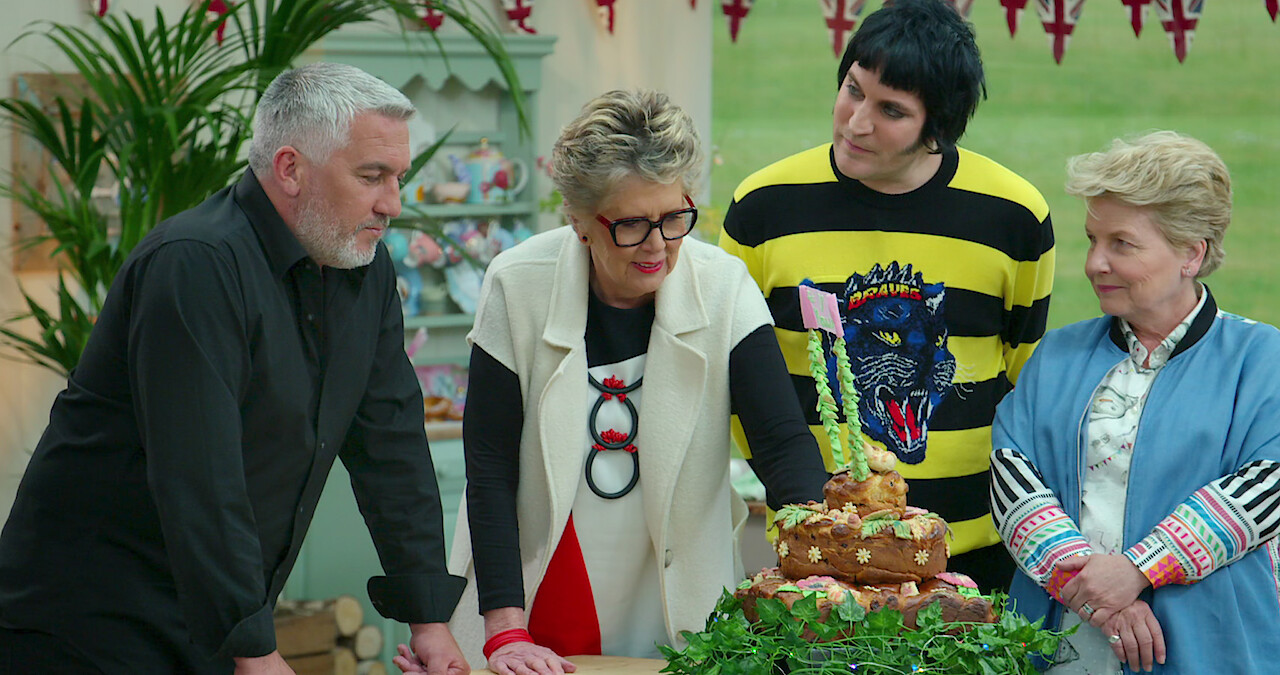
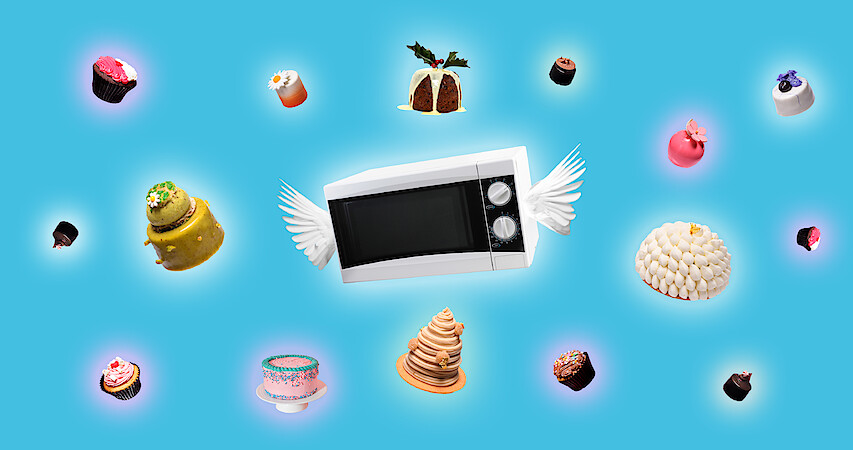
Between slow-to-prove panettone and elaborately decorated Christmas feast illusion cakes, bakers on the first episode of Season 4 of The Great British Baking Show: Holidays were asked to follow a recipe we weren’t expecting to see on a baking competition show. For their technical challenge, the contestants were tasked with making a “quick” Christmas pudding using... their microwaves. The bakers were as surprised to learn of this challenge as we were when we first heard Nigella Lawson’s pronunciation of the word microwave. Though Paul Hollywood seemed a bit baffled by the dish fellow judge Prue Leith assigned, the challenge didn’t appear out of thin air.
This season of Great British Baking Show: Holidays was shot in 2020, which we needn’t remind you was the year COVID-19 upended our lives. Despite the early pandemic baking boom that led many people to grow sourdough starters and make more loaves of banana bread than they knew what to do with, microwave baking had its own big moment in 2020. With so much time spent alone, some bakers got their sweet fix from mug cakes, brownies and cookies portioned perfectly for a party of one. But the small serving size wasn’t the only element of microwave-baked goodies that was especially appealing last year.
After that initial wave of interest, even many of the most avid home bakers grew weary of being creative in the kitchen. And how could they not? The never-ending uncertainty of 2020 took a mental and emotional toll, and the struggle of juggling working from home, childcare, virtual school and so much else led to widespread burnout. So the simplicity of microwave baking was a welcome alternative for many dessert lovers, even those who were making treats that served more than one like the quick Christmas puddings featured on the Great British Baking Show special.
Most microwave baking recipes call for pantry staples, so there’s no need to go to the grocery store. They also often require only one dish, which makes cleanup a breeze, and the appliance cuts down baking time. All and all, microwave baking is a quick and painless process, so during a time when nearly nothing else in life felt painless, of course, people were embracing it. Another factor that contributed to a rise in the popularity of microwave baking last year was the amount of time people were spending on TikTok, a platform where kitchen-hack videos thrive.
In August 2020, TikTok revealed that it had 100 million monthly users in the United States, an 800% increase from January 2018. And according to data from SEO training and strategy company Backlinko, Americans 18 years and older spent an estimated 1.43 billion hours on TikTok in March 2020. In July 2020, Statistica also reported that, based on the number of hashtag views, “DIY,” “recipes/cooking” and “life hacks” were among the top 10 most popular content categories on TikTok worldwide. Specifically, “recipes/cooking” had 13 billion hashtag views. The virality and shareability of these videos entice users to try the recipe hacks at home and document the process in their own videos, which in turn, expands the trend.
But hard-to-believe baking hacks weren’t born on TikTok and didn’t originate in 2020. In the early to mid-2010s, general life-hack videos gained traction thanks to hypnotic YouTube channels like Troom Troom, launched in 2015, and 5-Minute Crafts, launched in 2016, and the fact that video content was being favored by media companies chasing engagement on social platforms. Tastemade, a media company specializing in food, travel, and design, launched way back in June 2012. By 2016, its short videos were taking over Facebook, and on the Tastemade site, there’s now an entire section devoted to microwave recipes.
In July 2015, BuzzFeed launched Tasty. With its easy-to-digest — pun intended — informative and often mesmerizing videos, Tasty quickly blew up, much like a metal bowl you accidentally put in the microwave. And, it published plenty of recipe clips in which the lowly microwave stars. Videos like “3-Minute Mug Cakes 4 Ways,” “Microwave Meal Prep Lasagna,” “13 Easy Microwave Cake Recipes” “17 Microwavable Midnight Snacks,” “6 Desserts To Make in Your Microwave,” “I Made Only Microwave Recipes for a Day,” “Can This Chef Make a 3-Course Meal in a Microwave” and many more can be found across Tasty’s social media channels.
It wasn’t just Tasty and Tastemade creators spreading the gospel of microwave cooking and baking. Momofuku founder and chef David Chang is an outspoken proponent of microwaves. Once he reached mainstream celebrity chef status in the late 2000s and early 2010s, he began sharing his love for the appliance through interviews and social media posts. This past October, Chang and co-author Priya Krishna released the bestselling Cooking at Home: Or, How I Learned to Stop Worrying About Recipes (And Love My Microwave).
Of course, making anything from scratch, even in the microwave, sometimes takes too much effort. For those occasions, there are plenty of ready-to-heat mug cake mixes from the likes of Duncan Hines and Betty Crocker. In a 2019 Eater article, writer Charlee Dyroff hypothesizes that the introduction and success of these products is a reflection of consumer eating habits more generally. A lack of time and patience, as well as the rise of wellness culture, have contributed to an increase in demand for microwave baking recipes and these ready-to-heat mixes. The burnout and social distancing that happened as a result of the pandemic have perhaps only pushed the act of eating dessert even further from a social and celebratory activity to an individual experience, making microwave baking more popular than ever. And so it seems that Leith was very much on-trend when she posed a technical challenge that highlighted the trusty microwave.