🤐 SPOILER ALERT 🤐
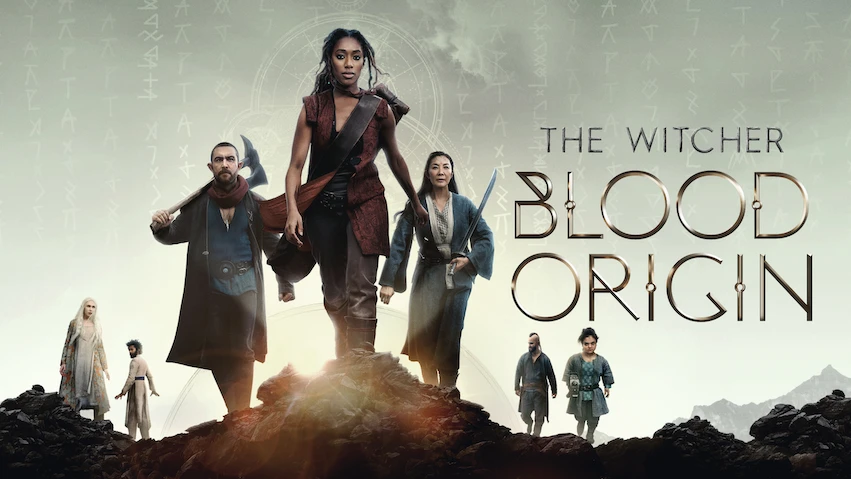
Set 1,200 years before the events of The Witcher, The Witcher: Blood Origin brings to life a major historical epoch within the series’ universe. What’s past is prologue: Viewers will want to watch closely to take in all the ways the two shows connect.
“Witcher creator Lauren Schmidt Hissrich, the producers and I spent a lot of time seeding new Easter eggs and answering older Easter eggs from other episodes and series,” Blood Origin creator Declan de Barra tells Tudum. “We’re weaving a complex spider web of delicious story that stretches over thousands of years.”
Want to make sure you didn’t miss anything? Brush up on your history with this guide to the lore Blood Origin builds on.
The Kingdom of Xin’trea
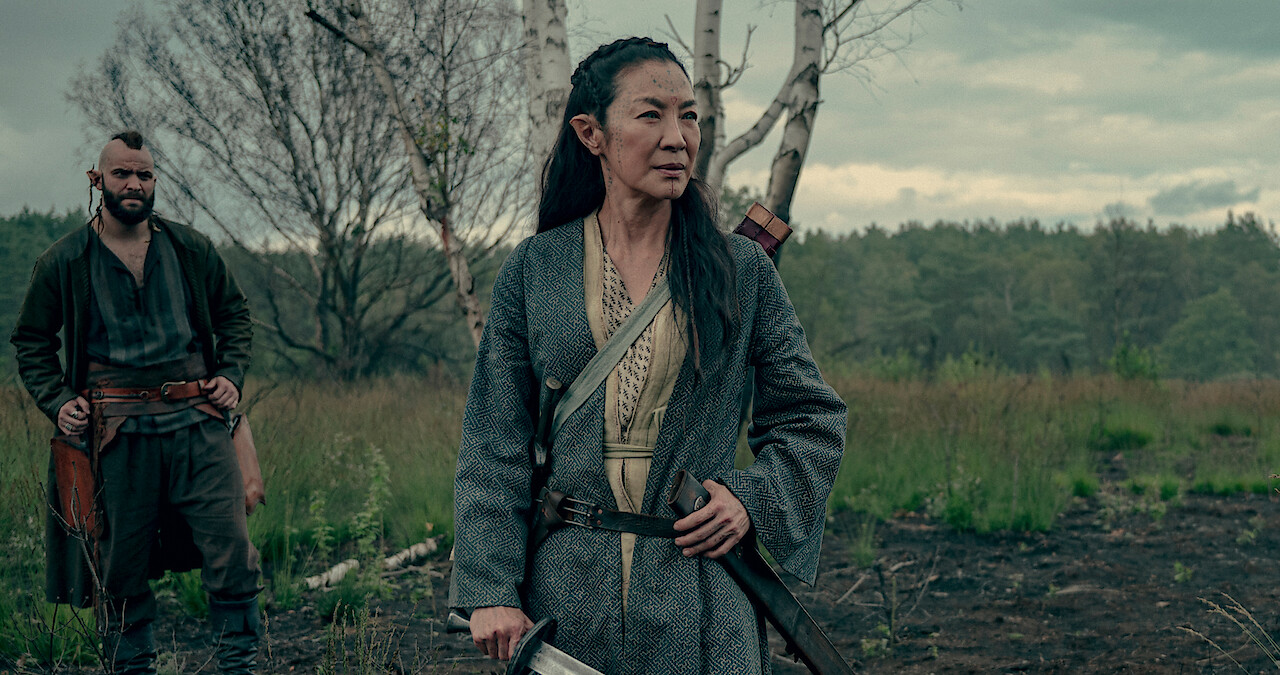
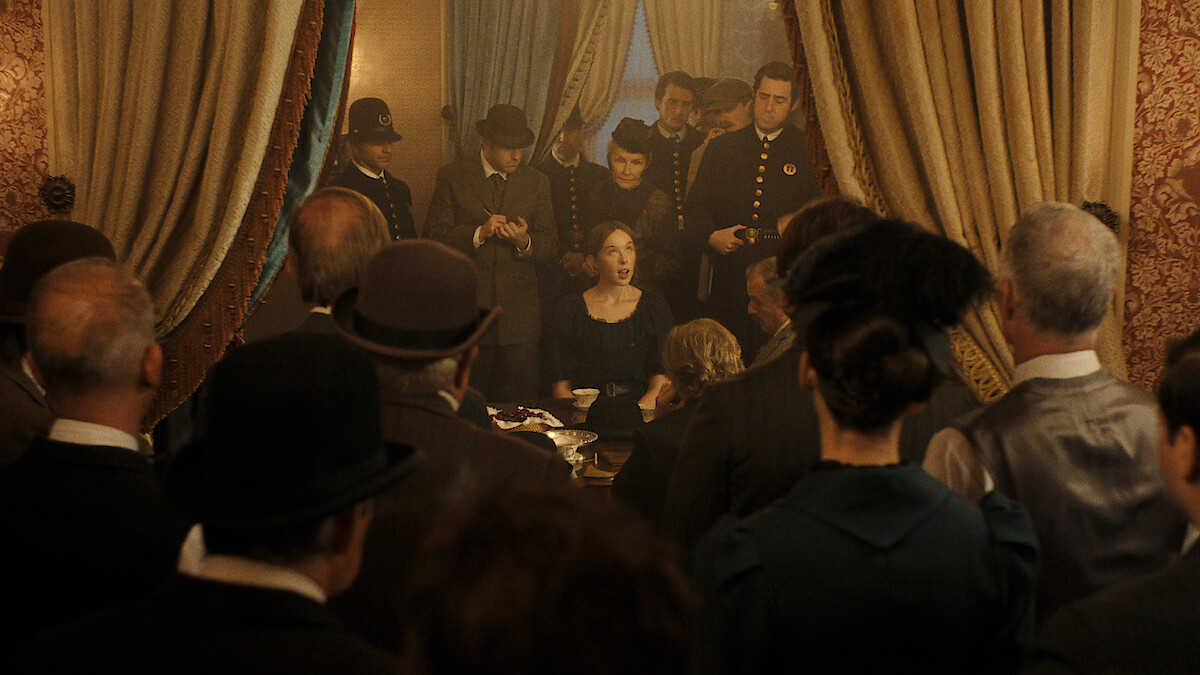
Much of The Witcher: Blood Origin is set in Xin’trea, a mighty elven nation that serves as the seat of the Continent-spanning Golden Empire. These lands are also a key location in The Witcher, though they go by another name. When humans arrived on the Continent during the Conjunction of the Spheres, they began to war with the elves, eventually taking over most of their lands. Xin’trea became Cintra, the home of Princess Cirilla.
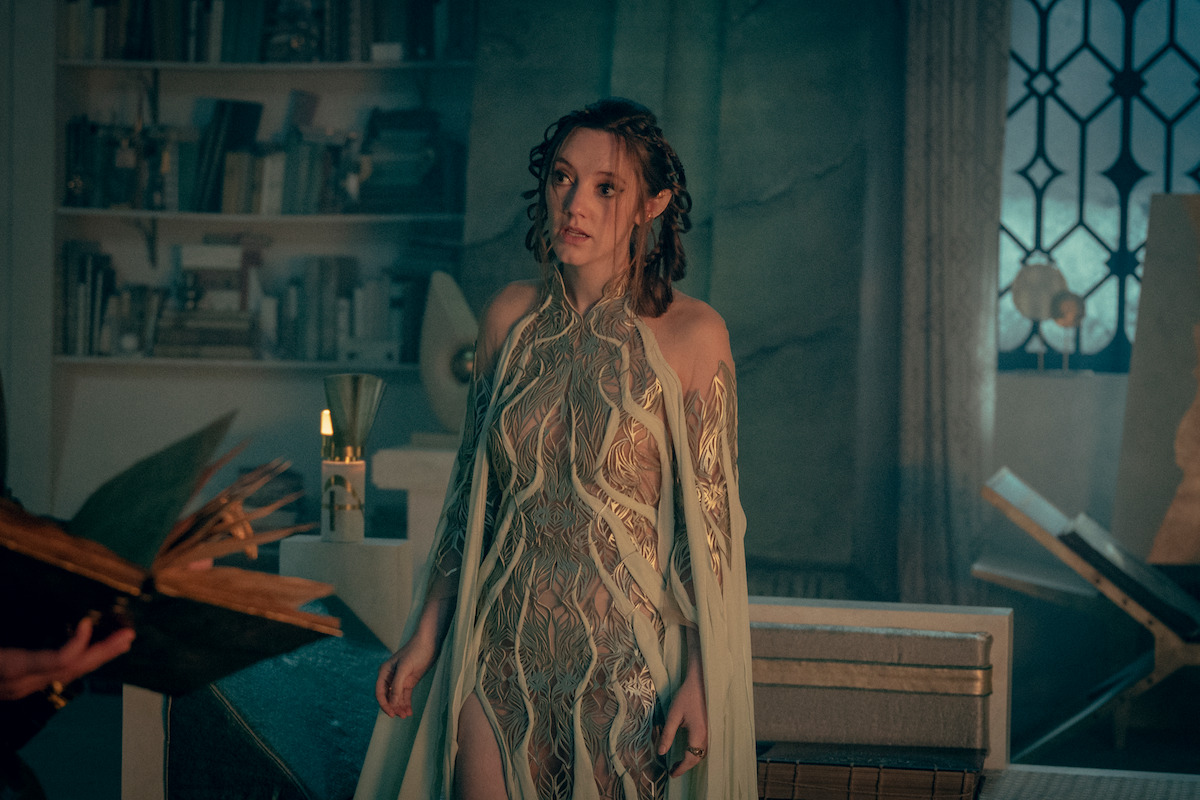
History is cyclical in the world of The Witcher. As Xin’trean Princess Merwyn notes in Episode 1 of Blood Origin, “What has happened will happen again.” The elves had previously taken the lands that became Xin’trea from the dwarves; dwarven script can still be seen in the Xin’trean royal palace. The mighty Cintra itself falls to the forces of Nilfgaard at the beginning of The Witcher.
Susie Allnutt/Netflix
Solryth’s Eyes
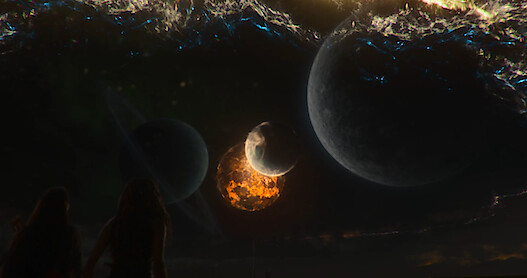
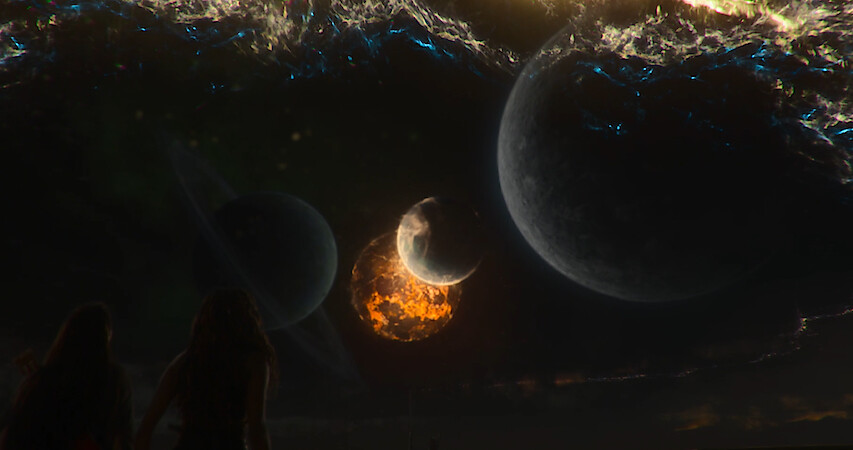
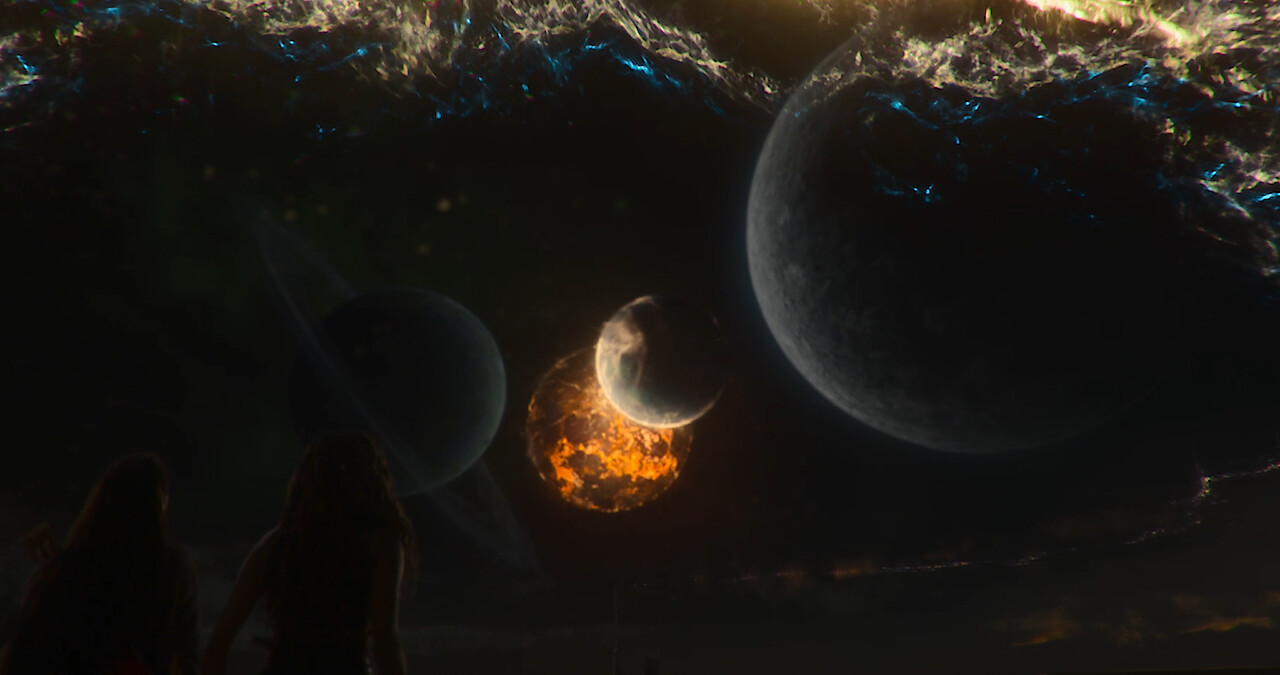
Merwyn is obsessed with the story of Solryth, an ancient hero who was cast far from her home by a tempest. Before the events of Blood Origin, 1,500 years ago, she led the elves to the Continent by following twin comets that came to be known as Solryth’s Eyes. That story, too, plays out again when the Conjunction of the Spheres brings humans from another world crashing onto the shores of the Continent.
The Battle of Brokilon
When Blood Origin’s Éile and Fjall–– from the rival elven Raven Clan and Dog Clan–– first meet, Éile mentions that Fjall injured her cousin during the Battle of Brokilon. In The Witcher, Ciri takes refuge with the dryads in Brokilon when fleeing Nilfgaardian forces. The ancient forest of Brokilon is one of the only places humanity has been unable to conquer, though they keep trying. It’s unknown whether dryads predate the elves or were created from enchanted humans, but either way, their territory has been a battleground for a long time.

Lilja Jonsdottir/Netflix
Elven Script
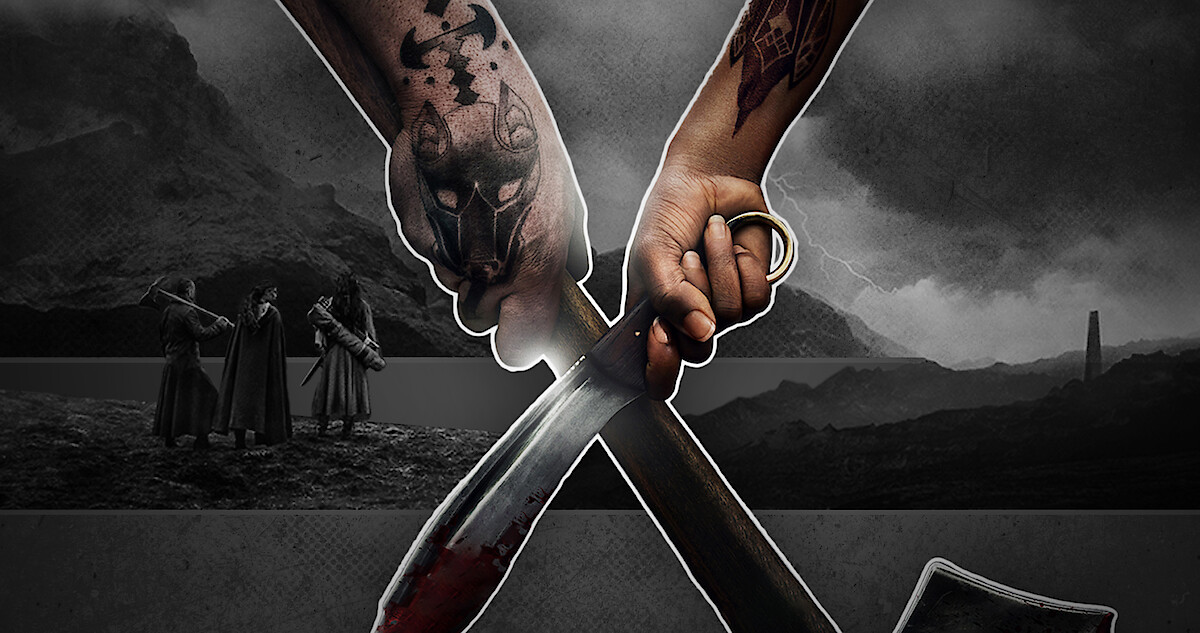
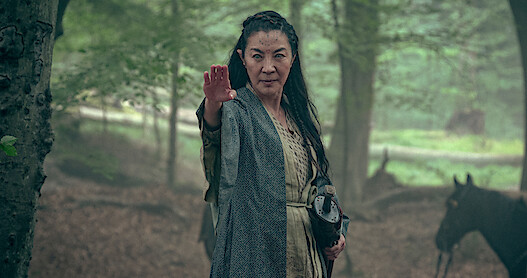
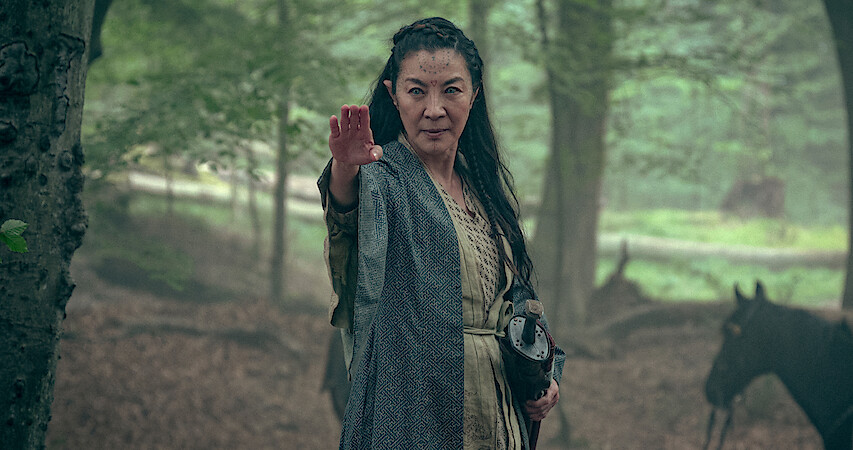
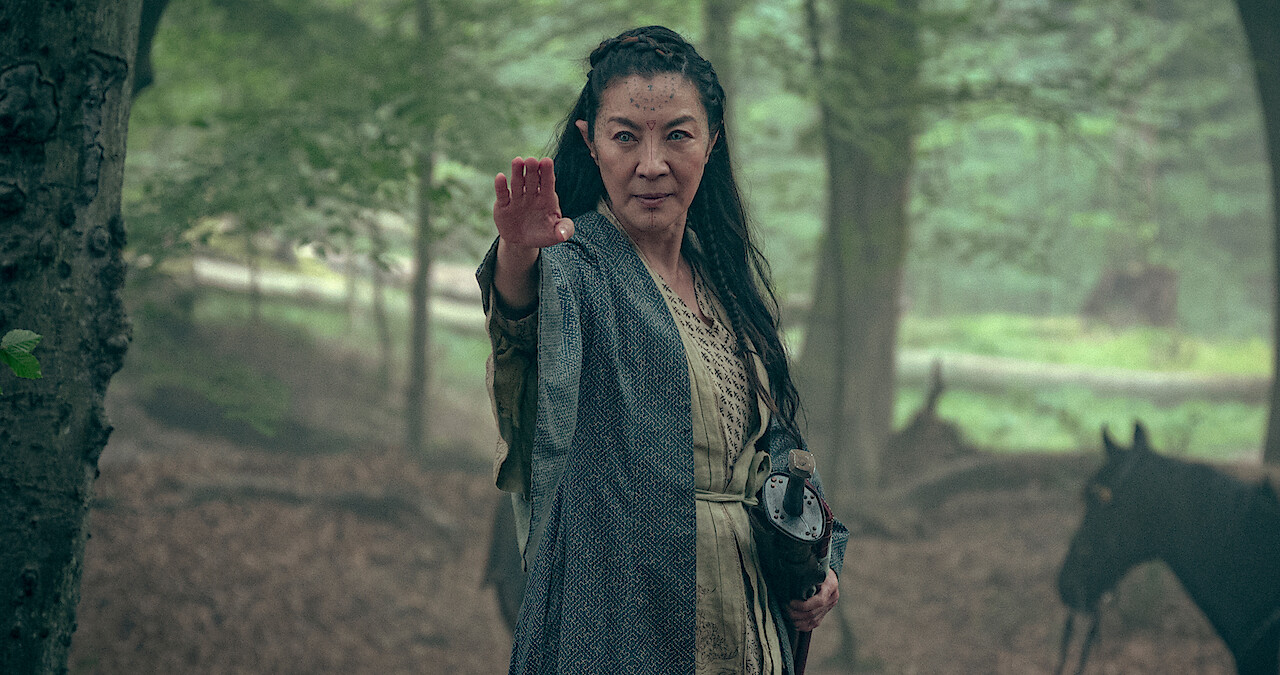
Can’t read elven? Don’t worry, we have translations for a few key phrases inscribed across Blood Origin. The sole survivor of the nomadic Ghost Clan, Scían has tattoos on her forehead, cheek and neck that honor her heritage. They mean, respectively: “Promises made shall not waver,” “Born of black sands, cast by fire, shaped by seas,” and “We are the wind. Think on your deeds, for we are unseen, and our blade never falters.”
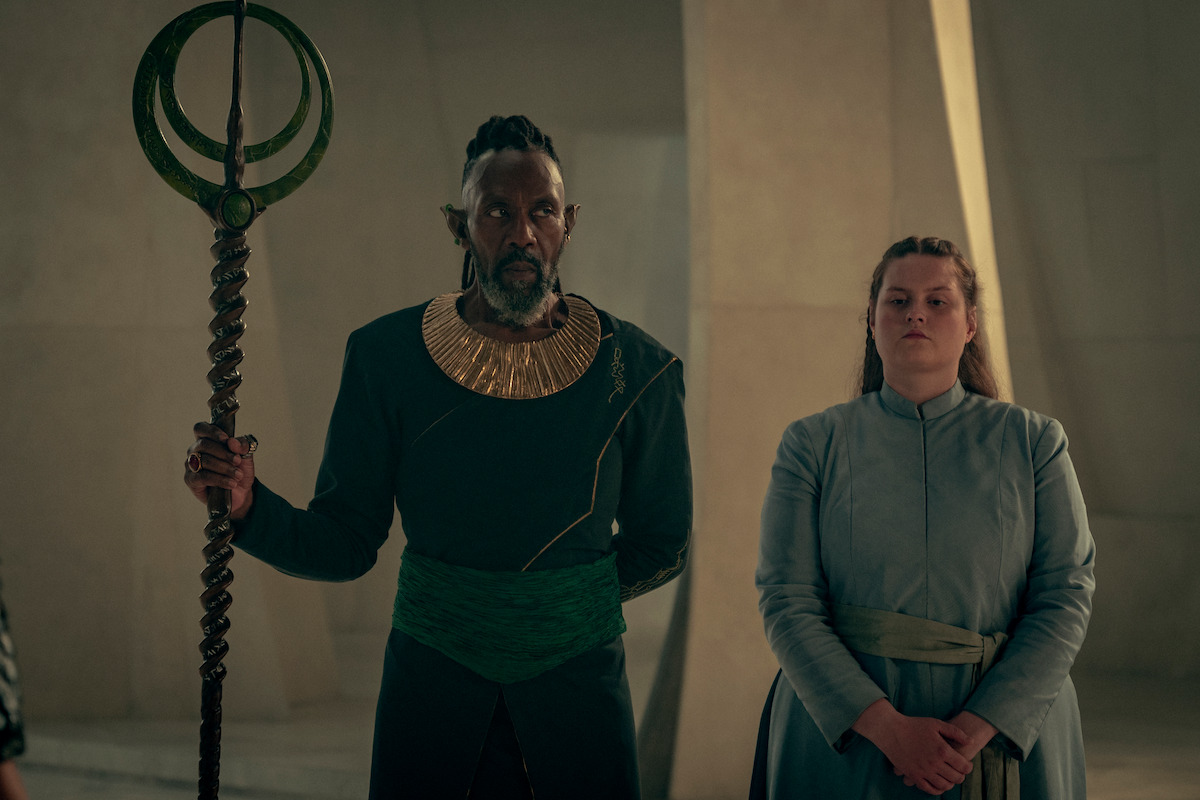
The powerful court druid Balor carries a staff, a symbol of the high office he achieved despite his low birth. The script on it reads, “I am the echo of stars past, and those yet to shine.”
Winterberry and Lilac
Mourning her lost love Gwen, the dwarf Meldof recalls that she could always tell that Gwen had been in a room, because she would leave behind the smell of winterberry and lilac. The memory is similar to Geralt’s fascination with Yennefer’s signature scent of lilac and gooseberries.
Susie Allnutt/Netflix
Chaos vs. Elven Mage Magic
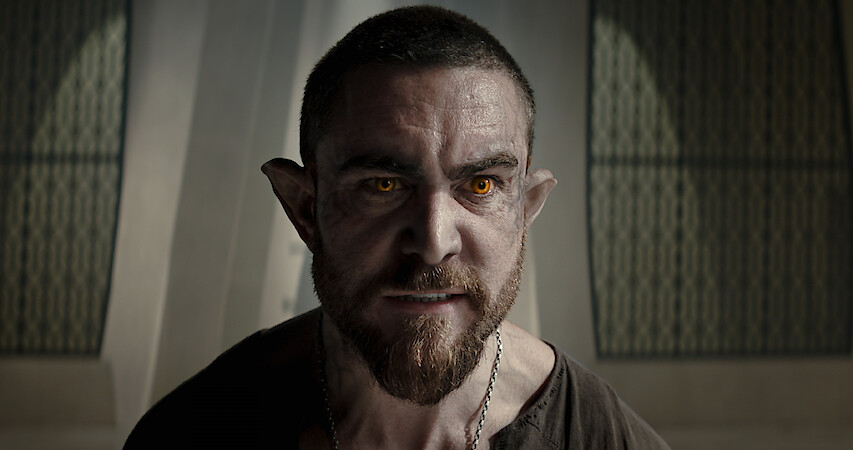
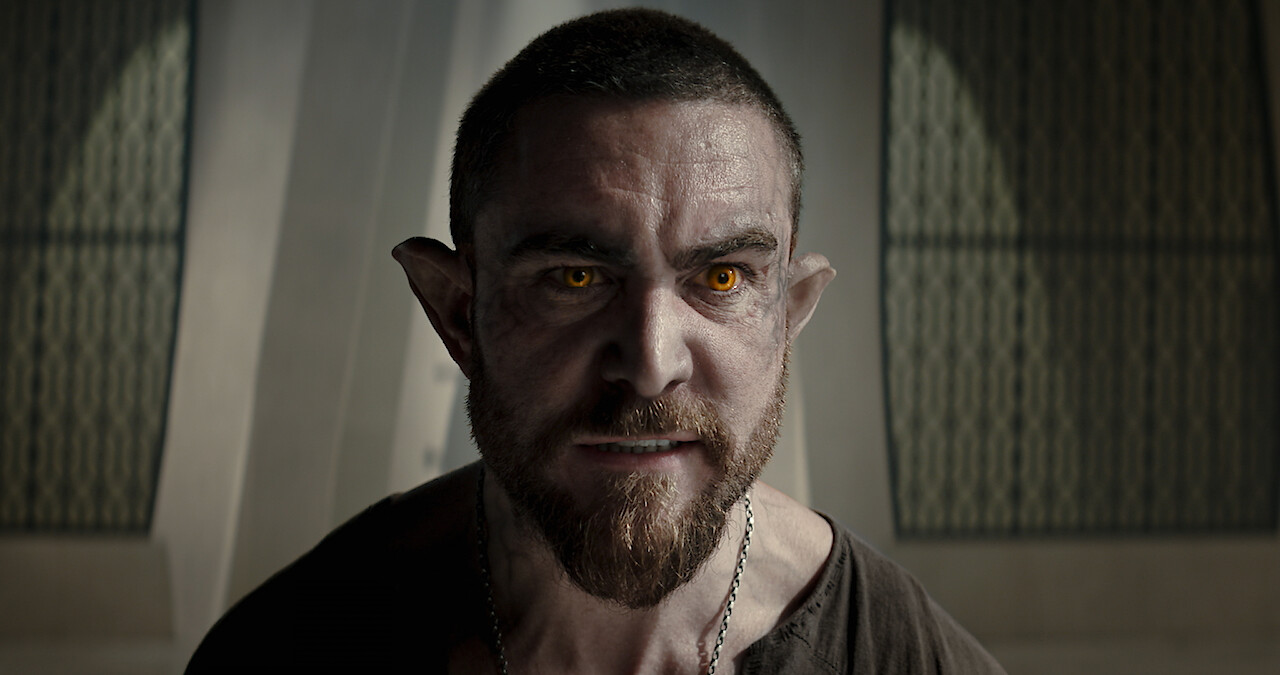
Balor sacrifices his loyal apprentice Fenrik to a mysterious patron for the ability to harness fire, which surprises Zacaré and Syndril. Before the Conjunction of the Spheres, elves only practiced a type of druidic magic that drew upon nature, creating effects like Syndril’s vines.
Balor is the first elf to use Chaos, the power harnessed by Yennefer and other mages in The Witcher. It is more violent and unpredictable, and always requires some form of sacrifice. Fire magic is particularly dangerous, consuming the wielder’s body or soul.
Ithlinne’s Prophecy
While she’s just a young girl prone to fits in Blood Origin, Ithlinne will become the elves’ most revered prophet. At the end of the series, she has a vision while touching Éile’s pregnant belly that, “The Lark’s seed shall carry forth the first note of a song that ends all times and one of her blood shall sing the last.”
But just who is this “one of her blood”? Watch the future seasons of The Witcher to find out.
Susie Allnutt/Netflix
Avallac’h and Eredin
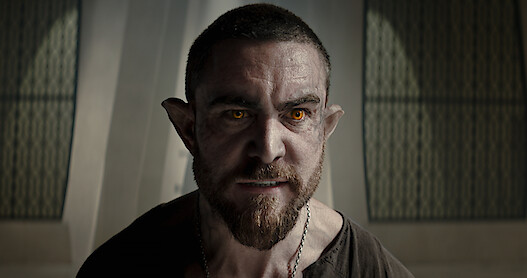
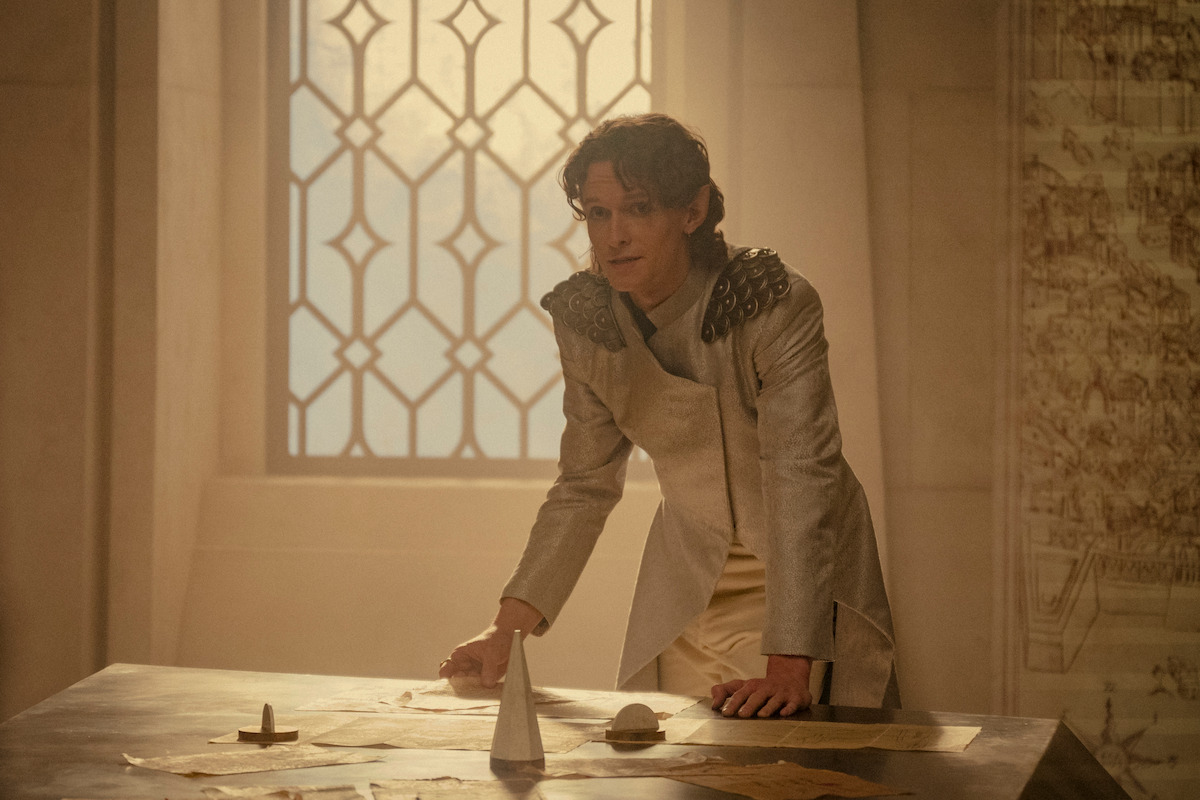
These two elves have a big role to play in Sapkowski’s later Witcher novels, and you can expect to see more of them on The Witcher, especially since Blood Origin creates new backstories for them and weaves them into the narrative of the show. Xin’trean general Eredin winds up trapped in another world by Balor. By the end of Blood Origin, Eredin has found the skeletal helmet reminiscent of the armor in his brief appearance in the finale of The Witcher Season 2 as the leader of the Wild Hunt. Avallac’h hasn’t appeared in The Witcher at all yet, but a post-credits Blood Origin scene shows that he’s been watching Ciri for a very long time, holding the Book of Monoliths to indicate that he’s mastered the ability to travel between worlds and times. Blood Origin makes clear that the stories of the Witcher-verse have deep roots.