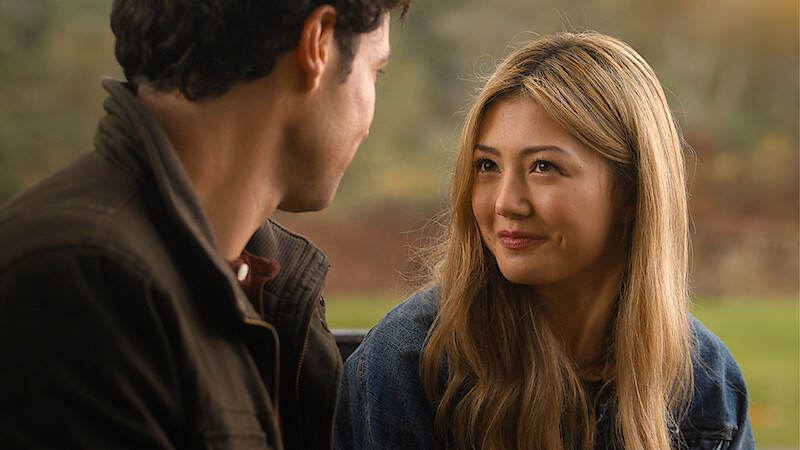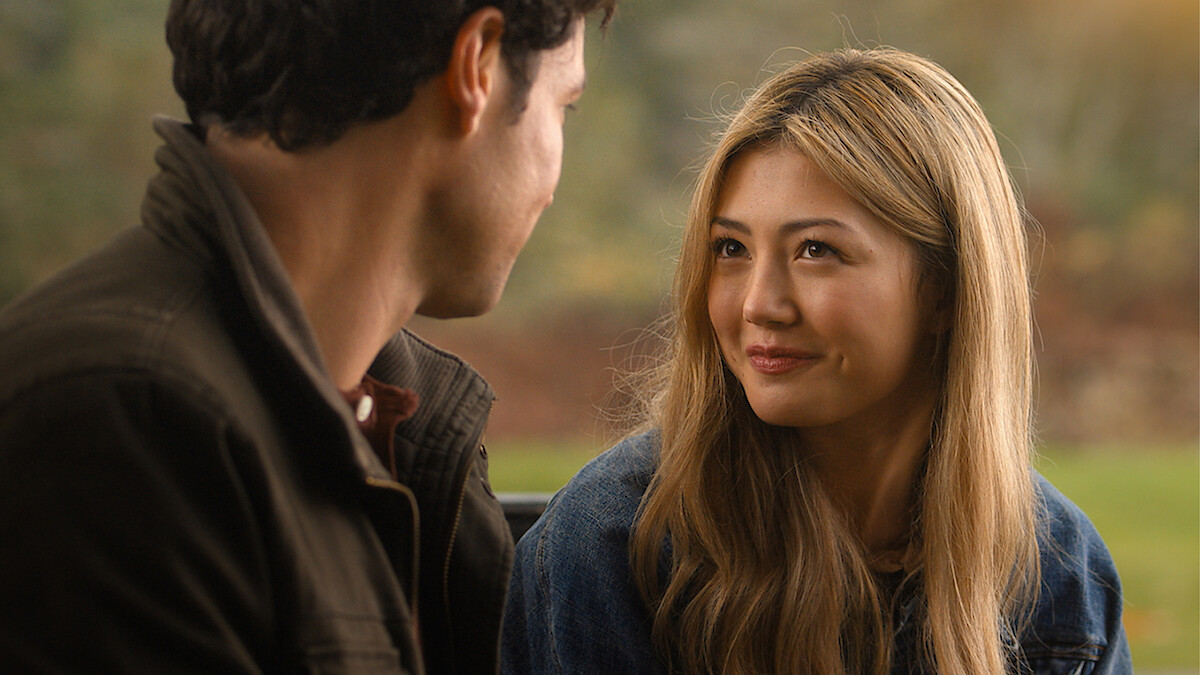

The Too Much actor plans for a night of great good and even better company.

Too Much, Lena Dunham’s return to television, has all the delicious trappings of a glossy early-2000s rom-com: the broken-hearted girl who moves to a new city in search of a fresh start, the car-chase grand romantic gesture, the idiosyncratic best friends offering misguided advice.
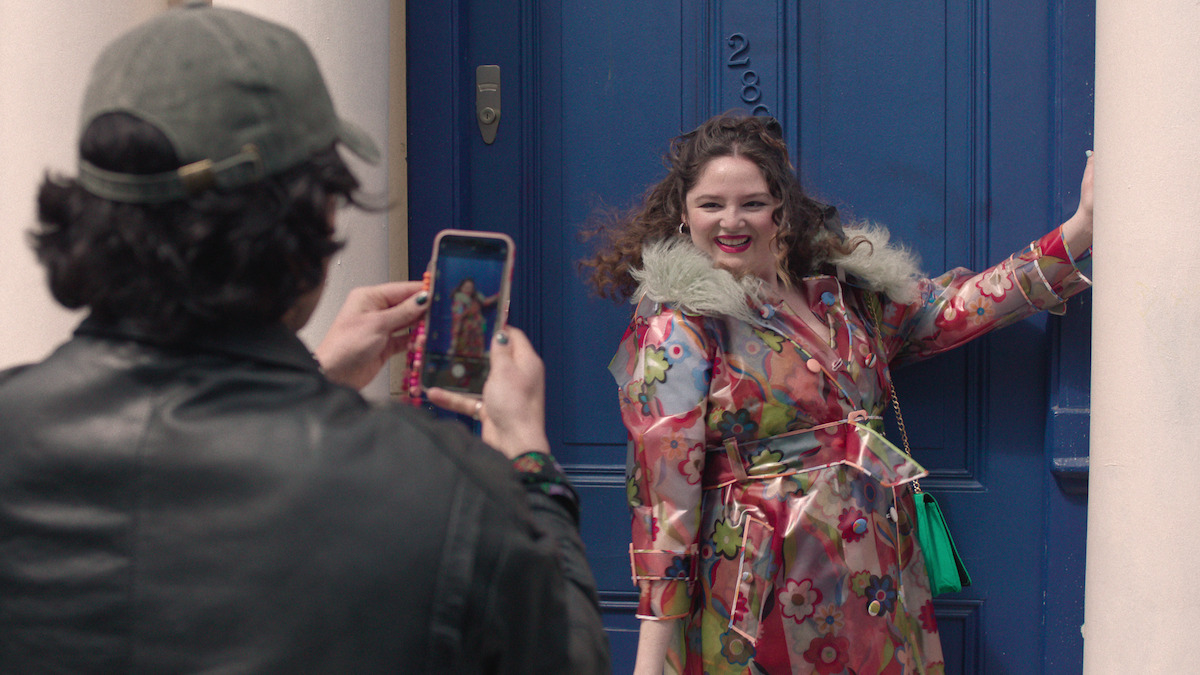
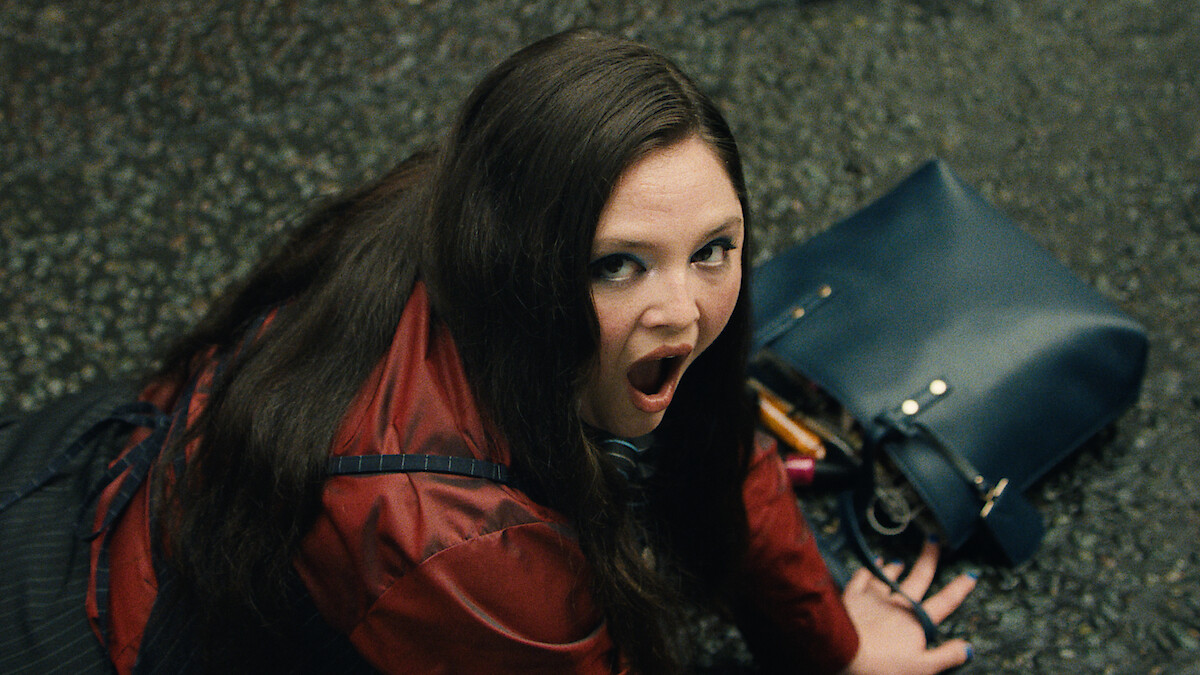
Yet just as quickly as Too Much nestles into a long-standing canon, it flips the well-worn tropes on their head. Soon after Jessica (Megan Stalter) touches down in London, she meets Felix (Will Sharpe) in a filthy pub bathroom, and from there, nothing goes as expected. Within only hours of their meet-cute, Felix takes Jess to the hospital after she accidentally lights herself on fire while threatening her ex’s new girlfriend, Wendy Jones (Emily Ratajkowski), about a secret Instagram diary. They left that part out of the classic flicks from which each episode takes its name — among them, “Enough, Actually,” “Notting Kill,” and “Pity Woman.”
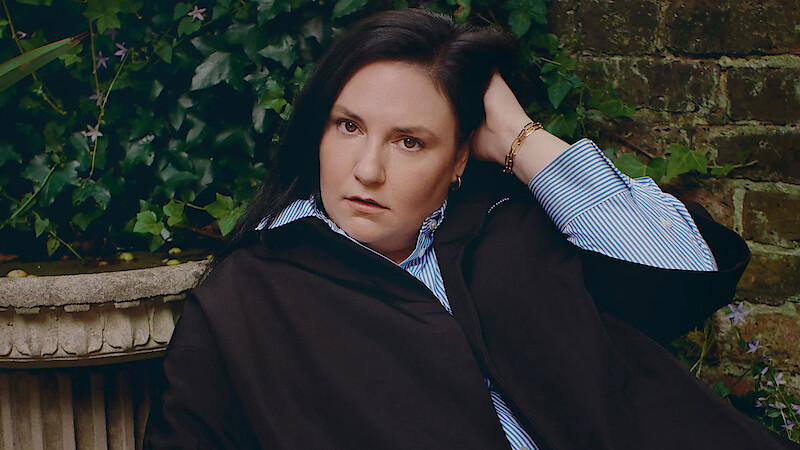
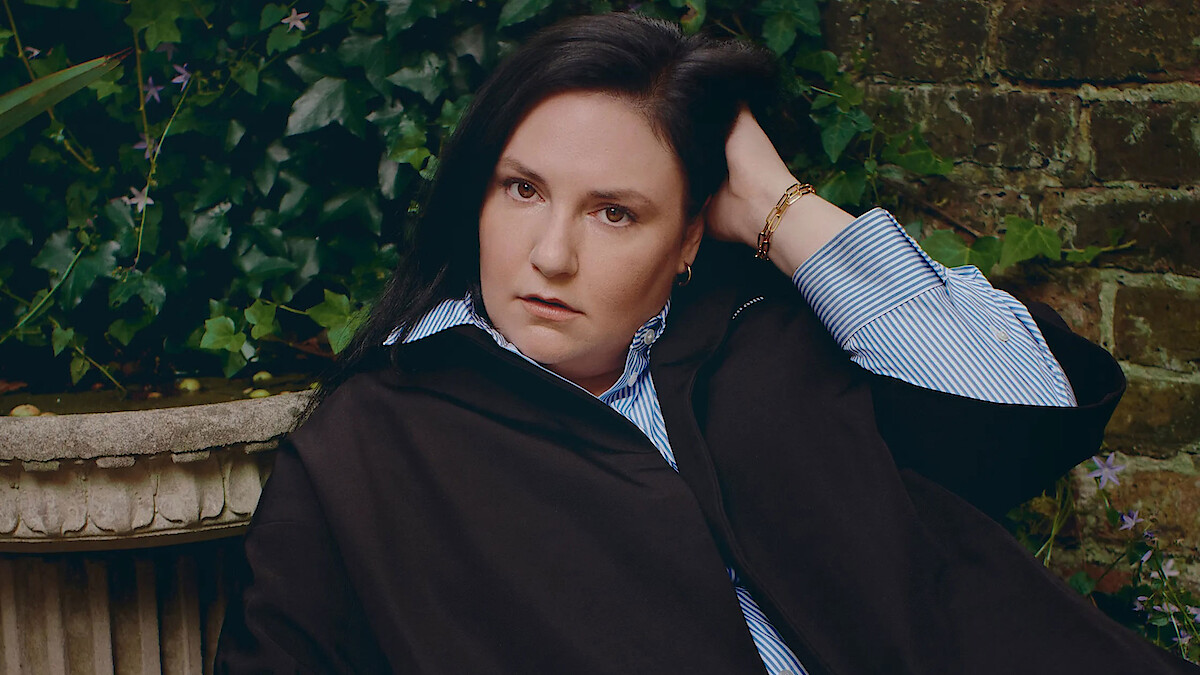
It’s these chaotic moments — red flags included — that make Too Much such a convincing contemporary portrayal of dating. After all, Too Much is semi-autobiographical for Dunham, who co-created the series with her husband, Luis Felber, whom she met in London soon after she moved from New York City — sound familiar? “When I met my husband, Luis, it threw absolutely everything into chaos. Good chaos,” she says. It’s thanks to Stalter and Sharpe’s dexterous performances that the show pulls this off.


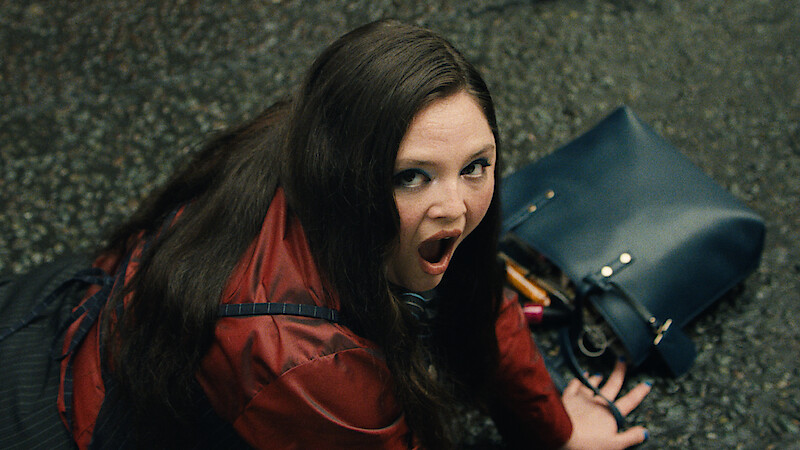
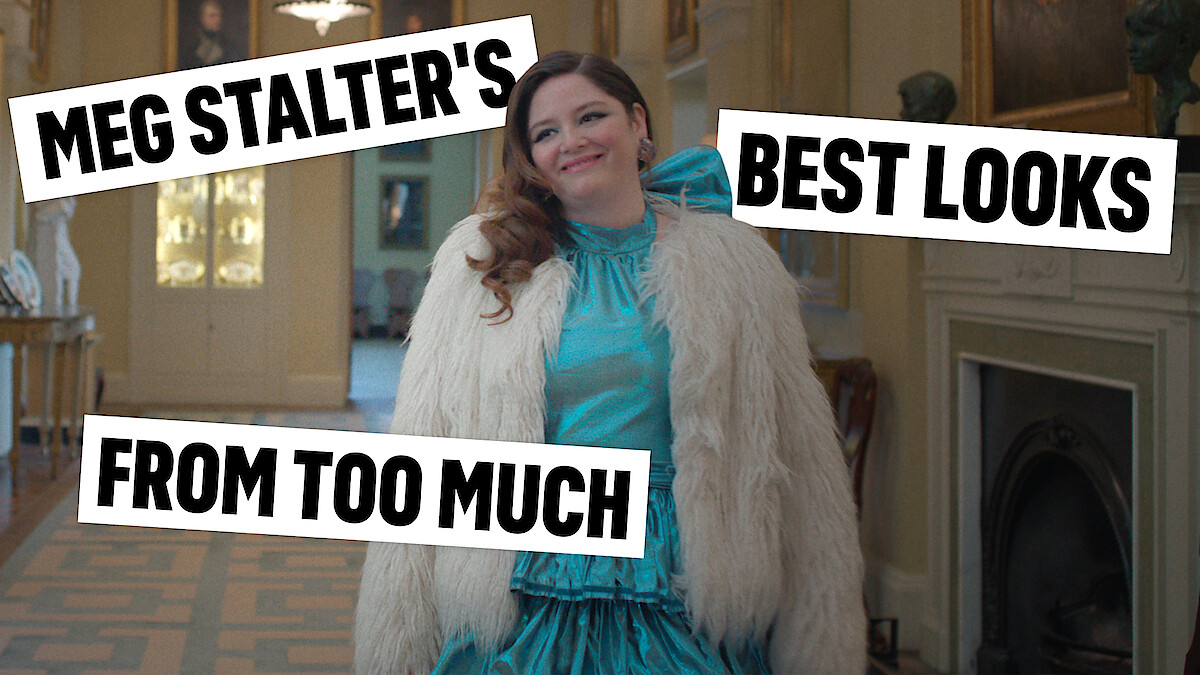
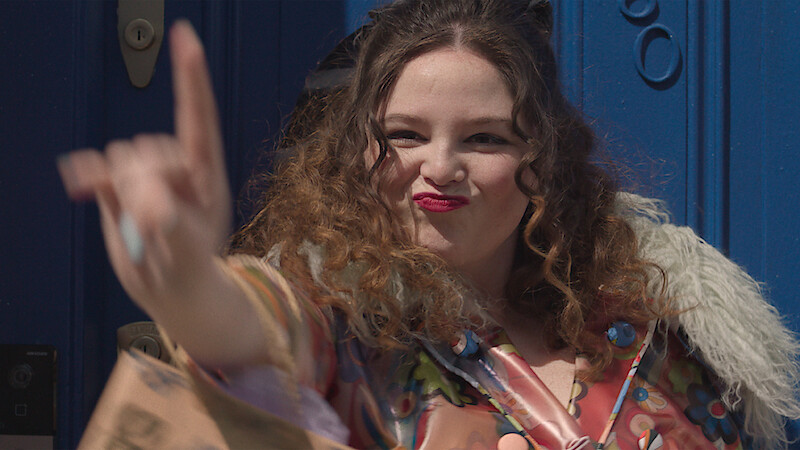
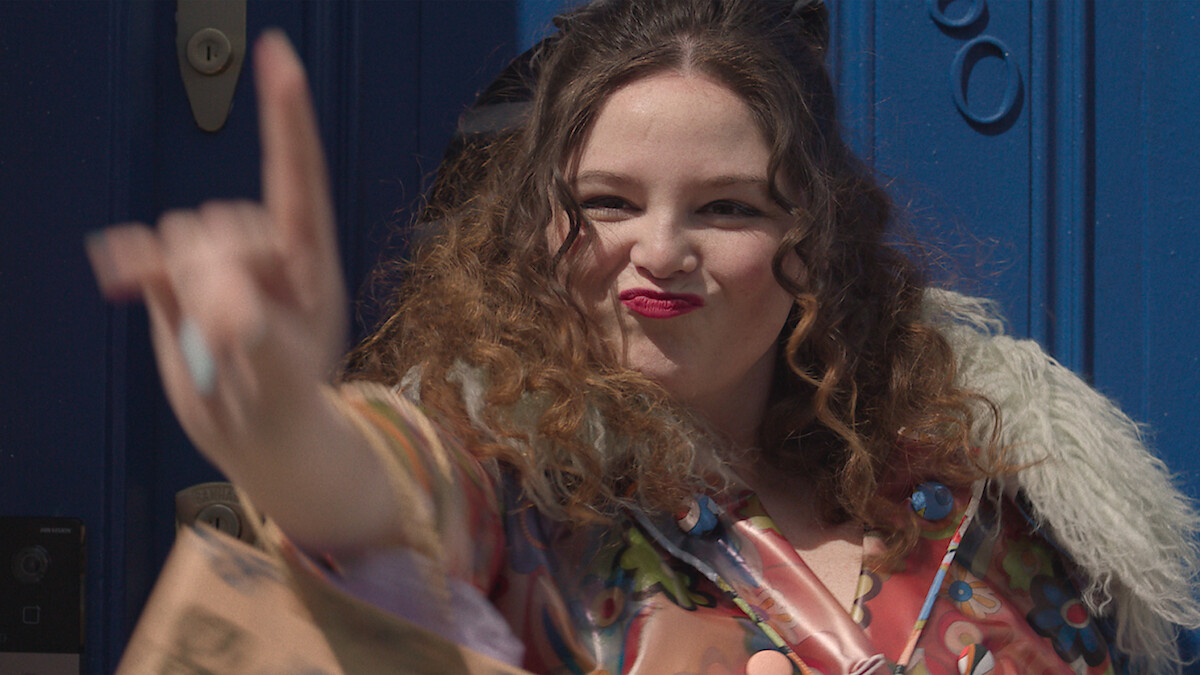
Jessica is the show’s beating heart, and Stalter strikes an irresistible balance of laugh-out-loud silly and achingly vulnerable. It’s no wonder the actor-comedian best known for Hacks inhabits the role so seamlessly: Dunham wrote Jessica with Stalter in mind after learning of her stand-up and social media skits from Andrew Scott (Ripley) — who makes a show-stopping cameo in Too Much. “He said, ‘You’d better be watching this girl, because she’s your soul twin.’ I started watching her videos and I was just like, who the f**k is this person?’ ” says Dunham. “I was just transfixed by her every move, and felt like she had this vulnerability that in addition to comedy, she had the ability to be this actress of tremendous depth.”
“Jessica is a combination of me, Lena, and her own fictional stuff,” says Stalter. “[Lena] does such a good job writing about her real experiences and turning them into fiction.” Even though this was her first starring role, Stalter undauntedly made Jess her own. “We were able to improvise or bring Lena notes,” she says. “If I were the lead of a show where people weren’t collaborative, I would feel pressure to get everything a certain way. She let us put so much of ourselves in the show.”
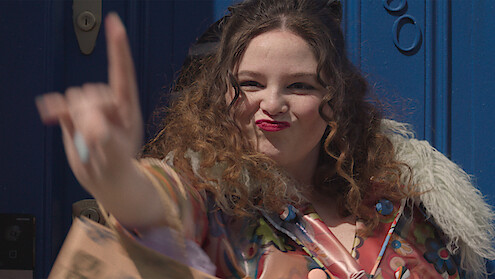
Stalter shares more than a few things with her character. “Jessica and I both wear our hearts on our sleeves,” she says. “We’re emotional, we’re dramatic. We’re both weird girls who are funny and hot.” Jess’s confidence and ownership of some of what plagues her belies how little control she has over some of the darkness in her life. The fresh start prompts her to unpack some of these long-held traumas — including her dad’s passing and the ways in which her ex Zev’s (Michael Zegen) subtle cruelty chipped away at her self-image during their seven-year-long relationship — as well as the coping mechanisms that helped mask them.
As Jessica processes her past and adapts to her new life in London, there are some bumps and missteps along the way, but in Stalter’s hands, she is endlessly sympathetic and relatable — and hilarious. “There’s a commitment level that you have to have for physical comedy,” she says. “Ultimately, it’s about getting your spark back and falling in love with yourself again.”
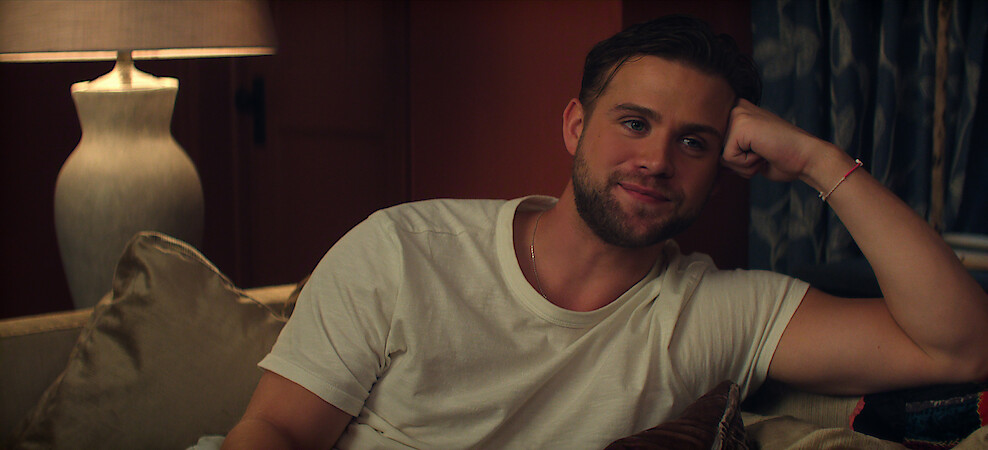
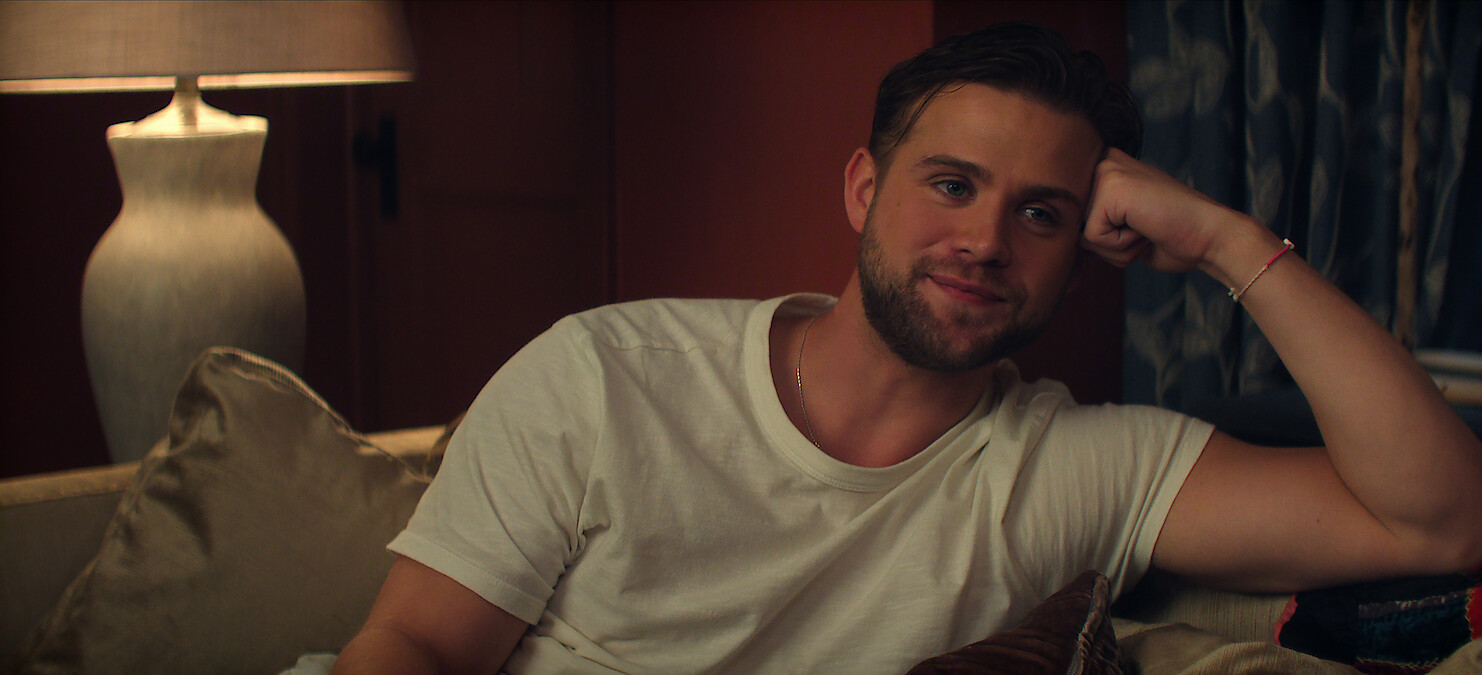
Just as quickly as Felix and Jess fall for each other, Dunham knew within seconds of meeting Sharpe that she’d found Too Much’s leading man. “Will came to breakfast … and I was like, ‘Well, there he is,’ ” says Dunham. “I’d been told he probably wasn’t available, so I was like, ‘Well, now I can’t even make the show.’ ”
Sharpe took inspiration from Dunham’s real-life leading man, but, like Stalter, brought his own approach. “I was mainly trying to go off what was on the page — trying to find a Venn diagram and work out what the cross section was between me, parts of Lu, and the script,” says the actor who is known for his Emmy-nominated turn in The White Lotus and his memorable performance in A Real Pain. Sharpe also writes and directs for films and TV, which came in handy when collaborating with the co-creators.


In Felix, Jessica finds an unlikely match. He’s a Paddington-obsessed punk musician who straddles disparate worlds — his Japanese mother (Kaori Momoi) and white father (Stephen Fry), his rock-and-roll lifestyle and bid for sobriety — as nimbly as he plays five-a-side football. Sharpe brought a singular perspective to Felix’s background, as his mom is also Japanese. “He had a really specific take on what it is to be an Englishman that I thought brought a lot to the role,” says Dunham.
Despite his similarities with Felix, Felber never felt like Sharpe was imitating him. “When you make something, it always starts from your own experiences, like Lena and me meeting. But the moment we started writing it, it became Felix and Jess. Then you cast Will Sharpe and Meg Stalter, two fantastic artists, and it becomes a whole new world,” the co-creator says. Dunham adds, “I feel like it could have been no one else besides the two of them, and I feel so lucky.”
Stalter and Sharpe, however, did borrow from their real-life dynamic. “We didn’t want to overcook it, because our characters are meeting each other in the show, so we wanted to preserve some of that energy,” says Sharpe. “Occasionally, life would imitate art, and I’d find myself with Meg explaining what Kendal Mint Cake is. Someone would come in and be like, ‘Are you rehearsing?’ and I’d have to say, ‘No, Meg hasn’t heard of a Kendal Mint Cake, and it turns out that’s actually quite a hard thing to explain.’ ”
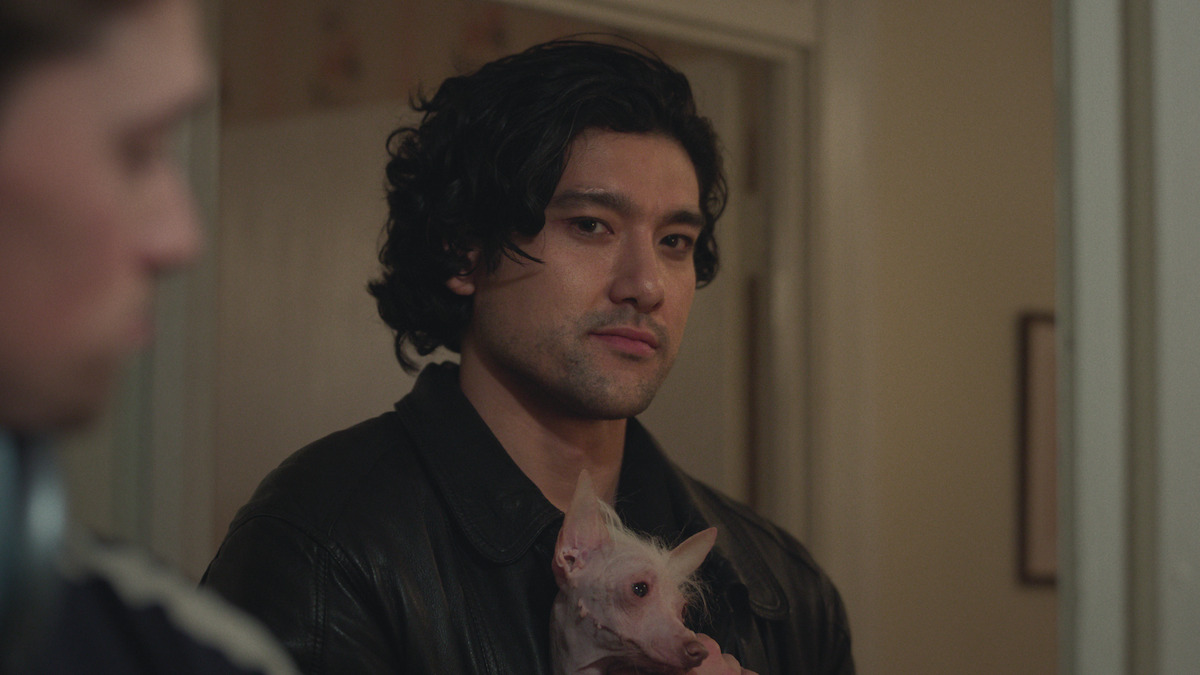
Felix, too, is a twist on the leading man: “He’s kind of like a Disney prince if you bent it slightly to the left. He’s got all that charm and charisma, but he’s willing to lean into vulnerability,” says Dunham. In true British fashion, “Felix is much cagier and his defenses are visibly higher,” says Sharpe. “He’s never really learnt to protect himself in intimate situations. There’s a lot of just letting stuff happen to him.”
Felix struggles to maintain his sobriety and feels out of place among his morally bankrupt posh circles. “There’s the specificity of recovery, but there’s also the universal thing of … knowing the things that are bad for you that you have an appetite for or can’t help doing,” says Sharpe. “That’s something that hopefully anyone can relate to — that feeling of disappointing yourself or trying to be better and not quite getting there.”
It’s not until he and Jess free-fall into a relationship that he’s forced to confront this past. “Can you shed that baggage in order to feel free in this relationship and commit?” says Sharpe of his character. The mistakes he makes while unpacking this vulnerability, however, are not perpendicular to their relationship. “It’s interesting having these scenes where we hurt each other basically as part of a love story,” he says.
Stalter found the way Felix and Jessica stumble and make mistakes to be one of most compelling parts of the show. “They both are real people. Real people are flawed,” she says. “When you fall in love, it can be awkward and kind of embarrassing. It makes you feel vulnerable and strange.” As Felix says towards the end of the series, “If you’re damaged in the right way, you can fit perfectly together.”
Jess and Felix deal with some heavy experiences, yet the show never feels dour or glum — on the contrary, it’s equal parts hilarious and hopeful. In fact, because Too Much depicts something closer to reality than some rom-coms, it makes for a more resonant and sweet tale. “It has such an awareness of rom-com … but it also does have some rougher edges,” says Sharpe. “That makes the sweeter aspects all the more powerful, because there’s an honesty to it. It’s not overly sugary. It’s got an umami thing going on.”
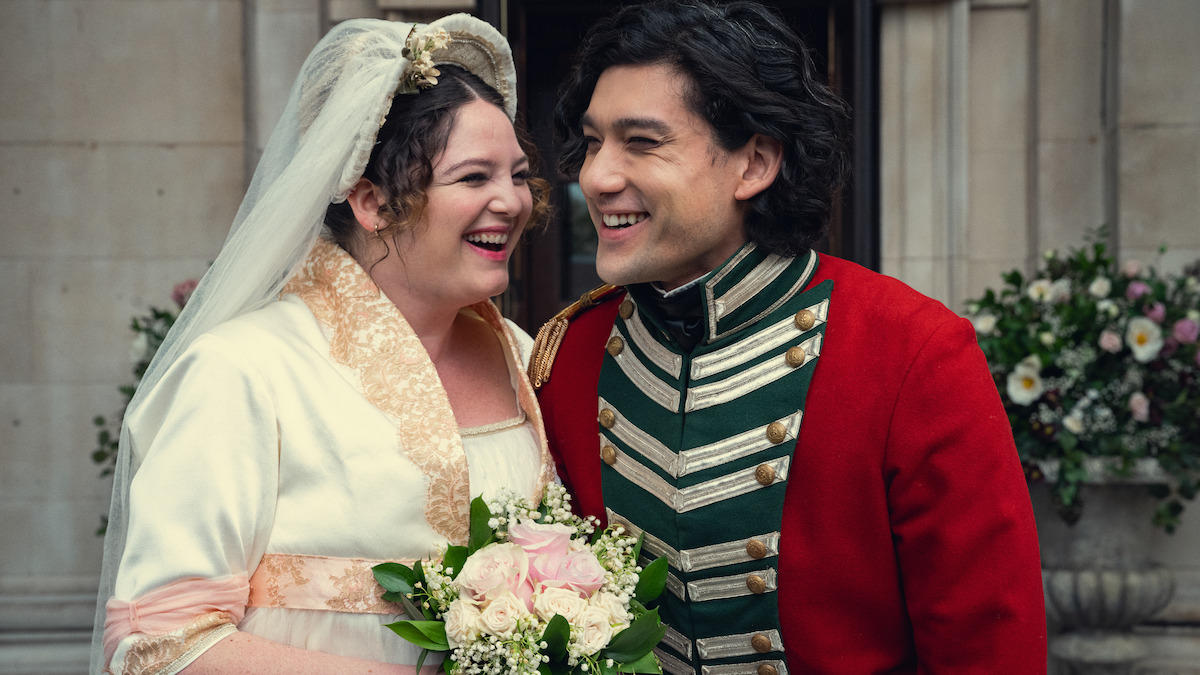
As in real life, Jess and Felix’s future is not assured, but rather something they need to cultivate and nourish with forgiveness and honesty. “Every time I go to any wedding, I’m like, ‘Will this work out? I hope so, but who knows?’ ” says Dunham. “We know that it’s an uphill battle to spend your life with another person and really make that work. We think of a wedding as the end of the story, when actually it’s the beginning.”