The director on adapting AJ Dungo’s graphic novel about first love and loss.

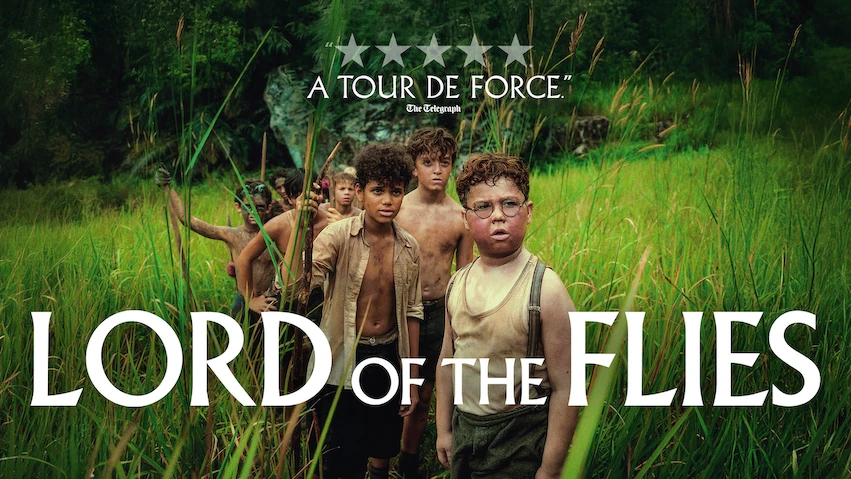
For seven decades, William Golding’s Lord of the Flies has been a fixture of the literature syllabus — a slim, brutal parable about English schoolboys marooned on an island who organize themselves, splinter, and finally turn on one another. It has been adapted for cinema and stage. What it had never been, until now, was a television series. Written by Jack Thorne (His Dark Materials, Help, Adolescence) and directed by Marc Munden (The Sympathizer), the four-episode adaptation of Golding's 1954 novel premiered in May 2026.
For Thorne, the material is personal. “I’ve been reading the book since I was 11 years old, so I’ve been reading it for 35 years,” he says. “It’s a different relationship to any other book that I’ve adapted.” That familiarity shaped his biggest structural decision. Rather than compress Golding’s work into a single feature, as the 1963 and 1990 films did, Thorne envisioned his adaptation from the outset as a four-part “relay race,” handing the narrative from central characters Piggy (David McKenna) to Jack (Lox Pratt) to Simon (Ike Talbut) to Ralph (Winston Sawyers). “There was a very easy transition from book to screen, because of that structure,” he says.
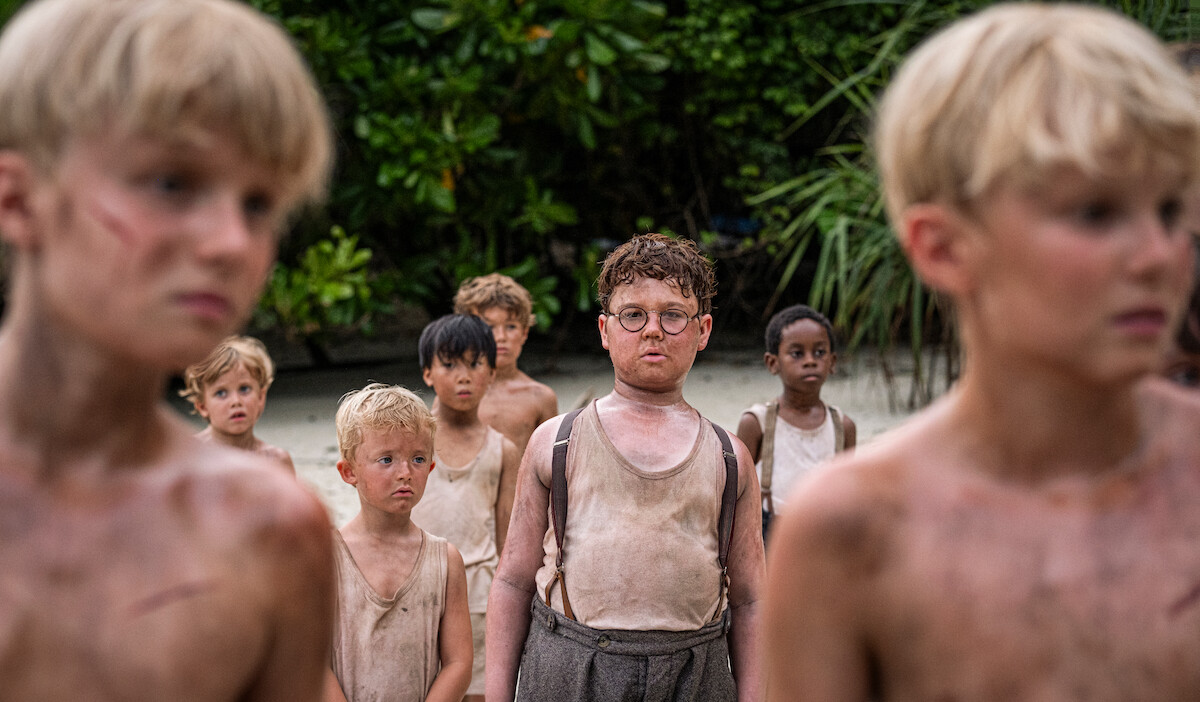
Why return to it now? Thorne argues the novel has never been more relevant. “As a society, we’re having a conversation right now about boys,” the writer says. “We’re losing a generation of boys … because of the hate they are ingesting.” He reads Golding’s book less as a horror story than as “a really loving portrait of boys” — “a tender portrait of a lot of very complicated boys having a complicated relationship with their status and anger.” His hope is that the series rescues the story from its own cliché. “‘It’s all gone Lord of the Flies’ is used as shorthand for the most obnoxious things,” he says. “I hope [the series] takes people back to the book.”
Thorne kept the dialogue spare, blending Golding’s words with his own channeling of the author’s voice. “The dialogue used is a mixture of what Golding wrote and what I thought he might,” he says. “Where I felt myself pushing in too much, I pulled back. I didn’t want to hear the voices in my head. I tried to bring out the voices in his.”
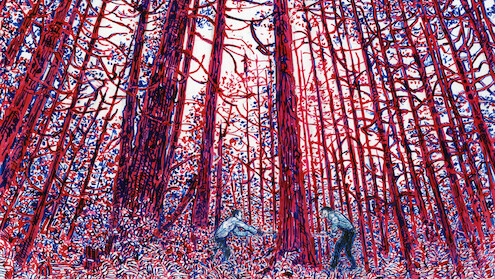
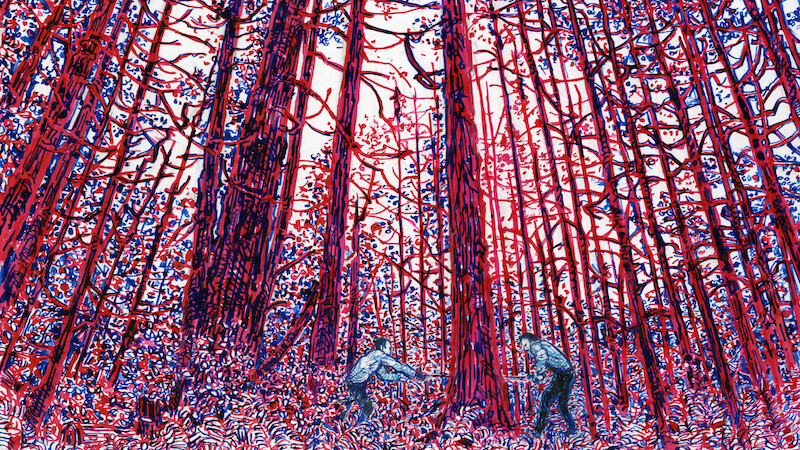
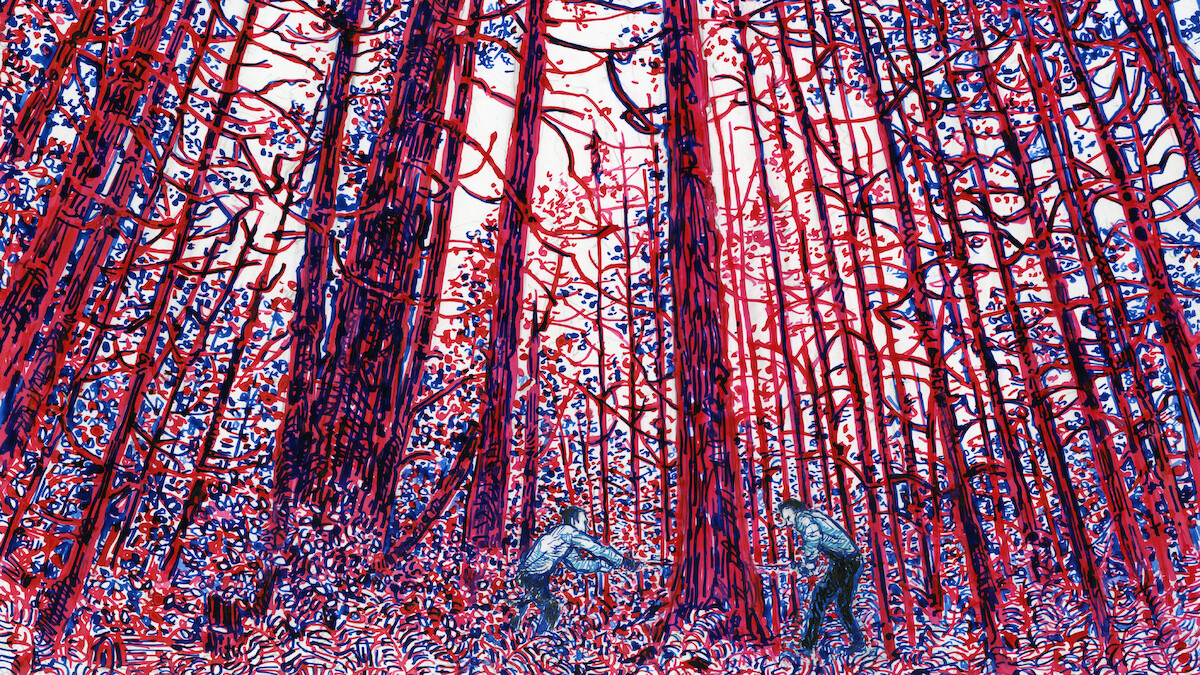
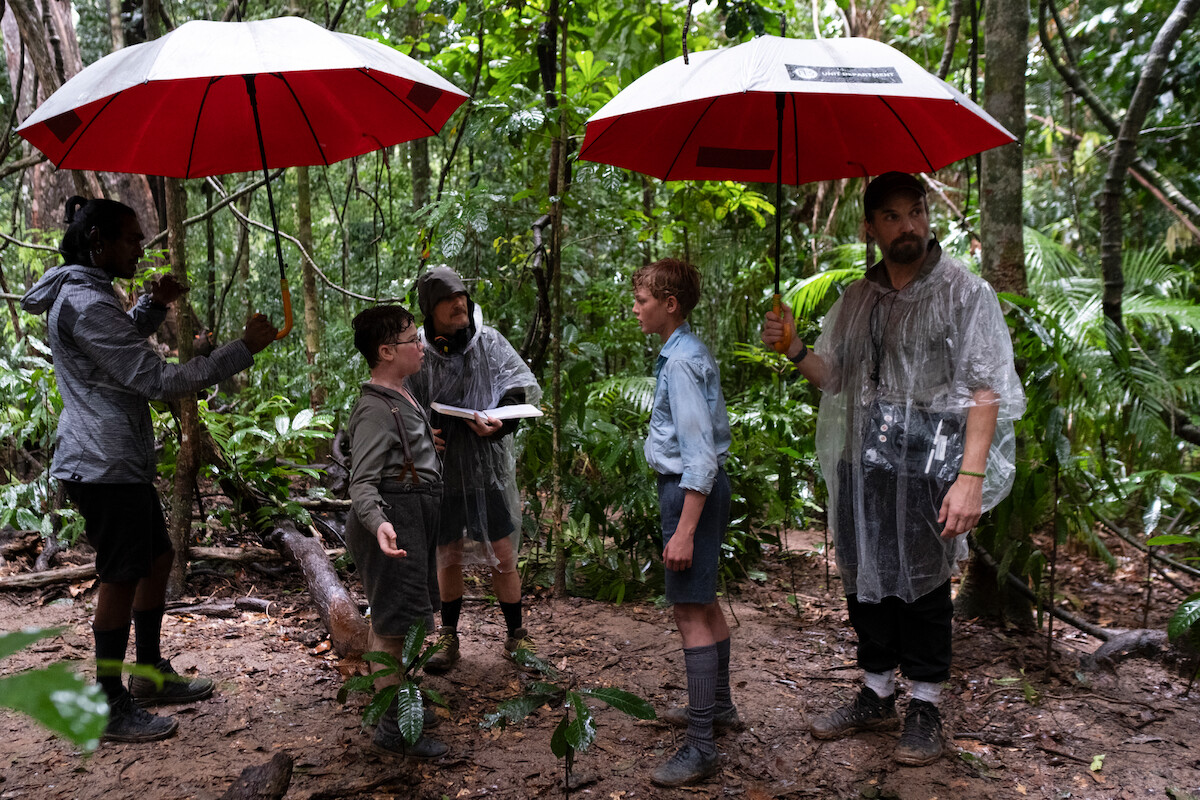
What the page can only imply, the screen makes visceral. Instead of conjuring the island on a soundstage, production took place in dense rainforest and uninhabited islands off Malaysia. Unable to film the young cast after dark, Munden and cinematographer Mark Wolf filmed day-for-night on an infrared camera that turned the green foliage pink and red, imbuing the island with a hallucinatory tone that gives it the ambiance of magical realism. It’s the work, Thorne says, of a director who thinks like a painter. “There is something about the way that he chooses color, and the way that he tells the story, in space, that is so distinctive,” he says.
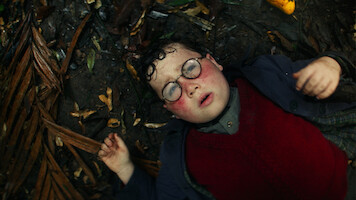
That visual language also lets the story’s savagery land differently than it does on the page. Munden filmed the boys’ descent obliquely, in gesture and silence as much as action; the dress-up clothes they pull from a washed-up suitcase transform, piece by piece, into makeshift tribal armor as their innocence curdles. Even the gravity of Piggy's death, he and Thorne agree, is revealed most vividly through what goes unsaid among the boys, rather than through spectacle.
That restraint is Thorne and Munden’s case for adapting Lord of the Flies for our present moment. “Golding’s brilliance and complexity [are] often dismissed,” Thorne says. The series bets that four hours of faithful, spare, unsettling drama can return a book everyone thinks they know back to what the author actually wrote — “a difficult and dangerous account of who we are and what we're capable of.”