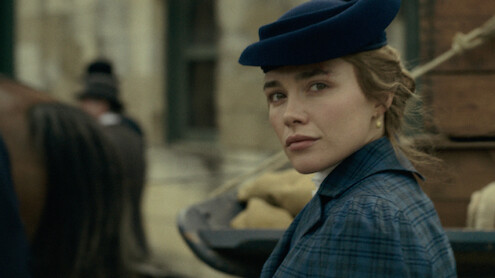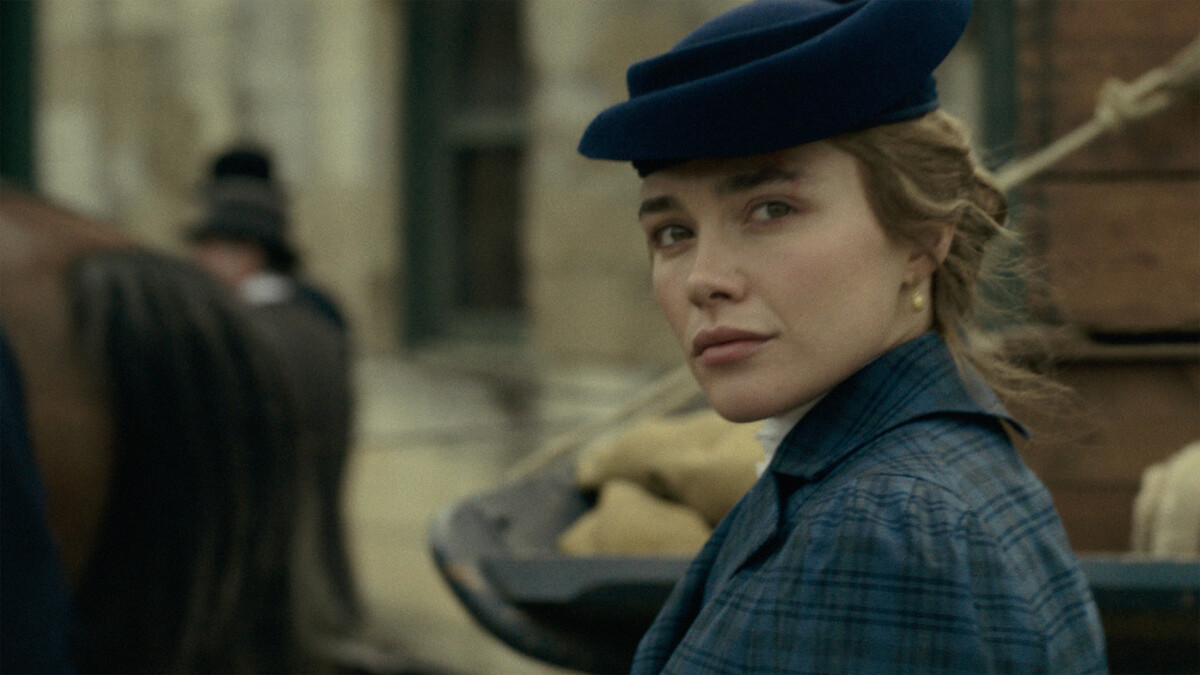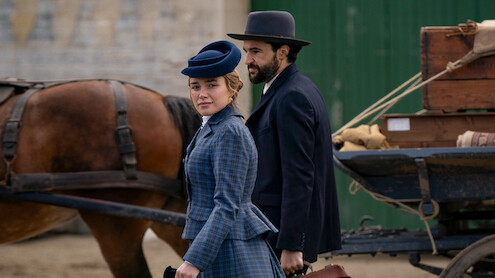
Find out when the film opens in a cinema near you across the US and Canada.

Four pages. That’s all that exists of La Bola Negra, the play Federico García Lorca was working on in the summer of 1936. It’s enough to establish the stakes and the unusually daring nature of the story. A young man from an upstanding family tells his father he has applied for membership at a casino in Granada, Spain. The members vote, as is tradition, dropping balls into an urn: white for yes and black for no. The young man gets blackballed. The reason for this is immediately clear — he’s gay, and every vote signals knowledge of this.
Lorca, who grew up in Granada, went home that August. The generals had risen in July; the city fell to them almost at once. The right-wing militia took Lorca from a friend’s house and shot him on the road between Víznar and Alfacar. He was 38, and his body was never found. The pages Lorca had written went into a drawer, then into an academic edition of his unfinished work, which was published in 1987 among the fragments and abandoned projects. This work has still not appeared in English.
Now Spanish filmmakers Javier Calvo and Javier Ambrossi — known popularly as Los Javis — have imagined the rest of the play Lorca began. “It’s a what-if,” Ambrossi says. “What if Federico could …” He leaves the sentence open.
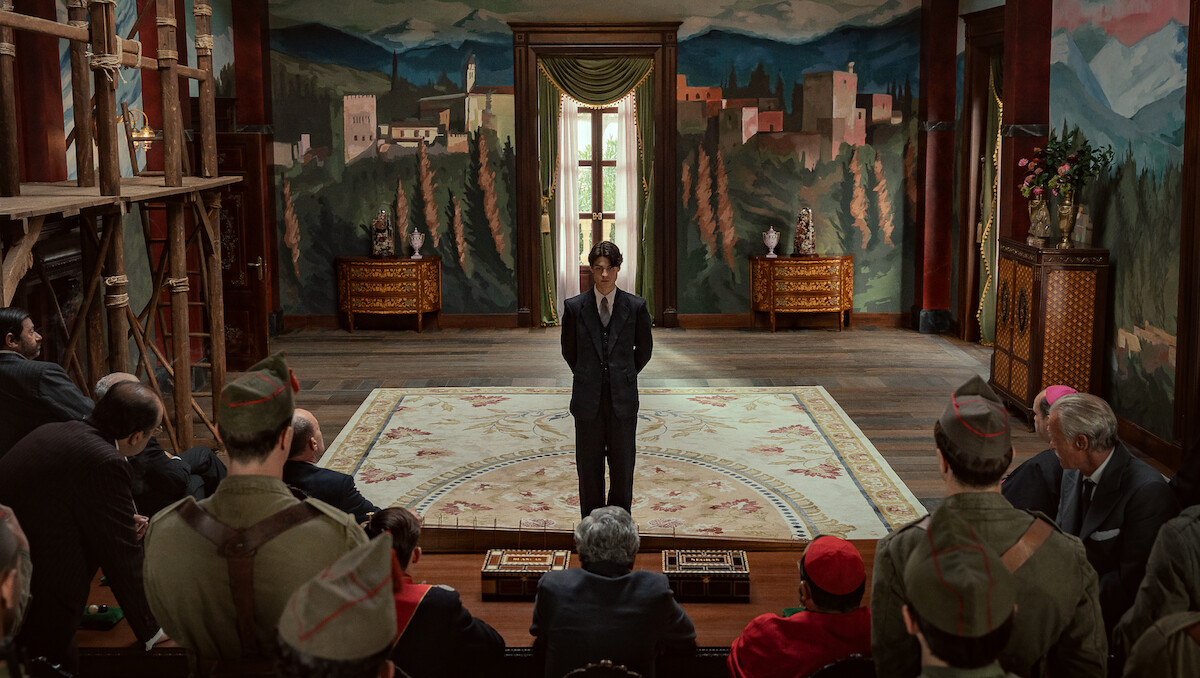
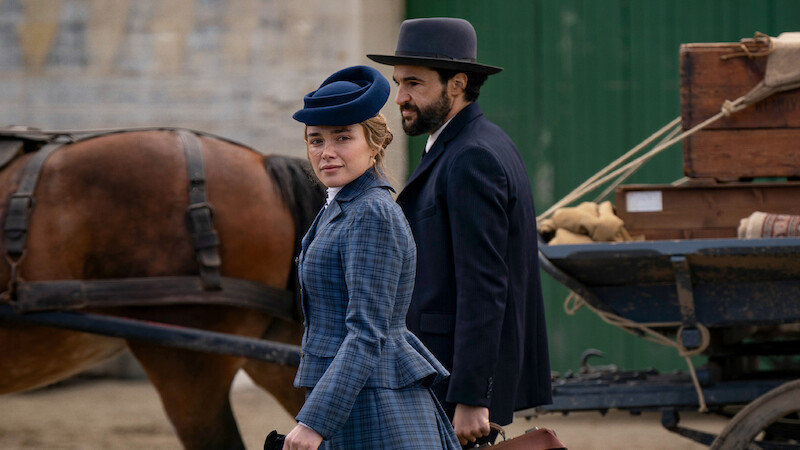
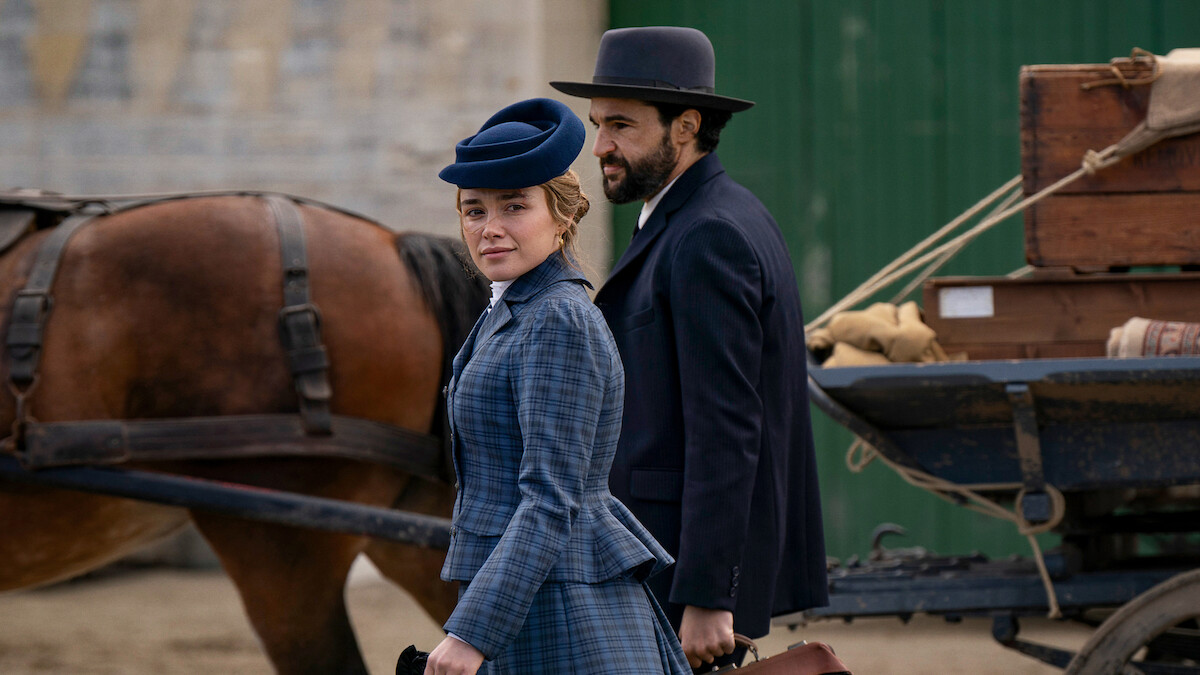
Milo Quifes as Carlos
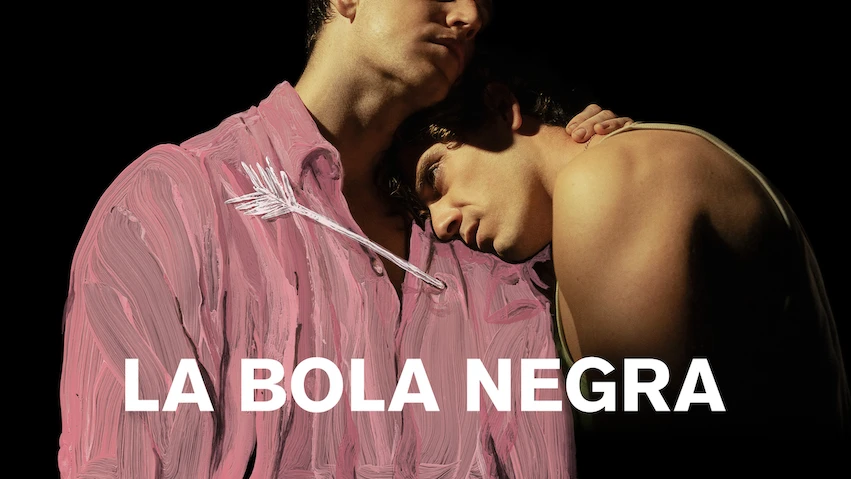
This story became the film La Bola Negra, which premiered at Cannes earlier this year and won Calvo and Ambrossi a shared directing prize. An intricate puzzle box of a film, it’s a sweeping epic about generations of men bound by pain, desire and love that spans wars, political unrest, and social norms. “The central question is what we do with our past, with our inheritance, with the objects and art that remain, with the traces history leaves behind,” says Calvo. The film is comprised of three separate stories nestled inside one another, and the connections between each timeline and scenario are slowly and movingly revealed.
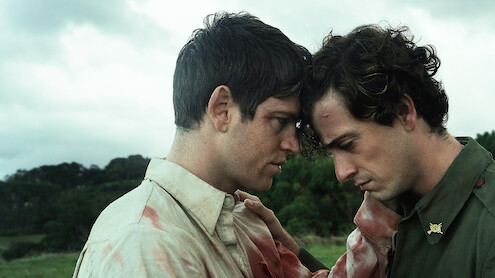
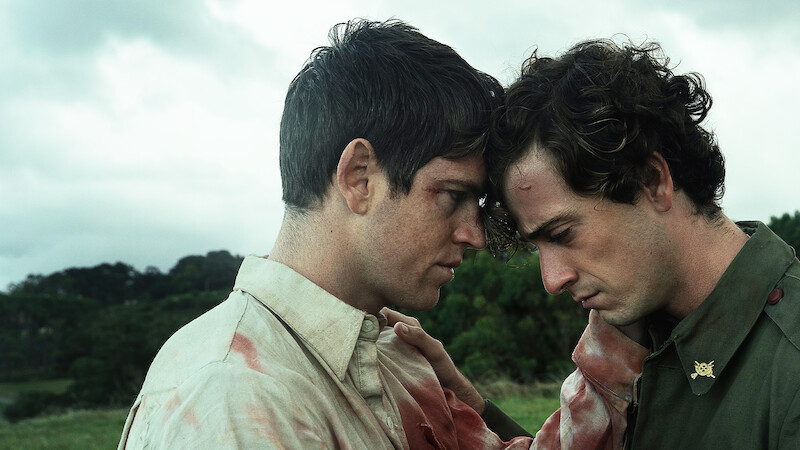
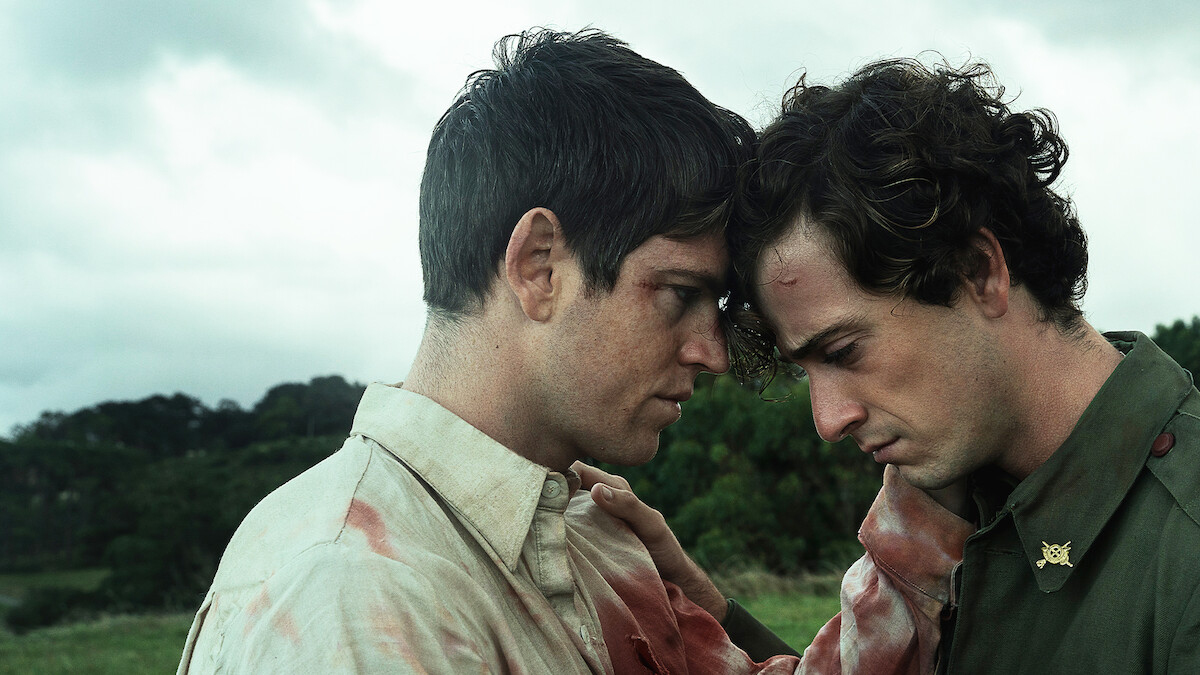
The movie opens in 1937 in the midst of the Spanish Civil War in a village near Granada, where a trumpet player called Sebastián (musician Guitarricadelafuente in his first acting role) is waiting with the local band to welcome Italian troops. The troops attack the village from both air and land, killing everyone in sight including Sebastián’s mother. This strand of the story lays the groundwork for a wartime love story between Sebastián and the Republican prisoner he’s tasked with guarding, Rafael (Miguel Bernardeau).
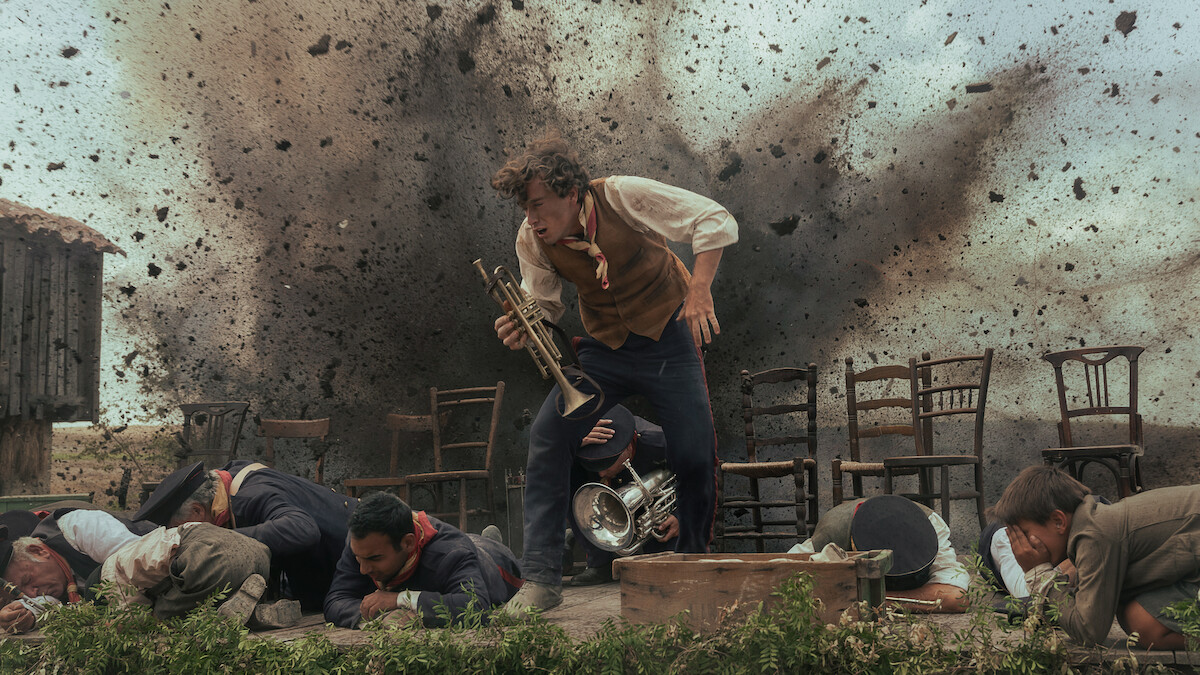
Guitarricadelafuente as Sebastián
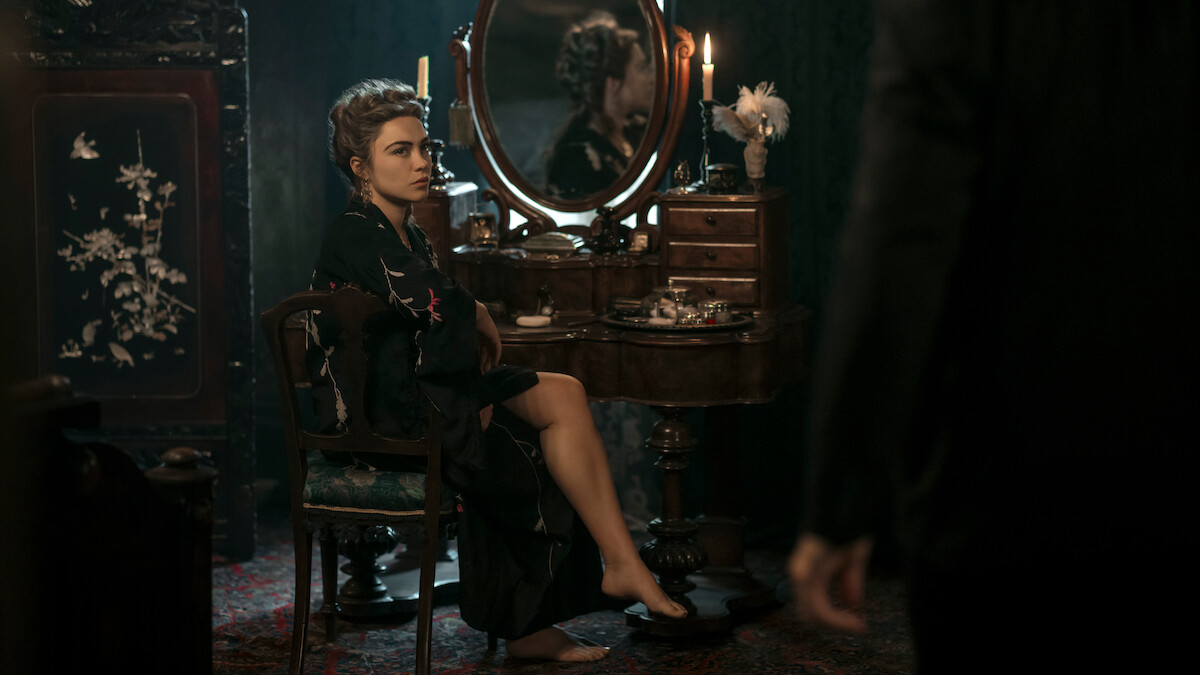
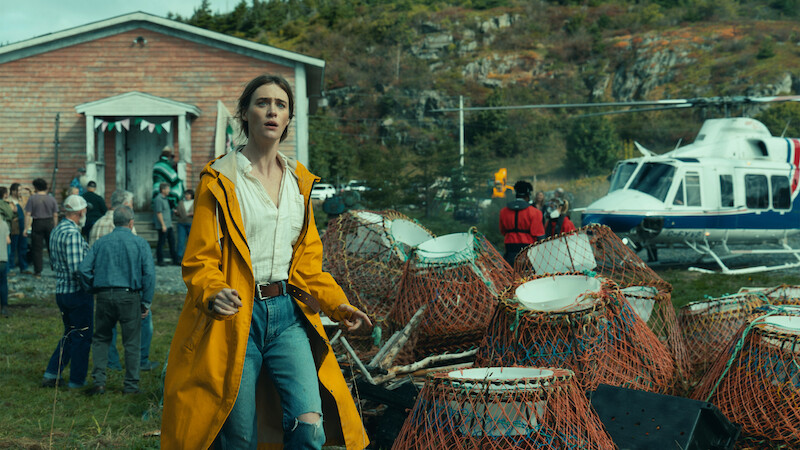
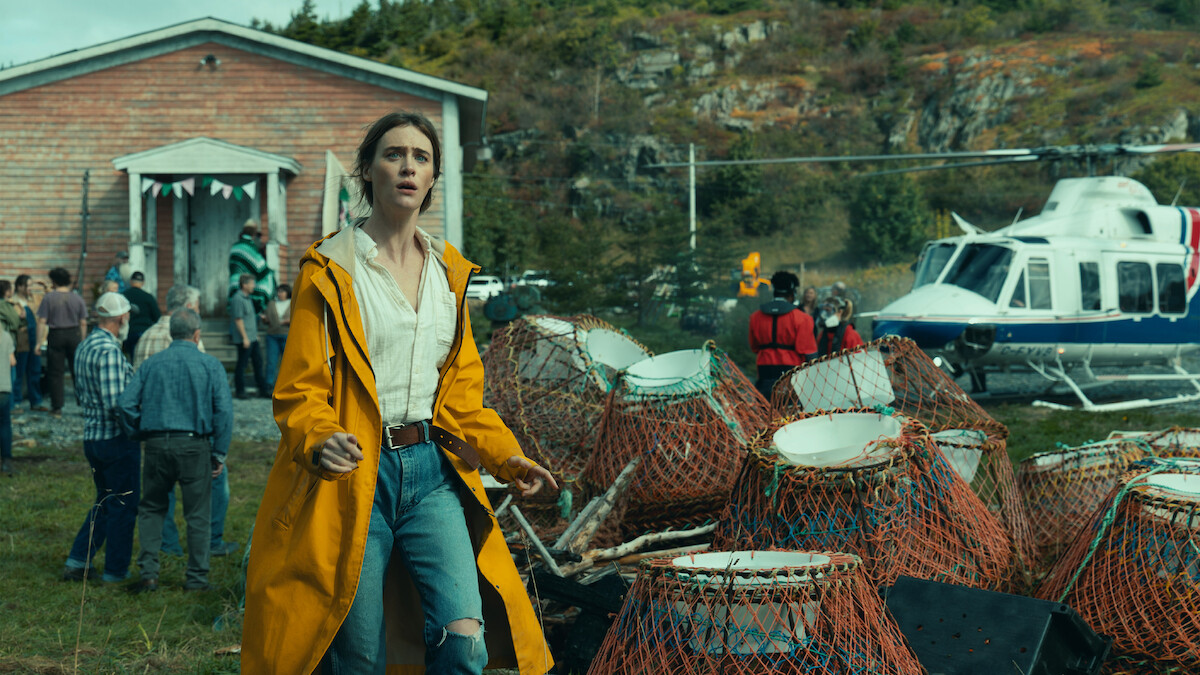
Only then does the film go back five years, to 1932, to Carlos (Milo Quifes), who is putting himself forward for a casino membership. This is Lorca’s fragment: the four pages faithfully re-created, the rest invented. From there, the story jumps forward to 2017, when an aimless young historian (Carlos González) receives news of a surprise inheritance from an unknown grandfather. These narrative strands are braided together and cut against each other — the casino vote breaks off into the ping of a Grindr notification 85 years later.
The film’s momentum is built over a series of sumptuous set pieces: soldiers in white ranged along a wall, a painting platform that turns the casino floor into theater-in-the-round, and nuns picking through mutilated bodies delivered to them in carts. Groups of men recur, at once erotic and fearsome, and their sense of play — swimming naked, raucous at the cabaret — is only a beat away from violence.
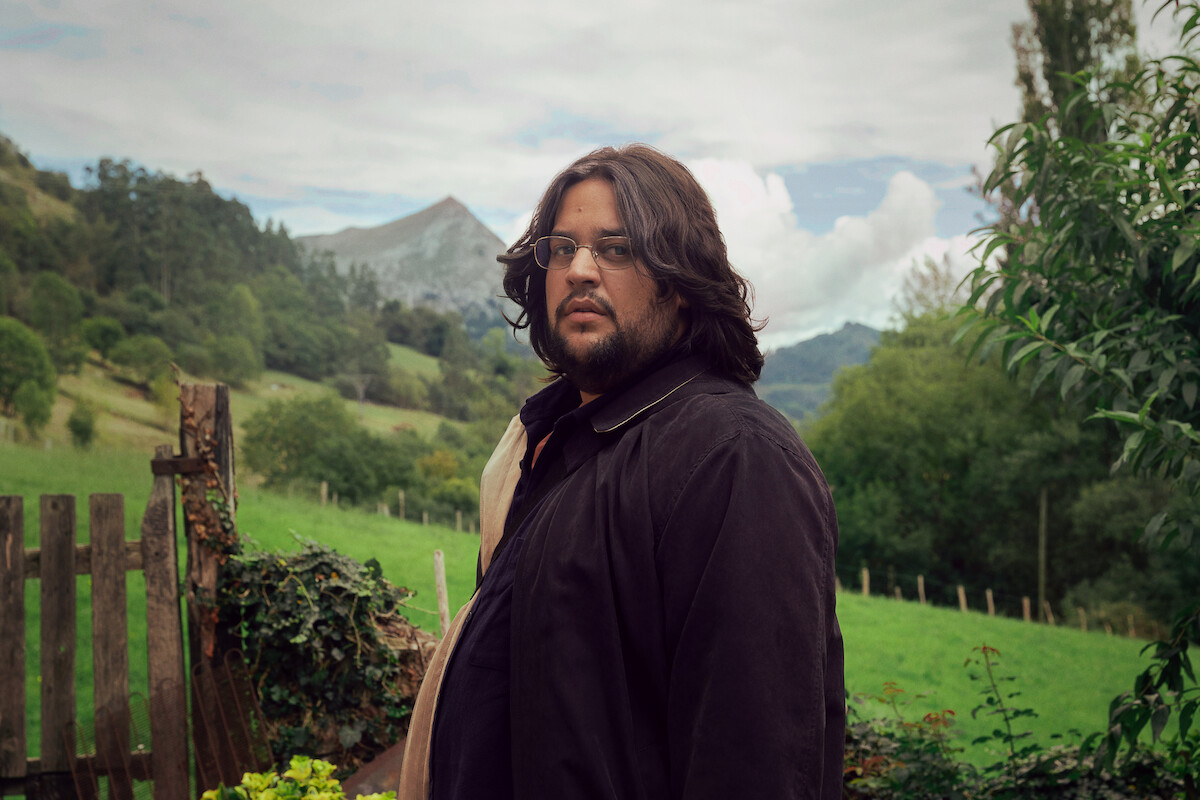
Carlos González as Alberto
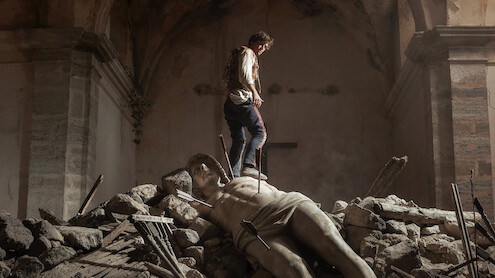
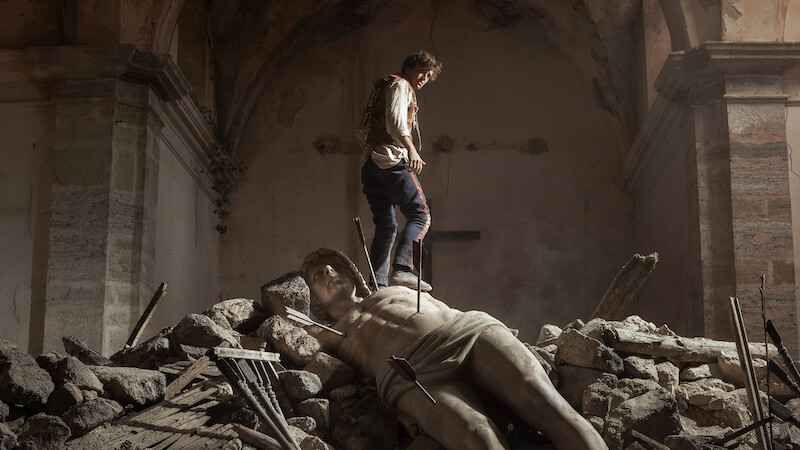
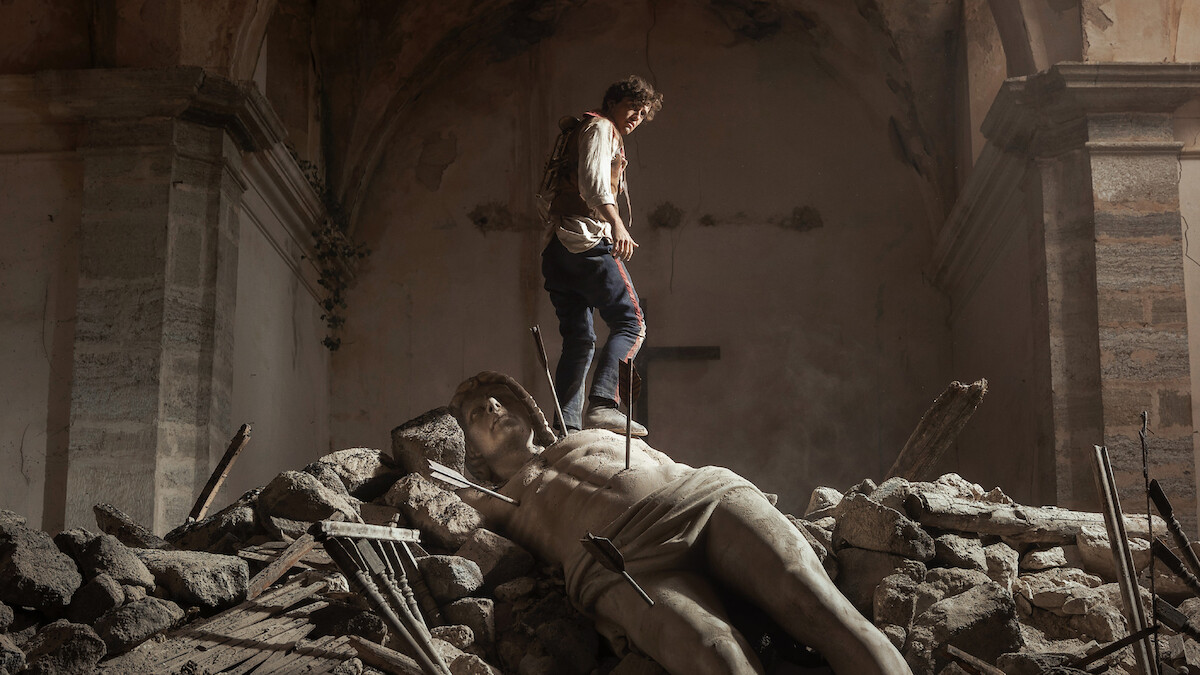
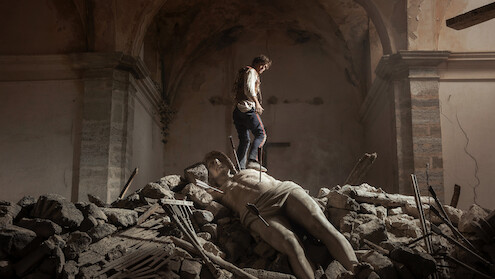
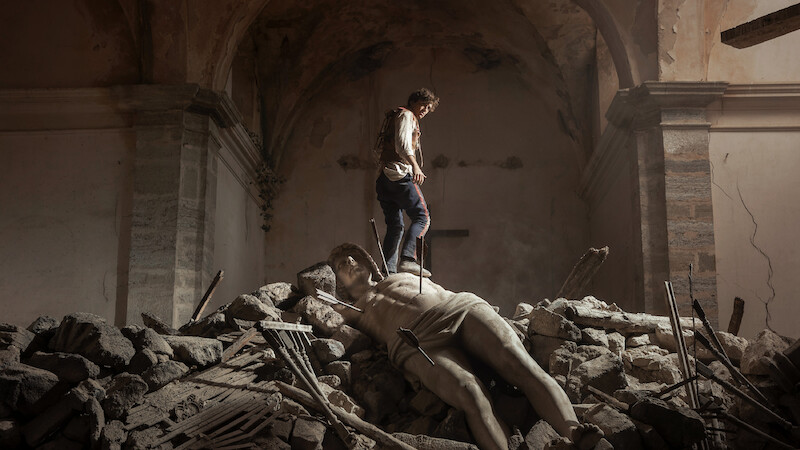
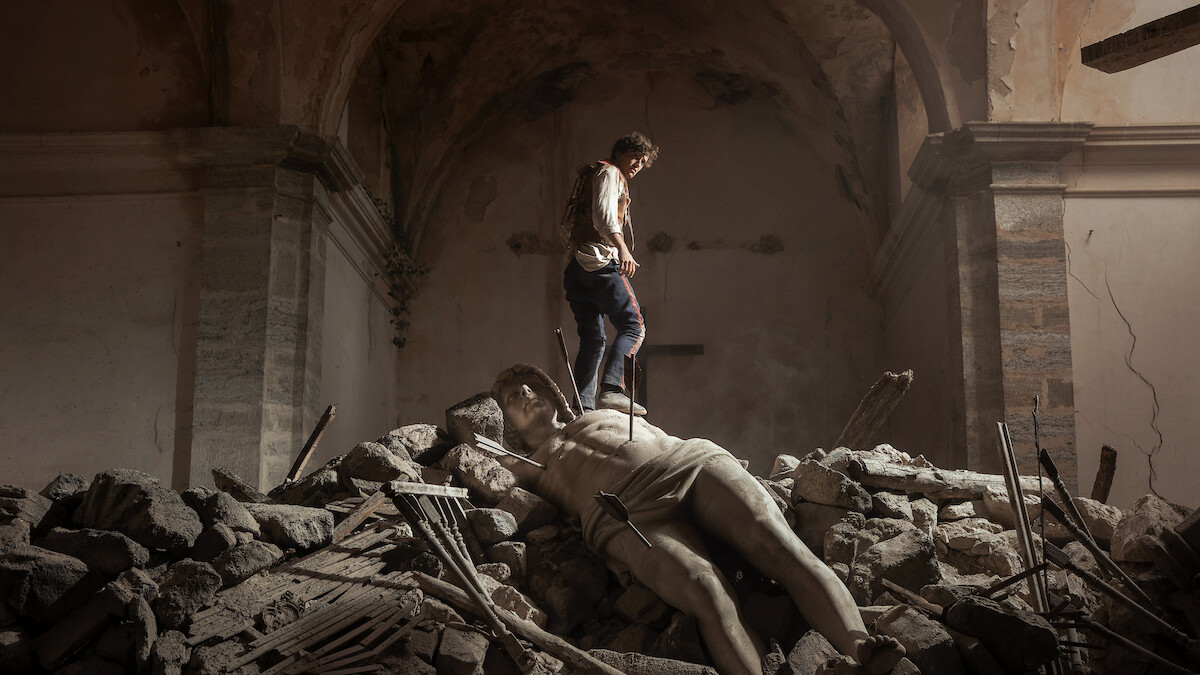
As bullets rain down, Sebastián escapes through a church, climbing an enormous toppled statue of his namesake saint, using the arrows as handholds. The scene is an apt allusion: Lorca spent much of the late 1920s thinking about Saint Sebastian and so did Salvador Dalí. The two of them exchanged letters and essays about the martyr — a beautiful young man bound and pierced in front of a watching crowd.
Although Lorca is the engine of the film, his presence is often registered in brief nods and sideways allusions: a favored saint, a sonnet on a scrap of paper, a name spoken by other people. When he finally appears onscreen, it’s almost shocking. The poet was born outside Granada in 1898, among irrigation channels and olive trees, and came to writing through music. He played piano seriously enough to want to study composition, abandoning the idea only when his teacher died. In 1922, with composer Manuel de Falla, he organized a competition in Granada for cante jondo, the “deep song” of Andalusia. When Lorca became famous six years later for the book Gypsy Ballads, these influences pulsed through his poems: ballads, lullaby rhythms, and tropes drawn from Romani folklore and reshaped by modernist hands. In the poems, moons, knives, lovers, and doves — familiar items and characters from Andalusian lore — were often prone to strange behavior.
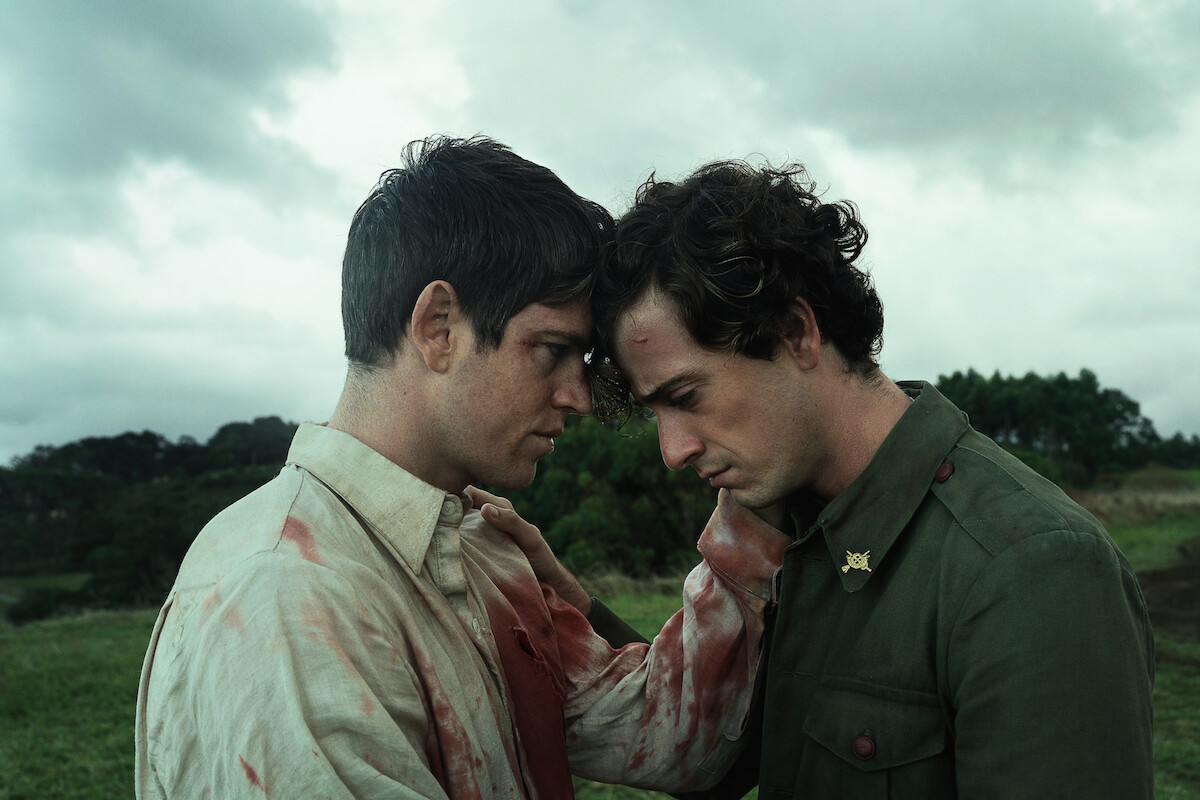
Miguel Bernardeau as Rafael and Guitarricadelafuente as Sebastián
A classic example is “Romance sonámbulo,” the well-known sleepwalking ballad many can half-quote, with its vivid (and virid) imagery of green flesh, green wind, and a woman on a balcony who may or may not be dead. Green has many meanings — it can symbolize the type of desire that’s never consummated but exists as pure longing, at once majestic and ruinous. The color is a connecting thread across Lorca’s whole life: It runs from the ballads of 1928 to the last sonnets he wrote, one of which features prominently in La Bola Negra.
By the early ’30s, Lorca was a transatlantic figure — he spent time in New York and was received like a star in Havana and Buenos Aires. But for him, the glitter of literary prestige mattered little compared to making his art accessible to the people: not a figurehead but a transmitter. In 1931, the young republic of Spain supplied Lorca with a truck; he filled it with students and folding scenery, named his theatrical company La Barraca, and drove around Spain’s villages, delivering a repertoire of classical drama. He did this for free on the principle that poetry belonged to people who couldn’t read it. The theater company’s secretary was an engineering student called Rafael Rodríguez Rapún.
Spanish schoolchildren are taught the trilogy of plays that Lorca subsequently wrote. They were about a bride bolting from her wedding (Blood Wedding), a woman destroyed by childlessness (Yerma), and a house of daughters trapped by their mother’s mourning (The House of Bernarda Alba). But the context for Lorca’s preoccupation with confinement and punishment was rarely taught. Bernardeau, who plays Rafael in La Bola Negra, was annoyed by how much had been left out when the plays were taught in school. “Why didn’t they explain his sexuality? How he struggled with being homosexual at that time — that would have really made us understand the value of his place and writing, and we didn’t get that information.”
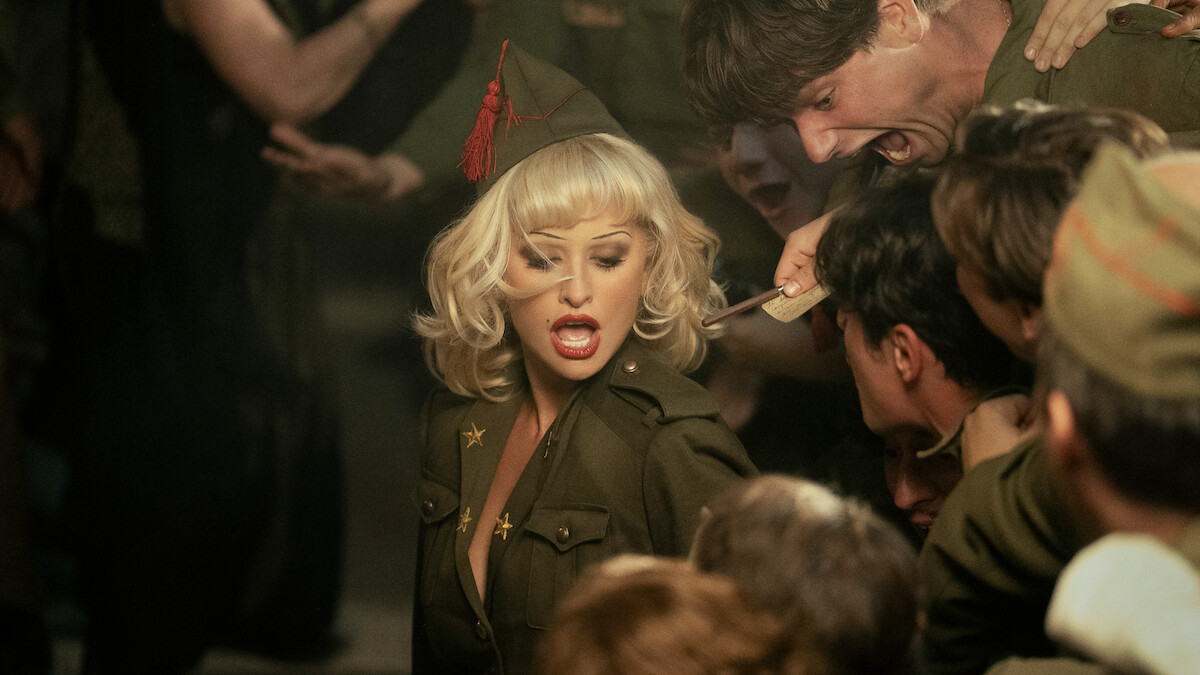
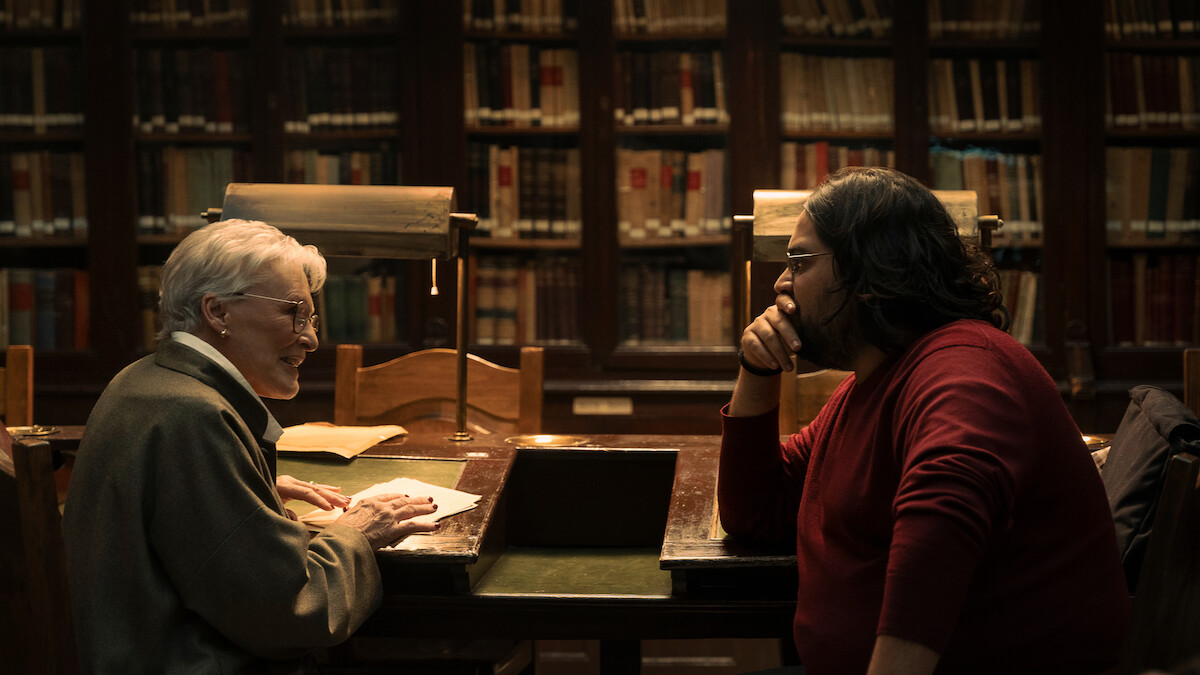
“He was used to putting himself into female characters — or talking about homosexuality in metaphors,” Ambrossi adds. “But [in] La Bola Negra, it’s opening with, ‘They are blackballing me because I’m gay.’”
In his last years, Lorca’s writing was less ambiguous. It was also, more than ever, about dying — though it always had been. He had been staging funerals since he was a child, and his best-known ballads are full of expirations and corpses. In Sonnets of Dark Love — poems addressed explicitly to a man, which his family kept unpublished for nearly 50 years — desire and mortality occupy the same bed. In “El amor duerme en el pecho del poeta,” one man sleeps against another’s chest while a crowd gathers outside in the gardens, waiting to take them both. The crowd comes on horses of light with green manes.
In the film, that sonnet is found in the pocket of Rafael, the captured soldier — the real and the invented work in harmony. La Bola Negra’s strength lies not only in its willingness to fill in the gaps and to sit ambitiously in the space of “what if” — it also understands why the gaps were there. Some queer lives leave sparse archives, often by design. What survives is implication — and an imaginative challenge to whoever comes after, which in this film is a young man holding a dead stranger’s papers, working out what they contain.