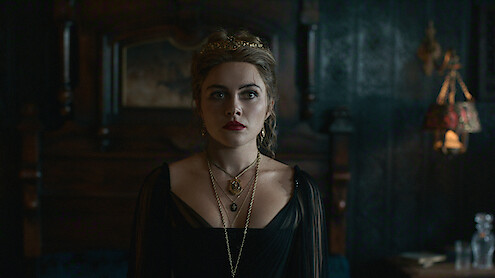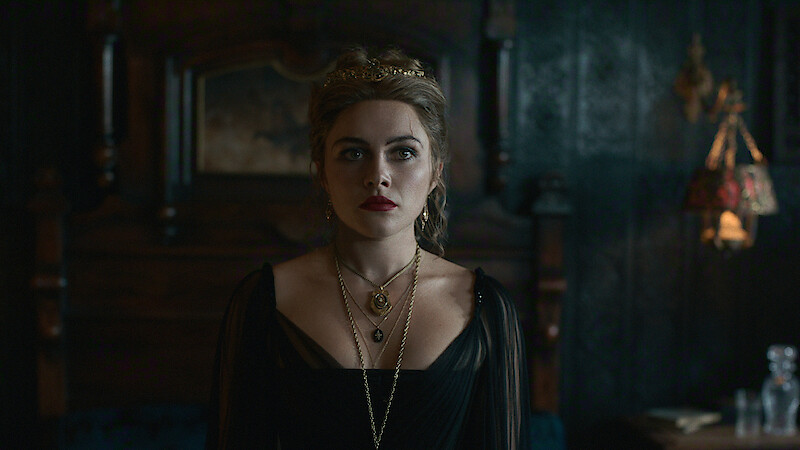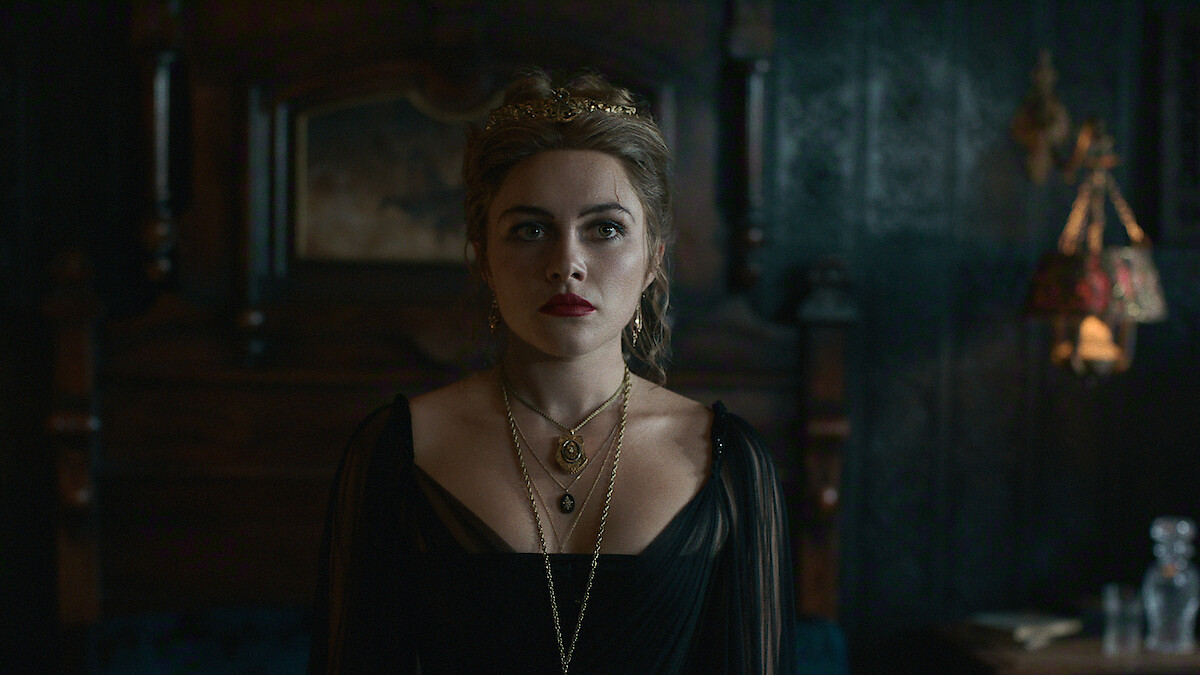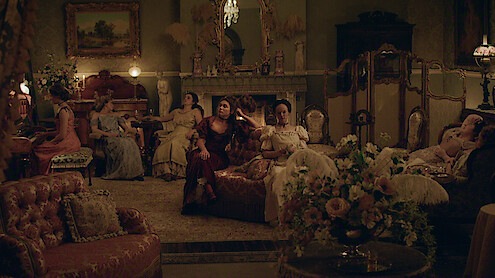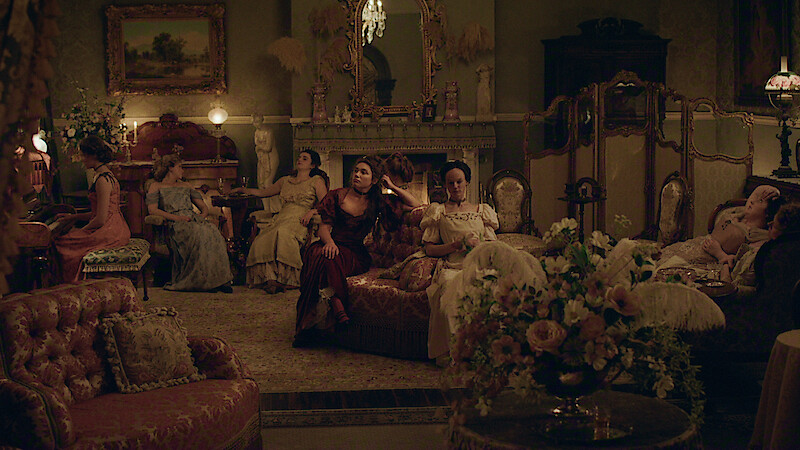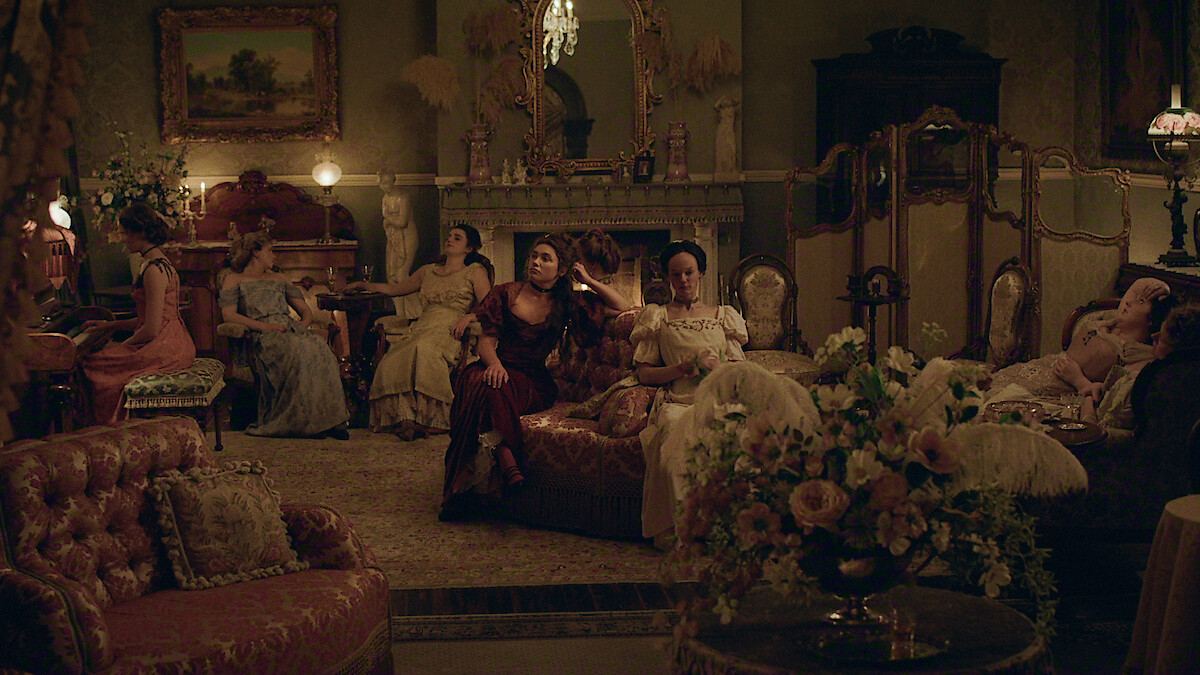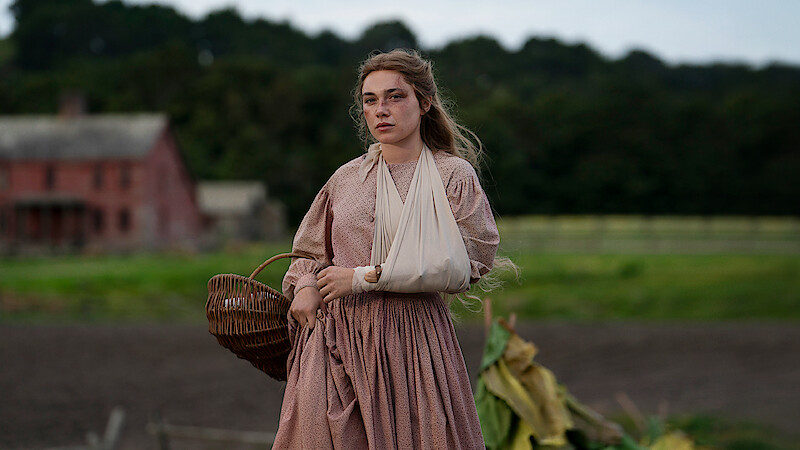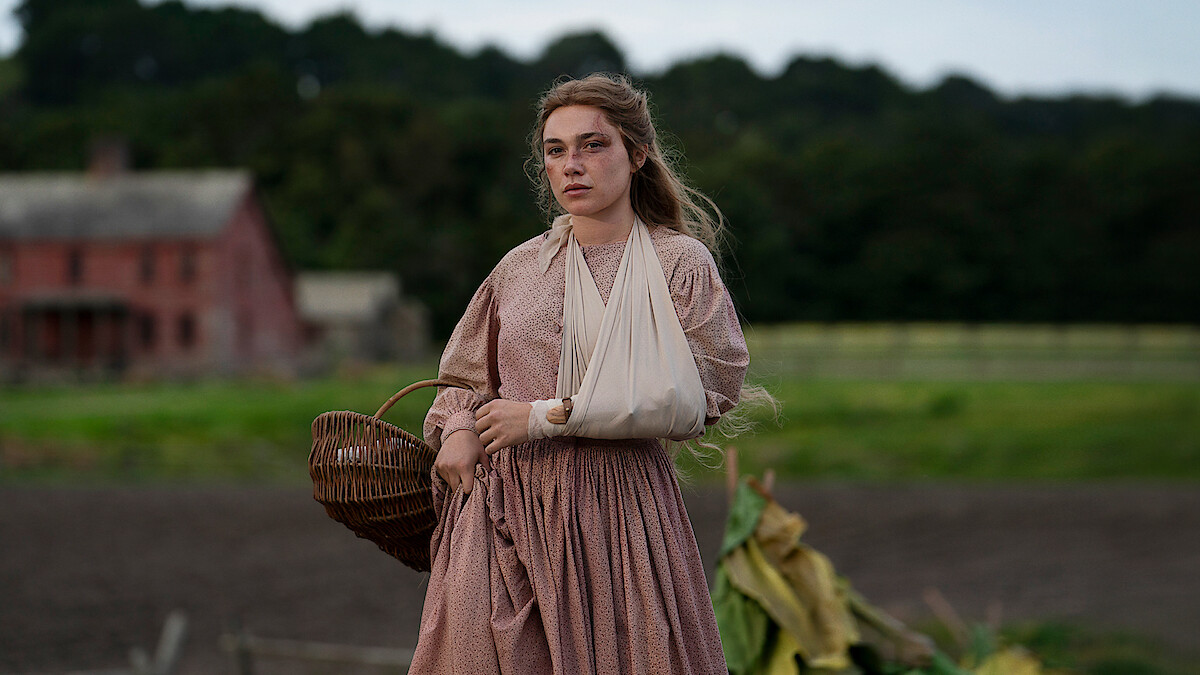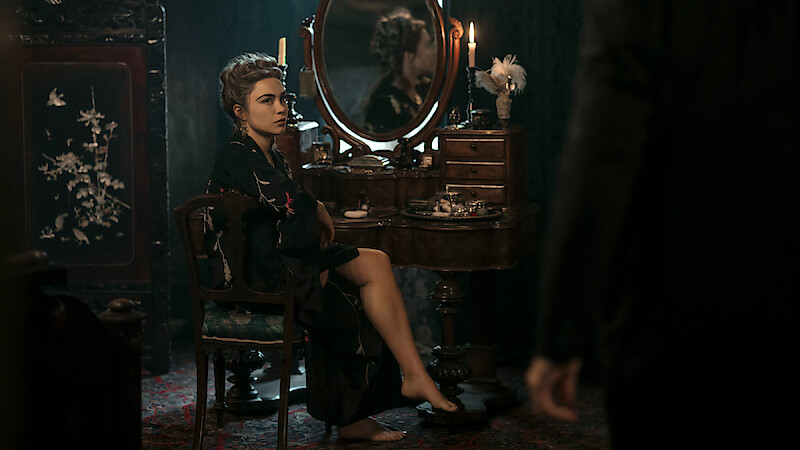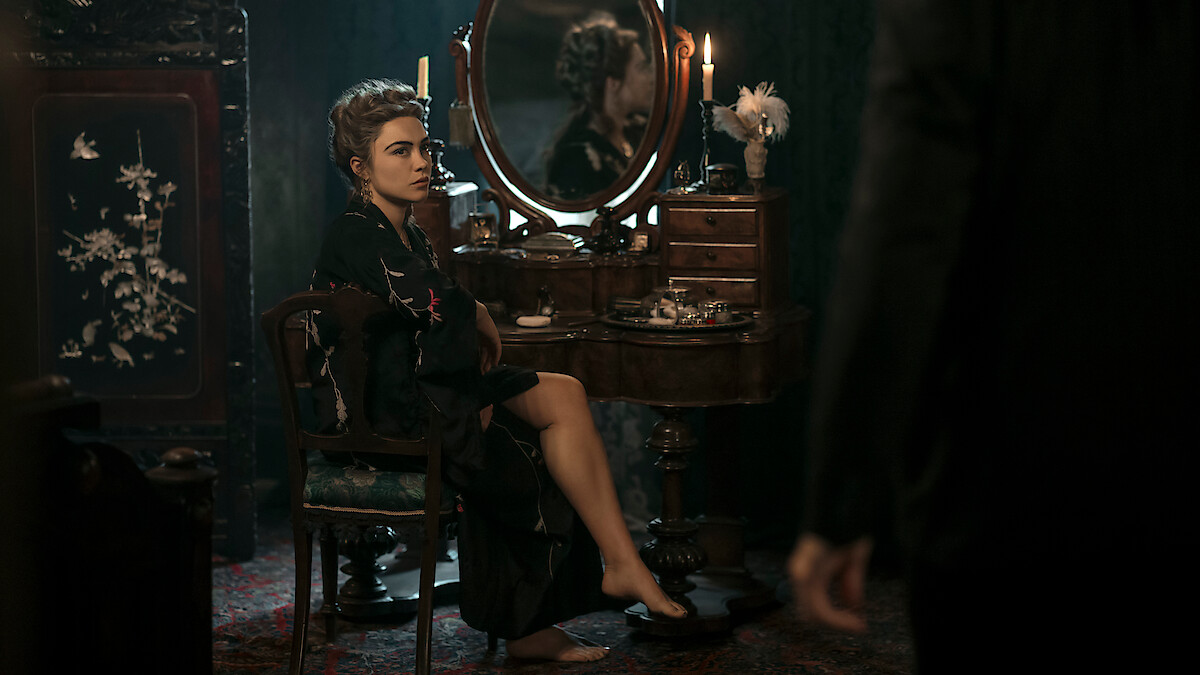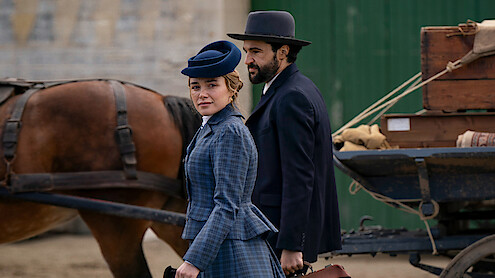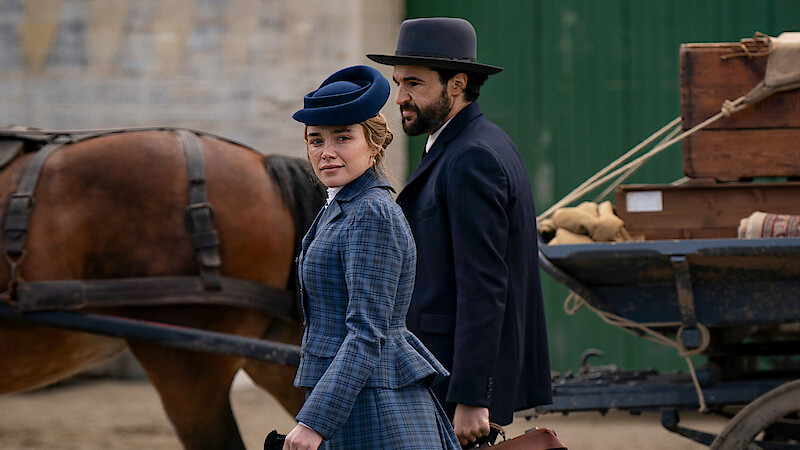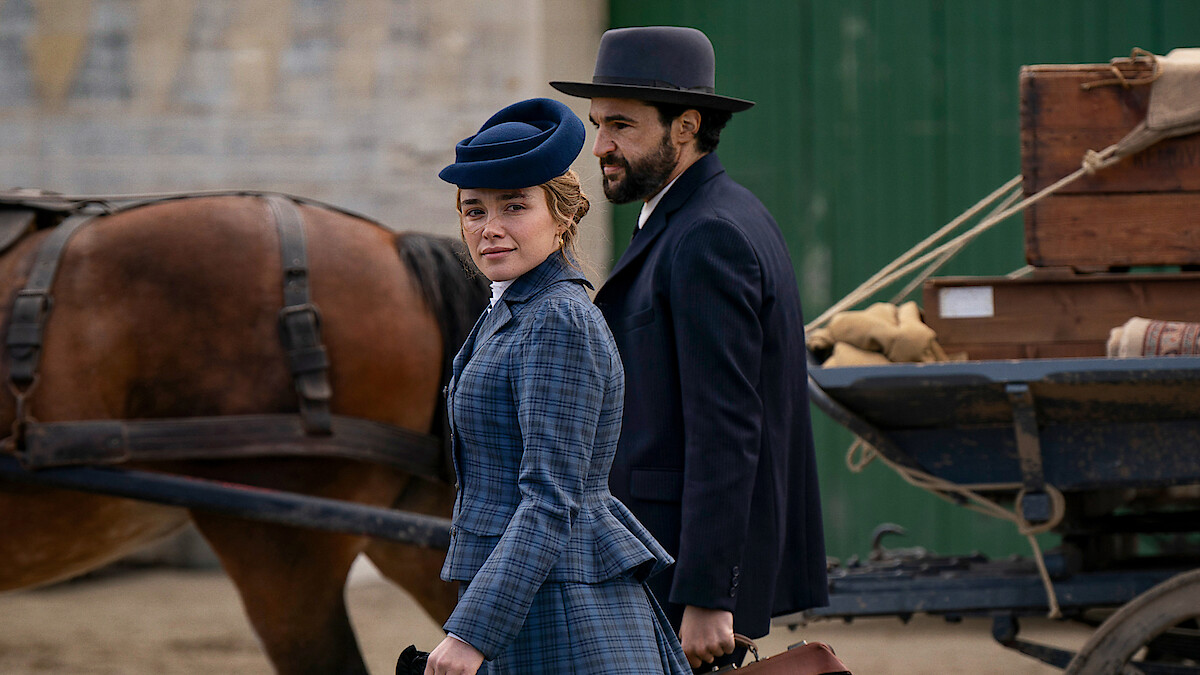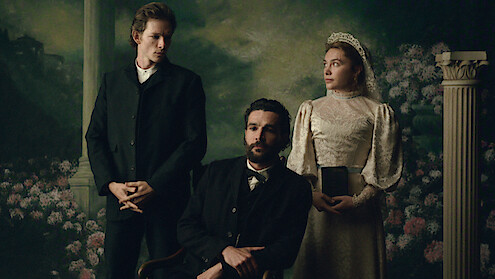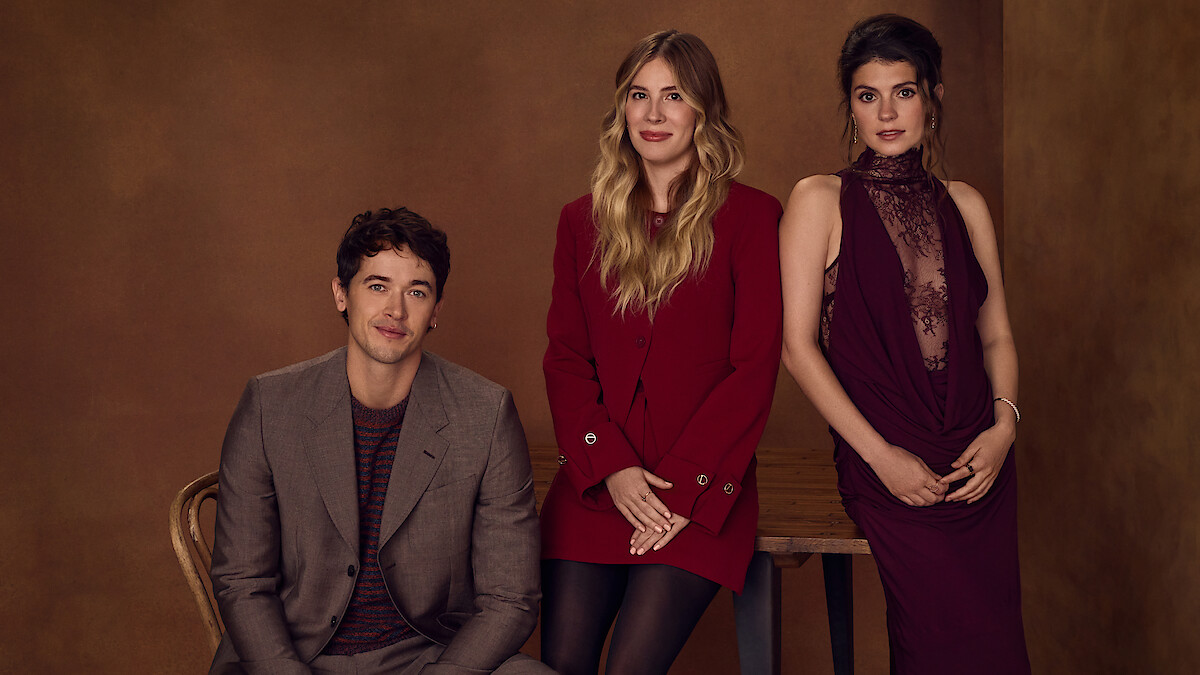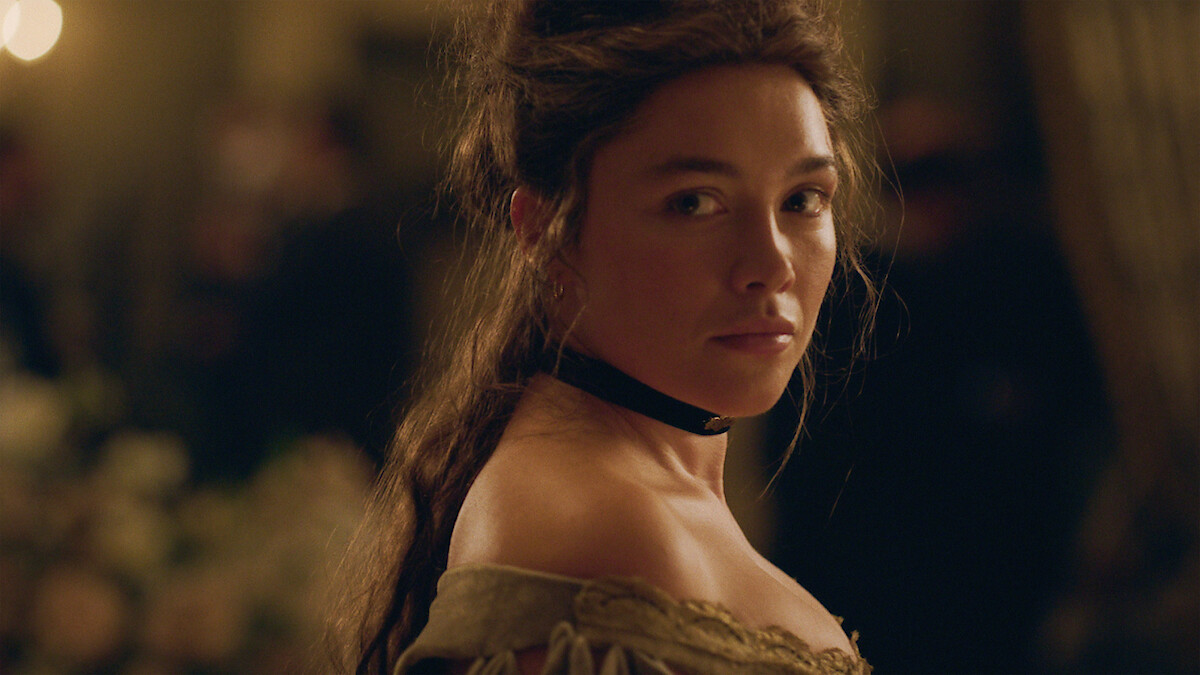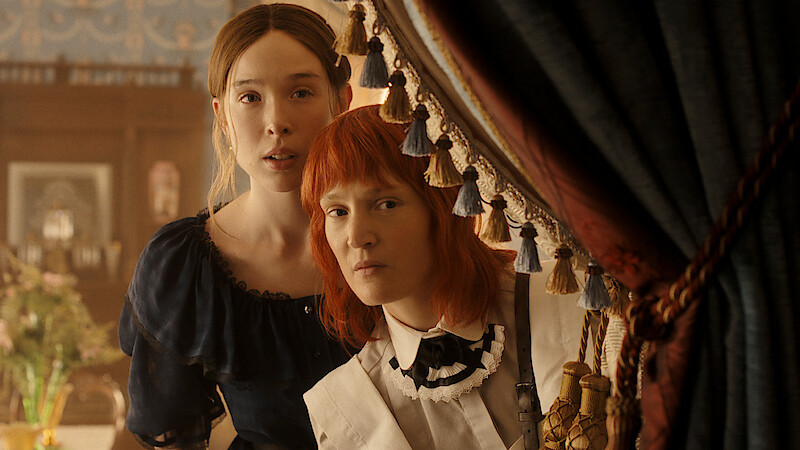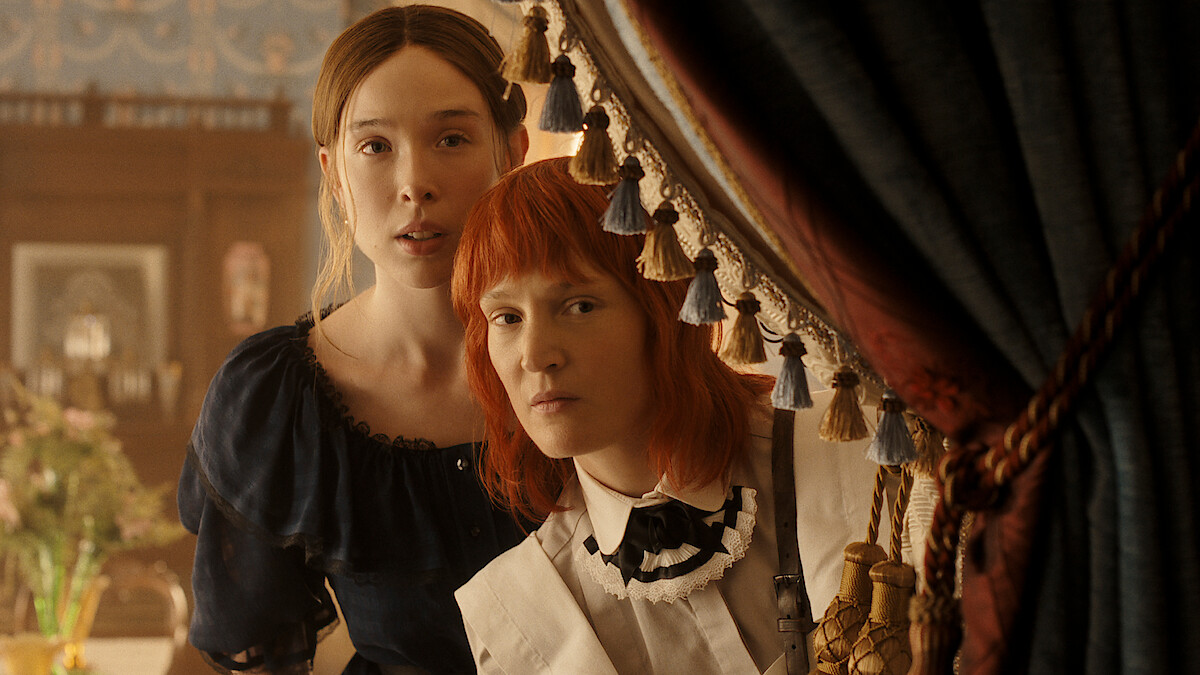

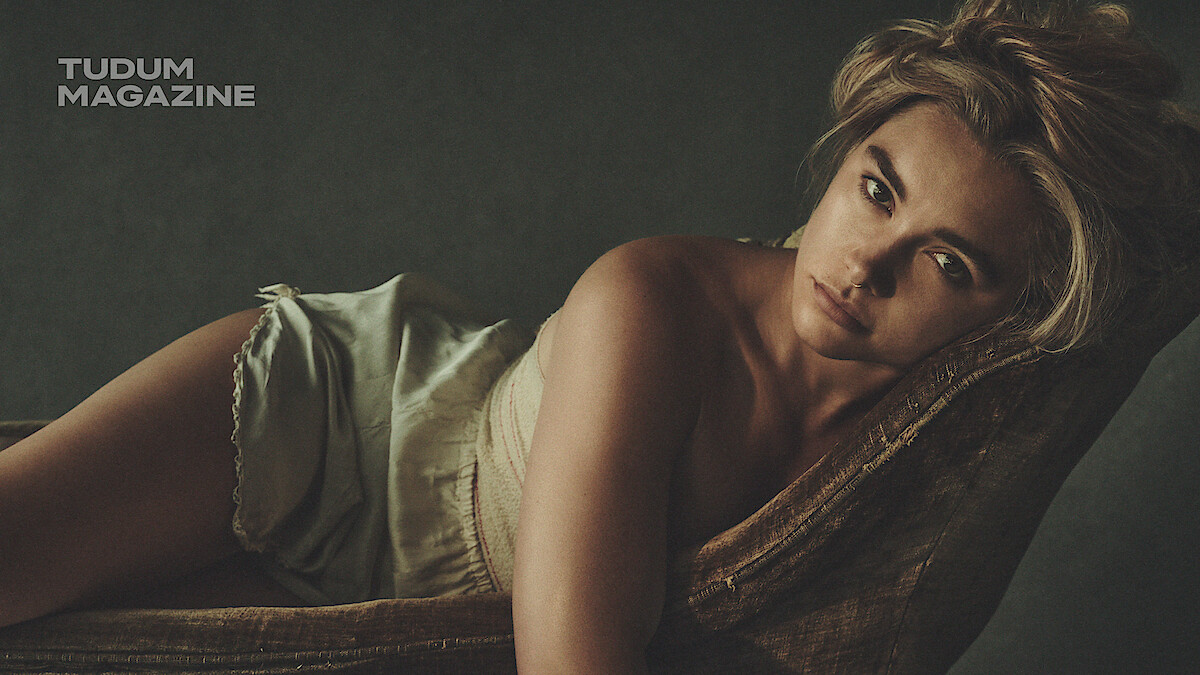
The actor doesn't just play Cathy Ames — she fights for her.

Zoe Kazan had spent decades living with John Steinbeck’s East of Eden before finding her own way in. “I fell in love with this book when I was a teenager,” says the writer. “The whole book was really meaningful for me, the intergenerational story and the questions of legacy. What gets handed down, and what are you carrying and how do we reconcile ourselves with our shadow selves?” In her limited-series adaptation of the 1952 novel, the answers are just as complex as the classic characters Kazan so reverentially renders on screen.
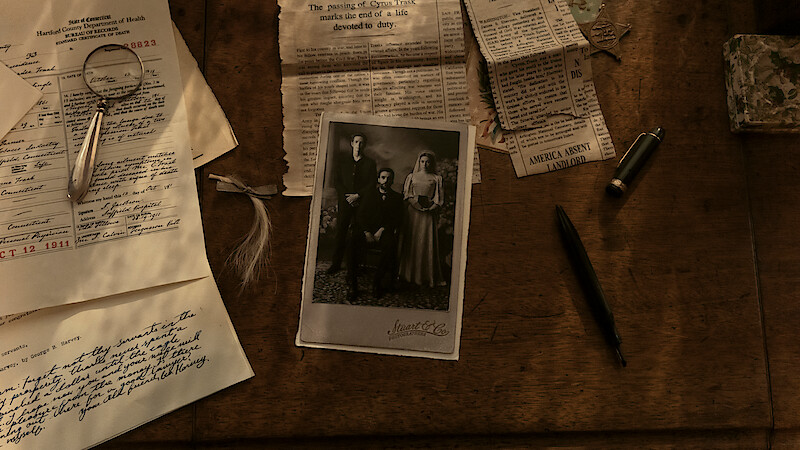
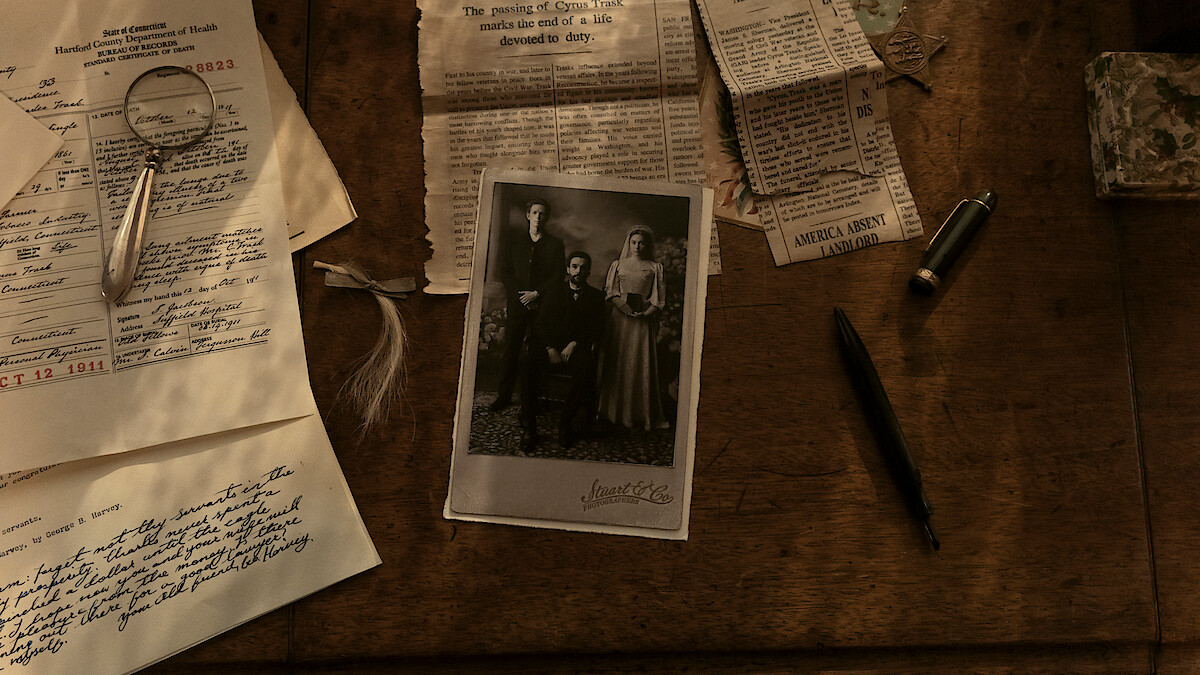
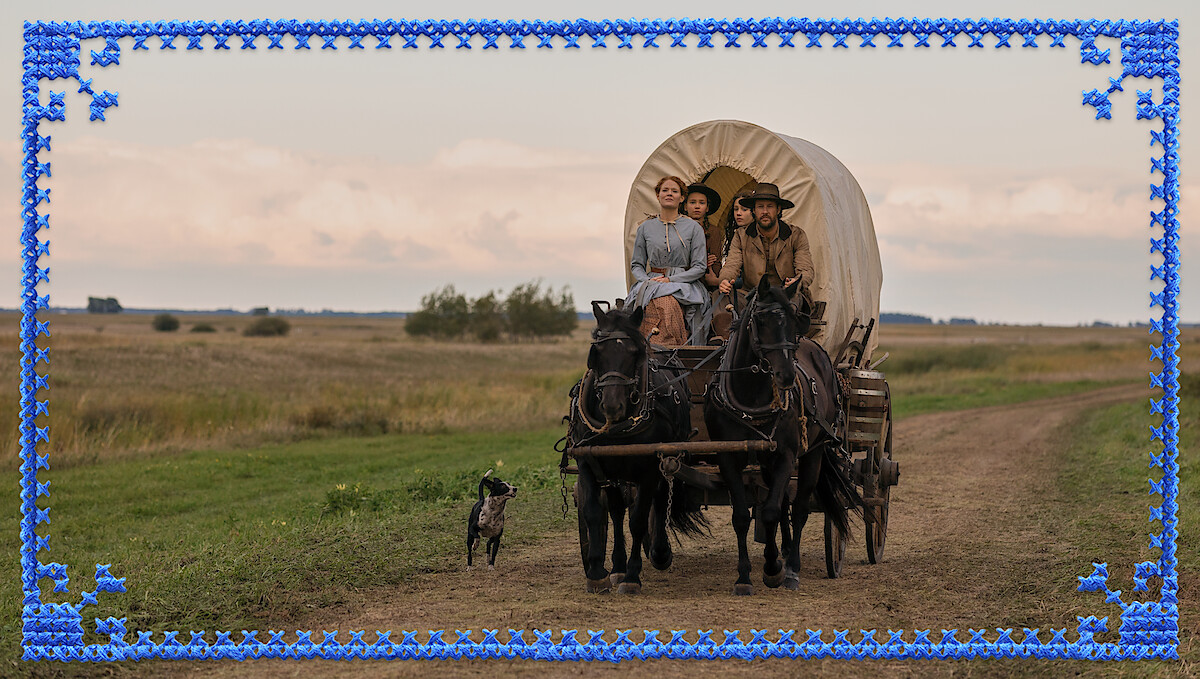
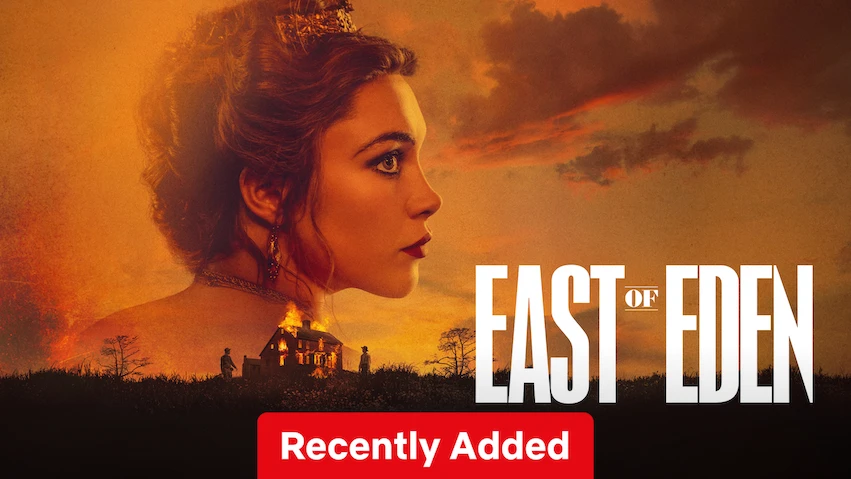
Across seven episodes, East of Eden is the sweeping saga of Cathy Ames and Adam and Cal Trask, spanning the decades between the Civil War and World War I, as they wrestle with the weight of free will. Adapting a novel of East of Eden’s scale, Kazan found her guiding philosophy by diving even deeper into Steinbeck’s own words. Throughout the writing of the book, he wrote letters to his editor, which were published posthumously and became a key resource. “He said very early in the process, ‘It will actually be two books, the story of my country and the story of me,’” she recalls. “I really took that as my credo. It needed to be epic and intimate. It needs to be as personal for me as it was for him.”
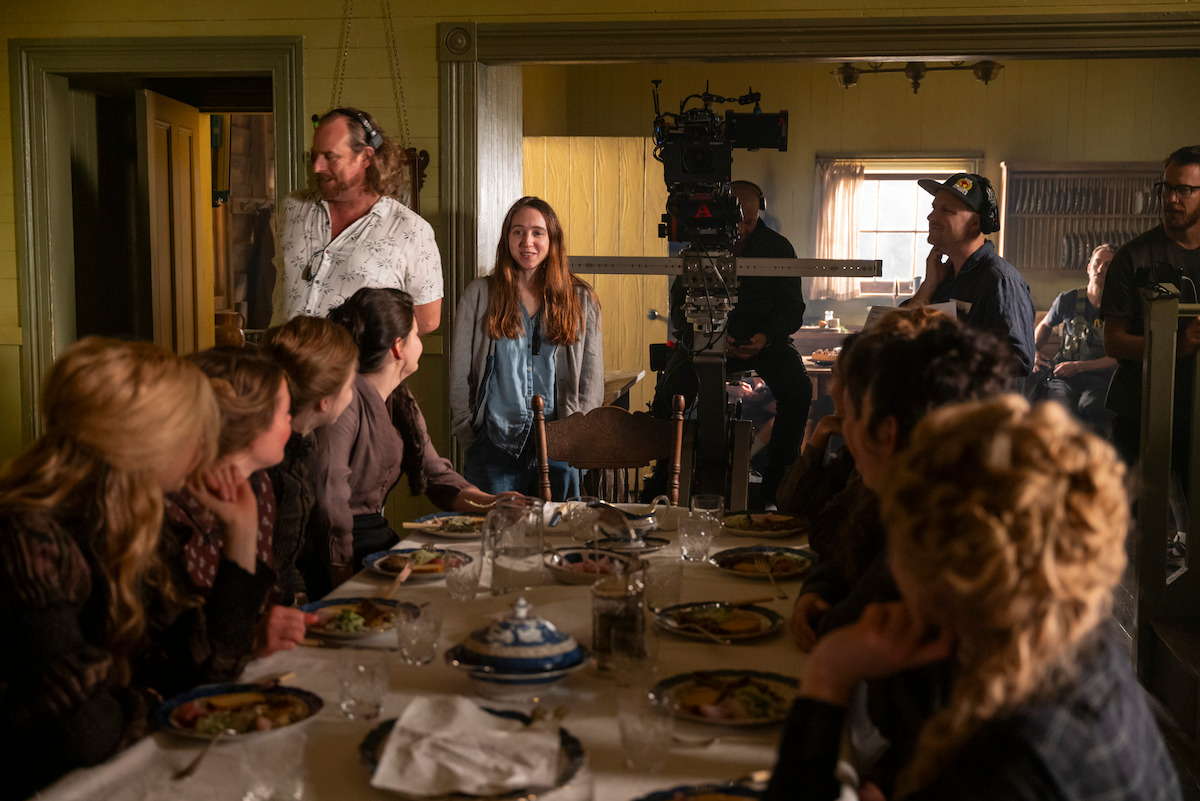
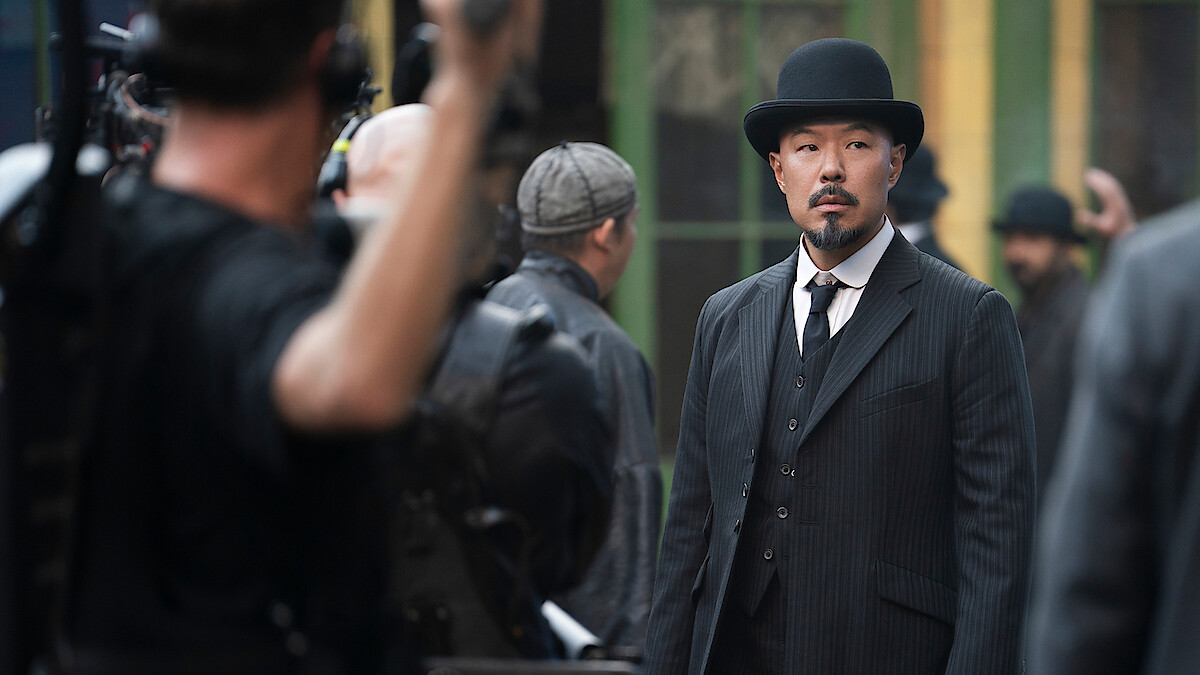
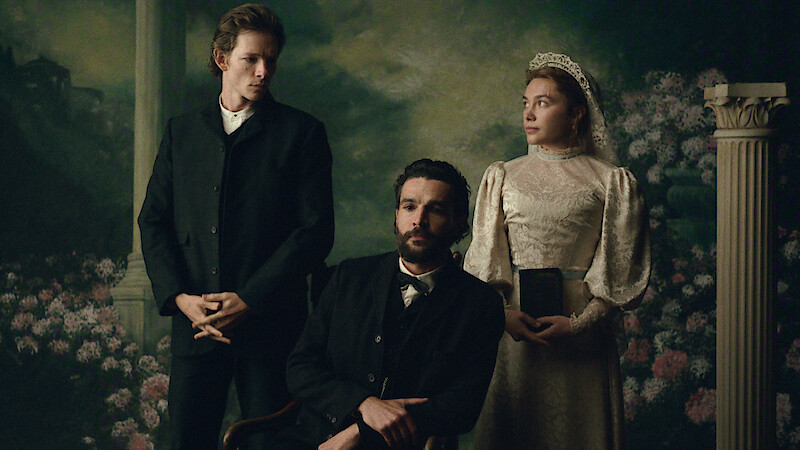
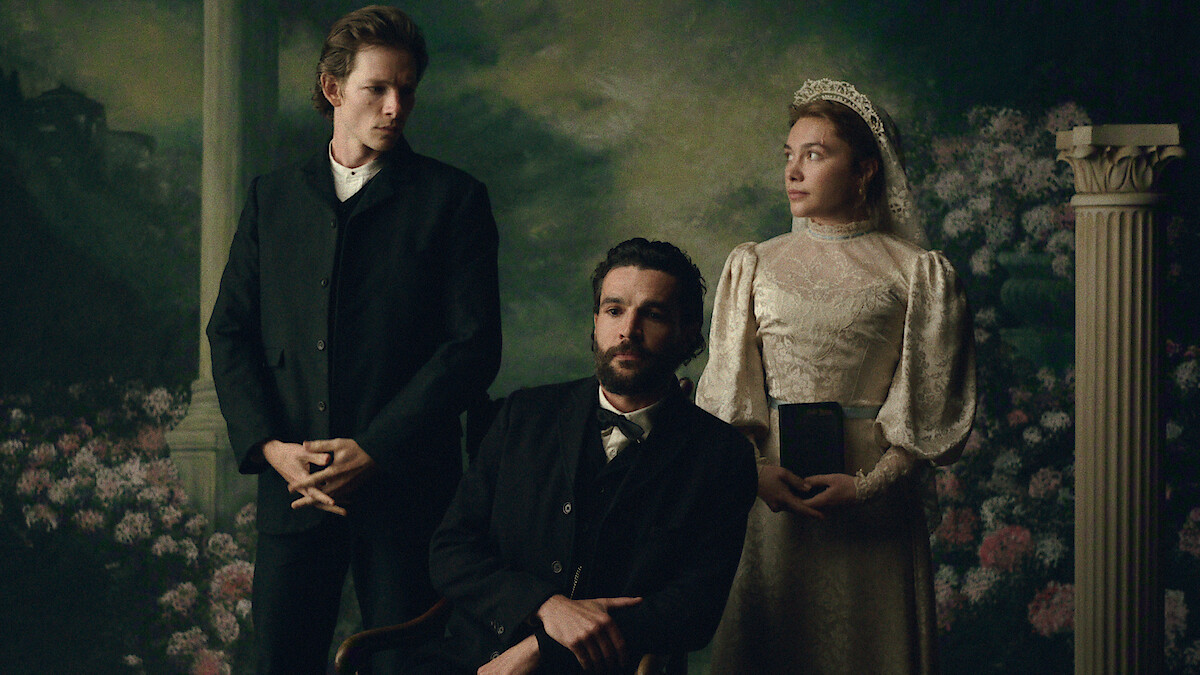
That balance — between the universal and the personal, the mythic and the messy — is what Kazan and co-showrunner Jeb Stuart have chased throughout their adaptation, which comes to life thanks to a spellbinding ensemble, including star and executive producer Florence Pugh, Christopher Abbott, Mike Faist, Ciarán Hinds, Hoon Lee, and Martha Plimpton. Kazan never lost sight of what made the novel irresistible in the first place: its moral weight, its compulsive readability. “It’s so propulsive, almost pulpy and so juicy, and the things the characters do are so unexpected,” says Kazan. “It really makes you feel and it really entertains you. And then hopefully you walk away thinking deeply about what you’ve seen.”
Here, Kazan reflects on the yearslong process of crafting her vision of Steinbeck’s masterwork.
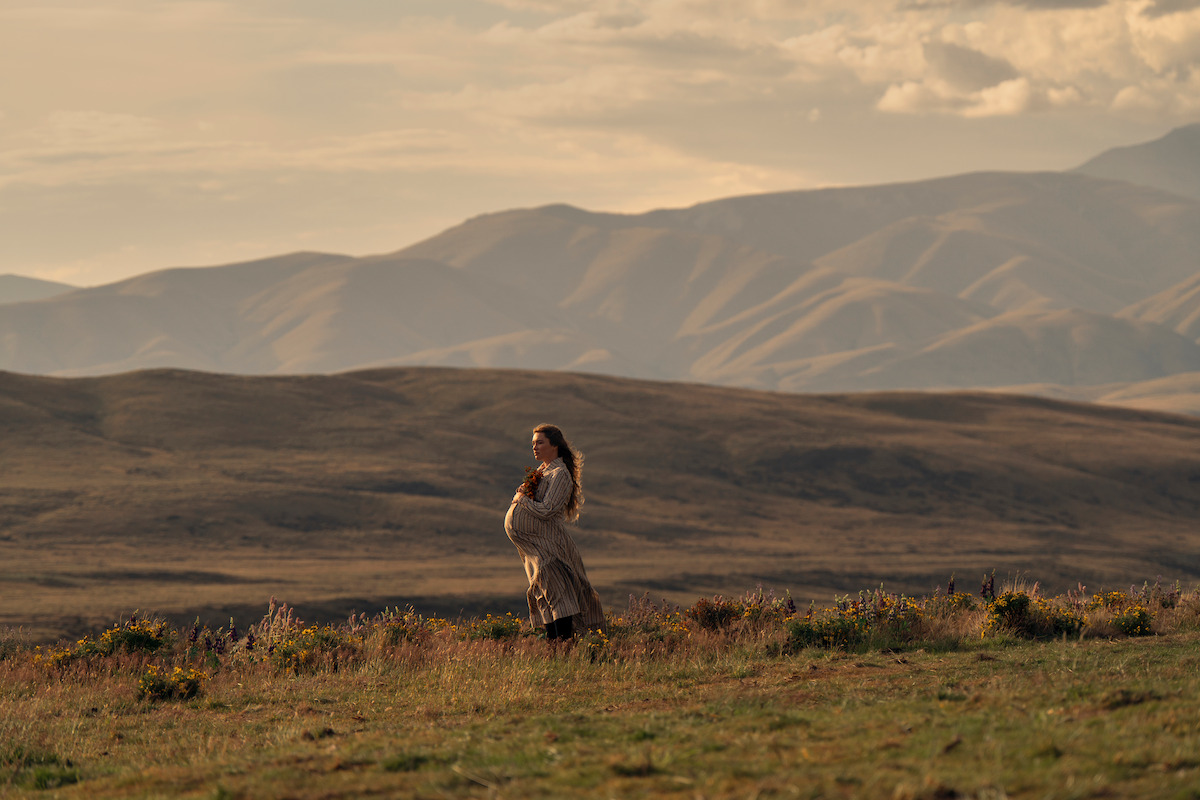
What’s wonderful about a novel is that there’s no boundary between you and the character. There’s a kind of porousness of thought in Steinbeck’s work where you can, even with minor characters, get very close to their innermost thoughts. That is not a thing you can easily transpose into a dramatic medium. You need to do it through action and dialogue and image. I had to do some inventing. I think it’s a lot in a weird way [like] acting for me, which is that your imagination is taking off from the text and you’re trying to stay true to the text, but you’re also trying to bring yourself to it and your humanity and your understanding of other people and your curiosity about other people.
The thing that’s most exciting to me about that is that I don’t think the series replaces the book in any way. I think that the book is so full of treasure. The book is so thick with insight, entertainment, joy, and pain. There’s no way that in seven hours of television I could put all of that in. I think even people who see the series first and then go to the book can still have a really independent and exciting experience reading it.
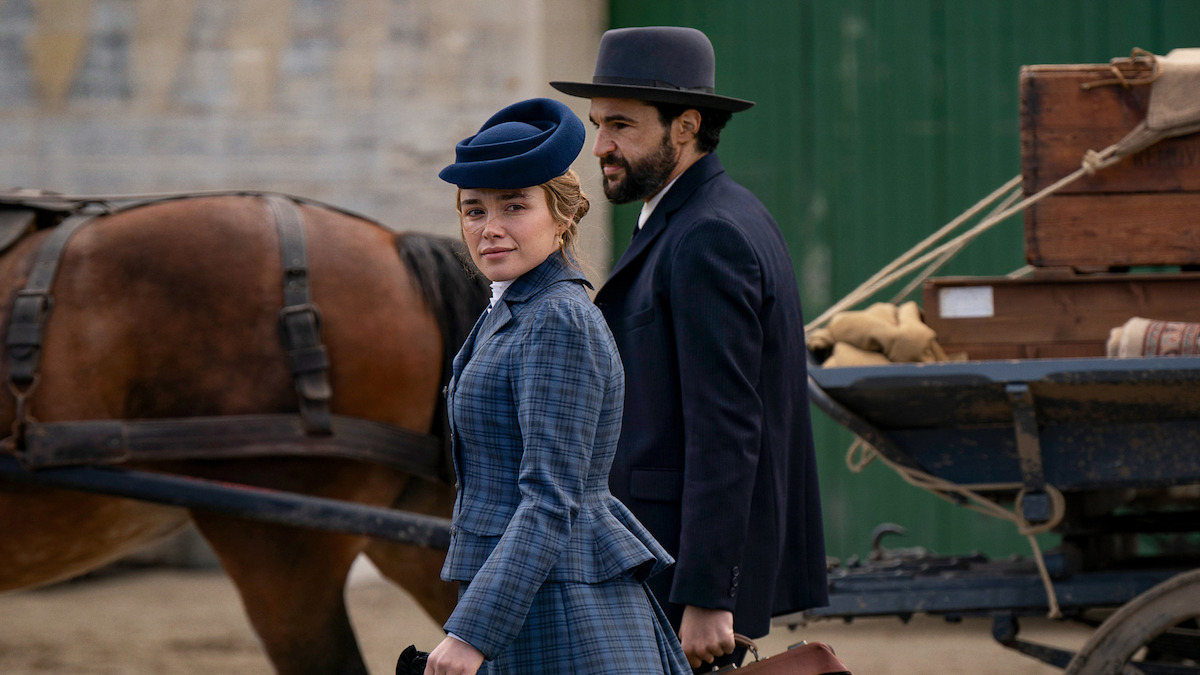
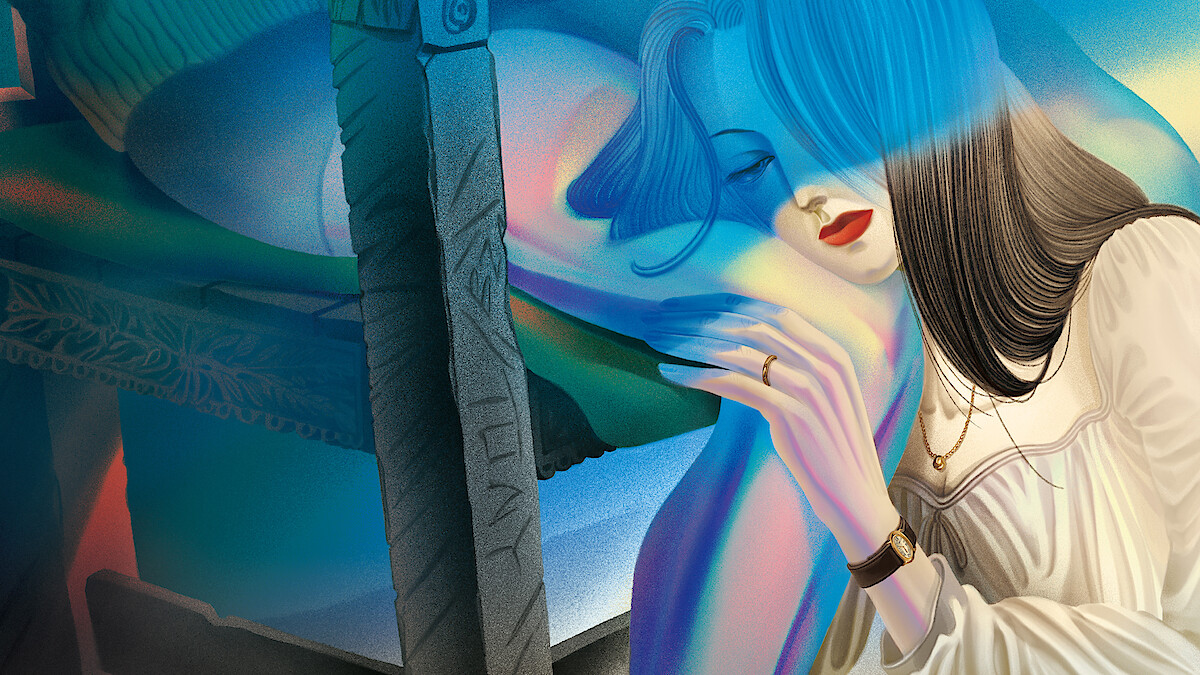
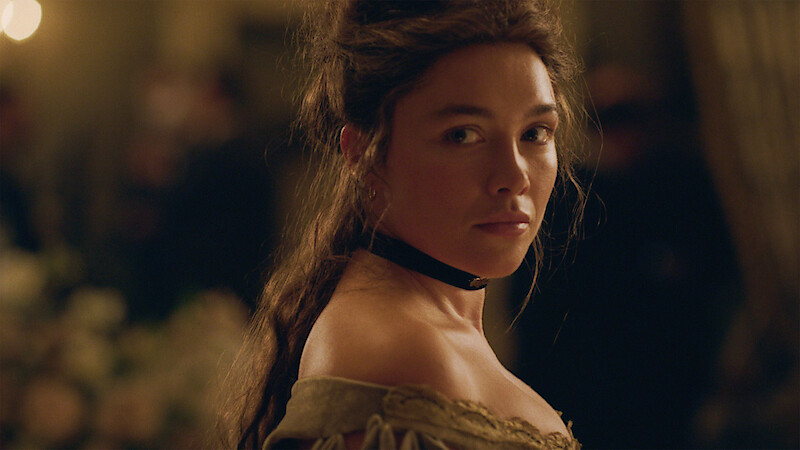
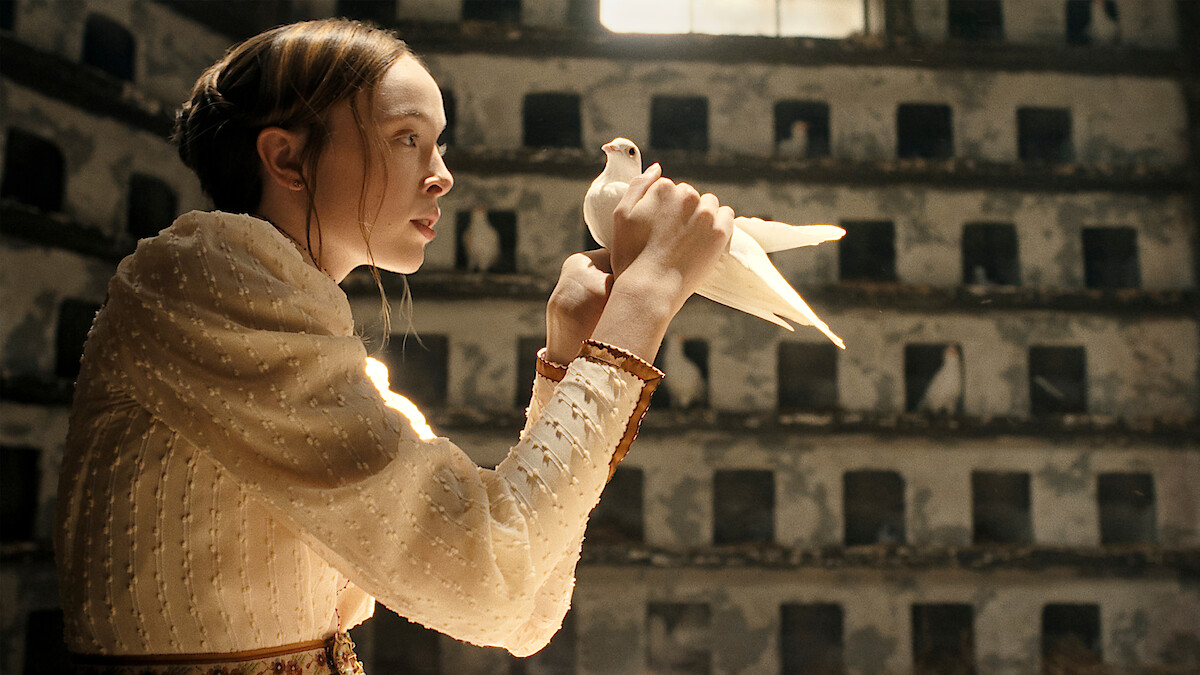
Cathy is really the character that stayed with me, that I carried around and puzzled over. It was really important to me to stay rooted in the text of the book when it came to exploring who Cathy is. I wanted to make sure that she was a person and not just an archetype, and I think that really required me to do some unfolding rather than inventing. Basically, everything that’s in the series has at least a root in the book. Imagine a paper fortune teller, and you can unfold it and see all the creases that make it take its shape, and then you can refold it, and you understand it in a different way. That’s what I was trying to do.
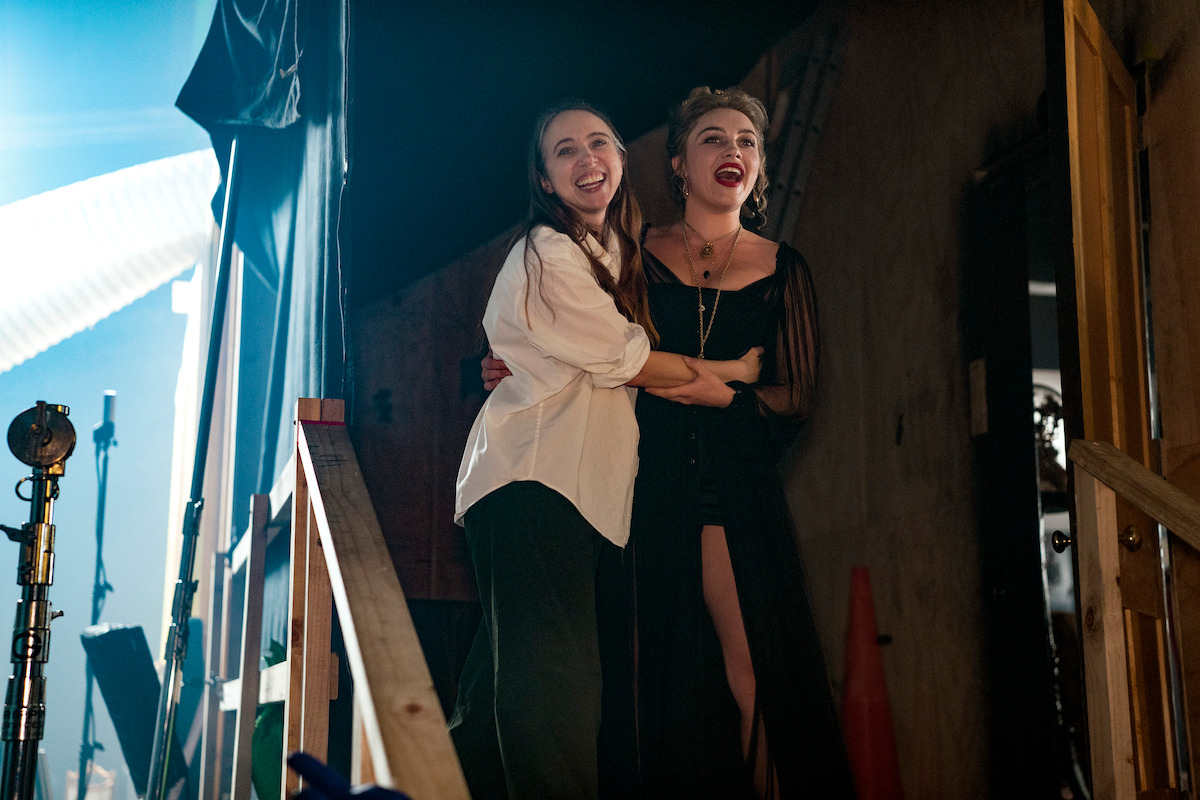
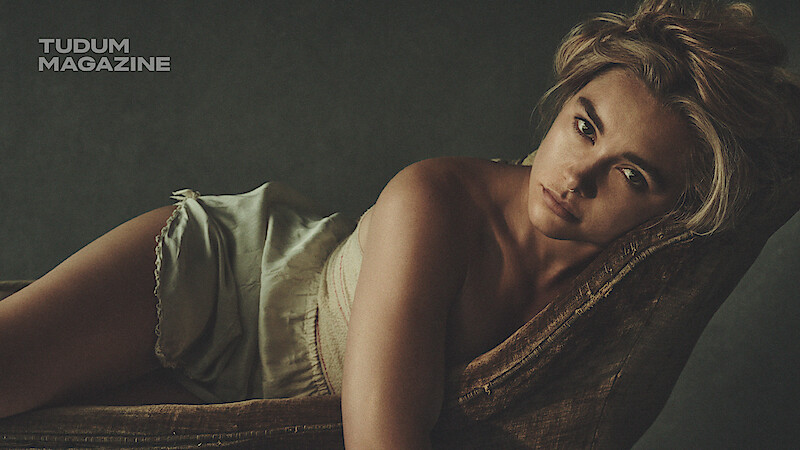
When I first went into pitch to write this, the only actor that I mentioned was Florence. I had seen her in Midsommar and it had made such a huge impression on me. I didn’t have a backup, I didn’t have another person that I thought would be just as good. Every single day on set, she showed up as a leader. There’s no one more hardworking. She has so much respect for her collaborators. Being her partner in this has been one of the great honors of my life.
There are two things that really speak to the moment that we’re in, particularly. One of them is this question of timshel [a Hebrew word Steinbeck uses in the book, which translates to] “thou mayest”. You may triumph over sin. It kind of opens a door and allows us to think about [the fact] that no matter what we’ve done or our ancestors have done or what’s in our past, that we have an obligation to think of ourselves as capable of change. And those terrible things, whatever they may be in our past, those shameful things don’t overshadow our ability to choose now and to learn and change. The book critiques Adam with his idea of perfection and goodness as much as it does Cathy with her idea of evil and that the world is bad and people are bad. That’s a really powerful thing for us to examine right now.
The other thing is, I think, there’s a fear of looking at our own history. Americans in particular can really think of themselves as ahistorical. Everything that’s happening to us right now is so bad — and why is it so bad? I think [there's power in] grounding yourself in a history that says these things have happened before. We’ve been through terrible times before. And through people’s actions, change happened. And through listening to each other and through acceptance of compromise and acceptance of difficulty, we have been able to change.