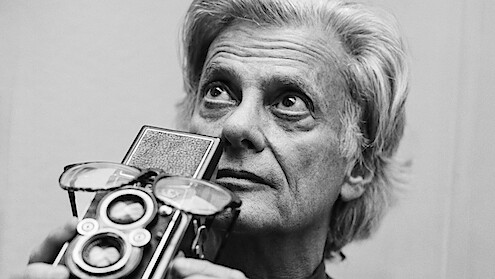
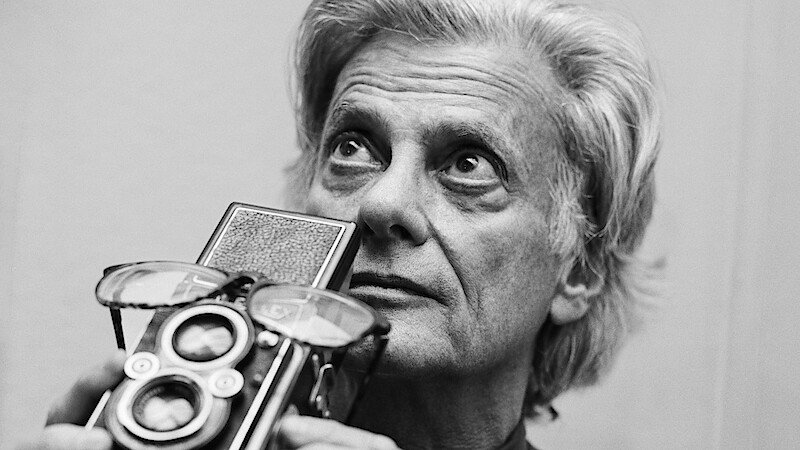
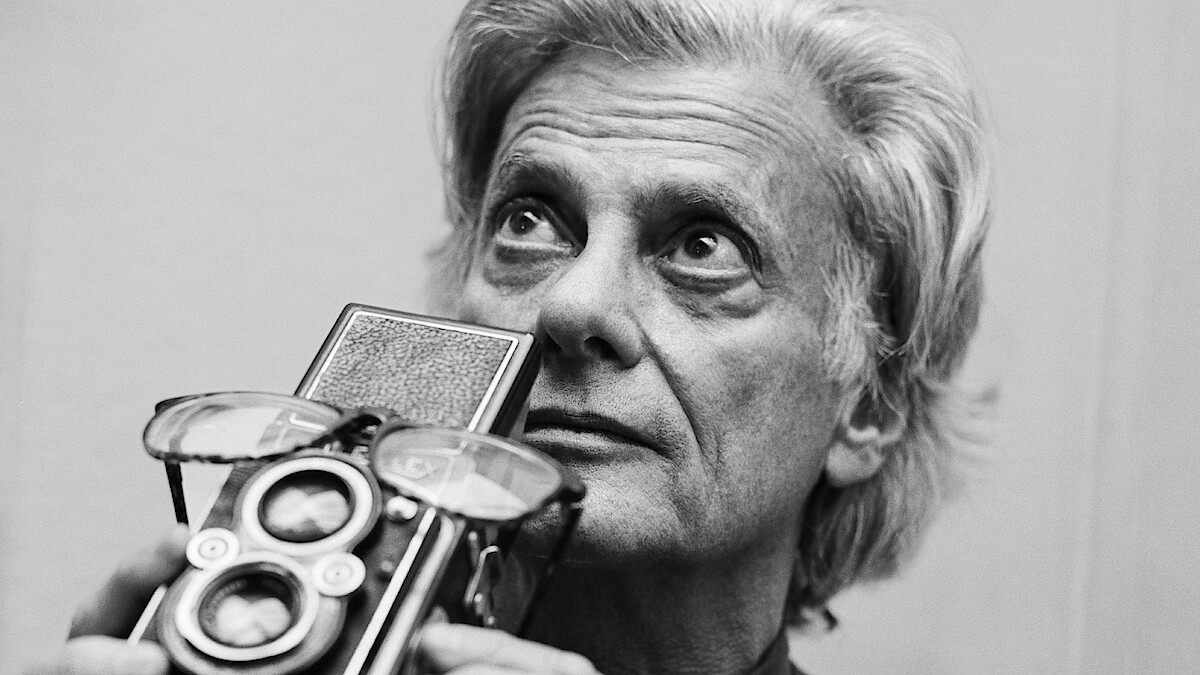
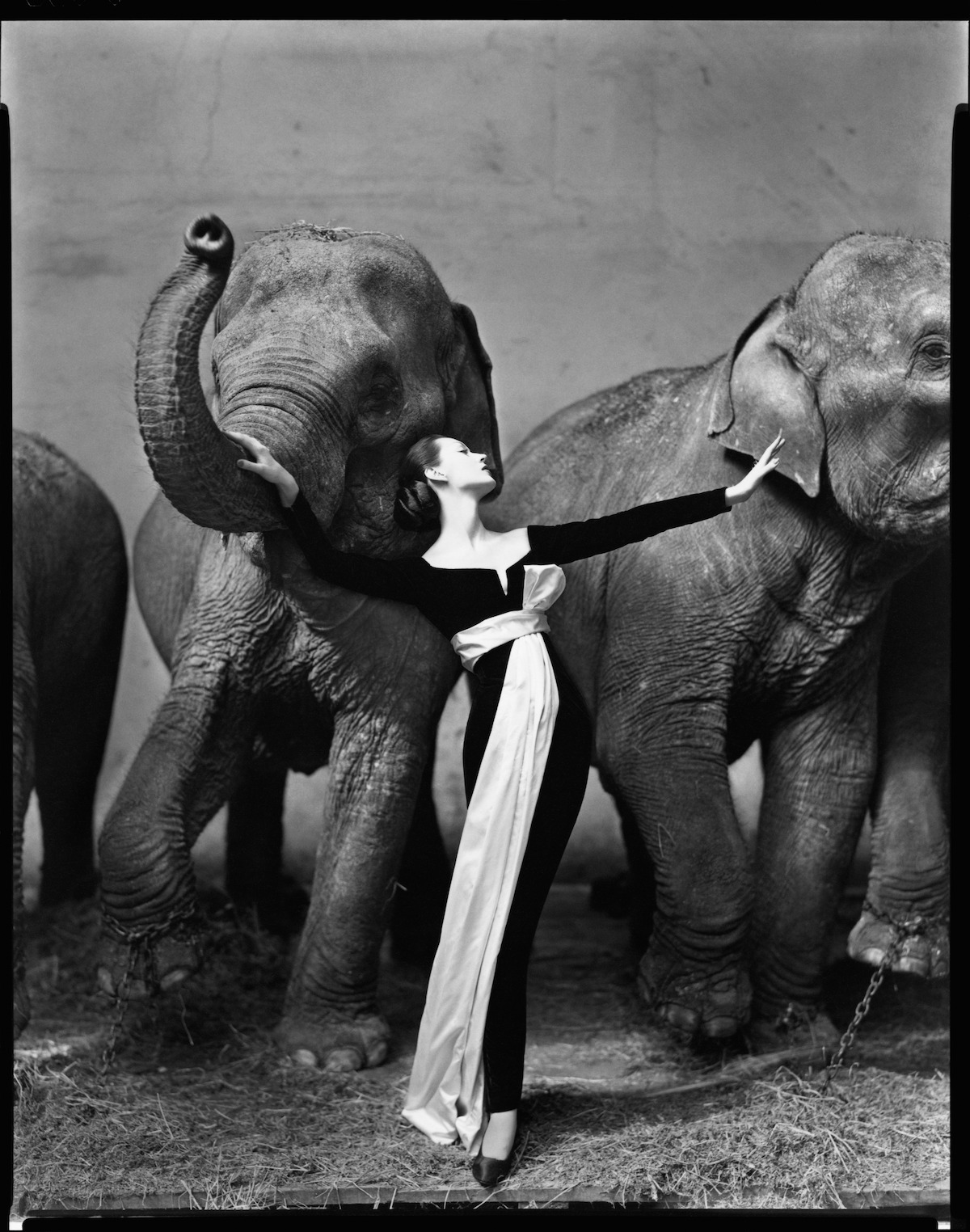
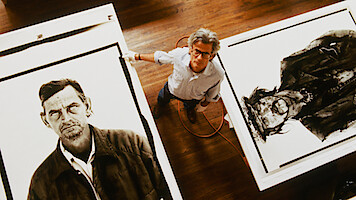
Photographer Richard Avedon spent six decades capturing the world through his camera—from culture-shifting fashion and Hollywood royalty to the energy of anti-war protests and the intimate realities of everyday life. In doing so, he transformed not only photography, but the way we see the world itself.
Born in New York City in 1923, Avedon possessed a singular eye for beauty, particularly in its contradictions—a sensibility that continues to resonate a century later. Now, Academy Award-winning filmmaker Ron Howard turns his lens toward the artist himself in the documentary Avedon. Immersing himself in Avedon’s life and work, Howard found a kindred spirit in the photographer and a shared fascination with the creative process. Here, the director reflects on the journey of bringing Avedon to the screen.
I first came to this project much the same way I did my previous documentaries on Pavarotti, the Beatles, and Jim Henson — with an interest in exploring the creative process of an artist whose work I admired from afar. I am deeply curious about people who create masterworks over and over again across an entire lifetime. But in the course of making this film, I discovered there was so much more to Richard Avedon’s story than the how and the what of his photographic methodology. Photography wasn’t just his medium; it became his philosophy and impacted his worldview and his very being. This resonated for me in a way I wasn’t expecting, as I began to realize the ways that my films have shaped me over the years as much as I had shaped them.
Avedon lived and worked through some of the most volatile and pivotal moments in the 20th century: the post-WWII era of rebuilding, the display of Hollywood glitz in the 1950s, the emergence of youth culture and social activism in the 1960s and ’70s, the rise and fall of the American dream in the 1980s, the arrival of unbridled consumerism at the end of the century, etc. For over 60 years, he used his camera to gain access to people and places where interesting things were happening, which was quite an astonishing feat in itself. But he wasn’t just capturing the world around him; his images were also changing it. It was his ideas and constructions that influenced our collective consciousness during this time. I found his ability to simultaneously be an observer and a provocateur fascinating.
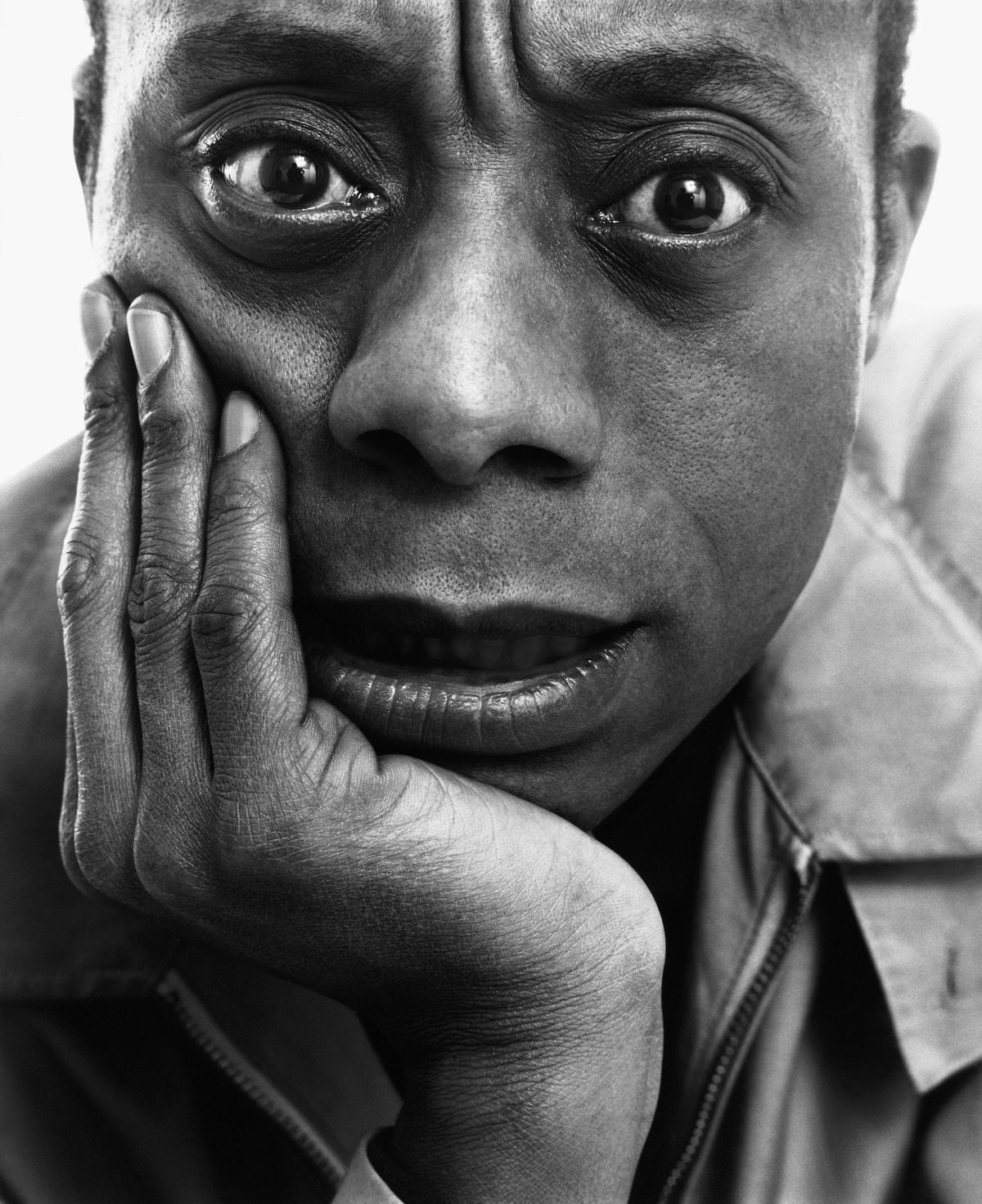
Avedon was also a voracious student of culture, despite never finishing high school. He immersed himself in all the arts: theater, film, music, literature, painting. And because he recognized the greatness in those around him, he became a brilliant collaborator. He found ways to engage those he admired in his own projects and worked closely with writers like Truman Capote, James Baldwin, and Adam Gopnik; choreographers like Twyla Tharp; designers like Christian Dior and Calvin Klein; magazine editors like Diana Vreeland, Carmel Snow, and Tina Brown; and creative collaborators like Marvin Israel, André Gregory, Doon Arbus, and Laura Wilson. He understood the need to turn a creative endeavor into a conversation, and he embraced it.
As I pushed deeper into his creative motivations and inspirations, I became intrigued by his ability to follow his heart and his gut, even when it seemed at cross-purposes with the trajectory of his career. He had attained great success and notoriety early on through his fashion and more commercial photography, but he was moved by the struggles of those who remained outside the spotlight or were uncomfortable being in its crosshairs. So he found ways to turn his lens to the faces of the people who were doing something brave, saying something important, feeling something deeply: the activists involved in the civil rights movement; the Vietnam War protesters; those struggling with mental illness; the lonely, displaced, or misunderstood; those in the rural West who felt left out of the conversation; and those fighting to preserve democracy in America. He found beauty in their convictions and their passions, and he helped us to see it too. Yet in order to sustain this prolific six-decade career, he had to learn to bridge his commercial success and his creative endeavors, using his own resources to underwrite far riskier projects. He figured out how to lean into the popular to make space for the unusual. And because he was able to strike that balance, we now have this treasure trove of incredible images that both flatter us and lay us bare — all made by the hands of the same artist.
In many ways, Avedon defied the idea that there must be a division between art and commerce, highbrow and lowbrow, beauty and brutality. I found his ability to live within this duality very unique and inspiring — especially when one considers how he stuck to his guns when some of his choices weren’t embraced by the magazines that paid him, the curators who controlled the art market, or the reviewers who failed to understand him. The fact that he didn’t run from these difficult situations but instead used this tension to fuel his craft is what distinguishes his masterful artistry.
In his lifetime, Richard Avedon did not want to be completely knowable or neatly defined. He was, at times, elusive and cryptic and complicated. He knew that the person behind the lens is the one who has all the power, so he was careful when he wasn’t the one holding the camera. My producers kept running lists of Avedon’s aphorisms and favorite riddled expressions in an attempt to decode the reason behind the mania across his many decades of work. Eventually we came to understand that the contradictions in Richard Avedon were not problems to be ironed out, solved, or explained. Instead, they defined his genius. And this film is a celebration of those complexities and all that we learn by observing them and living within them.
The one main challenge we had making this documentary was deciding what to leave on the cutting room floor. With full access to hundreds of thousands of images and countless hours of his recorded musings, we spent a lot of time in the edit room discussing how to choose. How much screen time should we give to the stories behind the most famous and engaging images of some very well-known people (Marilyn Monroe, Charlie Chaplin, the Duke and Duchess of Windsor) versus never-before-seen images that may be more difficult to look at but offer a clue to some of Avedon’s inner struggles (Harlem in the 1940s, mental institutions, Napalm victims in Vietnam, family photos where not everyone is happy)? Do we focus on the beautiful work and ride that wave of awe to its highest peaks, or let Avedon’s harsh light knock us down to our knees? If we did our job well, audiences will find a healthy balance of both.
Over the course of making this film, I came to see some of myself in Avedon — in ways both big and small. We both, of course, like to be in control on our sets or in our studios, but we also believe in the magic of the unexpected moment. We share a drive for excellence but also a desire for fun and playfulness. We are both ‘workaholics’ but are also deeply connected to the idea of family. But more importantly, I came away profoundly inspired by this man with an insatiably curious spirit and an unquenchable thirst for life, meaning, and artistry. His energy and seemingly limitless creative tenacity is something I hope to emulate as I move forward on my own artistic journey. I am excited for audiences around the world to make their own discoveries and find their own inspirations as they come to know this remarkable artist who changed our understanding of just how much a single photograph can capture.