When producers first started approaching author Judy Blume about adapting her extensive body of work for the screen, she doubted that Forever . . ., her novel about two high schoolers who experience all that comes with a first love, would resonate in today’s world. “Judy wasn’t sure that it could translate in this modern era, given how exposed young people [now] are to sexuality and the topic of love,” says Mara Brock Akil, who raised her hand with a contemporary take on the story. “She was like, ‘Kids can't get away from all of this.’ ” When the book was published in 1975, it spoke to young readers openly and comfortably about sex in a way that few books had done before.
If anyone could adapt Forever … in a way that resonates now, however, it’s Brock Akil, the showrunner and executive producer behind some of the millennium’s most cherished coming-of-age series including Girlfriends and Being Mary Jane. Blume and Brock Akil met in the summer of 2020, and their connection was immediate. “We both wore blue frames, and they were similar in shape,” Brock Akil says, laughing. “That was special for me, that little sign beyond how great the conversation was.” Blume adds: “I’m thrilled that Mara has chosen to tell this story through her own lens. It is gratifying to know that, 50 years after its release, the love story at the core of Forever… is still resonating with audiences.”
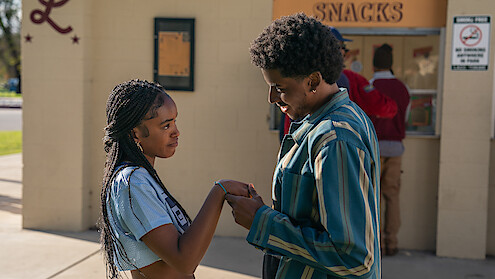
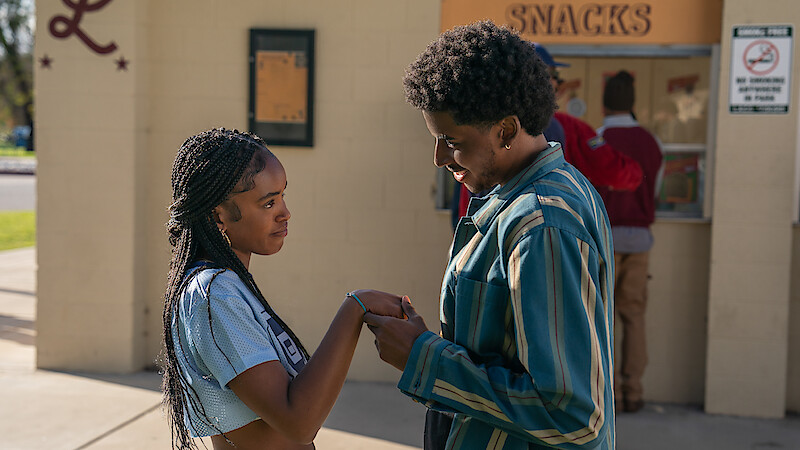
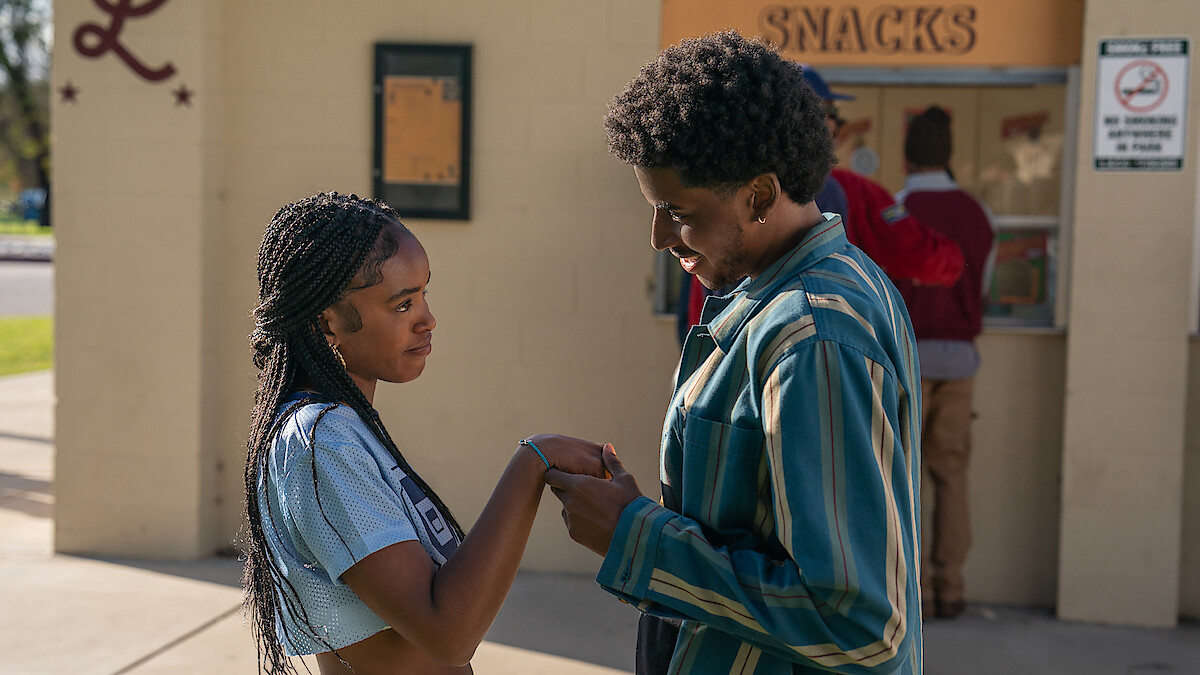
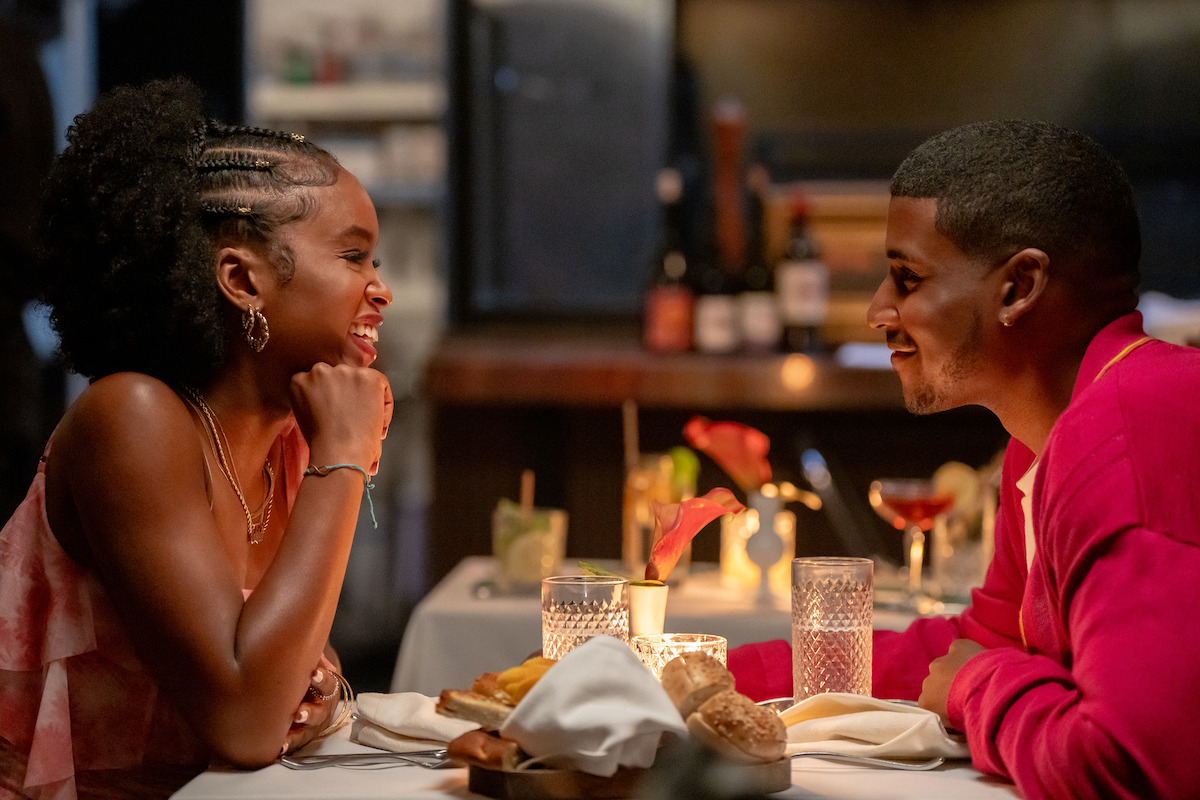
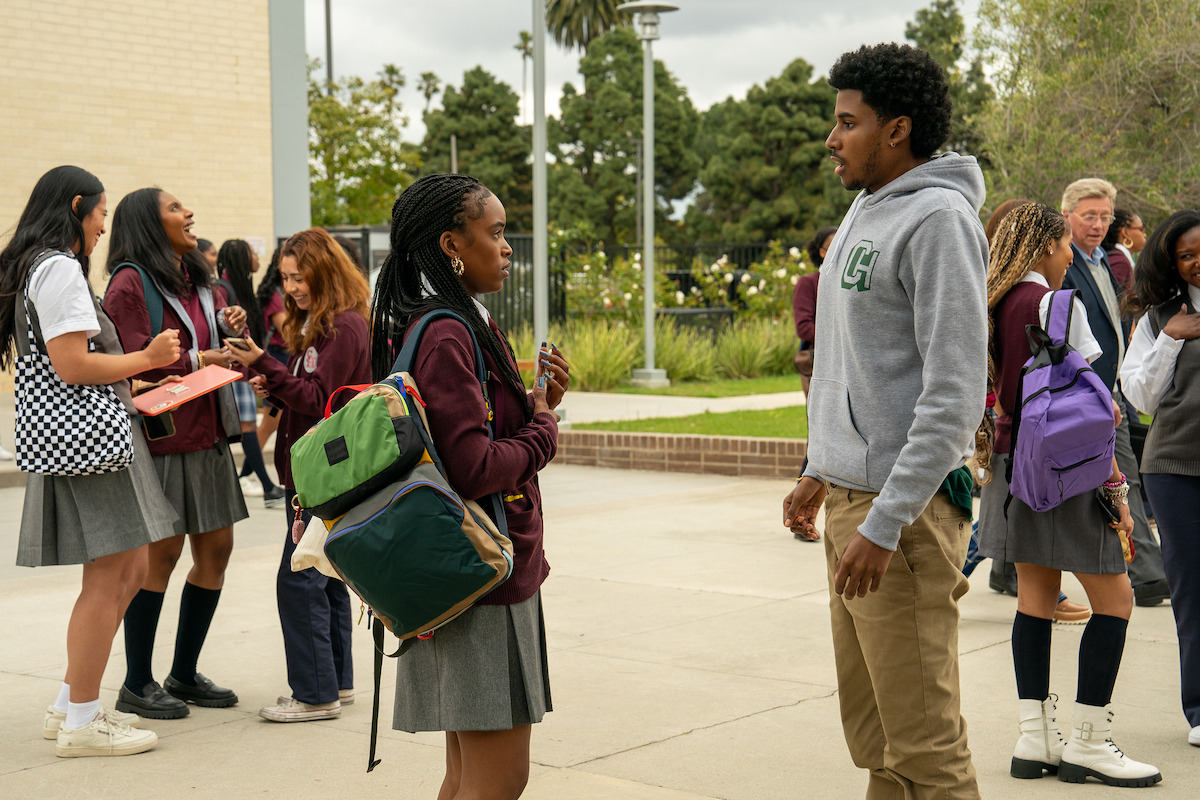
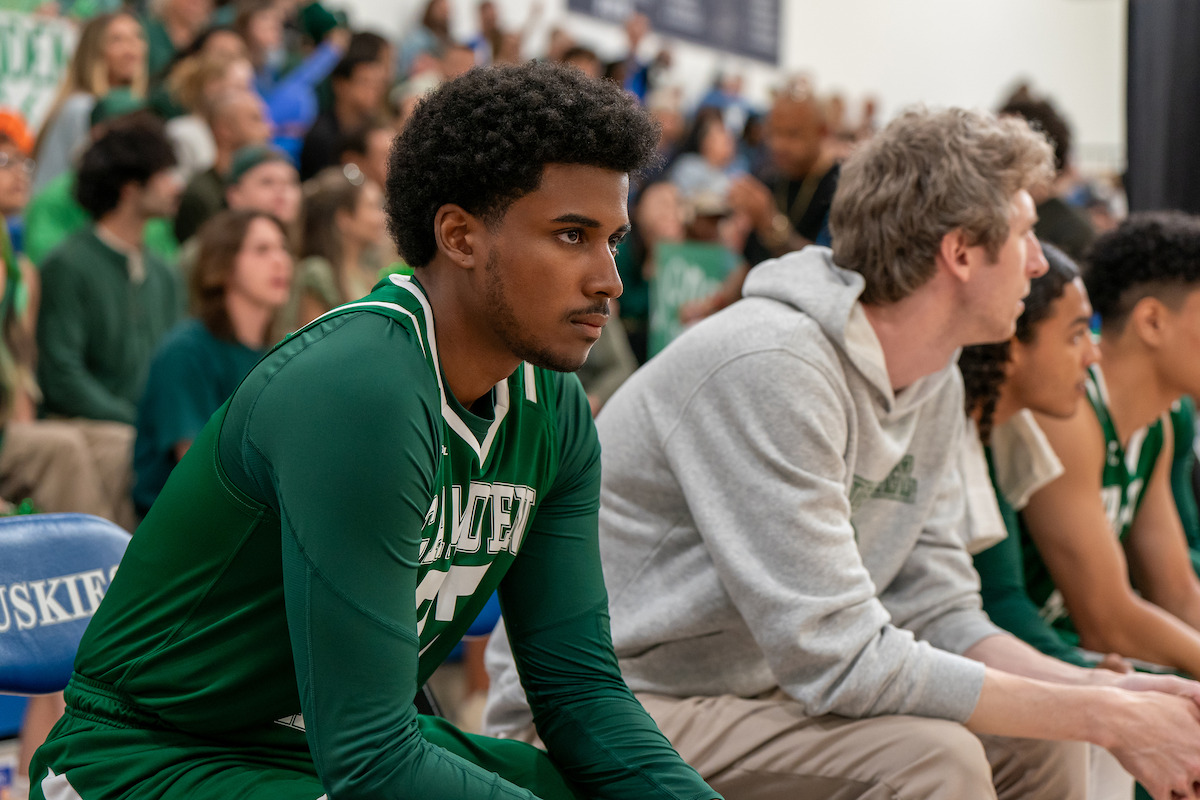
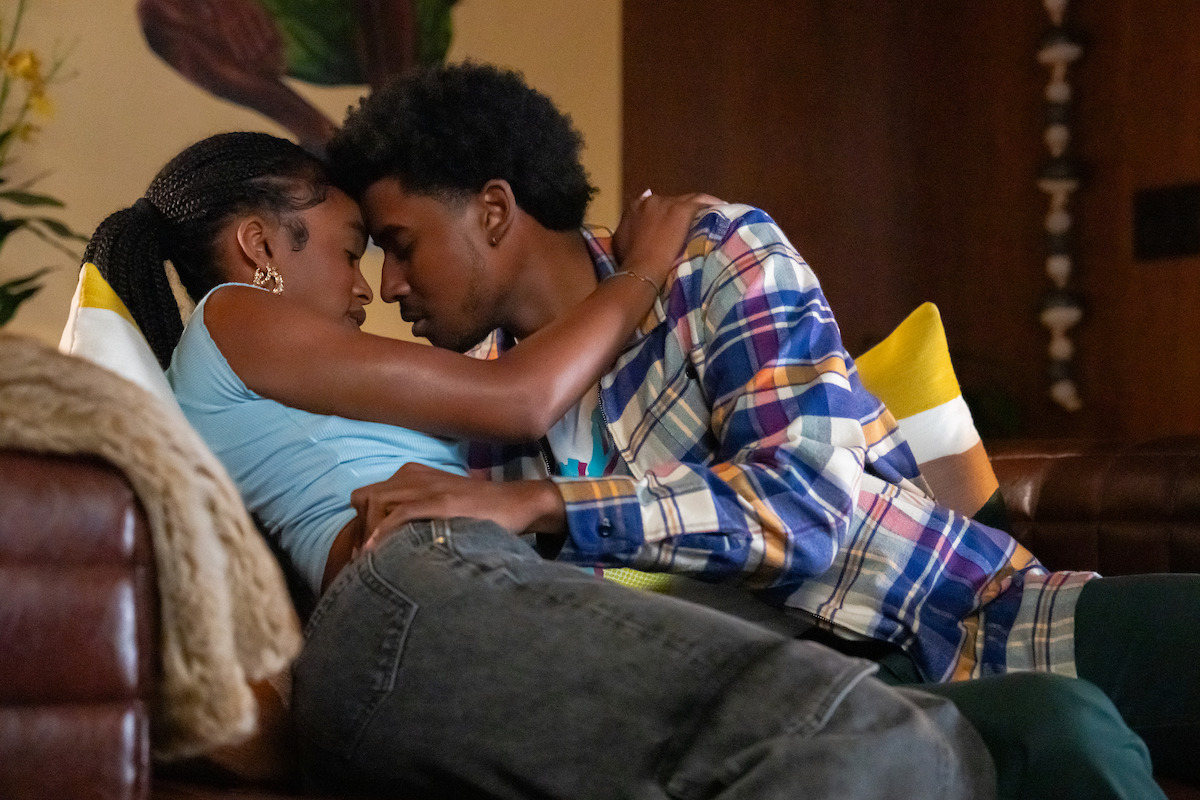
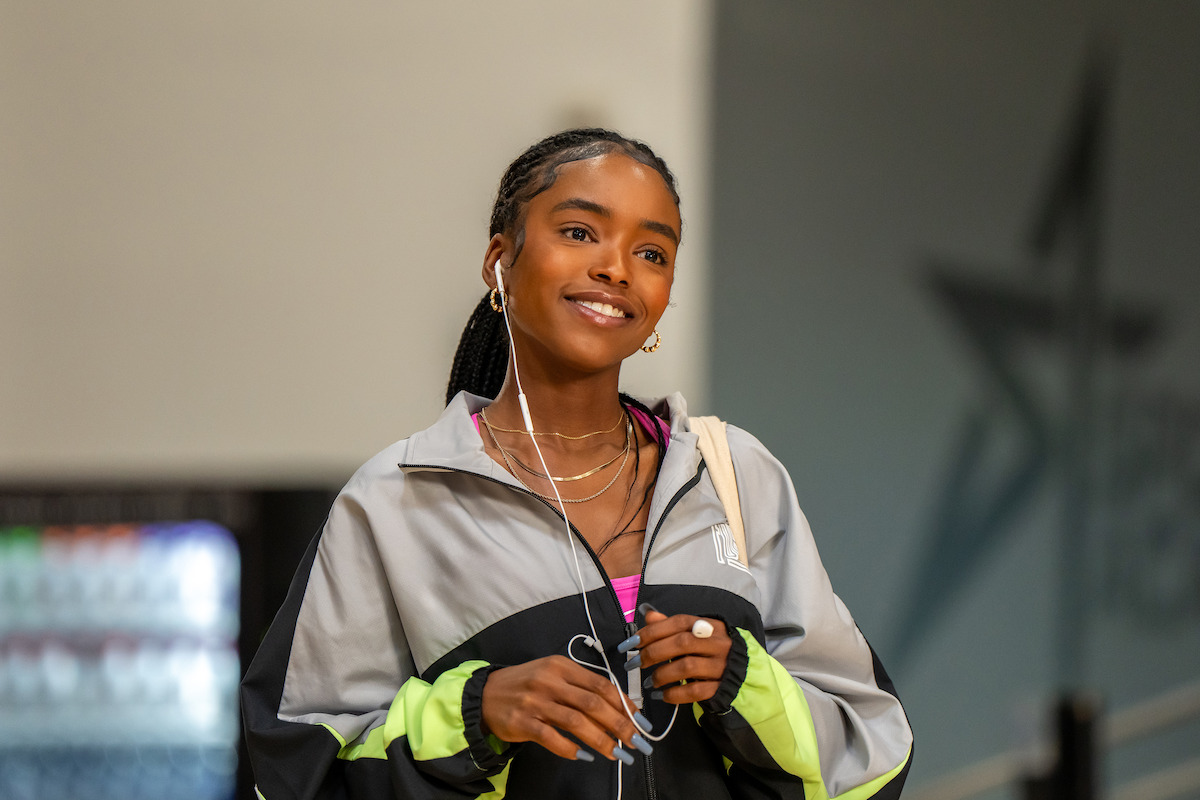
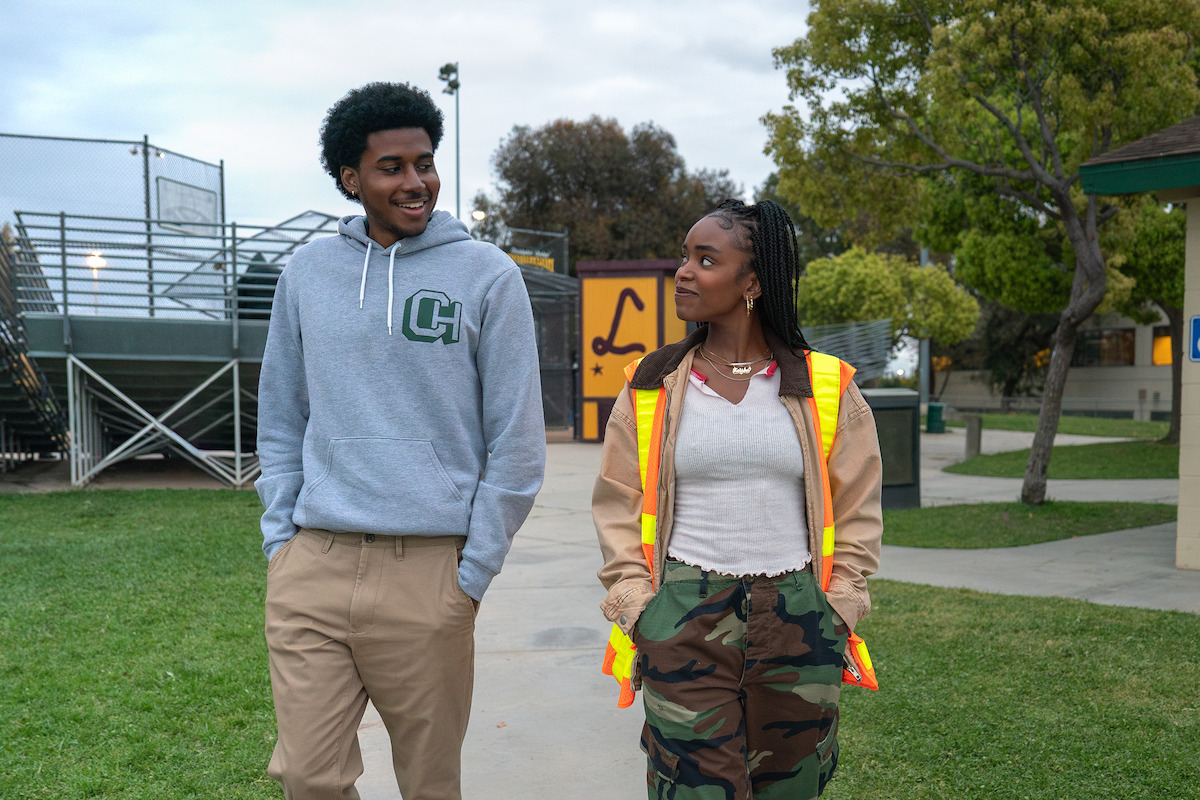
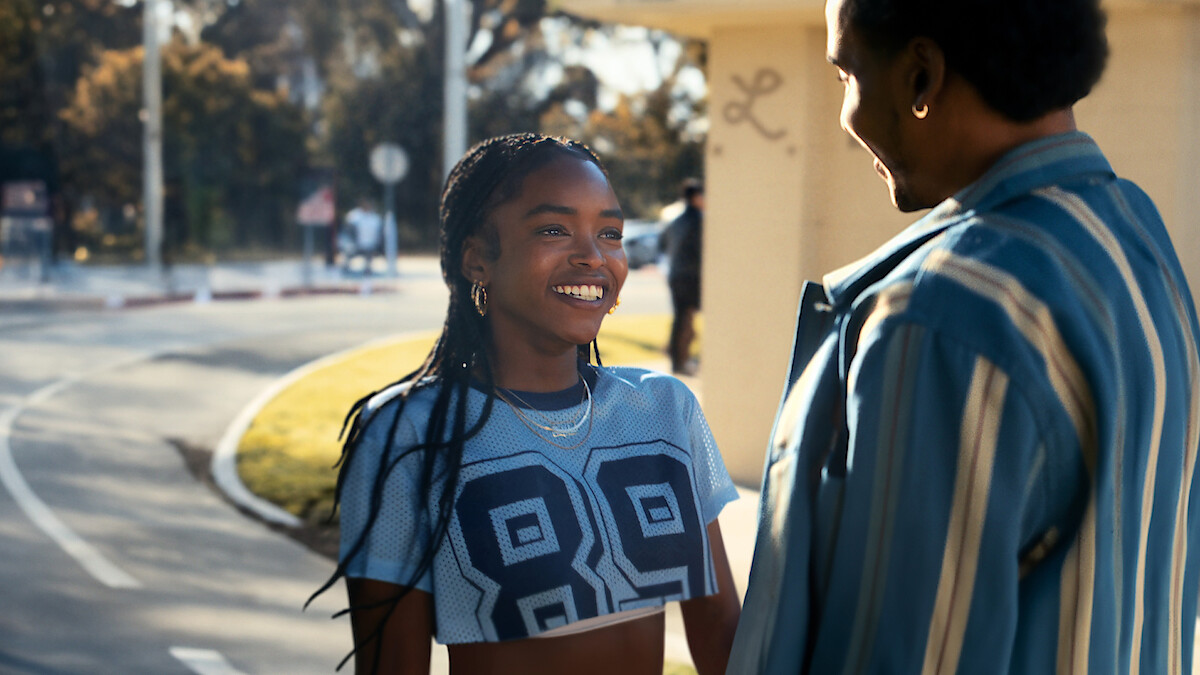
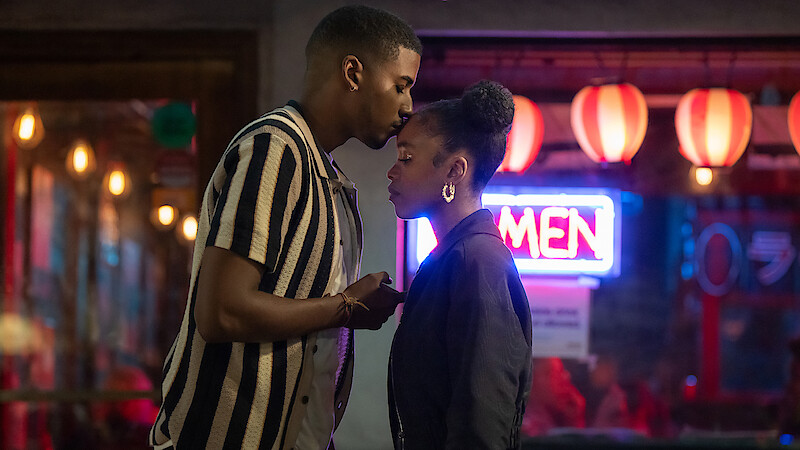
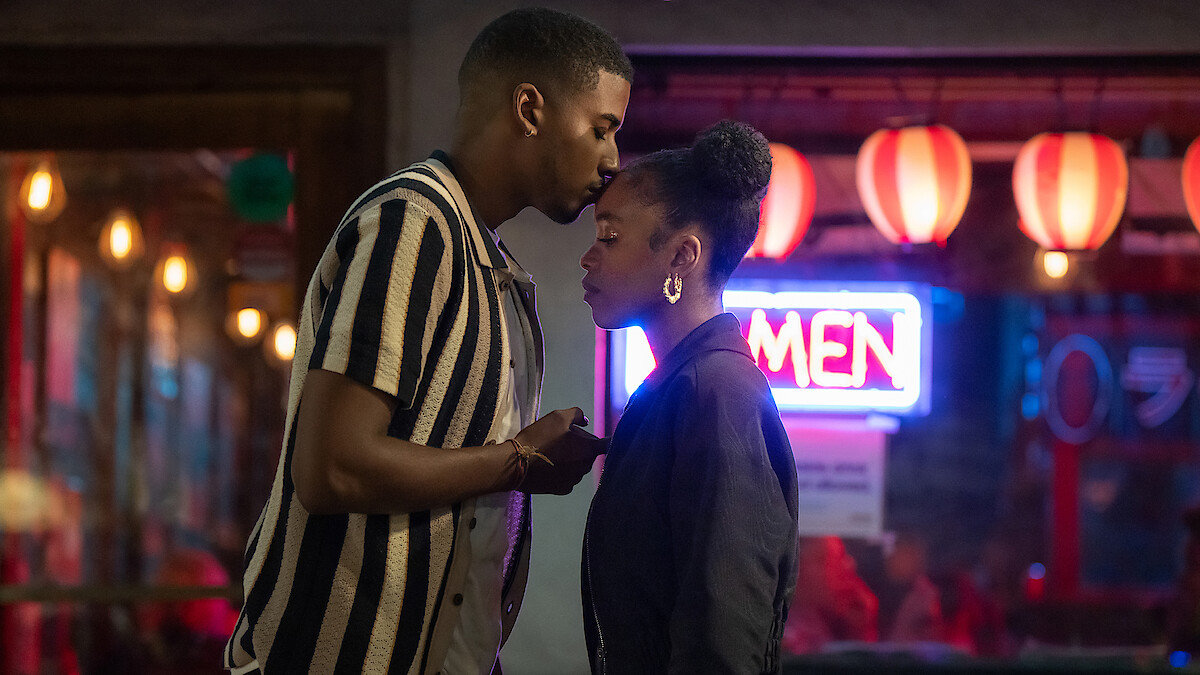
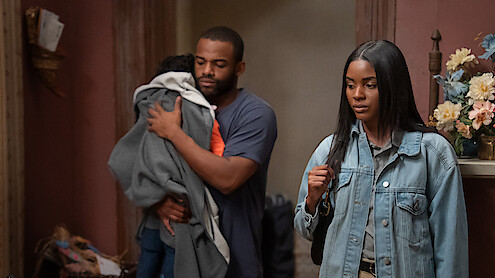
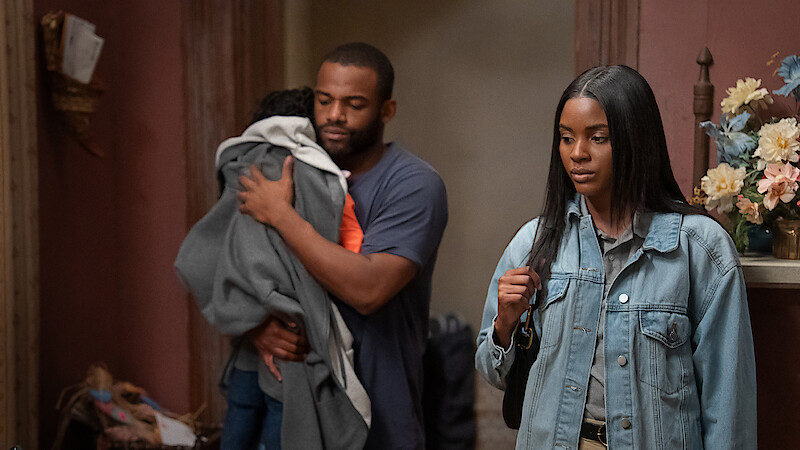
While Blume’s Forever . . . is set in sleepy suburban New Jersey in the ’70s, Brock Akil’s tale of young love blooms in sun-drenched LA, following Justin (Michael Cooper Jr.) and Keisha (Lovie Simone) in their last year of high school in 2018. Keisha, a hard-working track star, has her sights set on Howard University, but it’s only after she rekindles with Justin at a New Year’s Eve party that she relieves some of the pressure she puts on herself. Adrift, but anchored by his love of making beats, Justin pushes through his ADHD to excel in school and on the basketball court as he tries to figure out what he wants to do post-grad. Like Blume’s book, Brock Akil’s eight-part series makes space for how visceral a relationship on the cusp of adulthood feels — messy parts and all.
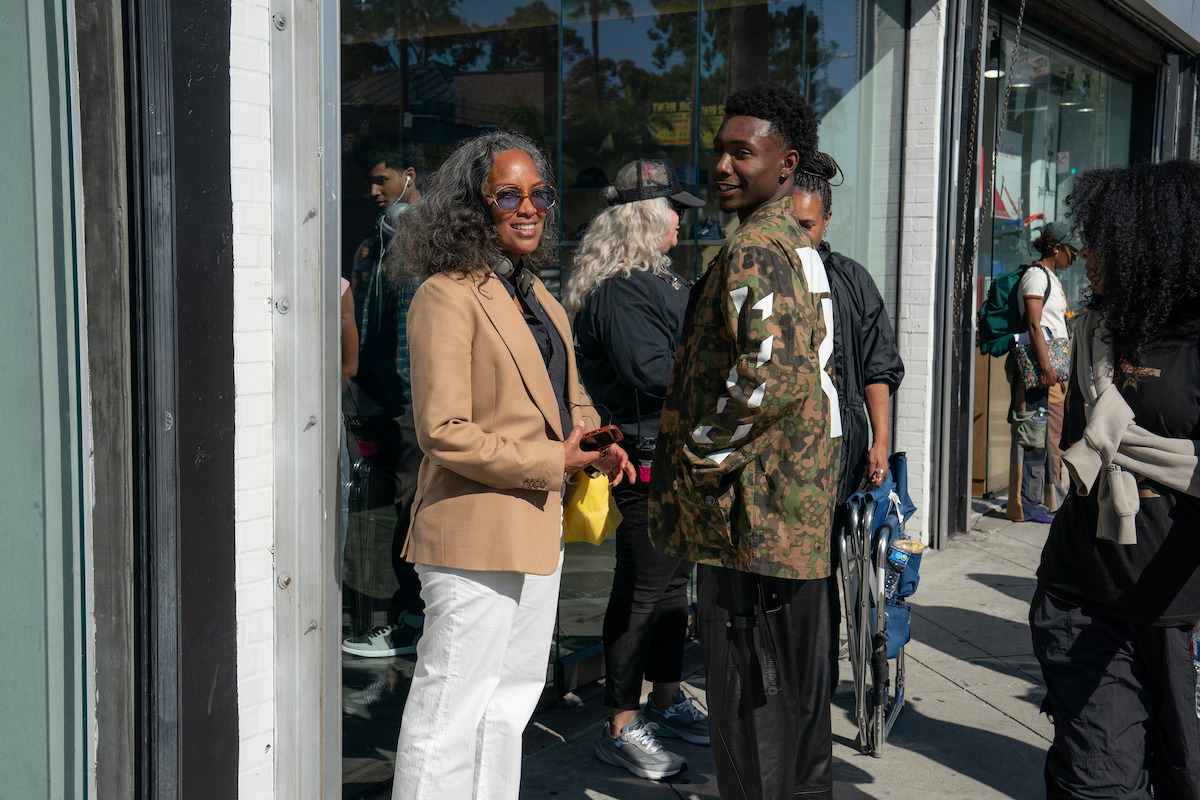
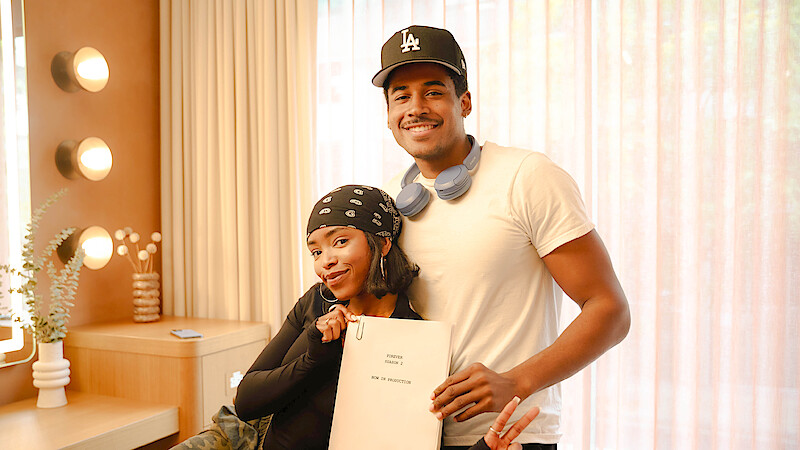
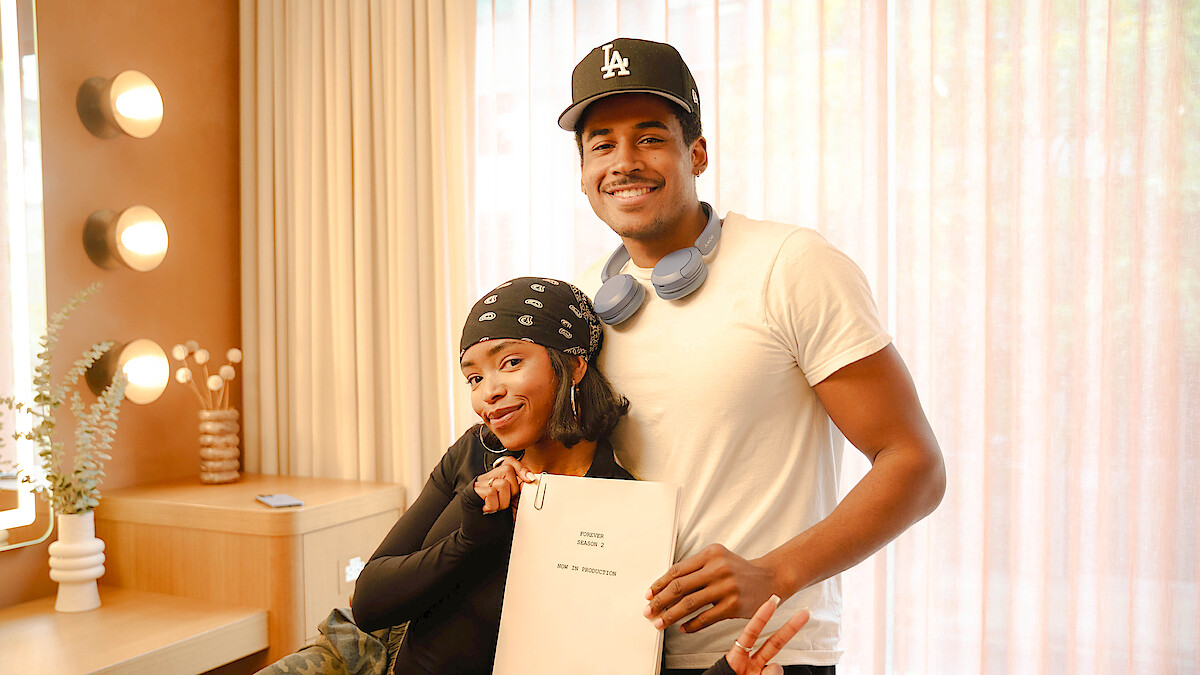
Showrunner/Executive Producer Mara Brock Akil and Niles Fitch as Darius behind the scenes of Forever
“She was one of the first writers I read that dared to be honest about the human condition in young people, and you can see traces of her writing style within my own,” says Brock Akil, who was thrilled to breathe new life into a story that meant so much to her growing up. The fact that exactly 50 years had passed since the book was first released was just icing on the cake. “The alignment — come on, are you serious?” the showrunner says.
Here, Brock Akil describes how she approached adapting such a seminal text, what she changed in Forever, and why.
This article contains major character or plot details.
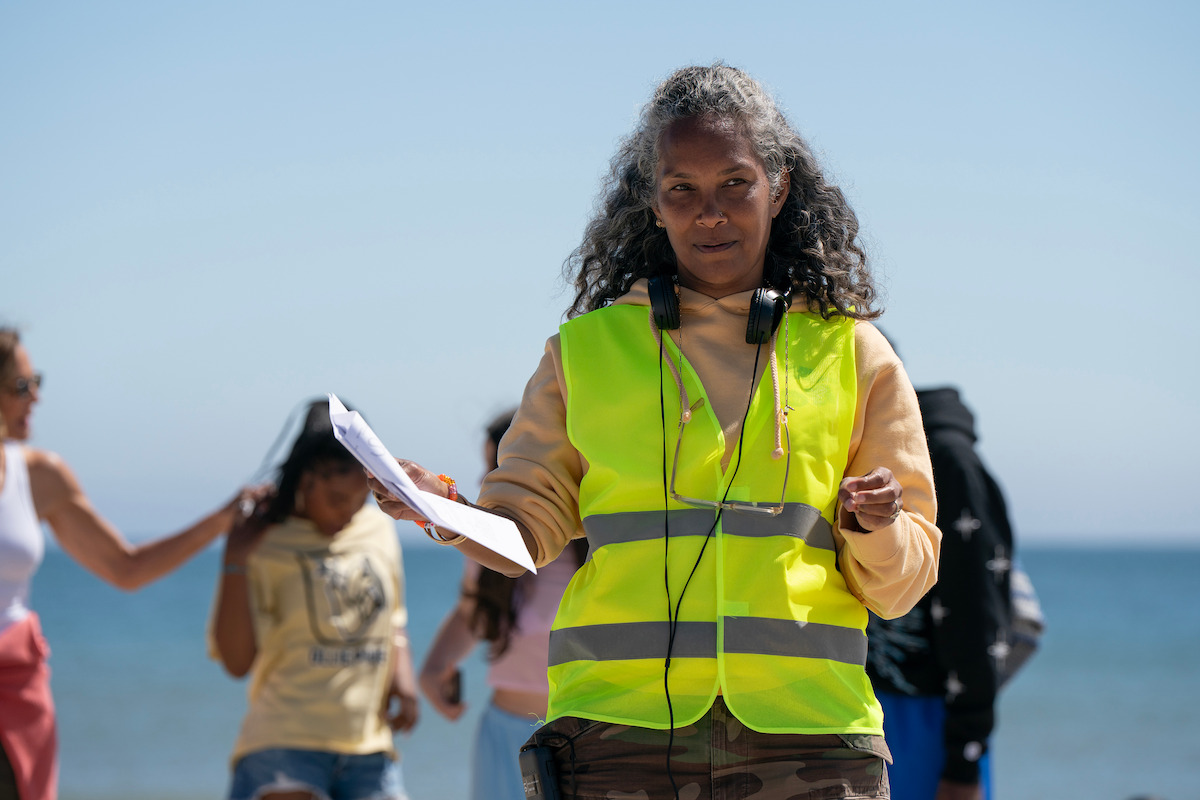
Showrunner/Executive Producer/Director (105) Mara Brock Akil behind the scenes of Forever
On when Brock Akil first fell in love with the novel Forever . . .
I can remember what I was doing at 12 [years old], reading this book I wasn’t supposed to be reading. The most visited pages in my copy got loose, and they were sliding out. I used to read it by the light of the hallway, and I would have to position my book a certain way. I always say to this day, I think that’s when I messed up my neck.
I talked about it on the bus. I talked about it in the hallways at school. I talked about it in the locker room. Judy was [really] saying something.
On Blume’s influence on contemporary storytellers
I found out that my agency represented Judy Blume. I told them, “Do you understand what she means to me?” I’ve always credited Judy Blume as part of the seasoning of my voice as a writer. In the context of where we were in July 2020 as a humanity — what a moment in chaos to meet your childhood writing hero.
On why Forever … is still so impactful 50 years later
What resonates is the rite of passage: Taking all that you have learned up to whatever age and having your first choice of love outside that very safe place of familial love is very significant. The first time you have sex, your first kiss, the first time you say, ‘I love you’ — it resonated then, and it resonates now. When I was a young woman reading it, I had questions. Our children are exposed to so much more, and there’s so much data on them now at that age. Where are we providing that beautiful rite of passage [of first love] that they will remember forever?
On what Brock Akil changed from the original text
Judy wrote the book [in the years] after the introduction of the birth control pill. I could imagine what that must have felt like — to finally have something that allows you to have agency and freedom of choice to explore that side of yourself without worrying about rearing children. In 2020, George Floyd had just been murdered — [there was] the echo of when America gets sick, Black people die. At this time, I looked at the Black boy as the most vulnerable person who needs to be protected. Black boys have no place for their vulnerability, their emotions.
In the book, we get to read Katherine's emotions, her physical needs, her inner world. With Michael, we never fully went into his world. I wanted to see the bigger connection to Keisha’s world. Judy was very good about reminding us of what kids were dealing with in the ’70s. I decided to put one of the toughest challenges [facing] young people today in the center of the relationship — and that was the sex tape scandal . . . and then social media, the way they communicate with these phones.
Another is the predominately white institution of it all. Even though Keisha and Justin have some of the freedoms of their white peers and the style and the access, they still both carry race differently. Though we’re talking about it specifically with Blackness, it’s actually a more universal message. That upliftment will feel familiar because we’re all trying to pull ourselves up.
On why she decided to set Forever in 2018
From the murder of Trayvon Martin in 2012 up until 2020, during the years when Trayvon and Mike Brown and Eric Garner and Philando Castile and Alton Sterling and Sandra Bland [and so many others were killed], Black people were living a horror story. Dawn [Justin’s mother, played by Karen Pittman] says it: “Your little flippant mouth … You’re going to be dead or in jail with that mouth.” We were just very hard on our kids, and no one had the language at the time to speak to that fear and desire to protect them. We weren’t using [the term] white privilege then.
The emphasis on our children’s safety left them very little room for independence, for them to explore who they are as individuals, for these sorts of rites of passage. That time period around 2018 really represents how Black people felt we were left on our own to figure out the issues of the day. There was no language to understand what we were going through collectively, and more specifically, for the safety of our children. And more specifically than that, for Black boys. Forget a first love — you might be dead, or you might be in jail.
On Los Angeles as the series’ backdrop
My heart is in my work, and part of my heart is where my home is, in Los Angeles. I thought, what better metaphor for this love story than what LA represents. Los Angeles has been over-indexed in how it’s been presented. There’s a whole other Los Angeles just trying to get their kids to school on time. It was very important to me to show the beauty all over LA — not [just] Hollywood, not the Hills.
On preserving the sex positivity from the original text
I like to think universally, children or young people’s curiosity around sex, is positive. When you’re making the best decisions you can, you’re looking for a fun and good experience, even if you’re nervous. This generation has a lot of information about sex. Even in the rhetoric of the 50% divorce era, “relationships are trash,” they may come into [sex] more led by the curiosity of their bodies. Girls are likely suggesting it. I don’t think that was happening with us back when we read it, so I definitely wanted to show that. With Justin, he’s not presented as being given a lot of choice. This handsome Black boy is in a predominantly white environment, so that limits his ability to feel seen and feel. And Dawn has him regimented within his life. When is there an opportunity to meet a girl?
There was also the idea that we will make mistakes, and it requires people to support us through those mistakes.
On creating the character of Keisha
The stakes are high for a Black girl who was invisible yesterday and now, is completely seen. She knew she had to shrink herself a little bit to fit in that environment — who was going to accept all of who she was? She knows and accepts that she is the one who can make the economic difference in her family’s legacy. You got to have the top grades, be the fastest runner, get into one of the best schools in the country. The Keishas need to exhale. I wanted to show two different styles of a Black family, not the only two, but two very prevalent and consistent versions.
On finding the balance with Justin
My oldest son was the muse for Justin. When you look out into the landscape, there are so many Justins. I wanted to present how sometimes the Justins look like they’re behind, but love will help them figure out who they are. Both Justin and Keisha give each other the message of, “Tell your parents who you are,” which is the first step to telling the world who you are.
I also wanted to paint a portrait of a young Black man today, where the parents and the family have overprotected them, and how that’s actually hurting our young men. Being mindful of that balance, that was interesting to me. The other thing is letting Justin represent not only Black children, but children of this era. In 1975, we just didn’t have the language of “You’re ADHD.” You either survive in the system or you don't.
On what centering Gen-Z has taught Brock Akil about love
The importance of building connection from that place of friendship. My era led with the flutters, the butterflies, the romance. Every era knows it’s about communication, and every era has its challenges, but I think friendship leads in this generation. That’s a really beautiful foundation to build on and return to.