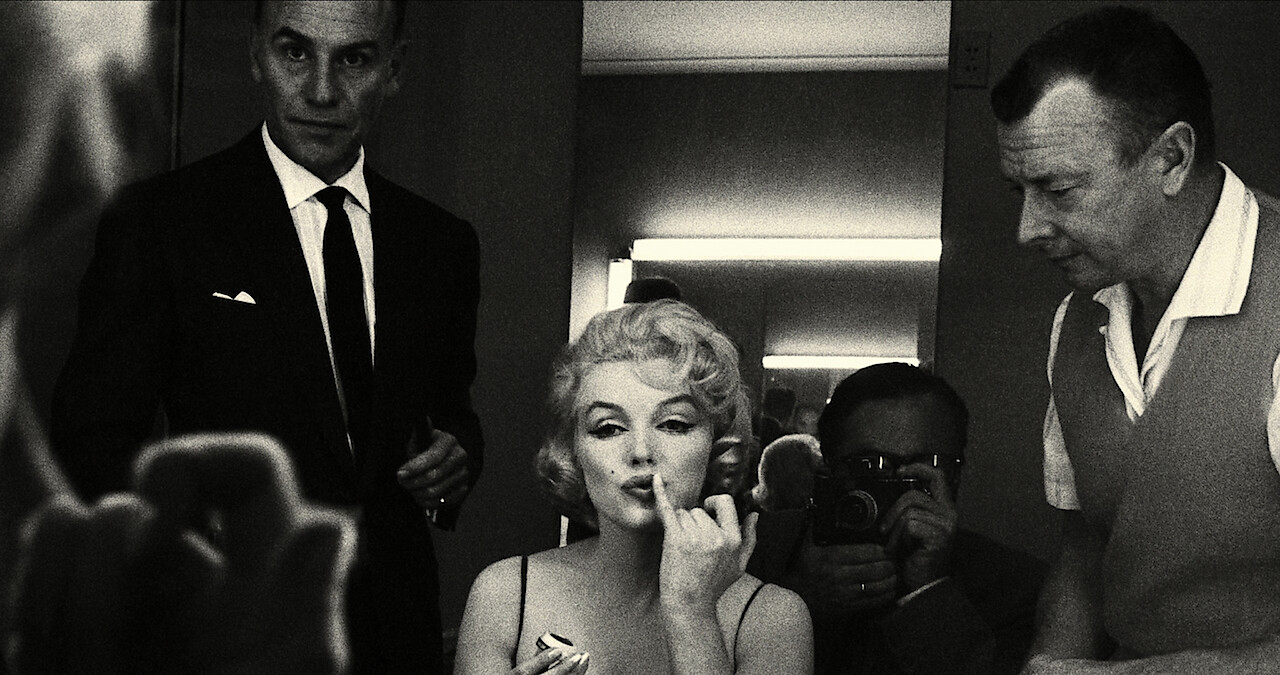
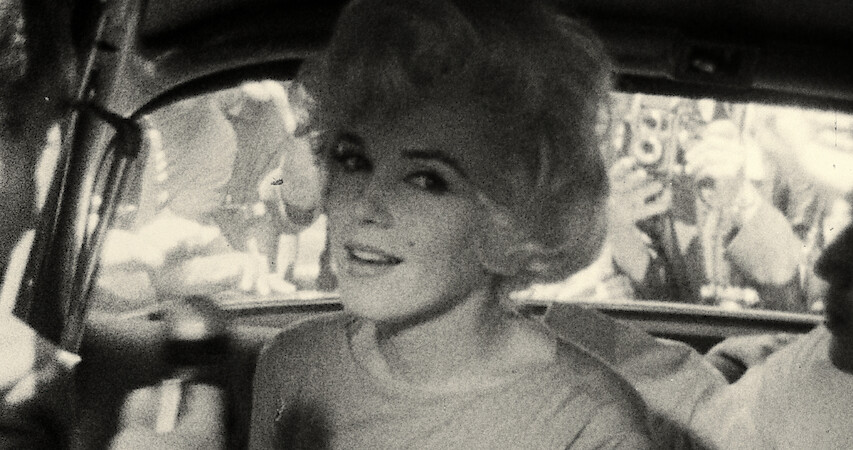
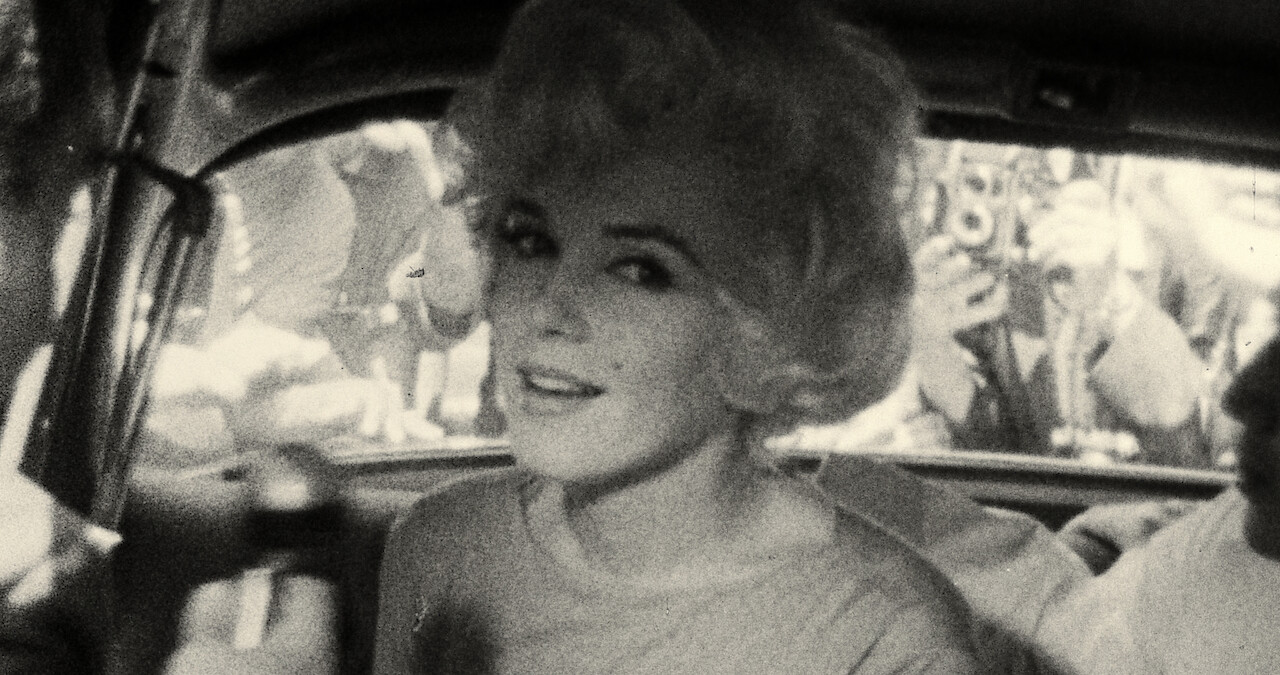
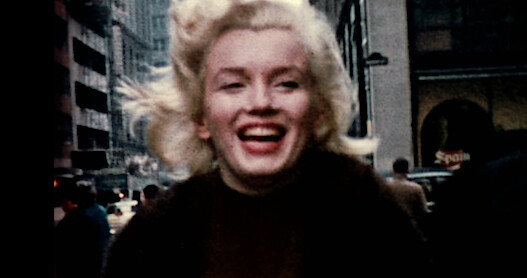
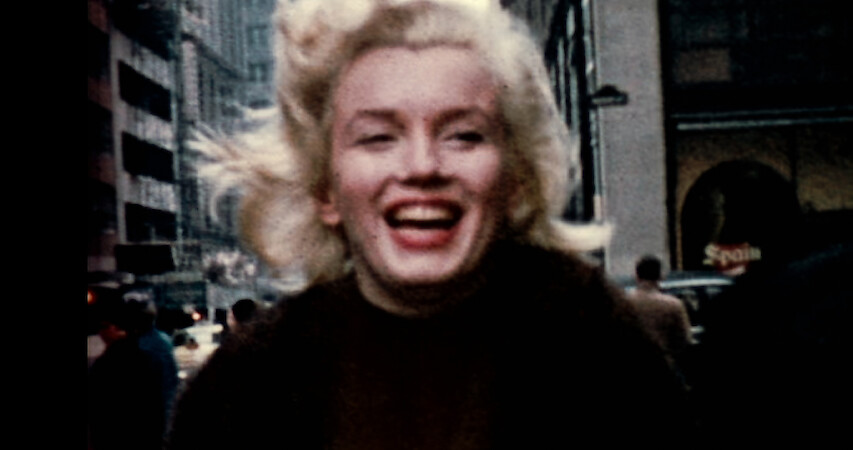
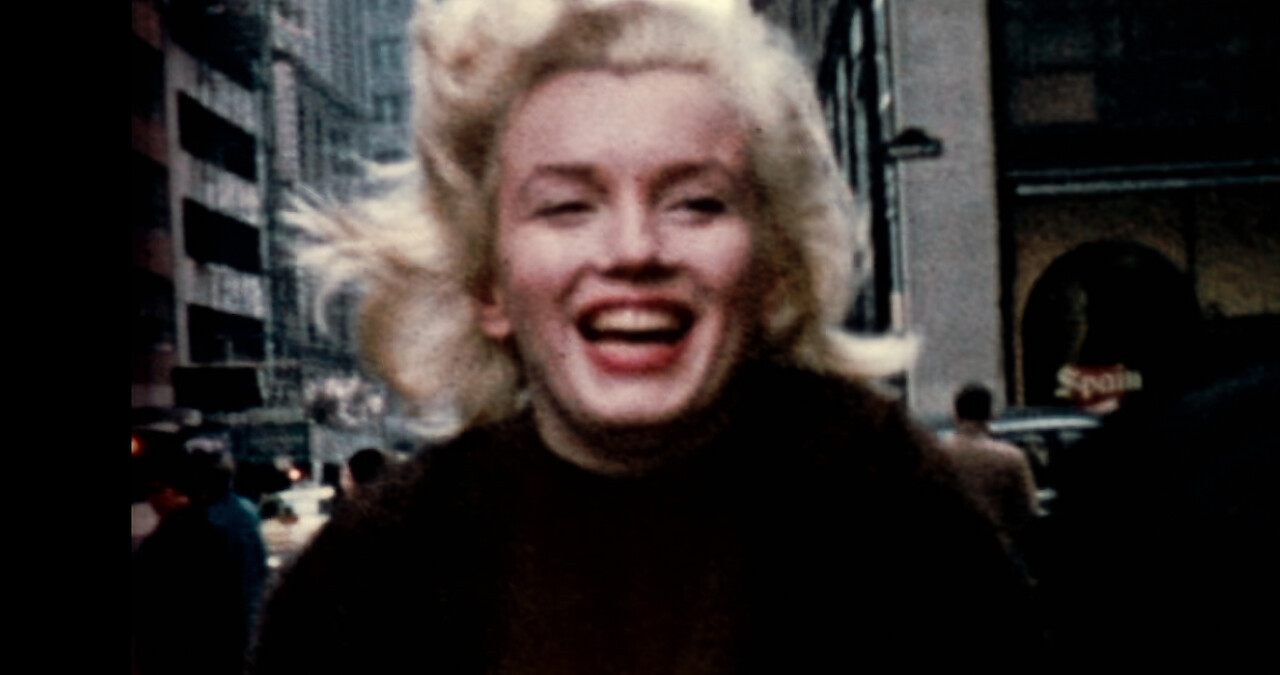
Sixty years after her death, the world is still trying to commodify Marilyn Monroe. Monroe was a stunning bombshell of a celebrity, known for her talent in comedies like Gentlemen Prefer Blondes and Some Like It Hot. Her tumultuous personal life included marriages, affairs with influential leaders and some mental health struggles.
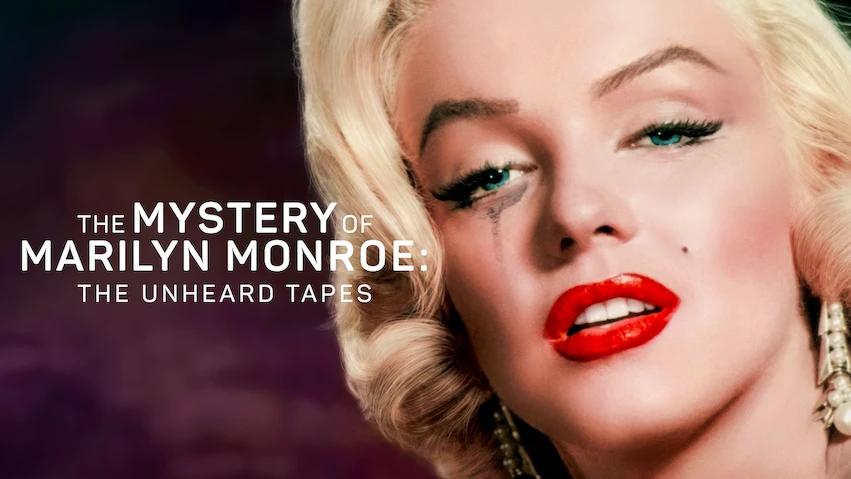
During her life and long after her death, parties are still attempting to take ownership of her image and identity. The conspiracies and secrets that swirled around Monroe at the height of her fame are all explored in The Mystery of Marilyn Monroe: The Unheard Tapes. In the documentary, it’s clear that the star was trying to understand who she was, independent of her public persona. But, in the end, that didn’t stop the world from trying to take ownership of her.
Check Out More Great Stories
Why is Marilyn Monroe’s death so mysterious?
For over a decade, Monroe was one of the brightest stars in Hollywood. Though she was labeled a sex symbol for her work in films like Niagara and How to Marry a Millionaire, she was also immensely talented. Monroe wanted to be seen and understood as her complete self.
In the months leading up to her death, she took on new projects and posed for magazines like Vogue and Cosmopolitan.
On August 5, 1962, Monroe’s housekeeper, Eunice Murray, became increasingly concerned when the actor did not respond to knocks on her bedroom door. The Los Angeles Police Department was called to Monroe’s Brentwood home, where she was found dead at 36.
After an investigation, the Los Angeles County coroner’s office attributed the movie star’s death to acute barbiturate poisoning — in other words, an overdose of sleeping pills. No evidence of foul play was found, and Monroe’s death was ruled a “probable suicide.” Since then, the actor’s’ death has been shrouded in mystery and conspiracy, primarily since Monroe had known sexual entanglements with then-President John F. Kennedy and his brother, then-Attorney General Robert Kennedy.
Monroe was such an enigma during her life. Now her death is being treated very much in the same vein.
How much was Marilyn Monroe worth when she died?
When Monroe died, she was single and childless. She had a net worth of $800,000, approximately $7 million today.
Monroe lived lavishly and spent her money freely on clothing, jewelry and her home. She was also extremely generous to her friends and employees. As a result, by the time Monroe’s estate was settled, it was reportedly worth just $370,000 (about $3.5 million today).
A breakdown of Marilyn Monroe’s will:
Though Monroe was very young when she died, she still had a will in place. She left $10,000 to her long-time assistant and half-sister, Berniece Miracle. She also set up a $5,000 education trust for Miracle’s child. For her mother, Gladys Baker, who struggled with mental illness most of Monroe’s life, the actress left $100,000 for her care.
Monroe left her physical properties and 75% of her intellectual property to her acting coach, Lee Strasberg, and his wife, Paula Strasberg, who had been like surrogate parents. "They took Marilyn under their wings," Pulitzer Prize finalist Anthony Summers wrote in his book, Goddess: The Secret Lives of Marilyn Monroe. "They gave her uncomplicated privacy and companionship."
The remaining 25% of her intellectual property rights were left to her therapist, Dr. Marianne Kris. “She felt that [Kris] was very helpful and sympathetic,” says Sarah Churchwell, author of The Many Lives of Marilyn Monroe. “She found that [Kris] was starting to help her understand what it was that she was going through.”
When Dr. Kris died in 1980, her portion of Monroe’s estate was transferred to the Anna Freud Center in London. The organization is dedicated to working with children with mental health problems.
“That would have made her really happy,” Churchwell says. “She did want to do good, and she wanted to feel as if she had accomplished something.”
However, what happened to the remaining 75% of The Seven Year Itch star’s estate is baffling.
The perplexing way actor Anna Mizrahi was given control of Marilyn Monroe’s estate.
Paula Strasberg died of cancer in 1966, and, in 1967, Lee Strasberg wed a 28-year-old actor named Anna Mizrahi. When the acting coach died in 1982, Mizrahi inherited 75% of Monroe’s estate, giving her total control of the Hollywood icon’s likeness. It also enabled her to make money from the estate.
Over the years, Mizrahi signed countless deals that allowed the use of Monroe’s signature and image for use on thousands of products and endorsements. She hired CMG Worldwide, a company specializing in managing dead celebrities’ estates, to license Monroe products.
“We did hundreds and hundreds of programs with companies like Mercedes-Benz to Coca-Cola to fragrance, clothing, giftware, collectibles, paper products, things like that,” CMG CEO Mark Roesler told NPR.
As a result, Mizrahi made Monroe one of the highest-paid dead celebrities in the world. She would create Marilyn Monroe, LLC, and in the four years between 1996 and 2000, she made more than $7.5 million in licensing revenue.
In 2011, Mizrahi, who is now 81 years old, sold her 75% stake to Authentic Brands Group in a deal that has been estimated to be between $20 million and $30 million.
In the end, a woman Monroe never met or interacted with has emboldened generations of people worldwide to snag a little piece of her.