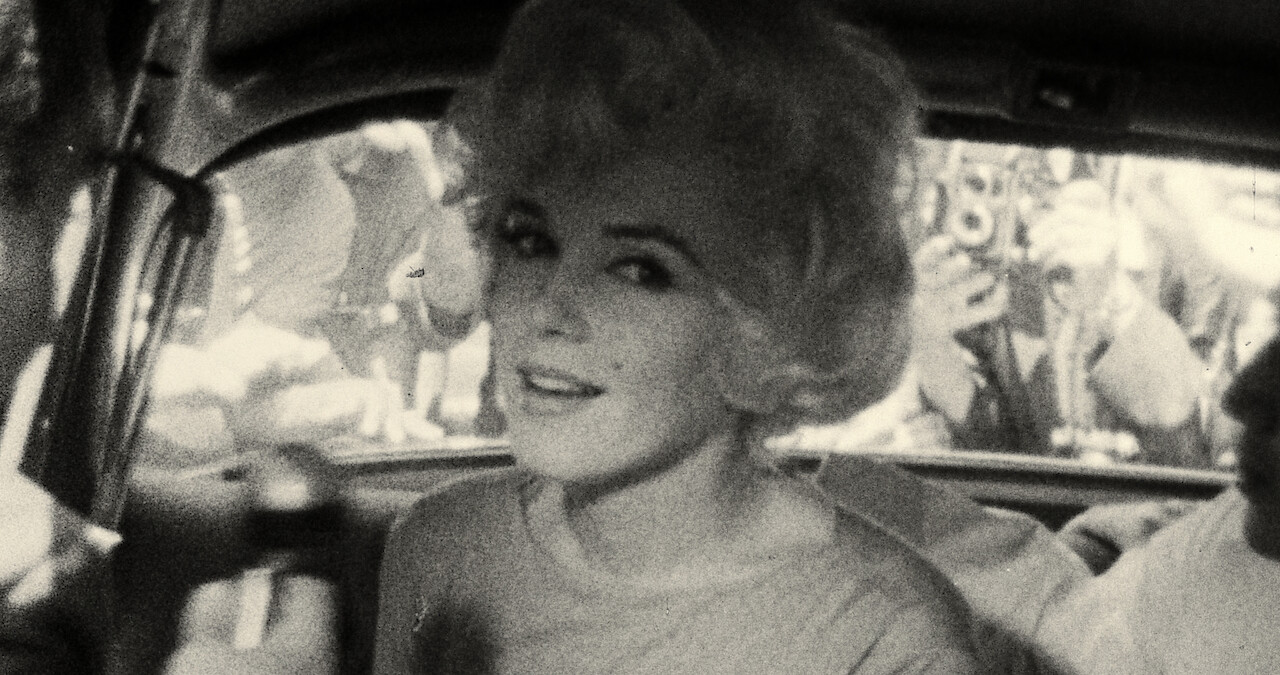
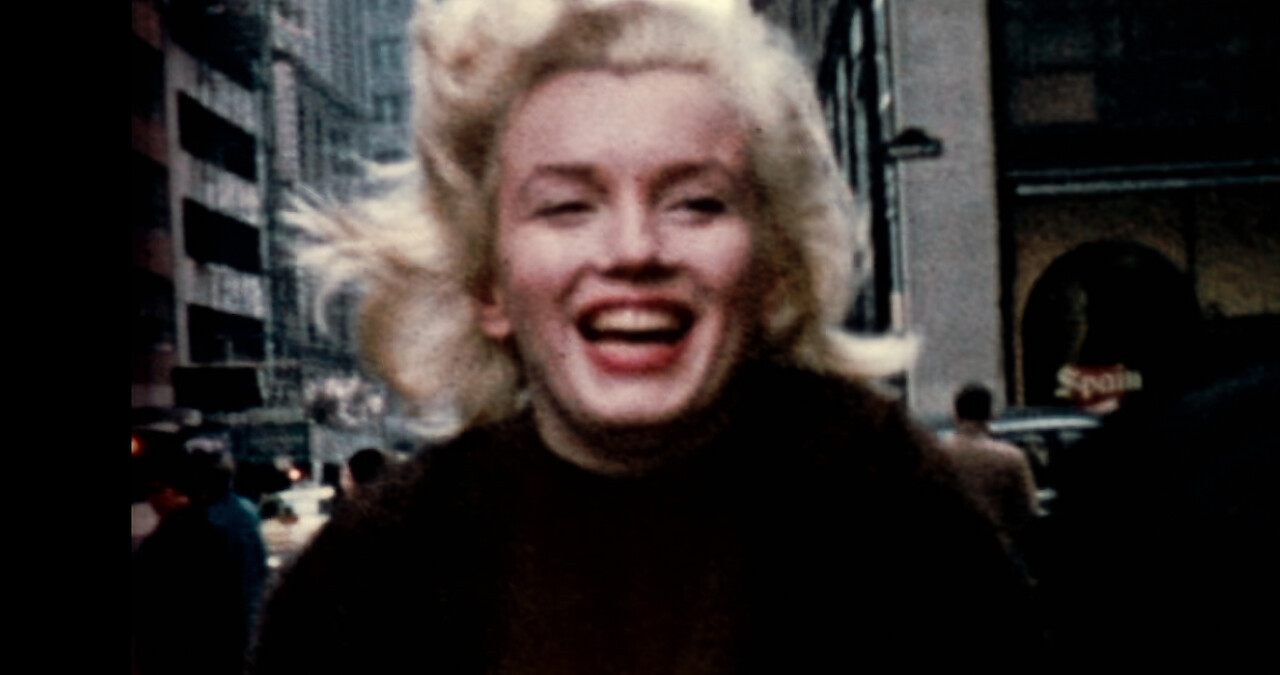
“Calling all girls! Calling all girls!”
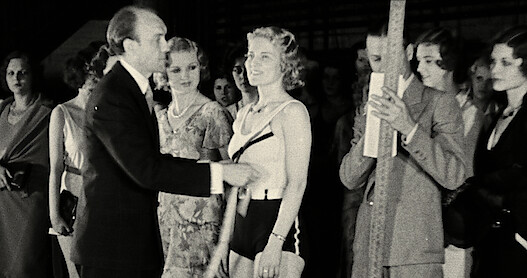
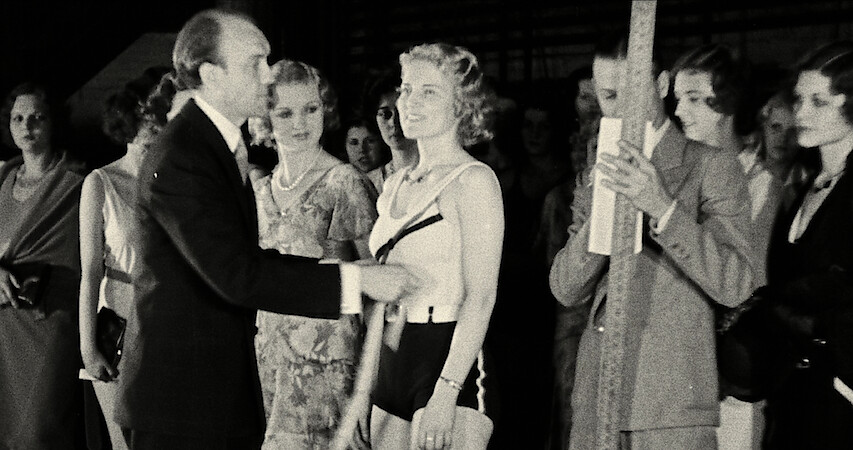
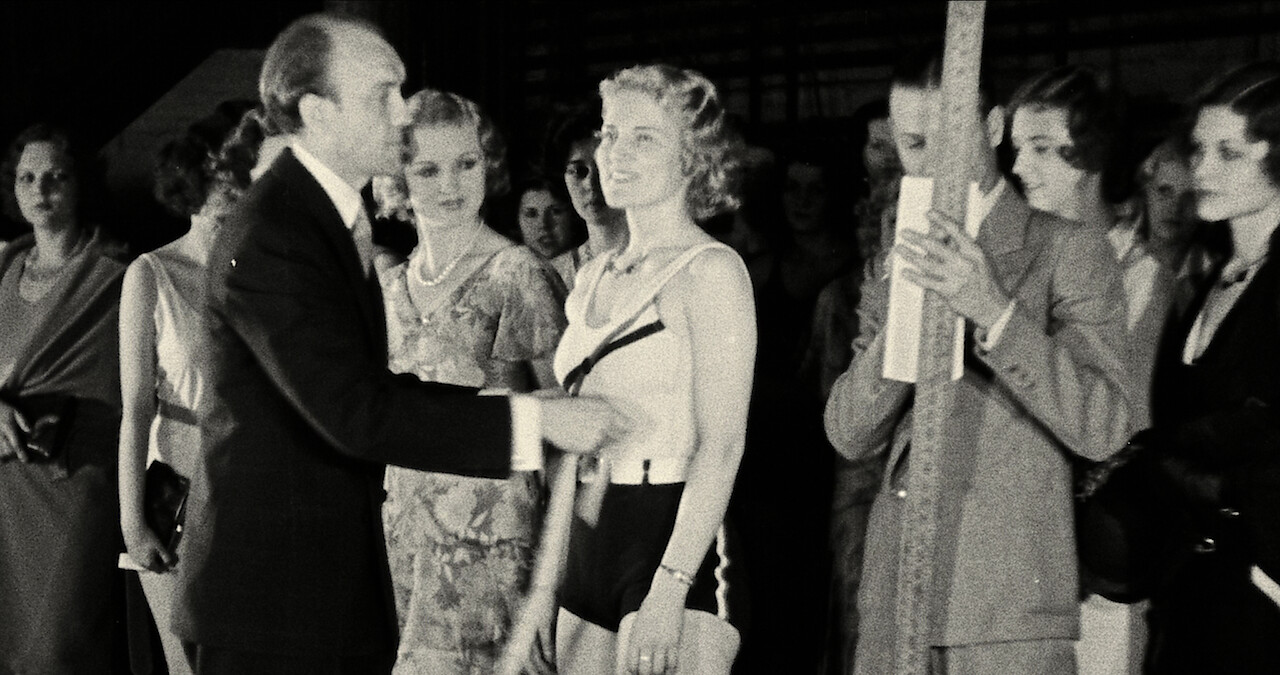
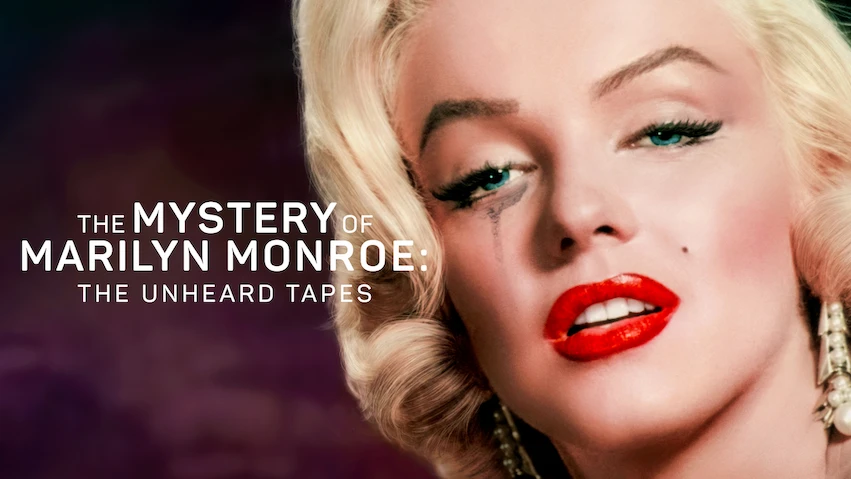
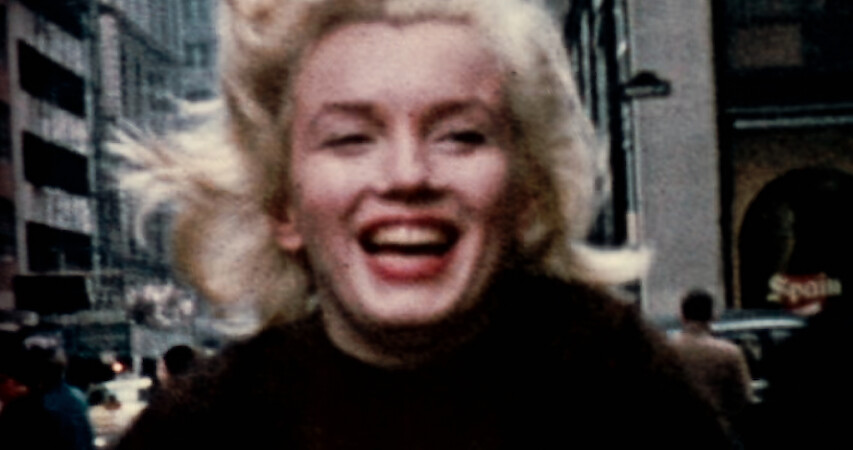
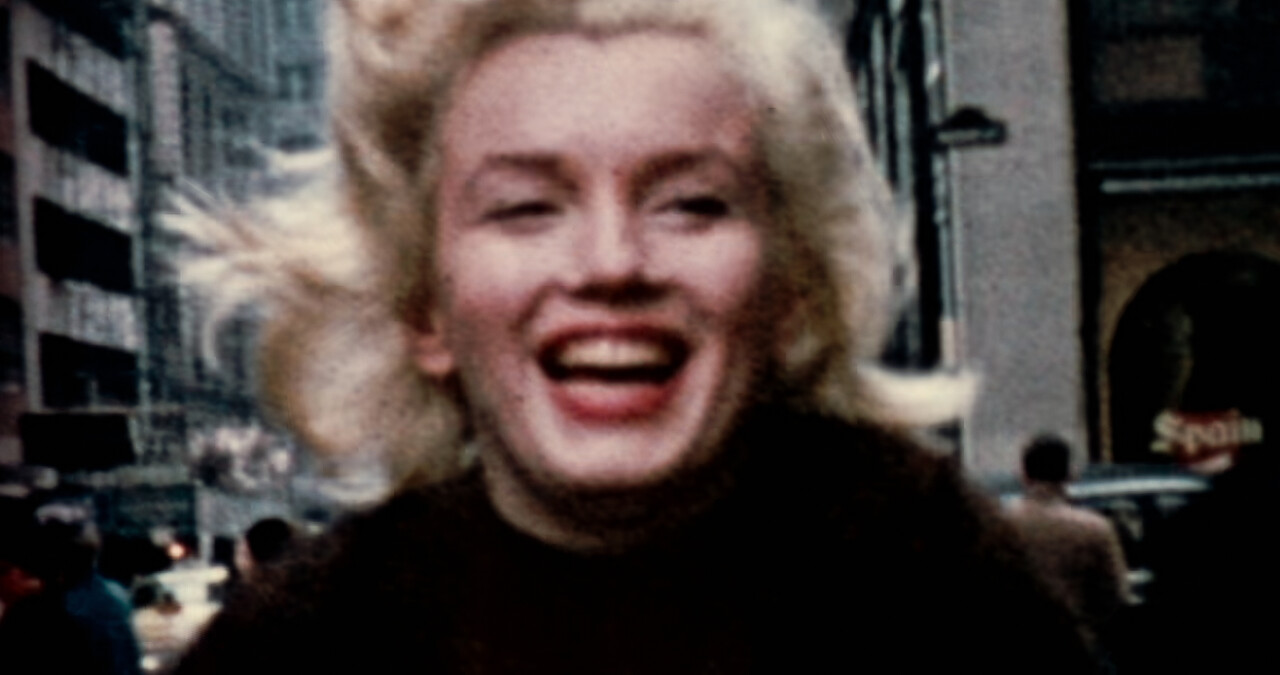
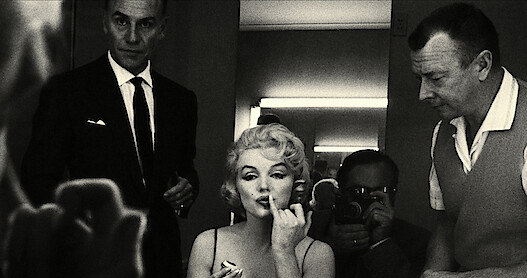
In The Mystery of Marilyn Monroe: The Unheard Tapes, vintage newsreel footage shows young women parading on stage in bathing suits and short shorts, turning slowly to showcase their figures. “The process of selecting just the right girls is a careful one,” says the announcer. In accompanying footage, a man takes womens’ measurements and reads the results aloud, “Neck 12.5. Bust 34.5.”
Hollywood casting practices of the 1920s to 1940s operated on an overt looks-over-talent philosophy. “A star is made, created, carefully and cold-bloodedly built up from nothing,” Louis B. Mayer, co-founder of Metro-Goldwyn-Mayer Studios and creator of Hollywood’s “star system,” told biographer Scott Eyman in 2005. The only criteria that mattered were one’s looks — and those looks could be altered and sculpted.
This applied to both men (see Roy Scherer’s transformation into Rock Hudson) and women (à la Margarita Cansino’s multiple physical alterations to become Rita Hayworth), but young female hopefuls arriving in Hollywood faced particularly cruel scrutiny. The lens by which they or, more specifically, their bodies were analyzed was often through a leering male gaze.
In The Unheard Tapes, Al Rosen, top Hollywood agent of the 1940s, describes the common practice of casting directors keeping a black book of “every young girl... kids that were breaking in, like Marilyn Monroe, you know, when they get started.” These books were effectively lists of women they hoped or intended to bed. “The business has changed since then,” Rosen said in the ’80s. “Today, it’s the buck. It used to be sex.”
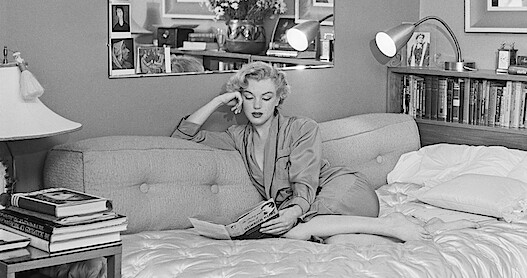
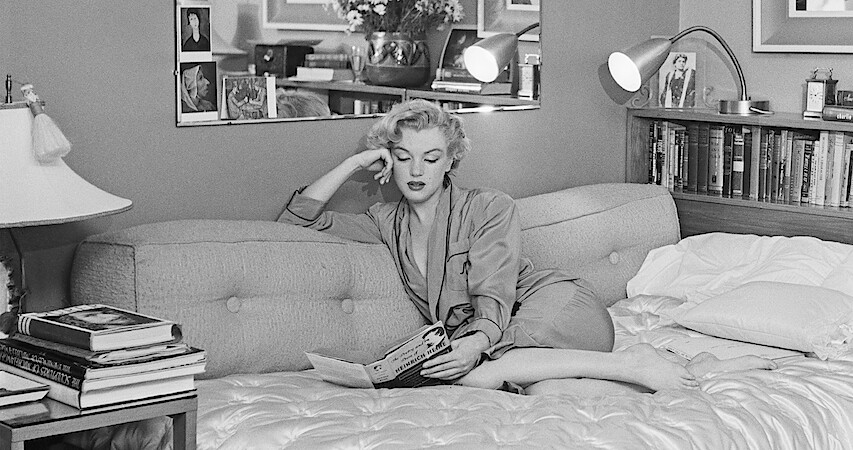
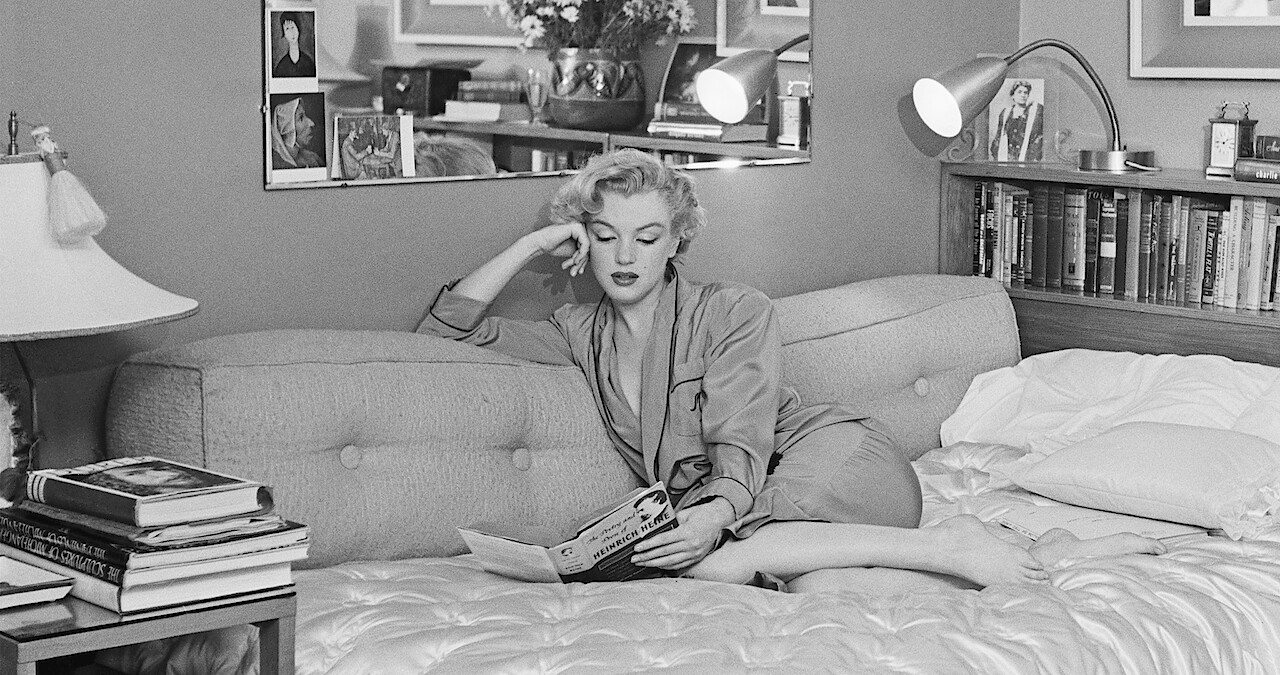
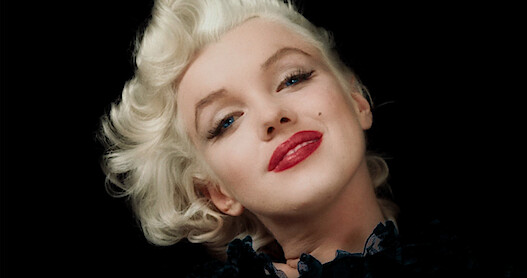
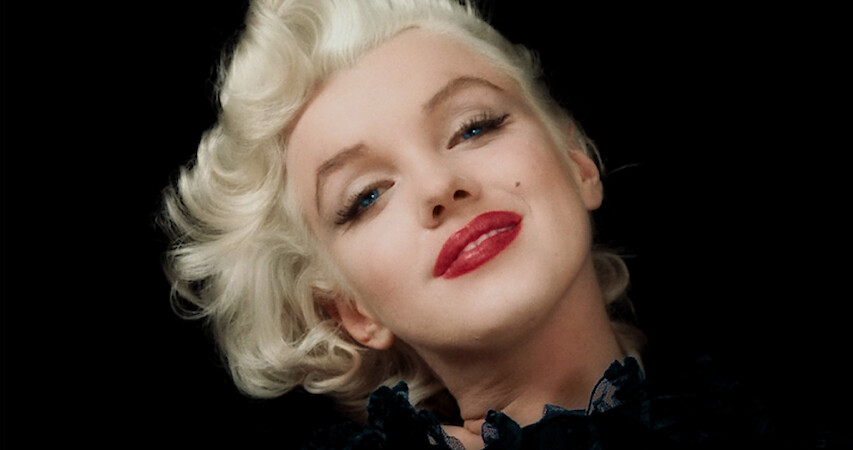
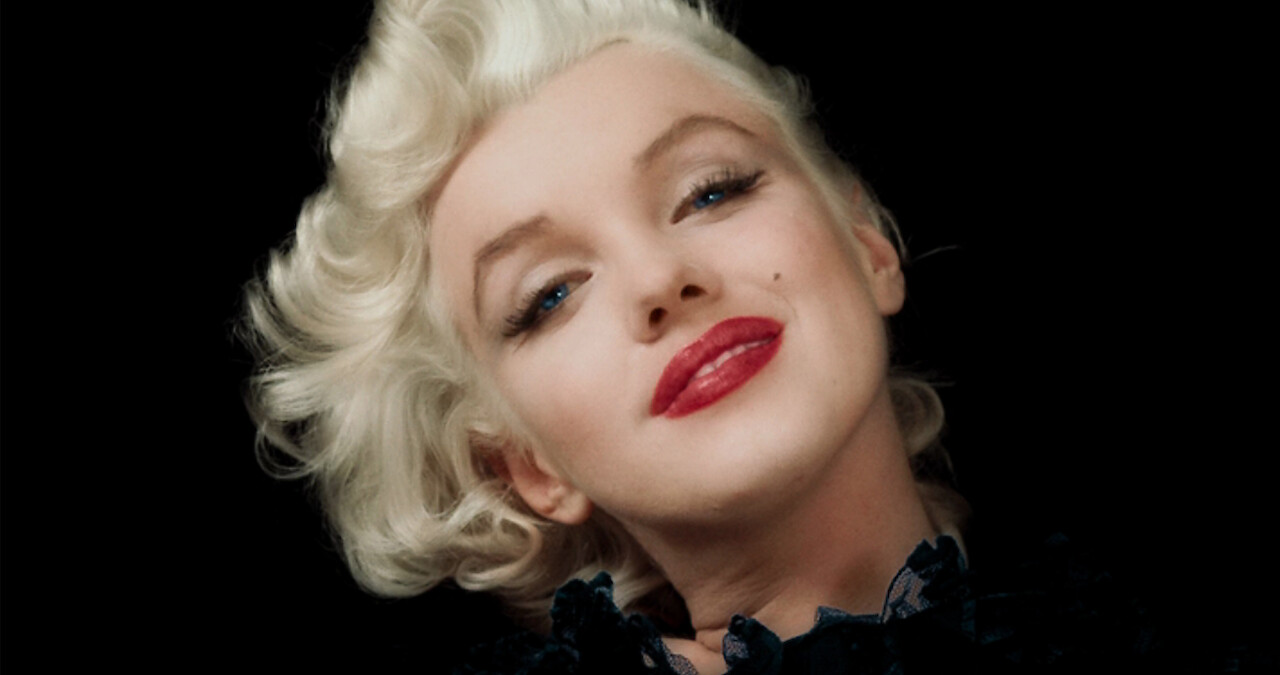
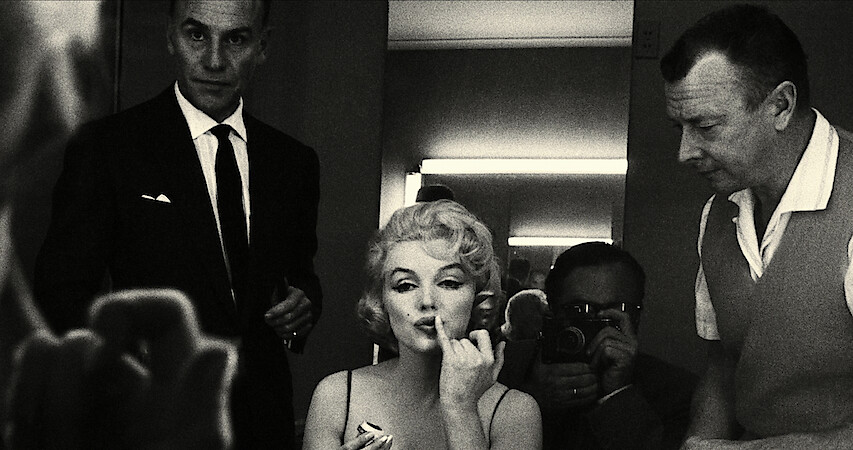
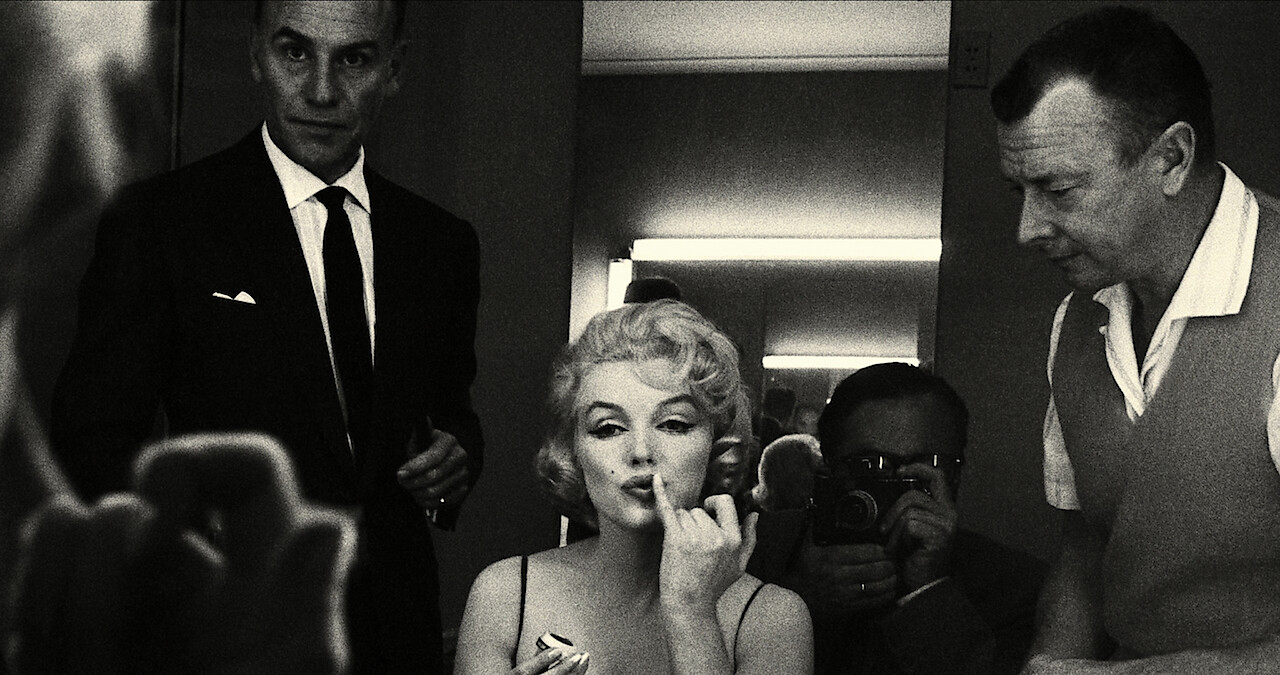
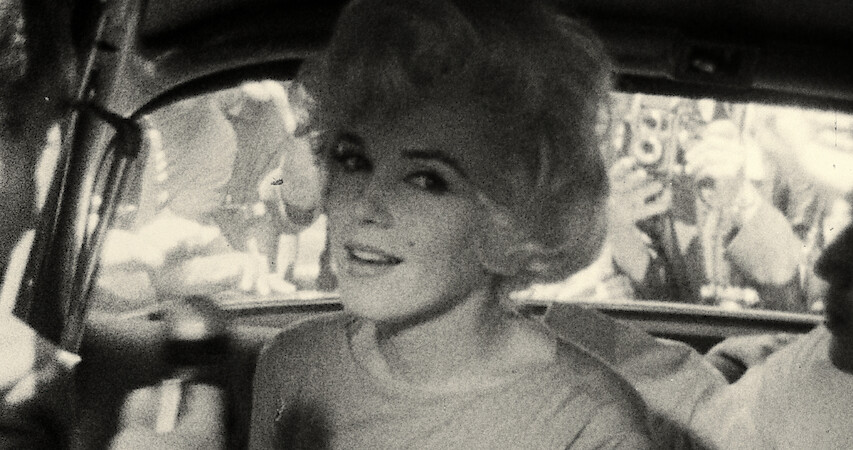
The documentary touches lightly on well-known themes of Monroe’s early career, as she transformed from innocent girl-next-door Norma Jean Baker to Marilyn Monroe, the world’s top sex symbol. It examines the influential men — such as Joseph Schenck, the chairman of Fox, and talent agent Johnny Hyde — with whom Monroe had sexual relations in exchange for studio contracts and film roles, as well as long-term mentorships. Monroe’s sexual exploitation was not an anomaly. In fact, it was the norm for all female entrants to the Hollywood system for decades, regardless of the caliber of opportunities made available to them.
Actor Barbara Ransom arrived in Hollywood in 1962, the year Marilyn Monroe died, and moved into a residence called the Hollywood Studio Club, where Monroe herself had lived 14 years earlier. The women-only dormitory was established by the YWCA in 1916 as a residence for young women seeking employment in the film industry. “It was an ideal place for me to be because there was a certain amount of protection,” Barbara tells Tudum. She applied to the Club, submitting a background check and telling interviewers she intended to pursue employment in Hollywood. Her mother, who was concerned about Barbara’s desire to live in Los Angeles, felt reassured by the Club’s rules for its residents: a midnight curfew, no men above the first floor and a code of conduct enforced by the Club’s director, Florence Williams.
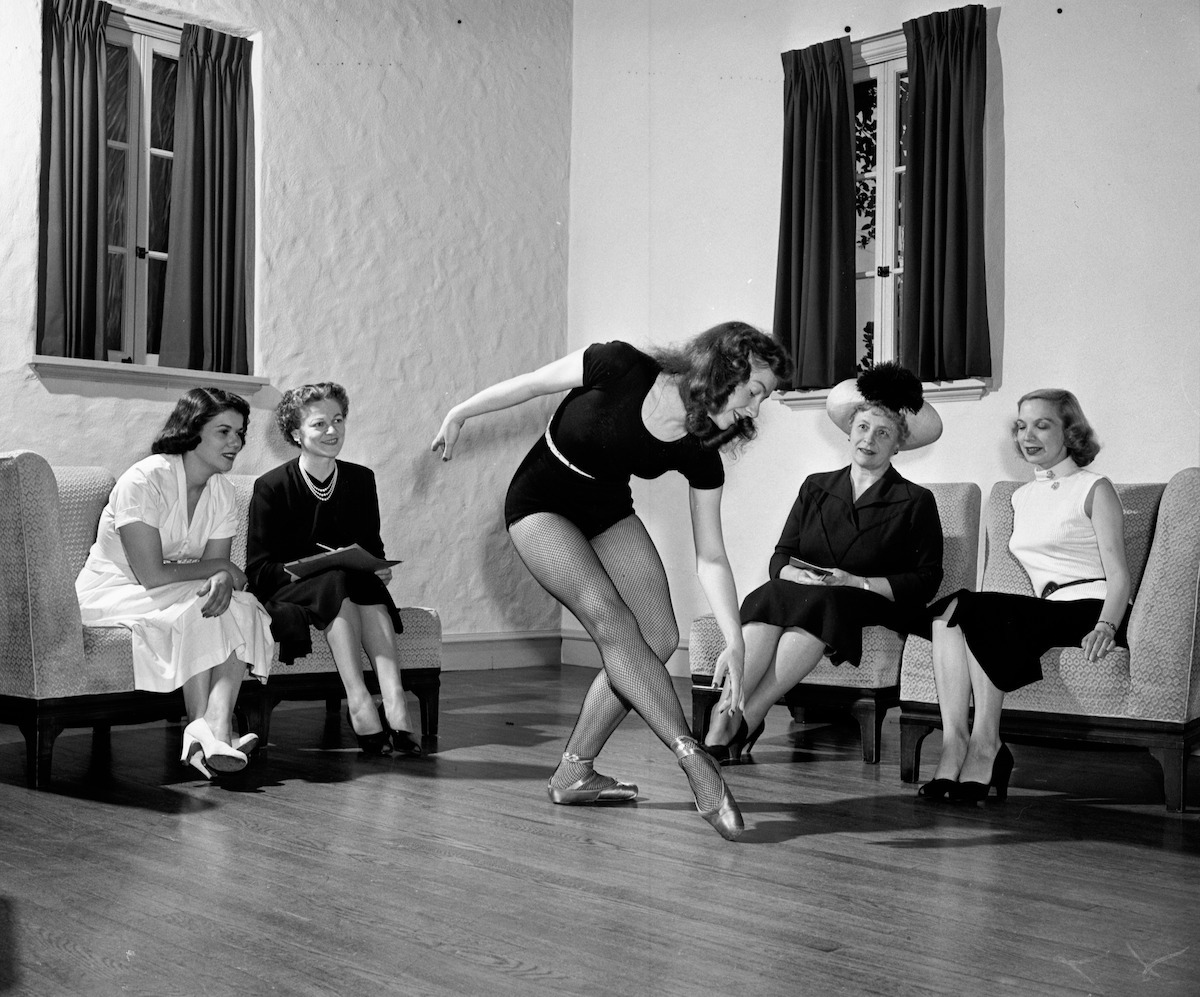
Hollywood Studio Club in 1951.
Los Angeles Examiner/USC Libraries, via Getty Images
The Studio Club had been designed to protect women from the predatory nature of Hollywood or, in other words, from men. And yet, men were often instrumental in introducing women to the Club, giving them opportunities to pay the rent and for elevating their social or career status so that they could move out. (In a 1952 interview with The Saturday Evening Post, Monroe admitted that she had first posed in the nude in order to earn the $50 needed to catch up on her rent payments to the Club.)
Judy Levitt is another actor who moved to the Studio Club in 1963, aged 21. “The only thing I’d ever heard about the Club was through this really terrible guy I had a couple of dates with,” she recounts. At the time, she was still living at the dorms at UCLA, “across the street from all the hateful sorority girls.” The guy she was dating told her about a residence for women actors. “He said, ‘There’s this place in Hollywood. It's a whorehouse on wheels.’”
Levitt promptly decided she didn’t want to live in such a place. Instead, she rented an apartment with two roommates in Santa Monica while she worked a costume apprenticeship at Universal Studios that her aunt, Academy Award-nominated set decorator Ruby Levitt, had secured for her. When she and her roommates moved out of the Santa Monica apartment, she told her aunt that she planned to rent a place near Paramount Studios. “She told me that wasn’t a good idea.” What Levitt didn’t know was that she was about to be fired from the apprenticeship and wouldn’t be able to afford an apartment. Her aunt pulled some strings, and Levitt was “dragged, kicking and screaming, into this place called the Hollywood Studio Club,” she says.
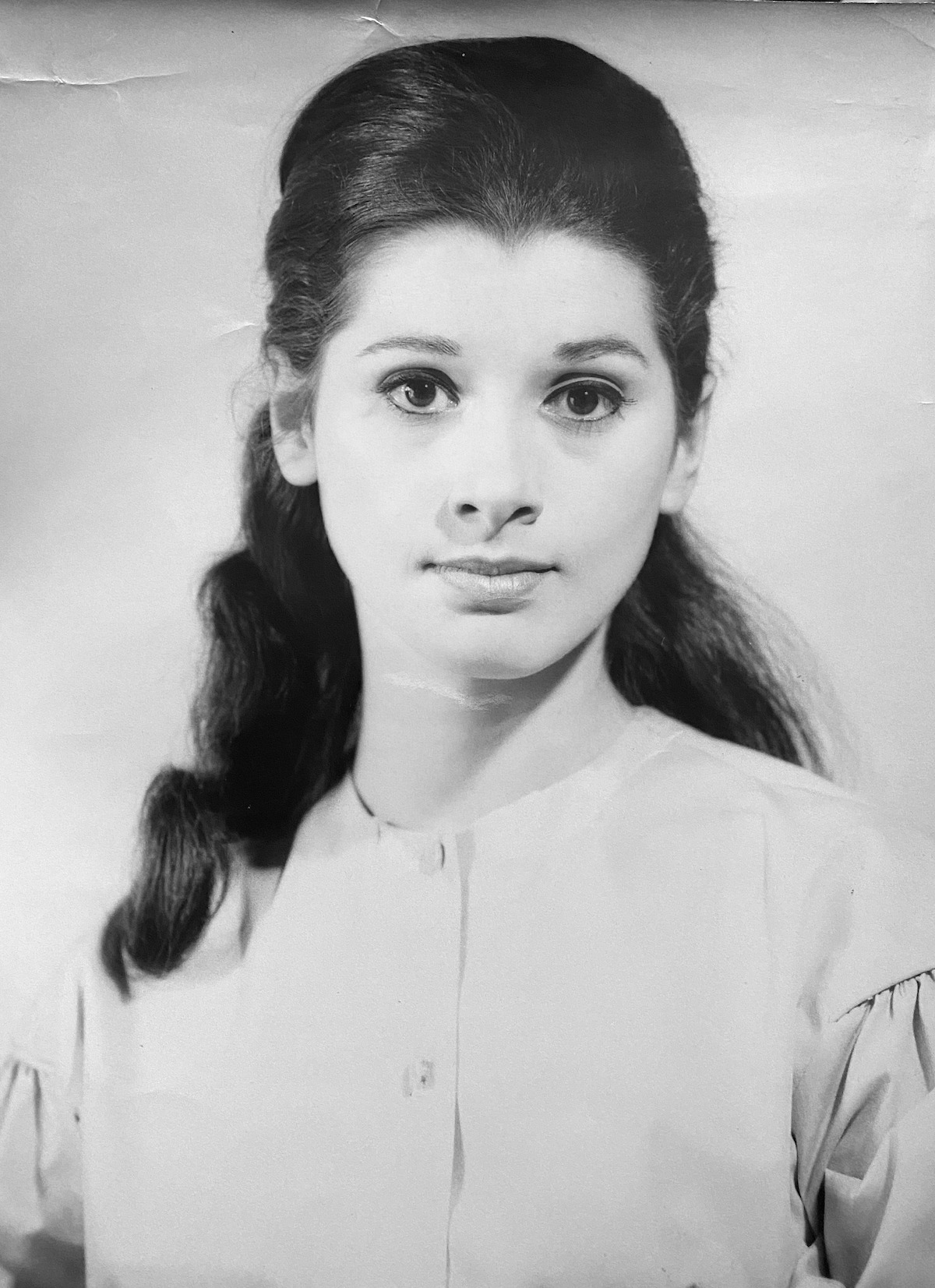
Actor Judy Levitt in 1963.
Courtesy of Judy Levitt
Though Levitt had been wary of its reputation as a certain kind of resource for men on the prowl, she found herself intrigued by the interesting and varied types of women she met there. Among them was Barbara Ransom.
“Do you remember the girl who was one of Elvis Presley’s girlfriends?” Levitt asks Ransom during their joint interview for Tudum at the home Levitt shares with longtime husband Walter Koenig, the actor best known for playing Chekov in the original Star Trek.
“Oh, yes, what was her name?” Ransom says.
“The one who ended up marrying Kenny Rogers,” Levitt says, as they swap stories about all of the women they remember from the Club and those who they witnessed altering or adjusting their appearances, either under the instruction of men or for the benefit of a man’s glance.
“You knew Sharon Tate better than I did,” Levitt reminds Ransom. “Though I would see her every day.”
“Yeah, and she was the sweetest person and absolutely gorgeous,” Ransom recalls. “I remember that the men in Hollywood were just gaga over her.” The actor Max Baer Jr., who played Jethro Bodine on The Beverly Hillbillies, “was totally smitten and took her around to all the studios and introduced her to all the top big wigs,” Ransom says. Baer Jr. facilitated Tate’s first contract with producer Martin Ransohoff, who sent her to New York for training, not just in acting but “lessons in how to walk and body analysis,” Ransom says. She remembers Tate returning to LA and telling Ransom that she’d met, through Ransohoff, a woman who told Tate to just stand in front of her. The woman asked Tate why she was covering her privates. “Sharon said, ‘I’m not, that's just how my arms hang,’” Ransom says. “I remember vividly Sharon telling me that. It’s like this woman had analyzed her body, posture and personality at the same time, saying these are your hang-ups. You’re trying to hide yourself.”
Ransom herself had experienced a similar kind of looking-over when she’d sought her first talent manager. Her mother had seen a posting on the Studio Club bulletin board by the man who managed Jayne Mansfield’s press relations. He was opening his own management company and looking for new talent. Ransom’s mother called and set up a meeting. “My mother went with me, and he sized me up, up and down, and I got the creeps.” After they left, Ransom told her mother she didn’t want anything to do with him.
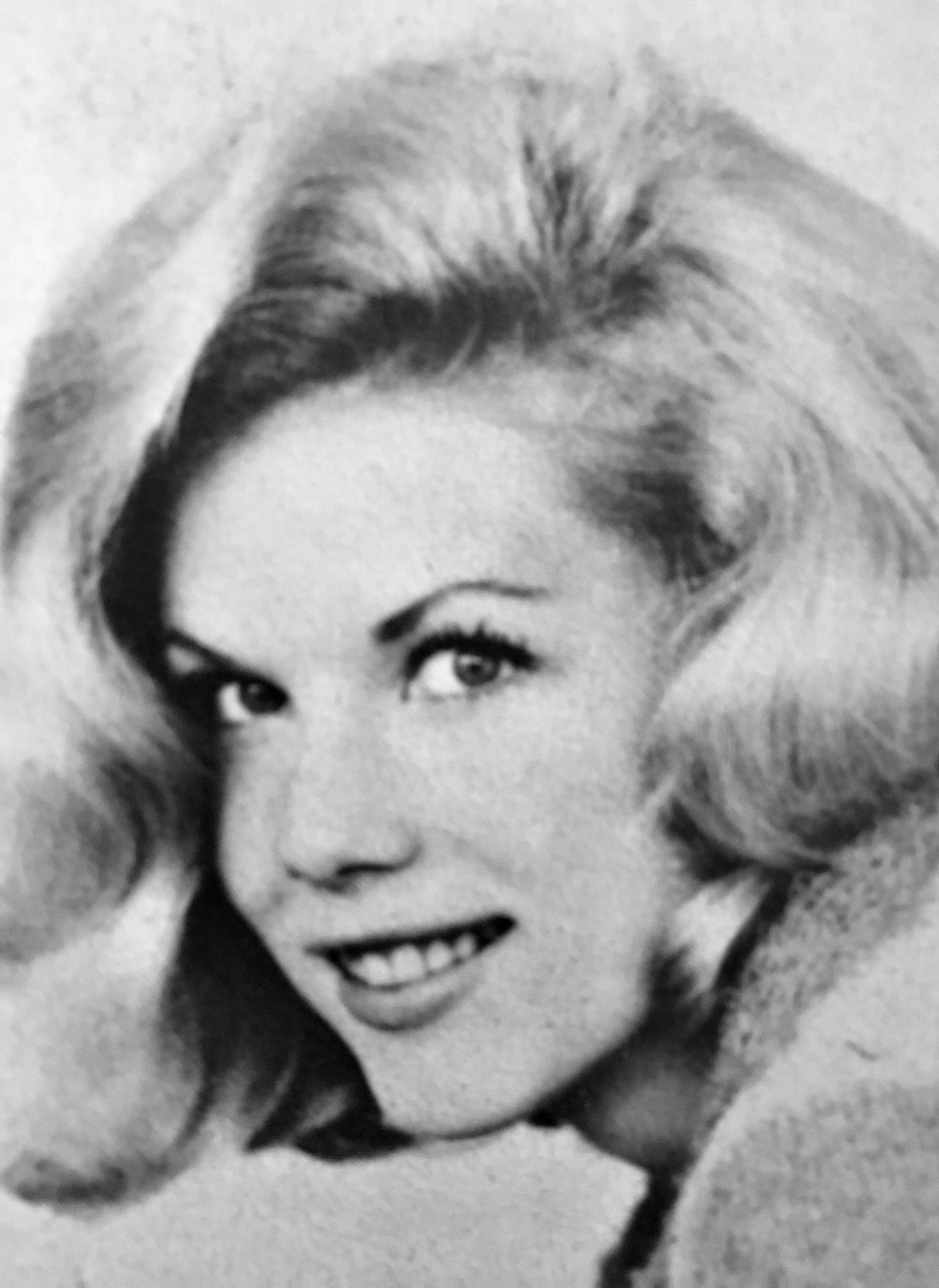
Courtesy of Barbara Ransom
She recalls another instance in which her intuition told her something was wrong. Her agent set her up for an audition with a big director (whose name she declines to say). The audition was held at his home. She entered to find him alone, wearing a bathrobe over a bathing suit, as if he’d just been swimming in his pool. “And I was there with my little suit, pillbox hat and gloves,” she says. The director had her read a few lines from the script and then said the part required her to be in a bathing suit. He told her she could find one in the bathroom and asked her to go put it on. “I walked into the bathroom, saw this bathing suit hanging there and thought, ‘This doesn't feel right.’” Ransom walked out of the bathroom and told the director she had pictures of herself in a bathing suit that she’d be happy to show him instead.
“We used to have composites,” Ransom explains. These were 8x10 sheets containing various photos of actors in different poses and wardrobe. “They were photographs of us in a bathing suit or, you know, full-figure. So laughable. Maybe a comedic picture and then something a little more dramatic and on your composite would be our particulars. I mean the three measurements,” Ransom continues. “Our hourglass measurements.”
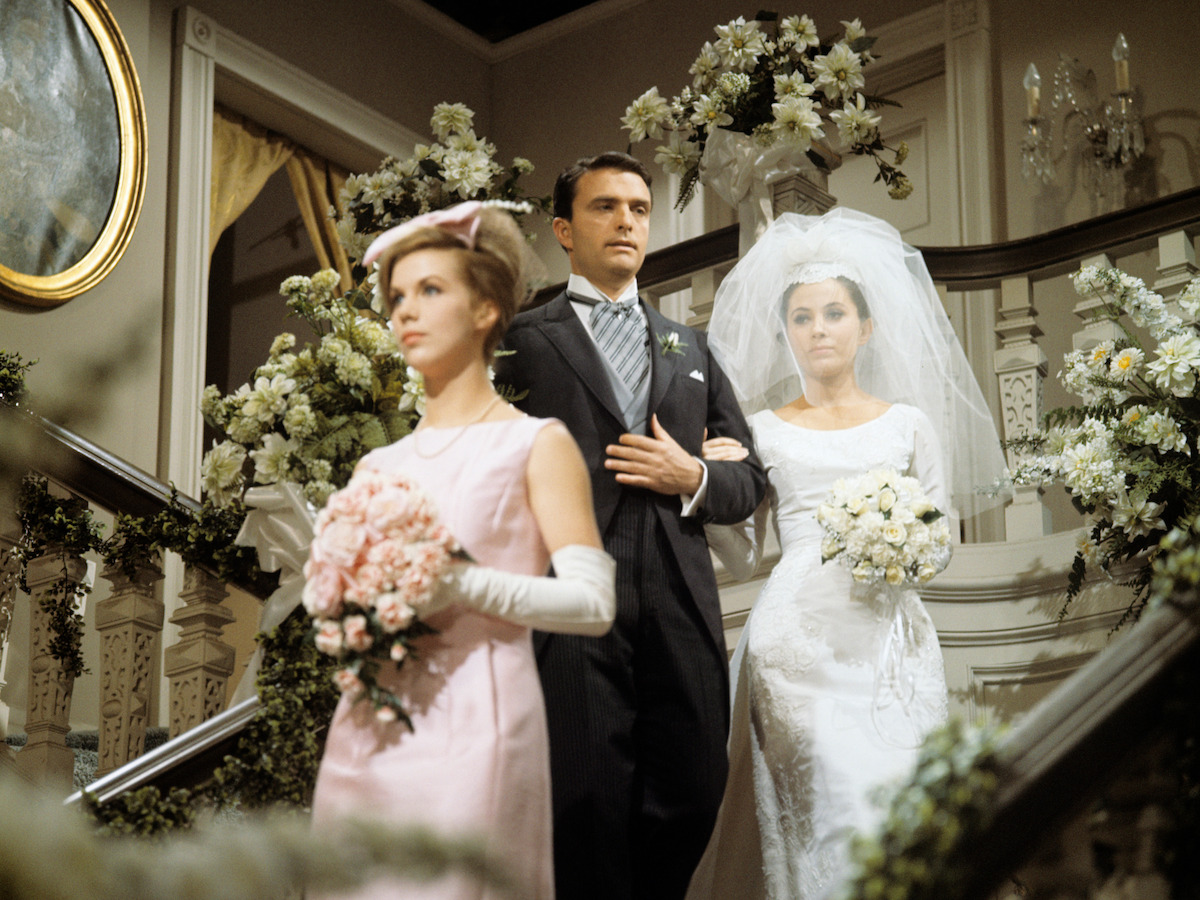
From Left: Barbara Ransom (Nurse Phyllis) Steven Cord (James Douglas) and Betty Anderson (Barbara Parkins) in Peyton Place.
ABC Photo Archives/Disney General Entertainment Content, via Getty Images
Both Ransom and Levitt went on to have fruitful careers. Ransom had a significant role on Peyton Place and worked with many major women actors of the 1960s, including Tuesday Weld and Mia Farrow. Levitt worked on the Star Trek VI and Star Trek: Generations films, the Mission Impossible series, and various other TV shows. Both were able to avoid the trappings of male-dominated Hollywood. Ransom credits her mother’s protectiveness for instilling in her a sense of wariness toward men’s intentions. Levitt, meanwhile, credits her aunt, who, despite being highly connected in Hollywood, never offered to help Levitt’s acting career, instead only giving her opportunities in wardrobe and costumes.
“First of all,” Levitt says, “one of the things I remember her saying was that I wasn’t Janet Leigh.” Meaning that Levitt wasn’t blonde and buxom like Hitchcock’s muse and lead in Psycho. And yet, her aunt took her to studio parties every year, where Levitt met all the stars of the day, from Tony Curtis to Rock Hudson, Piper Laurie to Ann Blyth. “It was just magic,” she says. “But I think there were a lot of things going on that she did not want me exposed to.”
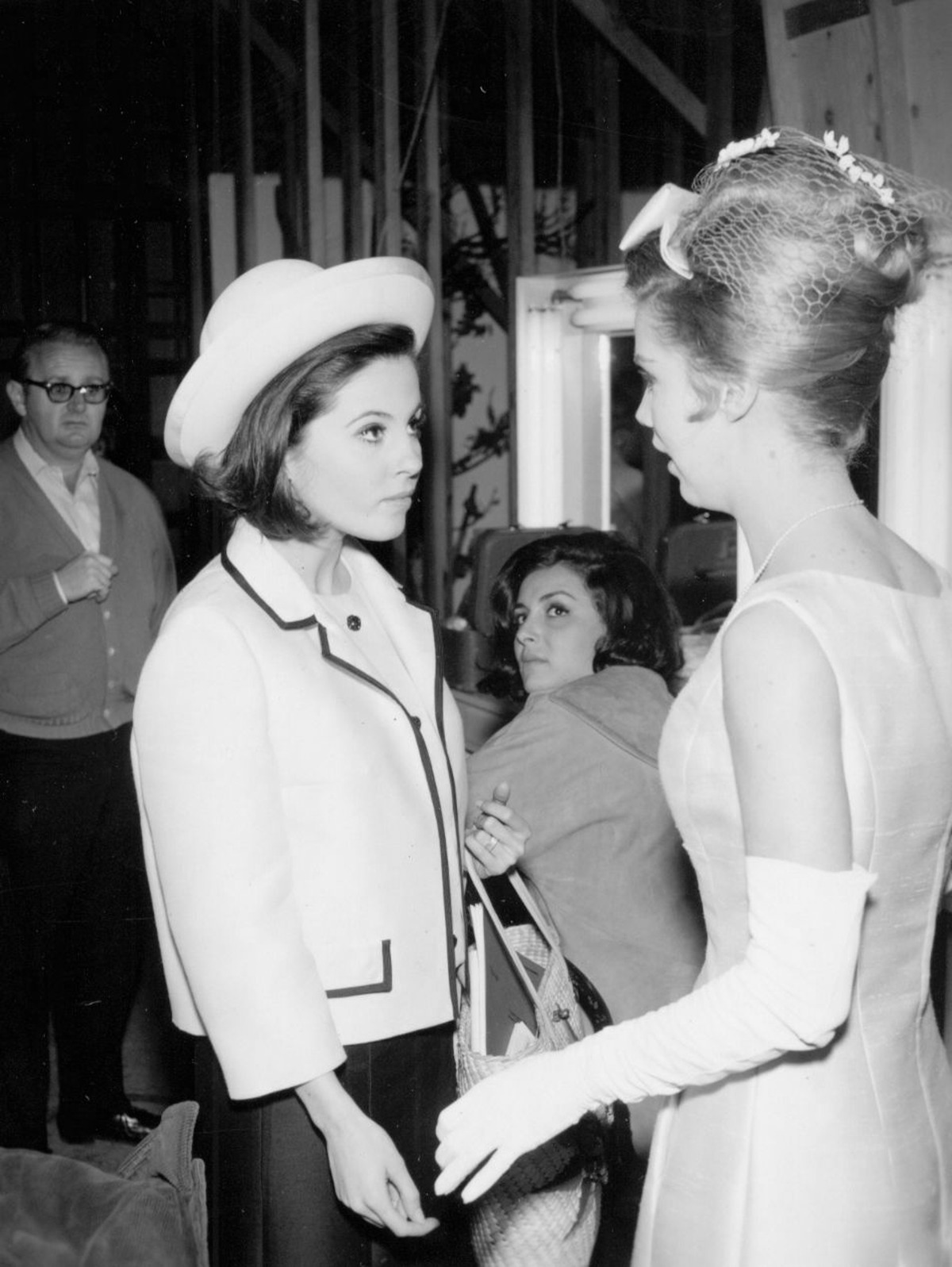
Barbara Ransom, right, with Barbara Parkins on the set of Peyton Place in 1966.
ABC Photo Archives/Disney General Entertainment Content, via Getty Images
Unlike Ransom and Levitt, who had women protecting them, Monroe states inThe Unheard Tapes that she had been raised “a waif” – a 1940s term for a homeless child. Having grown up in various orphanages and foster homes, no one looked out for Monroe but herself.
By the time she’d taken shelter under the wings of Hollywood’s male power players, “it soon became clear that Marilyn was no pushover,” journalist Anthony Summers says. “She worked the system to her advantage.” And yet, in an interview with Summers, director John Huston describes what he saw in Monroe that set her apart from other actors: “Something so vulnerable, something you felt could be destroyed.”
But the system also took advantage of Monroe and countless other Hollywood hopefuls of that era and beyond, as Ransom and Levitt’s recollections bear out. And as the recent #MeToo movement has proven, there are still power players in Hollywood that prey on women.