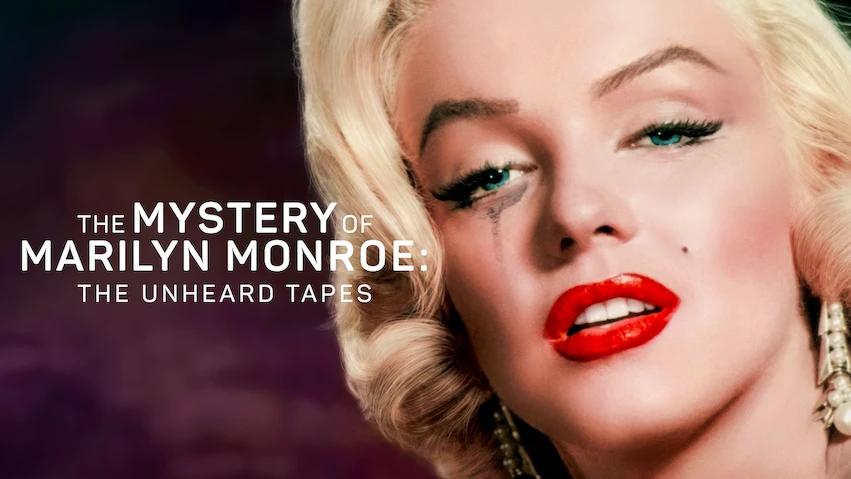
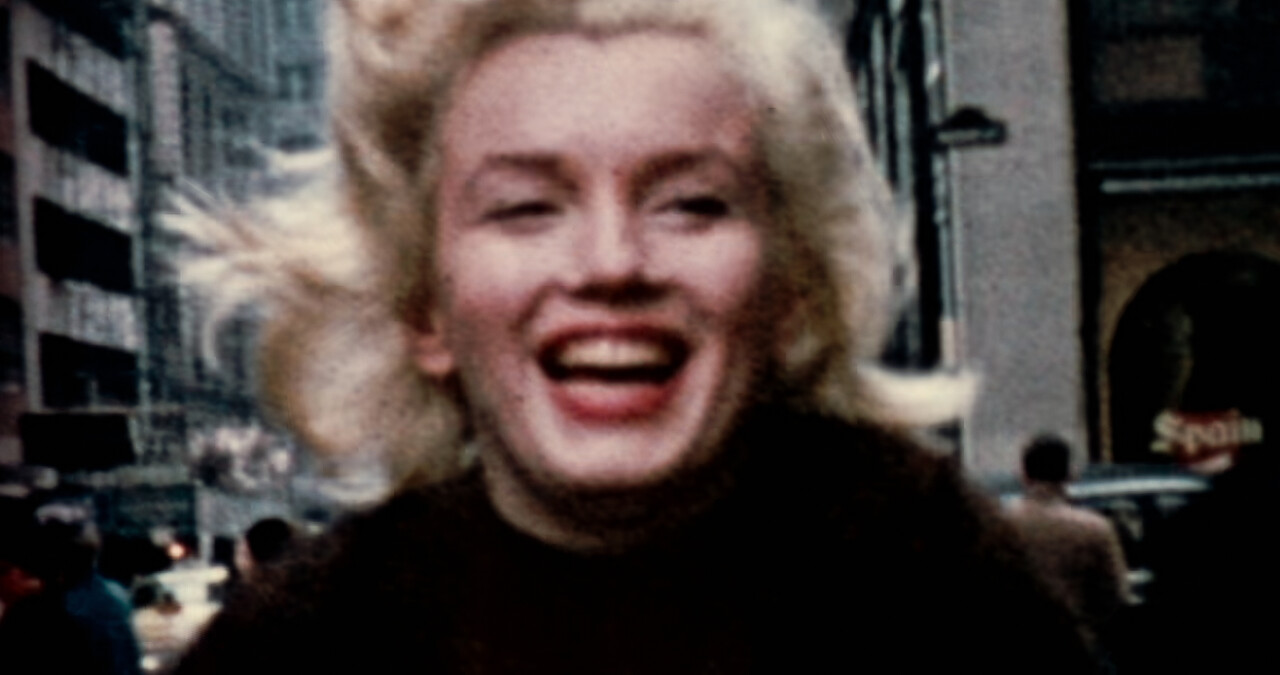
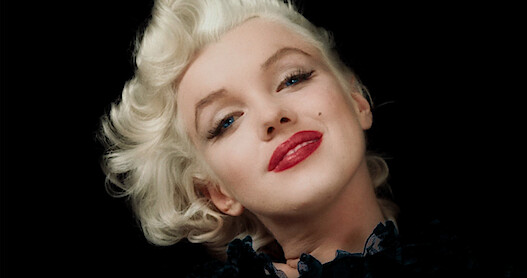
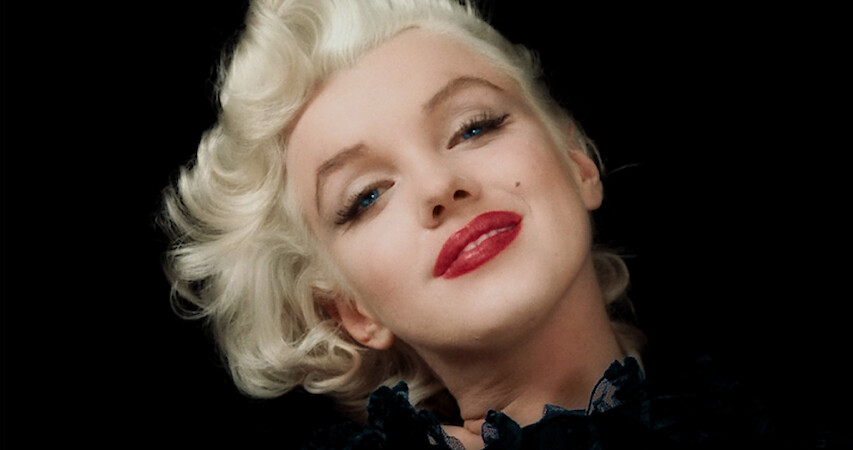
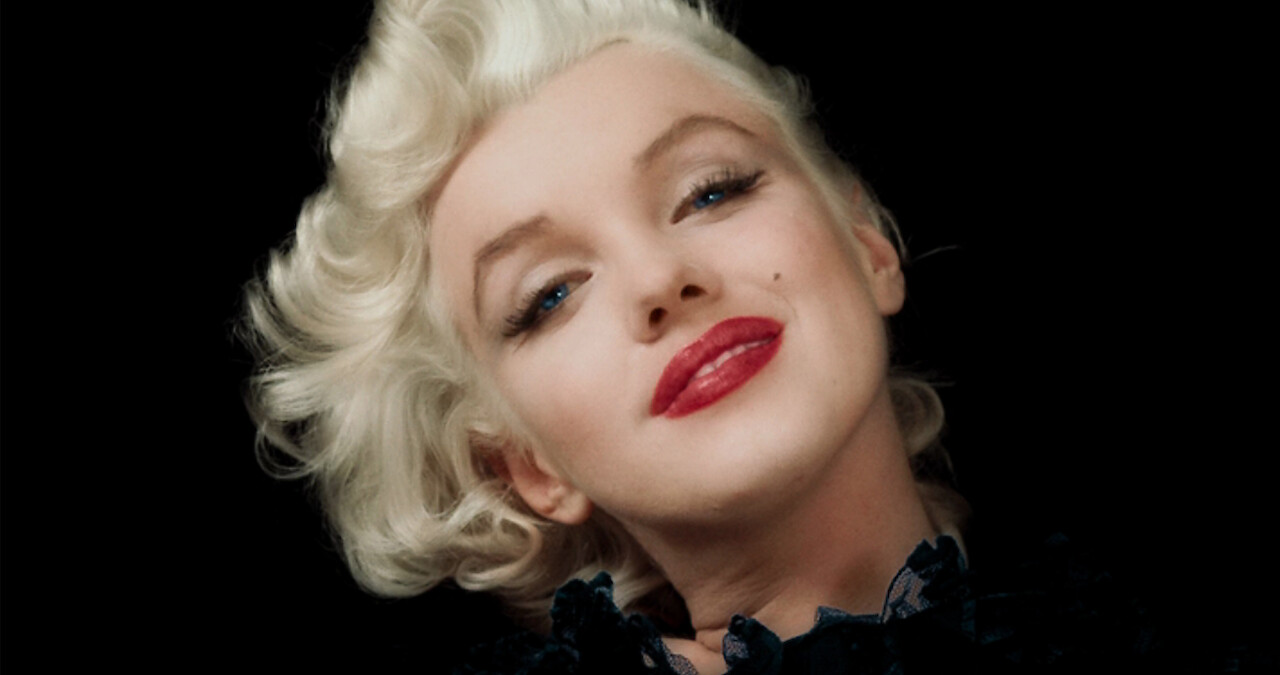
Shining a light on dark, delicate subjects is what documentary producer and director Emma Cooper does best. Tragic twists of fate, alliances gone sour, brutal emotional truths and long-silenced voices are all prominent themes in her past credits, including the true-crime series The Disappearance of Madeleine McCann, an in-depth look at the case of a missing 3-year-old girl, and Bikram: Yogi, Guru, Predator, a film that investigates allegations against hot-yoga icon Bikram Choudhury. Cooper’s women-led independent production company, Empress Films, states that it’s “dedicated to platforming underrepresented voices.” So it’s fitting that in Cooper’s new documentary, which she produced and directed, that voice belongs to Marilyn Monroe.
The Mystery of Marilyn Monroe: The Unheard Tapes offers an unblinking perspective not only to Monroe’s multifaceted life but also to her still-mysterious death, when she was just 36. Using never-before-heard audiotapes from interviews recorded in the 1980s by veteran journalist Anthony Summers, a former BBC reporter and author of Goddess: The Secret Lives of Marilyn Monroe, Cooper examines crucial details about Monroe and the last months of her life.
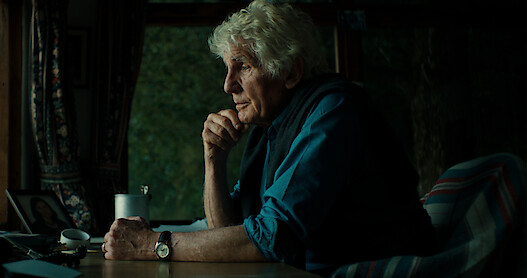
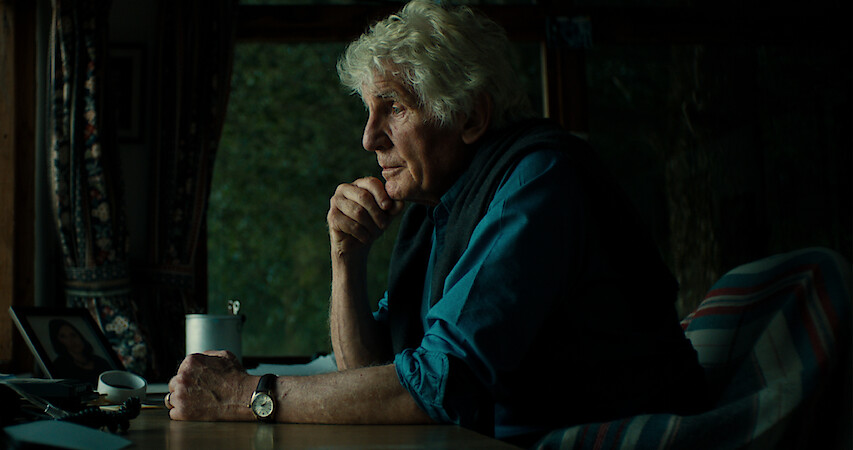
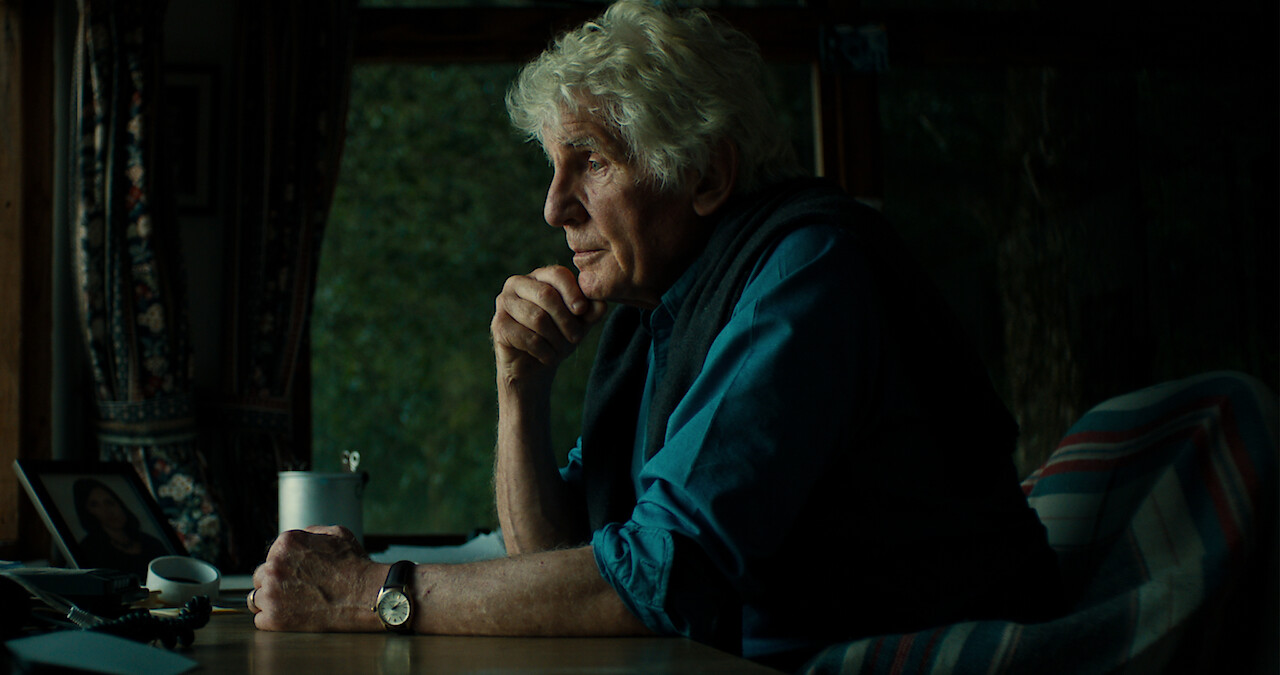
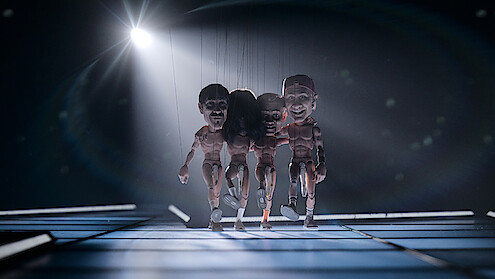
Cooper also resurrects personalities from Old Hollywood’s heyday, including one of Monroe’s hairdressers and luminaries like John Huston and Jane Russell, by having actors — their faces often obscured and dreamlike — lip-synch in unison with real-life audio from the people they’re portraying. The result is a series of vignettes that serve as visual touchpoints for often uncomfortable revelations about Monroe’s personal life and the mysterious circumstances of her death.
Below, Cooper shares her vision with Tudum and reveals how she felt Marilyn herself steering the film in very specific creative directions.
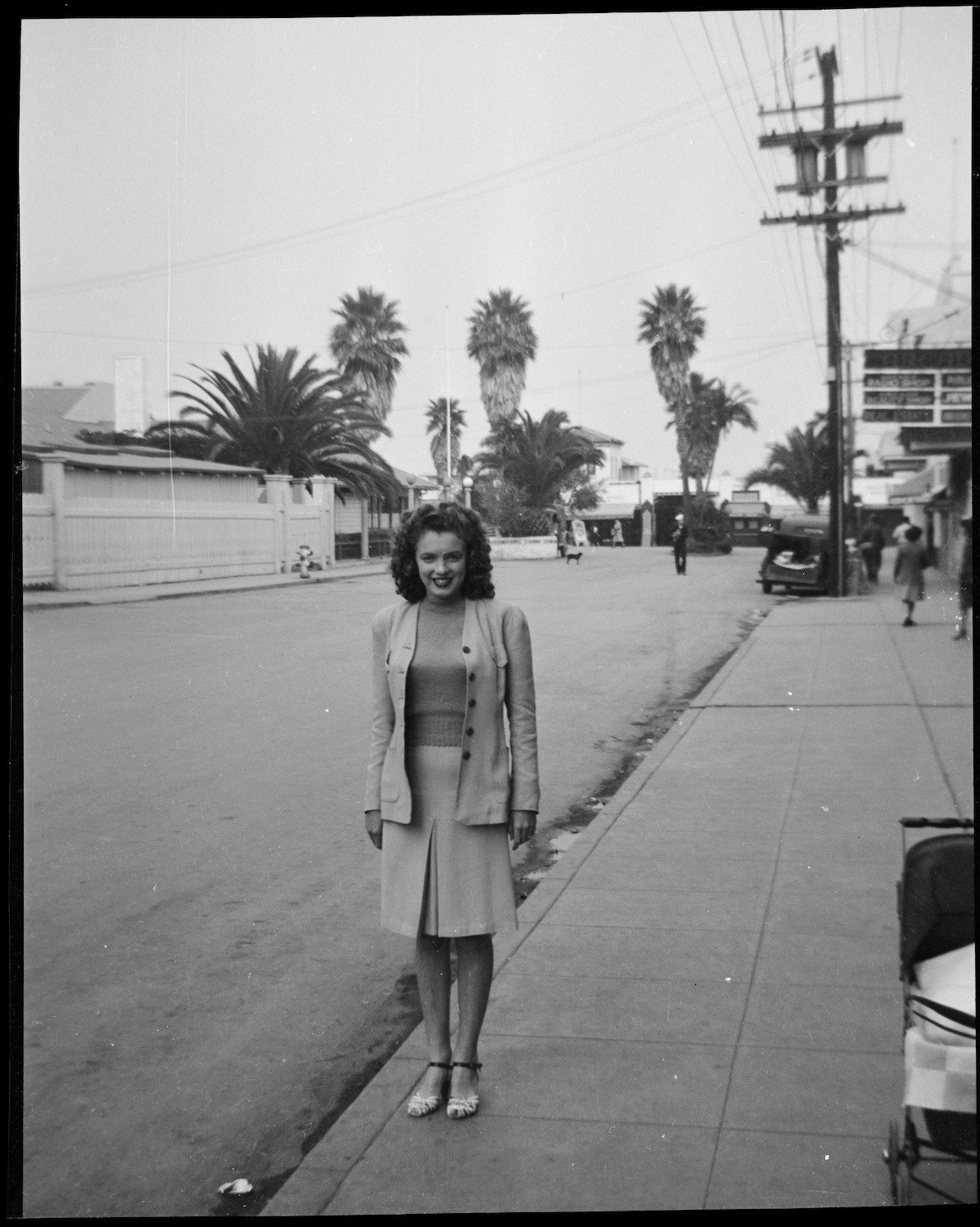
Norma Jeane Baker, before she was known as Marilyn Monroe, circa 1941.
Silver Screen Collection/Hulton Archive, via Getty Images
One of the first lines spoken in the documentary is a question from Marilyn Monroe herself: “How do you go about writing a life story?” So, to ask that in a slightly different way: How do you go about directing a life story?
Well, with Marilyn, the most important thing... [is] it’s not a biography. It was a journey. I hope we succeeded in giving her a voice. Sure, I’ve curated it. I’ve directed it. I’ve tried to put my own modern female voice in it. But, ultimately, I wanted to be the person who gave Marilyn some purchase back and some voice back, via Tony [Summers’] investigation and via those amazing firsthand voices of people who knew her. But it’s all about Marilyn. It’s not about me. Do you know what I mean?
Absolutely.
The way I felt about and responded to Marilyn’s voice was something that really evolved for me in the process of trying to figure out who she was via all the people that knew her. I just tried to listen to her and figure out who she was, rather than... what I wanted to assume about her. Actually, I came with no assumption. I was not a big fan of Marilyn. And now I’ve got a tattoo done of her.
[Cooper leans in and shows a tattoo on her inner forearm, an outline of Marilyn’s delicate visage captured in calligraphic wisps.]
It’s beautiful.
I never would have thought three years ago that I would have a tattoo of her, but now I do, because she’s quite affecting. But it was all about trying to get to the truth. And what Tony taught me was that the truth is always somewhere in the middle. And I really learnt that from both of them in a funny way.
It’s interesting that you weren’t technically a Marilyn superfan before this. What compelled you to work on this project in particular?
I read the book [Goddess]. I knew Tony. I knew his work. I knew how rigorous he was as a journalist. I read the book after having had it for quite a long time. I got [the] flu, and I read it... [When] I got to the end, I was literally explaining things out loud about some of the revelations in it. So, the revelations hooked me in.
And then once I was in, Marilyn hooked me. I went to visit her grave before I actually started working on [the film]. I went to Hollywood... and I said a few words to her about the fact that I was going to do this... I was going to make a documentary about her. She is not around to represent herself, and all I could do is hope that I could represent her correctly.
Marilyn is sometimes seen as a victim, but while the cards were stacked against her, she also had agency over her life.
I’m a modern feminist, and it was really important to me that we tried to tell her story in a way that I respond to, which is: She has a level of trauma in her childhood, but actually, Hollywood was a wolves’ pit at that point — and she navigated it all pretty well. She played the games, and she played the games back really well. She was very focused. She was very determined, and she was very talented, and she got where she wanted to go… and, in a way, almost with more strength than a modern celebrity.
I’ve always felt that she was the precursor to all these brilliant women that we see now who are masters and mistresses of their own destiny, like Kim Kardashian and people like that. She was a real pro. I don’t think — and there isn’t that much evidence to suggest — that it was Hollywood that deeply damaged her. Her childhood had elements in it that caused damage, but I don’t believe that they actually damaged her career. She was pretty good at navigating her early career. She was very modern, and she was very focused.
How did you decide what to keep in and take out from the more than 650 recorded interviews that Anthony had?
The amount of material was overwhelming, but in documentary terms, it forced my hand to be very untraditional in my documentary telling, which I was not expecting. When I went into the tapes, I was looking for six or seven characters, like you do: “Who [is] going to return?” “Who [is] going to pull you through?” “Who are you going to get to know?” And then I realized that I was throwing so much away that was such important testimony because I refused to defy documentary expectation and tradition, and about halfway through the process of making a film, I thought — and it sounds really obvious — “We’ve just got to put in the most important and interesting testimony. And it doesn’t matter who it’s from.”
Like, we hear from Gladys [Whitten], who was [Monroe’s hairdresser], once. But it was so important that she tells us that Marilyn had bruises on her the night she was recording some of the most famous scenes that we know [for The Seven Year Itch]. It became quite unconventional in documentary terms, because I became so obsessed with making sure that the voices that were in [the film] always told something really relevant about Marilyn, rather than something relevant about themselves.
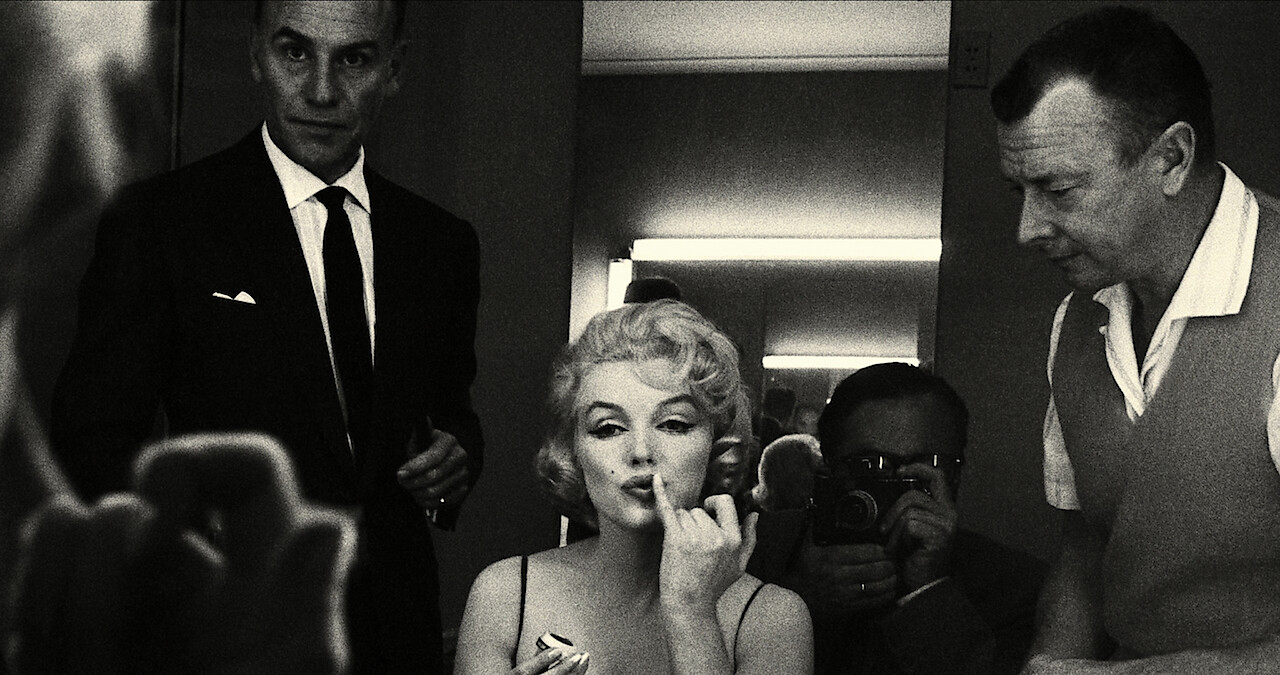
It’s really moving the way you used candid Old Hollywood footage and the actual movie-scene footage of Marilyn. What was your guiding principle in choosing which footage and images to use and which to scrap?
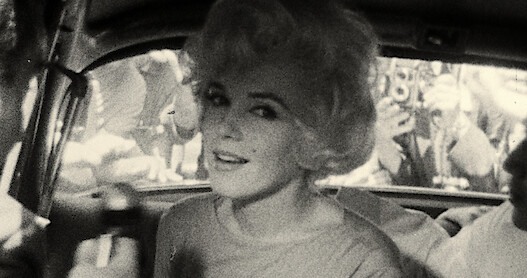
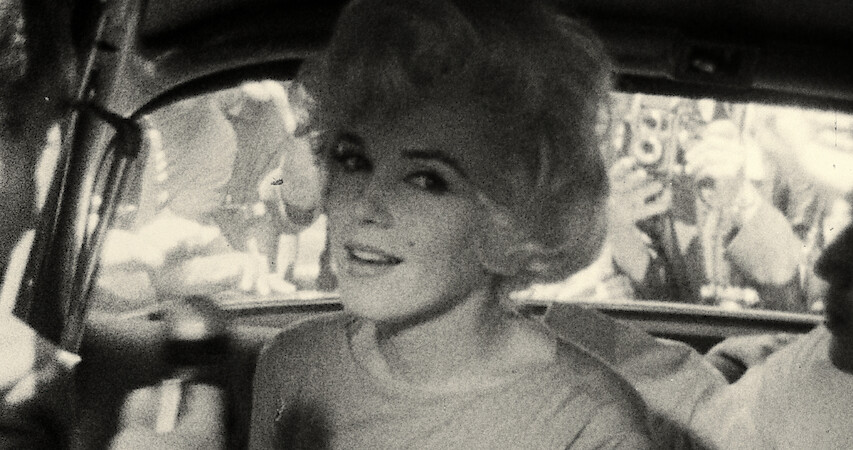
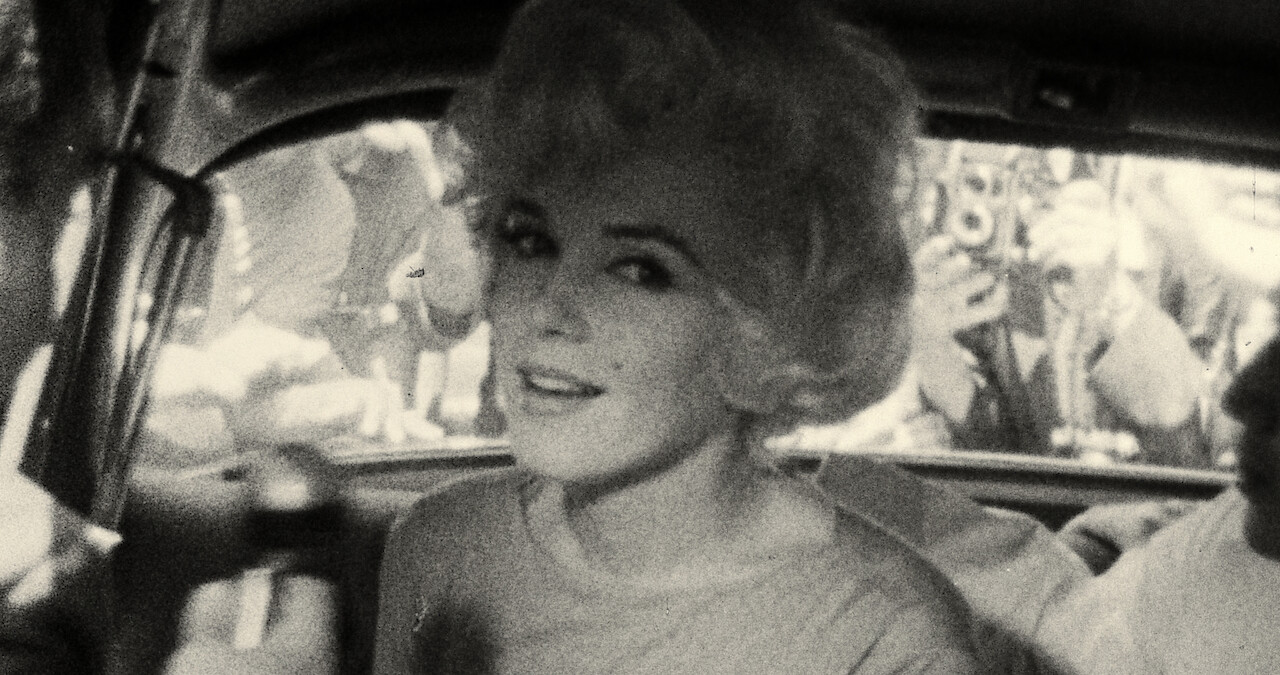
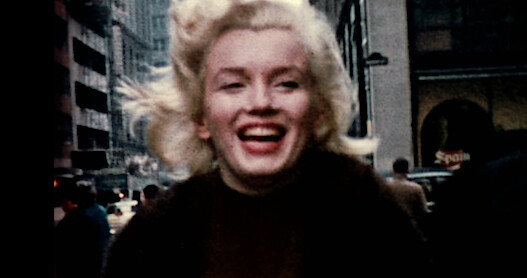
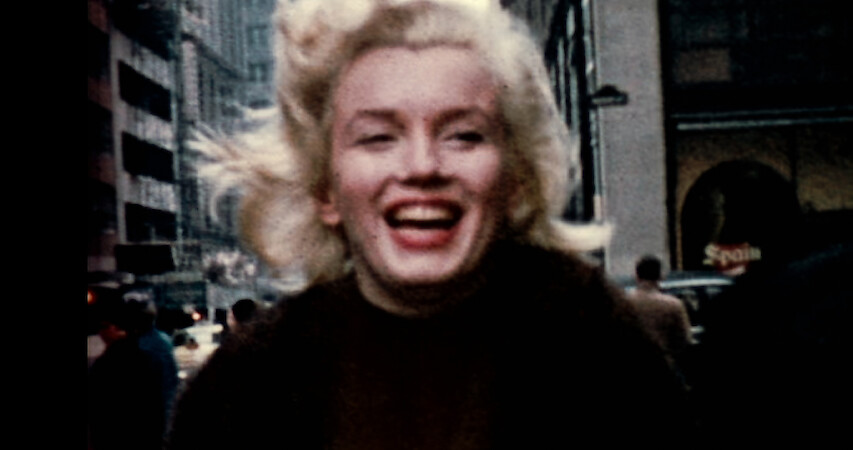
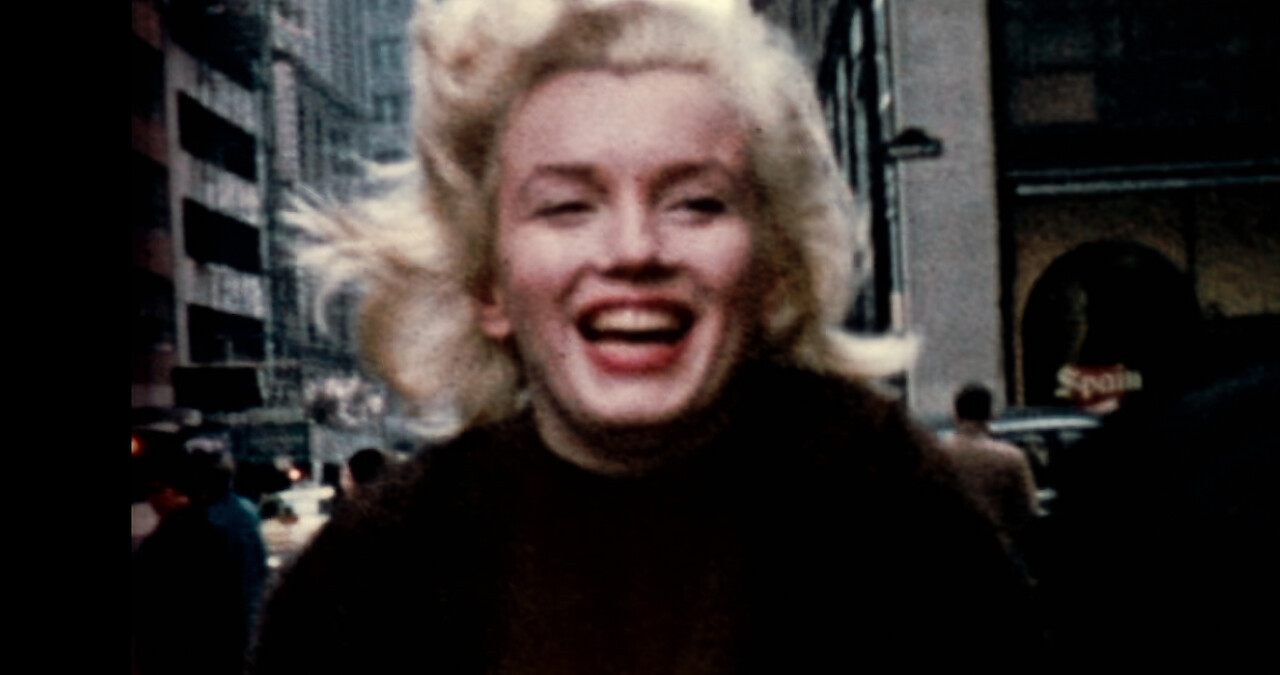
Anytime we felt there was a scene or an emotion we could really tie to how she was feeling at the time was really important. Or it could be a motif for what we were trying to say about her strength or her loneliness or her ascendance as a star. That, coupled with the amazing documentary material we had of her, the news [clips] we had of her... you look at her performances, and you are pretty astonished at what was really going on behind the scenes or what she was going through or what was happening in her life at that time, like when she’s pregnant and other moments. You look at that material in a very different way.
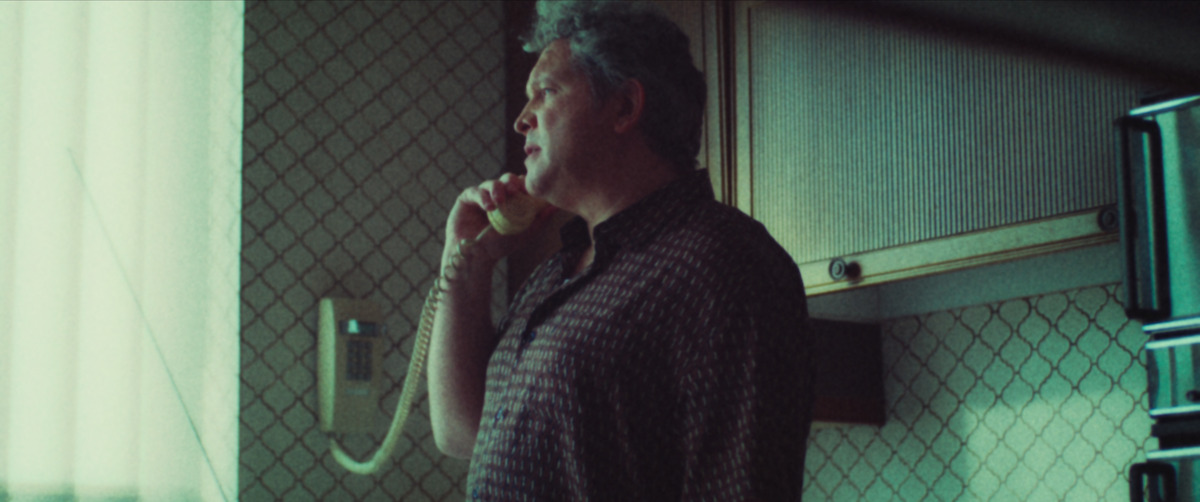
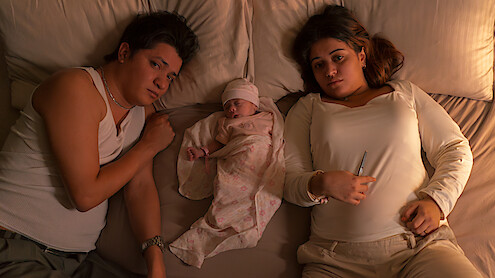
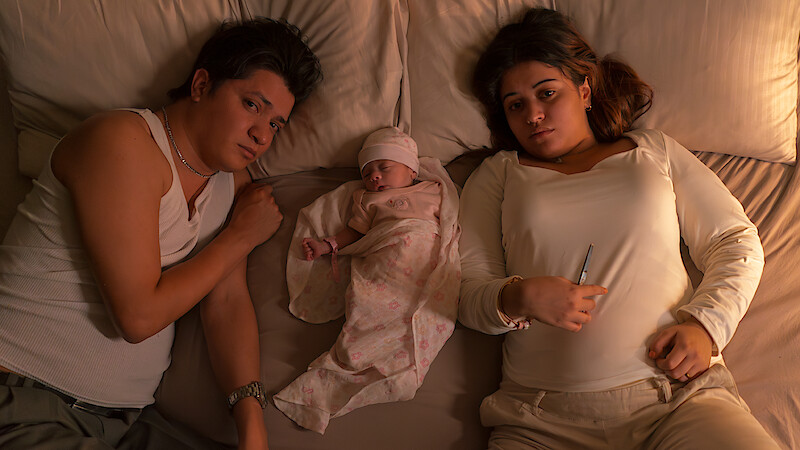
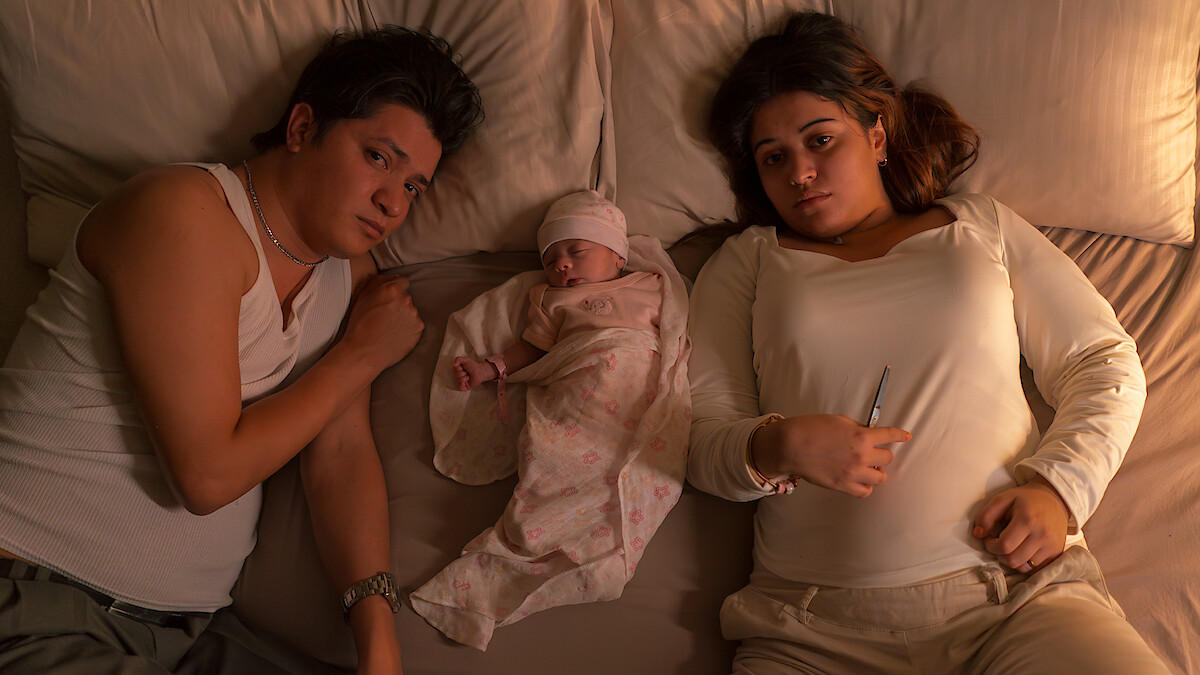
Danny Greenson, as portrayed by Sion Lloyd, one of the actors who lip-synchs the real audio from interviews Anthony Summers conducted during his reporting.
We have to commend you on the lip-synching in the film. What was the most exciting or interesting discovery you made while directing the actors to lip-synch to the tapes?
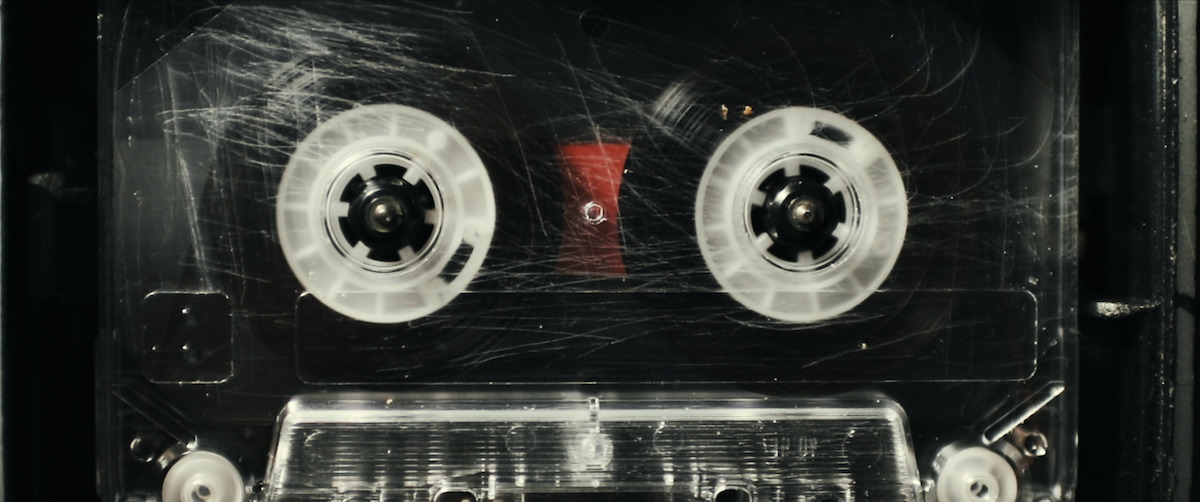
I knew it was risky, and I knew that if we got it right, the viewing experience of this film would be so different. The reason I did it was because I felt with the volume of tapes and voices that we were putting into the film, you could only stand looking at tapes going around and reading the captions, the subtitles, for so long. And so I was so obsessed — I use that word a lot — about the fact that I just wanted people to really get into these people’s worlds. It’s [such] an extraordinary primary source that, any way that we could step into their lives and feel that we were in the early 1980s — in the way that they moved, in the way that they wore their clothes, in everything that was around them — you had to be in there. And then all of a sudden, you’re closer to Marilyn. Again, it all comes back to Marilyn, and you’re just thinking about Marilyn.
Marilyn kind of pulled us in the direction of doing that lip-synching, because I wanted people to really experience what it was to know her through those voices. Having actors lip-synching the real voices gave it some magic and pulls the viewer in a way that we would not have been able to do [otherwise]... The actors — their voices were coming out very loudly in all our locations. And we were all like, “Wow, these people aren’t around anymore, but they’re alive in here. And we can hear them.” And it was very, very, very powerful.
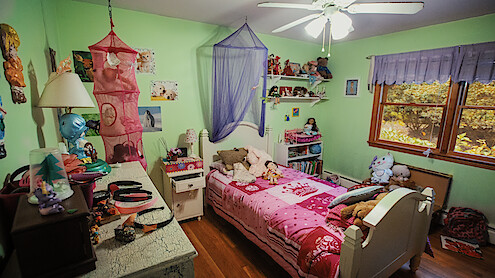
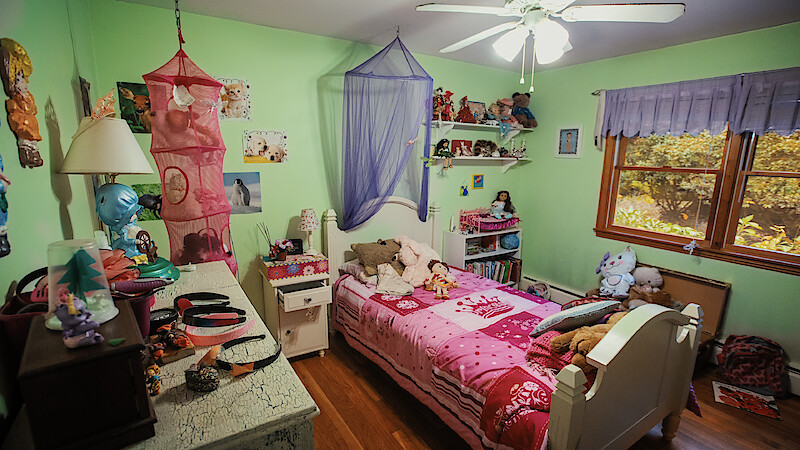
The set decoration for the actors immediately transports viewers back to the 1980s. What went into creating these scenes?
The team was extraordinary. We worked with a drama team, which I have never worked with before. They were amazing, working to… make sure that everything was authentic. We had location managers trying to find, like, interiors of houses that looked like Los Angeles in the ’80s, even though we were in London [because of lockdown].
I always work with a director of photography called Geoffrey Sentamu, and he just had a real vision for how it would look authentic in terms of his camera moves, in terms of the intimacy, in terms of everything that he did. He supported my vision.
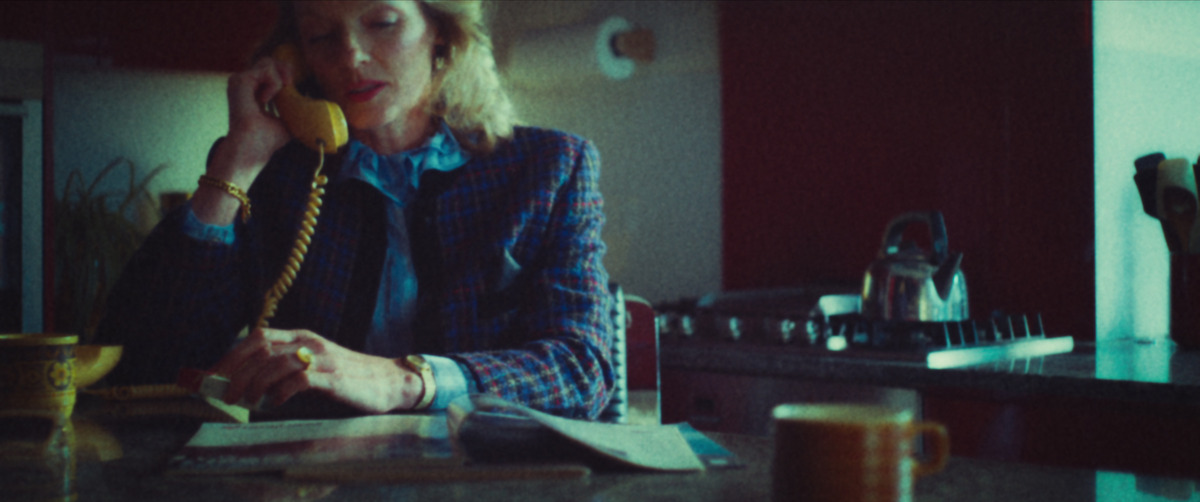
Natalie Jacobs, as portrayed by CJ Johnson, one of the actors who lip-synchs the real audio from interviews Anthony Summers conducted during his reporting.
And then, of course, the edit and the color grade: everything that you see, from the kettle behind the shot to the color to the effect on Geoffrey’s camerawork. Every single thing is completely, overly thought-out and obsessively compared to the early ’80s — even the light. I was really, really worried because we weren’t in Los Angeles. We had to make the lighting in those rooms feel like we were in Los Angeles — and, of course, we were in London in January. The team made sure that every room, even outside the room, outside the houses, were lit just so fantastically. So, I just felt like I was in pale yellow Los Angeles light all the time.
Were there special considerations you kept in mind while casting actors to play well-known figures like John Huston and Jane Russell so that they would appear “real”?
We definitely tried to cast them to look like their characters. But, for me, it then became about those actors’ performances, so you would never question that they were the person who we were saying they were, even if they’re famous. And I googled John Huston, and I’m like, “I think we did that up pretty well.” That actor was really good. But, ultimately, the performances being heartfelt make you feel that it’s that person.
I always look at the Jane Russell one. We spent quite a bit of time as a team going, “What would Jane Russell be doing?” And I’d be like, “Oh my God, I think she’d be just at home, having a drink, in an amazing, kind of like, bedroom/dressing-room outfit.” So, we were able to go to town a little bit... If we’re going to do it, well, let’s have some fun with it.
What did you, as a director, come away with after working on this film?
Completely throw away the rule book. Take risks. Be scared of those risks, but have faith in your own storytelling ability and your team’s storytelling ability. The process and the journey of filmmaking and having moments of self-doubt are incredibly important to the film being good, one hopes, at the end... I did not go into this film thinking that I would focus on 20, 30 characters — that is all very unconventional. And I’m really, really, really happy that happened, because I think that it allowed Marilyn Monroe to be my main character, as she should be.