Director's Cut
Labor of Love, Death + Robots
David Fincher returns to his roots in the animated anthology’s boundary-defying fourth volume.
By Nev Pierce
May 21, 2025
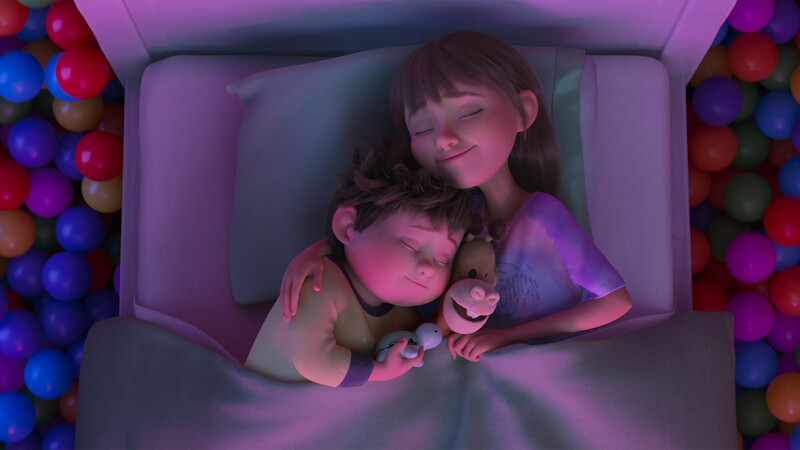
Fearless anthology series Love, Death + Robots returns with a unique blend of styles, stories, and heroes you didn’t know you needed — from scheming felines to a traumatized toilet. “I try and get a mix of horror, sci-fi, and fantasy,” says creator and executive producer Tim Miller. “And we work with some really fucking fantastic artists.” Miller is a voracious reader, and the source material for the series is largely short stories he has enjoyed over decades, though Volume 4 has a first: a concert film … from none other than David Fincher.
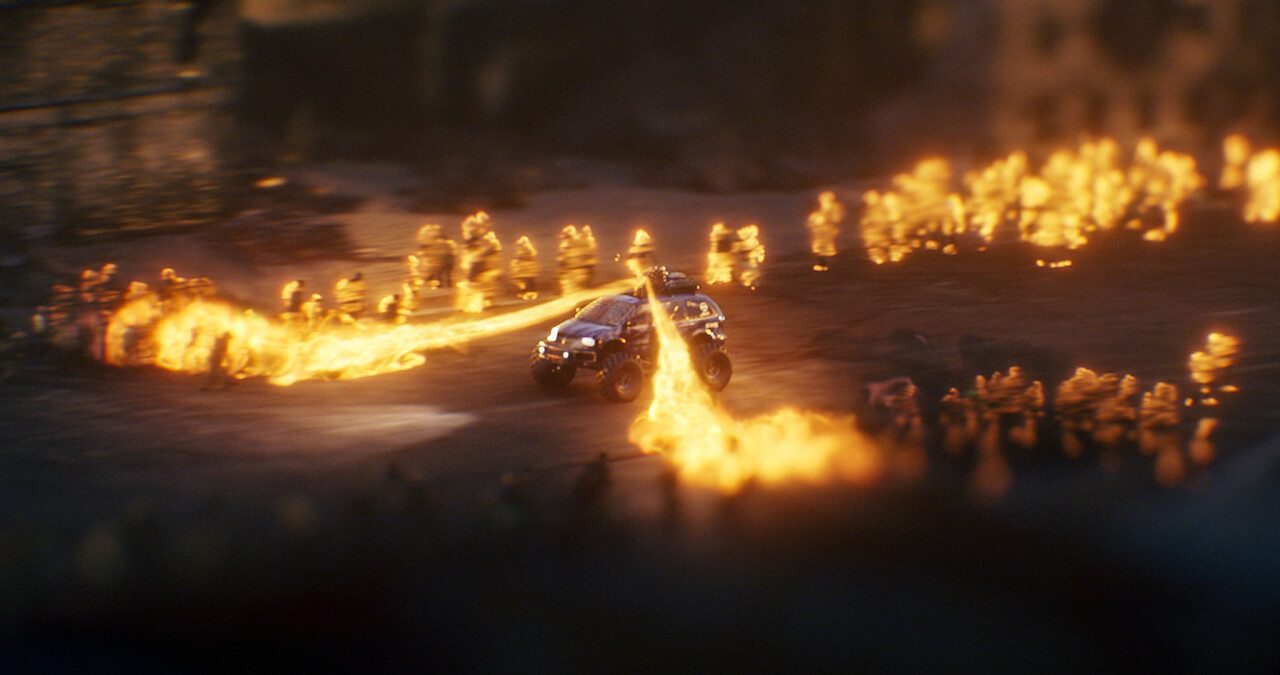
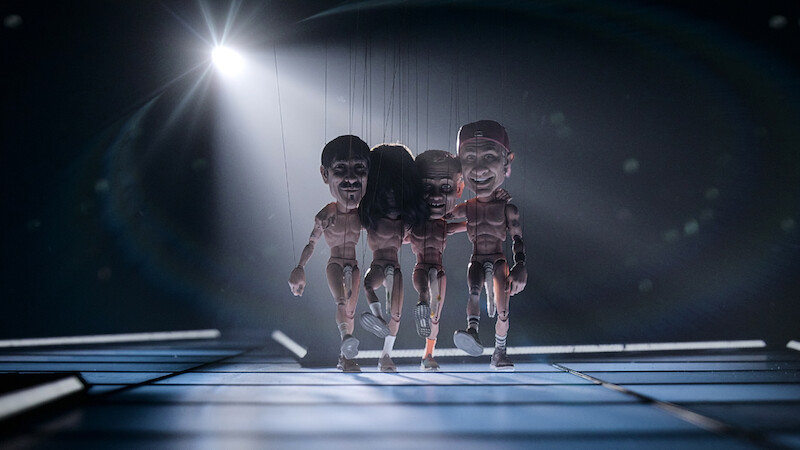
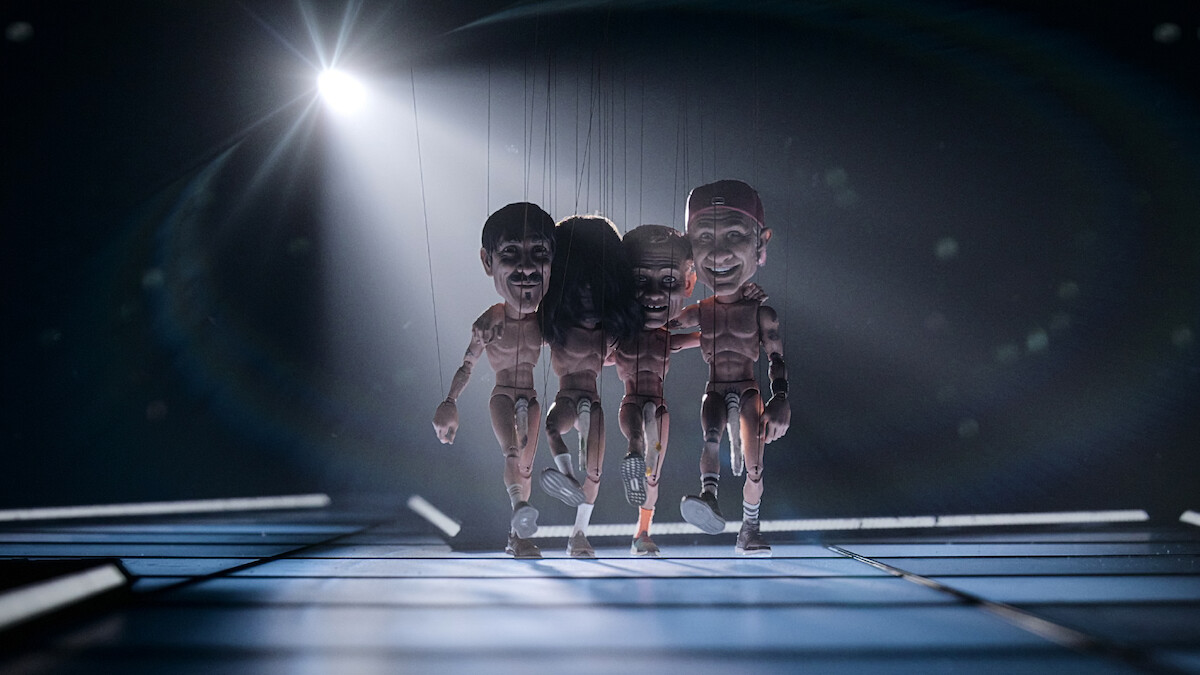
Fincher may now be best known for films such as Fight Club and The Killer, but he first rose to prominence directing music videos. The episode “Can’t Stop” calls on a long-cherished idea of animating a band as puppets; in this case, the Red Hot Chili Peppers. “This was a chance to exercise some old muscles, stretch — and it’s something I’ve always wanted to see,” says Fincher, who also executive produces the series. Each episode comes from a different team, and his was produced by Blur Studio, the VFX and production company co-founded by Miller. “I think Blur know that when I’m passionate about something, it’s going to be weird, and it’s going to be a lot of work,” says Fincher. “But who knows, it might be fun. It certainly will be challenging.” Creative risk and independent spirit are part of what’s led to the show’s 13 Emmy wins so far. But for the team, it’s really just the beginning of a long commitment to variety and invention. Says Fincher, “Hopefully by the time we get to Volume 20, there’s going to be something in here for everyone.”
An edited version of the conversation follows.
Nev Pierce: What influenced the choice of animation style for “Can’t Stop,” your episode in this volume of Love, Death + Robots?
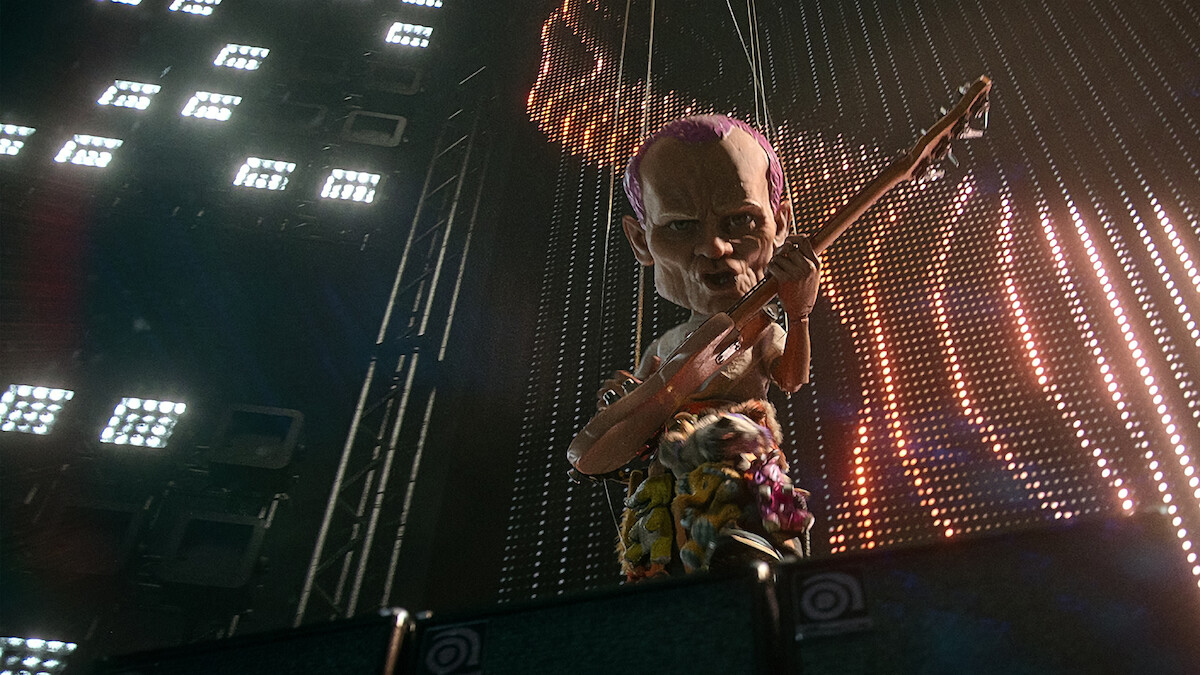
David Fincher: Thirty years ago, I wanted to do a music video with a band as Supermarionation [a production style combining marionettes and electronics that was pioneered by Gerry and Sylvia Anderson, most notably in the ’60s British sci-fi series Thunderbirds]. Then Team America: World Police came out [the 2004 political satire feature from the creators of South Park that was filmed in a similar process] and I was like, all right, that’s done. And I thought, “Wait a minute, this might be cool. And certainly no one’s asking for it.” So, from my assessment, that’s the perfect storm: It’s a thing no one is clamoring to see done within an inch of its life.
How did the idea of working with the Red Hot Chili Peppers come about?
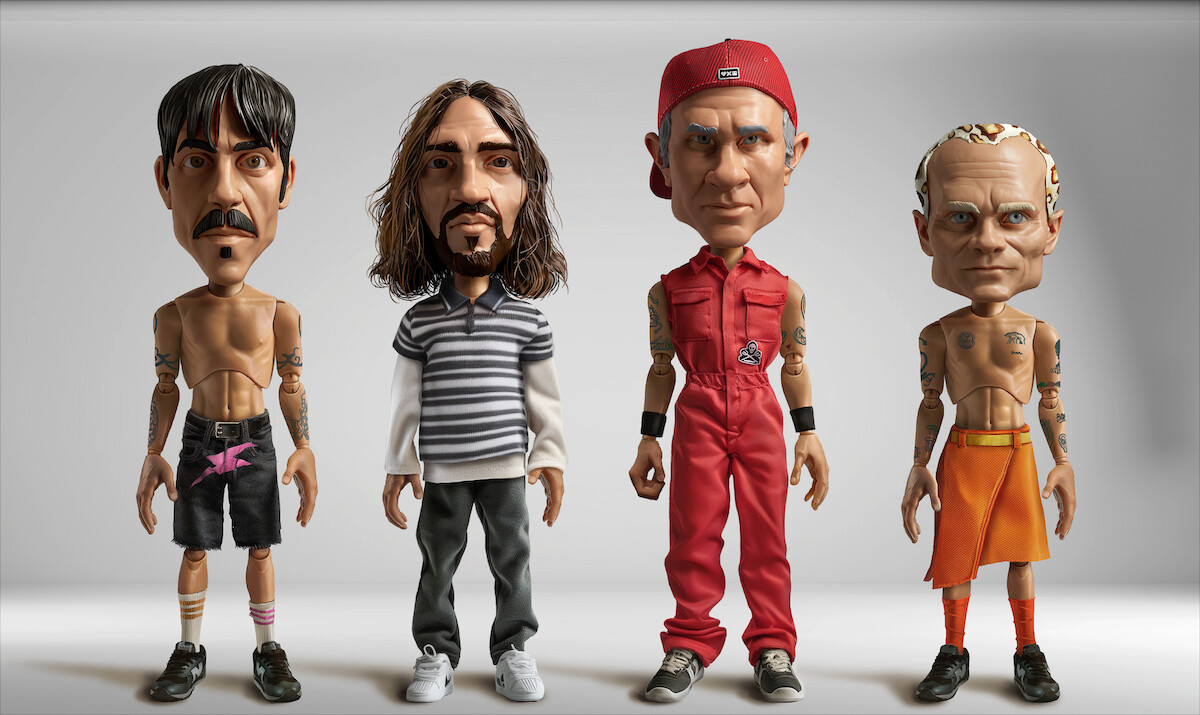
I remember first talking to Flea about the idea of doing a video when [editor] Kirk Baxter and I were cutting The Killer at Miraval. Flea and Brad [Pitt] were there — it was like summer camp — and Flea asked me, “Do you have time to do a music video? We’re putting a record out.” I said, “I’d love to!” I joke about it now, but the only reason I went to the trouble of making the video was I wanted a Flea bobblehead doll. It’s kind of true.
How did you choose the song?
I listened to a couple of songs from their 2023 album Indecent Exposure and said, “Here’s the idea: It’s going to be Gerry Anderson, but we’re not doing it the way [South Park creators] Matt [Stone] and Trey [Parker] did it in Team America. We’re going to do it in C.G., so that the camera can go anywhere.” And they loved the idea, or at least Flea told me they loved the idea. But then I told him, “It’s gonna take 11 months.” And the band were, obviously: “What the fuck? Dave, it’s a music video and the album comes out this year!” So it percolated for a while, and then Tim called and asked if I wanted to do anything for Volume 4.
And you spoke with Flea again?
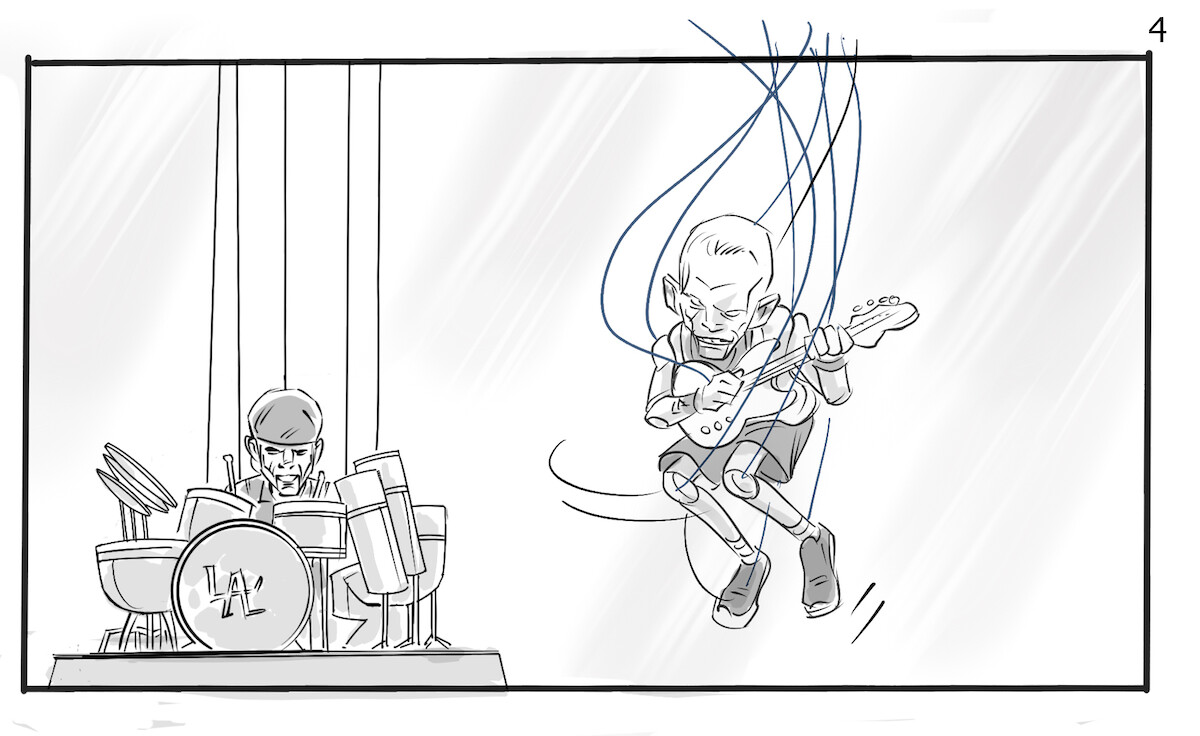
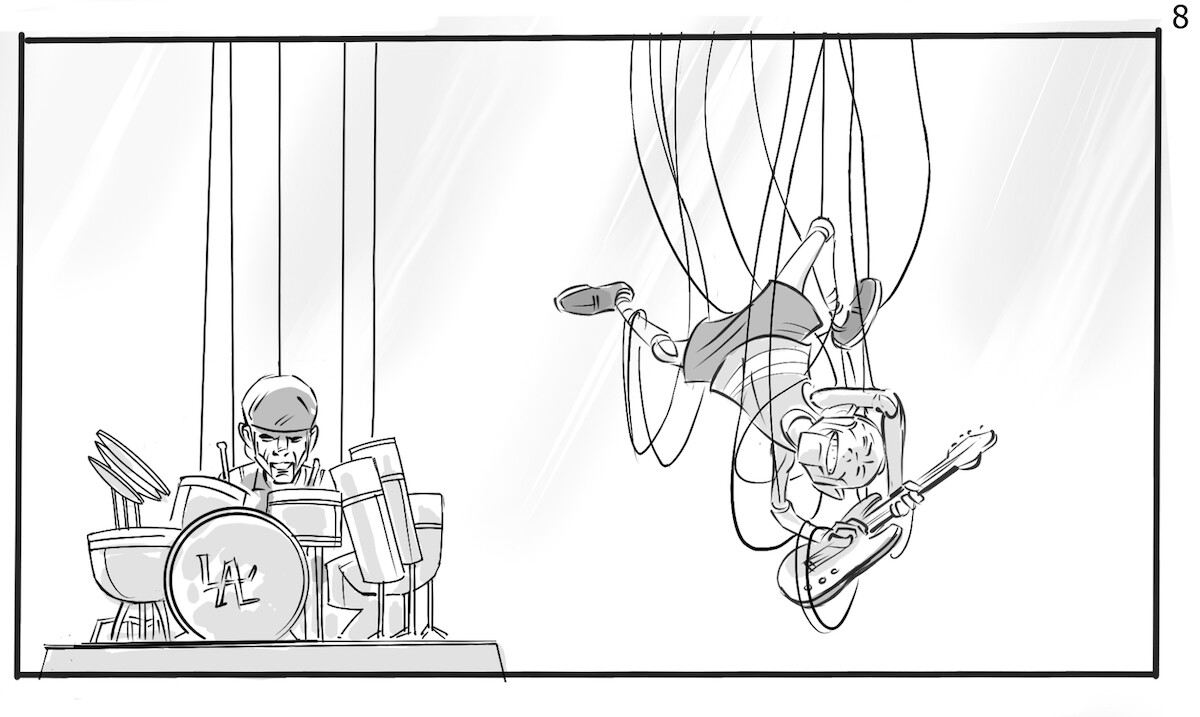
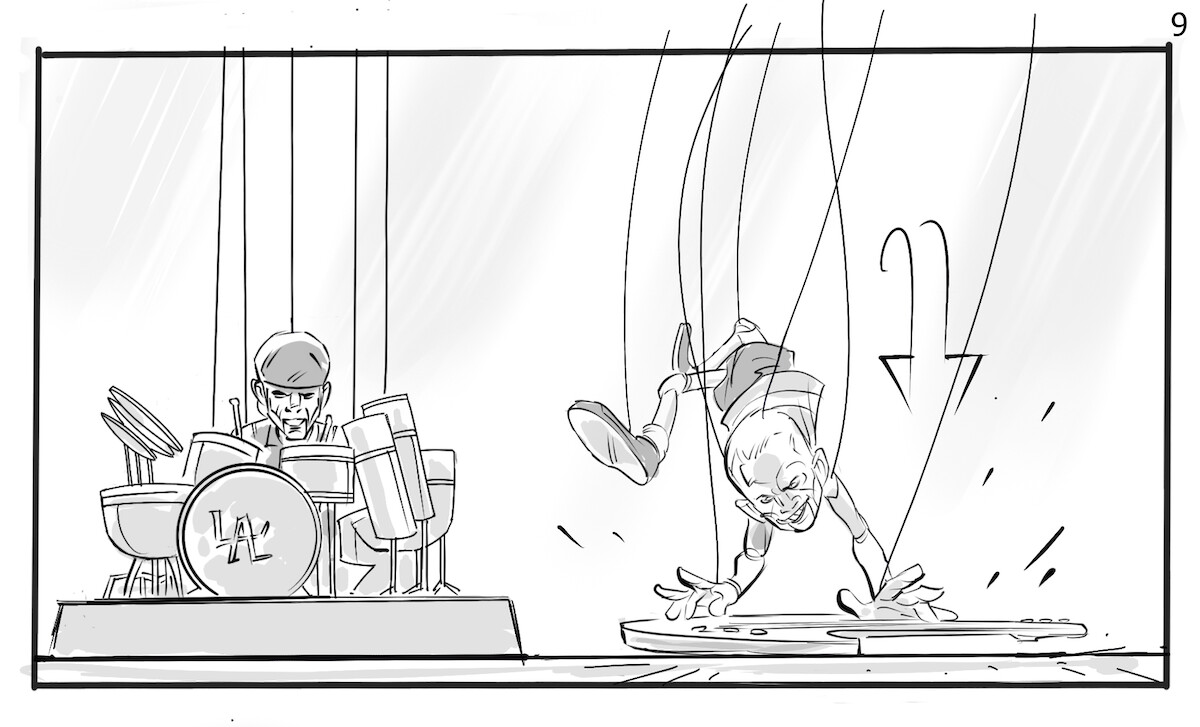
Yeah, and we talked about what songs in their oeuvre they play as an encore. He talked about “Can’t Stop” because he liked the way the intro they do live is improvisational and uses the band in a fun and playful way. You get to see their personalities. Flea is doing his handstands, and John Frusciante’s face is obscured by his hair, and Anthony [Kiedis] is hopping and skipping onto the stage. They liked the idea and came in for two days of motion capture. We started hammering away, finding, “This is interesting! Let’s put the camera over here, let’s do a crane shot here, let’s do a shot that looks down at Flea as he’s bent back over the crowd before he blows bubble gum.” It was supposed to be a bit of a free-for-all live show.
And the audio came from their performance at Slane Castle in Ireland in 2003?
Yeah. I loved the idea of hyping that it was recorded at Slane Castle, as I wanted, at the beginning in the dark, for people to be thinking, “What am I seeing?” It should feel like a basement tape or a bootleg video that you are barely making out what’s happening. It’s happening in the dark, and when the lights come on, that’s when you realize, oh my God, Thunderbirds!
Obviously, you’re no stranger to filming bands, but how do you go about it in motion capture?
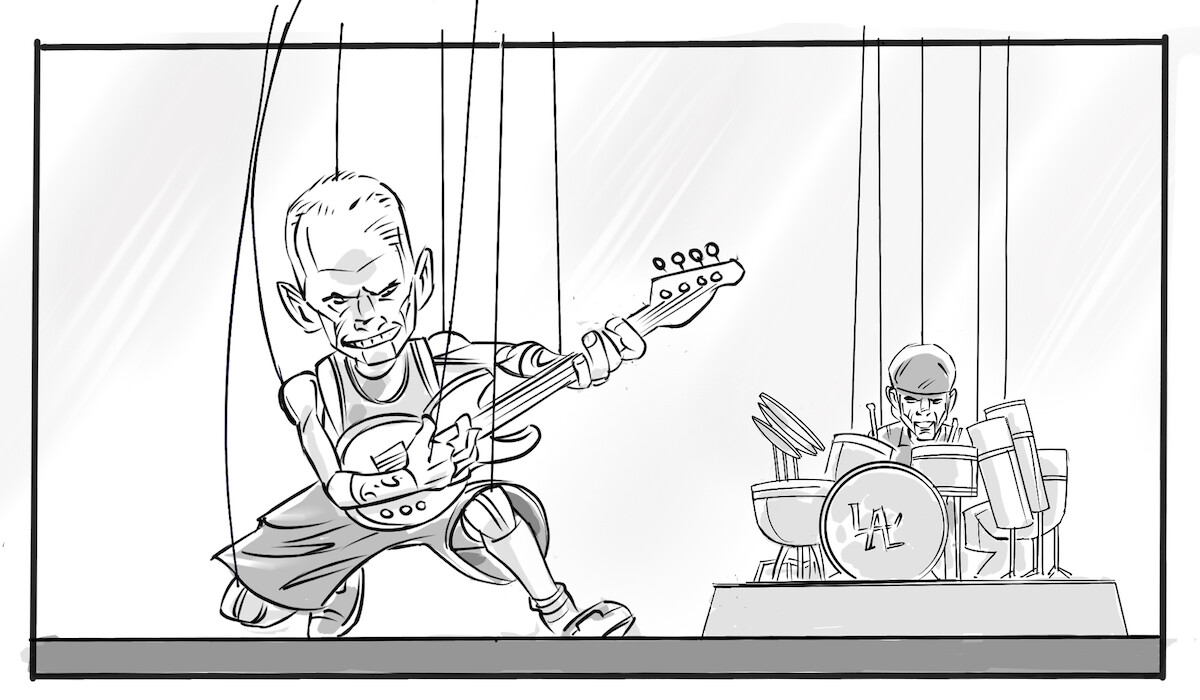
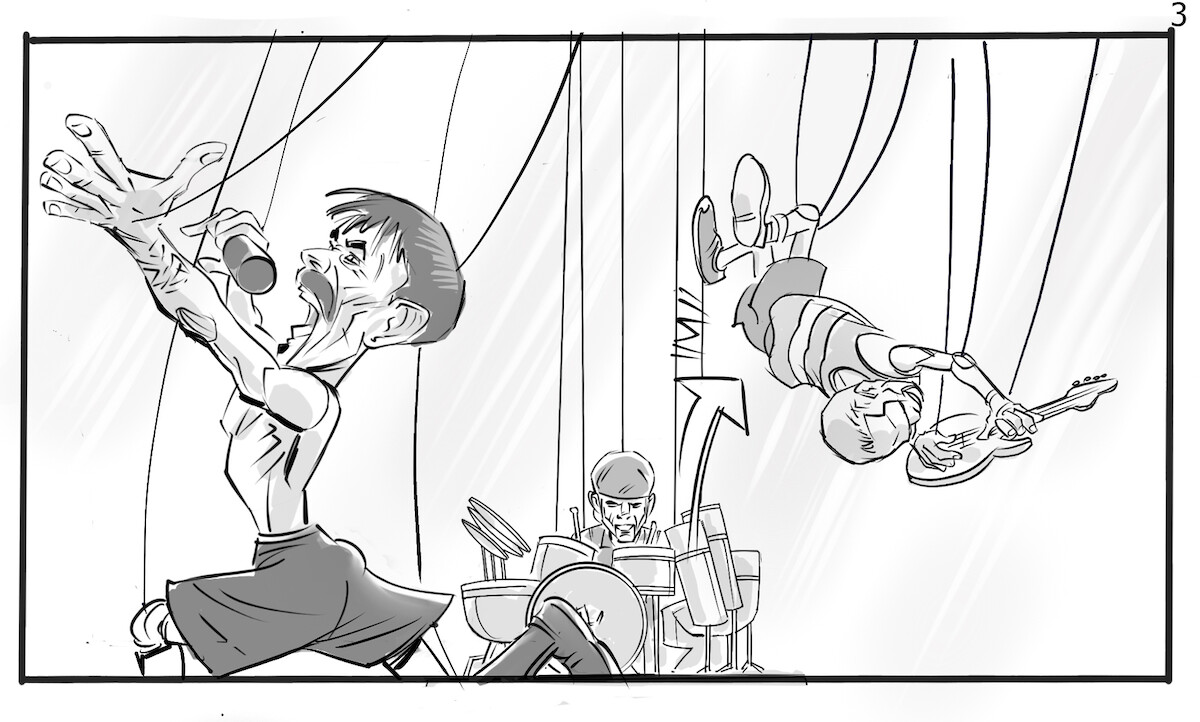
We have a special layout in [the content management system] PIX that allows me to select the camera’s angle of view, so I can set specific lenses and indicate all the panning and tracking to be applied to the motion capture. We started with a list: “This is where we’re going to have a close-up of Flea. This is where we’re going to have a tracking shot in front of Flea. Here’s the section where he gets pulled in the air, and he’s going to dance around in front of Red Rocks and MetLife Stadium.” We did all of the post-planning with really primitive stick-animation. It’s both highly technological and totally grab-ass at the same time, which is an interesting combo.
So you can build it piece by piece, shot by shot?
Yeah, it’s building by layer. There was a lot of invention at the layout and animation stage. We had a stunt artist come in to be hung from wires, pretending to play a bass. And then we would modify that with animation. It’s like stone soup in a lot of ways, lots of improvised ingredients. “I have carrots!” Great idea, let’s do that. We started with references to videos by Jim Yukich [a prolific director, particularly noted for his work with Genesis and Phil Collins], from 1987 or 1988, or Wayne Isham [who has worked with everyone from Mötley Crüe to Michael Jackson] — in terms of we want to see this kind of coverage, we want to lay track across the front of the stage and go back and forth.
When you’re shooting an actual concert, you have a lot of physical constraints.
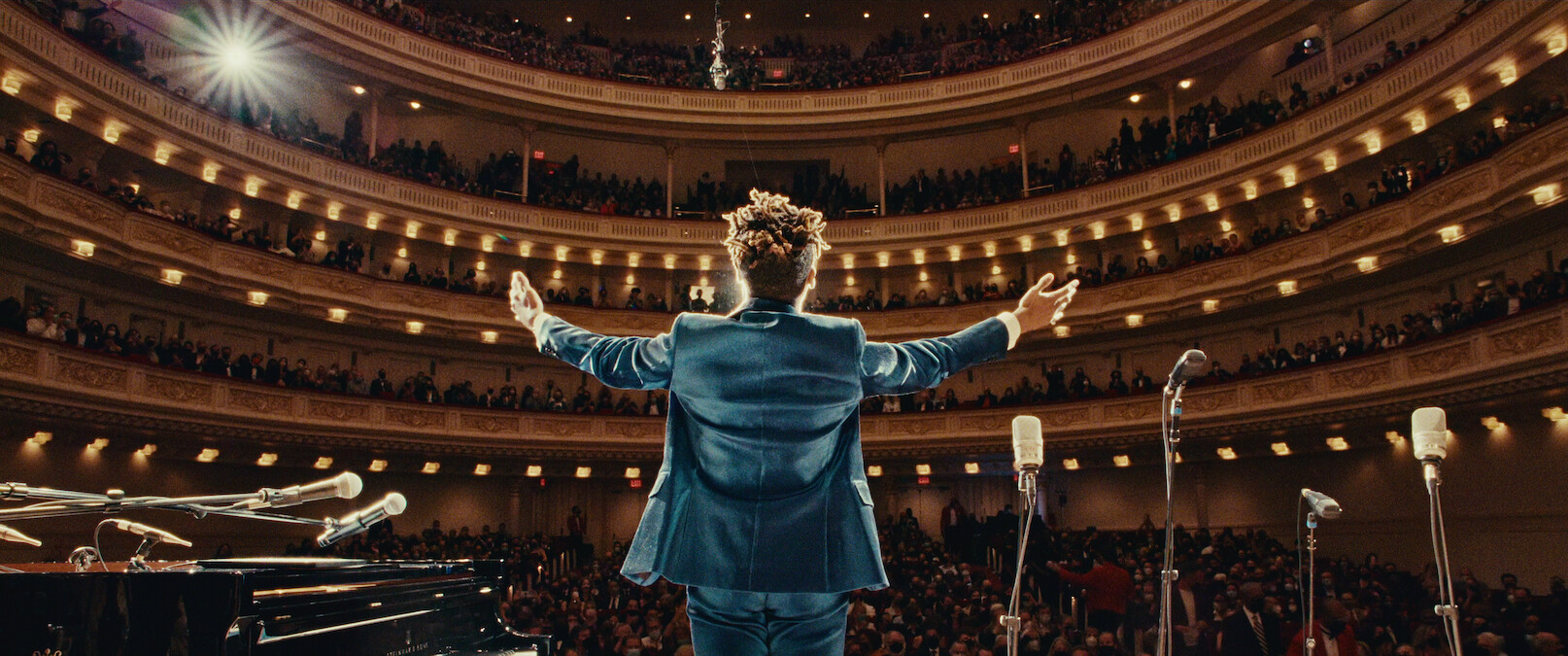
Nothing but physical constraints! You have fire lanes, you have people who paid for these seats you’re taking out. You have security. You have nothing but problems. It’s a minefield doing a live concert. Obviously, you want to get the audience in the frame with the talent, and as soon as you take out a row of seats to put in a track for cameras, you’re throwing your illusion away, and you’re also creating these weird chasms of emptiness. So this was optimal. Although Tim asked, “So what is the crowd?” And I said, “The crowd is puppets too!” How many strings per audience member? Five or six. How many people in the audience? Thirteen or fourteen thousand. Everybody went a little pale at that point.
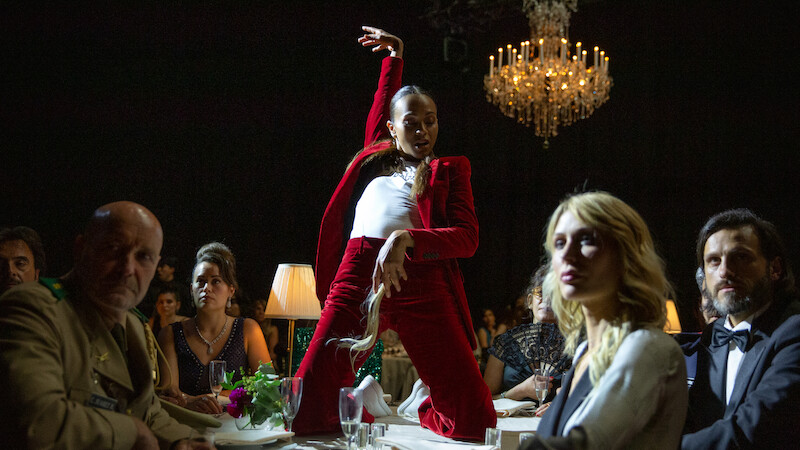
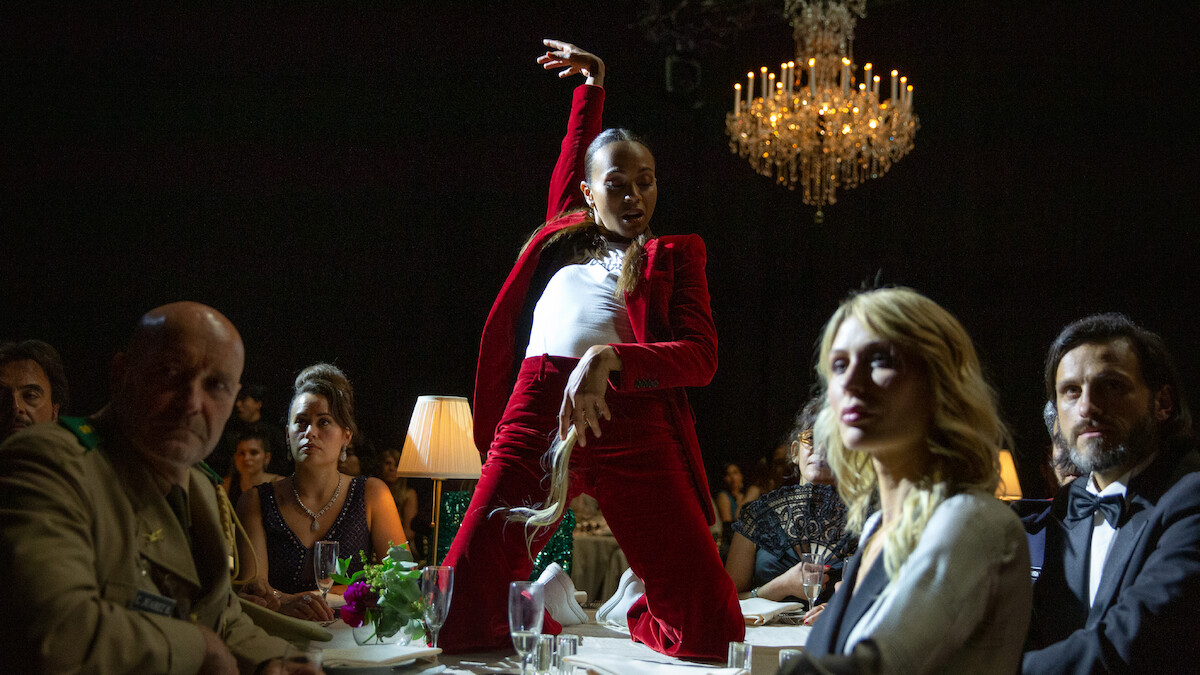
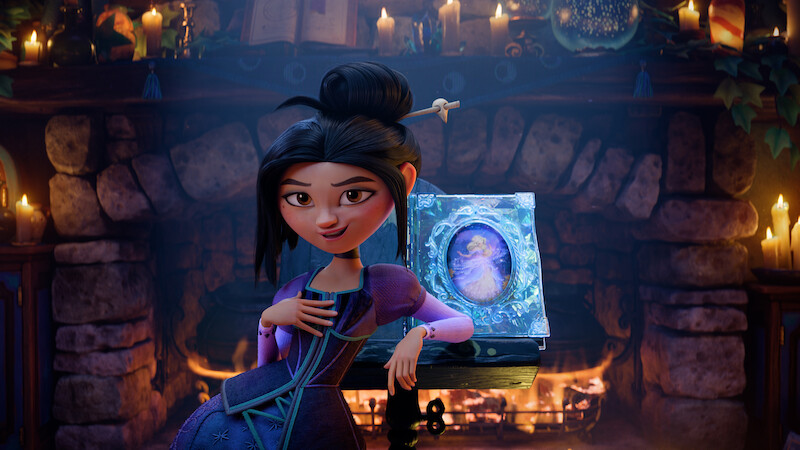
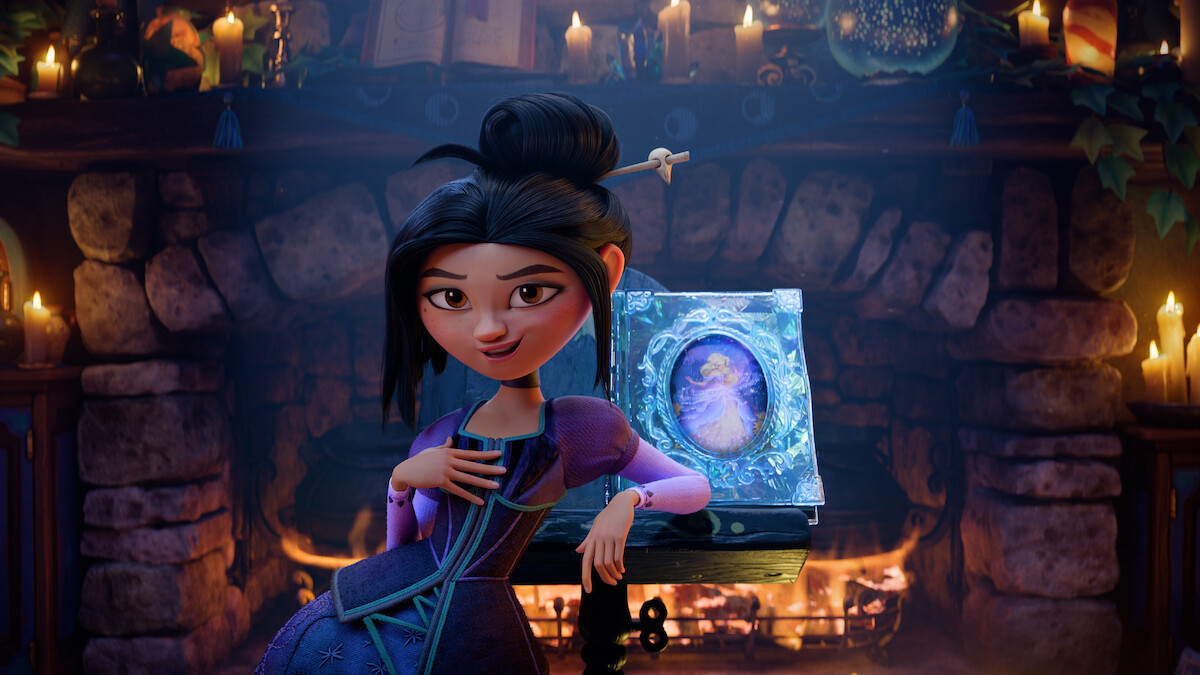
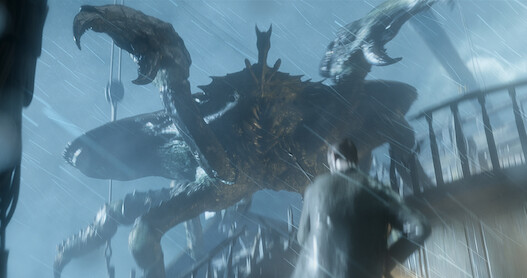
From a concert video in “Can’t Stop” to “Golgotha,” the rare live-action entry that Miller directs for this volume, it feels like you’re stretching the boundaries of what Love, Death + Robots can be.
Our hope is that people begin to understand that this is a boundary-less sandbox. You know, we want to be able to play. We just want to be able to surprise people and show them stuff that hopefully scares them or gives them the giggles: eye candy worth 11 minutes or 6 minutes of their time.
Was there anything that particularly surprised you in Volume 4?
“The Screaming of the Tyrannosaur.” This is what normally happens, I gotta be honest with you. When you see the animatics, it always feels a little dry, like, this fucking show is the definition of execution-dependent. And then you see the execution that all these companies we’ve been lucky enough to work with are capable of, what they can bring to it. These people really bring it. They are invested in making sure they’re leaving it all on the killing floor.
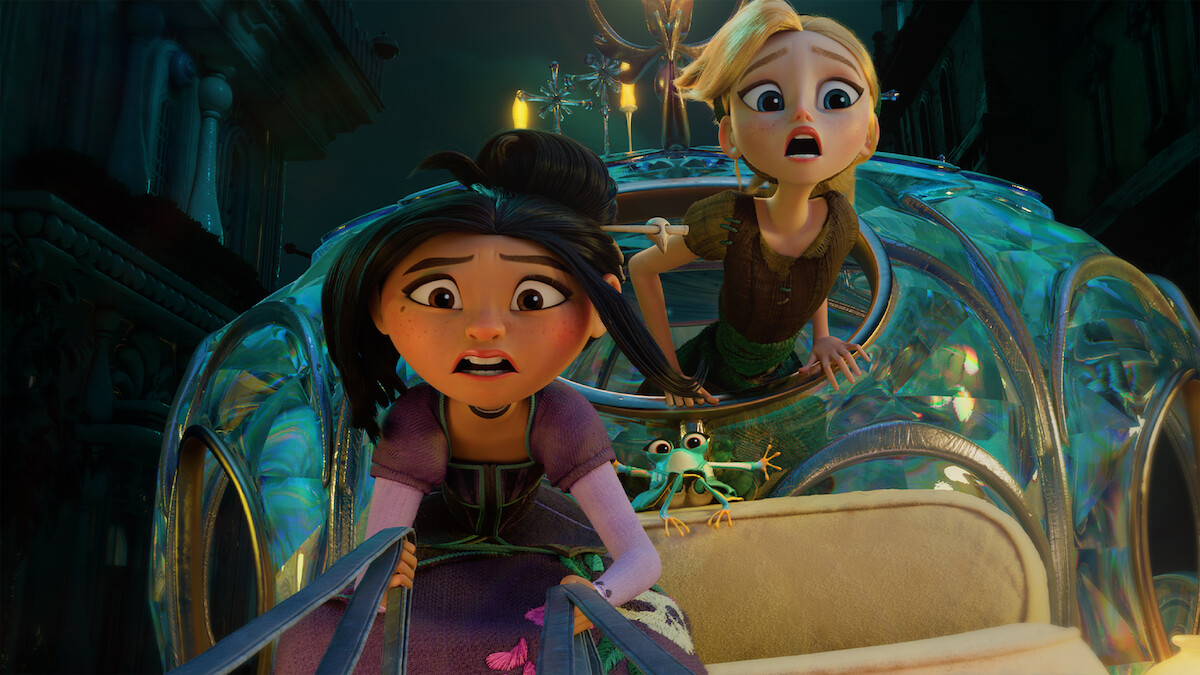
You’ll read a short story that Tim sends you and think, “OK, interesting.” And he’ll say, “We’ve got somebody really talented to do this.” With Emily Dean, who directed “For He Can Creep,” when you went from the storyboard to the animatic, that was a radical jump. But from the animatic to the final, it’s leaps and bounds in terms of detail and the immersive quality of it.
Every single time I get a post in my PIX inbox that’s Love, Death + Robots, I’m like, “That’s for Saturday morning.” When I’m by myself and I don’t have to answer any calls, that’s when I watch all the clips. Because I don’t need to weigh in. I just find it fucking amusing. And awe-inspiring.
A version of this story appears in Queue Issue 20.