Jonas Alarik/Netflix
Entertainment
Noomi Rapace Is Not Afraid to Be Vulnerable
Even after a traumatic injury on the ice.
By Destiny Jackson
March 18, 2022
When Noomi Rapace broke her nose while filming Black Crab, she learned to soften her resilience.
“When I came back on set, I was scared to be hurt again,” Rapace tells Tudum. “I was scared because I felt like I lost all my training. I felt vulnerable, I felt fragile.”
After a three-decade career playing a host of strong female leads in such films as The Girl with the Dragon Tattoo, Prometheus and What Happened to Monday, the Swedish actor is no longer afraid to be vulnerable.
“I’m 42 years old and I don’t ask for help, but then I just came out of this and I was like, ‘You know what? It’s really nice to feel like people are not going to punish you because you are overcoming fears in yourself. It’s okay to admit it, and let other people help you and take care of you.”
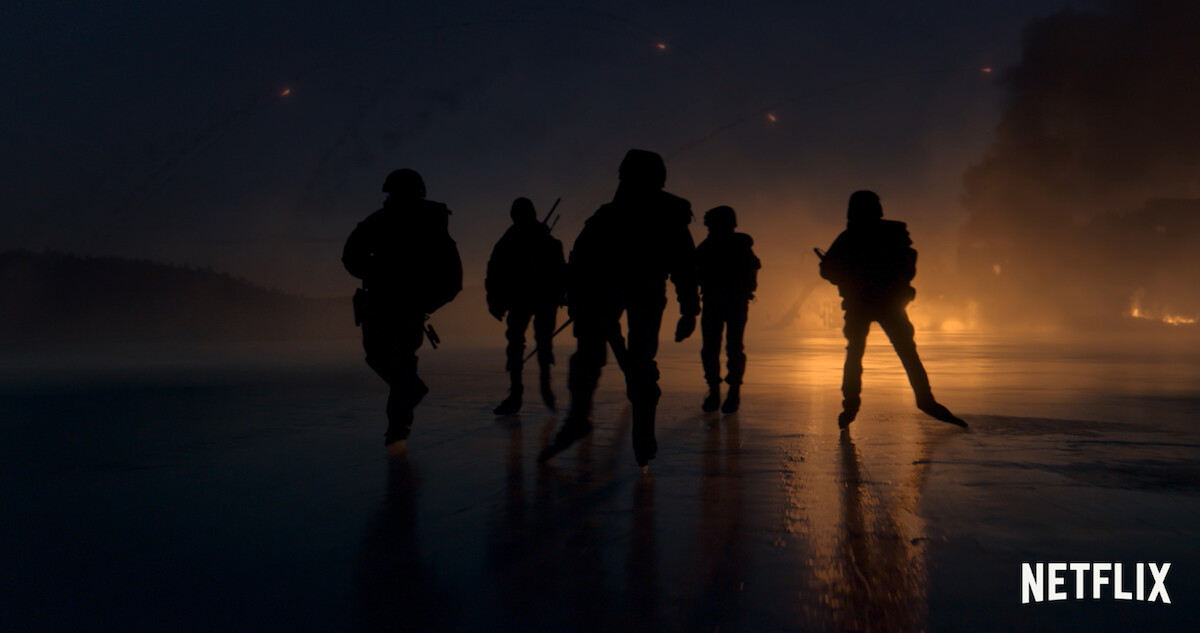
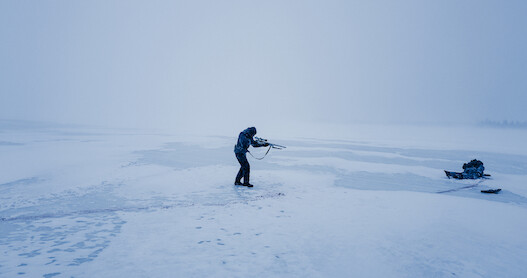
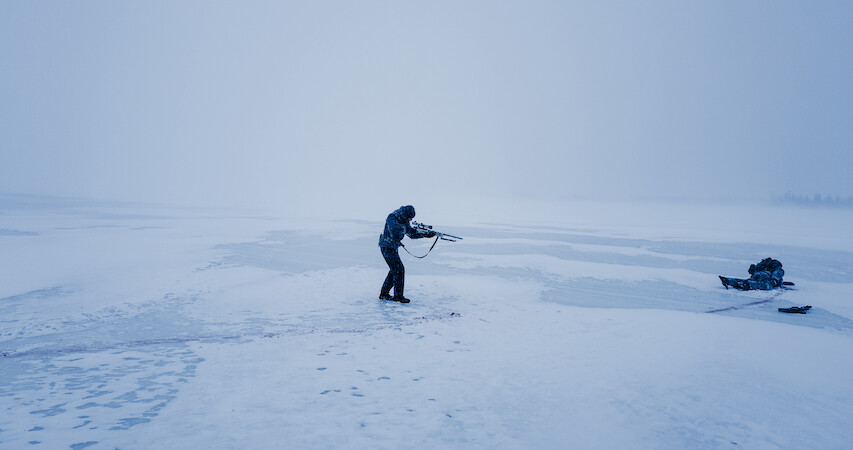
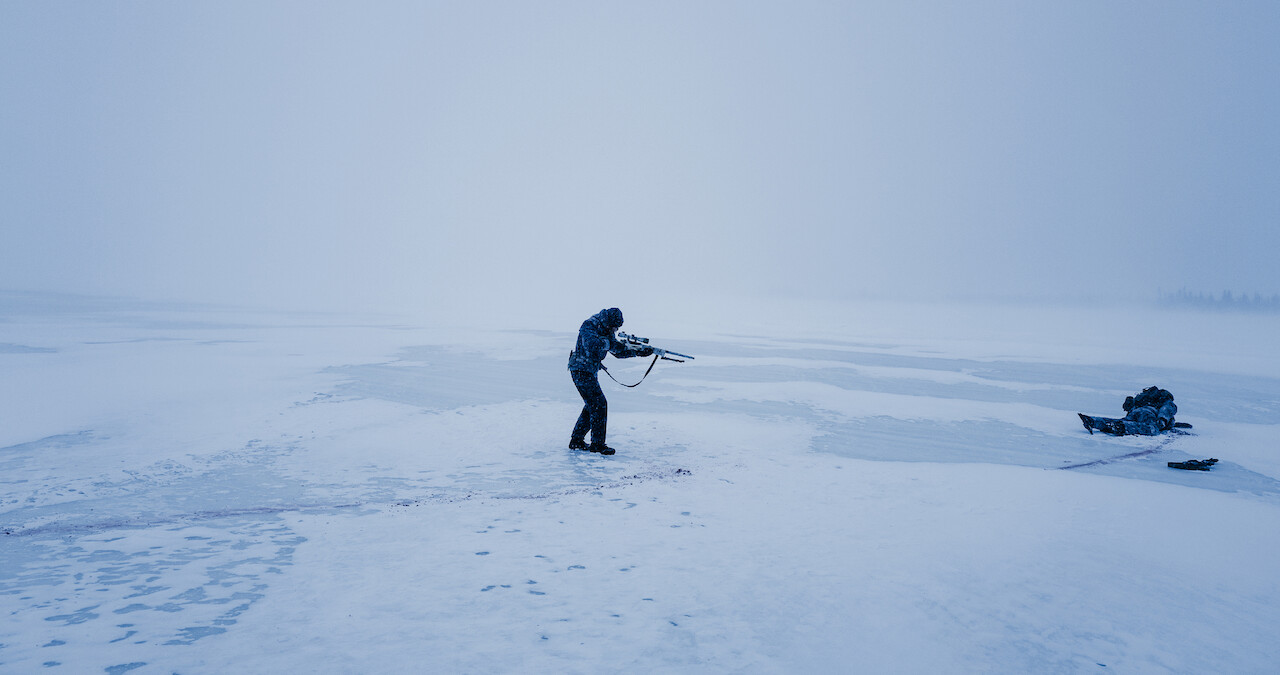
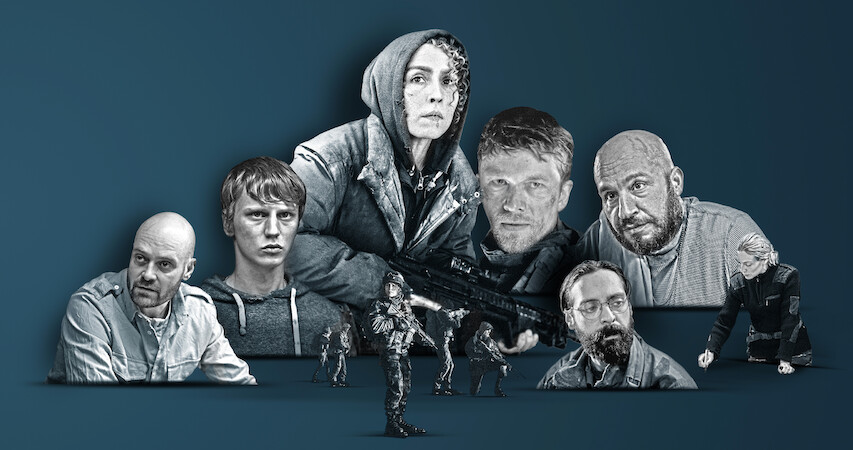
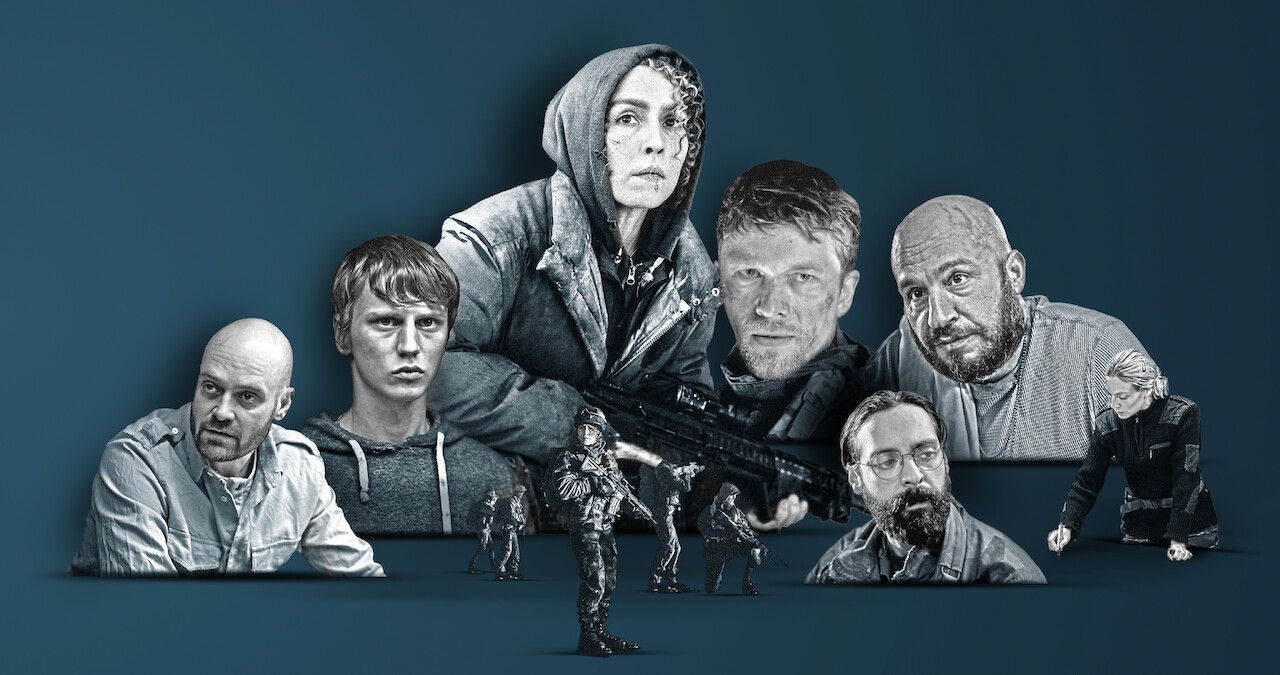
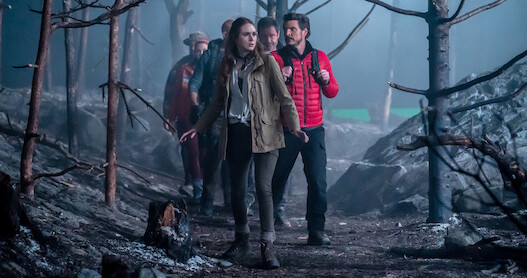
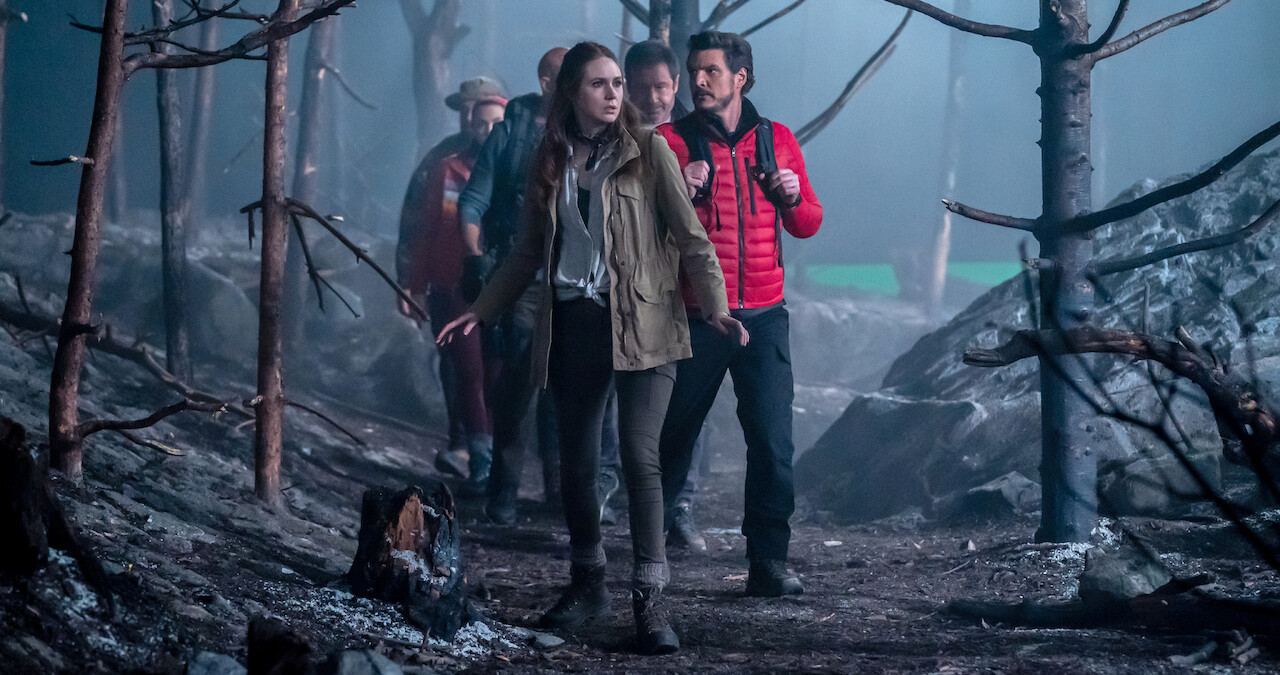
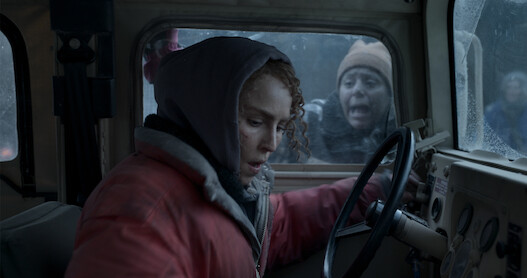
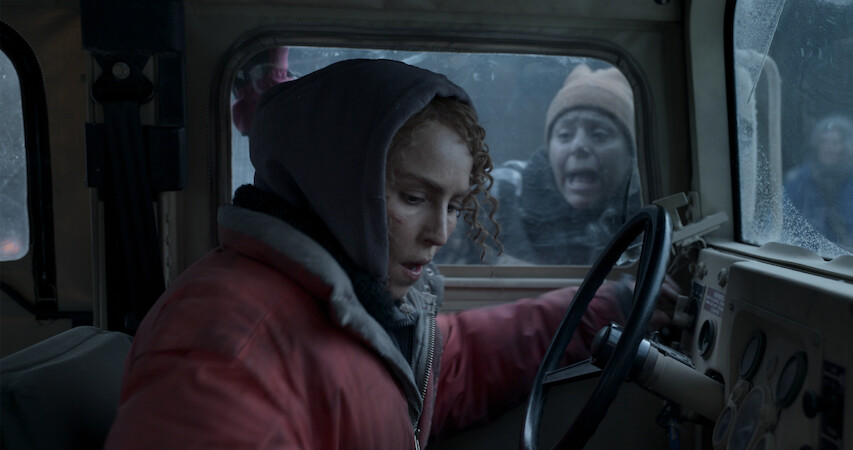
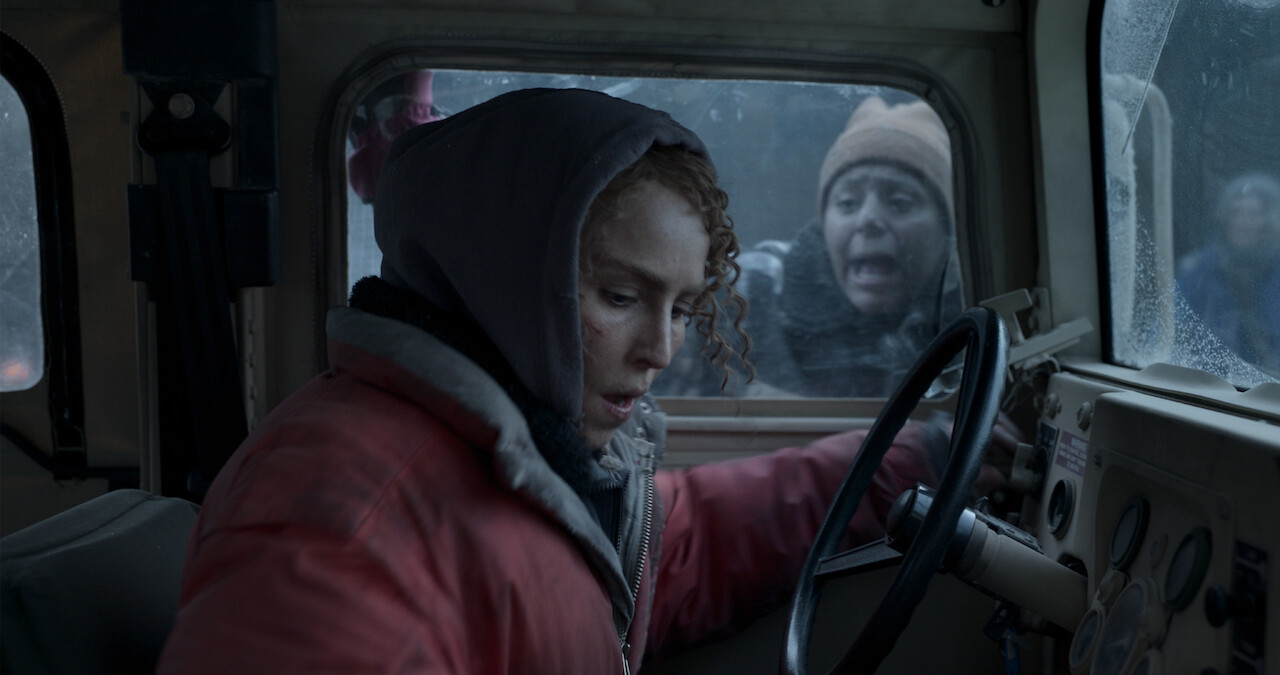
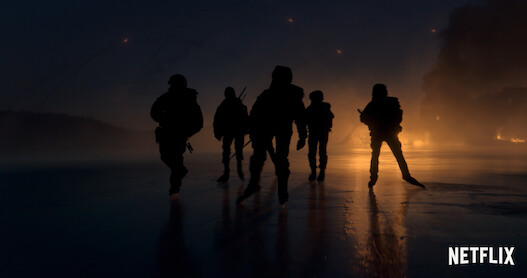
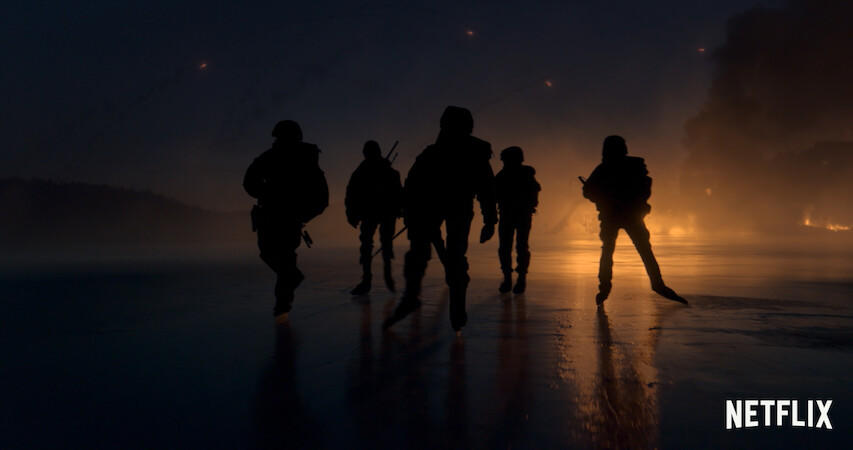
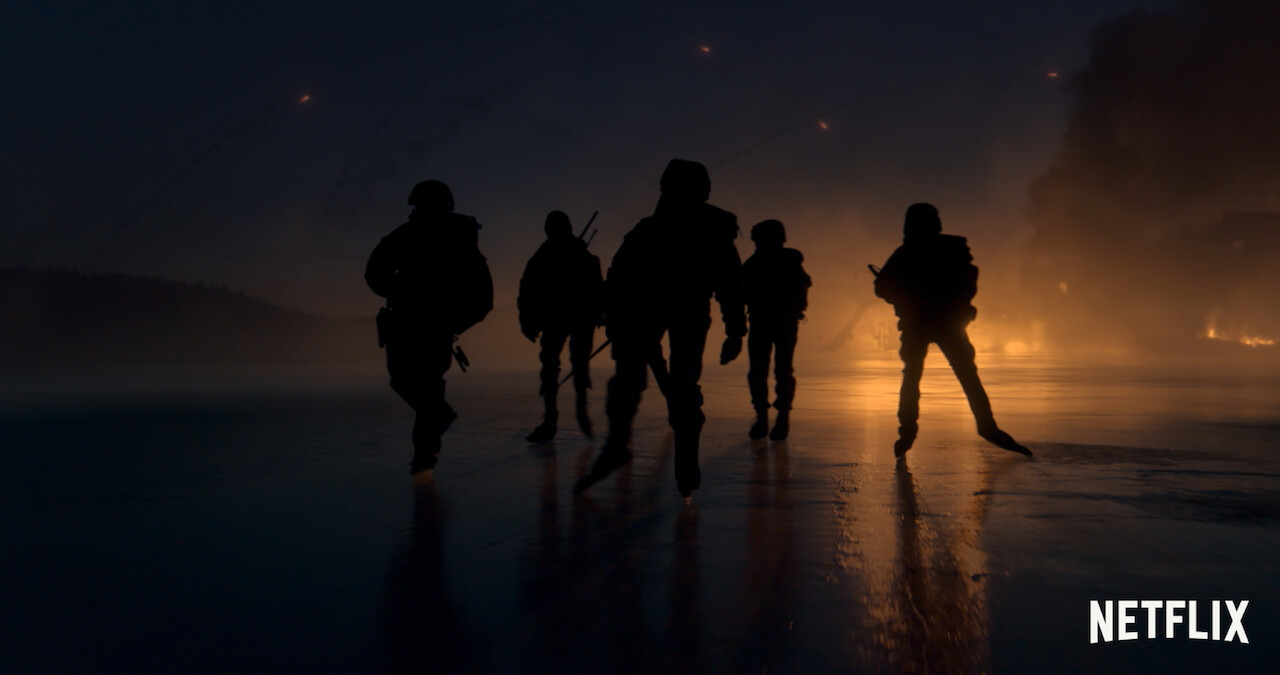
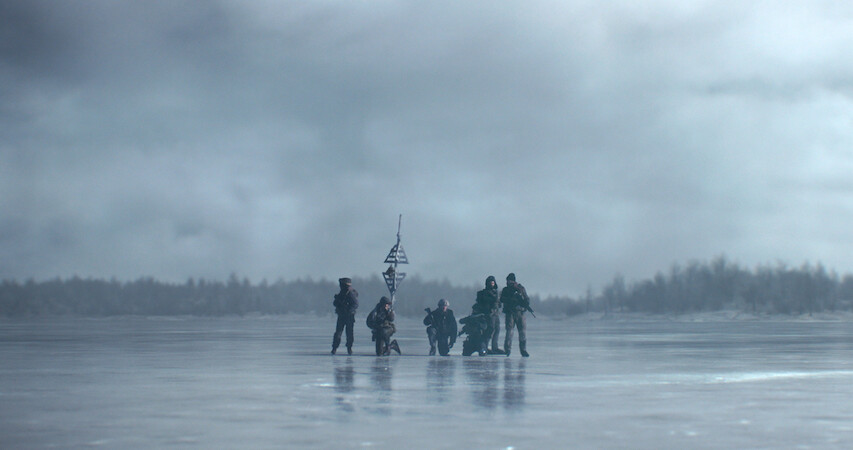
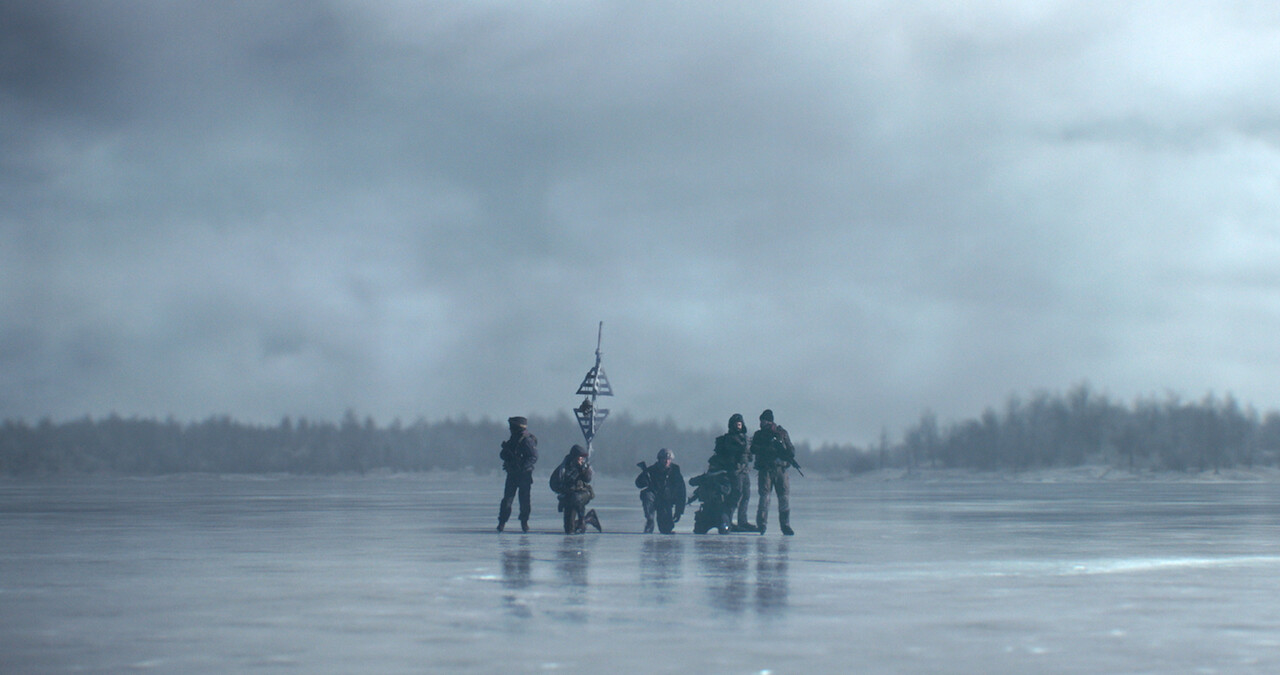
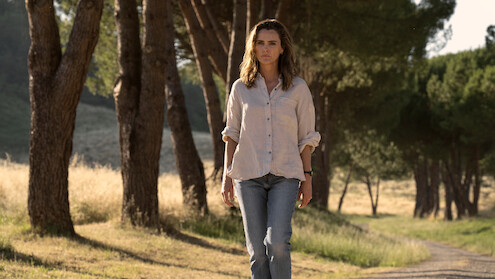
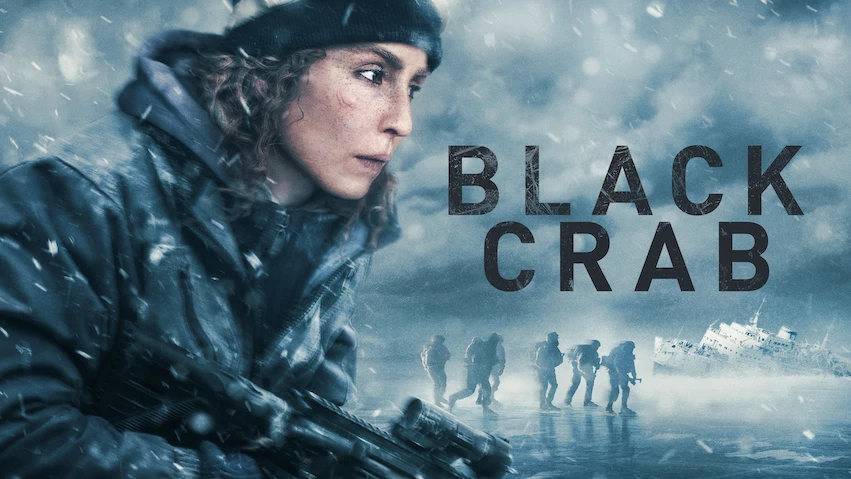
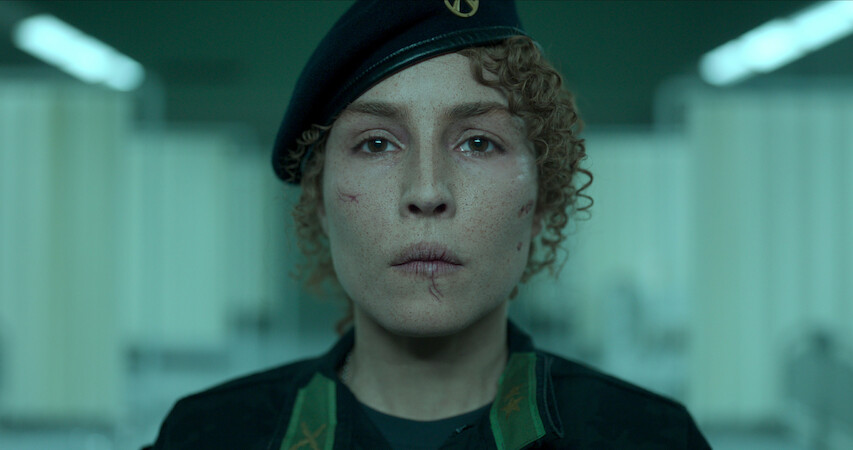
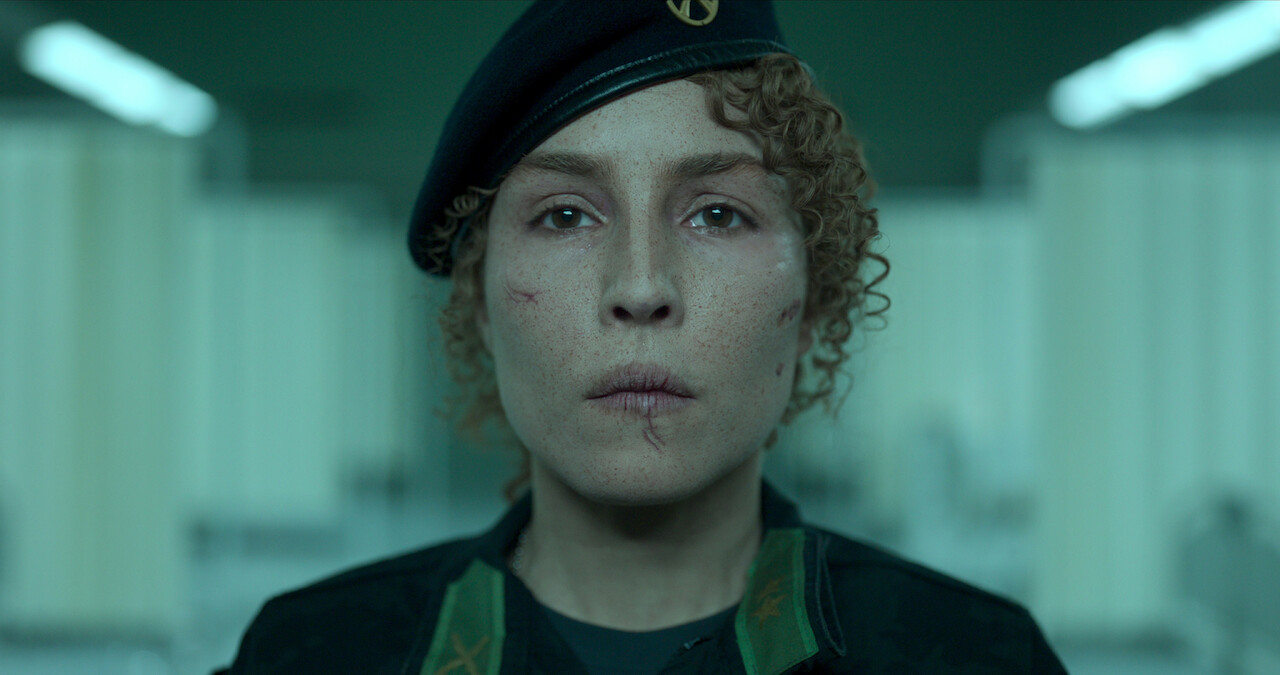
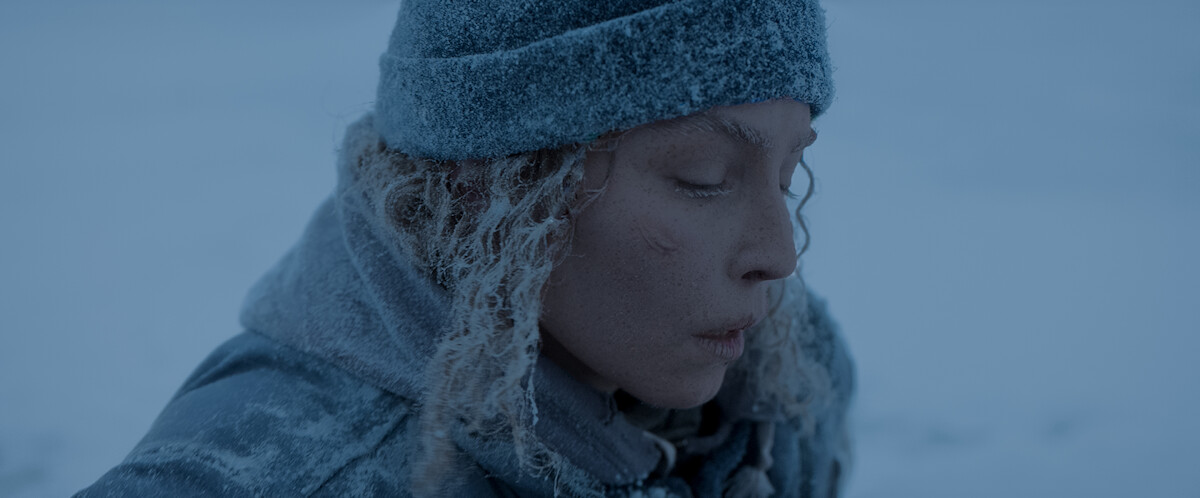
Rapace’s innate fierceness and fragility shine in her latest role as Caroline Edh, a speed skater turned soldier in the post-apocalyptic action thriller Black Crab. Based on a novel by Swedish writer Jerker Virdborg, the film follows the harrowing journey of six soldiers on a covert mission across a frozen archipelago, risking their lives to transport a mysterious package that could end a war. However, Edh’s survival instincts are pushed to the limit when her daughter’s life is on the line , and she has to ask herself what she’s willing to sacrifice for the fate of the ongoing war.
Rapace’s power radiates through her character because she wasn’t afraid to immerse herself into the role. As a mother, Rapace explored her own bond with her son to help power the unstoppable force driving Caroline’s search for her daughter. She also didn’t shy away from the challenge of performing in Sweden’s cold climate rather than in a synthetic studio environment. And even though her fierce, strong character was originally written as a man in the book, part of Rapace’s six-year dedication to the film’s development involved her and writer-director Adam Berg reimagining the lead role as a woman.
“I can read a script and be like, ‘I don’t want to play the female lead, but what about the male lead? I like that character more,’” Rapace says. “For so many years, the female roles were cute and pretty. they’re attractive and they're likable. They’re so damn likable.”
“I’m like ‘fuck likable,’” Rapace says.
In a conversation with Tudum, Rapace talks about her return to Swedish film, the strong primal instincts of motherhood and the freedom of allowing oneself to be vulnerable.
What brought you back to Swedish cinema after an 11-year hiatus? This [film] was a combination of things I love. I love a good action-drama, but it had a really strong visual language and it was very poetic. And there’s real people; it’s not a superhero film. It’s not an action movie with tough soldiers. It's people. It’s humans who are put in an extreme situation. I just felt like it was a beautiful project for me to reunite with Sweden, but also to work with some of the finest actors out of Scandinavia. And a lot of them are my friends. So, it just felt like a nice homecoming situation, and I've been wanting to work with some of these actors for a long time.
You continuously get cast in these badass female roles, and, originally, your character was a male. Why do you think you keep getting cast for these roles? What is it about you that has studios switching gender dynamics for you? [A gender switch] happened on What Happened to Monday, the first film I did for Netflix where it was [originally about] seven brothers, and, when I came onboard, it was [changed] to seven sisters. And now, with Black Crab, I think Adam knew that he wanted me to bring Caroline Edh to life. It kind of happens more and more, I can read a script and be like, ‘I don’t want to play the female lead, but what about the male lead? I like that character more.’ Because, for so many years, the female roles, they’re cute and pretty, and they're attractive and they’re likable. They’re so damn likable, and I’m like, ‘Fuck likable.’
What does the title Black Crab mean to you? To me, Black Crab means that, sometimes, you might think that the end goal of something that you’re trying to achieve or what you’re trying to find is one thing, but then, when you get there, [it’s something completely different.] And then you need to reset your whole value system and you might need to sacrifice something for the bigger cost. I find that interesting. We are so self-obsessed. We live in a world where everyone is their own private star. It’s like everyone has Instagram and they’re all like ‘me, me, me.’ It’s like zoom out from yourself, exist within a group of others and ask [yourself] what you can do for others.
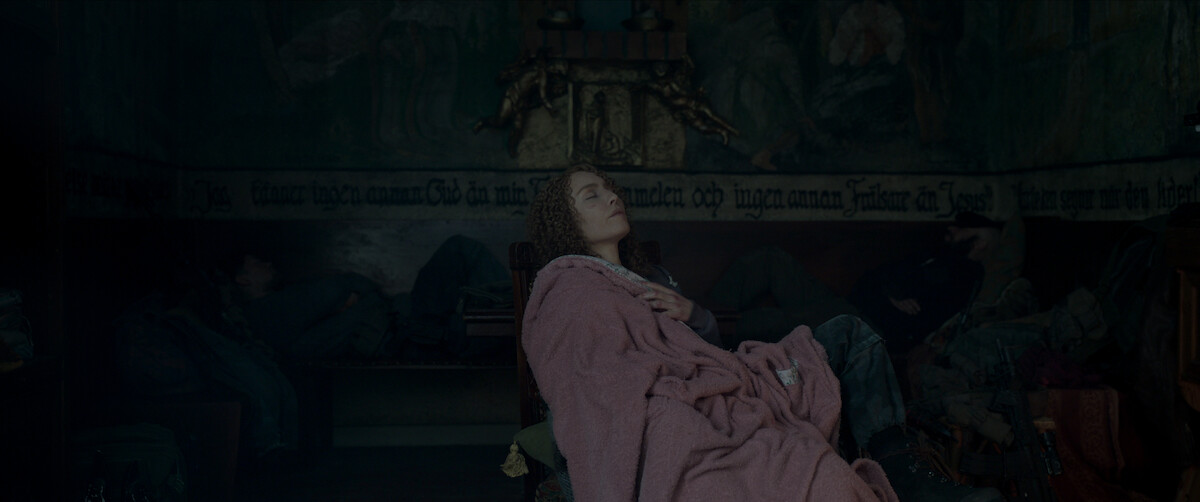
Both of your recent films Lamb and Black Crab explore the darker side of the lengths a mother will go to in order to protect their child. Can you talk about that dynamic? Why do you gravitate toward these roles specifically? [I was at] my most primal when I did Lamb. I was standing eye-to-eye with the sheep mother and we had a staring contest, and I just felt like we’re both protecting our babies. And I was like, ‘I’m as much an animal as you.’ And I feel like that [protective instinct] is something deep in my core. It’s something I can easily tap into and there’s so many forms of motherhood. It’s an endless ocean of different motherhoods and different relationships that you can explore. It’s so primal and real.
I find those roles fascinating because it’s my love for my son and what I would do for him is my strongest relationship. That’s the only relationship where you have no hesitation. I’ll die for him any day. I’d go to jail for him, I’ll do anything for him. It’s something very powerful, very clear, and very selfless and unconditional.
I think I can only do these kinds of films because I’m in a good place in my life. I think it’s important to tell stories about fighting through and coming back and healing. I ask myself: How far can you get with your willpower? For example, when you decide to do something, your mind is so strong, you can basically give your brain so much information that it will make the body start to believe in it. The power of the mind is strong, and I feel like willpower combined with motherhood in Black Crab was the recipe to create Caroline. That combined with her motherhood created a layered and interesting character for me to step into.
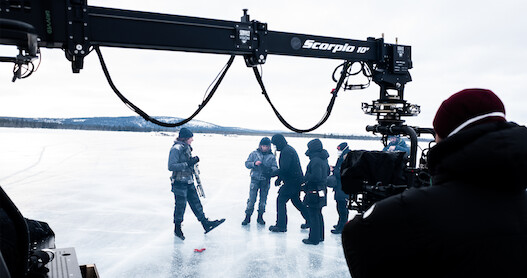
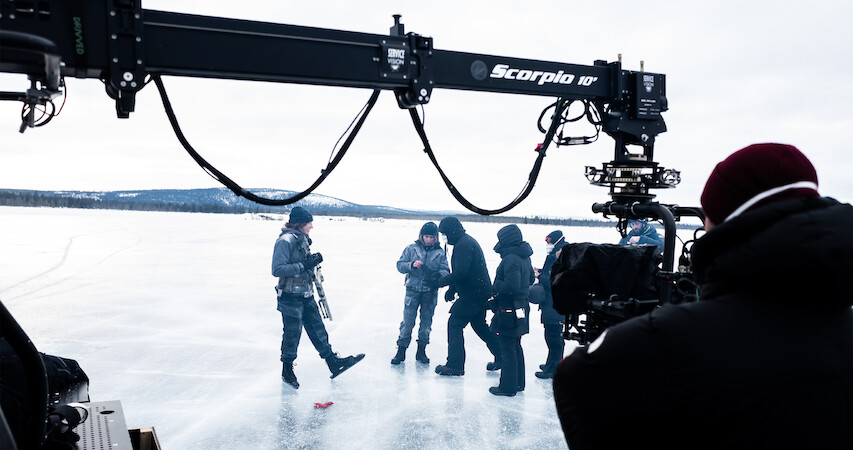
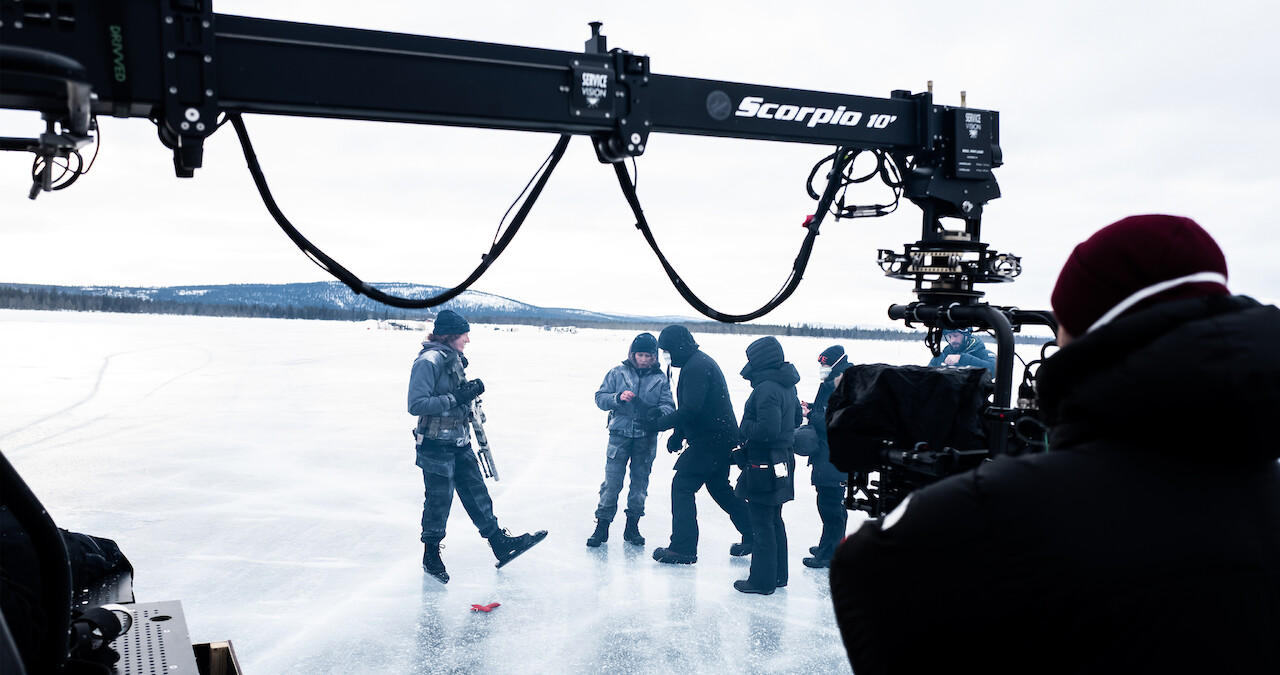
What was it like for you training on ice skates? I like to work in real conditions, like when we were out on the ice and you have the wind that is biting you in the face and you’re crying, it’s just easier. When you're out in the real conditions, it really helps with performance.
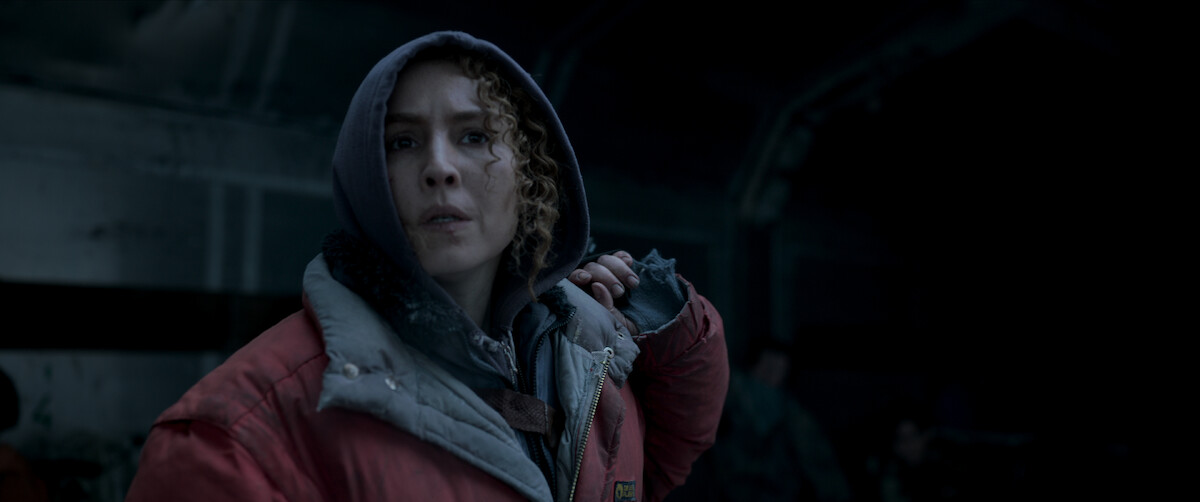
What’s something you learned about yourself while filming Black Crab, and what lesson do you hope the audience learns after watching your character’s journey throughout the film? I had an accident early on in the film. I broke my nose on the movie, and we had to pause production because I had to heal. When I came back on set, I was scared. I was scared to be hurt again. I was scared because I felt like I lost all my training. I felt vulnerable. I felt fragile. And I had to ask for help.
I had to admit that I was small, that I was scared, that I felt insecure, that I had a ghost in my head, and I felt a lot of stress in my body. I had to ask people for help, and I had to include people in my fragility and in that state of vulnerability, which I’ve never experienced publicly before.
I’ve always thought I was strong on my own and that I can survive anything [and that] I don’t need anybody else. Then, in the midst of filming, I needed people. And it was OK. And it was OK for me to ask for help. It was OK for me to say, ‘You know what? I can’t do this stunt. My stunt double needs to do it because I don’t have the balance now.’
I’m 42 years old, and I don’t ask for help, and I came out of this, and I was like, ‘You know what? It’s really nice to feel like people are not going to punish you because you are scared or because you are overcoming fears in yourself. It’s okay to admit it and let other people help you and take care of you. And that never happens so that’s something I want to communicate. You’re not strong on your own. If you allow yourself to trust others, you might be surprised how much you get back.
This interview has been edited for clarity.