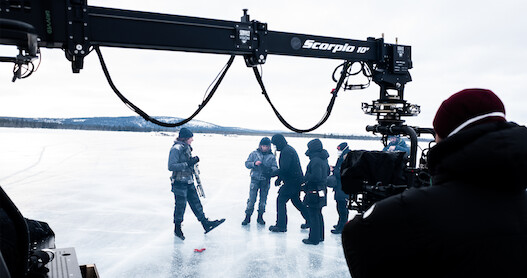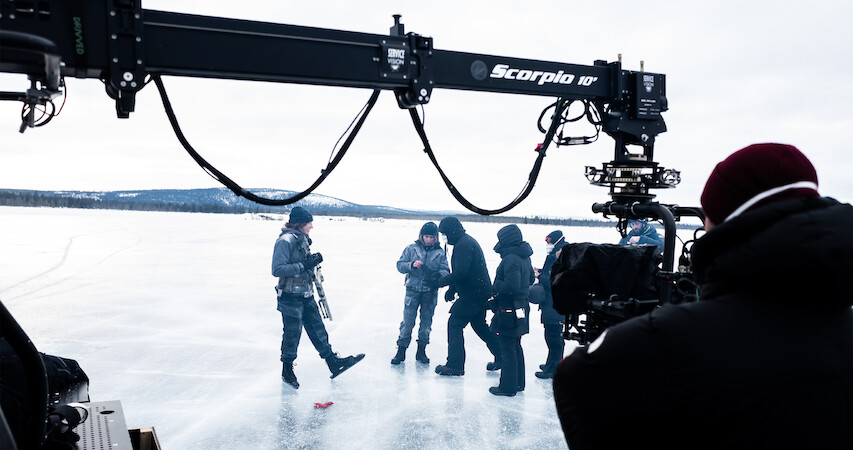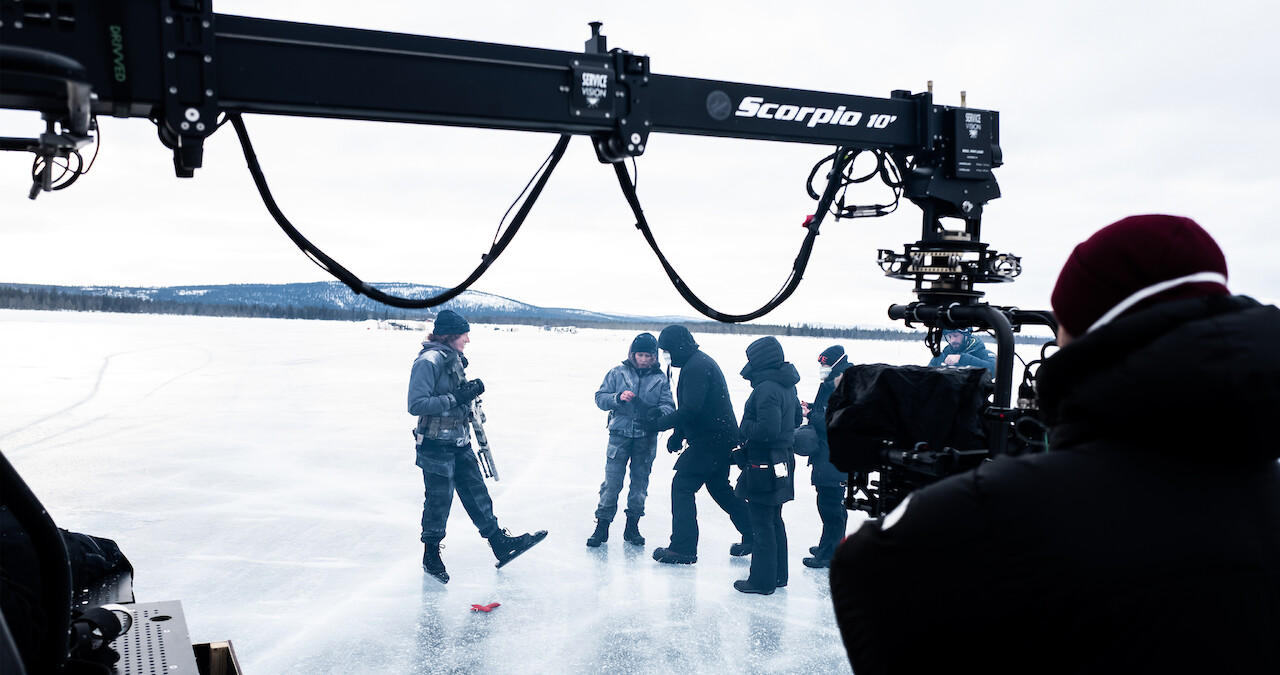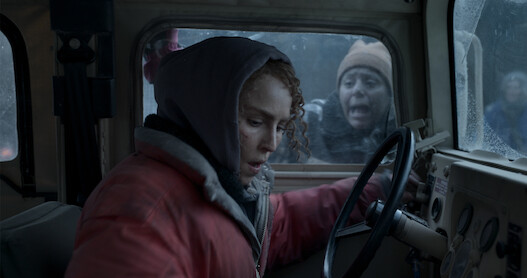
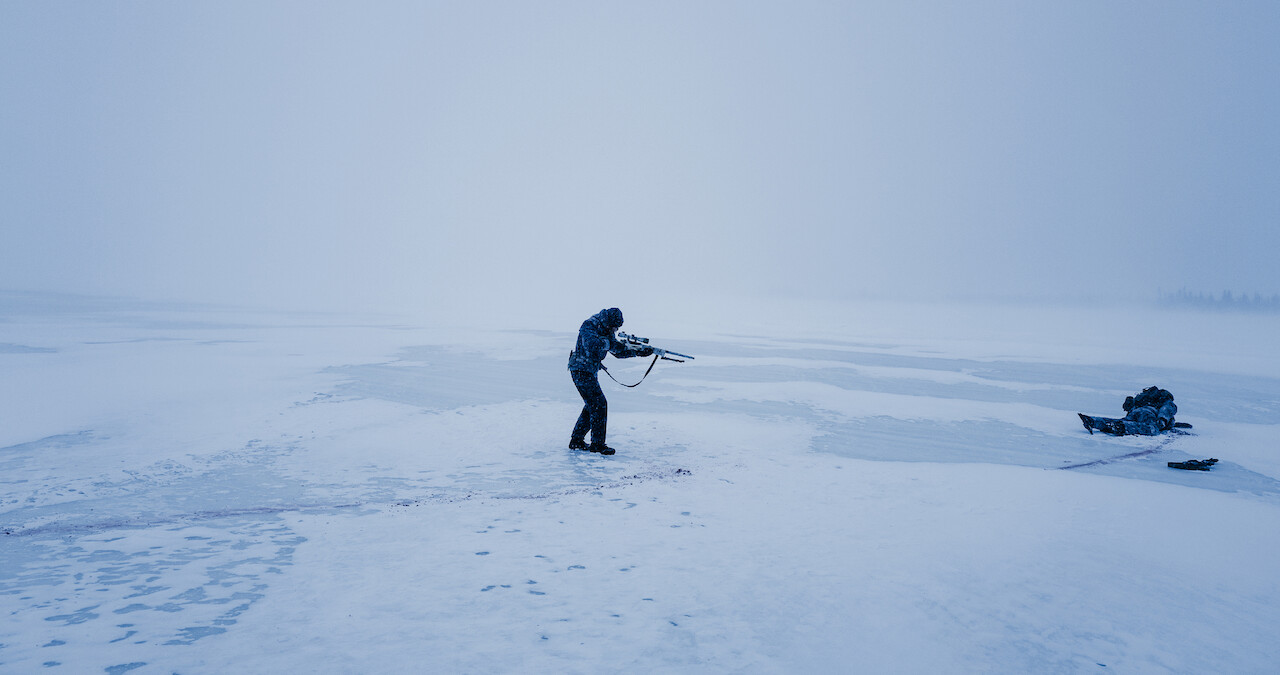
Johan Bergmark/Netflix
Interview
A Swedish Subarctic Soldier on ‘Black Crab’s’ Frigid Realities
Hot tips for trodding thin ice included
By Samantha Nelson
March 18, 2022
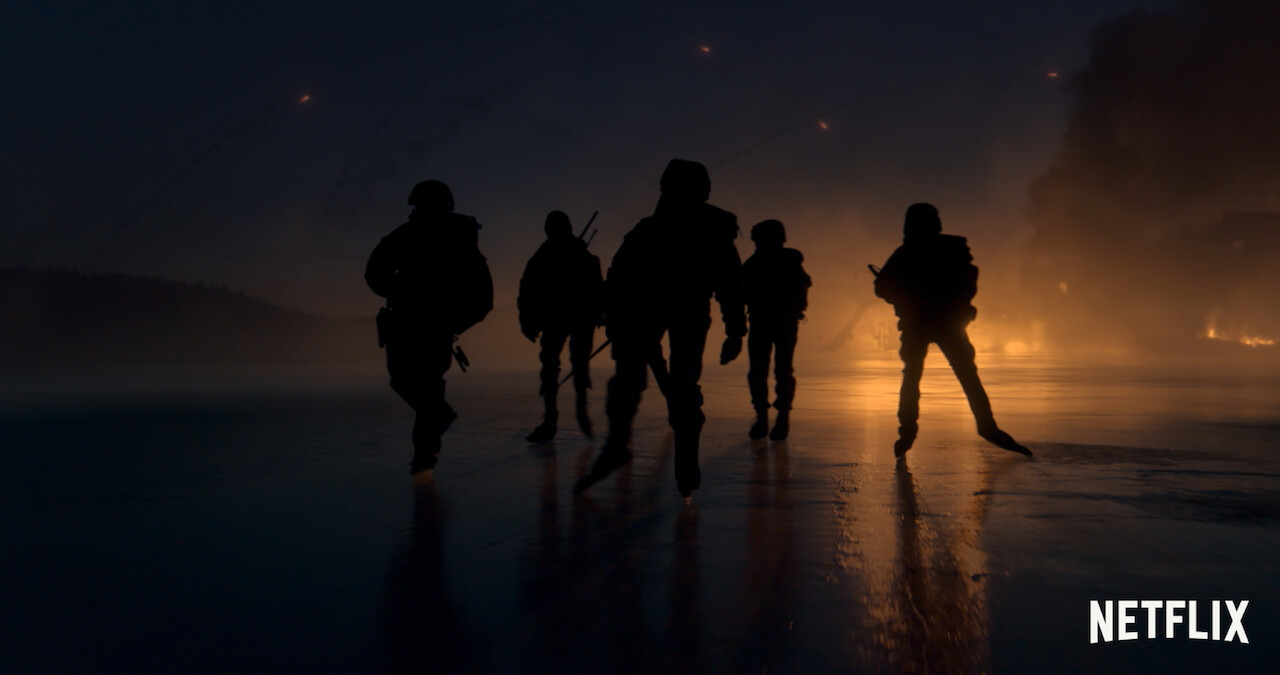
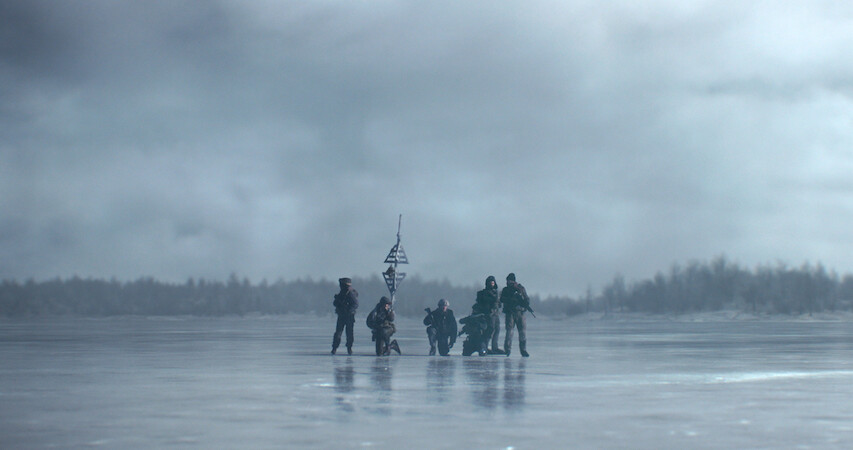
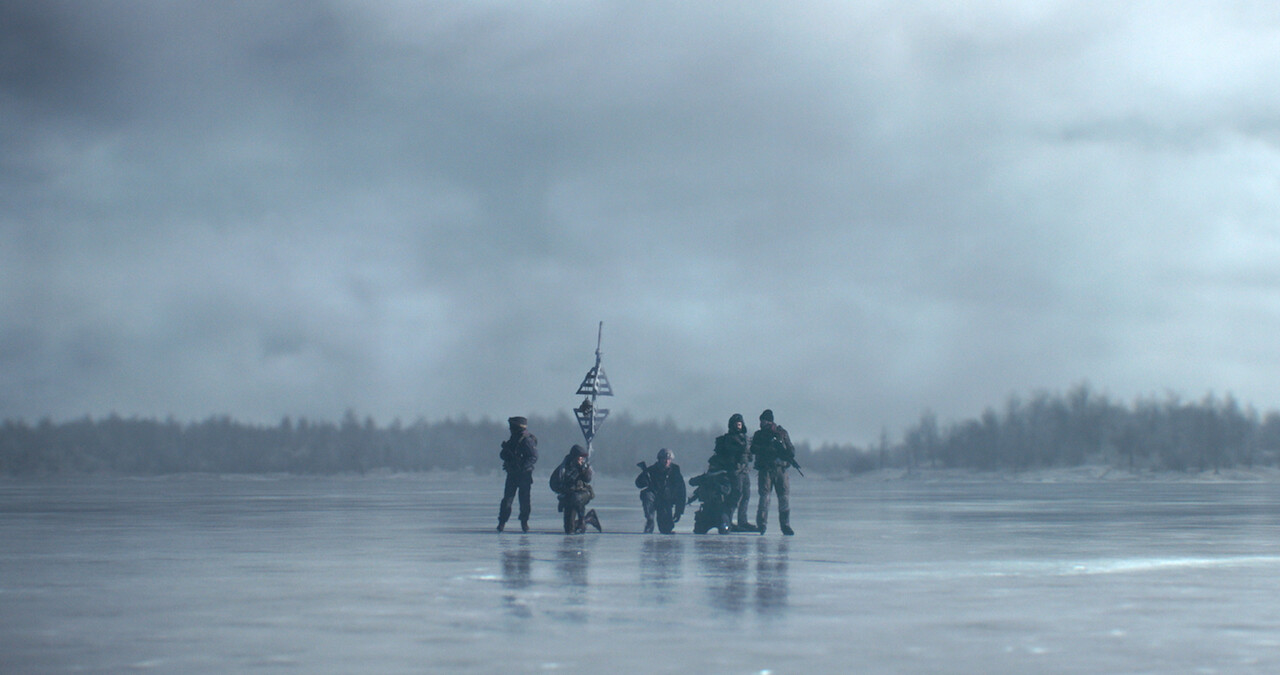
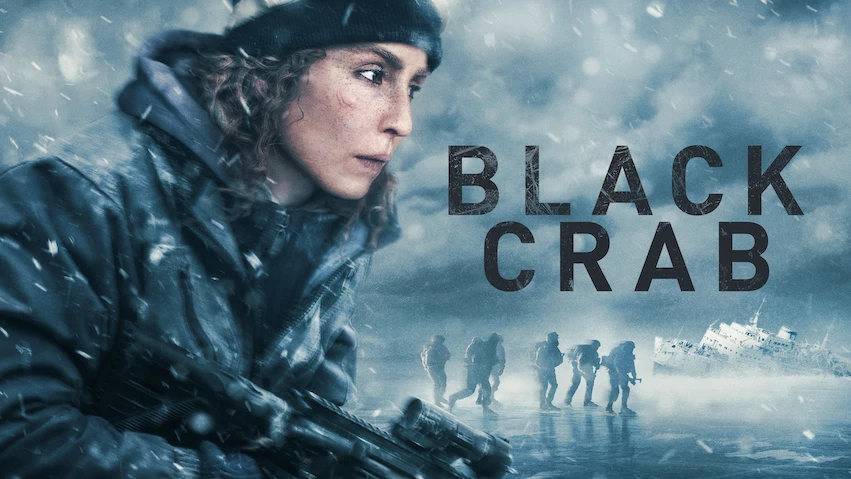
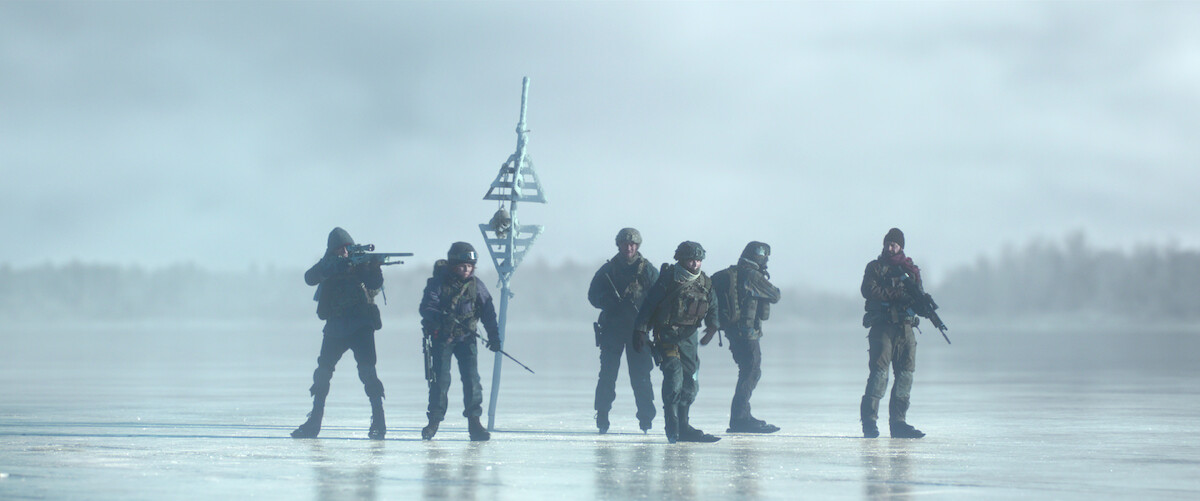
In the Swedish thriller Black Crab, a small group of soldiers are sent on a dangerous mission to ice-skate across enemy lines and deliver a mysterious cargo that could end a brutal war. While the story, based on Jerker Virdborg’s novel of the same name, is fictional, Sweden does have a specialized unit that trains to conduct covert operations in the harshest conditions, like what is shown in Black Crab.
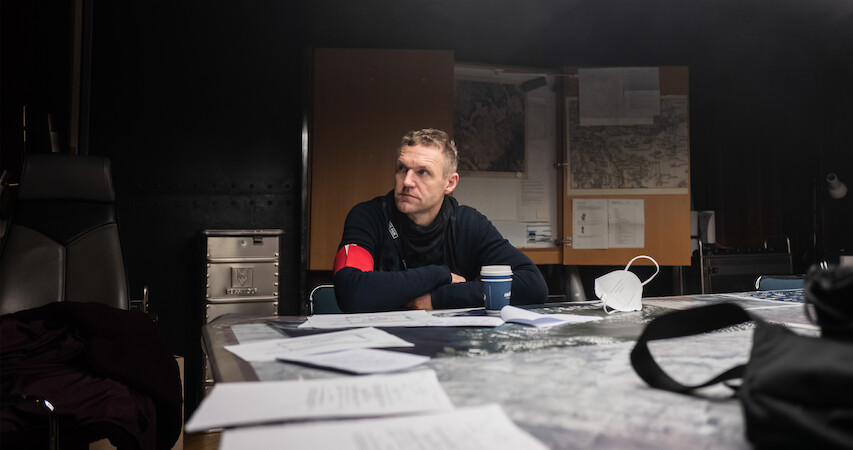
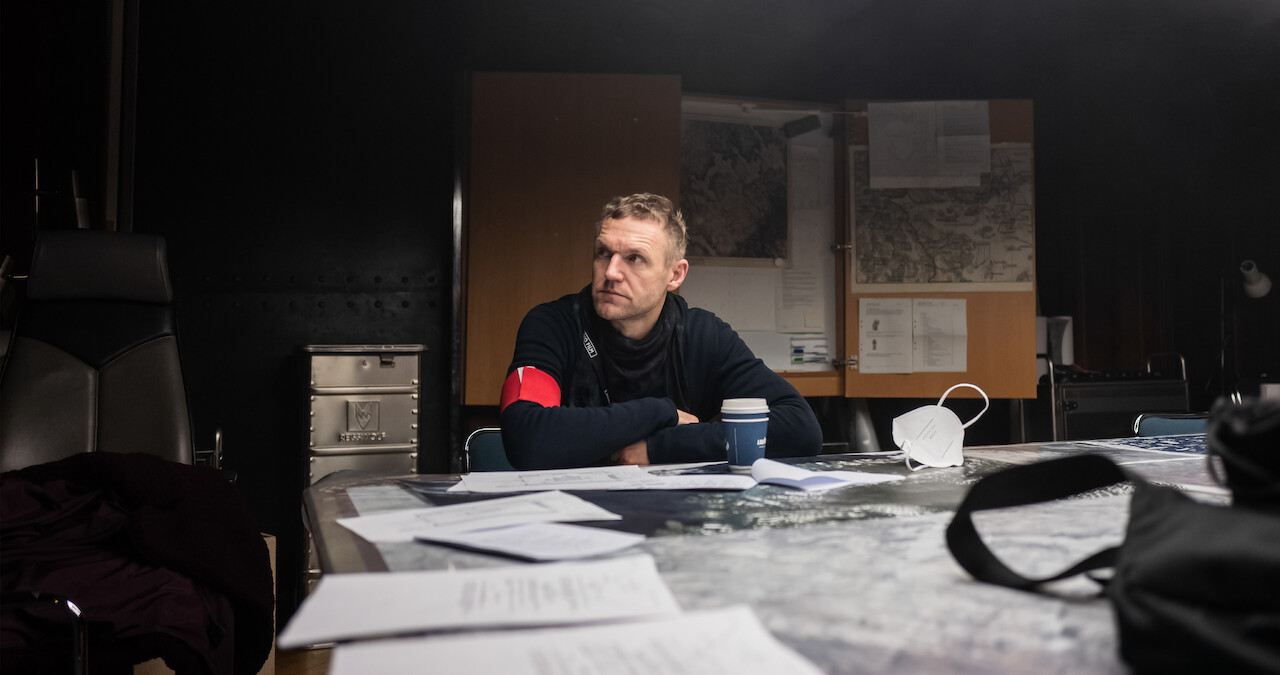
To find out what it was really like to take part in missions like Black Crab, we reached out to Philip, a second lieutenant within the Swedish subarctic rangers, an elite squad in the Swedish Armed Forces’ K 4 regiment specialized in winter warfare in alpine and subarctic terrain. Philip’s full name can’t be revealed for security reasons and to protect him during future operations.
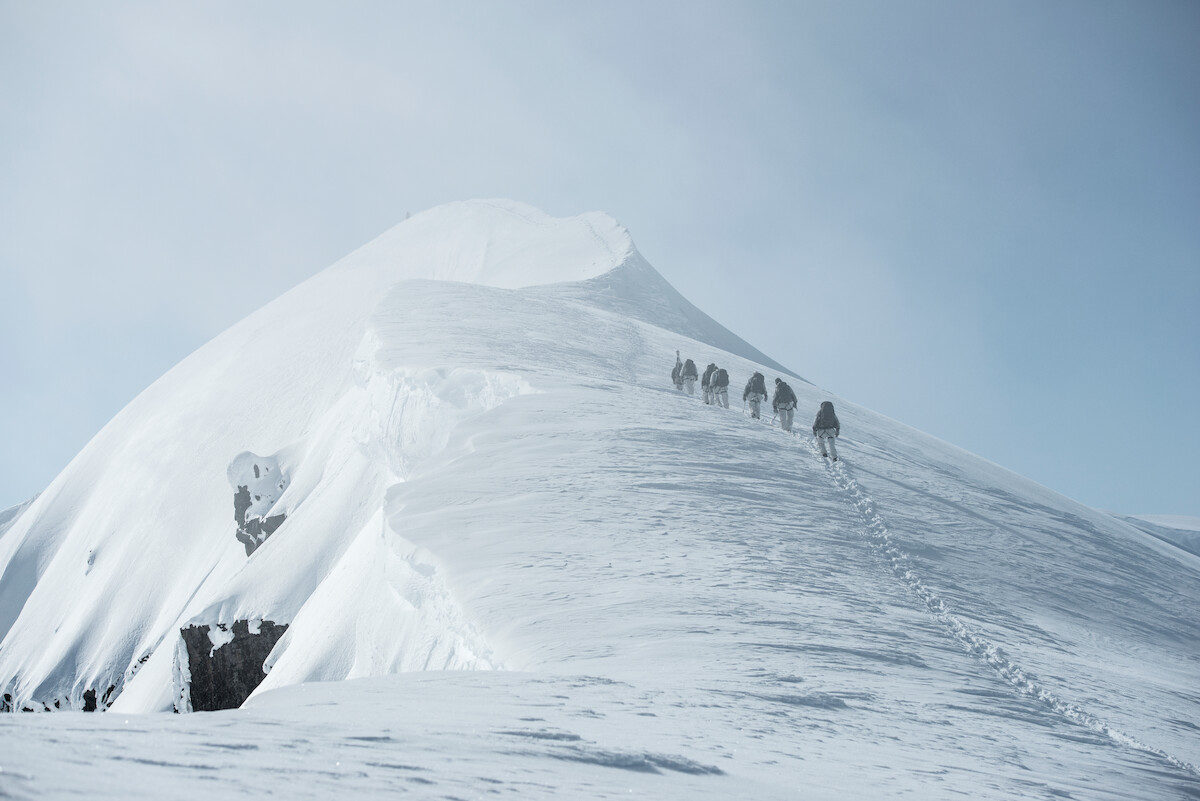
Soldiers train by climbing snowy mountains which tests how they respond to heights and tough conditions. Even highly athletic recruits can still struggle with the elements and must ease into the training during warmer weather.
Sweden has mandatory conscription, testing citizens on their abilities to determine the best way for them to spend their roughly one year of service while also taking into account where they would like to be sent.
Philip wanted a challenge. “I was young and naïve and did not know what I was getting into,” he says. But K 4 suited him. He served as a soldier in the regiment for seven years then attended officer school for three years. He recently started working again as an arctic ranger officer.
For more on the intricacies of navigating the harsh winter conditions and the various hazards Black Crab characters, and the actors themselves, experienced, Philip revealed how to stay alive — and yes, how to pee — in frozen terrains.
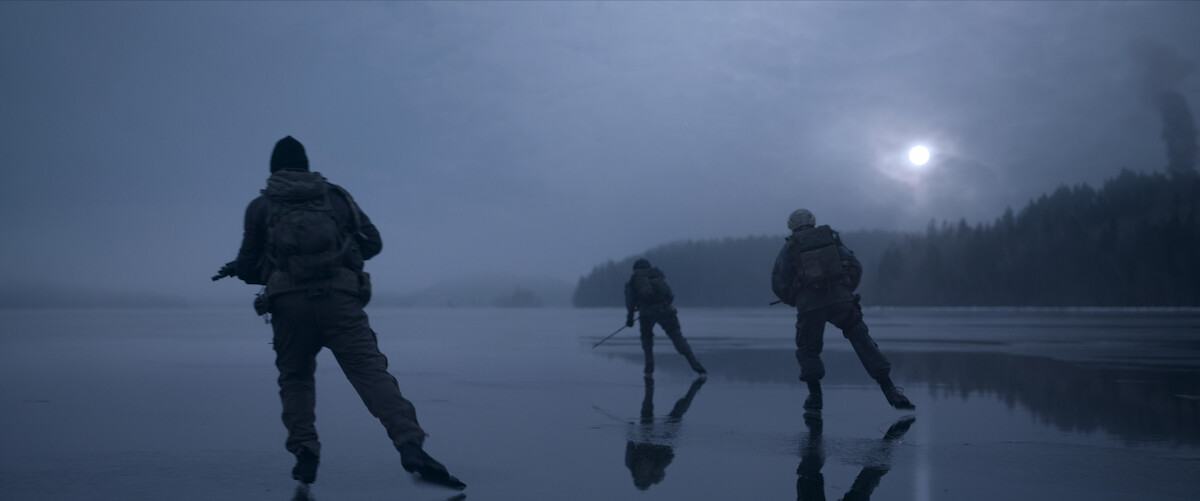
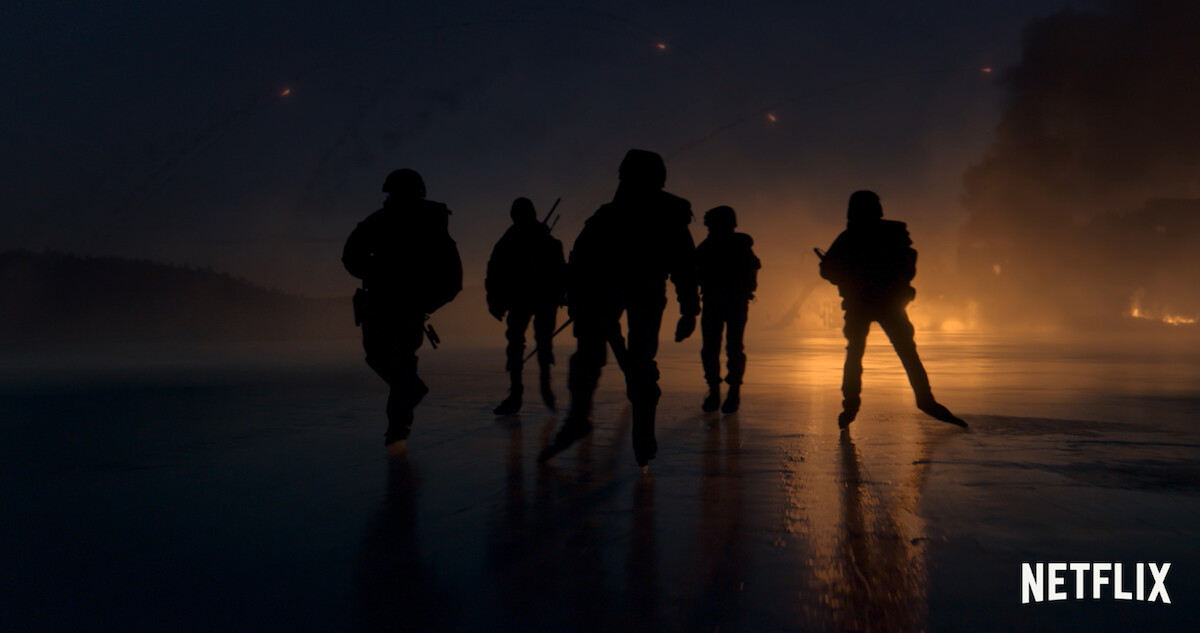
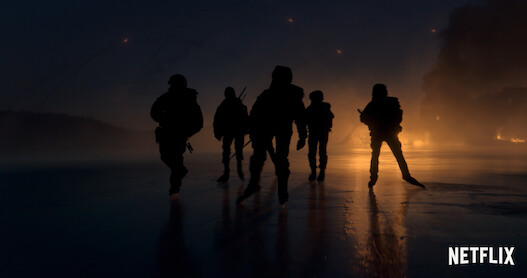
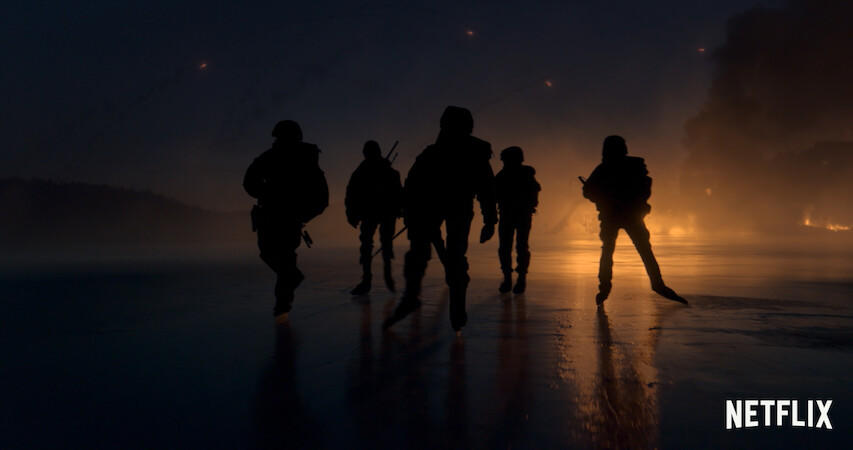
In Black Crab, hockey players, speed skaters and other ice athletes are recruited as soldiers to cross the ice on a mission.
Is athletic background one of the things that they consider when recruiting people to be subarctic rangers? That’s not a specific requirement, though of course it helps. Athletes would stand a better chance of having better results on the physical tests.
What are the tests like? It’s a very standardized test. It’s a bicycle and there’s muscle tests. If you want to come here, you also do a step-up test with a backpack. Then, if you pass those physical tests and the mental tests, you get to go up here to the regiment and do a second phase of testing where we check for stuff like how they manage height fears and water and how they respond when things are a bit rougher.
How do you train to travel across snow and ice? Mostly, it’s about learning how to behave and live in the environment. The only way to really do that is to spend time in it. You can take someone who is a top athlete and extremely physically and mentally strong, but if you just put them out there in the middle of the winter with negative 30-degree Celsius temperatures, they will have a hard time and they will probably have frostbite and other problems. We always ease into this with the seasons.
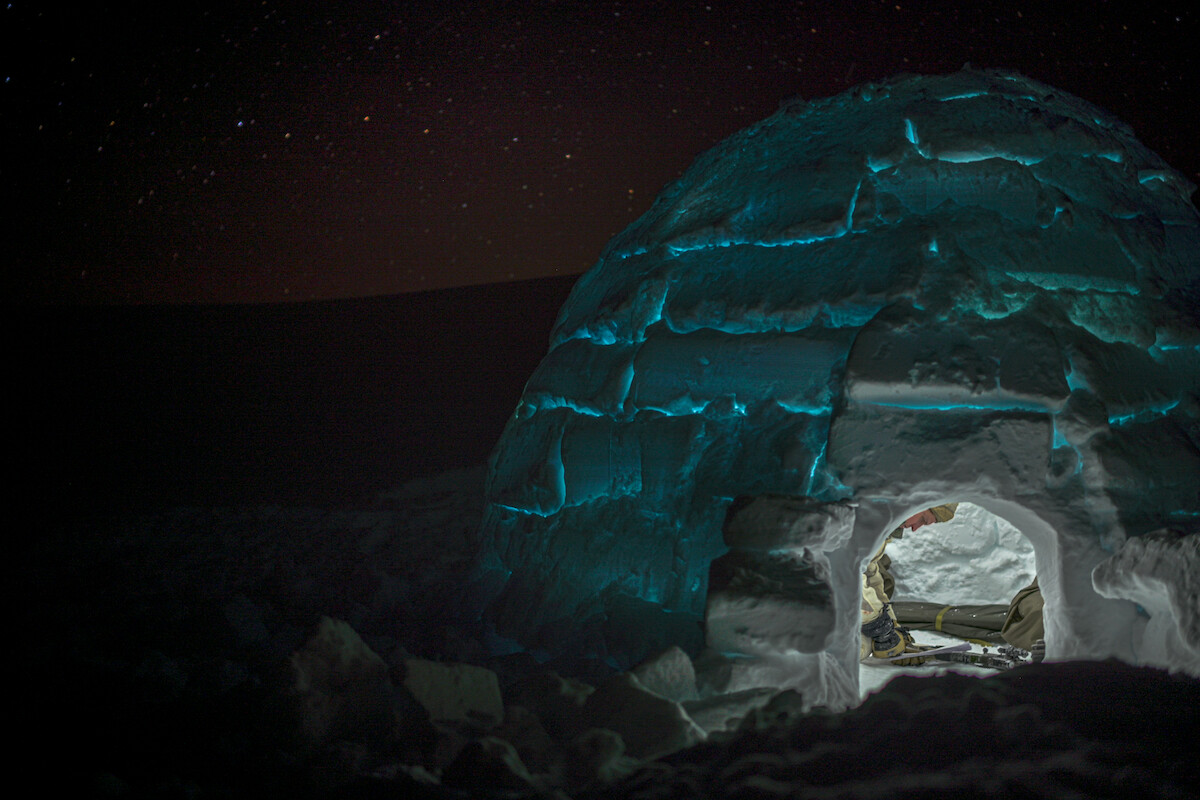
Swedish subarctic rangers are trained to construct igloos and other fortifications from ice and snow to protect themselves from the elements.
How do you go to the bathroom without getting frostbite? Actually, it’s not that complicated. You just go. The cold isn’t the issue, really. The issue is our objective is usually either reconnaissance or combat missions behind enemy lines. That takes more of a toll on how to meet your needs without giving away where we are to the enemy. So, usually we take it with us.
How do you cover your tracks in the ice and snow when you’re trying to hide from enemies? It’s easy to learn, but it takes a lifetime to master, and it’s getting increasingly difficult with all the new technical surveillance with drones. But that’s our mission, and that’s what we’re good at.
In Black Crab, an officer falls through the ice and another soldier jumps in after them. Are you trained to deal with that situation, and what would the protocol be? It’s mandatory for everyone who goes through winter warfare training in Swedish Armed Forces to do an ice bath where we cut a hole in the ice and then we train on how the body reacts when it gets into water and how to get out of the water by yourself, and then as a unit how we make sure that that person gets well afterwards. Even in the middle of winter, you could have places where the ice is very thin. That’s why it’s very important to actually train how to handle that situation. That’s why every backpack is a water pack so it will float.
What do you do with someone who’s just come out of freezing water? We get the person out of the wet clothes and into new dry clothes, and then get them moving. After a while, they will have built up their own warmth again, and then you’re good to go. The next step is to dry out the equipment that’s been frozen. That’s more of a hassle for us since we do not have any heated spaces. We don’t have any warm tents or buildings or cars or anything like that.
So you wouldn’t try to find a place to build a fire? We would do that in extreme cases if it’s needed for survival. The mission comes first, and if we’re dead, we won’t be able to complete the mission.
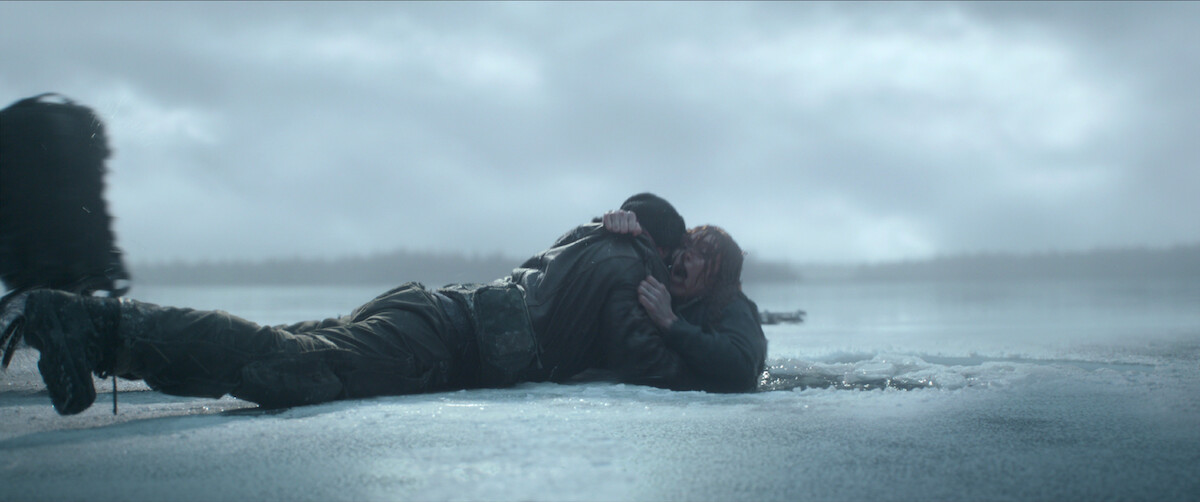
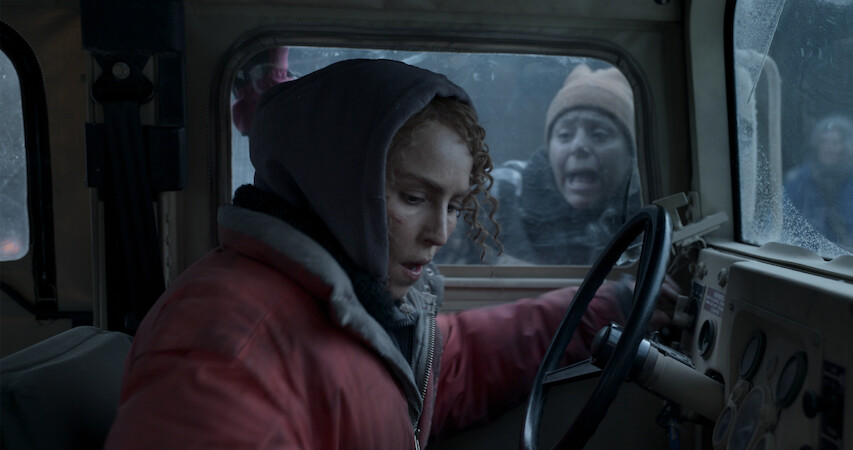
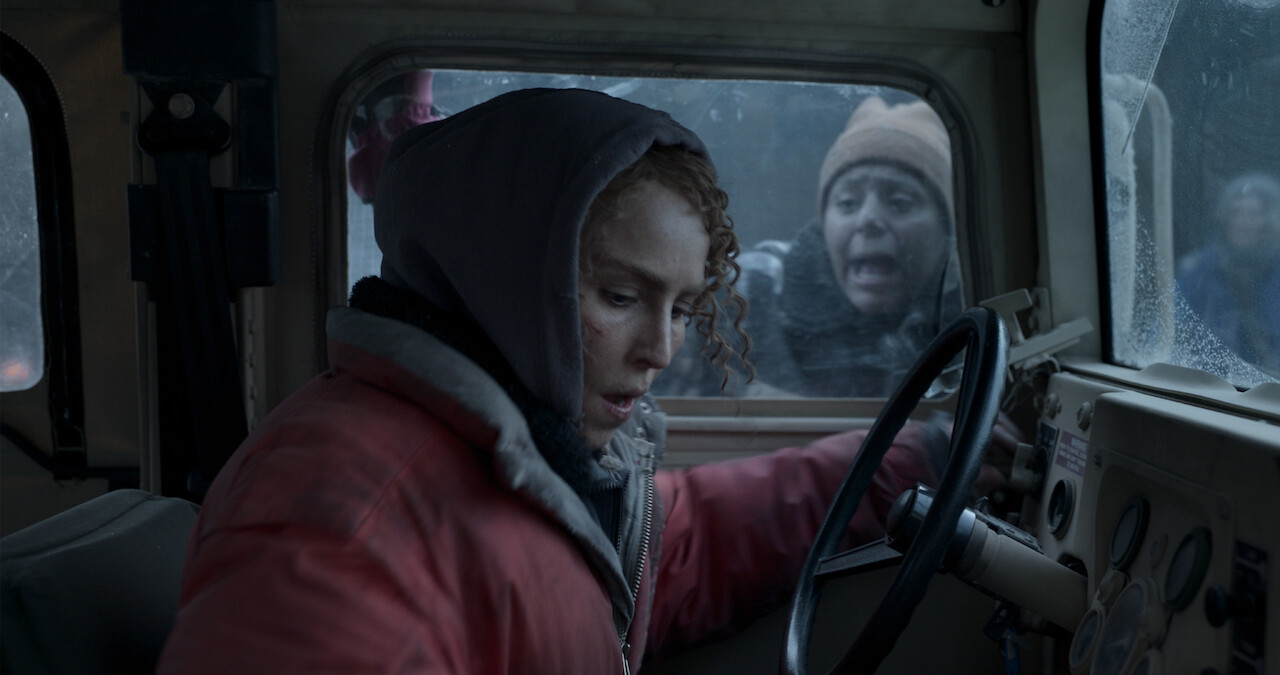
Noomi Rapace’s Caroline Edh is pulled out of frozen water in Black Crab.
Would someone go in after someone who fell through the ice, or would the goal be for them to get themselves out of the water? It depends on the situation. I would say it’s very unlikely that another person would automatically jump into the water. They have to stop and analyze, “OK, is the person unconscious? Is the person not going to be able to take themselves out of the water?” Then a person would jump into the water. But for a small group or team, it’s going to be a very big problem to have one person who is at risk of hypothermia and has wet clothes that need to be dried and so on. With two people, it’s a dramatically more difficult situation to deal with. If need be, someone would jump in and help them out, but probably they would lay on the ice and try to grab the person and drag them up without going into the water — or at least not submerging themselves completely in the water.
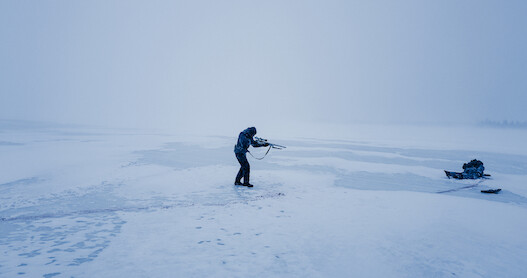
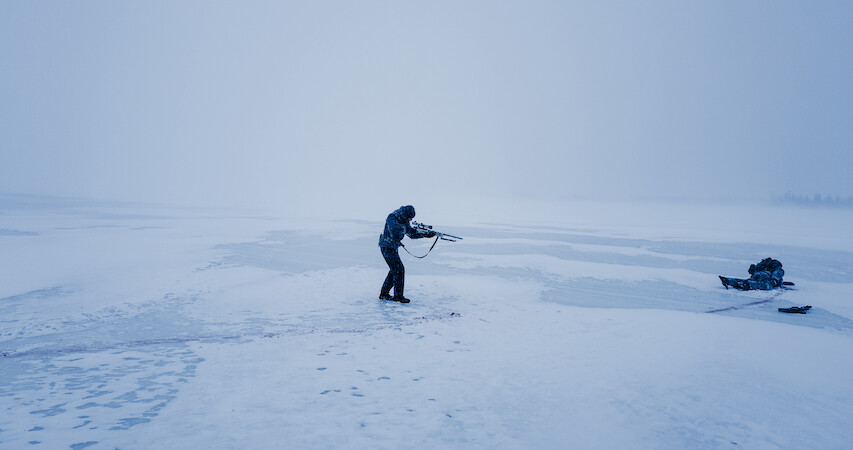
Do you ever use ice skates in your operations? I’ve never used ice skates in a military sense. Some years, we have these magical weeks where it gets 10, 15 below zero and everything freezes. There’s no wind and there’s no snow, and then we get this beautiful ice and everyone up here who has ice skates goes up and down the frozen rivers, and it’s absolutely magical. But those conditions last for a very short amount of time. In my roughly 10 years of winter warfare, I have never encountered a situation where I’ve walked on ice that hasn’t had snow on it.
Want to learn more about how Black Crab was made and the thriller's cast? Check out all of Tudum's coverage: Meet the Cast of Swedish Thriller ‘Black Crab’
How Adam Berg Shot ‘Black Crab’ by Moonlight in Subzero Temps
Noomi Rapace Is Not Afraid to Be Vulnerable
About That Bruno Mathsson Chair in ‘Black Crab’...