Matteo Omied / Alamy Stock Photo
Explainer
About That Bruno Mathsson Chair in ‘Black Crab’...
And was the chair really designed by his derrière?
By Jamie Beckman
March 23, 2022
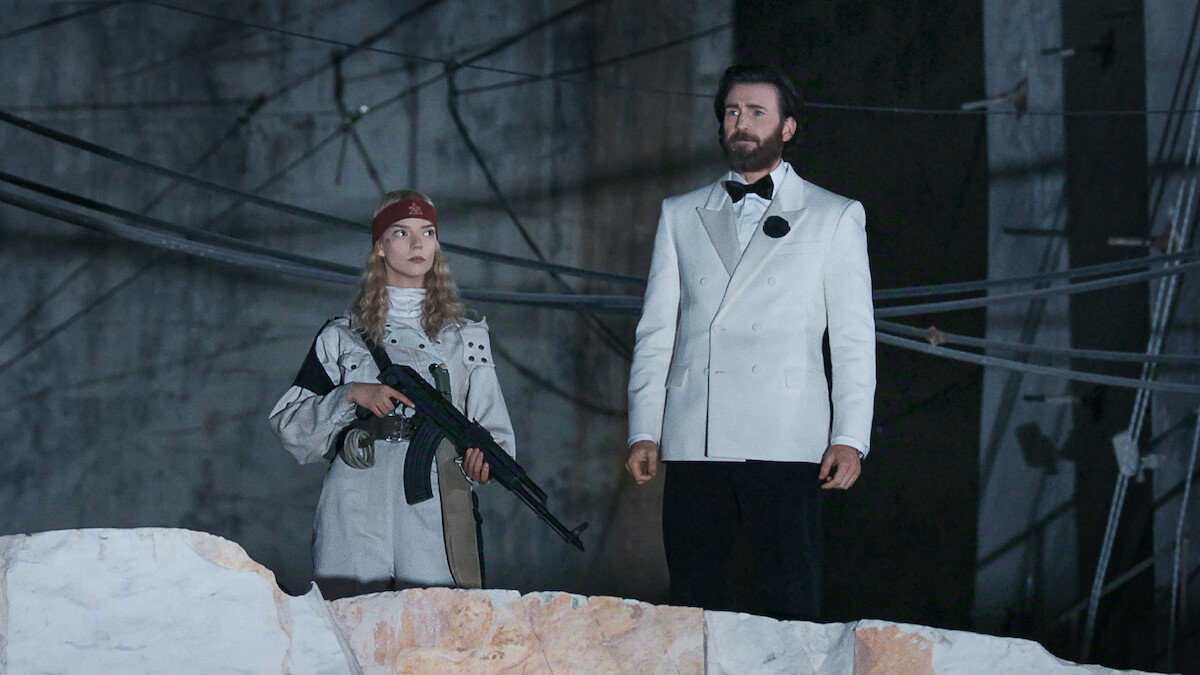
About halfway through the Swedish action thriller Black Crab, set in an icy, postapocalyptic, war-torn world, we learn something unexpected about rough-and-tough soldier Malik. Spoiler alert: He’s a vintage-furniture aficionado.
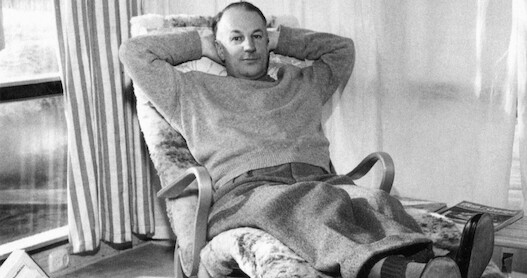
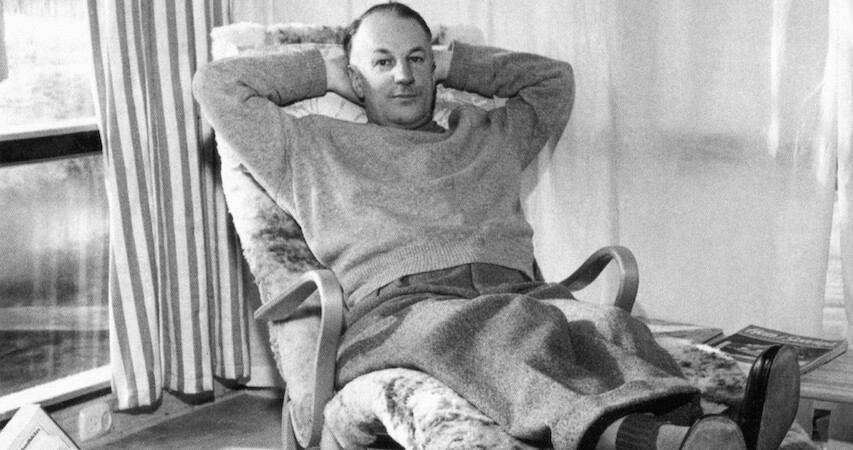
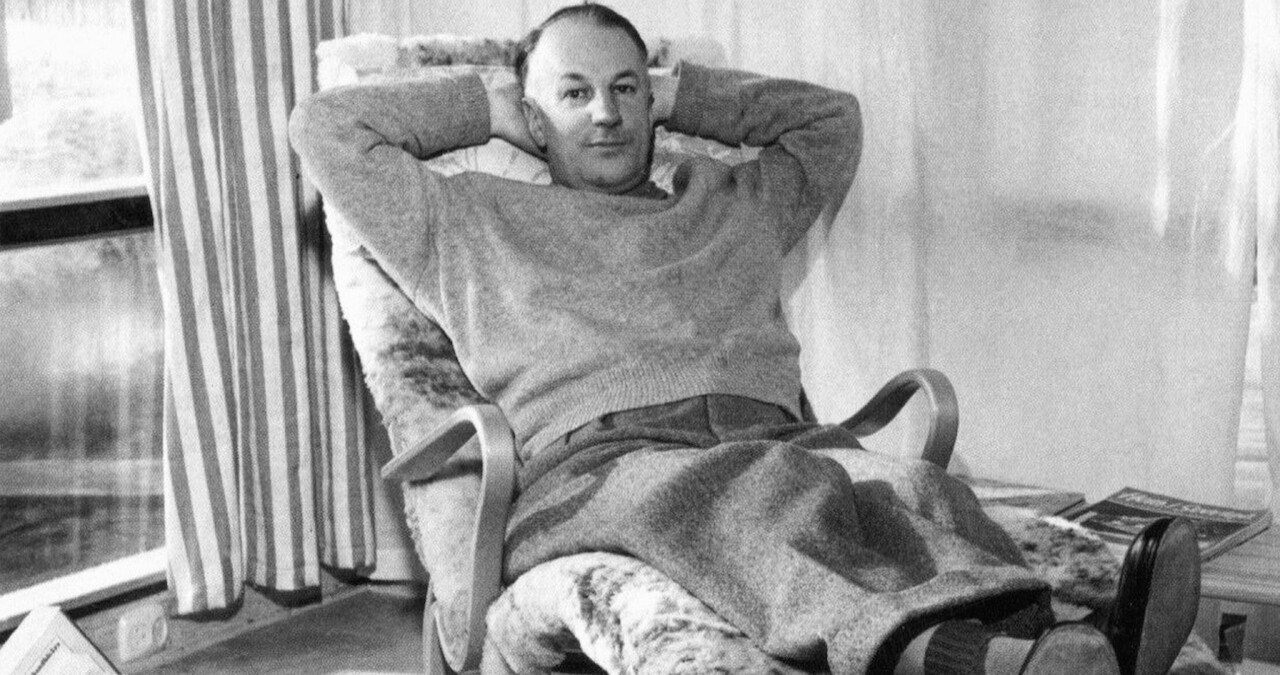
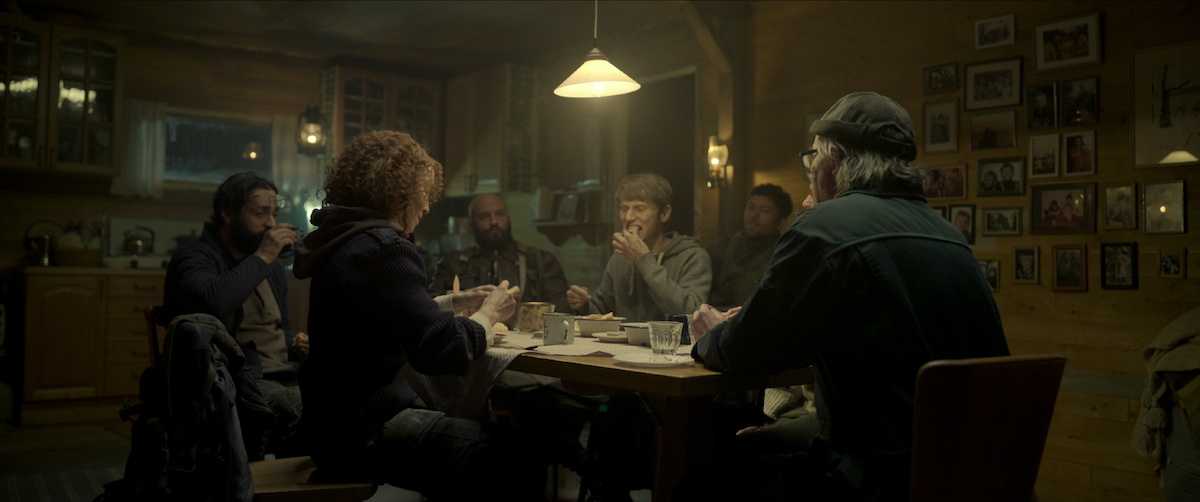
After busting into a quaint cottage alongside his fellow soldiers and sitting down to dinner with the home’s residents, Malik (Dar Salim), a burly former hockey player, stuns the group with his deep knowledge of Swedish furniture designers. He first points out an Axel Einar Hjorth low table in a corner of the cottage, and then goes into extreme detail about the, ahem, design process behind the Bruno Mathsson “Eva” chair he sees next to the couch. “You know how Bruno Mathsson designed that chair?” Malik asks. “He sat in a snowdrift and shaped it after his ass.” Amid laughter from the group, he continues, “Look, it’s a perfect butt.”
Malik, a true Renaissance man, reveals that he’s a furniture collector, having picked up pieces here and there that were left by people during the war. What he really wants to do after the fighting is over, he says, is “open a little antique shop.”
So what’s the deal with Malik? Does he know what he’s talking about? And, most importantly, is he right about the butt? Here’s what Sarah Lichtman, assistant professor of design history at Parsons School of Design, has to say about the furniture mentioned in the film.

Malik says that during the war, he collected pieces of furniture from homes. At first, it’s almost hard to tell if he’s joking or not, but he is a Renaissance man in that way. It’s so interesting that these pieces of furniture have become so closely identified, I think, with Swedishness, or the Swedish identity — that these are the cultural products of Sweden and this golden age and the time of this Third Way, where the welfare state is really coming into its own. It’s at its peak. Sweden is becoming modernized. It’s really entering into the world.
We think about Sweden as Sweden today, but until the 1920s, Sweden had the lowest standard of living in all of Europe. It was horrible. The poverty in Sweden, the lack of literacy, the lack of industrialization and opportunity. It was really a class system where you had upper-class people and peasants who were working on farms. Many of them who didn’t even own them — really like tenant farmers.
And during the 1920s, Sweden undergoes this real change. It’s the opening up of Sweden to the world. So it’s interesting to associate Mathsson and other designers with this, because they’re part of this whole wave of really redesigning Sweden, and Sweden values design so much — and that emphasis on domesticity. It’s not surprising that this guy would be going around collecting these things, and he would be in people’s houses, because this is the essence of Swedishness. This is maybe what’s remained, or what’s survived in this postapocalyptic world, because this is like the bones, almost, right? The bones of society that’s left.
What, in your opinion, is unique about the furniture designers Hjorth and Mathsson? Would you say they go together in some way from a historical perspective and from a design perspective? It’s so interesting because Bruno Mathsson is quite well known. He’s not one of the most well-known Swedish designers, so that’s interesting already, but he’s quite well known. The other one, Hjorth, is very little known outside of Sweden. So this is a name that I don’t think a lot of people are going to know yet, certainly outside the country, and even in Sweden, it really is more of a niche kind of design aesthetic.
I think there are a couple of reasons for this. With Mathsson, he was a much more international designer, and he’s also of a different generation. Mathsson was born later, so we’re already in the 20th century, and he exhibited internationally. He had his stuff at world fairs in New York and San Francisco… he’d exhibited in Paris in 1937 with his own designs, so he was all over the place.
What distinguishes these Swedish designers from other modernists, like the Bauhaus, is they’re using wood — they’re not using metal — which is what really gives it the Swedish feel.
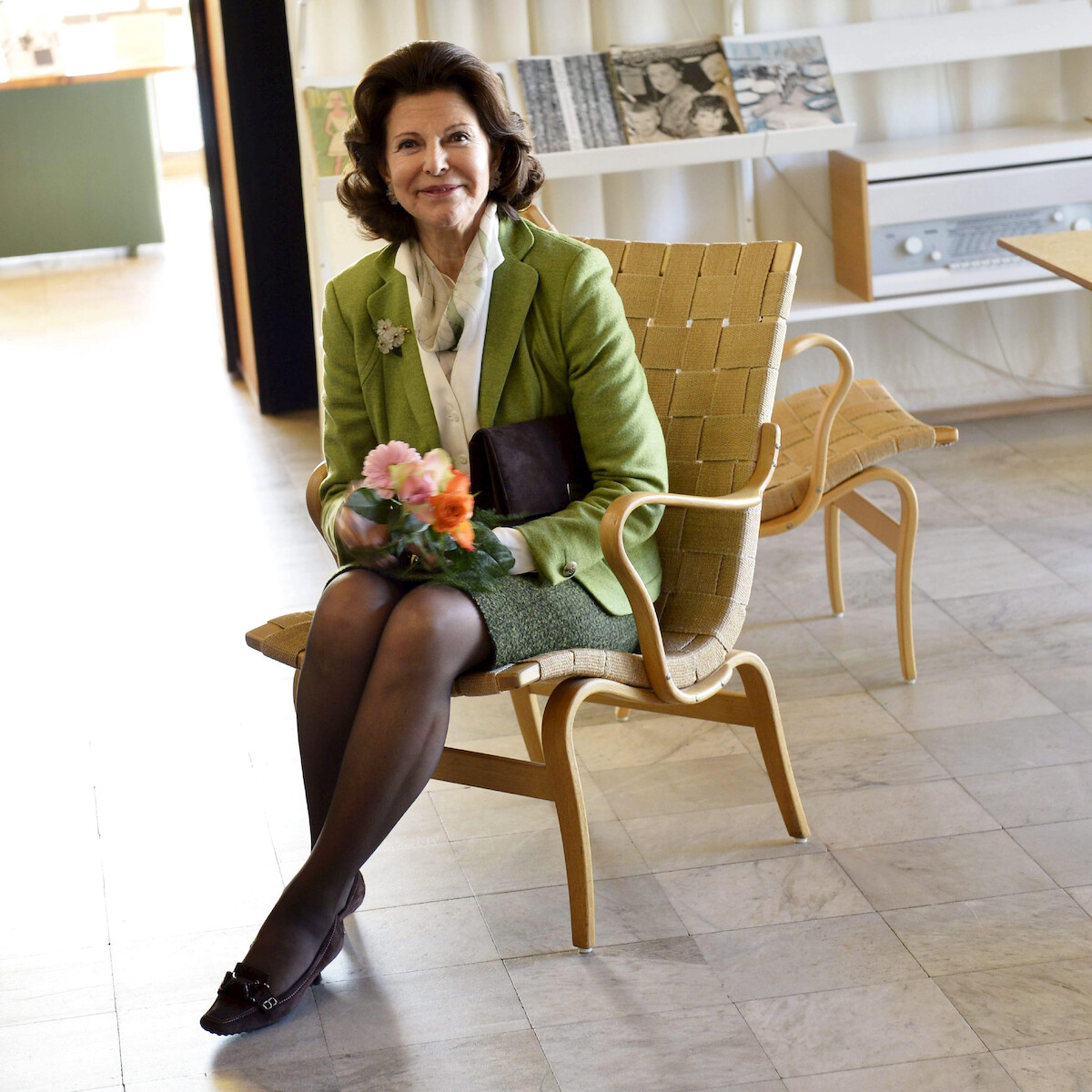
Queen Silvia of Sweden, testing out an Eva “working” armchair at an Exhibit in Varnamo, in 2013.
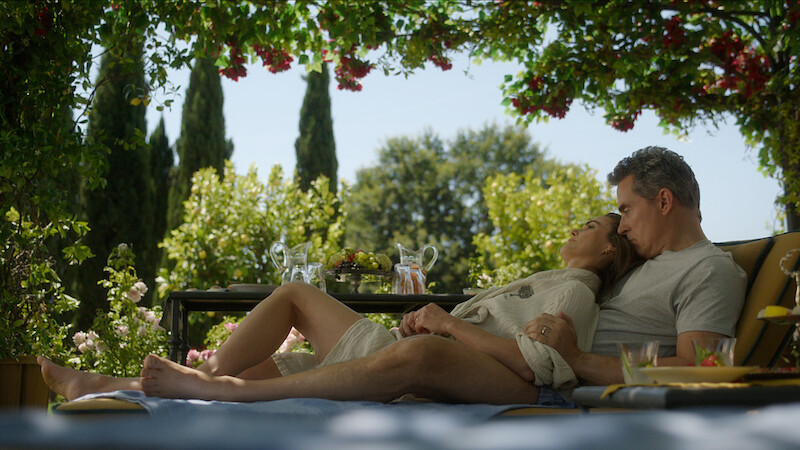
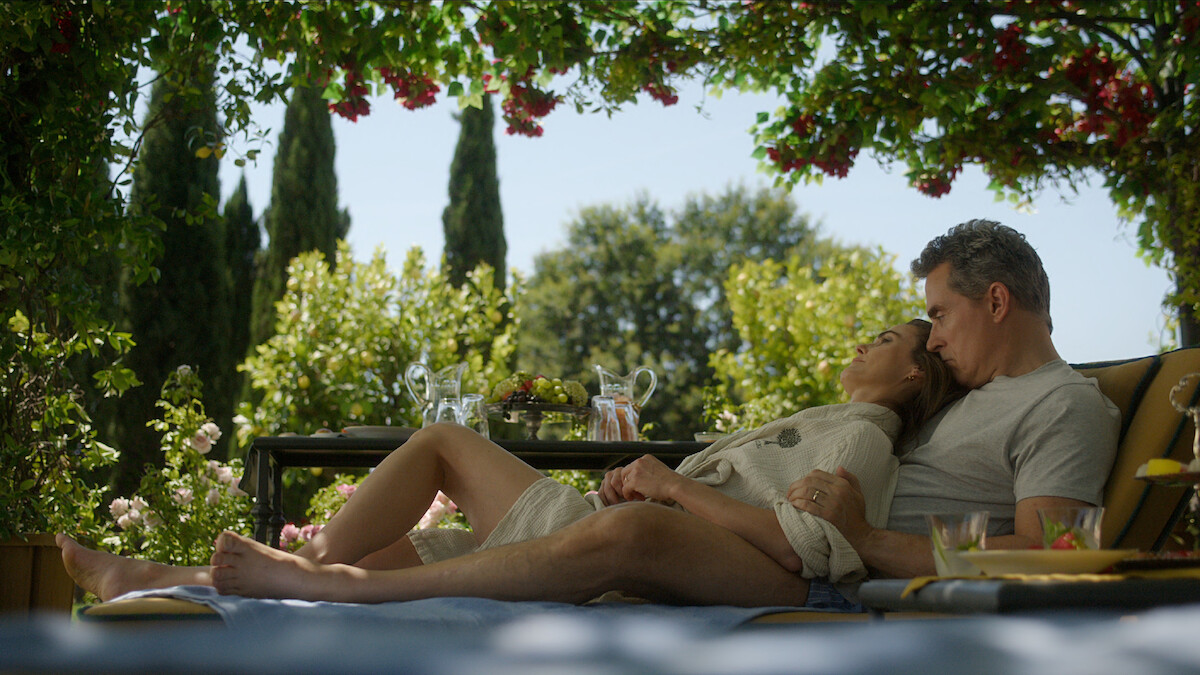
I won’t spoil it for you, but there’s a great scene in the middle of the film in which the soldiers enter a home, and the roughest, toughest soldier, who’s also a big hockey fan, sees some of the furniture in the home, and he names the designers specifically: an Axel Einar Hjorth low table — and the other thing he names is a Bruno Mathsson chair. The chairs that [Mathsson] is best known for — the Eva chair, and these other chairs that he did — these were really his signature pieces. He changed the way furniture was perceived from this oaky, spring-upholstered three-piece suite, if that makes sense, the matching Art Deco set, to these lightweight birch-framed chairs with no upholstery. I don’t know if you see [the chair in the film], but it probably has this hemp — it’s not a lining. It’s like a webbing, almost. And this was the real revolution in what he did, that he uses these types of hemp webbings that do a lot of things, right? They’re lightweight, they’re more hygienic, they fit into this idea of functionalism, because there isn’t a lot of ornamentation or decoration — all of these things.
These [Mathsson] chairs are really beloved in Sweden. And it’s interesting that in the postapocalypse, this chair remains. Almost as a link back to the essence of Swedish identity and domesticity in this period.
Another thing that’s amusing: Again, this rough-and-tough soldier, he starts talking about the Eva chair, and he says [paraphrasing], “Well, you know that Mathsson sat in a snowdrift and he shaped it in the shape of his...” bottom, or hindquarters, shall we say, to be polite. Is that accurate? Yes! I mean, yes, it is a story that is told about the Eva chair — whether it’s apocryphal or not, it’s reproduced everywhere. And this is something that Swedish designers did. There’s another designer, G. A. Berg, who also designed at the time, [who] was said to have done as well. And, yeah, that’s what they say, that he went into the snow, and it got the shape of his body. And it’s really, again, one of these first designs looking at ergonomics that Sweden becomes so well known for in the future. Looking at the comfort of the user, looking at the person who’s using the chair, and trying to make the chair fit the person. And this was really important to many of these designers working at the time, in particular Mathsson, and how someone fits into it, how the curve of your back would fit into it.
For the other designer [Hjorth], do you know what it looks like? Is it one of the pine pieces, or is it more of a fussy piece that they have of his?
It’s a low table. The wood looks pretty dark. I spoke briefly with the production designer, Linda Janson, and she said, “There are copies of the low table out... That low table costs about 30,000 to 35,000 euros, if you can find it.” Yes, so his work has gotten very expensive because I don’t think there’s that much of it — but he’s sort of a weird designer, definitely a different generation. So he’s born in the 19th century, and his trajectory is: He started out designing in this classical style. It was something called Swedish grace, where he’s looking back to these classical forms and images, very Art Deco — it’s that Scandinavian Art Deco.
And then, in the late 1920s, he becomes the design director for a very important store called the NK, which is a very fancy department store that’s still around in Stockholm today. You can still visit it. So while he’s designing all this furniture, it’s really not under his name — it’s under the NK label, but it also goes all over the place. It’s a little fussier, if we compare it to Mathsson, a little more traditional.
But then what happens is Sweden takes this — it’s called the Third Way. It’s not capitalism. It’s not socialism. It's this Third Way, which is really the welfare state, where everyone takes care of each other. And there are security services. And one of the things that happened is they shortened the workdays. And they extended vacation to all workers, something that hadn’t existed in Sweden. And as a result, lots of working-class people begin to buy these little cottages — it’s very common in Sweden — by the lakes, and things are very modest and cheap, so everyone can really afford them.
And NK begins to design this line of furnishings. And this is really what [Hjorth] is best known for. It’s called sports cottage furniture, and it’s basically furniture for leisure. They almost look like rustic pine tables. They have these iron nails that look almost handcrafted. It’s like a mix between Swedish folk furniture and functionalist furniture. And they’re very heavy rustic pieces. And that’s his thing. So they’re very different from Mathsson. If Mathsson is almost ethereal in its form and its lightness, you could say that Hjorth is this really solid, almost peasant craft furniture.