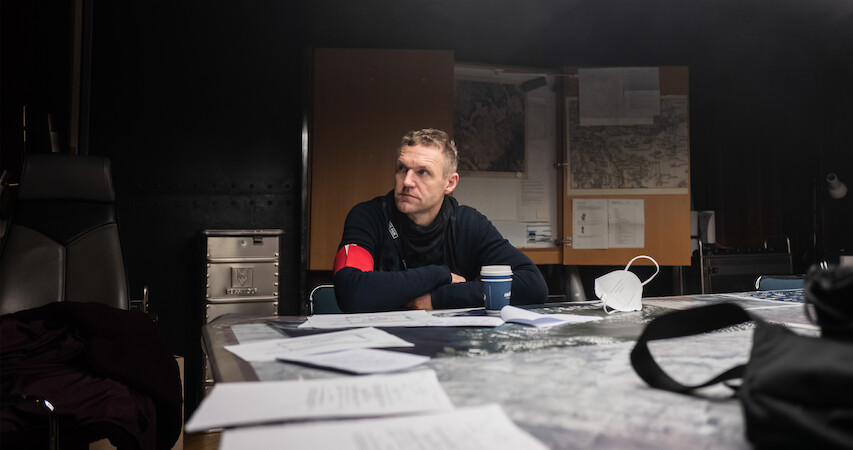
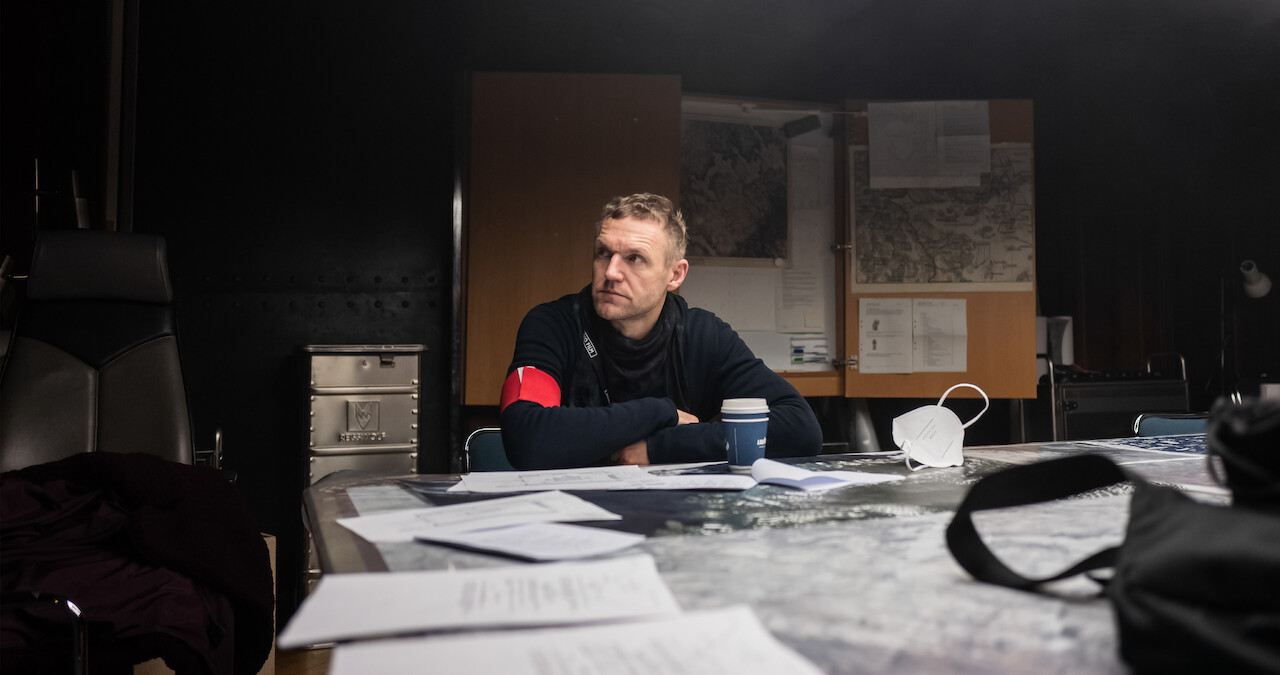
Johan Bergmark/Netflix
Interview
How Adam Berg Shot ‘Black Crab’ by Moonlight in Subzero Temps
He also wrote the movie specifically for Noomi Rapace.
By Samantha Nelson
March 18, 2022
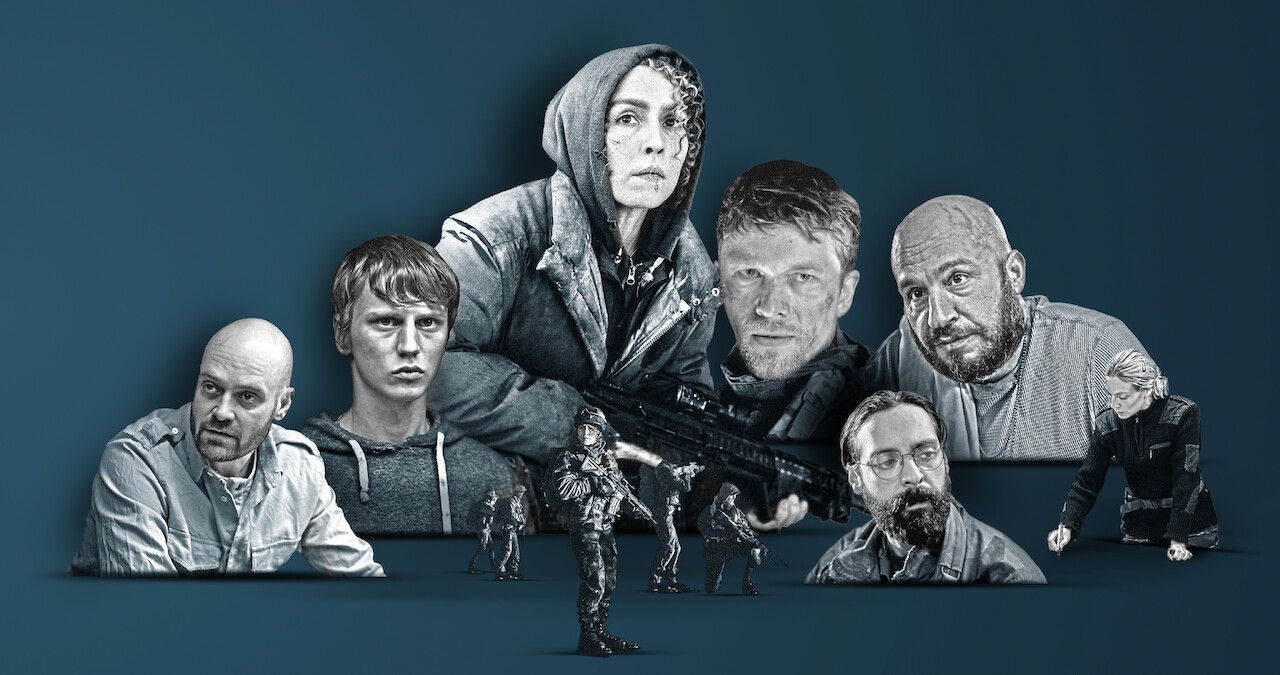
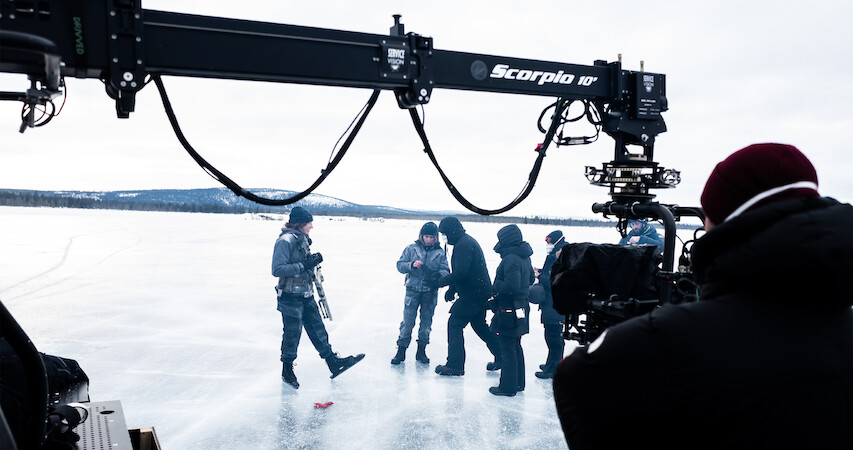
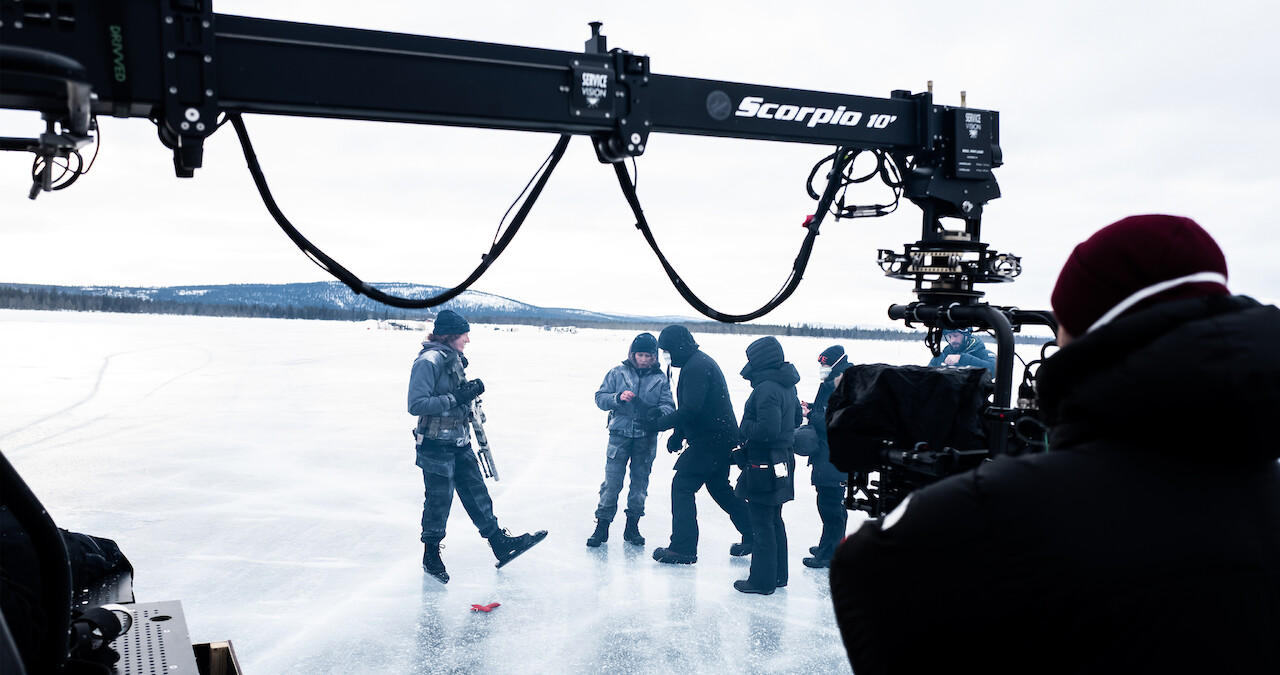
Adam Berg has directed a short film and created numerous commercials for big brands, including a spot for Philips that won a Grand Prix at the Cannes Lions International Advertising Festival, but the Swedish action thriller Black Crab is his first feature. Based on Jerker Virdborg’s novel of the same name, Black Crab follows a small unit of soldiers as they attempt to cross a frozen archipelago on a mission to end a war. Filming the spectacular wide shots on the ice, the actors and crew were often just as vulnerable to the elements as the film’s characters.
In conversation with Tudum,Berg, who also co-wrote Black Crab with Pelle Rådström, speaks about his vision for the film, which juxtaposes the horrors of war against the harsh beauty of nature, how he wrote the movie for Noomi Rapace, and the challenges of getting the lighting right and teaching his actors to skate.
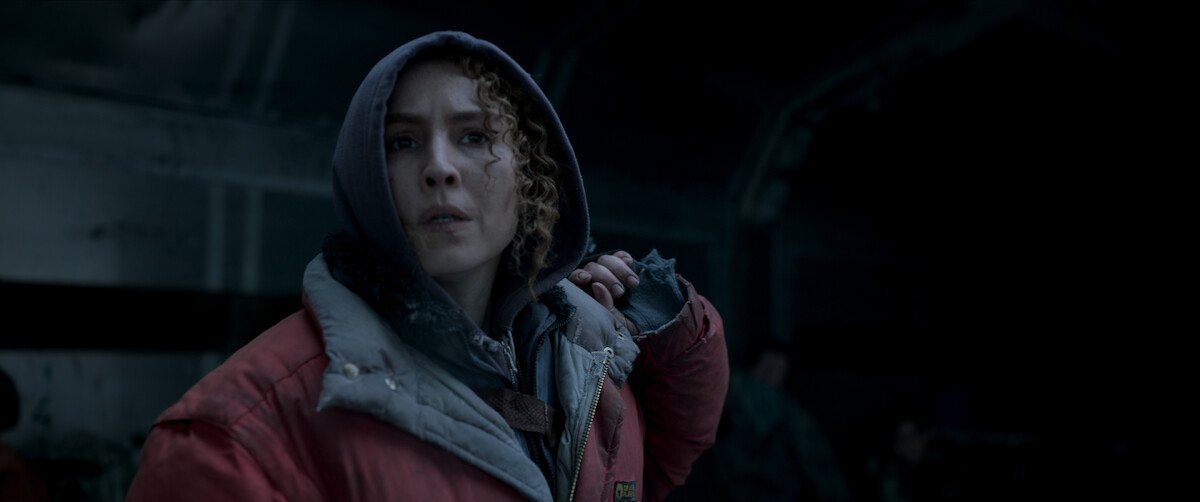
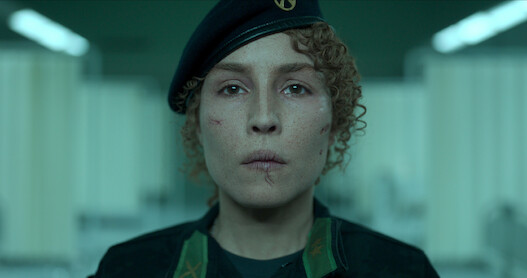
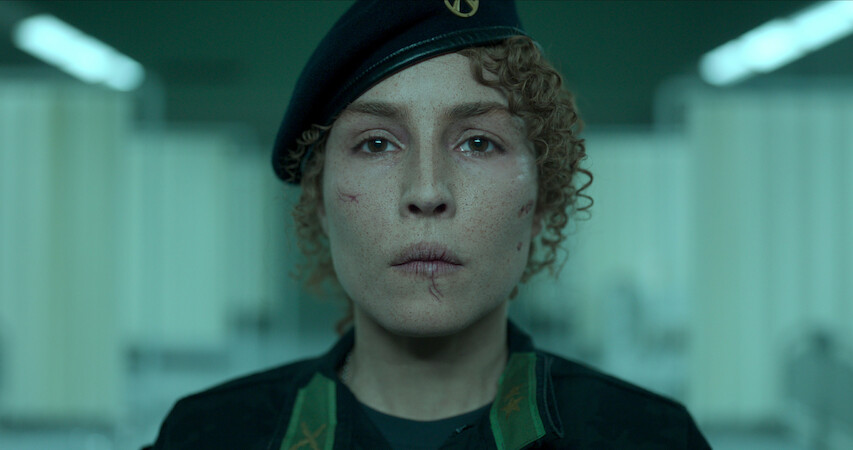
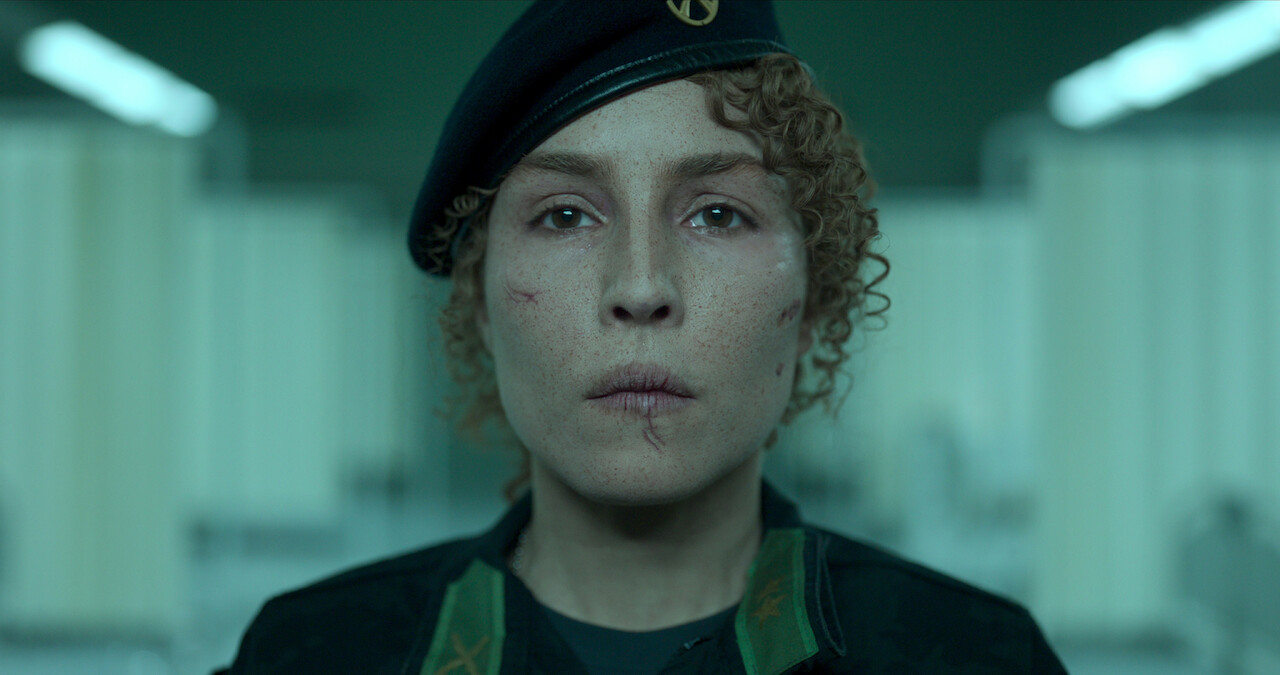
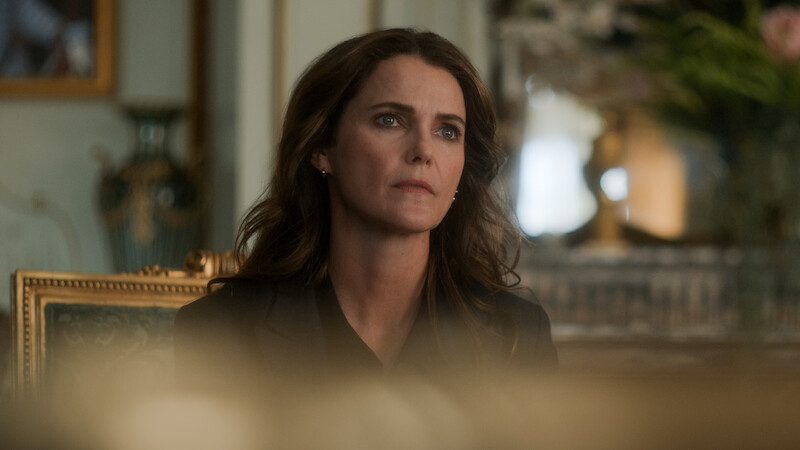
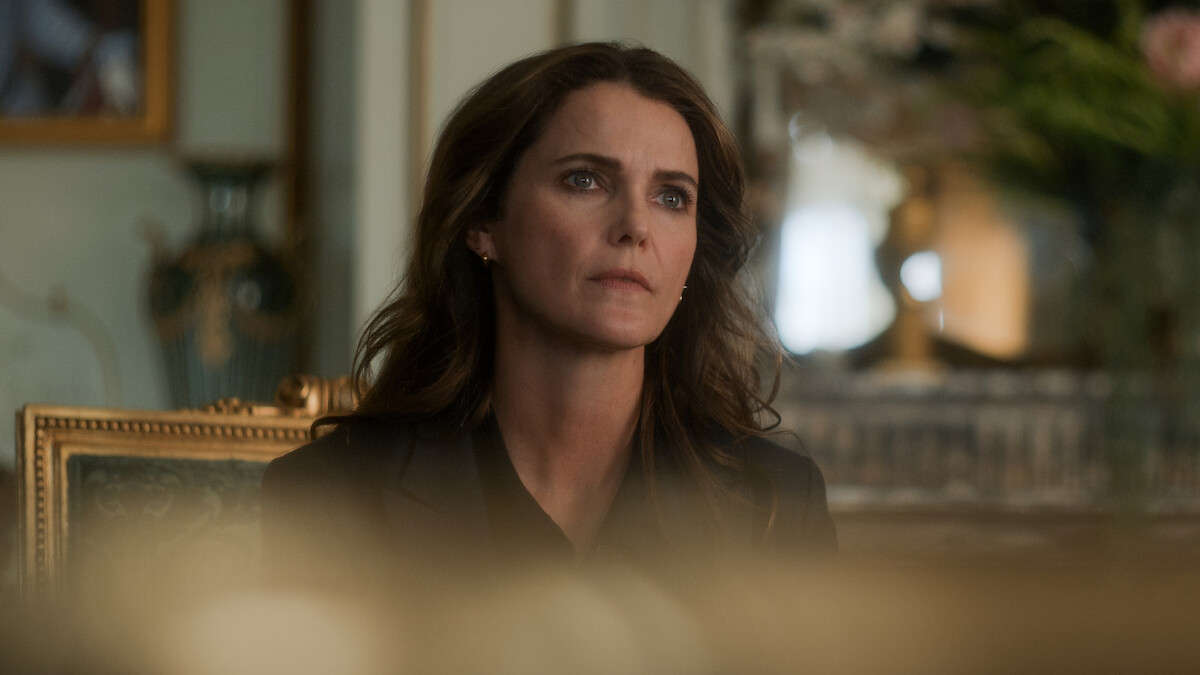
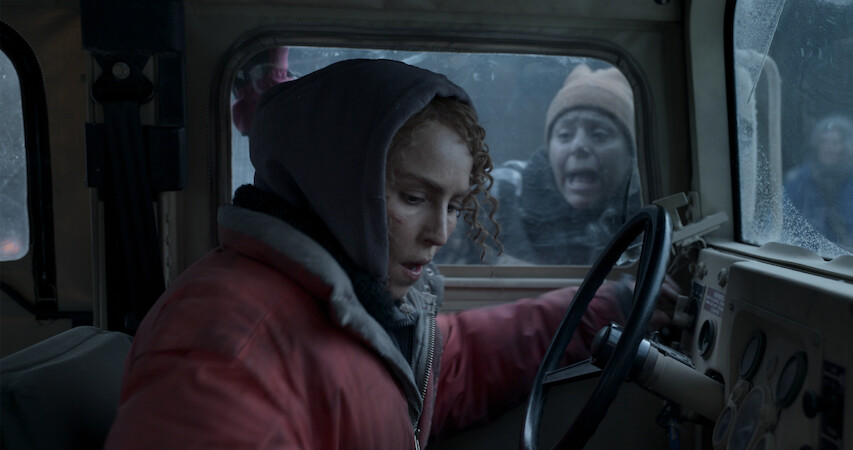
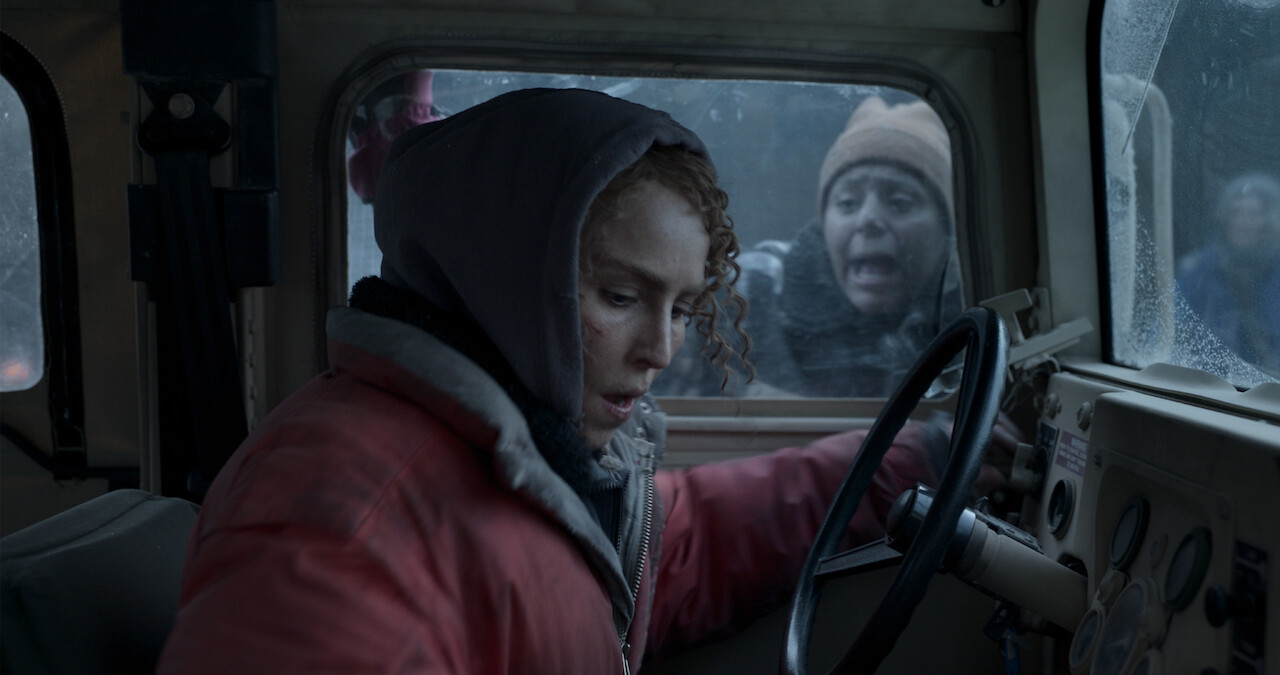
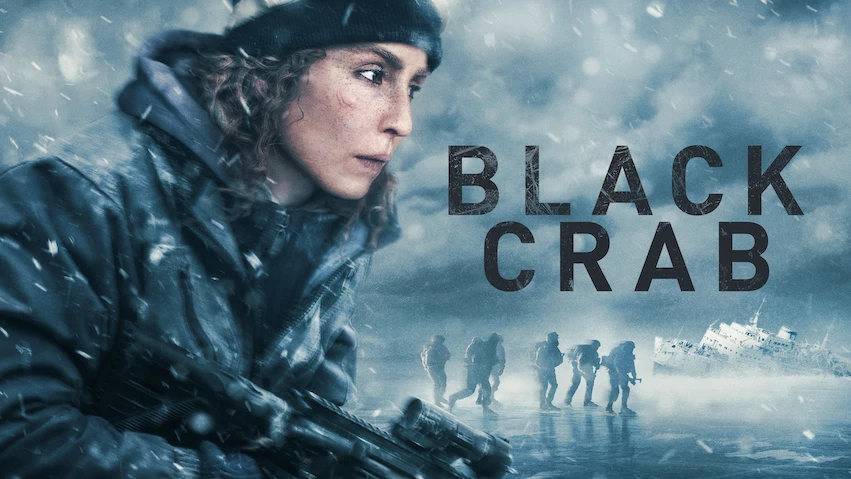
Noomi Rapace as Caroline Edh.
How did Noomi Rapace get involved with your film? I met with her like five, six years ago and just talked about the project, and she was kind of into it. So, from that point on, the main character (Caroline Edh) became her. In the book, her character is actually a male character, so obviously that was one thing we had to change. But I think it was all the better for it.
What appealed to you about the book Black Crab? Obviously, it has this visual landscape that I really liked and I could just see in front of me, but also the themes of alienation, distrust and misinformation set in a world where you don’t know a lot. You don’t really know who the enemy is, who they’re fighting or where you are or who the other people are. You’re put in this situation, like the soldiers are put in the situation, then you go with it. The lack of information in it was quite appealing to me.
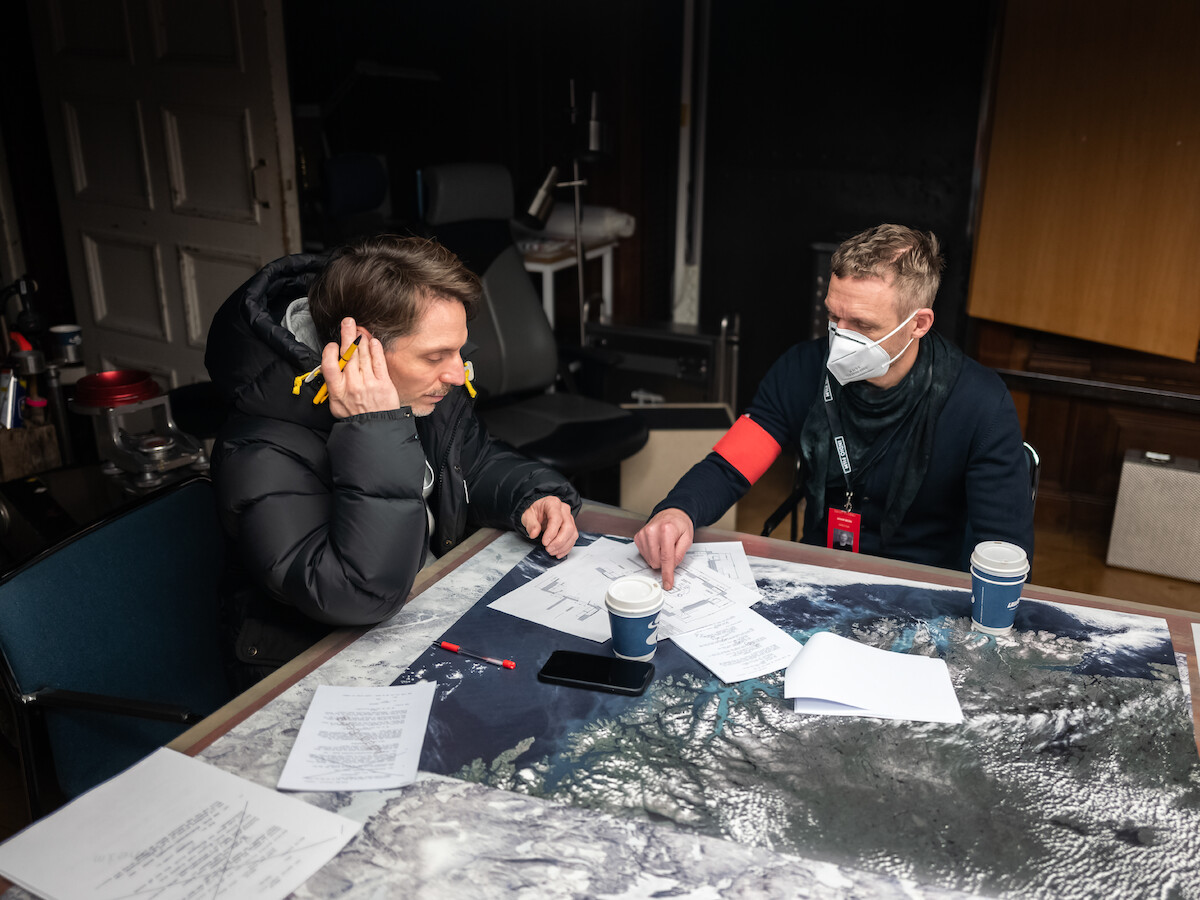
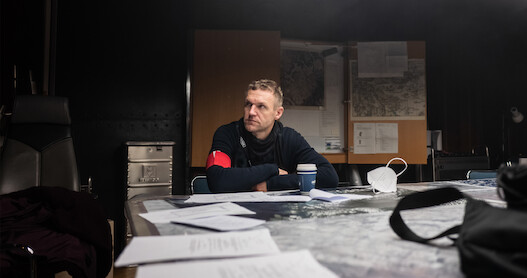
Berg during the production of Black Crab.
How did you choose the music for the film? The music is by a band called Dead People I was in contact with about making a music video for them. Their sound felt perfect for that sort of eerie quality that we wanted from the world here. We kind of wanted to steer away from a classical score, so we wanted something to be quite modern and quite cold and quite technological.
There’s a very creepy scene where the characters find bodies frozen in the ice. Where did the idea for it come from? The ice is never quiet. It kind of sings, and it moves because the seawater underneath it is moving. I remember when I was a kid, and we went out to do some ice fishing. There were always these “boom, boom” sounds when air bubbles from the bottom rose up and were hitting the ice. I thought it was like someone was underneath the ice, hitting it. That idea stayed with me. I wanted to take those sounds and make it so that the ice was almost a character of its own in the film.
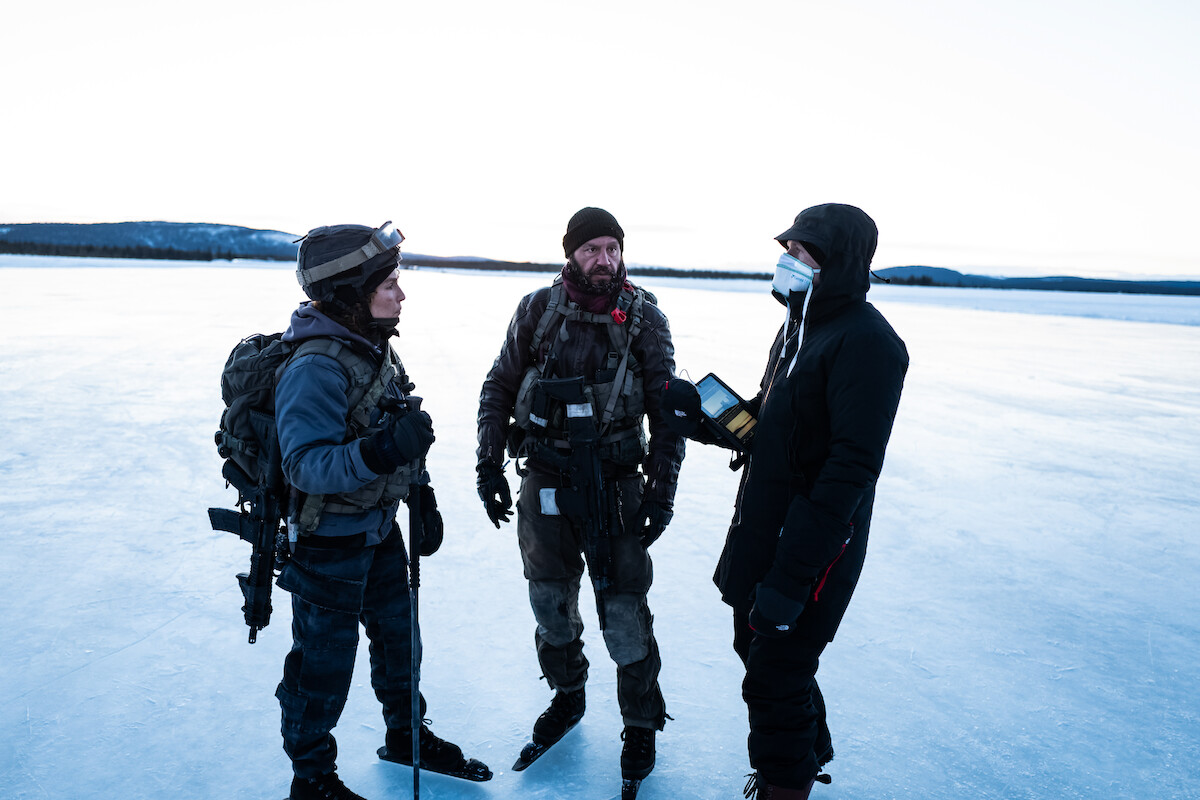
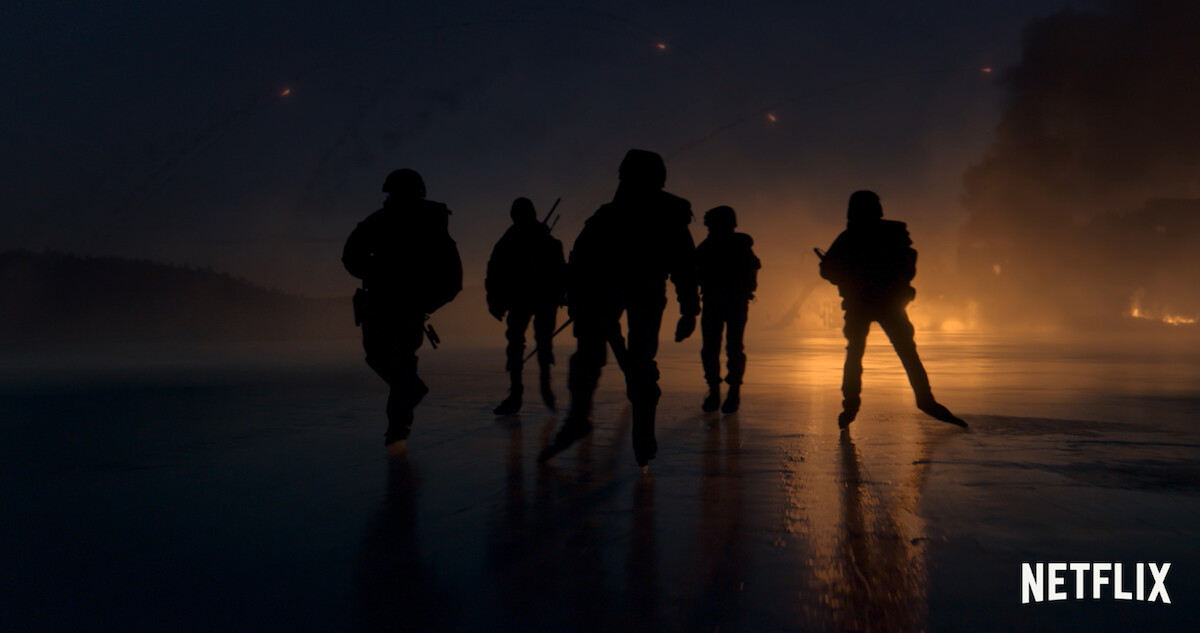
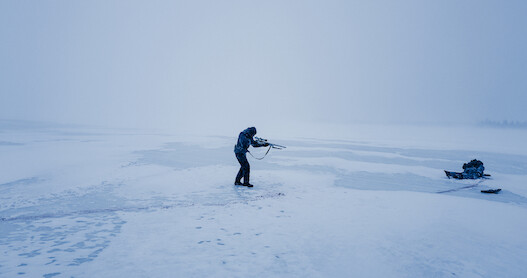
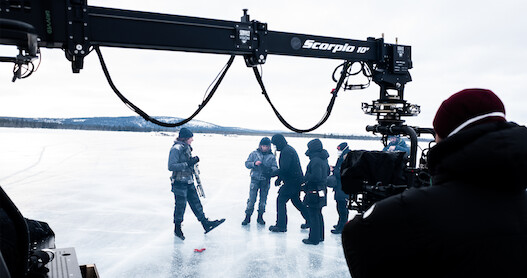
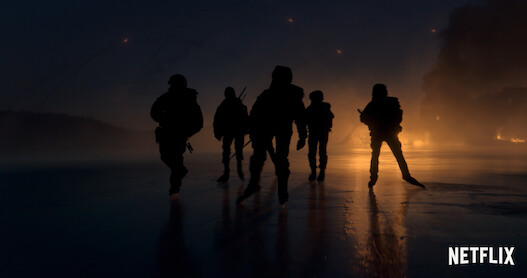
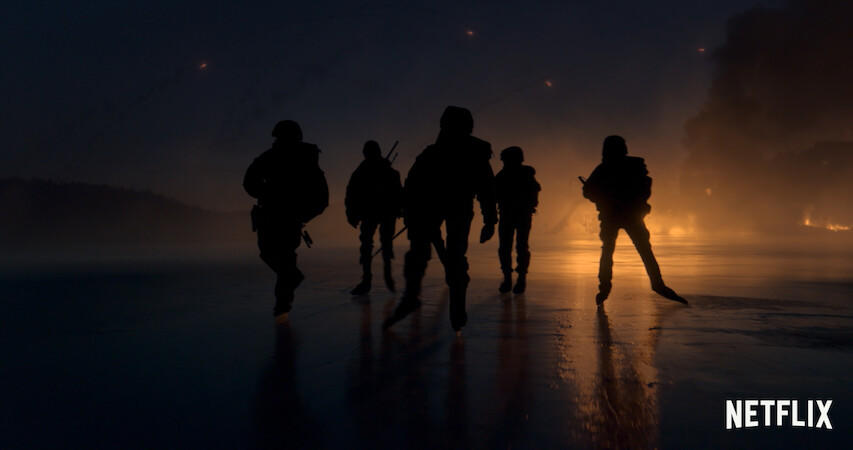
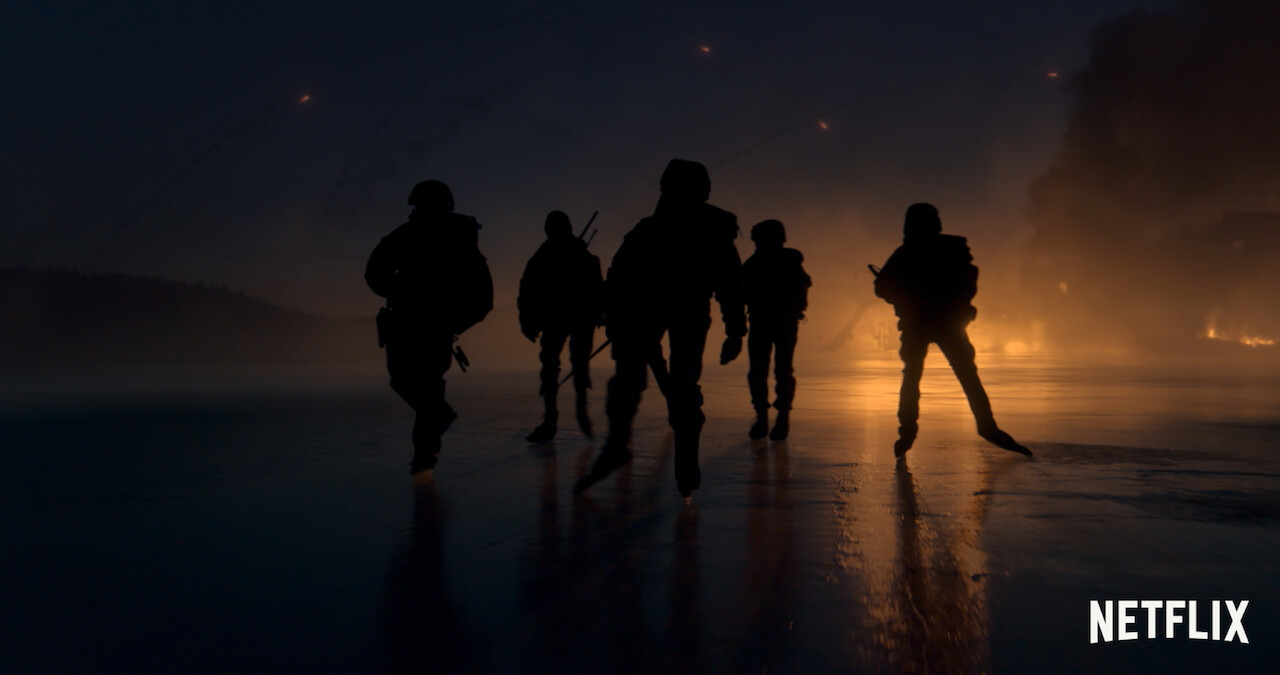
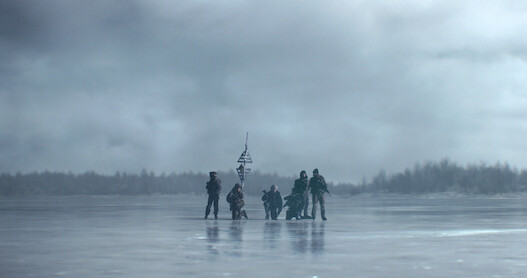
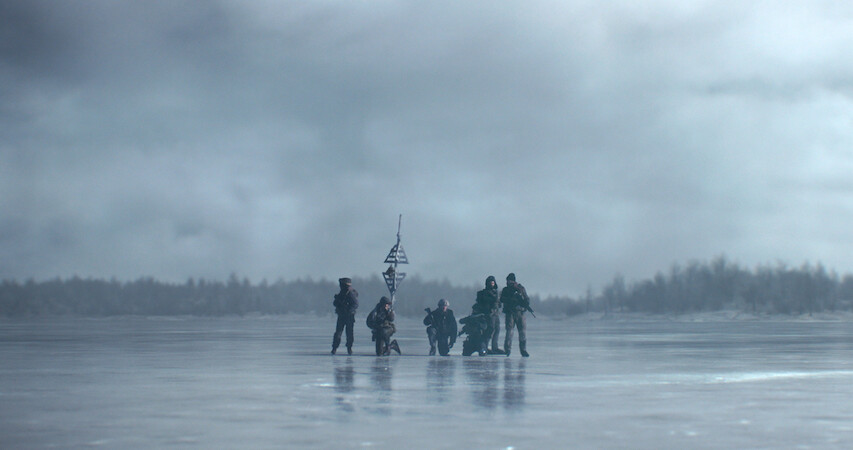
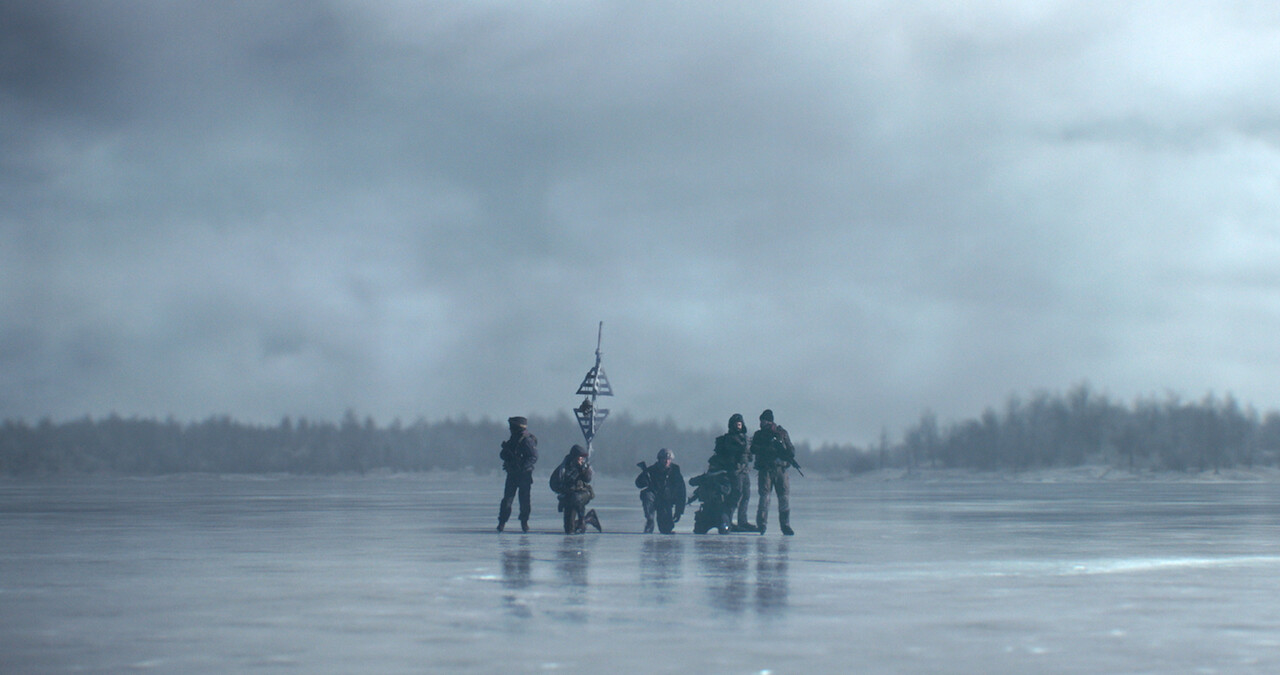
How much of the skating was shot on the ice as opposed to a sound stage? Most of it we shot out on real ice on frozen lakes. That’s where we shot the big wide shots and the helicopter chase. The more complex post-heavy set pieces, like when they fall through the ice and when they skate over the thin ice that kind of keeps cracking, were done with rollerblades on a soundstage.
Were there stunt skaters or were most of the actors actually on skates? The actors were on skates for quite a bit of it. For some of the really wide shots, we used stunt skaters. The actors trained quite a lot with a Swedish Olympic gold medalist skater. Unfortunately, it was during COVID, so Stockholm city decided to switch off all the ice rinks and melted all the ice. So, we had to go quite far and wide to find the proper ice for them to actually skate on. Even during the shoot, they kept training.
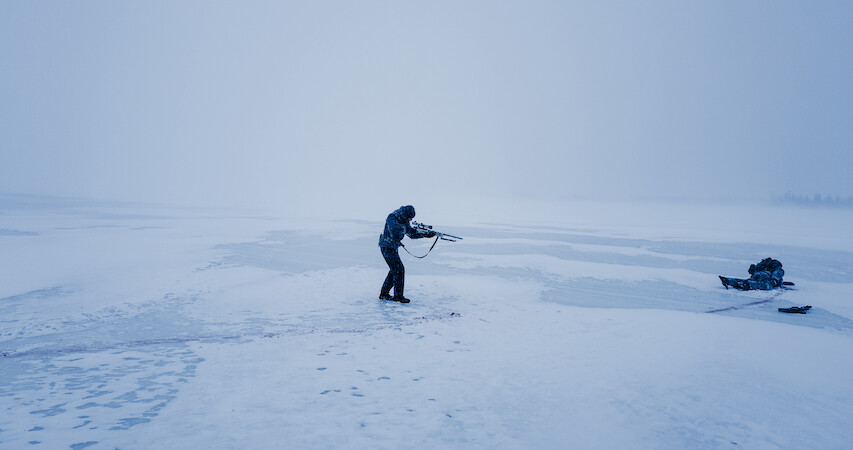
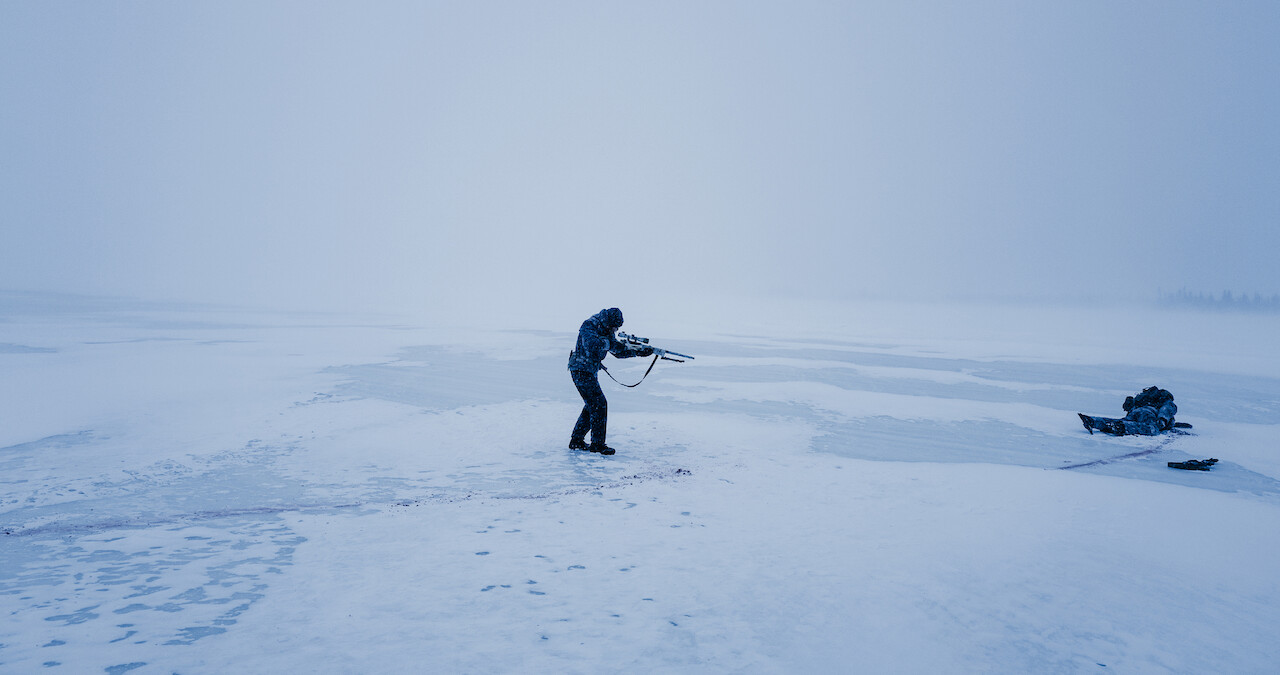
How did you get the timing right for all the shots you have at dawn and dusk? That was a bit of a nightmare. We were quite lucky since it was quite overcast a lot of the time we were out on the ice, so we could almost use a bit of day for night to kind of tweak it. We had this sort of dusk feeling for quite a lot of it. The problem is, when you’re out shooting at night, it’s very hard to not make it lit. You need to create some sort of idea of a light source. When you’re outside on the ice and there’s a lot of snow, there’s so much reflected light, so you get that sort of blue-hour feeling for quite a lot of it. So, we shot a lot at the right time and then some of it was treated in post-production to make it work.
How did you balance the cinematography where you have to show the characters clearly, even though they are in darkness for so much of the film? There was very little room to have external light sources where they wouldn’t be seen, so moonlight lights them for a lot of it. When we were out on the ice, we took quite a lot of pictures in moonlight just to see how much you see with your eye. You actually do see quite a lot. Moonlight is quite hard and sharp and bright.
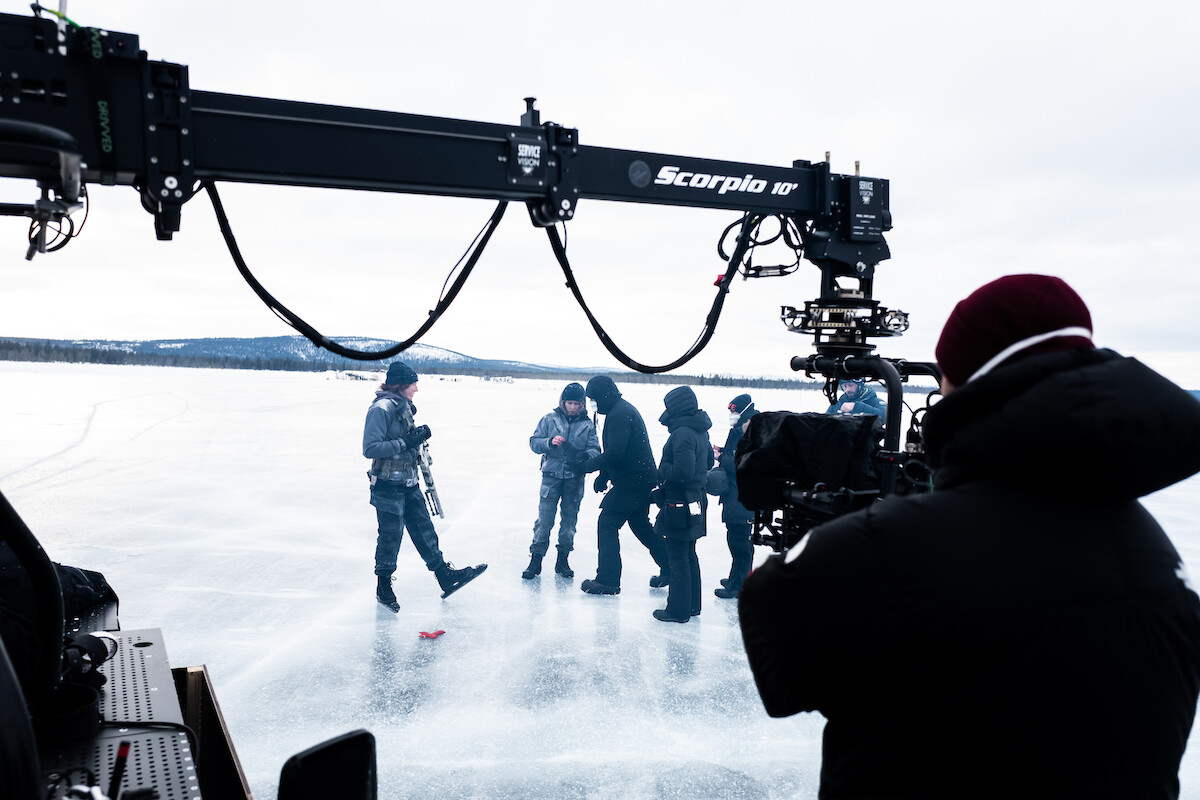
Noomi Rapace spends big parts of the movie soaking wet. How did that make shooting difficult? The wetness obviously makes her freezing for quite some time. You had to be careful how long you could have her out. When we were up north, it was -20 or something at night when we were shooting. You have to be extremely careful so that no one actually gets injured.
How did you maintain the tension in the film? It was actually quite tense on the shoot. We didn’t do many simple setups. There were always complications and a lot of challenges because it’s cold and it’s dark and it’s tricky on skates with lots of equipment and a gun. But the idea for the film was to keep a very high level of tension throughout. The skaters, the Black Crabs themselves, are not really allowed to rest, so neither would the audience. You feel almost like it’s in real time.