
Neo Baepi/Netflix
Entertainment
Six Things to Know Before Watching ‘Silverton Siege’
South African apartheid is not in the distant past.
By Destiny Jackson
April 14, 2022
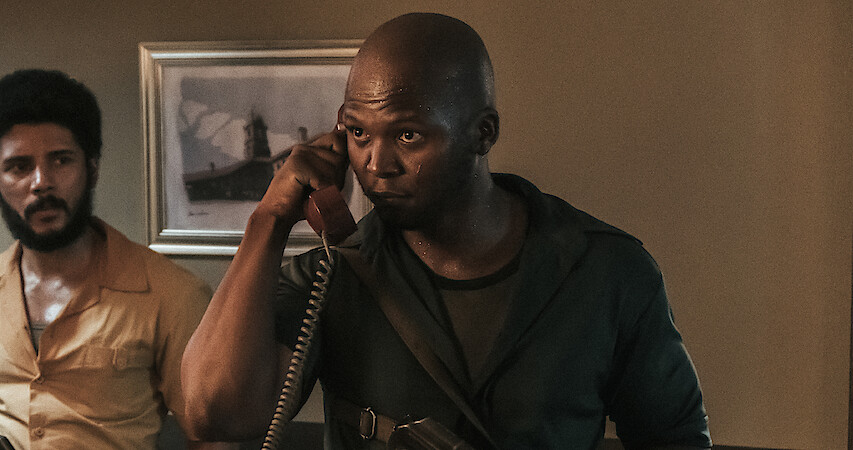
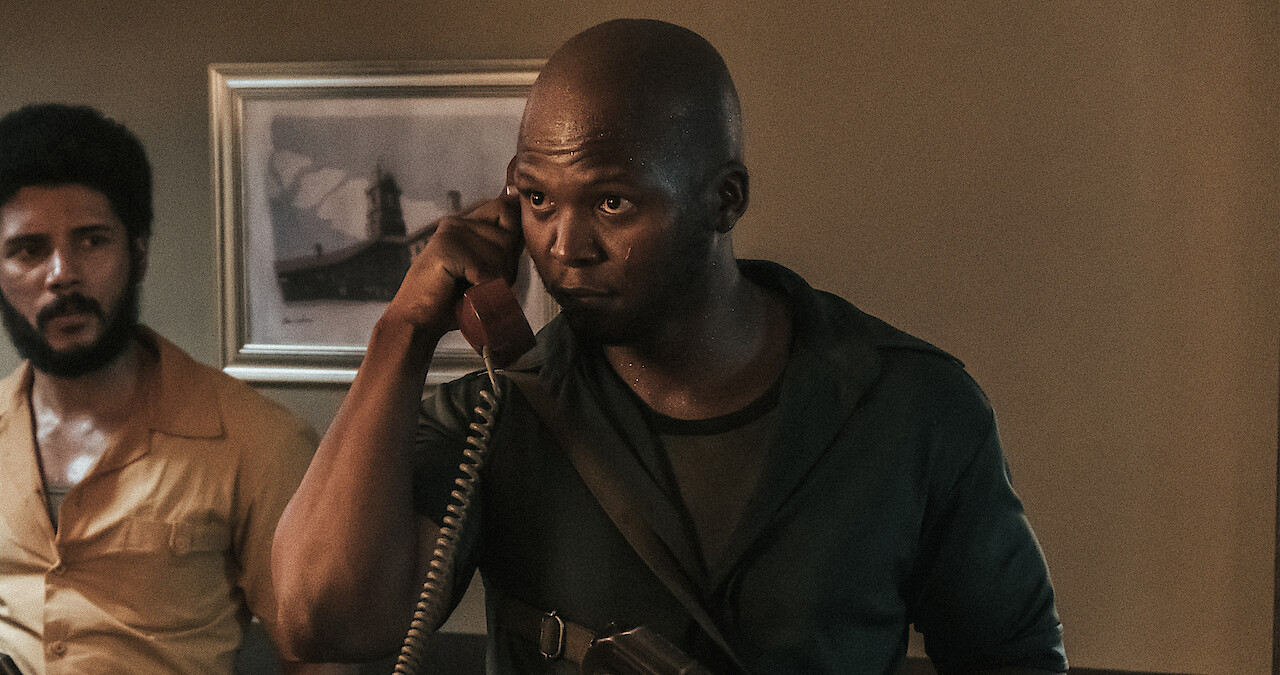
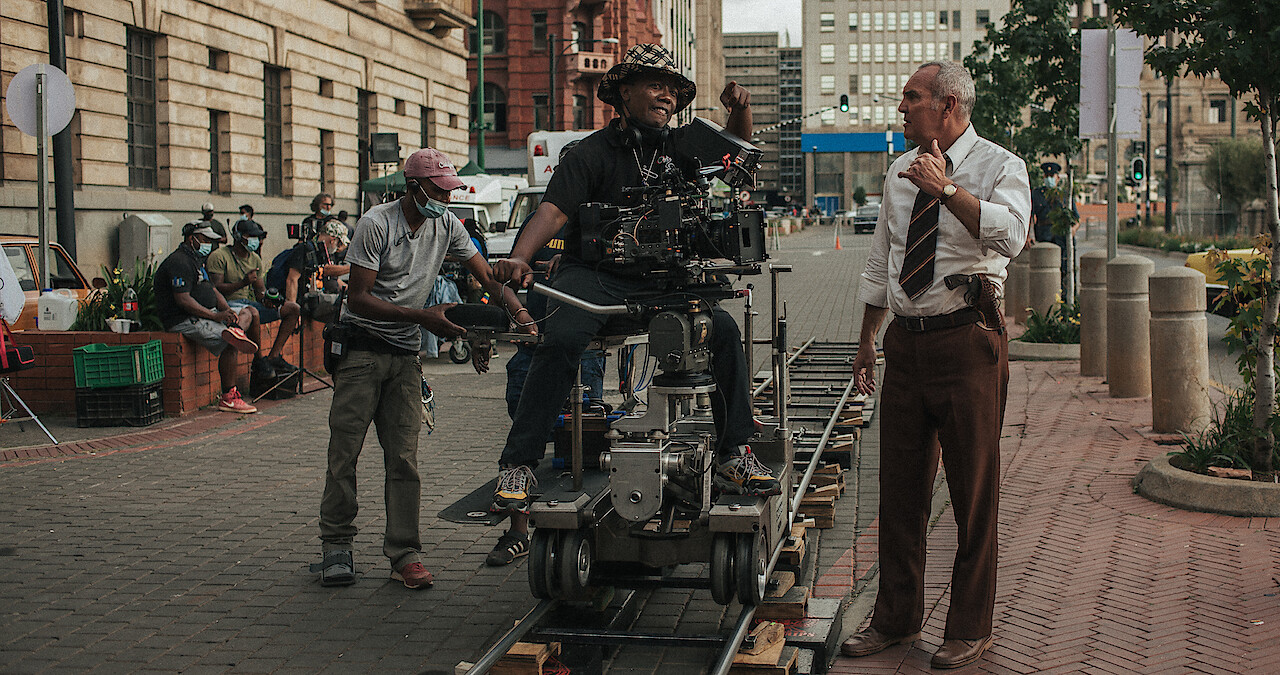
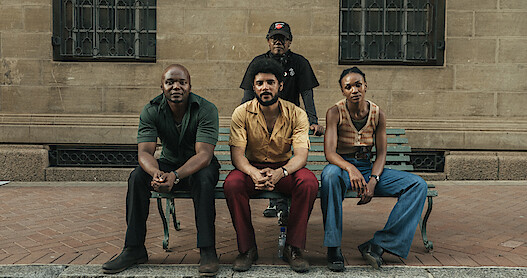
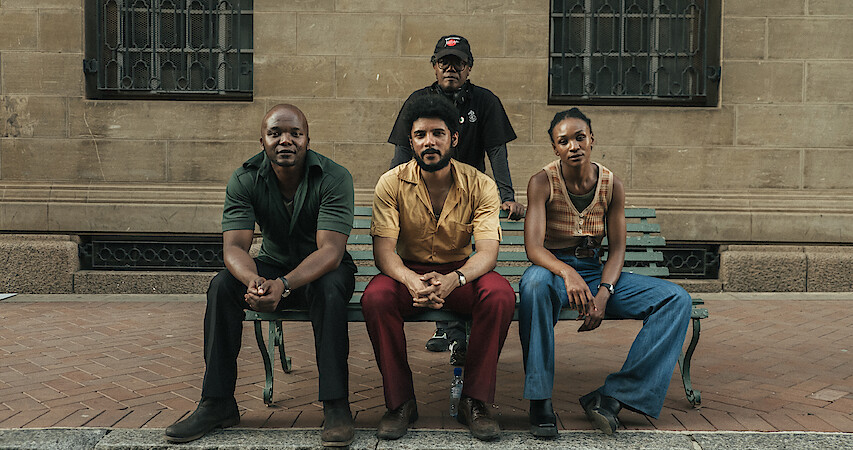
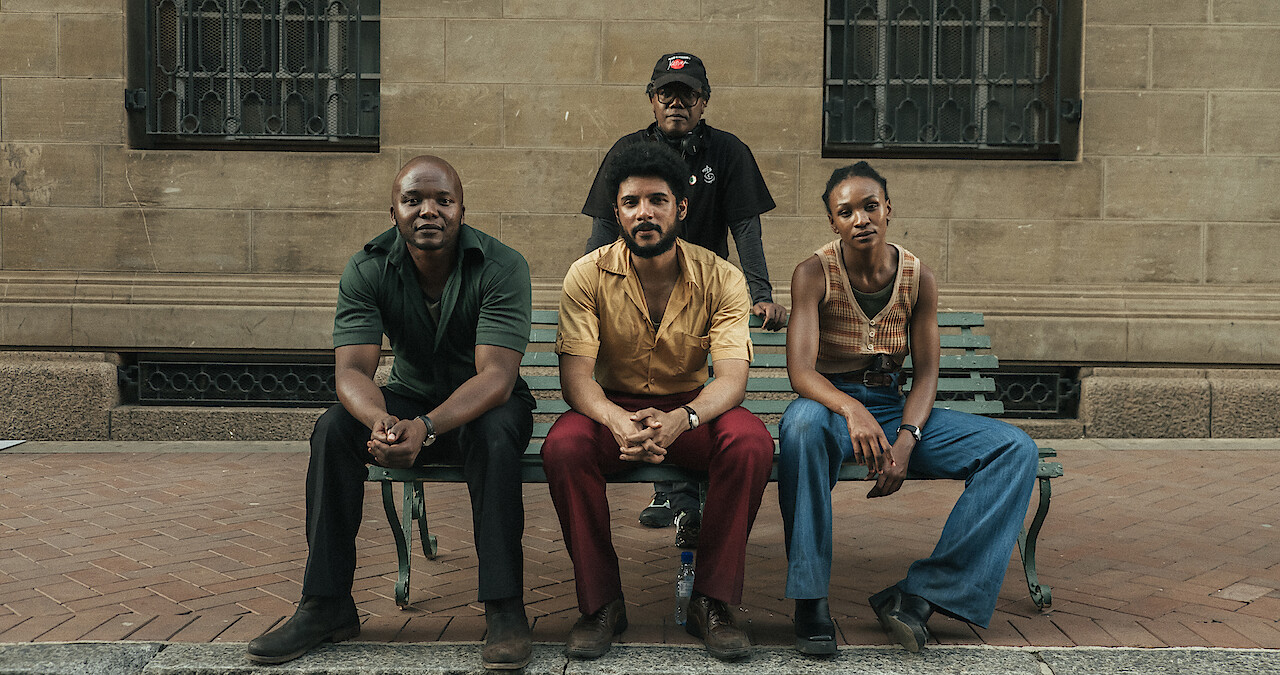
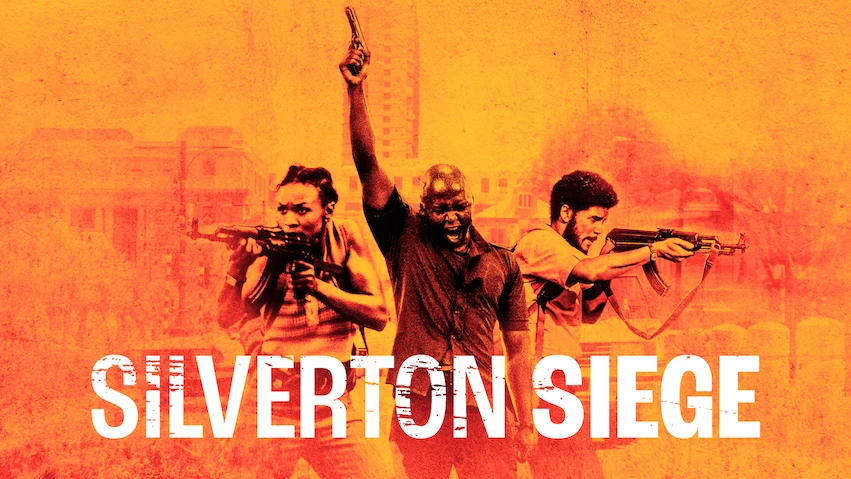
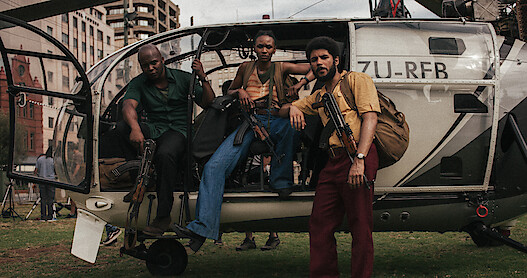
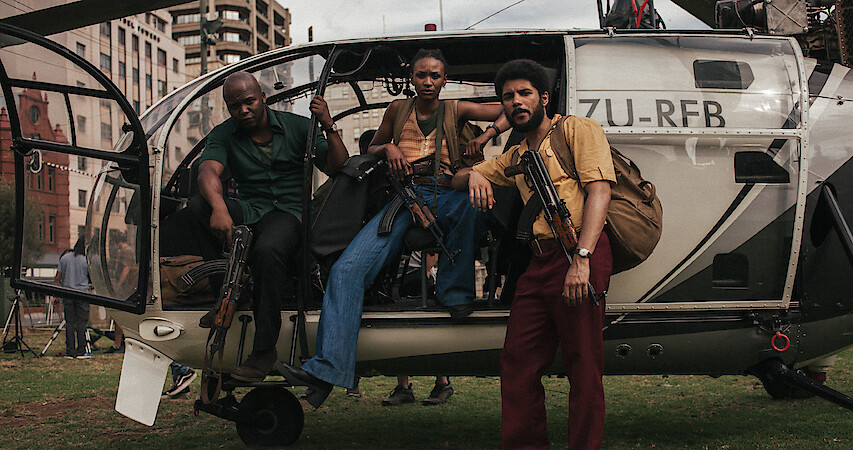
The fight against injustice can always seem impossible until it’s done, and in Netflix’s latest political-action drama Silverton Siege, the scales of justice aren’t exactly tipped in our daring heroes’ favor. Set in the1980s, on the cusp of tense anti-apartheid demonstrations in South Africa, the story follows three Umkhonto we Sizwe soldiers, Calvin Khumalo (Thabo Rametsi), Mbali Terra (Noxolo Dlamini) and Aldo Erasmus (Stefan Erasmus). They seize control of a bank and its occupants after a botched attempt to decommission a gas depot. As police catch wind of the hostage situation, the trio use the bank customers as leverage in hopes of freeing Black anti-apartheid icon Nelson Mandela.
Inspired by true events, the film wastes no time placing viewers right in the middle of the action. It brings to life the tension of more than 30 years of boiling oppression and political strife in South Africa. Need a refresher on recent South African history? We’ve got you covered in this primer to boost your knowledge and complement your viewing experience of Silverton Siege.
Who are the Umkhonto we Sizwe (MK)? The Umkhonto we Sizwe (Xhosa for “Spear of the Nation”) was a political military faction, co-founded by Mandela, aimed at fighting the South African government when peaceful demonstrations against apartheid were met with violence.
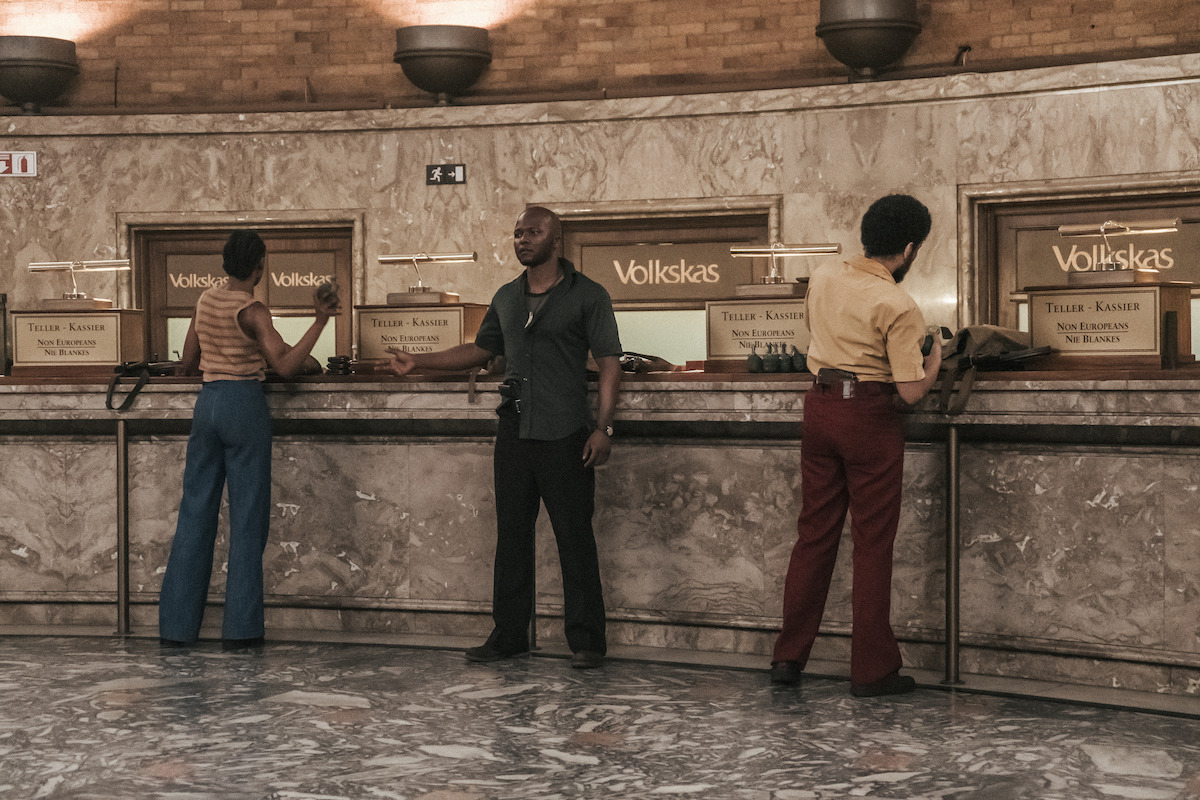
Is the Silverton Siege based on a true story? Yes, sort of. The film is inspired by a true event that happened in Silverton, Pretoria on Jan. 25, 1980. In real life, while allegedly en route to dismantle a fueling depot in protest of the South African government, three MK soldiers, Stephen “Fanie” Mafoko, Wilfred Madela and Humphrey Makhubo, were unexpectedly thwarted by the police. The three sought refuge in Volkskas Bank, where they held 25 people hostage in exchange for a series of demands, including a meeting with heads of state, a large sum of money, safe passage to escape and the release of Mandela from prison. After a six hour standoff (when the police reportedly handed food over to the soldiers and hostages), the police stormed the bank and fired, killing the trio and a couple of civilians in the process.
You can learn more about the events and the timeline of the real-life siege here.
What is apartheid? Apartheid (Afrikaans for “apartness”) refers to the period between 1948 and1994 when widely discriminatory social structure intertwined with the oppressive rules of South Africa’s all-white government, the National Party. Though the majority of South African citizens were Black, the white minority ruling class created and upheld oppressive segregationist legislative policies. During this 46-year period, there were many restrictions: Non-white South Africans were forced to live in separate areas from white South Africans, Black South Africans were relocated by tribal territories to reduce their political power, interracial relationships were deemed illegal and Black South Africans had no voting rights.
You can read more about the complexities of South Africa during the time of apartheid here.
Where does Nelson Mandela fit into the context of the Silverton Siege? Prior to the events of the film, Mandela had been arrested in 1962 and had served 16 years of his life sentence. (He would be released 10 years after the events of the film in 1990.) His imprisonment, along with that of several other anti-apartheid leaders and members of the MK, sparked both domestic and international attention. This led to various global demonstrations to help save them from the death penalty. One such demonstration was the famous Silverton Siege, which occurred during the beginnings of the Free Mandela movement.
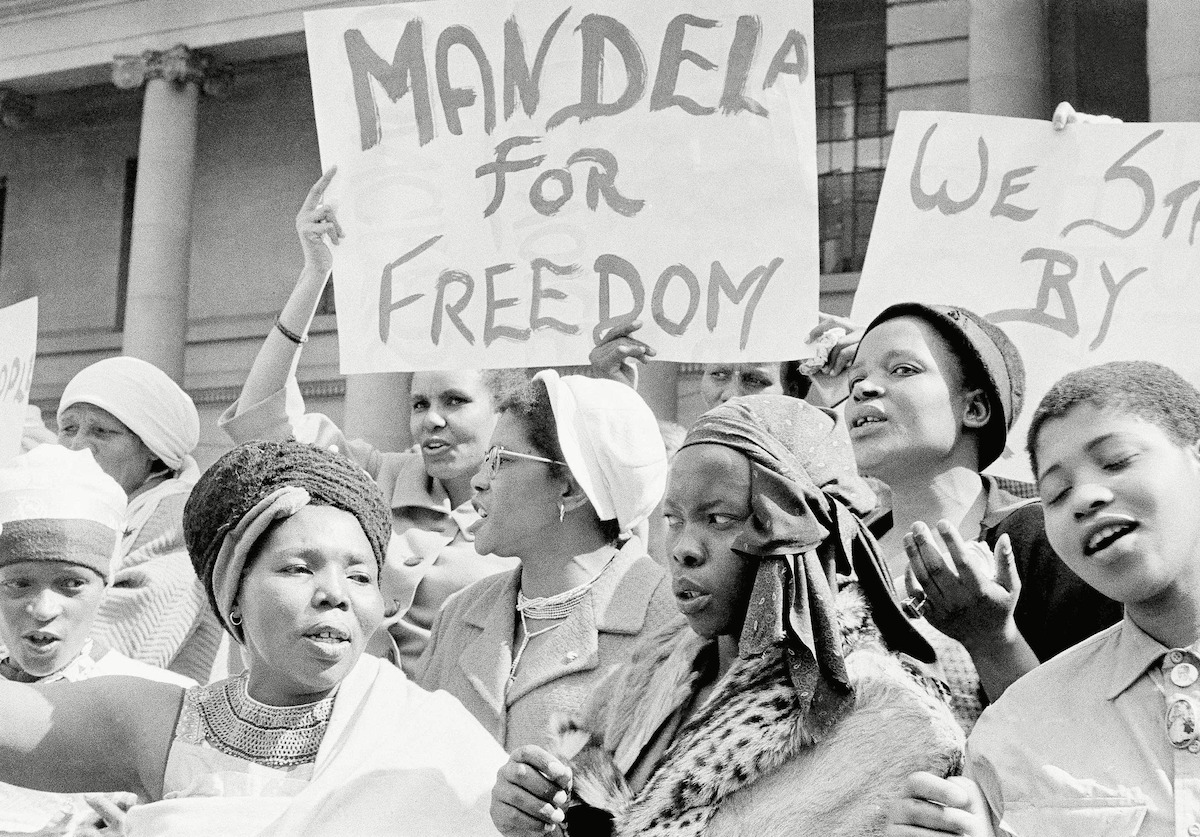
Women protesting for Nelson Mandela’s release outside the Johannesburg City Hall in South Africa, 1962.
What are the anti-apartheid and Free Mandela movements? Like the real-life agenda of the MK liberation army, the Silverton Siege film centers bringing attention to the unjust imprisonment of Mandela and fighting apartheid policies. Essentially, the message was that there would be no peace in the deeply segregated country until Mandela was freed. After his sentence to life in prison in 1964, some countries in the United Nations called for sanctions against South Africa. In response to the public attention, the African National Congress, a social-democratic political party in South Africa, championed Mandela’s plight as a symbol of courage for the anti-apartheid struggle in the late 1970s.
On June 10, 1980, a smuggled letter from the incarcerated leader made its way to the public with this rallying cry: “Unite! Mobilise! Fight on! Between the anvil of united mass action and the hammer of the armed struggle we shall crush apartheid.”
In 1990, after years of various calls to action via boycotts, threats of civil war, vigils and international pressure, South Africa’s then president F.W. de Klerk helped facilitate the end of apartheid and released Mandela from prison.
You can read more about Mandela’s historical release from prison here.
What is South African Freedom Day? Fun fact: The release of Silverton Siege coincides with the South African holiday known as Freedom Day. It’s celebrated annually on April 27 in honor of the country’s first nonracial democratic election in 1994, which marked the liberation of Black Africans and non-white Africans from white minority rule and enforced discrimination policies. It also allowed all citizens over the age of 18 to vote and led to the election of Mandela as president in the same year. What a way to reflect on the sacrifice and struggles on the path to freedom.
You can learn more about the significance of Freedom Day here.