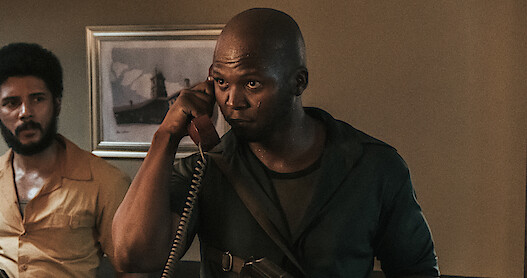
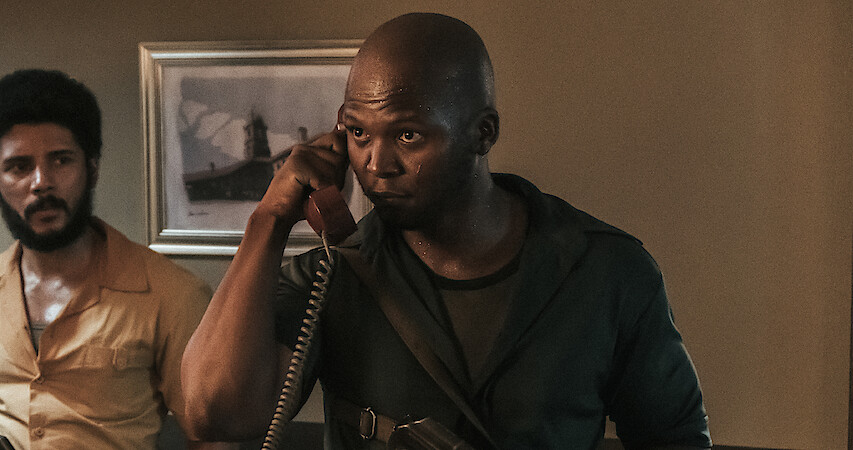
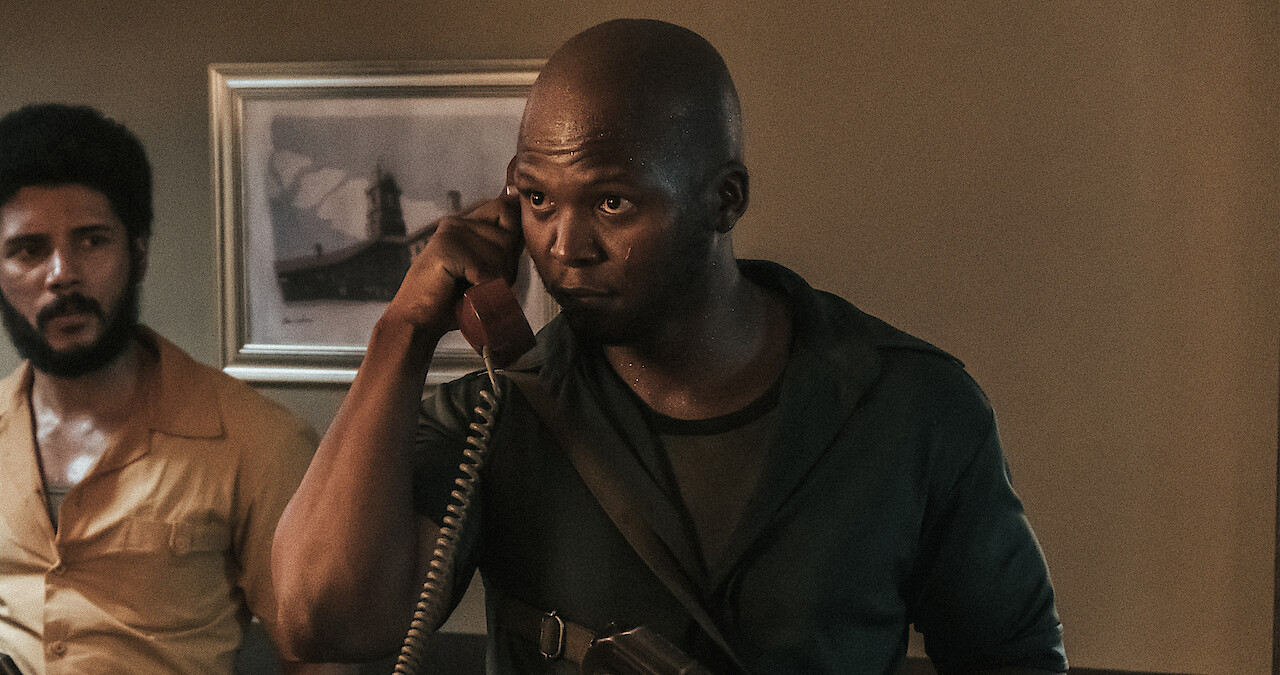
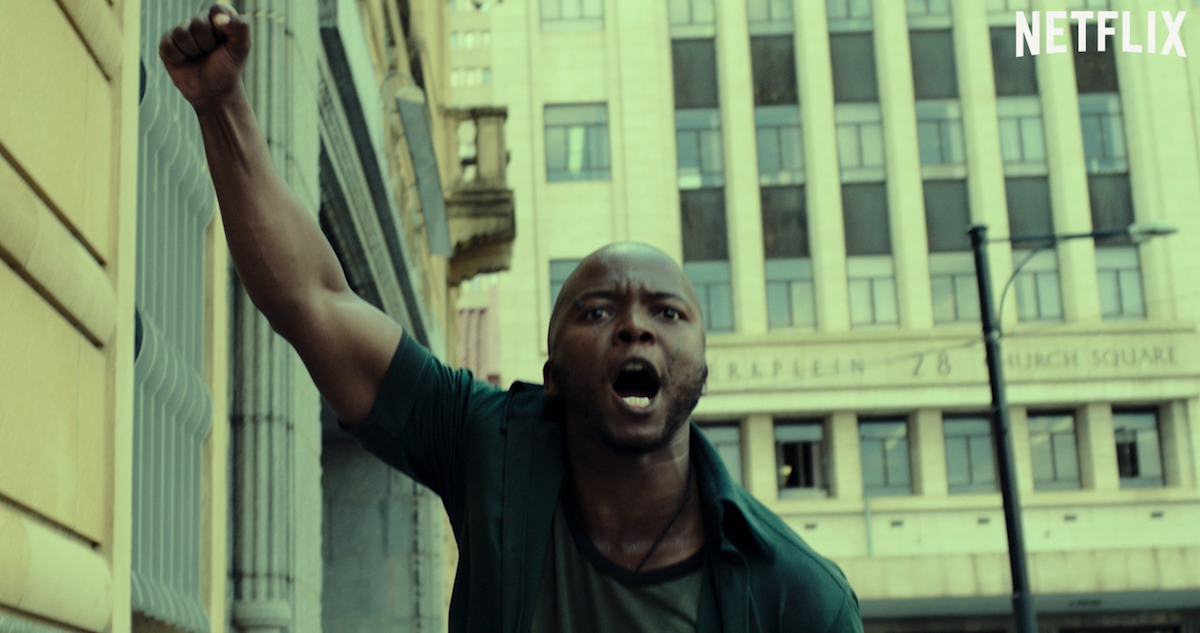
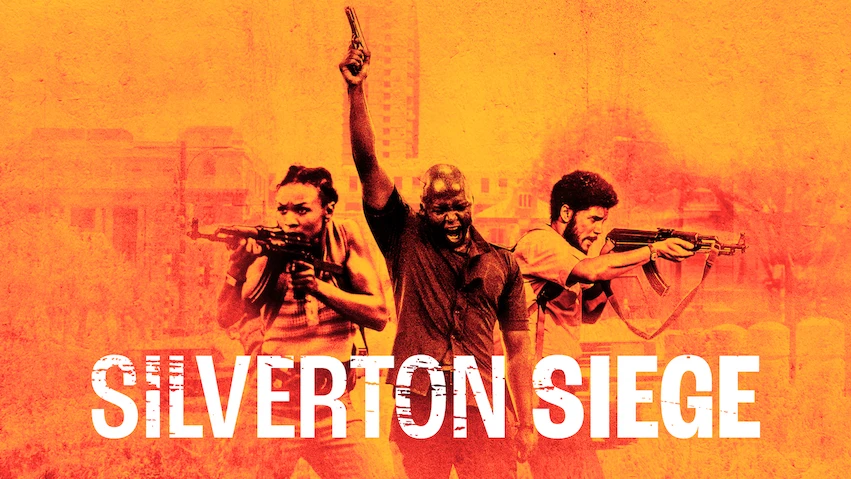
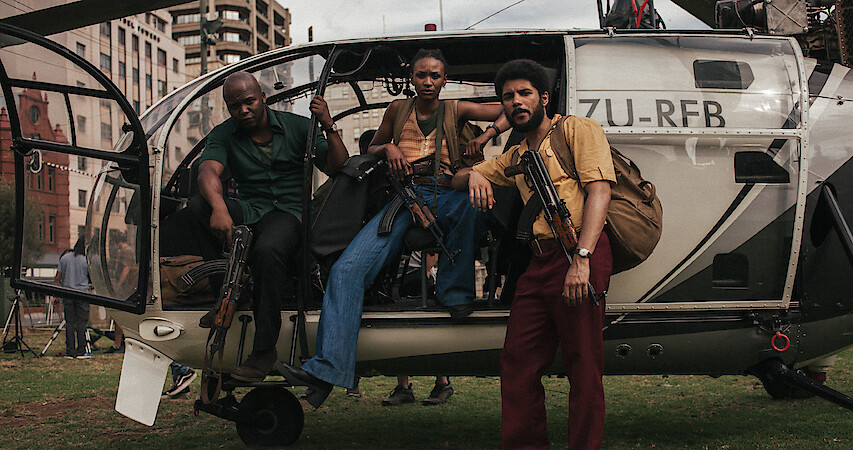
South Africa has 11 official languages, and you’ll get a taste of many of them watching Silverton Siege, a thriller about a group of anti-apartheid freedom fighters taking a bank hostage. While the script was originally written in English, director Mandla Dube gave his cast the opportunity to say their lines in whatever language they felt would work best for their character and the scene.
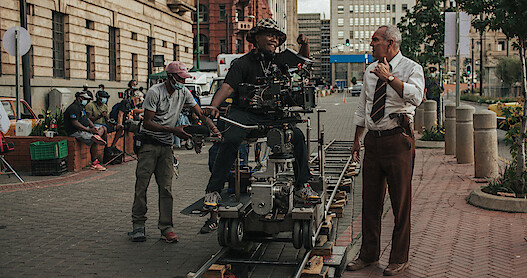
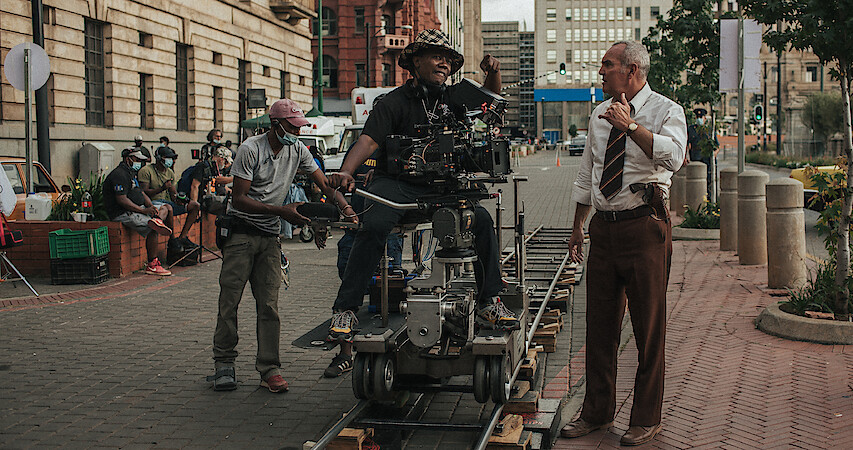
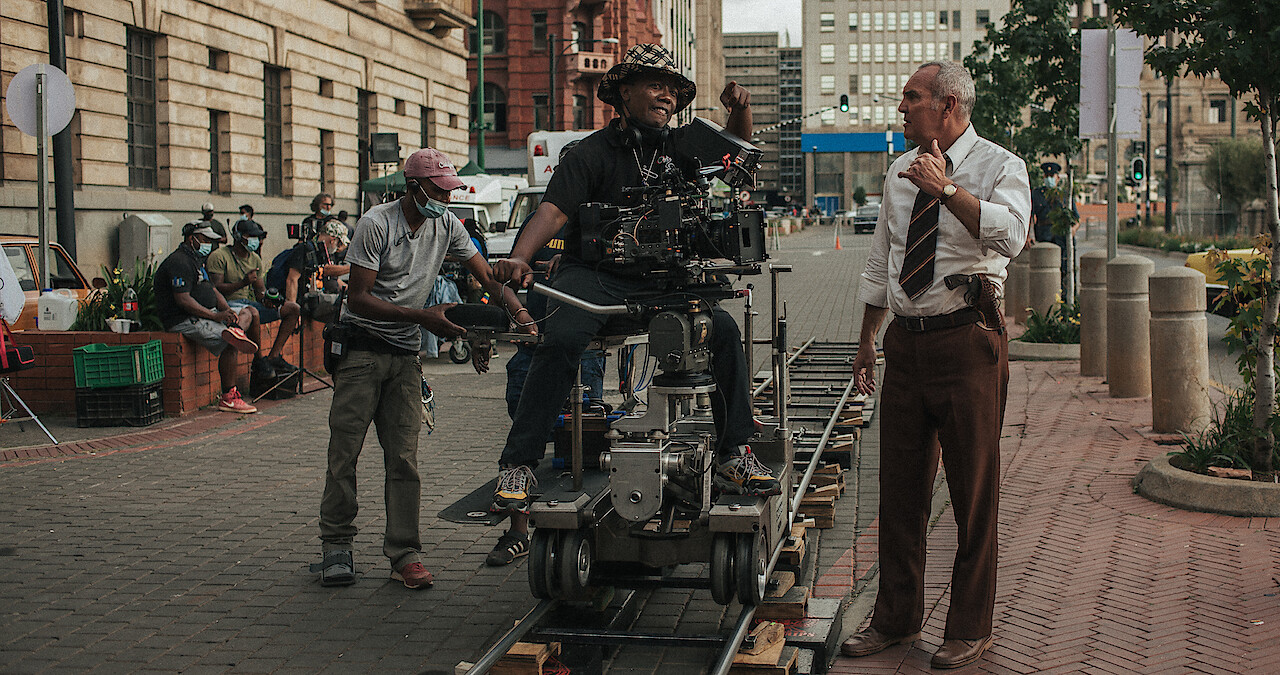
“Netflix supports local languages, and I just took the liberty of [saying] to the actors, ‘Be comfortable in being able to express yourself,’” Dube tells Tudum. “If you don’t feel you need to say this in English, don’t say it. If you feel like you need to say this in Afrikaans, say it. If you feel like you’ve got to say this in Zulu or Sotho, say it.”
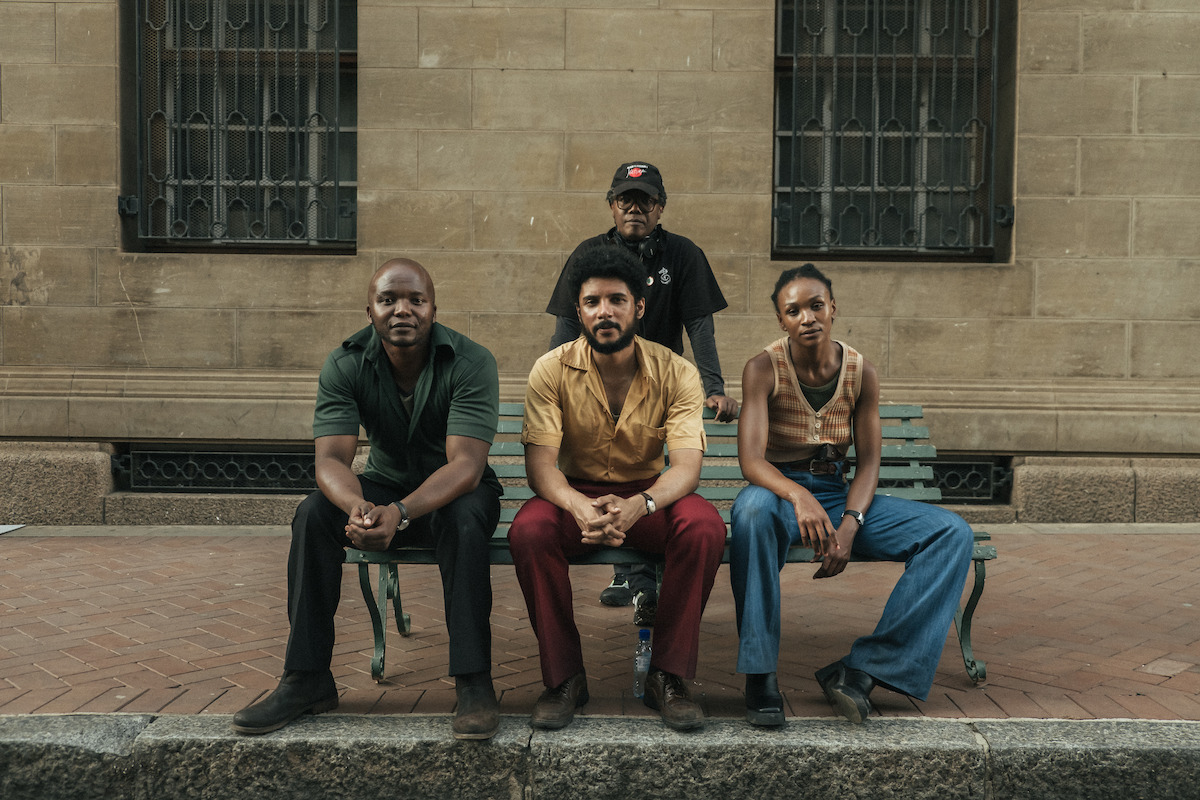
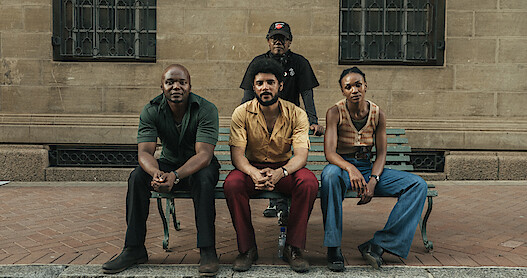
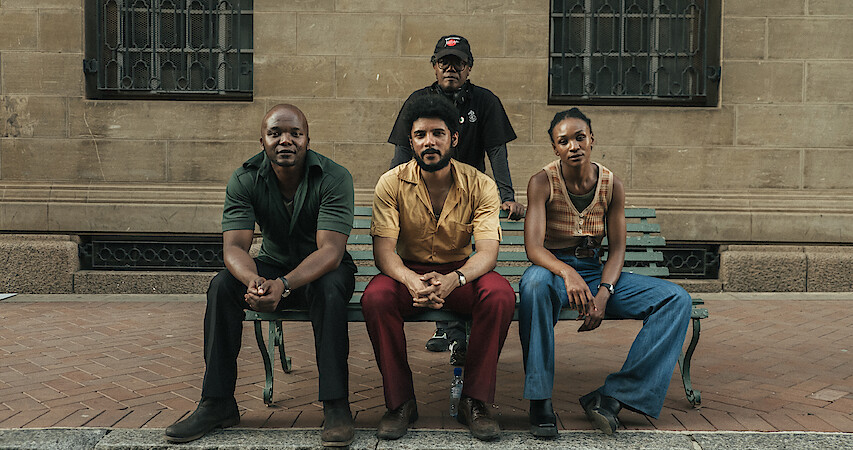
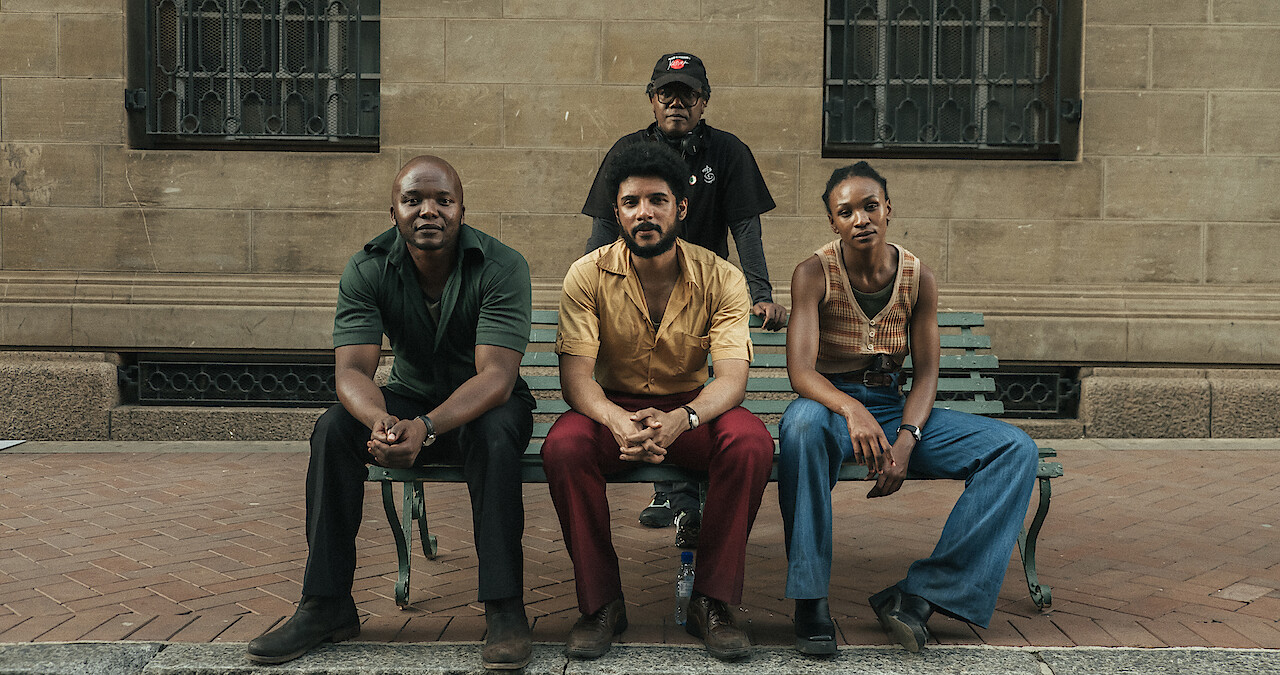
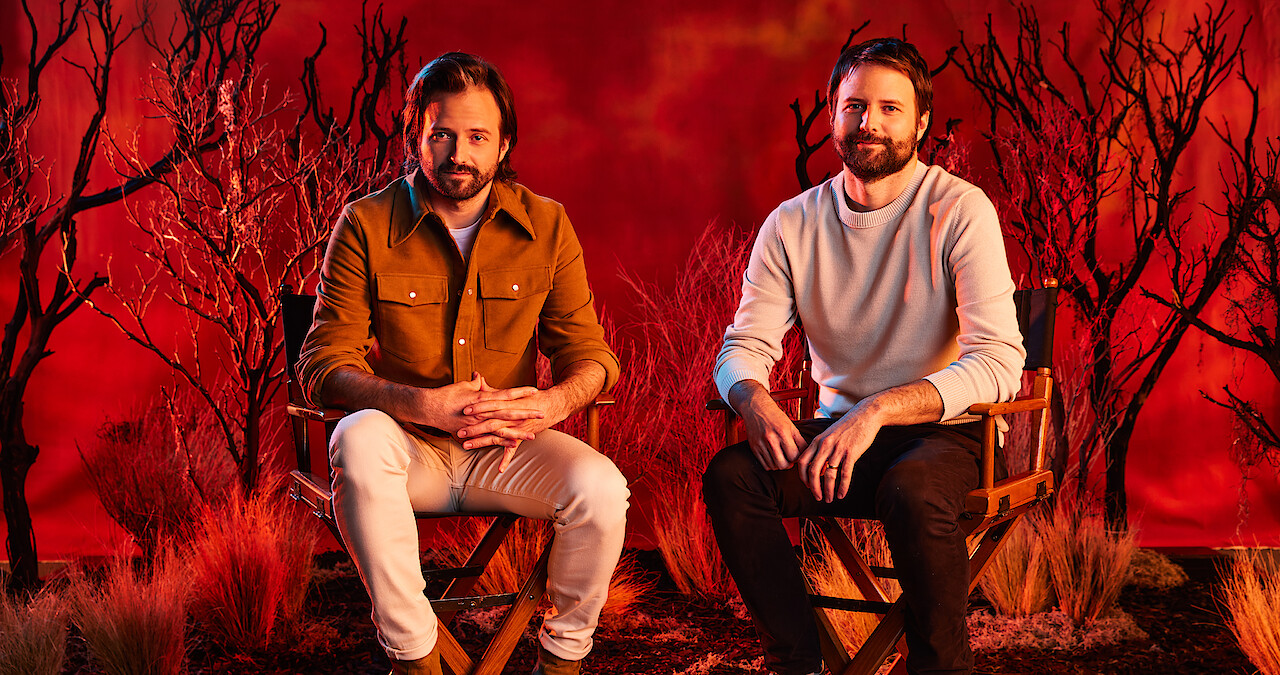
From Left: Silverton Siege actors Thabo Rametsi, Stefan Erasmus and Noxolo Dlamini. Back: Director Mandla Dube
Like many South Africans, Dube speaks several languages and regularly alternates which he speaks in the course of a day.
“Right now, I’m at the Marriott hotel, and I can just hop downstairs,” he says. “In the elevator, I’ll meet somebody who’s speaking Xhosa, and then we’ll start conversing in Xhosa. Then I’ll get downstairs to the reception and I’ll meet somebody who speaks Afrikaans, and I’ll speak to them in Afrikaans. And then I’ll go down to the restaurant and I’ll find somebody who speaks Ndebele, and I’ll speak to them in Ndebele. That’s just how we are here.”
Thabo Rametsi, who plays the leader of the freedom fighters, Calvin Khumalo, speaks Zulu in the film. Noxolo Dlamini, who plays Calvin’s fierce colleague Mbali Terra, often speaks six to eight languages on a daily basis. Dube says actors Arnold Vosloo, Justin Strydom and Deon Coetzee would talk in Afrikaans on set to find the right words.
“The script supervisor had her work cut out for her,” Dube says.
During apartheid, South Africa’s only official languages were English and Afrikaans, an offshoot of Dutch that evolved when the country was colonized by Europeans. After its first fully democratic election in 1994, South Africa became known as the “rainbow nation,” and Dube sees films like Silverton Siege as a way to celebrate that linguistic diversity.
“People are so proud to be able to speak their indigenous languages in a public space and media,” he says. “It was just beautiful to see all of us come together on set to be comfortable in who we are in expressing ourselves. I see it as a new cinematic language that’s going to come out of the country.”