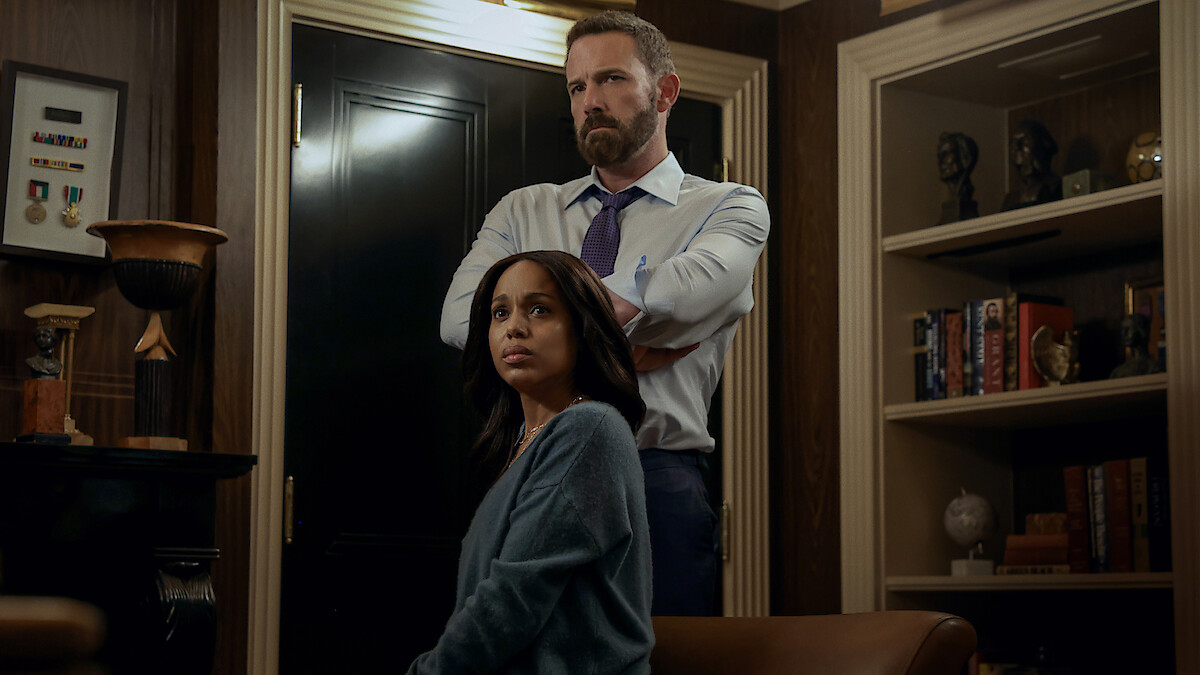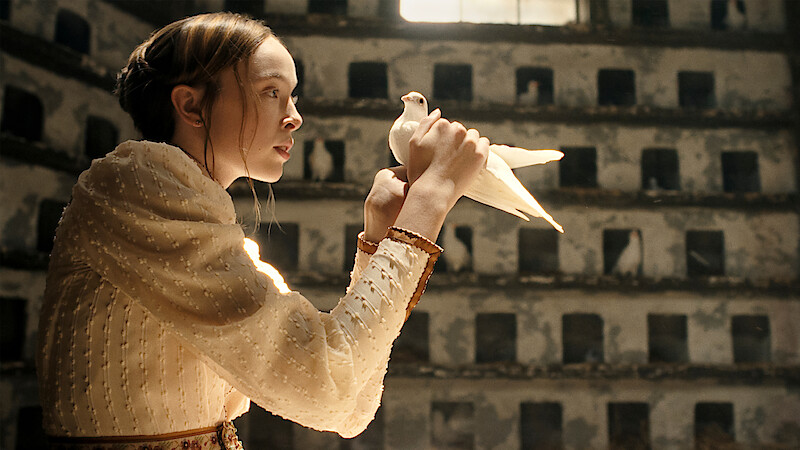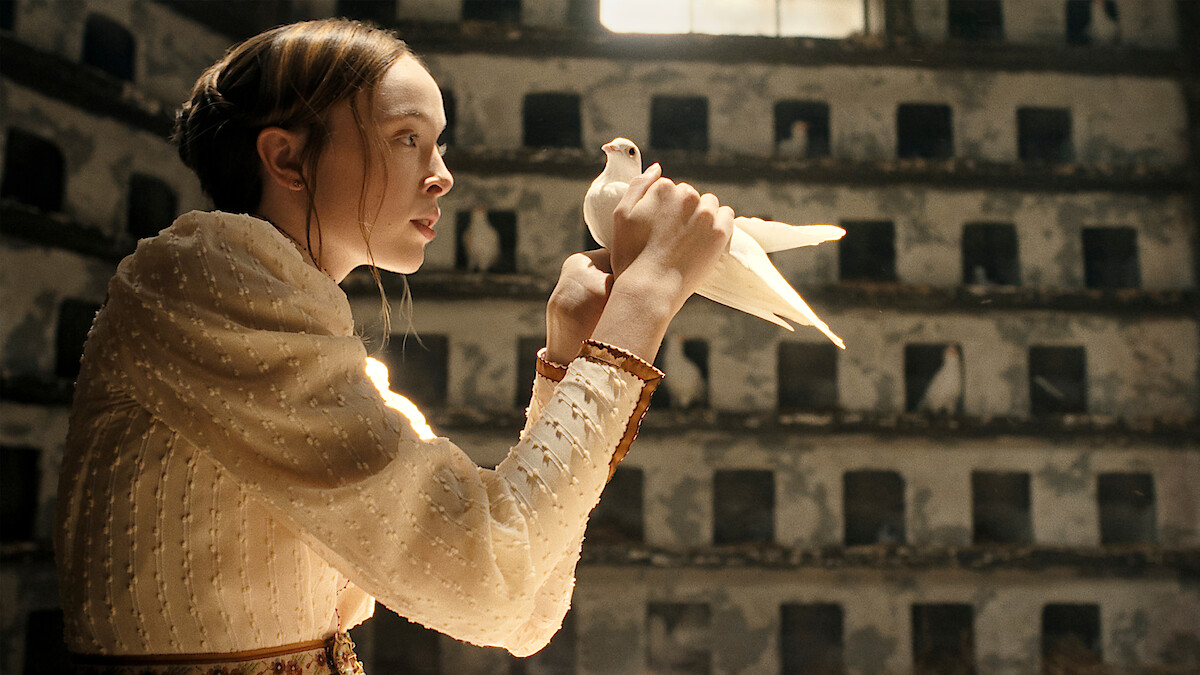



The actress delivers a performance worthy of the legacy.

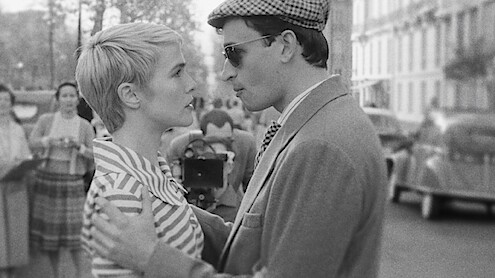
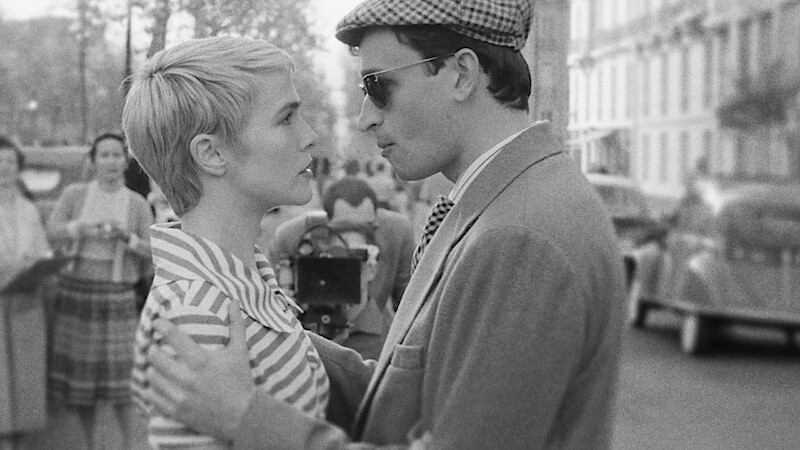
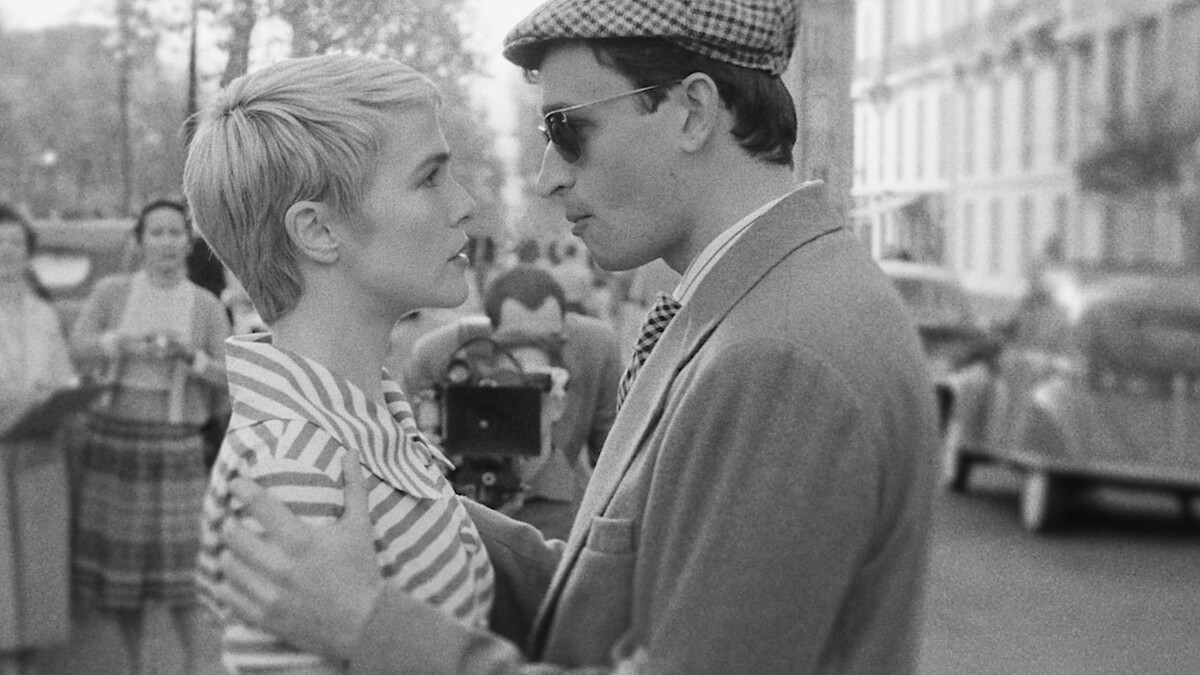
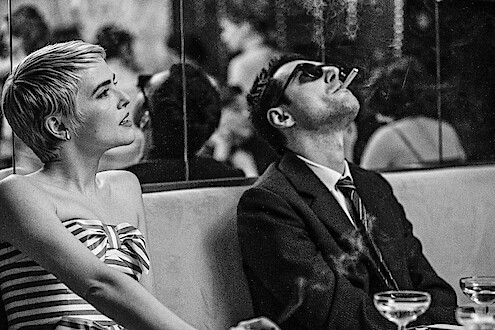
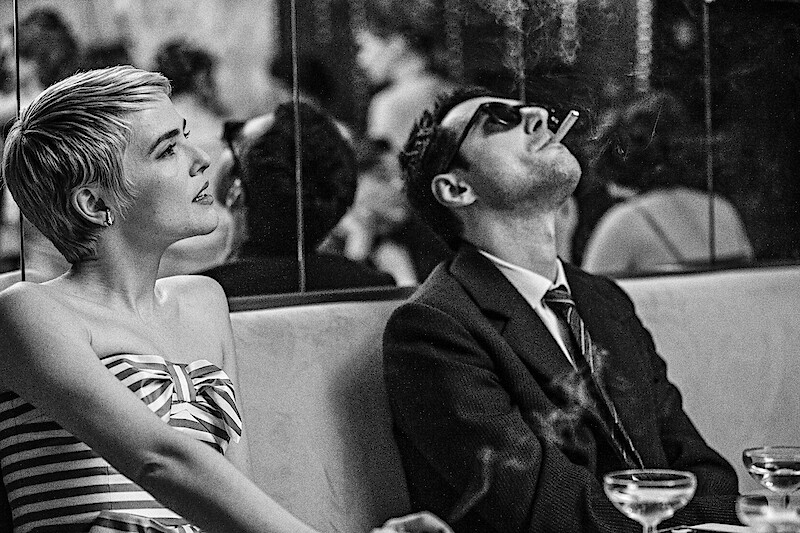
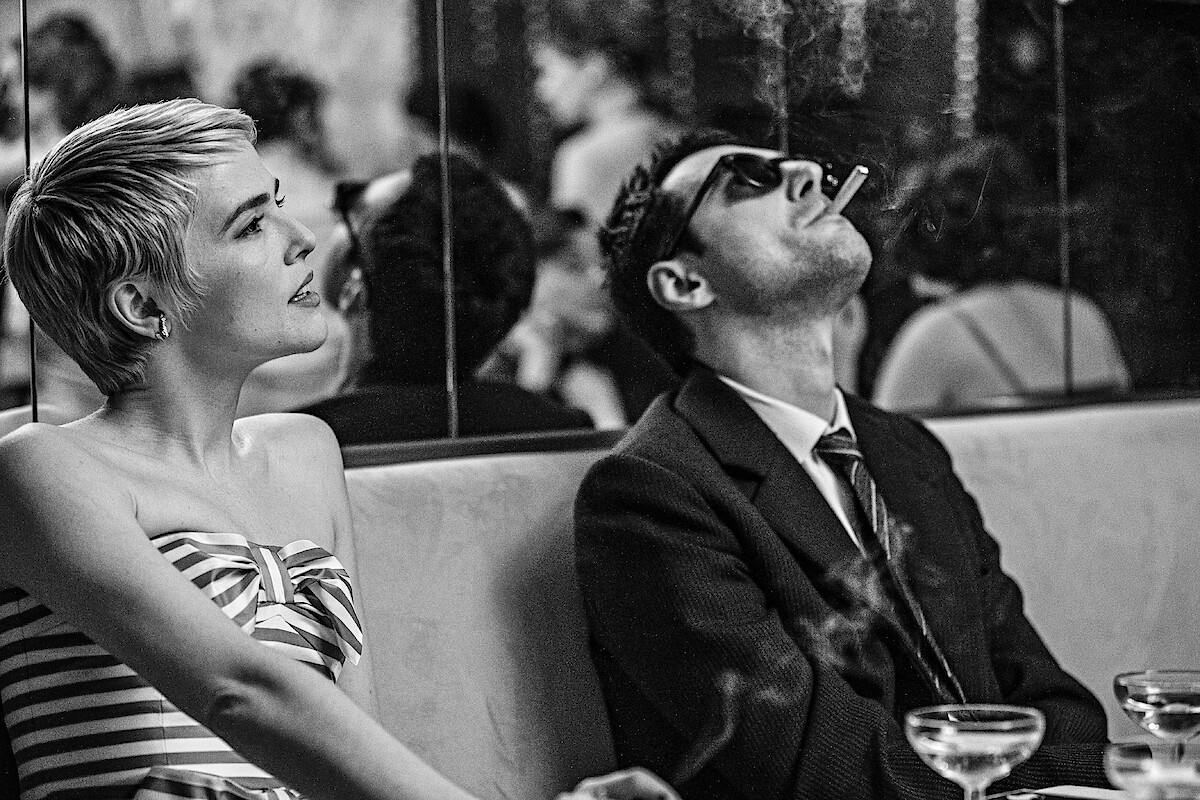
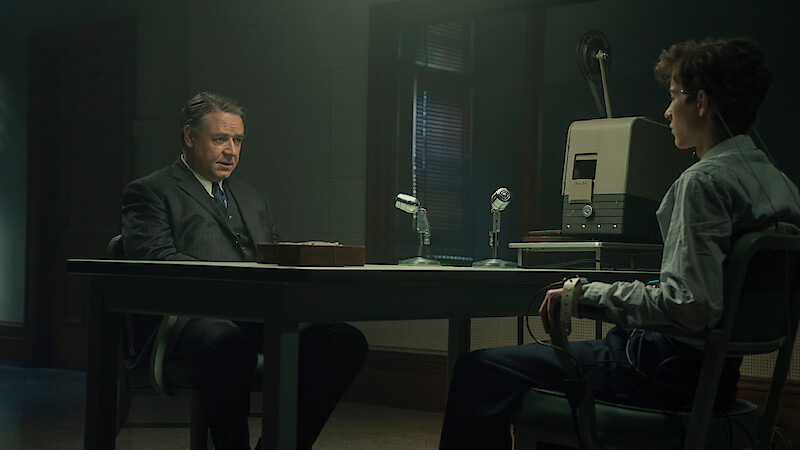
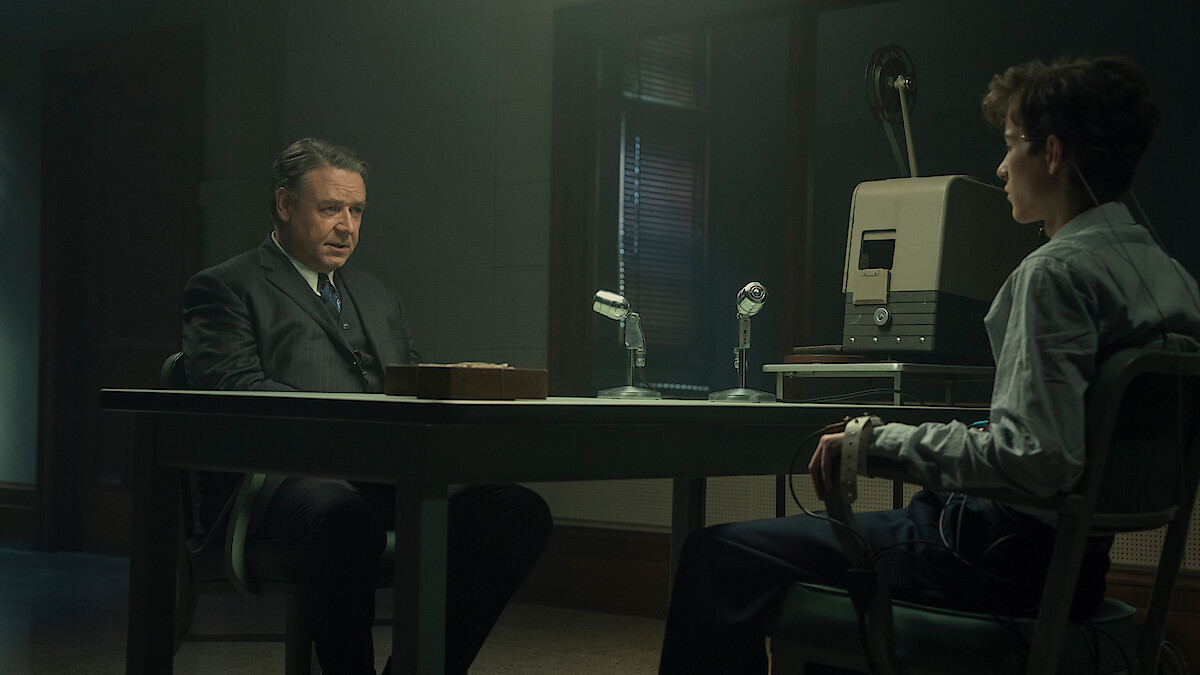
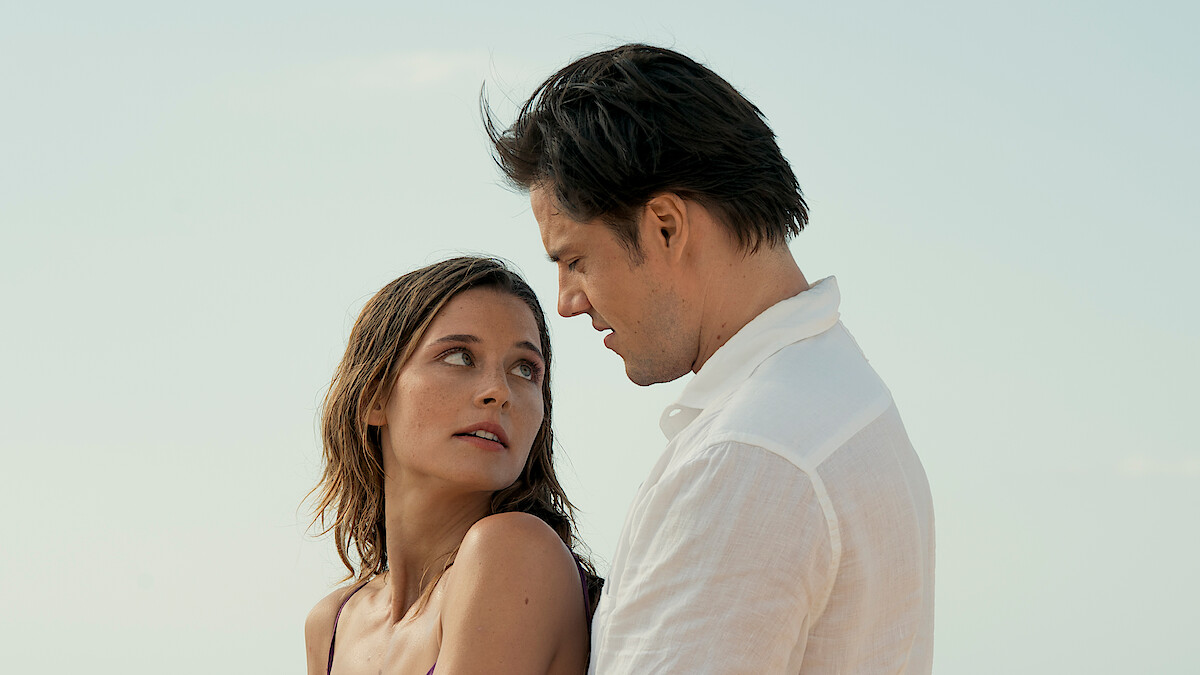
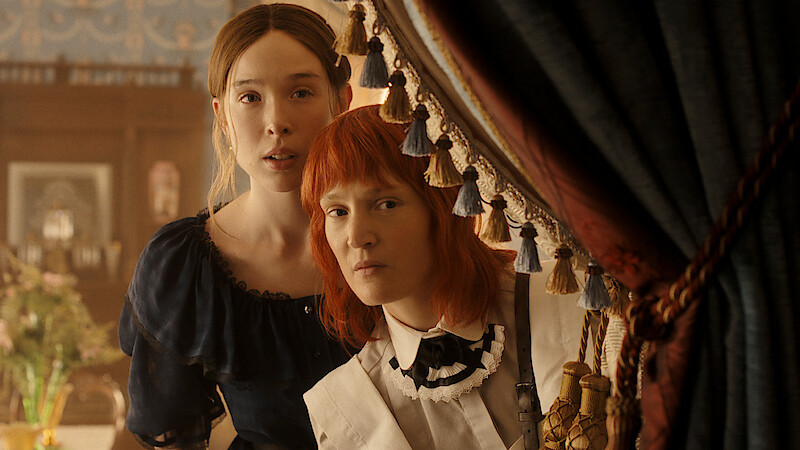
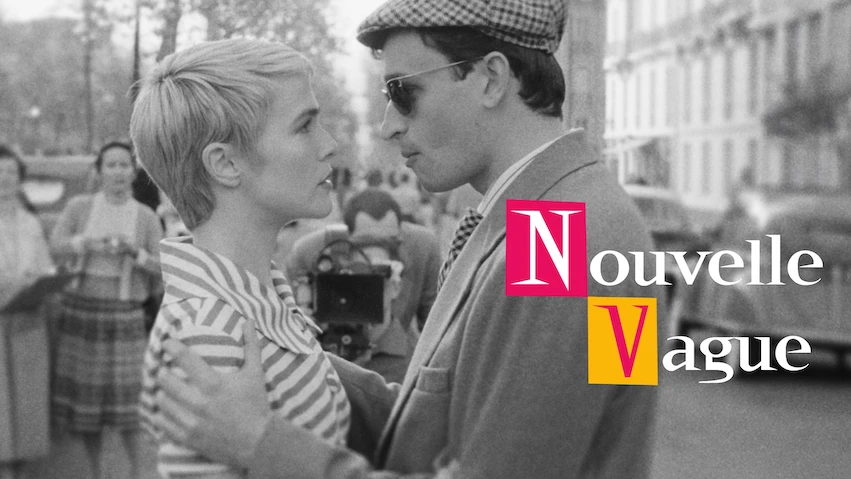
Director Richard Linklater and actor Zoey Deutch have reunited nearly 10 years after their first collaboration, Everybody Wants Some!!, with Nouvelle Vague, Linklater’s love letter to the filmmaking process. It looks specifically at Jean-Luc Godard’s 1960 classic Breathless, which starred Jean Seberg and Jean-Paul Belmondo. The film etched itself into cinema history as a defining moment of the French New Wave.
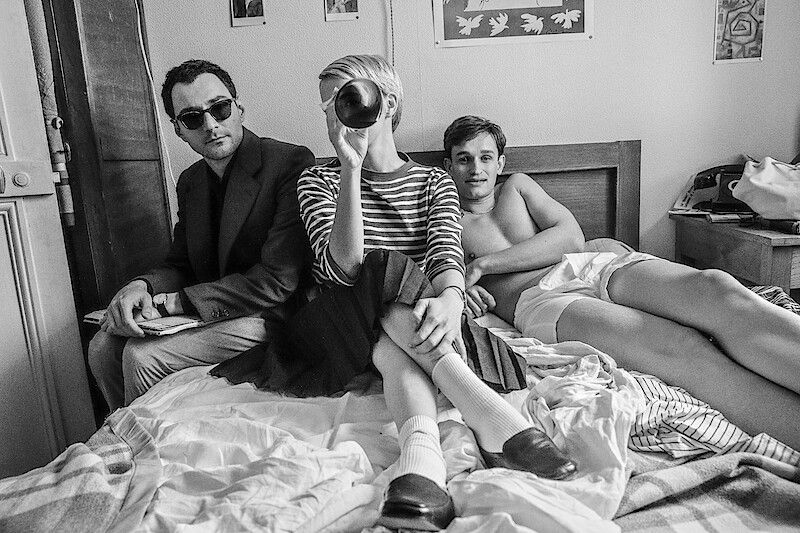
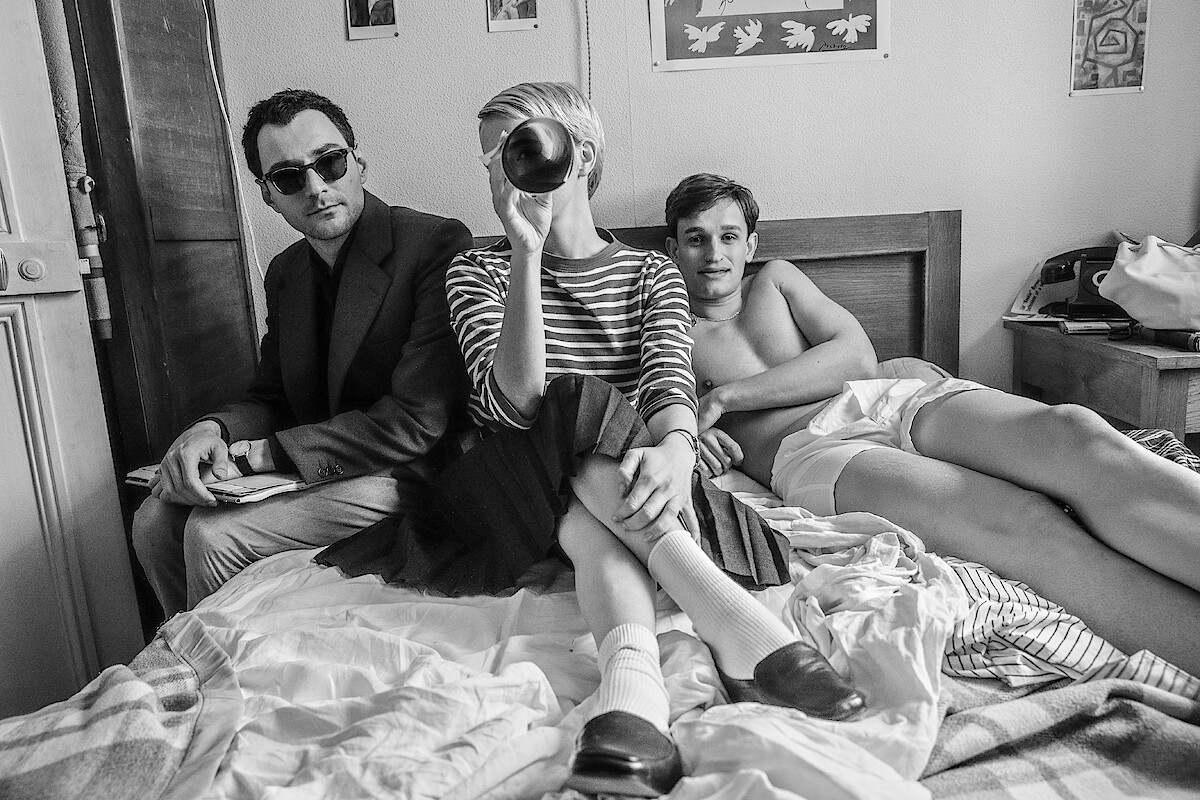
Linklater and Deutch, who plays Jean Seberg in Nouvelle Vague, gathered at The Lineup: Live at the Egyptian to discuss their movie, which reimagines the spontaneous and creative set of the Godard masterpiece.
An edited version of the conversation follows.
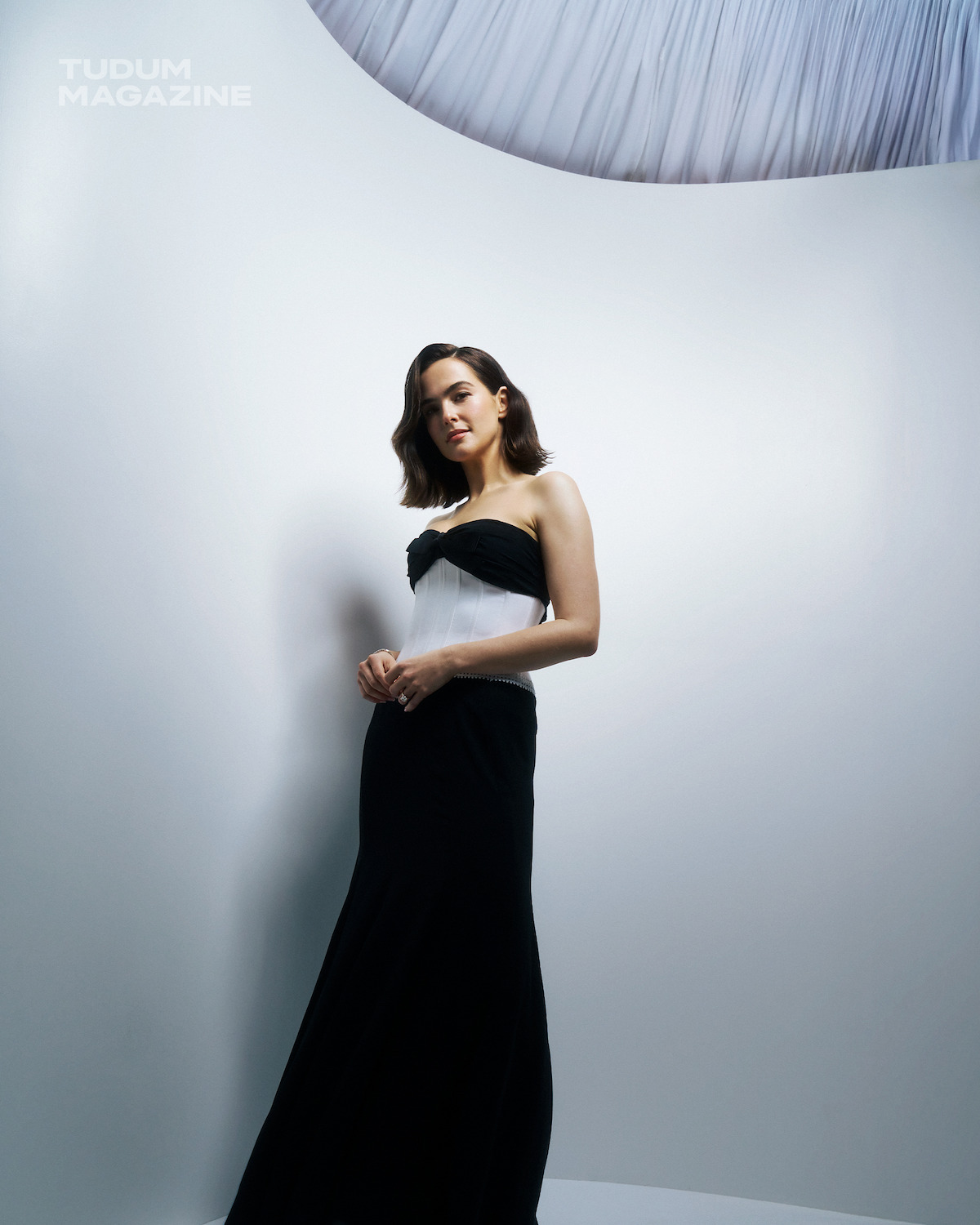
Zoey Deutch
Tomris Laffly: Richard, you and Jean-Luc Godard are both filmmakers with a deeply authentic vision, but he had a famously off-the-cuff and spontaneous style, while you’re very studious and precise. How did you capture Godard’s freedom and spontaneity?
Richard Linklater: I told the whole cast and crew we’re not going to make this movie the way they made that movie. I was always kind of mystified, still am, that Breathless even works as a movie. I tell film students, “Don’t do it the way he’s making the movie. That’s not how you do it. It only worked for him.” Never that kind of spontaneity, improv. That was so cool — especially in the late ’50s, early ’60s — this notion of jazz and improv that he brought to movies. He carved out a movie spontaneously from what was right in front of him. But I told everybody, “We ain’t doing that. We have to re-create everything we rehearsed, but we want it to feel that way.” So it’s all a construct. It’s all rehearsed, but the goal is to capture that spirit [of spontaneity] the best we could.
Zoey, when I watched this movie, I felt like you were born to play Jean Seberg. Tell us about your process of getting to know and understand her.
Zoey Deutch: Well, she had made two films prior to this, Saint Joan and Bonjour Tristesse. And both of them were tricky to say the least — traumatizing is a better word. I think she’s the skeptic of [Nouvelle Vague], but understandably so. She’s improvising a movie in a language that she’s just learning. She just wants to be in something good, and she’s trying so hard, and it feels like she doesn’t have the tools or the foundation to do her best work. That language barrier element was a very ... I felt very connected to her. I did not speak a word of French before starting to work on this film, and the feeling of fear and upset when you’re like, “I hope they don’t know that I’m not 100% understanding what they’re saying,” was definitely present.
I understood that when you watch Breathless, there’s a mystery to [Seberg], and I felt like I could grasp that feeling, which felt intangible before I got to France. I could feel it when I was there. It was a real honor to get to play her at this moment in her life. A lot of people remember her for quite a tragic end, so to bring some joy and humor and warmth to her was an honor.

Richard Linklater
Richard, can you tell us what it meant for you as a filmmaker to make a film about the process of filmmaking?
Linklater: Well, I think making a movie about making a movie is a thought every filmmaker naturally has. Probably after your first movie, you’re like, “What the hell was that?” There’s drama, there’s humor — it’s kind of a vibrant, crazy thing you just did. So it’s a natural impulse, but I didn’t really want to make a film about making a film of mine. I thought it would be more interesting to jump into film history and really get into another film — not just any film, but this film that’s so influential, so important, and yet so simple, like they had a crew that looked like a student film. There’s something very mysterious about Breathless.
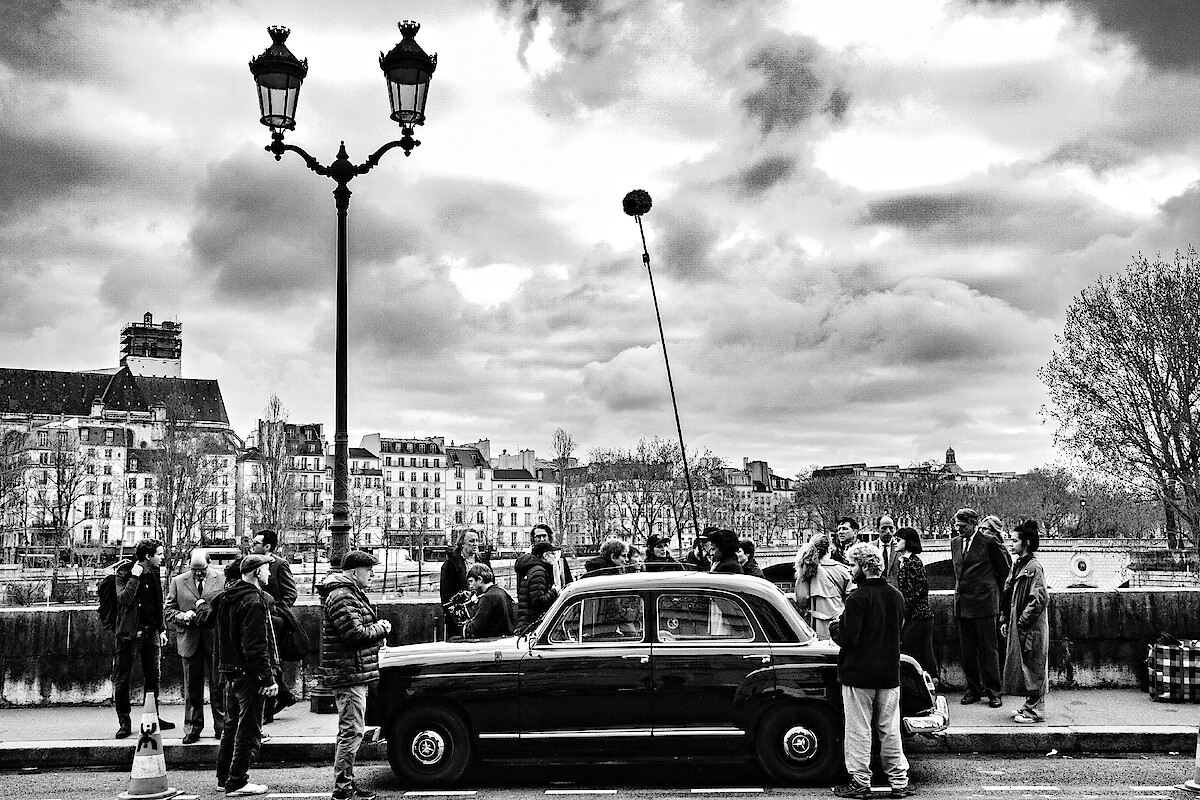
Thirteen years ago, when we were just starting to work on this, I thought, “Oh, it should be a film of the time, too.” It hit me just like, “Oh, it’s going to be an artifact. It’ll be a found film that was made in 1959. We found it in an archive or attic or something.” There’s not a shot in this movie that wouldn’t fit in a film of that era. So I said, “This isn’t a film made by Jean-Luc Godard. It’s a film made by one of the other Nouvelle Vague directors, [one of] the lesser-known ones.” But it looks and has the language of a lot of those films at that time.
I was trying to capture the same spontaneity. It was fun replicating the exact images. We had all the photos, we had camera reports. I could tell you what lens they used [for the shot], I could tell you how many takes they did. The camera you see shooting in the movie is the camera that shot Breathless, which we got from an archive. I felt the French film gods were with us and our partners on this for sure.

Deutch
Zoey, there’s definitely a meta element to your performance. You’re an actor playing an actor who’s playing a character in the movie. So there are all these layers to tap into. Can you tell us about your approach?
Deutch: I had different voices for everybody, right? There’s Jean’s American-speaking English, there’s the French-speaking English, there’s the Patricia [character in Breathless] voice. So I had those as immediate windows in, but I definitely felt restricted by the constraints of who I was playing in the moment. I feel like it was fun and different, and Rick [Linklater] was really generous in reminding actors that we were doing interpretations — not impressions — of these people. When we were doing the re-creation scenes, there was real choreography and more of an impression element because we were re-creating the exact choreography of the New York Herald Tribune scene — but [with a] reverse angle and imagining what they could have said.
So I’m copying the physicality exactly, second by second, footstep left, right, very meticulously — but then interpreting what she’s going through behind the scenes. That was a fun game to play, especially in rehearsal.
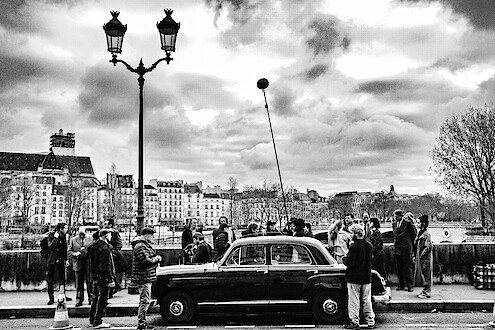
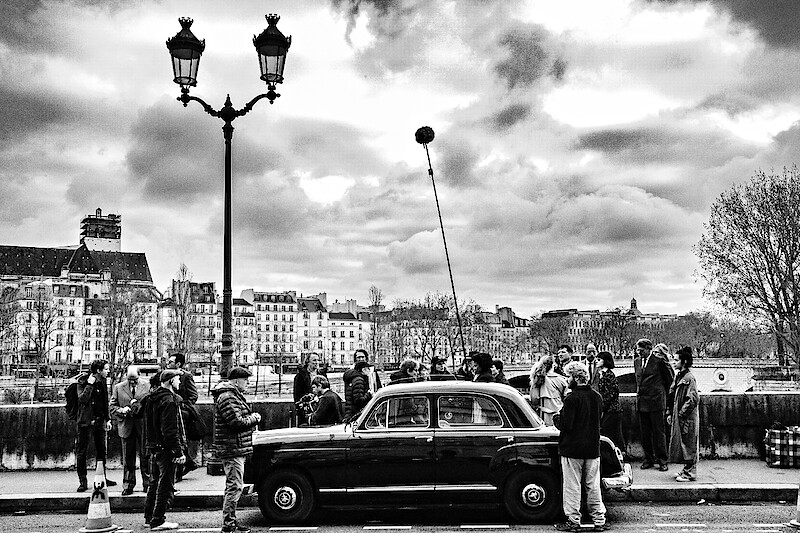
Linklater: Yeah, it felt magical to be inside another film. There we were on the same streets. It was really kind of beautiful. I was in a cinematic dream the whole time.
Richard, there’s a sense of ease or maybe even humor that comes from the fact that the audience knows they’re making one of the most consequential films in film history. But, obviously, no one in the movie knows that. How did you approach that dichotomy?
Linklater: I told everybody there’s a film revolution going on here, but maybe only one person knows it. Everyone else is pretty oblivious. I always wanted to lower the stakes of doing a historical film about something important — you tend to want to bring that importance to it. It’s like, “No, no, you’re just a young person excited about your opportunity.” There are no icons. Godard is just a critic. We don’t know if he can make a film or not. Belmondo’s a boxer. Seberg is the one star. I kept saying, “Lower the stakes.” We saw it as a kind of time-travel element.
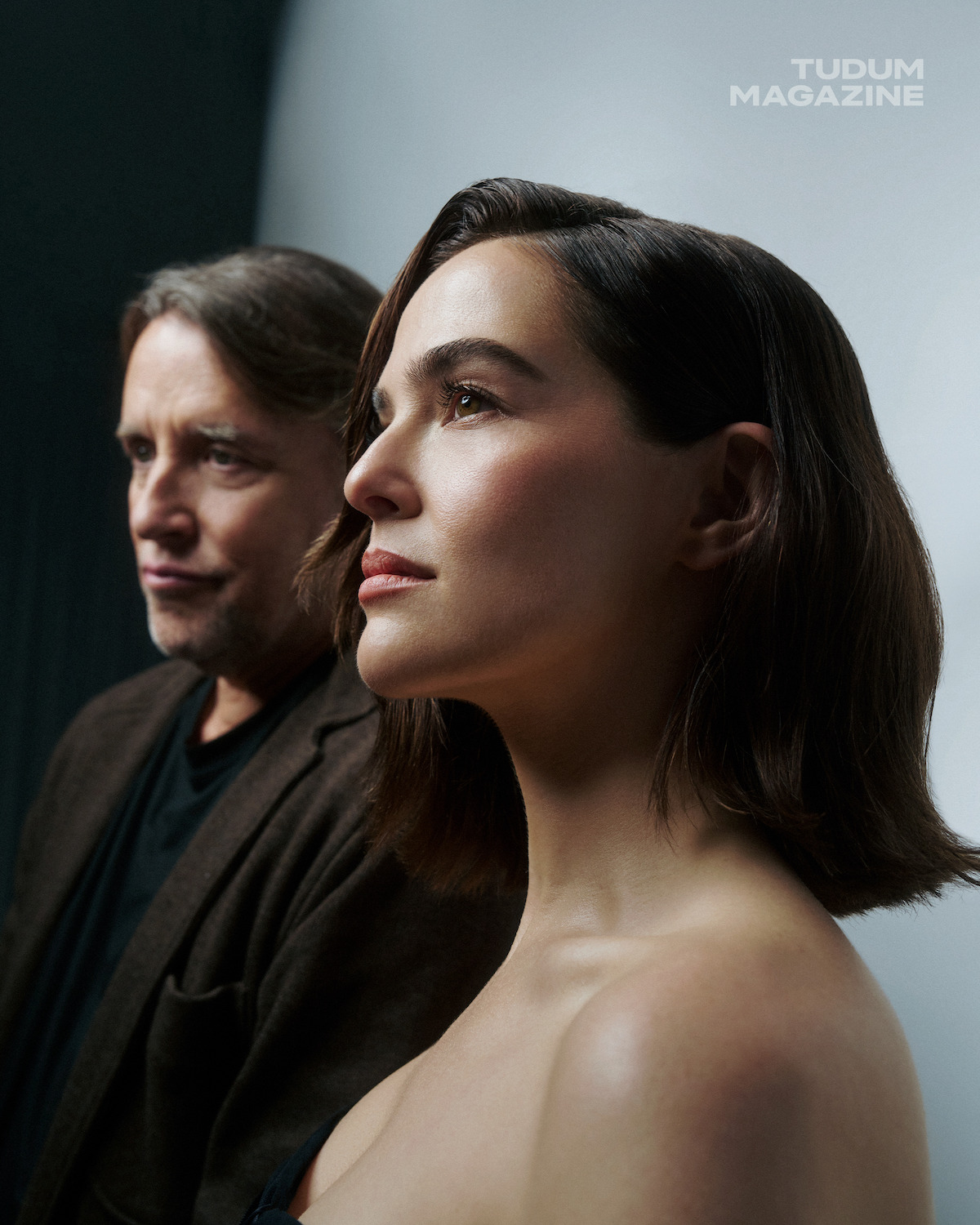
Linklater and Deutch
Do you view artistic risk-taking in a different light after the experience of making Nouvelle Vague?
Deutch: I view it differently, artistic risk-taking.
Linklater: Well, it’s kind of fun to see people going for it, even if they don’t know what to do, yeah.
Deutch: I’m quite envious of that. I find it interesting, too, that you talk a lot about how different from Godard you are as a director. I think there must be an element of that too — “That’s not how I do it. I work so hard, so I plan everything.”
Linklater: This whole movie is a portrait of an artist coming into being and insisting, “If I’m going to do something different, I’m going to do it differently.” As an artist, you have to create your freedom. You have to call it back from whatever around you is limiting it. So it’s easy to do for a painter or a musician or a sculptor, but in a big medium that requires money and schedules and budgets, you see him at odds with the process in posting his own unique cinematic language. I was fascinated by that and forever inspired, too. That’s the challenge always in making your own thing.
Deutch: You both obviously began your careers with these revolutionary independent films that change the way people look at independence, but you’ve maintained that kind of artistic integrity, which I’ve always felt is your tether as artists. You never got seduced or lured or convinced into what so many people do get convinced into. And there’s a real beauty in that synergy between you [and Godard].
Linklater: They were at odds with their industry. They thought the French commercial industry at that time was just really laying the same narrative — there was a sameness to it, conventionality. So in any movement — punk rock kind of style — you have to just be dissatisfied with the status quo and just do something in opposition to that. And they were all young. It’s about being a young artist. You have to punk rock out with the old into the new.