Behind the Scenes
Here Are 82 Fun Facts About Stranger Things 5
From how Vecna evolved to why Will finally got a new haircut.
By James Reed
Jan. 16, 2026
The door was closed on Stranger Things in 2025, but that epic final season is still lingering in the hearts and minds of fans.
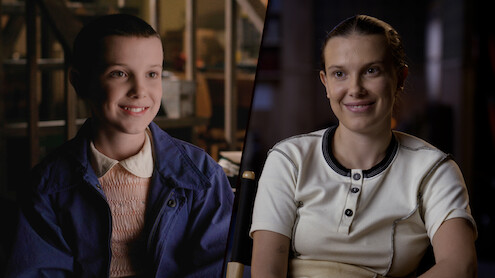
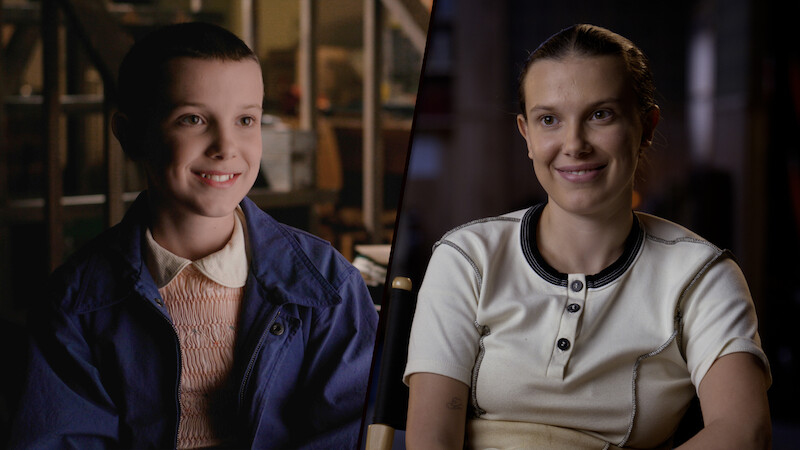
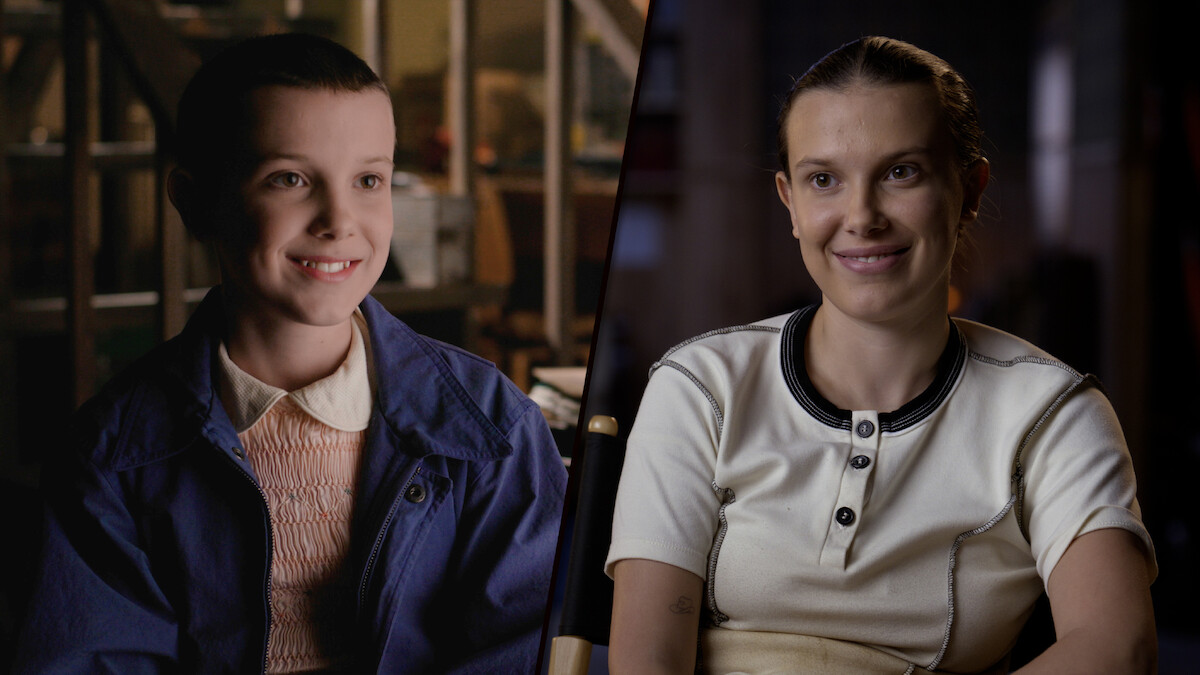
A new documentary, One Last Adventure: The Making of Stranger Things 5, now streaming on Netflix, pulls back the curtain on the beloved series’ emotional swan song. We learn that creators Ross and Matt Duffer grappled with the fate of Eleven (Millie Bobby Brown), that there was a dance party after Joyce (Winona Ryder) swung an ax to kill Vecna (Jamie Campbell Bower), and that it took a while to perfect Vecna’s gruesome look in Season 5.
But wait, there’s more! Drawn directly from Stranger Things’ award-winning crafts talent — including production designer Chris Trujillo, VFX supervisor Betsy Paterson, costume designer Amy Parris, makeup department head Eryn Krueger Mekash, and hair designer Sarah Hindsgaul — below are 83 fun facts and Easter eggs that will thrill die-hard fans. (And after you read them, test your knowledge of the show with our superfan quiz!)
From production design and visual effects to hair, makeup, and costumes, take one last deep dive into the final season of the show that galvanized the culture and became Netflix’s most-viewed series of all time.
Multiples for continuity: Each main costume was made in several versions — clean, dirty, bloody, etc. — to maintain continuity, especially since costumes are worn for months and must match between washes and wears.
Aging and distressing: Costumes were often “distressed to be more worn-in and look like they’ve had it forever,” says costume designer Parris. That included adding blood, goo, or dirt, depending on the script, with a dedicated ager/dyer and breakdown team.
Challenges with vintage costumes: Finding multiples of vintage pieces was one of the costume team’s toughest tasks. For example, Parris found eight of Mike’s medallion sweaters at a vintage store, but when more were needed, she had to have someone reweave and even paint them to match the originals.
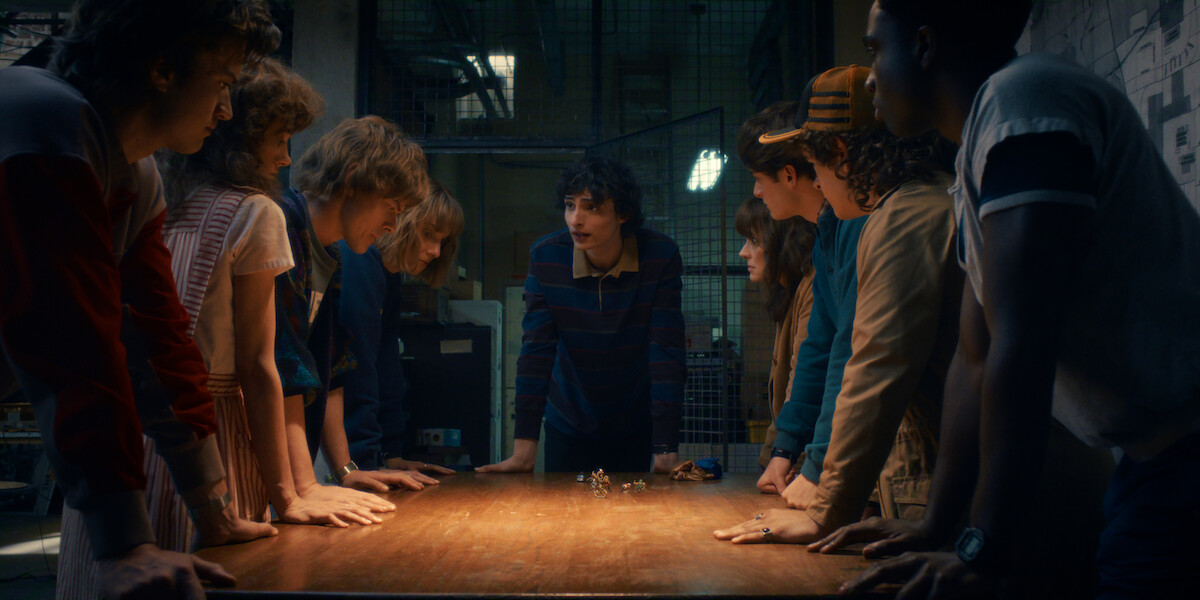
Seasonal color palettes: Season 5 returned to a fall palette, bringing back silhouettes, textures, and colors from earlier seasons (like plaid and corduroy) to evoke nostalgia and continuity while also incorporating 1987’s fashion trends.
Brand collaborations: Major brands such as Nike, Benetton, Gap, Adidas, Guess, Minnetonka, and Woolrich collaborated with the show, sometimes making custom pieces or providing access to their archives.
Custom Nikes: Erica (Priah Ferguson), Steve (Joe Keery), Lucas (Caleb McLaughlin), and Eleven (Brown) all wore Nikes in Season 5. Erica, Eleven, and Steve’s shoes were custom-made by Nike, including a unique Field General High for Eleven.
Authentic military inspiration: Military costumes were based on real 1980s uniforms but adapted for the show’s world.
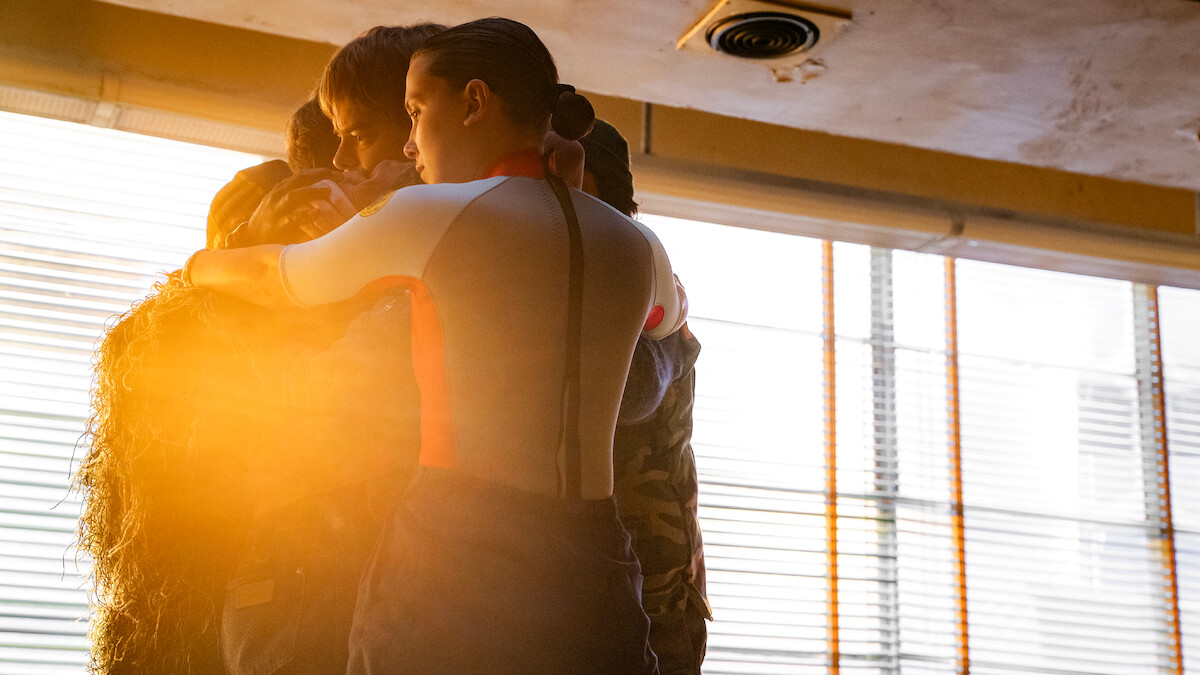
Color for the Upside Down: Because the Upside Down is visually blue and green, costumes for scenes set there use pops of color (like Eleven’s red shorts, Dustin’s red sweatshirt, Hopper’s blue pants) to help characters stand out onscreen.
Eleven’s training outfit: Eleven’s training look (shorts over sweats) is a deliberate nod to both Punky Brewster and Josh Brolin’s character in The Goonies, two beloved 1980s references. In selecting Eleven’s shorts, Parris reviewed 15 different shades of red fabric before finding the perfect one.
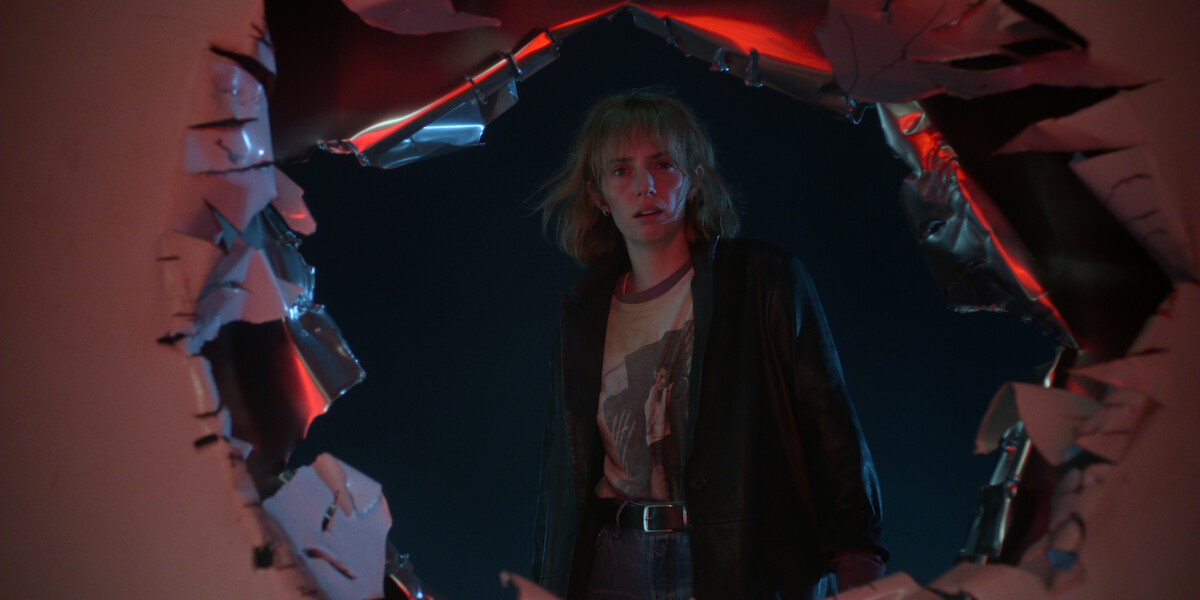
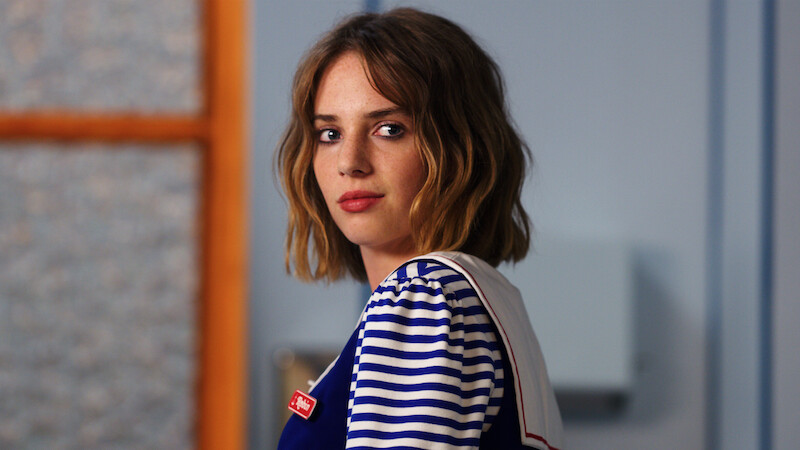
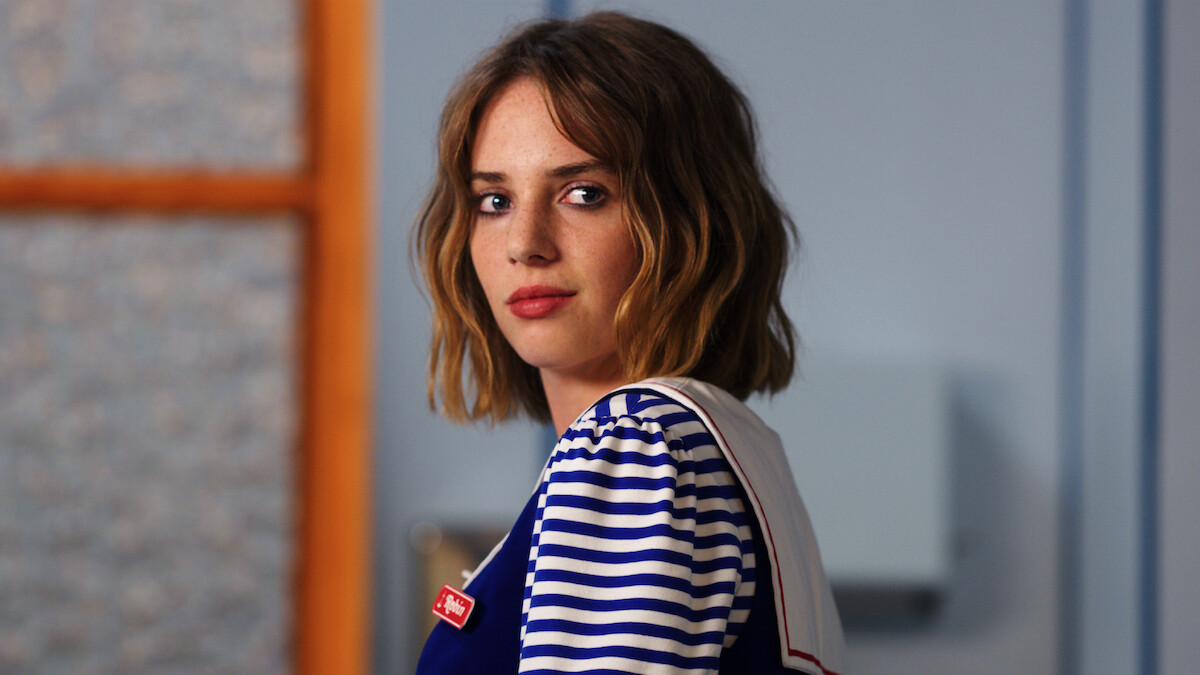
Robin’s Tom Waits shirt as a Winona Ryder homage: Maya Hawke specifically requested that Robin, her character, wear a Tom Waits shirt with a leather jacket and jeans to mirror a real-life photo of Winona Ryder (who co-starred with Hawke’s father, Ethan Hawke, in 1994’s Reality Bites). Robin’s “Beam Me Up This Place Sucks” shirt is a playful wink to her quirky, outsider personality and also references ’80s sci-fi culture.
Dustin’s trench coat details: Dustin’s (Gaten Matarazzo) trench coat features a buffalo-check lining and lots of pockets to reference the “trench coat kid” archetype and to give him a practical, character-driven edge for his adventures.
Holly’s heroic costume matches her figurine: Holly’s (Nell Fisher) “Heroic” costume was designed in collaboration with the props department so that her outfit would exactly match the “Holly the Heroic” figurine she receives from her brother, Mike (Finn Wolfhard). Holly’s outfits were intentionally designed to be bright and colorful to stand out among the more muted tones of Hawkins in the final season.
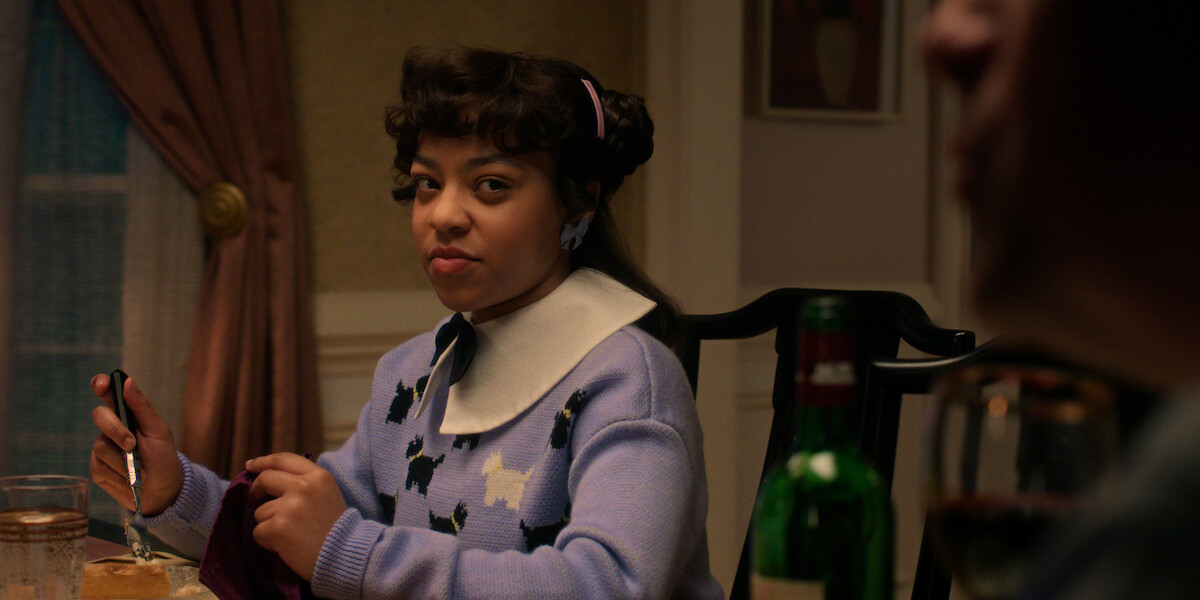
Erica’s sweater references Square Pegs and Princess Diana: Erica wears a sweater inspired by Claudette Wells’s character in the 1980s show Square Pegs, and her “Camp Central Park” shirt is a play on Camp Beverly Hills, a real ’80s brand. Erica also dons a sweater based on Princess Diana’s famous 1983 sheep sweater, but with Scottie dogs — a popular motif for kids in the ’80s.
Will’s Adidas sneakers and vests over hoodies: Will wears the same style of Adidas sneakers he wore in Season 1, and his repeated use of vests layered over hoodies is another throwback to his most iconic looks from previous seasons.
Hopper’s chemical corps uniform: Hopper’s (David Harbour) pants and shirt are modeled after authentic U.S. Army Chemical Corps uniforms, down to the correct pocket placements, as a hat tip to his character’s military background. His new denim-and-leather Guess archive jacket was selected because it feels like “armor.”
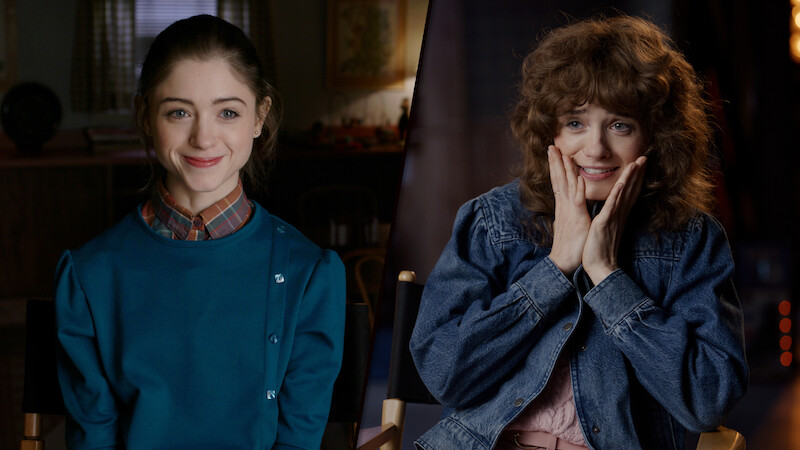
Nancy’s Guess Jeans wash: Nancy’s (Natalia Dyer) jeans are a specific Guess archive wash, and Parris insisted on re-creating the exact sample wash for authenticity, even though the company initially sent back a batch with a slightly different, less “cool” finish. Nancy’s sweaters this season were designed with tonal multicolor patterns to echo her looks from earlier seasons.
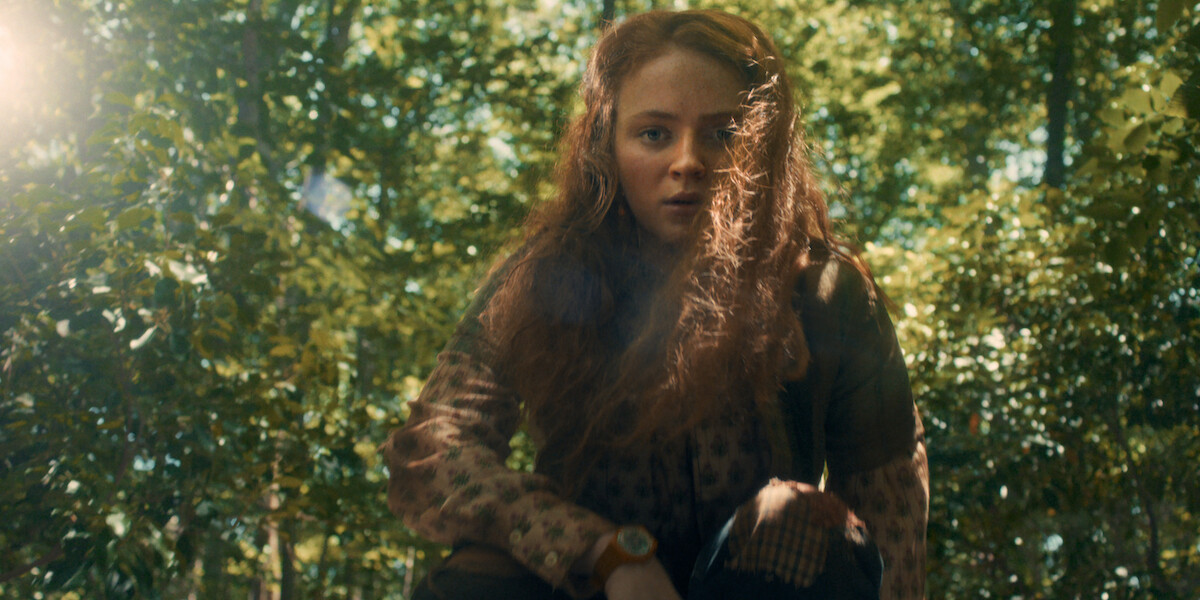
Max’s patches from Henry’s shirt: The patches on Max’s (Sadie Sink) jeans were made from the fabric of a shirt worn by young Henry Creel in Season 4.
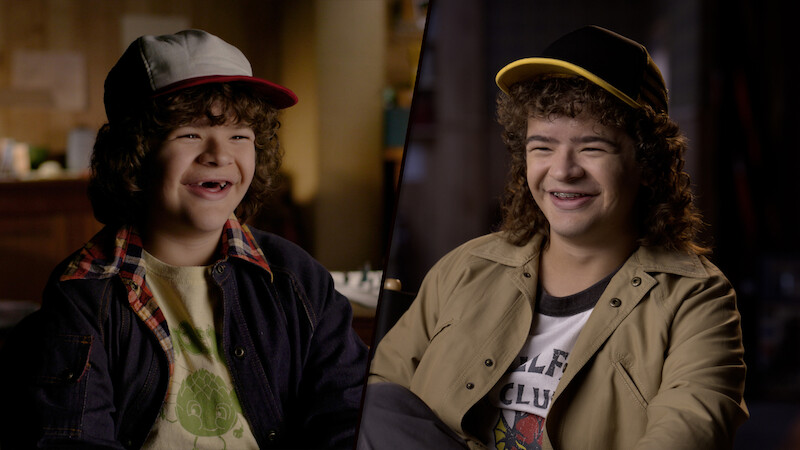
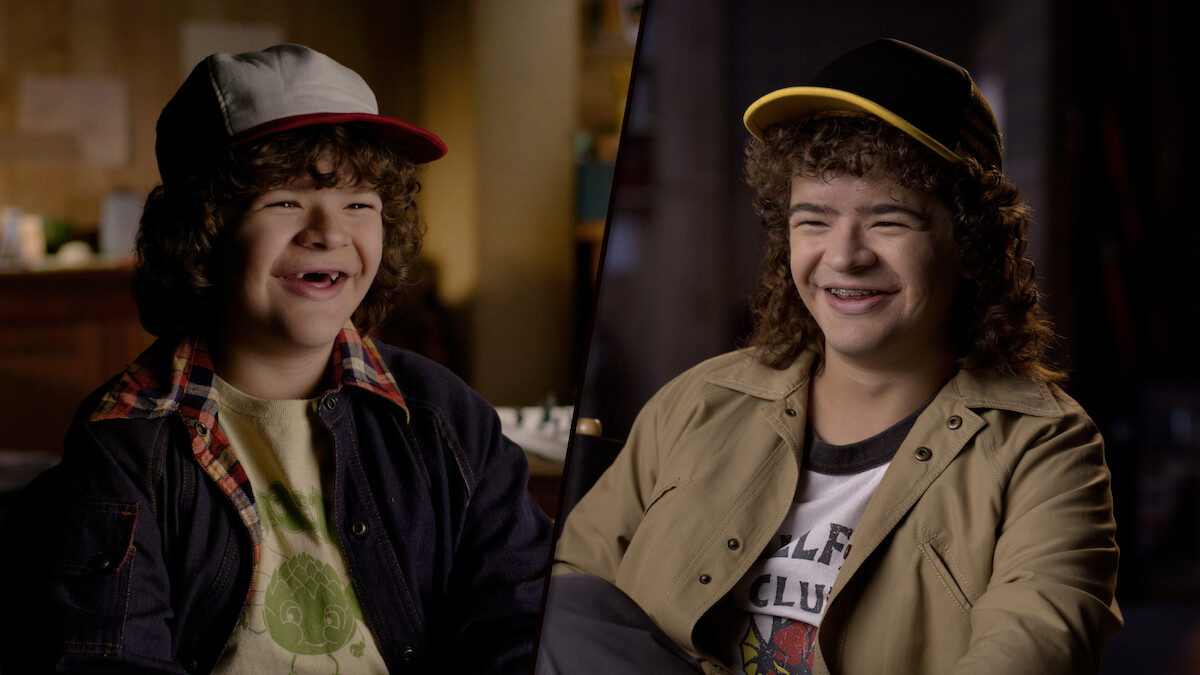
Dustin’s Hellfire Club shirt: Dustin continues to wear his Hellfire Club shirt in Season 5, but it’s now more faded and “crackled” from repeated washing and wearing.
Jonathan’s Woolrich and “Maverick” jackets: Jonathan (Charlie Heaton) wears the same Woolrich jacket from seasons 1 and 2, as well as his “Maverick” jacket from early in the series.
Joyce’s iconic coat: Joyce’s signature corduroy coat was originally a rental from ABC Disney. It was tracked down and rented again for Season 5, and multiples were made.
Lucas’s burgundy jacket: Lucas is seen in a burgundy jacket throughout the new season, which is a callback to the color palette and style he wore in earlier seasons.
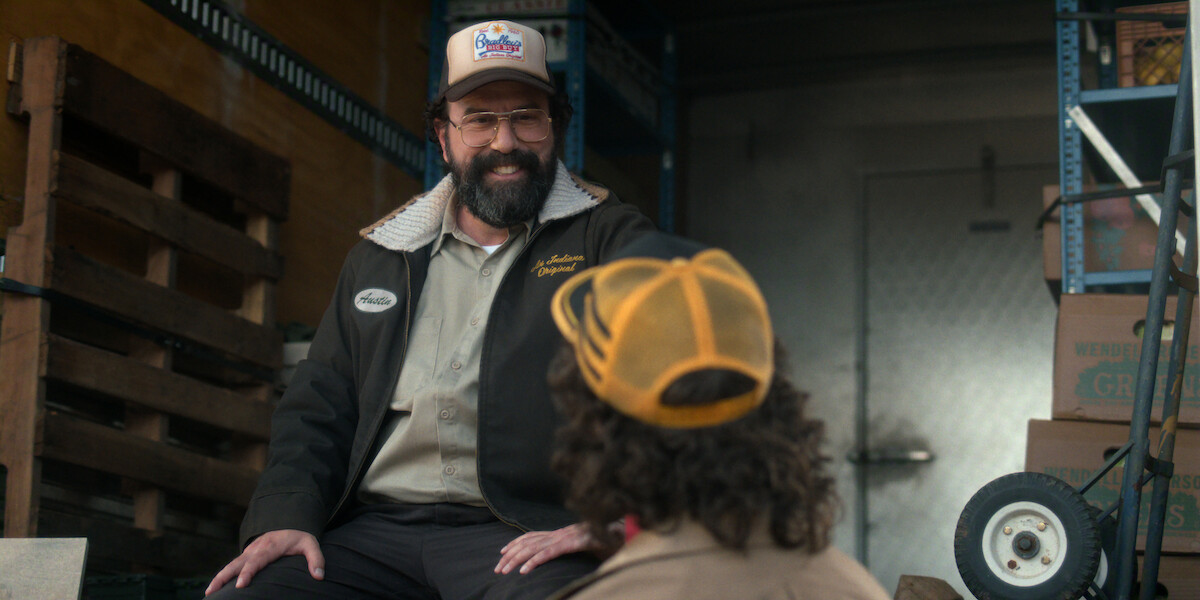
Murray’s uniform customization: Murray’s (Brett Gelman) “Big Buy” delivery uniform is intentionally customized with a knit collar and green embroidery thread for the name tag, suggesting he repurposed pieces from other uniforms.
Cargo pants for the kids: Many of the gang, including Mike, were given cargo pants with extra pockets this season. It wasn’t just a style choice — it’s so they’re ready to run into the Upside Down at any moment.
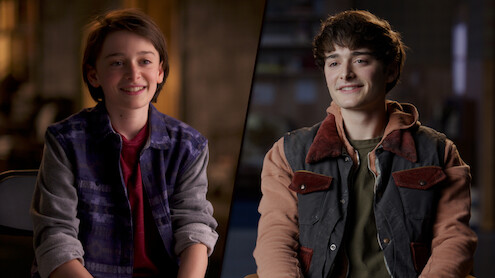
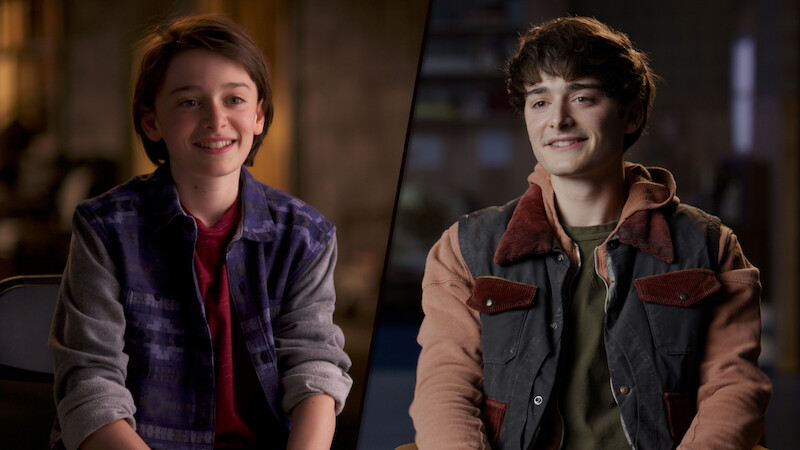
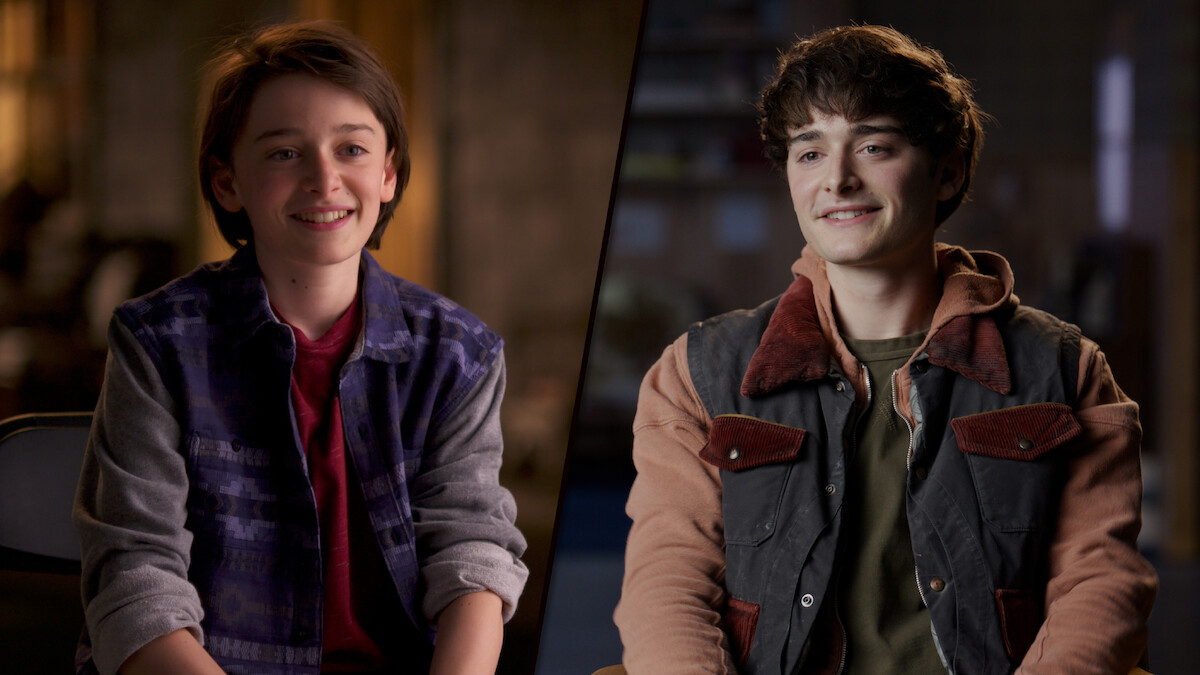
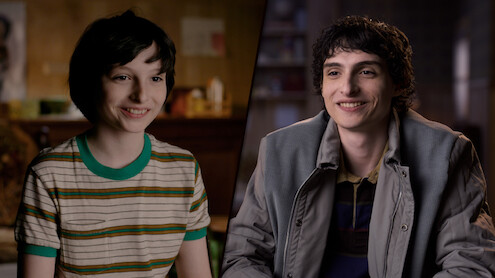
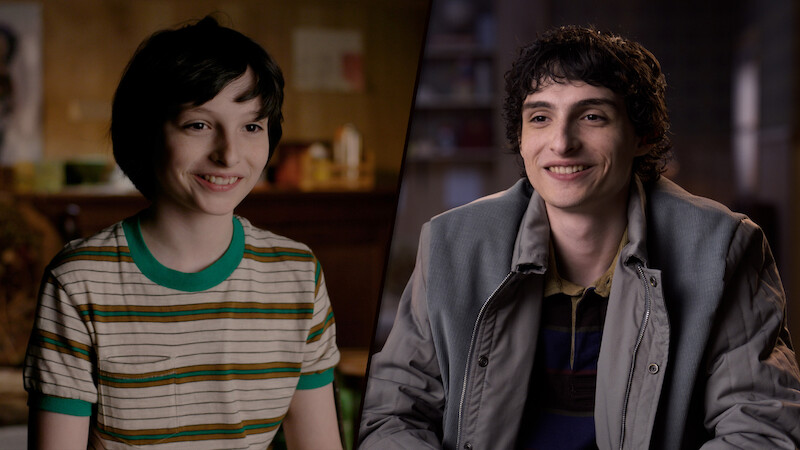
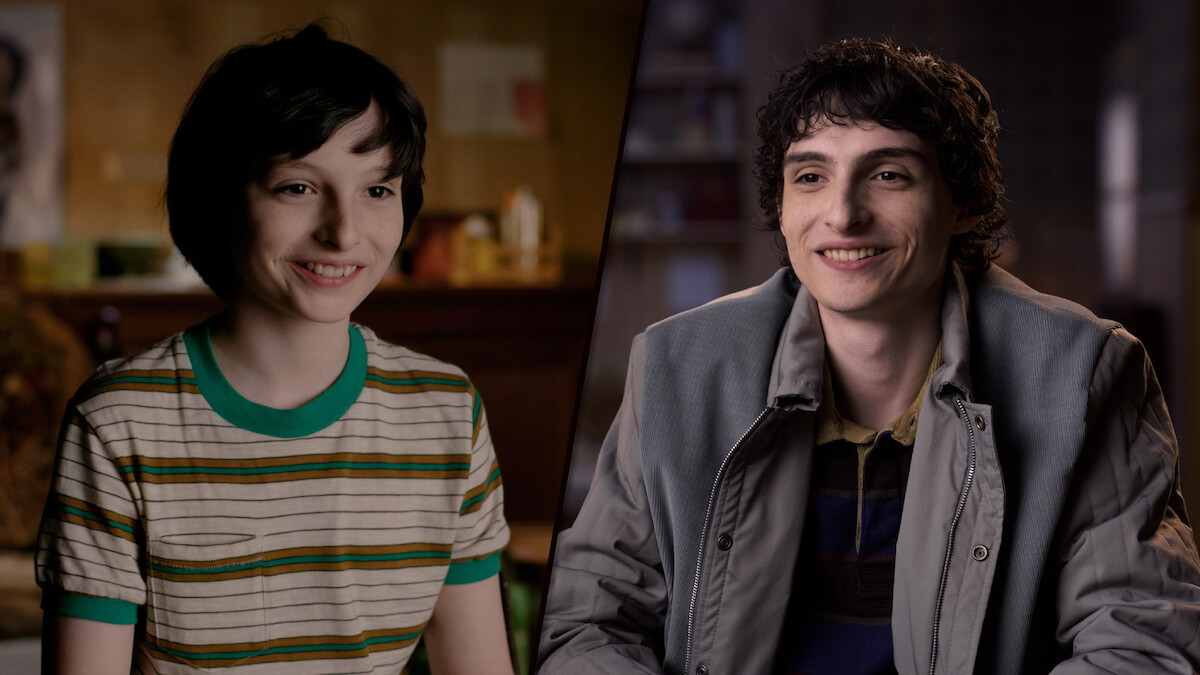
Will’s bowl-cut evolution: Will’s signature bowl cut was originally inspired by the character Bastian from the 1984 fantasy film The NeverEnding Story, and it was kept for years to show his character’s emotional stagnation. Only in Season 5, when Will learns to accept himself, does his hair finally evolve, embracing actor Noah Schnapp’s natural texture for the first time.
Multiple heads of hair: With 12 new kids this season, plus photo and stunt doubles, the hair team often styled more than 30 versions of the same look.
Dr. Kay’s seal of approval: The team referenced many of actor Linda Hamilton’s past hairstyles and used a combination of those looks to achieve Dr. Kay’s edgy but military-appropriate look.
Flat-tops for the win: Lovable bully Derek Turnbow (Jake Connelly), one of Holly’s classmates, sports a flat top inspired by the character Buzz McCallister from Home Alone, even though that film is a bit ahead of the show’s 1987 setting. And Lucas’s flat top remains intact even during action scenes, so passage of time or destruction is shown through subtler texture changes.
Lt. Akers’s self-styled look: Alex Breaux, who plays Lt. Akers, cut his hair himself, which the hair team embraced; later, they added a prosthetic burn and crimped/burnt hair effect for his storyline.
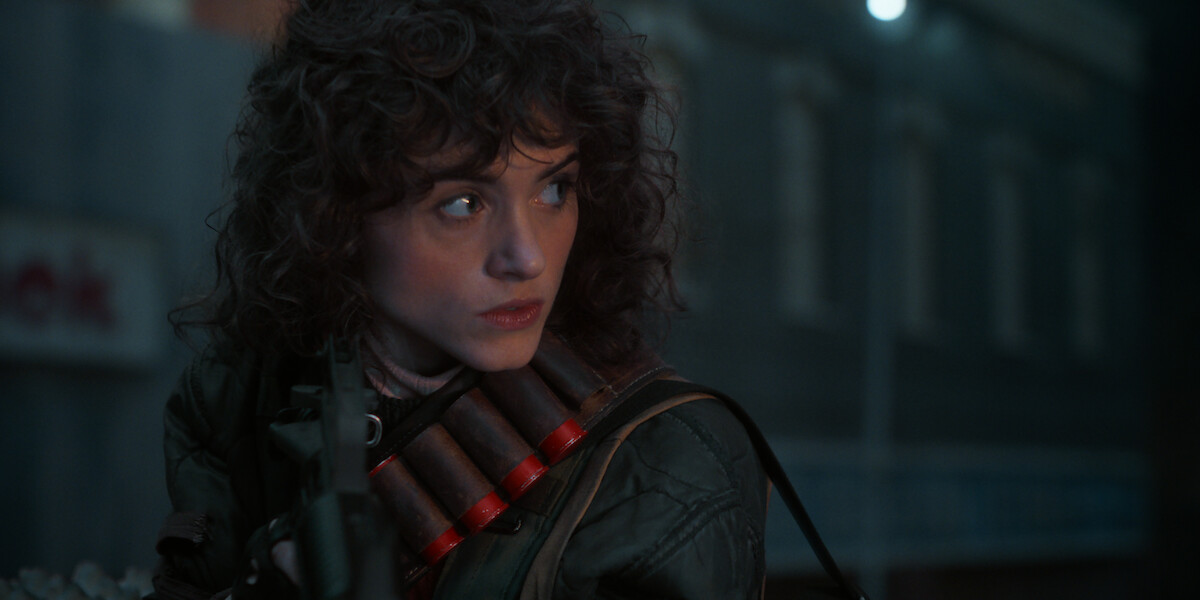
Sigourney Weaver inspiration: Nancy’s hair in Season 5 was inspired by Sigourney Weaver’s look in Alien. Her short, hard rock-inspired layers are also a nod to the 1980s music scene.
Steve Harrington’s party in the back: Steve’s hair is longer in the back this season, and the “cat paw” technique was used to style his iconic look.
We love the ’80s: Classic ’80s hair tools like blow brushes, curlers, and wig ovens (dryers) helped to achieve authentic styles, but the use of crimpers was rare (except for in special effects like Lt. Akers’ burnt hair).
Flower bomb bangs: The “flower bomb” bang — a poufed, floral-looking fringe — was a favorite ’80s style and appears on several characters in Season 5, including background moms.
Pigtails for Holly: Holly Wheeler’s pigtails are a sly nod to classic kid characters such as Gertie (played by a young Drew Barrymore) from the 1982 classic E.T.
Karen Wheeler gets frazzled: Karen Wheeler’s (Cara Buono) hair was left a bit frazzled to signal her stress over hosting a larger family (the Byers) amid quarantine — not to mention her badass battles with a Demogorgon and Demodogs.
Karen’s action sequence: Karen’s look for her big action scene in Episode 2 included effects like dripping mascara, torn clothing, “translucent jelly” for wetness, and large prosthetic wounds with gushing blood — all done practically, not digitally.
Wig challenges: Maya Hawke’s hair as Robin was a major challenge: Multiple wigs turned pink instead of the intended blond and required weeks of troubleshooting, with shipments being sent back to the maker in London.
Yearbook senior portraits: Makeup department head Eryn Krueger Mekash was inspired by her own yearbook, along with her husband’s, with specific looks in the show based on real classmates’ senior portraits.
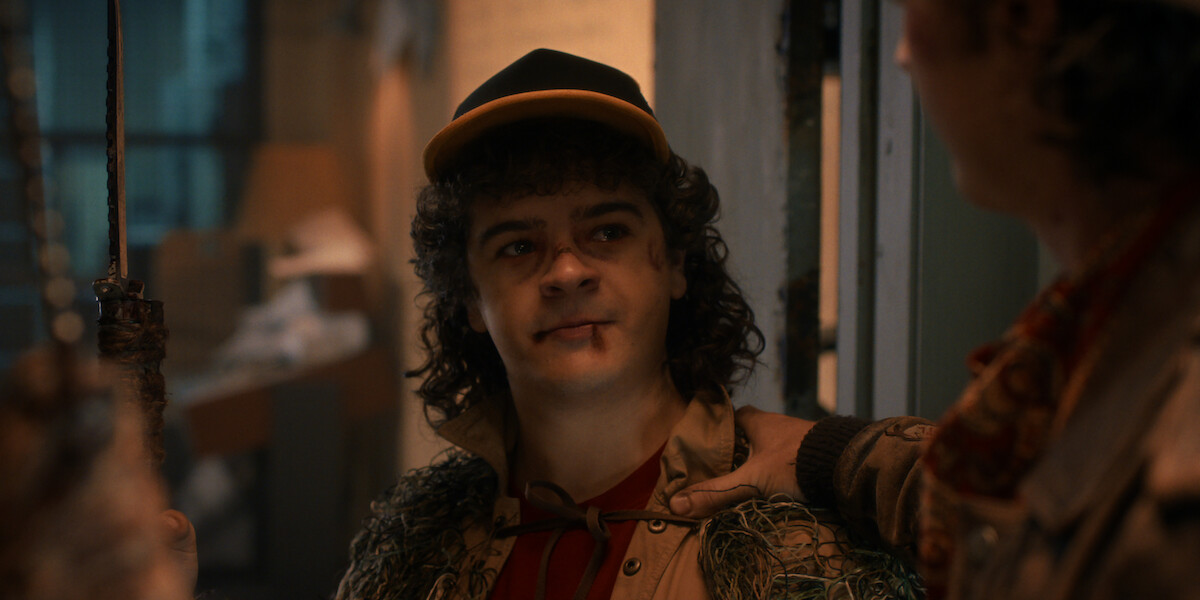
Dustin’s season-long injuries: Dustin is beaten up in an early episode and his wounds — black eyes, a broken nose, blood, and bruises — were carefully tracked for continuity throughout the season.
Tattoo-transfer injuries: The makeup team used tattoo transfers for wounds and scars so that the exact same injury placement could be quickly and perfectly re-created across multiple units and episodes.
Max’s dual looks: Max has two main looks this season: a sunburned, Pippi Longstocking style for her time in the other realm, and a withered, almost ghostly appearance for her hospital scenes.
Technicolor Creel House: In the Creel House, kids’ makeup is intentionally bright and “cartoony,” with extra blush and lip color to match the set’s vibrant, surreal palette.
Color-adjusted bruises: Bruises and wounds were specially color-corrected to show up under the show’s unique lighting (like the red or blue scenes in the lab or the Upside Down), so sometimes makeup that looks “hardcore” in person appears just right on camera.
Natural, lived-in looks: Season 5’s apocalyptic tone inspired a more realistic, less “made-up” look for most characters, which translated to minimal makeup, a little flush, and scruffier appearances to reflect their hardships.
Makeup pit crew: During intense scenes, the makeup and costume teams operated like a pit crew, running in between takes to soak actors, apply prosthetics, and maintain continuity.
Custom blood formulas: A lot of testing went into creating the perfect blood color that would read well under the show’s blue and red lighting, which the Duffers specifically requested.
VFX scale doubles every season: The visual-effects workload and ambition have “doubled every year,” says VFX Supervisor Betsy Paterson, with the demands of Season 5 being considerably higher than those of Season 4. In just five weeks of filming, the team had already crafted more effects than they had in the entirety of Season 4.
The Upside Down takes center stage: Whereas previous seasons had only brief visits to the Upside Down, in Season 5 “half of many episodes” take place there, says Paterson, with every shot in the Upside Down requiring complex VFX.
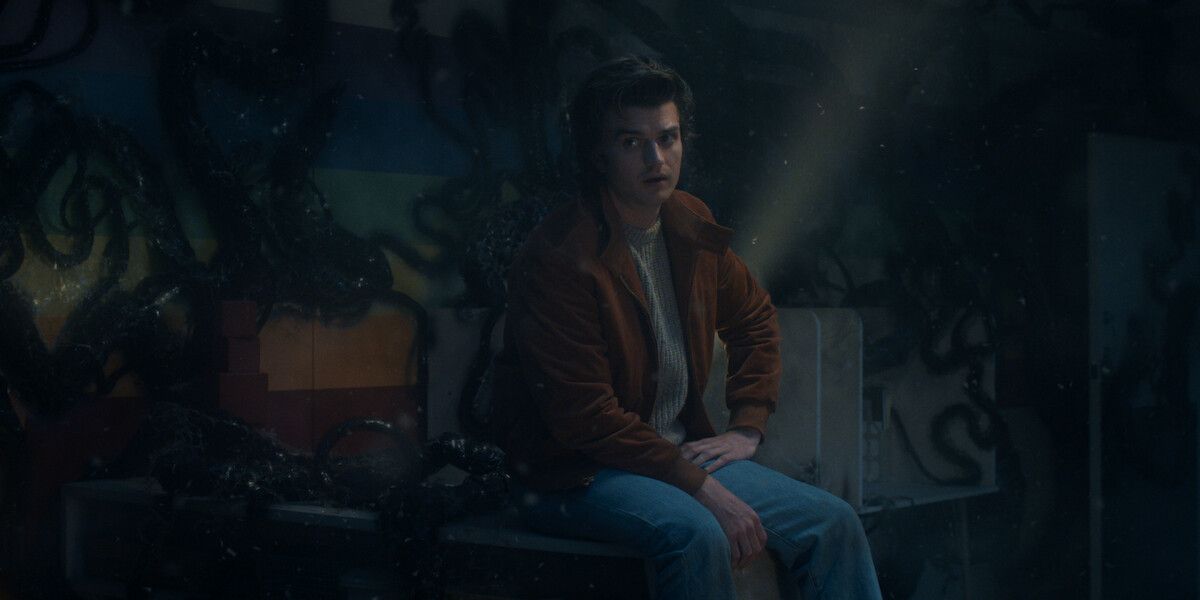
Constructing the Upside Down: To create the Upside Down’s atmosphere and signature vines, the teams used approximately 27.3 miles of pool noodles and 81 miles of rope, producing about 52 miles of finished tendrils.
Vines extended digitally: The art department physically dressed vines up to 12 feet high, but VFX took over to extend them higher up along trees and buildings.
MAC-Z set battles: The MAC-Z, or Military Access Control Zone, is a massive set piece for a huge battle between soldiers and Demogorgons. Of course, the three Demogorgons aren’t really there; their presence is created through VFX.
Tennis balls and laser pointers for eye line: To help actors play off of invisible creatures, stunt people wore gray suits with tennis balls on their heads, and laser pointers or sticks were used to indicate where the Demogorgon would be.
Invisible VFX touches: The visual effects weren’t just limited to big monsters; the VFX team worked on many invisible effects, such as enhancing lighting to simulate rifts, tweaking actors’ eyes during visions, or adding and removing walls in sets.
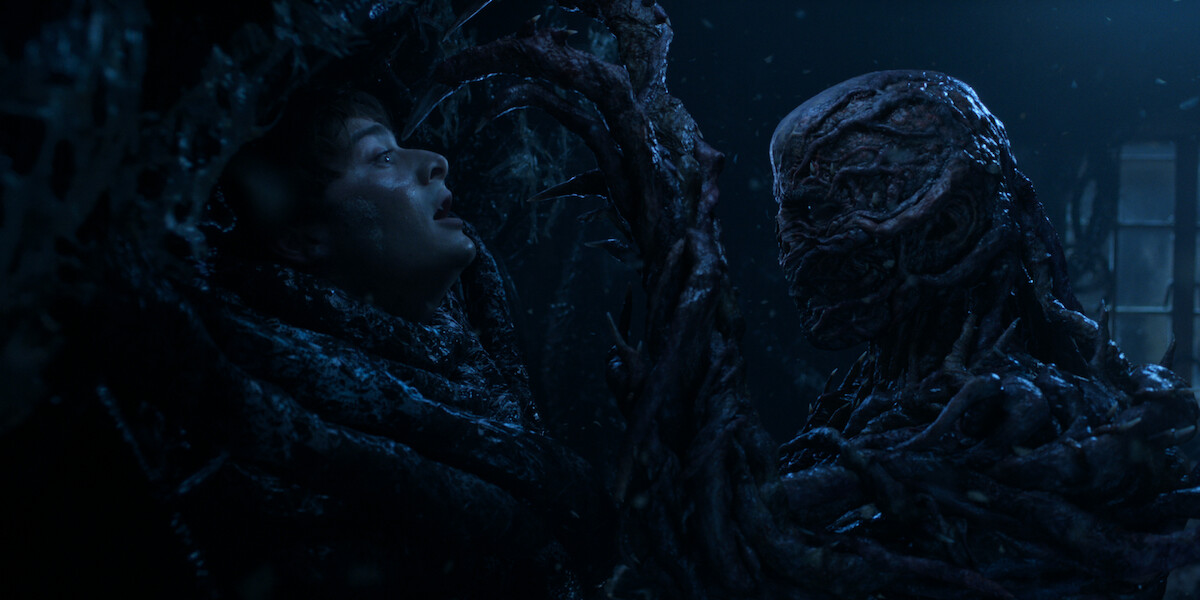
Reusability and modularity: All elements of the Upside Down (vines, tendrils, etc.) were designed to be reusable and modular so that they could be taken down, refurbished, and reused — and so the actors could actually interact with them. The Upside Down is much more three-dimensional in Season 5, covering every surface of its massive sets.
Realistic pumpkin explosions: For a scene in Episode 1 where Eleven blows up pumpkins with her powers, the team used hydraulics and water (not smoke or pyrotechnics) to make the pumpkins explode in a way that both looked supernatural and was safe for the actors.
Bubble wrap “veil”: The “veil” was made from heat-treated, stretched bubble wrap coated in clear resin, which reflects light well for night shoots and covers seams between noodles and vines.
Hand-rubbed vines: The vines were hand-rubbed with thickened polyurethane, and a single crew member did 70% of the noodles to maintain consistent texture and color.
Pyro and practical effects: Season 5 featured more explosions and fire than ever before, with billboards being shot up and tanks venting gas — meaning a busier schedule for the practical effects team.
Dead Demogorgon build: The VFX team built a full-size, physical “dead Demogorgon” for a key scene. It was 3D printed from VFX files, cast in silicone, and fitted with an articulated armature so it would flop realistically. It weighed around 175–220 pounds and required a stretcher and four people to carry it.
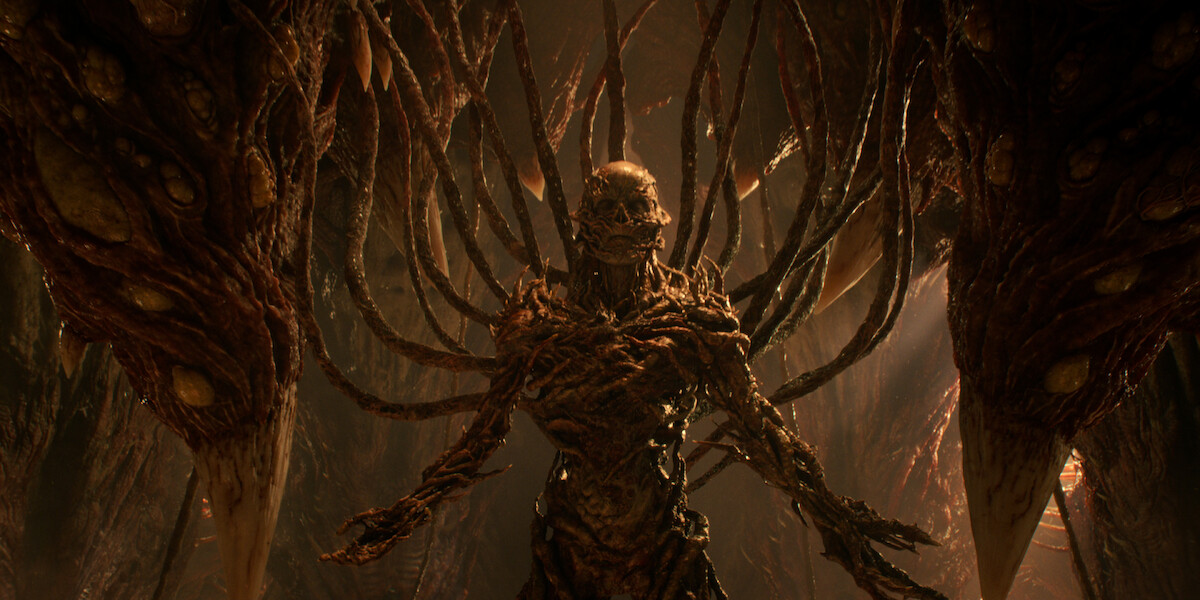
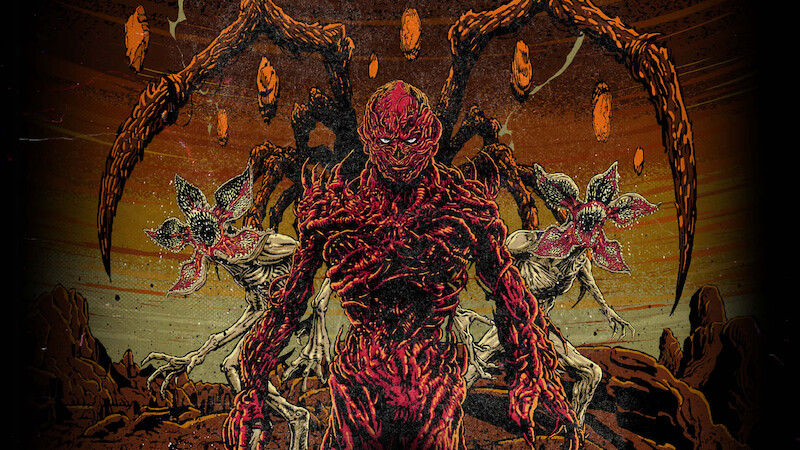
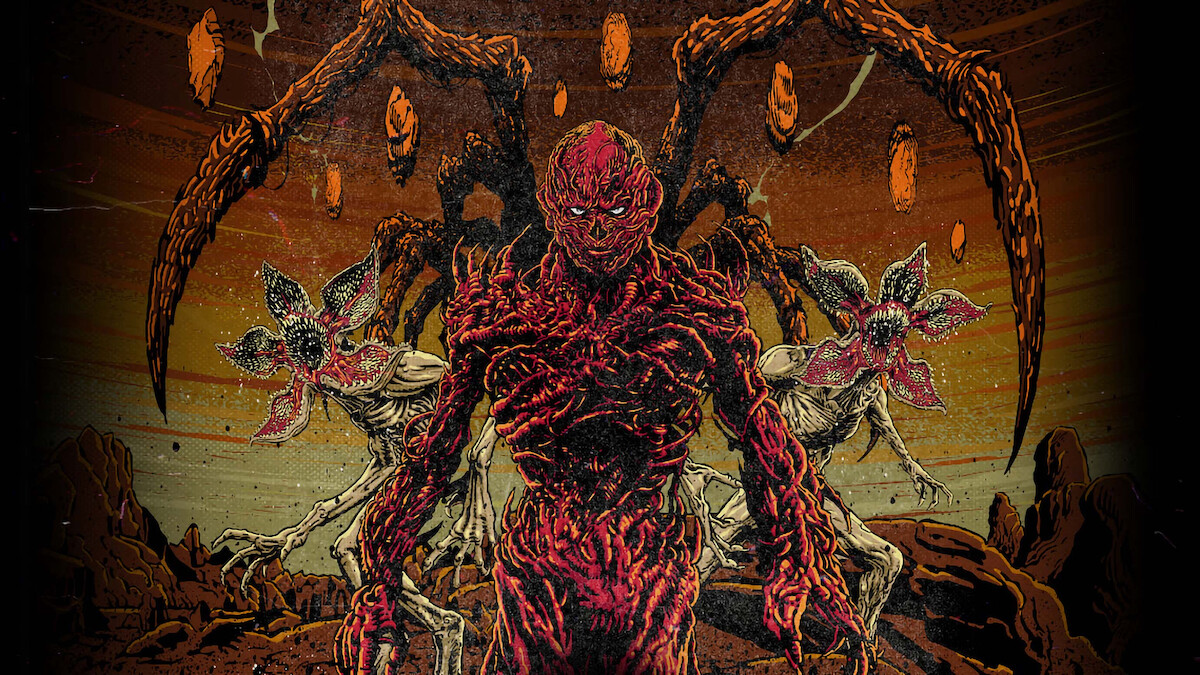
Vecna goes full-screen: Vecna returned in Season 5 with a “new, improved body” after being injured at the end of Season 4; the VFX team referred to this version as “Vecna 2.0.” For this new season, only Vecna’s head, shoulders, and right arm were covered in prosthetics. The rest of his body was covered in a skintight Lycra suit complete with tracking markers, allowing VFX to digitally create the rest, including his new “see-through” elements.
Jamie Campbell Bower in the prosthetics chair: Bower estimates he spent a total of 70 hours in the prosthetics chair to become Vecna. Bower wore custom-fitted contact lenses and dentures to allow for maximum facial expressiveness. His transformation time this season was actually considerably less, since makeup effects department head Barrie Gower’s team had to do only the upper half of his body, with a team of three to four artists working together.
Shoulder pads for scale: To match Vecna’s digitally enlarged silhouette, Bower wore a special crop top with custom pads on the sides and shoulders, giving him a broader, almost NFL player-like stance to help VFX artists track and expand his digital form.
Completely new face sculpt: Vecna’s face, shoulders, and hand prosthetics were all newly sculpted for Season 5 — no reuse from Season 4. The new design included burnt, charred areas and exposed wounds to reflect Vecna’s injuries at the end of Season 4.
Color-coded vine details: Painting Vecna’s new face was a challenge: Each vine and tendril had to be carefully color-coded (some purple, some red, some dark) to avoid a confusing, busy look and to help VFX track the flow of the design.
Hawkins Lab’s expanding role: Hawkins Lab has been a significant location since Season 1, with its set design expanding over the years to include everything from a basement to a roof, and key spaces like the Rainbow Room and boiler room. The scenes at Hawkins Lab were filmed in a former psychiatric hospital owned by Emory University, in Atlanta. It was set to be demolished in 2023, but the writers’ and actors’ strikes that year delayed production, which likewise stalled the building’s destruction.
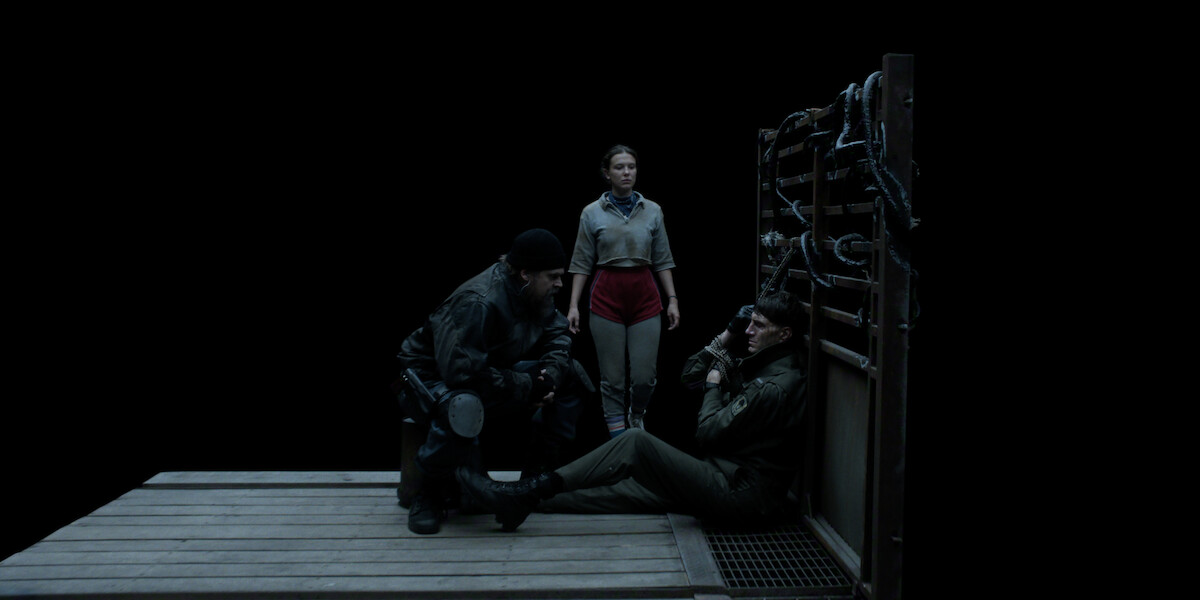
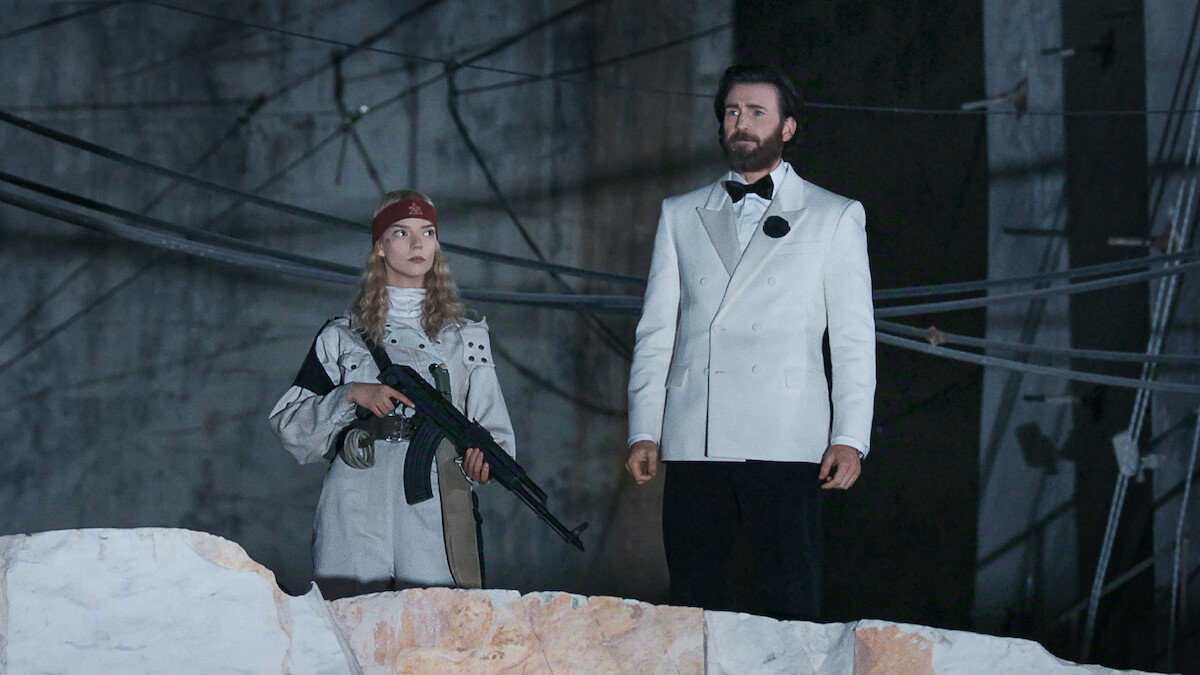
Eleven’s Black Void: Eleven’s “Black Void” psychic space was created using a shallow, 2-inch-deep reflecting pool surrounded by black surfaces. Though it looks infinite on camera, it’s actually much smaller than a basketball court.
The Squawk set as a favorite: The Squawk set was a favorite among the art department and the Duffers. They considered its design, color palette, and level of detail to embody the heart of the Stranger Things aesthetic.
Sculpture department expansion: For the ambitious sets in the final season, the team brought on an expanded, dedicated sculpture department, led by Alex Sherrod, to experiment with new materials and techniques at an unprecedented scale.
Styrofoam galore: Season 5 used more than 35,000 pounds of heavy-duty sculpting Styrofoam to build some of the sets. The Styrofoam was then recycled.
Mr. Clarke’s Hawkins High connection: The school used in the filming of all five seasons of Stranger Things was once Stockbridge High School — the same school Randy Havens, the actor who plays Mr. Clarke in the series, attended in Georgia.
New security cameras: After the events of Season 4, subtle security cameras were added in locations like the school and the hospital to hint at increased military surveillance and lingering trauma in Hawkins.
Chesley Bonestell influence: Artwork by Chesley Bonestell, an artist who greatly inspired Madeleine L'Engle’s classic fantasy novel A Wrinkle in Time, appears as a visual motif throughout the season (e.g., in Henry’s bedroom).
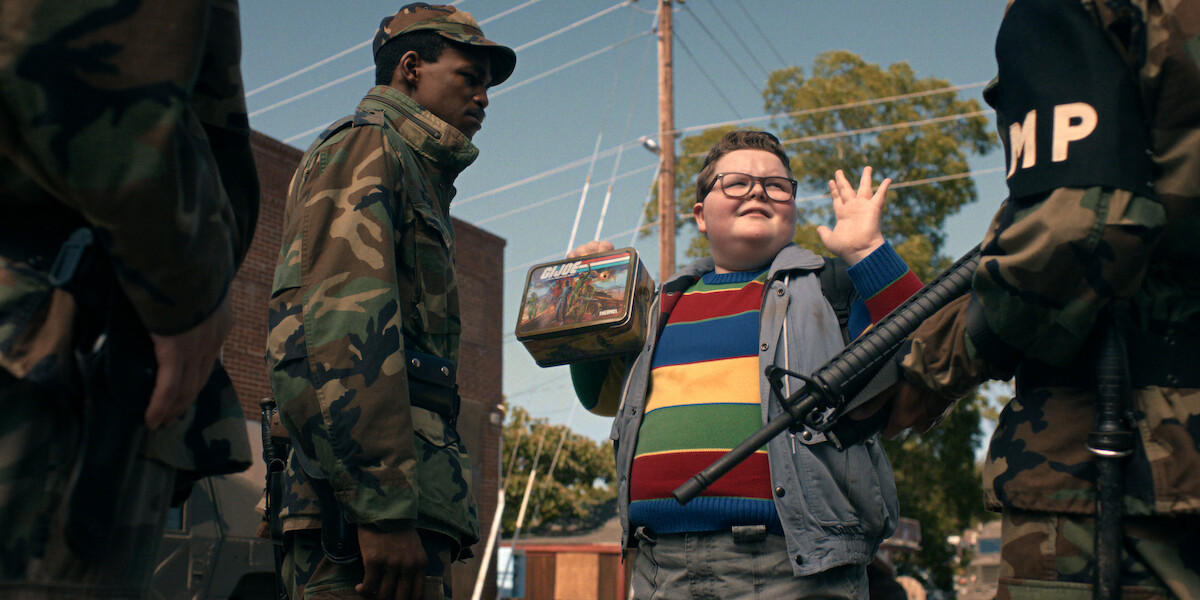
G.I. Joe lunchboxes and figurines: G.I. Joe is a huge presence this season, with authentic G.I. Joe lunchboxes and figurines sourced and used onscreen. Toy manufacturer Hasbro was involved for approvals.
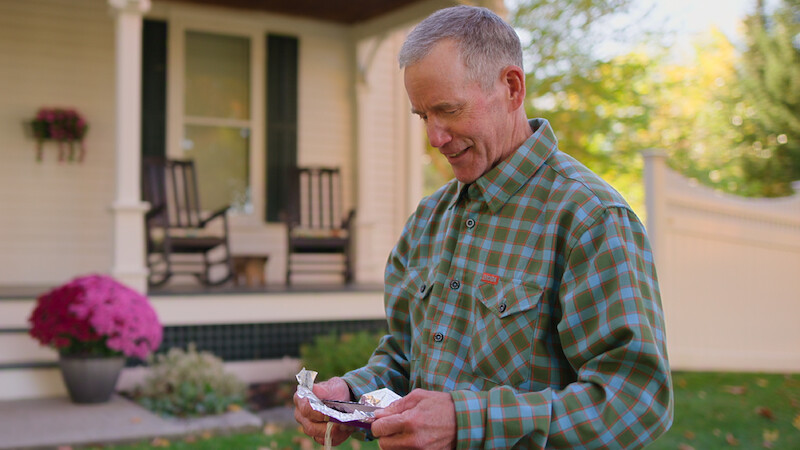
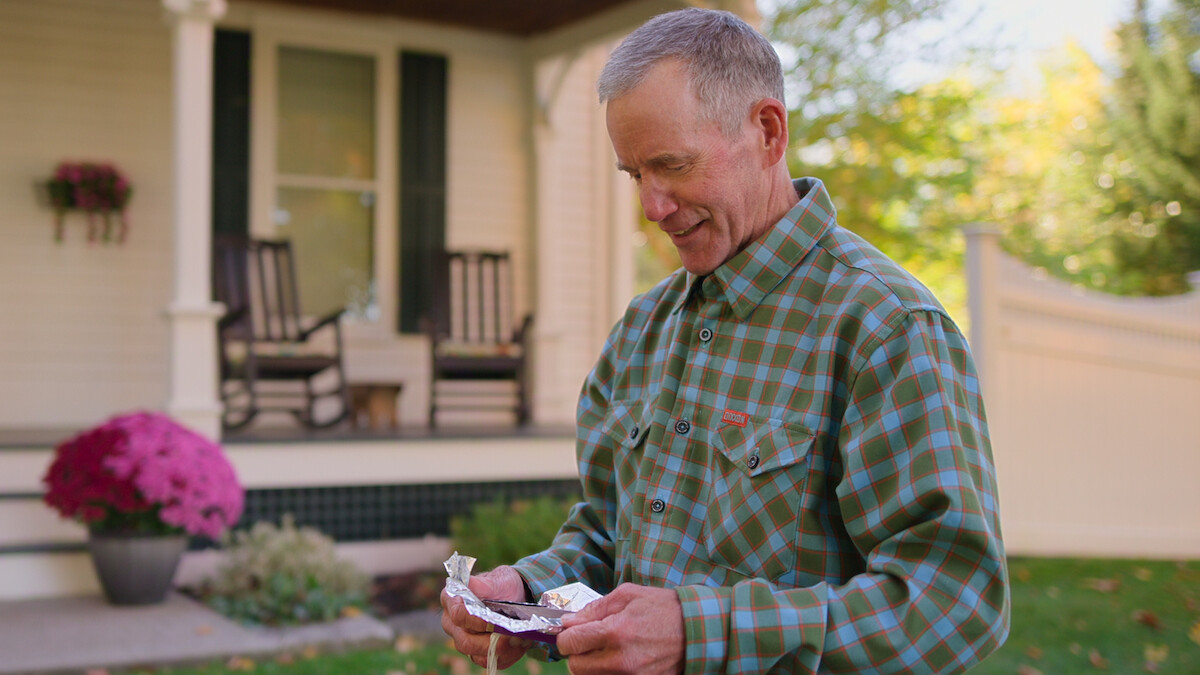
Peanut Butter Boppers: Steve introduces viewers to a chocolate bar called Peanut Butter Boppers, a real 1980s treat, featuring a creamy peanut butter center, crisp rice cereal, and fudge chips. The props team re-created the bar and its packaging with help from a food stylist and graphics company and even consulted the original manufacturer, Nature Valley, which rereleased the treat in early December.
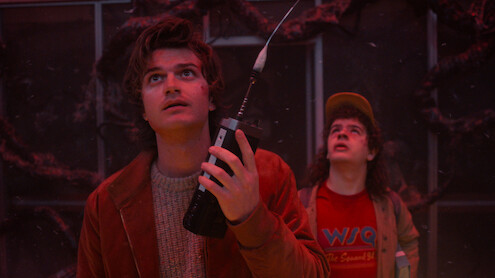
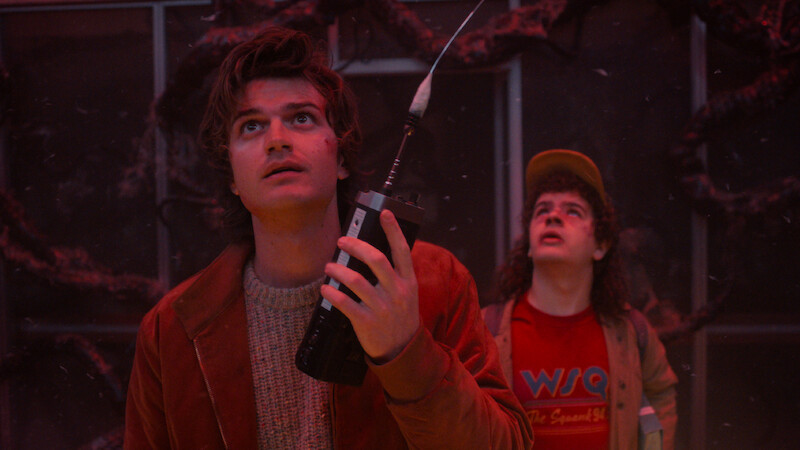
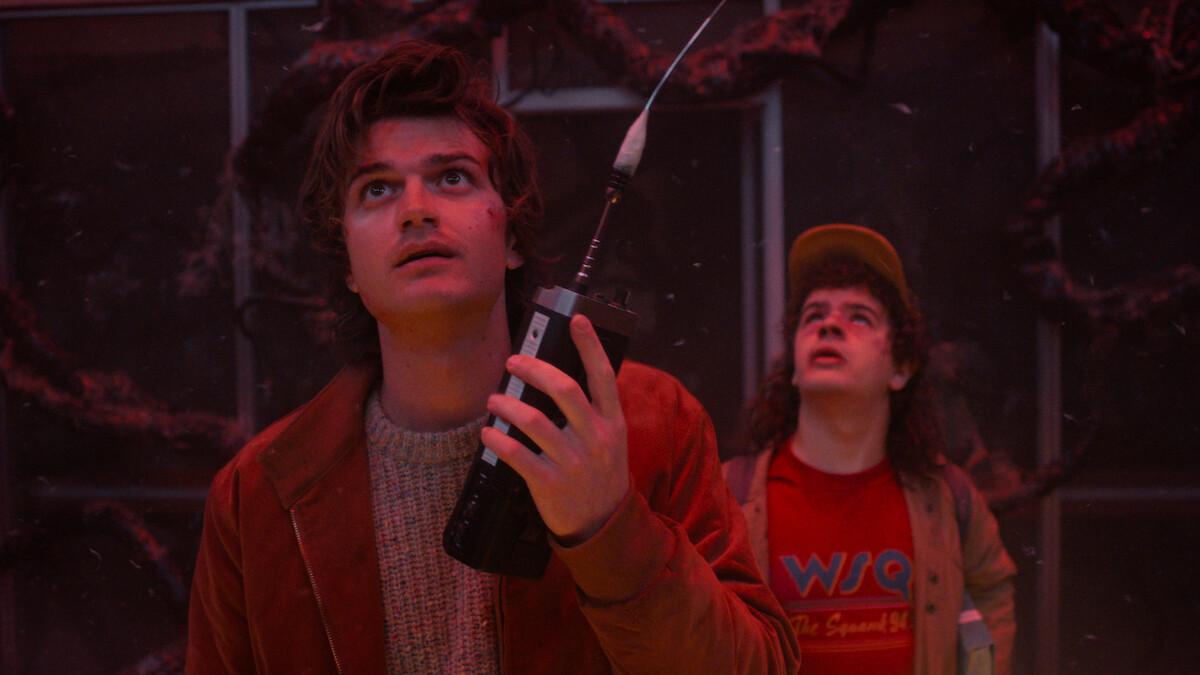
Telemetry tag and decoder: A key prop in Season 5 is a telemetry tag and decoder invented for Dustin and Nancy to track Demogorgons. Originally a UHF radio box, it was modified with working electronics and a blinking red light.
The Squawk van antenna: The Squawk van features a custom-built, oversized antenna inspired by 1980s military and submarine movies.
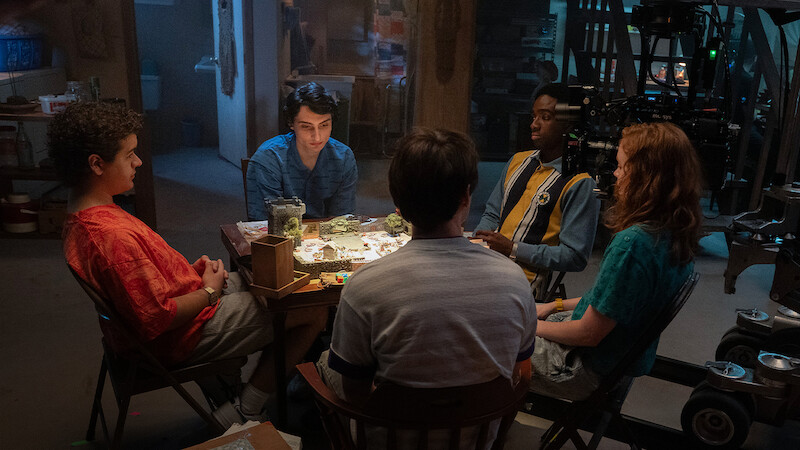
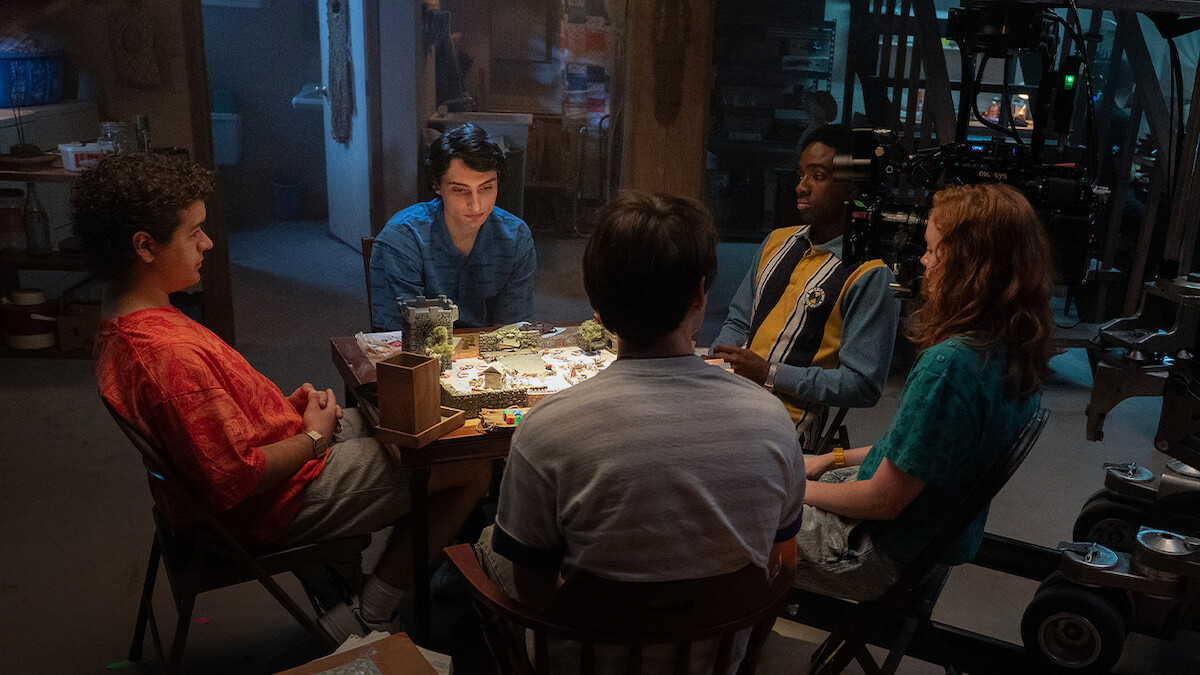
“Holly the Heroic” D&D figure: A new Dungeons & Dragons miniature, “Holly the Heroic,” was created for the show. The tiniest prop this season, it was 3D-printed and hand-painted with microscopic detail for Holly.
Mike’s barbed-wire shovel: Mike gets a new signature weapon: a shovel with its top wrapped in barbed wire to mimic Steve’s spiked bat from earlier seasons.
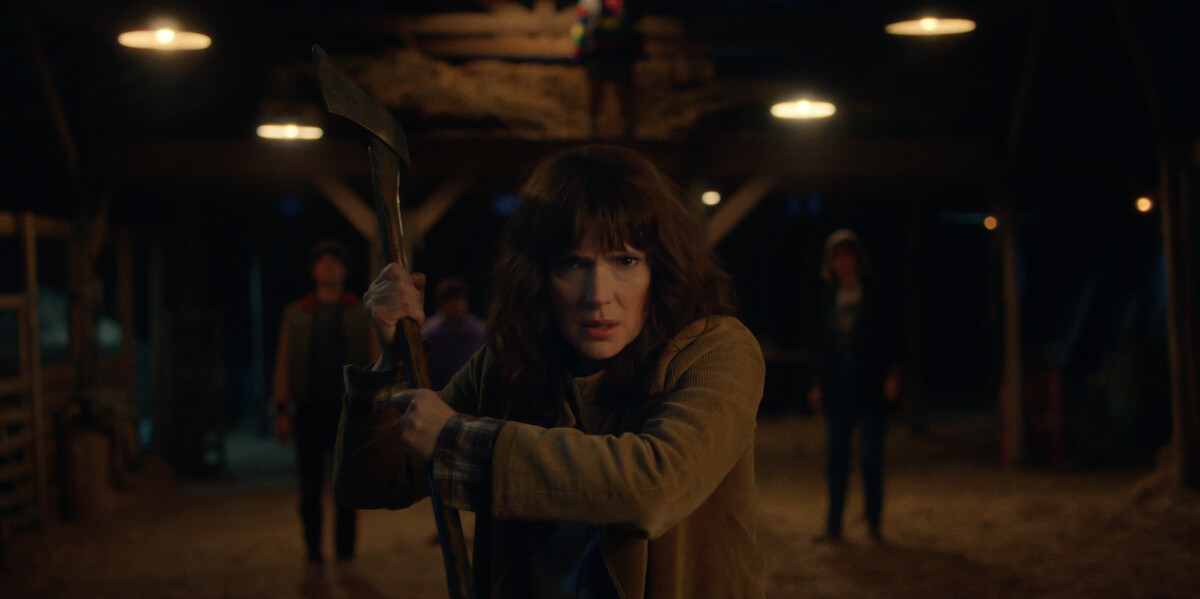
Joyce’s ax: Joyce wields an ax in Season 5, a callback to her use of the tool in Season 1. The prop team created both a real and a lightweight rubber version for the action scenes.
Period-accurate soda cans and bottles: The props team re-created 1980s soda cans (like a retro Mountain Dew) with accurate pull-tabs and graphics, using vintage commercials for reference and custom manufacturing when originals couldn’t be found.
Flamethrowers: Custom flamethrowers were designed and built for the season; each season has featured different flamethrower designs.
Sourcing from estate sales: Many older set pieces, especially period appliances like ham radios or cleaning products of the era, were sourced from estate sales. Set decorator Jess Royal used real-life collections to build authentic, character-driven spaces.
Destruction and duplication: Sometimes, props have to be destroyed for a scene — like Dustin’s bike, which was intentionally “messed up” for story purposes. The team ensures they have duplicates, or can repair or replace items as needed.
One Last Adventure: The Making of Stranger Things 5 is now streaming on Netflix, along with all five seasons of the series.