
“We physically were leaning on each other and holding each other up.”
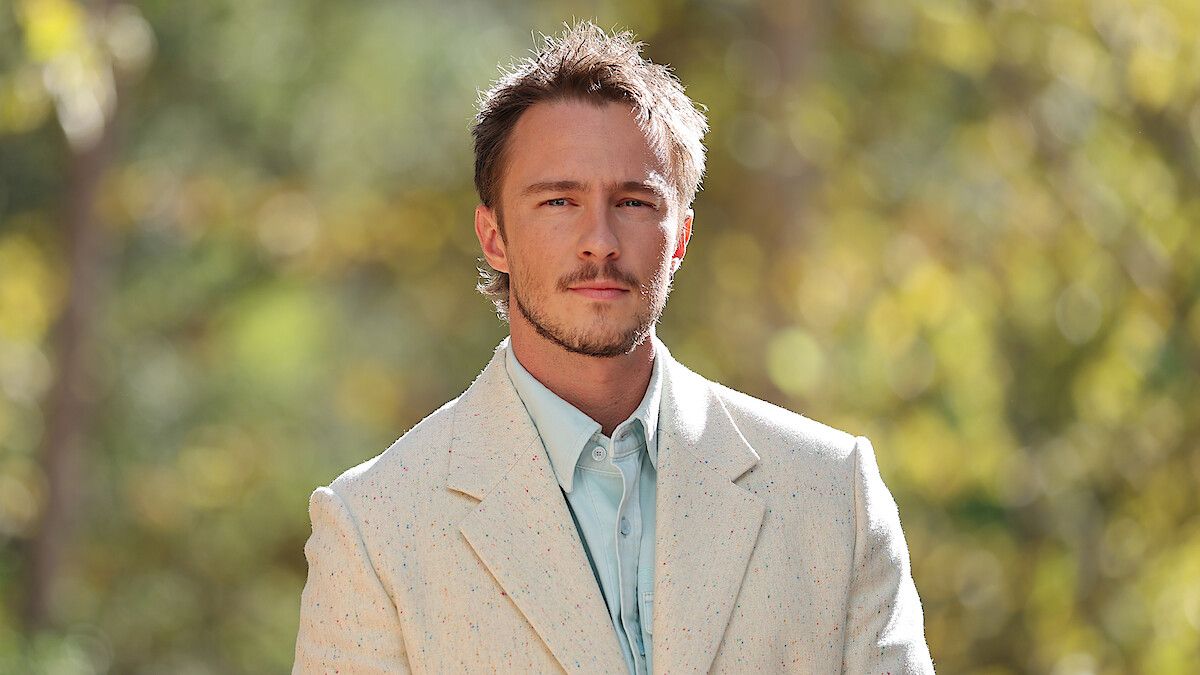
Ben Taylor wanted to direct Joy from the first moment he learned of the script, which chronicles the uphill journey of three British innovators who made in vitro fertilization a reality in the 1970s. Not only had the Sex Education director and executive producer been a longtime fan of Jack Thorne (The Swimmers, Enola Holmes), who worked with his wife, screenwriter Rachel Mason, on the story, but Taylor also shared an affinity with the project and its writers. “I needed to do the job because IVF has been a huge part of my life over the last 10 years. I was desperate to be a part of it if possible,” says Taylor, whose family — along with Thorne and Mason’s — benefited from the technology.
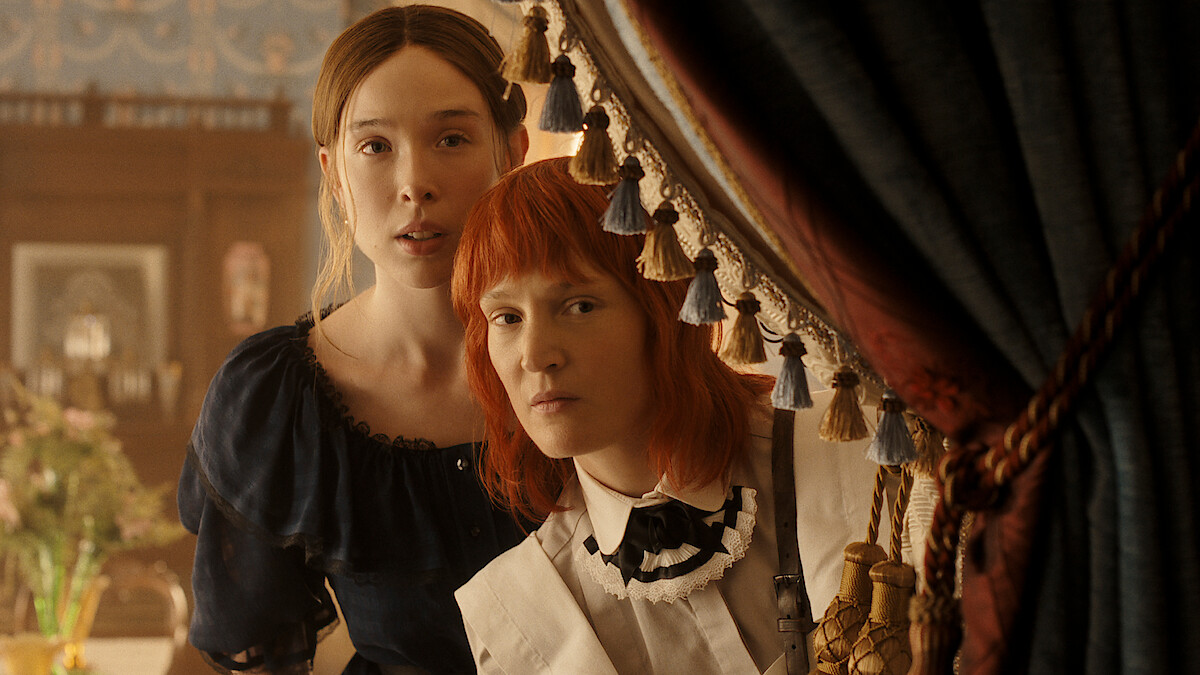
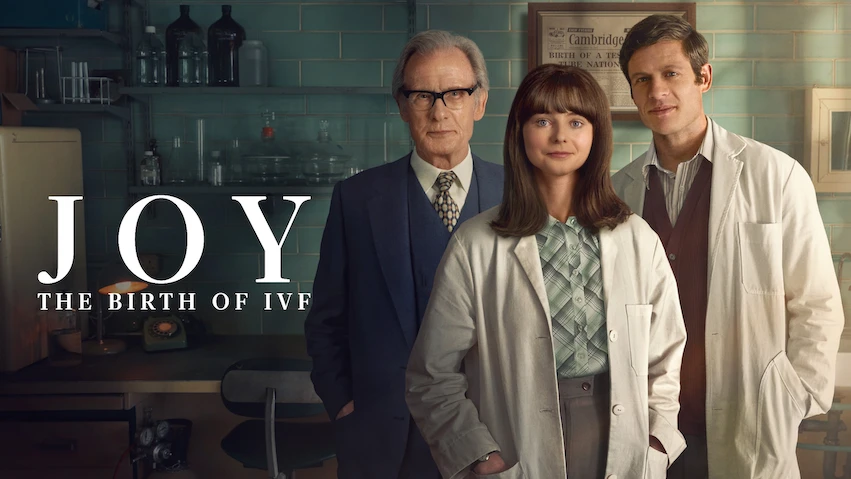
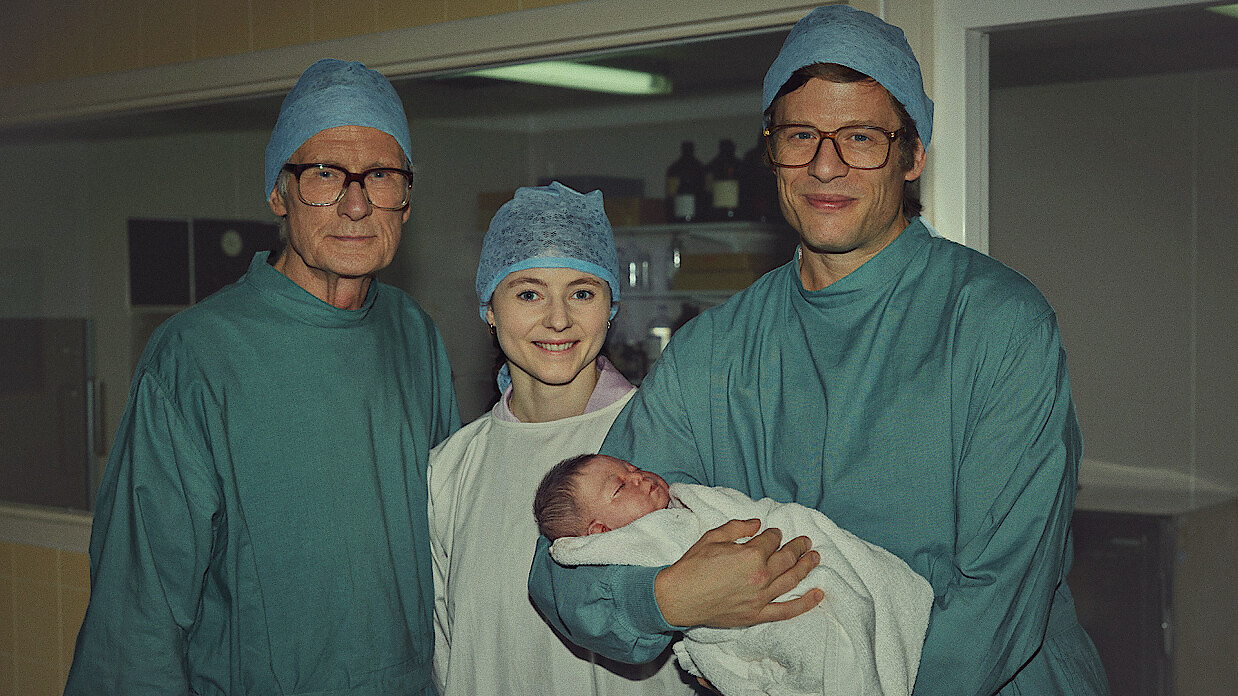
To do the revelatory story justice, Taylor and his team cast Bill Nighy as obstetrician and gynecologist Patrick Steptoe, Thomasin McKenzie as nurse and embryologist Jean Purdy, and James Norton as visionary scientist Robert Edwards, who was awarded the Nobel Prize for the trio’s fertility innovations in 2010 (after Steptoe and Purdy had passed away).
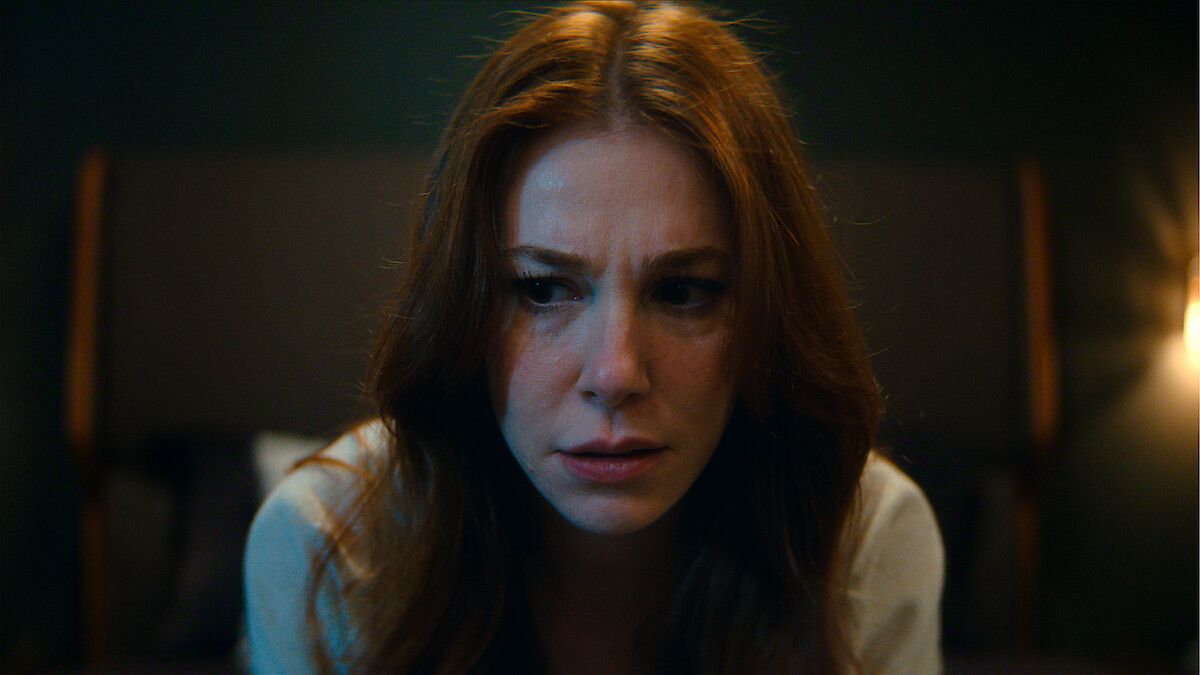
While Edwards and Steptoe received most of the acclaim for their scientific innovation, Joy centers Purdy, who serves as the study’s undeniable backbone and a comfort to the women who submit themselves for research. “I think the acknowledgment of a woman’s involvement in what was considered a man’s world is still something that is out of balance but was stark with the three of them,” says Taylor of Purdy’s lack of accolades. “You see the newspapers of the time and everything is about Patrick and Bob — there was never anything written about Jean. That was obviously a gender issue, but also it was the lack of understanding of the contribution that Jean made to this, which was an incredibly human edge.”
With Joy, Taylor makes his feature film debut, giving Purdy her much-overdue credit and bringing to light the story of how three British innovators, against the odds, brought hope to families who longed for children, changing the world in the process.
An edited version of the conversation follows.
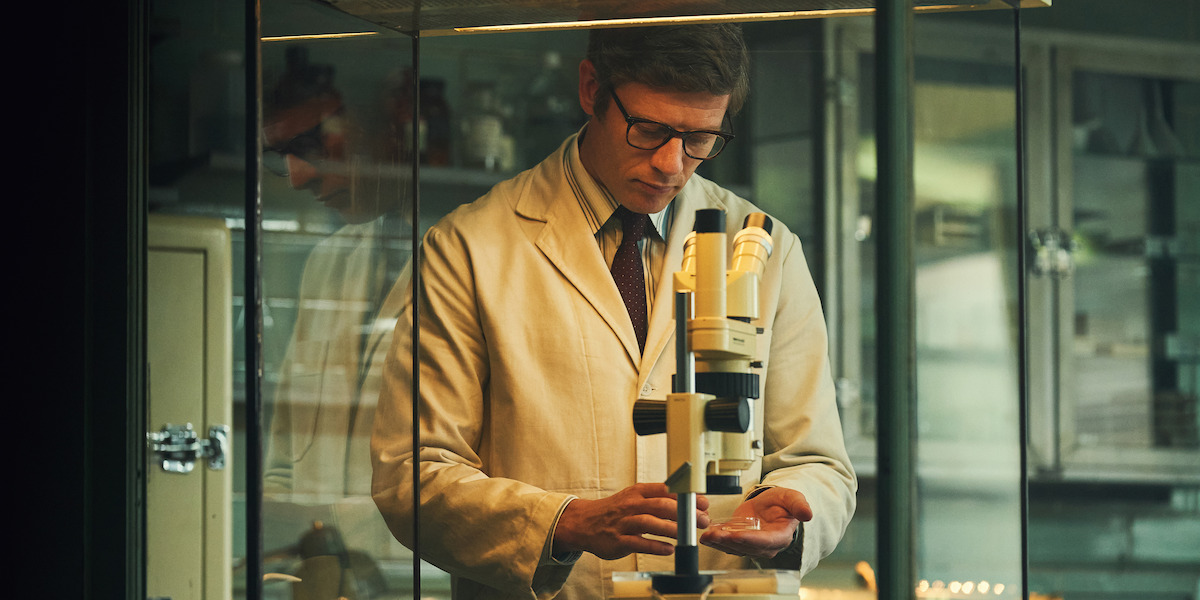
Robert Edwards (James Norton)
What made Joy a dream project for you?
It was a combination of elements, some very obvious, the main one being Jack Thorne. Just seeing his name on the front of the script, you knew that it was going to have this quality and emotion to it that he’s so synonymous with.
I’ve cared for and loved every project that I’ve worked on, and they’ve had, without exception, a personal connection. This was a story that I was not only connected to and had been a large part of my life, as my wife and I had struggled with fertility, but it was something that I was grateful for. To work on a story with a huge sense of depth was exciting. Also, without being too highfalutin about it, it’s an incredible story. It is dramatically satisfying and compelling, [and it was] wrapped up within a subject that I am eternally thankful for because it directly resulted in the family that I have.
You have a talented cast of actors in Thomasin McKenzie, James Norton, and Bill Nighy, who have fantastic chemistry.
It took time to pull together and to get that right balance. It’s based on a true story, so we’re aiming, in a dream world, for pretty good lookalikes, but that came second. It was more about the feeling and style of them as actors. We got Bill first, who plays Patrick [Steptoe]. His support of the material was really clear from the start. Once he was in, we were able to build out the rest of our trio of leads. We saw incredible actors for the role of Jean Purdy. I was initially concerned that Thomasin may play too young because the story takes place over 10 years. But she came in and read and it was just immediately clear that she embodied Jean and her resilience, and [she had the] emotional maturity that the character required.
Finding the right Bob [Edwards] was harder, I think. James Norton, who I’d been a massive fan of, was so clearly right, but he was in the middle of one of the most grueling stage plays that has ever been put on, A Little Life. We knew his dates would line up, but I assumed he would need possibly two years off to recover from it because it was physically and emotionally challenging. It turned out that he’s got boundless energy and stamina, so he [only wanted] a couple of weeks off. I think our film ended up being exactly the tonic that he needed after the tone of that show. The film was full of hope and love and positivity; it’s a story about winning and progress, whereas his show onstage was the opposite of that.
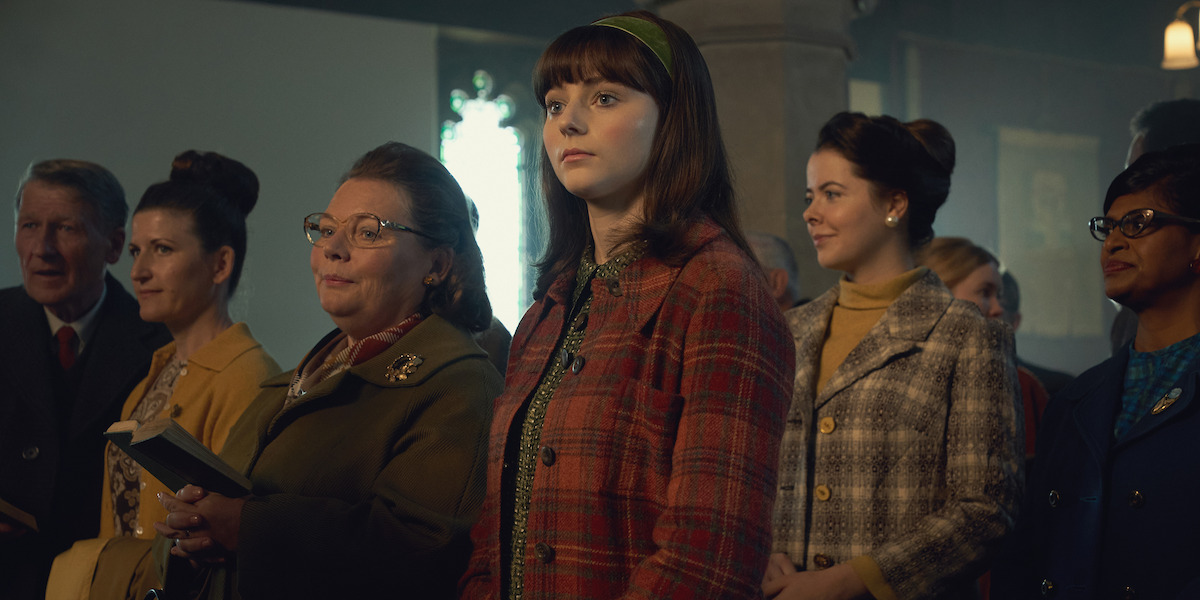
Jean Purdy (Thomasin McKenzie)
Can you talk about the research that went into Joy?
It sounds bad, but it is quite a common thing: I had no idea this was a British discovery. It was a process that, as I said, was life-changing for me and my wife, that we had absolutely relied on, but I hadn’t looked into it. I knew about the science, but I didn’t know the history of it. To then read this script, these amazing 120 pages — your takeaway is a lot of emotions. One of the main ones is, Wow. This is a British breakthrough that nobody knows about and the drum hasn’t been banged for these people. They were, in their time, not heralded for the grand achievement it was. Bob ended up winning the Nobel Prize once Patrick and Jean had died. Jean, within her lifetime, was not recognized for her role in this gargantuan achievement.
[The writers] were incredibly thorough. This was researched, in terms of the medical and scientific side, in huge detail. It was then researched in terms of interviewing the people who had worked with, or were the families of, Patrick, Bob, and Jean, all of whom had passed away. Then, when I signed up, I was sent this intimidating folder of interviews and books, both nonfictional and scientific.
You quickly become an expert on the period and slowly become an expert on the science behind it, and that helps you approach it as a filmmaker. Then, you are on set and you are shooting egg retrievals and embryo transfers, incredibly detailed procedures that are not just background; they’re literally what the film’s about. There is a huge pressure on us as a team to do that authentically. We had brilliant technical advisors. We had an embryologist with us throughout the shooting, who was detailed and fastidious and really keen for us to make something authentic. One of the fascinating things about IVF is that the technology around it has obviously jumped forward since 1978 — the monitors and the power of the microscopes and all of that have leapt forward — but the process itself has not changed. It’s an incredibly organic, binary thing, which is that you take one of these, add it to one of these, wait, and then transfer it back into the mother.
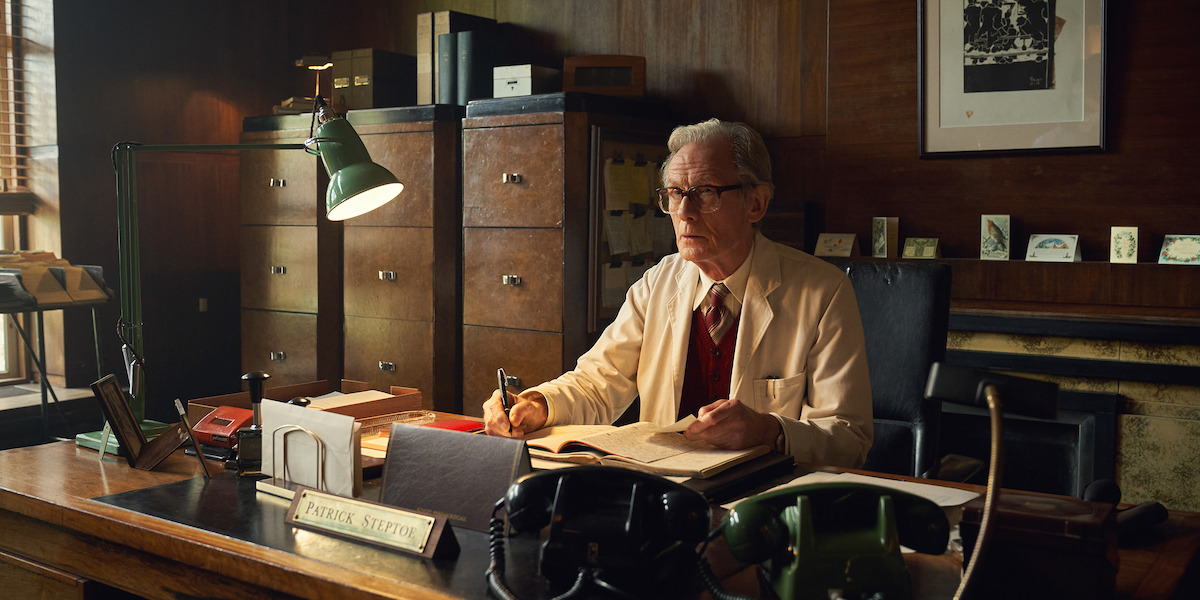
Patrick Steptoe (Bill Nighy)
Despite the story taking place in the late 60s and 70s, why is it relevant today?
The story itself is specifically period, but the impact of their achievement continues to resonate around the world, with over 12 million babies having been born as a result of IVF since 1978. Along with its application in fertility treatments, it has also enabled countless same-sex couples the opportunity to start families. The other unsung heroes of this story are the hundreds of volunteers who put themselves and their bodies through this extraordinary ordeal [of participating in the trials], knowing that the chances of success were against them. It was a combination of hope and desperation but also this incredible altruism of knowing that if it wasn’t going to work for them, it may work for somebody down the line.
I’m very proud that [Joy] exists, and I’m excited for it to be seen and shared. During mine and my wife’s own struggle with fertility — and I’m certain we’re not alone in this — it was an incredibly private thing. Our closest family and a few of our friends knew about it, but it has a stigma to it that needs to be broken. Though you’re far from alone on this journey, it can feel like you are. It’s whispered about; you keep it to yourself until you are either, hopefully, successful or, tragically, not, and then it becomes a very personal sadness. I hope this film finds a global audience and goes some way to further connect the IVF community, starting more open conversations about the fertility challenges that many of us face. And also, at its heart, this story shines a light on the miracle and the positivity of this work and how many lives it has changed for the better.