Deep Dive
Joy Tells the Moving Story Behind the World’s First ‘Test-Tube Baby’
Ben Taylor directs the new film about the pioneers of in vitro fertilization.
Nov. 22, 2024
Every birth is extraordinary in its own way. But that was never more true than in the case of Louise Joy Brown, the first “test-tube baby.” Born in 1978, Louise’s extraordinary birth was the result of a decade of work by surgeons, scientists, and embryologists.
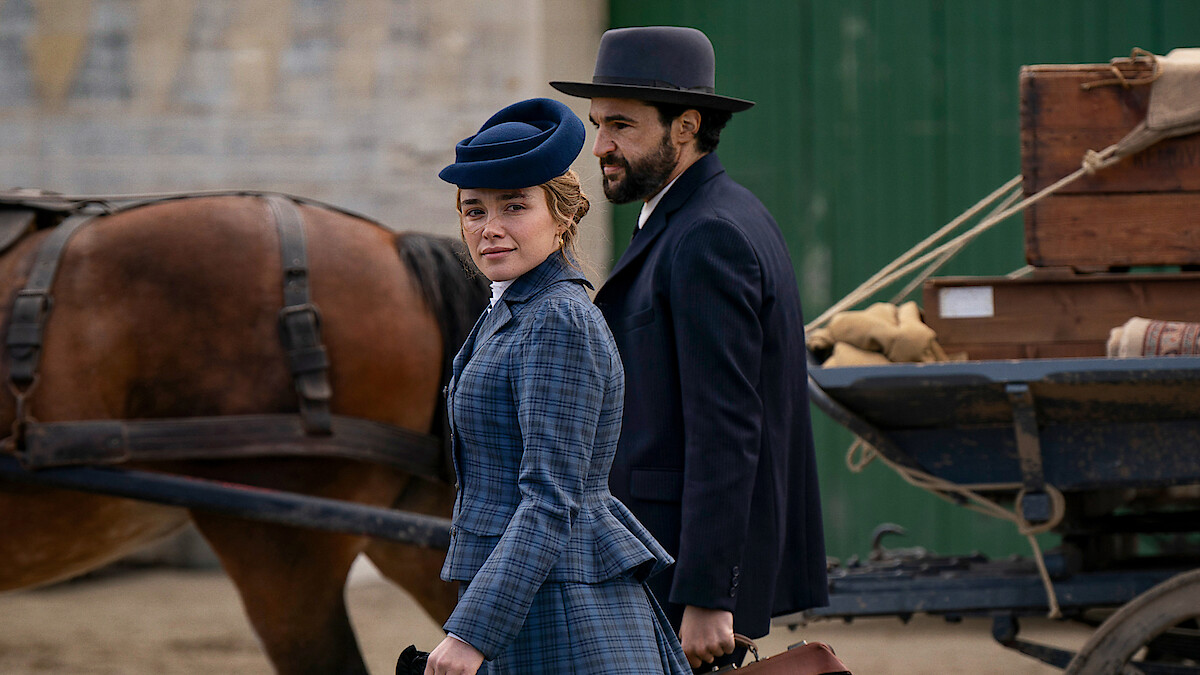
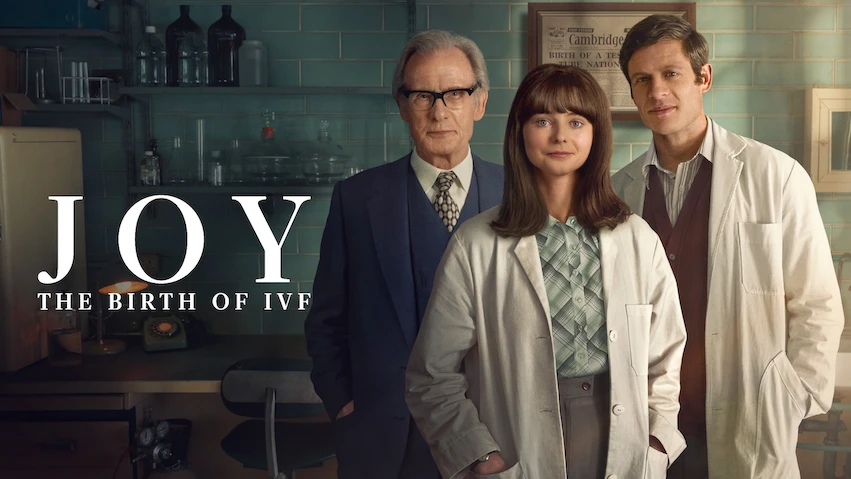
Directed by Ben Taylor (Sex Education), and co-created by Jack Thorne and Rachel Mason, Joy tells the remarkable story of those hardworking men and women — and how their work paved the way for the advent of in vitro fertilization (IVF).
You can check out the trailer for Joy above, and read on to learn more.
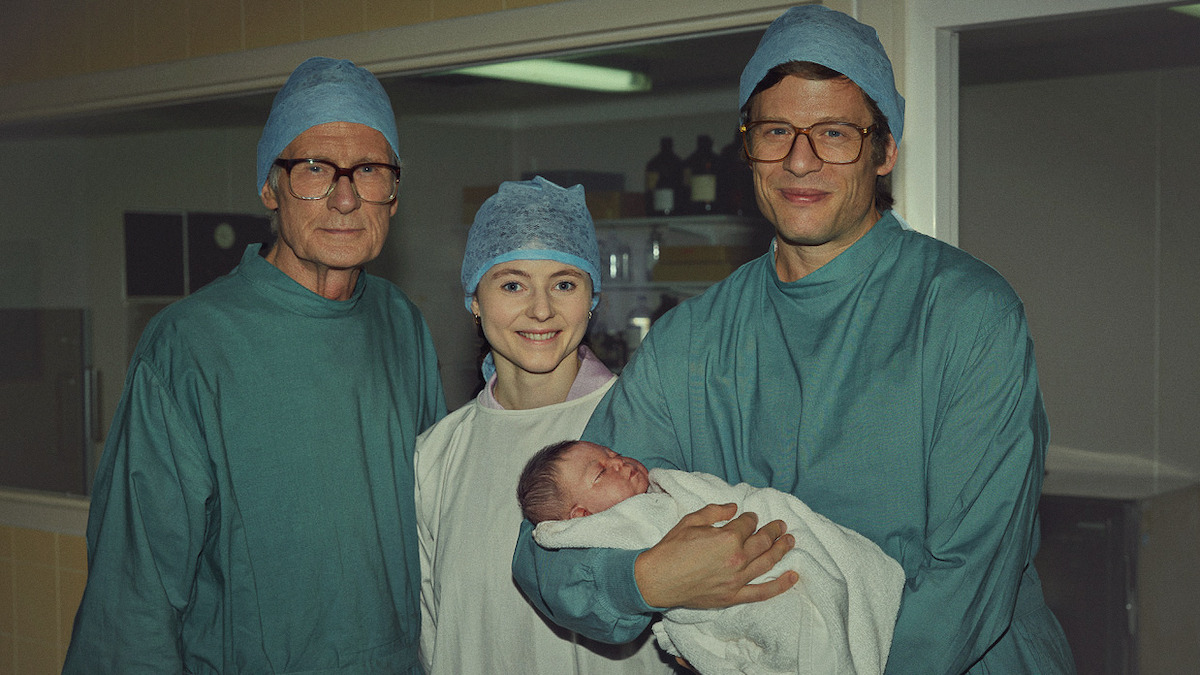
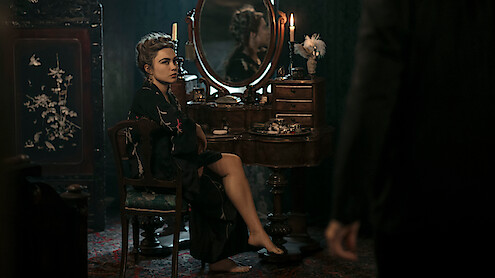
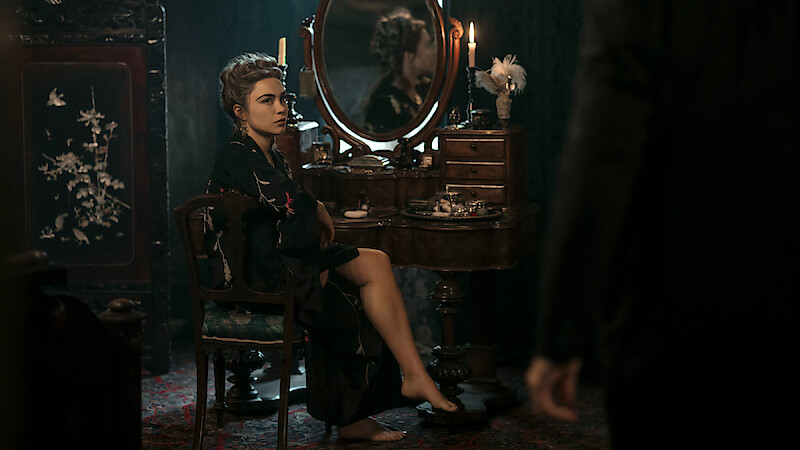
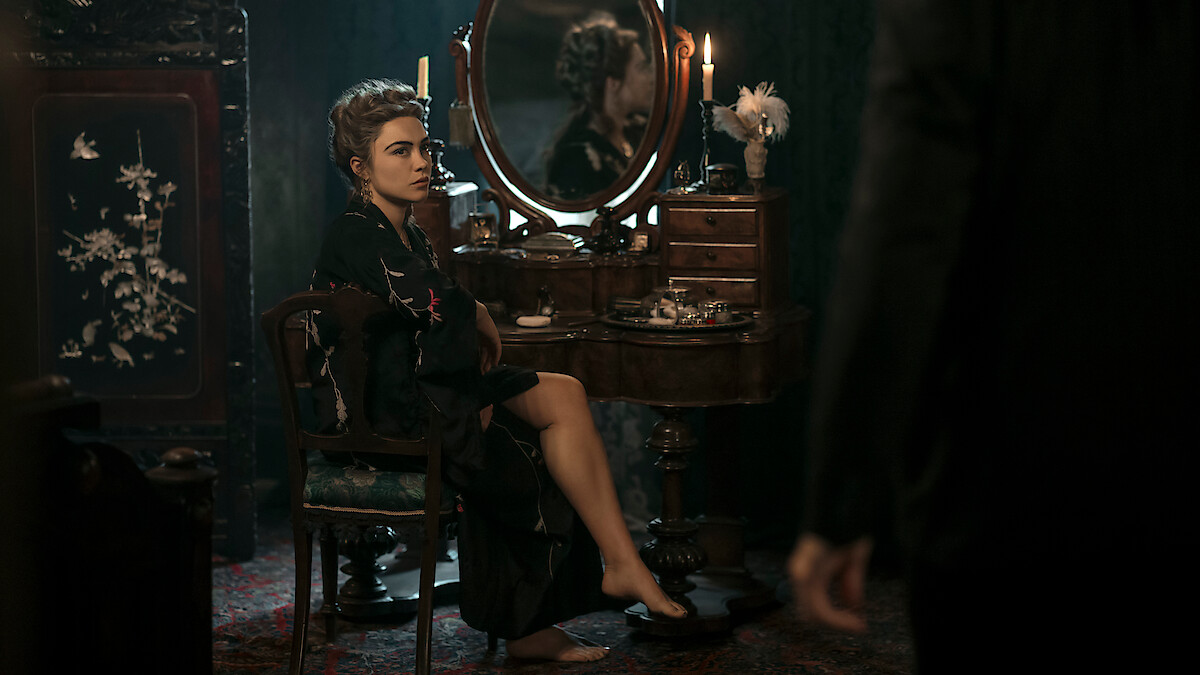
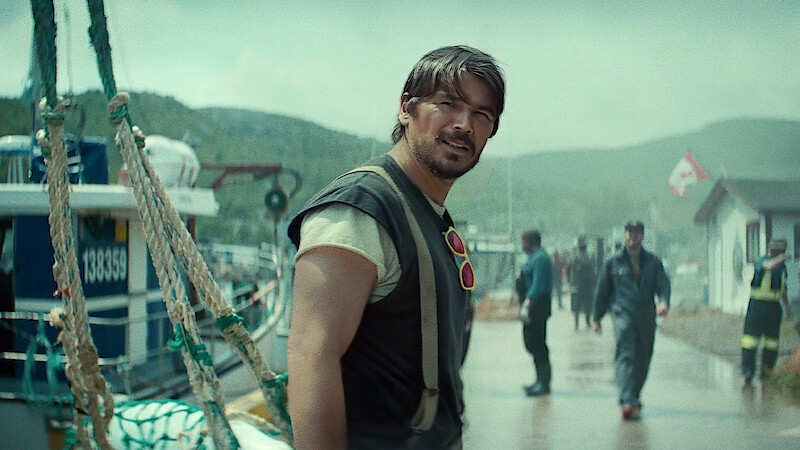
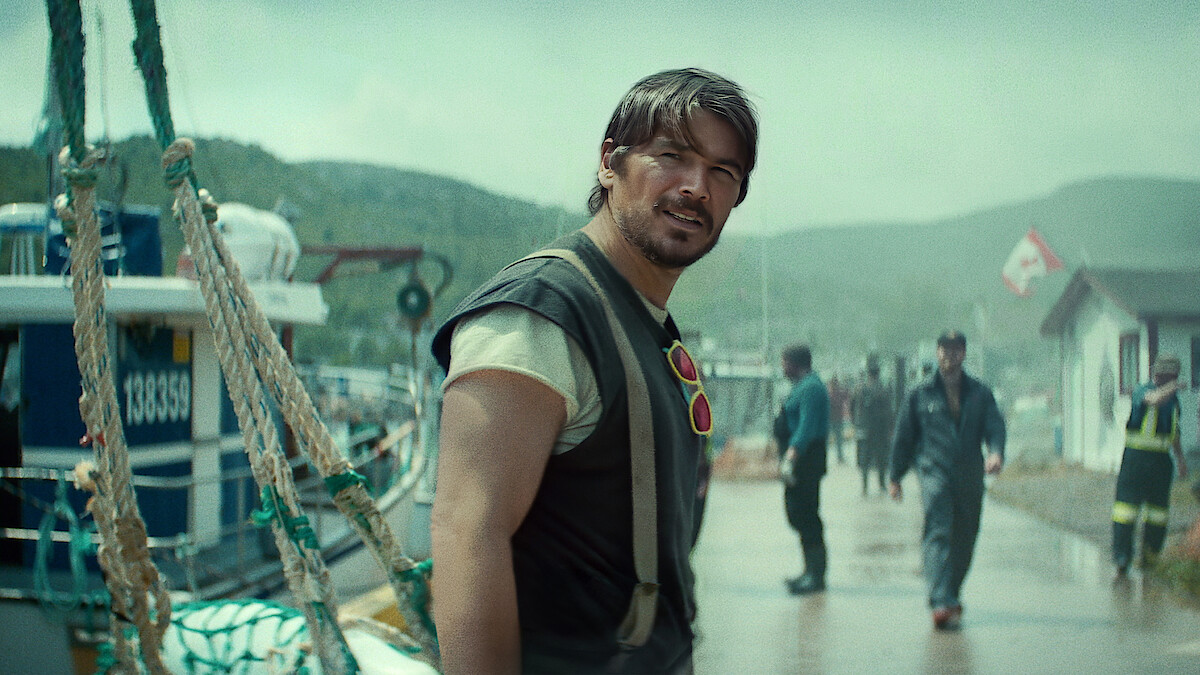
Joy tells the remarkable true story behind the birth of Louise Joy Brown in 1978, the world’s first “test-tube baby,” and the tireless 10-year journey to make it possible. The film is told through the perspective of Jean Purdy, a young nurse and embryologist who joined forces with scientist Robert Edwards and surgeon Patrick Steptoe to unlock the puzzle of infertility by pioneering IVF. The film celebrates the power of perseverance and the wonders of science as it follows this maverick trio of visionaries who overcame tremendous odds and opposition to realize their dream — and in doing so, allowed millions of people to dream with them.
Joy is now streaming on Netflix.
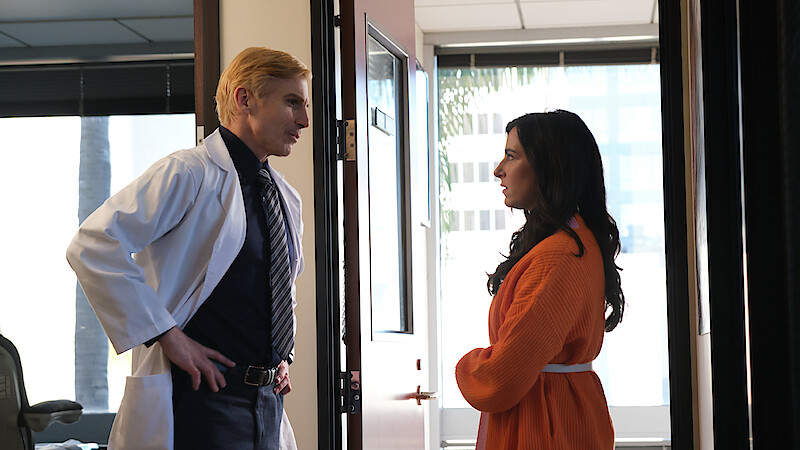
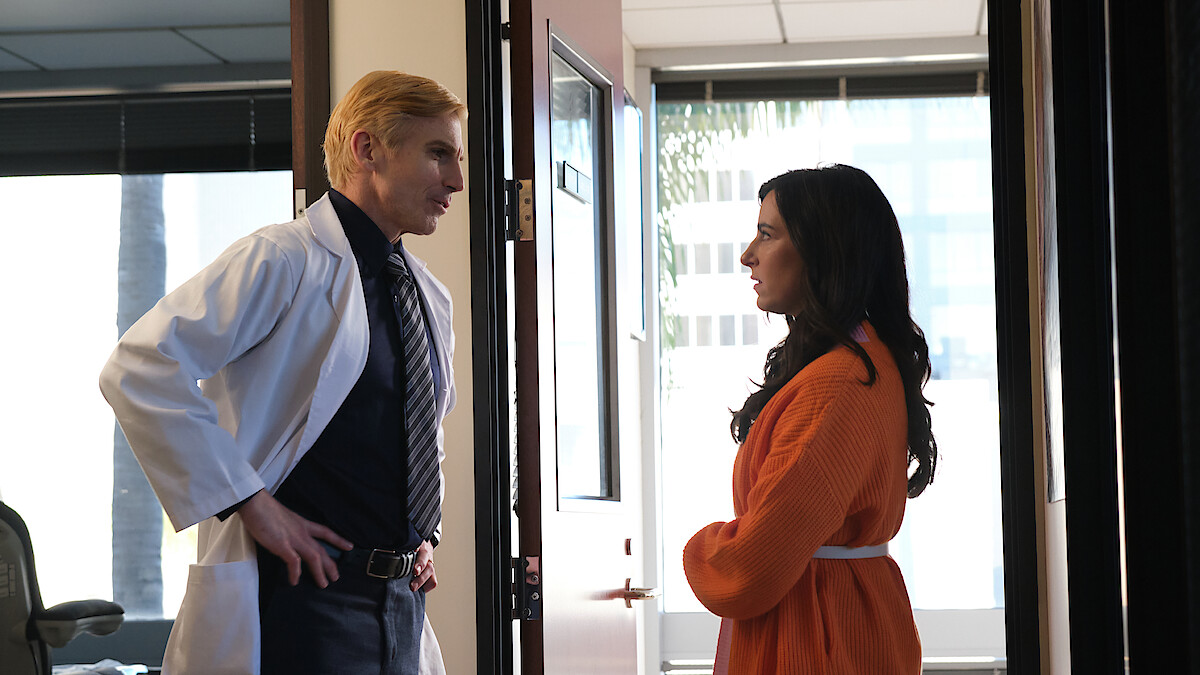
The cast of Joy includes:
“You tend to [cast] in a bit of a vacuum, so you’re casting individual characters, but you are secretly hoping that what you’re building is chemistry,” director Taylor tells Tudum. “But you won’t know the reality of that until you get these people together.”
Thankfully for a film about biology, chemistry proved easy to come by. “We cast them, felt good about it, put them in a room together, and saw them interact and saw them read a few scenes, and it's just like, ‘Oh, thank God, they’re incredible together,’ ” Taylor says. “They had a natural sort of chemistry and affinity with each other.”
Yes! Joy tells the story of the real scientists who pioneered IVF: Robert Edwards, Patrick Steptoe, and Jean Purdy. “We knew that it was a three-generational story,” Taylor says. “Bill [Nighy] as the elder statesman of the trio and then James [Norton] as Bob and Thomasin [McKenzie] as Jean; they’re distinctly different ages. That sort of helped galvanize it and head us in the right direction.”
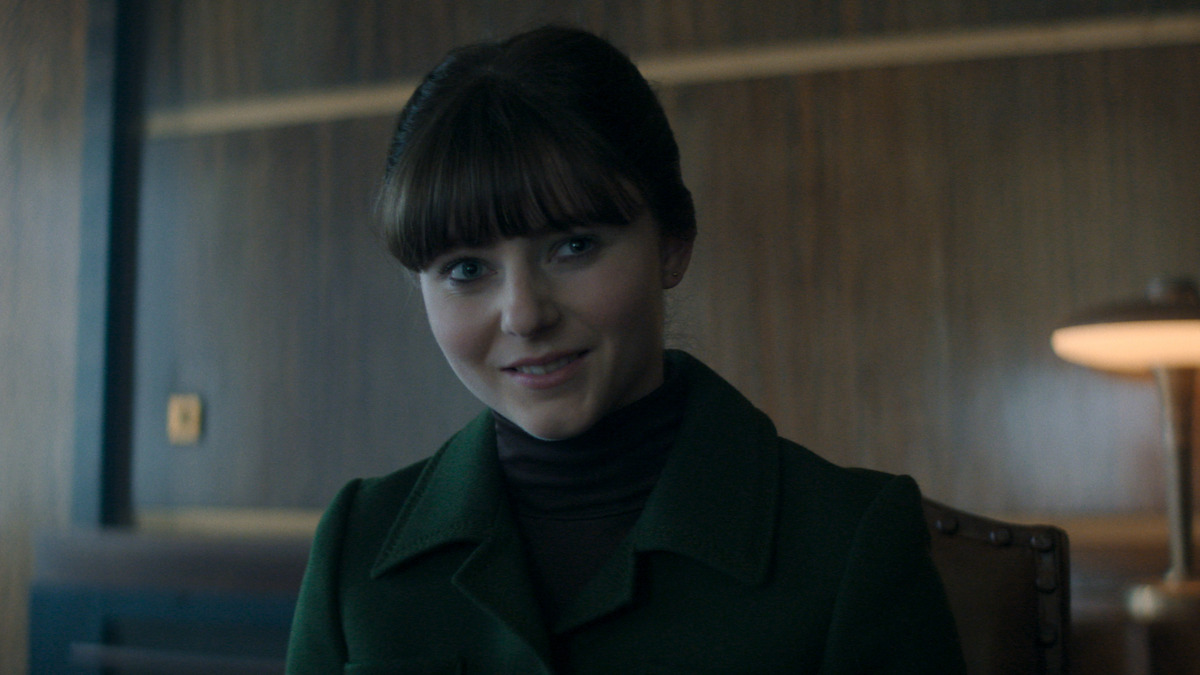
But the film centers on Purdy, the nurse and embryologist whose contributions to the IVF field have often been forgotten. “I wasn’t familiar with Jean Purdy before,” McKenzie, who plays Purdy in the film, told Queue. “It was infuriating because there’s very little on her. Jean was a very private person. Rachel and Jack did painstaking research to find out as much about her as possible, but there was very little information out there.”
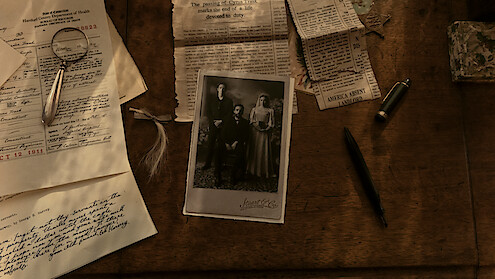
“Like so many women, her role had been overlooked,” Joy co-creator Rachel Mason tells Tudum. “It’s a story that hadn’t been told, and both Bob [Edwards] and Patrick [Steptoe] were very keen that Jean was recognized.” The letter that opens the film is based on a real letter Edwards wrote, asking that Purdy’s name be placed on a plaque honoring the scientists behind IVF.
Mason and her partner, Jack Thorne (Enola Holmes, The Swimmers), worked on the film together during the COVID-19 lockdown. “We would put our son to bed and then get on Zooms — lots of research at the Churchill archives, conversations with Bob’s daughters, Patrick’s son,” she says. The film was personal for the couple, who conceived a child via IVF.
Taylor also had a personal connection to the material. “I have two children, both of whom were only made possible by IVF,” he tells Tudum. “I shamefully knew very little about the actual story behind IVF and what it took to have the breakthrough that these three scientists had.” Reading the script, Taylor saw an opportunity to bring that story to the world — with a surprising influence.
“When we first met about the script, Jack pitched me the sports-movie analogy,” Taylor says. “I couldn’t unhear it, because it’s absolutely right. It’s the story of this ragtag gang of three very different people coming together to achieve something that was on paper an impossible task.”
Thorne agrees. “Working out how to tell a story over 10 years involving three people working incredibly hard together, it felt like there was a sort of sports-movie template within it,” he says. “We just kept thinking about that idea of the team, what the team can do together, and all the different aspects of a team.”
In this case, what the team accomplished was the conception of a child, with millions more to come. And for Louise Joy Brown, the first IVF baby, seeing the story of her own conception unfold on-screen was surreal. But she thought all three performances rang true — even the one too often forgotten by history. “I didn’t know Jean Purdy, because she passed away when I was 7,” Brown tells Tudum. “But watching the film, [and considering] things I’ve been told by my mum, Thomasin was outstanding.”
McKenzie also found herself with a surprising connection to the material. “Part of the research I did was talking to the man who brought IVF to New Zealand, Richard Fisher,” said McKenzie, who was born in New Zealand. “I [happened to have] babysat his grandchildren, and I’m still quite close to the family, so when I mentioned to them that I was doing a film about IVF, they let me know about their grandfather.” Small world.