Deep Dive
The Real Villain of ‘Wendell & Wild’ Isn’t Who You Expect
Henry Selick and Jordan Peele’s dark stop-motion comedy goes to some unexpected places.
Oct. 31, 2022
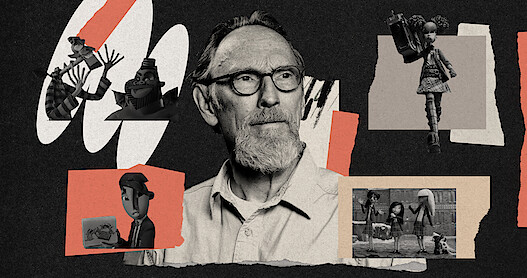
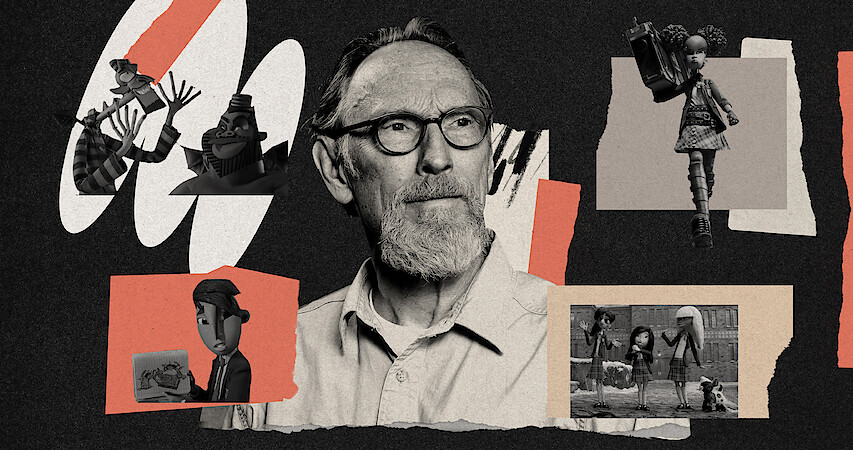
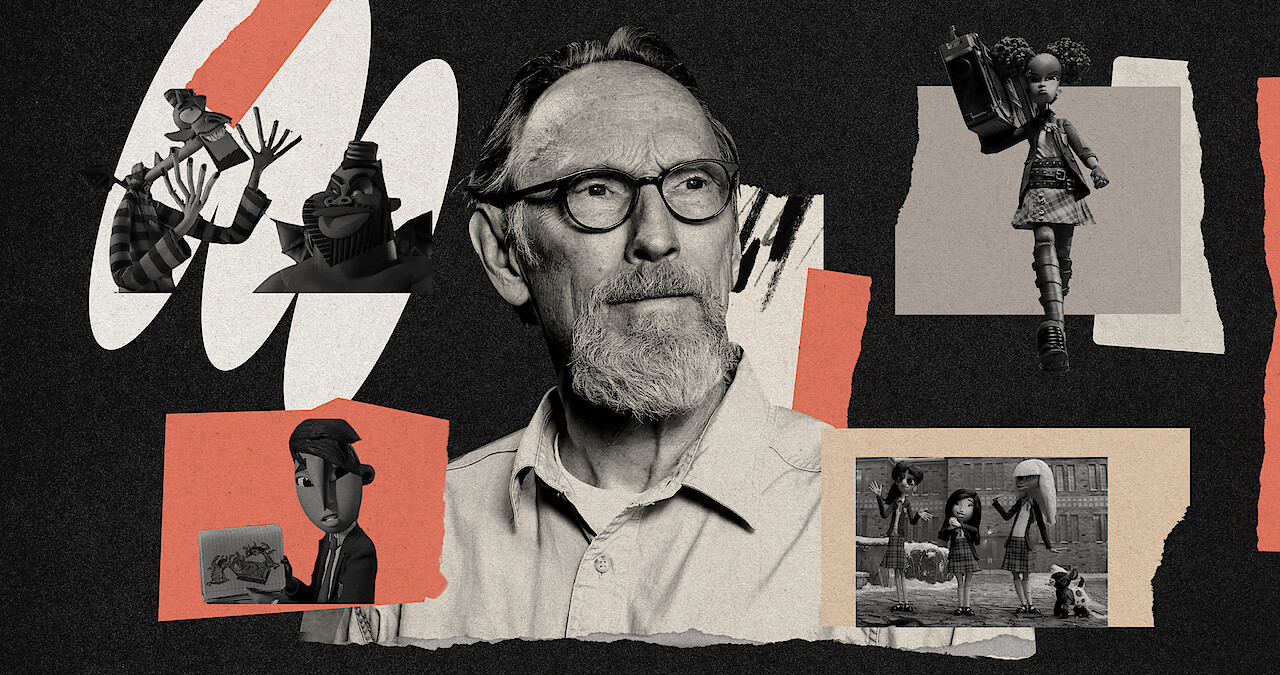
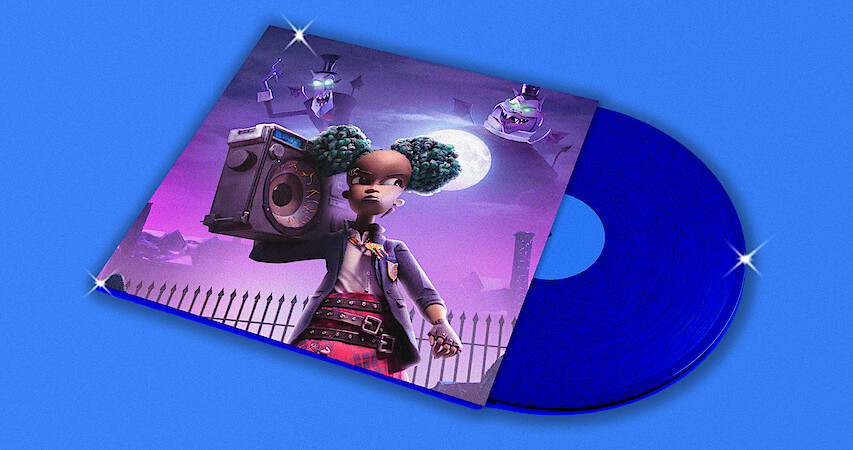
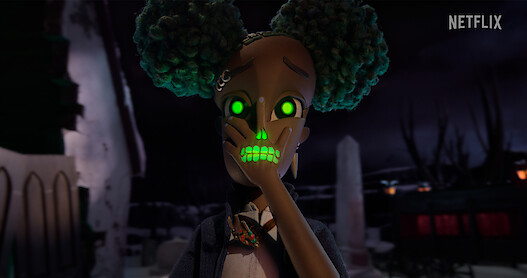
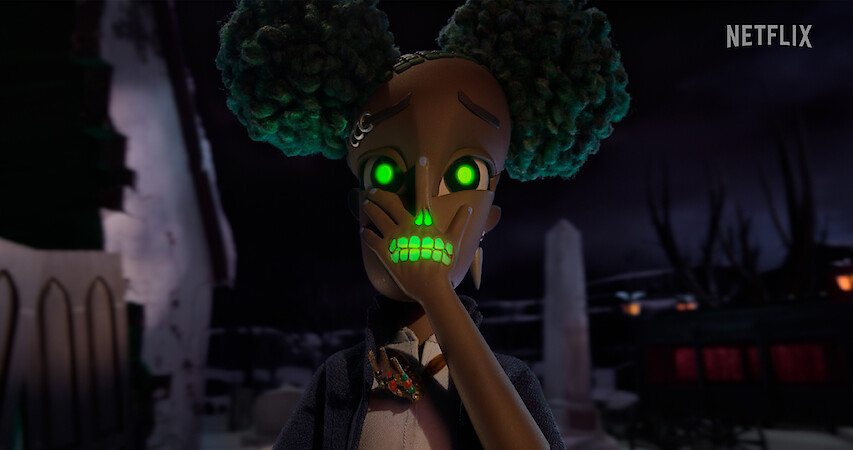
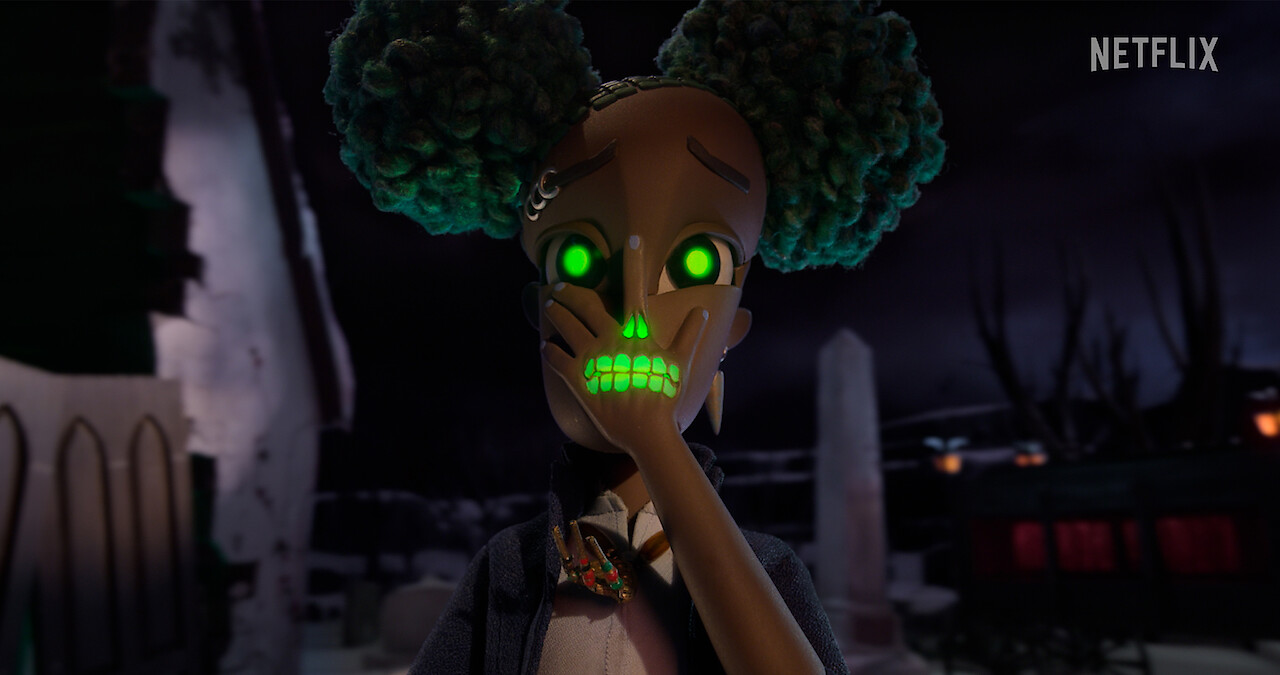
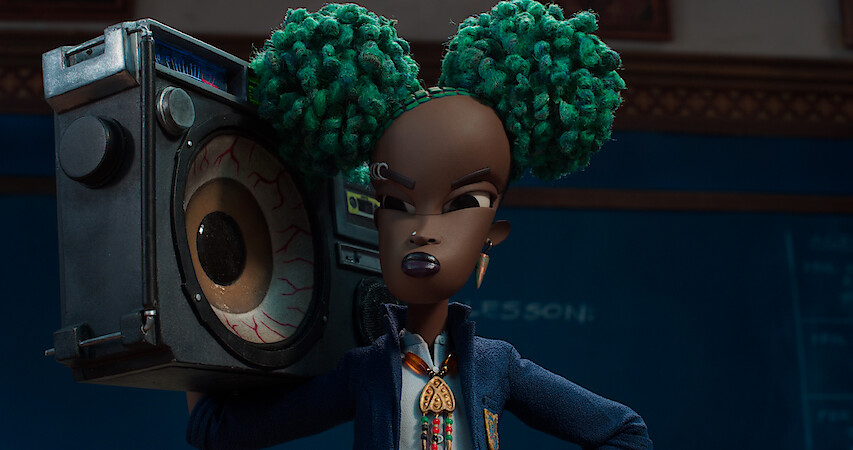
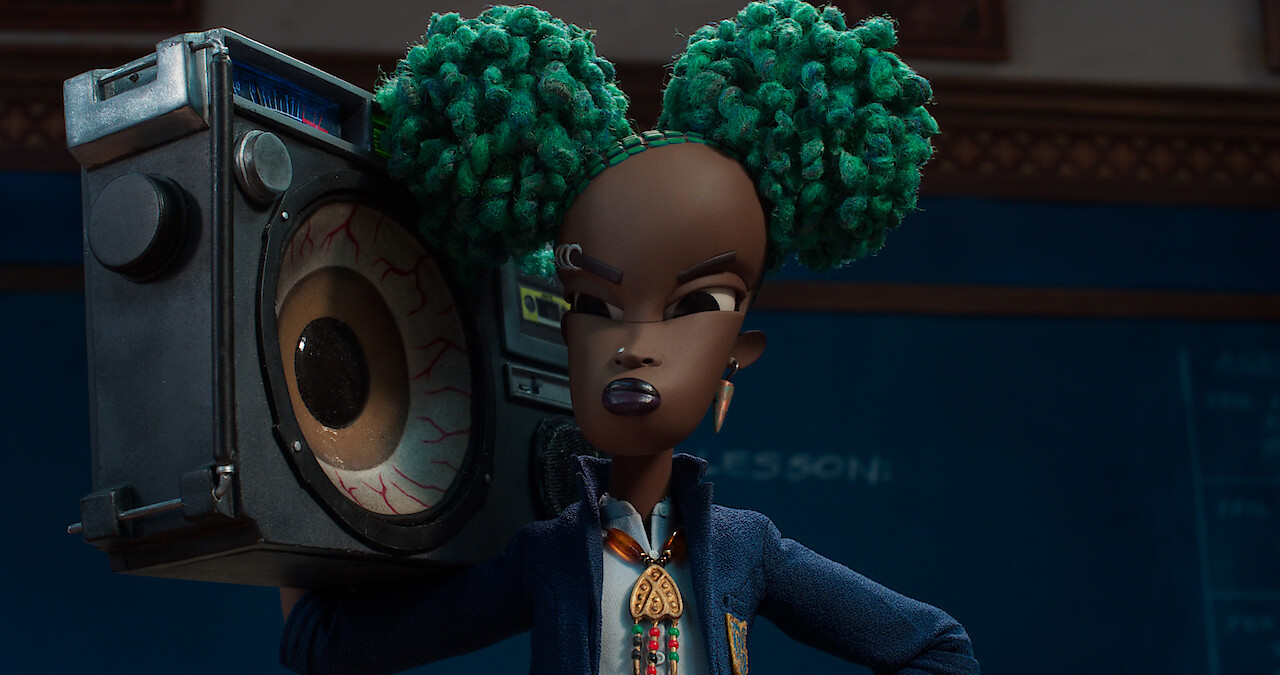
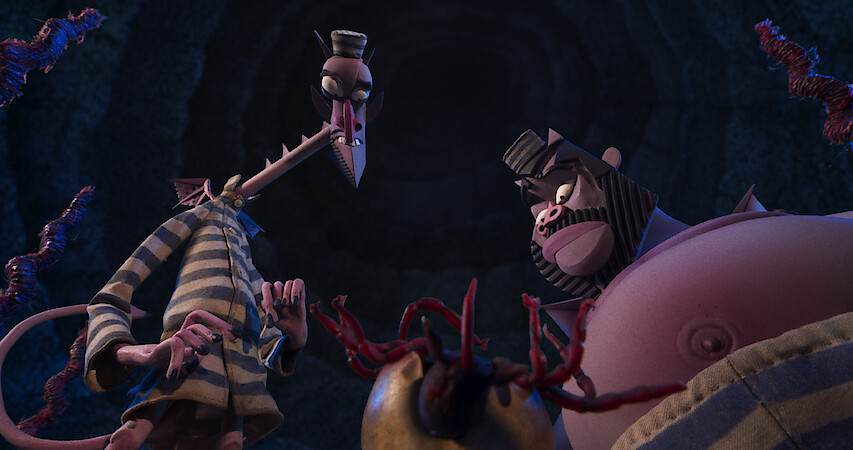
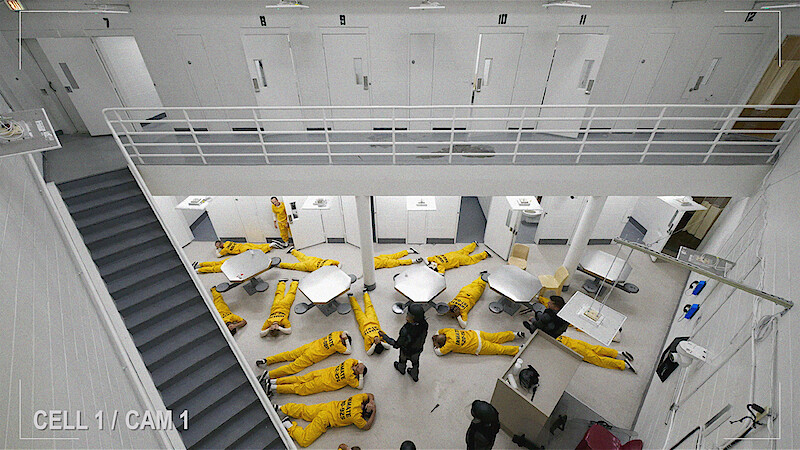
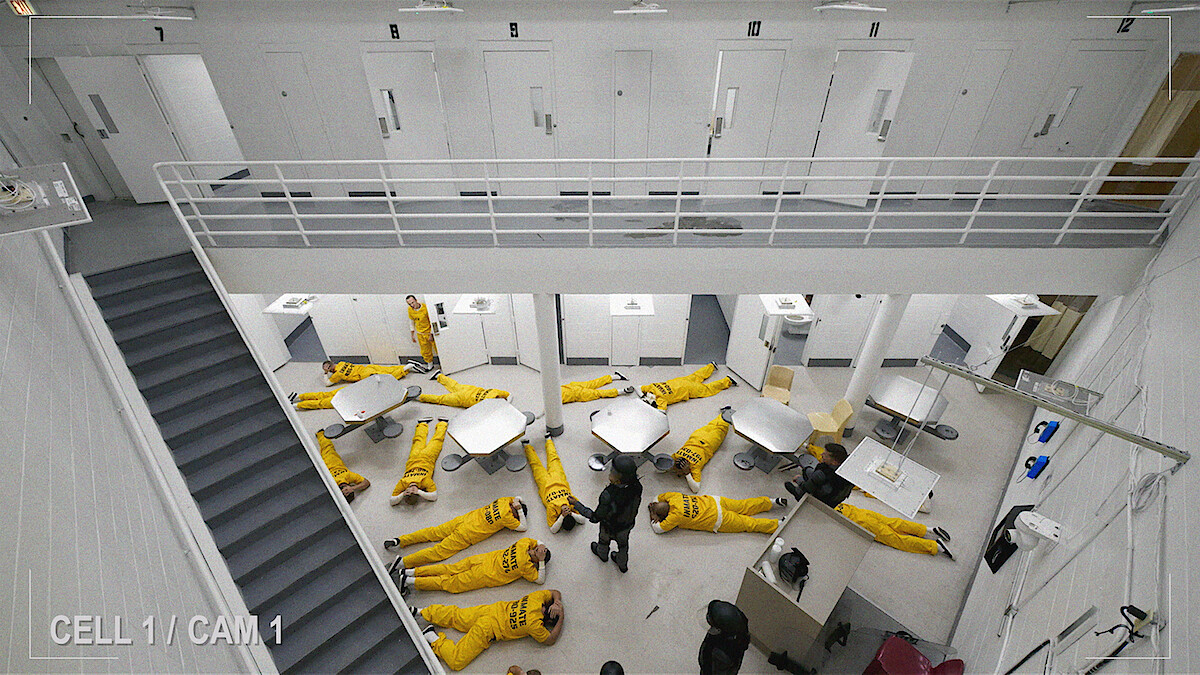
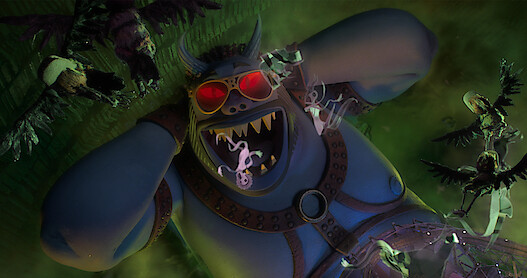
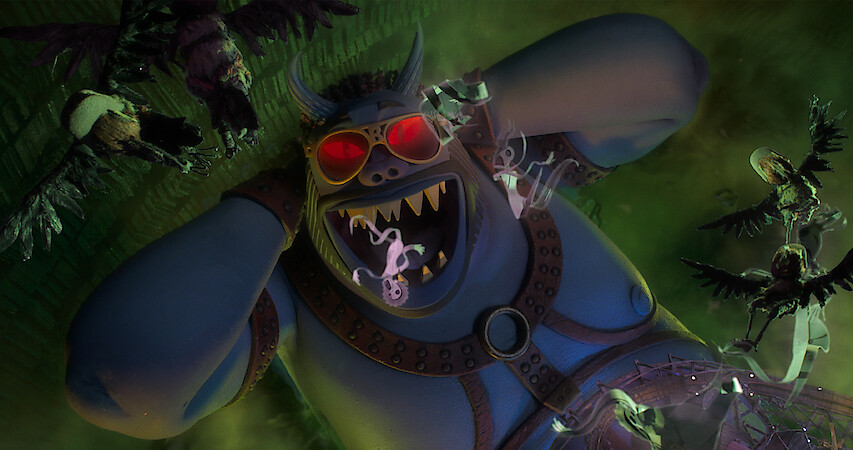
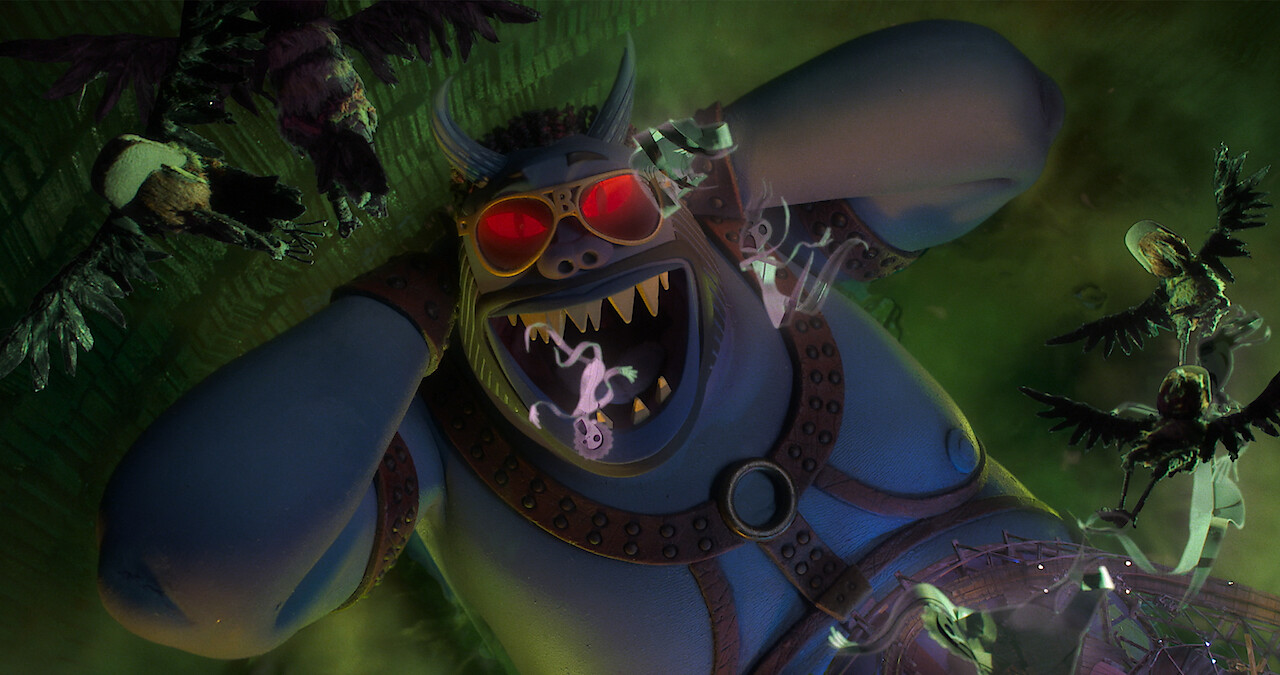
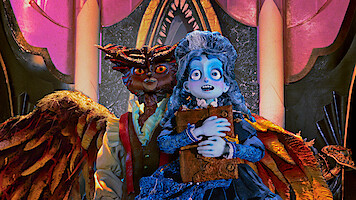
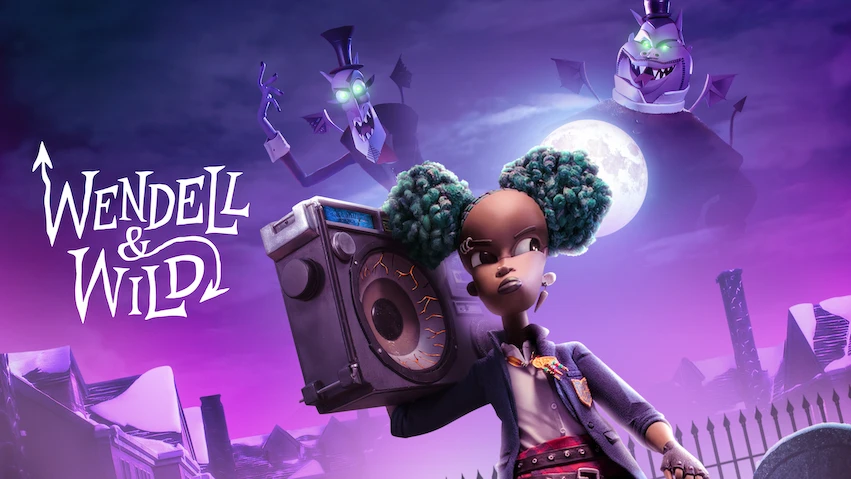
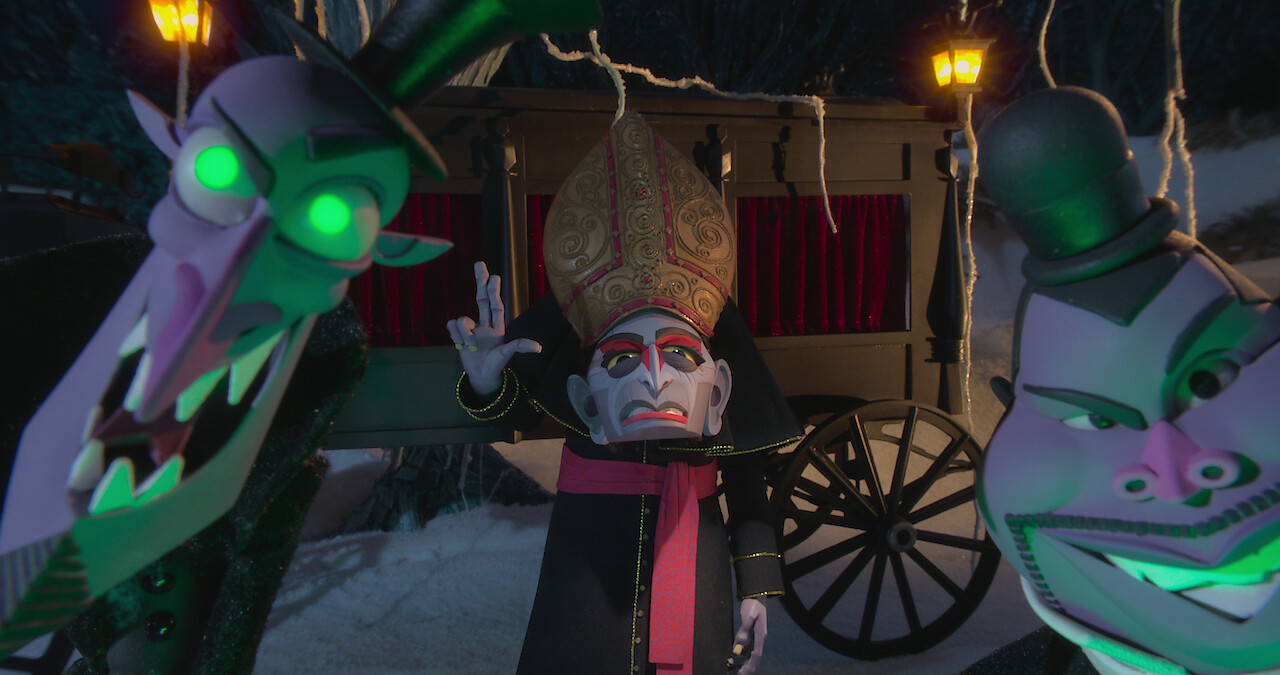
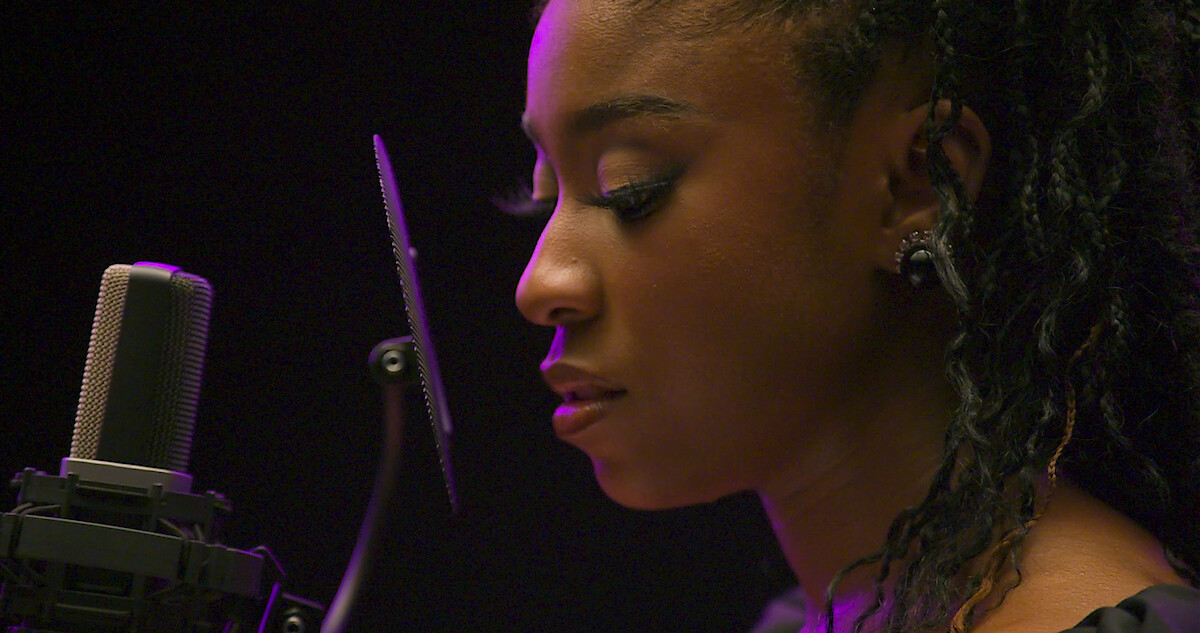
There are quite a few sinister characters at work in Henry Selick’s new stop-motion animated fantasy Wendell & Wild. With the two demonic brothers of the title and their massive, horned patriarch, the small town of Rust Bank is no stranger to nefarious and supernatural entities. But looming above our young and rebellious hero, Kat (Lyric Ross), is a far more familiar force of darkness: the prison industrial complex.
🤐 SPOILER ALERT 🤐
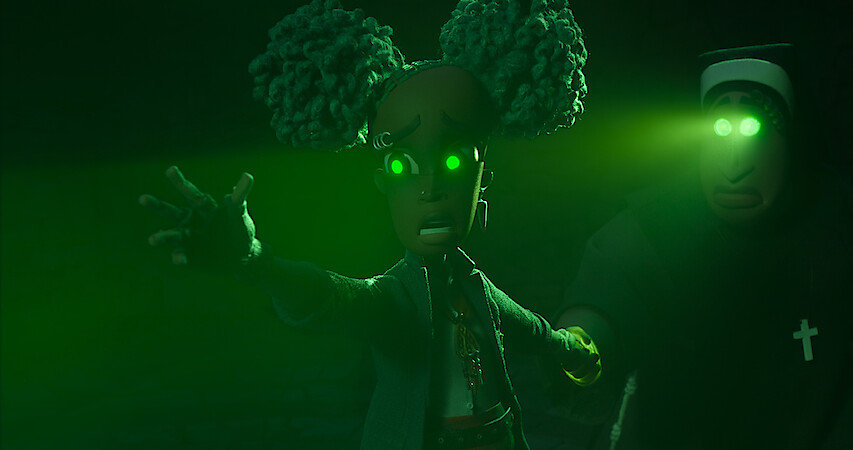
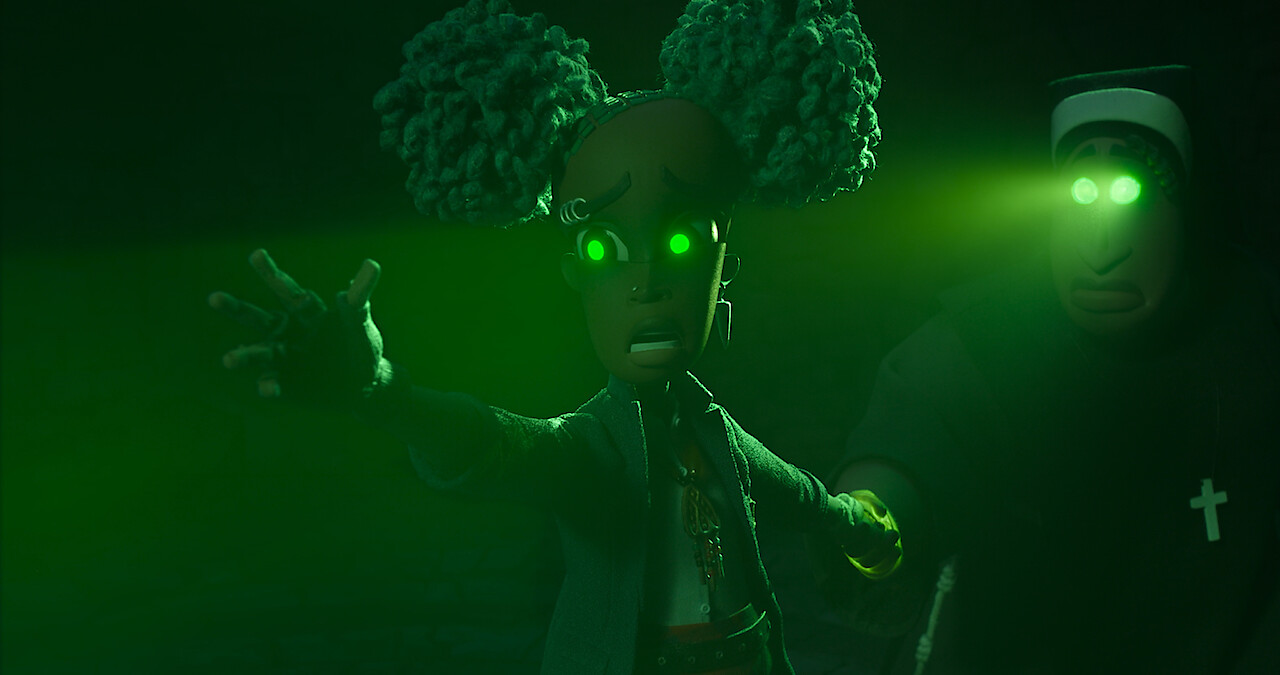
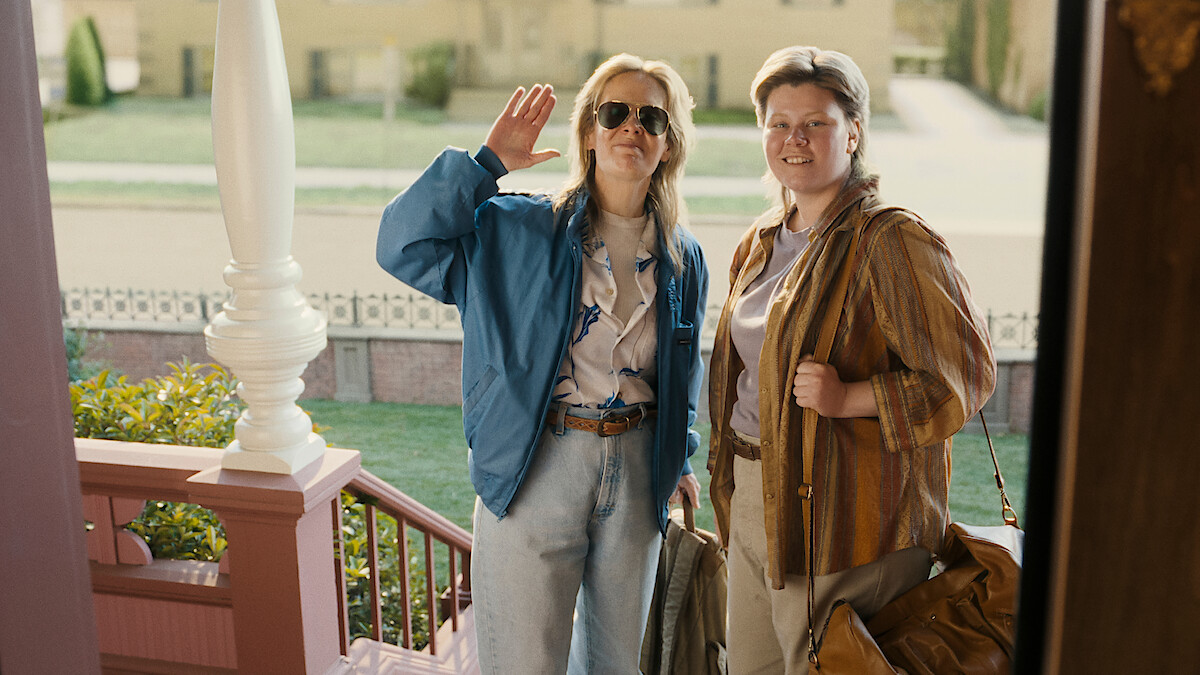
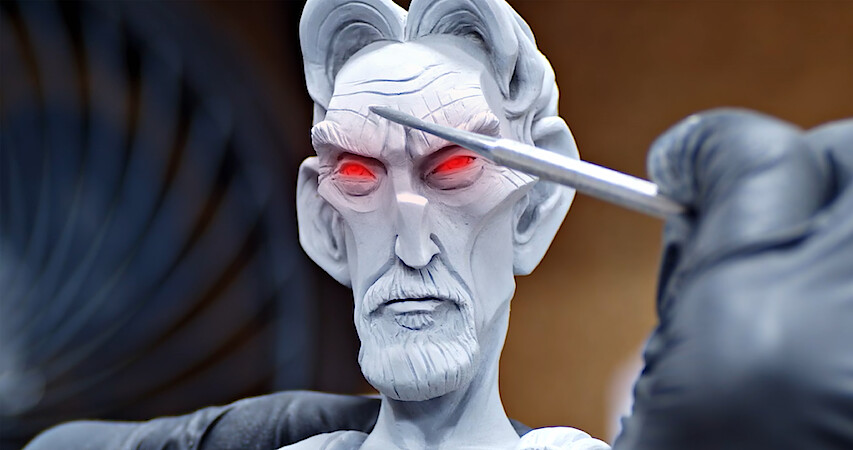
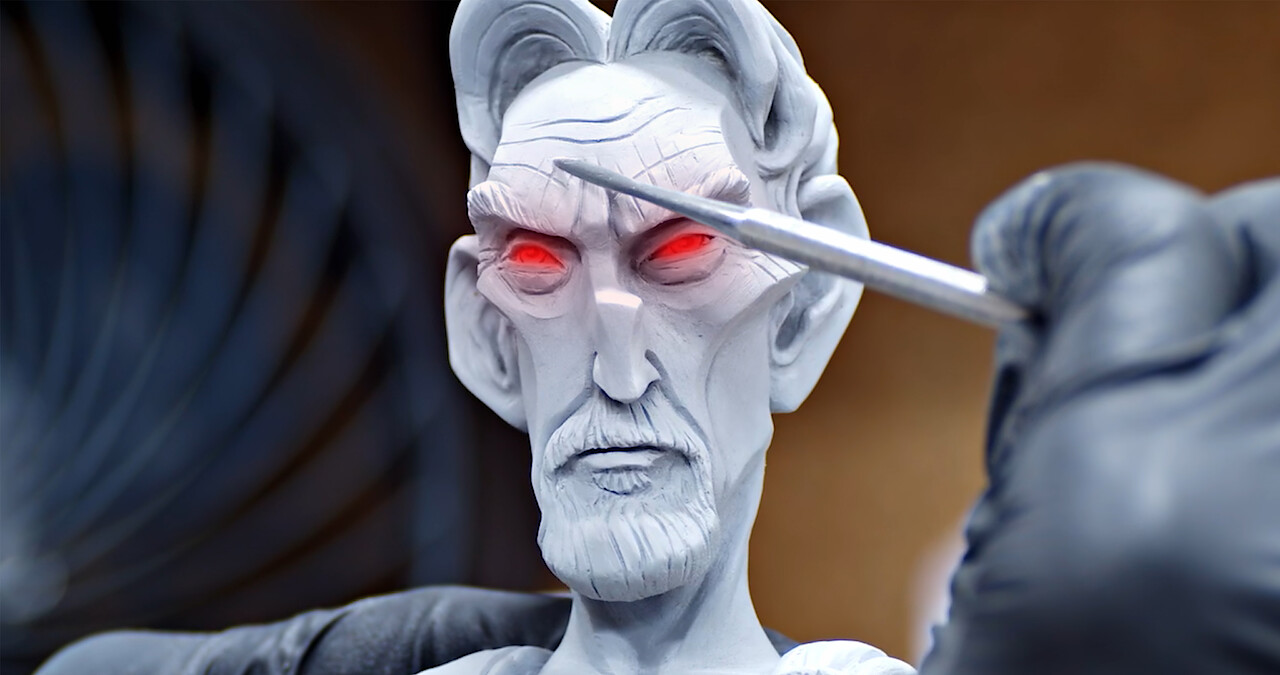
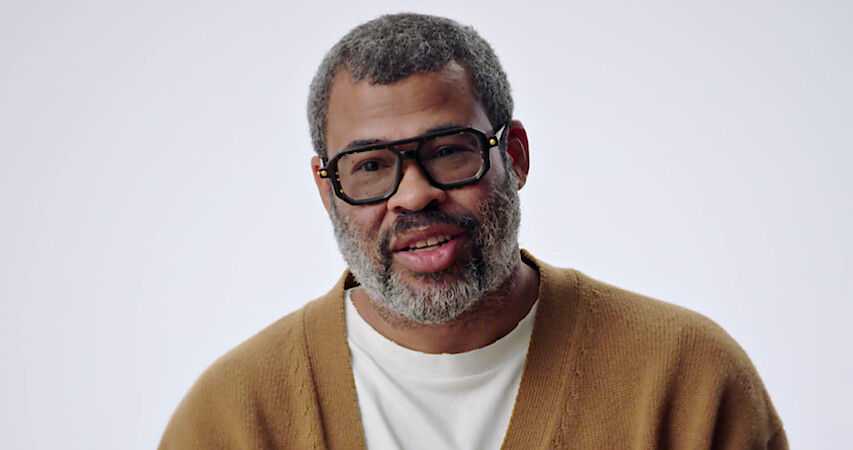
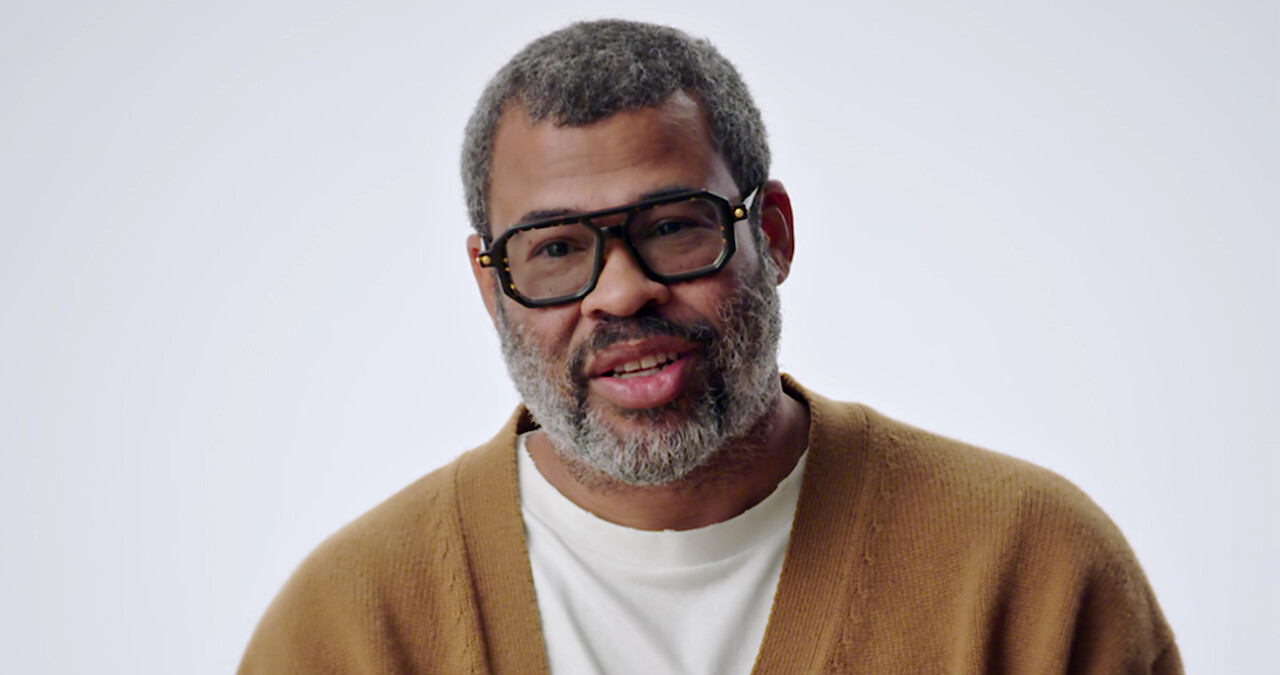
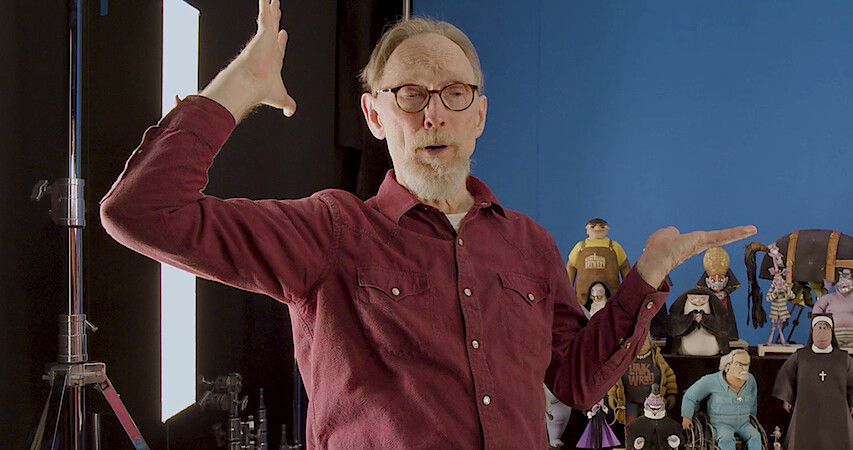
“The demons or [the character] Buffalo Belzer, they’re not really the villains of the film,” Selick tells Tudum. “I wanted the villains to be humans.” And he found those villains in Lane and Irmgard Klaxon (David Harewood and Maxine Peake), the private-prison magnates who terrorize Rust Bank. Kat has her demons, too (voiced by Keegan-Michael Key and Jordan Peele), but they’re nothing compared to this nasty pair. By the end of the film, it’s clear that the Klaxons have orchestrated not just the tragic fire that consumed Kat’s parents’ brewery, but also the very “rehabilitation” program that brought the young rebel back to her hometown’s all-girls school.
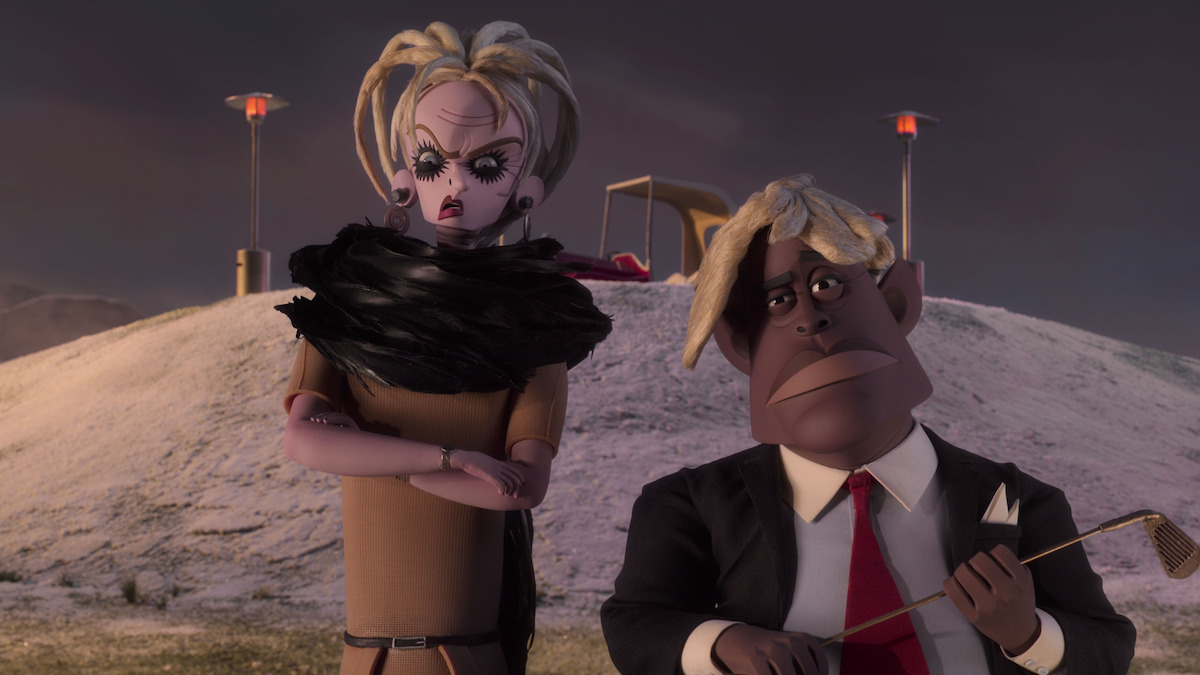
“We’ll make it impossible for them to succeed there, and when they fail… our new prison will be waiting with open arms,” the Klaxons threaten late in the film, pushing a small model car down the hill from the school to the prison as a visual aid.
The Klaxons’ all-too-realistic scheme was inspired by Selick’s wife, Heather, who works as a special-needs advocate for kids in schools. “I was learning about the school-to-prison pipeline,” Selick says. “That was a big influence for me to ultimately decide the villains should be builders of private prisons.”
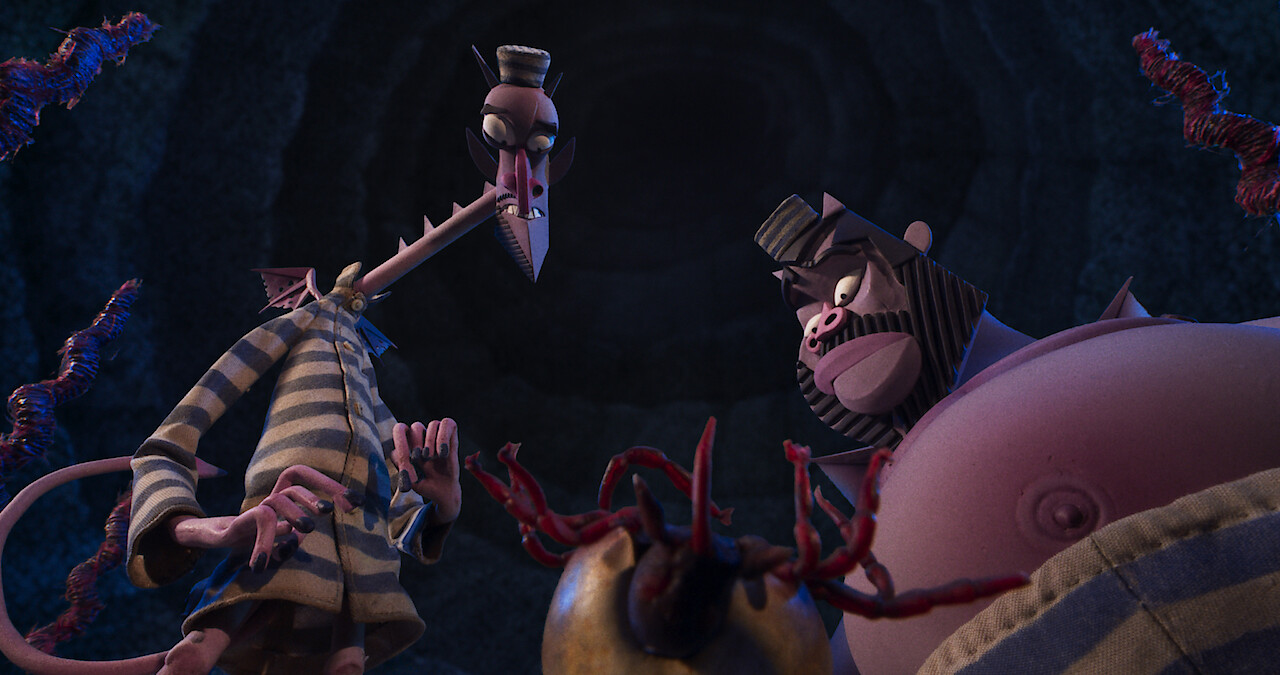
That decision also helped tie the disparate realms of the demon world together with its surface counterpart. Wendell and Wild are themselves prisoners of a much different sort, cursed by their father, Buffalo Belzer, to distribute hair cream on his balding scalp. (Trust us, it makes sense in the movie.) “The hair farm came first,” Selick says. But soon enough, Selick and his co-writer, Peele, would find a way to connect this sillier version of imprisonment to Kat’s predicament.
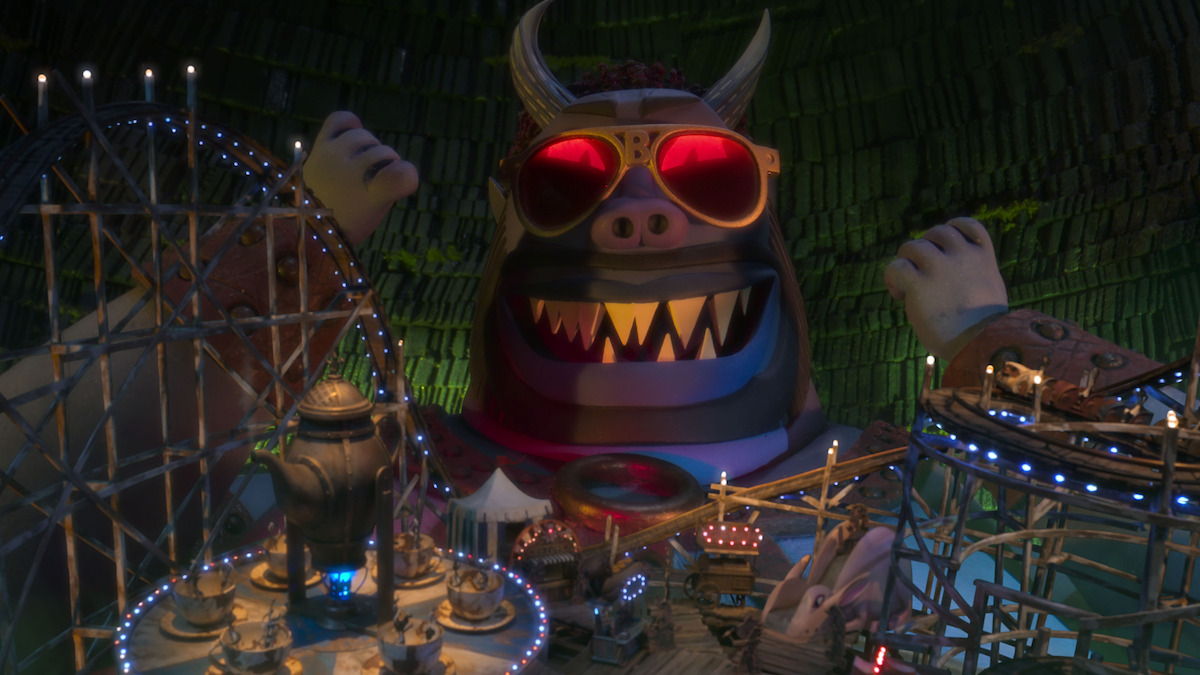
“In many ways, I think we latched on to this idea that Kat had formulated a protective bubble around her demons, around her trauma in a way, and was imprisoned by it,” Peele says. “And so I think that stepped us into this idea of like, ‘All right. Well, who are the bad guys?’ It’s the people who profit off of people being incarcerated. Haven’t seen that tackled before.”
In a film overflowing with Selick’s and Peele’s wild and macabre sensibilities, Klax Korp’s villainy serves as a reminder of the real world that lurks just outside Kat’s strange new life. “In a film this crazy — it’s a kind of a horror/comedy/fantasy/drama — I wanted a few things that were really grounded in reality,” Selick says. After all, there’s always a little bit of truth in the darkest of fairy tales.