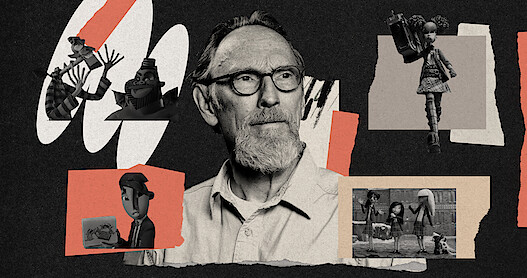
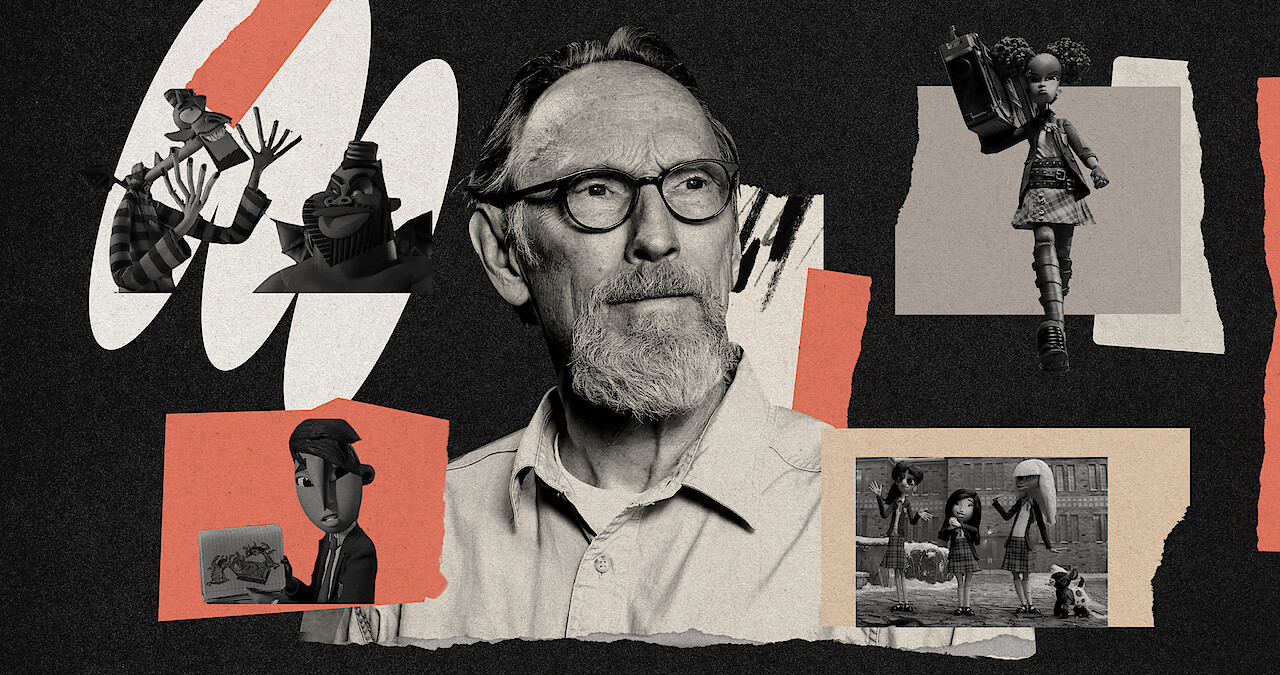
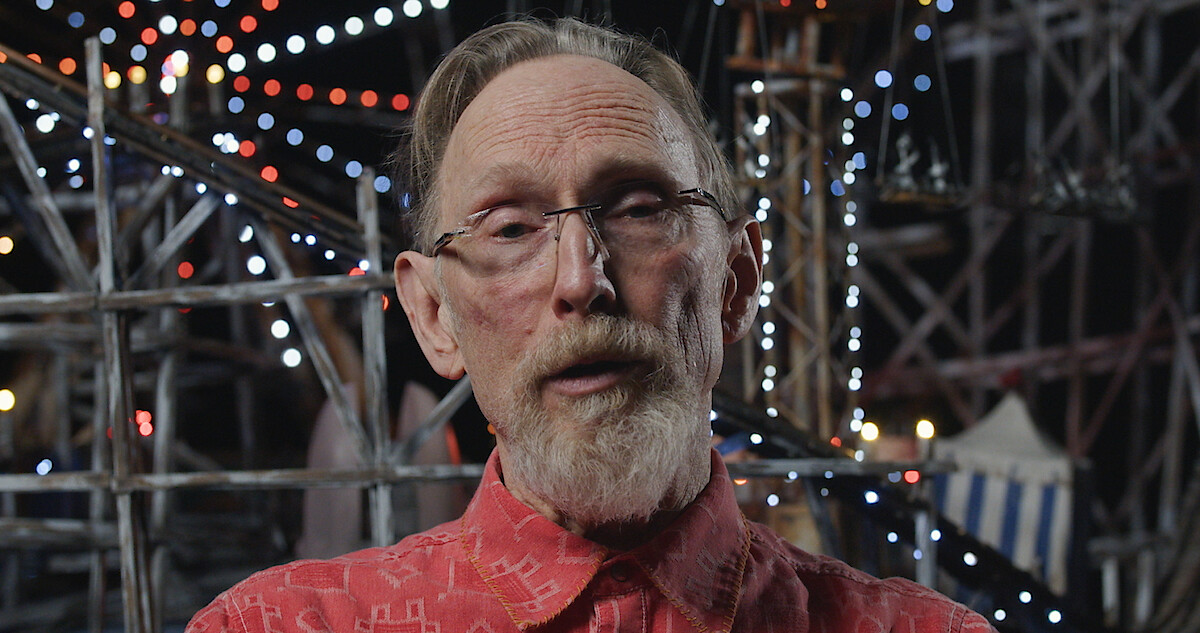
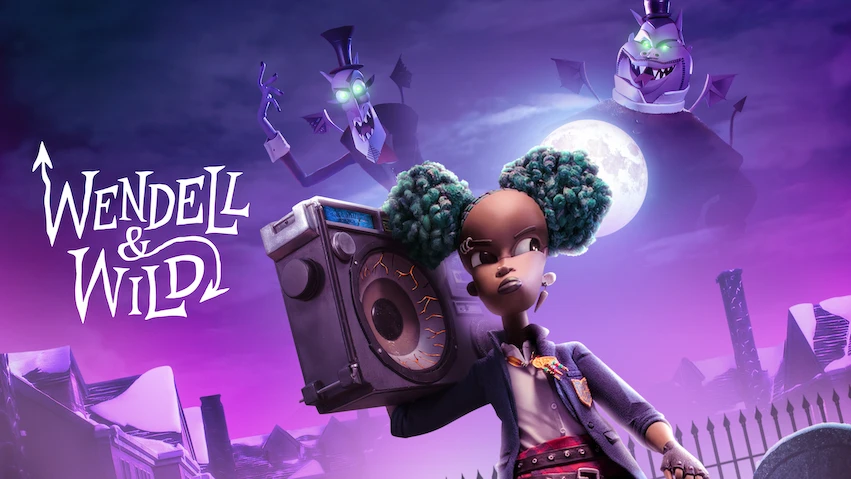
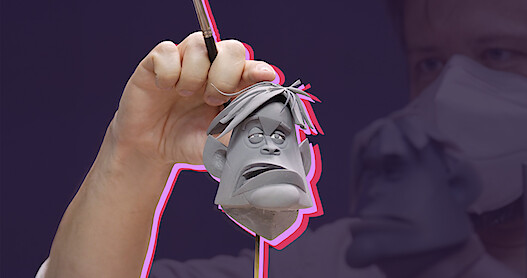
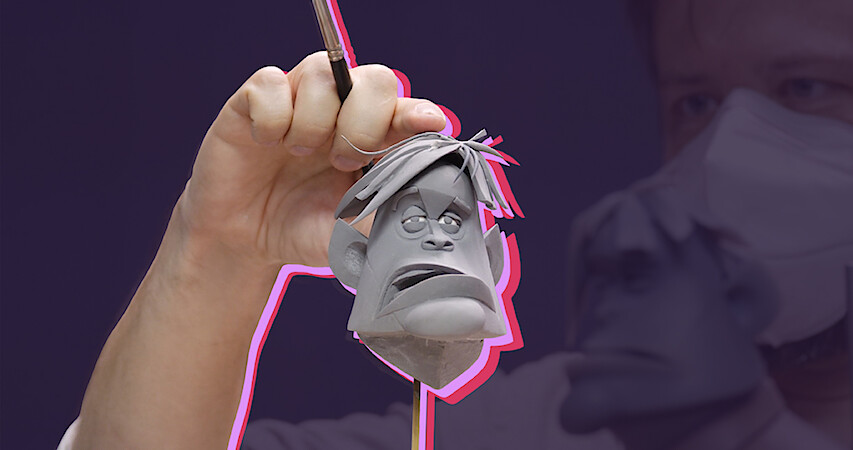
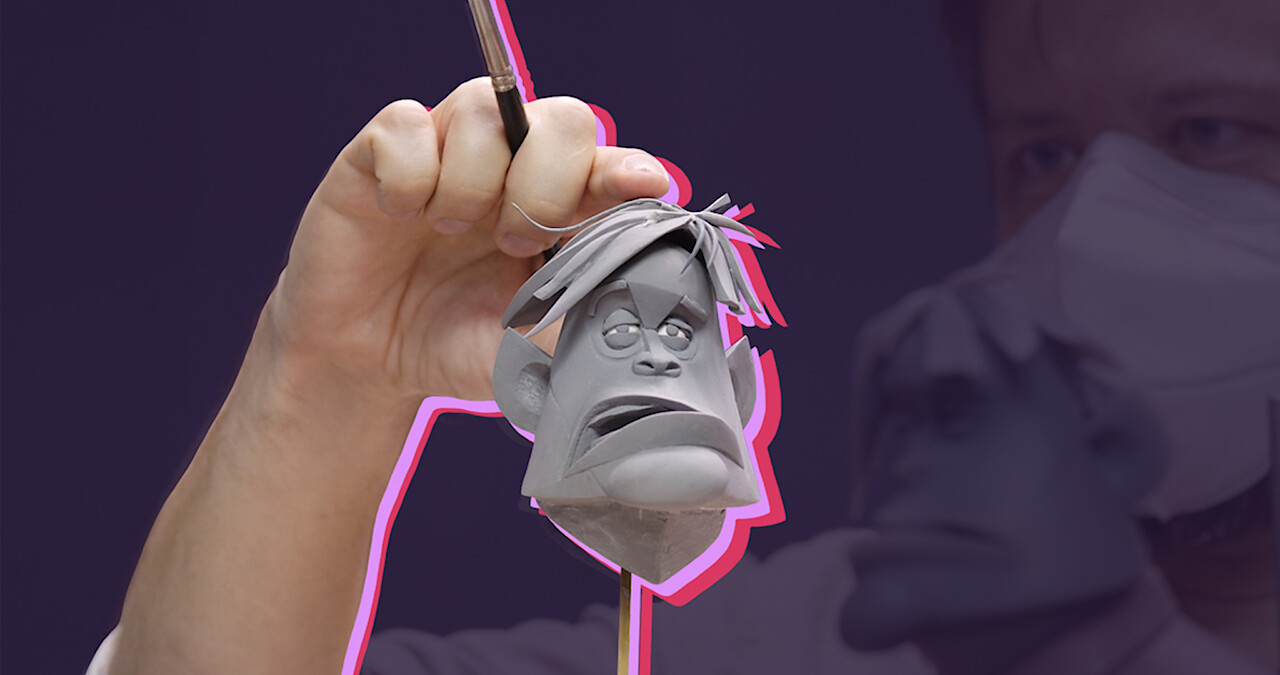
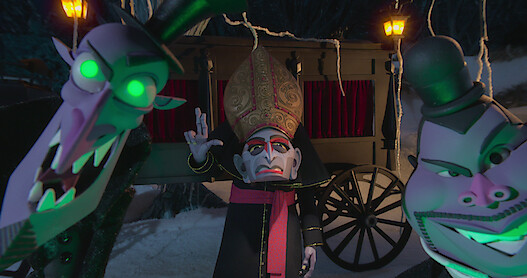
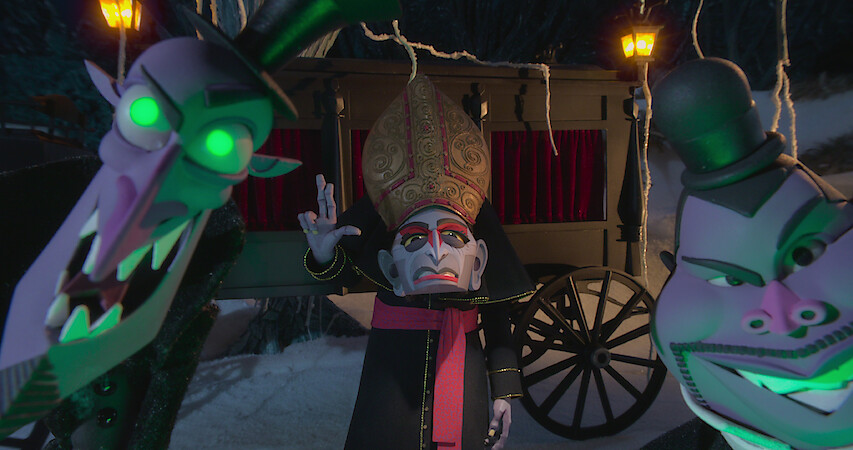
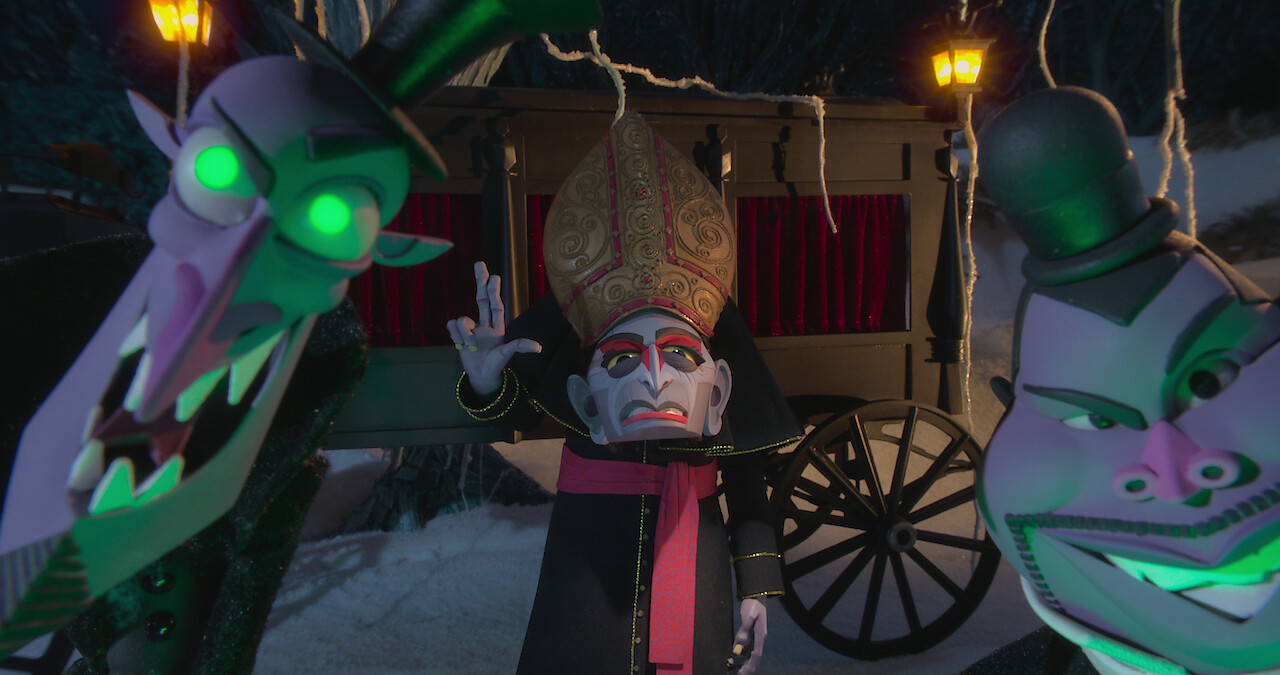
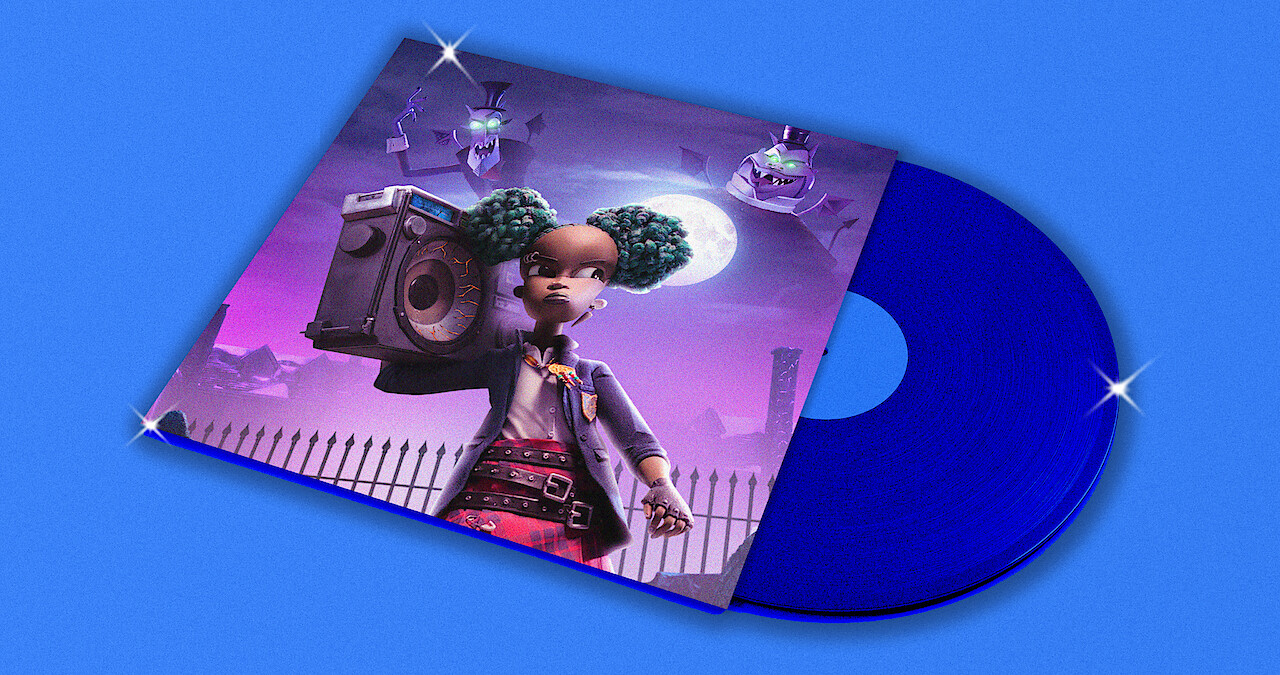
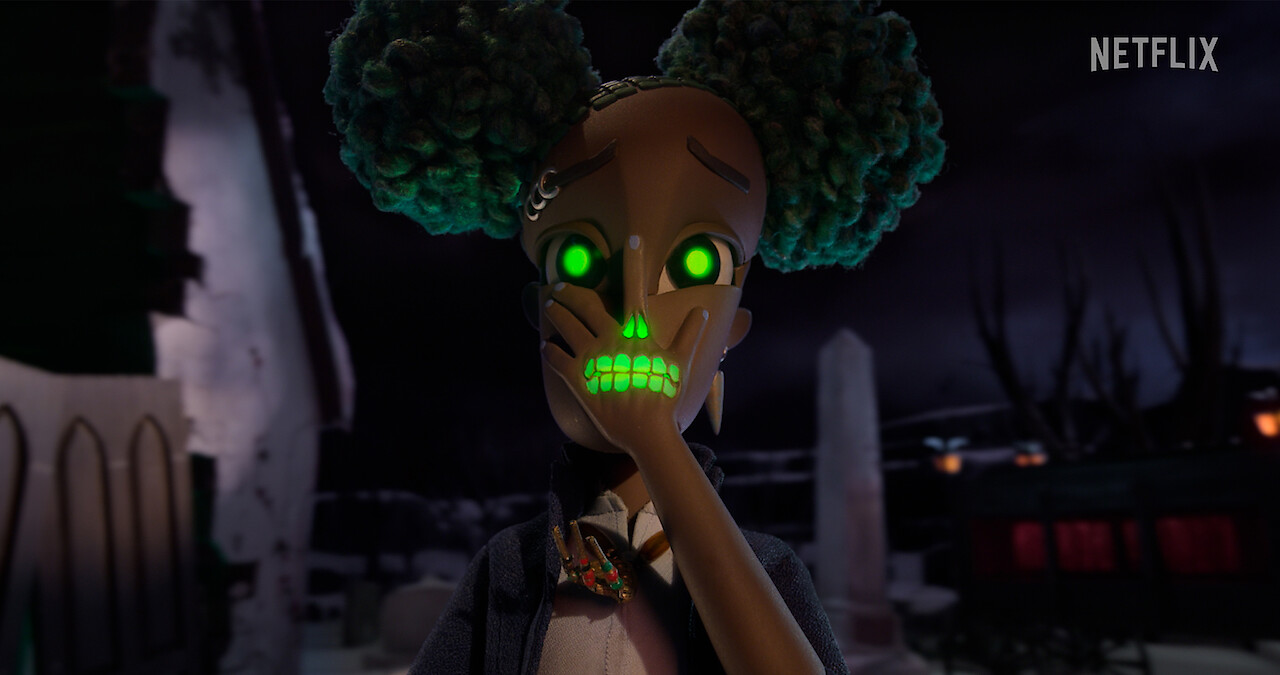
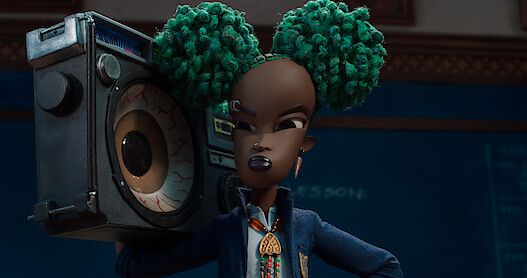
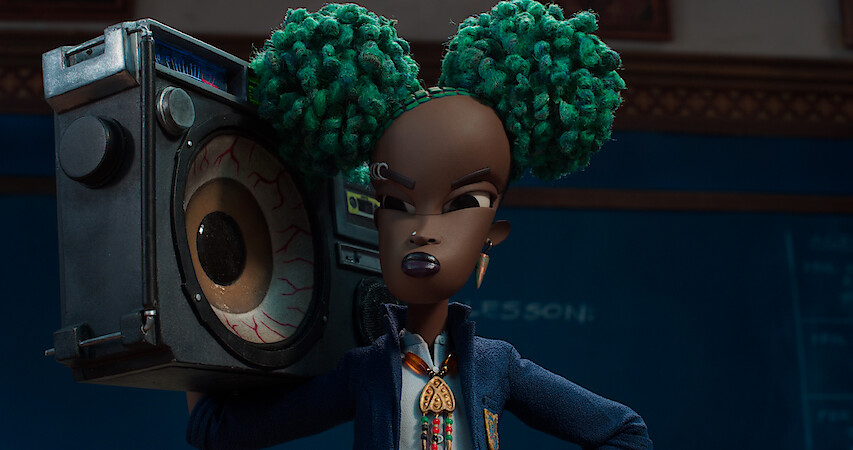
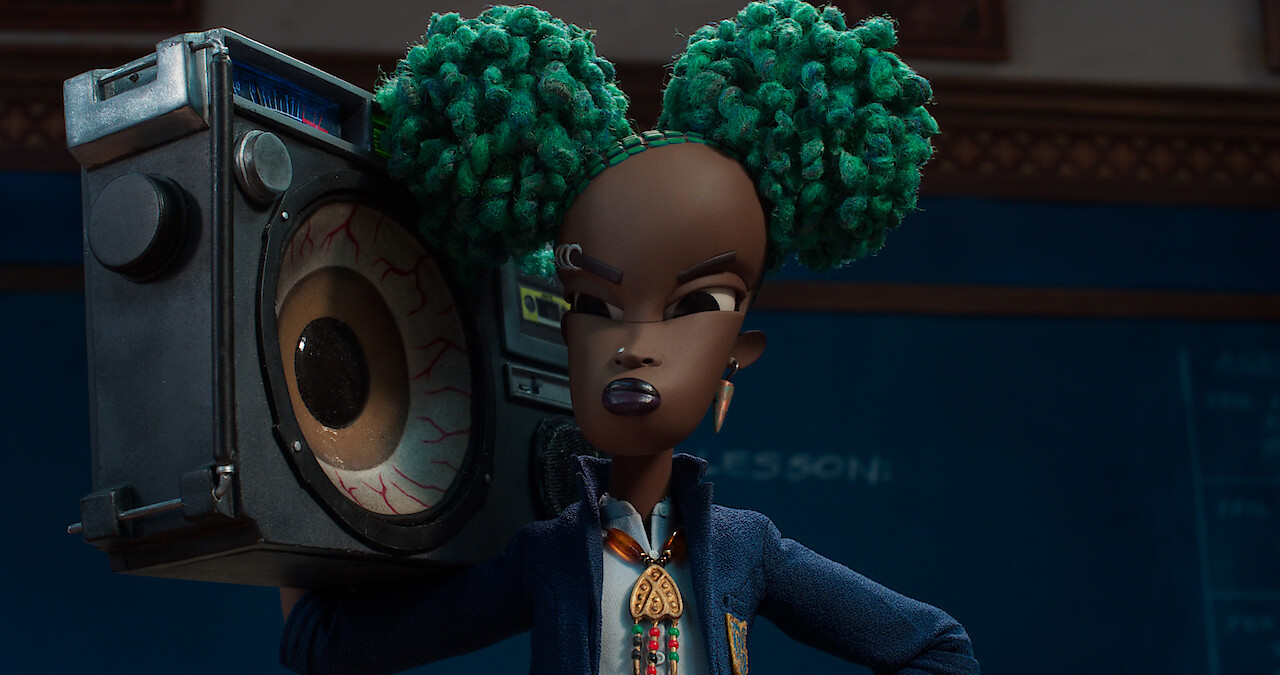
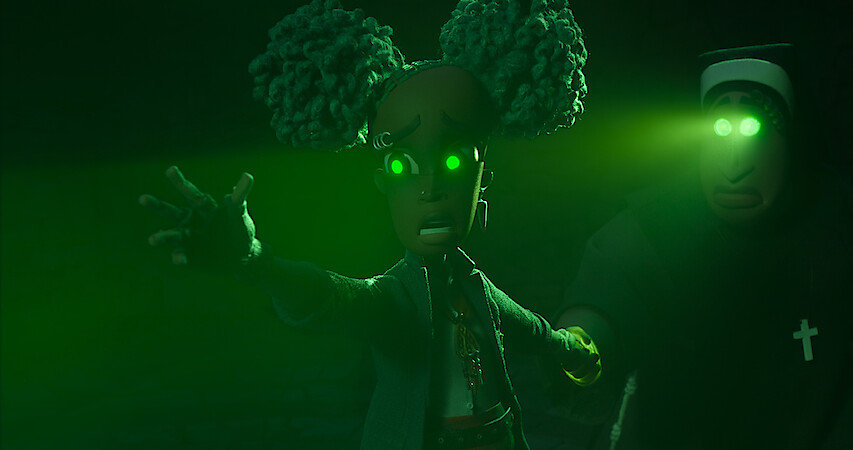
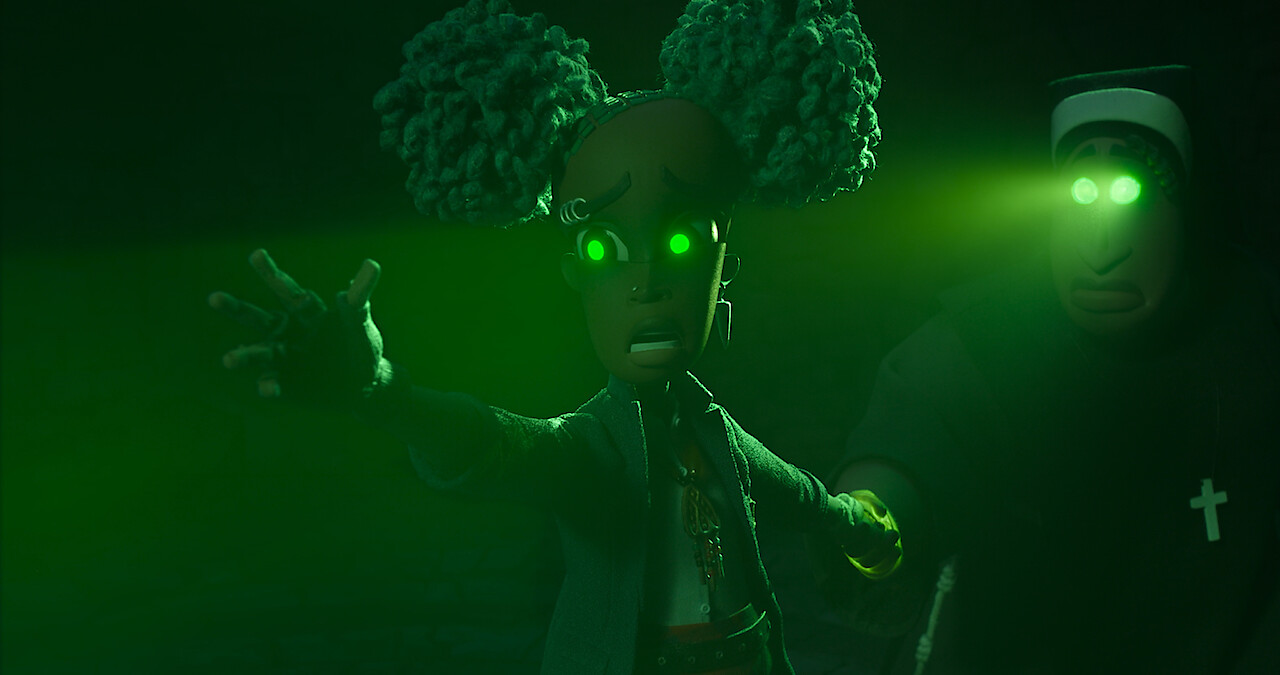
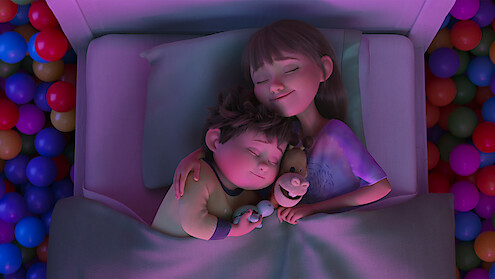
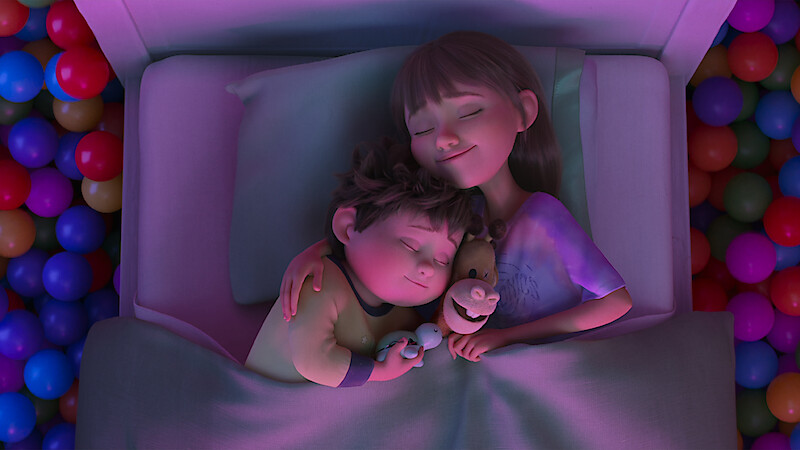
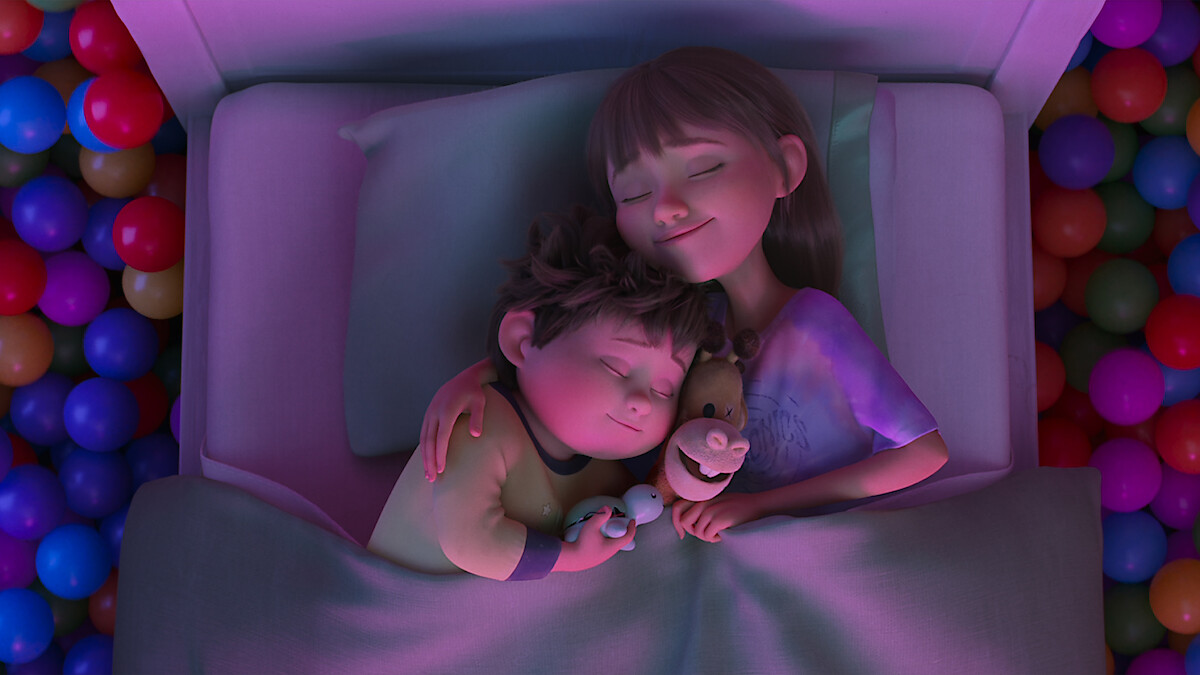
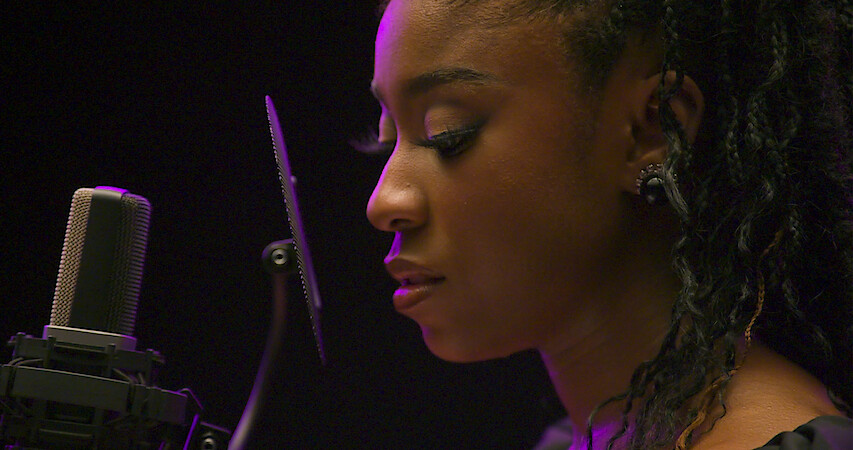
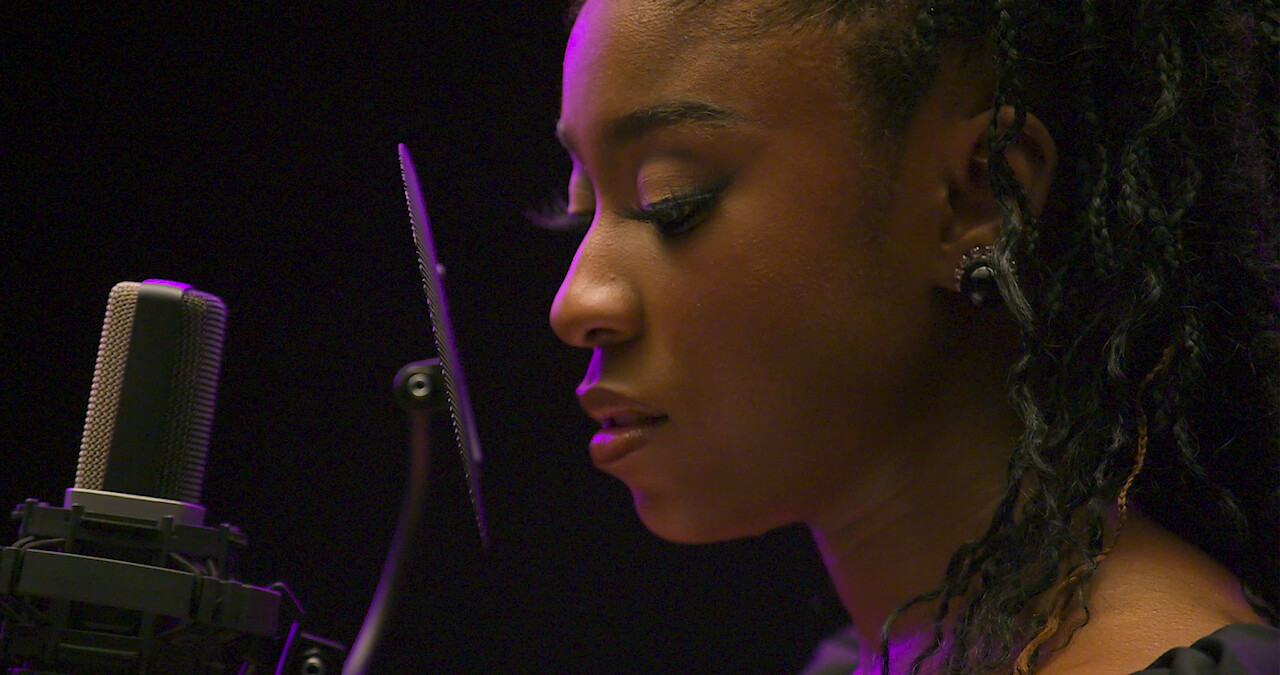
It’s been more than 10 years since Henry Selick last released a movie — far too long for one of our kings of spooky cinema who first became known for his holiday classic The Nightmare Before Christmas. Now, at long last, the Coraline animator and auteur is back with a brand-new film, Wendell & Wild. Starring Keegan-Michael Key and Jordan Peele as the titular pair of demon brothers, Wendell & Wild is the haunting and hectic tale of orphaned rebel Kat Elliott, and the chaos that ensues when she meets her demons... literally.
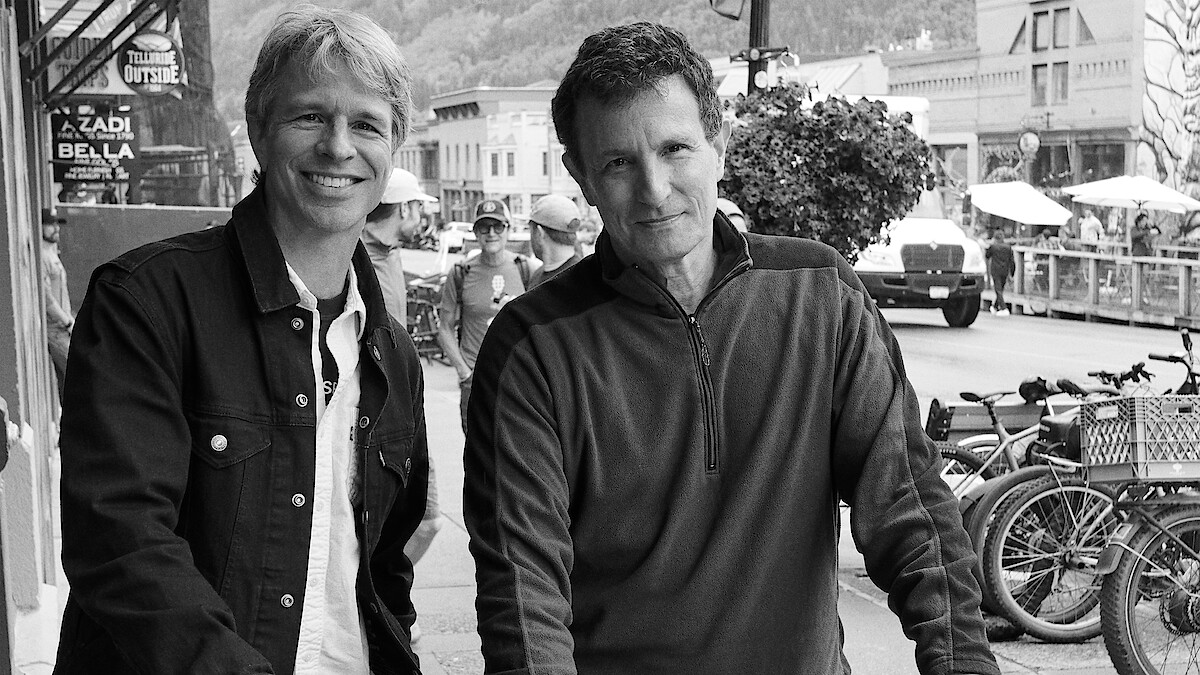
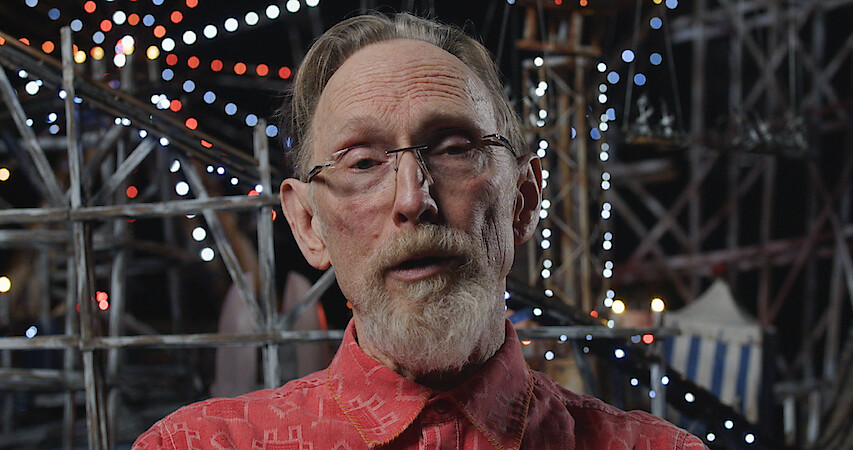
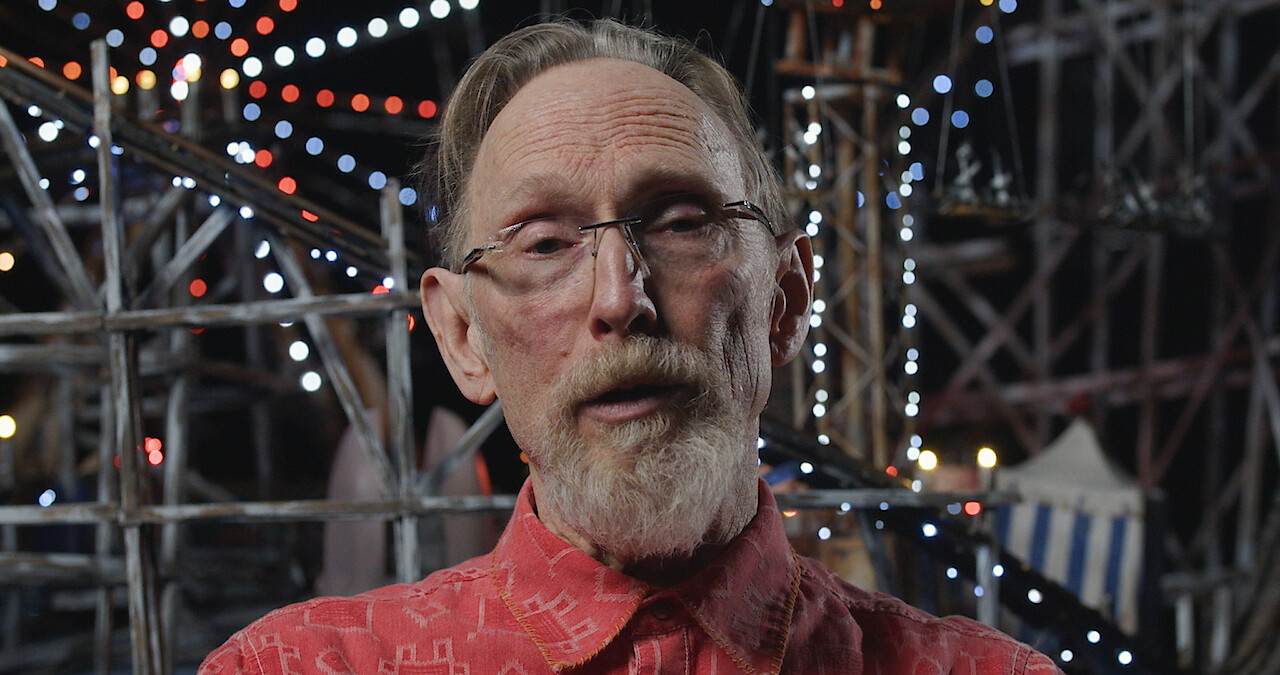
“The project itself is actually a very old idea,” Selick tells Tudum. “It was a short story inspired by my sons when they were little and they were, you know, demonic at times.” Wendell & Wild has come a long way since those humble beginnings. Co-written with Get Out director and writer Peele, the finished film is painstakingly crafted and utterly bewitching. In this installment of “Director’s Cut,” Selick sat down with us to talk about building the world of Wendell & Wild from the ground up, in the face of odds that sometimes seemed insurmountable.
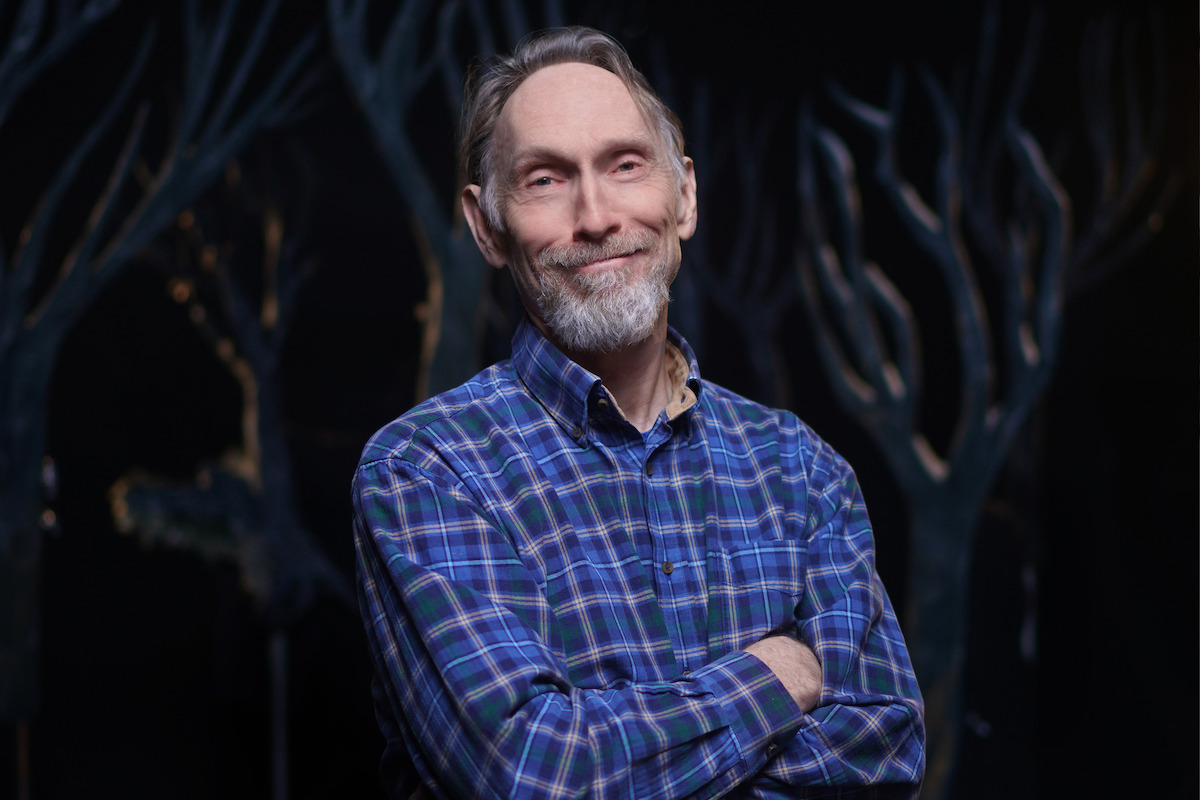
Ariel Spaugh/Netflix
It’s been a long time since you made a movie. What makes this one the right project to return with?
Yeah, it has been a long time. They just did a limited one-day rerelease of Coraline in theaters. I didn’t even know it was happening, but it did remind me how long it was. I had another project going after Coraline with Disney. And it was just a little too weird for them and it was shut down. I didn’t try for a few years after that, but then after meeting Jordan [Peele], the stars aligned again and it just was a project I loved. And I loved working with Jordan.
Both you and Key and Peele have such distinct and impressive bodies and work. Where did the idea for a collaboration come from?
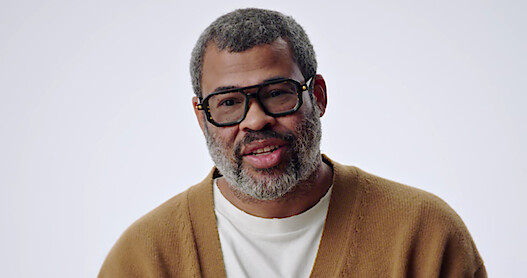
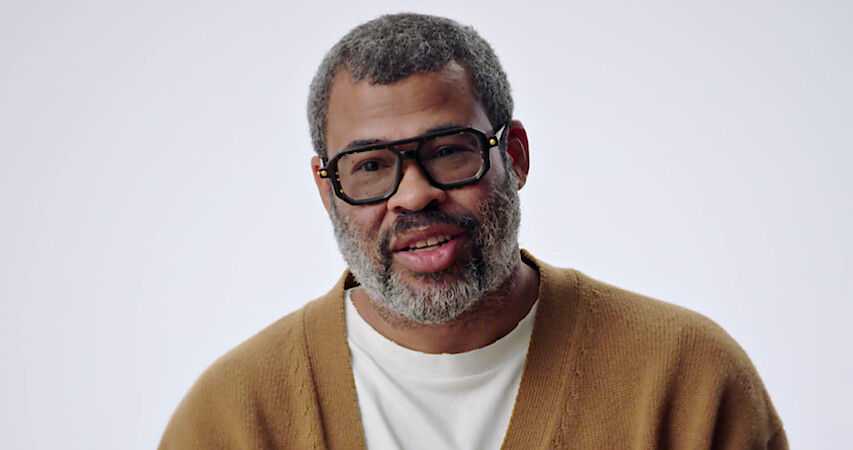
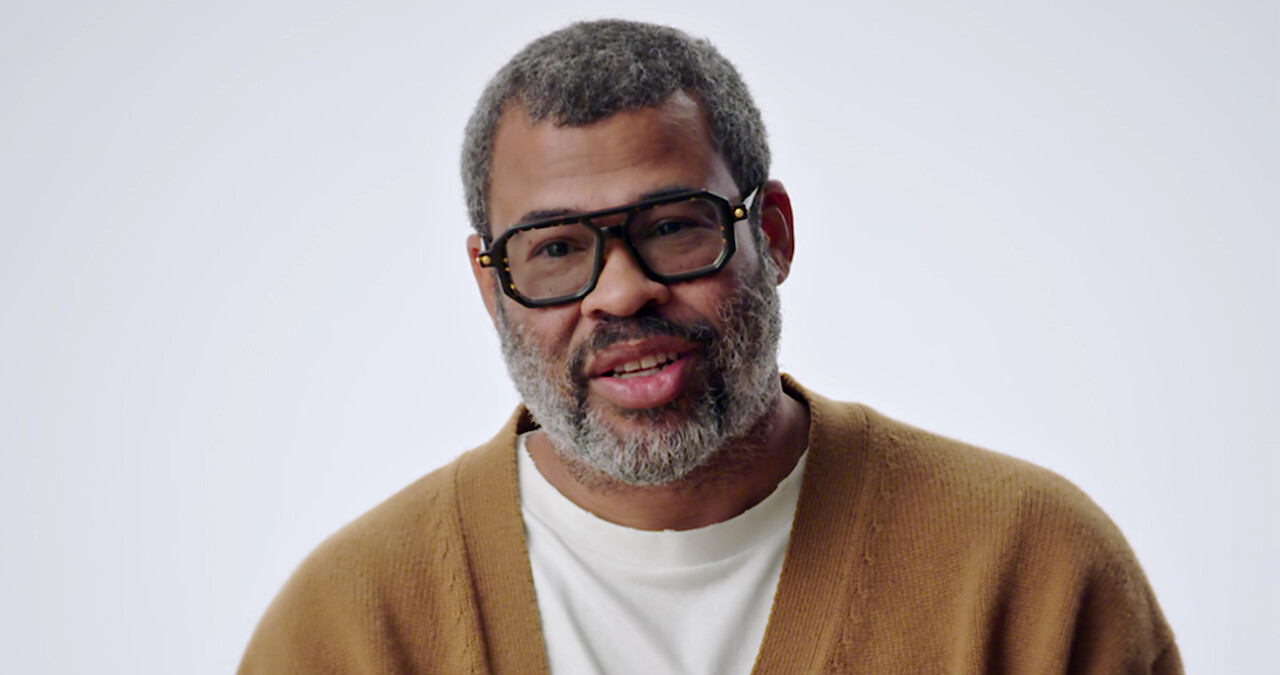
It was basically the show that Jordan was doing with Keegan-Michael Key, Key & Peele. I found out about it and started watching the first couple of seasons. I just loved everything they did so much, I reached out to them to try to work with them. And ultimately they were both very interested, but Jordan wanted to do more. He wanted to meet face-to-face. And then he told me about how much he loves stop-motion animation. And he knew my work and so he said, “What do you have as far as stories?” I pitched a few things, including Wendell & Wild, because it’s sort of like, Wendell & Wild, Key & Peele. It just seemed like a natural fit. We kind of reworked the characters. He had a lot of input on that and helped enormously on the story. He ended up being a co-writer on the screenplay and a main producer. He happened to love stop-motion and what I did. And so I’m so happy that we joined forces.
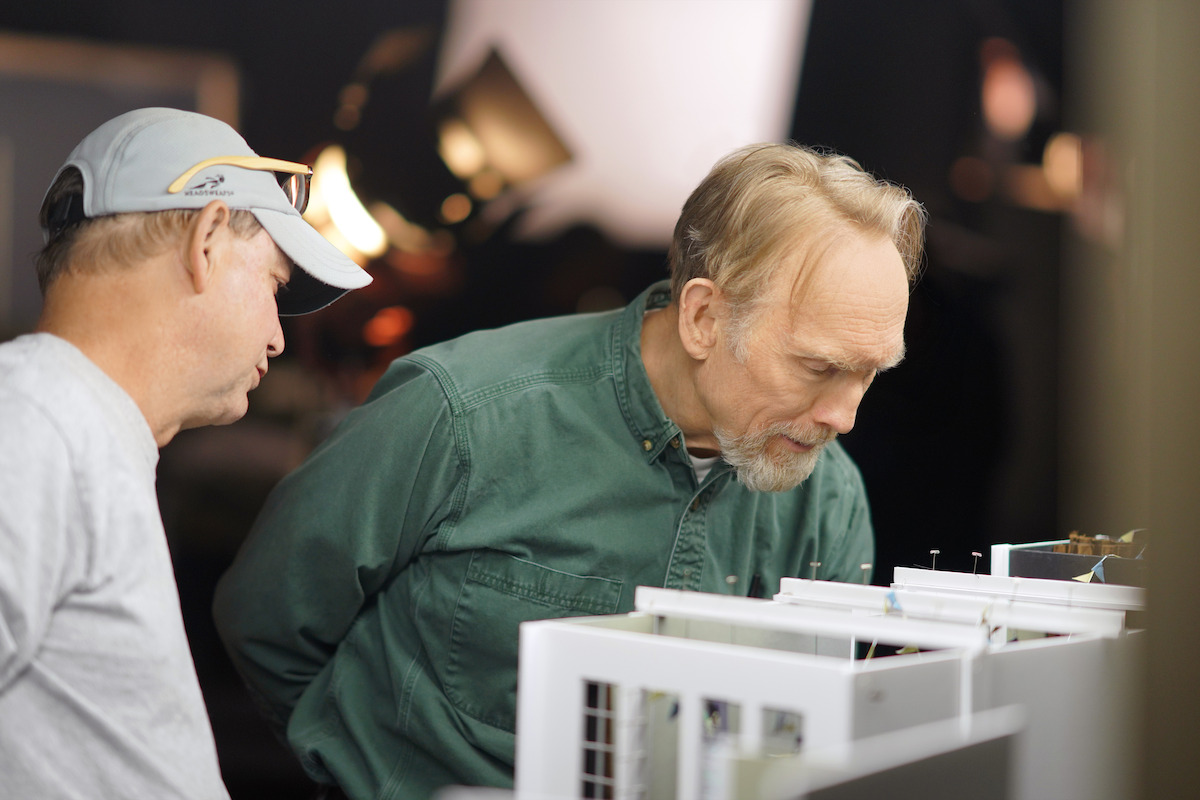
Ariel Spaugh/Netflix
You’re one of the great modern stop-motion storytellers. What is it that you love so much about the medium?
I’ve tried most types of animation in the course of my career and I keep coming back to stop-motion. There’s two things — one that’s sort of a primal thing that I felt the first time I saw stop-motion animation on a big screen. It would’ve been a Ray Harryhausen film. He was famous for building creatures and monsters and so forth before there was CG. But there was a sense I got, that I still have, that there’s something undeniably real. Even if the animation isn't perfect, even if it’s a little crude, I think there’s this sense. It’s almost like the relationship you have with your toys when you’re little. You believe they’re real and alive and you imagine them being alive and having conversations. But that’s the thing about stop-motion: Somehow that thing exists.
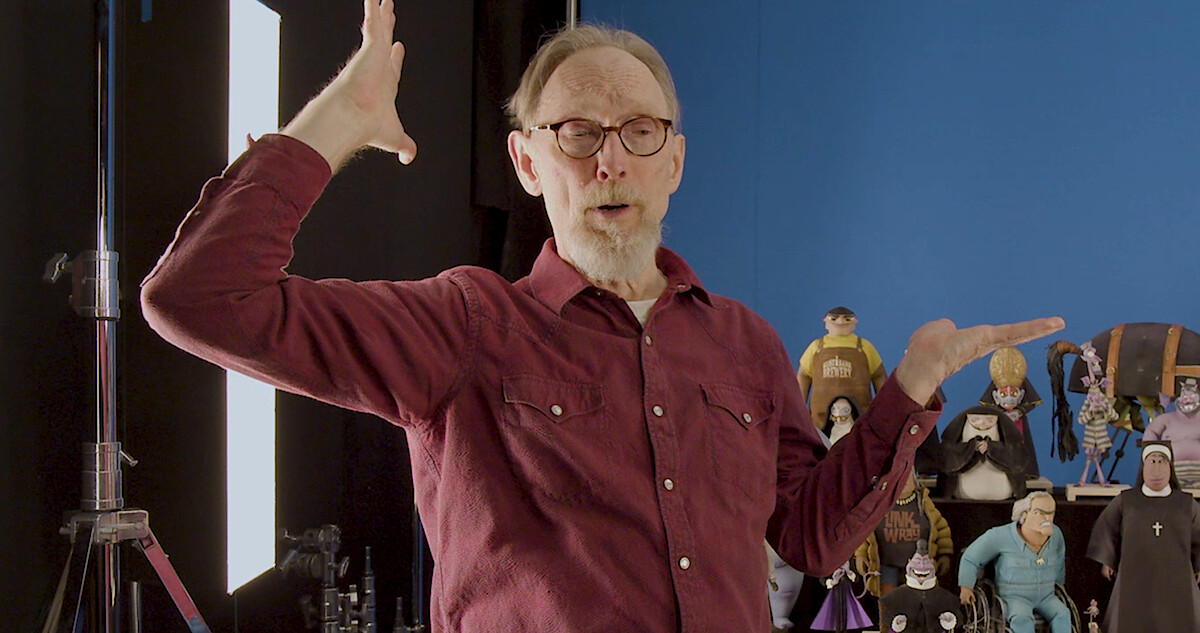
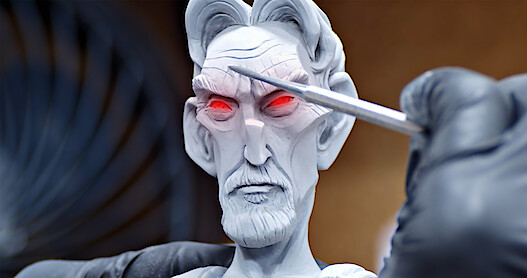
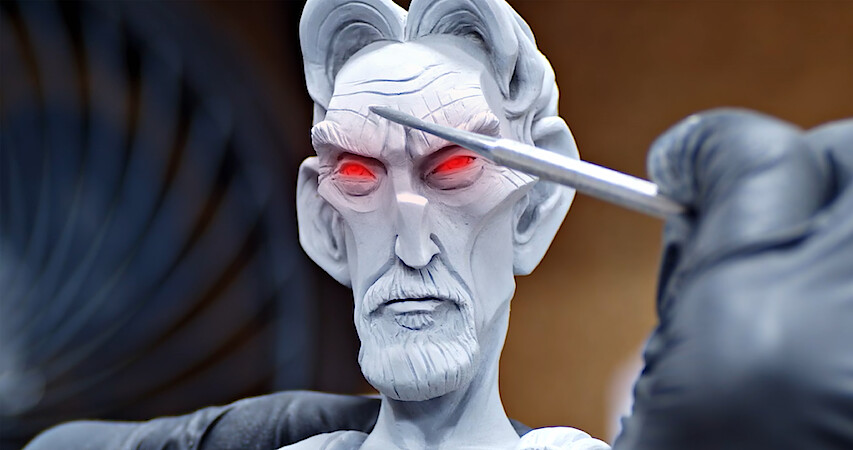
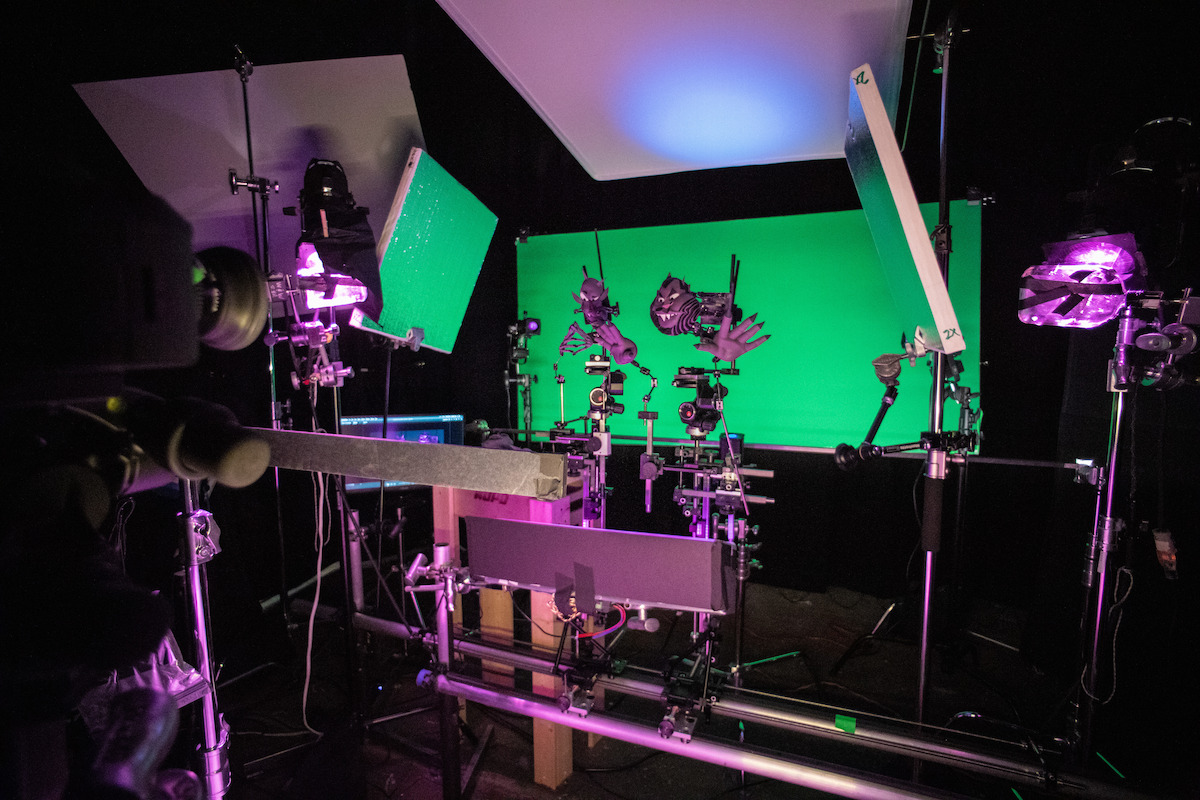
Now CG has gotten really far and, and could do almost anything, but I still have the feeling from stop-motion that it’s its own reality. I also really love the process. That’s the main reason I love stop-motion. I like that world of miniature sets, very much like live action. You have almost all the same departments. You’ve got a hair department, costumes. It’s not makeup, but it’s paint and lighting and almost all the same things, but all in miniature. And I love that it’s kind of like an army of people. In live-action, the army is all focused on getting one shot. In stop-motion it’s all divided up into little groups and we set up these black duvetyn curtains on our stages and can have 30 different sets going at once. And it of course takes time. My job as the director is moving from one to another, weighing in, advising, seeing results, but it’s like spinning lots of plates at the same time. And I love that. I just love that world and the tribe of people who do this.
Ariel Spaugh/Netflix
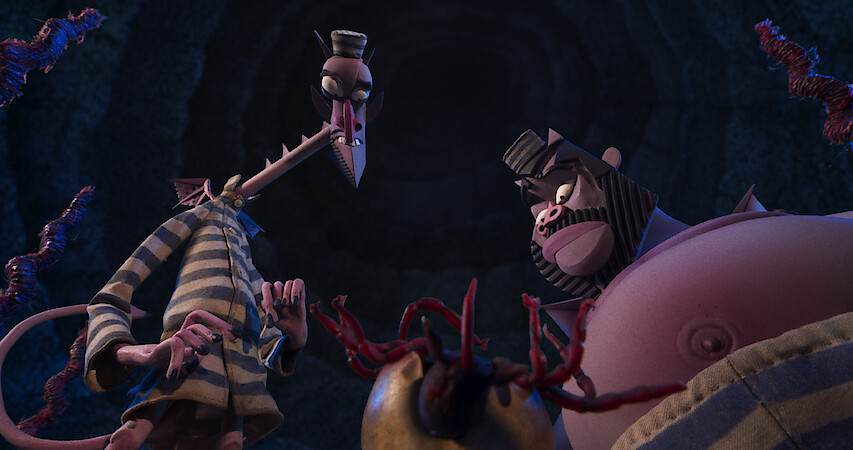
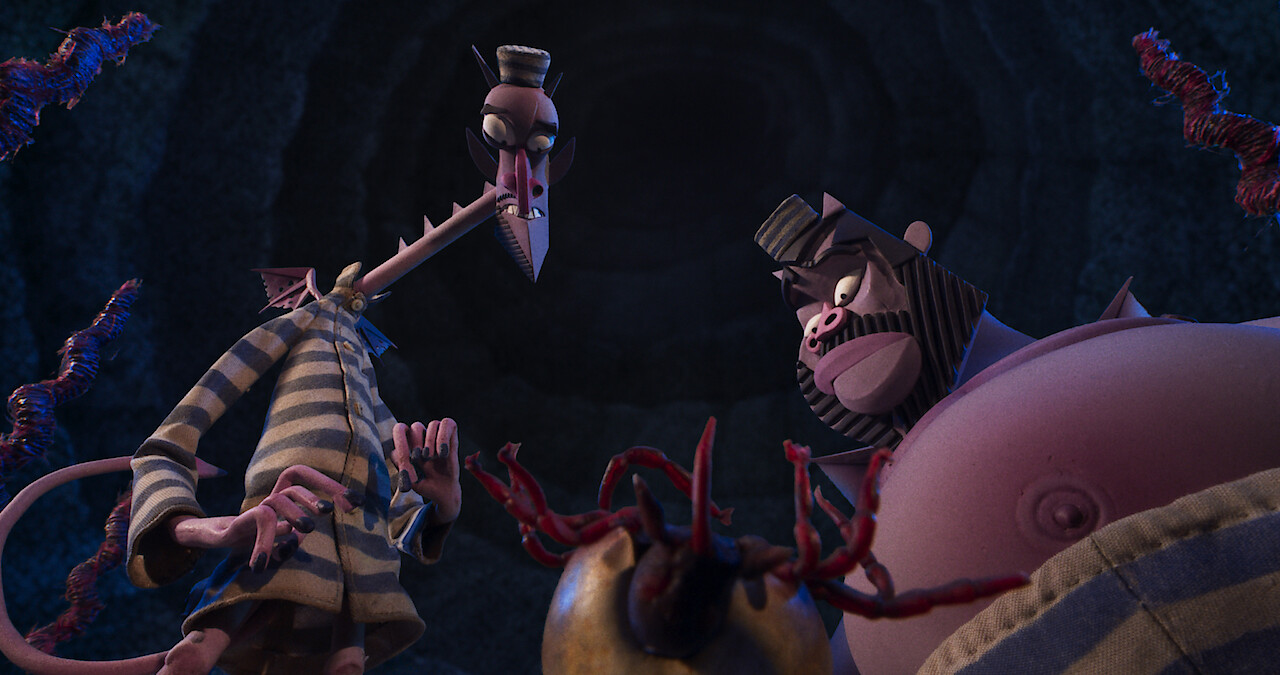
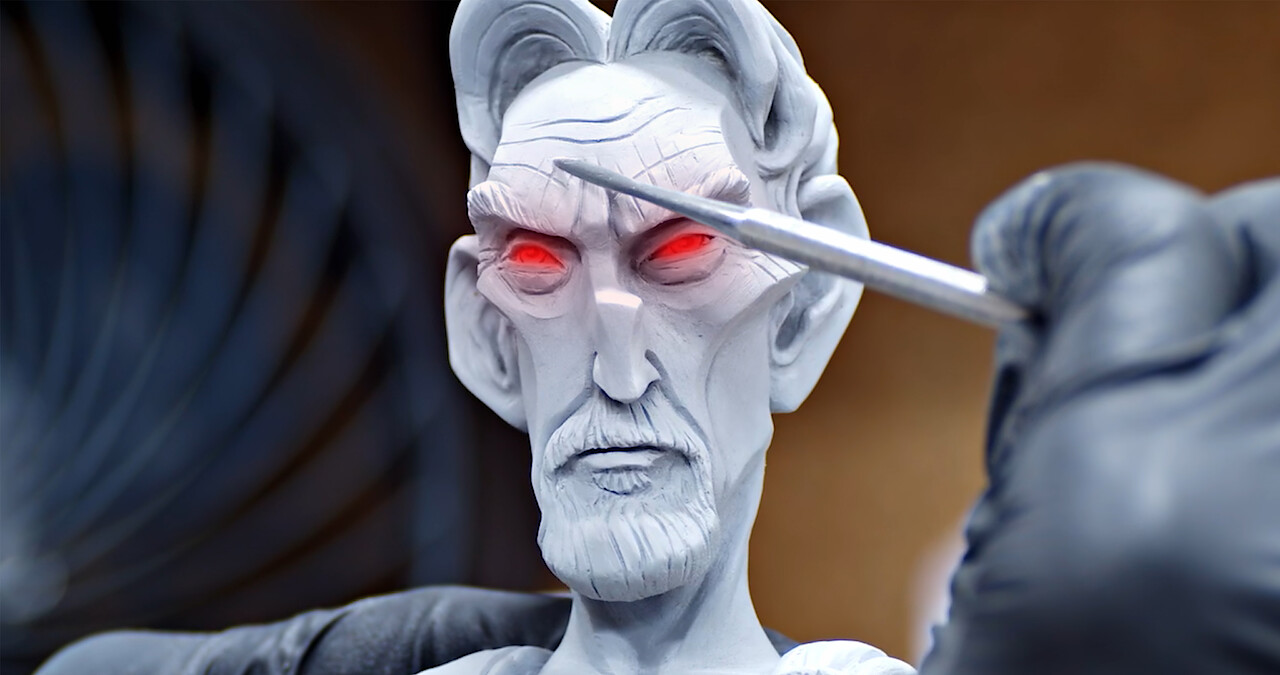
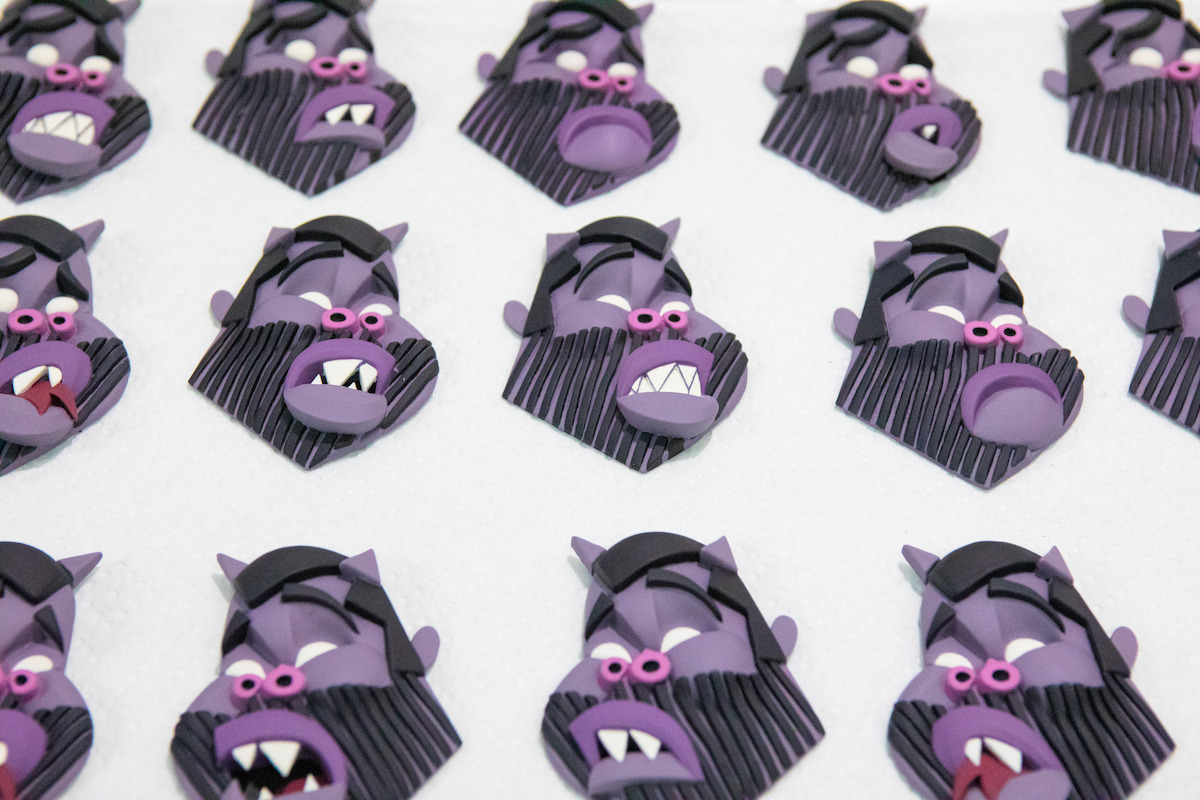
Wendell and Wild are these sort of Picasso-looking creatures. Where did that design element come from?
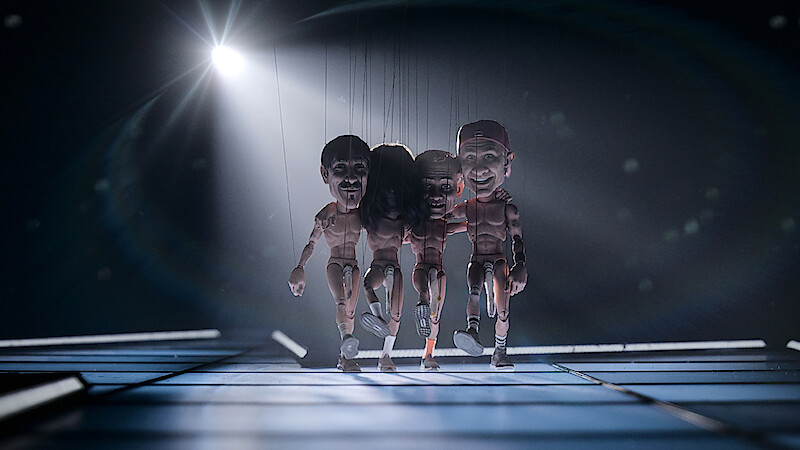
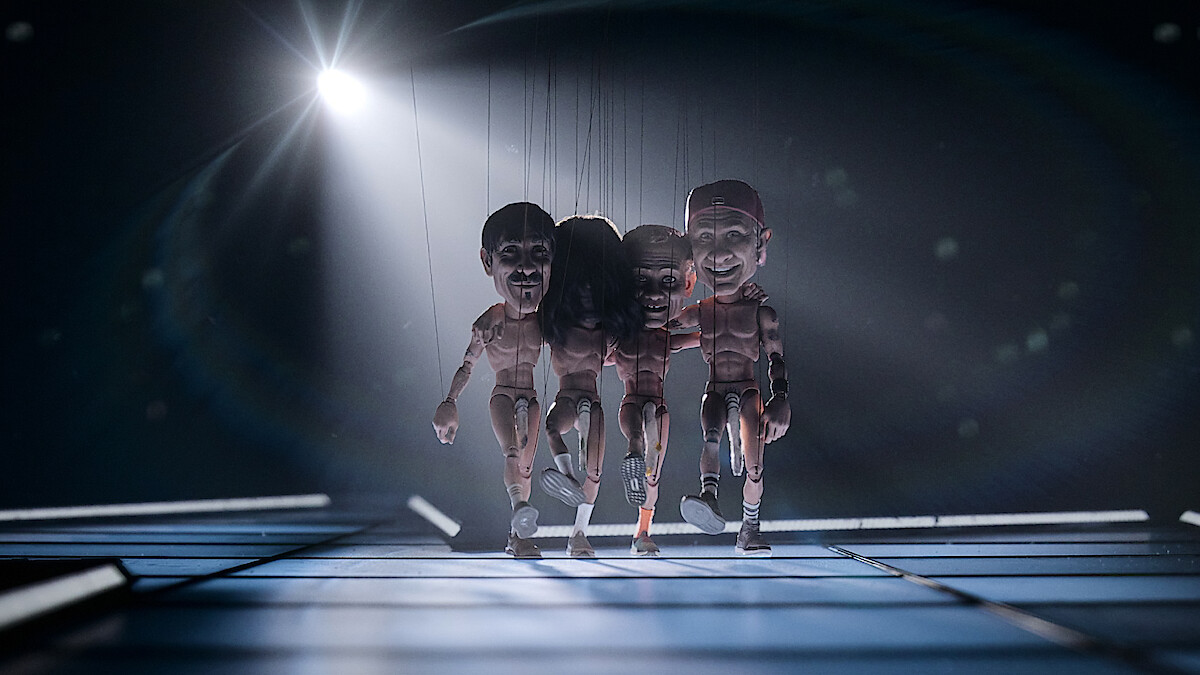
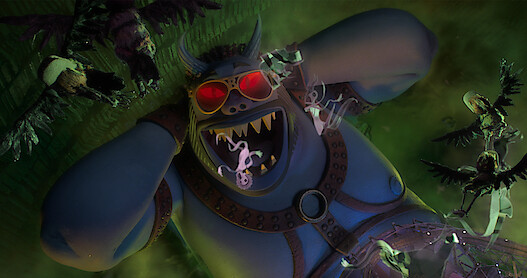
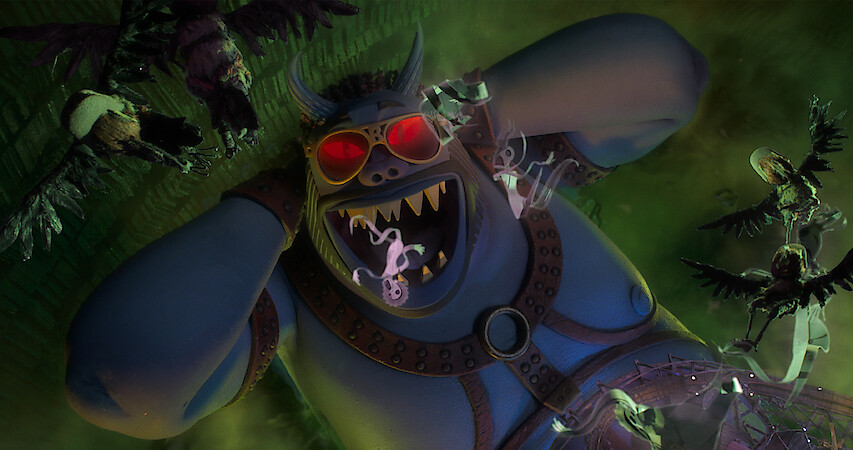
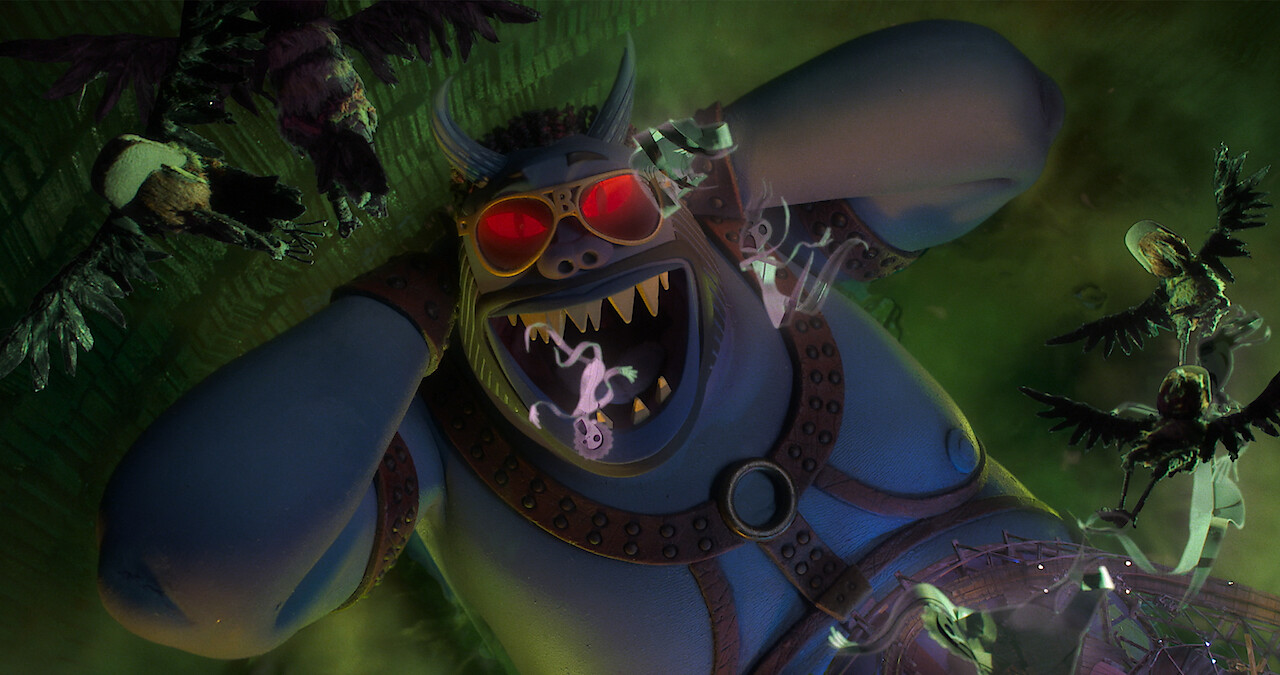
It’s all the films I loved as a kid. I went for a lot of mainstream stuff, but I also love stranger films. There’s an offbeat Dr. Seuss film called The 5,000 Fingers of Dr. T. that was made in the ’50s that has amazing design. It’s sort of a combination of just —what do I love the most? I went to art school and I absorbed a lot about painting and film. In this film in particular, a big angle was that I wanted Wendell and Wild to be caricatures of Key and Peele. I felt it was kind of important. It was going to be a reunion of them as a comedy duo. I wanted to resemble them, but I did not want it to be like a bad caricature artist by the seaside.
So I dug deep. I knew about Pablo Lobato, who’s probably the best caricaturist in the world at the moment. He has a very Picasso-like style. So I got together with him. I did an initial sketch just to show what Key and Peele might look like as demons. And then it was off to the races. He loved the project and he got involved. He designed all the characters and initially we started with much more Picasso-esque designs because that's what he’s known for. That will be for them in their demonic form, in the underworld. They’ll be a little more dimensional when they’re in the land of the living, posing as morticians.
Ariel Spaugh/Netflix
This film took even longer than your typical stop-motion film. What kind of obstacles did you come up against?
We had COVID, we had the pandemic show up and we couldn’t all work at home because we have to have stages and lights and, with live action, we have to be there. So COVID added at least a year. Plus, we had some other things on top of that. They’re kind of hard to believe, but the film was made right outside Portland, Oregon, where I'd made Coraline. And normally it’s very wet there. But two summers ago we had forest fires come so close we had to evacuate all the puppets from the studio.
We literally felt, well, if the studio burns down, what do we need to keep the film going? We need the puppets, because they’re very valuable and hard to make, and they take a lot of time. So we rescued all the puppets just in case. But the fires never quite got there and we were able to bring them back. We had something they called the heat dome where the Pacific Northwest was the hottest place on earth for almost a week. And that shut us down for a bit. We had things just melting outside and we had a few severe ice storms. So, there’s a lot of things conspiring to stop us, but we never stop. We're animators. We have infinite patience.
And on top of that, animating a stop-motion film is infamously labor-intensive. How long did it take on this one to get a few minutes of film?
Seconds. We talked in seconds. It all depends on how many characters are in the scene, and how complicated it is. If it’s mainly a talking scene and not a lot of action then those are faster. We usually have one animator on a shot. A shot that could be anywhere from, uh, two seconds to 10 seconds long could be anywhere from four days to two weeks. It’s very long, but we don’t have a lot of re-shoots. We have probably a 99% success rate once we’ve set up the shot and we do kind of a rough rehearsal. When we launch, we almost always nail it.
Ariel Spaugh/Netflix
Do you think that stop-motion attracts perfectionists? Do you think you're a perfectionist?
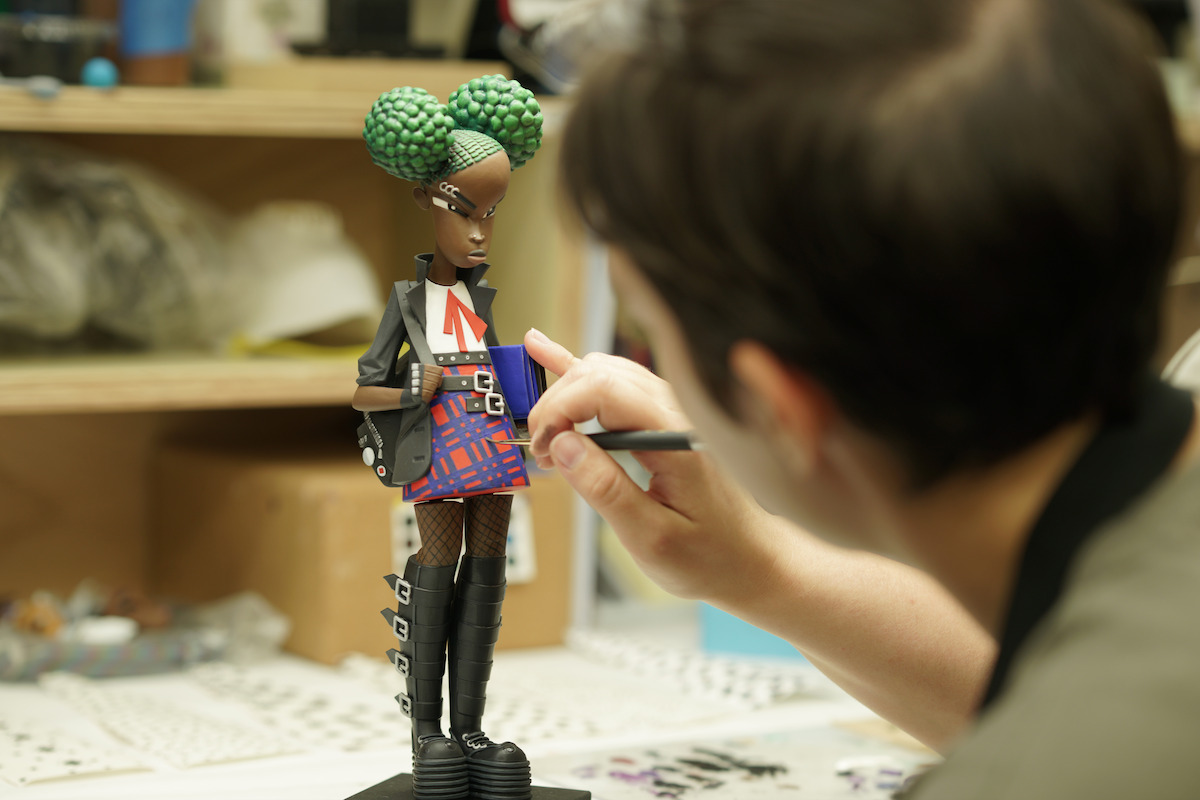
It’s a strange type of perfectionism because when I started out, we were trying to make things as perfect as possible, going back to The Nightmare Before Christmas. But we could never get there, not really. Because it’s handmade and there’s going to be flaws. And over the years I kind of came to realize I have to embrace the flaws. I call it the charm of stop-motion. Because if you make it look like CG, then what’s the point of all that difficulty? Just do it CG if it’s going to look like CG. So it’s a different kind of perfectionism. It’s perfectionism with a squinted eye, meaning I accept and embrace the flaws because we can’t really do it. And occasionally you’re gonna have a shot where everything works out and it’s almost flawless, but mainly you’re not. Mainly there’s going to be flaws and that proves it’s stop-motion.
The sort of people who are attracted to this, they’re people who like working in miniature, and they’re trying to do something impossibly good. They want it to be amazing and detailed and something so rich, you could look at it many, many times. So we’re would-be perfectionists who can never get it right.
Coraline and The Nightmare Before Christmas have become classics for spookier types of kids who maybe aren’t going to watch Sleeping Beauty. How does that feel for you?
It feels wonderful to have something you really put a lot of care, effort and love into last — to stand up and find a bigger audience over time. It feels wonderful for everyone involved. There’s so much disposable entertainment, it comes and it goes, it serves its purpose. And there’s not many things that people return to again and again. I would say that that’s something about stop-motion, especially the stop-motion I’ve been involved with — it ages really well. It doesn’t get old because it’s already old. It’s already ancient magic.
Wendell & Wild is streaming on Netflix right now.
This interview has been edited for clarity and length.