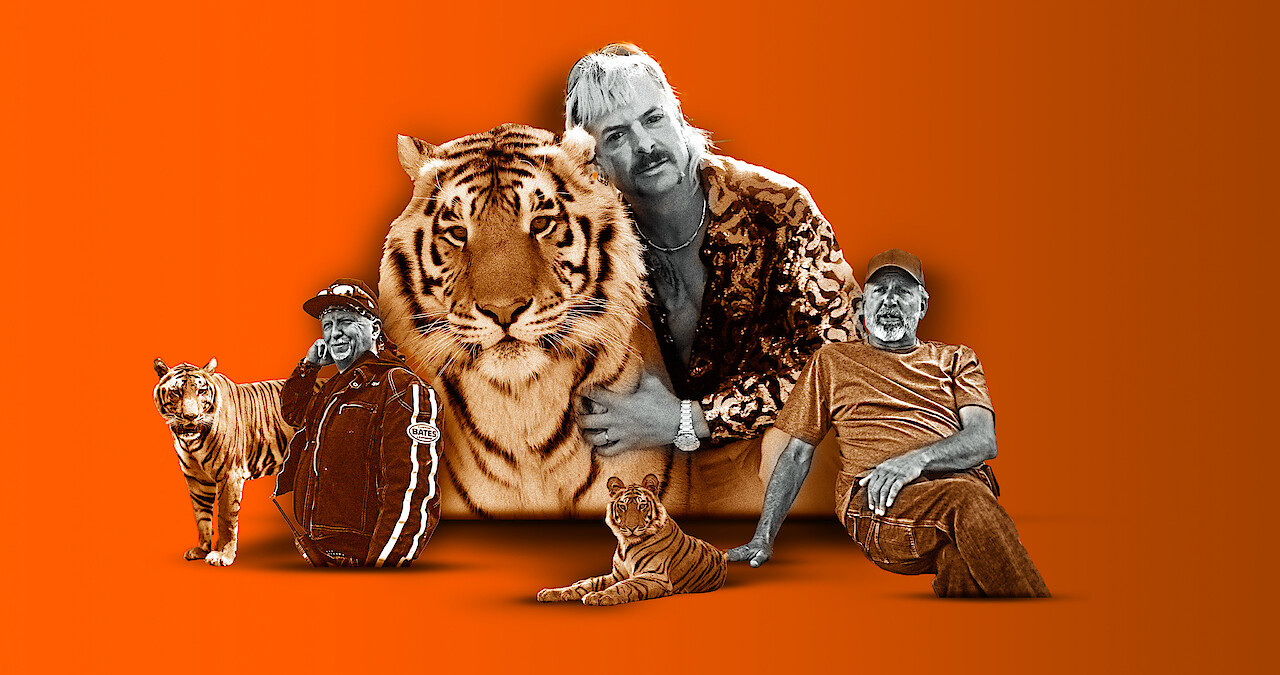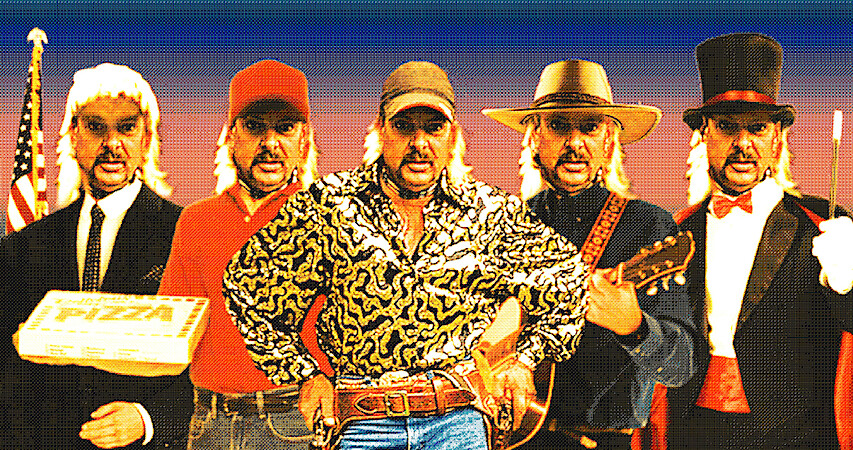

Illustration by Javier Jaén
Culture
This Is Why We Love Outrageous Stories like ‘Tiger King’
This is your brain on Tiger King.
By Josh Terry
Dec. 1, 2021
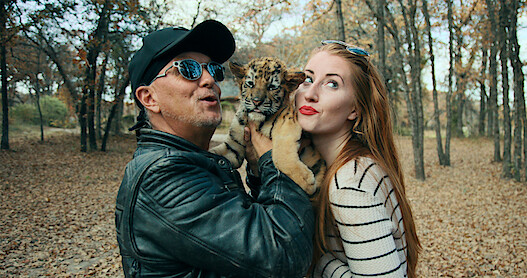
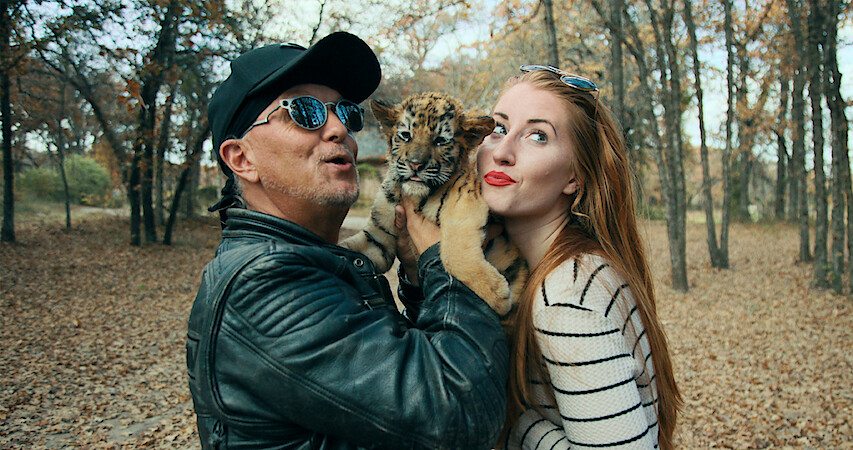
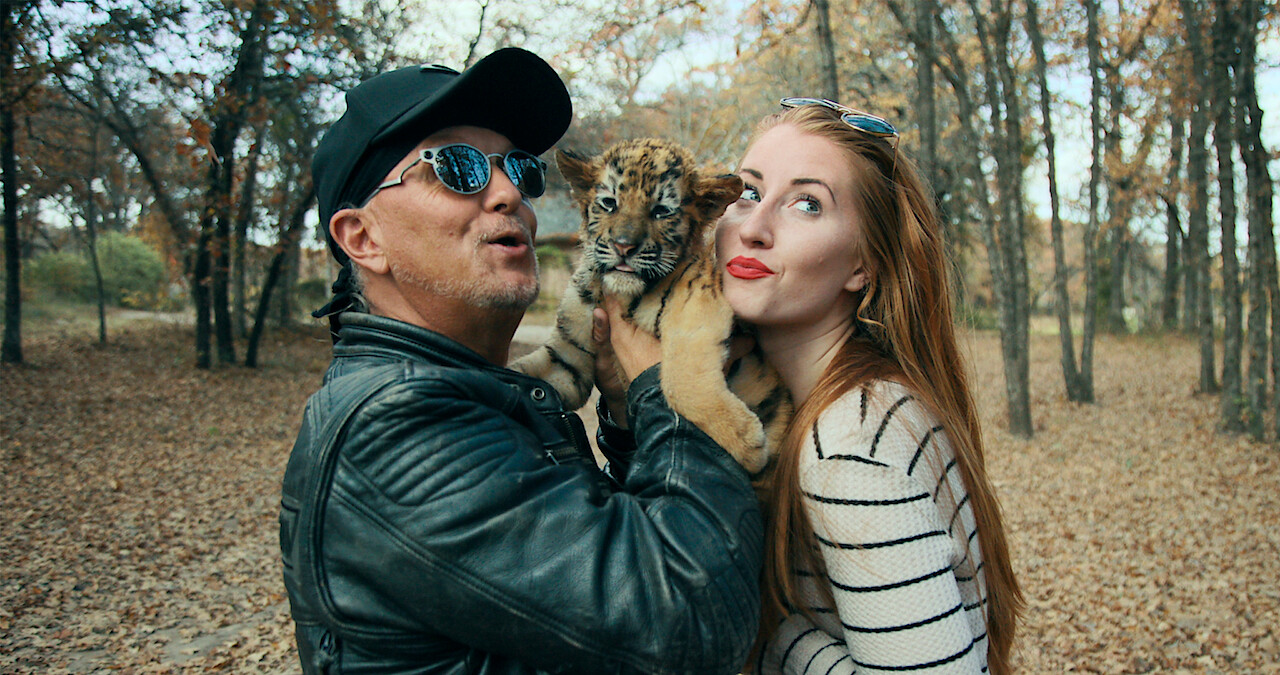
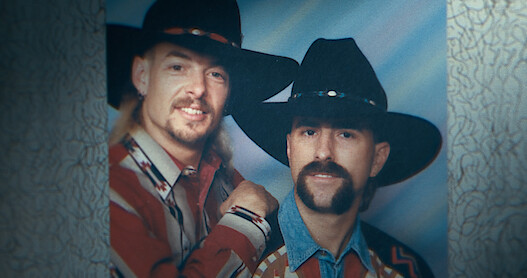
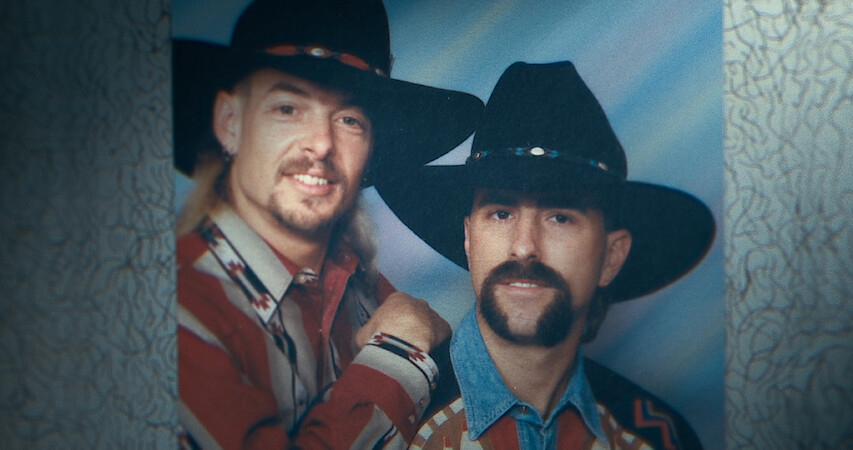
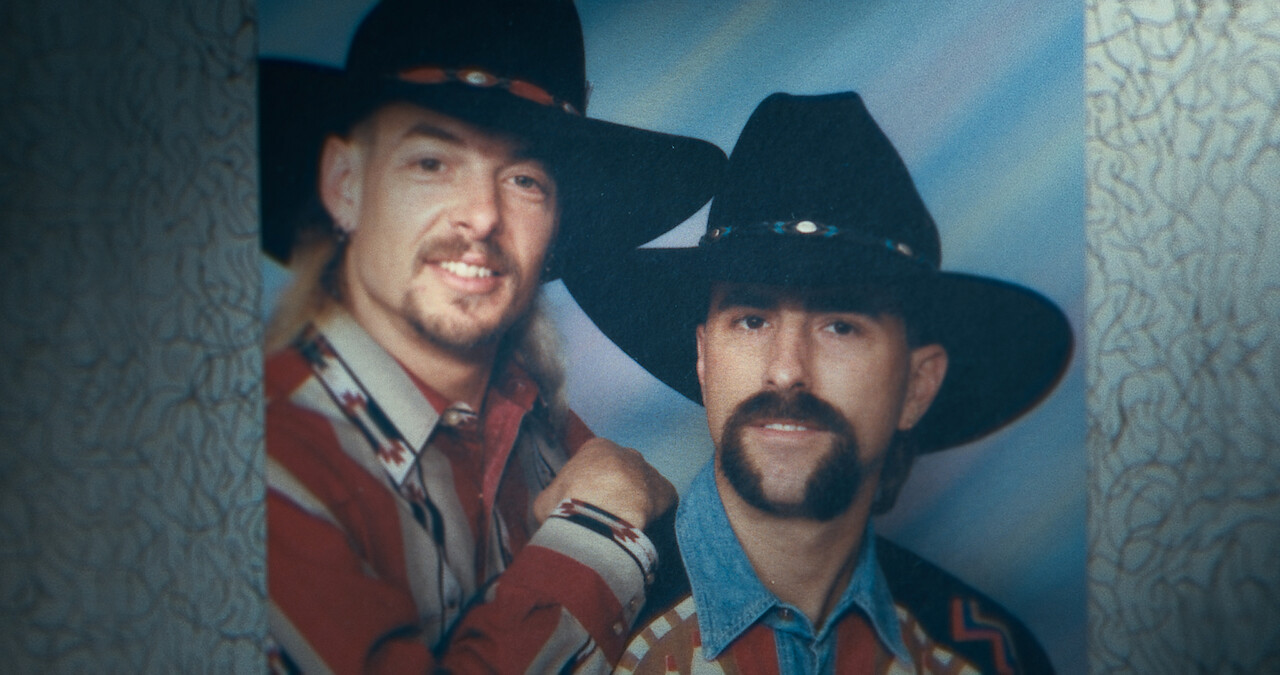
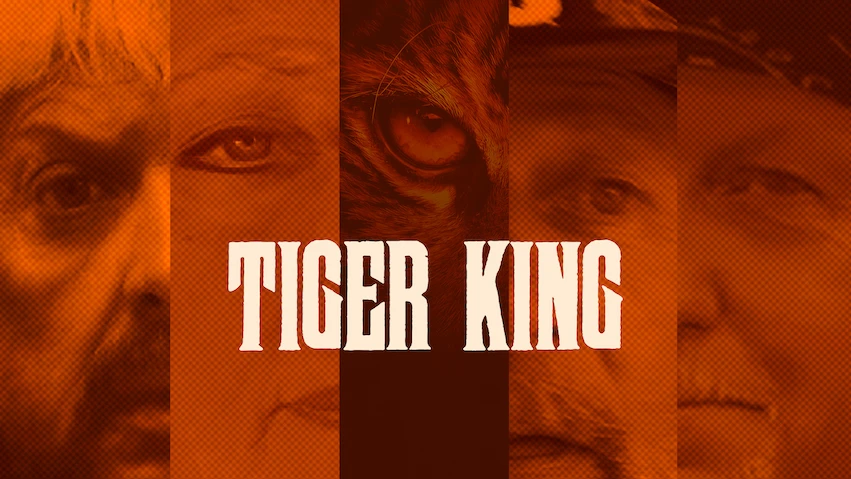
There’s something almost primal about shows like Tiger King: Murder, Mayhem and Madness capturing our attention. When the first season premiered, in March 2020, quarantined audiences were fascinated by the docuseries’ star, transgressive and loud zoo owner Joe Exotic. Throughout the series, the mullet-sporting mysterio behaves poorly, is self-aggrandizing at every opportunity, hurls untoward accusations at his nemeses and disregards those around him, including his majestic collection of tigers and other wild animals. No matter how terrible Exotic and the series’ revolving cast of characters are, it’s difficult to stop watching — just as it’s near-impossible to stop gawking at a horrific car accident.
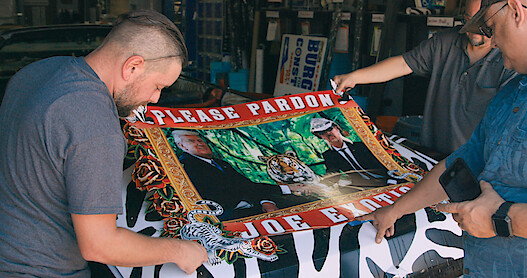
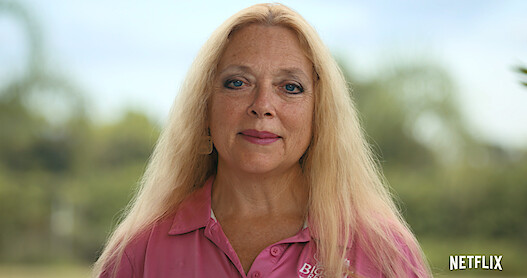
In many ways, Tiger King 2 is as much about the global reaction to the first season as it is about Exotic, Carole Baskin and its many other colorful subjects. Season 2 homes in on the social media phenomenon surrounding the show, the #FreeJoeExotic movement and the online detectives trying to solve the mysteries of the first season. But while it’s clear that fans are super invested in the show, there are no apparent reasons as to why a story like Tiger King has captured so much attention. To find some answers, we interviewed experts about why outrageous stories like this one resonate.
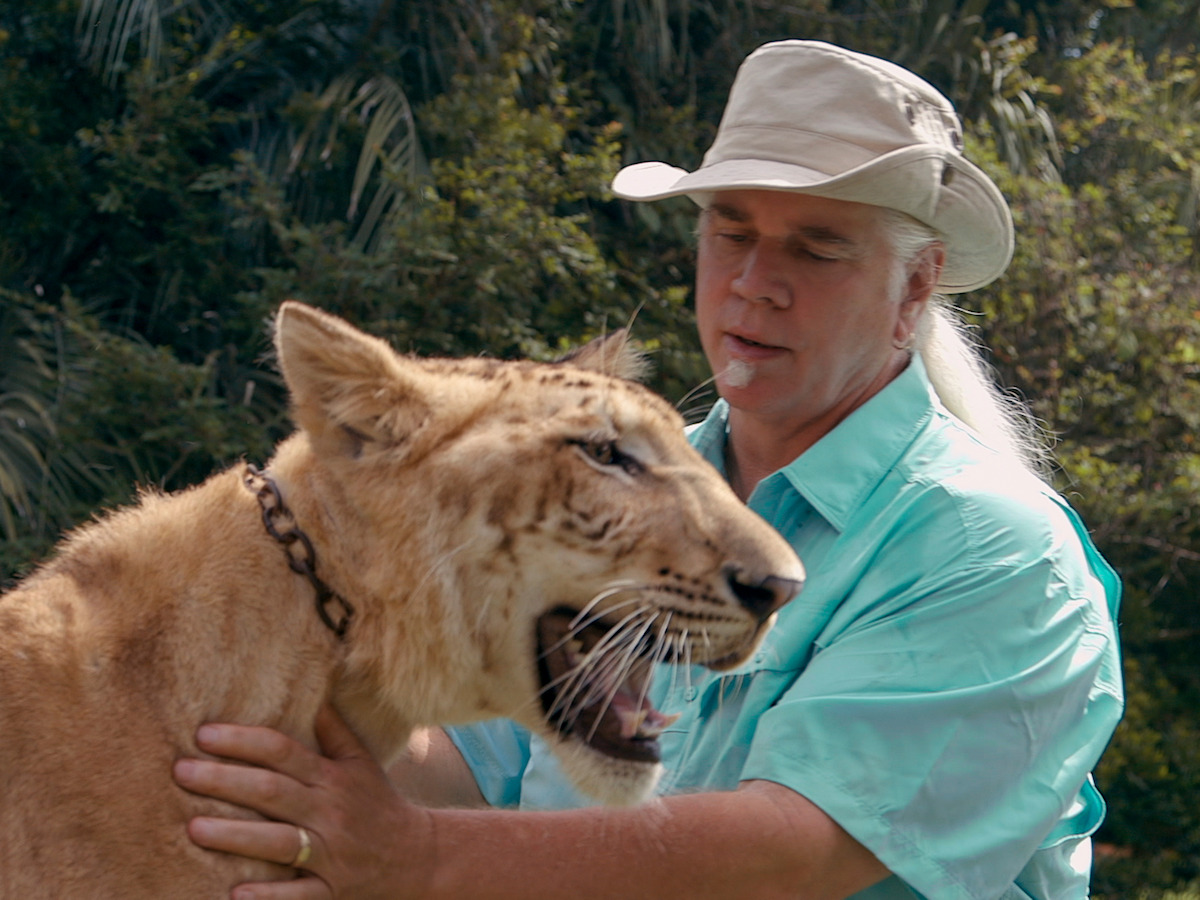
According to Dr. Meghan S. Sanders, associate professor and director of the Media Effects Lab at Louisiana State University, people enjoy Tiger King because they want to be a part of its cultural conservation, especially since it first appeared during the initial phase of the COVID-19 lockdown. “Early in the pandemic, everyone was at home, [and] my nephew reached out and asked if I was watching Tiger King,” Sanders says. “I started watching it as a way to connect with him. Tiger King became this form of social capital for me with him; a lot of people were tapping into that, too.” As Tiger King became more popular, this form of social connection was crucial; these ubiquitous online conversations were a way to feel a part of something.
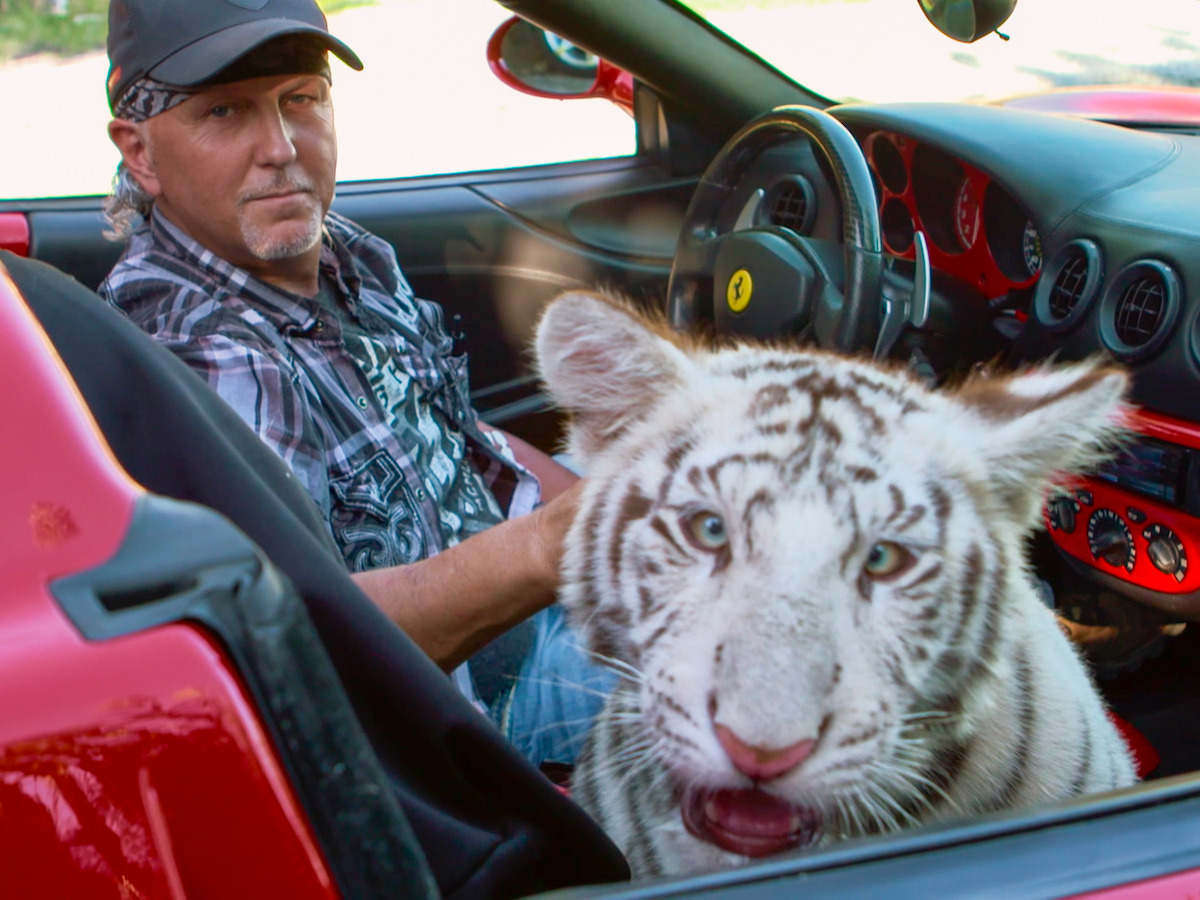
But more than just being the catalyst for virtual watercooler conversations and countless memes, Exotic’s lurid world enthralled viewers in ways that many psychological concepts seem to justify. “This applies to a lot of reality television genres: When people are embarrassing themselves, whether they know they’re embarrassing themselves or not, there is a sense of pleasure that watchers can derive from that,” says Dr. Elizabeth L. Cohen, associate professor at West Virginia University. “There’s this concept of schadenfreude: really taking pleasure in other people’s pain, embarrassment or humiliation.”
Schadenfreude is a part of our everyday lives: We experience it every time we laugh at someone for tripping and falling. It’s an innate part of our collective sense of humor. That’s the reason we laugh when Exotic makes fun of Baskin or when Exotic’s employees crack jokes at his expense. Sanders says sports fandom is a helpful way to think about schadenfreude: You want your team to win and your rivals to lose, so you feel joy when you get the result you desire. This idea also translates to television. “If you feel very strong connections with a character on a show or documentary, if you can empathize with them, if you feel like you can identify with them, it may make it a little harder to feel that sense of pleasure when something bad happens to them, or when they are the beneficiaries of misfortune,” she says.
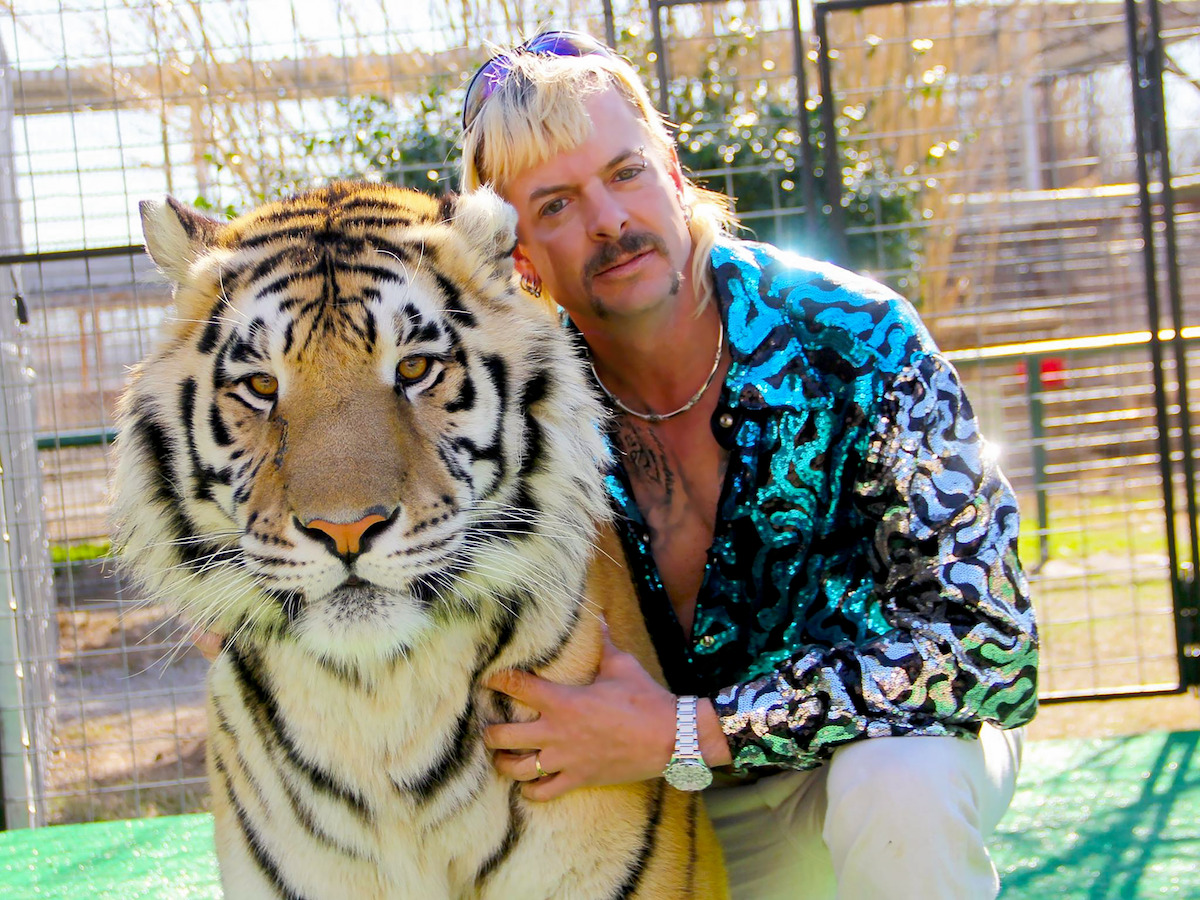
Connections with Tiger King characters were profound enough that fan communities immediately popped up after the show’s release: #FreeJoeExotic was more than just a hashtag and a BFB Da Packman song; it became a virtual social movement for fans of the show. “There’s a body of research in moral psychology that argues that, when we like people, we want good things to happen to them, we connect to them very strongly, emotionally, but also cognitively,” says Sanders. “But when bad things happen to them, that decreases our ability to enjoy the experience, and vice versa with people that we don’t like and people that we don’t have a strong, positive disposition toward.” In other words, we enjoy seeing the people we like succeed and those we don’t get their just desserts.
There are other innate psychological concepts at play when we watch Tiger King. “It’s natural that we’re always comparing how we’re doing to how other people are doing,” says Cohen. This is called Social Comparison Theory. “Social comparison can work in a couple of different directions: We can compare upward to people who seem better off than we are, which sometimes makes us feel bad because we’re not as good as they are,” says Sanders. “Other times, it may actually elicit the sense of self-enhancement or aspirations to shoot toward. But then there’s the downward social comparison, where we feel better about our situation when we see someone worse off.”
These downward comparisons were likely a factor when people first saw Tiger King. Sure, people were stuck at home during a deadly pandemic, but at least they weren’t in danger of being incarcerated for 22 years or being publicly accused of killing their ex-husbands.
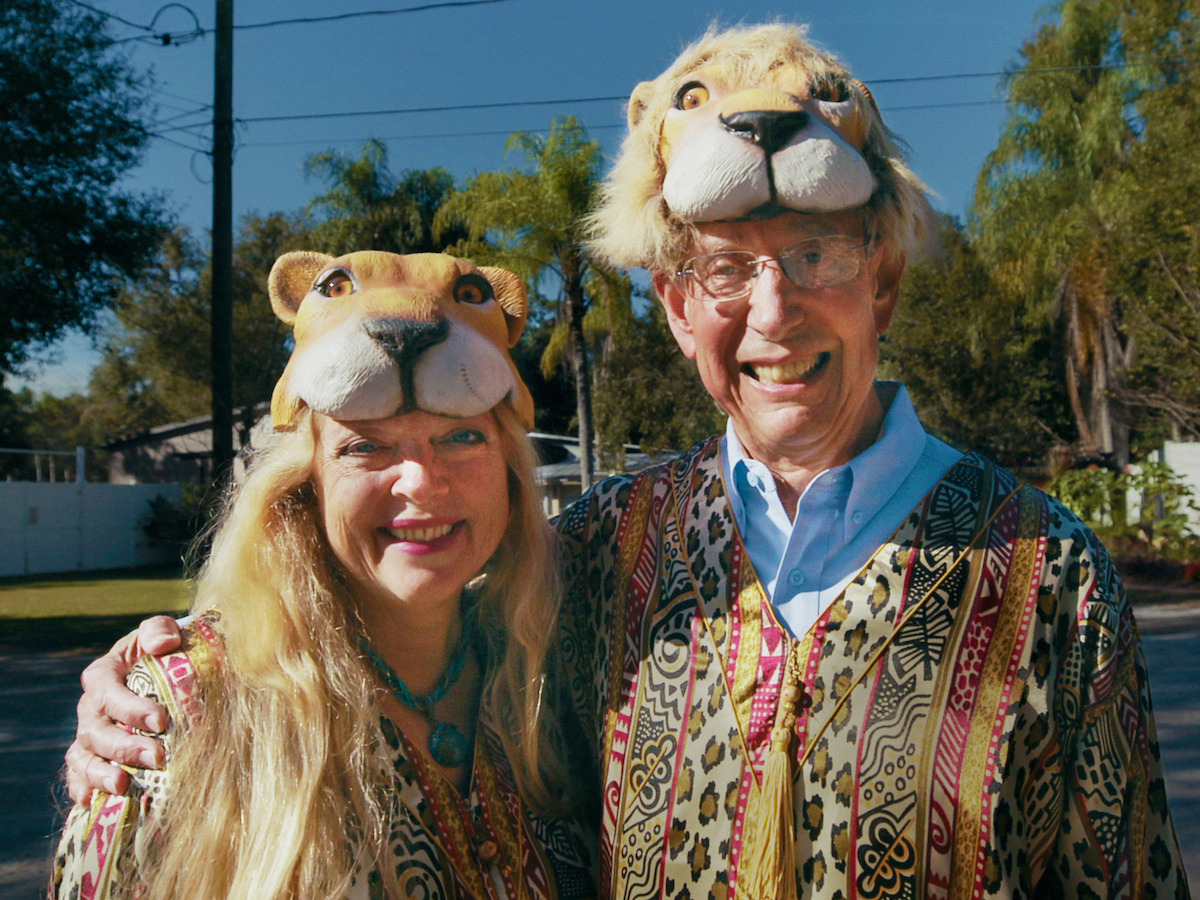
Also, let’s face it: It’s impossible to look away from people like Exotic, even if you don’t particularly like him or his behavior. He’s loud, takes up a ton of space, loves to self-promote and is so shockingly outlandish. He has a psychological allure that’s hard to ignore. “Psychologically speaking, we were given certain emotional reactions, and they all have a purpose,” Cohen says. “Nobody wants to feel disgusted, but think about what happens when you do feel disgusted with something. You need to pay attention to it.” When people act poorly or transgressively on television, we become drawn to it. Even if you don’t condone the behavior, watching people act poorly is an escape from the tedium and stress of our day-to-day lives.
“We have a biological imperative to pay attention to the things that could be a threat to us and that are a danger to us,” Cohen continues. “And so what certain kinds of entertainment do, whether you like it or not is, it has this surveillance function where it tells us all of the things we’re supposed to be afraid of... It’s a protective mechanism.” It’s the reason we’re drawn to negative headlines in the news and more prone to doomscrolling on social media. When people do bad things in public, our brains tell us to pay attention so we don’t make the same mistakes.
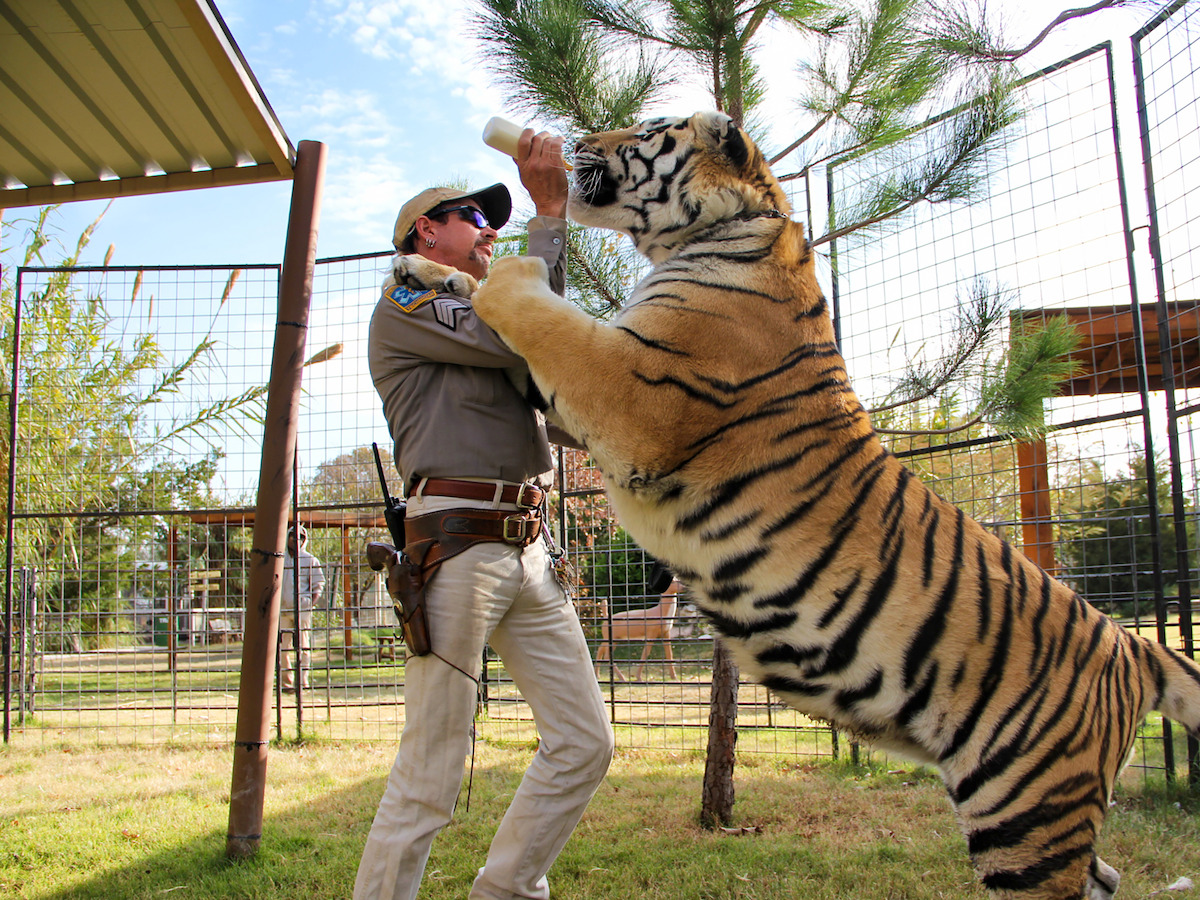
Tiger King is an extreme story highlighting the dark and dramatic world of private zoos, and given its release during the first weeks of the pandemic, its outrageous subject matter became a form of catharsis. “We were looking for all these ways to be connected, but we were probably also looking for ways to escape the extreme reality we were all in,” says Sanders. “That also factored into why Tiger King was so popular: People needed that extreme release and extreme escapism, and the show provided the stories that some people needed at that time.”
But even if Tiger King entertains us, we must remember the real people and real-world consequences behind their on-camera actions. “With Tiger King, the fact that there are innocents, whether it’s the animals or the people that are involved, is why some people don’t love the show as much as others,” says Cohen. “If you take a step back, you do realize that all of the humor that we find in this show, actually really does have some really dark, non-humorous elements to it. It’s really not all fun and games.”