Explainer
The Truth About Those Baby Tiger Photos
Joe Exotic argues that selfies with tiger cubs are educational, but there are shocking truths behind this lie.
By Ben Rawson-Jones
May 14, 2024
Tiger King is full of moments that stay with you. Think of Joe Exotic parading self-branded condoms to promote his presidential campaign or Tim Stark dressing his golf balls in a bandana and hat to resemble Jeff Lowe. But one particular sequence lingers in the mind — and it’s no laughing matter.
In one scene, the GW Zoo team attempts to prise a newborn tiger cub away from its mother mere seconds after it has entered the world. A long metal claw enters the enclosure to grab and drag the baby away across the dusty floor and through a tiny gap in the cage. They hold it aloft like a gold trophy. The screams of the cub, meanwhile, are heartbreaking as it cries for its absent mother. Our feelings of unease are compounded by Joe Exotic complaining about the noise.
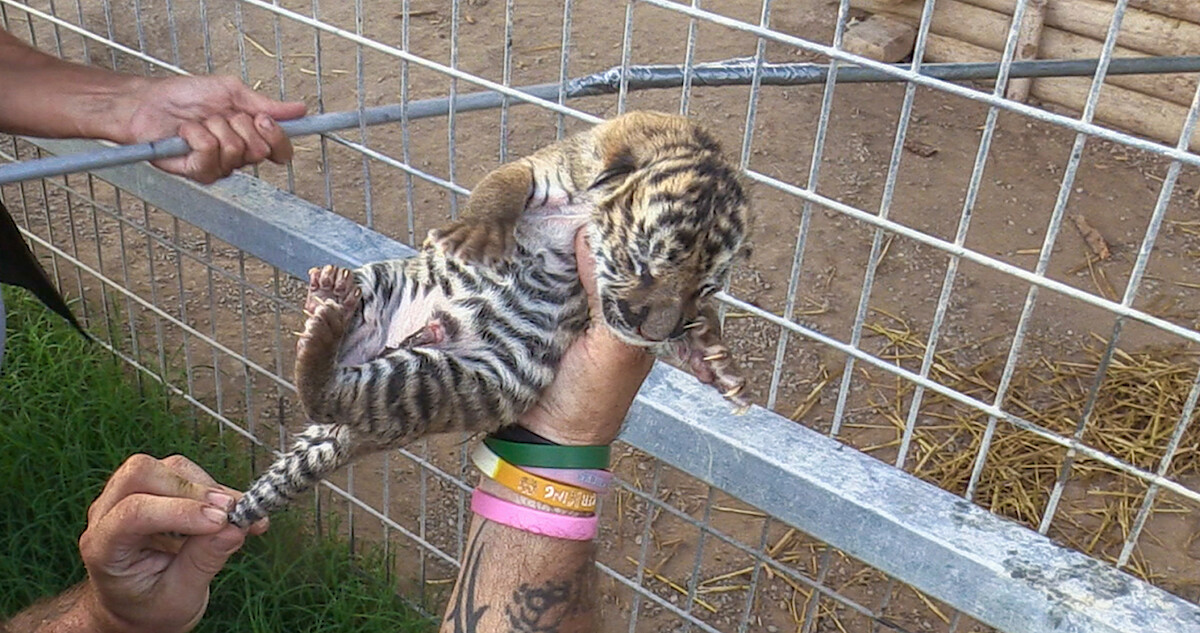
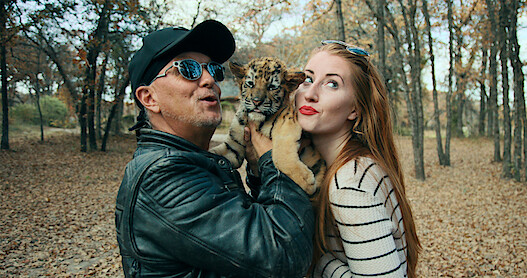
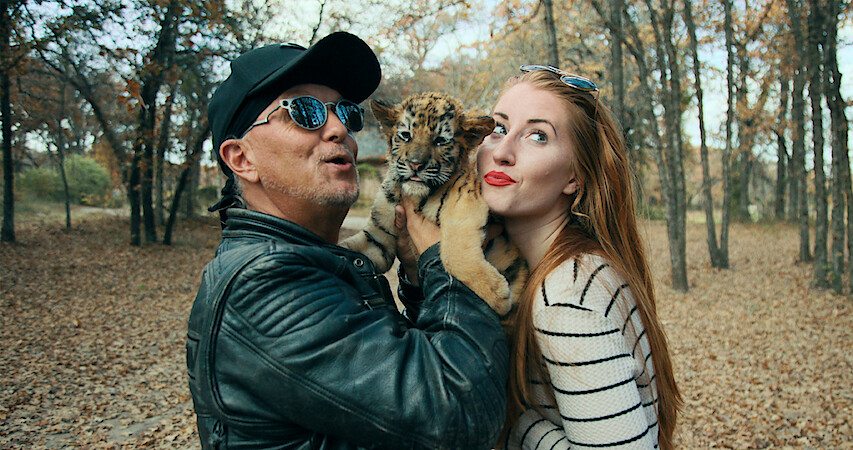
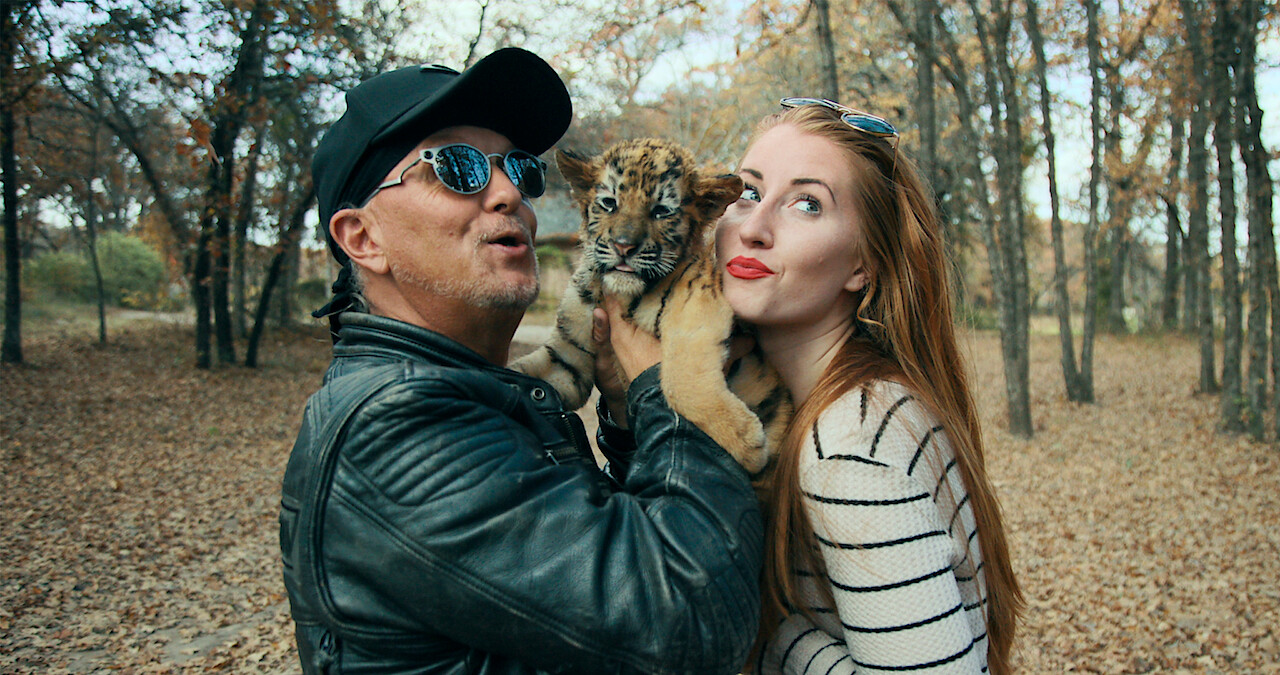
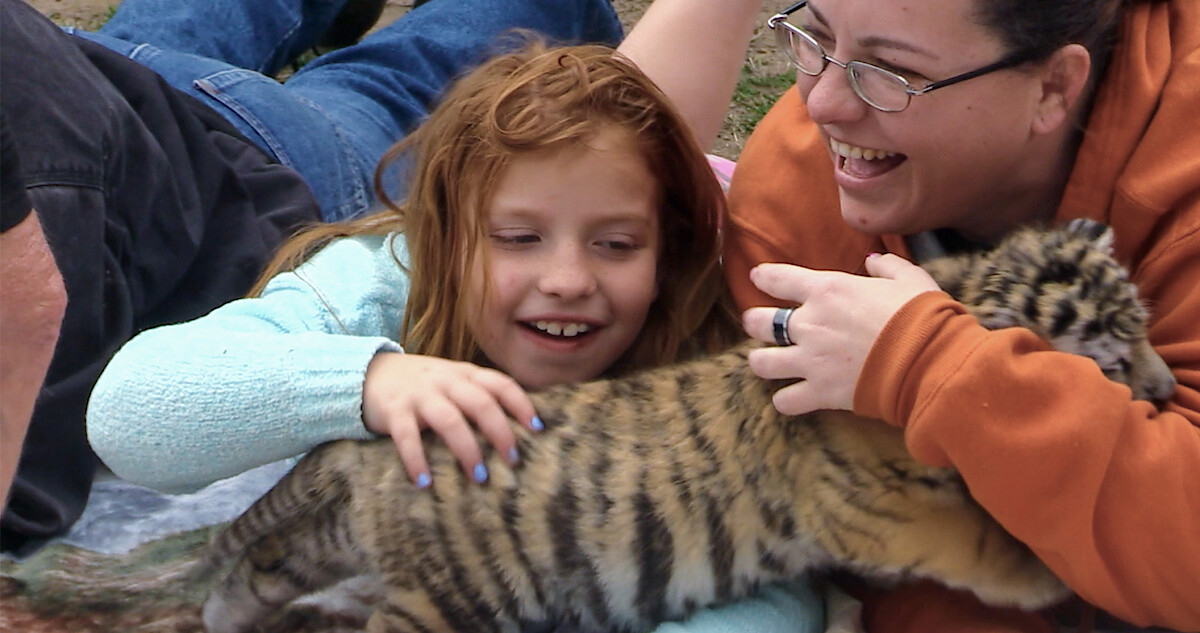
The purpose of this act? To make as much money from tiger selfies and petting opportunities before the cub grows too old. From the moment the cub is born, there’s an opportunity to financially profit from its existence, until it grows too big and not cute enough for lucrative petting and photo opportunities. It’s a simple case of supply and demand, with plenty of people wanting that prized photo on their social media feeds or dating app profiles. Though this may sound relatively harmless, if you delve deeper, you’ll learn some uncomfortable truths about what often happens before, during and after these encounters.
“We have found through investigations and work that it’s a complete cycle of suffering for these animals involved,” says Vanessa Amoroso, head of wild animals in trade at global animal welfare organization Four Paws. “It starts from the day they’re born — ripped away from their mothers at a very young age, passed around from human to human, sedated until they get a bit too dangerous.”
Amoroso points out that drugging animals to remain commercially exploitable can have devastating effects. “Every sedation affects the whole organism, and this can have a particular effect on kidneys and the liver. If it’s done a lot, this can accumulate and can cause longer-term issues."
It also has a mental impact on the animals. “Imagine being sedated and woken up constantly,” she says. “You have no concept of reality, and this will have a really detrimental effect on your mental state. It’s really not great to be sedating young animals for a long time.”
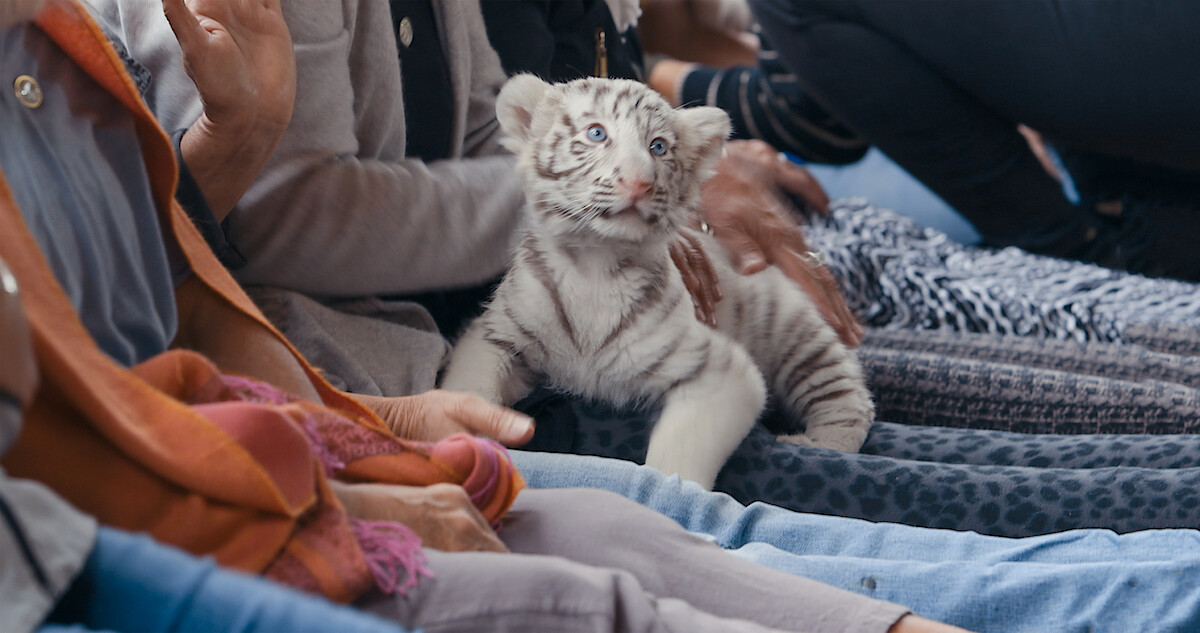
In Tiger King, Joe Exotic and Bhagavan ‘Doc’ Antle tried to argue that using cubs benefits conservation efforts and can be a valuable educational tool. Tim Stark states that the best thing to do to help an endangered species is to breed more of them. Is there any merit to these claims? “When you’re intensively breeding tigers and big cats, none of these animals ever get released back into the wild,” counters Amoros. “So, it doesn’t ever contribute to conservation efforts… We can only do that by protecting the natural habitats. Captive breeding doesn’t actually do anything in a sense. In terms of Joe Exotic’s stance on interacting… just the same way as kids know about dinosaurs, they never petted a dinosaur. They never saw a dinosaur. So, you can still have a love of animals and not have to see them and hold them and cause their suffering every day.”
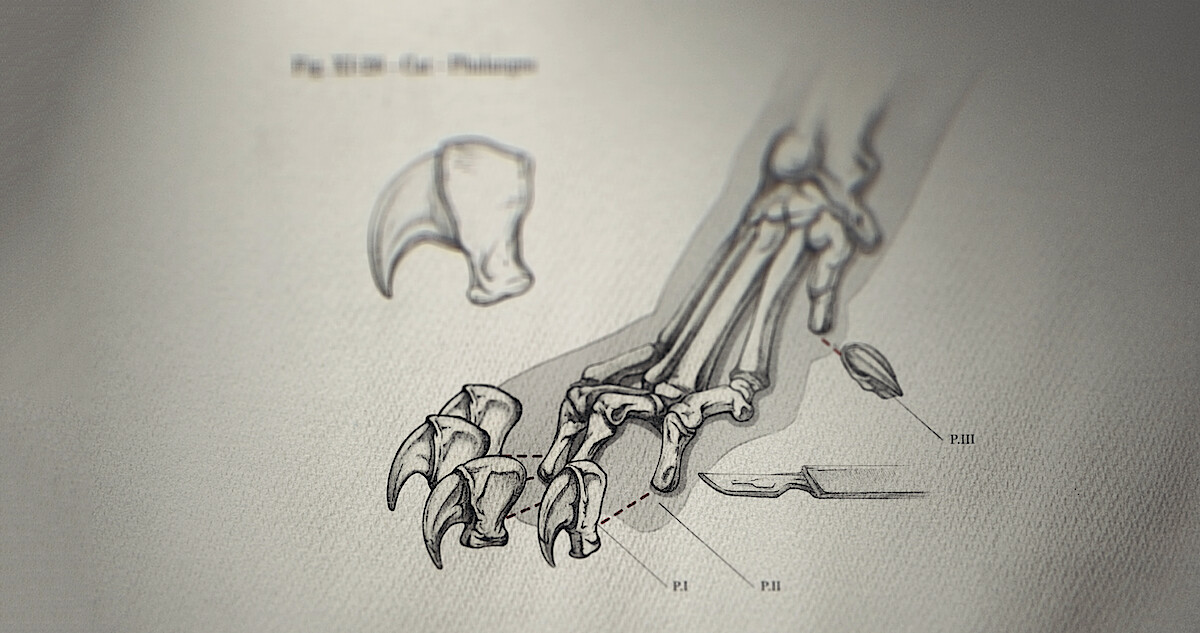
So what happens after the rapidly growing cubs stop being so easy to handle, usually after the 14-week mark? After all, many of those tiger selfies are with cats big enough to have you for dinner. The Born Free Foundation, an international wildlife charity, tells us that “once the animals grow larger and more unpredictable, they are often drugged, de-clawed, have their teeth filed down or removed, or are chained to enable continued human contact.” That helps to explain why some of those tiger selfies are with cats substantially bigger than cubs. They’re not docile because they’ve been trained; they’re gentle because they’re being abused.
The horrors don’t end there. You may remember that some of the private zoo owners in Tiger King were accused of euthanizing (aka killing without saying “killing”) tigers after they’ve passed their petting and selfie window. Bearing in mind that the show is full of various conspiracy theories being flung left, right and center, you can forgive someone for thinking that the mass culling of post-selfie tiger cubs is one of those ludicrous, far-fetched things that doesn’t really happen in this day and age. Right?
Wrong. After years of rumors of animal abuse and illegal breeding, a 2016 raid on tourist attraction Tiger Temple in Thailand led to the discovery of 40 dead tiger cubs being stored in a freezer amongst other horrors. A month later, they found 30 more young tiger corpses, along with jewelry made from tiger parts. Suddenly, there was an increased awareness about what those tiger selfies entailed — and a feeling of revulsion amongst many. In 2017, dating app Tinder issued a plea to its users to remove photos of that nature and assured them “that your profile will be just as fierce without the drugged animals.”
Yet, as we’ve sadly seen on Tiger King, it’s a practice that’s still rife — and still causing huge problems to captive exotic animals. At one point, we discover that new GW Zoo owner Jeff Lowe even had plans to build a new strip club involving tiger cub petting. To make matters worse, we see business booming at Lowe’s zoo at the beginning of Season 2, despite the coronavirus pandemic, as the masses flock for their photo opportunities with any predator they can get near.
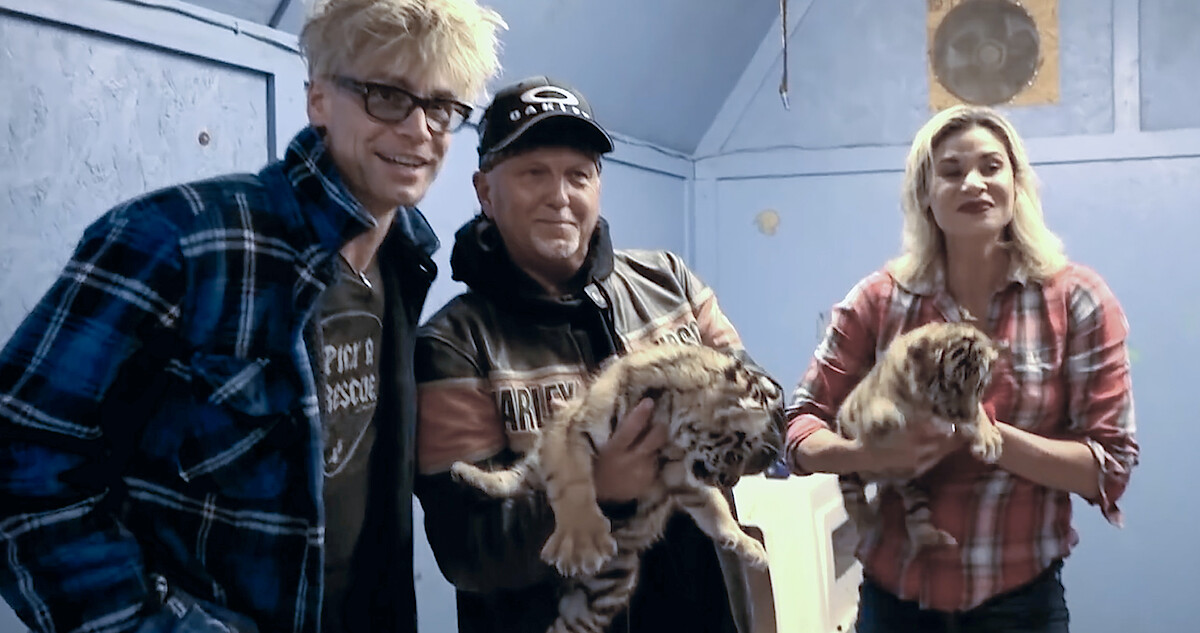
It’s hard not to feel frustrated. It’s easy to blame the people grinning inanely in tiger selfies for what’s happening. Without them, there’d be no demand — and no need to breed and exploit tigers in this manner. However, Amoroso observes that “these are animal lovers, they just don't know the suffering behind it.”
So, where can things go from here? “We need authorities to stop these kinds of interactions happening locally and nationally and then introduce bans on advertising,” Amoroso says. “I know we've had successes with elephant riding in the past, and people are kind of cottoning on and realizing the exploitation behind this, the suffering behind this, and then making the right choices as they go along.”
What can Tiger King viewers appalled at this “cycle of suffering” do to reduce or end it? “The main thing that everyone can do from day one is definitely not feed into this horrific industry,” advises Amoroso. “Don’t partake in these selfies. Don’t give money to these false sanctuaries… a true sanctuary doesn’t ever breed their animals and really doesn’t encourage any kind of interaction.”
This all serves as a strong reminder of the need to challenge what we see. To be vigilant. To question why we might instinctively feel uneasy at certain moments, such as when the tiger cub was being dragged away from its mother. The more we open our eyes and the more we explore, the greater the chance we have to arm ourselves with knowledge and end this cycle of suffering.