Explainer
Why Are Some People Addicted to Exotic Animals?
A psychologist delves into the minds of animal owners who choose tigers over cats and dogs.
By Ben Rawson-Jones
May 15, 2024
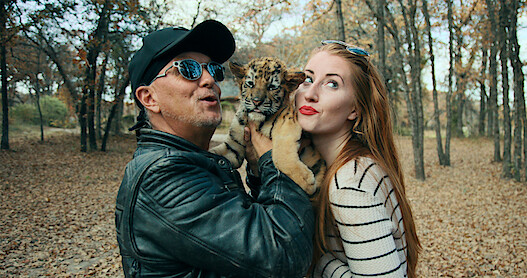
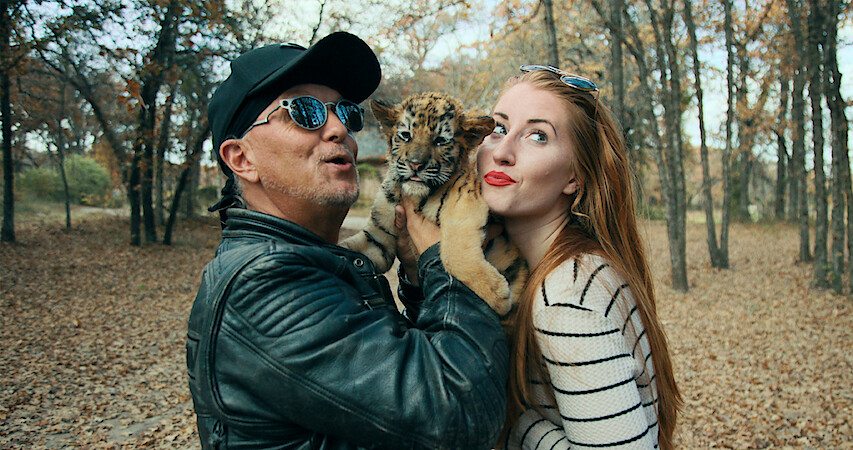
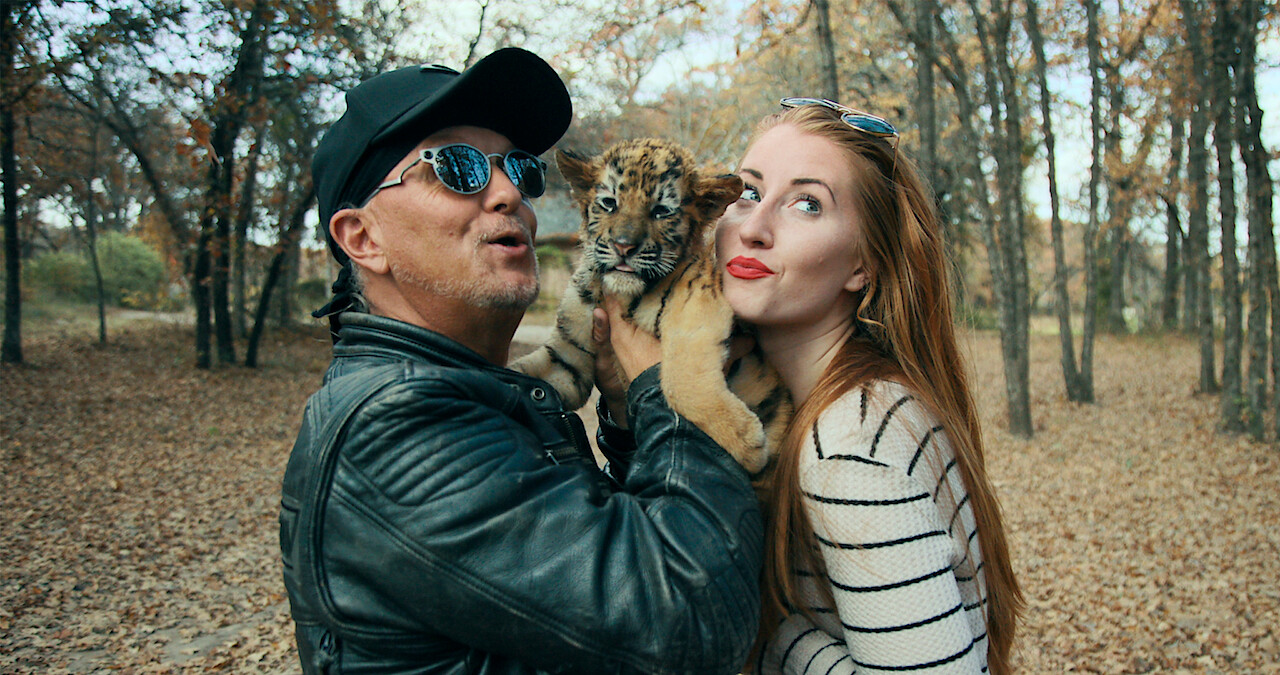
“I sold drugs to maintain my animal habit” quips private zoo owner Mario Tabraue in Tiger King Season 1. It’s a revealing moment that indicates how strong the allure of exotic animal ownership can be. But beyond simple business motivations, why would someone be compelled to bypass traditional pets like cats and dogs in favor of owning highly dangerous animals like tigers? “There tends to be an element of exhibitionism in people who own exotic animals,” media psychologist and psychotherapist Charlotte Armitage tells Tudum. “If you’re walking around with a tiger, people are going to give you attention. And when someone [doesn’t have] the capacity to internally validate themselves, they look for external validation. [It’s] an attempt to fill a void of not feeling worthy enough.”
Long before Tiger King hit the small screen, psychologists were forming connections between exotic animal ownership and narcissism, a self-centered personality style lacking in empathy that Armitage describes as “ultimately driven by a feeling of emptiness, low self-worth and low self-esteem.” A 2016 research study focusing on the personality traits of pet owners found that those with a higher degree of narcissism are more likely to become owners of exotic animals and be less attached to their pets than those with lower levels of narcissism.
“Attachment is absolutely fundamental to our healthy psychological development and ability to form relationships throughout life,” Armitage says. “It begins at birth with the relationship and attachment between mother and baby or the primary caregiver and baby. It starts that early on in life, and, sadly, people who have unhealthy attachments in infancy may never form a healthy attachment throughout their life. Animals are great for encouraging healthy attachments in children and in adults.”
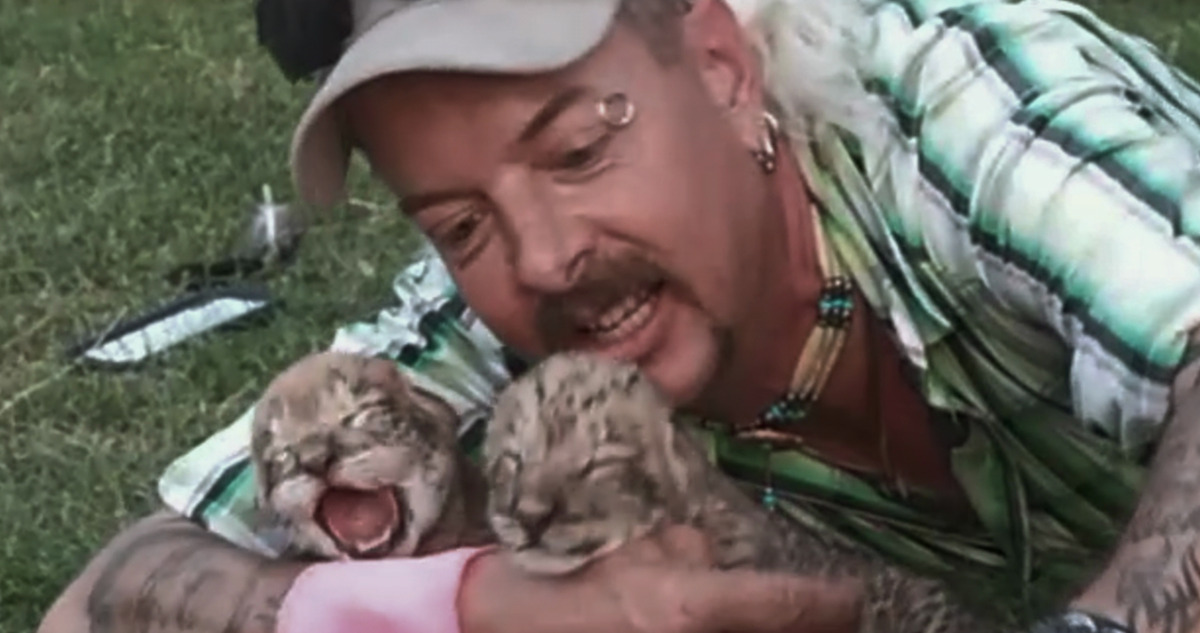
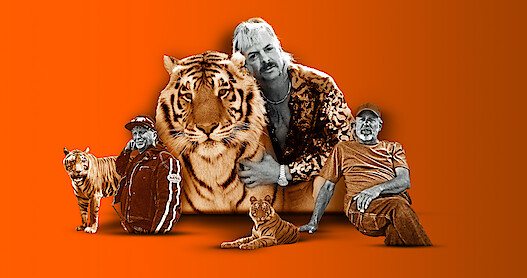
In other words, a lack of attachment can lead to a lack of care. “These types of manipulative and exploitative behaviors tend to evolve and be exhibited by children to help them survive in dysfunctional home environments, but as adults, these unhealthy behaviors just don’t work and only tend to persist when they haven’t learned to move past the developmental stages that were affected.” While it’s important not to draw any psychiatric conclusions about the individuals mentioned in this article or featured on the show, several of the private zoo owners in Tiger King have been dogged by animal abuse accusations. Joe Exotic was convicted of 17 federal charges of animal abuse; Jeff Lowe was permanently banned from exhibiting animals; and Tim Stark was permanently banned from acquiring, exhibiting and owning any exotic or native animals.
The mistreatment of exotic animals is a global problem, with one of the most tragic cases being the Tiger Temple in Thailand where 40 dead tiger cubs were discovered in a freezer. But can a person’s (mis)treatment of animals indicate problematic behaviors elsewhere? “If they have attachment difficulties with animals, it’s quite possible they will have attachment difficulties in other areas of their life as well,” Armitage says. “If animals are being exploited and then discarded, it’s not a big step to consider that maybe other people are being treated in the same way by that person.” There’s certainly no shortage of humans using other humans for their own personal benefit in Tiger King. “A little pussy gets you a lot of pussy,” Jeff Lowe boasts in Season 1, fresh from roaming cities in a so-called “Jungle Bus,” which beckons with the slogan: “Come and play with lions, tigers, monkeys and more.”
However, Armitage flags the importance of not painting every big cat owner with the same brush. “People can own exotic animals and may love the exhibitionist element of it, but they may well nurture that animal as well,” she says. “As such, this is a different thing to owning and exploiting exotic animals because there’s care demonstrated.” We must also consider our own responses to Tiger King, particularly in relation to the frequent shots of distressed, caged animals. Why wasn’t there more of a public outcry about that? “The thing with an exotic animal is that it’s quite far removed from the reality of most people’s lives,” Armitage explains. “So, it becomes quite film-like and we can detach from that. If it was a dog, I think most people would have different reactions.”
And therein lies an important distinction: Tigers aren’t domesticated animals like dogs. They’re an endangered species fighting for survival in the wild and fighting for any semblance of a life inside cages. The situation can only improve if we prioritize empathy over entertainment — and turn that into a habit we never want to kick.