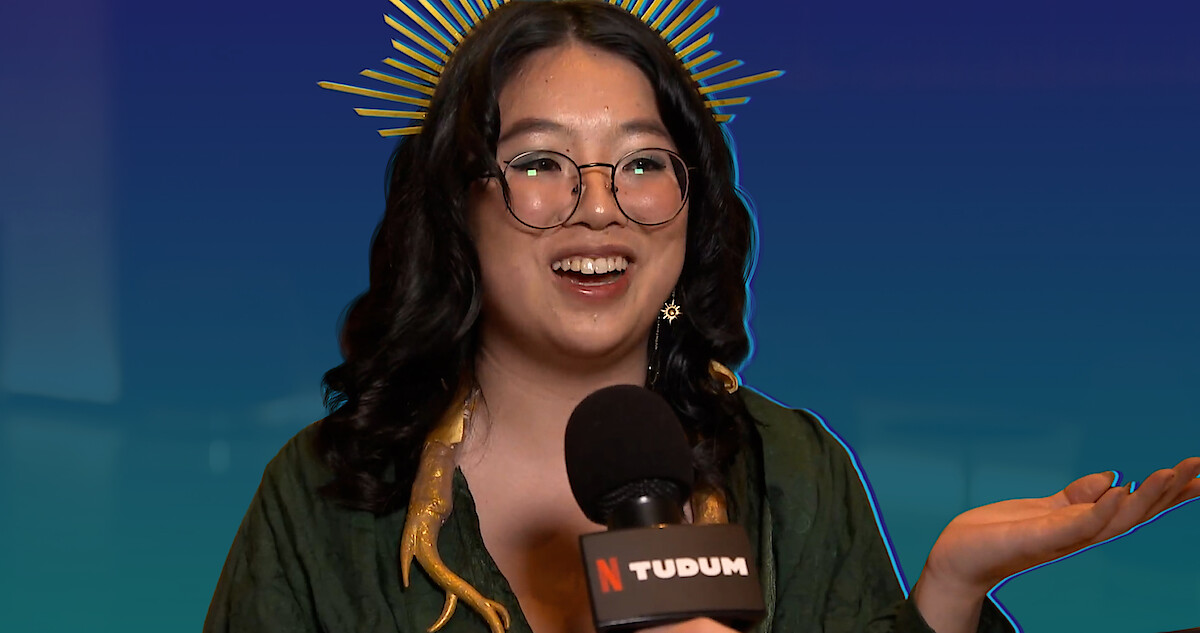
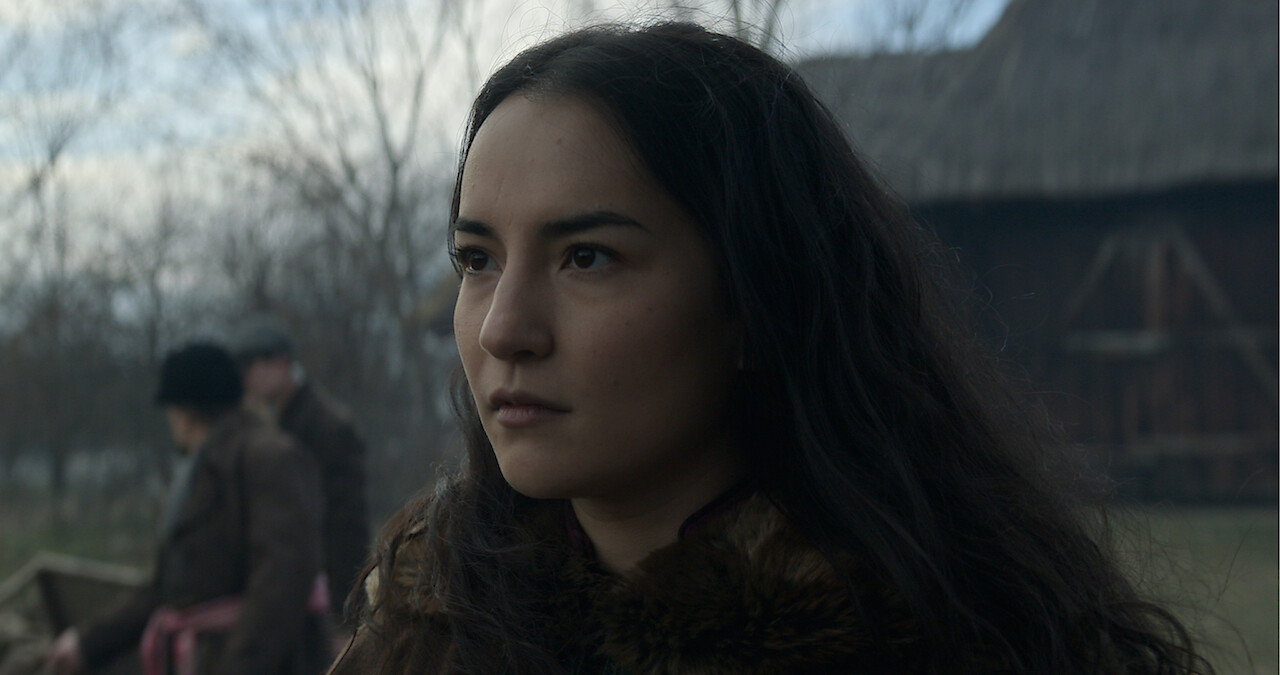
On the morning of the 2023 Emmy nomination announcement in July, Shadow and Bone Season 2’s Ante Dekovic did something unexpected for a VFX supervisor. He went offline. At least for a little while.
“I literally turned everything off. And I was driving,” he tells Tudum. “Then I got to my destination, and looked at a phone. I had gotten a whole bunch of phone calls.”
Because, Dekovic, who led a team of about 500 global artists for Season 2, had been nominated for an Outstanding Special Visual Effects in a Single Episode Emmy for his work on Episode 2. When Dekovic — who won the 2021 category for Star Trek: Discovery — first read the Shadow and Bone Season 2 scripts, the episode immediately stood out to him.
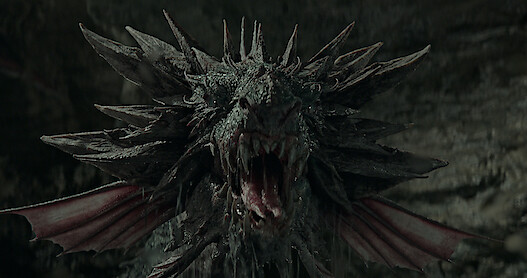
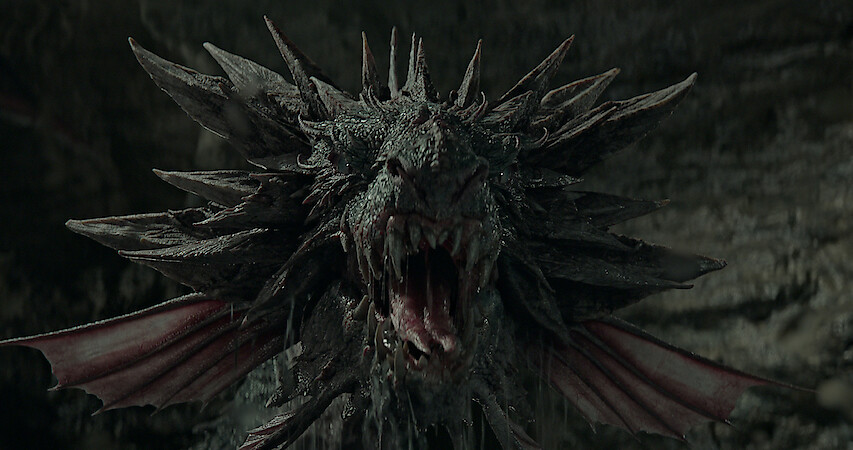
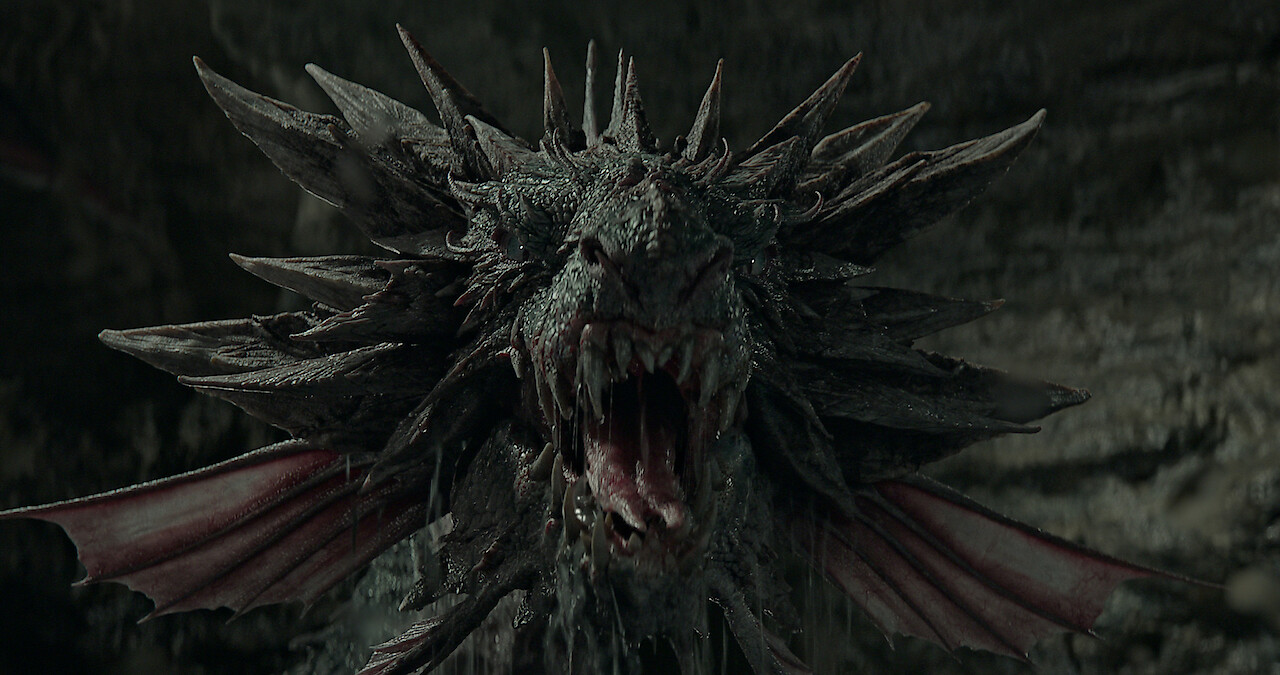
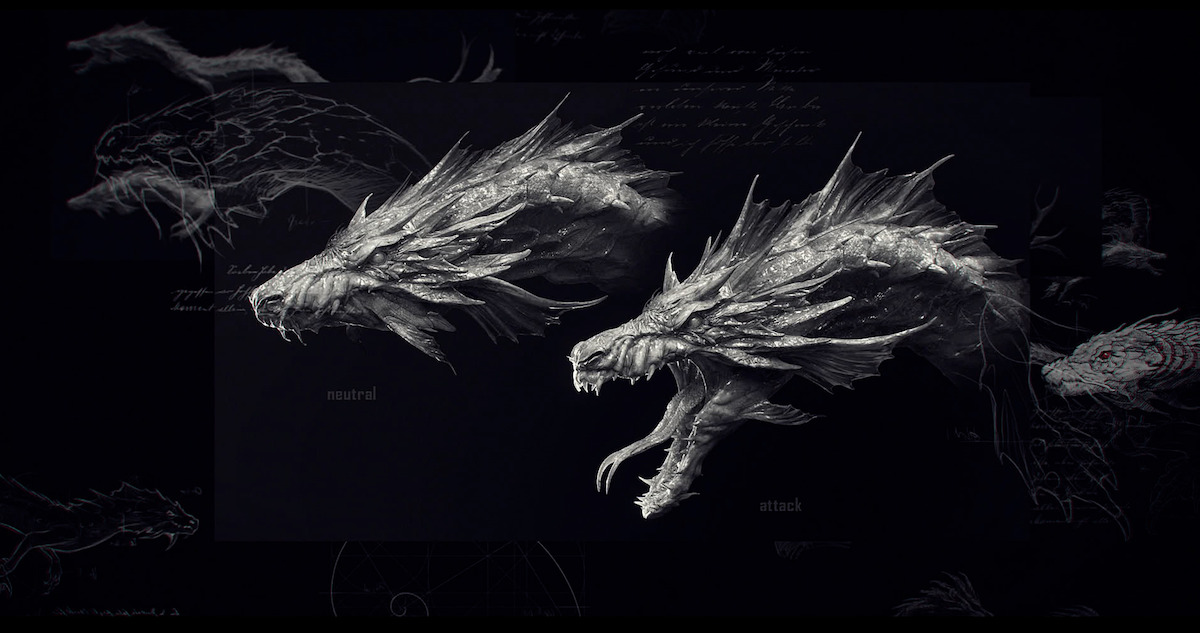
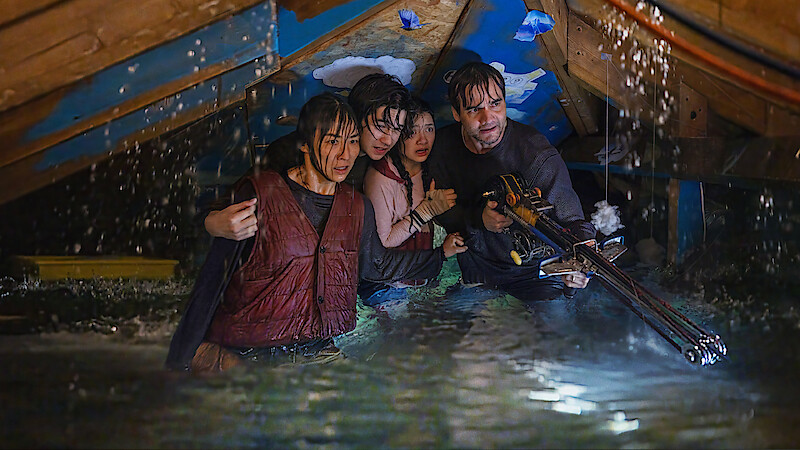
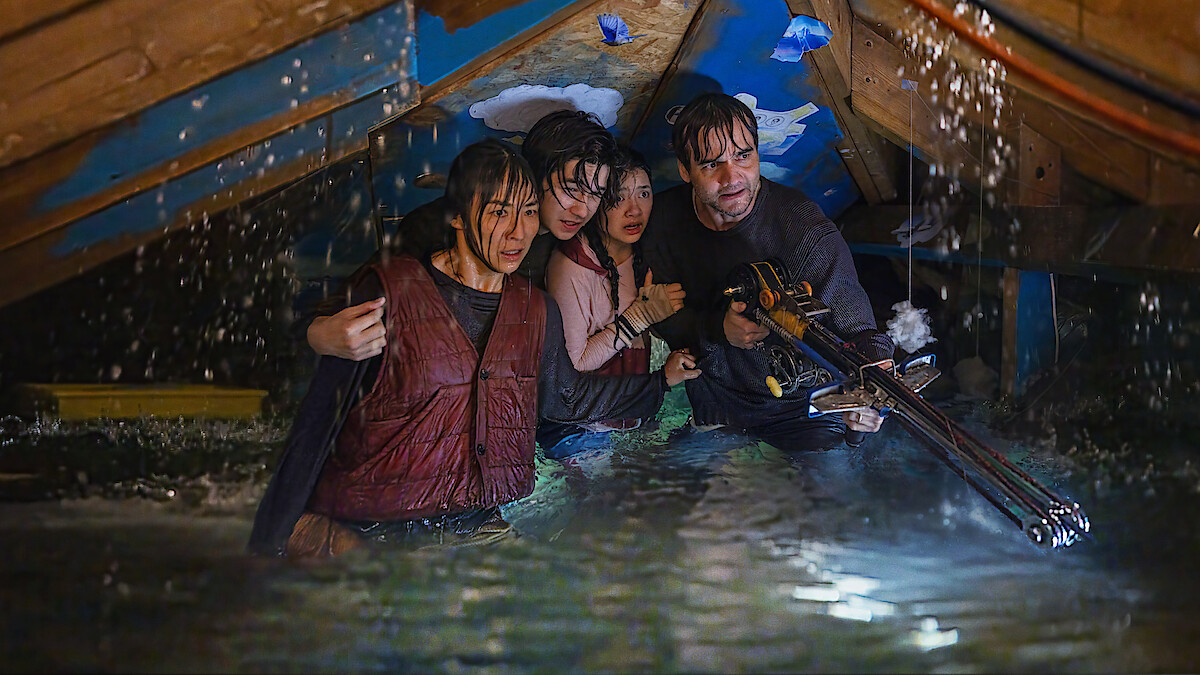
“Especially because it has the sea whip. It’s every VFX supervisor’s dream come true to do dragons, or dragon-like creatures,” he explains. (Dekovic also worked on Game of Thrones Season 2.) During Episode 2, titled “Rusalye,” protagonist Alina (Jessie Mei Li) and her allies track down the titular mythological figure, which is a double-tailed ice dragon that can dart through the water and crawl around a cave with lightening-fast ease. (A two-of-a-kind skateboard emblazoned with the sea whip’s design sits behind Dekovic as he speaks.)
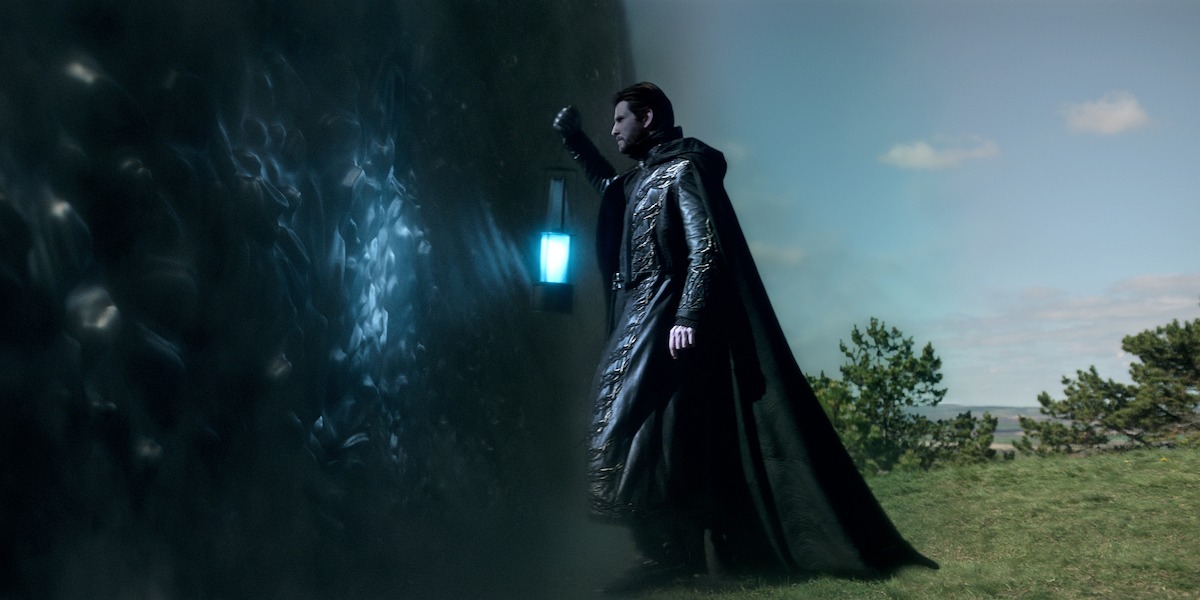
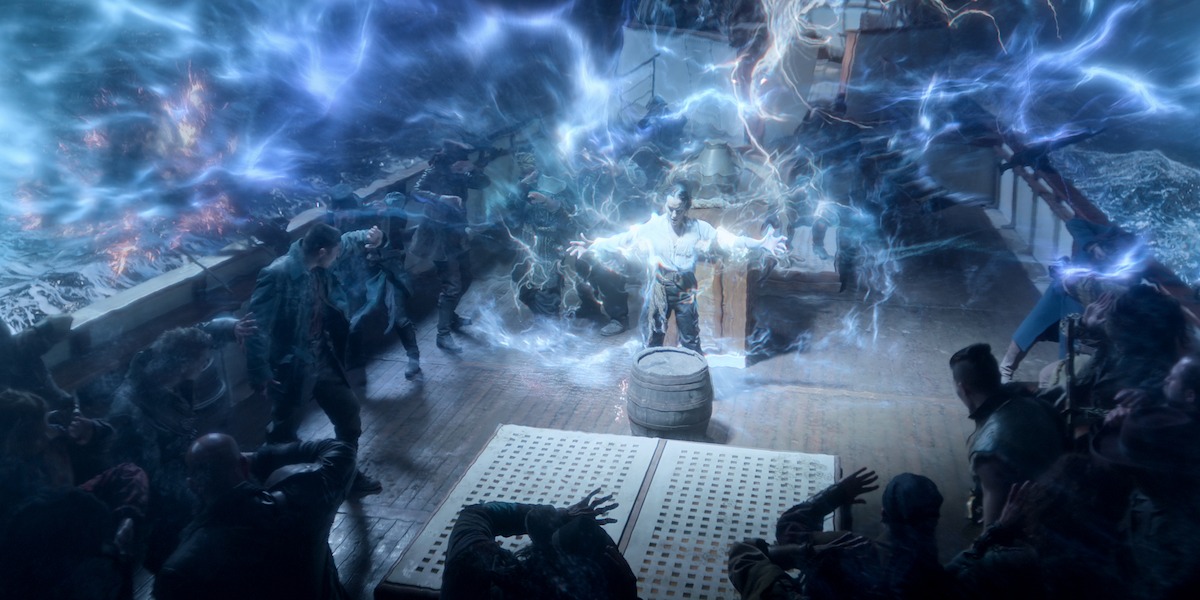
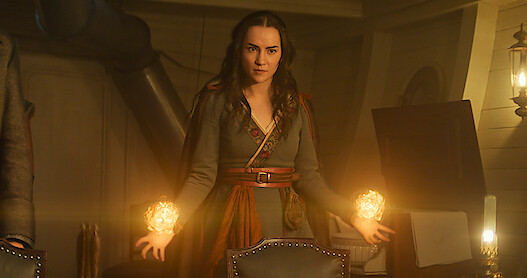
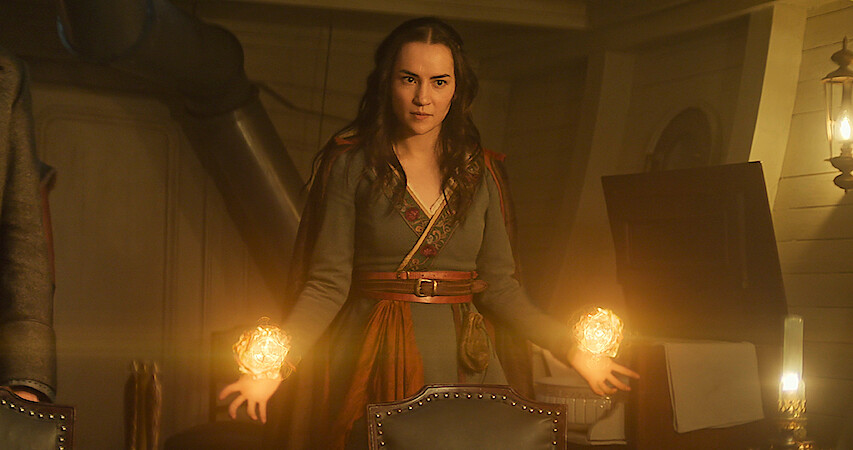
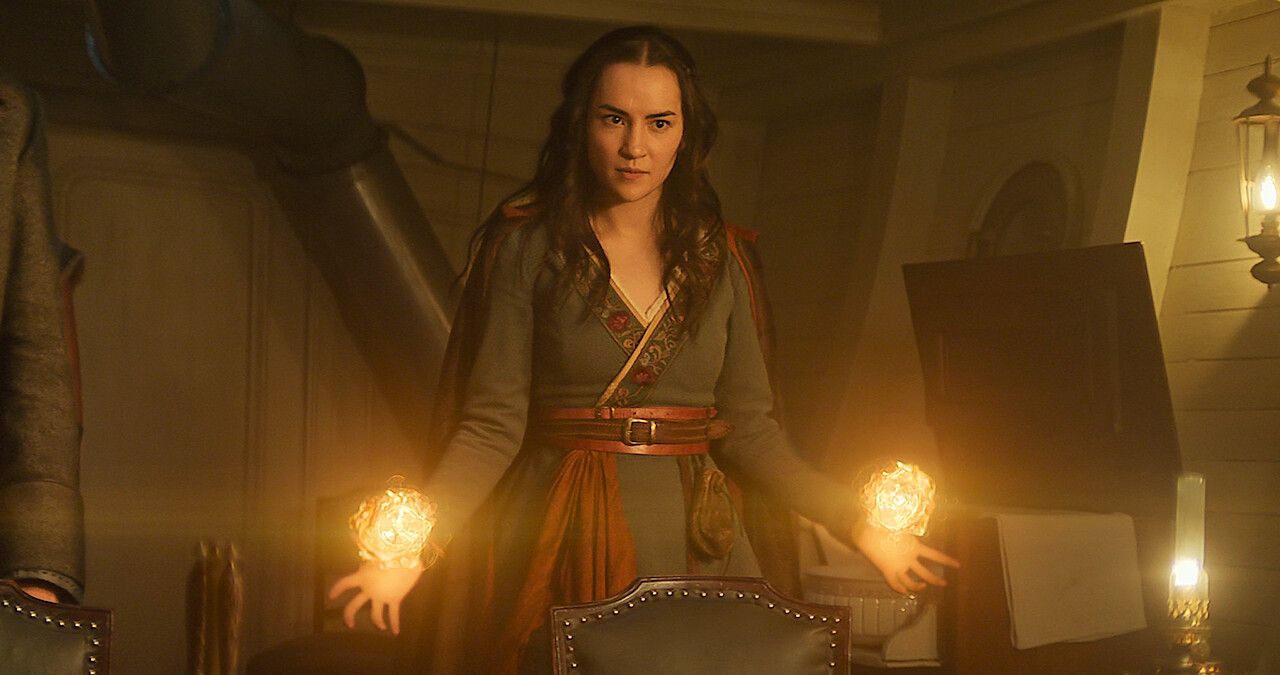
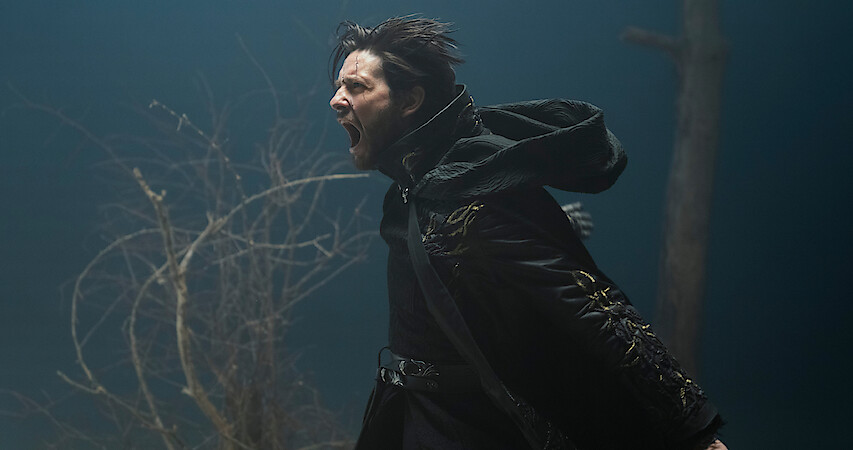
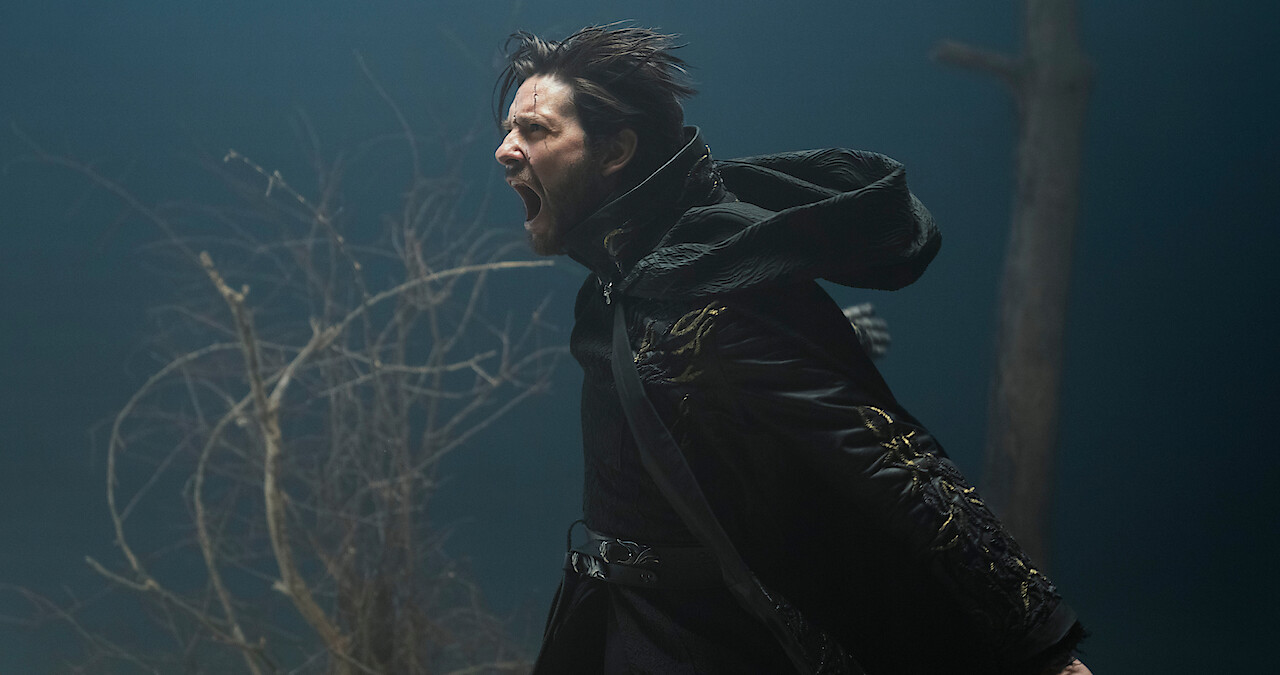
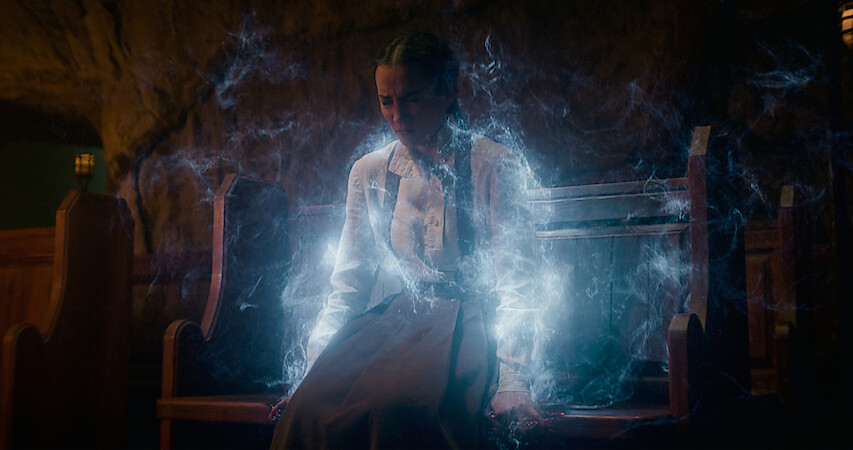
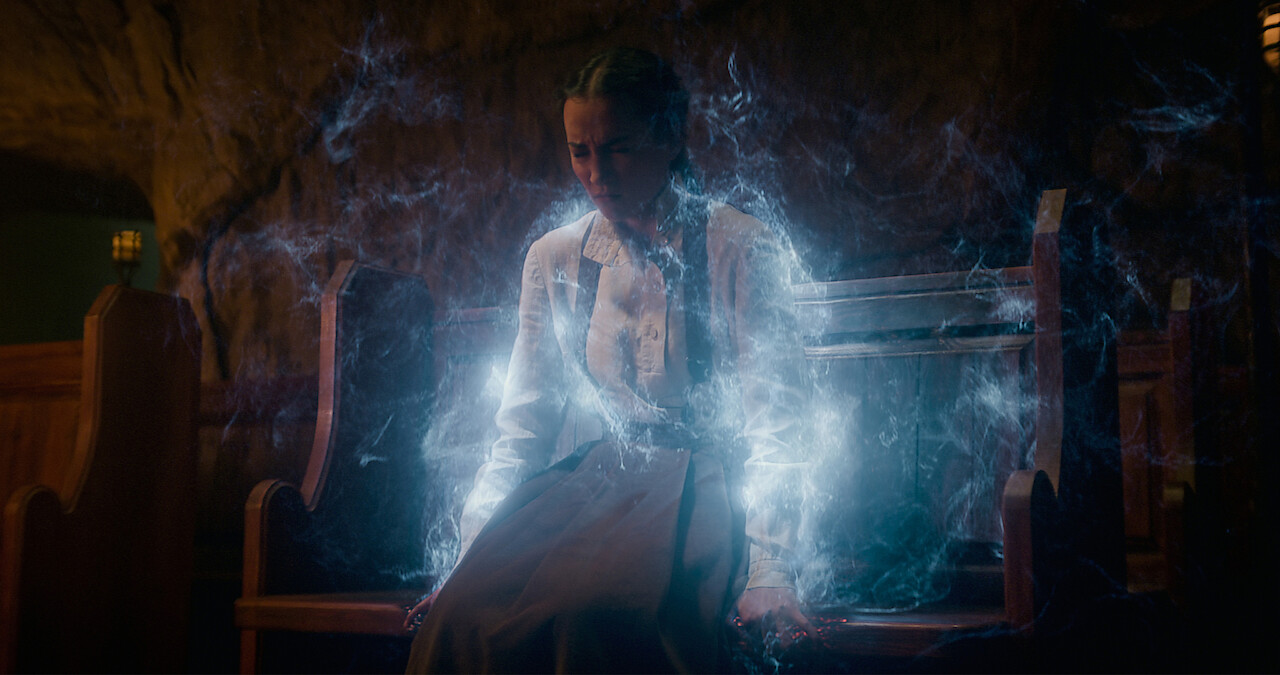
But, he points out that there’s more to Episode 2 than one supernatural being. The chapter also includes the nichevo’yas, the terrifying shadow and smoke creatures bound to General Kirigan (Ben Barnes); a sprawling build of bustling Ketterdam; and the dazzling light show that is Alina’s second amplification scene, “which is a big deal,” Dekovic says.
“Even though every episode has its special moments, I feel like this one sticks out the most,” he says.
Below, Dekovic takes us inside the visual effects that scored him his fourth nomination. From the creation of the sea whip to Alina’s finale episode Cut, Dekovic reveals all.
How active are you on set? Because when people think of VFX, they probably imagine computers and being alone in a room working on post production.
I used to be a compositor for 15 years, and then I switched to being a client-side VFX supervisor. So [that background] really helped me know how to communicate on set. Every big sequence that we shot throughout the whole season, I was there. I had an incredible team in Budapest when we were shooting it, and they were covering units or even set supervising. But every time we shot any fight scene with the nichevo’ya or the sea whip, I was present.
How does one make the sea whip?
One of the vendors who came up with the design of the sea whip is Accenture Song. Their VFX effects supervisor, my co-nominee, Juri Stanossek, was one of the main guys who did Game of Thrones. So for me — I had worked with him for many years — they were the first ones to go to.
Then one of their amazing concept artists, Adam Szlávy, gave us options. I showed it to everybody, including [co-showrunners] Eric Heisserer and Daegan Fryklind. We’d be like, “OK, we like the legs of Version A and the head of Version B.” Then we put it together and went through few other versions of it and got it together. For something that complex, we actually got it approved pretty quickly because everybody fell in love with it.
And you had to make it camouflage, which is very unique.
Yes, that was tricky because: How do you show something that you’re not supposed to see, but it needs to look good?
What we really wanted to do is [reflect] nature. Chameleons can camouflage. There are some sea creatures that can camouflage — octopuses, for example. We wanted to go that route. The Grishas bend elements rather than do magic. That was an important thing for us to do — just keep it as realistic as possible… so that when the audience looks at the sea whip, they believe it.
How did you create the nichevo’ya? You had to make shadow monsters, and shadows are not corporeal.
In visual effects, working on smoke and creatures are the two hardest things you can do. Throughout the season, the nichevo’ya develop. They get bigger, they get stronger, they even have a certain personality and have to react. You can’t just do a blob of smoke and be like, “Oh, this is it.”
So, what we try to do throughout the whole season is have them develop from episode to episode, get stronger. I have to give credit to our stunt team — they were incredible. They would be in the green suits like, “What do you think? Is this going to work for you?”
We would go back and be like, “OK, well, we need a little bit more distance,” or “We need to get them from A to B quicker because the nichevo’ya would move faster.” I basically became the nichevo’ya wrangler.
People usually associate visual effects with big action sequences. But what about the smaller stuff, like Kirigan’s scars? Which Genya (Daisy Head) tries — and fails — to fix in Episode 2.
Our special effects makeup people put on all the scars practically. But we have to do the whole heal-and-reveal thing where we make them smaller [and then bigger]. To save time on set, our team would go and digitally alter them to match throughout, or even move.
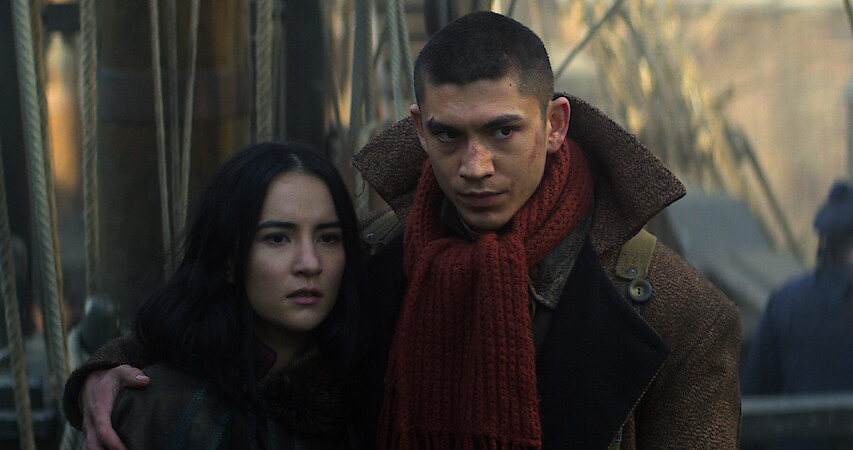
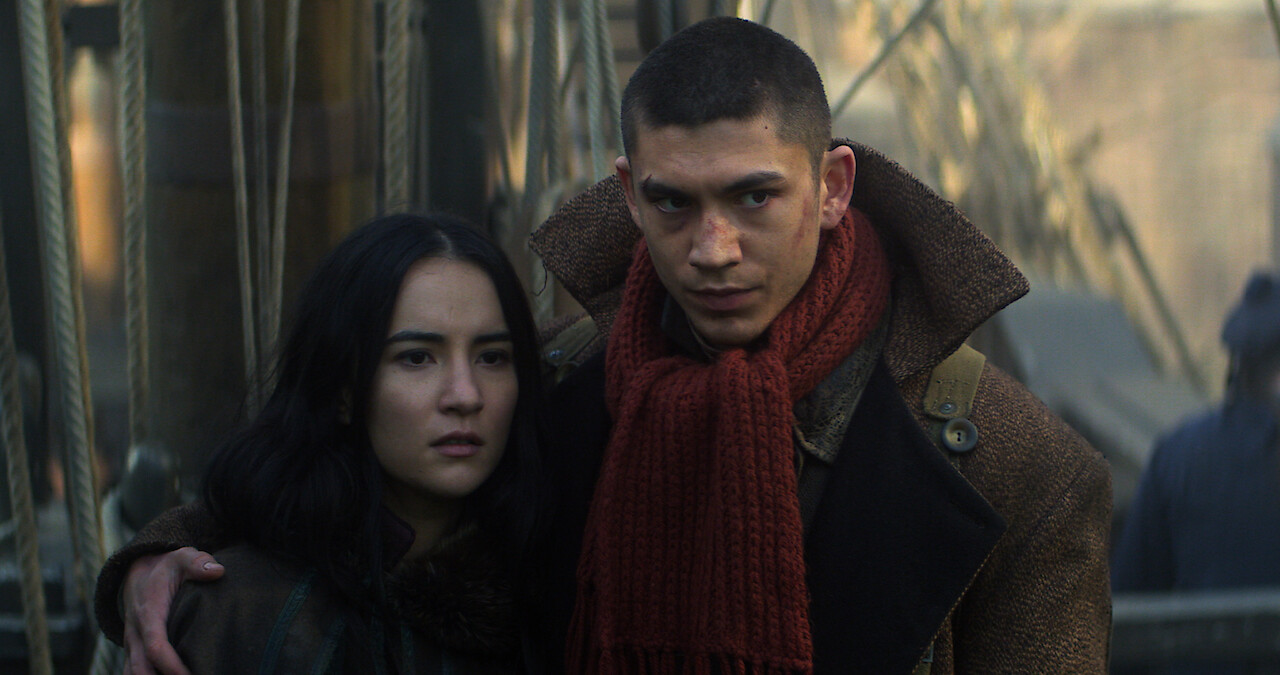
It’s the subtle things that we do. We have so many of those effects throughout the whole season where you really can’t tell. My favorite example is all the ship scenes: We did not shoot it on the water. It was all shot on a field on a back lot in Budapest. I remember Jessie coming up to me at the premiere like, “I cannot believe we did not shoot this practically. For a moment, I forgot about it.”
Speaking of Jessie — and Alina — you got to create her Cut in the finale.
You want to hint at it. You don’t want to do it too obvious. And you can’t just copy Kirigan’s or Baghra’s (Zoë Wanamaker) Cuts. We spent quite a while finessing Alina’s Cut and getting it right where it’s a unique thing.
What made it unique?
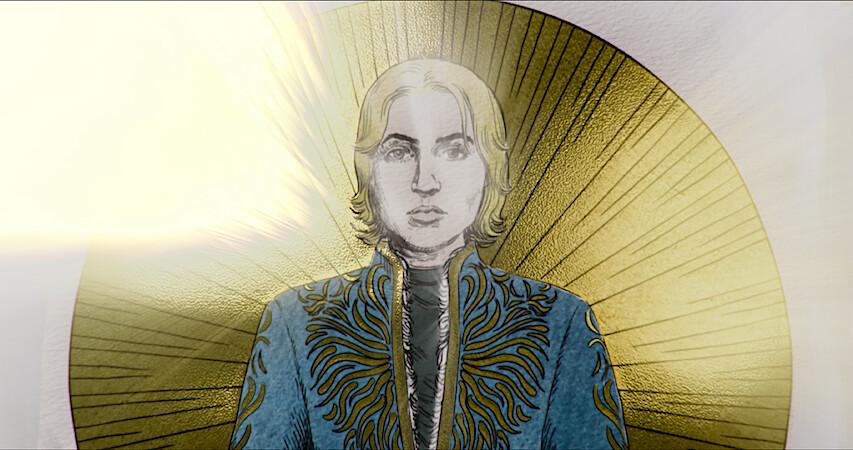
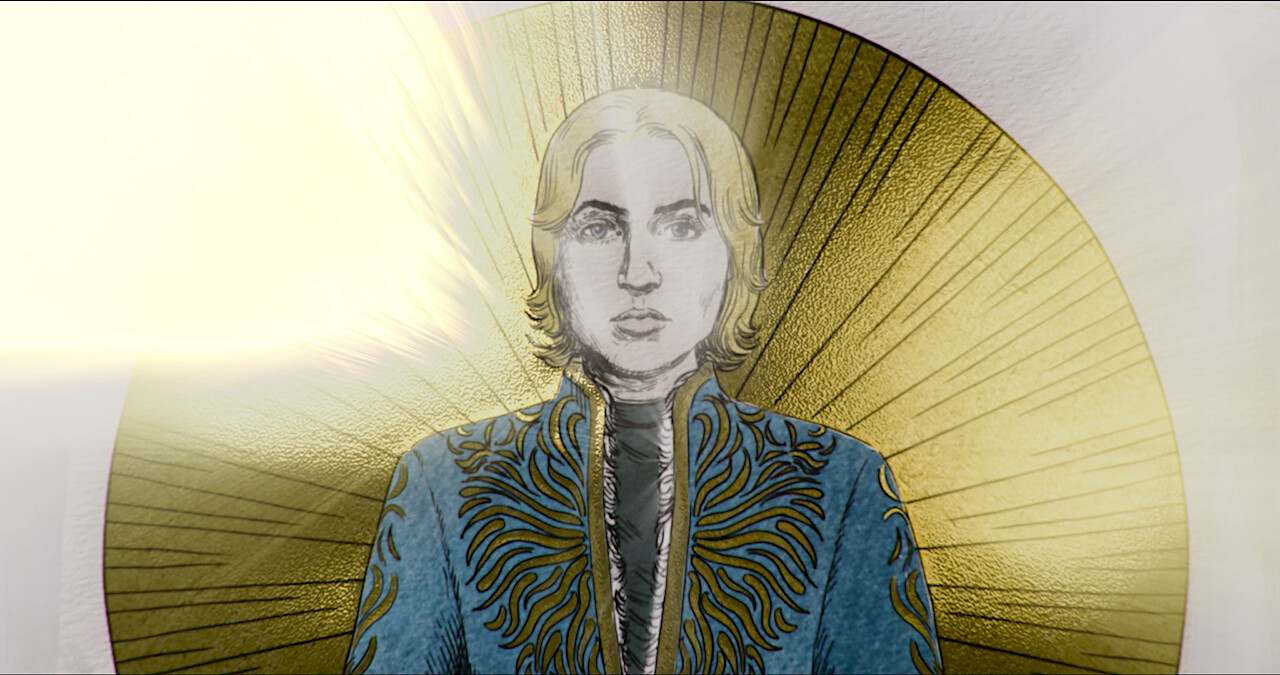
It has a mix of her powers throughout the season. Our goal was that after the stag in Season 1, every time she gets another amplification — like the sea whip — we add another layer [to her abilities]. The same goes for when she stabs Mal (Archie Renaux), the firebird. You have to really watch closely, but we have those elements in the Cut. So, if you freeze-frame it and look at it, you’re probably going to see certain elements in there, certain forms that resemble those amplifiers.
This interview has been edited and condensed.
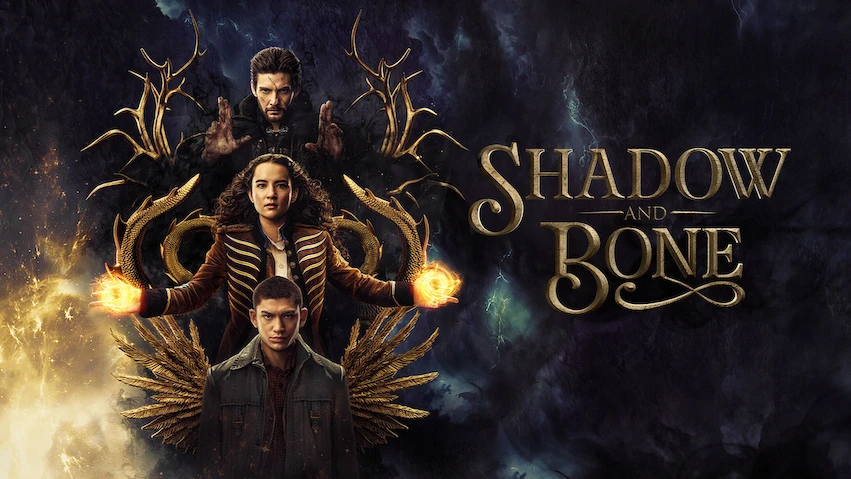
You can see every detail in Alina’s Cut — and so much more — when you stream Shadow and Bone.