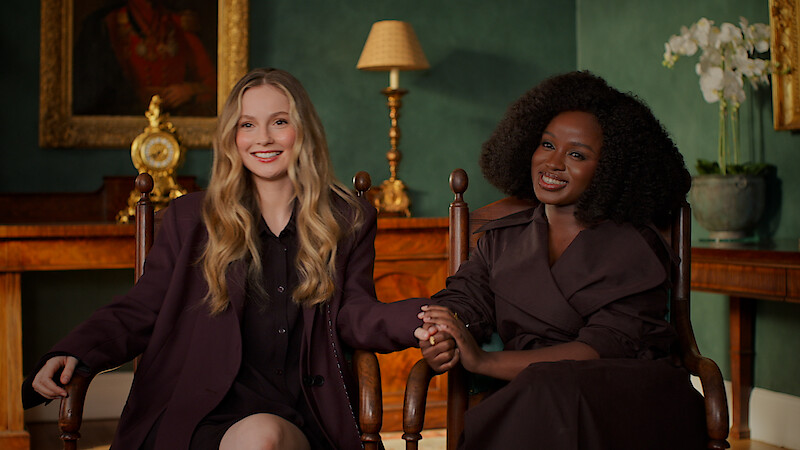
Liam Daniel/Netflix
Explainer
How Real Is Lady Whistledown? Just Ask Jane Austen
Fact-checking the Regency-era publishing world of Bridgerton.
March 5, 2024
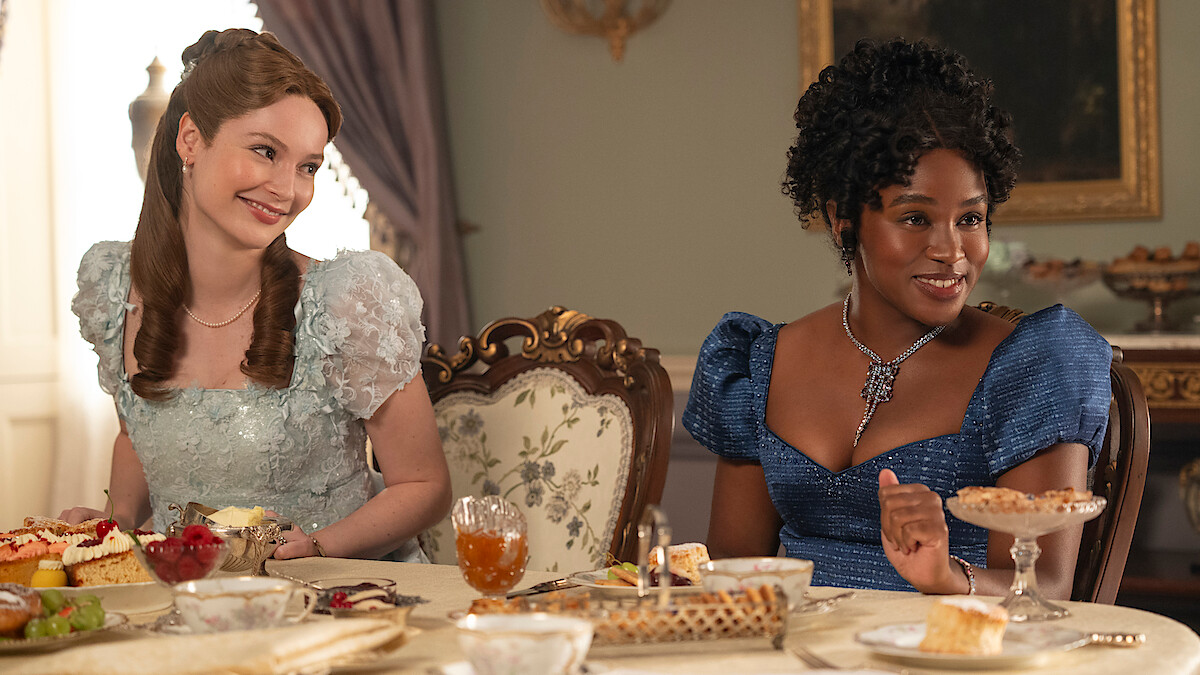
It’s easy to be seduced by the glamorous world of Bridgerton’s ton. The towering wigs! The silky dresses! The little cakes and dainty Champagne flutes served at all the fabulous balls! But before you begin building a time machine, consider this: Women in Regency-era England faced so many oppressive legal and social restrictions that marriage was the only socially acceptable way for them to earn a living. They couldn’t vote, own property outside of marriage or even retain custody of their children if they separated from their spouse. And then there was the all-important etiquette: Women of status like those of the ton weren’t supposed to work outside the home, go for a walk without a female companion or even laugh too loudly, lest their reputations be compromised.
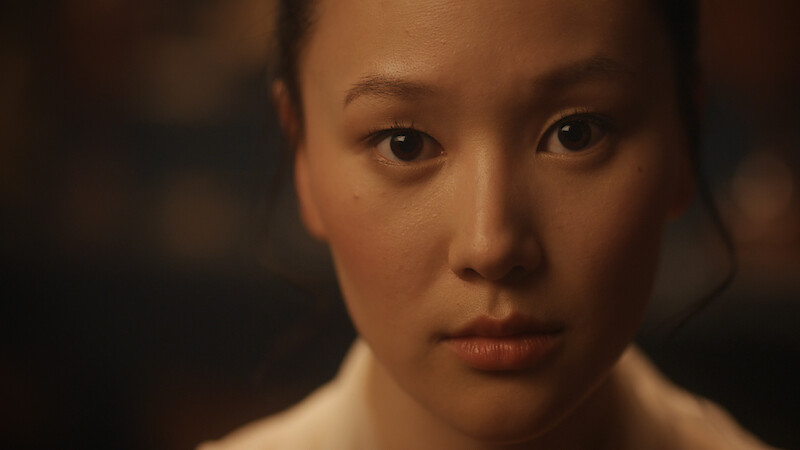
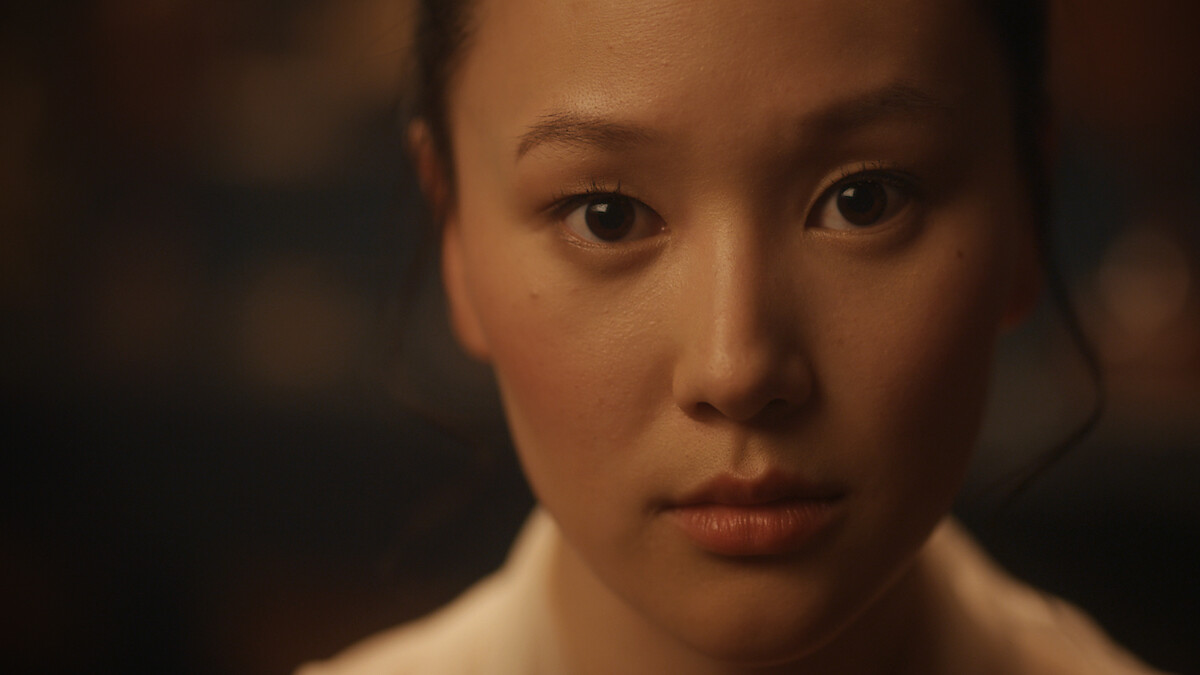
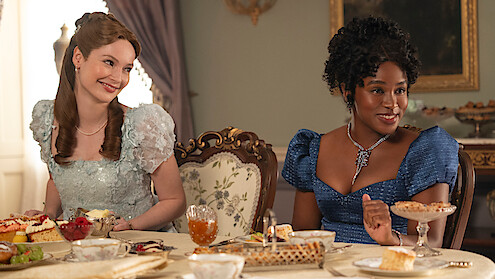
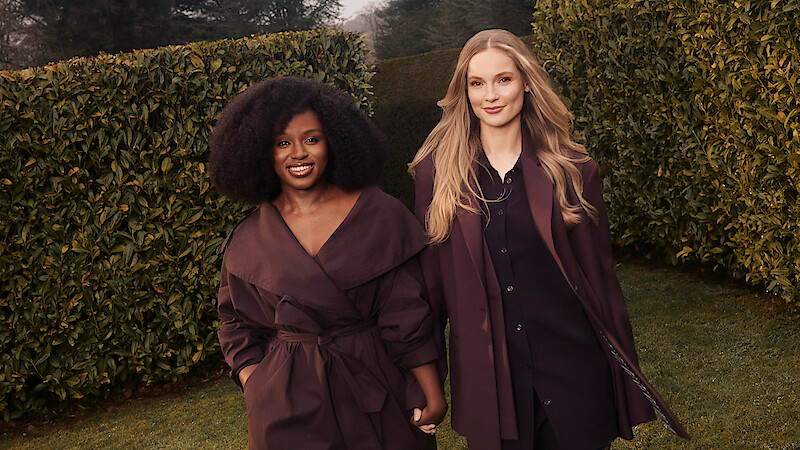
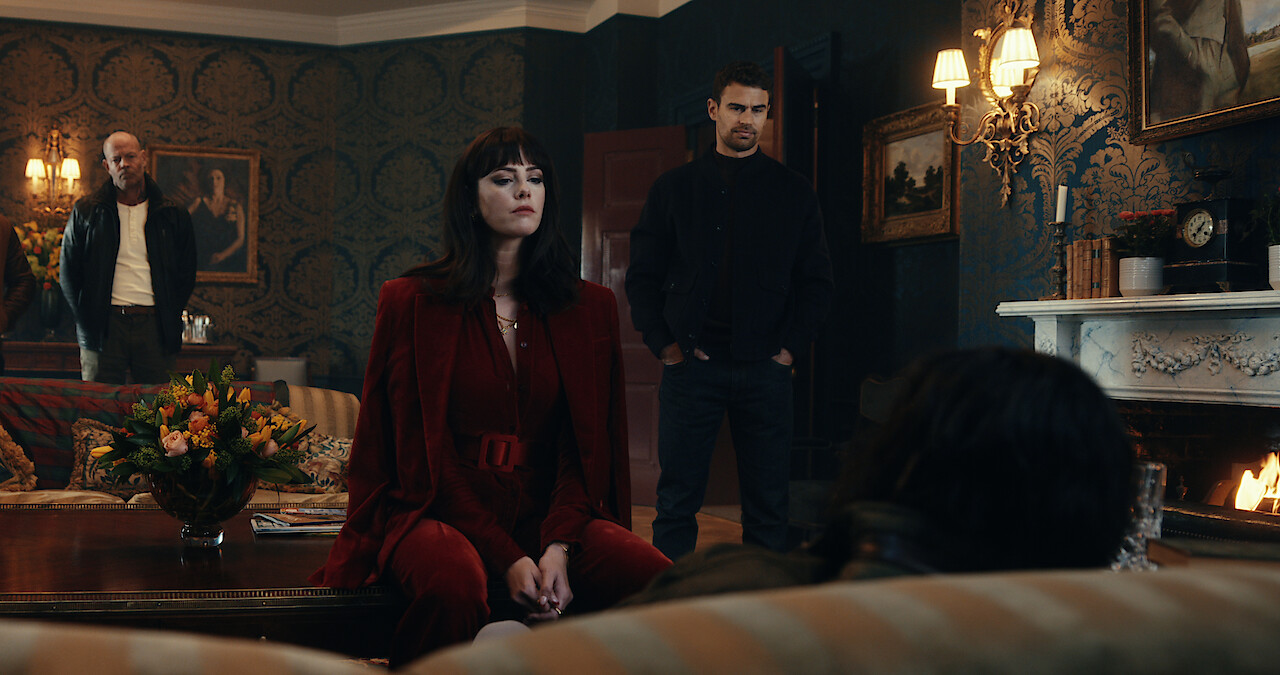
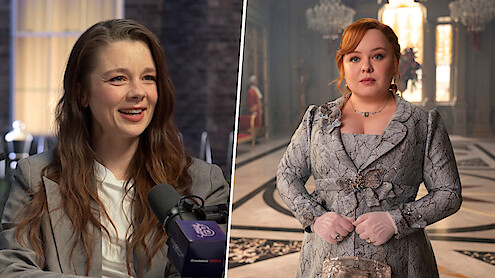
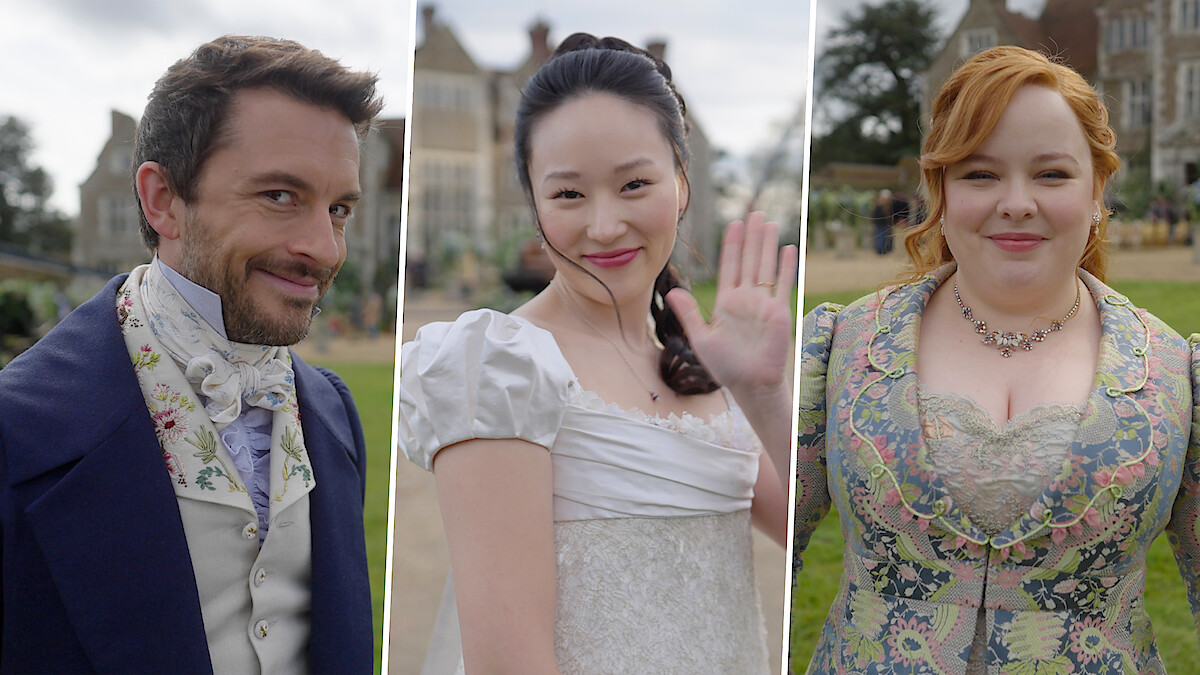
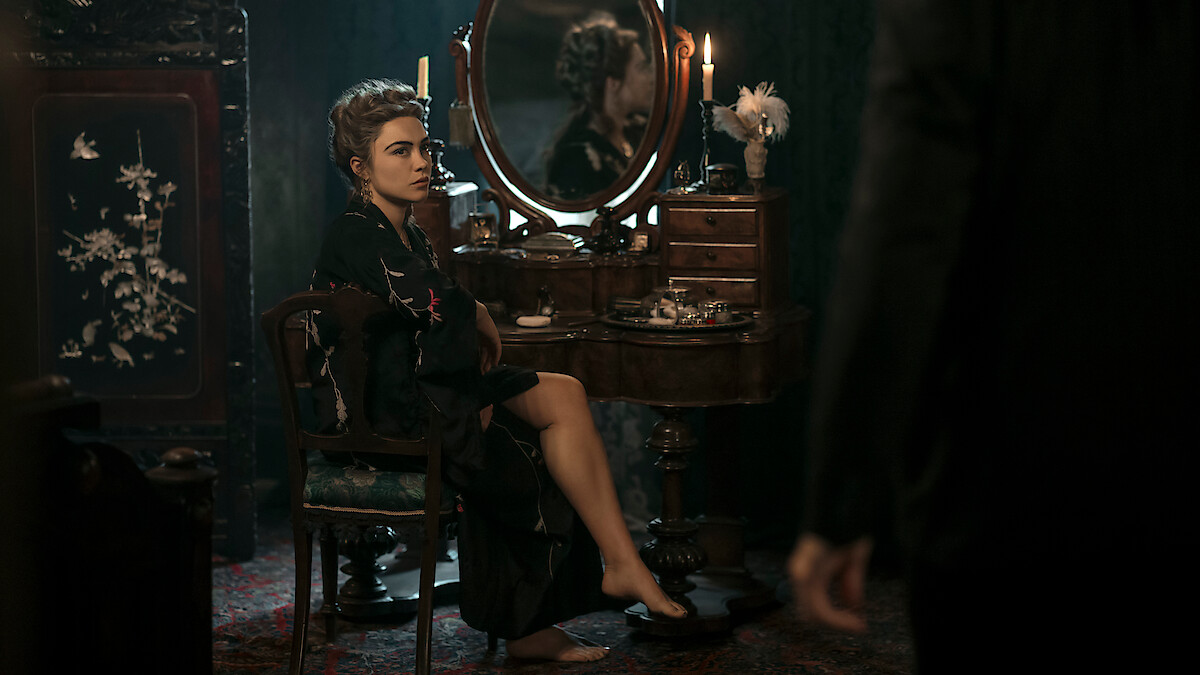
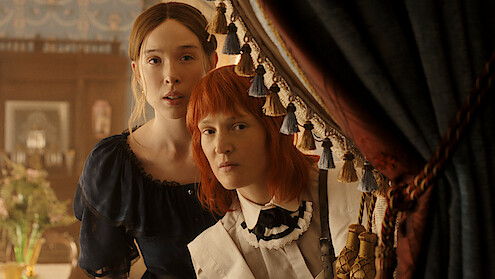
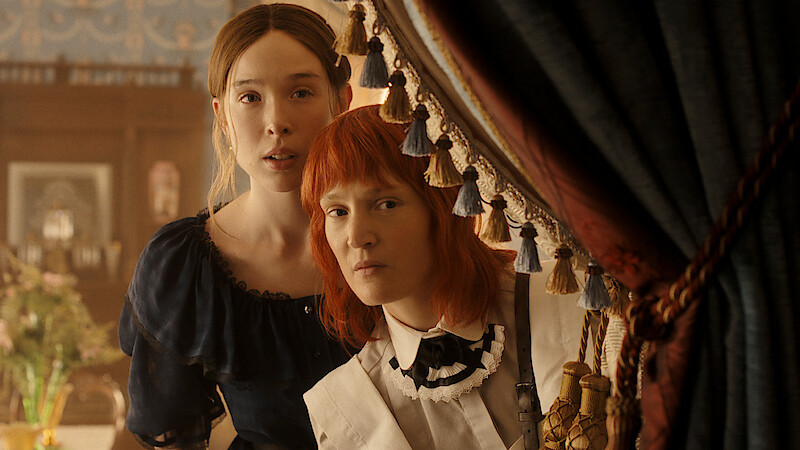
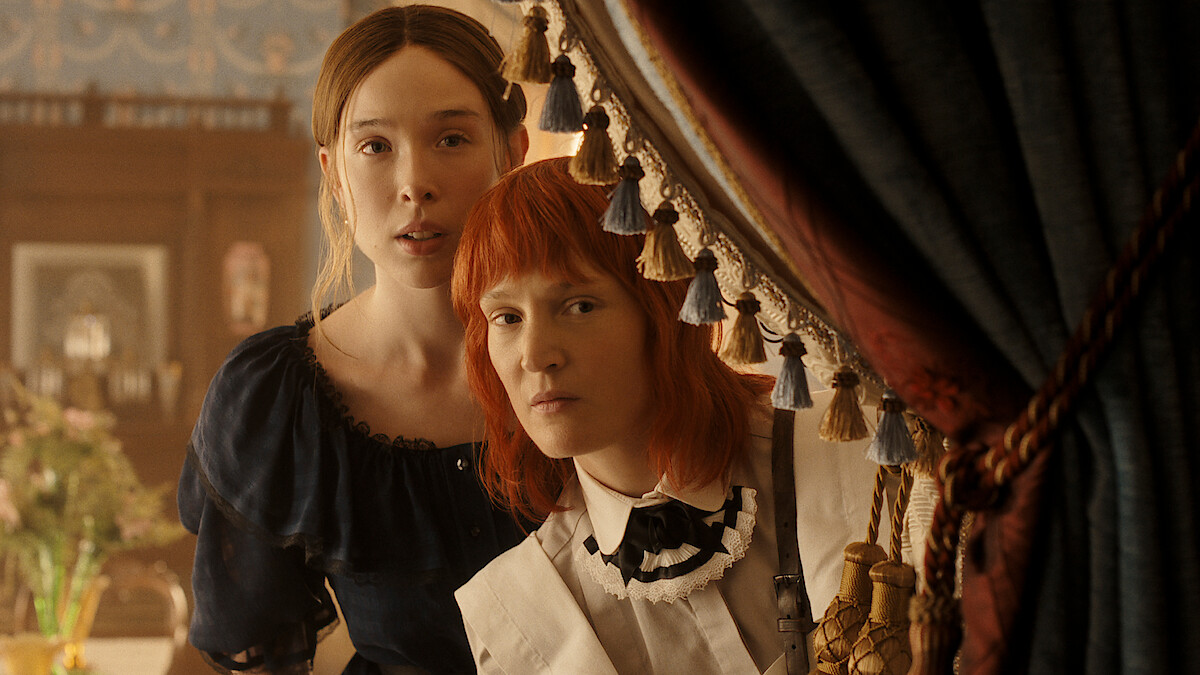
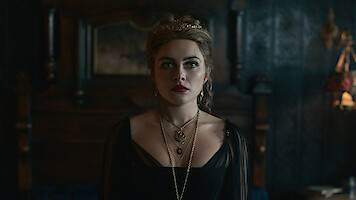
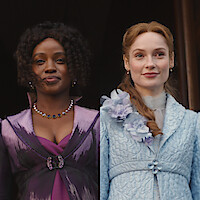
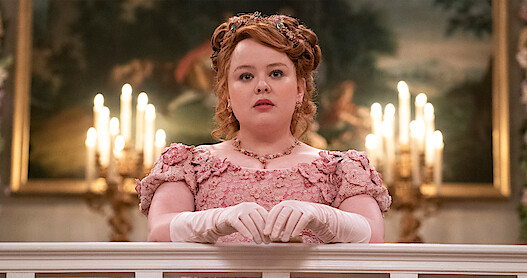
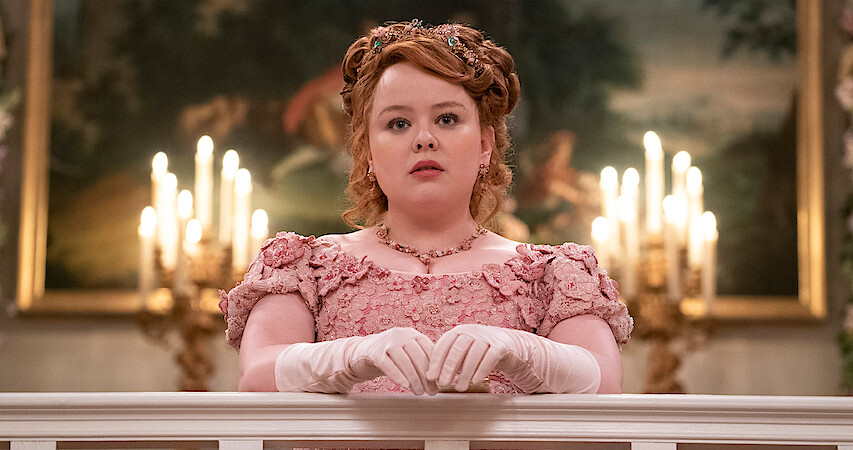
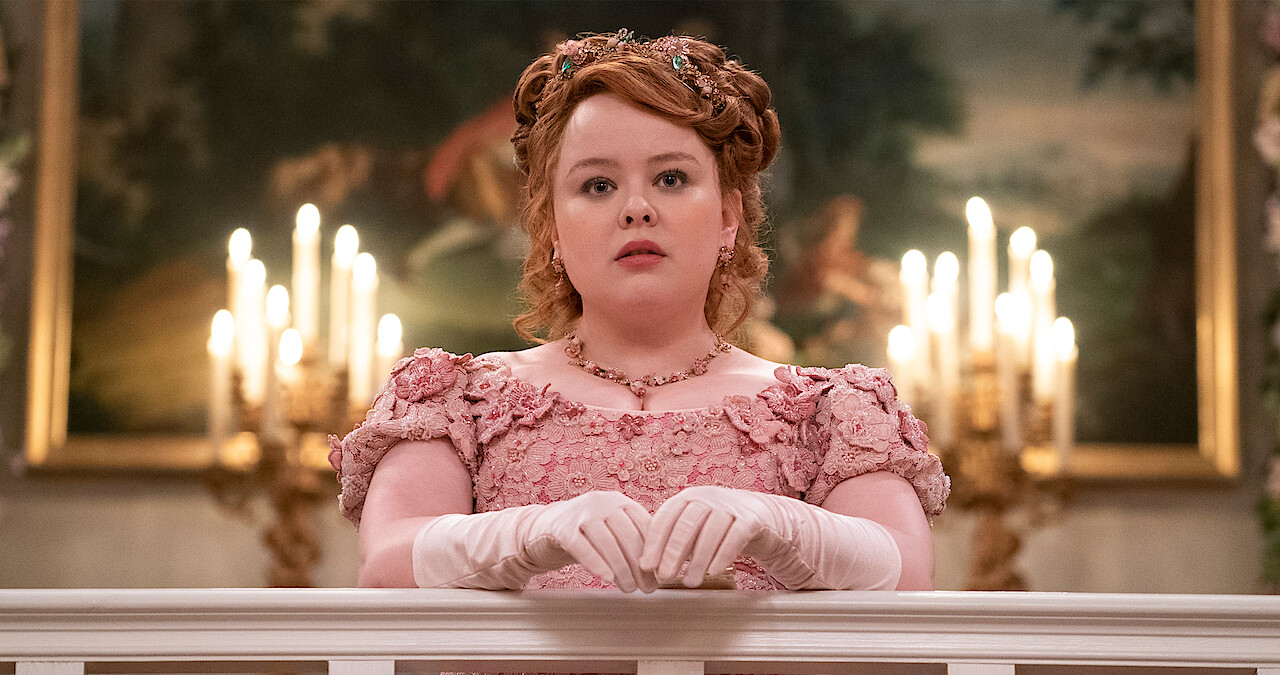
It’s in this stifling environment that Lady Penelope Featherington (Nicola Coughlan) pens her Society Papers under the nom de plume Lady Whistledown. Following up on Season 1’s big finale reveal, Bridgerton’s second season offers a more in-depth look at the lengths Penelope must go to to see her words in print — often sneaking off alone in the middle of the night, dressed up as her maid, in order to deliver the latest column to the printer. When she nearly gets caught, she starts relying on dressmaker Madame Delacroix (Kathryn Drysdale) — another woman living outside social conventions — for help. So, given all those barriers, how likely is it that a woman would have actually been able to have such an impact?
Well, just ask Lady Whistledown’s real-life contemporary, Jane Austen.
There are more than a few parallels between the fictional Bridgerton character and the author behind classics such as Persuasion, Mansfield Park and Emma. The series, based on Julia Quinn’s celebrated romance novels, kicks off in 1813, the very same year Austen published her second novel and most famous work, Pride and Prejudice. And though Quinn herself says the timing is coincidental, she also admits it’s nearly impossible to write about the Regency period without recognizing Austen’s influence. “I think everyone who writes in that time period is [influenced by Austen],” Quinn tells Tudum. “Was it a case of me reading Jane Austen and being like, ‘I wanna do that?’ Not so much as the fact that Jane Austen influenced an entire literary subgenre I was reading. It wasn’t a direct thing, but absolutely.”
Like Whistledown, Austen used a pen name when authoring books. The byline of her first novel, Sense and Sensibility, published in 1811, reads only “By a Lady.” She even had her own royal admirer: Emma, published in 1816, is dedicated to the Prince Regent, eldest son of Queen Charlotte, played by Golda Reuschevel in Bridgerton, who’s famously obsessed with discovering Lady Whistledown’s identity. “We know that there were hundreds of women who were publishing in the early 19th century,” Devoney Looser, regents professor of English at Arizona State University and author of The Making of Jane Austen, tells Tudum. Still, as we see in Bridgerton, that doesn’t mean it was easy. Women writers jumped through some pretty elaborate hoops to publish their work.
“It was hard, but it also depends,” Looser says. “How much did you want to be paid? What did you want your potential payment to look like? You could be paid up front by a publisher for your work. Austen sold her first novel for 10 pounds. Just to give you an idea, a governess might make 30 pounds a year, or a clerk maybe 50 pounds a year. Selling that novel wasn’t even a yearly salary for a middle-class person. Or you could cover the cost yourself and reap the benefit if all goes well.” In Season 2, we see Penelope pick up her payment after the week’s printing, indicating that she chooses the latter option. But since she’s trying to keep her activities under wraps, she can’t even freely spend that money, lest someone realize she suddenly has disposable income and start asking questions.
“Middle-class and genteel women weren’t supposed to sell their words,” Looser says. “There are some who would say that it was a step above going onstage and selling access to your person for entertainment, which was itself seen as a short step above sex work. So, selling your mind, selling your body as a form of entertainment and selling your body as a sex object might [have] been seen as a slippery slope.” Even beyond biographical details, Looser points out that Lady Whistledown and Austen also share a fascination with the inner workings of so-called “polite society.”
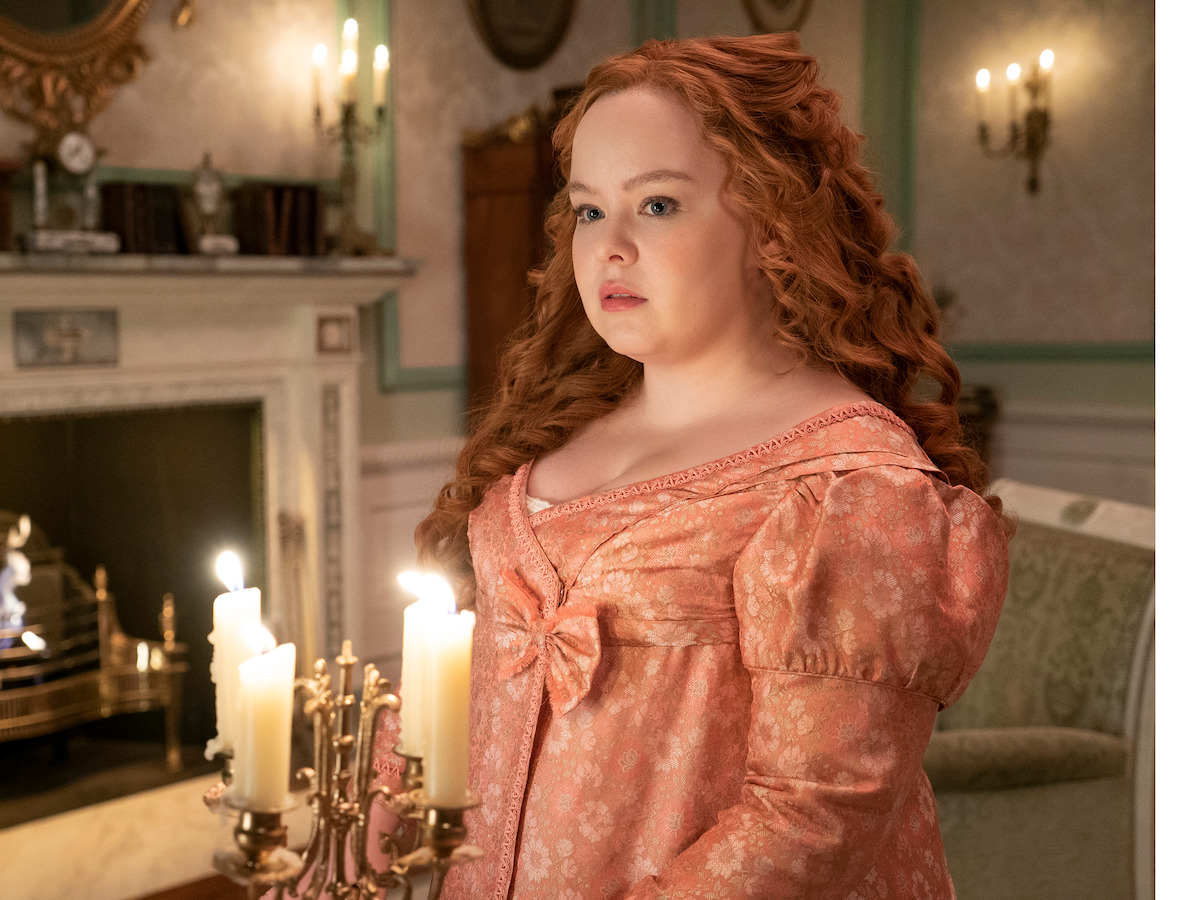
“Austen wasn’t writing about real people, so that’s a big difference [with Lady Whistledown], but she was very interested in gossip and gossip culture,” Looser says. “The ways that Bridgerton is playing on the way gossip circulates, how it can do real harm and how it can [give] certain individuals power behind the scenes is absolutely spot on. Austen understood that in her fiction.” Gossip, and its role in furthering women’s positions in a society built to exclude them, is a central tension in Bridgerton’s second season. Eloise Bridgerton (Claudia Jessie), in the dark about her best friend Penelope’s secret identity, confides in Penelope that she wishes Lady Whistledown would use her platform to explicitly challenge the ways women are overlooked.
Meanwhile, Penelope, who is defensive about her work, maintains that the mere act of a woman publishing such a widely circulated scandal sheet is in itself a way of pushing back against social norms. Like Lady Whistledown, Austen often wrote about the travails and tribulations leading up to marriage in polite society. But in a world in which who you marry might define a woman’s entire economic future, it’s not really the frivolous topic Eloise makes it out to be. “Marriage was seen as what every woman should aspire to, because it was really the only livelihood that was accepted or approved of,” Looser says, adding, “Jane [was] very much writing within the genre of the novel about economic injustice. She absolutely gets the ways that women are confined, oppressed and limited. To me, it’s there in nearly every line.”
That’s not to say that women of the era only wrote in euphemisms. Mary Wollstonecraft, for example, forcefully advocated for women’s education and economic freedom in 1792’s A Vindication of the Rights of Woman. In Bridgerton, Eloise starts attending rallies and meetings held by women setting the groundwork for England’s emerging suffragette movement. Looser says it’s likely Austen also had access to those ideas and possibly worked them into her plots about romance and happy endings. “I think there’s every reason to believe that Austen read and appreciated the feminists who were writing in her time,” she says. “That’s much debated. But to my mind, it does seem very plausible that she was reading those. She’s writing about morality in very politicized ways, but trying to make it not look political.”
OK, but what about sex? As well as the comings and goings of the season’s diamond, Lady Whistledown’s scandal sheet is full of allusions to affairs, lovers, mistresses and seduction. Would someone like Austen have been writing about such salacious scandals? And as an unmarried woman, how would she even have known about them? “There’s no sex narrated in Jane Austen’s [books],” Looser says. “But there are out-of-wedlock pregnancies. There are adulterous affairs. [Take] Elizabeth Bennet in Pride and Prejudice. Her sister Lydia runs off, and she and Mr. Wickham are living in London, presumably as lovers.” So, how did Austen come by her knowledge of sex? “This kind of stuff was in the newspaper. It was in the gossip scandal sheet.” And that, gentle reader, is history.