Fashion
An Enthusiastic Appreciation for the ‘Bridgerton’ Boob
Those underpinnings are putting in work.
March 5, 2024
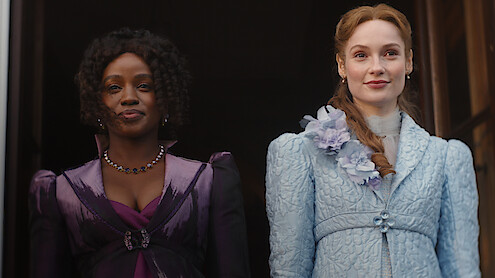
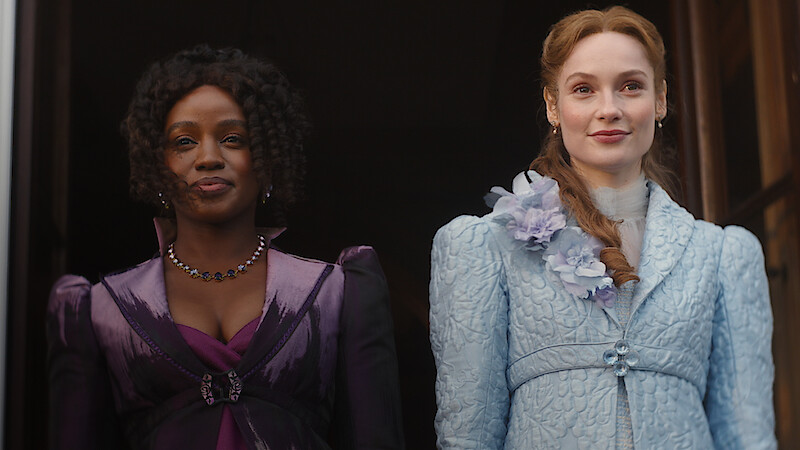
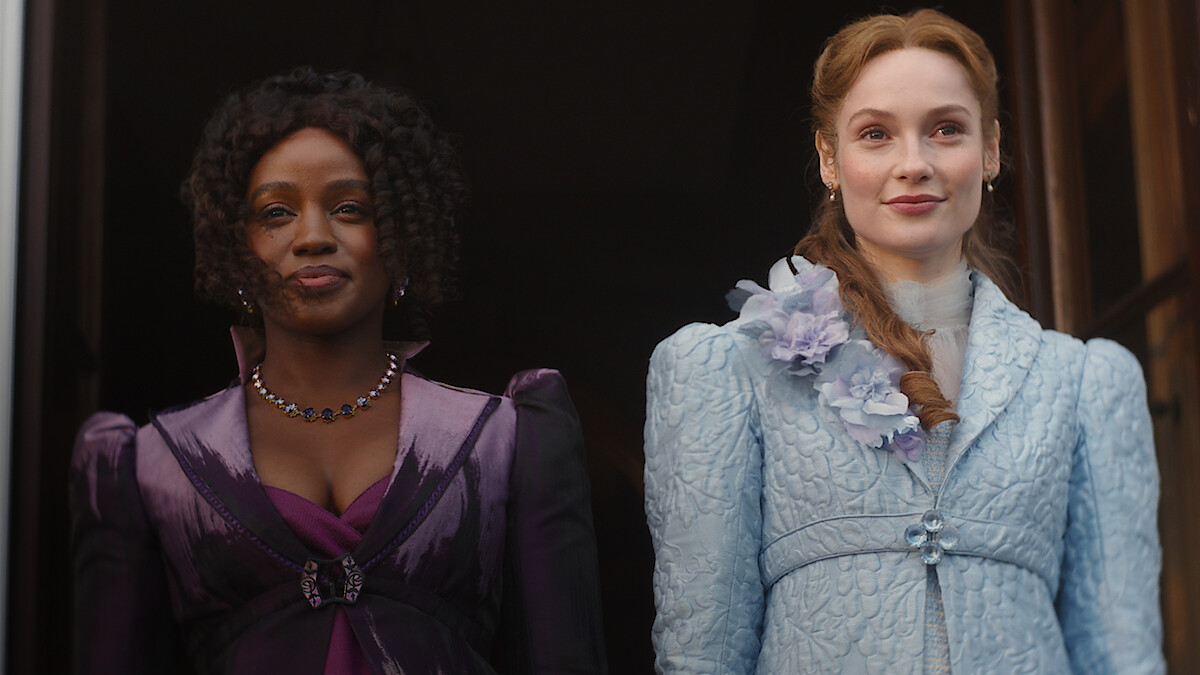
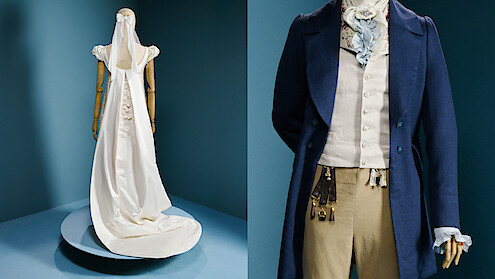
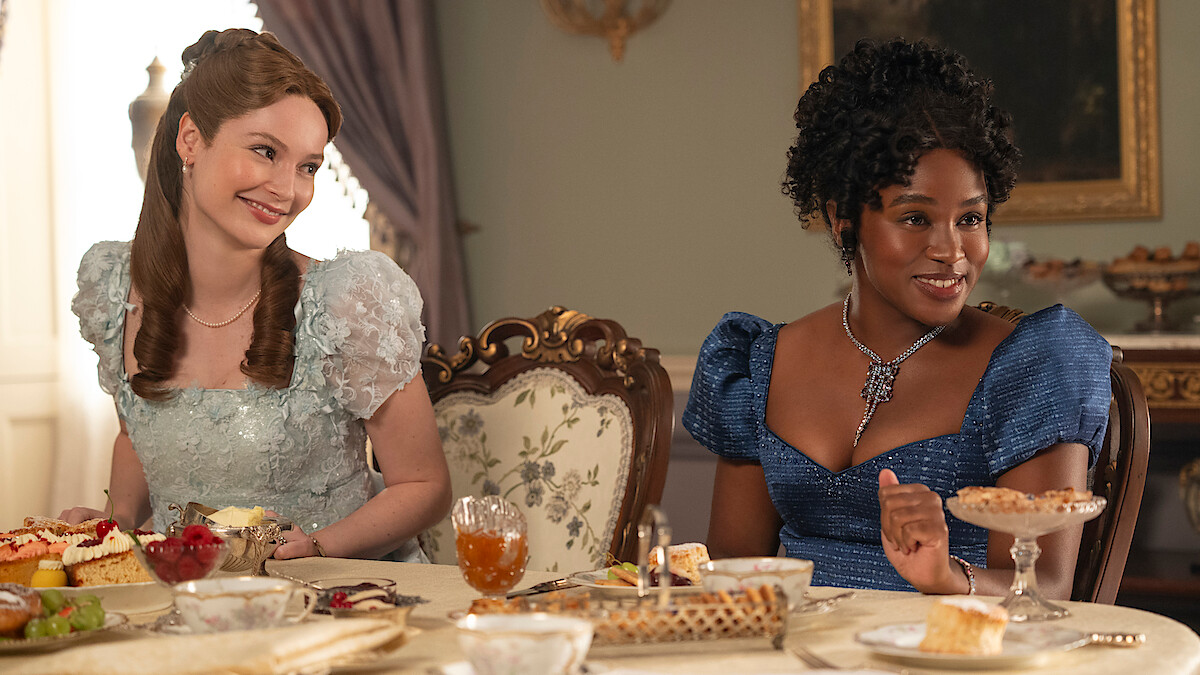
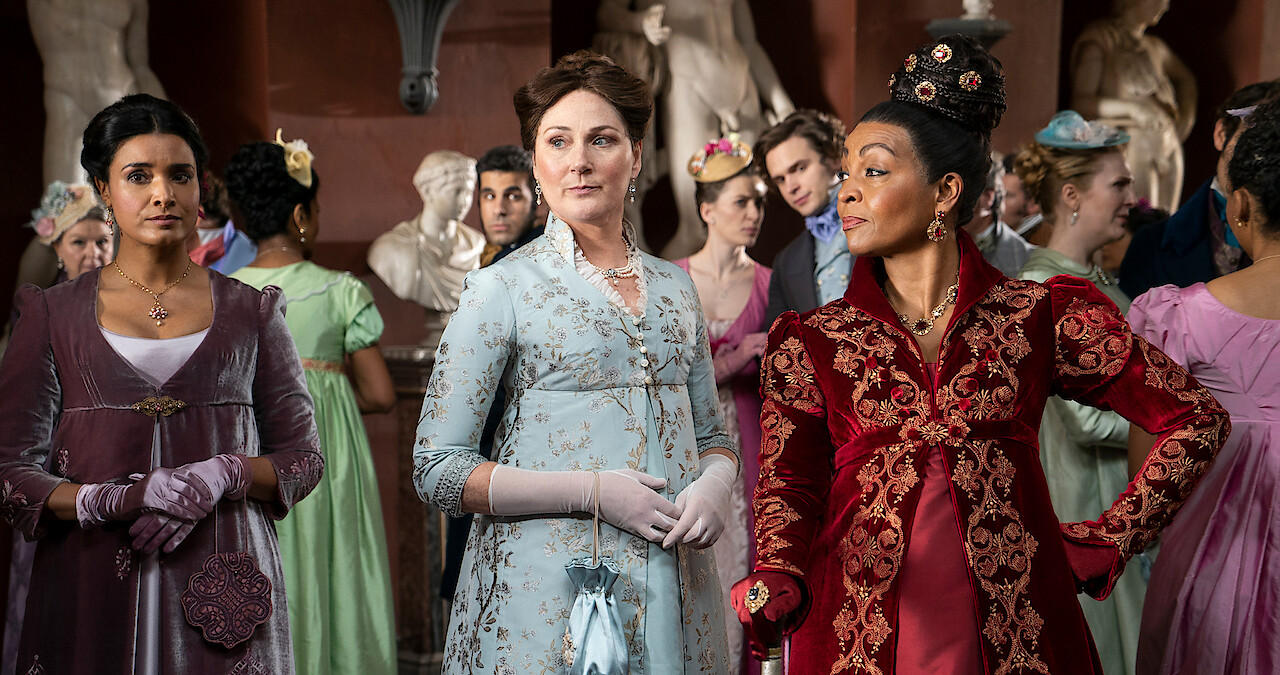
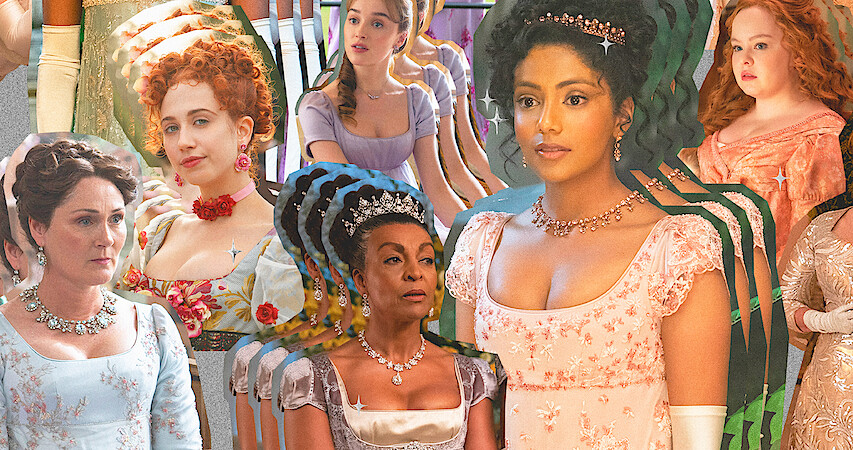
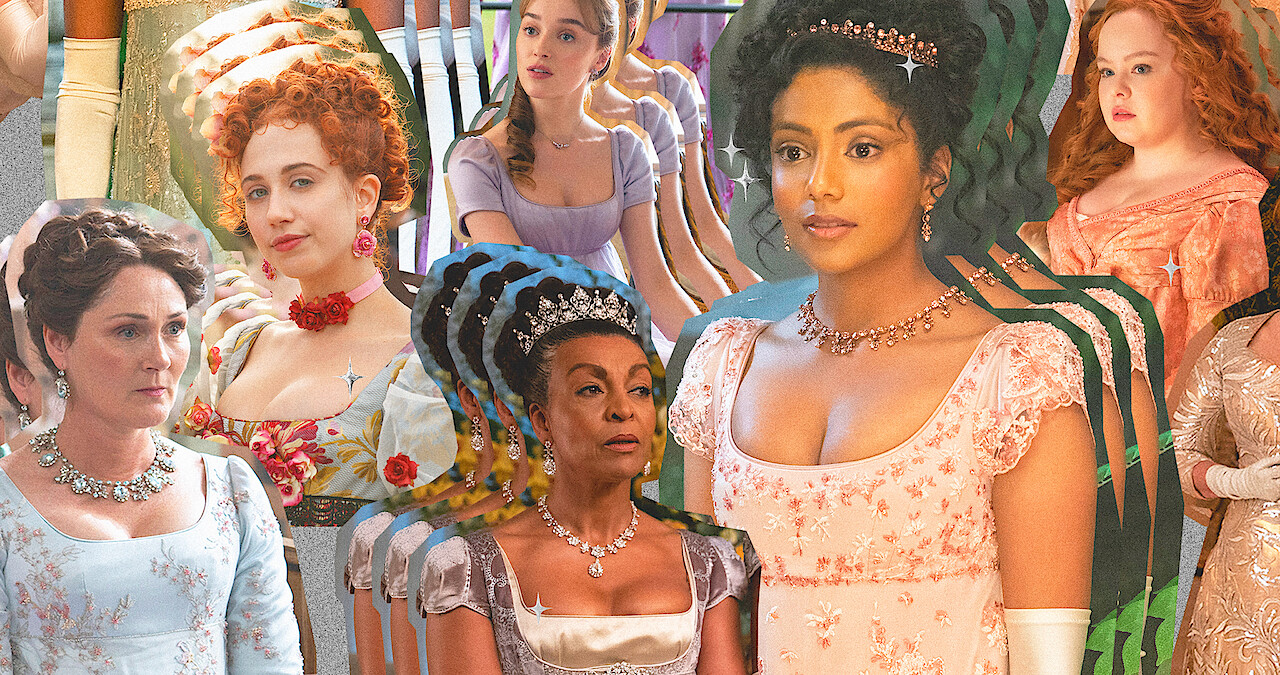
In Bridgerton the costumes are “Regency with a twist,” which means the boobs always come correct. Bridgerton boobs stick with you, in a not-objectifying-at-all kind of way. It’s more about having an appreciation, really — not as body parts (which happen to be attached to some serious Shondaland talent), but for the seeming defiance of physics that goes into their existence and the underpinnings required to create the look, a ubiquitous and very real fashion trend in early 19th century England.
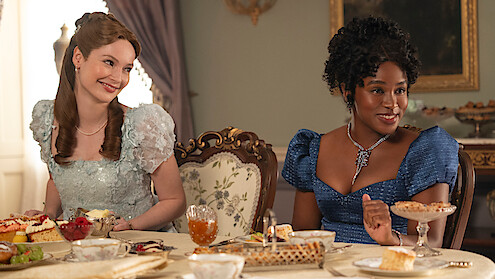
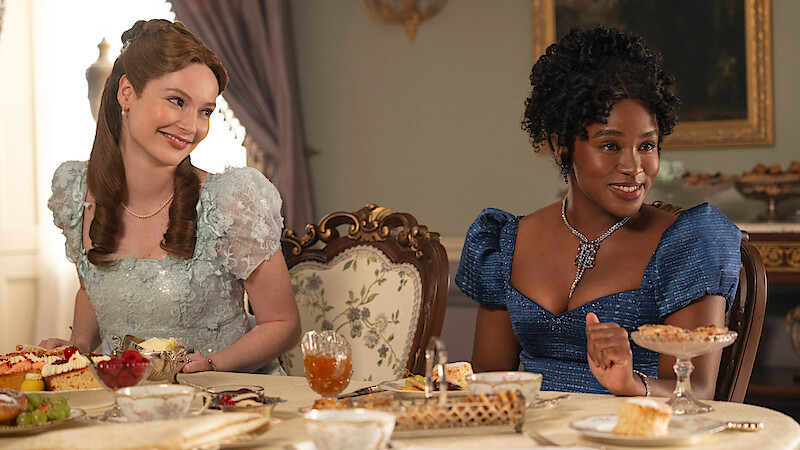
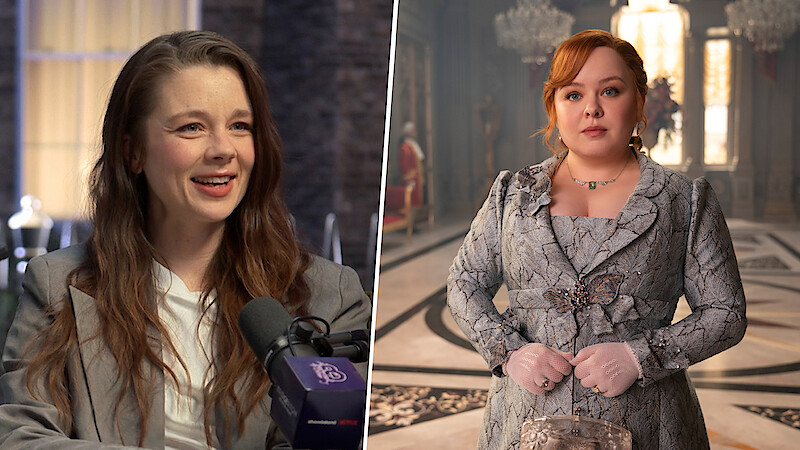
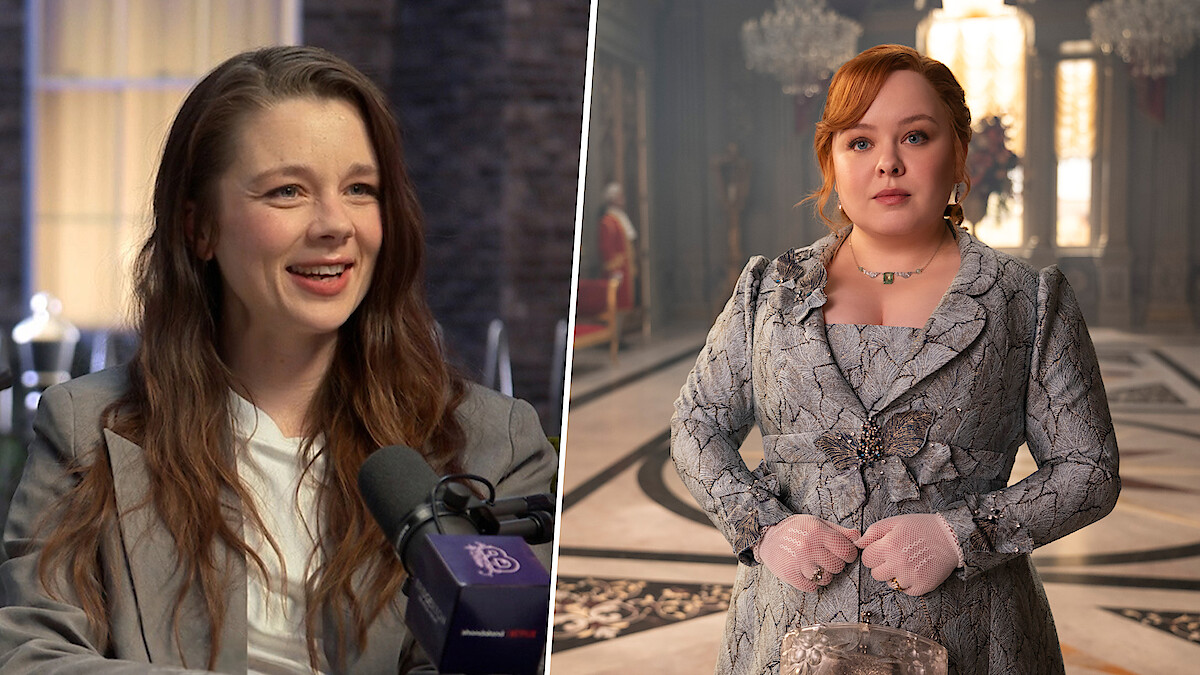
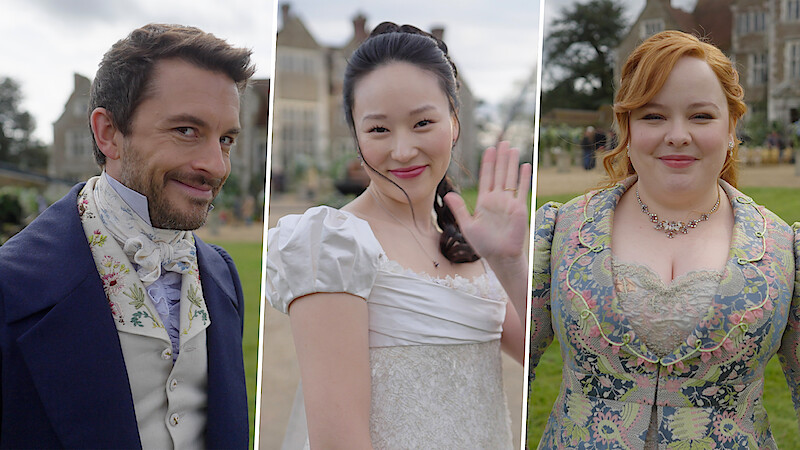
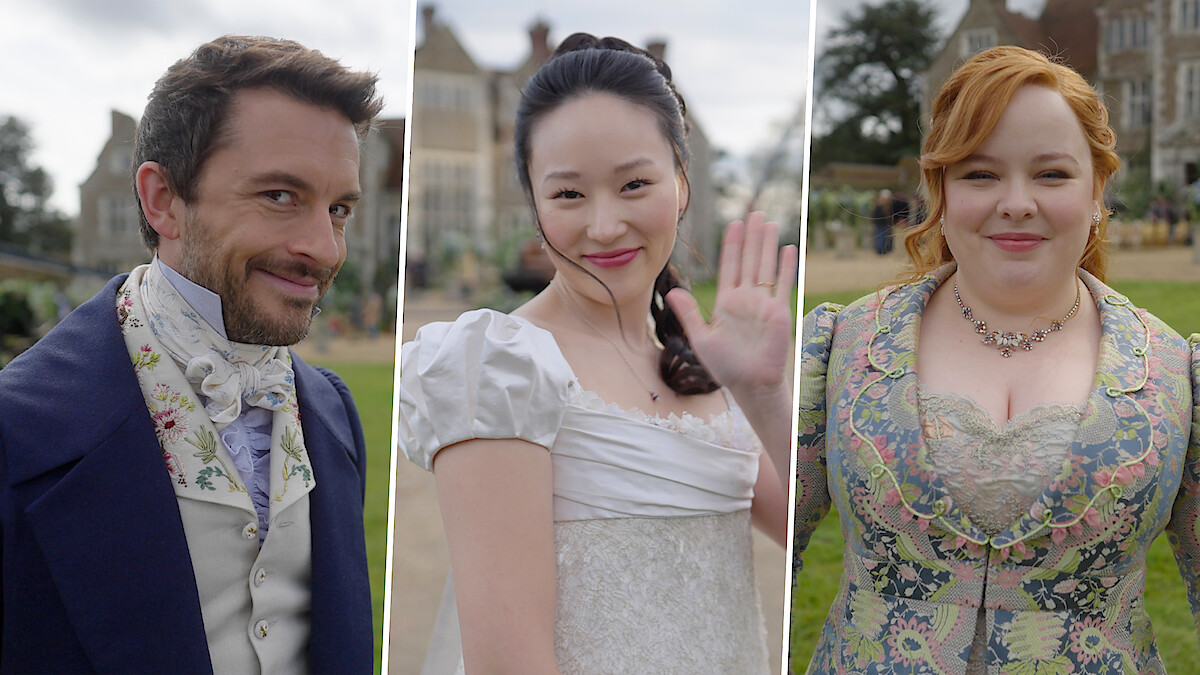
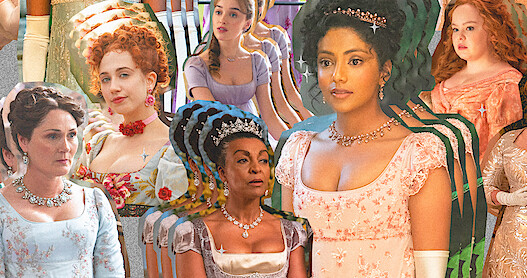
First, let’s define what a Bridgerton boob actually is, for those who somehow managed not to notice. Since Season 1, the bosoms of Bridgerton could roundly (heh) qualify as characters, ever-present party guests who are seen but never heard. The Bridgerton boob is elevated, buxom, dramatic, weightlessly heaving just above a square neckline made of the finest fabric. They’re perched, they’re perky and they’re always ready for a bit of scintillating drama — and sometimes, they are the drama.
What’s most fascinating about the Bridgerton boob is that each character, no matter their age, body type or build, ultimately displays the same bustline — characters with smaller chests still manage the same silhouette as those with larger cup sizes.
So what, exactly, creates the Bridgerton boob?
“The answer you’re looking for is ‘short stays,’ ” Cora Harrington, author of In Intimate Detail and founder of The Lingerie Addict, tells Tudum, referring to the lace bodices worn underneath clothes from the 16th century to the beginning of the 18th century. “If I were using modern, bra-equivalent language, I’d say a balconette or shelf bra with a longline band.”
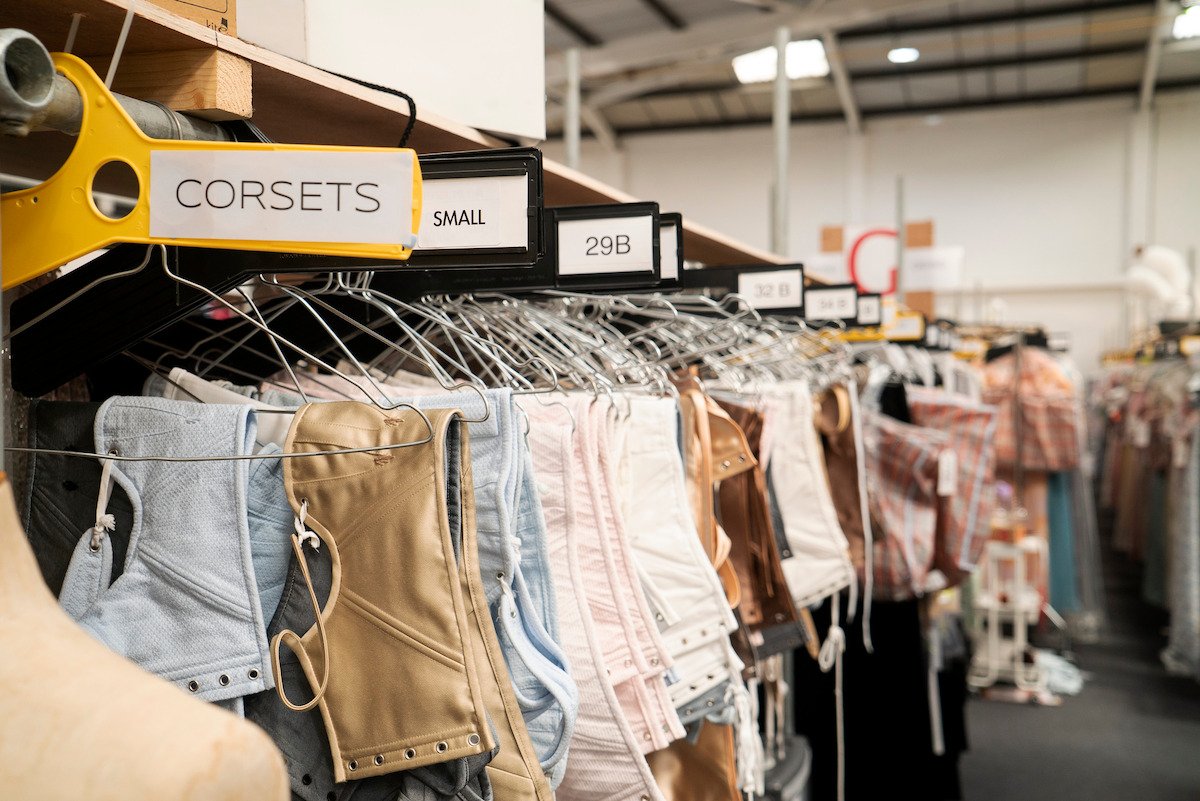
Harrington says that for women in the Regency era, short stays would have been custom-made for the body, and the fully defined, globelike silhouette — aka, the Bridgerton boob — starts right there. In other words, once the short stays were measured per each individual’s body, creating the Bridgerton boob would have been quite simple. As it turns out, simplicity was kind of the name of the game for fashion in the Regency era.
“You’d have a chemise, short stays, perhaps another layer of a chemise on top for smoothing out lines and making the dress less sheer, stockings and garters,” Harrington says. “No panniers, no bum rolls, no farthingales, no pantaloons, no open drawers... very straightforward underpinnings.”
“The thing to remember,” Harrington continues, “is that this was not an ‘off-the-rack’ era. Anything can be made in any size and shape, especially when you consider how skilled even the most average sewer was at the time, and the comparatively high quality of the materials.”
So no matter your size, shape or body type, Bridgerton boobs are possible — provided you have a solid fitter and the money to create something tailor-made to your physique. Though it’s not impossible for anyone to create a Bridgerton bustline, there’s something about it that feels a little bit improbable: In many of the costumes, the breasts are positioned precariously just above the fabric line of the garment and seem to be destined for a little Regency-era wardrobe malfunction. But maybe that wasn’t a problem?
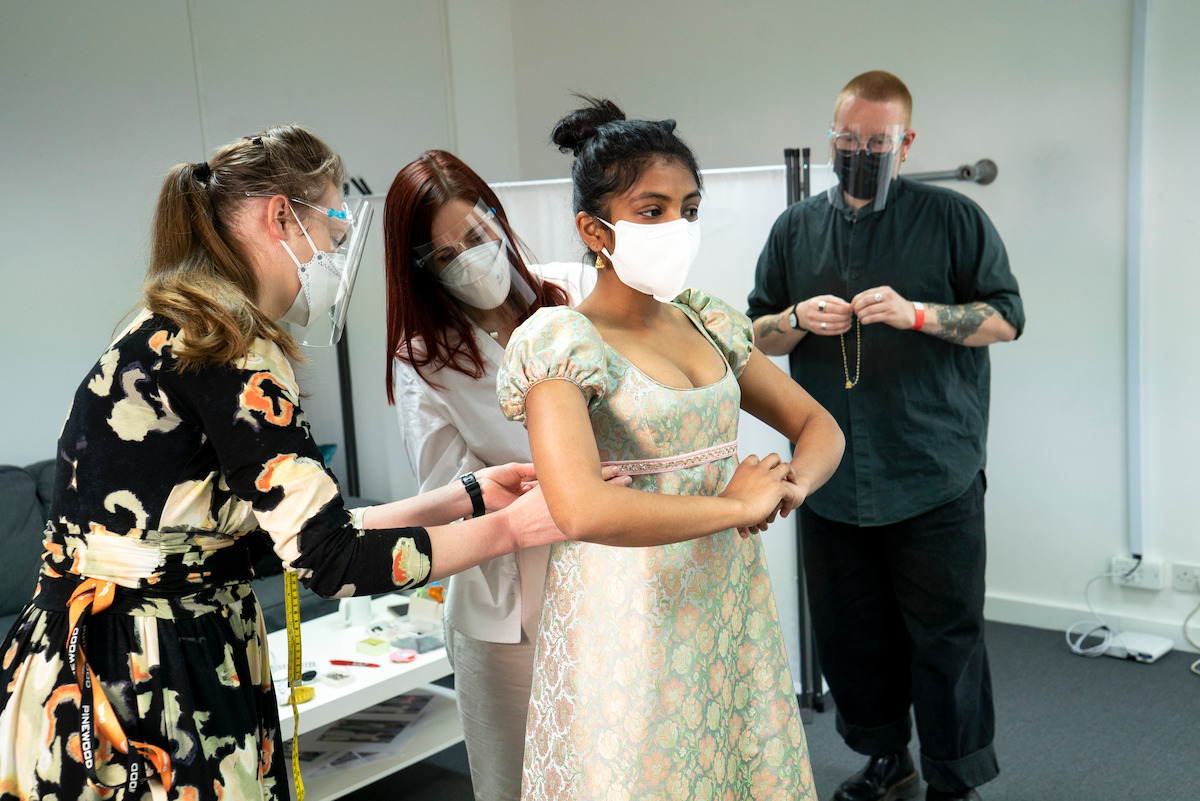
“Interestingly enough, there is some art of the era which shows visible nipples,” Harrington says. “But in terms of daily wear, again, these pieces would have been made for the individual wearer. Comparing what was actually worn at the time with what is being worn for a television production isn’t quite the right comparison. The garments for Bridgerton are dramatized to achieve a specific effect; perfect historical verisimilitude is not the goal. Issues which seem relevant or important in the context of a 21st-century drama would have been nonexistent for the time, or only existing in very specific circumstances, such as artistic posing.”
In other words: Lady Featherington’s society papers would likely never include a nip slip.