John Wilson/Netflix
Explainer
‘Glass Onion’ Ending Explained
Who did it in Rian Johnson’s whodunit… and other answers.
Dec. 27, 2022
🤐 SPOILER ALERT 🤐
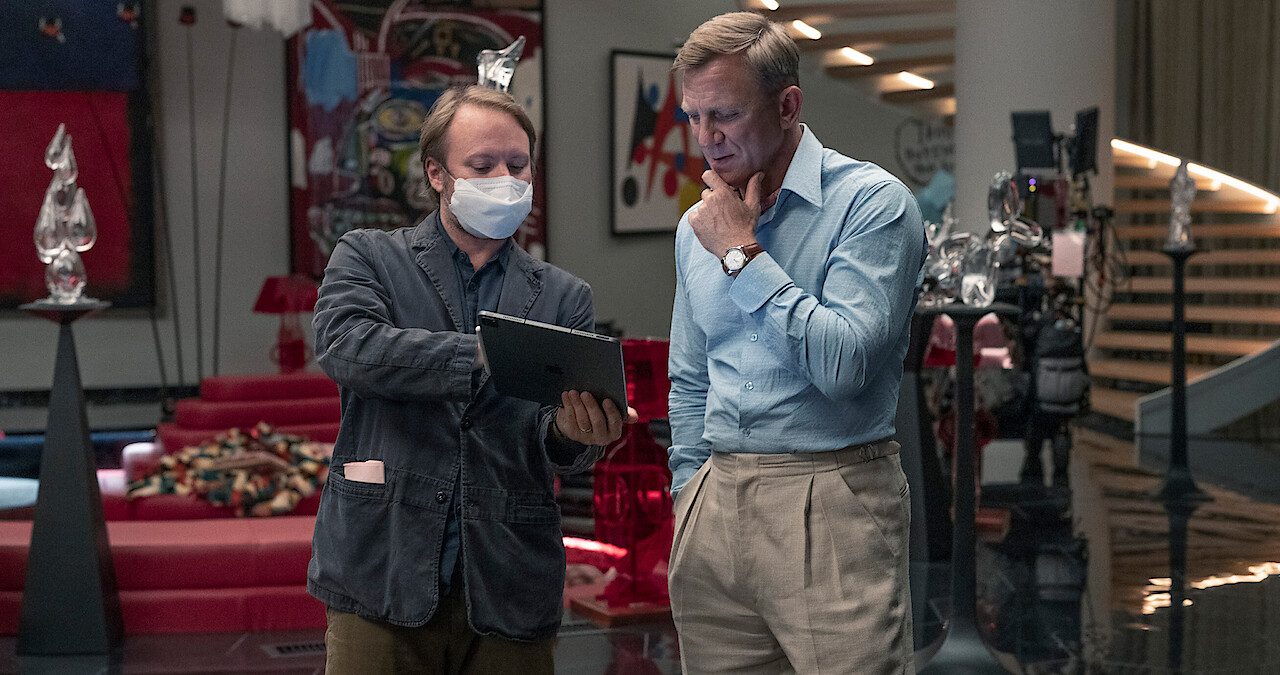
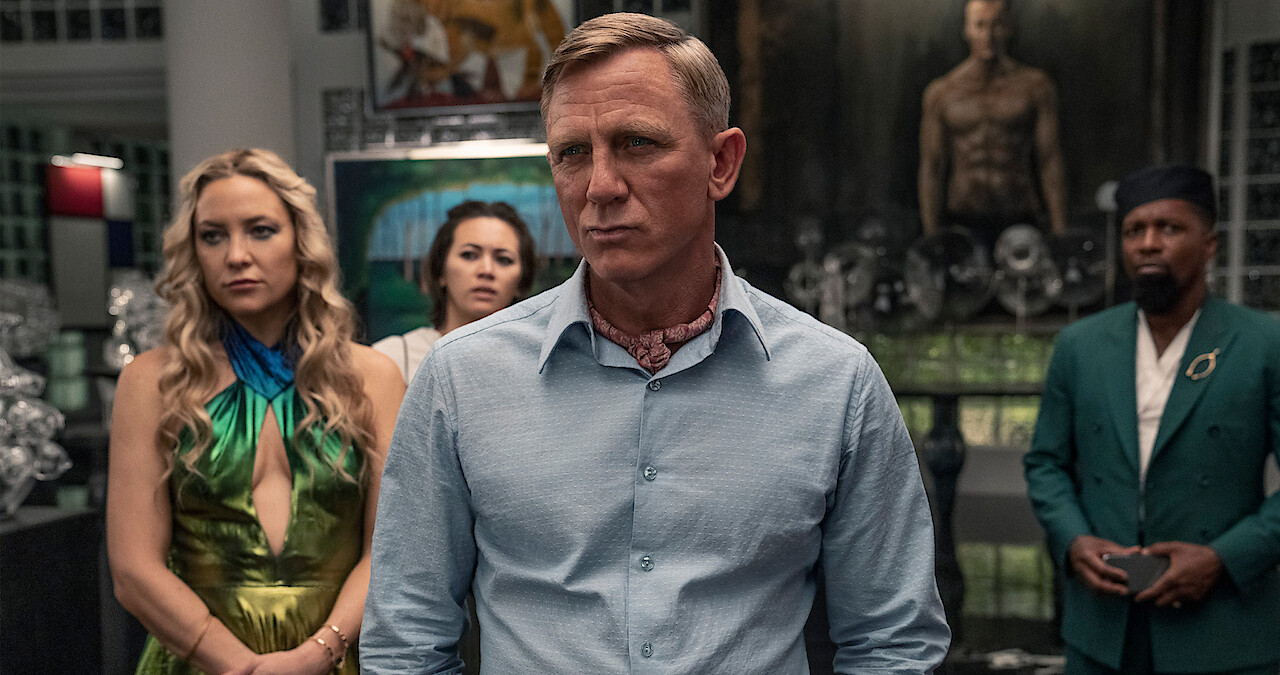
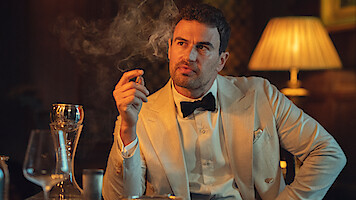
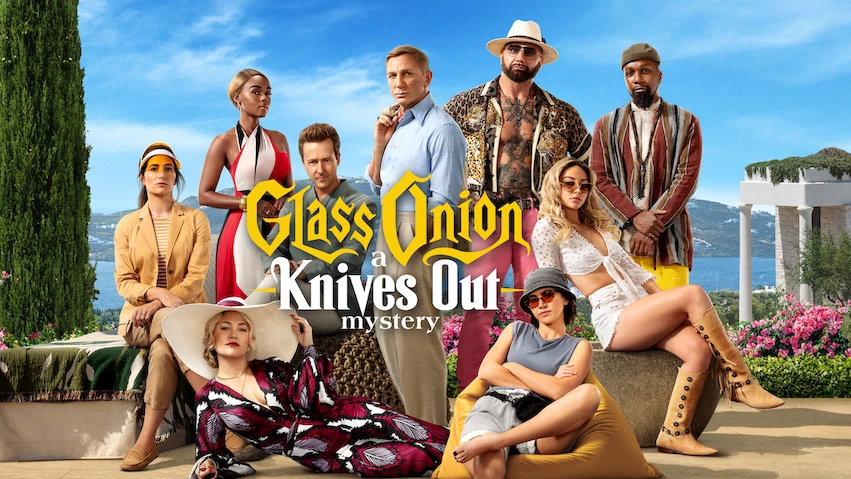
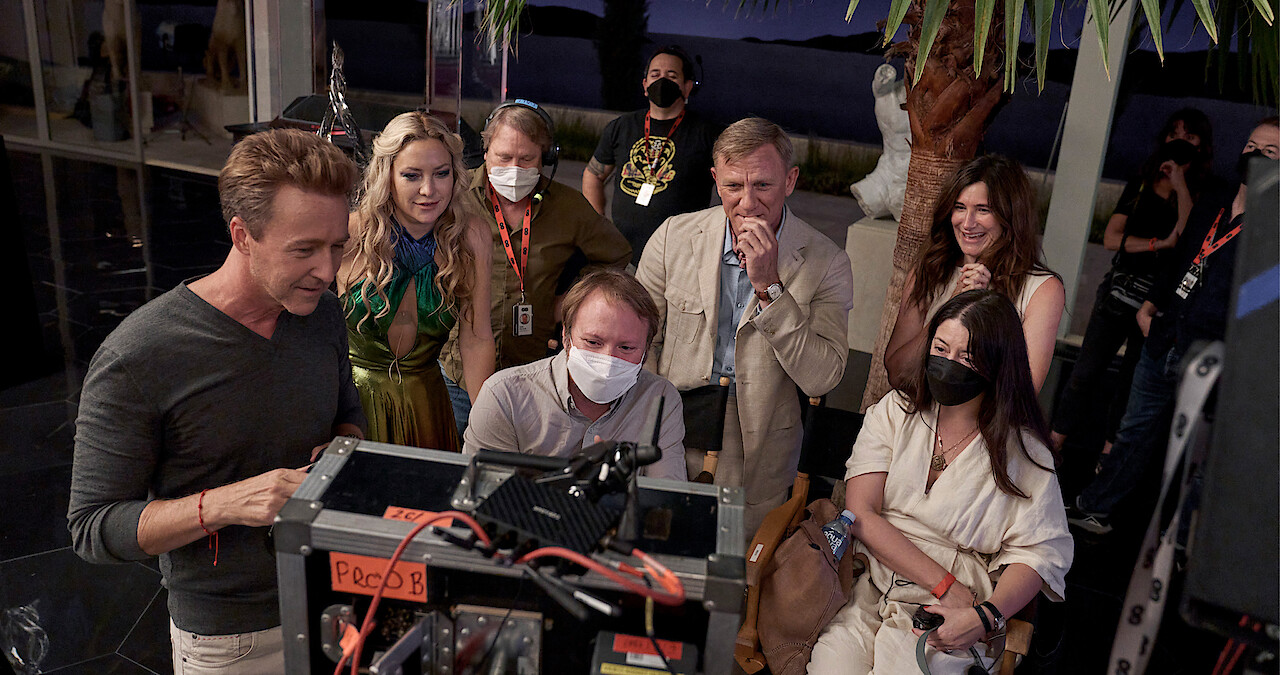
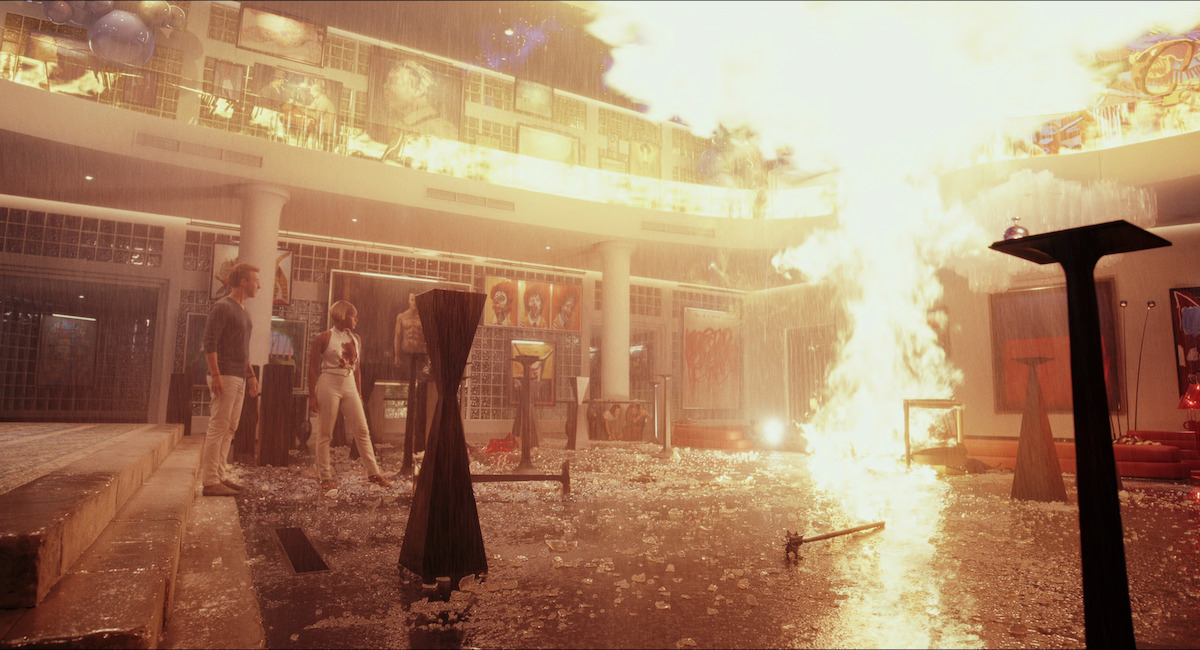
Glass Onion: A Knives Out Mystery starts out with sun and surf and ends with smoke and cinders. The explosive finale of Rian Johnson’s new whodunit sets Miles Bron’s island villa ablaze — and reveals the mastermind behind the film’s murders. This fiery climax comes after a second half that has already entirely upended the film’s seemingly simple structure, forcing us to look back at what we thought we knew in a new light. Tudum spoke to writer-director Johnson and star Daniel Craig about the playful, peculiar layers of Glass Onion — and what hides at its center.
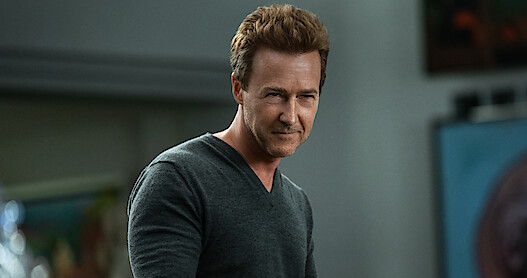
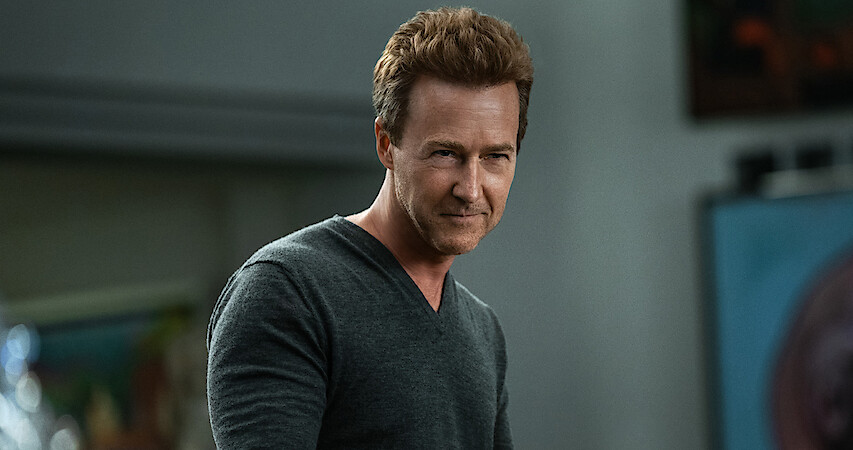
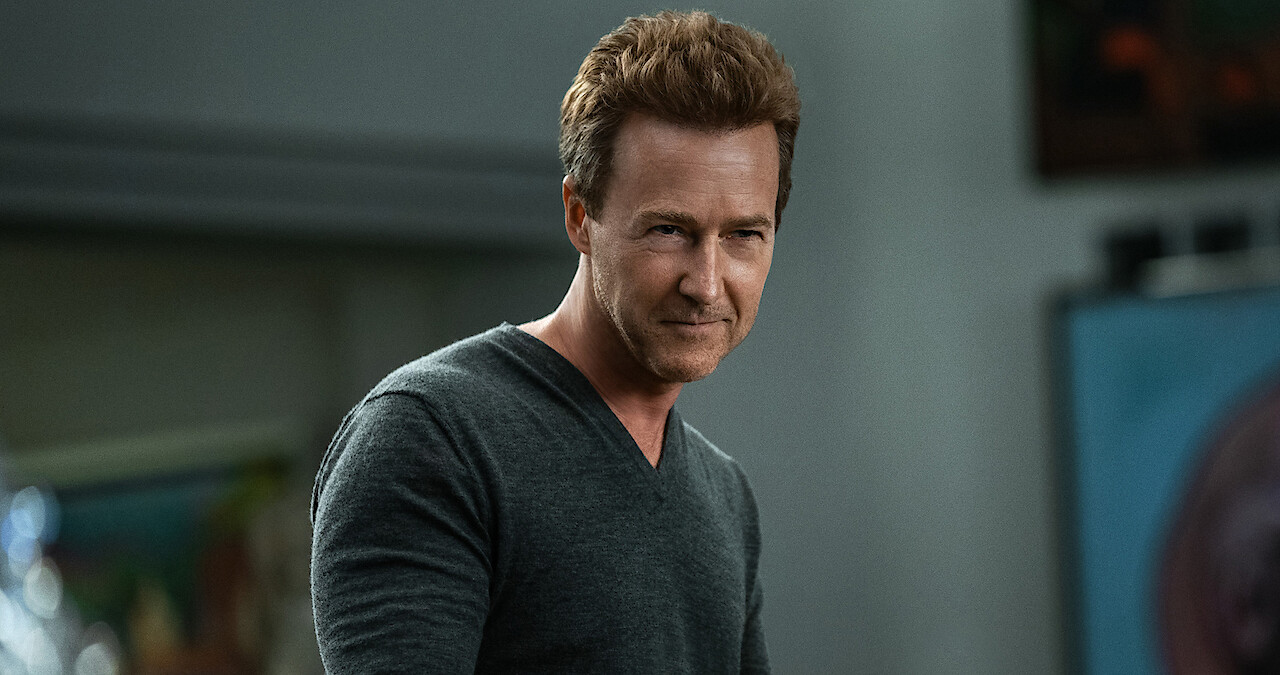
“For me, the thing that I really landed on that got me cooking with this one was the notion of the fugue structure,” Johnson tells us. It’s a structure that Johnson nods to in the film’s opening moments, as Birdie Jay and Peg struggle to solve the puzzle box invitation that Miles Bron (Edward Norton) has sent to each of his “disruptor” friends.
As a melody begins to play from the box, none other than Yo-Yo Ma appears to lay down some musical knowledge. “A fugue is a beautiful musical puzzle, based on just one tune,” the famous cellist tells Peg. “And when you layer this tune on top of itself, it starts to change and turns into a beautiful new structure.”
In essence, Ma — and Johnson — are describing the structure of Glass Onion itself. “The idea of, can you split a movie exactly in half and have a revelation right in the middle that lets you repeat the first half of the movie from a different perspective, and can you make that work?” Johnson recalls. “Just as a genre wonk, that sounded like an incredibly difficult challenge that I couldn’t resist trying.”
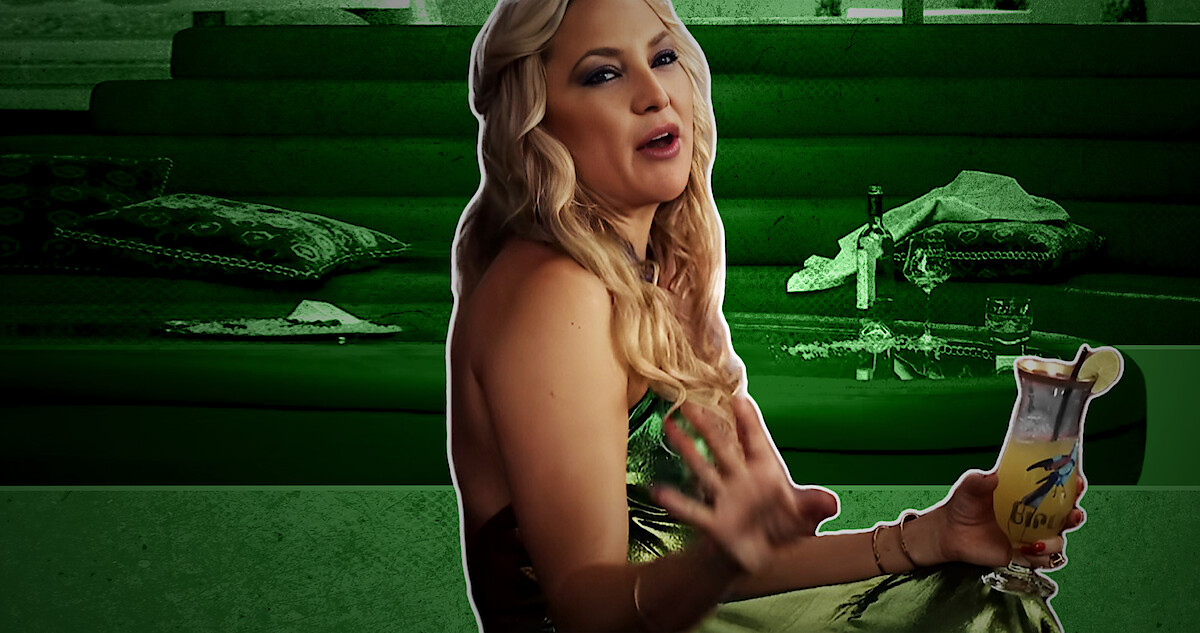
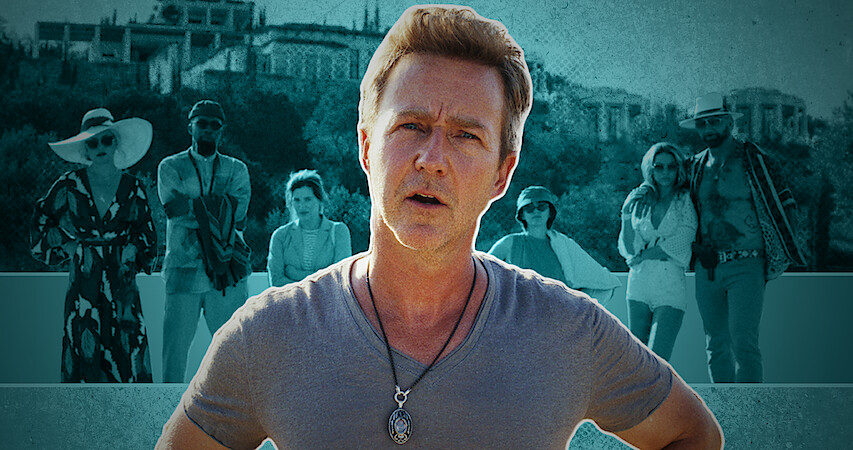
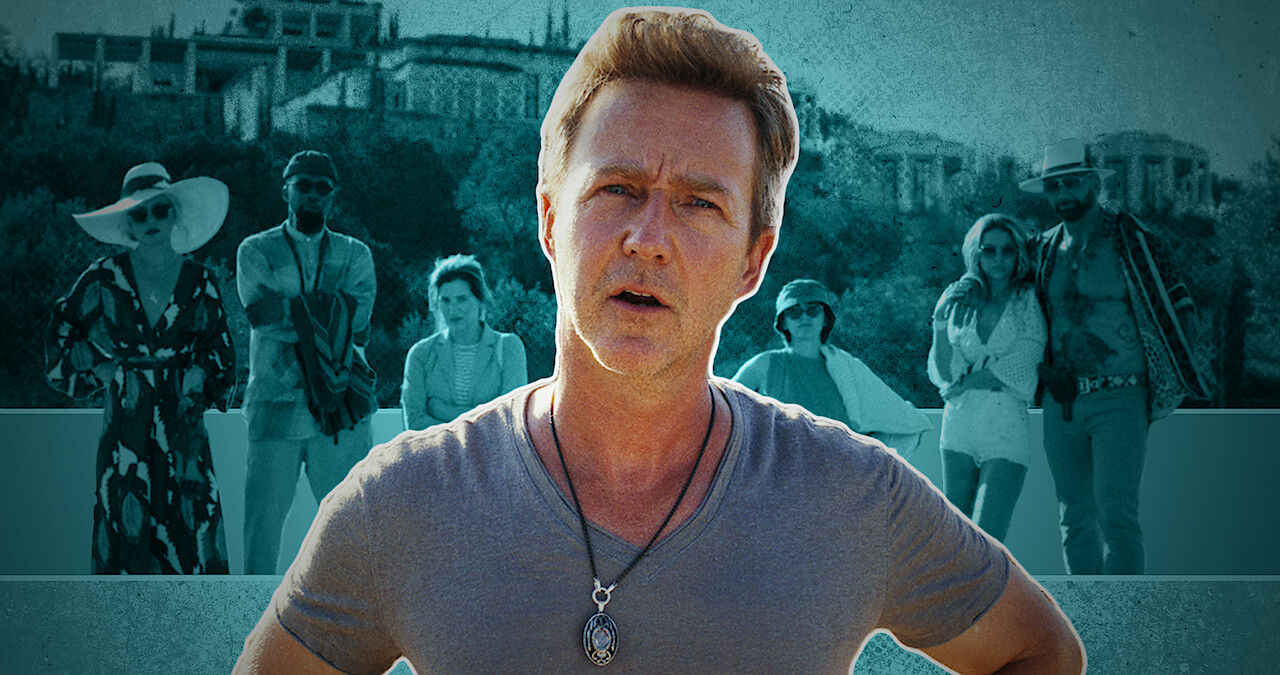
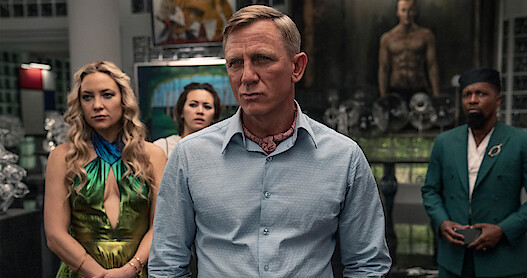
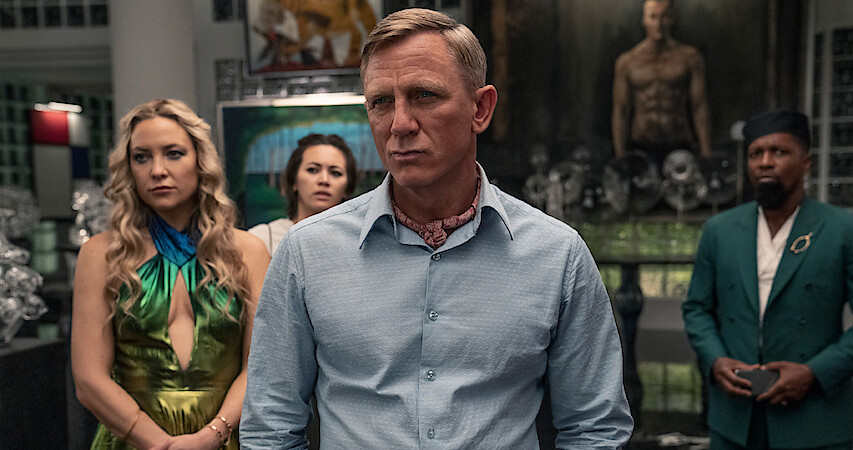
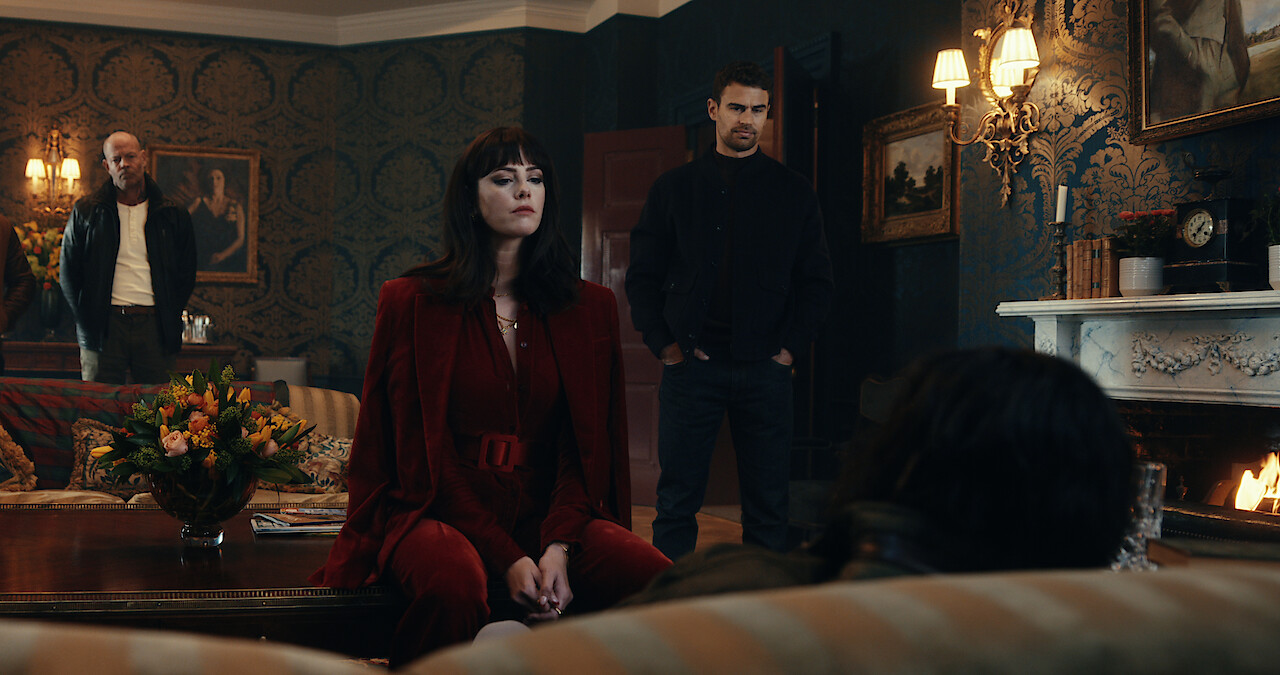
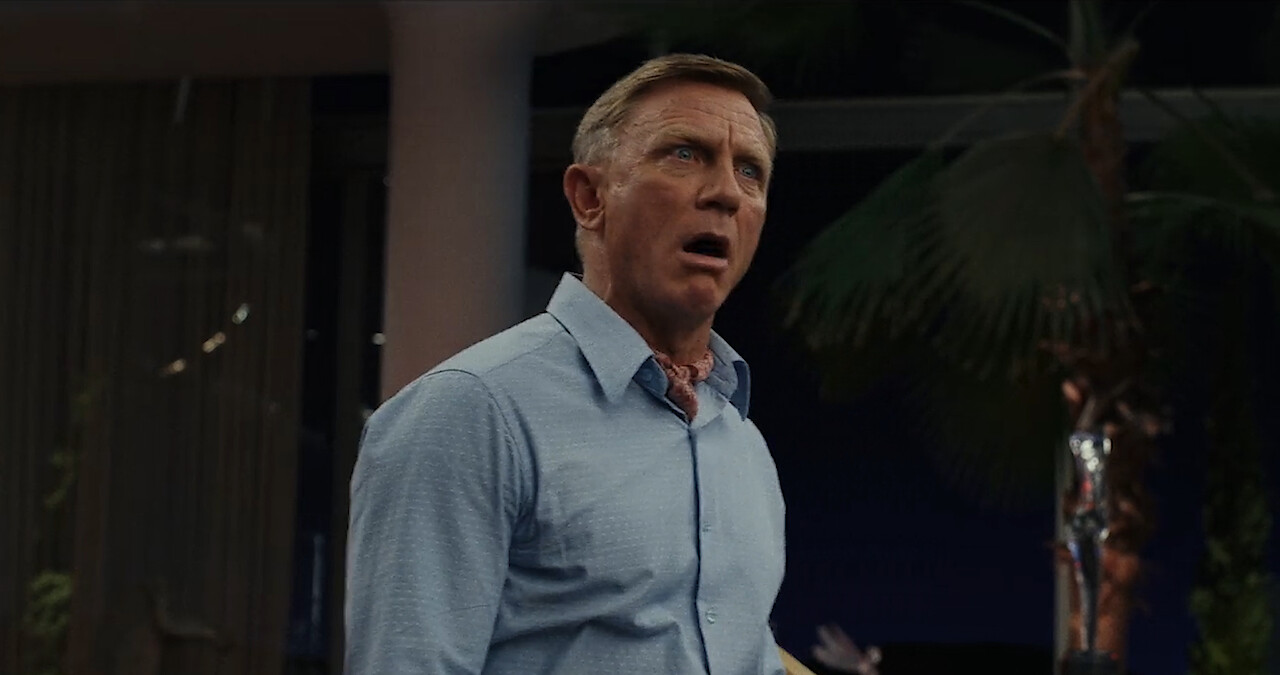
After a first act largely centered around world-famous detective Benoit Blanc (Craig) and the cast of colorful confidants Bron has invited to his island, a pair of murders are committed: first Dave Bautista’s macho streamer Duke Cody succumbs to a poisoned cocktail, and then Andi Brand (Janelle Monáe) is shot by an unknown assailant. But just as Blanc gathers the suspects in Bron’s glass-filled villa and begins to assemble the pieces of the case, the film leaps back in time. We’re back at Blanc’s front door, as he’s delivered a Miles Bron invitation of his own, from Andi’s identical twin sister, Helen (also played by Monáe).
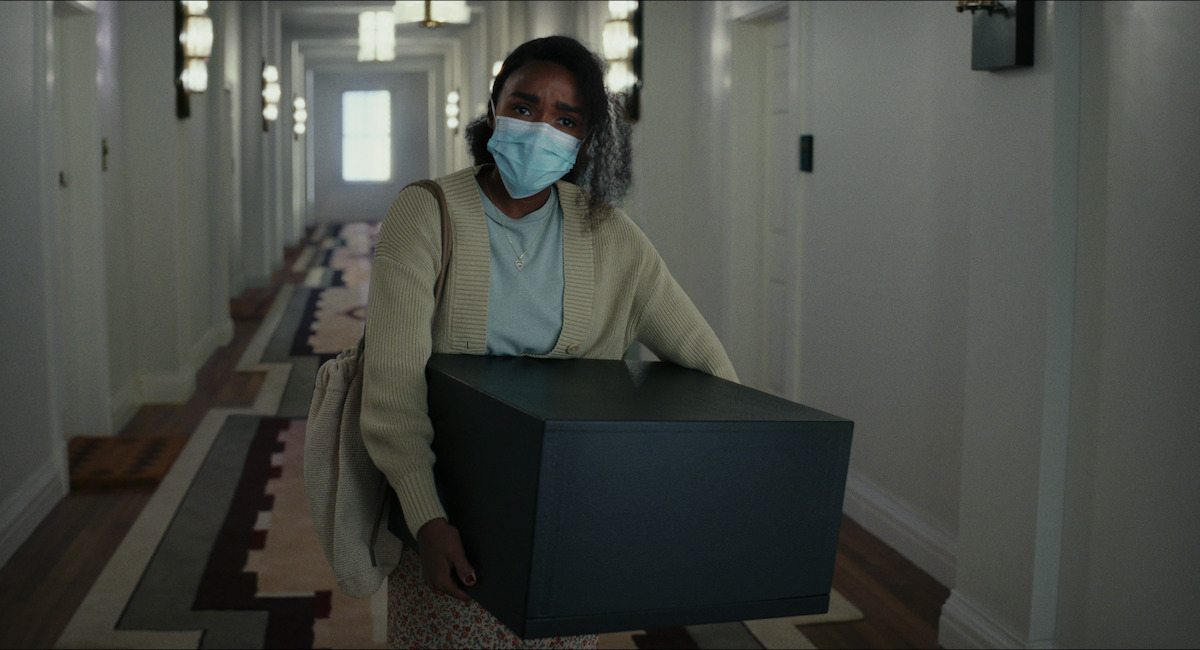
As the film soon reveals, Helen’s twin sister is dead, from what appears to be suicide. But Helen doesn’t believe it, and soon she and Blanc head off to Greece on a perilous gambit, with Helen impersonating her sister in order to solve the mystery of her death. Corporate malfeasance at the company Cassandra and Miles ran together leads the pair to suspect Bron. But surely he couldn’t be so stupid — it must be one of the pair’s island-bound friends. The game is afoot, and Glass Onion reruns its first act, this time through Helen’s eyes.
Much like Blanc and Helen’s plan itself, Johnson felt unsure about the repetitive format. “What is it that will keep [the audience] from feeling like, ‘Oh God, we’re sitting through all of this again?’ ” Johnson asks. “It can’t just be like seeing it from a different POV. There has to be a new gear that you’ve gone into. And the solution that I struck on was to introduce a character for the audience to finally empathize with at the midpoint and to give them skin in the game in the back half.”
Johnson did have small fears about introducing a twin sibling. “I thought, ‘Will an audience forgive me for doing this?’ ” he chuckles. “But I think the context in which it’s done, it works.”
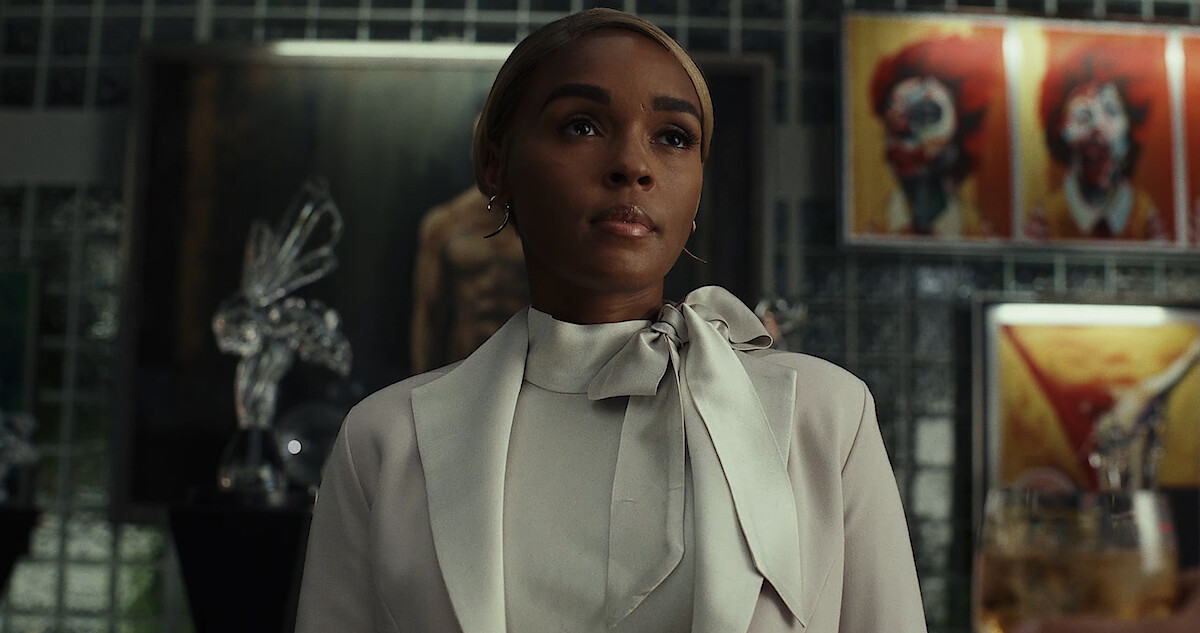
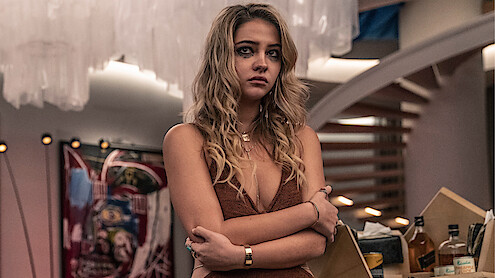
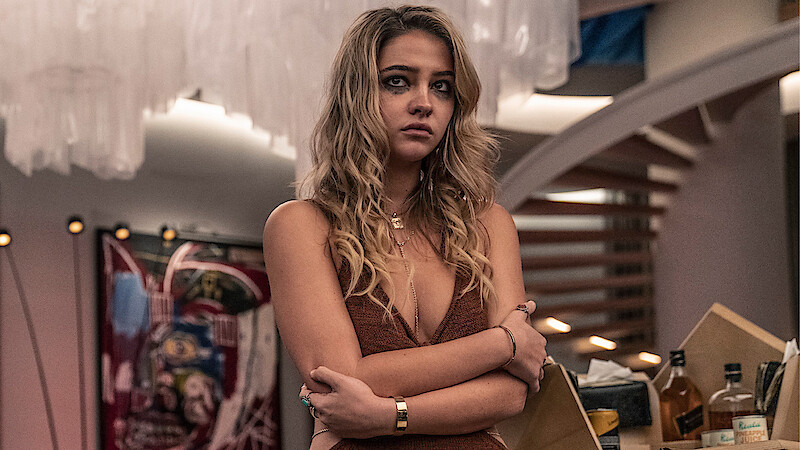
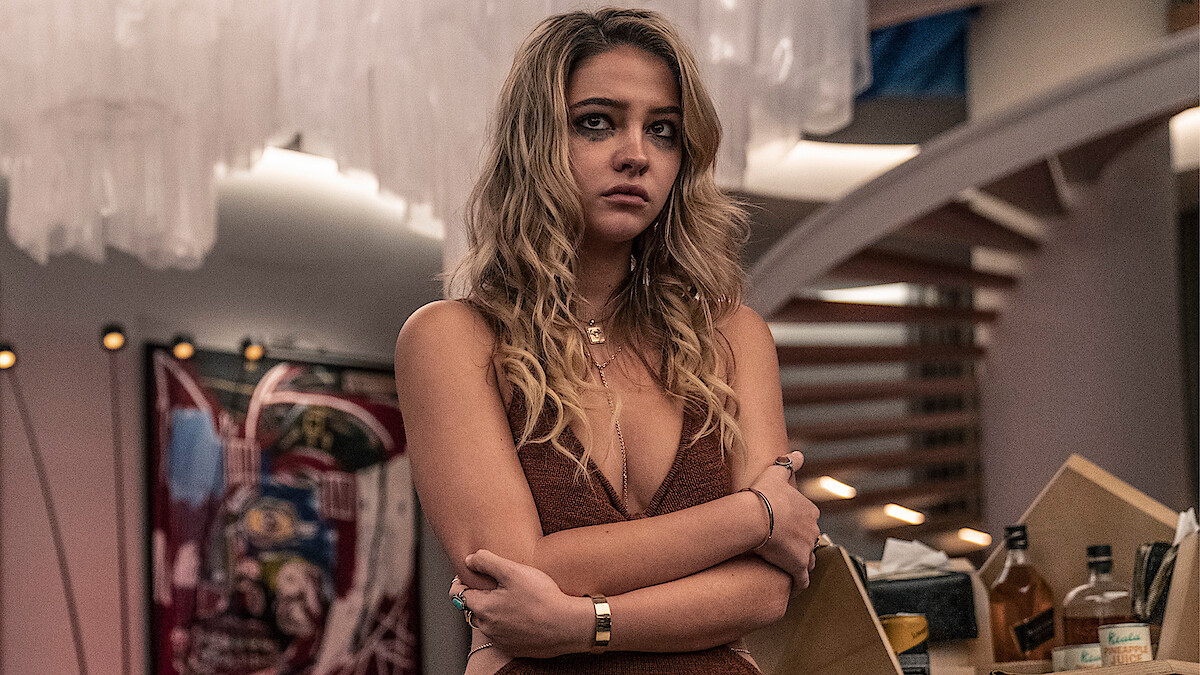
Instead of the passive observer that Blanc provides in the first act, Helen offers up a new, working-class perspective on the wealthy clowns of Bron’s island. As we reexperience moments of Monáe’s performance that may have felt odd or enigmatic at first, we begin to understand the very human impulses that drive Helen — whether they’re from a bit too much hard kombucha or a long-held grudge against Andi’s snobbish cohort.
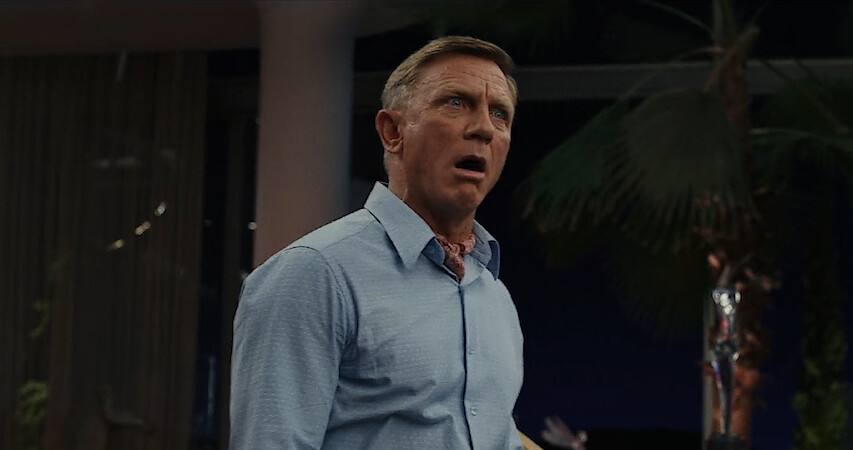
The twist also explains Craig’s mannered portrayal of Blanc in the first half, where he almost seems like too much Benoit Blanc. In the detective’s own words, he plans to distract Bron’s coterie with “some Southern hokum.” “That’s something that Daniel very much baked into it and it’s entirely because of the revelation in the second act,” Johnson says. “The only reason we felt comfortable doing that was because you then realize there’s a reason why he’s doing it in the second half.”
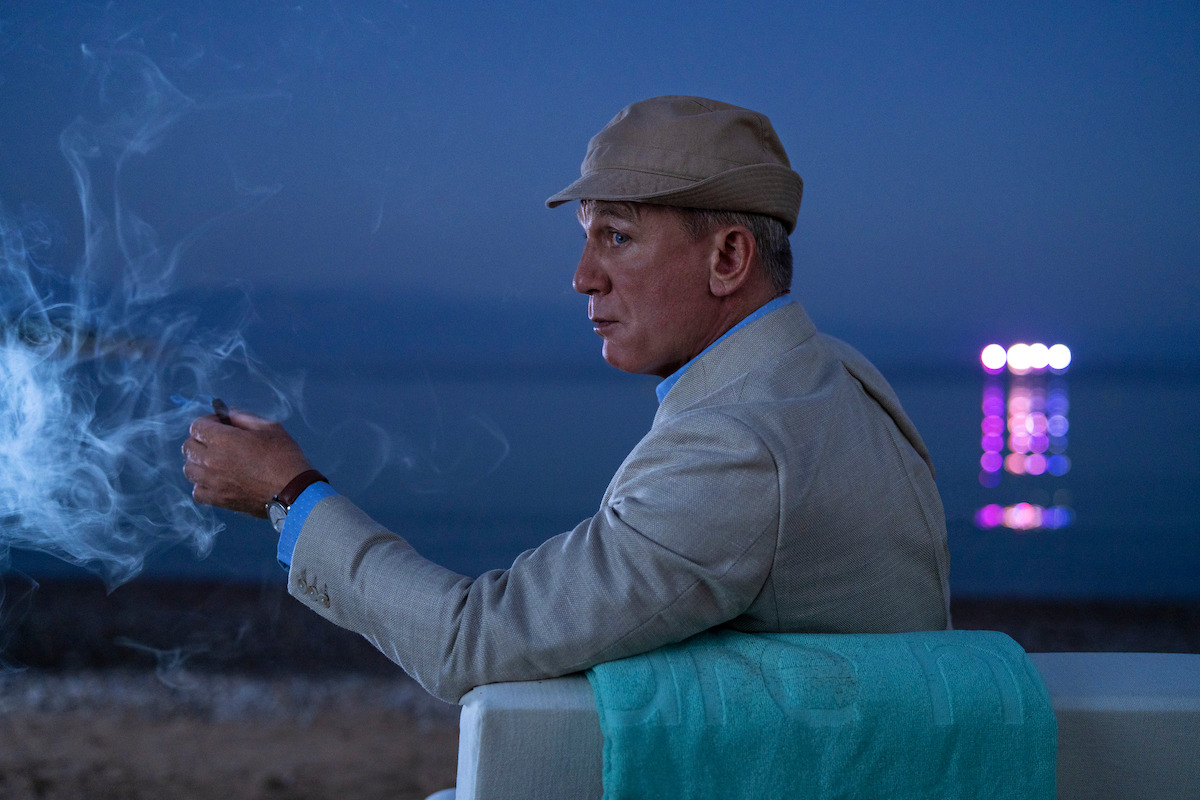
“I wanted to try and slightly unnerve the audience a little bit with the performance because I wanted it to feel like it was a little over the top,” Craig says. “ ‘Oh wow, what’s going on? This is sort of a weird version of Benoit Blanc.’ ”
Monáe, meanwhile, throws herself into her dual role with the commitment she brings to every element of her triple-threat career. “She’s a superstar, so having her around is just a joy,” Craig tells Tudum. “I had a complicated story to tell. But, boy, was hers complicated, and she just nailed it.”
Of course, that story only grows more complicated when Helen is shot and the film doubles back on itself. But this fugue flashback serves a double purpose: We also learn at its conclusion that Helen survived the gunshot wound, thanks to her sister’s conveniently placed journal. Enter some judiciously placed Jeremy Renner hot sauce, and it appears to the array of suspects that Helen is indeed deceased, leaving her free to investigate Miles’ villa for incriminating evidence.
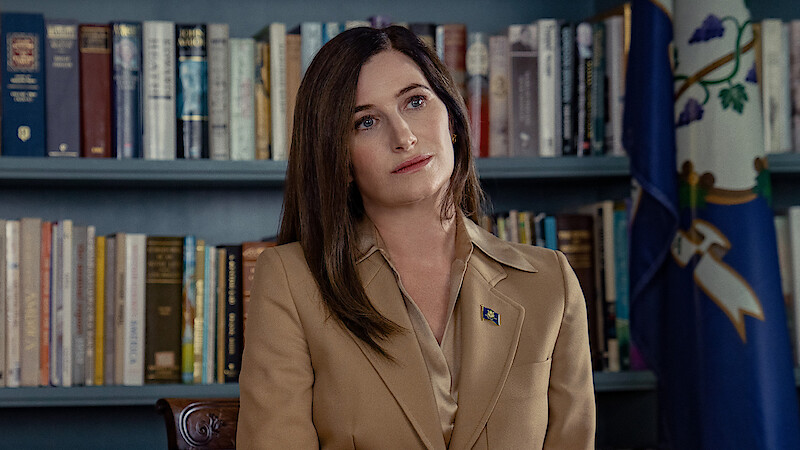
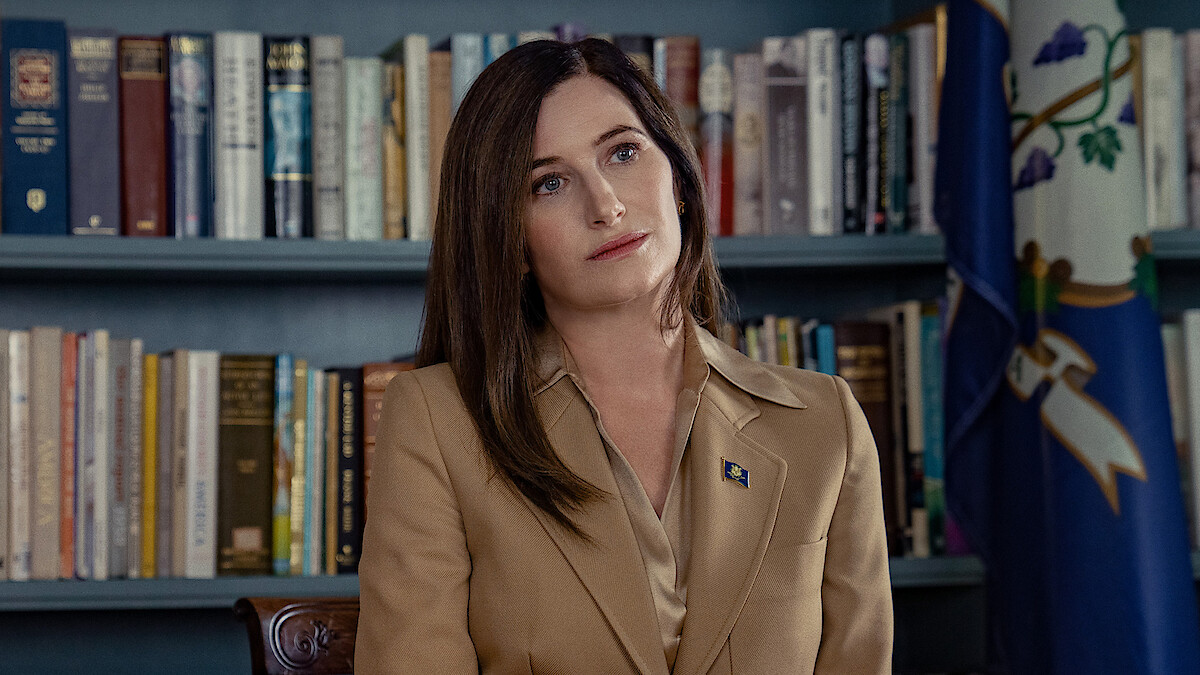
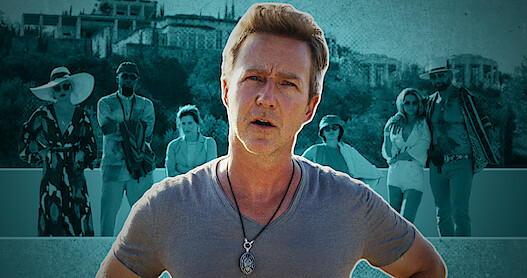
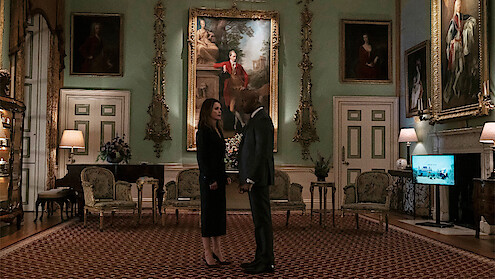
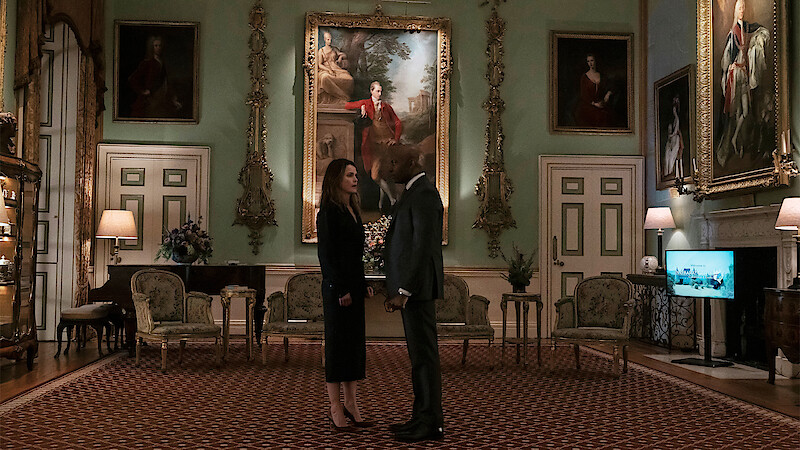
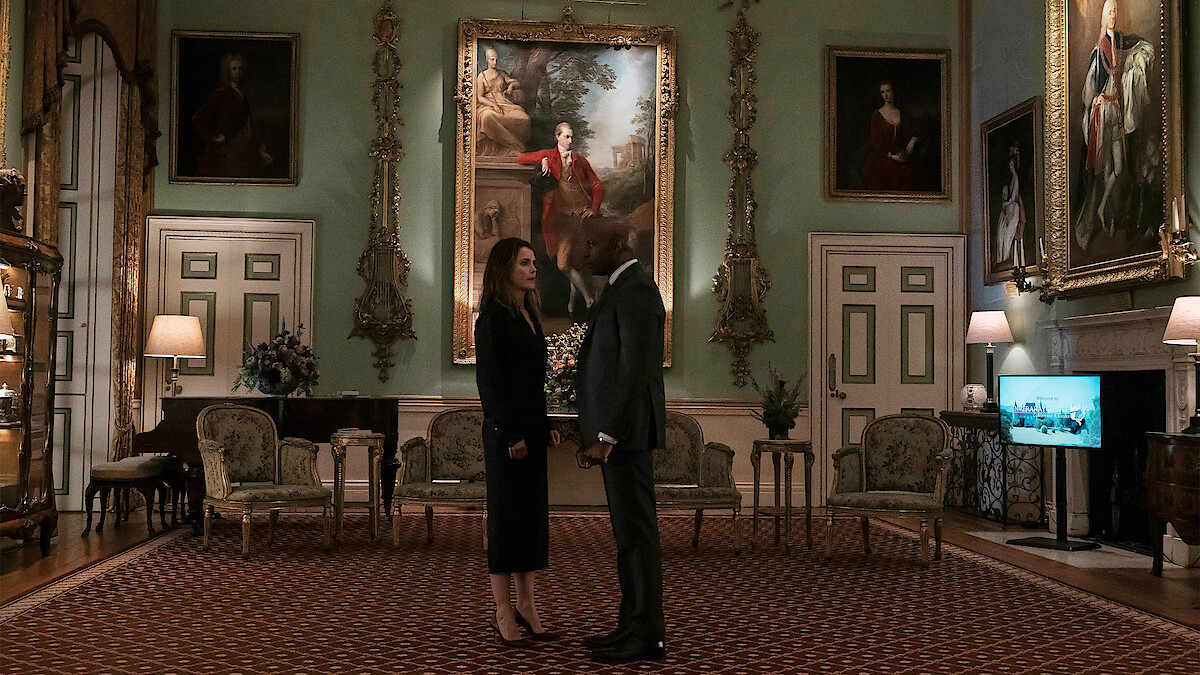
And she finds it — as it turns out, the greatest twist the film has in store is that Miles Bron is in fact stupid enough to kill his business partner, and to poison Duke in an attempt to cover it up. But after Blanc lays out the case against their host, Bron destroys the evidence against him, leaving Helen with only one option: burn it all down.
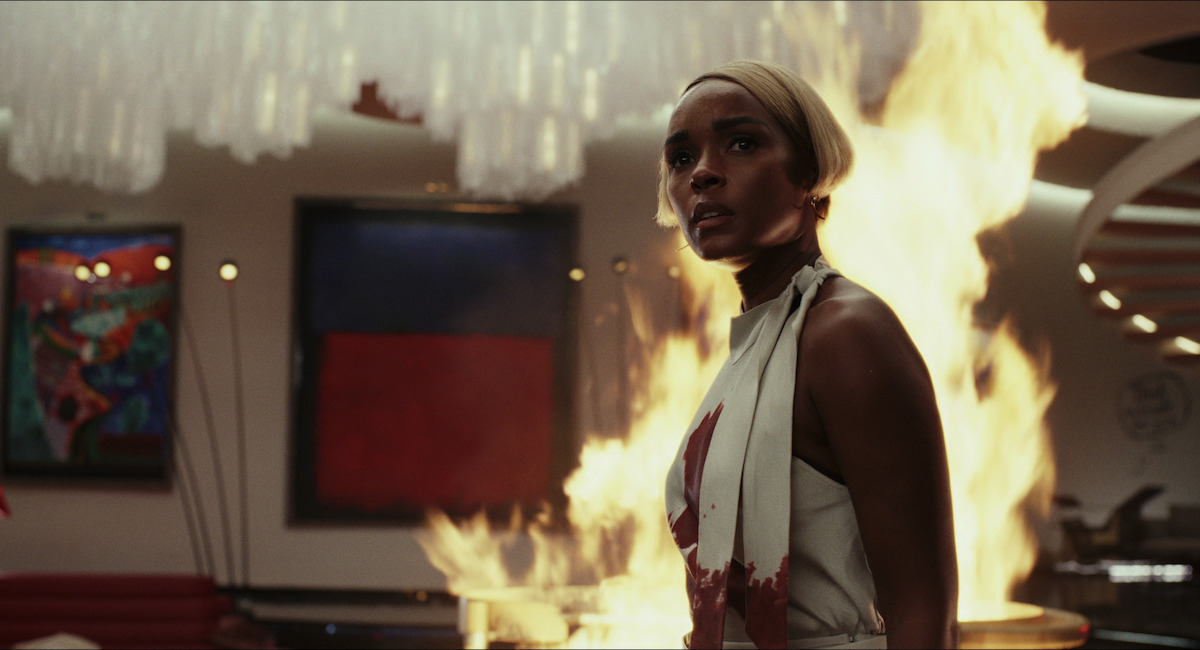
Using Bron’s unstable prototype hydrogen fuel, Klear, Helen sets the Glass Onion ablaze, including its most expensive inhabitant: the Mona Lisa itself, which Bron had rented from the Louvre mid-pandemic. Victorious in at least some sense, Helen retreats to the beach as the police arrive and takes a seat behind Blanc. “You ready to go home?” he asks, and she smiles — or does she?
“That felt like the perfect summation of the whole thing,” Johnson says. Like the Mona Lisa’s smile, Glass Onion is in a fugue state of its own, a musical puzzle that reveals a new dimension at every angle. And at its center is an enigma of a character who turns the film on its head, only to flip it right side up again with a dose of righteous justice. “Janelle Monáe Lisa,” Johnson says with a chuckle.
We couldn’t have said it better.
Glass Onion: A Knives Out Mystery is streaming now.