Javier Jaén
Culture
Why We’re Obsessed with Royals on TV
What does the allure of the monarchy’s enduring reign say about us?
By Maria Sherman
March 11, 2022
Heavy is the head that wears the crown — but what about those who gaze upon it?
Two things can be true at once: Some who live in democracies are obsessed with royalty, despite the fact that monarchy is, by definition, the antithesis of democracy. But it’s also somewhat of a contradiction: We idolize glamorous and archaic systems that once oppressed our ancestors. We dress up like royal couples for fun. (Of course, this fascination isn’t unique to Europe and its former colonies. Japanese emperors, Chinese dynasties, Egyptian pharaohs, Mayan kingdoms and African monarchies all come to mind.) Castles, scepters, horse-drawn carriages, lines of succession, marriage, birth, queens, kings, tradition, power — all these are woven into the fabric of human history. Monarchies also make for innovative prestige television, especially when delivered in an English accent.
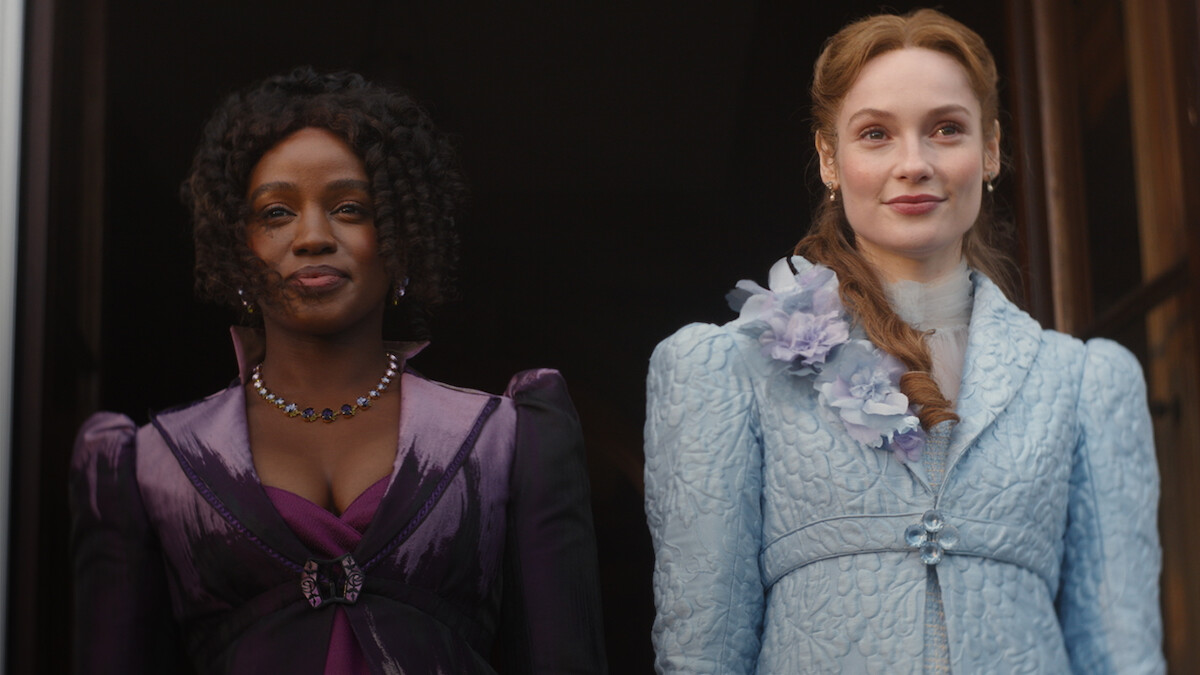
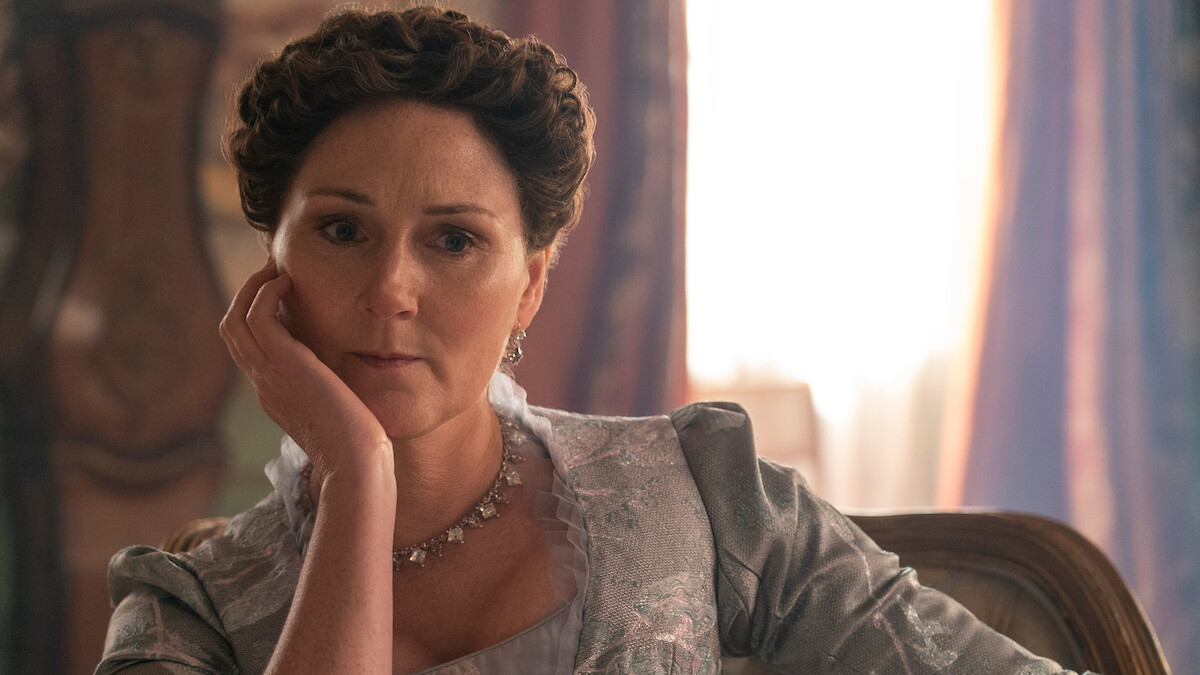
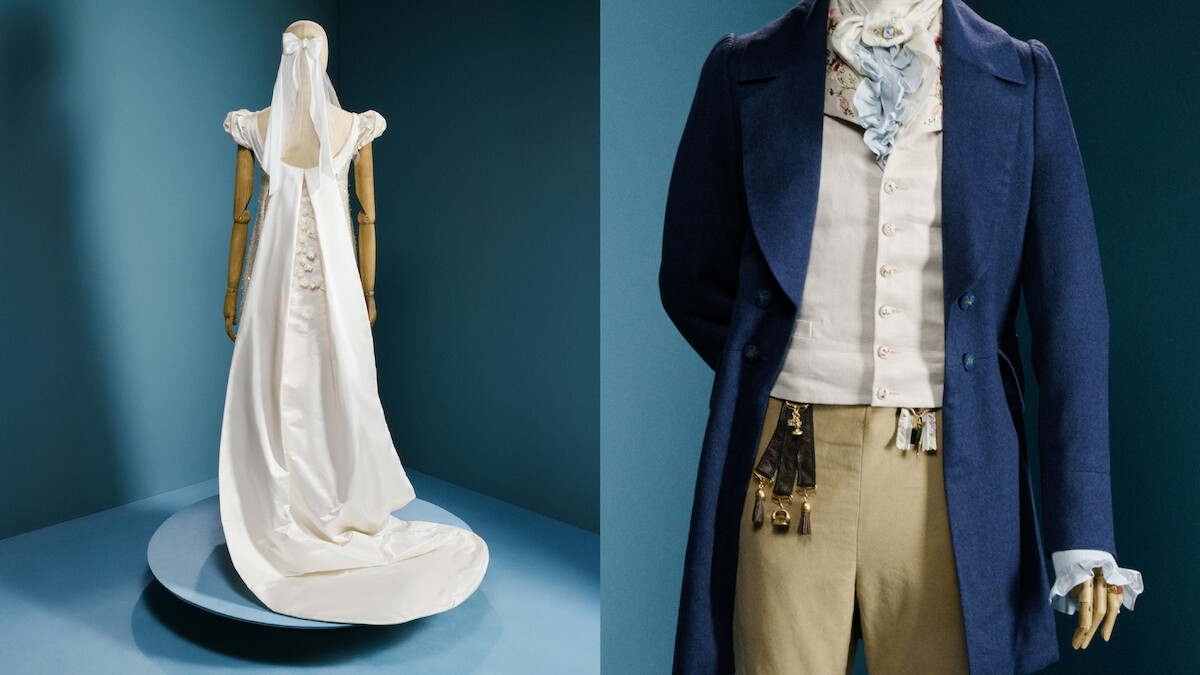
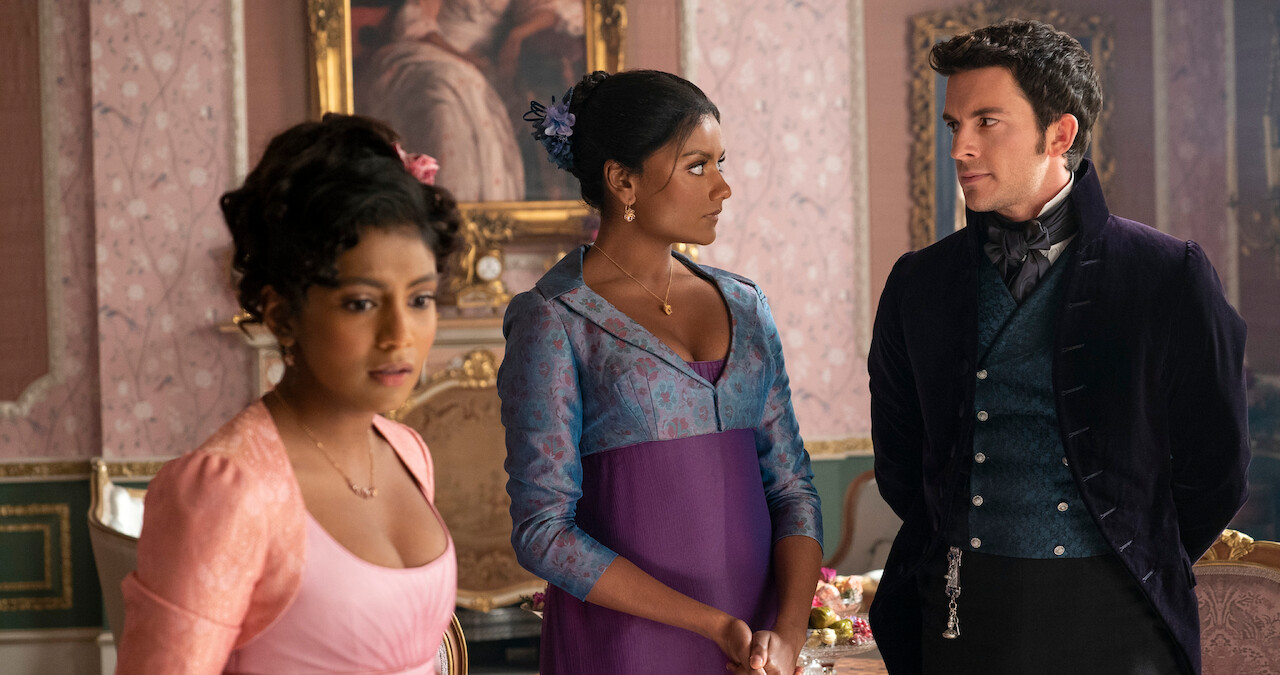
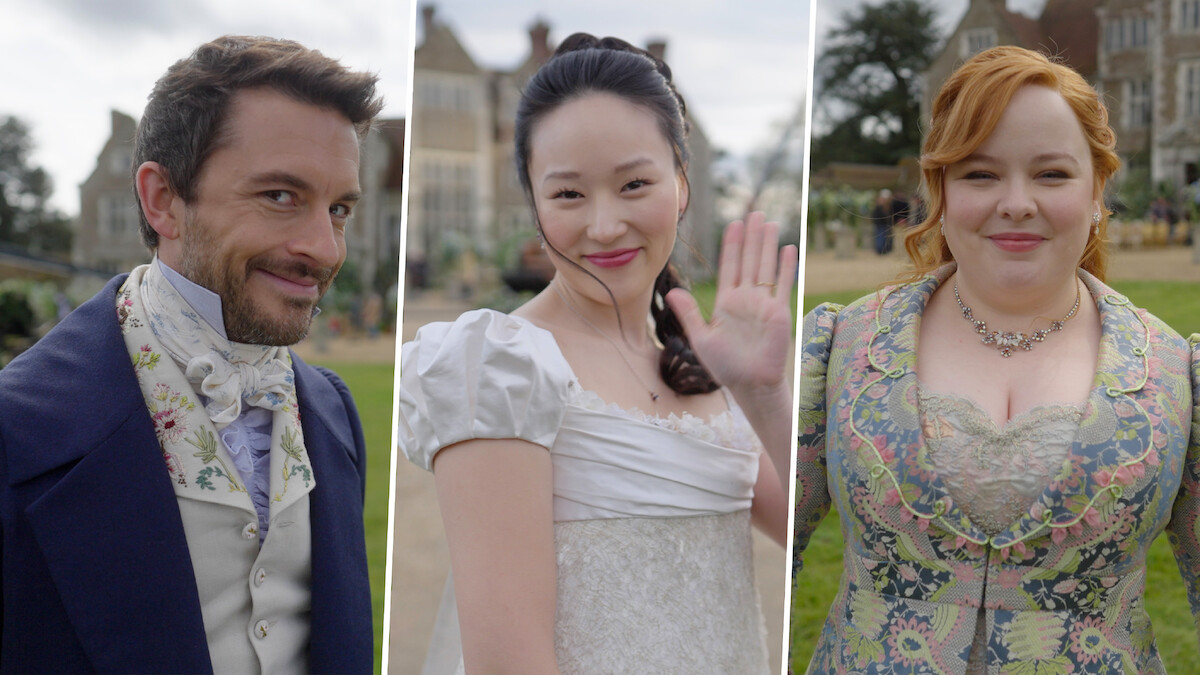
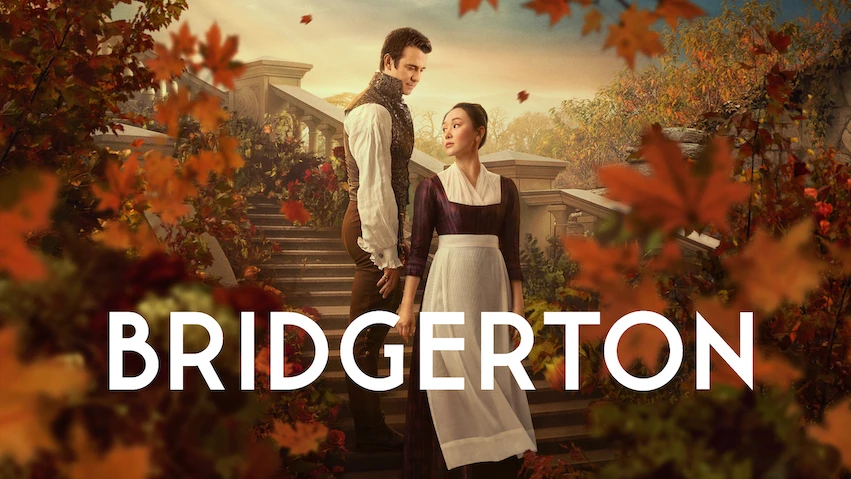
As we see in The Crown’s lavish cinematography and interpersonal drama, Bridgerton’s all-too-steamy Regency romance and Young Royals’ queer coming-of-age tale, the throne is ripe for dynamic storytelling. Yet in many parts of the world, nobility became an outdated form of government centuries ago. After all, having a chosen few at the top doesn’t bode well for equality: To most modern societies, a handful of untouchable families or entities ruling over the rest of us is perceived as unjust. So why are viewers obsessed with the concept?
“Grand, opulent and riveting stories [with] wealth and affluence weaved in and infused with themes of life, lust, fear, infidelity, ethical dilemmas, living up to social comparisons, desire, the longing to belong, to matter [have always been alluring],” Dr. Sudeepta Varma, a psychiatrist and clinical assistant professor at NYU’s Langone Medical Center, tells Tudum. “The times may have changed, but the human elements of these shows are just as relevant and intriguing to us today. Humans thrive on drama.”
Varma argues that our attraction to royalty television and film reflects a simultaneous desire for entertainment and for escape — some of the same reasons we love reality TV. “[Humans] have long been fascinated with royalty because it offers a mixture of fairy tale, next-level living combined with drama, gossip and chaos,” Varma says.
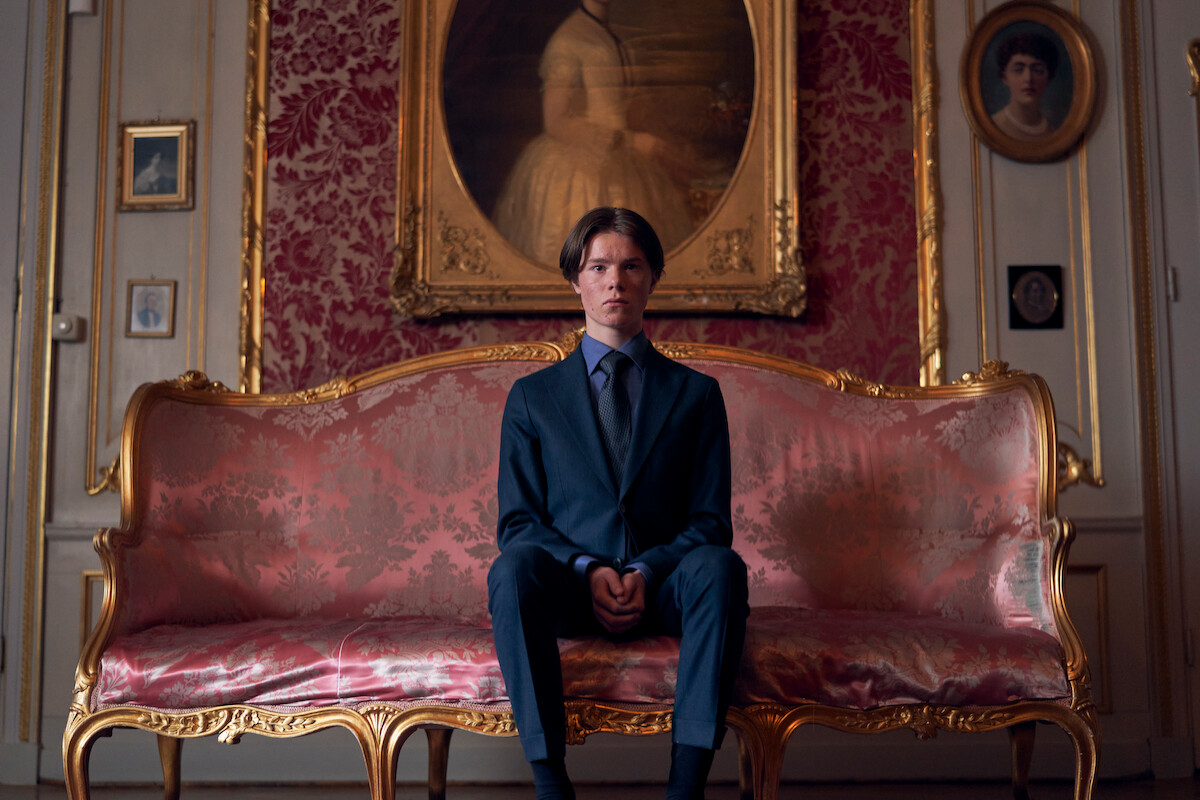
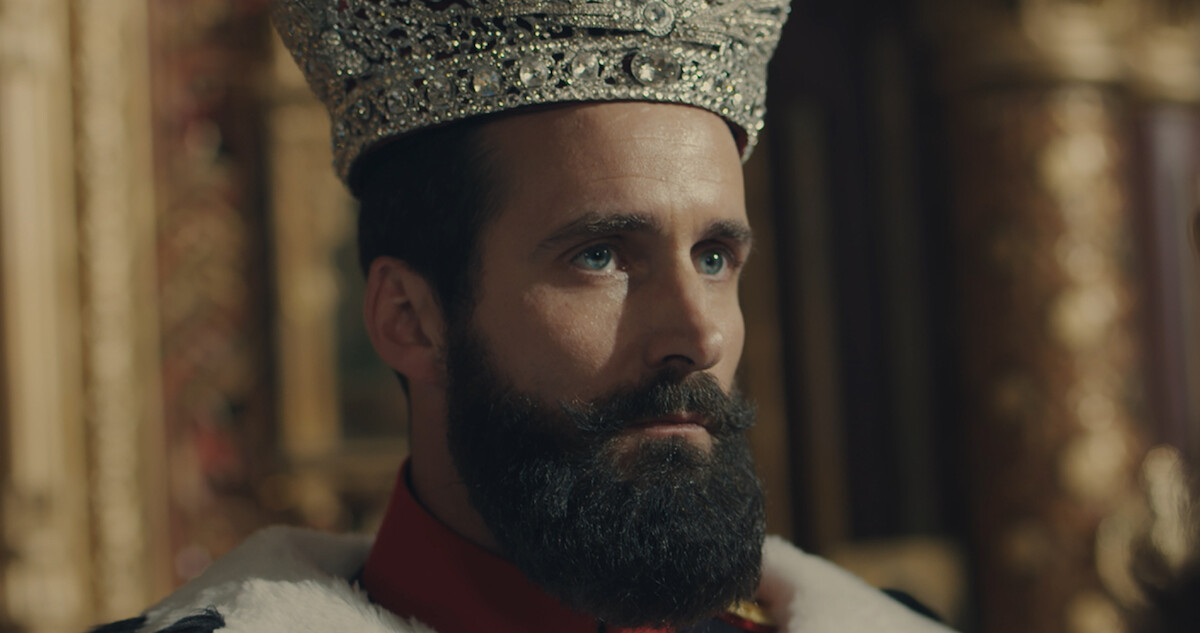
Edvin Ryding as Prince Wilhelm of Sweden in Young Royals.
“We need to unplug,” she adds, “and distraction and healthy escapism are coping techniques for a lot of people.” It can become a problem, however, if your royalty fandom turns into a fixation that evolves into a form of celebrity worship. “People enter into what are called ‘parasocial relationships,’ one-sided experiences where they know everything about their celebrity fascination... with a lot of energy, interest and enthusiasm,” Varma says. “And yet, the other party isn’t even aware of their existence.”
That’s more of an issue if you’re obsessing over the whereabouts of Meghan Markle and Prince Harry, but rewatching a few seasons of The Crown? Go for it. Our attraction to nobility is also arguably based on a deep-seated need to maintain conventionality and familiar institutions. “There’s something comforting about the idea that there are these very special people who are at the very top of our social systems — that are hopefully benevolent and powerful enough to take care of us in some way — whether that’s reality or in our fantasies,” John Jost, author of A Theory of System Justification, explains. He believes that idolizing royalty allows us the opportunity to “make sense of the world in a very simple way,” and because it’s a “social system that has worked in certain respects for thousands of years... it found its way into our popular culture in the form of nursery tales and, now, television and film.”
Jost says there’s a level of aspiration to these stories. “People who are seldom in positions of power get to, in a way, imagine and play with [the idea of being nobility] as a fantasy.” Jost speculates that contemporary interest in royalty TV shows and films could also be indicative of a larger political shift. “There’s a lot of frustration over how polarized society is, how our democratic mechanisms [are unable] to make clear decisions to move on and forward,” he says. “Nobility, where there is a small population at the top making the decision[s], is a more efficient form of government — not necessarily a more just form of government, but a more efficient one. This [interest] could be an escape from the ugly reality of what we consider democracy in the United States.”
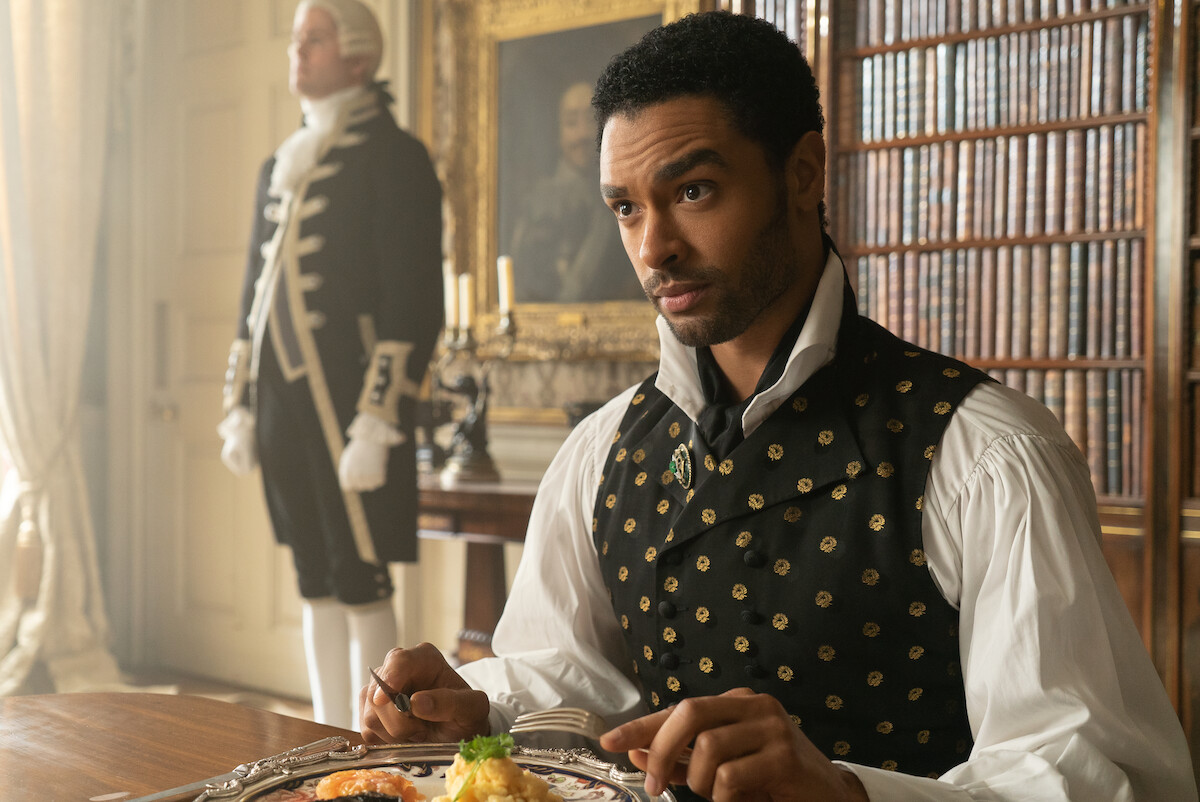
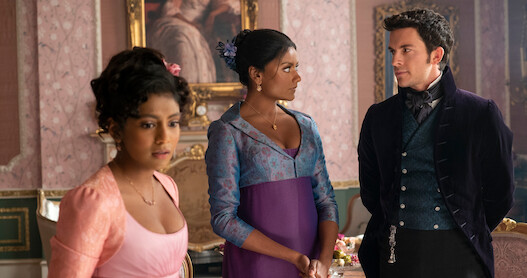
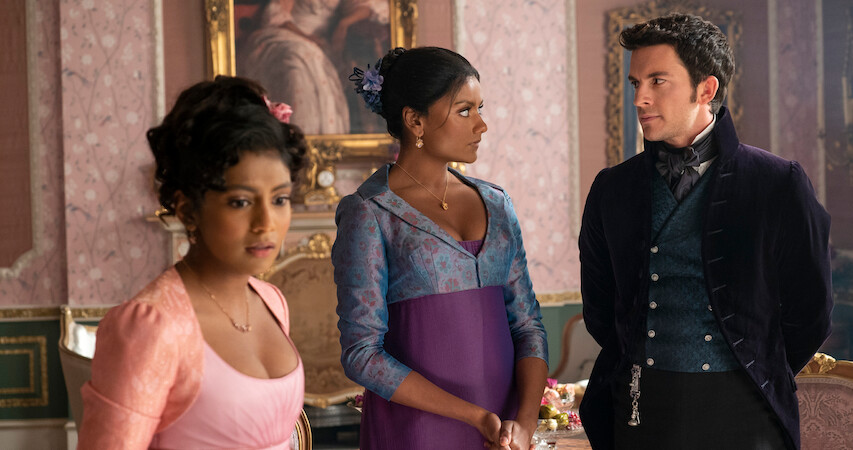
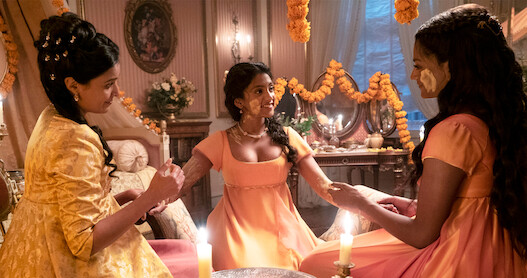
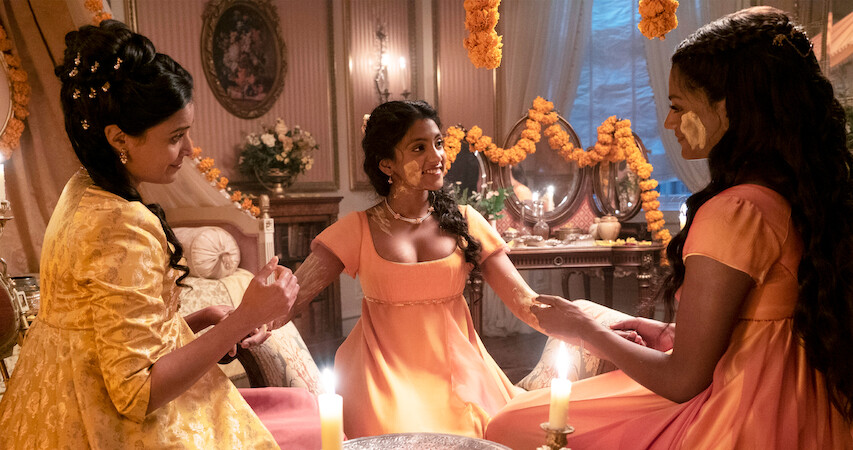
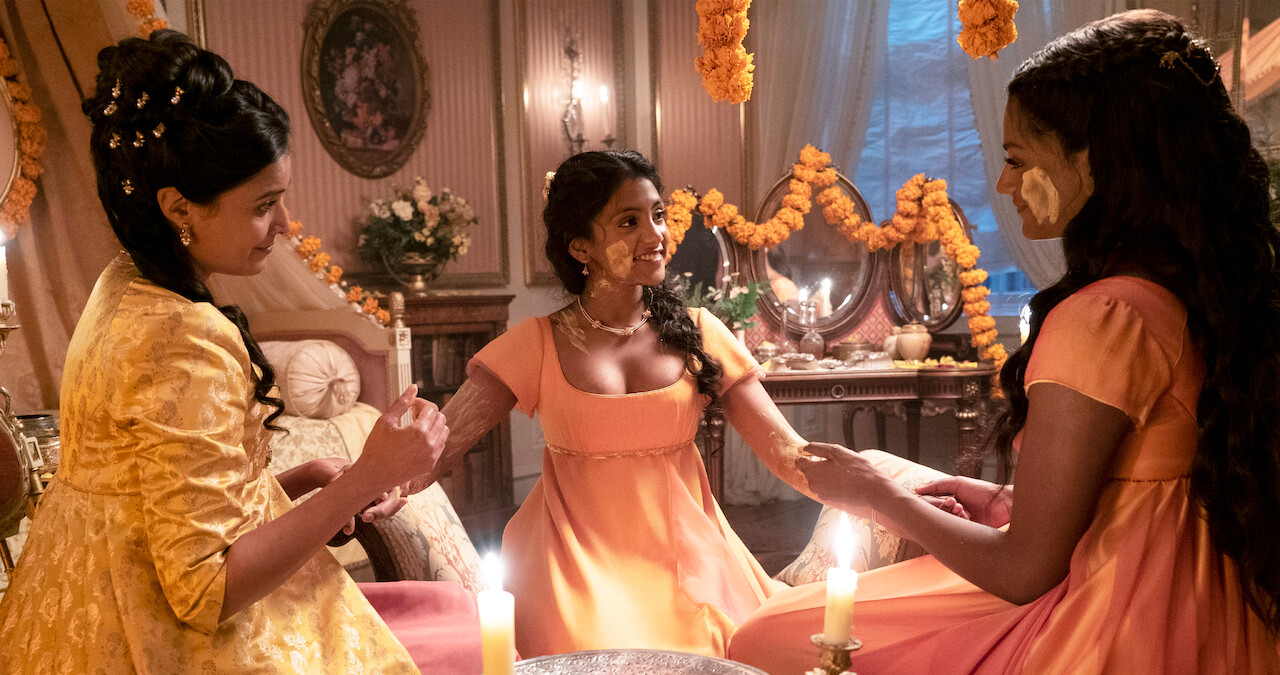
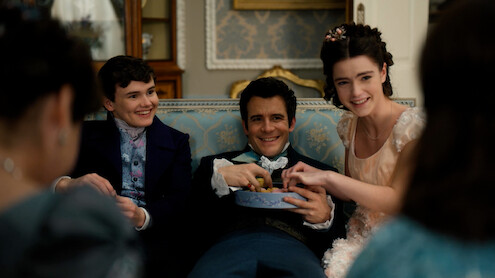
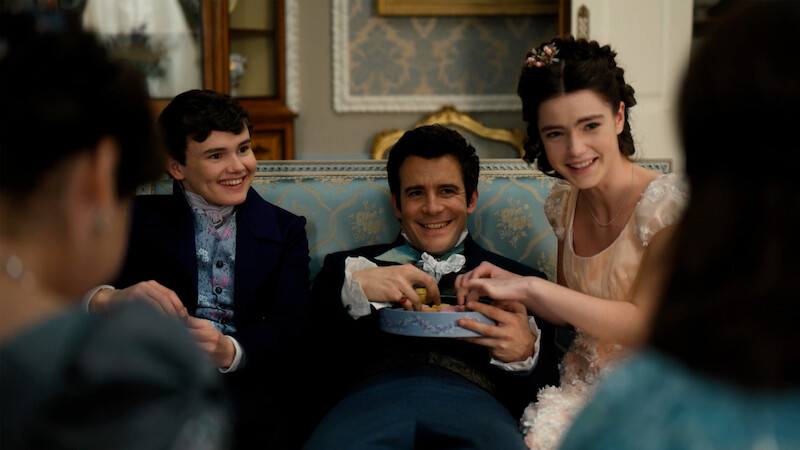
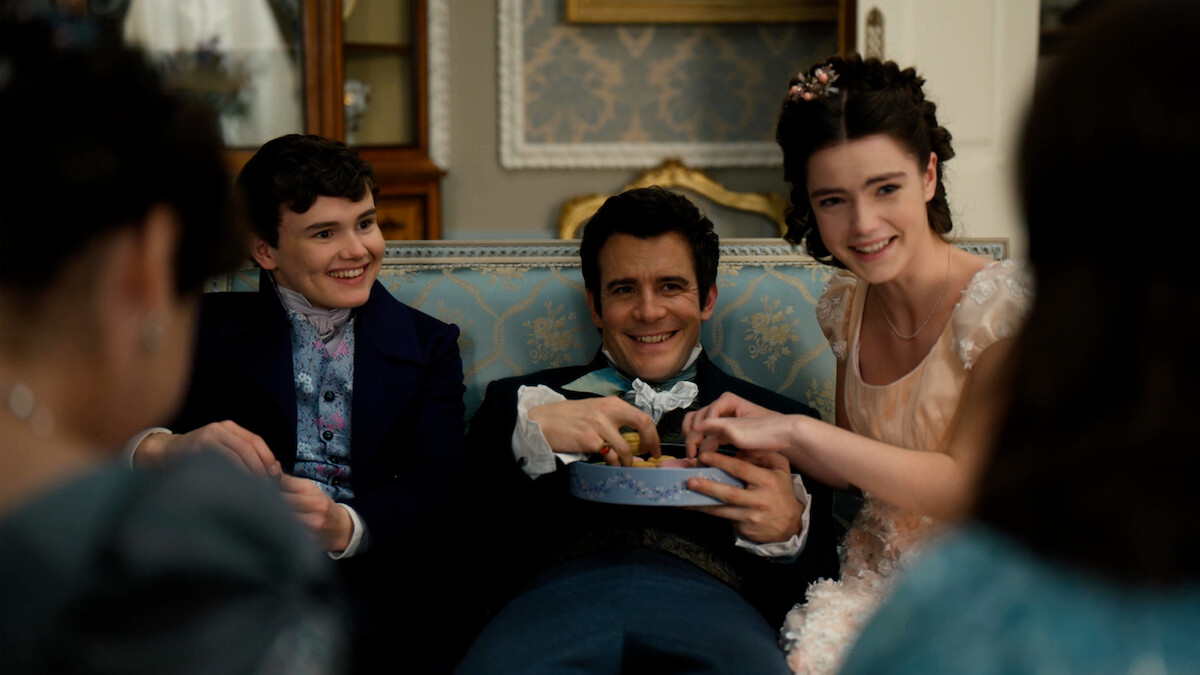
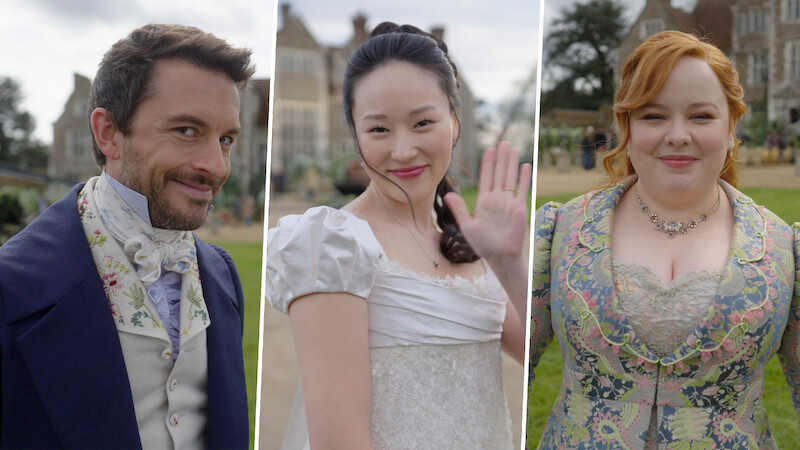
Regé-Jean Page as Simon Basset, Duke of Hastings, in Bridgerton.
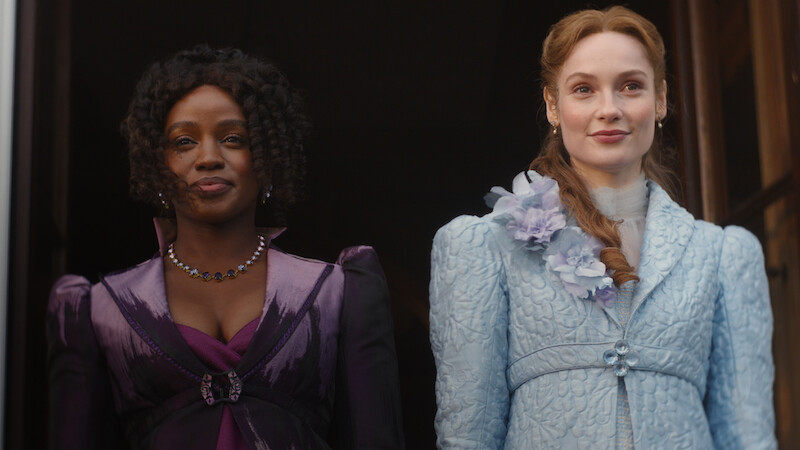
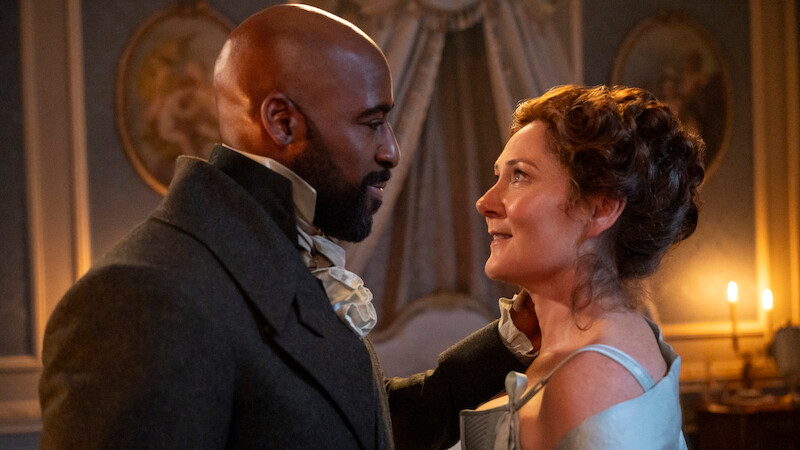
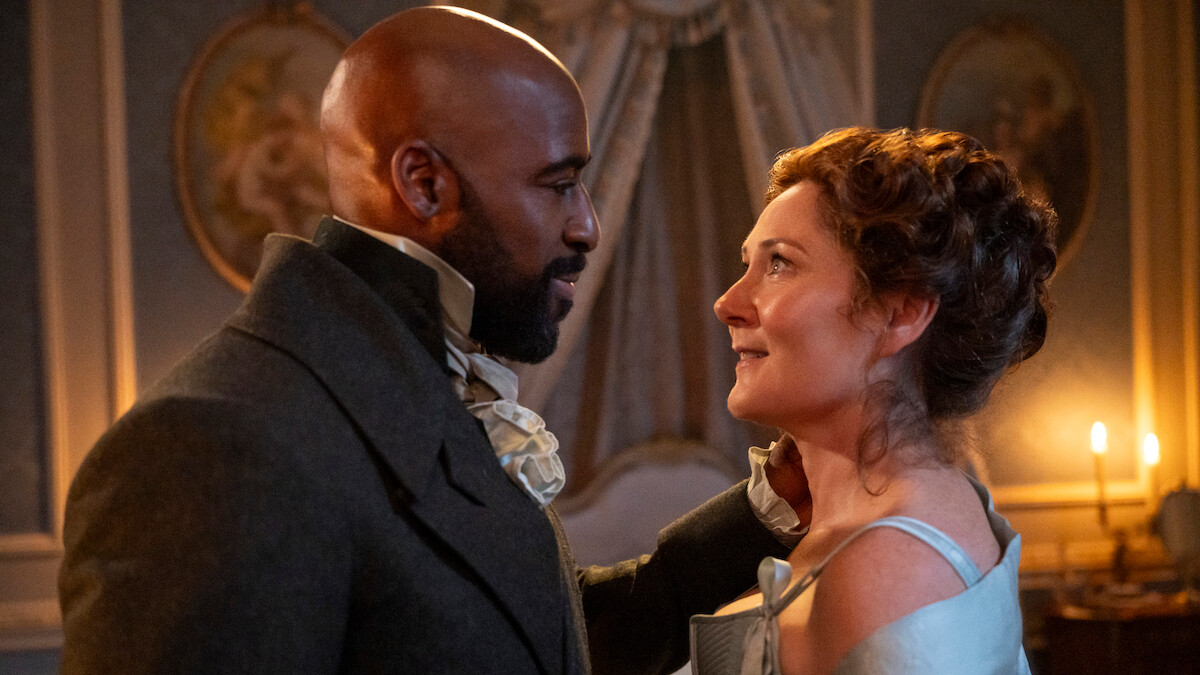
Arianne Chernock, an associate professor of modern British history at Boston University, has a more optimistic take. She says the format of a show like Bridgerton, where exploitative patriarchal power remains but racial progress thrives — Queen Charlotte (Golda Rosheuvel) is Black, for example — allows viewers to consider alternative histories. “[With a] lot of [Bridgerton], the appeal of that show was eye candy. I’m a historian. I could try to give you a more scholarly take, but part of why I was drawn to it was the visual element. It was hot. There was that romance quality,” she explains. “But why did it get a lot of press? Because [of] what it was doing to [prompt viewers to] think about race and alternative paths for Britain. It’s a way of actually grappling with pressing, important issues in a way that doesn’t feel like work.”
The same could be said about the queer romance at the center of Young Royals. If watching this new generation of royalty TV allows viewers to think more progressively about race and gender, does it also give them the ability to reevaluate things that actually happened? Chernock says yes — and shows like The Crown allow us to view women in power as being more than ceremonial figureheads. “[Monarchy] is almost protofeminist by accident rather than design. The fact that women were allowed to reign was a convenience when that policy was decided to ensure successions,” she says. “But in reality, it has allowed these outsized personalities to have prominent roles on the world stage, long before women had any rights.”
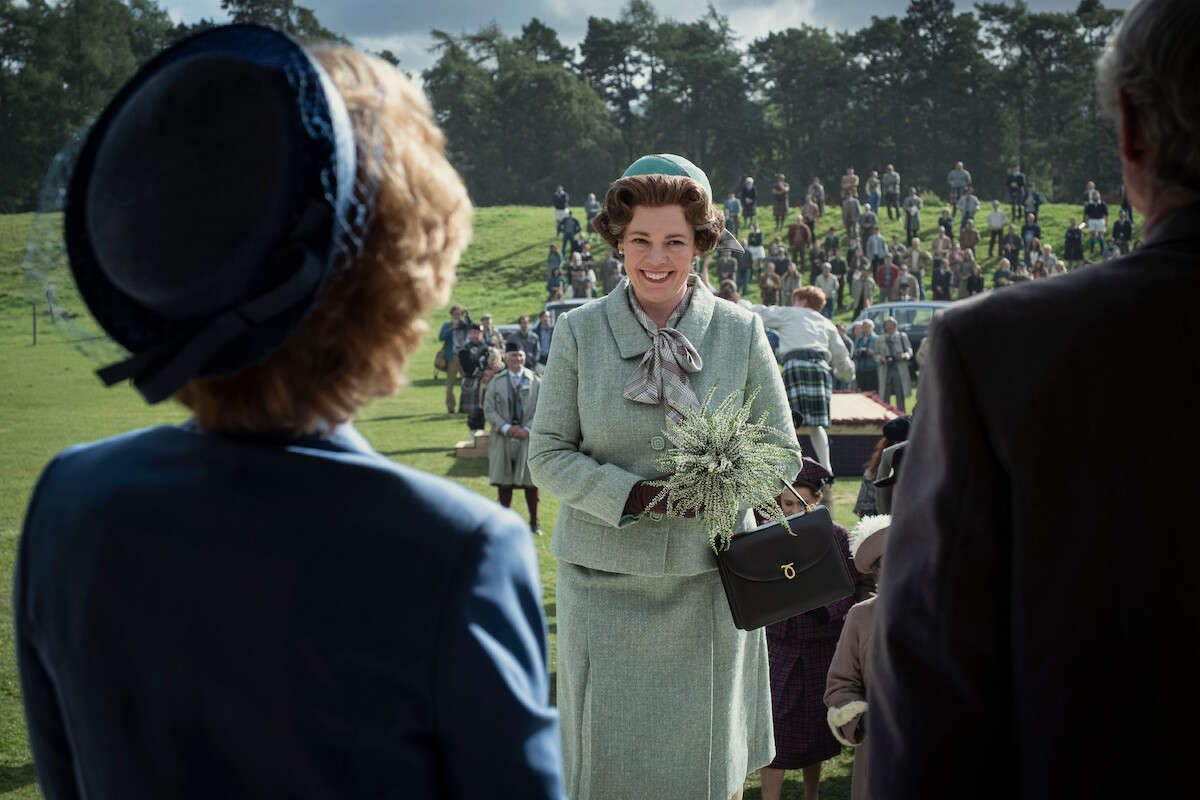
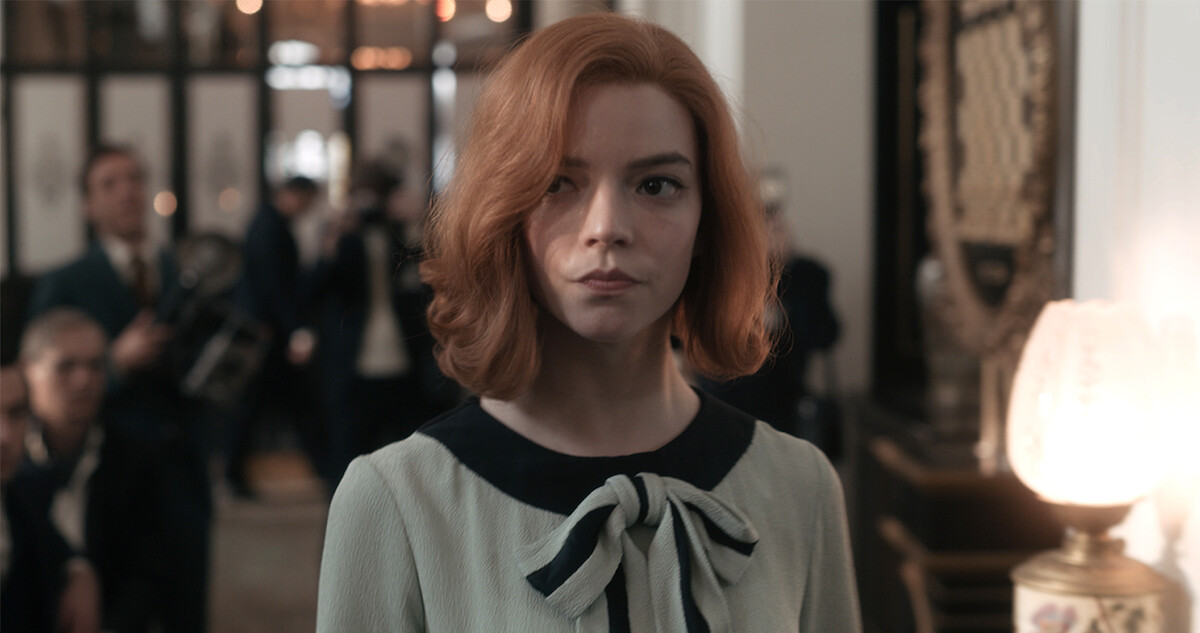
Olivia Colman as Queen Elizabeth II in The Crown.
So there are empowering reasons to watch these shows, but it depends on your approach. Chernock compares it to childhood, where children like to dress up as princesses and pretend they’re royalty. “Parents get very dismayed about that stage, but I always encourage people to be a lot more generous in their thinking about it,” she says. “Listen to your daughters when they take on those roles. It’s actually giving them license to be commanding and authoritative. They’re not just talking about their Prince Charming.” It’s no wonder that as people age, they continue to do the same: We just watch it on Netflix instead of playing pretend.